Ancient Coins

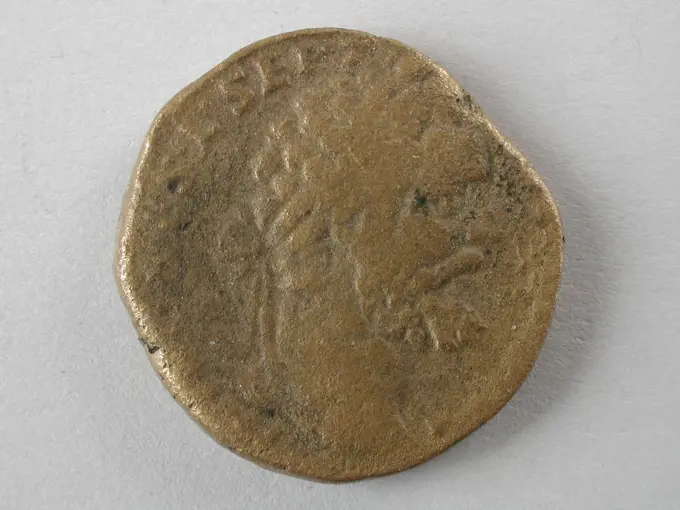
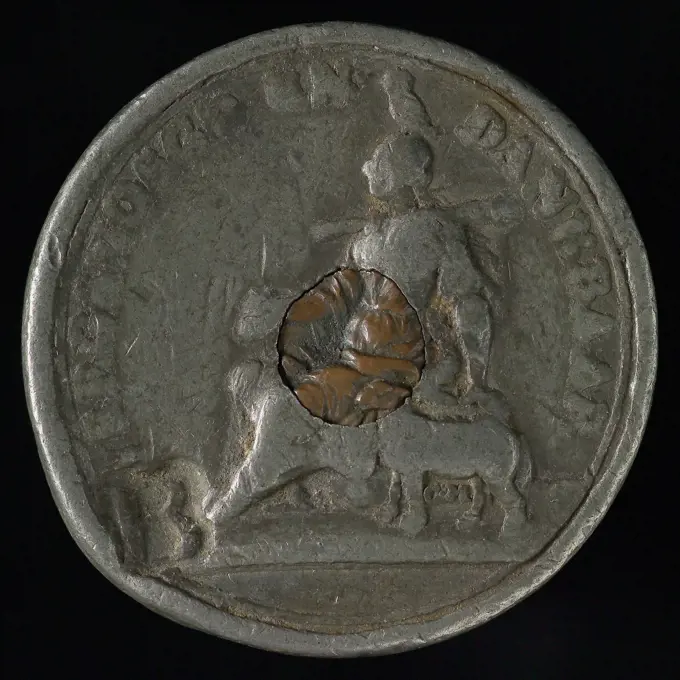
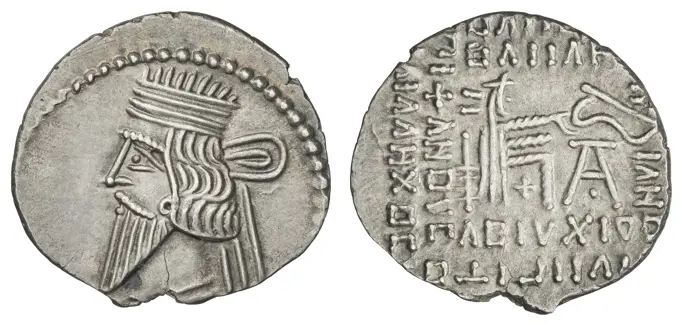
Distinct ancient coins depicting historical figures and symbols. They feature intricate designs, reflecting rich cultural heritage and classic artistry.
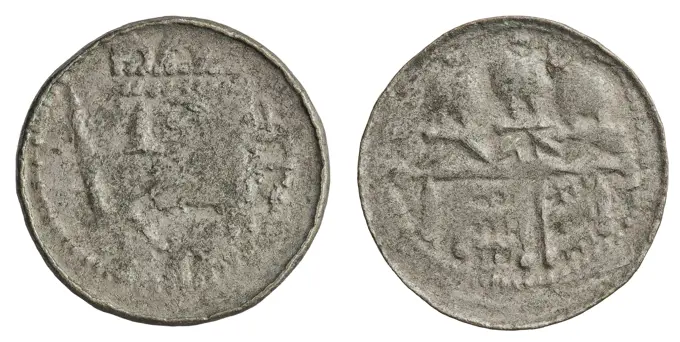
denarius (royal type). Bolesław II Śmiały (król Polski ; 1058-1079), ruler
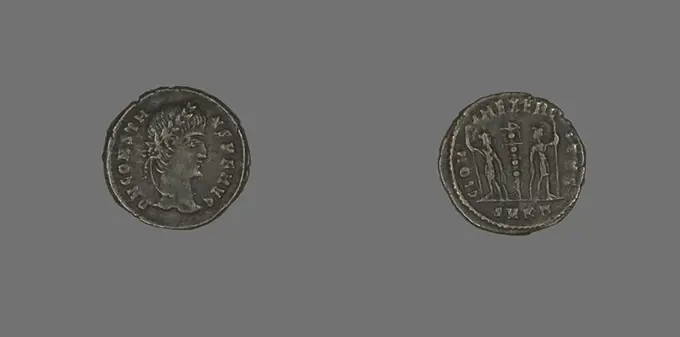
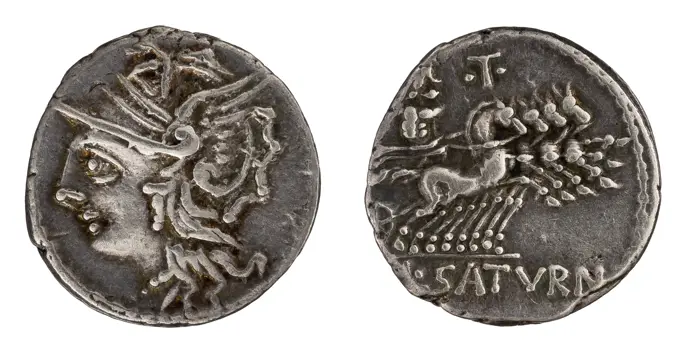
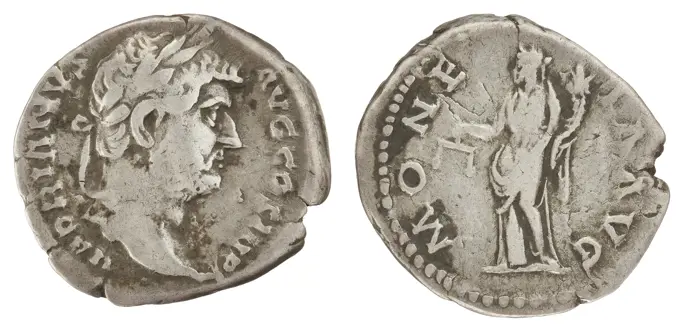
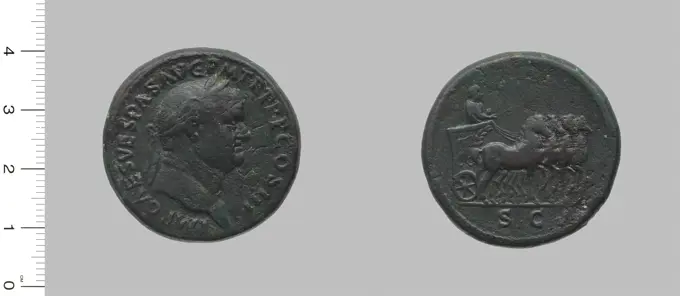
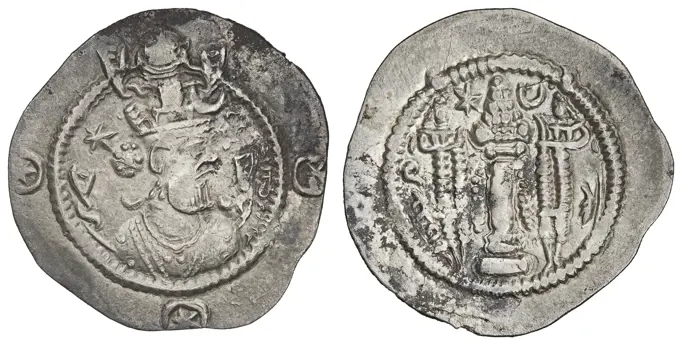
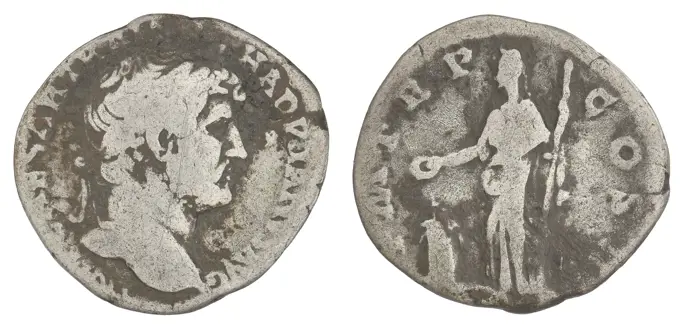
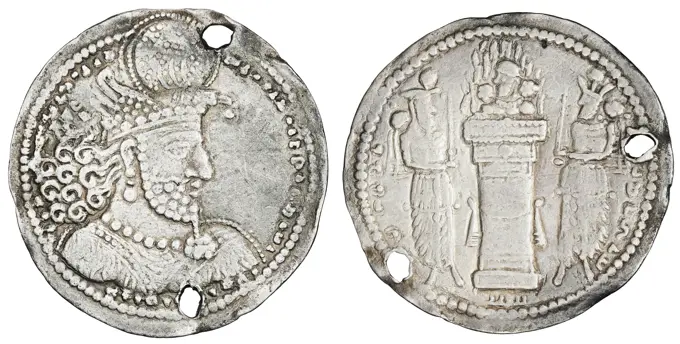
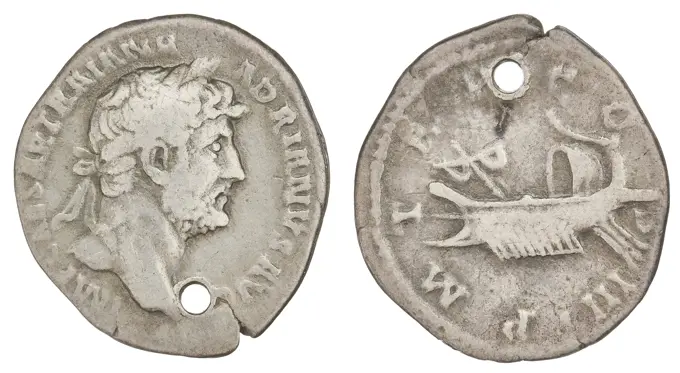
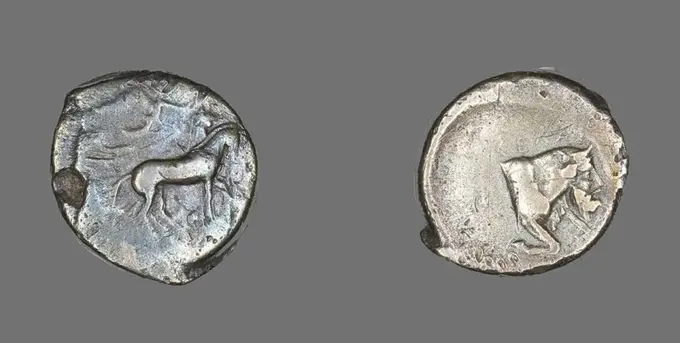
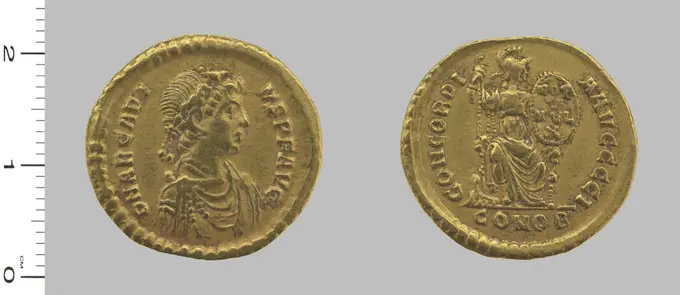
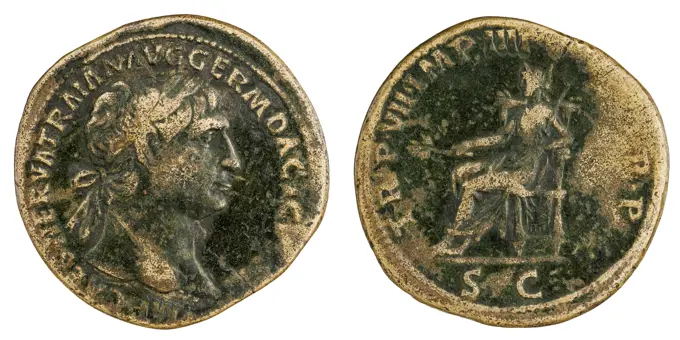
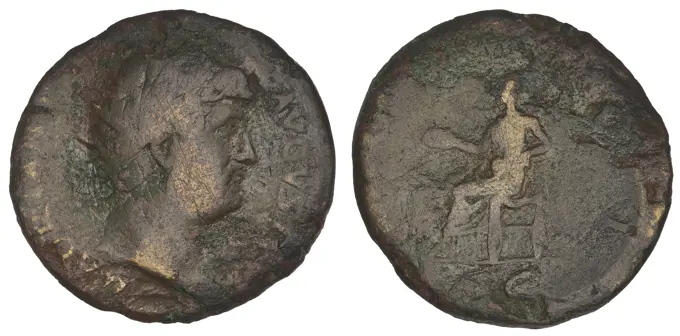
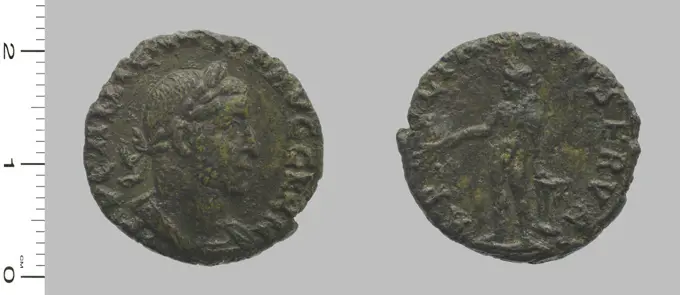
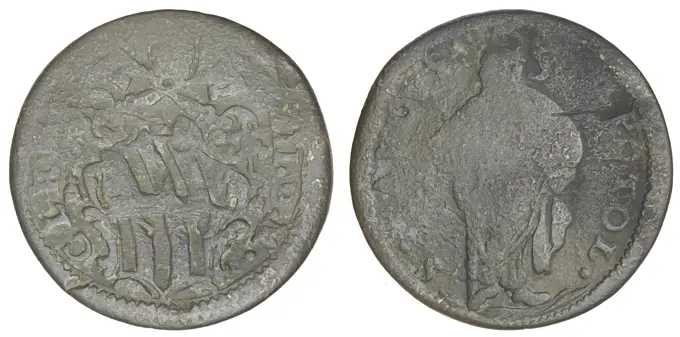
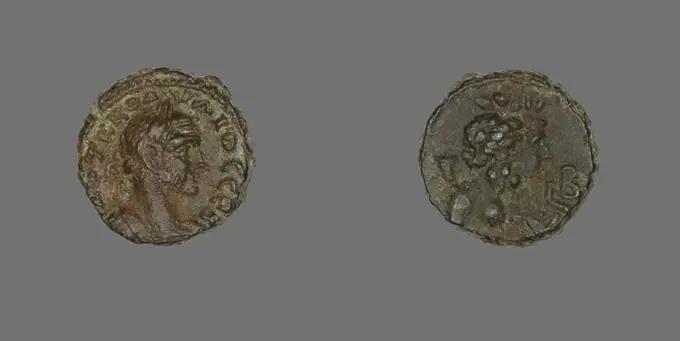
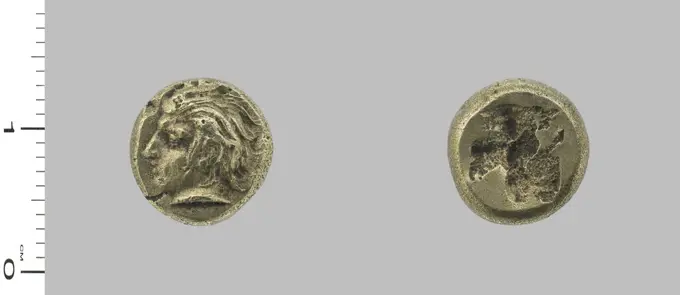
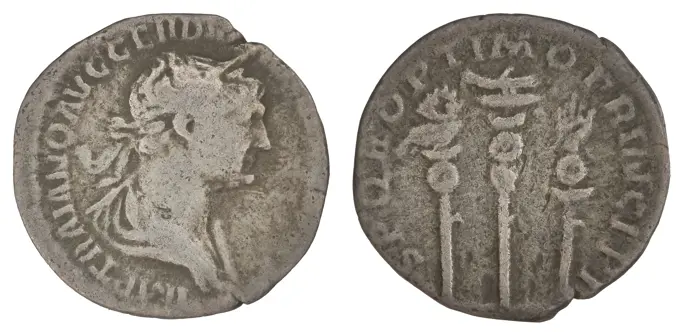
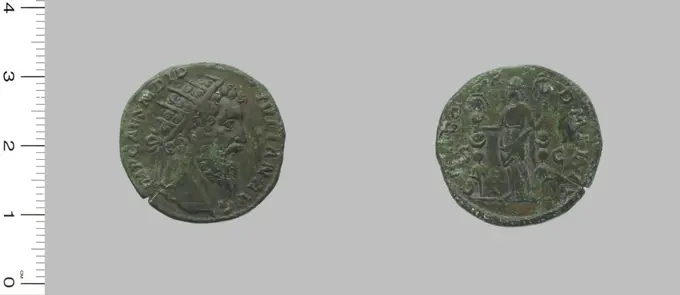
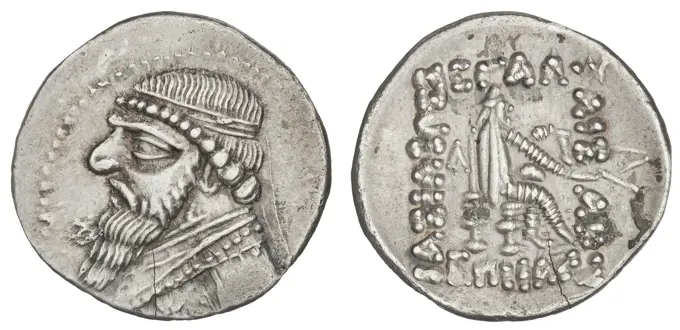
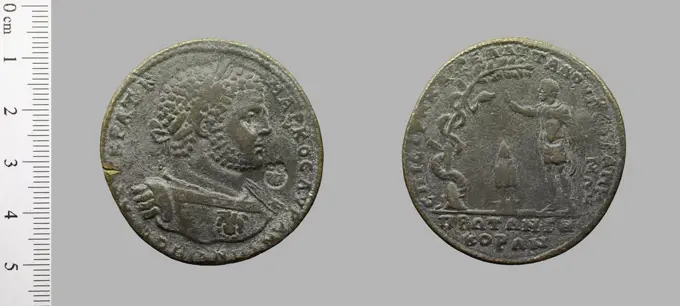
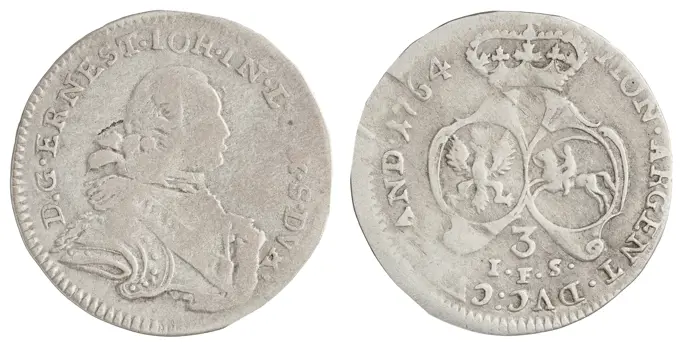
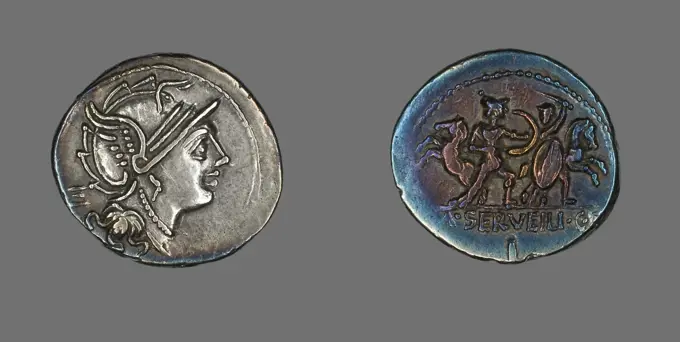
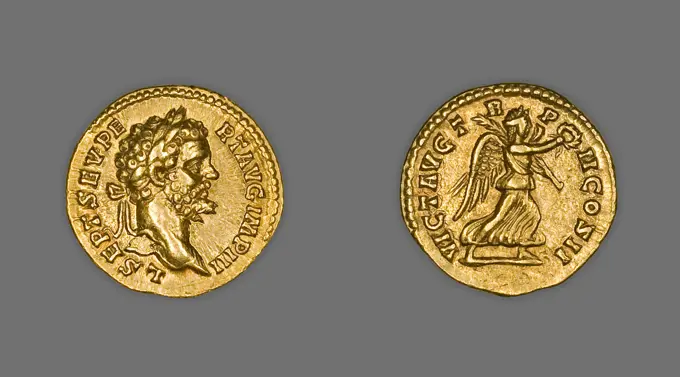
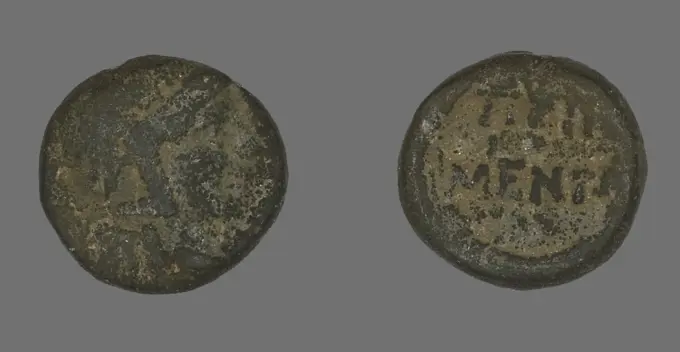
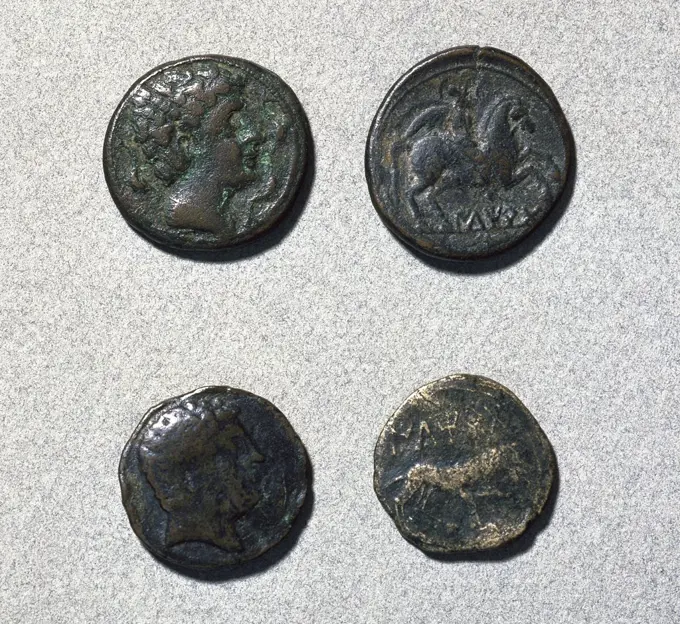
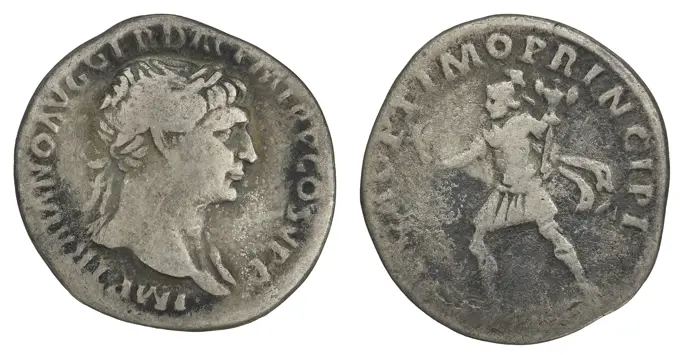
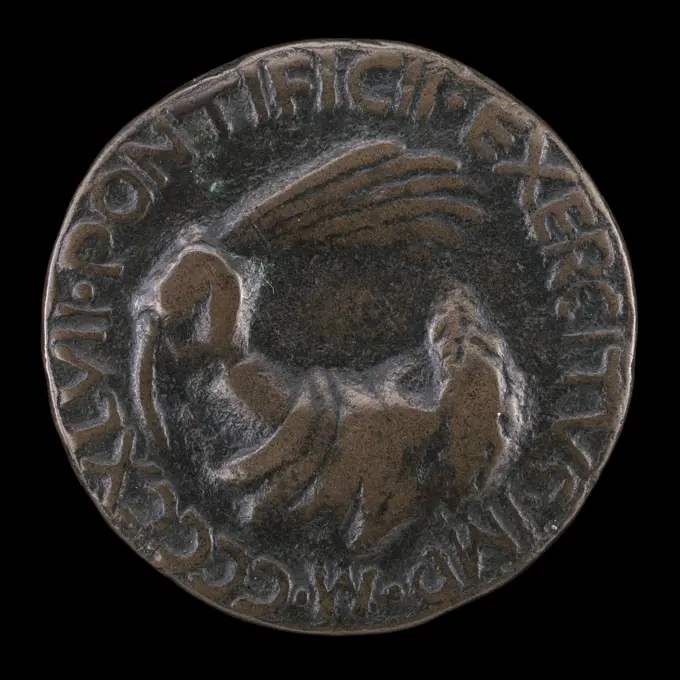
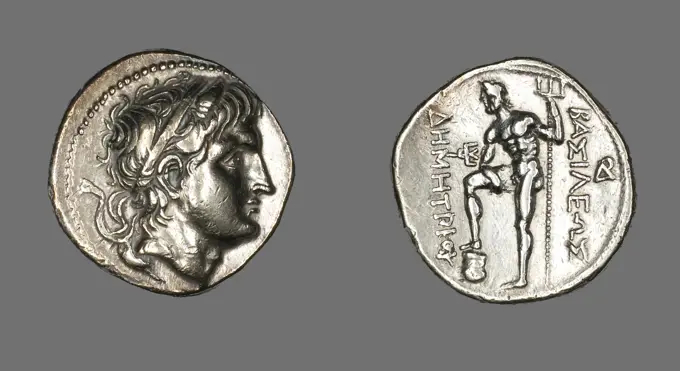
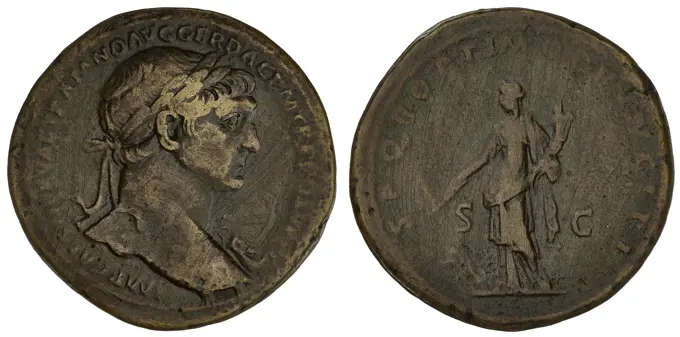
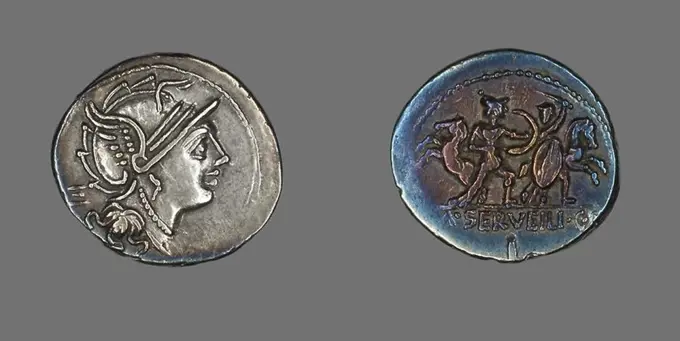
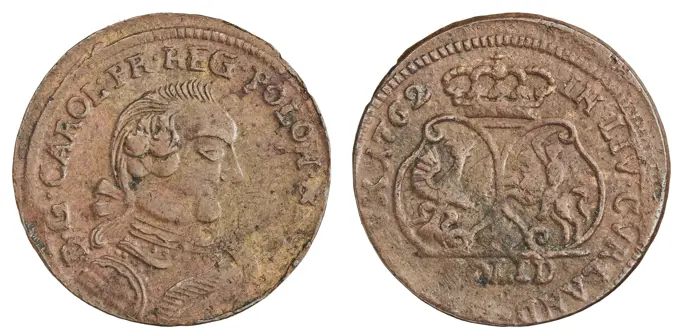
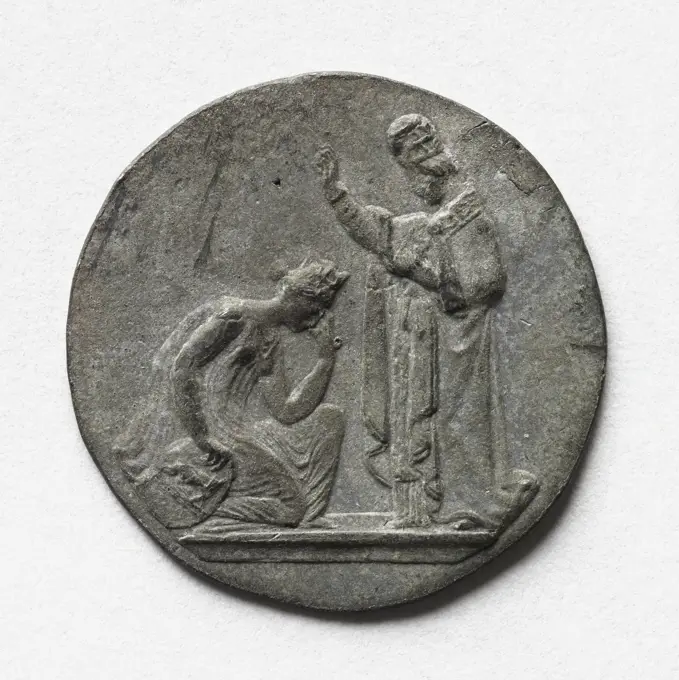
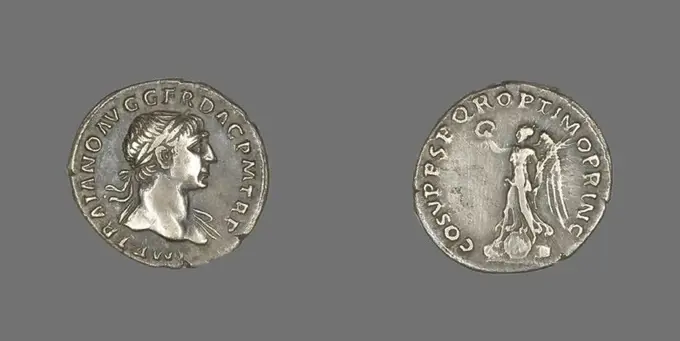
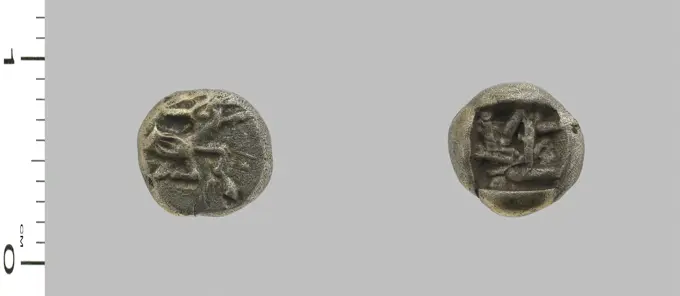
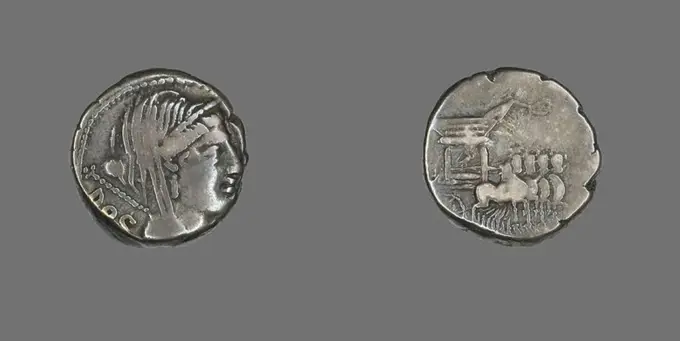
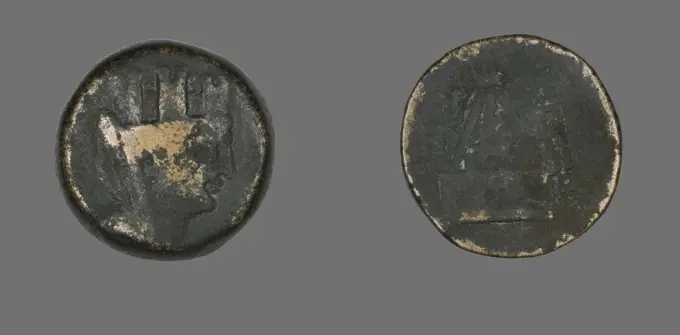
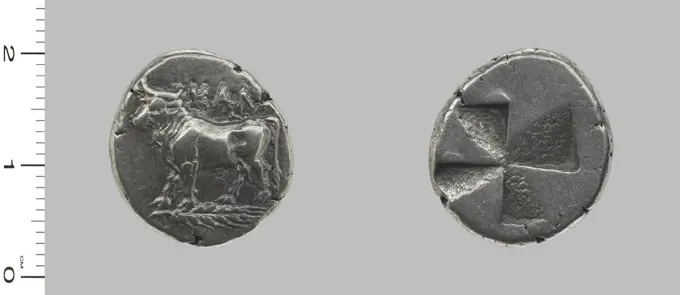
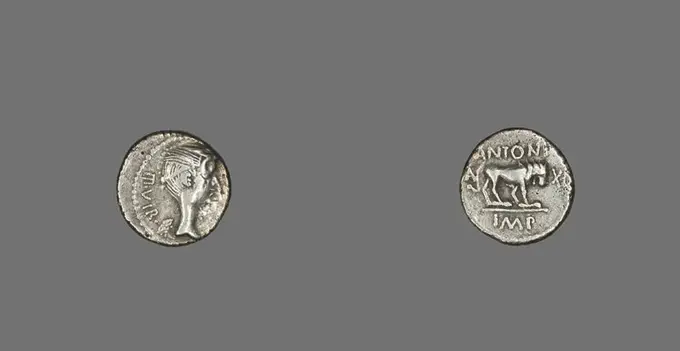
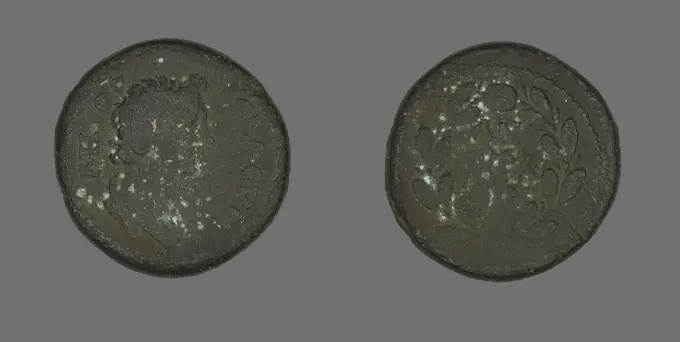
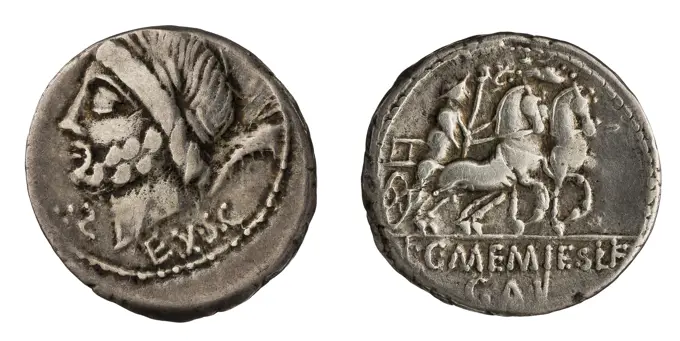
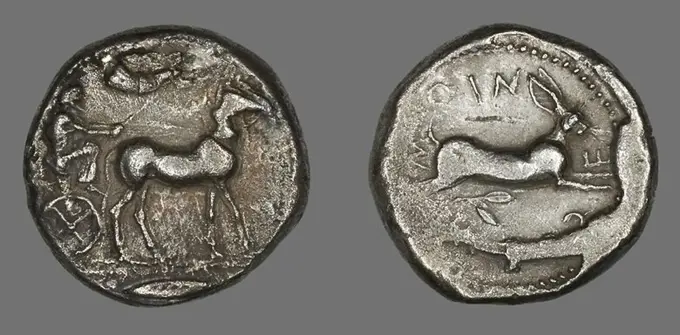
Tetradrachm (Coin) Portraying Biga with Mules. Greek, minted in Sicily, Messana. Date: 484 BC-476 BC. Dimensions: Diam. 2.6 cm; 16.37 g. Silver. Origin: Ancient Greece. Museum: The Chicago Art Institute, Chicago, USA.Denarius from Movingmint.  Mint: Moving mint Artist: Unknown Magistrate: Augustus, Emperor of Rome, 63 B.C.-A.D. 14, ruled 27 B.C.-A.D. 14Magistrate: Marcus Antonius, 83-30 B.C.denarius. Hadrian (Roman emperor; 117-138), emperorCoin Portraying Emperor Constantius I. Roman. Date: 305 AD-306 AD. Dimensions: Diam. 2.8 cm; 7.48 g. Bronze. Origin: Roman Empire. Museum: The Chicago Art Institute, Chicago, USA. Author: ANCIENT ROMAN.Coin Portraying Emperor Constans. Roman. Date: 337 AD-350 AD. Dimensions: Diam. 1.8 cm; 1.97 g. Bronze. Origin: Roman Empire. Museum: The Chicago Art Institute, Chicago, USA. Author: ANCIENT ROMAN.denarius. Appuleius Saturninus, L. (fl. 104 a.C.), monetary officer, Republika Rzymska, issuerdenarius. Hadrian (Roman emperor; 117-138), emperorSestertius (Coin) Portraying Emperor Maximinus 235 CE-236 CE Roman Empire. Bronze . Ancient RomanDupondius (Coin) Portraying Emperor Domitian. Roman, minted in Rome. Date: 85 AD. Dimensions: Diam. 2.8 cm; 11.32 g. Bronze. Origin: Roman Empire. Museum: The Chicago Art Institute, Chicago, USA. Author: ANCIENT ROMAN.denarius (royal type). Bolesław II Śmiały (król Polski ; 1058-1079), rulerSestertius of Vespasian, Emperor of Rome fromRome. Ruler: Vespasian, Emperor of Rome, A.D. 9-79, ruled 69-79 Mint: Rome Artist: Unknowndrachm. Kawades I (szachinszach Persji ; 488-496 i 498-531), rulerdenarius (royal type). Bolesław II Śmiały (król Polski ; 1058-1079), rulerdenarius. Hadrian (Roman emperor; 117-138), emperordenarius. Hadrian (Roman emperor; 117-138), emperordrachm. Hormizdas II (Szachinszach Persji ; 302-309), rulerDenarius of Hadrian, Emperor of Rome fromRome. Ruler: Hadrian, Emperor of Rome, A.D. 76-138, ruled 117-38 Mint: Rome Artist: UnknownAnonymous Follis (Coin), Attributed to Constantine IX Struck 1042-1055 Greece. The front (obverse) of this coin shows a frontal image of Christ.On the back (Reverse) Mary is shown.. Bronze . Byzantinedenarius. Trajan (cesarz rzymski ; 98-117), emperordenarius. Hadrian (Roman emperor; 117-138), emperordupondius. Hadrian (Roman emperor; 117-138), emperorStater fromSyracuse.  Mint: Syracuse Artist: UnknownTetradrachm (Coin) Depicting Quadriga and Charioteer. Greek. Date: 460 BC-430 BC. Dimensions: Diam. 2.7 cm; 16.44 g. Silver. Origin: Greece. Museum: The Chicago Art Institute, Chicago, USA. Author: ANCIENT GREEK.Ruler: Arcadius, Emperor of Byzantium, 377-408, ruled 395-408, Coin of Arcadius, Emperor of the Eastern RomanEmpire, 395-405, Gold, 4.42 g, 6:00, 21mm, Made in Roman Empire, Roman, 4th and 5thcentury, Numismaticsdenarius. Calpurnius Piso Frugi, C. (fl. 67 a.C.), monetary officer, Republika Rzymska, issuerCoin Depicting the God Apollo 250 BCE-190 BCE Ancient Greece. Bronze . Ancient Greeksestertius. Trajan (cesarz rzymski ; 98-117), issuerdupondius. Hadrian (Roman emperor; 117-138), emperorHemidrachm (Coin) Depicting a Lion 450 BCE-400 BCE Roman Empire. The front (obverse) of this coin depicts the forepart of a lion, leaping right with head turned back and mouth open. The back (reverse) shows a 4 part square, with alternate quarters incused. In one, a dot and an E appear while in the other, an insect.. Silver . Ancient Romandenarius (royal type). Bolesław II Śmiały (król Polski ; 1058-1079), rulerRuler: Gallienus, Emperor of Rome, ca. A.D. 218-268, ruled 253-68, Mint: Rome, 1 As of Gallienus, Emperor of Rome fromRome, 253-68, orichalcum, 6.08 g, 10:00, 21.7mm, Made in Rome, Italy, Roman, 3rdcentury, NumismaticsTetradrachm (Coin) Portraying Ptolemy I 176 BCE-175 BCE Ancient Egypt. The purpose of the first portrait coins was to identify the ruler. The front side became a mirror of the sovereignís self-image. The back was often used to communicate the rulerís accomplishments or intentions. The profile portrait was used because it suited the very shallow depth and limited surface of the coin. The tiny images were carved by engravers into bronze dies, one for the front and another for the back. The coins were then struck, one by one, in a process similar to how modern coins are created today.Since few citizens actually saw their sovereign, recognizable symbols such as crowns, robes, and regalia served to identify the ruler.Alexander the Greatís successors copied his style of crown, a simple headband known as a fillet.. Silver . Ancient GreekDenarius of Septimius Severus, Emperor of Rome fromRome. Ruler: Septimius Severus, Emperor of Rome, A.D. 146-211, ruled 193-211 Mint: Rome Artist: Unknownquattrino. Klemens XII (papież ; 1730-1740), ruler, Państwo Kościelne, issuerTetradrachm (Coin) Portraying Emperor Claudius Gothicus. Roman, minted in Alexandria, Egypt. Date: 268 AD-270 AD. Dimensions: Diam. 2.1 cm; 9.20 g. Billon. Origin: Egypt. Museum: The Chicago Art Institute, Chicago, USA. Author: Ancient Egyptian.as. Trajan (cesarz rzymski ; 98-117), emperorMint: Phocaea, Hekte (1/6 Stater) fromPhocaea, ca. 500 B.C., Electrum, 2.52 g, 10.4mm, Made in Phocaea, Ionia, Greek, 6th-5th century B.C., Numismaticssestertius. Trajan (cesarz rzymski ; 98-117), emperor1 groschen. Zygmunt I Stary (król polski ; 1506-1548), rulerdenarius. Trajan (cesarz rzymski ; 98-117), emperorCoin Portraying Emperor Nero. Roman. Date: 54 AD-68 AD. Dimensions: Diam. 3.6 cm; 30.30 g. Brass. Origin: Roman Empire. Museum: The Chicago Art Institute, USA. Author: ANCIENT ROMAN.Sestertius of Trajan, Emperor of Rome fromRome. Ruler: Trajan, Emperor of Rome, A.D. 53-117, ruled 98-117 Mint: Romedenarius. Annius, C. (fl. 82-81 a.C.), monetary officer, Fabius Hispaniensis, L. (fl. 82-81 a.C.), monetary officer, Republika Rzymska, issuerCoin Depicting Emperor Maximinus 235 CE-238 CE Rome. Bronze . Ancient RomanCoin Depicting the God Apollo 200 BCE-1 BCE Izmir. Bronze . Ancient GreekTetradrachm (Coin) Portraying Alexander the Great 356 BCE-323 BCE Ancient Greece. The front (obverse) of this coin portrays Alexander the Great as Herakles, wearing the heroís signature lion skin cloak, surrounded by a dotted border.On the back (reverse), the god Zeus is depicted seated with an eagle in his right hand and a staff in his left.. Silver . Ancient GreekStater fromCroton.  Mint: CrotonDupondius (Coin) Portraying Emperor Vespasian. Roman. Date: 69 AD-79 AD. Dimensions: Diam. 2.8 cm; 12.82 g. Bronze. Origin: Ancient Mediterranean. Museum: The Chicago Art Institute, Chicago, USA.12 Nummi (Coin) of a Byzantine Emperor Struck 500 CE-599 CE Byzantine Empire. The front (obverse) of this coin depicts the bust of an emperor, facing right, diademed and draped. The back (reverse) shows an inscription.. Bronze . ByzantineMONEDAS VISIGODAS EN ORO - ANVERSO. Location: MUSEO ARQUEOLOGICO NACIONAL-COLECCION. MADRID. SPAIN.Ruler: Didius Julianus, Emperor of Rome, 133-193, ruled 193, Mint: Rome, Dupondius of Didius Julianus fromRome, 193, Orichalcum, 9.22 g, 1:00, 24.4mm, Made in Rome, Italy, Roman, 2ndcentury, Numismaticsdrachm. Mitrydates II (123-87 p.n.e.), ruler1 groschen. Zygmunt I Stary (król polski ; 1506-1548), rulerschilling (counterfeit from the period). Zakon krzyżacki (1190-), issuerCoin Depicting an Emperor. Roman. Date: 400 AD-499 AD. Dimensions: Diam. 1.6 cm; 1.79 g. Bronze. Origin: Roman Empire. Museum: The Chicago Art Institute, Chicago, USA. Author: ANCIENT ROMAN.Ruler: Caracalla, Roman Emperor, A.D. 188-217, ruled A.D. 198-217, Mint: Pergamon, Coin of Caracalla, Roman Emperor fromPergamon, 215, Bronze, 44.97 g, 6:00, 43.8mm, ILE2013.17.331 , Made in Pergamon, Mysia, Roman, 3rdcentury, Numismatics3 groschen. Schmickert, Jan Fryderyk (fl. 1764-1765), creator, Ernest Jan Biron (książę Kurlandii i Semigalii ; 1763-1769), rulerDenarius (Coin) Depicting the Goddess Roma 100 BCE Roman Empire. The front (obverse) of this coin depicts the head of the goddess Roma wearing a winged helmet surmounted by eagles and facing to the right. On the back (reverse), two warriors with shields and swords are shown fighting on foot with horses behind them.Portraits of important people appear on local currency all around the world. The same was true in ancient Rome, which began producing its first coinage in the late 4th century BCE. Early coins depicted the heads of gods and goddesses on the front side, often in profile, while the back depicted animals, natural resources, symbols, and references to historical events. The denarius, introduced in 211 BCE, was the principal silver coin of Rome for five hundred years. The profile head of the goddess Romaóthe personification of Romeówas the most popular image depicted on silver denarii in the second and first centuries BCE.. Silver . Ancient RomanCoin Depicting the Goddess Athena. Greek. Date: 246 BC-226 BC. Dimensions: Diam. 1.6 cm; 4.09 g. Bronze. Origin: Ancient Greece. Museum: The Chicago Art Institute, Chicago, USA.denarius. Trajan (cesarz rzymski ; 98-117), emperorAureus (Coin) Portraying Emperor Septimus Severus 194 CE-195 CE Rome. The front (obverse) of this coin portrays the profile head of Emperor Septimius Severus, facing right and laureate. The back (reverse) depicts the goddess Victory running right, a wreath in right hand, palm branch over left shoulder.. Gold . Ancient RomanCoin Depicting the Goddess Athena Ancient Greece. Bronze . Ancient GreekCoin of Septimius Severus, Emperor of Rome from Laodicea adMare. Ruler: Septimius Severus, Emperor of Rome, A.D. 146-211, ruled 193-211 Mint: Laodicea ad Mare Artist: UnknownKlek with K 1802 2S, Anonymous, 1802  Front: Inscription K 1802 2S. Reverse: Crowned Lion with sword and arrow bundle  lead (metal) striking (metalworking)Roman coin. Asses. Bronze. 1st century BC.  Mint of Iltirda (Lerida). Catalonia. Museum of History. Sabadell. Catalonia, Spain.denarius. Trajan (cesarz rzymski ; 98-117), emperor1 groschen. Zygmunt I Stary (król polski ; 1506-1548), rulerCoin Depicting the Goddess Artemis. Greek. Date: 190 BC. Dimensions: Diam. 1.7 cm; 4.73 g. Bronze. Origin: Ancient Greece. Museum: The Chicago Art Institute, Chicago, USA.denarius. Trajan (cesarz rzymski ; 98-117), emperorMatteo de' Pasti, Emblem of Authority (reverse), 1447 Emblem of Authority reverseCoin Depicting Bust of Dionysos. Greek, minted in Perinthos, Thrace. Date: 100 BC-25 BC. Dimensions: Diam. 1.7 cm; 2.58 g. Bronze. Origin: Ancient Greece. Museum: The Chicago Art Institute, Chicago, USA.Tetradrachm (Coin) Portraying Demetrios I of Macedonia Struck 289 BCE-288 BCE Macedonia. Obverse Head of king diademed to right with small bullís hornReverse Poseidon to left, with foot on rock. Silver . Ancient Greeksestertius. Trajan (cesarz rzymski ; 98-117), emperorDenarius (Coin) Depicting the Goddess Roma. Roman. Date: 100 BC. Dimensions: DIam. 2.2 cm; 3.92 g. Silver. Origin: Roman Empire. Museum: The Chicago Art Institute, Chicago, USA. Author: ANCIENT ROMAN.denarius. Ogulnius (fl. 86 a.C.), monetary officer, Gargonius, C. (fl. 86 a.C.), monetary officer, Vergilius, M. (fl. 86 a.C.), monetary officer, Republika Rzymska, issuerschilling. Schwerdtner, Konrad Henryk (fl. 1759-1762), creator, Karol Chrystian saski (książę Kurlandii i Semigalii ; 1758-1763), rulerHemidrachm (Coin) Depicting the God Zeus Amarios 280 BCE-146 BCE Ancient Greece. The front (obverse) of this coin depicts the head of Zeus Amarios, facing to the right. On the back (reverse) is a monogram symbol of the Achaean League within a laurel wreath.Zeus Amarios, along with Demeter Panachaia, were the protecting deities of the Achaean League, which was first formed in the fifth century BCE as a confederation of Greek city-states in the Peloponnese of Greece. Temples to both deities were situated side by side at Aegium, in the northwestern Peloponnese, where the main assemly of the League held its meeting. A second Achaean League was established in 280 BCE but was later conquered and dissolved by the Romans in 146 BCE.. Silver . Ancient GreekSilver exit of a ½ penny from the VOC from Gelderland, 1789, United Oostindische Compagnie, 1789 coin Silver coin. Front: Between weapon spell crowned coat of arms of Gelderland. Reverse: monogram of the VOC, above which mint masters and including year. Smooth edge. Harderwijk silver (metal) striking (metalworking)Return of Pope Pius IX (1792-1878) to Rome, April 12, 1850 (dummy title) Anonymous. Return of Pope Pius IX (1792-1878) to Rome, April 12, 1850 (Apers).Denarius (Coin) Portraying Emperor Hadrian 134 CE-138 CE Roman Empire. The front of this coin portrays the emperor Hadrian, facing right.On the back, the figure of Italia is shown veiled, standing and facing left.. Silver . Ancient RomanDenarius (Coin) Portraying Emperor Trajan. Roman, minted in Rome. Date: 103 AD-111 AD. Dimensions: Diam. 1.9 cm; 3.15 g. Silver. Origin: Roman Empire. Museum: The Chicago Art Institute, Chicago, USA. Author: ANCIENT ROMAN.1/24 Stater fromIonia. Artist: UnknownDenarius (Coin) Depicting the Goddess Juno. Roman. Date: 87 BC. Dimensions: Diam. 1.7 cm; 3.74 g. Silver. Origin: Roman Empire. Museum: The Chicago Art Institute, Chicago, USA. Author: ANCIENT ROMAN.Coin Depicting the Goddess Tyche 200 BCE-1 BCE Ancient Greece. The front (obverse) of this coin depicts the goddess Tyche, wearing a crown, and facing to the right. On the back (reverse), the god Sandan stands on a lion.In antiquity, the goddess Tyche symbolized cities. Her identifying feature is a crown shaped like the walls of a city. Some cities chose Tyche as their emblem, but often they also selected another divinity as their particular patron and protector.. Bronze . Ancient GreekTetradrachm: Athena (Obverse); Owl (Reverse), 480-407 BC. Greece, Athens. Silver; diameter: 2.3 cm (7/8 in.). Incorporating the first three letters of the city name???with then-iconic images of the patron goddess Athena and her owl, the Athenian tetradrachm was among the most widely traded and most recognizable coins of the ancient world. The olive leaves on Athena’s helmet and the small crescent moon behind the owl date this coin after the Persian Wars.Mint: Himera, 1/4 Obol fromHimera, 515-500 B.C., Silver, 0.2 g, 7.5mm, Made in Himera, Sicily, Greek, 6th century B.C., NumismaticsBliżej Kultury Mint of Vienna, Zita, Heinrich (1882 1951)Mint: Calchedon, Siglos fromCalchedon, 340-320 B.C., Silver, 5.33 g, 17.9mm, Made in Calchedon, Bithynia, Greek, 4th century B.C., Numismaticsdenarius. Trajan (cesarz rzymski ; 98-117), emperorTetradrachm: Athena, seated, l., holding Winged Nike, with spear and shield (Reverse), 323-281 BC. Greece, 4th-3rd century BC. Silver; diameter: 3 cm (1 3/16 in.).Quinarius (Coin) Depicting the Goddess Victory. Roman, minted in Gallia Trans-Cisalp. Date: 43 BC-42 BC. Dimensions: Diam. 1.3 cm; 1.64 g. Silver. Origin: Italy. Museum: The Chicago Art Institute, Chicago, USA. Author: ANCIENT ROMAN.Sesterce d'Hadrien, 128-138 Anonymous. Hadrian sesterce, 128-138. Bronze.Coin Depicting Senate 193 CE-211 CE Roman Empire. Bronze . Ancient Romandenarius. Memmius Gal, L. (fl. 87 a.C.), monetary officer, Memmius Gal, C. (fl. 87 a.C.), monetary officer, Republika Rzymska, issuerSestertius, of Emperor Septimus Severus, 193-211, sestertius coin money swap soil find bronze metal, minted Roman coin sestertius minted by emperor Septimus Severus 193-211 archeology New Waterway Village Hook of Holland Rotterdam pay Roman Soil discovery New Waterway area 1977.Master HB, Hercules (obverse), c 1525 1550 Hercules obverseBroodMedal Gereformeerde Diaconie 1777, bread penny penny swap lead copper metal, indistinct image (pile loaves), REFORMED DIACONIE BREAD 1777 (in the cut) breadmezzo scudo. Sede Vacante, ruler, Państwo Kościelne, issuer, Cerbara, Giuseppe (fl. ca 1829-1858), male medallistdrachm. Wologezes I (51-79 po Chr.), rulerHonorand: Lysimachus, King of Thrace, ca. 360-281 B.C., ruled 306-281 B.C., Stater fromuncertain, 281 B.C., Gold, 8.48 g, 12:00, 18mm, Made in uncertain, Greek, 3rd century B.C., Numismatics