Ancient Coins

Distinct ancient coins depicting historical figures and symbols. They feature intricate designs, reflecting rich cultural heritage and classic artistry.
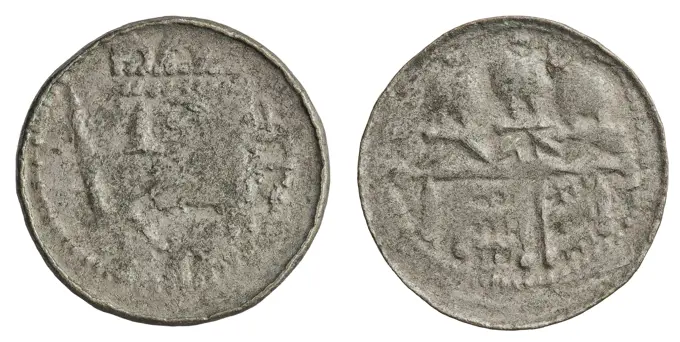
denarius (royal type). Bolesław II Śmiały (król Polski ; 1058-1079), ruler
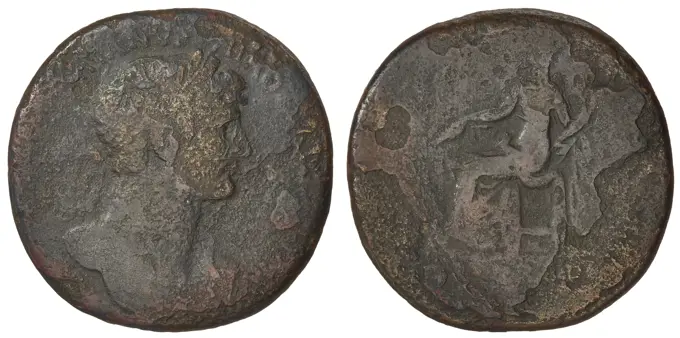
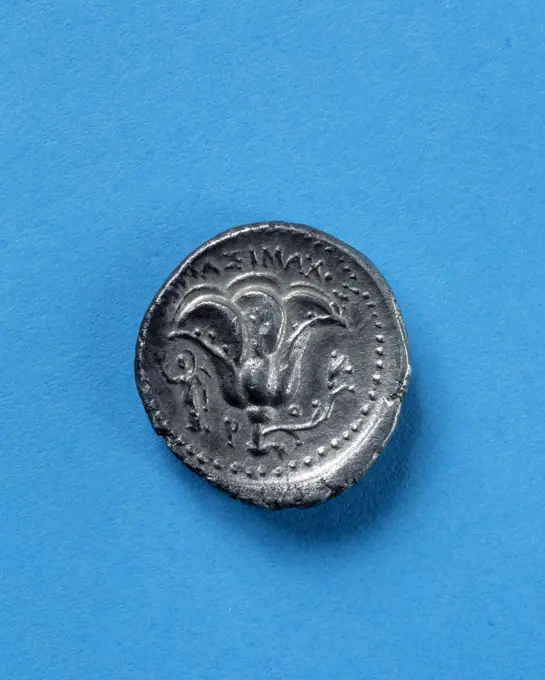
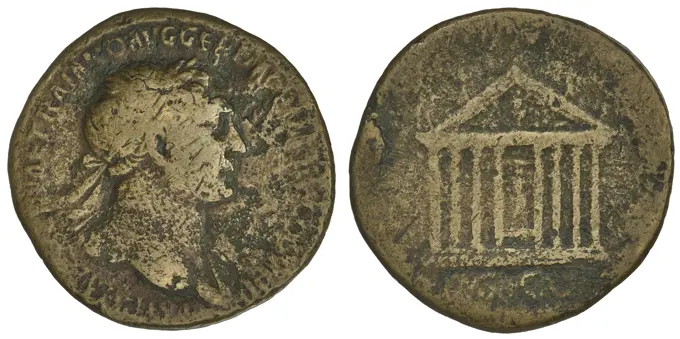
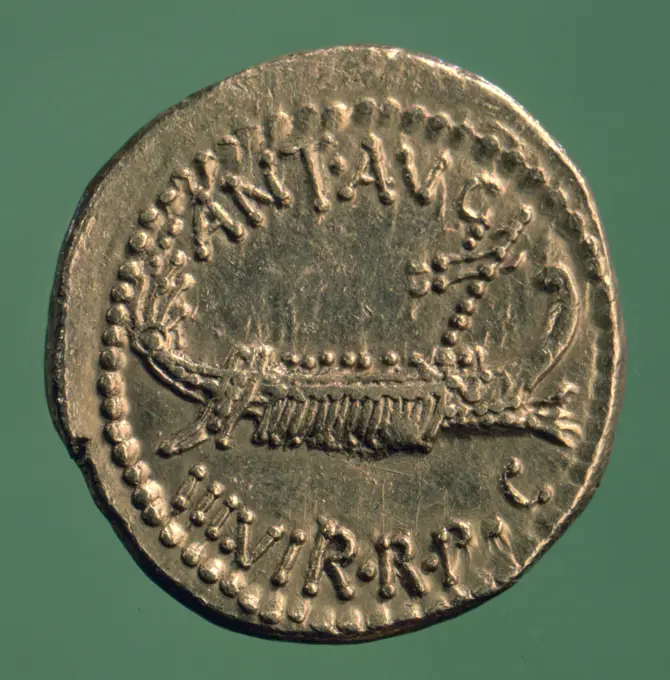
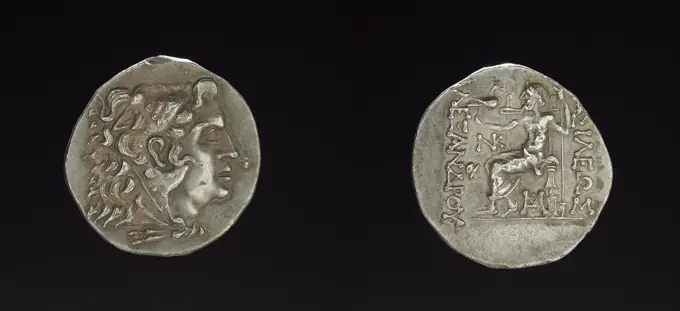
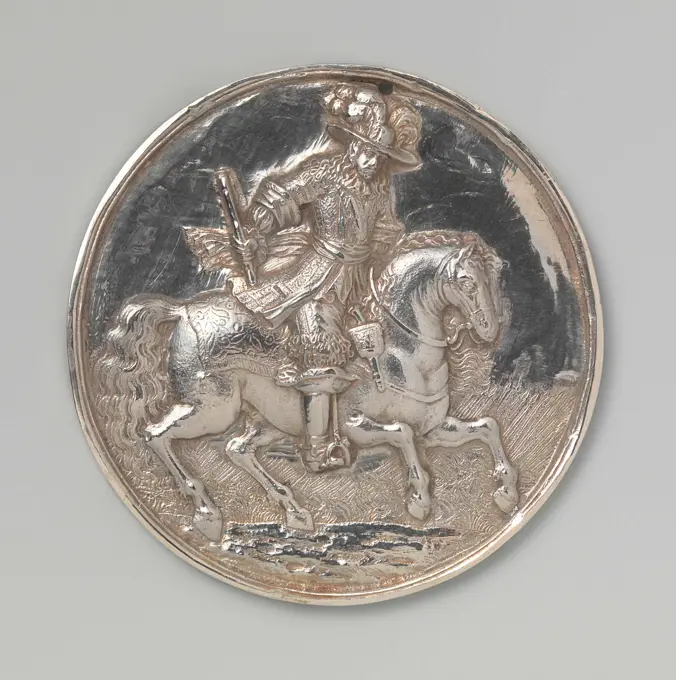
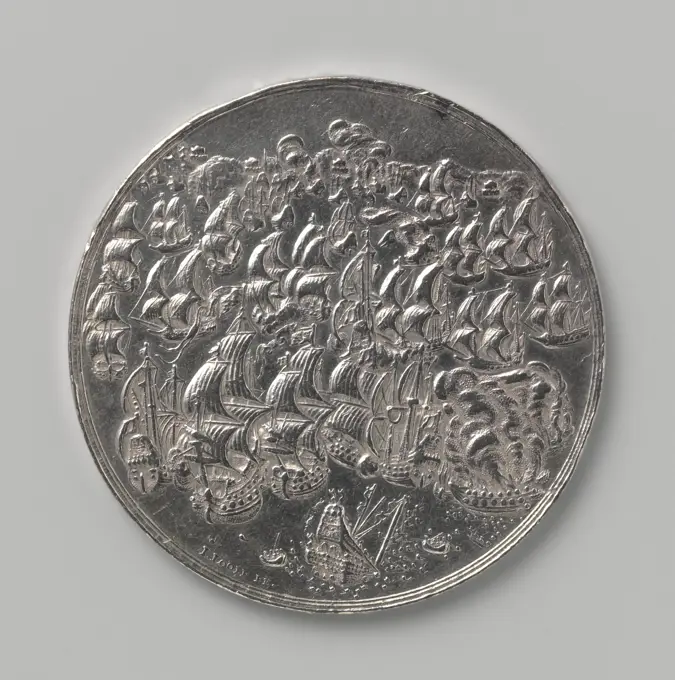
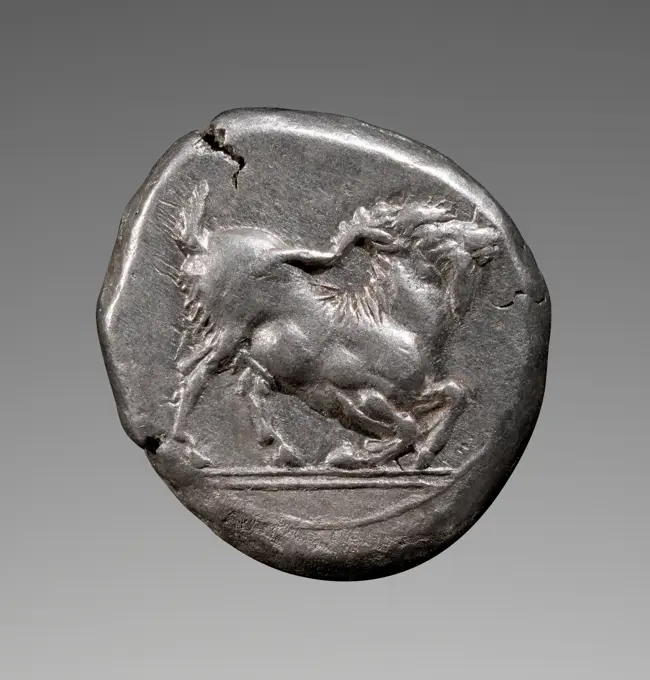
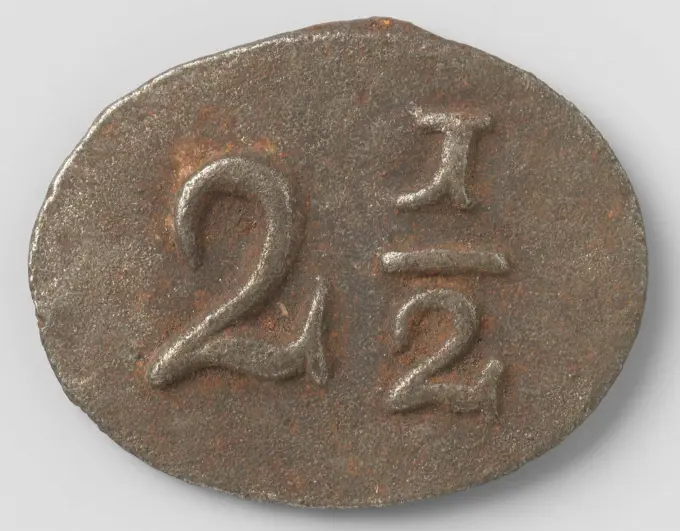
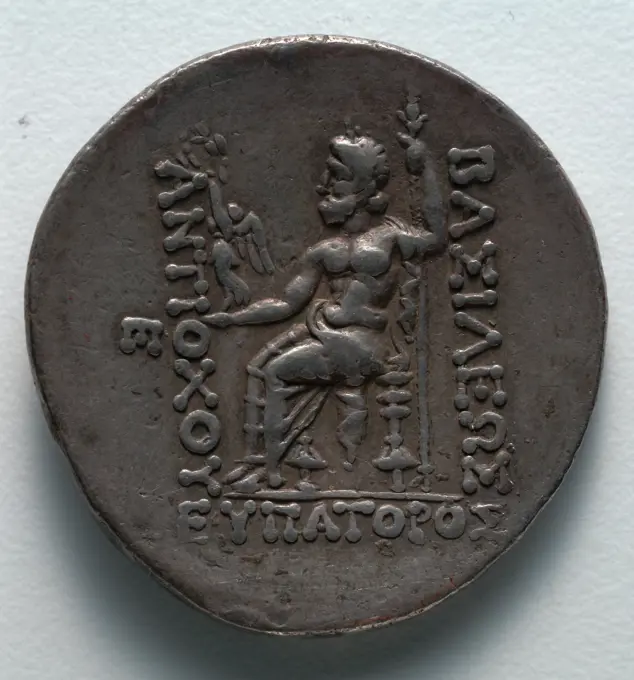
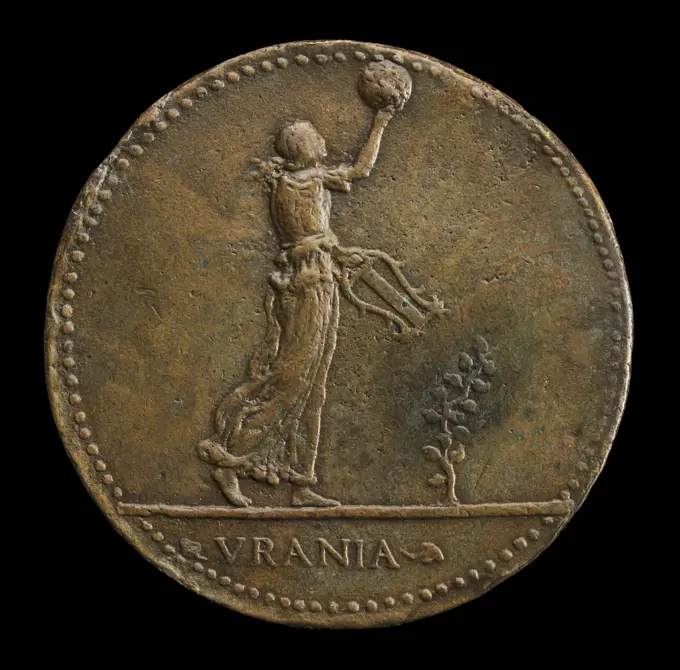
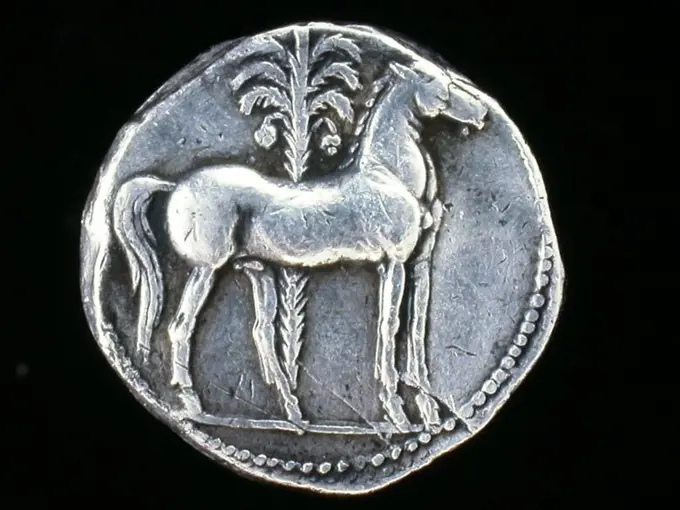
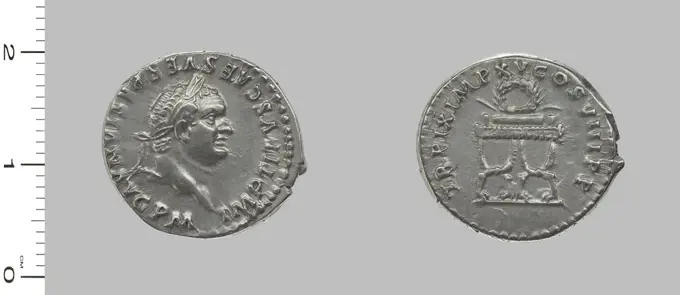
Ruler: Titus, Emperor of Rome, A.D. 39-81, ruled 79-81, Mint: Rome, Denarius of Titus, Emperor of Rome fromRome, 80, Silver, 3.5 g, 5:00, 18.7mm, Made in Rome, Italy, Roman, 1stcentury, Numismaticssestertius. Hadrian (Roman emperor; 117-138), emperorRoman coin Ancient Roman coin on a black background Copyright: xZoonar.com/ClaudioxDiviziax 1614647Stater, 334-302 BC. Greece, Tarentum, 4th century BC. Silver; diameter: 2.2 cm (7/8 in.).The Crown of William and Mary. 1691. Black and White Illustration from the Connoisseur, an Illustrated Magazine for Collectors Voll 3 (May-Aug 1902) published in London.Molart or Mollart, Michel (n.1641-06-11-D.1713), pyramid raised in Rome in 1664 (main title). Alloy with low melting point. Brown patina. Petit Palais, Museum of Fine Arts of the City of Paris.Tetradrachm: Horse, standing, l., palm tree behind (Reverse), 380 BC. Sicily, Greece, 4th century BC. Silver; diameter: 2.5 cm (1 in.).Coin of Caracalla, Roman Emperor fromSmyrna. Ruler: Caracalla, Roman Emperor, A.D. 188-217, ruled A.D. 198-217 Mint: Smyrna Artist: UnknownEurope, Greece. The Rose of Rhodes, silver didrachm, 200 B.C.sestertius. Trajan (cesarz rzymski ; 98-117), emperorJean-Pierre Montagny (1789-1862). Inauguration of the Versailles Museum, July 10, 1837. Cuper, 1837. Paris, Musée Carnavalet. Medal, numismaticsRoman coin, Marc Antony Legionary Denarius, 32-1 BC. The artist is unknown.Mint: Miletus, Trite fromMiletus, 560-545 B.C., Electrum, 4.57 g, 13.9mm, Made in Miletus, Ionia, Greek, 6th century B.C., NumismaticsStater Coin Depicting Pegasus Flying. Greek. Date: 400 BC-330 BC. Dimensions: Diam. 2.1 cm; 8.41 g. Silver. Origin: Levkás. Museum: The Chicago Art Institute, Chicago, USA. Author: ANCIENT GREEK.Indo-Greek Coin, c. 200-1 BC. Afghanistan, Bactria, c. 2nd-1st century BC. Silver; diameter: 3.2 x 0.5 cm (1 1/4 x 3/16 in.). After Alexander of Macedon succeeded in conquering Egypt and Persia in 331 BC, his ambition to rule the known world led him further east across Bactria in Afghanistan, through the Hindu Kush mountain pass, and into India. There he succeeded in defeating all the local kings of the region until his men, on the brink of mutiny, insisted that they return to Greece. Alexander left governors in charge of his territories, and after his death in 323 BC, his governors became independent kings, establishing Hellenistic cities and a Greek cultural base in the region, which lasted for almost 200 years. The posthumous portrait of Alexander on the front of this coin depicts him wearing the lion scalp. He identified with Hercules, the mortal who became a god as a result of his superhuman feats, including the defeat of the Nemean lion.Elevation of Willem III to commander-in-chief of land and naval power. Silver medal. Front: portrait man on horseback with command. Downside: fame blowing on two praise stuff under pennant with inscription.Battle of Duins, Johannes Looff, 1639 history medal Silver medal. Front: image of the battle. Reverse: inscription Binnen Krans van Wijnranken Middelburg silver (metal) striking (metalworking) Battle of the Downs The Downs. Deal. KentCoin (drachm) of Paros. UnknownStamp seal ca. 3rd-7th century A.D. Sasanian. Stamp seal. Sasanian. ca. 3rd-7th century A.D.. Carnelian. Sasanian. Iran or MesopotamiaPRISONMENT OMMERSCHANS, house coins beaten at the burden of the society of beneficiality worth two-year cents. Front: letters o and S. downside: numeral 2½Tetradrachm: Zeus (reverse), 164-162 BC. Greece, 2nd century BC. Silver; diameter: 3.1 cm (1 1/4 in.).Triobol (Hemidrachm): Chimaera (Obverse); Dove (Reverse), 400-323 BC. Greece, Sikyon, (Peloponnese). Silver; diameter: 1.7 cm (11/16 in.). The lion, king of the beasts and an animal associated with regal and heroic power, featured prominently on the coinage of many ancient Greek city-states. Artists placed the lion in a variety of poses, sometimes including the whole body, at other times the foreparts or just the head. Although it may once have roamed nearby, for many Greeks the lion was a monster nearly as exotic as the Chimaera, of which it formed a part (together with a goat head and snake-headed tail, as seen on this Sikyonian coin).Adriano Fiorentino, Urania Walking to Right, Holding a Globe and Lyre (reverse), 1488 or after Urania Walking to Right, Holding a Globe and Lyre reverseVarious coins and tokens, Jan Dam Steuerwald, 1839 - 1863 print Different coins and tokens. In the middle above mint with a rider on horseback. Below that a coin with Hercules on one of the silk. Below that a medal with the head of the Queen of the East, with lit her, ending in an elephant's head, with a small crown on her head; Below a (antique) rudder with fish and emblem VOC, around which a laurel branch is thrown around. This medal was published in 1784 in honor of the French vice-admiral de Suffren. At the bottom of a currency from 1671. At the front a knight with raised sword sitting on a horses to the right, in the foreground the provincial views. At the rear a crowned generality weapon, held by two crowned climbing lions. Netherlands paper  coinNUMISMATICA. MONEDA HISPANO-CARTAGINESA. SHEKEL DE PLATA. REVERSO. CABALLO PARADO A LA DERECHA, CON PALMERA DETRAS DE EL. 238 A.C. (DEPOSITO: MUSEO ARQUEOLOGICO NACIONAL).