Ancient Coins Collection

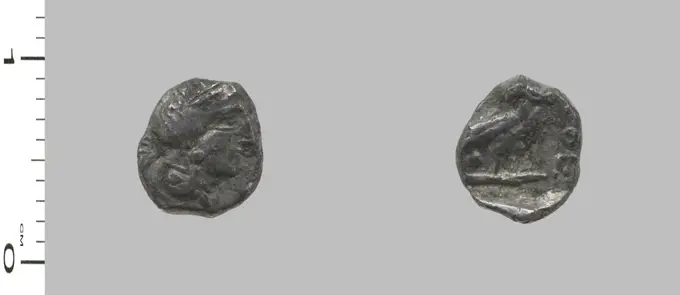
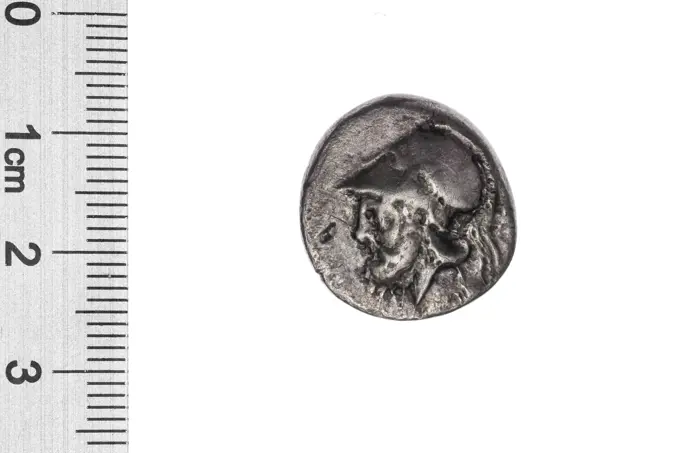
A series of ancient coins from different cultures, showcasing historical figures and symbols, presented with measuring tools for scale.
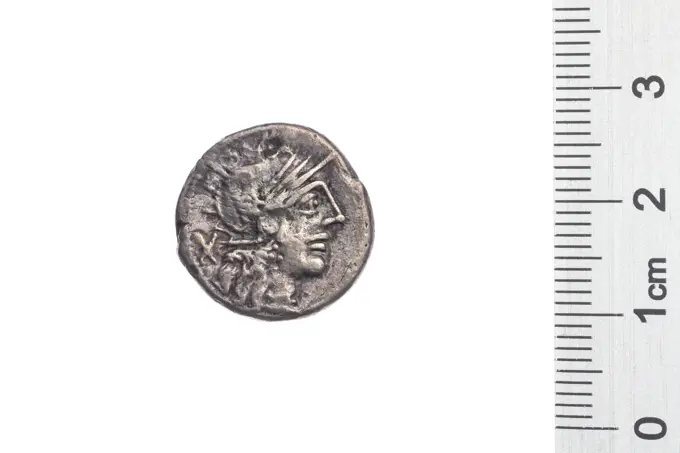
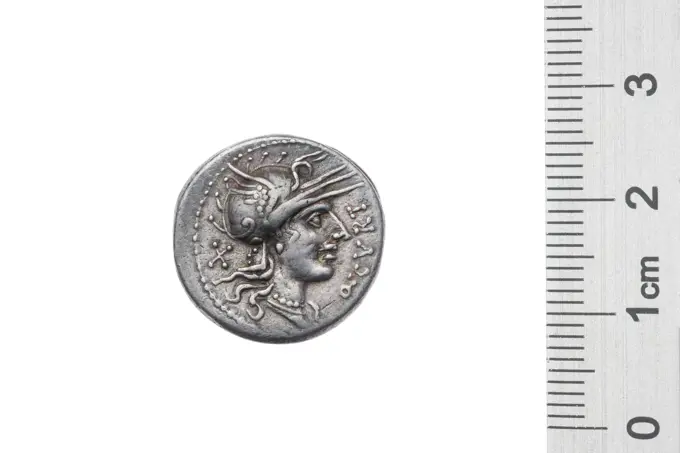
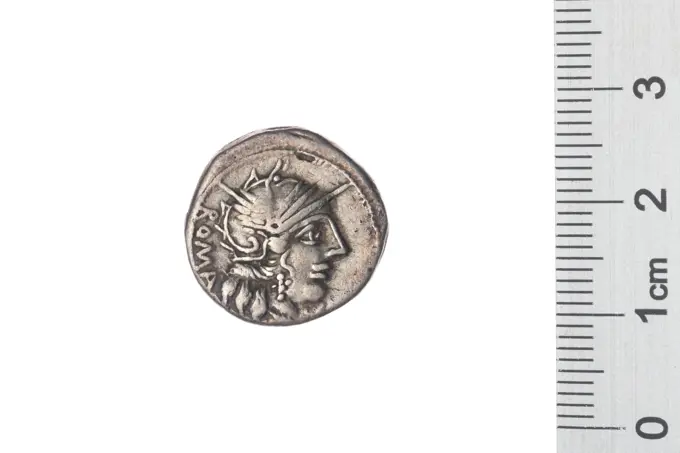
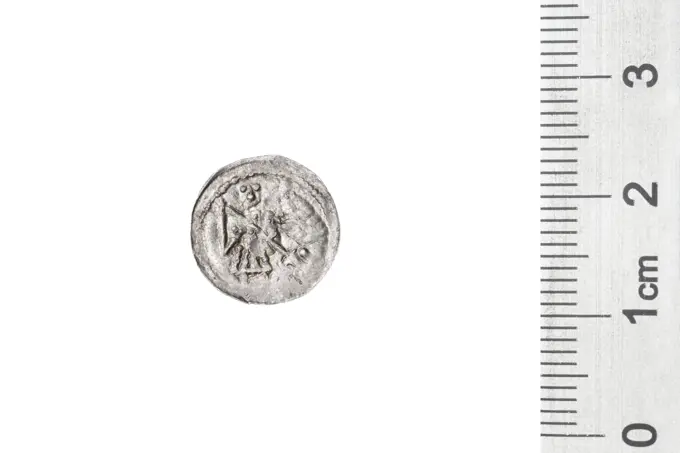
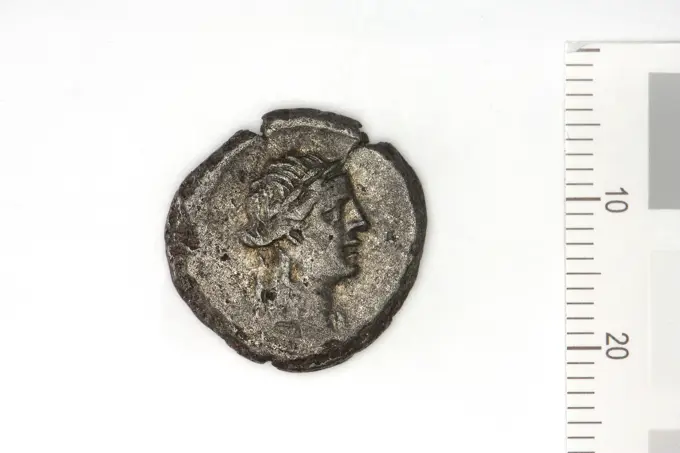
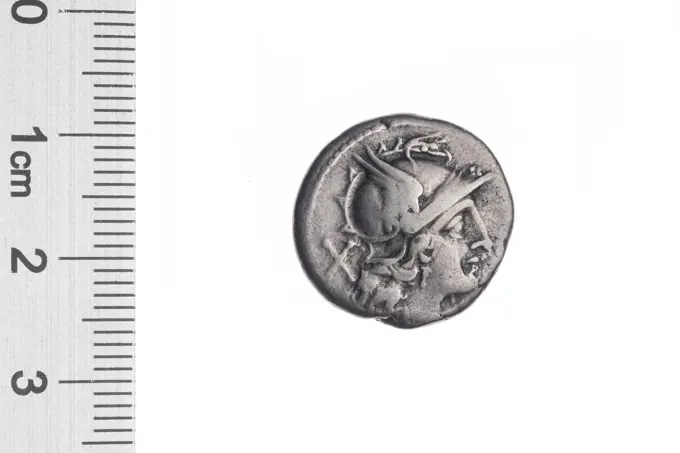
denarius. Porcius Cato, C. (fl. 123 a.C.), monetary officer, Republika Rzymska, issuer
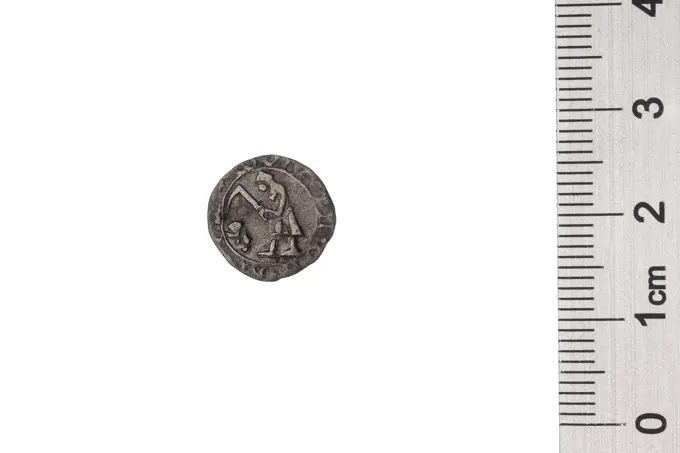
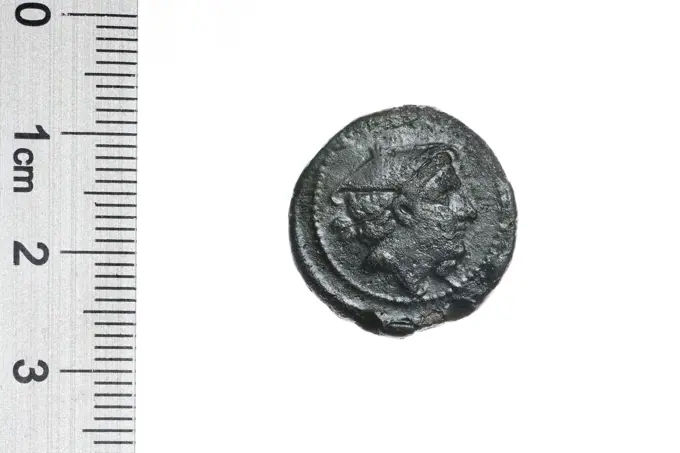
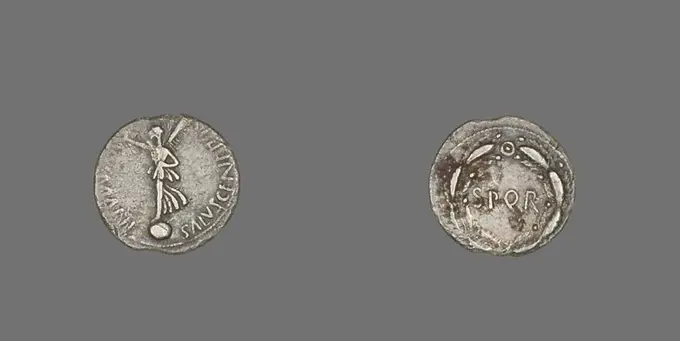
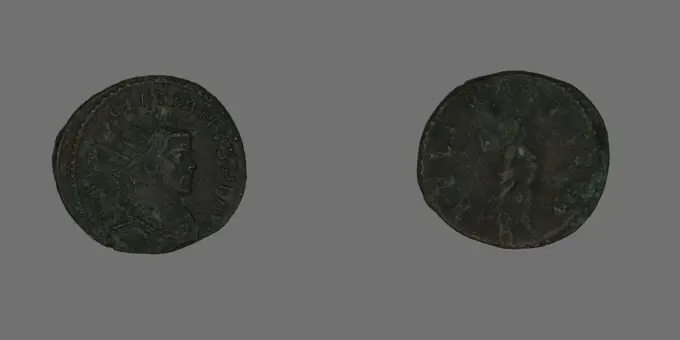
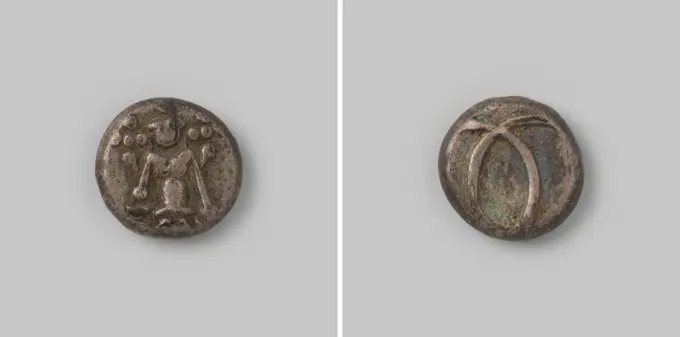
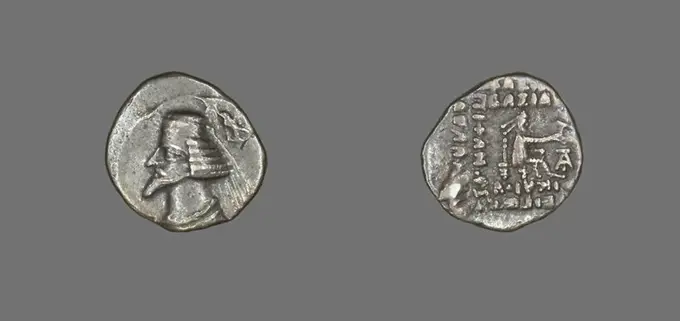
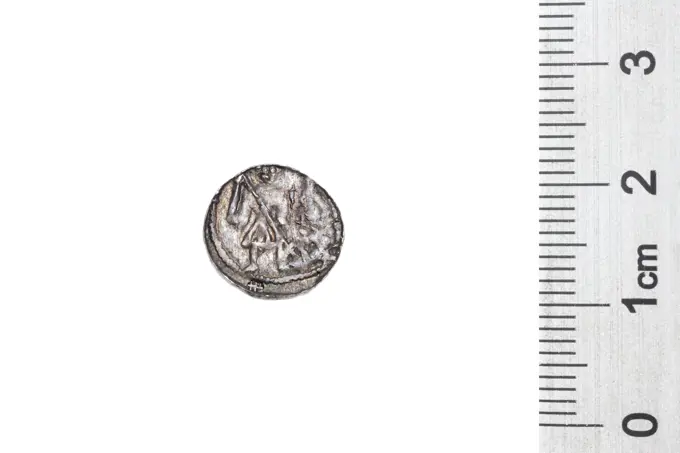
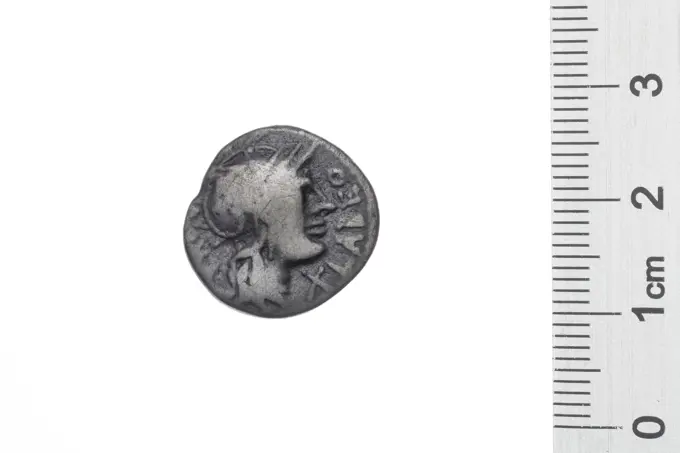
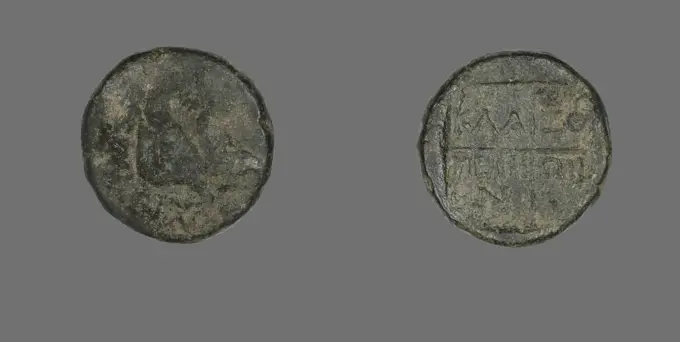
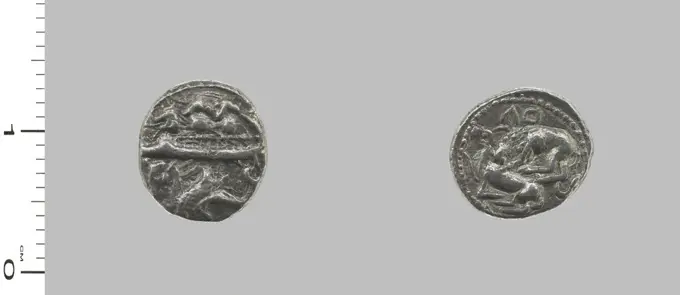
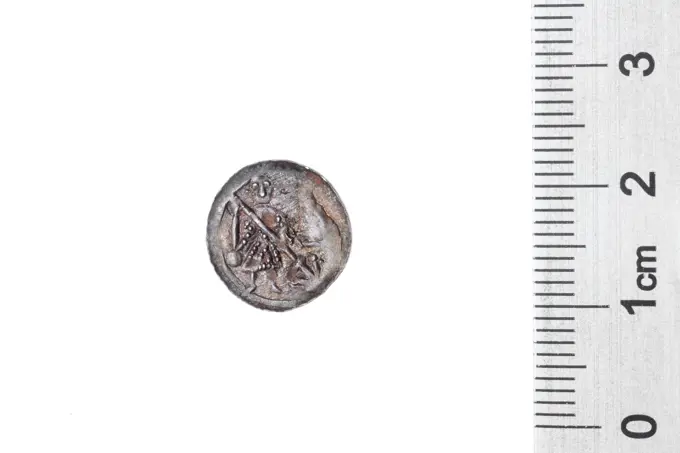
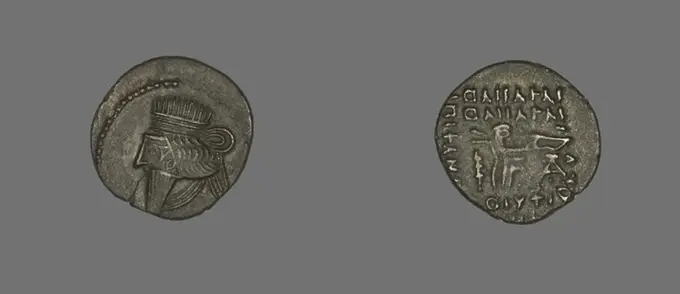
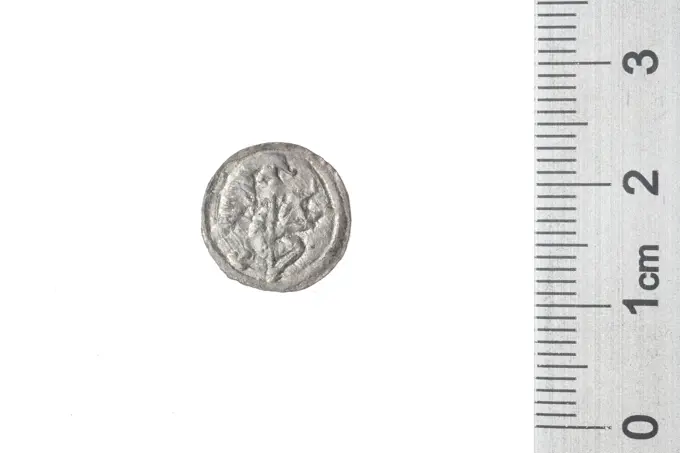
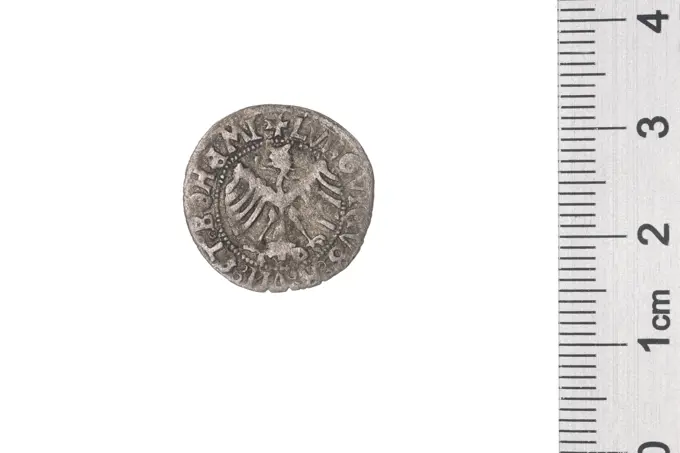
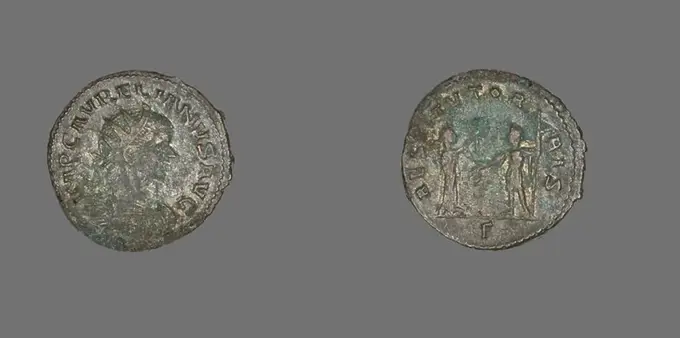
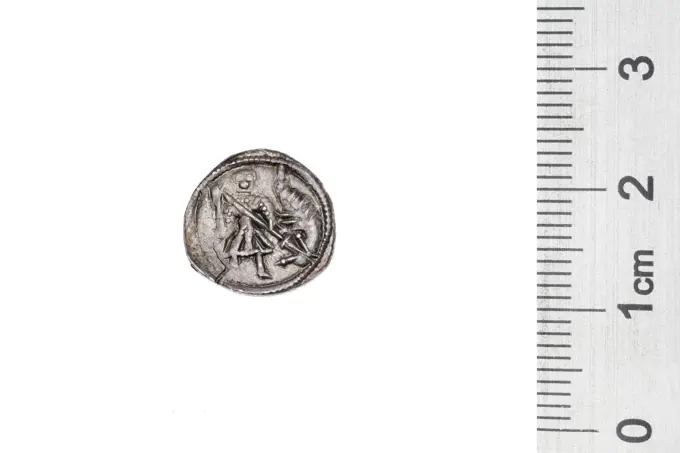
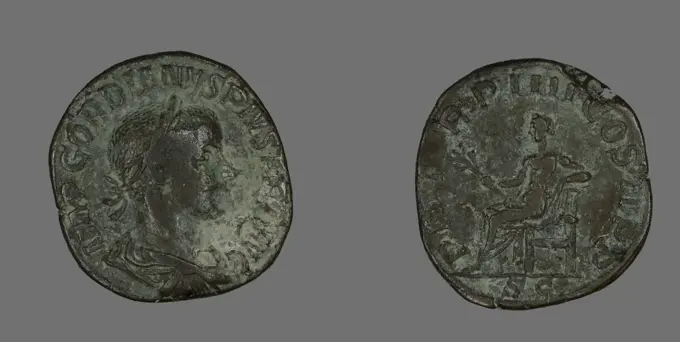
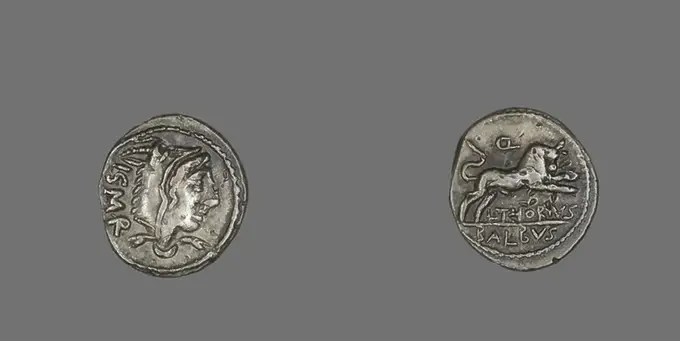
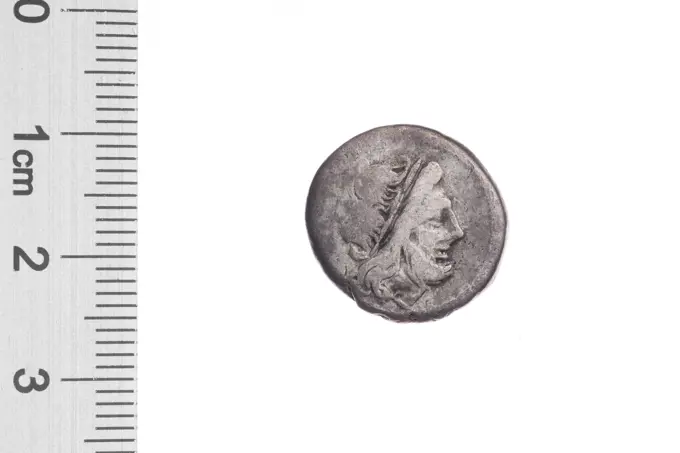
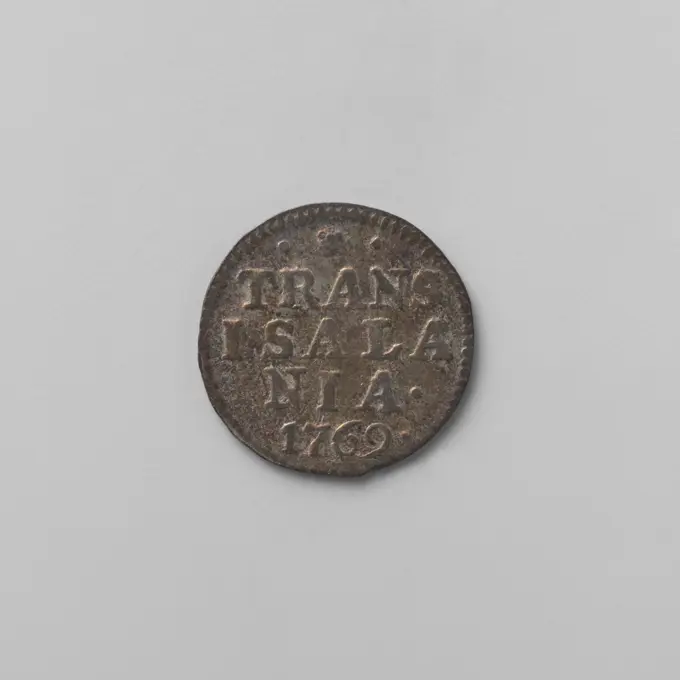
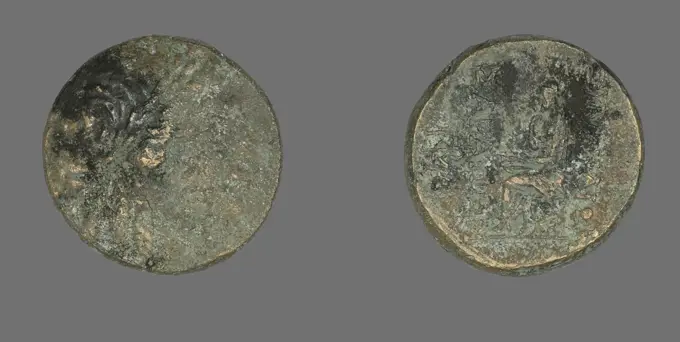
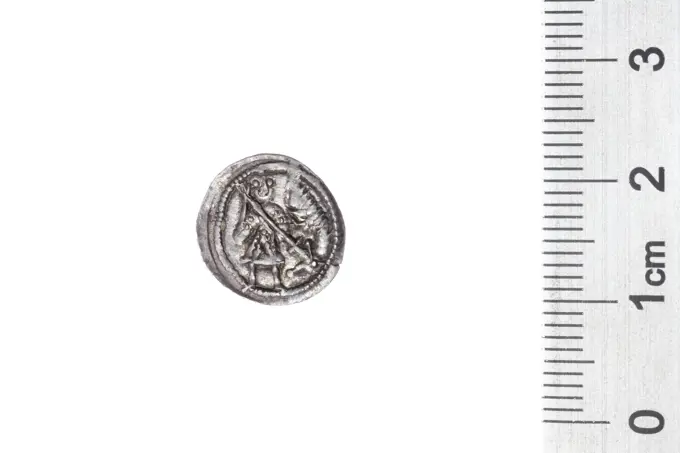
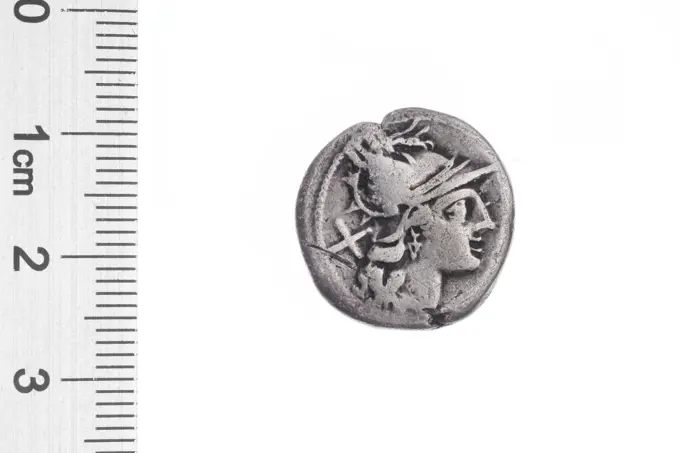
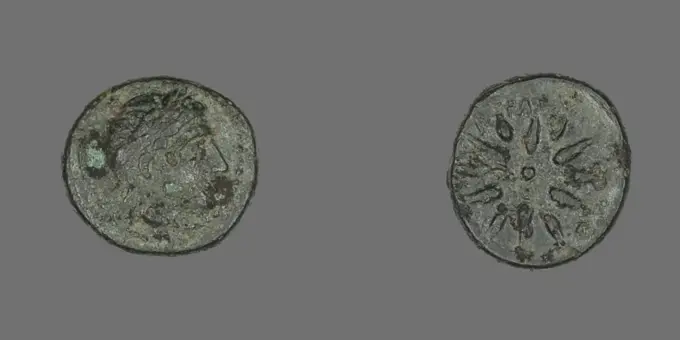
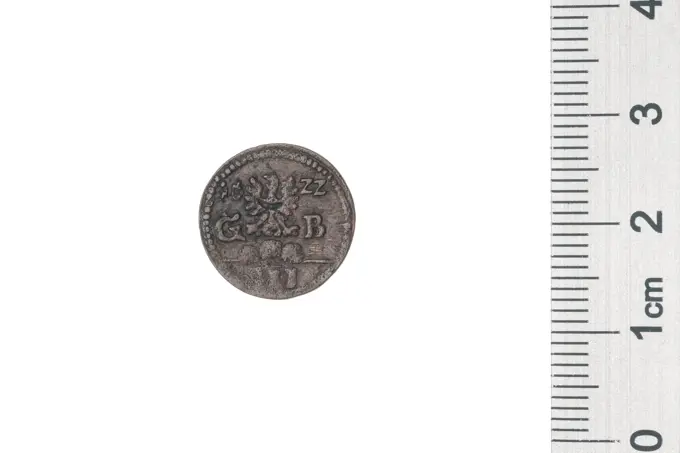
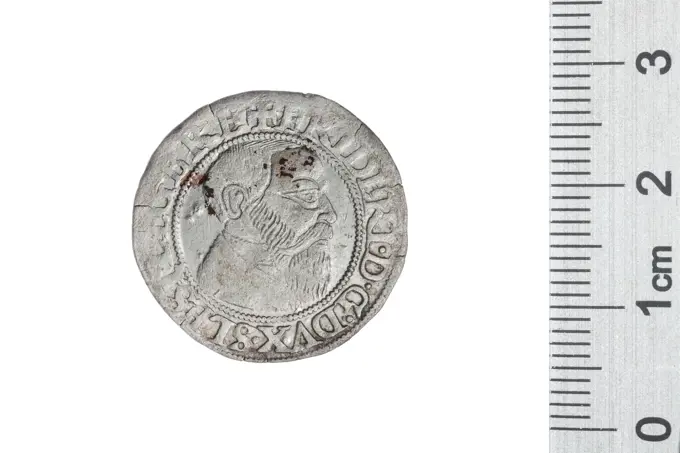
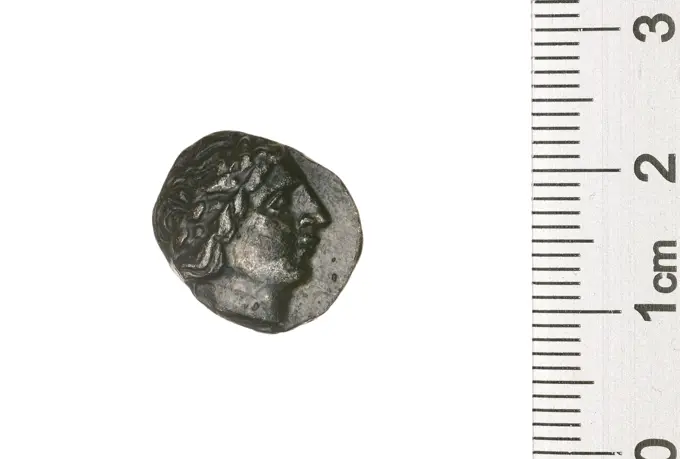
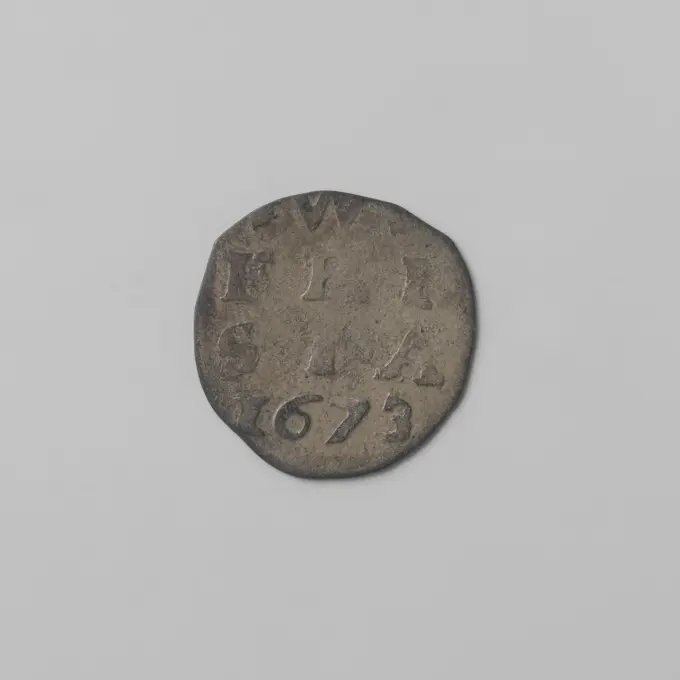
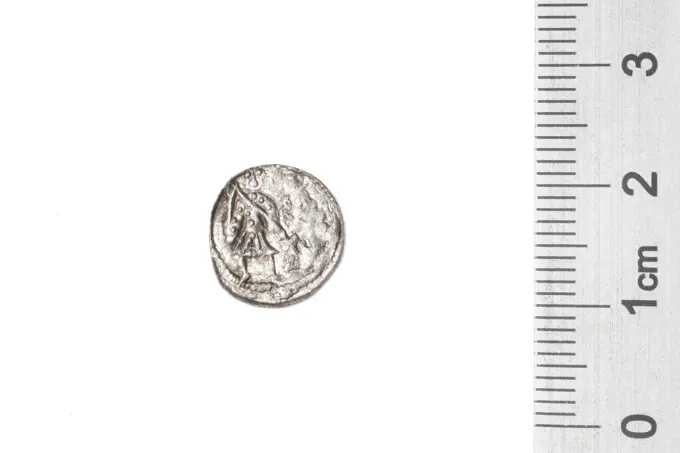
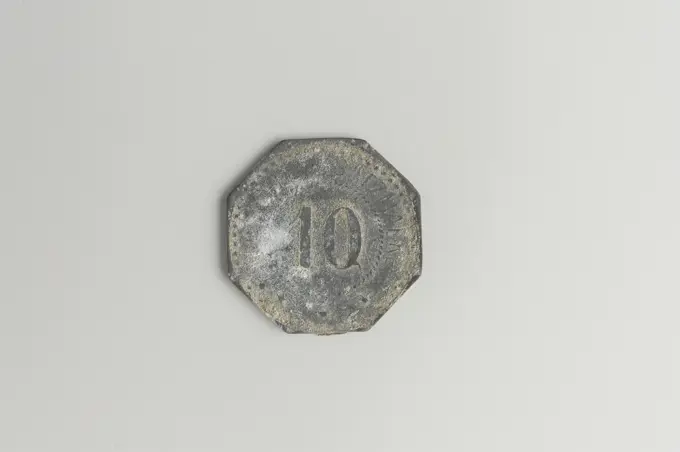
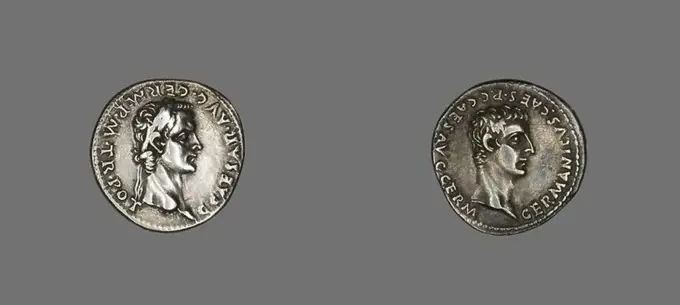
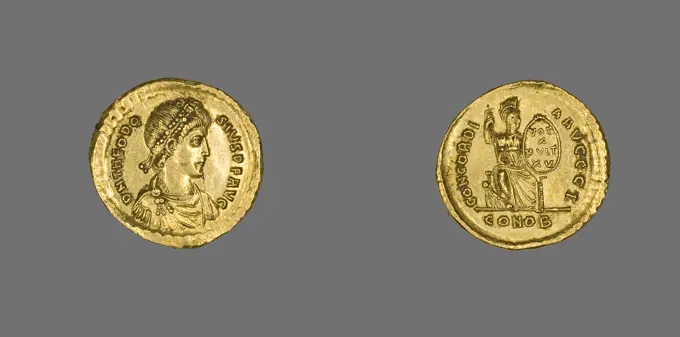
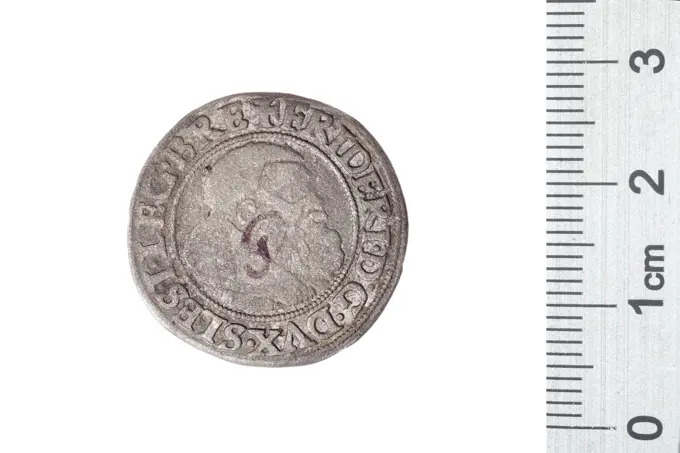
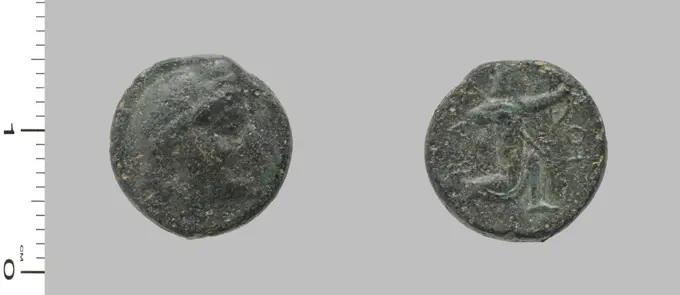
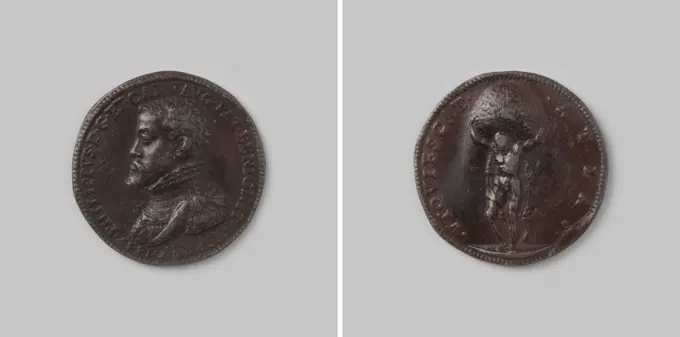
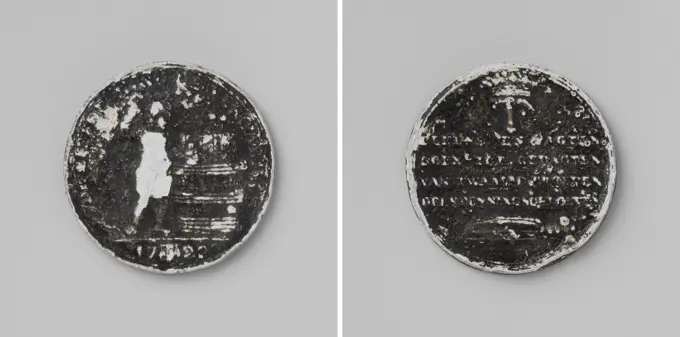
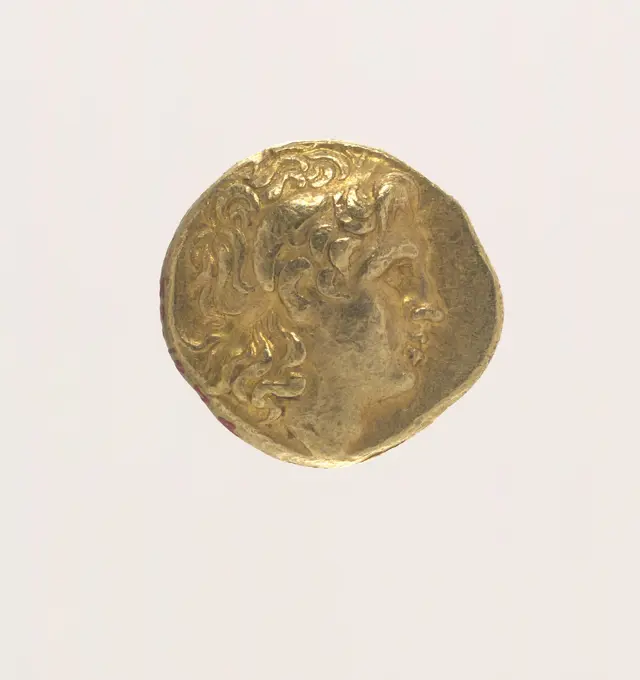
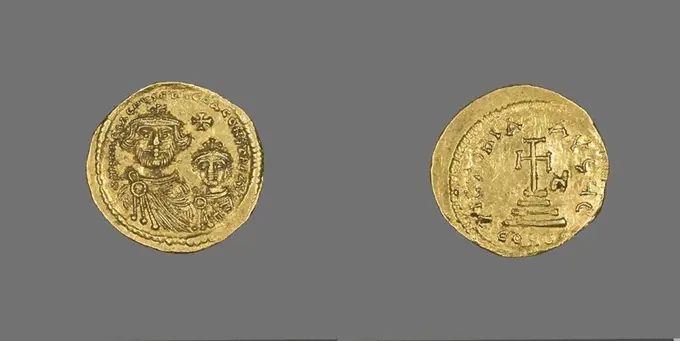
denarius. Bolesław III Krzywousty (książę Polski ; 1107-1138), rulerCoin Depicting the God Apollo. Greek. Date: 200 BC-1 BC. Dimensions: Diam. 1.5 cm; 3.08 g. Bronze. Origin: Izmir. Museum: The Chicago Art Institute, Chicago, USA. Author: ANCIENT GREEK.heller. Wacław I (książę cieszyński ; 1442-1452), ruler, Władysław II (książę cieszyński ; 1440-1442), ruler, Bytom, issuersemuncia. Anonimowy, monetary officer, Republika Rzymska, issuerdenarius. Porcius Cato, C. (fl. 123 a.C.), monetary officer, Republika Rzymska, issuerCoin Portraying the God Asklepios ( ) 51 BCE Ancient Greece. Bronze . Ancient GreekCoin Depicting a Griffin. Greek, minted in Teos, Ionia. Date: 300 BC-1 BC. Dimensions: Diam. 1.7 cm; 3.71 g. Bronze. Origin: Teos. Museum: The Chicago Art Institute, Chicago, USA. Author: ANCIENT GREEK.Denarius (Coin) Depicting the Goddess Victory. Roman, minted in Gaul. Date: 68 AD-69 AD. Dimensions: Diam. 1.8 cm; 2.77 g. Silver. Origin: Italy. Museum: The Chicago Art Institute, Chicago, USA. Author: ANCIENT ROMAN.Stater (Coin) Portraying Mithrapata 380 BCE-375 BCE Anatolia. This coin originated in Lycia, an independent country that belonged to the Greek Empire, in a district that is now southwestern Turkey. This coin displays one of the earliest known examples of a human profile on coinage. The image portrays the dynast Mithrapata, whose facial features are strongly depicted, with a flat nose, high cheekbones, a thick neck, a beard, and short curly hair. The profile is set within an incuse square that also contains the Lycian insription ìMITHRIPATI.î. Silver . Ancient Greekdenarius. Bolesław III Krzywousty (książę Polski ; 1107-1138), rulerCoin Portraying Emperor Diocletian 290 CE-295 CE Roman Empire. The front (obverse) of this coin portrays the head of Emperor Diocletian, radiate and facing to the right. The back (reverse) depicts the god Jupiter.. Silver . Ancient Roman1/16 Shekel fromTyre. Mint: Tyre Artist: UnknownMint: Clarentza, Hemiobol fromClarentza, 400-350 B.C., Silver, 0.30 g, 12:00, 7mm, Made in Clarentza, Peloponnese, Greek, 4th century B.C., Numismaticsdidrachm. Anonimowy, monetary officer, Republika Rzymska, issuerDrachm (Coin) Portraying King Mithridates II the Great of Parthia 123 BCE-88 BCE Khorasan. The purpose of the first portrait coins was to identify the ruler. The front side became a mirror of the sovereignís self-image. The back was often used to communicate the rulerís accomplishments or intentions. The profile portrait was used because it suited the very shallow depth and limited surface of the coin. The tiny images were carved by engravers into bronze dies, one for the front and another for the back. The coins were then struck, one by one, in a process similar to how modern coins are created today.Portraits as PublicityCoins were an efficient form of publicity, particularly when new rulers needed to legitimize their succession or strengthen their reputation. As king of Parthia (modern Iran), Mithridates II (r. 123ñ88 BC) followed the Greek and Roman convention of celebrating oneís royal heritage on coinage. All Parthian coinage included the name ìArsakes,î the founder of the dynastydenarius. Bolesław III Krzywousty (książę Polski ; 1107-1138), rulerDouble Fanam for Madras in India of the English Oostindische Compagnie (EIC), (1764-1807) ,, 1764 - 1807 coin Silver coin. Front: a deity half -leak, standing. Reverse: two, opposite each other and partially ascending letters C = company. Smooth edge. Chennai silver (metal) striking (metalworking)Penning from the Duchy of Bohemia of Otto I, 1054-1087 ,, 1054 - 1087 coin. penny Silver coin. Front: head of the duke to the right. Reverse: bust from the front.  silver (metal) striking (metalworking)denarius. Bolesław III Krzywousty (książę Polski ; 1107-1138), rulerDrachm (Coin) Portraying King Phraate IV. Persian; Parthia. Date: 38 BC-32 BC. Dimensions: Diam. 1.9 cm; 3.72 g. Silver. Origin: Khorasan. Museum: The Chicago Art Institute, Chicago, USA. Author: Ancient Iranian.Payment medal of 5 cents from the cooperative store association Eendracht Makes in Hilversum ,, 1875 - 1900 history medal Round brass picture with edge recovery with inner stamps (star) / 5 C  brass (alloy)denarius. Bolesław III Krzywousty (książę Polski ; 1107-1138), rulerCoin Portraying Emperor Claudius II Gothicus. Roman, minted in Alexandria, Egypt. Date: 268 AD-270 AD. Dimensions: Diam. 2.3 cm; 10.71 g. Billon. Origin: Roman Empire. Museum: The Chicago Art Institute, Chicago, USA. Author: ANCIENT ROMAN.denarius. Fabius Labeo, Q. (fl. 124 a.C.), monetary officer, Republika Rzymska, issuerdenarius. Curtius, Q. (fl. 116-115 a.C.), monetary officer, Silanus, M. (fl. 116-115 a.C.), monetary officer, Republika Rzymska, issuerCoin Depicting a Boar 190 BCE Ancient Greece. The front (obverse) of this coin depicts the forepart of a winged boar. On the back (reverse) is an incuse square in four quarters.. Bronze . Ancient GreekPayment medal of 10 cents from the Society of Benevolence V1, Anonymous, in OR After 1841 - Before 1859 history medal Zinc medal, on the front in two lines M.V.W. / 10. CT, on the downside V1 Veenhuizen zinc striking (metalworking)Mint: Cyzicus, Hekte (1/6 Stater) fromCyzicus, 500-450B.C.?, Electrum, 2.585 g, 11.3mm, Made in Cyzicus, Mysia, Greek, 5th century B.C., NumismaticsMint: Tyre, 1/16 Shekel fromTyre, ca. 333 B.C., Silver, 0.71 g, 6:00, 9.5mm, Made in Tyre, Phoenicia, Greek, 4th century B.C., NumismaticsPenning from the diocese of Osnabrück of Konrad II von Rietberg, 1270-1297 ,, 1270 - 1297 coin Silver coin. Front: Portrait of Bishop from the front with Staff in the right hand. Reverse: church building with gate, in which Rad, Wapen van Osnabrück. Osnabrück silver (metal) striking (metalworking)Coin Portraying King Chosroes II. Persian. Date: 590 AD-628 AD. Dimensions: Diam. 2.9 cm; 3.93 g. Silver. Origin: Roman Empire. Museum: The Chicago Art Institute, Chicago, USA. Author: Ancient Iranian.denarius. Bolesław III Krzywousty (książę Polski ; 1107-1138), rulerDrachm (Coin) Portraying King Mithradates IV. Persian; Parthia. Date: 130 AD-147 AD. Dimensions: Diam. 2 cm; 3.61 g. Silver. Origin: Khorasan. Museum: The Chicago Art Institute, Chicago, USA. Author: Ancient Iranian.denarius. Bolesław III Krzywousty (książę Polski ; 1107-1138), rulerdenarius. Bolesław III Krzywousty (książę Polski ; 1107-1138), rulerdenarius. Anonimowy, monetary officer, Republika Rzymska, issuerdenarius. Fannius, M. (fl. 123 a.C.), monetary officer, Republika Rzymska, issuer1 groschen. Ludwik Jagiellończyk (król czeski i węgierski ; 1516-1526), ruler, Świdnica, issuer, Monau, Paweł (fl. 1517-1525), moneyerAntoninianus (Coin) Portraying Emperor Aurelian. Roman, minted in Cyzicus. Date: 270 AD-275 AD. Dimensions: Diam. 2.2 cm; 3.85 g. Billon. Origin: Roman Empire. Museum: The Chicago Art Institute, Chicago, USA. Author: ANCIENT ROMAN.denarius. Bolesław III Krzywousty (książę Polski ; 1107-1138), rulerCoin Depicting the God Dionysos. Greek. Date: 133 BC. Dimensions: Diam. 1.6 cm; 4.39 g. Bronze. Origin: Ancient Greece. Museum: The Chicago Art Institute, Chicago, USA.heller. Ziębice, issuerTetradrachm (Coin) Depicting a Cista with Snake 133 BCE-67 BCE Ancient Greece. The snakes used in the initiation ceremony of the cult of Dionysos were kept in a cista mystica, or sacred container. The snake represented the god himself in his role as a fertility deity and symbol of reincarnation. This very popular coin type shows the sacred snake wriggling out of a basket encircled by a wreath made of ivy leaves. As part of the rites of Dionysos, the ancient Greeks and Romans chewed ivy leaves, a mild hallucinogen.. Silver . Ancient Greekdenarius. Bolesław III Krzywousty (książę Polski ; 1107-1138), rulerSilver Big Fanam of Negapatnam, Voor -India, United Oostindische Compagnie, 1750 - 1780 coin Silver coin. Front: the deity Vishnu standing with cone -shaped triple crown. Aside of the head valves, in addition to a collection of points. Road side: spherical surface, strewn with points. Smooth edge. Non -non silver (metal) striking (metalworking)Sestertius (Coin) Portraying Emperor Gordianus 238 CE-244 CE Roman Empire. The front (obverse) of this coin portrays the emperor Gordianus, facing right and wearing a crown of laurels.On the back (reverse), the god Apollo is depicted seated, facing left and holding an olive branch.. Bronze . Ancient RomanDenarius (Coin) Depicting the Goddess Juno Sospita. Roman, minted in Rome. Date: 105 BC. Dimensions: Diam. 2 cm; 3.77 g. Silver. Origin: Italy. Museum: The Chicago Art Institute, Chicago, USA. Author: ANCIENT ROMAN.victoriatus. Anonimowy, monetary officer, Republika Rzymska, issuerOverijsselse Bezemstuiver, 1769, Province of Overijssel, 1769 coin Silver coin. Front: three -faced inscription, above which mint masters and including year. Reverse: Inside laurel wreath between value indication IS arrow bundle. Smooth edge. Match silver (metal) striking (metalworking)bronze coin minted in Cástulo, Semis, reverse with bull, Iberian Museum of Jaén, Andalusia, Spain.Coin Depicting the God Apollo 200 BCE-1 BCE Ancient Greece. Bronze . Ancient Greekdenarius. Bolesław III Krzywousty (książę Polski ; 1107-1138), rulerFollis (Coin) Portraying Emperor Licinius. Roman, minted in Alexandria. Date: 312 AD. Dimensions: Diam. 2.1 cm; 3.45 g. Bronze. Origin: Roman Empire. Museum: The Chicago Art Institute, Chicago, USA. Author: ANCIENT ROMAN.denarius. Domitius Ahenobarbus, Cn. (fl. 189-180 a.C.), monetary officer, Republika Rzymska, issuerGeneral Peace, 1801 Medal: General Peace. Brass, 1801.Stevenweertse Verme, Herman Frederik van den Bergh, 1620 - 1632 coin Copper mint. Front: between two leafers crowned coat of arms of Van den Bergh. Reverse: within a leaf -wreath inscription SST/INSV/LA in three lines. Stevensweert copper (metal) striking (metalworking)triens. Anonimowy, monetary officer, Republika Rzymska, issuerCoin Depicting the God Apollo 300 BCE-201 BCE Ancient Greece. Bronze . Ancient Greekdenarius. Bolesław III Krzywousty (książę Polski ; 1107-1138), rulerCarnavalet museum, tokens collectionZeeland Stuiver, 1791, Province of Zeeland, 1791 coin Silver coin. Front: Inscription in three lines, above which mint sign between two rosettes and including year. Reverse: Inside laurel wreath between value-designation arrow bundle. Middelburg silver (metal) striking (metalworking)3 hellers. Złotoryja, issuerAE. Chersonezgroschen. Fryderyk II (książę brzesko-legnicki ; 1480-1547), ruler, Stoltz, Michael (fl. ca 1540-1555), moneyerdrachm. PantikapaionCarnavalet Museum, Medals CollectionAE. PantikapaionWest Frisian Double Stuiver, 1673, Landscape West-Friesland, 1673 coin Silver coin. Front: between value designation 2 s Climbing lion to the left, in the left-wing arrow bundle, in the right-wing claw sword. Reverse: Inscription in three lines. Under that year. West-Friesland silver (metal) striking (metalworking)drachm. Fanagoriadenarius. Bolesław III Krzywousty (książę Polski ; 1107-1138), rulerCoin Depicting Pegasus 500 BCE-450 BCE Levkás. The front of this coin depicts the winged horse Pegasus, wearing a bridle and flying.On the back the goddess Athena faces left, wearing a Corinthian style helmet.. Silver . Ancient GreekPlanets-manager. Cornalet Collection Sites 2013-2016. Numismatic.denarius. Iulius Caesar, Sex. (fl. 129 a.C.), monetary officer, Republika Rzymska, issuerHalf Djampel of Kingdom Majopahit on Java ,, 1290 - 1520 coin Silver dish -shaped mint. Front: Load in Devanagari script Maa. Downside, figuration flower. Java silver (metal) striking (metalworking)Denarius (Coin) Portraying Emperor Gaius (Caligula). Roman. Date: 37 AD-38 AD. Dimensions: Diam. 1.9 cm; 3.58 g. Silver. Origin: Lyon. Museum: The Chicago Art Institute, Chicago, USA. Author: ANCIENT ROMAN.Denarius (Coin) Depicting the Goddess Roma 134 BCE Roman Empire. The denarius, introduced in 211 BCE, was the principal silver coin of Rome for five hundred years. The profilehead of the goddess Romaóthe personification of Romeówas the most popular image depicted on silver denarii in the second and first centuries BCE.. Silver . Ancient Roman1/24 Stater fromMiletus. Mint: Miletus Artist: UnknownSzekel (siglos); Artakserkses II (404-358 BC); V-IV BC (-500-00-00--301-00-00);Stater (Coin) Depicting a Quadriga 322 BCE-308 BCE Cyrene. The front (obverse) of this coin depicts a quadriga (four-horse chariot) to the right driven by a youthful charioteer with a sun-disc with 5 rays. The back (reverse) depicts the god Zeus Ammon with a horn, standing to the left, holding a patera (dish) over a thymiaterion, with 5 patela.This coin shows the deity Zeus Amon, a combination of the Greek god Zeus and the Egyptian god Amun. He holds a scepter while pouring an offering from a patera, a plate used for offerings of olive oil or wine. The god can be identified by the diadem of ramsí horns, the traditional crown of Amon, the creator-deity of Egypt. Amon was no stranger to the Greeks. As early as the 5th century BCE, there was a temple on the Greek mainland built for his worship.. Gold . Ancient GreekSolidus (Coin) of Emperor Theodosius I Struck 383 CE-388 CE Constantinople. The front of this coin portrays the Emperor Theodosius I facing right.On the back the personification of Rome sits with her foot on the prow of a vessel, holding a spear and a shield which bears an as yet untranslated inscription.. Gold . Byzantinegroschen. Fryderyk II (książę brzesko-legnicki ; 1480-1547), ruler, Stoltz, Michael (fl. ca 1540-1555), moneyerheller. Władysław II Jagiellończyk (król czeski i węgierski ; 1471-1516), ruler, Wrocław, issuerdenarius. Anonimowy, monetary officer, Republika Rzymska, issuerWillem I Frederik, King of the Netherlands, Anonymous, 1815 - 1840  Unilateral plaque in high relief. Front: Breastpiece man in three -quarters to the left. Reverse: Blanco.  iron (metal) casting1/96 Stater fromIonia. Artist: UnknownDenarius (Coin) Depicting the Goddess Roma 104 BCE Roman Empire. The denarius, introduced in 211 BCE, was the principal silver coin of Rome for five hundred years. The profilehead of the goddess Romaóthe personification of Romeówas the most popular image depicted on silver denarii in the second and first centuries BCE.. Silver . Ancient RomanHekte (1/6 Stater) fromCyzicus. Mint: Cyzicus Artist: Unknown3 kreutzers. Jan Chrystian (książę brzeski ; 1591-1639), ruler, Hase, Burkhardt (fl. 1603-1623), moneyerRuler: Tiribazus, Satrap of Lydia 392, 386-380 B.C.Mint, possibly by: Sardis, Coin of Tiribazus, Satrap ofLydia,, 386-380 B.C., Bronze, 2.30 g, 12:00, 13mm, Made in Sardis, Lydia, Greek, 4th century B.C., NumismaticsSolidus (Coin) of Constans II and Constantine IV Struck 659 CE-668 CE Byzantine Empire. The front (obverse) of this coin portrays the emperors Constans II & Constantine IV, facing forward and crowned with a cross.On the back (reverse), a cross is depicted on top of two steps.. Gold . ByzantineMint: Carthage, Stater fromCarthage, 350-270 B.C., Electrum, 7.35 g, 1:00, 18mm, Made in Carthage, Zeugitana, Greek, 4th-3rd century B.C., NumismaticsRise in Spain and the Indies by Phiips II 1555 ,, 1555 history medal Bronzed tin medal, on the front the portrait of Philips II to the left with a change, on the reverse atlas with the wreld bulb, with a change  tin (metal) castingLazio Roma Subiaco Monastery of S. Scolastica Archaeological Museum22. Hutzel, Max 1960-1990 Antiquities: Views of antiquities in museum, including sarcophagi, plates, vases, coins. General Notes: Hutzel guide says we have negatives, but we cannot find them. German-born photographer and scholar Max Hutzel (1911-1988) photographed in Italy from the early 1960s until his death. The result of this project, referred to by Hutzel as Foto Arte Minore, is thorough documentation of art historical development in Italy up to the 18th century, including objects of the Etruscans and the Romans, as well as early Medieval, Romanesque, Gothic, Renaissance and Baroque monuments. Images are organized by geographic region in Italy, then by province, city, site complex and monument.Taking twelve guild tests, told by order of blankets and eights of the Kuipersgilde van Dordrecht, Anonymous, 1722 history medal Front: Amor with Kuipershamer in the right hand raised above and the chisel in the left hand working on a new barrel within Overschrift; Cut: year interrupted by coat of arms. Reverse: inscription under Crowned Kuipershamer above Kuipersmes Netherlands gypsum striking (metalworking)  DordrechtGold stater 286-281 B.C. Greek Issue of Lysimachos, minted at Pella: head of Alexander the Great; seated Athena.. Gold stater. Greek. 286-281 B.C.. Gold. Hellenistic. CoinsSolidus (Coin) of Heraclius and Heraclius Constantine. Byzantine, minted in Constantinople. Date: 613 AD-616 AD. Dimensions: Diam. 2.1 cm; 4.41 g. Gold. Origin: Byzantine Empire. Museum: The Chicago Art Institute, Chicago, USA.Penning in memory of Daniël Parvé (1644-1679), Anonymous, 1679  Driven red golden medal. Front: Huguenot cross with 2 crowned seahorses underneath. (arms of the Parvé family). Above a helmet with 2 crowned seahorses above it. Reverse: inside edge with angels (head and wings) the inscription. M.O. skull with crossed bones. Surat gold (metal) engraving  India15 kreutzers. Chrystian (książę brzesko-legnicko-wołowski ; 1618-1672), ruler, Pfahler, Christian (fl. 1651-1665), moneyerThe Great Zeeland Flood of 1531. Flood Disaster Medals. Much of the Netherlands lies below sea level. The threat of flooding is thus ever-present. Dikes, dams and polders were created to control the water. Still, these safety measures sometimes failed. Each century witnessed disastrous floods, with levees breaching and the countryside being inundated. The North Sea Flood of 1953 led to the construction of the Delta Works. Thanks to this major intervention the country has since remained dry.Pitji Van Sultan Mohammed Beha Ed-Din Van Palembang, Sumatra, A.H. 1193 (1779) ,, 1779 coin Pewter mint. Front: three -faced inscription in Arabic characters, between which year in Islamic era. Downside, smooth. Palembang (City) tin (metal) casting