Ancient Coins Collection

A series of ancient coins from different cultures, showcasing historical figures and symbols, presented with measuring tools for scale.
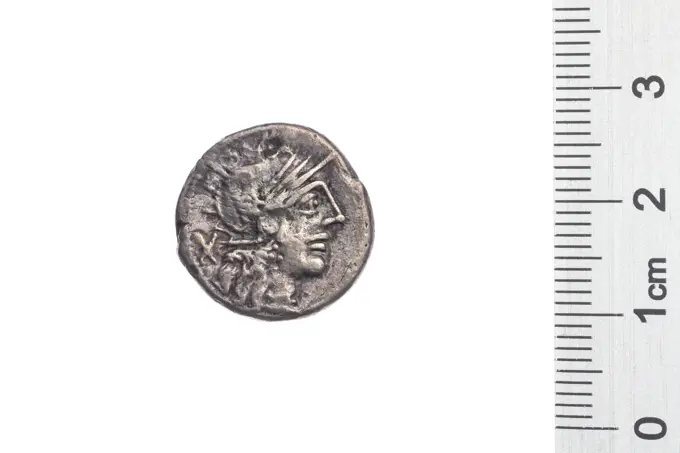
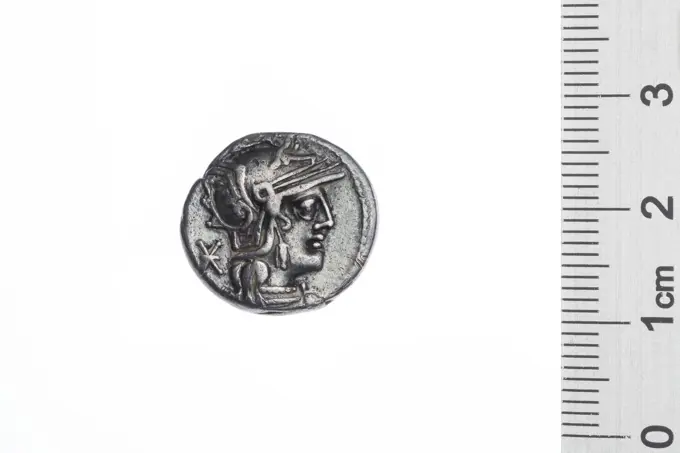
denarius. Porcius Cato, C. (fl. 123 a.C.), monetary officer, Republika Rzymska, issuer
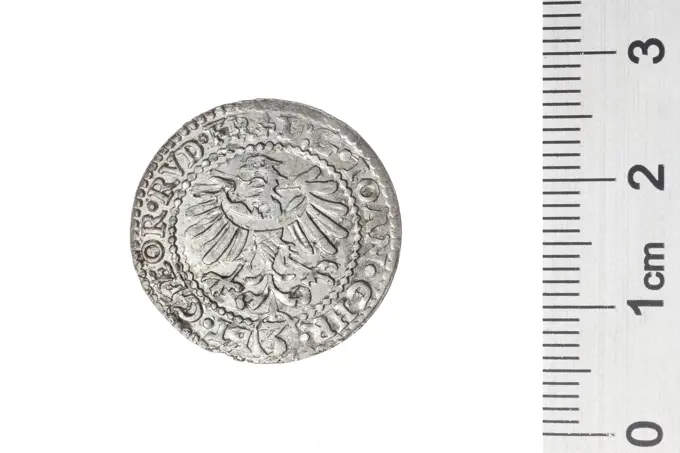
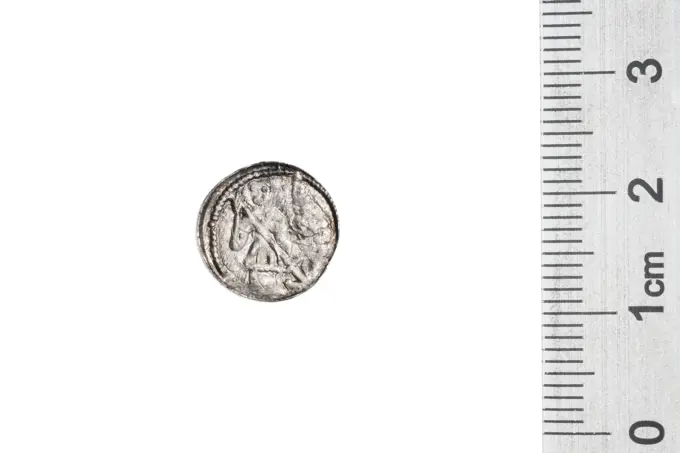
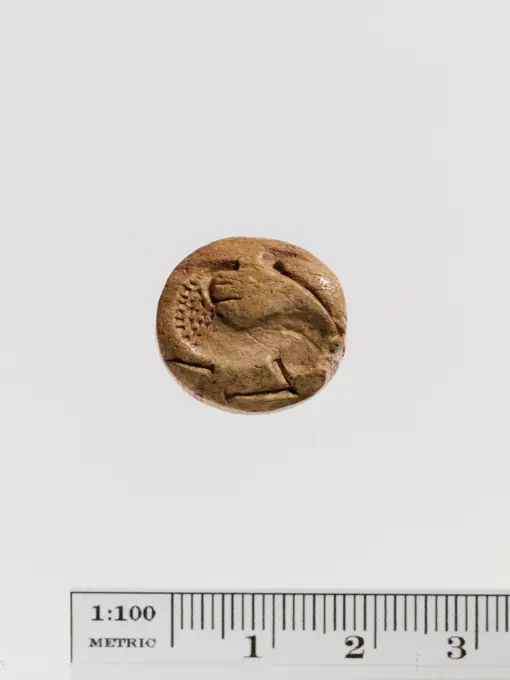
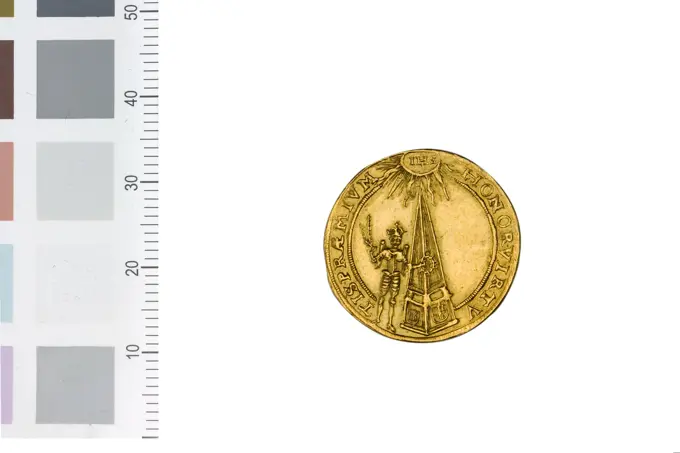
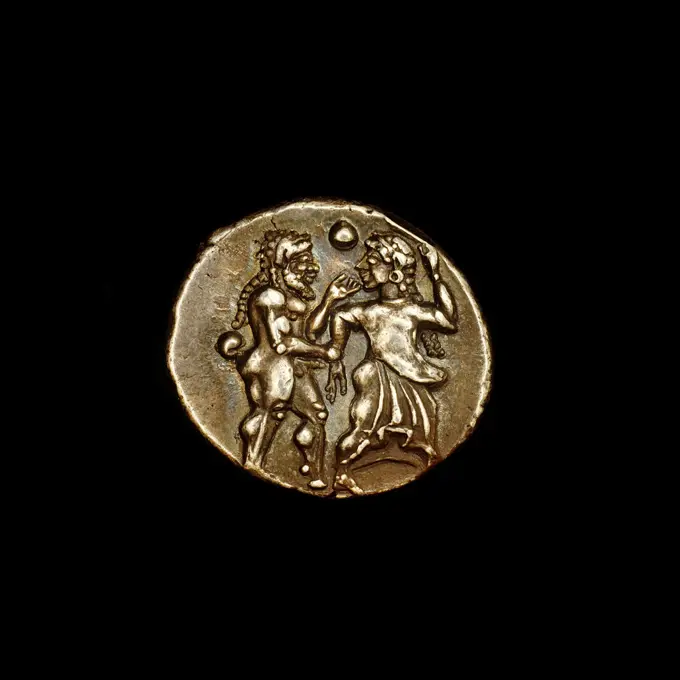
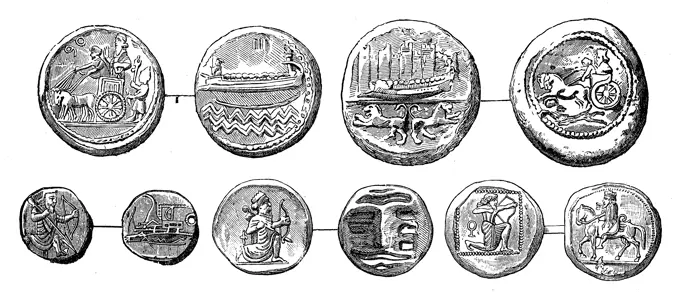
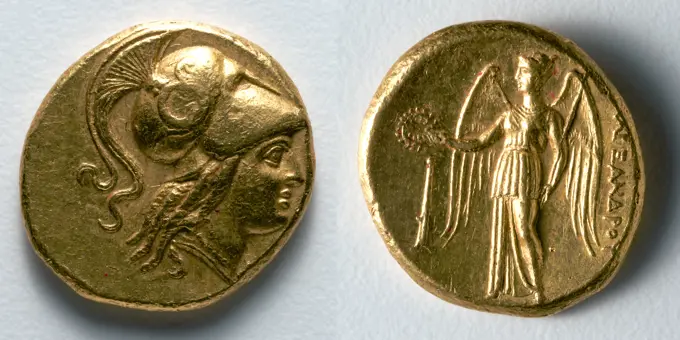
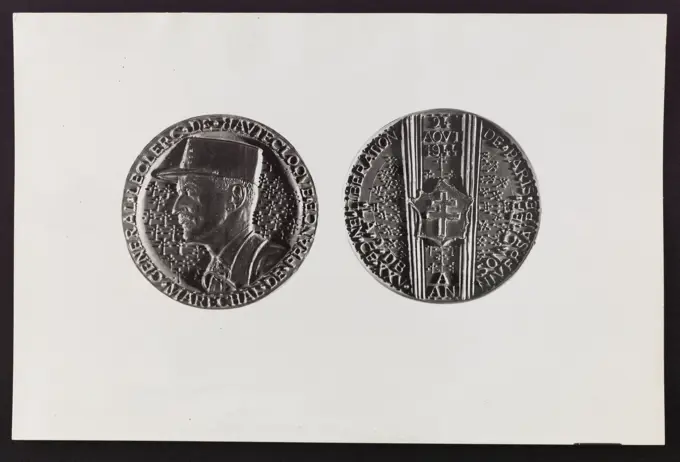
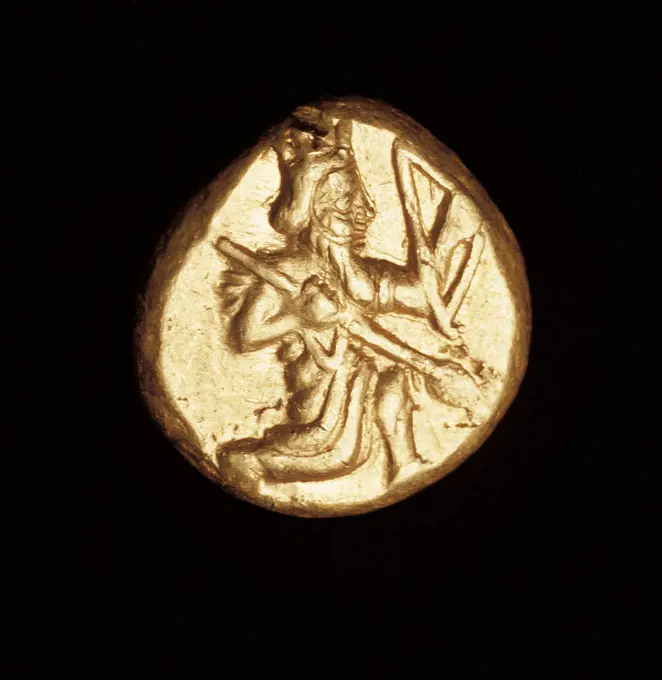
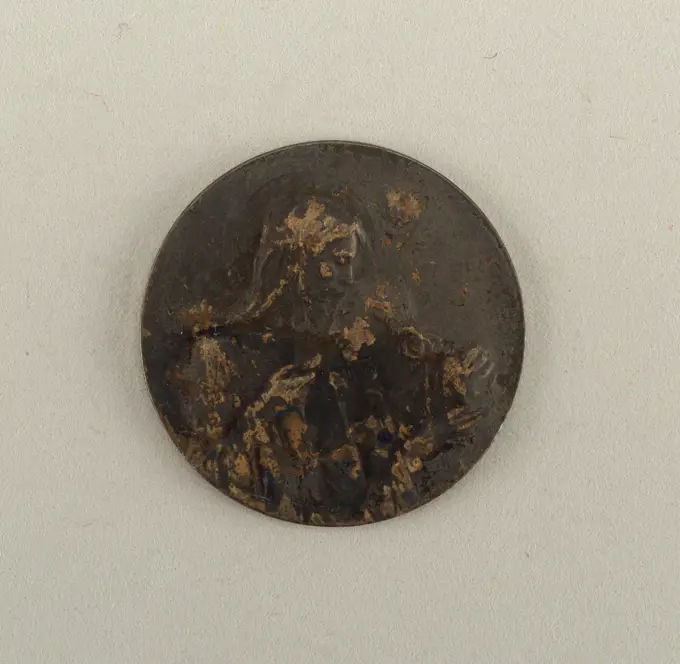
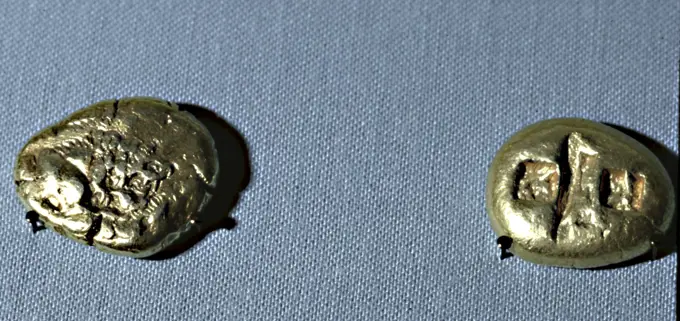
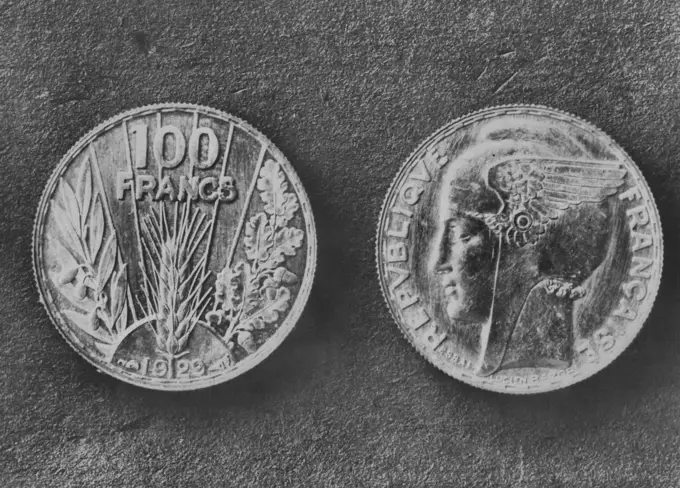
Hekte (1/6 Stater) fromIonia, ca. 600 B.C., Electrum, 2.33 g, 9.7mm, Made in Ionia, Greek, 7th-6th century B.C., NumismaticsHyperpyron (Coin) of John II Comnenus. Byzantine. Date: 1118-1143. Dimensions: Diam. 2.7 cm; 3.52 g. Gold. Origin: Greece. Museum: The Chicago Art Institute, USA.3 kreutzers. Jan Chrystian (książę legnicko-brzeski ; 1591-1639), ruler, Jerzy Rudolf (książę legnicko-brzeski ; 1595-1653), rulergroschen. Fryderyk II (książę brzesko-legnicki ; 1480-1547), ruler, Stoltz, Michael (fl. ca 1540-1555), moneyerdenarius. Marcius Philippus, Q. (fl. 129 a.C.), monetary officer, Republika Rzymska, issuerAureus (Coin) Portraying Emperor Vespasian 70 CE Roman Empire. The front of this coin portrays the emperor Vespasian, wearing a crown of laurels and facing right.On the back, the goddess of Peace is shown seated and holding a type of staff called a caduceus.. Gold . Ancient Romandenarius. Bolesław III Krzywousty (książę Polski ; 1107-1138), rulerSteatite lentoid seal ca. early 7th century B.C. Greek, Melian Lion with head turned back and mouth open.. Steatite lentoid seal. Greek, Melian. ca. early 7th century B.C.. Steatite, pale yellow. Orientalizing. GemsPlaque with allegorical performance about the loyalty. Plaque with allegorical performance about the loyalty. Sitting woman holds a cross in the right hand and a chalice in the left hand and a host, in the background a view of a village. Along the edge of the plaque is an egg list, the whole is caught in a facade in a contemporary wooden frame.Visigothic tremissis in the name of Justinian I, gold, 5th century, Conimbriga Monographic Museum, city of the Conventus Scallabitanus, Coimbra district, Portugal.groschen. Fryderyk II (książę brzesko-legnicki ; 1480-1547), ruler, Stoltz, Michael (fl. ca 1540-1555), moneyerdenarius. Bolesław III Krzywousty (książę Polski ; 1107-1138), rulerSolidus (Coin) of Heraclius Struck 638 CE-641 CE Byzantine Empire. On the front (obverse) of this coin Emperor Heraclius is flanked by his two sons, Heraclius Constantine and Heraclonas. All are facing front and holding globes. On the back (reverse) is a Greek cross on 3 steps, with the monogram of Heraclius to the left of the cross.Coins were an ideal way for Byzantine emperors to circulate their images throughout the empire and beyond, since they were used to pay for imported merchandise and to pay foreign mercenaries. They could also be employed as powerful vehicles for propaganda, promoting dynastic succession and emphasizing the earthly emperorís god-given right to rule.This coin is a gold solidi weighing 4.5 grams. From the fourth century on, the solidus was the preferred gold coin issued by Byzantine emperors. The solidus remained essentially unaltered in weight and purity until the tenth century.. Gold . Byzantinecoronation token. Władysław IV Waza (król polski ; 1632-1648), rulerDouble penny of Kampen, 1679, 1679 coin Silver coin. Front: between value designation 2 s generality lion. Reverse: Tweeregelig inscription, including year. Match silver (metal) striking (metalworking)Silver stater Coin, Ancient Greece, islands off Thrace Thasos, 500 BC - Important masterpiece depicting Bacchants revellersCoins from ancient Persia, coinage, shekels, daric, about 50 AD.  /  Muenzen aus dem alten Persien, Muenzwesen, Schekel, Dareike, ca 50 n.Chr., Historisch, historical, digital improved reproduction of an original from the 19th century / digitale Reproduktion einer Originalvorlage aus dem 19. Jahrhundert,. Bronze sesterius of Philip I. Culture: Roman. Dimensions: 16.2g (16.2g). Date: A.D. 244-249.IMP M IVL PHILIPPVS AVG, draped bust of emperor/FIDES EXERCITVS S C, four standardsRome. Museum: Metropolitan Museum of Art, New York, USA.Stater, 336-323 BC. Greece, Macedonia, 4th century BC. Gold; diameter: 1.9 cm (3/4 in.). As the forces of Alexander III the Great advanced into Asia, the city-state of Salamis, on the island of Cyprus, voluntarily surrendered itself and its mint. Salamis began producing Macedonian-style coinage, adopting a helmeted Athena on the obverse and a winged Nike offering a laurel wreath on the reverse. The rudder in the left field is the distinguishing symbol of Salamis, a nod to the city’s longstanding maritime prominence.Photograph of the presentation medal 25 years Liberation of Paris. Photo paper, 1969. General Museum Leclerc de Hauteclocque and the Liberation of Paris, Jean Moulin Museum.Stater fromAegina.  Mint: Aegina Artist: UnknownMarie de'Médicis, Queen Mother of France (b. 1573, r. 1610-42). Artist: Medalist: Guillaume Dupré (French, 1579-1640). Culture: French. Dimensions: Diameter: 2 3/16 in. (5.6 cm). Date: 1624. Museum: Metropolitan Museum of Art, New York, USA.Miniature table for playing in a large scripta, miniature table, miniature, miniature patera; Unknown Roman workshop,  I-II century (1-00-00-200-00-00);Rare Ancient Greek Coin, Gold Persian Daric, Great King kneeling with bow C 450BCWillem Frederik, Prince of Oranje-Nassau, Souverein Vorst, Anonymous, 1813  One -sided silver oval carrier with bearing eye and on the bottom of the canvas. Front: breastpiece man inside pearl edge and laurel wreath; On canvas: monogram. Reverse: Blanco Netherlands silver (metal) striking (metalworking)Medals. Laurent the magnificent Medals. Laurent the magnificent. Black and white projection plate. 1900-1930. Photograph of Jacques-Ernest Bulloz (1858-1942).Medal; 1902-26-14Ojime 19th century Japan. Ojime. Japan. 19th century. Edo period (1615-1868). OjimeElectrum coin of Lydia. obverse and reverse. 600 BC.seal of the General Directorate of Lotteries. Królestwo Polskie (1815-1831), signatoryRound Piece of Plated Metal Stamped with Portrait of ChristopherColumbusNew French Gold Coin - The 100 France gold coin, which, it is said, will soon be issued in replacement of the present banknotes. The mint has not begun stamping these new coins. The model of this coin was made in 1929. April 29, 1935.