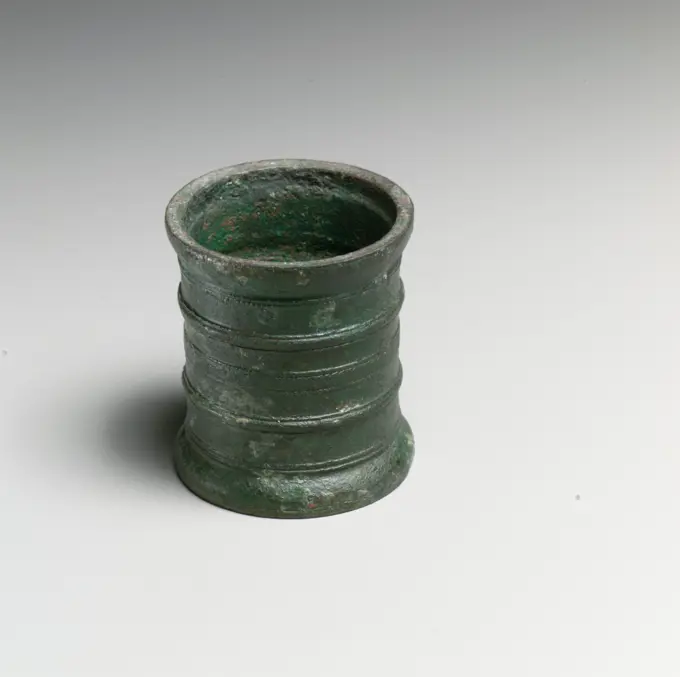
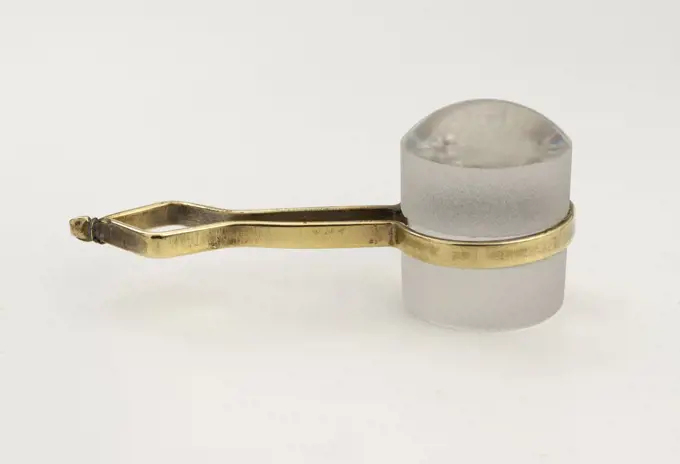
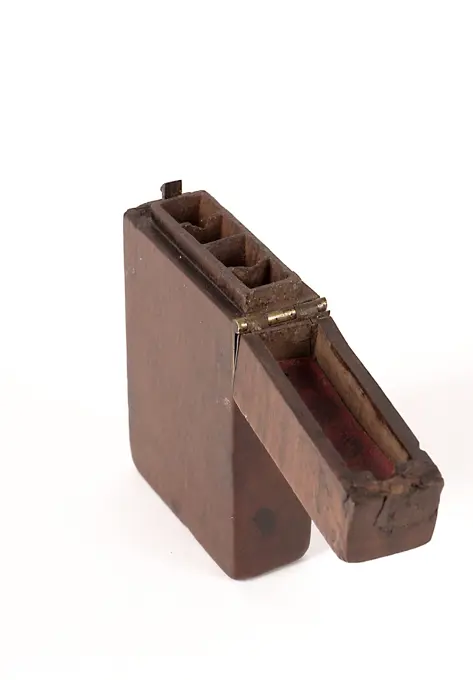
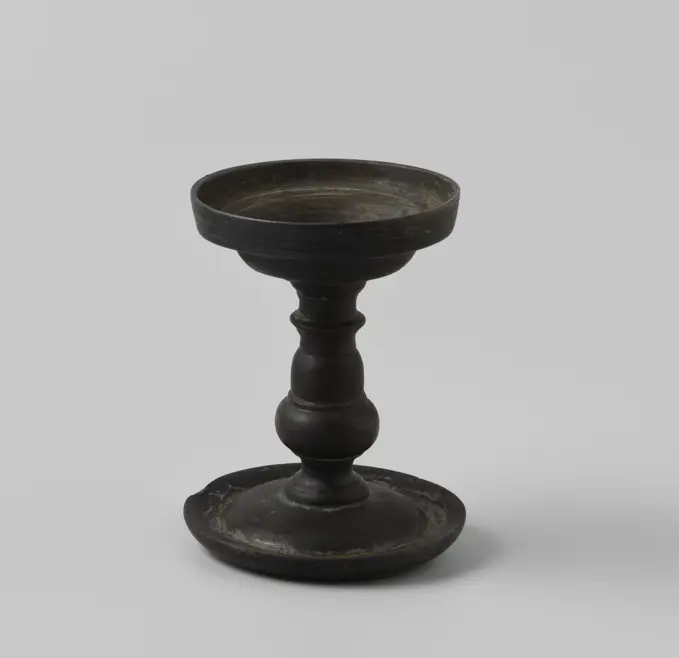
Ancient Containers and Jars

A collection of ancient containers showcasing diverse materials and styles, including ointment jars, pewe bottles, and decorative vessels from various cultures.
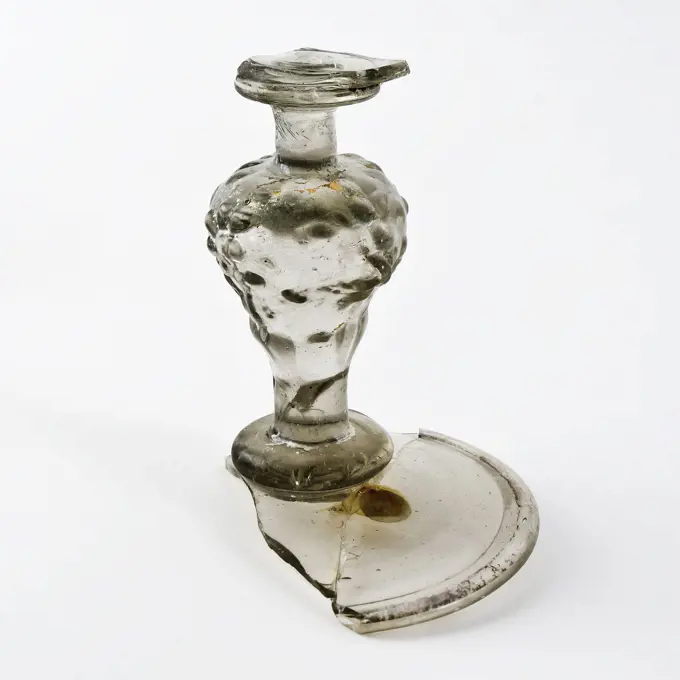
Fragment of foot and trunk of goblet (drinking bowl), drinking glass drinkware tableware holder soil find glass, free blown and shaped into blown Fragment of part of foot and stem of chalice (drinking bowl) In clear colorless glass in façon de Venise style Pontil mark under light ascending hollow base (broken and glued) with down turned rim Flat knot to hollow baluster-shaped knot (dm 1,1 - 3,1 cm) with relief of two lion heads and two ornaments with pearls to massive narrow (dm 0.9 cm) trunk closed with flat knot. Start of the calyx from archaeological approach of almost horizontal light Rotterdam IJsselmonde drinking wine serve beer Soil discovery: Castle IJsselmonde pit 1 and 2 Rotterdam 1972.30.08.
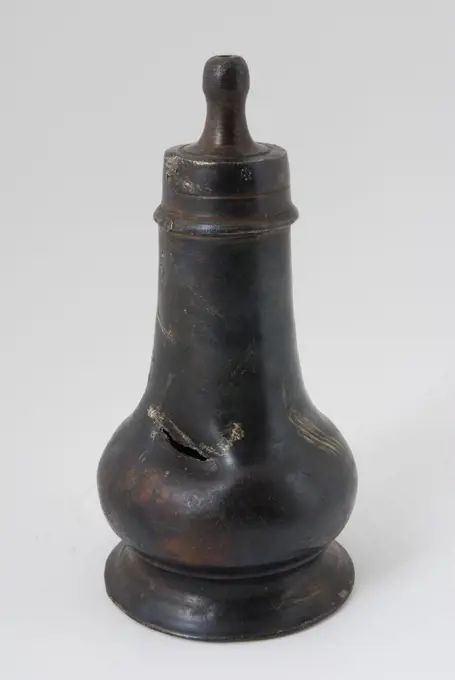
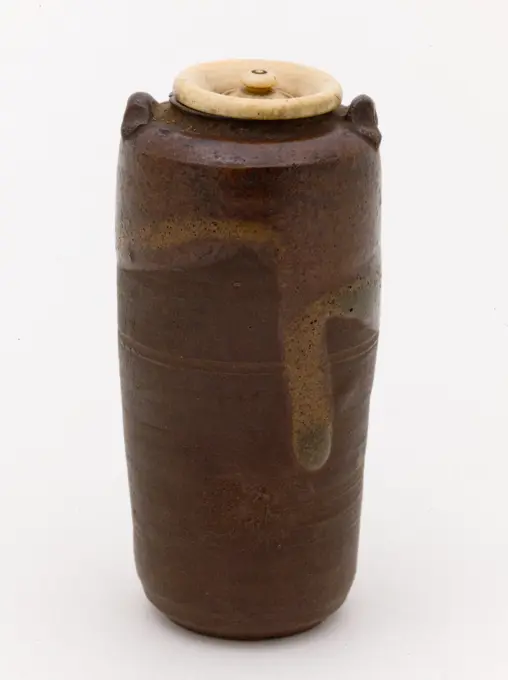
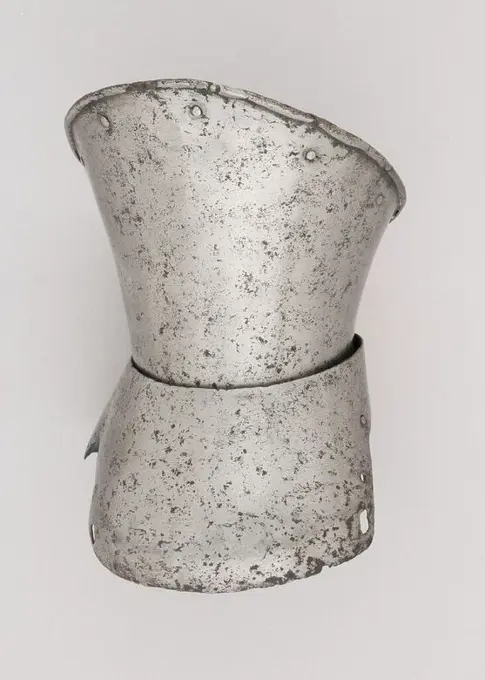
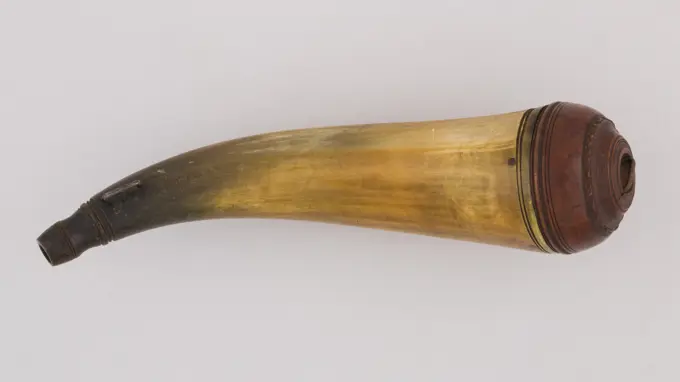
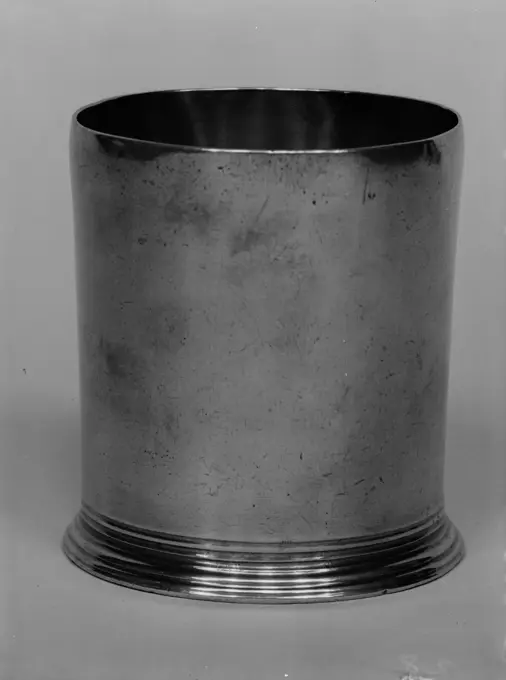
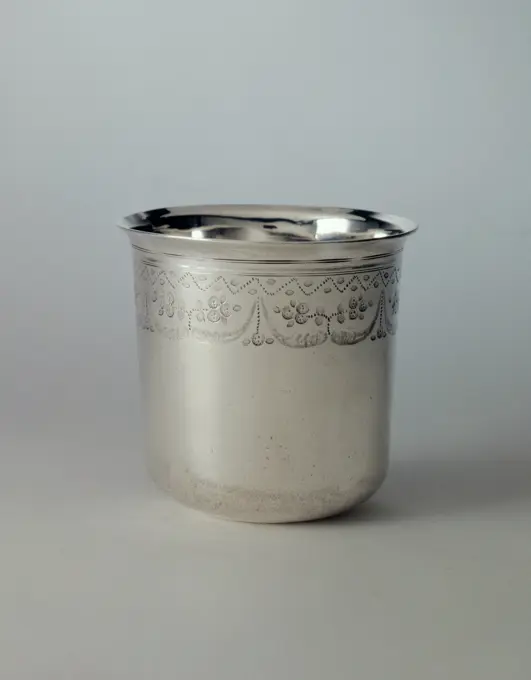
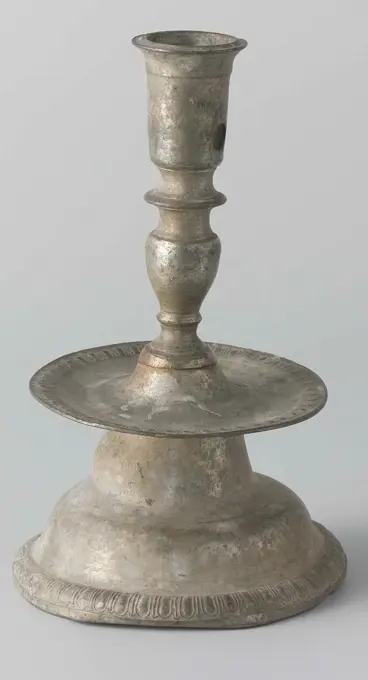
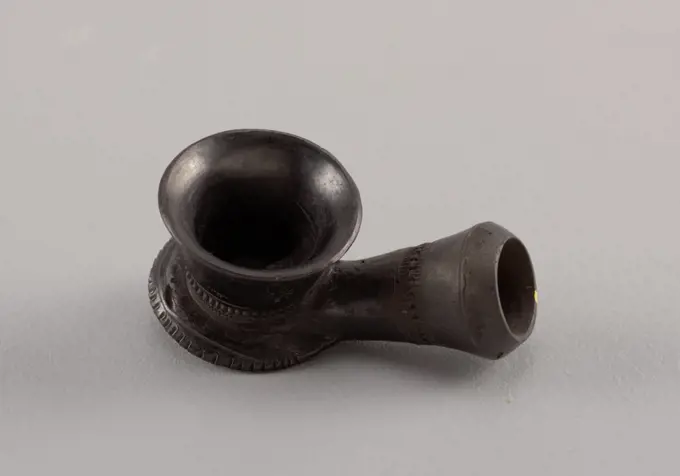
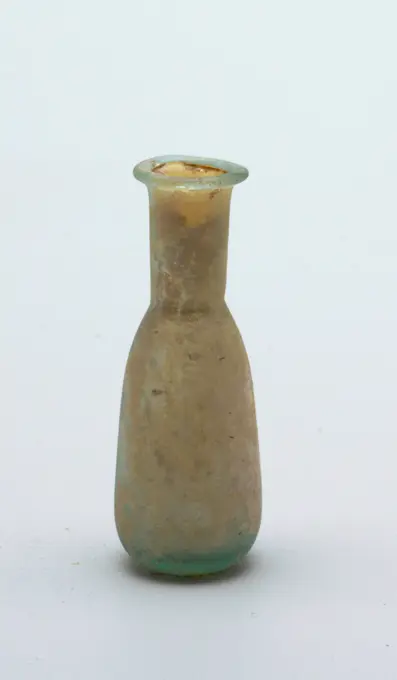
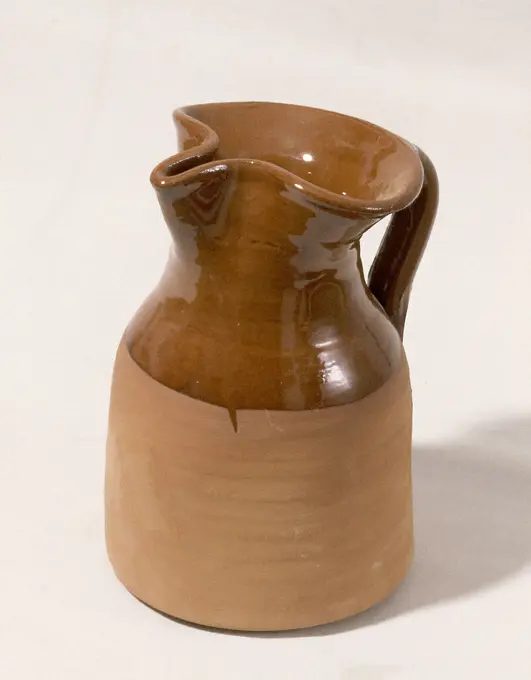
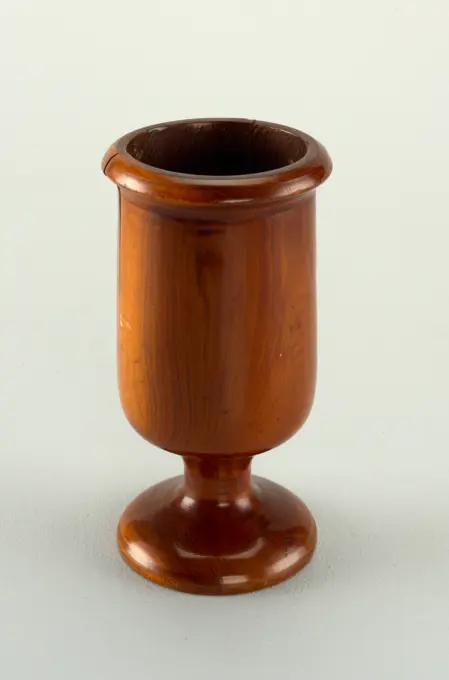
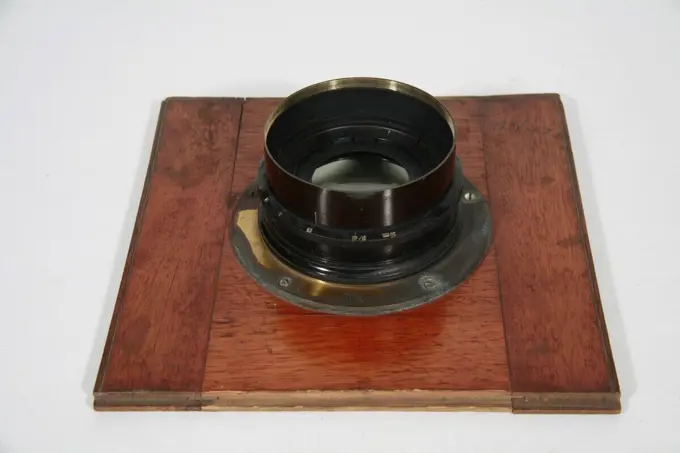
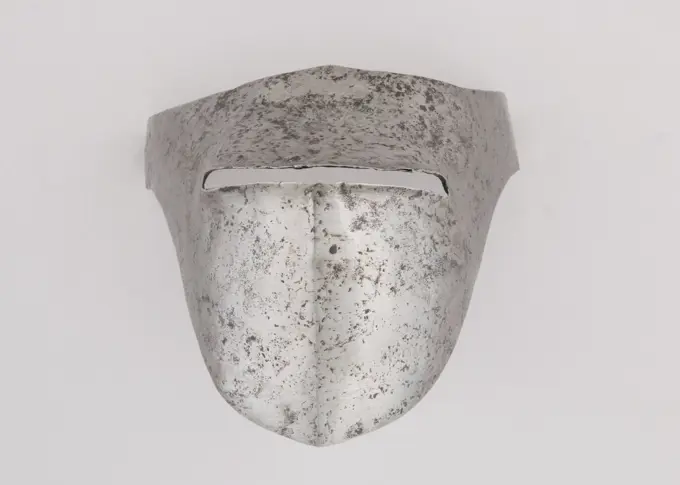
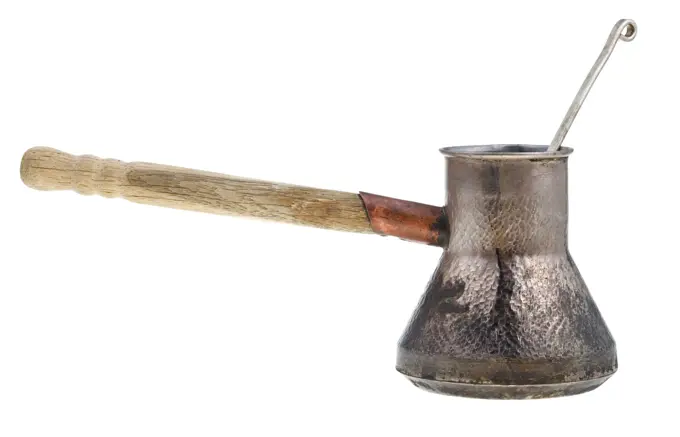
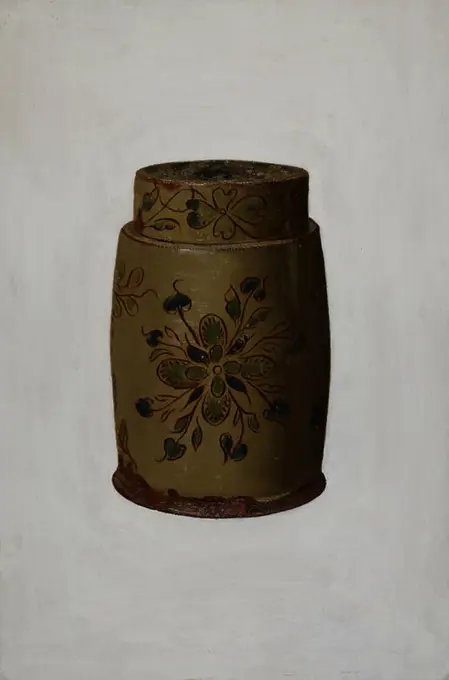
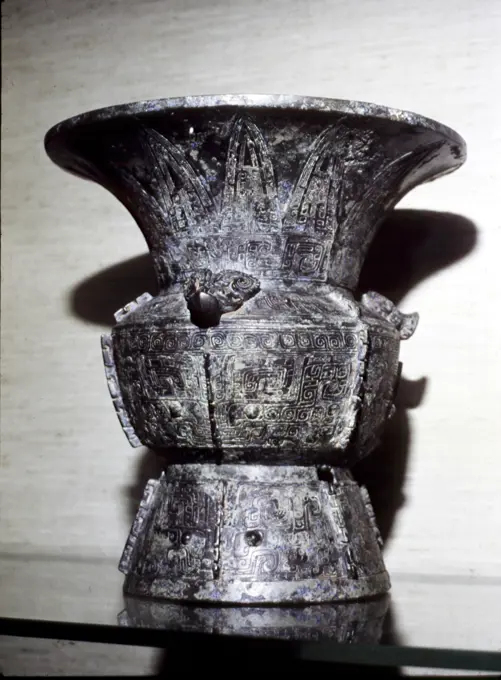
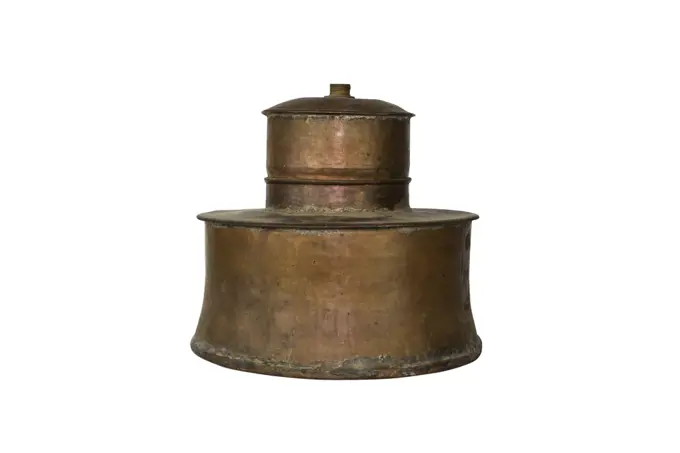
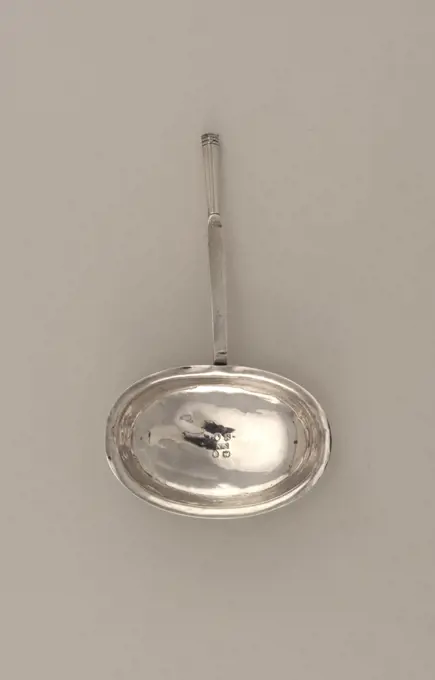
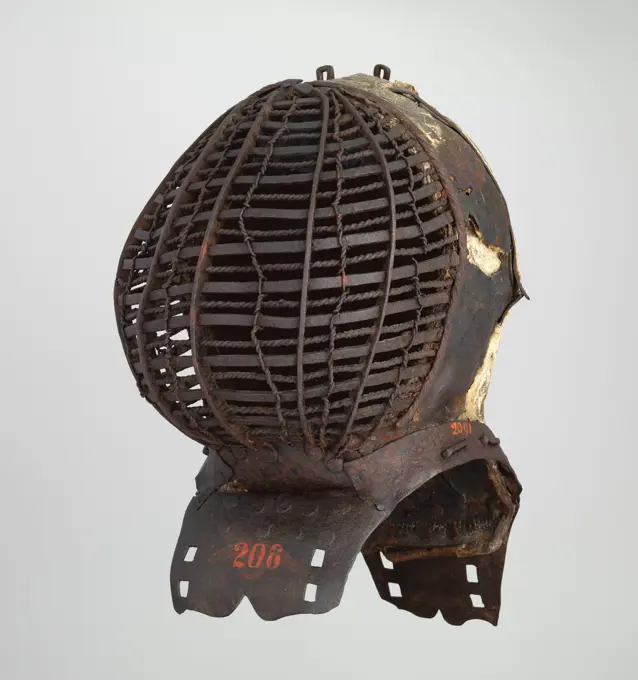
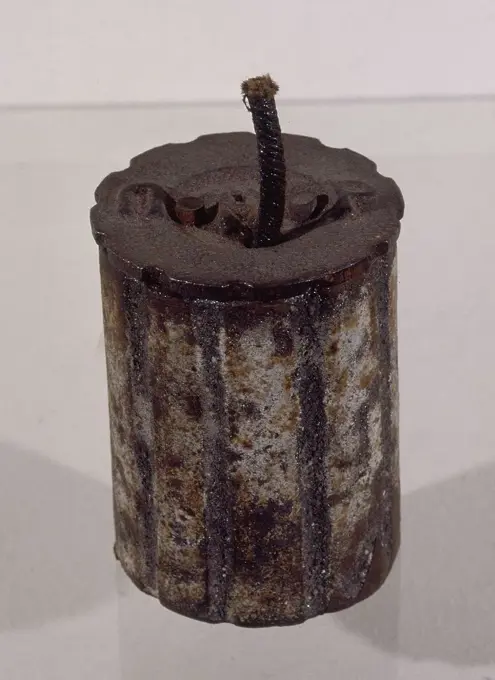
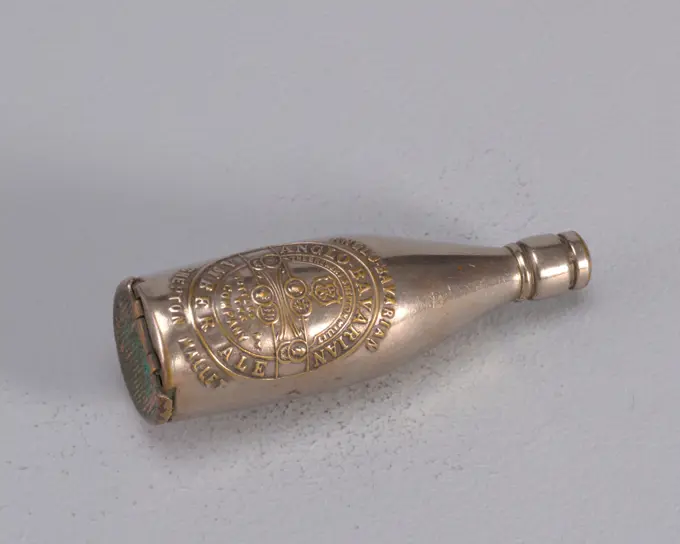
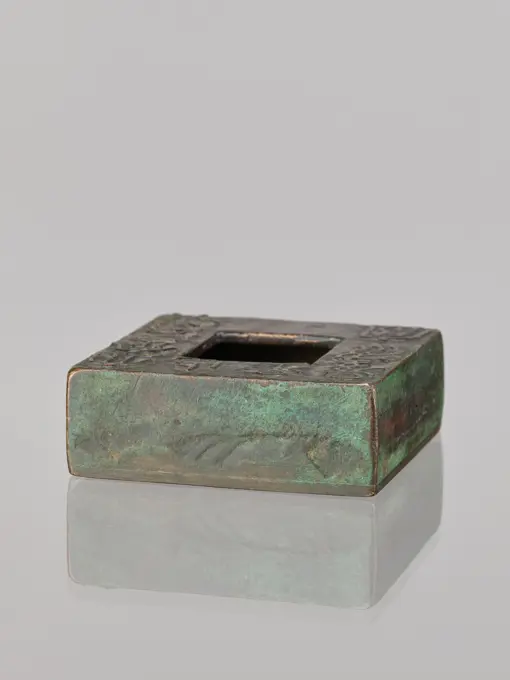
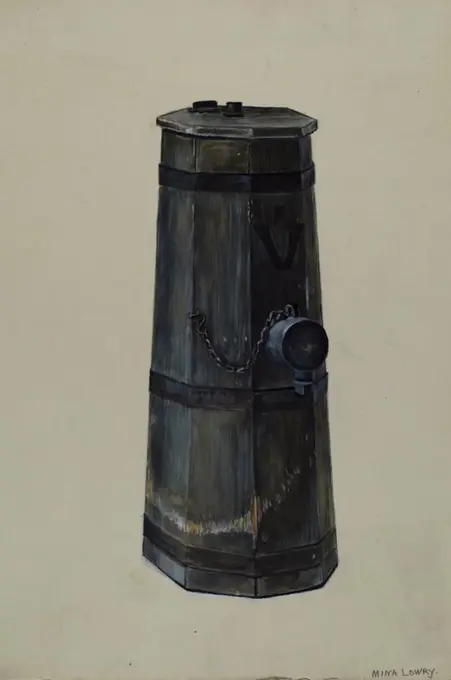
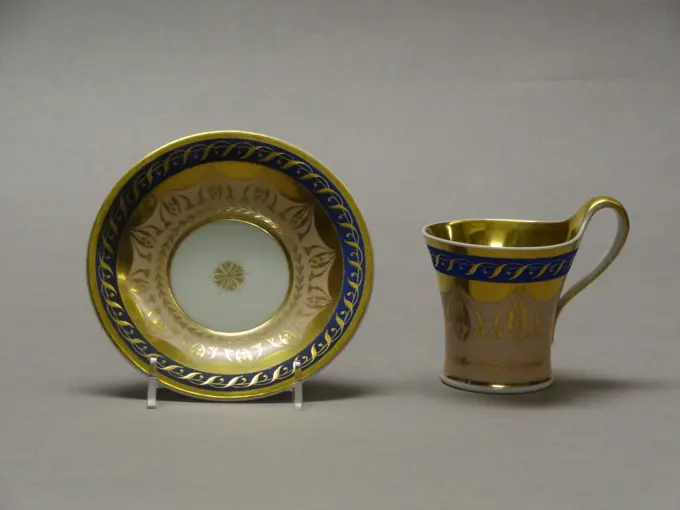
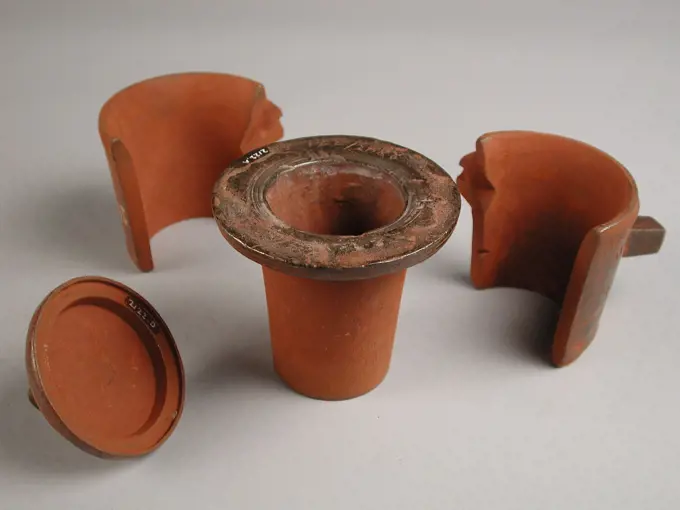
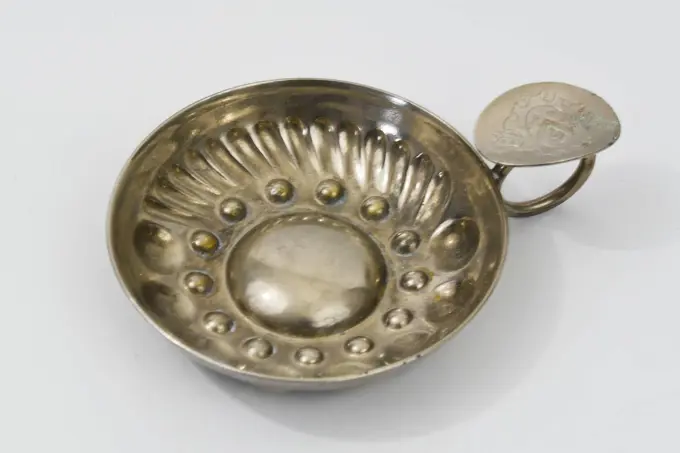
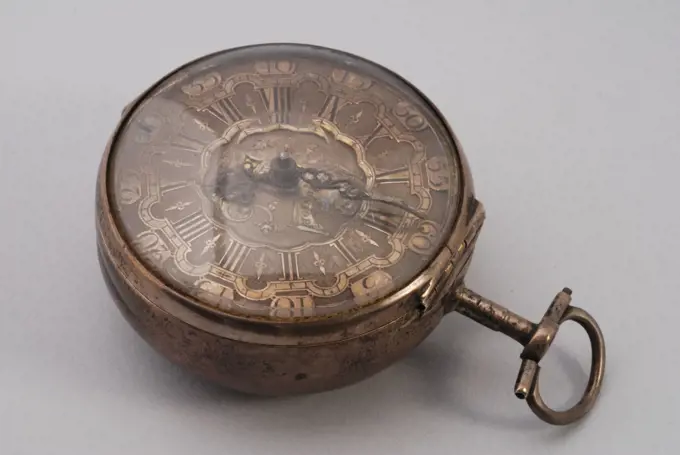
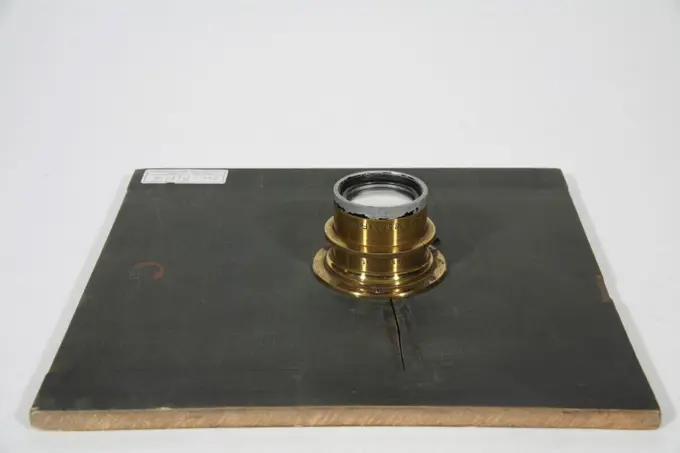
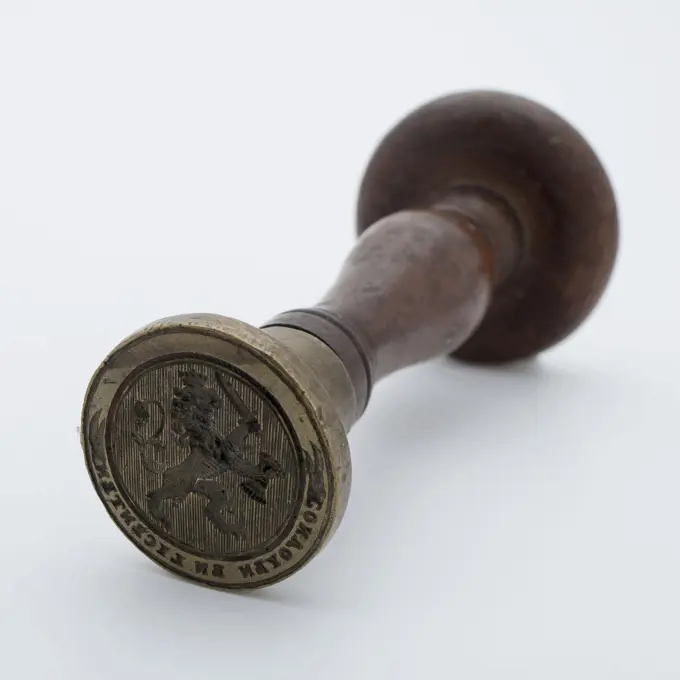
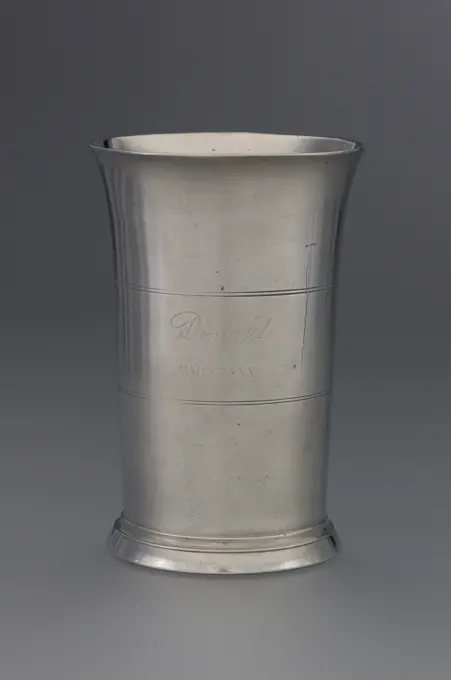
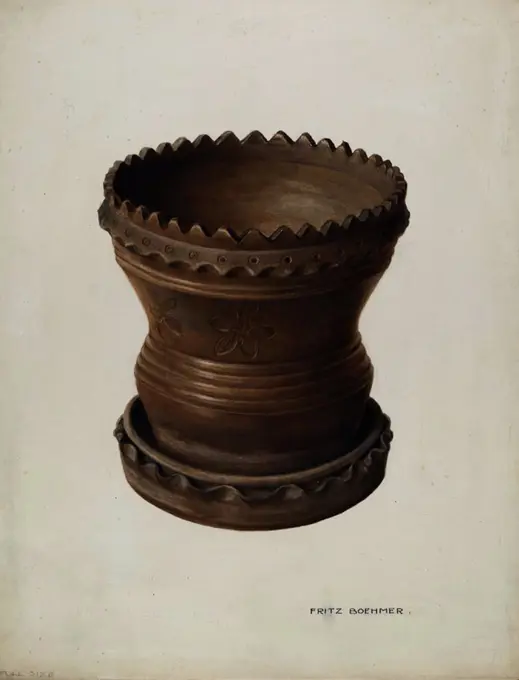
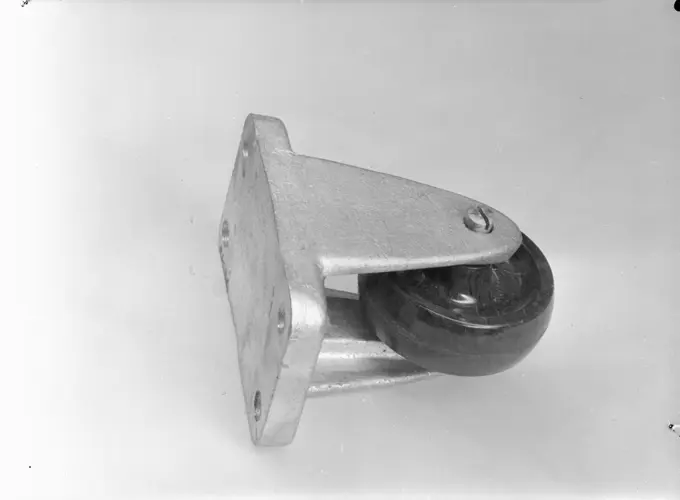
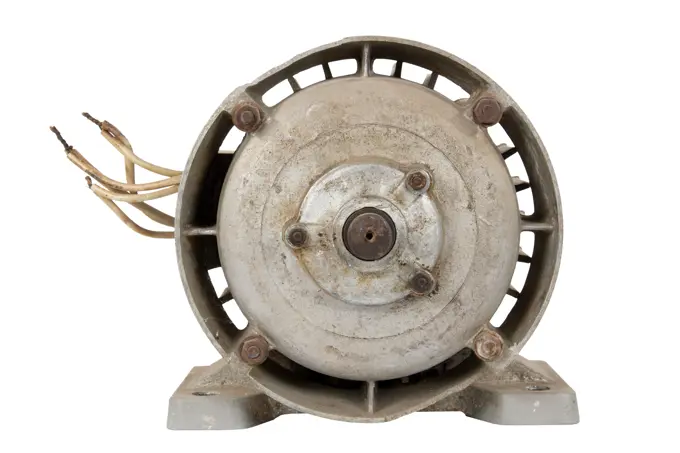
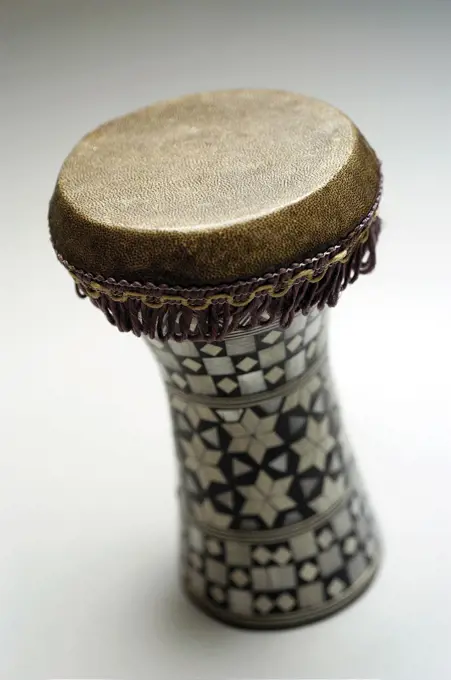
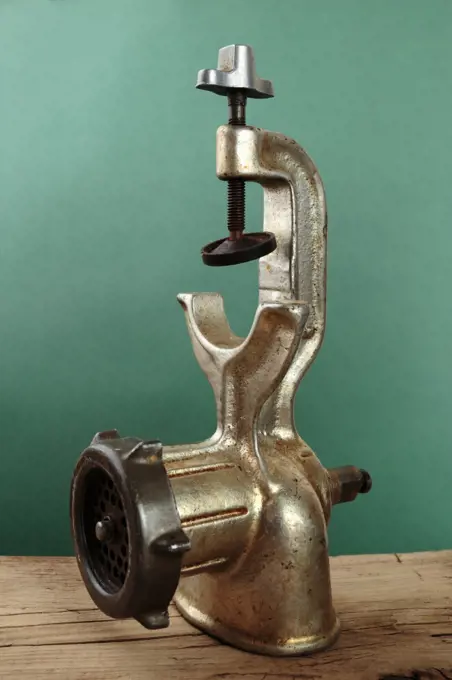
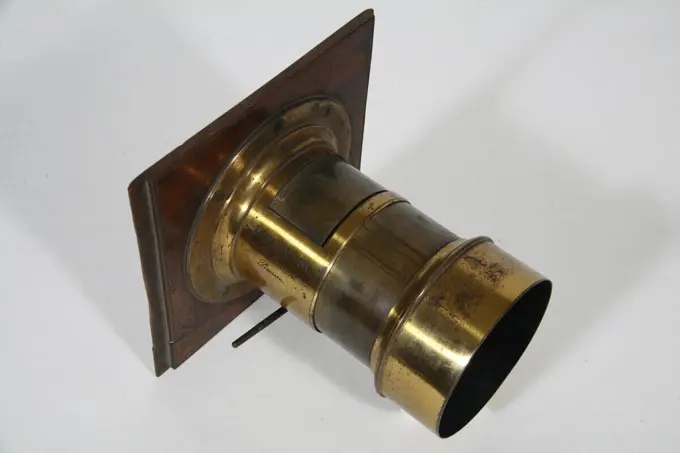
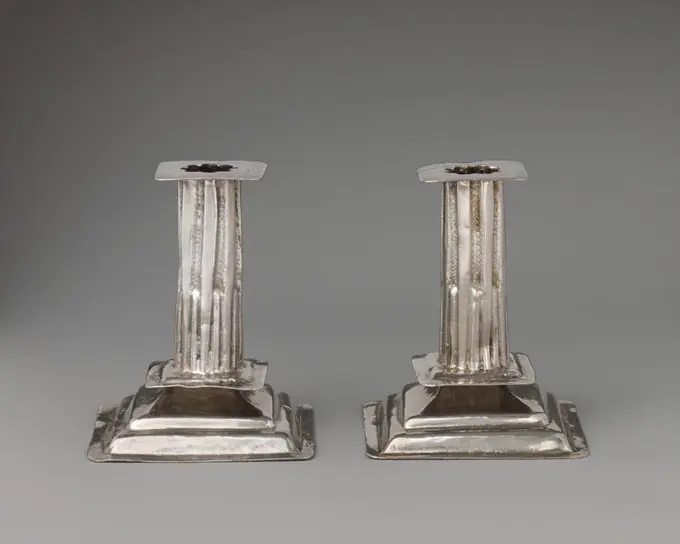
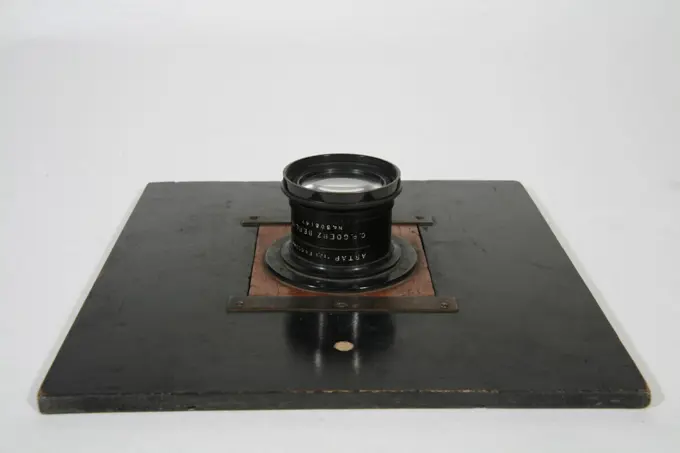
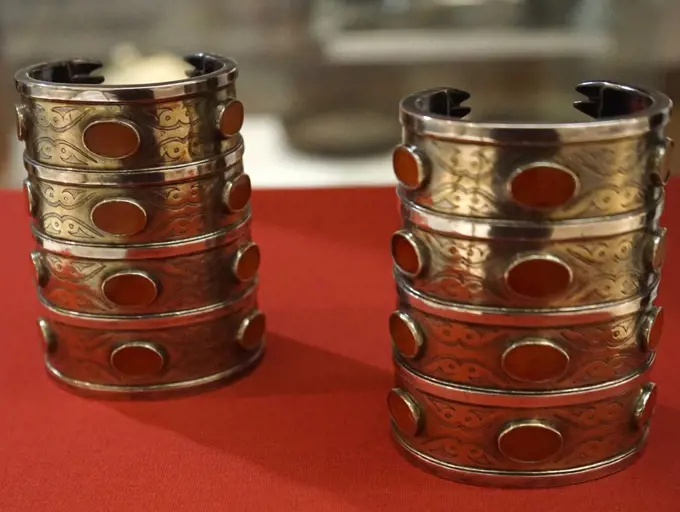
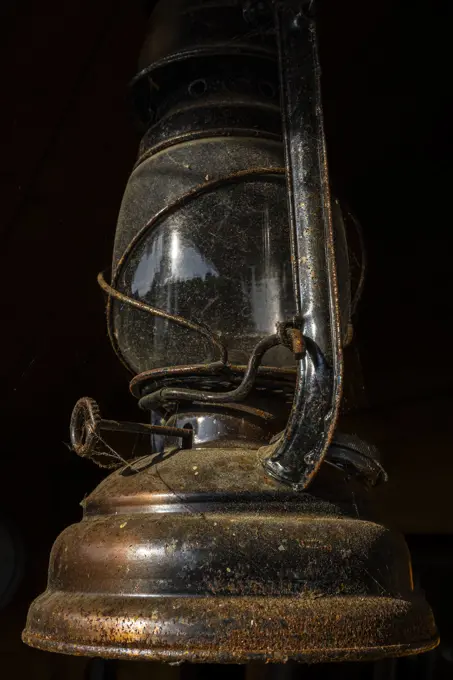
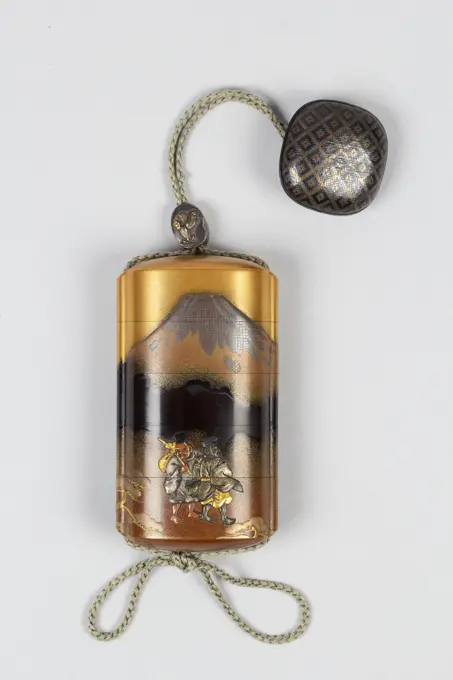
Ointment Jar. Culture: Coptic. Dimensions: Overall: 2 1/4 x 1 9/16 in. (5.7 x 4 cm). Date: 4th-7th century. Museum: Metropolitan Museum of Art, New York, USA.Container (Tala PatalaAmeh)Tinsmith: Jacob Peeters, Pewter bottle with pear shaped body and unscrewable cap with short suction knob, feeding bottle utensils equipment soil find tin, cap) molded Flat bottom constricted stand ring pear shaped body removable cap with short suction button under bottom mark: rose with crown F in rose I P in crown metal casting archeology nursing baby child infant drinkingComposite Armor. Culture: Italian and German. Dimensions: Wt. of armor approx. 40 lb. (18.14 kg); Wt. of mail shirt 15 lb. 8 oz. (7030.7 g); 29.150.5m (left forearm defense); H. 7 3/16 in. (18.3 cm); W. 4 in. (10.2 cm); D. 3 3/4 in. (9.5 cm); Wt. 9 oz. (255.1 g); 29.150.5n (right forearm defense); H. 7 in. (17.8 cm); W. 3 7/8 in. (9.8 cm); D. 4 1/16 in. (10.3 cm); Wt. 12 oz. (340.2 g). Date: ca. 1485 and later. Museum: Metropolitan Museum of Art, New York, USA.Jar. Japan. Sandstone. Paris, Cernuschi museum. Japanese art, Japanese ceramic, lid, gres, potSquat Lakythos (Oil bottle) decorated with a pattern of arcs and leaves in brown glaze on a white ground. Made in western Asia Minor, perhaps Pergamon, about 230-150 BCFragment of foot and trunk of goblet (drinking bowl), drinking glass drinkware tableware holder soil find glass, free blown and shaped into blown Fragment of part of foot and stem of chalice (drinking bowl) In clear colorless glass in façon de Venise style Pontil mark under light ascending hollow base (broken and glued) with down turned rim Flat knot to hollow baluster-shaped knot (dm 1,1 - 3,1 cm) with relief of two lion heads and two ornaments with pearls to massive narrow (dm 0.9 cm) trunk closed with flat knot. Start of the calyx from archaeological approach of almost horizontal light Rotterdam IJsselmonde drinking wine serve beer Soil discovery: Castle IJsselmonde pit 1 and 2 Rotterdam 1972.30.08.Top Hat' still bank, early 20th century, 3 3/4 x 5 5/16 x 7 3/16 in. (9.53 x 13.49 x 18.26 cm), Tin, pigment, United States (probably), 20th centuryGauntlet for the Left Hand. Culture: Italian. Dimensions: L. 7 1/4 in. (18.4 cm); W. 5 in. (12.7 cm); D. 4 3/4 in. (12.1 cm); Wt. 13.5 oz. (382.7 g). Date: ca. 1440-50. Museum: Metropolitan Museum of Art, New York, USA.Vintage electric iron Side view of an antique electric iron Copyright: xZoonar.com/YannxPoirierx 9139418An antique iron weight on white background, useful for conceptualPowder Horn 18th century American. Powder Horn 29585Burner with a cast and lidOne of a Pair of Cuffs 300 B.C.-A.D. 400 Thailand. One of a Pair of Cuffs. Thailand. 300 B.C.-A.D. 400. Bronze. Late period. JewelryStand ca. 550-500 B.C. Etruscan Decorated with six human heads in relief.. Stand. Etruscan. ca. 550-500 B.C.. Terracotta; bucchero pesante. Archaic. VasesAmerican Beauty Vase; Manufactured by Roycroft Shops (United States); USA; copper; H: 56.51 cm (22 1/4 in)United States of America - 19th century - Alexander Graham Bell's telephone with magnet, 1877Drum. drumContent measure of 2 deciliters, anonymous, c. 1825  Spans contents of 2 deciliters. Netherlands wood (plant material)   NetherlandsBeaker 1795-1816 Samuel Danforth. Beaker. American. 1795-1816. Pewter. Made in Hartford, Connecticut, United StatesNutmeg Grater. Possibly Denmark. Date: 1815-1825. Dimensions: H. 6.7 cm (2 5/8 in.). Silver. Origin: Denmark. Museum: The Chicago Art Institute, Chicago, USA.Widow butor. "Cup". Money. 1809-1819. Museum of Fine Arts of the City of Paris, Petit Palais. 74383-25 Money, silverware, gobletMerchandise.Barentsz and his crew were en route to China, and therefore brought along goods they could use to conduct trade there. They obviously expected these pewter candlesticks to be in demand in Asia.Pipe bowl, Fired and polished earthenware, Black earthenware form of trumpet-shaped bowl with beaded and knurled band above a projecting circular stage, the whole attached to a flaring stem similarly decorated., Africa, 19th century, ceramics, Decorative Arts, Pipe bowlPowder from Napoleon's carriage; Genu, Marie-Joseph-Gabiel (Fl. 1788-1811); 1799-1809 (1799-00-00-1809-00-00);Napoleon I (French emperor - 1769-1821), Radziwiłł (family), purchase (provenance)Two-piece bronze mold for lid of jug, cast molding tool tools base metal bronze, cast turned Two-piece bronze mold for casting bell-shaped lid for jug top, or 4 Rotterdam tingieterij tin pewter tin Meeuws Druy craft Molds are from from the originally 18th century Rotterdam tinnegieter J Druy. The large molds that were not signed or dated were the property of the tinker guild and were rented to the small tin caster.Commemorative cup of shooting competitions in Geneva of Philibert Berthelier's memoryTwo-piece bronze mold for lid of jug, mold casting tool tools base metal bronze, molded turned Two-piece bronze mold for casting lid of jug top, Rotterdam tin foundry tin stainer tin Meeuws Druy craft Shapes are from the van origins 18th century Rotterdam tinnegieter J Druy. The large molds that were not signed or dated were the property of the tinker guild and were rented to the small tin caster.Pair of Arm Defenses arm defense (b), ca. 1450; arm defense (a), later restoration Italian This is part of a large find of medieval armor discovered in 1840 in the ruins of the fortress of Chalcis, on the Greek island of Euboea (then a Venetian colony called Negroponte). The fortress had been captured and destroyed by the Turks in 1470. Now divided largely between the Ethnological Museum, Athens, and The Metropolitan Museum of Art, the Chalcis hoard contains many rare and unusual elements of fourteenth- and fifteenth-century armor. Of particular importance are the variety of headpieces and the many fragments of brigandines (armor for the torso constructed of small plates riveted to layers of fabric), some of which retain portions of their original velvet covering. The Chalcis armor provides a unique picture of the armament used in the Aegean, one of the easternmost military outposts of the Venetian empire.. Pair of Arm Defenses 23282Two lamps. Two identical copies of an oil lamp or moderator lamp, incomplete.Bronze cylindrical cup ca. 1st-2nd century A.D. Roman Decorated with five moulded bands on the outside; on the bottom, moulded concentric circles.. Bronze cylindrical cup 251016 Roman, Bronze cylindrical cup, ca. 1st2nd century A.D., Bronze, H. 2 in. (5.1 cm). The Metropolitan Museum of Art, New York. Rogers Fund, 1920 (20.264.2)Stanhope magnifier with brass handle on white backgroundDoctor's Instrument Case, 1820-30. This pocket instrument case is made of walnut and was possibly used for carrying scarifiers for vaccinations, or for dental instruments. It dates from the Regency period... Purchased from Edward H Pinto, 1965... .Copper candlestick from the wreck of the Dutch East Indiaman 't Vliegend Hart, , 1700 - 1735 candlestick Base of a copper candlestick. Wide round foot through an inflowing and protruding piece of steel connected to a wide leakage piece with a fracture surface. To be completed with upper part NG-1986-46-10 (V138-VIII). Netherlands copper (metal)Bottle (probably Syria); glassSet of four candlesticks 18th century Portuguese. Set of four candlesticks 205353JARRA DE VINO -BARRO ROJO SEMIVIDRIADO. Location: ALFARERIA. VALL DE UXO. Castellón. SPAIN.Cup (England); wood, turnedLens with 50 cm focal length f/4.5, with multiple iris blends (4.5-50), glass, brass frame, wooden lens standard, used for photographic imaging, circa late 19th century.Visor for a Bascinet ca. 1430-50 Italian This is part of a large find of medieval armor discovered in 1840 in the ruins of the fortress of Chalcis, on the Greek island of Euboea (then a Venetian colony called Negroponte). The fortress had been captured and destroyed by the Turks in 1470. Now divided largely between the Ethnological Museum, Athens, and The Metropolitan Museum of Art, the Chalcis hoard contains many rare and unusual elements of fourteenth- and fifteenth-century armor. Of particular importance are the variety of headpieces and the many fragments of brigandines (armor for the torso constructed of small plates riveted to layers of fabric), some of which retain portions of their original velvet covering. The Chalcis armor provides a unique picture of the armament used in the Aegean, one of the easternmost military outposts of the Venetian empire.. Visor for a Bascinet 34119retro copper coffee pot retro copper coffee pot isolated on white background Copyright: xZoonar.com/ValeryxVoennyyx 5456770Pa. German Jar. Dated: c. 1936. Dimensions: overall: 47.6 x 31.5 cm (18 3/4 x 12 3/8 in.). Medium: oil paint on paperboard. Museum: National Gallery of Art, Washington DC. Author: Eugene Shellady.Shang Dynasty ritual vessel. Zun type for wine. 11-13th cent. BC CHINA.Alcohol Distillery For Making Schnapps, Whiskey, Brandy. Traditi. Alcohol Distillery For Making Schnapps, Whiskey, Brandy. Traditional Copper Set Czech Torarollen Museum London in the Kent House in the Knightsbridge district of London has been stored by 1564 goal roles since 1960, which were compiled by the Nazis in Prague in 1942 as objects of a disappeared culture. The collection was sold to London in 1960 and is located in the same building as the Westminster synagogue.Punch ladle, Silver, horn, London, England, 1808, cutlery, Decorative Arts, Punch ladleJar. Dated: c. 1938. Dimensions: overall: 35 x 24.3 cm (13 3/4 x 9 9/16 in.). Medium: watercolor and graphite on paper. Museum: National Gallery of Art, Washington DC. Author: Clyde L. Cheney.Snuffbox. Patron: Emily Webster Ellsworth, American, 1790-1861Cookie Cutter. Dated: c. 1936. Dimensions: overall: 22.9 x 29.3 cm (9 x 11 9/16 in.) Original IAD Object: 2 3/4" in diameter; 1 7/8" high; 5 3/4" long. Medium: graphite on paperboard. Museum: National Gallery of Art, Washington DC. Author: Helen Hobart.Santa Fe, New Mexico, United States.  Spanish Market. Replica of 400 year old Spanish cacao vessel.Foot Warmer. Jacobus Van Engelen; Dutch, 1789-1848; Netherlands, possibly Hertogenbosch. Date: 1815-1825. Dimensions: 15.2 x 21 x 9.5 cm (6 x 8 1/4 x 3 3/4 in.). Pewter. Origin: Netherlands. Museum: The Chicago Art Institute, Chicago, USA.Busy Bee' still bank, 20th century, 2 1/2 x 2 3/4 x 2 3/4 in. (6.35 x 6.99 x 6.99 cm), Tin, England (probably), 20th centuryMortarGrain size of 2 deciliters. Chips grain size of 2 deciliters, v.zv. Labels. Wide chips under tape (width 28 mm), also foot edgeModel of an Iron Dowel, anonymous, anonymous, c. 1821 demonstration model Wooden model of an iron neut or douwel. The neut is hollow and has a thin sharp ring inside the middle. United Kingdom wood (plant material)Coffee Service with Snakes. Austria, Vienna, 1806. Furnishings; Serviceware. Porcelain, gildingStool weight for 200 Silveren Riders in Leer Sack, Johannes Andries Groengraft, 1700  Brass stool weight for 200 Silveren drivers in a leather bag. Mass 6500 grams. Marked and entitled. On the hull, 107 annual letters were deducted, which covered the period between 1700 and 1819. On the basic surface holes in which lead. Amsterdam brass (alloy)   AmsterdamSolar clock in the case Baranowski, Jan (1800 1879)Vessel. Egyptian. Date: 2494 BC-2181 BC. Dimensions: H. 6.8 cm (2 11/16 in.); diam. 4.1 cm (1 5/8 in.). Calcite. Origin: Egypt. Museum: The Chicago Art Institute, Chicago, USA. Author: Ancient Egyptian.Tournament Helm (Kolbenturnierhelm) 1450-1500 German This extremely rare helmet was intended for the tournament fought by groups of mounted combatants armed with clubs (Kolben) or blunted swords. The helmet is formed from an iron framework covered by canvas and gesso impressed with a floral design based on textile patterns. Due to the fragile nature of the raised gesso decoration, very few of these helmets survive. At the rear is the coat of arms of the von Stein family, which here appears as three black wolf traps on a white shield.. Tournament Helm (Kolbenturnierhelm). German. 1450-1500. Steel, textile, leather, gesso, polychromy. HelmetsBOMBA DE MANO DE MECHA DE FABRICACION ARTESANAL. Location: PRIVATE COLLECTION. Laguardia. ALAVA. SPAIN.Anglo-Bavarian Amber Ale Matchsafe; England; plated brassWater container;  XIX-XX W (1890-00-00-1910-00-00);Fire Hydrant. Dated: c. 1936. Dimensions: overall: 30.9 x 21 cm (12 3/16 x 8 1/4 in.). Medium: watercolor, graphite, and heightening on paperboard. Museum: National Gallery of Art, Washington DC. Author: Mina Lowry.LadleElement of Wig Decoration , 1980-1801 BC. Egypt, Middle Kingdom, Dynasty 12. Silver; average: 1 cm (3/8 in.).Anonymous / "Cangilón de noria", 14th Century, Ceramics.Loupe. Geelkoping Content knap for wet goods with matte cover glass. Together with seven other content moles in gray painted coffin.Royal Porcelain Factory, Cup and Saucer, c. 1810-20, hard-paste porcelain.W.G.v.L., Four-piece bronze mold for cups, with initials WGVL and 1661, cast molding tool tools base metal bronze, cast turned Four-piece bronze mold for pouring cup with initials WVGL and 1661. signed: WVGL 1661 Rotterdam tin foundry tin stain tin Meeuws Druy craft Forms come from the originally 18th century Rotterdam tinnegieter J Druy. The large molds that were not signed or dated were the property of the tinker guild and were rented to the small tin caster.Part of a candle wreath of brass. The two-arms with crabs decorated turner is provided with the sign III when the turns. The left arm is noticed in view of three points, the right arm with three notches. The fat catchers are round and are decorated on top and bottom with fine grooved rings. They have a holronde and straight slanted edge, which turns down in a serrated garage. The turner is noticed on the point of points, the left arm was noticed in view of four points, the Recher arm V. The fat catchers have on top of the characters and five points. The holders have not been marked.étui (France); straw, paperThe helder, the Netherlands. December 15, 2024. A silver -plated dab, a tool of a sommelier. The helder, the Netherlands. December 15, 2024. A silver -plated dab, a tool of a sommelier.matchsafe, brass, 1850, containers, Decorative Arts, matchsafeGloben box made of iron, lined with green sheet.Globen Box Made or Iron, Lined With Green Sheet. Oval Glasses Box with member.W. Gib jr., Pocket watch with silver colored dial, pocket watch watch movement measuring instrument steel silver brass glass gold, Dial: silver edited in the champlevé technique with Roman hour digits and Arabic minute digits Minute band with so called 'Dutch' bows. In the center an angel or putto holding banderole with the signature W GIB JUNIOR. pillow-shaped opening underneath the pointer in which the date is visible. This opening is framed by cartouche with leaf, flower and roof tile motifs. Openwork steel hour and minute hand. The dial is concealed in gilded brass cable edge. The clockwork with ongoing work with spline with snek Four cruciform engraved and openwork lateral ornaments provided pillars between bottom and top plate. Steel spring for closures with openwork foot (rust formation). Device for changing the basic spring tension. On the backplate an openwork gilded brass ornament with purely decorative feature silver bridge attached with two screws on which an outlined repreAnastigmat lens by Emil Busch AG, 19 cm focal length, f/5.5 with iris blends, glass and brass frame, wooden lens standard, 1903, showing aperture numbers from 5.5 to 44.Tea jar 18th century Japan. Tea jar 63142Stamp for the Convoyen and Licenten in Rotterdam, stamp stamp stamp equipment copper wood h 9,1, (penning) bas emboss Stamp for the Convoyen and Licents with crowned lion in the right front claw with sword and in the left bundle of arrows and all round text: CONVOYEN AND LICENSES Rotterdam seal finance trade salesSet of TwoBeakers.  Maker: Robert Bonynge, American, active. ca. 1731-63John Edward Terrey, Spirit Lamp, 1823/24, silver.Flower Pot. Dated: c. 1939. Dimensions: overall: 36.8 x 28.3 cm (14 1/2 x 11 1/8 in.) Original IAD Object: Rendered exact size.. Medium: watercolor, graphite, pen and ink, and colored pencil on paperboard. Museum: National Gallery of Art, Washington DC. Author: Fritz Boehmer.Double vase. Culture: China. Dimensions: H. (with cover) 8 3/16 in. (20.8 cm); H. (with stand) 10 1/4 in. (26 cm); Gr. W. 5 1/4 in. (13.3 cm). Date: 18th century. Museum: Metropolitan Museum of Art, New York, USA.Link wheels.Old electric motor isolated Old electric motor, isolated on a white background Copyright: xZoonar.com/OleksandrxKostiuchenkox 3455426High angle view of bongo drumBronze hydraulic valves, Pompeii, Campania, Italy. Roman civilisation, 1st century AD.Golden christmas bell on a blue backgroundTwo Rabbet Planes.Two bronze drilling shafts, the one finished, the other in rough state. The upper part is a normal auger without a handle. The finished model has a small iron chisel and a planer: the chisel cuts a circle, which is then tightened by the planer.Bed pan with Adam and Eva in Paradise, Anonymous, c. 1600 - c. 1650 The object consists of four parts: the iron handle with a ring on which the copper container is sounded, the copper hinge, the copper lid. In the convex lid, which has the center point in the middle, a representation and decorations are punched and engraved with the help of a stamp shape and two rows of holes are applied in concentric circles. In the middle Adam and Eva in paradise (Genesis 3, 1-8), around it a leaf shelf and a stylized edge. The edge of the lid is told with iron wire. The wooden handle at the end of the stem is missing. Low Countries brass (alloy). iron (metal) casting / forging / engraving The object consists of four parts: the iron handle with a ring on which the copper container is sounded, the copper hinge, the copper lid. In the convex lid, which has the center point in the middle, a representation and decorations are punched and engraved with the help of a stamp shape and two rows of holes are aOld manual meat grinder on a wooden tablePortrait lens by Emil Busch AG, focal length 32.2 cm, aperture 1:4.2, with glass elements, brass frame, and wooden lens standard.Pair of miniature candlesticks. Culture: British, London. Dimensions: Each: 1 3/4 × 1 7/16 in. (4.4 × 3.7 cm). Maker: George Manjoy (British, active 1685-ca. 1720). Date: 1685-86. Museum: Metropolitan Museum of Art, New York, USA.Artar lens produced by Optische Anstalt C. P. Goerz AG after 1902, 42.0 cm focal length, f/9.5, five-degree slope, with glass, metal frame, and wooden lenses.Pair of gilded silver and carnelian bracelets, from Iran. Dated 20th CenturyBread tray, Copper, silver, Oblong, with high flared sides; reeded band covers narrow base; silver die-stamped edge with egg and dart motif applied to rim., Sheffield, England, 1790-1800, metalwork, Decorative Arts, Bread trayAlte Laterne *** Old Lantern 1133401246A910201 VACUUM PUMP SYSTEMS BELLJAR LAWRENCE CARRILLO (Project Engineer) MAR 18 91 BNC/NTS PHOTO LAB Publication Date: 3/18/1991  BELLJAR; EDGERTON, GERMESHAUSEN & GRIER; EG&G; EQUIPMENT; EQUIPMENT & INSTRUMENTS; INSTRUMENTS & EQUIPMENT; INSTRUMENTS AND EQUIPMENT; JARS (BELL SHAPE); NEVADA; NEVADA TEST SITE; NTS; NUCLEAR ENERGY TECHNOLOGY; TEST SITES; VACUUM PUMP SYSTEMS  historical images. 1972 - 2012. Department of Energy. National Nuclear Security Administration. Photographs Related to Nuclear Weapons Testing at the Nevada Test Site.Case (Inr) with Design of Narihira at Mount Fuji, from The Tales of Ise 19th century Japan. Case (Inr) with Design of Narihira at Mount Fuji, from The Tales of Ise. Japan. 19th century. Lacquer, kinji, gold and silver hiramakie, metal inlay, kirigane; Interior: gyobu nashiji and fundame. Edo period (1615-1868). Inr