Ancient Containers and Jars

A collection of ancient containers showcasing diverse materials and styles, including ointment jars, pewe bottles, and decorative vessels from various cultures.
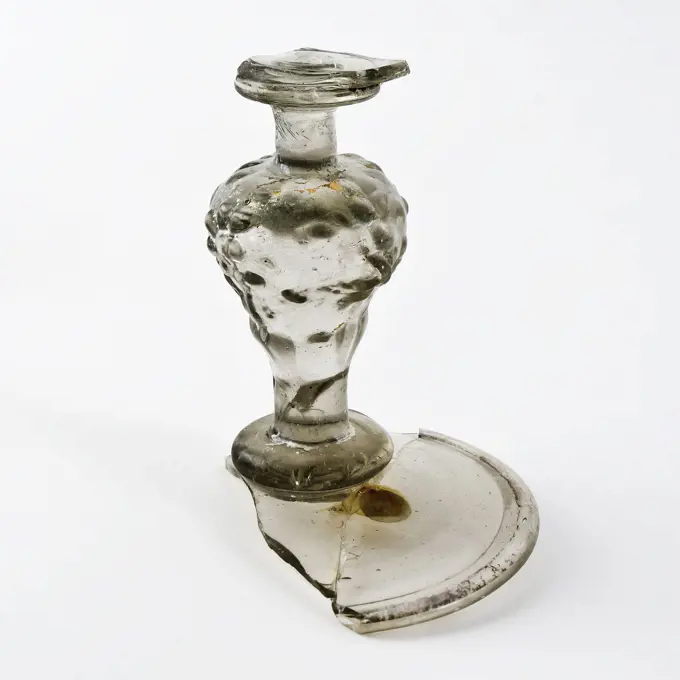
Fragment of foot and trunk of goblet (drinking bowl), drinking glass drinkware tableware holder soil find glass, free blown and shaped into blown Fragment of part of foot and stem of chalice (drinking bowl) In clear colorless glass in façon de Venise style Pontil mark under light ascending hollow base (broken and glued) with down turned rim Flat knot to hollow baluster-shaped knot (dm 1,1 - 3,1 cm) with relief of two lion heads and two ornaments with pearls to massive narrow (dm 0.9 cm) trunk closed with flat knot. Start of the calyx from archaeological approach of almost horizontal light Rotterdam IJsselmonde drinking wine serve beer Soil discovery: Castle IJsselmonde pit 1 and 2 Rotterdam 1972.30.08.
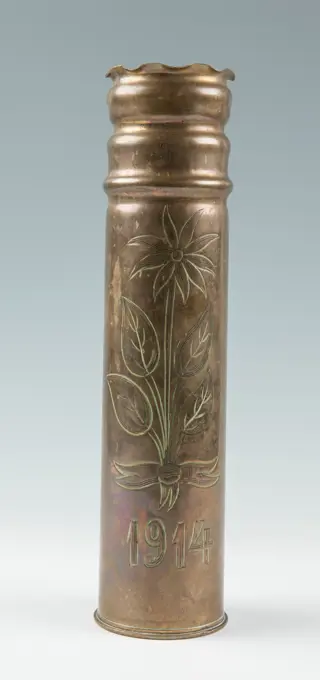
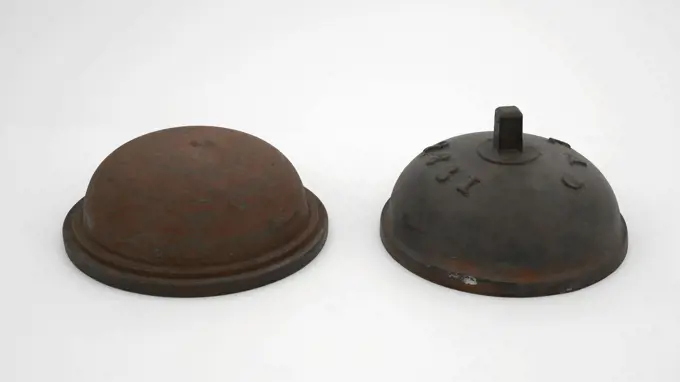
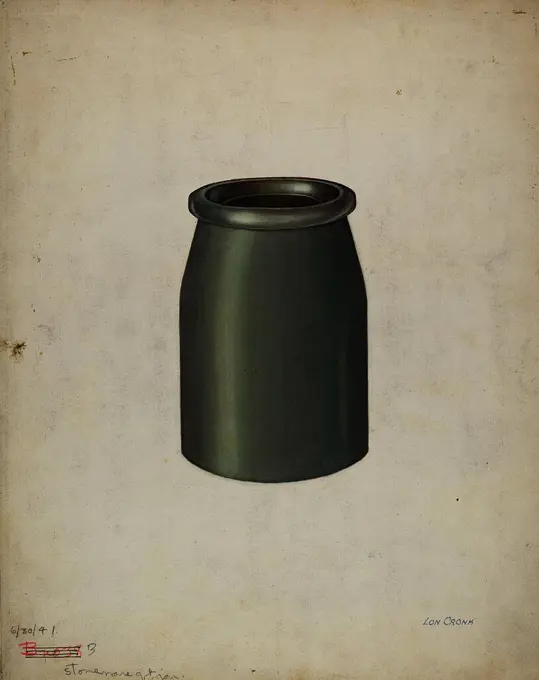
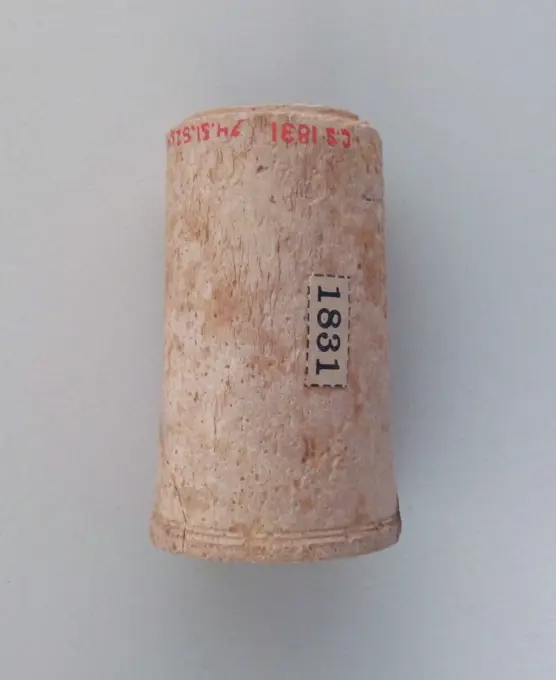
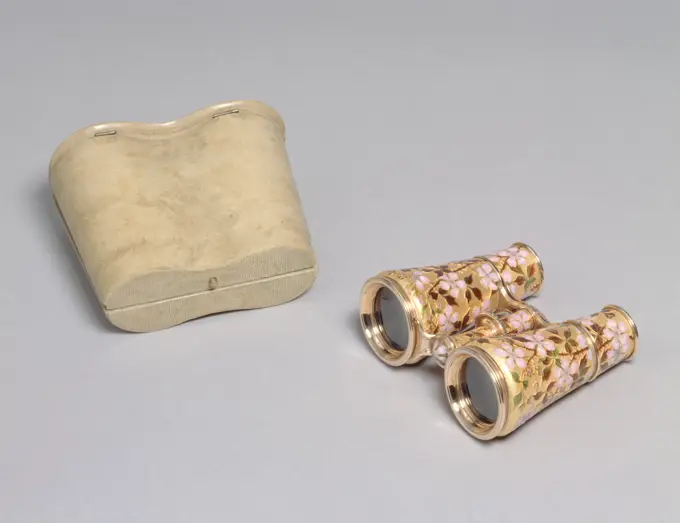
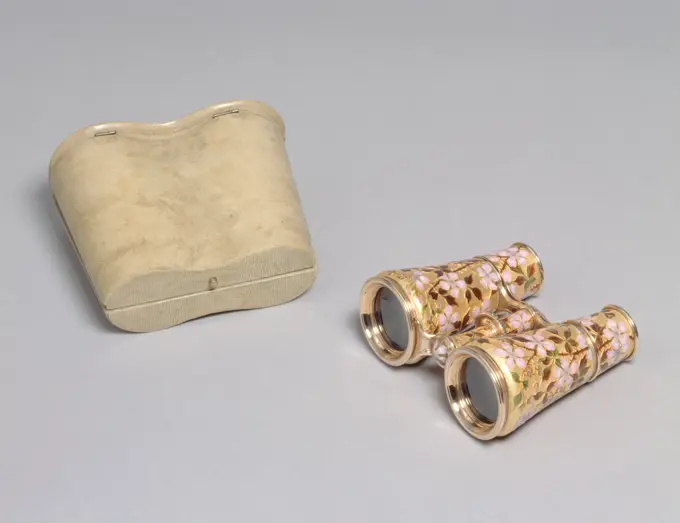
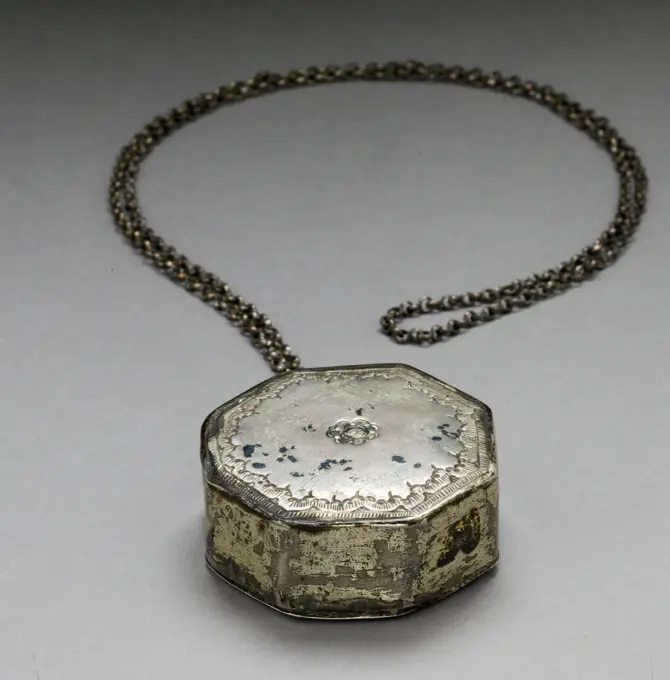
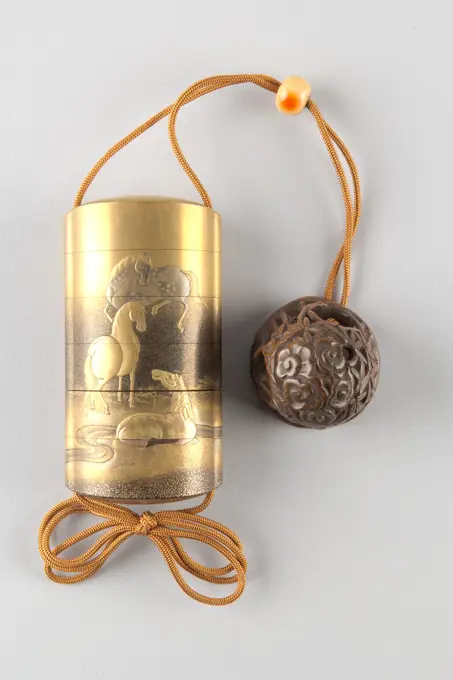
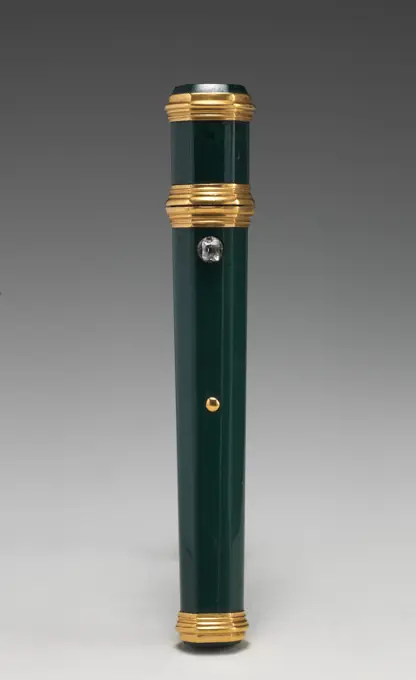
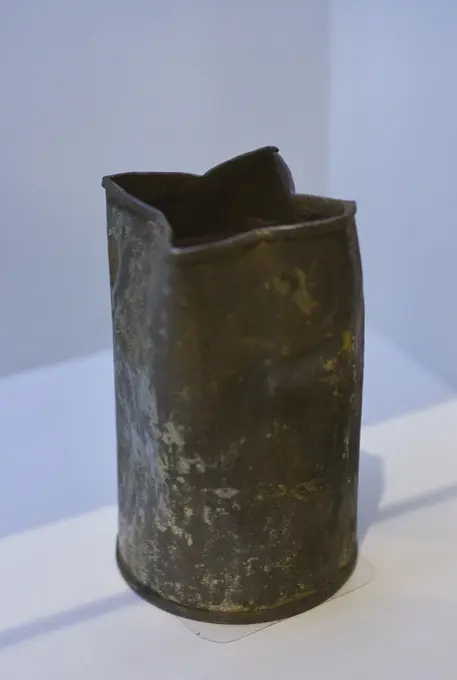
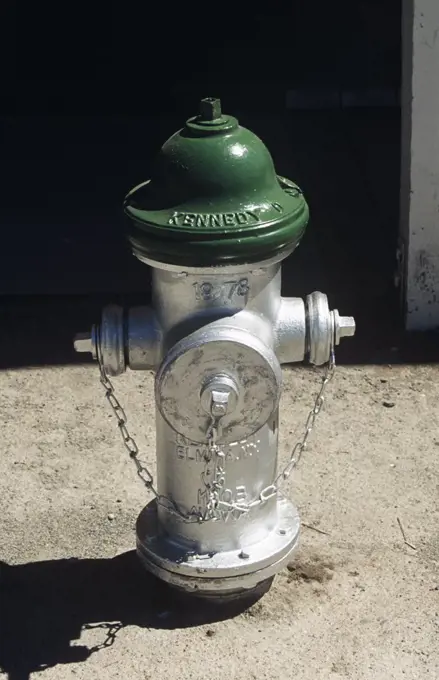
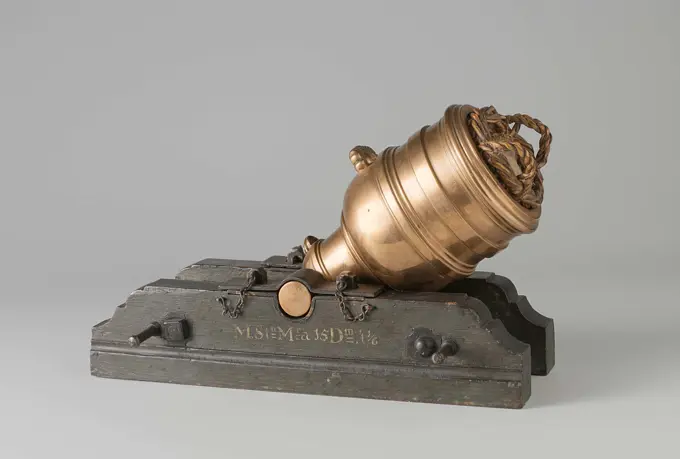
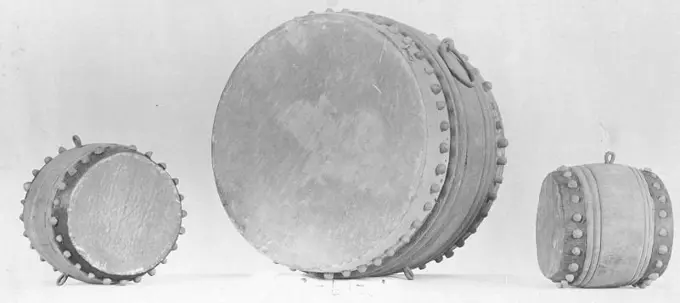
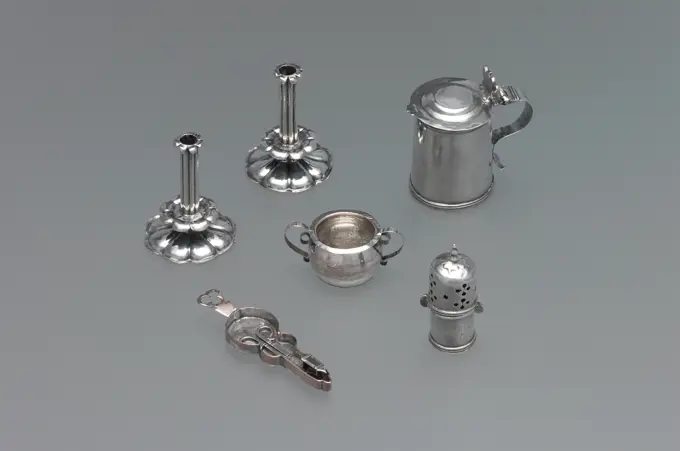
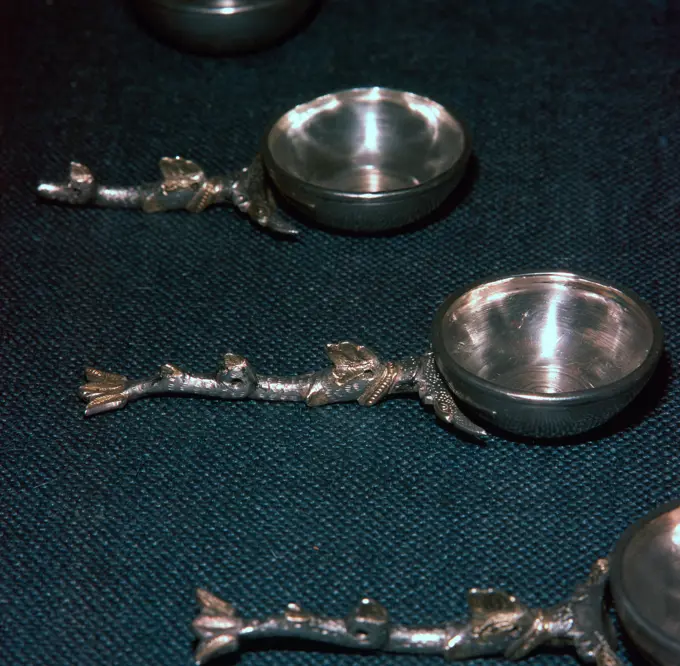
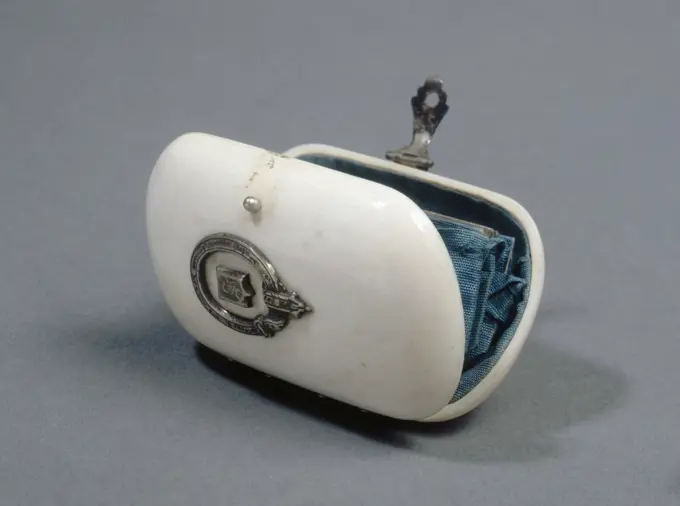
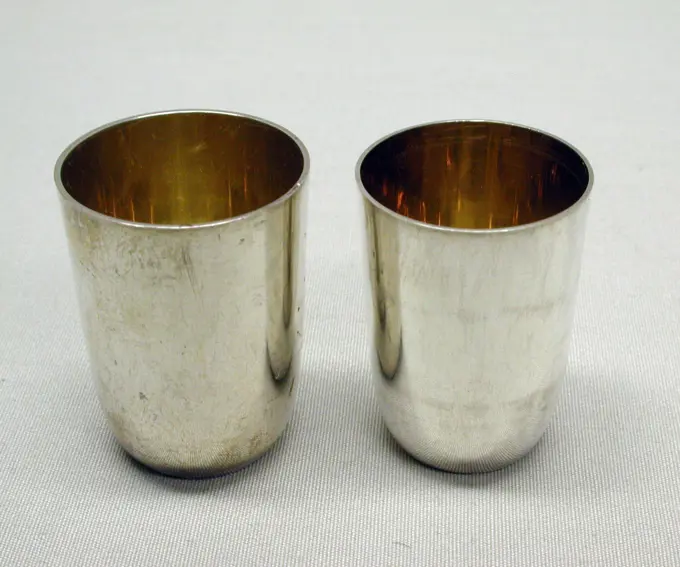
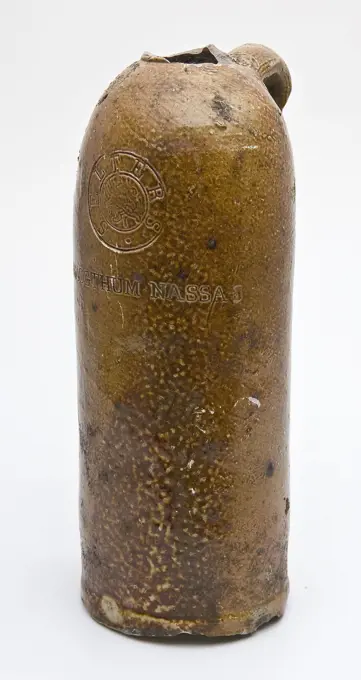
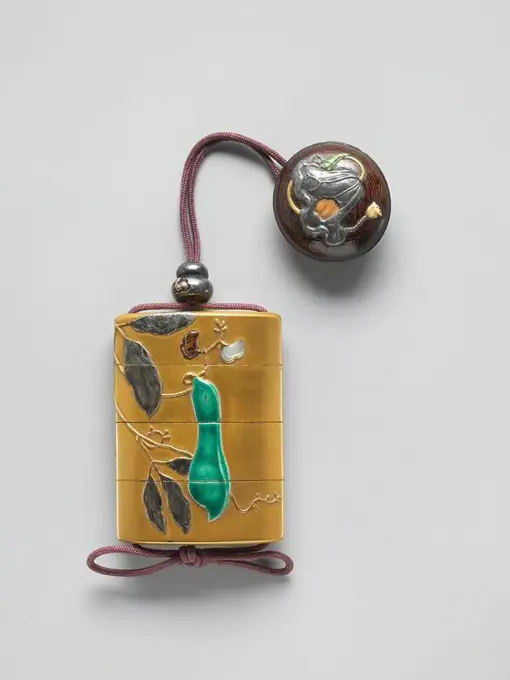
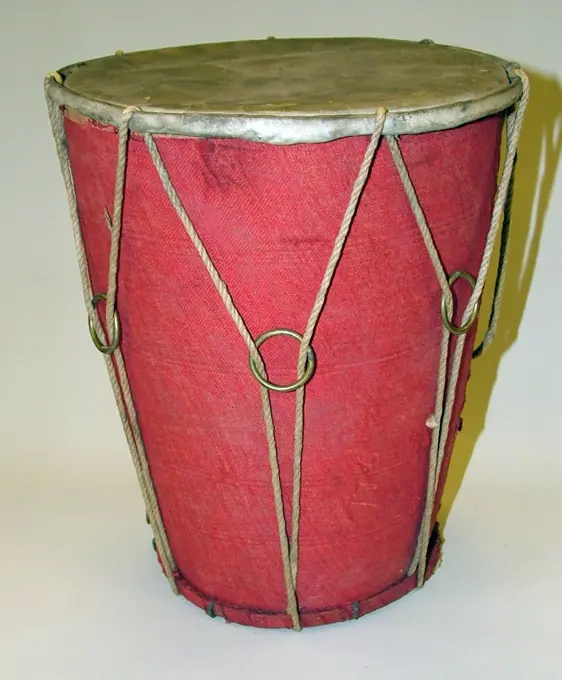
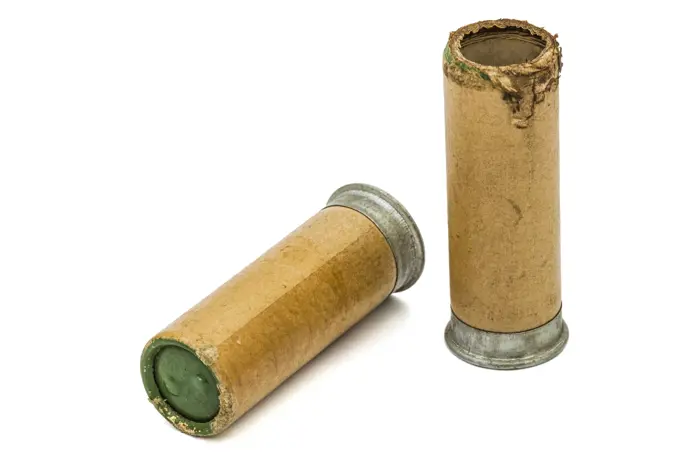
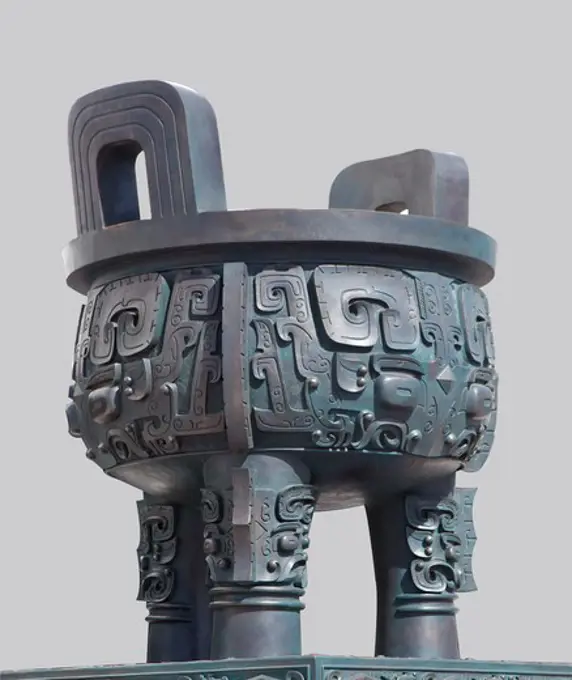
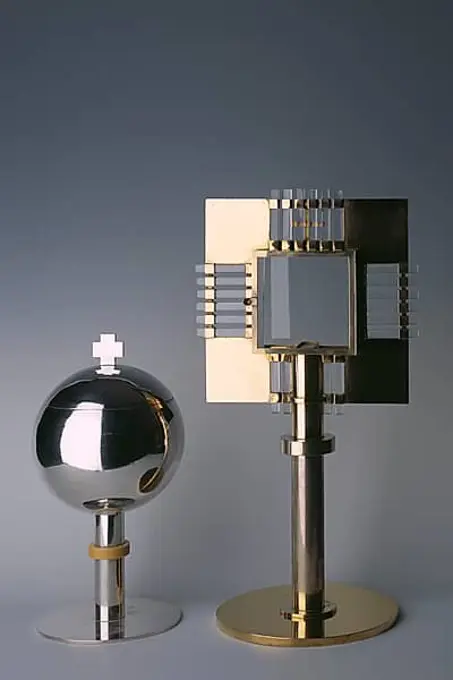
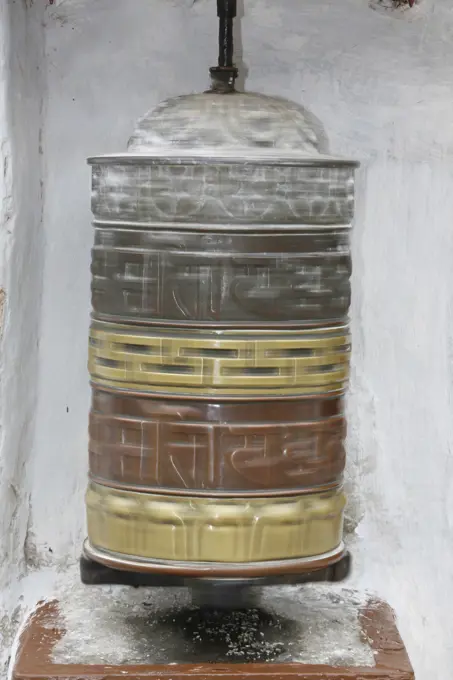
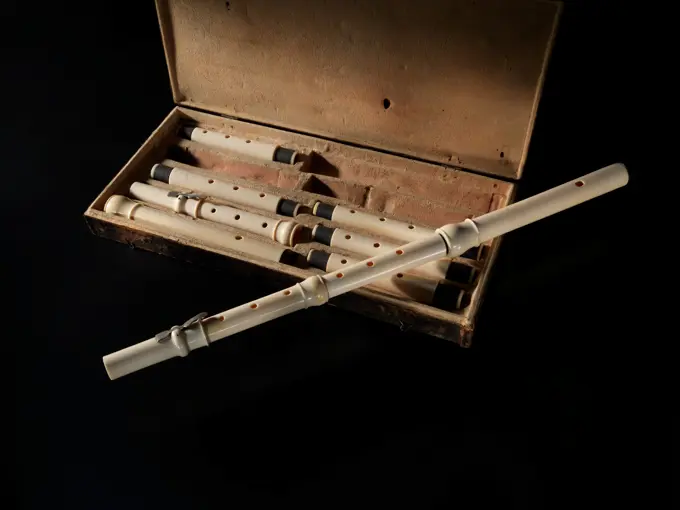
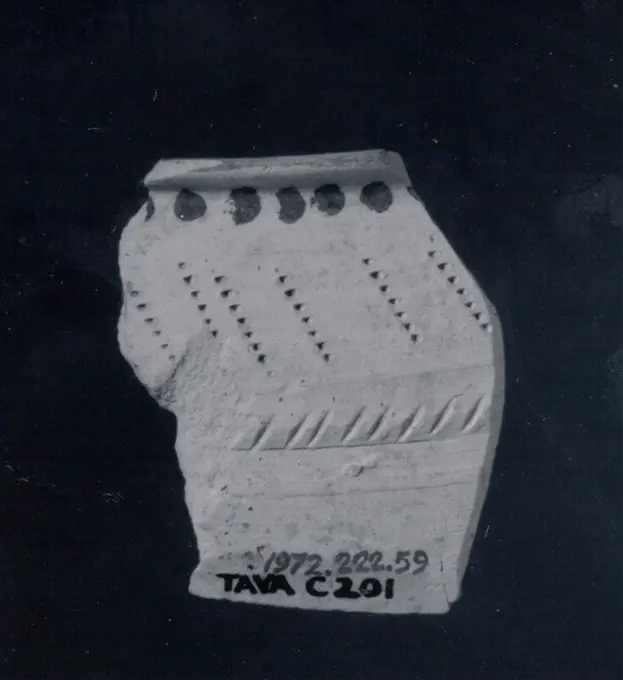
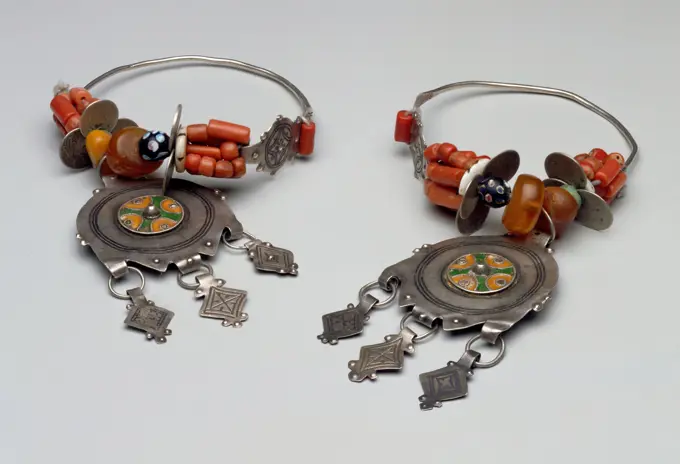
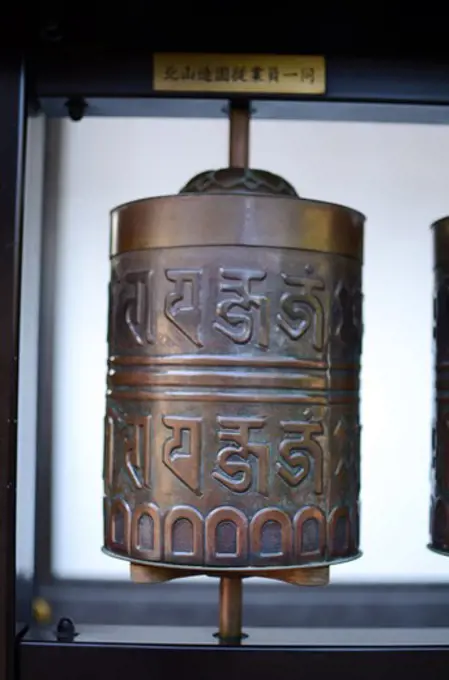
Prayer wheel at Kodaiji Temple, Kyoto City, Honshu, JapanMeasure early 19th century Dutch. Measure 193300Trench craftsmanship. Vase made of artillery scales for the field Schneider WZ 1897, cal. 75 mmEmilia-Romagna Ferrara Ferrara Museo Civico di Schifanoia18. Hutzel, Max 1960-1990 General Notes: INCOMPLETE RECORD--NEGATIVES PROCESSED, PRINTS FILED German-born photographer and scholar Max Hutzel (1911-1988) photographed in Italy from the early 1960s until his death. The result of this project, referred to by Hutzel as Foto Arte Minore, is thorough documentation of art historical development in Italy up to the 18th century, including objects of the Etruscans and the Romans, as well as early Medieval, Romanesque, Gothic, Renaissance and Baroque monuments. Images are organized by geographic region in Italy, then by province, city, site complex and monument.Two-piece bronze mold for medium-sized tap jug with initials JAD and 1835, cast molding tools tool kit metal_metal bronze, cast turned Two-piece bronze mold for casting part of jug with JAD and 1835. signed IAD and 1835 (Johannes Adrianus Druy) Rotterdam tingieterij tinnegieter tin Meeuws Druy craft Forms come from the originally 18th century Rotterdam tinnegieter J Druy. The large molds that were not signed or dated were the property of the tinker guild and were rented to the small tin caster.CANDIL DE BRONCE PROCEDENTE DE MEDINA ELVIRA - SIGLO X. Location: MUSEO ARQUEOLOGICO-ARTE HISPANOMUSULMAN. GRANADA. SPAIN.Solar clock in the case Baranowski, Jan (1800 1879)Kath. Christkönigkirche in Titisee Kath. Christkönigkirche in Titisee Copyright: xZoonar.com/HGVorndranx 21898027Gauge for priming tubes. Mold for testing the piercing of impact pipes. It consists of a clock-shaped solid copper body, leaving an iron tube from top to bottom; A pen is applied in this tube, on which the impact pipe is placed. A clock-shaped lid with ribbed edge at the top is screwed over the whole; The internal shape of this fits exactly around the edge of the impact pipe. The mold is equipped with a copper impact pipe.CHIRINO, MARTIN ESCULTOR ESPAÑOL. LAS PALMAS 1925- "VIENTO", HIERRO ATENCION: AUTOR CONTEMPORANEO SUJETO A COPYRIGHT ©. EL CLIENTE FINAL ES RESPONSABLE DE LA GESTION DE LOS DERECHOS DE AUTOR CON LAS SOCIEDADES EXISTENTES DE GESTION DE DERECHOS O DIRECTAMENTE CON LOS ORGANISMOS TITULARES DE LOS MISMOS.Stoneware Quart Jar. Dated: 1941. Dimensions: overall: 36.8 x 29.2 cm (14 1/2 x 11 1/2 in.). Medium: watercolor and graphite on paper. Museum: National Gallery of Art, Washington DC. Author: Lon Cronk.DINOS: CON ESCENA DE GUERREROS. GRIEGO CERAMICA. (DEPOSITO: MUSEO ARQUEOLOGICO NACIONAL).BOMBA DE MANO BREDA FABRICADA EN ITALIA. Location: PRIVATE COLLECTION. Laguardia. ALAVA. SPAIN.Jar with frieze of abstract human figures dancing. Stoneware. Silla. 5-6th cent AD.Toilet box Cypriot. Toilet box. Cypriot. BoneEtienne Tourette. Pair of twins and its case. Museum of Fine Arts of the City of Paris, Petit Palais. 25797-8 Accessory, decoration, etui, flower, twins, theater, viewEtienne Tourette. Pair of twins and its case. Museum of Fine Arts of the City of Paris, Petit Palais. 25797-8 Accessory, decoration, etui, flower, twins, theater, viewMiniature Quran in Silver Case with Chain. Egypt, possibly 16th century/circa 10-11th century A.H.. Metal. Silver, leather, ink, opaque watercolor and gold on paperInr with Seven Horses by a River late 18th-early 19th century Japan. Inr with Seven Horses by a River. Japan. late 18th-early 19th century. Five cases; lacquered wood with gold and silver togidashimaki-e, hiramaki-e, gold and silver foil application on black groundNetsuke: man in a bamboo grove; carved woodOjime: ivory bead. Edo period (1615-1868). InrCoconut peeled and cut openSize of 1/4 oil size with handle. Size of 1/4 oil size with handle (approx. 1/8 liters)Inkwell. Dated: c. 1937. Dimensions: overall: 29.1 x 22.5 cm (11 7/16 x 8 7/8 in.) Original IAD Object: Approx 1 3/4" High 4" Dia. Medium: watercolor, graphite, and gouache on paperboard. Museum: National Gallery of Art, Washington DC. Author: Charles Caseau.Old classic vintage lighter isolated on a white background. Old vintage lighter isolated on a white backgroundNecklace 500 B.C.-A.D. 900 Indigenous American (Pre-Columbian) This collection of largely ethnographic jewelry includes examples from cultures in South America, North America, Europe, Asia, and Africa and dates from the Pre-Columbian period to the twentieth century. Owned by renowned art collector and fashion enthusiast Muriel Kallis Newman, the collection represents her knowledge and appreciation of a wide range of jewelry design and making traditions. Numerous items in her collection are composite artifacts made from various cultures and time periods reappropriated as modern jewelry creations by or for Muriel. It is important to note that Newman wore many of the pieces in the collection, interpreting them to suit and express her own singular, often avant-garde style.. Necklace 141759Étui ca. 1750-70 British or German. Étui. British or German. ca. 1750-70. Gold, heliotrope. Metalwork-Gold and PlatinumSpanish Civil War (1936-1939). Siege of the Alcázar of Toledo (21 July to 27 September 1936). Explosive charge made up of two packs of dynamite and employed by the besieged forces in the Alcázar. Metal and chemical compounds. Army Museum. Toledo, Spain.Brass Samovar on the wooden table. 3D rendering Brass Samovar on the wooden table. 3D rendering Copyright: xZoonar.com/natatravelx 23000813RailroadFlask. Maker, attributed to: Lancaster Glass Works, American, 1849-ca. 1906Incense cinder container, anonymous, 1600 - 1899 Incense shaft holder of bamboo with paintwork, decorated with a river landscape. Clowned on the inside with tin. Japan bamboo. tin (metal). Incense shaft holder of bamboo with paintwork, decorated with a river landscape. Clowned on the inside with tin. Japan bamboo. tin (metal).Bead China. Bead 43151Clarinet (Barrel), Heinrich Borders, c. 1800 Ton or Baril from a Palmhout clarinet. Corning with a ton or baril with invnr. BK-NM-11430-123-B. Dresden boxwood (hardwood). ivory Ton or Baril from a Palmhout clarinet. Corning with a ton or baril with invnr. BK-NM-11430-123-B. Dresden boxwood (hardwood). ivoryBeer barrel isolated on white backgroundLidded Jar, Tiffany & Company, American, established 1853, Glass, Jar (a), cylindrical shaped, squat, with short broad neck. Irridescent gold. Decoration of flat shapes of green ivy leaves connected by stems. Matching lid (b), knobbed., ca. 1900, glasswares, Decorative Arts, Lidded JarDeck Light, anonymous, c. 1820 - c. 1830 portlight Cast iron grid horend with a patent glass. United Kingdom (possibly) cast ironBath accessories closeupPenningdoos, c. 1957 - c. 1958 medal box Cardboard box, covered with purple velvet. Corresponding medal NG-1994-64-1.  leather. velvet (fabric weave)   Jakarta. SurabayaSeal, Gold, mother-of-pearl, Spirally fluted handle, top, engraved with garden flowers., Austria, ca. 1810, jewelry, Decorative Arts, SealFire hydrant, Sacramento, California, USAold coffee maker isolated on a white backgroundaltes Stahl Fass altes Stahl Fass Copyright: xZoonar.com/Dr.xNorbertxLangex 14681444mug on cork woodModel of a stone mortar. A stone mortar was loaded with a reed basket full of rocks and used for firing at living targets. Mortars could fire projectiles at a much steeper angle than cannons, and so could easily shoot over fortification walls or obstacles.Klong that late 19th century Thai. Klong that 500834Seal matrix. Signet Matrix - Seal Matrix, 1750-1850. Possibly made in Birmingham. Presented by Francis Buckley, 1934.. A 'signet' or 'seal matrix' is a small stamp used for impressing the mark of its owner in wax onto documents.This is one of a collection of twenty-seven acquired by the museum in 1934. The majority of examples are finely made of moulded translucent glass, in this case clear. This example bears a design of a sailing ship and reads 'All's Well''Remember the Maine', William Schimper & Co., Brass, Oblong, rounded corners, with horizontal image of the battleship Maine, above which is inscribed 'Remember' and below 'The Maine.' On reverse is image of the American flag. Lid hinged on left. Striker on bottom., ca. 1898, containers, Decorative Arts, Matchsafe, MatchsafePair of ToyCandlesticksRoman silver and gilt ladles with handles cast in the form of dolphins, 4th century. Artist: UnknownHelmet, iron, engraved and inlaid in gold and silver. Turkey or Iran, Ottoman or Aq-Qoyunlu Turkman. Late 15th centurybrown clay kettle isolated on white backgroundETUI that belonged to George Sand. Paris, Museum of Romantic Life. 34998-20 Writer, Etui, frenchInsetting cup (one of a pair) 17th century Russian, St. Petersburg. Insetting cup (one of a pair) 208112corkscrew on the background of hemp ropeTiger s eye gemstone isolated on white closeup of sample of natural mineral from geological collection -Tiger s eye gemstone isolated on white background Copyright: xZoonar.com/ValeryxVoennyyx 14986222Can of Zyklon B, a pesticide invented in Germany and used in Nazi Germany in gas chambers to kill Jews as part of the Holocaust, such as at Auschwitz and other extermination campsStoneware mineral water pitcher, cylindrical with round shoulder, sausage ear and short neck, mineral pitcher pitcher jar foundations ceramic stoneware enamel salt enamel, archeology Rotterdam Kralingen-Crooswijk Struisenburg Oostmaaslaan Buizengat indigenous pottery import well water drinking medicine drug Soil discovery: Buizengat Oostmaaslaan Rotterdam an old landfill of urban waste.Close-up of filament bulb Incandescent lampdumbbell with typesetting discs weighting on dark backgroundDrum, 1800 - before 1865 musical instrument. percussion instrument. drum Trom of the militia. The brass kettle is equipped with a veal sheet on both sides, held by a hoop and tense by means of a tension with tractors and screws. Both hoops are decorated with a motif of triangles in the colors red, white and blue. With engraved numbers: 1852-12. Netherlands Kettle: Brass (Alloy). Hoop: Wood (Plant Material). Team resort: RopeBaking machine of the 1950s, Industrial Museum Lauf an der Pegnitz, Middle Franconia, Bavaria, Germany, EuropeCase (Inro) with Design of Bean Vine. Artist: Mochizuki Hanzan (Japanese, 1743-1790). Culture: Japan. Dimensions: H. 3 in. (7.6 cm); W. 2 3/16 in. (5.5 cm); D. 13/16 in. (2 cm). Date: 18th century. Museum: Metropolitan Museum of Art, New York, USA.Dish.   Maker: Richard Austin, American, 1764-1817small barrel alcohol on white with cliping pathDrum 19th century Indian (Bengal). Drum 503635Old and new signal cartridges for flare gun, isolated on white background Old and new signal cartridges for flare gun, isolated on white background Copyright: xZoonar.com/OleksandrxKostiuchenkox 8897332TripodBrown barrel Old style brown wooden barrel for beverage isolated Copyright: xZoonar.com/Baloncicix 14664542Kylix late 5th century B.C. Greek, Attic. Kylix. Greek, Attic. late 5th century B.C.. Terracotta; red-figure. Classical. VasesCiborium and monstrance, St., Saint, SaintContent measure of 1 liter. 1 liter chain seam (litre) with wooden bottom edge. At the bottom of v.z.v. Orange wax seal with inscription. V.Z.V. brands and stamps.yellow brigadier mcavity fire hydrant in downtown toronto ontario canadaVintage Diving Helmet, Broome, Kimberley Region, Western Australia, AustraliaJarCopper stick with green paper over which Balein, in which extendable binoculars, bottles for ink, for picking, sulfur sticks, pencil, paper and a candle, Steinberg, c. 1815 - c. 1840 Stick of copper covered with green paper over which Balein. It contains binoculars, a bottle for ink, one for picking, further sulfur sticks and paper, pencil and candle. London (possibly) whole: copper (metal). whole: Paper. whole: Balene. Rand: Ivory. LUS: Leather. Sulfur sticks: Wood (plant material). Bottles: Glass. Pluksel: Cotton (textile). Pencil: Graphite (Mineral). candle: wax cutting / cutting / blow molding Stick of copper covered with green paper over which Balein. It contains binoculars, a bottle for ink, one for picking, further sulfur sticks and paper, pencil and candle. London (possibly) whole: copper (metal). whole: Paper. whole: Balene. Rand: Ivory. LUS: Leather. Sulfur sticks: Wood (plant material). Bottles: Glass. Pluksel: Cotton (textile). Pencil: Graphite (Mineral). candle: wax cuttinPrayer wheels, Bodhnath Stupa, Kathmandu, Nepal, Asia3d rendering of a green missile falling in metal 3d rendering of a green missile falling in metal on a white background Copyright: xZoonar.com/NavarroxRaphaëlx 18457653Pair of Transverse Flutes mid-18th century Johann Wilhelm Oberlender (the Elder) While wind instruments were generally not favored by gentlemen amateurs and aristocrats, recorders and flutes were notable exceptions. Flutes paired well with the voice and harp, popular instruments of the music room or salon. The flutes louder volume and ability to produce more dramatic dynamic contrasts led to its dominance over the recorder in both private and public music making in the first decades of the eighteenth century.Professional musicians generally used flutes made from wood. This pairs use of ivory and the ornate leather-covered case, which ostentatiously displays the instruments side by side instead of efficiently storing them in stacking trays, as is typical, suggest an aristocratic owner. Pairs of high-quality flutes such as these were sometimes produced for use by a gentleman and his music master. During the period when they were made, pitch had not been standardized. Each flute in thisCollection of hand grenades of the First World War One in the Memorial Museum Passchendaele 1917 at Zonnebeke, Belgium, EuropeBowl rim sherd with comb impressions ca. late 3rd millennium B.C.. Bowl rim sherd with comb impressions 326116Ear pendant, one of a pair, 20th century, 6 7/8 x 1 7/8 x 3 1/4 in. (17.46 x 4.76 x 8.26 cm), Silver, enamel, beads, amber, Morocco, 20th centuryTROMPETA DE LOUIS ARMSTRONG CON UN PAÑUELO CON SU AUTOGRAFO 1913/14. Location: MUSEO DEL ESTADO LUISIANA. NUEVA ORLEANS-LUISIANA. ARMSTRONG LOUIS 1900/1971-LOUIS ARMSTRONG.Content of 1 Ned Head, Anonymous, c. 1825  Turned wooden content of 1 liter. Netherlands wood (plant material)   NetherlandsA can with fuel for the Swiss army field stove Factory product