Ancient Cosmetic and Craft Containers

Historic cosmetic jars and decorative vessels, showcasing ancient craftsmanship in glass and pottery from various cultures.
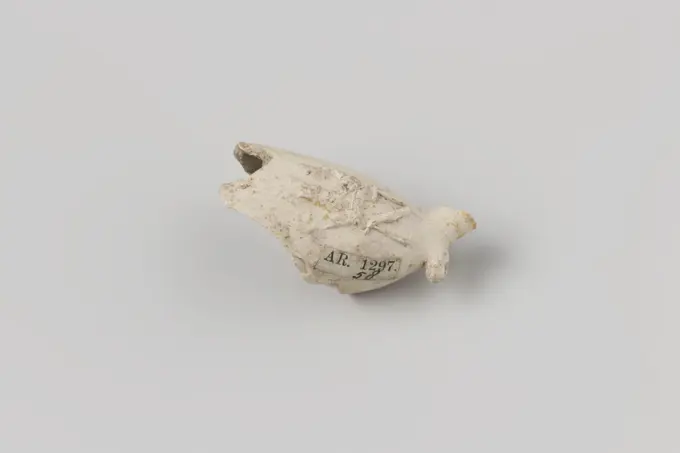
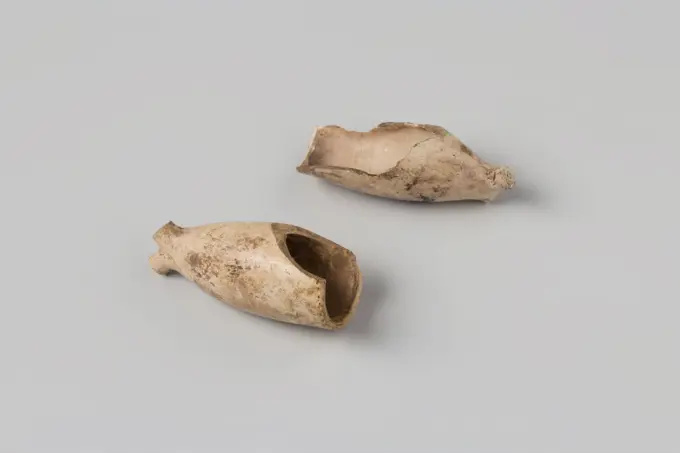
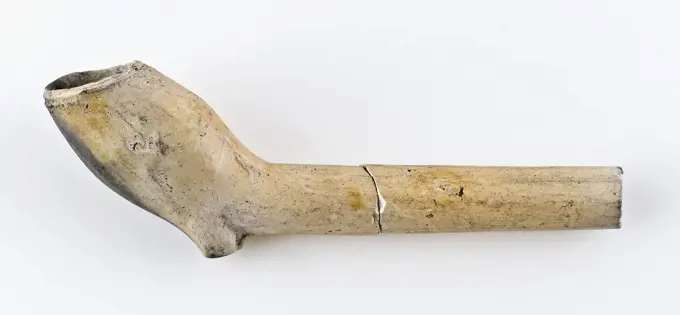
Fragment Pijpenkop, Anonymous, 1700 - 1799 Fragment piping head with a crown and the letter N depicted. Of the excavations on the Hofstede Arentsburg 1827-1831 under the supervision of Professor Reuvens. Netherlands pipe clay Fragment piping head with a crown and the letter N depicted. Of the excavations on the Hofstede Arentsburg 1827-1831 under the supervision of Professor Reuvens. Netherlands pipe clay
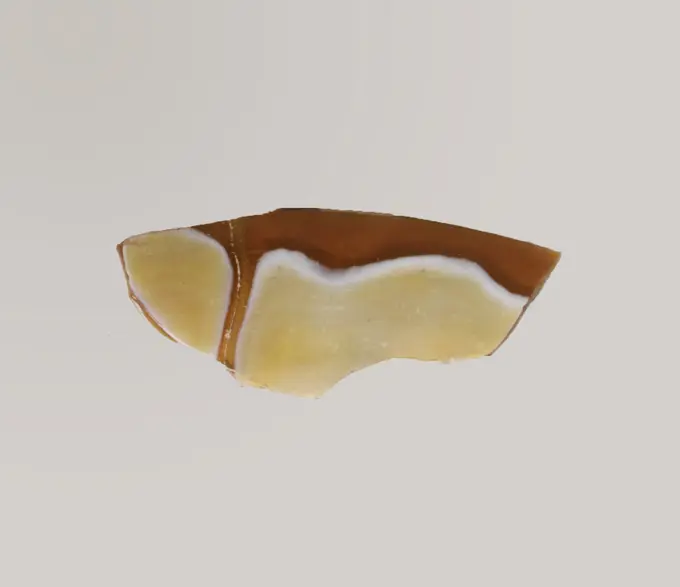
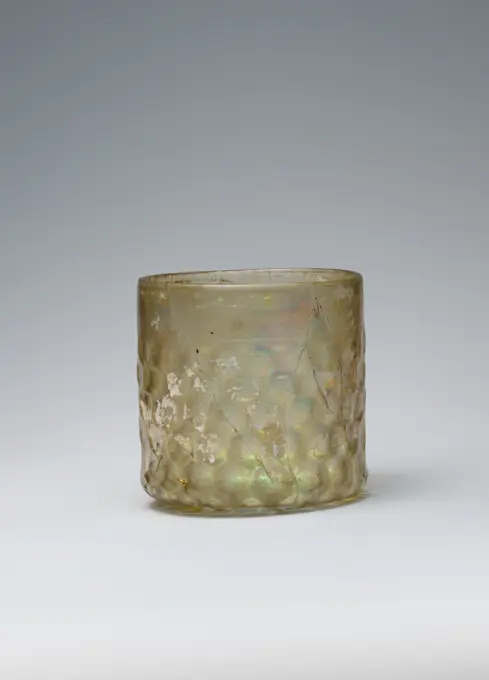
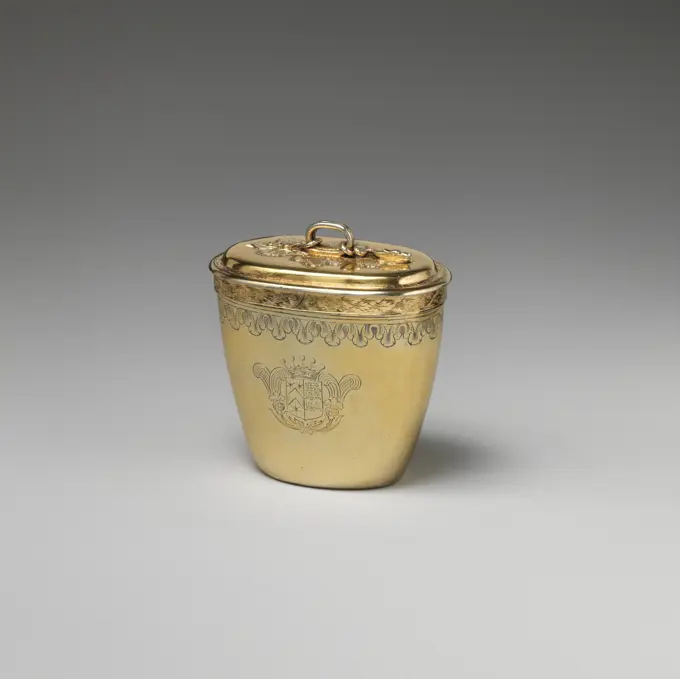
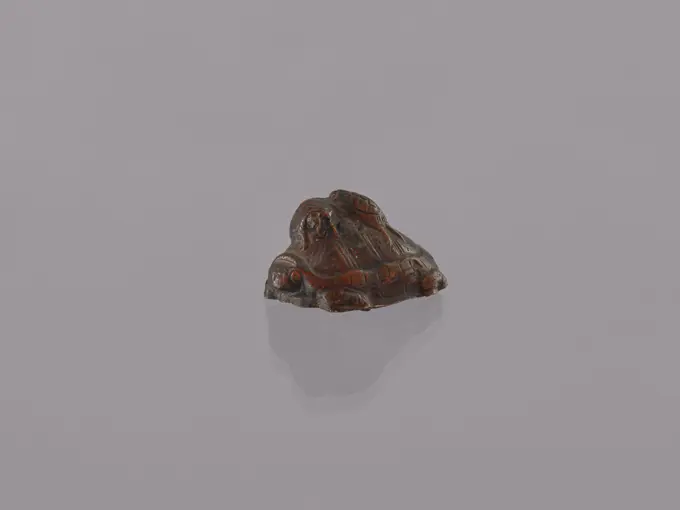
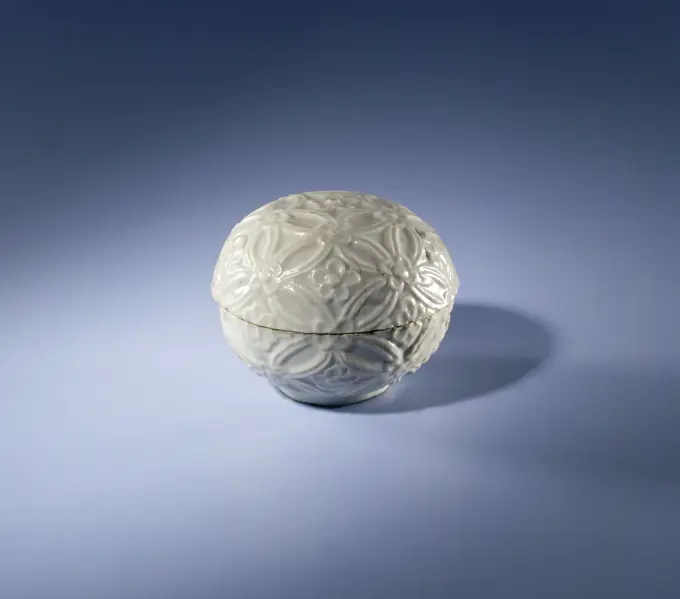
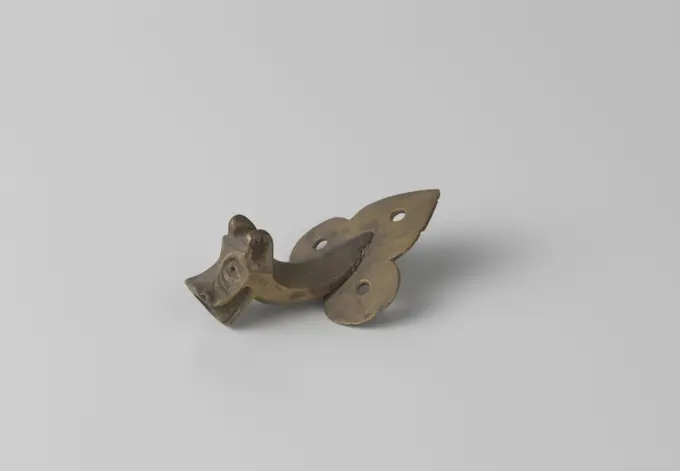
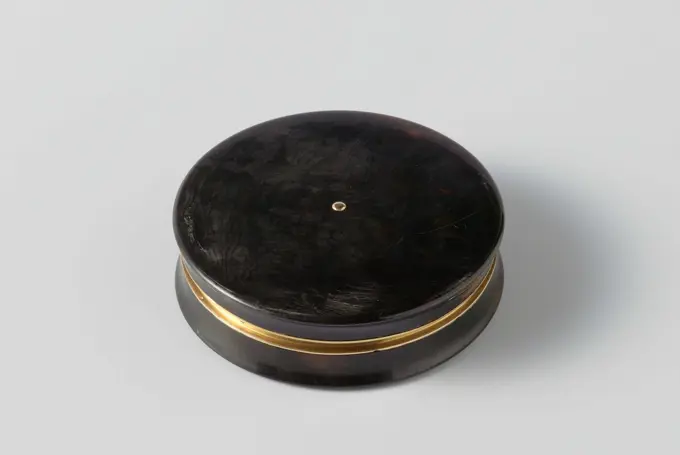
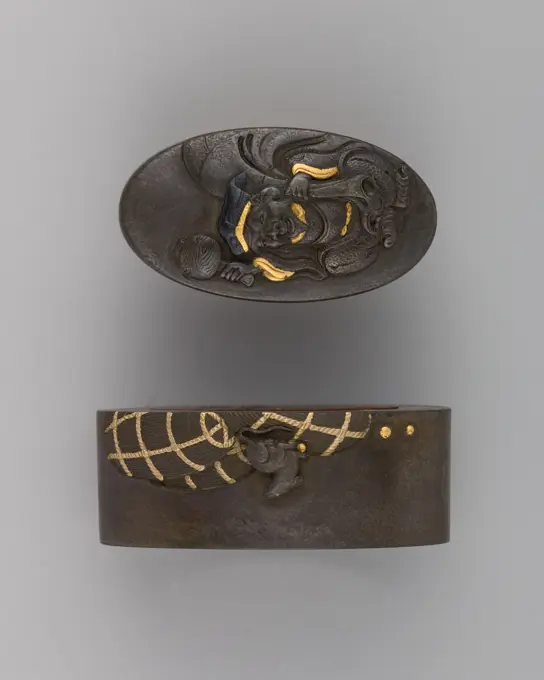
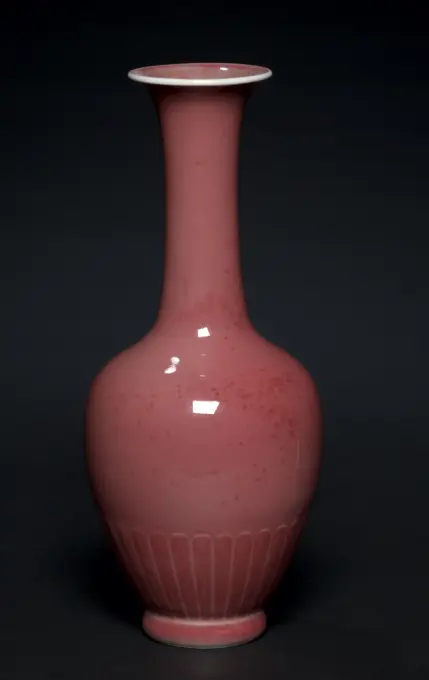
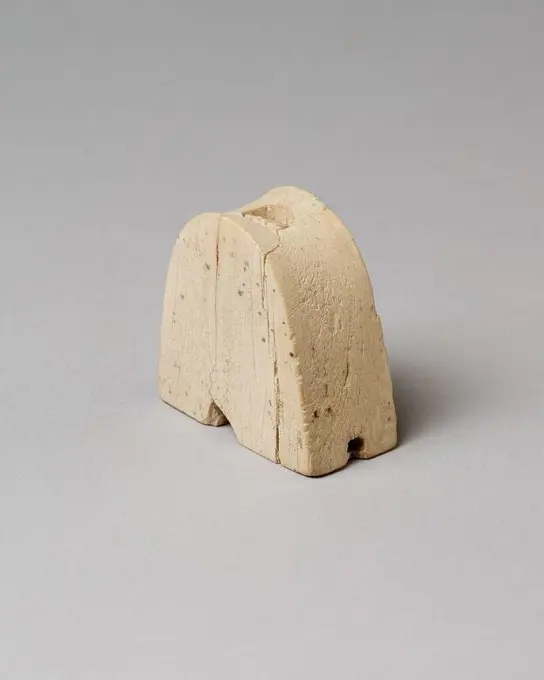
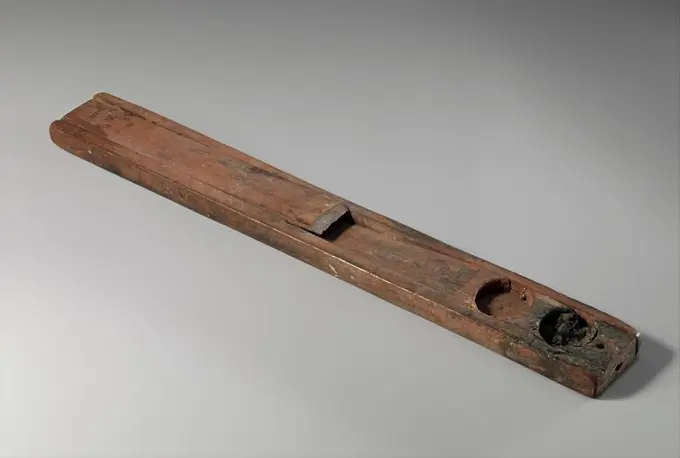
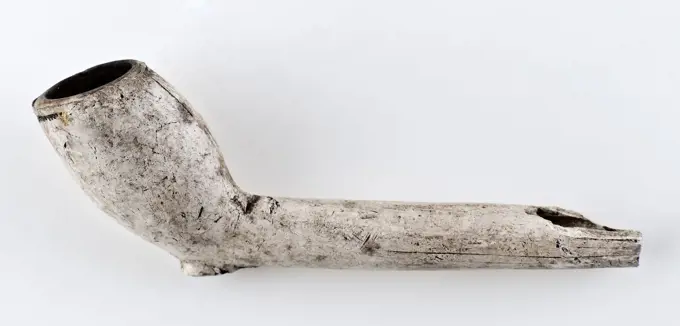
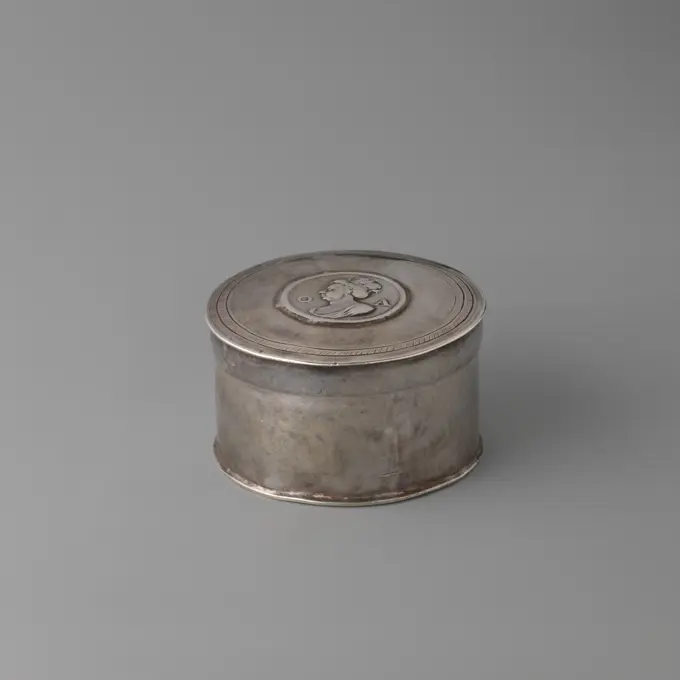
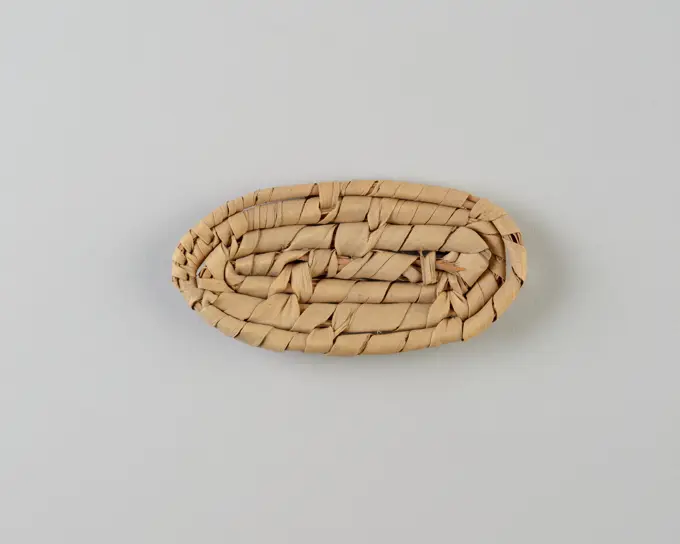
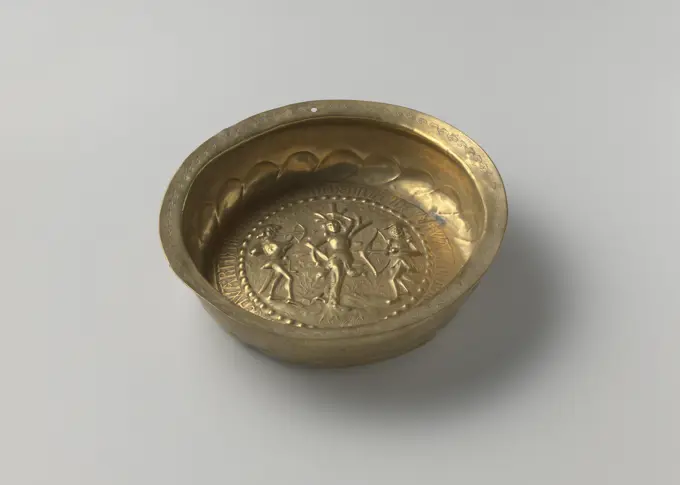
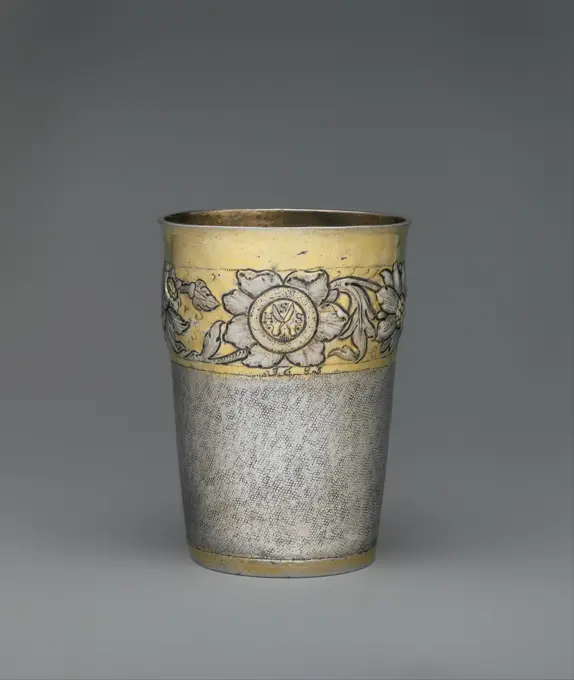
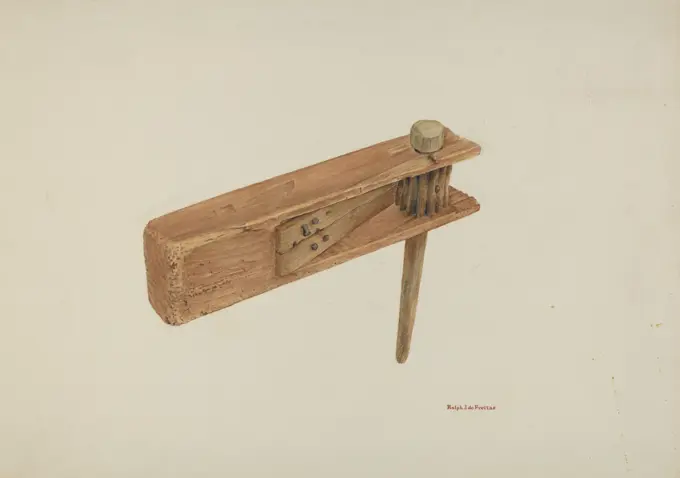
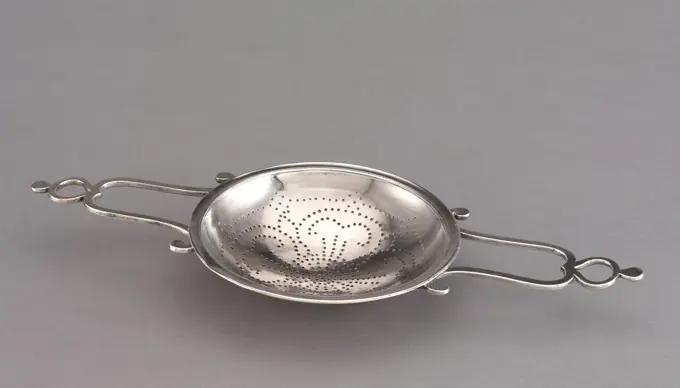
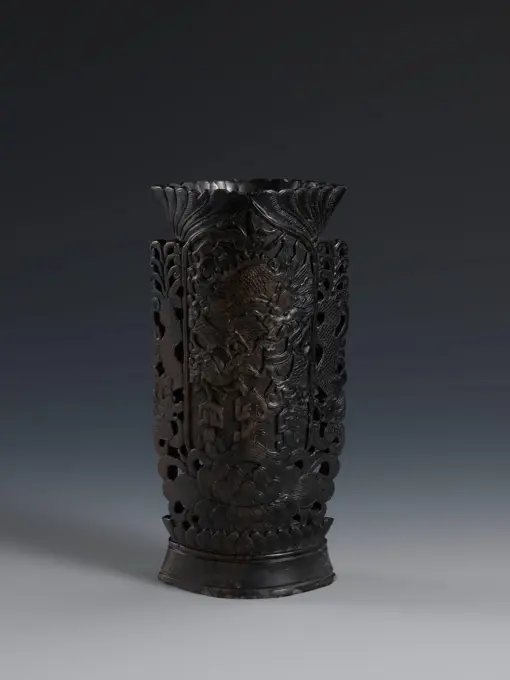
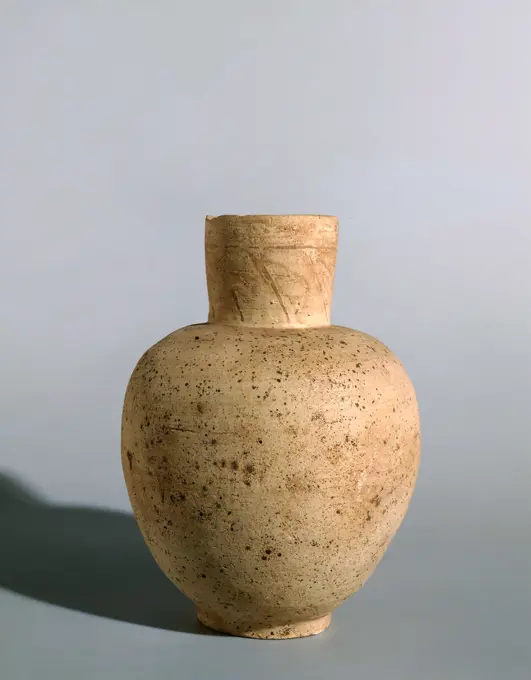
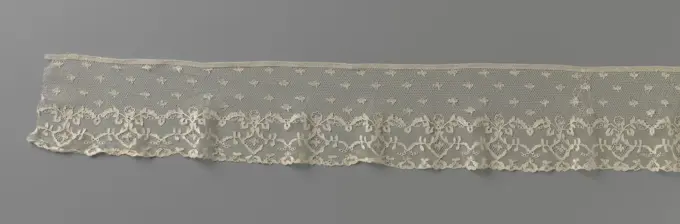
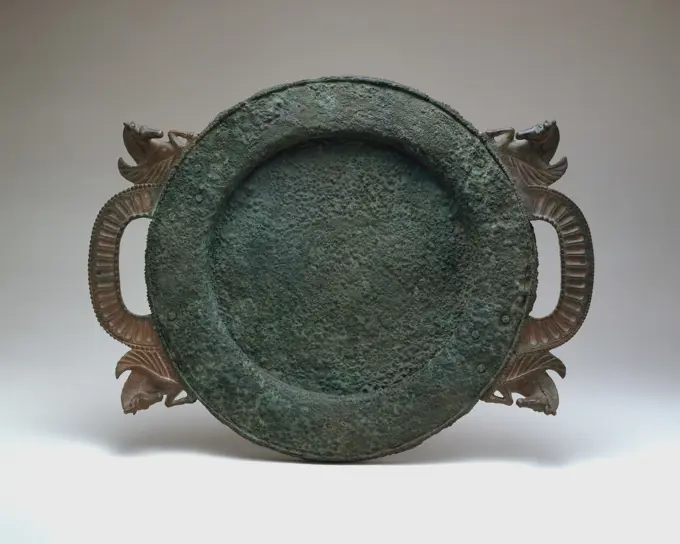
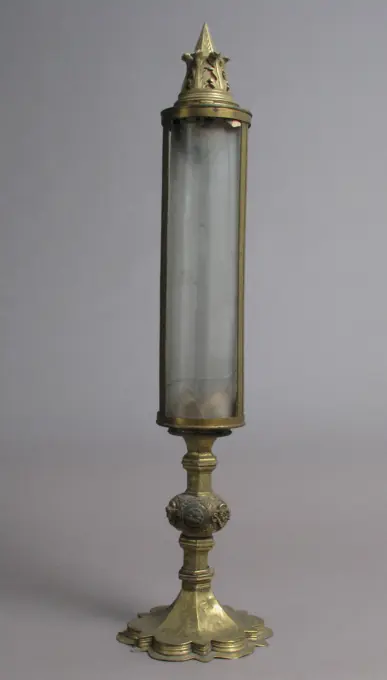
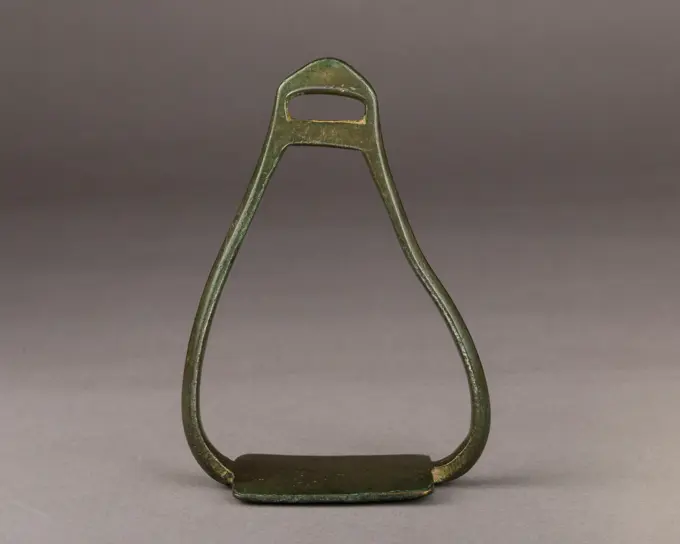
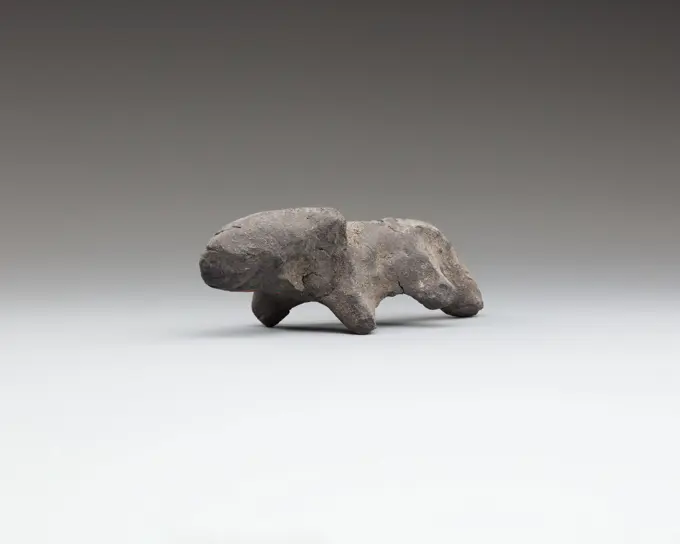
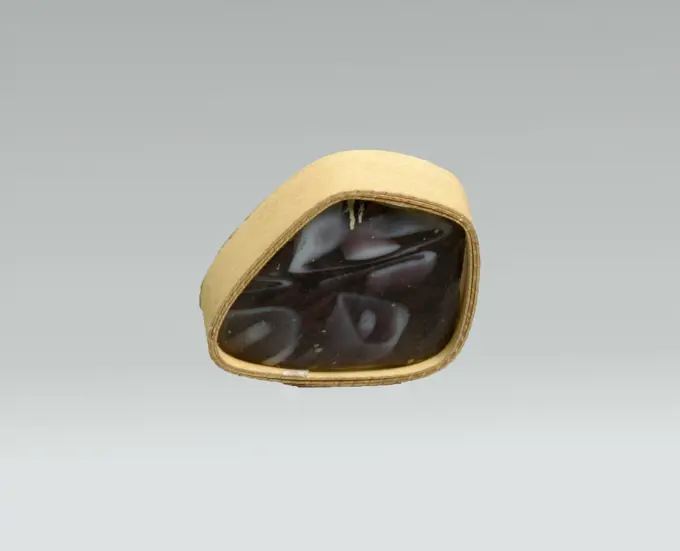
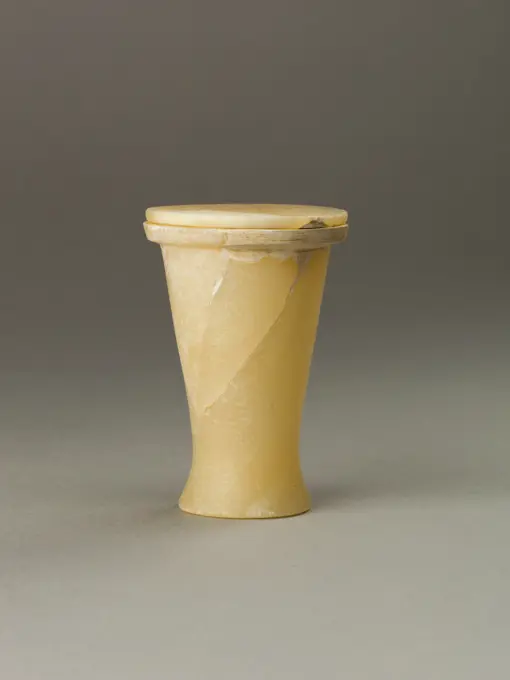
Cosmetic jar with lid ca. 1805 B.C. Middle Kingdom 26.7.1439-.1442 are ointment jars that were found scattered at the bottom of a tomb shaft at Thebes. Nearby was a box belonging to a man named Kemeni (26.7.1438). Kemeni's box has a drawer with spaces for eight small ointment jars, so it is assumed that the box and jars go together.. Cosmetic jar with lid 543957Tobacco cup. Tobacco basin on three outs of bent paws attached to a wooden base. The wooden pedestal is on three straight legs. There is a copper inner bin in the Komfoor. The tobaccokomfoor has not been marked.Glass mosaic bowl fragment Roman late 1st century BCE-early 1st century CE Rim fragment.Translucent honey yellow and opaque white.Rounded rim; outsplayed neck; side tapering downward.Onyx mosaic pattern formed from large sections of a single cane in yellow ground with thin layers of white and yellow; marble and spiral patterns on exterior, extending on to rim.Polished interior; pitting of surface bubbles on interior; dulling, pitting, and patches of creamy iridescent weathering on exterior; similar weathering on all but one edge. View more. Glass mosaic bowl fragment. Roman. late 1st century BCE-early 1st century CE. Glass; cast. Early Imperial. GlassCup with Molded Honeycomb Pattern 7th-10th century or later The imprecise "honeycomb" pattern that decorates the surface of this vessel, as well as the off-center placement of the seventeen-petalled rosette on the bottom, indicates that the cup was blown outside the mold, or was "dip-molded," after the design was impressed.. Cup with Molded Honeycomb Pattern. 7th-10th century or later. Glass, colorless with yellow tinge; dip-molded, blown. Probably made in Iraq. GlassCup. unknown, craftsmanZeepbak, anonymous, c. 1735 Soap bin with carrying eye. A line is engraved along the edges. The soap bin is marked: stk. = Amsterdam, Mt. = Citroen 1975, no. 970. Amsterdam silver (metal) Soap bin with carrying eye. A line is engraved along the edges. The soap bin is marked: stk. = Amsterdam, Mt. = Citroen 1975, no. 970. Amsterdam silver (metal)Tłok pieczętny. unknown, craftsmanFragment Pijpenkop, Anonymous, 1700 - 1799 Fragment piping head with a crown and the letter N depicted. Of the excavations on the Hofstede Arentsburg 1827-1831 under the supervision of Professor Reuvens. Netherlands pipe clay Fragment piping head with a crown and the letter N depicted. Of the excavations on the Hofstede Arentsburg 1827-1831 under the supervision of Professor Reuvens. Netherlands pipe claySmall bottle. unknown, craftsmanRound plate. Round plate of tin. The thin edge has turned.Candlestick, four -part, anonymous, c. 1590 - c. 1596 candlestick Candlestick, four -part consisting of a wide -ranging circular foot decorated with egg frame, a flat fat bowl decorated with egg list, a baluster -shaped shaft above which a disc -shaped knot and a cylindrical candle holder with two round leakage holes. House candlestick. Netherlands tin (metal) casting  Nova Zembla. Saving HuysBaking of wood, round, anonymous, c. 1700 - c. 1799 WITHOUT, round. Amsterdam (possibly) . WITHOUT, round. Amsterdam (possibly) .Canteen cup with cover 1670-85 British. Canteen cup with cover. British. 1670-85. Silver gilt. Metalwork-SilverBead with frog in black agate Cypriot. Bead with frog in black agate 242737Turtles; okimono. unknown, ceramistCopper cachet on which the image of freedom. Oval stamp with wooden handle with flattened head. On the stamp the Dutch virgin, standing in profile to the right (so on the seals to the left), in the right hand the staff with freedom hat, the left hand supporting the ax. Sandwich: Region of the L 'and registration et des Domaines. O.: Republique Francaise No. 2.Box with cover (one of a pair) (part of a toilet service) 1683-84 William Fowle. Box with cover (one of a pair) (part of a toilet service). British, London. 1683-84. Silver gilt. Metalwork-SilverRound-bodied box with continuous flower motif in relief, anonymous, c. 1400 - c. 1499 Spherical box made of porcelain with lid, covered with a gray glaze. The box is covered with a revolving flower pattern in relief. Two cracks in the lid. Two old labels in the box with 'Van Lier'. Ming porcelain. China porcelain. glaze vitrification Spherical box made of porcelain with lid, covered with a gray glaze. The box is covered with a revolving flower pattern in relief. Two cracks in the lid. Two old labels in the box with 'Van Lier'. Ming porcelain. China porcelain. glaze vitrificationPassing. Iron, smooth stroke with four-eyes with which it can be attached to a mast or pump to prevent the penetration of leakage water.Carnavalet museum, tokens collectionVessel, jug; Unknown ASUA SKI workshop; V-VI century (401-00-00-600-00-00);Padlock, c. 1400 - c. 1950 A ball -shaped iron padlock. Very rusted and violated.  iron (metal) A ball -shaped iron padlock. Very rusted and violated.  iron (metal)Czarka. nieznany warsztat północno mezopotamski (ca 2600-ca 2350 a.C.), workshopFlask - snuff bottle. unknown, craftsmanAnonymous, bowl (usual name), 1255. White sandstone with covered. Cernuschi Museum, Asia Museum of Asia in the city of Paris.Coconut from V.O.C. ship De 'Witte Leeuw', Before 1613 coconut (fruit) Coconut from V.O.C. ship De 'Witte Leeuw'. Cracked. Hole in the bottom.  coconut shell   Sint-HelenaBalsamarium italo-korynckie w kształcie jeża. warsztat koryncki, workshopBottle probably 18th-19th century. Bottle 444735Part, consisting of a three -pass with an animal head, anonymous, c. 1400 - c. 1500 The object consists of a three -punch of three holes made from plate, on which a protrusion is soldered, ending in a animal head in which a round hole. Northern Netherlands (possibly) brass (alloy) casting / soldering The object consists of a three -punch of three holes made from plate, on which a protrusion is soldered, ending in a animal head in which a round hole. Northern Netherlands (possibly) brass (alloy) casting / solderingFragment pin out of the wreck of the East Indians Hollandia, Anonymous, 1700 - in Or Before 1743  Tools and instruments, sewing and sailmaking, pin; fragm of shaft with blade-mount, 3 rivet-holes. Netherlands copper (metal)   SecondMeiping vase 19th century China. Meiping vase 46030Bottle probably 18th-19th century. Bottle 447073Cup with pendent flower sprays and a brown glaze, anonymous, c. 1740 - c. 1760 Bell -shaped head of porcelain, covered with a brown glaze and painted on the glaze with blue, red, pink, green, black and gold. The outside of the head is covered with a dark brown glaze; On the inner edge a tire servetwork interspersed with a flower branch in a cartouche, a flower branch hanging under this tire, a flower branch on the bottom. Famle rose with monochrome brown. China porcelain. glaze. gold (metal) painting / gilding / vitrification Bell -shaped head of porcelain, covered with a brown glaze and painted on the glaze with blue, red, pink, green, black and gold. The outside of the head is covered with a dark brown glaze; On the inner edge a tire servetwork interspersed with a flower branch in a cartouche, a flower branch hanging under this tire, a flower branch on the bottom. Famle rose with monochrome brown. China porcelain. glaze. gold (metal) painting / gilding / vitrificationSeal stamp, Theo Nieuwenhuis, 1900 - 1910 Seal stamp of copper on a wooden stem. The stamp shows the monogram vam Th. Nieuwenhuis: T N.  copper (metal). wood (plant material) Seal stamp of copper on a wooden stem. The stamp shows the monogram vam Th. Nieuwenhuis: T N.  copper (metal). wood (plant material). Box of turtle with brass () Screw. NB This does not concern the box originally at the Medal NG-2008-41-B.Stirrup. Culture: German. Dimensions: H. 6 7/8 in. (17.5 cm); W. 5 1/8 in. (13 cm); D. 1 1/2 in. (3.8 cm); Wt. 8.8 oz. (249.5 g). Date: 10th-11th century.This type of stirrup, with its wide rectangular suspension eye and its flaring sides at the bottom, is characteristic of the Germanic (Viking) populations living around the Baltic and Northern Seas. It evolved from types used by the Avars in Eastern Europe in the 7th and 8th centuries and was brought to Central Europe through the migration of Eastern populations.If the Vikings are mostly known for being talented sailors, one may forget they were also horse riders, and as in all the Germanic cultures, horses had great importance in their society, in both its social and religious aspects. Equestrian equipment, like stirrups, spurs and bits, are regularly found in Viking burials, among the goods warriors wanted to bring with them to the afterlife. The elite would sometimes even be accompanied by sacrificed horses, a meaningful practiceSword-Hilt Collar and Pommel (Fuchigashira) ca. 1615-1868 Japanese A fuchigashira is a pair of matching sword fittings comprising the fuchi (collar at the base of the grip of the sword hilt) and kashira (pommel cap at the end of a sword hilt).. Sword-Hilt Collar and Pommel (Fuchigashira). Japanese. ca. 1615-1868. Copper-silver alloy (shibuichi), gold. Sword Furniture-Fuchi-KashiraAmulet and Signature Seal Stone, 6th-5th century BCE, 7/8 x 3/4 x 1/2 in. (2.22 x 1.91 x 1.27 cm), Pink agate, Babylon, 6th-5th century BCESmall plate. unknown, craftsmanPipe Bowls 3; molded and polished clayLotus Petal Vase, 1662-1722. China, Jiangxi province, Jingdezhen, Qing dynasty (1644-1911), Kangxi period (1662-1722). Porcelain with "peach bloom" glaze; overall: 21.2 cm (8 3/8 in.). The "peach-bloom" glaze developed during the Kangzi era has also been described as "drunken with beauty." Technical achievements were transcended with aesthetic associations, revealing the greatest sensitivity to all things beautiful in nature.Handle in the form of a panther 30 B.C.-A.D. 364 Egyptian Bronze handle in the form aof a feline.. Handle in the form of a panther. Egyptian. 30 B.C.-A.D. 364. Bronze. Roman. BronzesStirrup second half 15th century German The pear shape of this stirrup fit the riders foot better and helped him to maintain a good and secure position in the saddle.. Stirrup. German. second half 15th century. Iron, tin. Equestrian Equipment-StirrupsPapyrus burnisher. Dimensions: h. 3.6 cm (1 7/16 in); w. 3.8 cm (1 1/2 in); d. 2.4 cm (15/16 in). Dynasty: Dynasty 12, late-early 13. Date: ca. 1850-1640 B.C.. Museum: Metropolitan Museum of Art, New York, USA.Scribe's Palette. Dimensions: L. 34.6 cm (13 5/8 in.); W. 4.3 cm (1 11/16 in.); H. 1.7 cm (11/16 in.). Dynasty: Dynasty 12-17. Date: ca. 2030-1550 BC.Ancient Egyptian scribes used wooden palettes, like this one, to hold their ink and brishes. There are still substantial remnants of the black ink on this palette, but the red is almost gone. The brushes are reeds with one end frayed to hold the ink. The design of scribal palettes changed little over time as may be seen by comparing this one, from the Middle Kingdom to another, which dates to the New Kingdom. Museum: Metropolitan Museum of Art, New York, USA.Fragments Pijpenkoppen from the wreck of the East Indians Hollandia, Anonymous, 1700 - in Or Before 1743  Pipe, bowl, heelmark: crowned 82; fragments, no hsm. Netherlands pipe clay   SecondScherf of a jug of the wreck of the East Indians Hollandia, Anonymous, 1700 - in or Before 1743  Stoneware, Rhenish, Frechen-ware, jug; fragm of neck with stamp sim. NG 1980-27H2128. Cologne stoneware   SecondJar - George I. Lazier, 1864-1879 George I. Lazier, 1864-1879White clay pipe, unnoticed, with smooth handle, clay pipe smoking equipment smoke floor pottery ceramics pottery, pressed finished baked White clay pipe unnoticed with smooth handle. Pipe is coarsely finished heel is hollow-cut archeology smoking tobaccoCover for a Pot, 1914. Firm of Peter Carl Fabergé (Russian, 1846-1920). Copper with brass handles; As Russia entered the First World War, austerity and economy settled into the fabric of life even among wealthy aristocrats and nobility. Not only were precious materials such as gold, silver, and gemstones hard to procure, but such luxury seemed out of place when so many men were dying at the front. Fabergé contributed to the war effort by making shells, casings, and other munitions out of brass and copper. He also made cookware, such as this small covered soup pot, to be sent to the front lines with provisions tucked inside. However, these simple forms only looked affordable. They were still a luxury only the wealthiest families could afford to send to their sons.Flute glass with a portrait of Frederick Henry, anonymous, c. 1650 - c. 1675 Flat base with turned around. Hollow, baluster -shaped trunk with three discs. High, funnel -shaped chalice. On the chalice, a portrait of Stadholder Prince Frederik Hendrik is engraved, in armor and equipped with field control and shield. On the shield two in one in one -beaten hands with seven arrows. Above the hands a laurel wreath, under the word 'Unico'. On the downside the crowned weapon of Frederik Hendrik. The chalice is further decorated with flower vessels and two peacocks on a pedestal. A flower drink on the foot and along the top edge. glassblower: NetherlandsNorthern Netherlands glass glassblowing Flat base with turned around. Hollow, baluster -shaped trunk with three discs. High, funnel -shaped chalice. On the chalice, a portrait of Stadholder Prince Frederik Hendrik is engraved, in armor and equipped with field control and shield. On the shield two in one in one -beaten hands with seven arrows. Drilling iron. The flat top of the drill (where the wooden handle has probably seated) is crooked. The end of the spoon drill (hollow) is tilted. Signature: (illegible).Bouquet behind glass in ovale, black frame, anonymous, 1884 On the back: A.B.S.K. 1884 and 'For Alida'.  wood (plant material). glass. plant material. ribbon (material) On the back: A.B.S.K. 1884 and 'For Alida'.  wood (plant material). glass. plant material. ribbon (material)MANGO DE PUÑAL VOTIVO-CABEZA DE BOVIDO. Location: MUSEO ARQUEOLOGICO NACIONAL-COLECCION. MADRID. SPAIN.Sickle Blade, 1980-1801 BC. Egypt, Middle Kingdom, Dynasty 12. Flint; overall: 5 cm (1 15/16 in.).Wine Glass. England. Date: 1780-1790. Dimensions: 17.1 cm (6 3/4 in.). Glass. Origin: England. Museum: The Chicago Art Institute, Chicago, USA.Tripod Vessel. China, probably Hebei province. Date: 480 BC-221 BC. Dimensions: H. 25.3 cm (10 in.); diam. 17.3 cm (6 3/4 in.). Brick-red earthenware. Origin: China. Museum: The Chicago Art Institute, Chicago, USA.Part of a Forearm Defense (Vambrace) ca. 1450-70 Italian This is part of a large find of medieval armor discovered in 1840 in the ruins of the fortress of Chalcis, on the Greek island of Euboea (then a Venetian colony called Negroponte). The fortress had been captured and destroyed by the Turks in 1470. Now divided largely between the Ethnological Museum, Athens, and The Metropolitan Museum of Art, the Chalcis hoard contains many rare and unusual elements of fourteenth- and fifteenth-century armor. Of particular importance are the variety of headpieces and the many fragments of brigandines (armor for the torso constructed of small plates riveted to layers of fabric), some of which retain portions of their original velvet covering. The Chalcis armor provides a unique picture of the armament used in the Aegean, one of the easternmost military outposts of the Venetian empire.. Part of a Forearm Defense (Vambrace) 23114Lamp. UnknownYellow Ribbed Bowl (Rippenschale). UnknownFragment earthenware dish decorated in sludge and scratching technique, on stand fins, plate crockery holder soil find ceramic earthenware glaze lead glaze, hand turned decorated glazed fried ring of sgraffito Fragment of dish with pinched stand vane. Red earthenware front with yellow sludge with incised decoration and glaze. Reverse unglazed archeology Rotterdam railway tunnel native earthenware serving table crockery Soil discovery: rail tunnel Rotterdam.Come from earthenware, Wedgwood Black Basalt, Wedgwood, c. 1790 - c. 1810 Half -ball shape of earthenware, Black Basalt. The bowl has a profiled foot. The outer wall is decorated with vertical tires in relief. England earthenware Half -ball shape of earthenware, Black Basalt. The bowl has a profiled foot. The outer wall is decorated with vertical tires in relief. England earthenwareLouis XVI circular powderbox.   Maker: T. F. P., active ca. 1788Vase. Chelsea Keramic Art Works (United States, Massachusetts, England, Chelsea, 1872-1889)Hugh Cornwall Robertson (England, active United States, 1845-1908). United States, 1884-89. Furnishings; Accessories. StonewareSchist spindle whorl ca. 1200-1050 B.C. Cypriot An incised line surrounds the hole in the center. Between two incised lines at the outer edge are oblique strokes.. Schist spindle whorl 243884Luohan na lwie. unknown, craftsmanWhite clay pipe, unnoticed, with smooth handle, clay pipe smoking equipment smoke floor pottery ceramics pottery, pressed finished baked White clay pipe unnoticed with smooth handle. Smooth onset of heel archeology smoking tobaccoMiniature box with cover ca. 1702-14 T.K., London. Miniature box with cover. British, London. ca. 1702-14. Silver. Metalwork-Silver-MiniatureTray ca. 1479-1458 B.C. New Kingdom. Tray. ca. 1479-1458 B.C.. Straw and palm leaf. New Kingdom. From Egypt, Upper Egypt, Thebes, Deir el-Bahri, Tomb of Senenmut (TT 353), Foundation deposit 2, 5a, scattered, MMA excavations, 1926-27. Dynasty 18Barrel of turned, solid wood. A barrel of solid maple wood.Pelvis with Saint Sebastiaan, Anonymous, 1450 - 1550 In the flat of the pelvis, which has the center point in the middle, with the help of stamp shapes are punched: a representation of the Holy Sebastiaan and two archers, as well as the inscription applied to Frid Gehwahrt (repeated four times). On the performance, the H. Sebastiaan tied to a tree is shown in the middle and an archer left and right. The background is taken by flowering plants and a starry sky. Fish blowing is driven in the wall of the dish. A punched ornament has been applied in the collar with a stylized leaf as the motif. The hanging ring at the rear and the hole in the edge were installed later. Neurenberg (possibly) brass (alloy) casting / engraving In the flat of the pelvis, which has the center point in the middle, with the help of stamp shapes are punched: a representation of the Holy Sebastiaan and two archers, as well as the inscription applied to Frid Gehwahrt (repeated four times). On the performance, the H.Cup and saucer of hard-baked pottery, creamware .. cup and saucer of hard-baked pottery, from a children's service. Cup and saucer both have a green radiant edge. The cup and saucer belong to three cups and saucers (BK-NM-11012-A to BK-NM-11012-D. At the heads and saucers a tea can with Invnr. BK-NM-11013.Standing figure, 19th-20th century, 12 1/8 x 2 3/4 x 2 3/4 in. (30.8 x 7.0 x 7.0 cm), Wood, cotton cloth, glass beads, Democratic Republic of Congo, 19th-20th centuryBeaker 1683 Unidentified Master GH The combination of matte snakeskin decoration with a gilded band of fully blossoming flowers is extremely rare. Only one other similar beaker is known, now in the Hungarian National Museum, Budapest, and that bears the mark of a different goldsmith. The engraved date 1683 is consistent with the objects style. The mysterious mark GH probably refers to an unidentified master. Discovering the meaning of this mark will help to establish a more specific place of origin for the piece.LiteratureEuropean Silver. Sale cat., Sothebys, Geneva, May 16, 1994, p. 67, no. 167.Judit H. Kolba. Hungarian Silver: The Nicolas M. Salgo Collection. London, 1996, p. 79, no. 57.ReferencesThere is a very similar beaker in the collection of the Hungarian National Museum with a different mark published in Judit H. Kolba. Schätze des ungarischen Barock. Exh. cat. Deutsches Goldschmiedehaus Hanau. Hanau, 1991, p. 82, no. 42.[Wolfram Koeppe 2015. Beaker 237019RJ De Freitas, Ecclesiastical Rattle, c 1939 Ecclesiastical RattleWaist clamp;  XVIII-XIXW. (1701-00-00-1900-00-00);Strainer, c. 1760. Paul Revere II (American, 1735-1818). Silver; with handle: 2.6 x 27.8 cm (1 x 10 15/16 in.).Vase;  19th century (1801-00-00-1899-00-00);Thimble ca. 1760 French. Thimble. French. ca. 1760. Soft-paste porcelain. Ceramics-PorcelainNapkin with Orpheus in the midst of the animals, anonymous, c. 1650 - c. 1680 Linnamast napkin with Orpheus and the animals. Midfield: In a colonnade of a dome -shaped building, a man plays on a winch (Orpheus). The rest of the plane is filled by all kinds of animals, in between trees. Standing edges: Ramps with flowers, leaves and fruits. Germany linen (material) damask Linnamast napkin with Orpheus and the animals. Midfield: In a colonnade of a dome -shaped building, a man plays on a winch (Orpheus). The rest of the plane is filled by all kinds of animals, in between trees. Standing edges: Ramps with flowers, leaves and fruits. Germany linen (material) damaskRibbon of cream -colored mesh of 15 meters, c. 1900 - c. 1915 Ribbon of cream -colored mesh for 15 meters. Nijmegenfrance silk. Ribbon of cream -colored mesh for 15 meters. Nijmegenfrance silk.Vial. unknown, craftsmanSeated two-legged figure with tail, c. 500, 5 3/4 in. (14.6 cm), Earthenware, Mexico, 5th-6th centuryFigure of a Man China. Figure of a Man 61575Snuffbox; Minshull & Latimer (Birmingham; Company Z 1897/98 (1897-00-00-1898-00-00);Tomb Figure, c. 600, 7 5/8 x 2 1/2 x 2 1/8in. (19.4 x 6.4 x 5.4cm), Polychromed earthenware, China, 6th-7th centuryGulla (naczynie do wody). warsztat nubijski, workshopVolant Van Kloskant with diamond -shaped medallions, anonymous, c. 1870 - c. 1920 Volant of natural -colored bobbin: Parisian side. The soil is divided in two in a Paris soil with clovers at the top and a tuler ground underneath. In the latter is a symmetrical pattern of diamond -shaped openwork medallions with side vines crowned by a flower between two leaves. The leaves, the side ranks and a series of flowers and sling in the scallops are loose on the other in three closed garlands. The motifs are made in linen stroke and provided with contour threads. A rose soil has been applied as a decorative land. The top of the strip is finished with a separate strap. Belgium linen (material) bobbin lace / Paris lace Volant of natural -colored bobbin: Parisian side. The soil is divided in two in a Paris soil with clovers at the top and a tuler ground underneath. In the latter is a symmetrical pattern of diamond -shaped openwork medallions with side vines crowned by a flower between two leaves. Bronze plate 2nd half of the 6th century B.C. Greek Greek craftsmen were expert at incorporating animal forms into the design of showy bronze vessels. Here, the foreparts of winged horses seem to emerge from the rim of the plate.. Bronze plate. Greek. 2nd half of the 6th century B.C.. Bronze. Archaic. BronzesOil lamp. unknown, craftsmanBox early 18th century probably British This box is inlaid with silver and mother-of-pearl (piqué incrusté) and has decorative piqué point-dor borders.. Box 192894Single disc block. Disk of a single-disc block.Reliquary 16th century Italian. Reliquary 464182 Italian, Reliquary, 16th century, Copper-gilt, glass, Overall: 7 1/8 x 3 3/4 x 2 13/16 in. (18.1 x 9.5 x 7.2 cm). The Metropolitan Museum of Art, New York. Gift of J. Pierpont Morgan, 1917 (17.190.2112)Carnavalet museum, tokens collectionCarinated bowl in epicampaniform decoration. Middle Bronze Age (2200-1800 BC). La Riba, Sant Just Desvern. Archaeology Catalonia M.Stirrup 15th-17th century East European, possibly Balkans This type of pear-shaped stirrup was widely used in east European Ottoman territories, by the Hussars, for example, and in the Balkans. They evolved from late medieval stirrups and their shape and manufacture changed very little between the 15th and the 18th century, and even after. Therefore, simple examples like these can be very hard to date.. Stirrup. East European, possibly Balkans. 15th-17th century. Copper alloy. Equestrian Equipment-StirrupsAnimal figurine Middle Kingdom ca. 1981-1640 B.C. View more. Animal figurine. ca. 1981-1640 B.C.. Clay. Middle Kingdom. From Egypt, Memphite Region, Lisht North, Cemetery, MMA excavations, 1906-07. Dynasty 12-13Mitten Gauntlet for the Left Hand. Italian. Date: 1500-1530. Dimensions: L. 29.2 cm (11 1/2 in.). Steel and textile. Origin: Italy. Museum: The Chicago Art Institute, Chicago, USA.Glass mosaic bowl fragment late 1st century B.C.-early 1st century A.D. Roman Body fragment.Translucent purple and opaque white.Convex curving side.Mosaic pattern formed from sections of a single cane in a purple ground with a white circle surrounding a central white rod.Polished exterior; pitting of surface bubbles on exterior; dulling, pitting, and faint weathering on interior and jagged edges. Rotary grinding marks on interior.. Glass mosaic bowl fragment. Roman. late 1st century B.C.-early 1st century A.D.. Glass; cast. Early Imperial. Glass. Head without ear, painted porcelain. The head is covered with an orange-red fond, in which brace-shaped four passes are saved with (water) landscapes with European figures, sometimes with bales and ships. The head is noticed.