Ancient Cosmetic and Craft Containers

Historic cosmetic jars and decorative vessels, showcasing ancient craftsmanship in glass and pottery from various cultures.
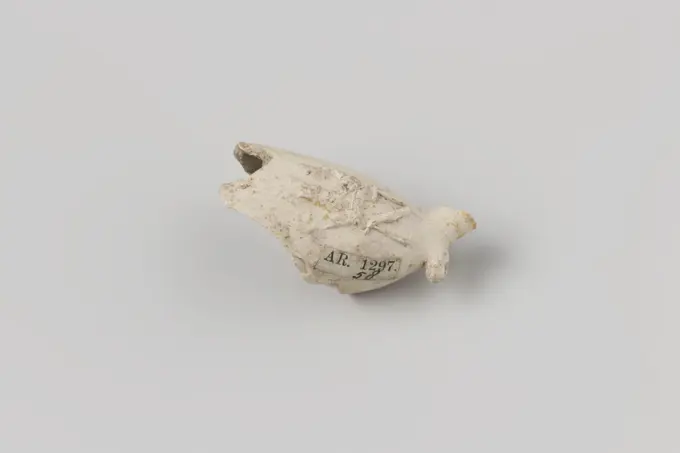
Fragment Pijpenkop, Anonymous, 1700 - 1799 Fragment piping head with a crown and the letter N depicted. Of the excavations on the Hofstede Arentsburg 1827-1831 under the supervision of Professor Reuvens. Netherlands pipe clay Fragment piping head with a crown and the letter N depicted. Of the excavations on the Hofstede Arentsburg 1827-1831 under the supervision of Professor Reuvens. Netherlands pipe clay
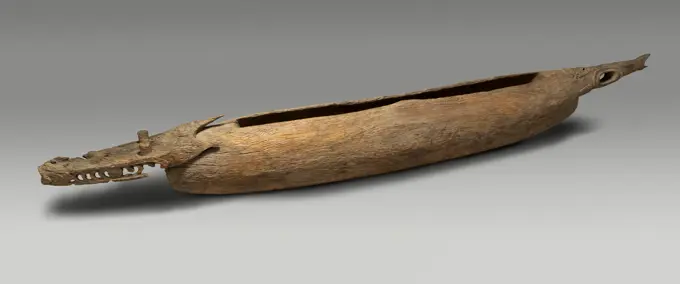
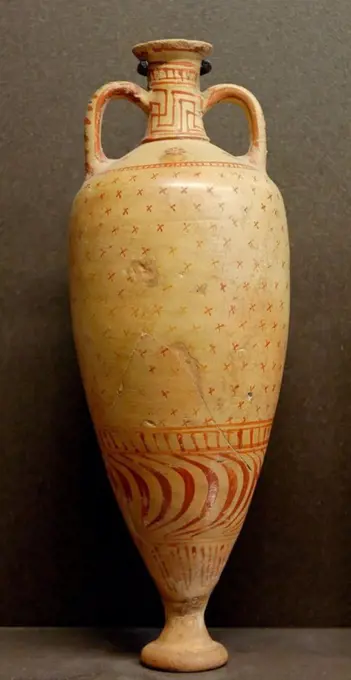
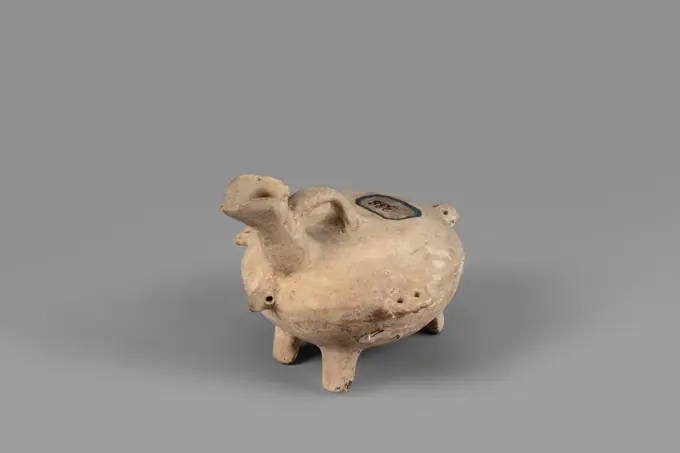
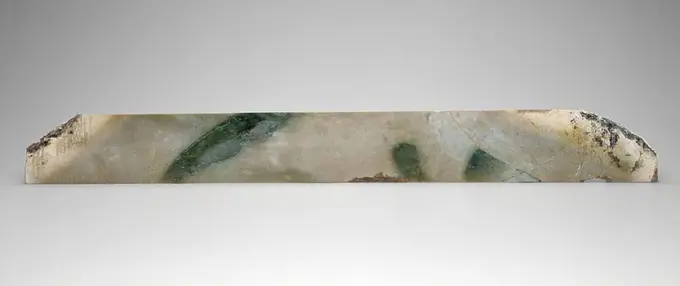
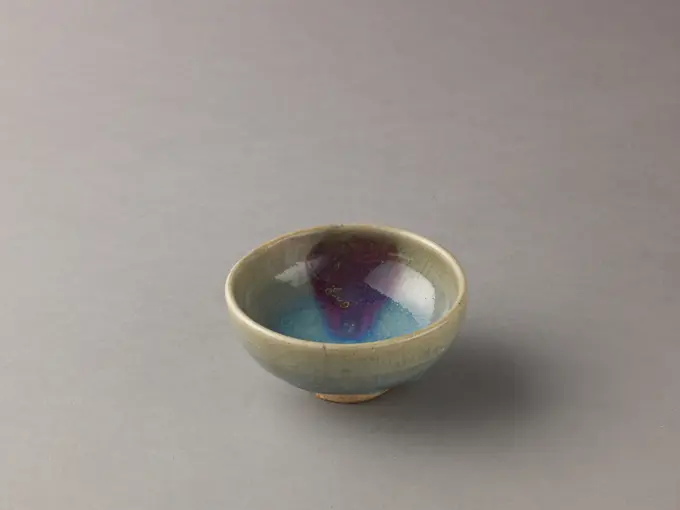
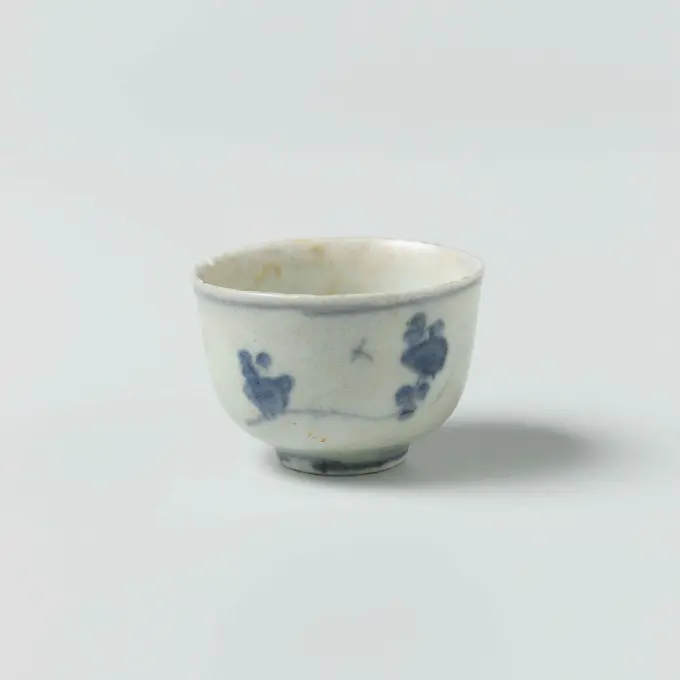
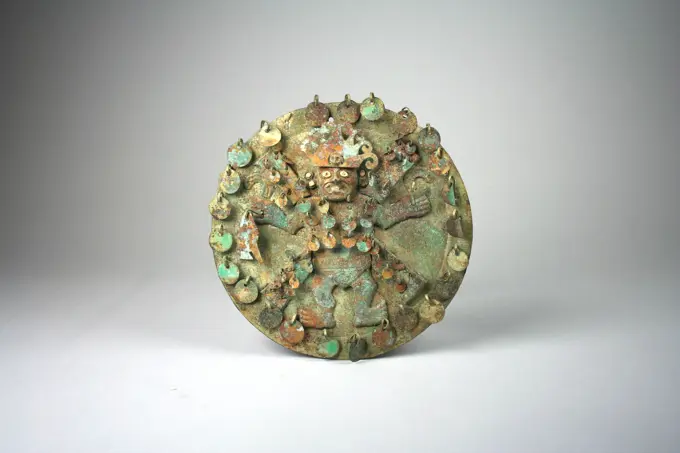
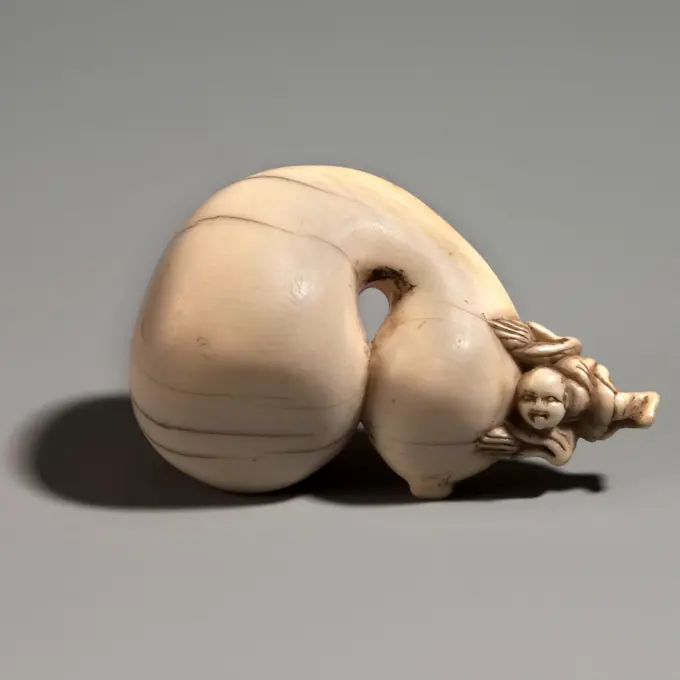
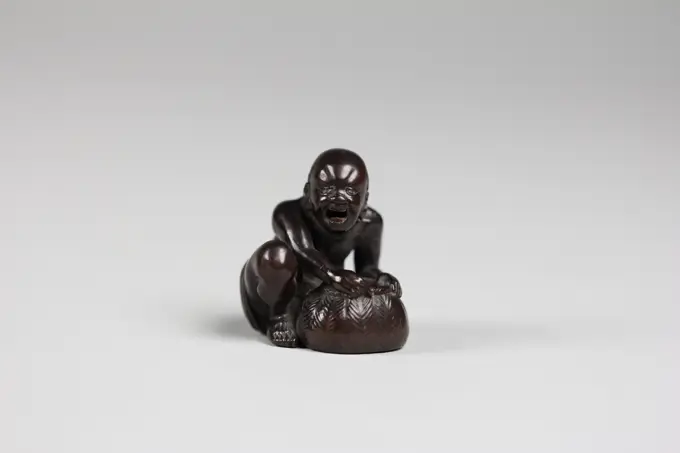
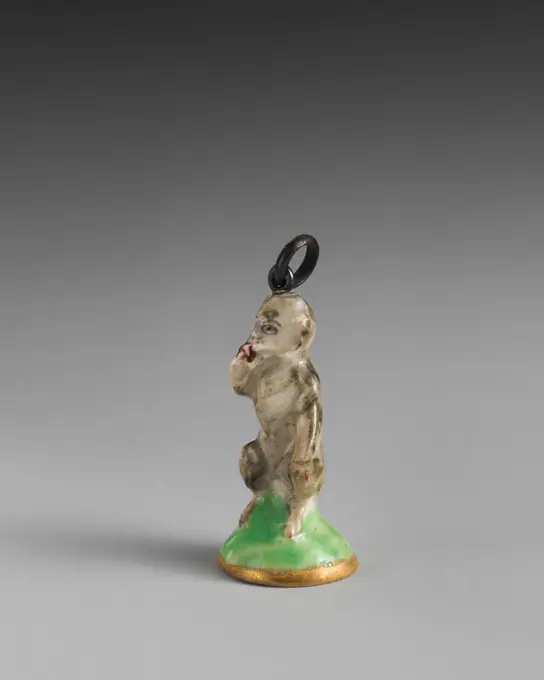
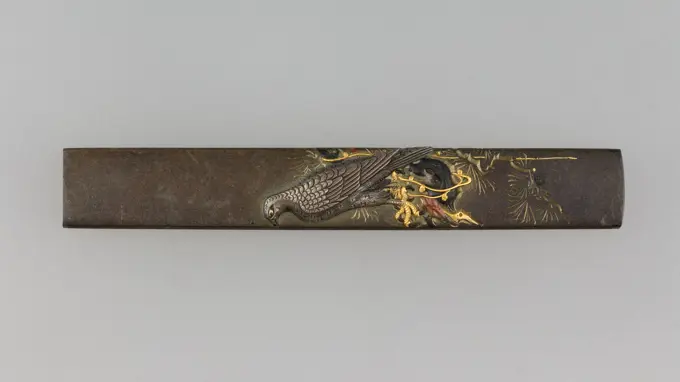
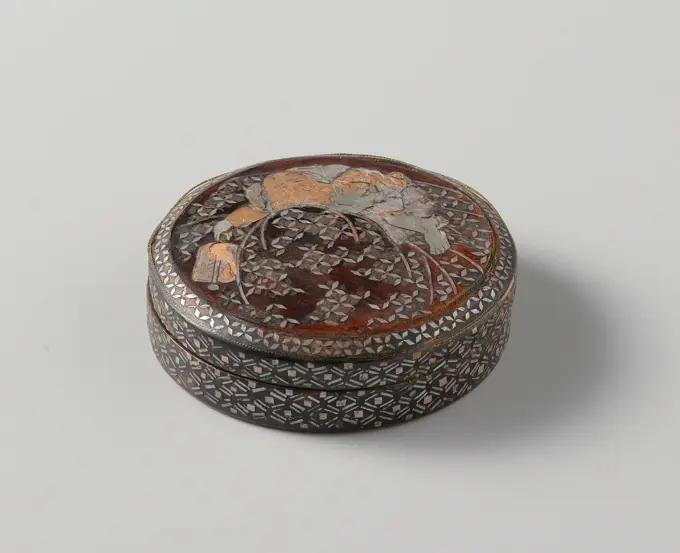
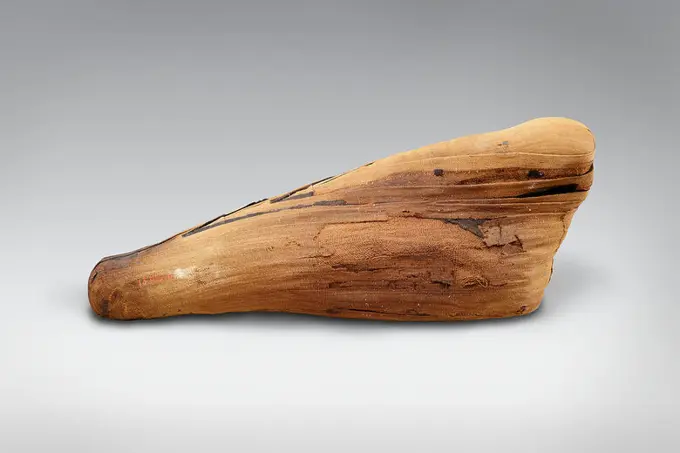
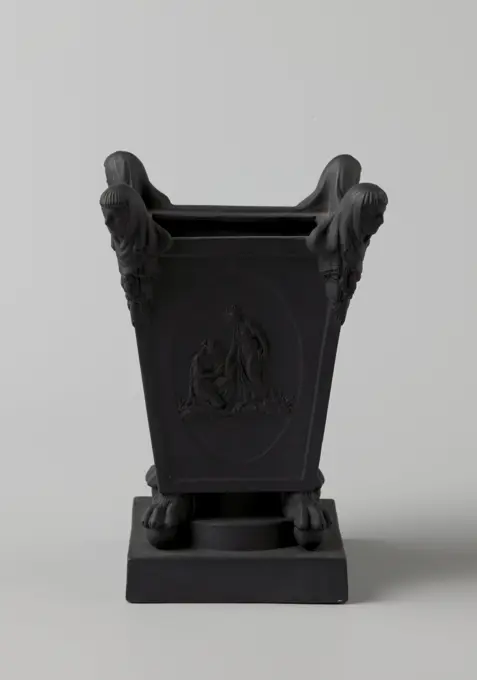
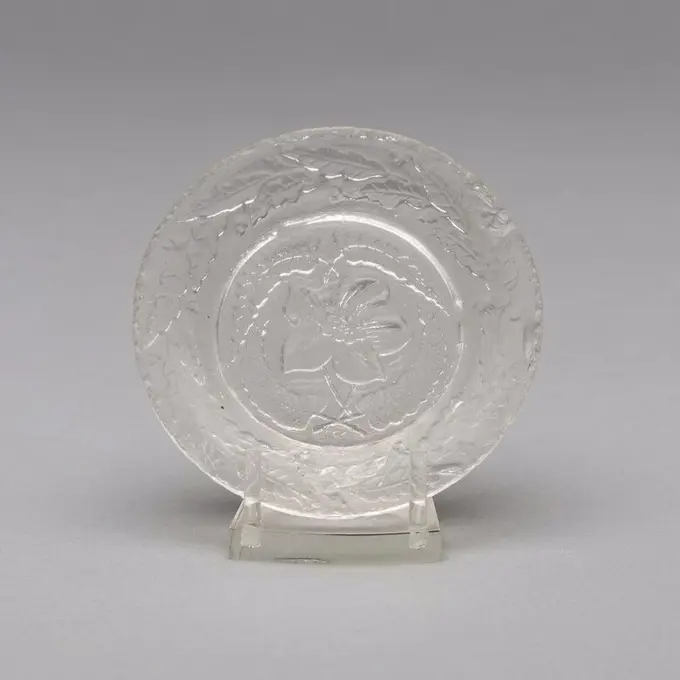
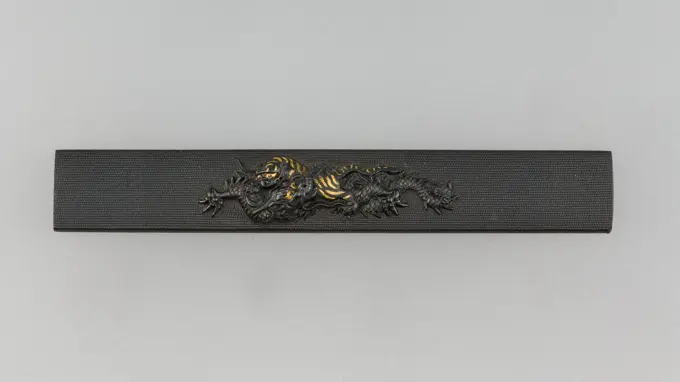
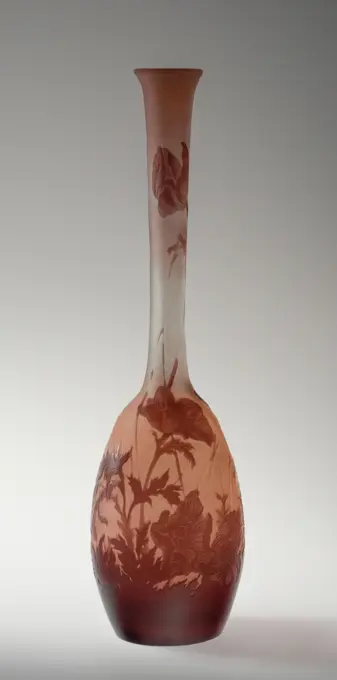
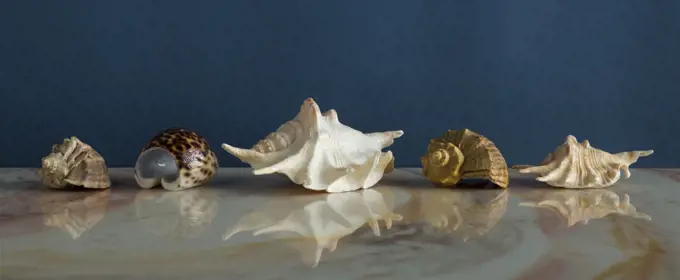
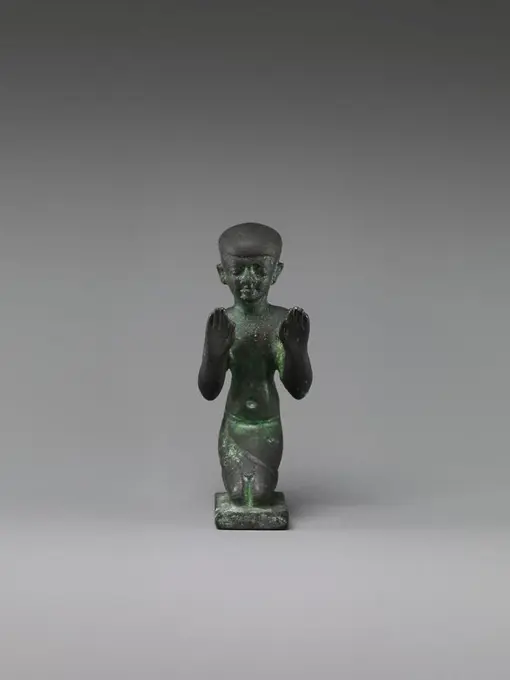
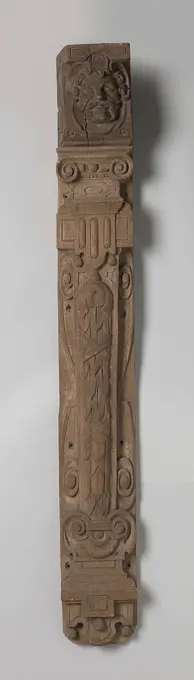
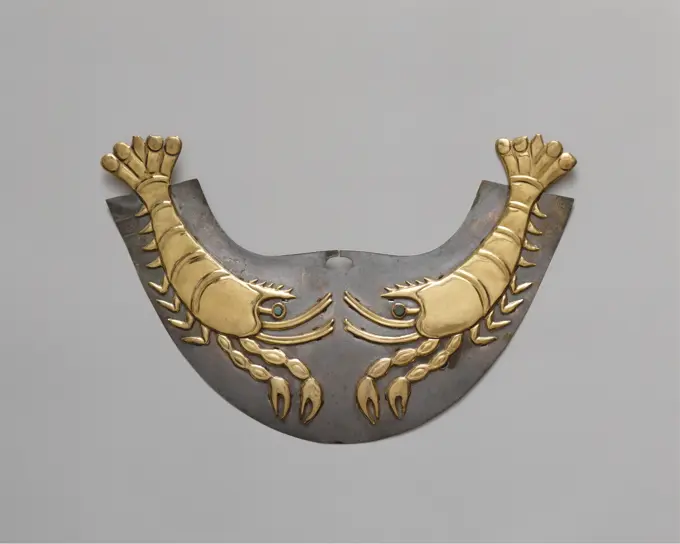
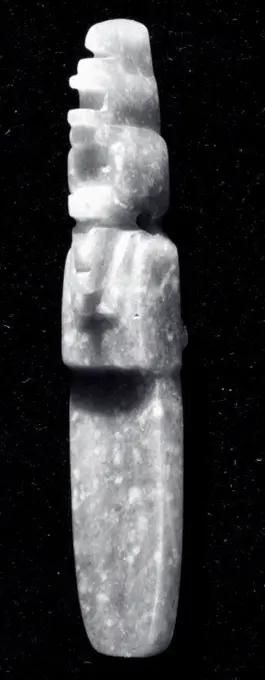
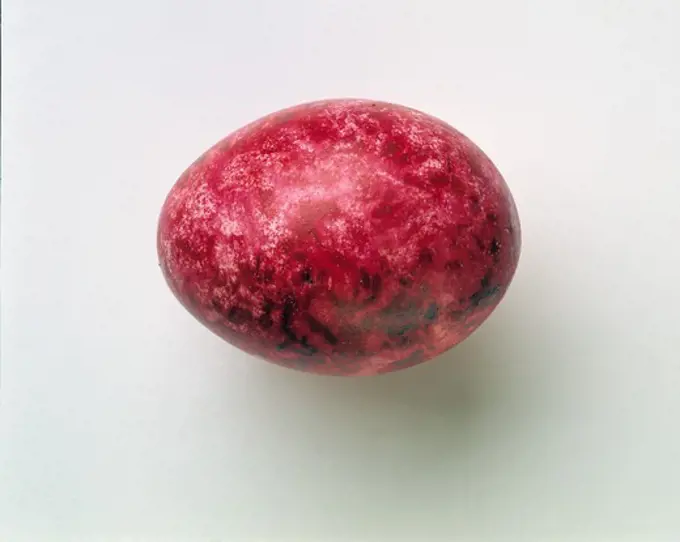
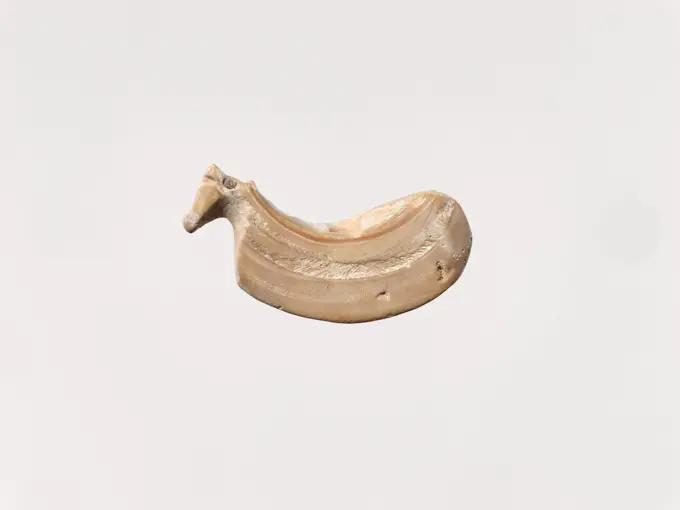
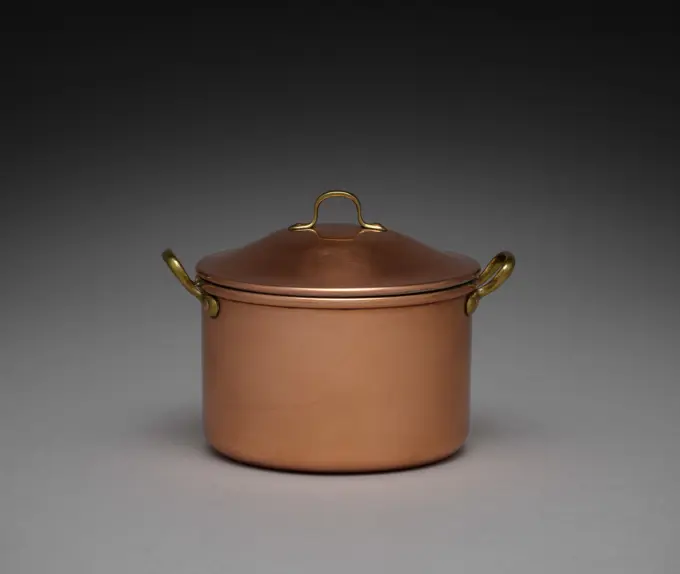
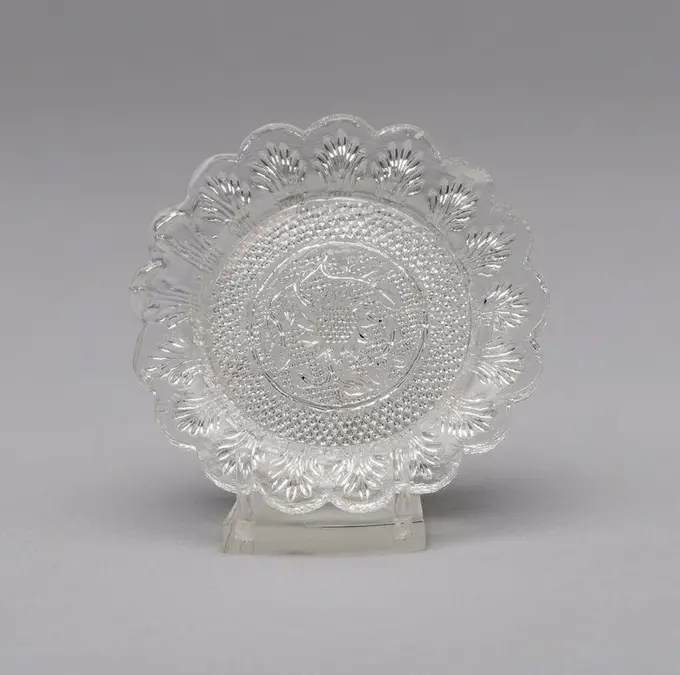
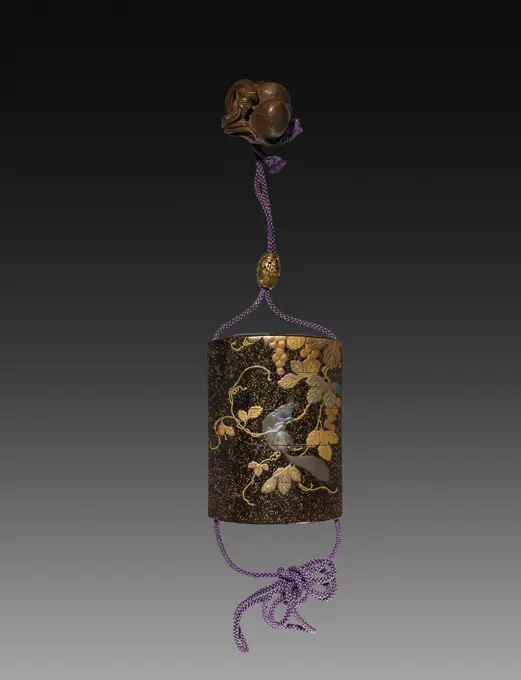
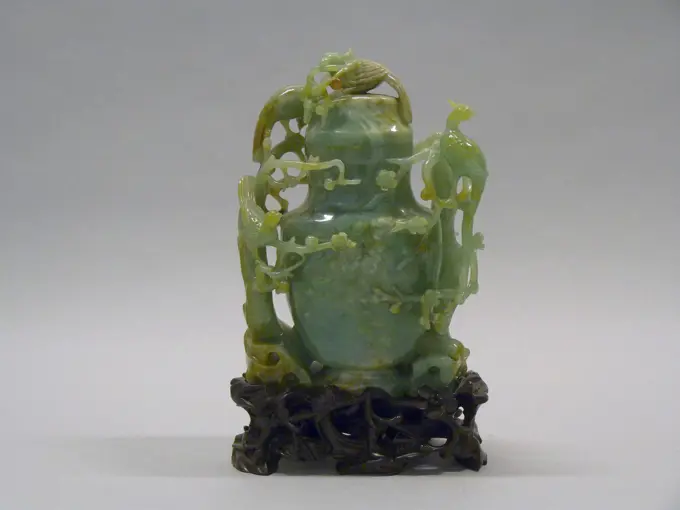
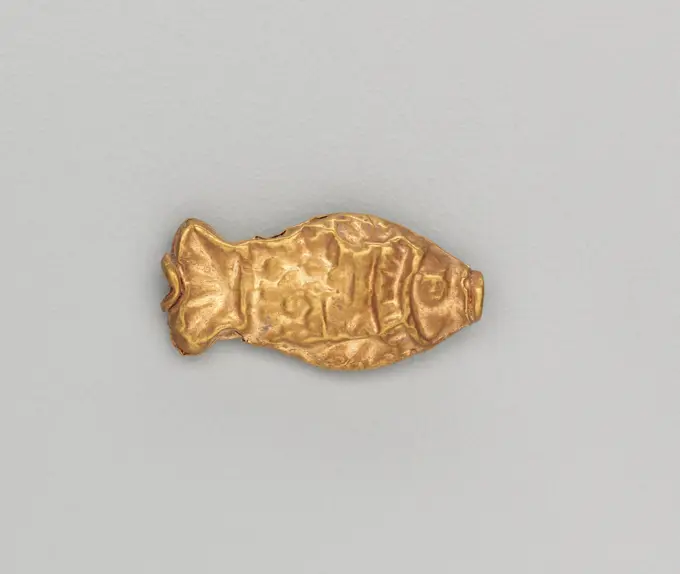
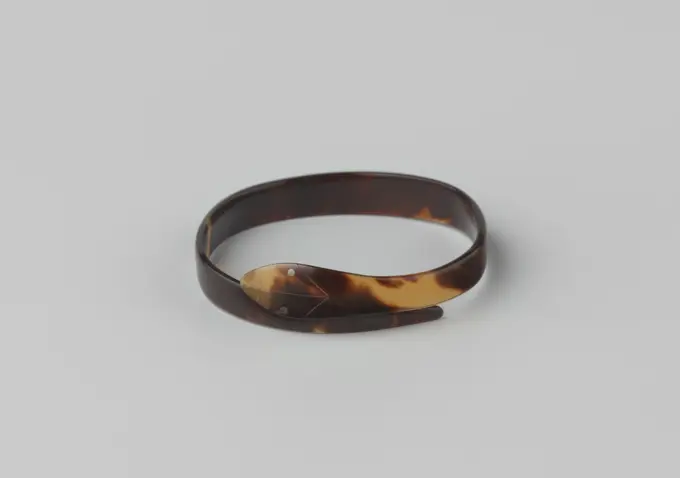
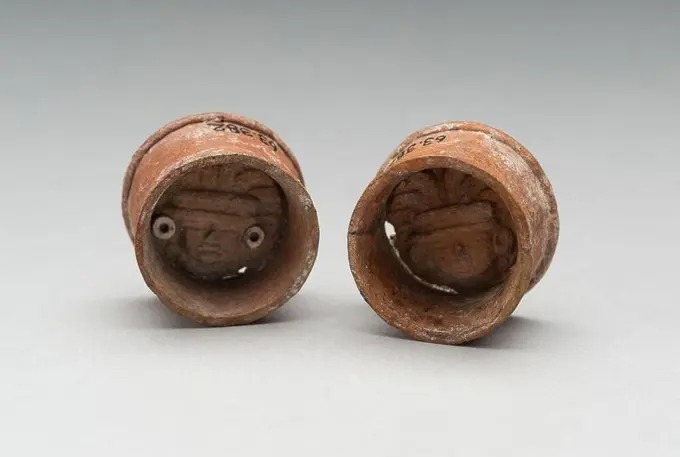
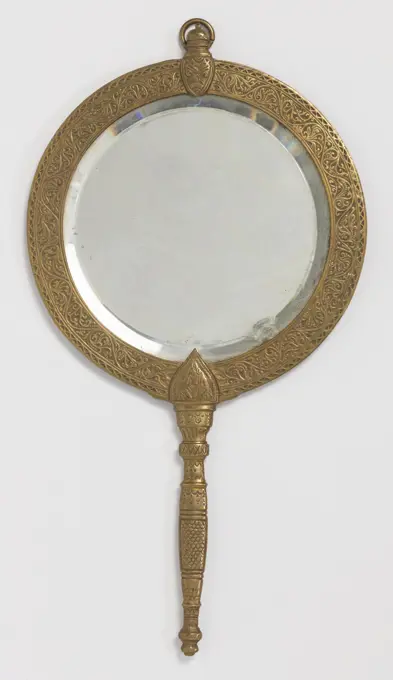
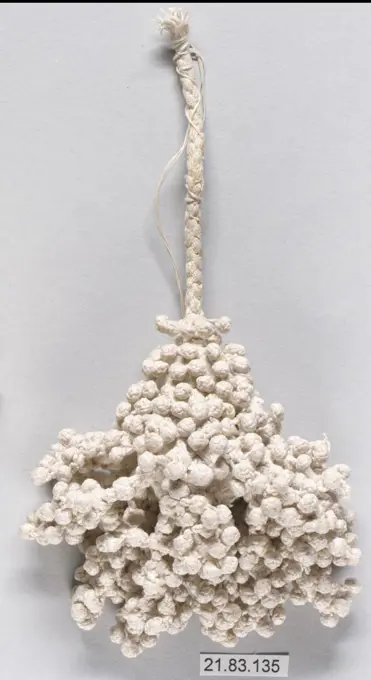
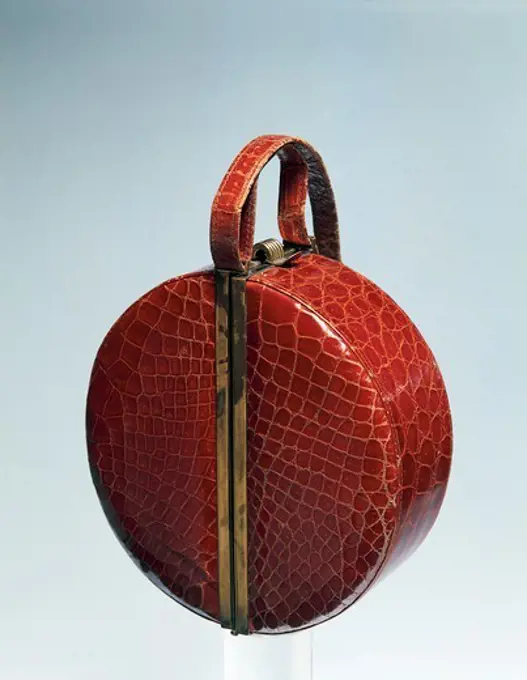
Manger (from a nativity) 18th century () Ecuadorian. Manger (from a nativity) 204271Charcoal burner with geometrical pattern and metal cover, anonymous, c. 1800 - c. 1899 Metal lid made of charcoal burner (Hiire) of stoneware. The lid consists of metal threads with a chrysanthemum on top. Satsuma. Japan Stoneware. Glaze. lid: Metal painting / vitrification Metal lid made of charcoal burner (Hiire) of stoneware. The lid consists of metal threads with a chrysanthemum on top. Satsuma. Japan Stoneware. Glaze. lid: Metal painting / vitrificationDrawer Pull 1810-60. Drawer Pull 14243Sacred Slit Gong (Waken) Iatmul people 19th century In many parts of New Guinea, the sounds produced by certain types of musical instruments, played during ceremonies, are said to be the voices of supernatural beings. Among the Iatmul and other Sepik peoples, the most important musical instruments were sacred flutes and slit gongspercussion instruments carved from massive logs, hollowed out to create a resonating chamber with a narrow slitlike aperture, whose edges are struck with wood beaters to produce a deep, sonorous tone. The ends of Iatmul slit gongs are typically embellished, as here, with ornate finials depicting totemic animals or other clan emblems, while the sides of many examples are adorned with geometric carvings. Large slit gongs are a prominent feature of Iatmul men's ceremonial houses (nggaigo), where they are sometimes arranged in pairs running longitudinally down the length of the earthen floor of the open understory of the structure. Played to accompany a variety oANFORISCOS DE ESTILO FIKELLURA PROCEDENTE DE CAMIROS, RODAS - HACIA 550-525 AC - H. 26.5 cm, Diam. 9.5 cm. Location: MUSEO DEL LOUVRE-CERAMICA. France.Ball. Unknown 4th century B.C.Lower Arm Fragment. Culture: Coptic. Dimensions: Overall: 2 15/16 x 15/16 x 13/16 in. (7.5 x 2.4 x 2.1 cm). Date: 4th-7th century. Museum: Metropolitan Museum of Art, New York, USA.Naczynie zoomorficzne. unknown, authorBlade. China. Date: 1500 BC-1000 BC. Dimensions: 11.2 × 101.9 × 0.3 cm (4 7/16 × 40 1/8 × 1/10 in.). Jade. Origin: China. Museum: The Chicago Art Institute, Chicago, USA.Pear-Shaped Nesting Toy, 1895-1905. Sets of nesting toys were popular playthings in the late nineteenth century. Although they were often sold for a few pence, they took considerable skill to make. This set of six nesting pears was made in Hungary around 1900. They were turned from beech wood and would originally have been painted. Some sets contained a miniature 'prize' in the smallest pear... Purchased from Edward H Pinto, 1965. .Small bowl, Jun ware 13th-14th century Chinese. Small bowl, Jun ware 460656Rice wine bowl from v.O.c.-ship the 'white lion'. Rice wine bowl from v.O.c.-ship the 'white lion', 100%% present.Kris with Sheath. Culture: Madurese. Dimensions: L. with sheath 20 1/4 in. (51.4 cm); L. without sheath 18 3/8 in. (46.7 cm); L. of blade 15 in. (38.1 cm); W. 3 3/4 in. (9.5 cm); Wt. 12 oz. (340.2 g); Wt. of sheath 4.8 oz. (136.1 g). Date: 18th-19th century. Museum: Metropolitan Museum of Art, New York, USA.Buckle ca. 1400 French. Buckle. French. ca. 1400. Bronze, patina. Miscellaneous-Buckles & OrnamentPair of earflares 13th-15th century Chincha or Ica () These two ear ornaments are drum-shaped with slightly incurved sides and contain clappers for creating sound. The frontals are inlaid with turquoise and shell forming a mosaic image of an animal figure in profile in the center with a serrated tail and crescent headdress. The animal is surrounded by alternating shell and turquoise step motifs. The reverse side shows the same zoomorphic creature with bared teeth in a roundel incised into the sheet silver on a finely stippled background.. Pair of earflares. Chincha or Ica (). 13th-15th century. Silver, stone, shell. PeruDisk 6th-7th century Moche (Loma Negra) This gilded and silvered copper disk, featuring a central figure with arms outstretched, was produced by artisans of the Moche culture in northern Peru. The sophisticated combination of silver and gold and the understanding of the complex processes needed to achieve these effects are hallmarks of Moche metalworking, perhaps the most advanced in all of the ancient Americas. The central gilded figure and the four radiating bands were each made separately and attached to the circular silvered disk via small tabs.The figure wears a typical Moche headdress ornament called a frontlet that would have been affixed to a cylindrical headdress. It originally had eight swirls, thought to represent octopus tentacles, and a small, nearly three-dimensional owls head in the center (see Pillsbury, 2017: cat. no. 46, p. 158, for a full-scale example of a frontlet, and cat. no. 42, p. 156, for an example of an individual wearing such a headdress ornament). The figgift (provenance), netsuke, Japanese artSnuffBox.   Maker: Joseph Richardson, Sr., American, 1711-1784Horn, 26 3/4 x 7 x 4 1/4 in. (67.95 x 17.78 x 10.8 cm), Ivory, wood (), Sierra LeoneNetsuke of a South Sea Islander 19th century Japan. Netsuke of a South Sea Islander. Japan. 19th century. Wood. Edo (1615-1868) or Meiji period (1868-1912). NetsukeBell from 1554 (date)  church Saint. St. Alexandria and Małgorzata at the Augustian monastery, KrakowCup with a lady holding a tambourine and sheet music with lyrics, anonymous, c. 1810 - c. 1815  Porcelain head with a cylindrical wall, slightly spreading foot and edge and a curled ear ending in a bird head. Painted on the glaze in black and gold. On the outer wall a compartment with a lady played a tambourine. On the left a sheet of sheet music entitled 'Cendrillon', Cinderella, With the first verse of the song. The text of the second and third couplet has been written on the right. To the profession, on the foot and the edge a golden band. The inner wall and part of the ear are covered with gold. France porcelain. glaze. gold (metal) painting / gilding / vitrificationCOPA DE VIDRIO ESMALTADO-VIDRIO CATALAN S XIV-PROC COL.CABOT - MEDIEVAL. Location: MUSEO DEL VIDRIO. Barcelona. SPANIEN.Bowl China. Bowl. China. Jadeite. Qing dynasty (1644-1911), Qianlong period (1736-95). Jade. Cup of painted porcelain. The head is painted in gold with chinoiseries on 'islands'. The head is not noticed.Sealing piston;  XVIII-XIX century (1701-00-00-1900-00-00);Monkey. Culture: British, Chelsea-Derby. Dimensions: Height: 1 in. (2.5 cm). Factory: Derby Porcelain Manufactory (British, 1751-1785). Date: ca. 1770. Museum: Metropolitan Museum of Art, New York, USA.Knife Handle (Kozuka) 19th century Japanese A kozuka is a handle of a by-knife that is part of a sword mounting. It is kept in a slot on the reverse of a katana scabbard, often with a matching kōgai (hairdressing tool).. Knife Handle (Kozuka) 29789Beaker. Culture: Hungarian, Transylvania. Dimensions: Overall: 4 5/16 x 3 1/16 in. (11 x 7.8 cm). Maker: Unidentified Master GH. Date: 1683.The combination of matte snakeskin decoration with a gilded band of fully blossoming flowers is extremely rare. Only one other similar beaker is known, now in the Hungarian National Museum, Budapest, and that bears the mark of a different goldsmith. The engraved date 1683 is consistent with the object's style. The mysterious mark GH probably refers to an unidentified master. Discovering the meaning of this mark will help to establish a more specific place of origin for the piece.LiteratureEuropean Silver. Sale cat., Sotheby's, Geneva, May 16, 1994, p. 67, no. 167.Judit H. Kolba. Hungarian Silver: The Nicolas M. Salgo Collection. London, 1996, p. 79, no. 57.ReferencesThere is a very similar beaker in the collection of the Hungarian National Museum with a different mark published in Judit H. Kolba. Schtze des ungarischen BarocMiniature vial. unknown, craftsman. Round box with a representation of a man with a fan with pearl inlaid. Signed "gyokuzan".Sacred animal mummy of an ibis. Dimensions: L. 41 × W. 12.5 × H. 17.6 cm (16 1/8 × 4 15/16 × 6 15/16 in.). Date: ca. 400 B.C.-100 A.D..Animal cults The Egyptians considered certain individual animals to be living manifestations of a god, such as, since earliest times, the Apis bull . Those individuals were duly mummifed when they died and buried for eternal life, then replaced by another single living manifestation. During the first millennium BC, many multiples of animals associated with certain gods were specially raised in temple precincts as simultaneous avatars of that god and then mummified in large contingents and deposited in catacombs for eternal life. The ancient perception of these multiples, the evolution of the practice in this direction, and variations within the practice are not easily accessible to us. But the hundreds of thousands of often elaborately prepared animal mummies found in catacombs and other locales testify to its ancient resonance. Animal mummies ReseaVase of earthenware, Turner type Black Basalt., Turner, c. 1775 - c. 1790 Conversely, pyramidal vase of earthenware, Turner Black Basalt. The vase is on a square basement. The vase has a claw on a sphere on the four upper corners of women's heads and below the four lower corners. The walls have decorations in the relief of a dancing figure, a woman who places a wreath on a portrait bust, a woman sitting on a rock with the horn of abundance and a kneeling and a standing woman with a book. The vase is marked. England earthenware Conversely, pyramidal vase of earthenware, Turner Black Basalt. The vase is on a square basement. The vase has a claw on a sphere on the four upper corners of women's heads and below the four lower corners. The walls have decorations in the relief of a dancing figure, a woman who places a wreath on a portrait bust, a woman sitting on a rock with the horn of abundance and a kneeling and a standing woman with a book. The vase is marked. England earthenwareCup plate. American. Date: 1830-1840. Dimensions: Diam. 7.6 cm (3 in.). Pressed glass. Origin: United States. Museum: The Chicago Art Institute, Chicago, USA.Knife Handle (Kozuka) 18th century Japanese A kozuka is a handle of a by-knife that is part of a sword mounting. It is kept in a slot on the reverse of a katana scabbard, often with a matching kgai (hairdressing tool).. Knife Handle (Kozuka). Japanese. 18th century. Copper-gold alloy (shakud), gold. Sword Furniture-KozukaEmile Gallé, Cameo Vase, c. 1900-1915, gray, peach, and burgundy glass.Border; linen; Bequest of Marian Hague; 1971-50-254Javelin Head 500-600 Frankish. Javelin Head 465479 Frankish, Javelin Head, 500600, Iron, Overall: 3 5/8 x 15/16 x 9/16 in. (9.2 x 2.4 x 1.5 cm). The Metropolitan Museum of Art, New York. Gift of J. Pierpont Morgan, 1917 (17.193.166)Mold; tinBox with chi dragons amid clouds 13th century China Known as chi, the feline dragons that curve along the surface of this box were inspired by comparable creatures found on Bronze Age vessels, which were rediscovered during the Song dynasty and often reinterpreted in the arts of that period. Although they lack the large horns, prominent snouts, and scaled body of the typical Chinese depiction of the dragon, chi dragons are also regarded as auspicious and protective.. Box with chi dragons amid clouds. China. 13th century. Carved black, red, and yellow lacquer. Southern Song dynasty (1127-1279). LacquerBumpy empty ceramic plate on a textured concrete background Bumpy empty ceramic plate on a textured concrete background. Kitchen utensil item Copyright: xZoonar.com/TetianaxChernykovax 21723551Ball for Sjako officers, ca. 1830-1831, Anonymous, c. 1830 - c. 1831  Oval ball, covered with silver-colored paper, with a label with the text: Major Rookmaker, 1830-1831. Netherlands wood (plant material). paper. metal   NetherlandsStirrup 18th-19th century Indian. Stirrup. Indian. 18th-19th century. Iron. Equestrian Equipment-StirrupsBagFragment Pijpensteel from the wreck of the East Indians Hollandia, Anonymous, 1700 - in Or Before 1743  Pipe, stem; fragment. Netherlands pipe clay   SecondSet of seashells on a marble shelfConcealed Drawer for a Globe Sewing Table (Globustisch), c. 1800-1810. Austria, Vienna, early 19th century. Burl walnut veneer, mahogany, ebony, satinwood, gilt wood, painted wood; overall: 5.3 x 8.6 x 5.5 cm (2 1/16 x 3 3/8 x 2 3/16 in.). Work tables resembling globes were the usual form for a lady's sewing or writing table around 1800 in Austria. Combining moving parts, secret compartments, and highly finished decoration, these tables were also a way for the cabinetmaker to show off his skill. The tripod supports and temple-like architectural quality of both the exterior and interior decoration reflect the fashionable taste for neoclassical style, or Biedermeier as it was called in Austria, where Vienna was the center of such elaborate furniture production.Grabbed hurt from the wreck of the East Indians' t Vliegend Hart ,, 1700 - 1735  Handle of an hilt of a white weapon consisting of a round wooden core, opposed vertically by three -string copper wire and one diagonal two -stern copper wire. The copper wire shines from this copy. The handle is rectangular drilled. Middelburg copper (metal). wood (plant material)Macaroni server, Gilt silver, Wide concave blade with feather-like serated edge and engraved floral ornament; handle in form of twisted stem with ball finial., USA, ca. 1865, cutlery, Decorative Arts, Macaroni serverStatuette of an adorant from a group with a god. Dimensions: H. 3.8 × W. 1.4 × D. 1.6cm (1 1/2 × 9/16 × 5/8 in.)H. (with tang): 4.8 cm (1 7/8 in.). Date: 332-30 B.C..Small statuettes of worshipers could accompany divine statuettes, as in 04.2.403. Museum: Metropolitan Museum of Art, New York, USA.Stone ball a white background Stone ball a white background. 3d rendering Copyright: xZoonar.com/RomanxBudnikovx 10639961Impressed leather case for touchstone, by Unknown, 1428, 15th Century, leather. Italy, Emilia Romagna, Bologna, Davia Bargellini Museum. Whole artwork. Cylindrical case impressed decoration decor black.Spoon (France); Manufactured by Charles Victor Gibert (French); silver, enamel; L x W x D: 13.9 x 4.1 x 1.9 cm (5 1/2 x 1 5/8 x 3/4 in.)Gebeeldhouwde stijl van eikenhout, afkomstig uit het z.g. Huis van Alva, Warmoestraat te Amsterdam.Sculpted oak style without finish, from the Z.G. House of Alva, Warmoestraat in Amsterdam. In total it concerns two consoles, three wide and three narrow styles (BK-KOG-755-A, C to H). See also BK-KOG-754-1 to 7, these are 6 painted styles that come from the same house.Cup. unknown, craftsmanNose Ornament with Shrimp Moche 6th-7th century This stunning gold and silver nose ornament featuring two shrimp is an excellent example of the metal-working skills of Moche artists. Centuries before the rise of the Incas, the Moche thrived on Perus North Coast between A.D. 200-850, founding impressive regional centers from the Nepeña River Valley in the south to perhaps as far north as the Piura River, near the modern border with Ecuador. They developed extensive irrigation systems that transformed the coastal deserts into rich farmlands and drew upon the abundant maritime resources of the Pacific Oceans Humboldt Current. They also built some of the largest adobe structures known in the ancient Americas, many of them richly adorned with polychrome murals and reliefs. Although the Moche likely never formed a single centralized political entity, they shared unifying cultural traits such as religious practices (Donnan 2010).Moche metallurgists were unrivaled in ancient Peru and this exGrahal-Manzara. Carnavalet 2013-2016 collection sites. Numismatics.Standing Shield. Culture: German, Erfurt. Dimensions: H., 69 1/2 in. (176.53 cm); W., 32 1/2 in. (82.55 cm); Wt., 50 lb. (22.68 kg). Date: 1385-87.Shields of this exceptionally large size and weight (fifty pounds) were propped on the ground to form a wall to protect archers and infantrymen. This shield comes from the arsenal of Erfurt, in Saxony, and is painted with the coat of arms of that city and its dependencies Vieselbach, Kapellendorf, and Vargula. It presumably was made after 1385, when the archbishop of Erfurt acquired suzerainty over the town of Vargula, but before 1387, when the coat of arms was again augmented. The holes in the surface were made by crossbow bolts and by bullets. Museum: Metropolitan Museum of Art, New York, USA.Vase (USA); Produced by Tiffany Glass and Decorating Company; Design Director: Louis Comfort Tiffany (American, 1848-1933); mouth-blown favrile glassMayan stone figure representing a Palm Leaf; Vera Cruz, Mexico. Gulf of Mexico 600-900 AD. Stonerecycling, tableware and eco friendly concept - close up of coconut bowl on table. close up of coconut bowl on tableCaneware Jar (lid), c. 1795. Wedgwood Factory (British). Stoneware; overall: 8.3 cm (3 1/4 in.).Brick from the wreck of the East Indians Princesse Maria, Anonymous, 1682 - 1686 brick (clay product) Brick from the wreck of the East Industrial Princesse Mary. Netherlands brick (clay product)Head - sculpture fragment. unknown, craftsmanToy serving plate - Spode SpodeEngraved Gem. UnknownFigure-Celt Pendant 1st-5th century Guanacaste-Nicoya. Figure-Celt Pendant 313016Milk Bowl ca. 1810 () American. Milk Bowl. American. ca. 1810 (). Free-blown glass. Possibly made in Pennsylvania, United StatesA red eggCow amulet ca. 2700-2600 B.C. Sumerian. Cow amulet. Sumerian. ca. 2700-2600 B.C.. Shell. Early Dynastic II. Mesopotamia, NippurCovered Pot, 1914. Firm of Peter Carl Fabergé (Russian, 1846-1920). Copper with brass handles; overall: 12.7 x 13.4 cm (5 x 5 1/4 in.). As Russia entered the First World War, austerity and economy settled into the fabric of life even among wealthy aristocrats and nobility. Not only were precious materials such as gold, silver, and gemstones hard to procure, but such luxury seemed out of place when so many men were dying at the front. Fabergé contributed to the war effort by making shells, casings, and other munitions out of brass and copper. He also made cookware, such as this small soup pot, to be sent to the front lines with provisions tucked inside. However, these simple forms only looked affordable. They were still a luxury only the wealthiest families could afford to send to their sons.Głowica maczugi. nieznany warsztat północno mezopotamski, workshopGourd-shaped vase ca. 1880 Christopher Dresser British, Scottish. Gourd-shaped vase. British, Linthorpe, Yorkshire. ca. 1880. Glazed earthenware. Ceramics-PotteryCup plate. American; New England. Date: 1821-1827. Dimensions: diam. 8.3 cm (3 1/4 in.). Pressed glass. Origin: New England. Museum: The Chicago Art Institute, Chicago, USA.Cup with lidMattress. Mattress from silk, filled with down.Sheet, linen mark, coarse spin, irregular weave. Dimensions: L. 524 cm (206 5/16 in); w. 140 cm (55 1/8 in). Dynasty: Dynasty 18, early. Reign: reign of Thutmose II-Early Joint reign. Date: ca. 1492-1473 B.C.. Museum: Metropolitan Museum of Art, New York, USA.Ribbon of turquoise mesh, c. 1900 - c. 1915 Ribbon of turquoise mesh. Nijmegenfrance silk. Ribbon of turquoise mesh. Nijmegenfrance silk.Fragment Baluster-shaped handle from a flute glass from the wreck of the East India Hollandia. Glass, voice glass, stem, baluster-shaped; Fragment of Pear-Shaped button, eroded.Lid of tin Flapkan or jug. Lid of tin Flapkan or jug. The piece that belongs to ear must be degraded with a piece of stone jug in it.TAPA CON AGUJEROS PARA EL BRASERO. Location: ALFARERIA. ARROYO DE LA LUZ. CACERES. SPAIN.Lila Gaas ribbon, c. 1900 - c. 1915 Lila gauze ribbon. Nijmegenfrance silk. Lila gauze ribbon. Nijmegenfrance silk.Model of A Life Buoy. Wooden model of a lifting buoy, light red painted, and two details in true size, a NAP (NG-MC-1389-1) and a lead weight (NG-MC-1389-2). The buoy is a semicircular bond, very thick. Two curved sliders are applied to the top and bottom, which closed the tire up to a full circle. Four nappenated with handles are applied to the outside of the tire, which are fixed with a bayonet closure. One of these nappenate has been added in true size. It has a handle and a hollow dome-shaped part with a hole on the flat side, which is closed inside with leather. The cylinder-shaped loden weight has a hole through and by with a skif clamp for cables or the like.Paul de Lamerie, Pair of Sweetmeat Baskets, 1745/46, silver.Pair Of Platters; silver-plated brassStew with lighth test. Rectangular stove with five holes. The top has turned angles. In the stew there is a corresponding test (BK-NM-11177-163-B). The stew has been marked: STK. = Amsterdam, Mt. = Willem van Strant.Inro, 1615-1868. Japan, Edo period (1615-1868). Lacquer; overall: 8 x 5.8 cm (3 1/8 x 2 5/16 in.).Hot pack bag used to warm and relax a patient before hydrotherapy or physiotherapy treatment. Dated 19th CenturyAncient Egyptian, figures depicting a Pharaoh. Made from a combination of glass inlaid stone Period unknownHat covered with rooster springs in turban shape, Han de Vries, c. 1960 - c. 1965 Hat, completely covered with brown iridescent Haneveren and orange and green spot round feathers. Turban shape, with high rising side on the left. On top of a stripe of colorful feathers. Address: Han de Vries/Telf. 14417 - Hilversum. Hilversum whole:. whole:. frame: Hat, completely covered with brown iridescent Haneveren and orange and green spot round feathers. Turban shape, with high rising side on the left. On top of a stripe of colorful feathers. Address: Han de Vries/Telf. 14417 - Hilversum. Hilversum whole:. whole:. frame:Covered Vase 18th century China. Covered Vase 44270Necklace Bead in the Form of a Fish, 185-72 BC. India, Sunga Period (185-72 BC). Gold repoussé with granulation;Bracelet cut from imitation turtle, c. 1930 - c. 1932 Bracelet cut from imitation turtle, in the form of a snake. Netherlands imitation tortoise shell cutting Bracelet cut from imitation turtle, in the form of a snake. Netherlands imitation tortoise shell cuttingPair of Ear Plugs with Face of Figure in Interior. Teotihuacan; Teotihuacan, Mexico. Date: 300 AD-750 AD. Dimensions: . Ceramic with shell. Origin: Mexico. Museum: The Chicago Art Institute, Chicago, USA.Hand MirrorTassel 17th century Italian. Tassel. Italian. 17th century. Linen. Textiles-TrimmingsFox Disguised as Priest. Japan, 18th century. Costumes; Accessories. Ivory with staining, sumiSkein Philippine 19th centuryFashion, Italy, 20th century. Crocodile handbag, 1930s.Frieze from a Mantelpiece, Fragments.From the middle medallion with a Maria message, only a part of Gabriel with scepter is retained, from the right medallet most of a weapon carrier, which covers a shield to a belt. He carries a widely drowned hat with feathers on a huive; Does a shoe with splits and a paltrok over the shirt.