Ancient Cosmetic and Craft Containers

Historic cosmetic jars and decorative vessels, showcasing ancient craftsmanship in glass and pottery from various cultures.
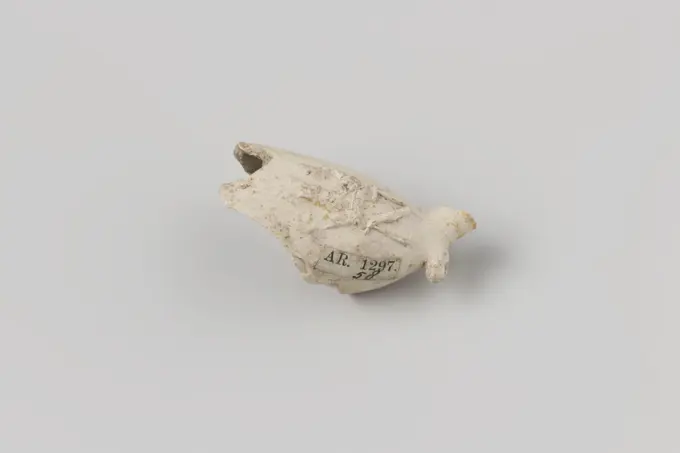
Fragment Pijpenkop, Anonymous, 1700 - 1799 Fragment piping head with a crown and the letter N depicted. Of the excavations on the Hofstede Arentsburg 1827-1831 under the supervision of Professor Reuvens. Netherlands pipe clay Fragment piping head with a crown and the letter N depicted. Of the excavations on the Hofstede Arentsburg 1827-1831 under the supervision of Professor Reuvens. Netherlands pipe clay
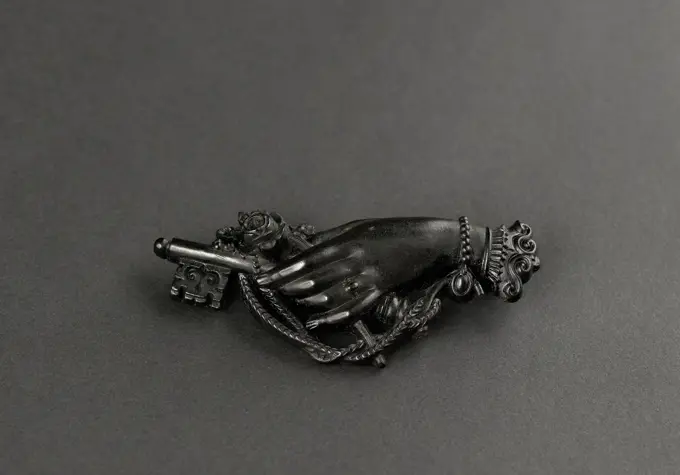
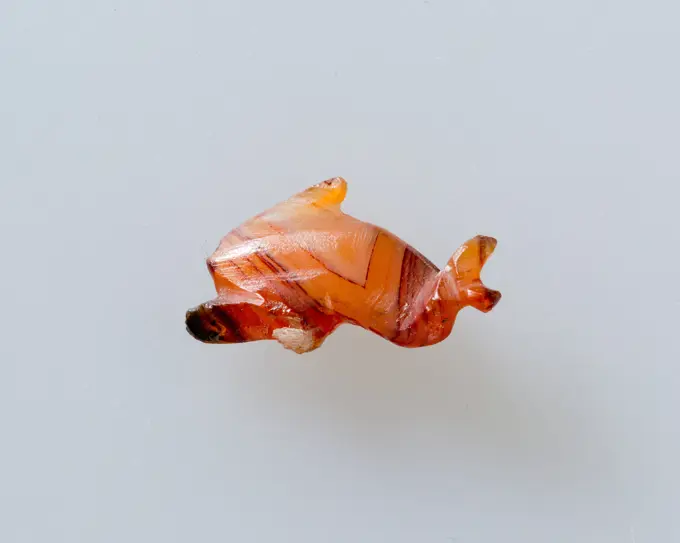
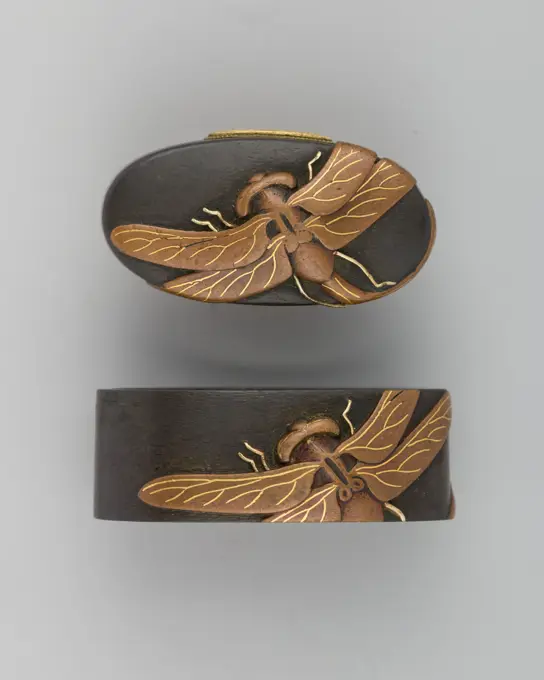
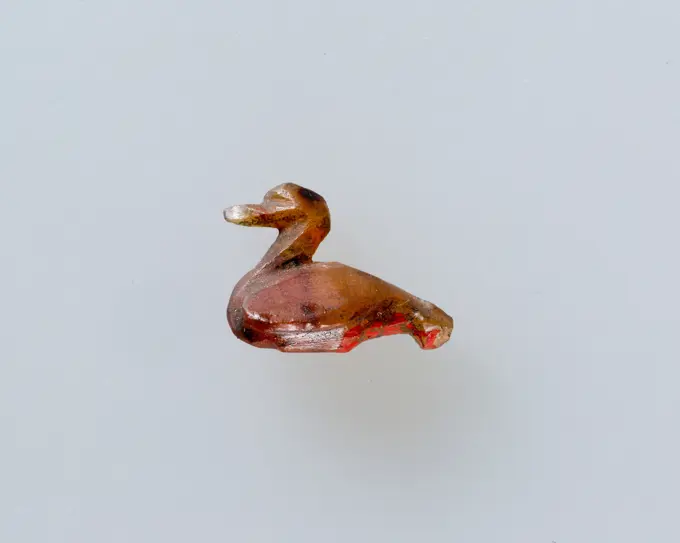
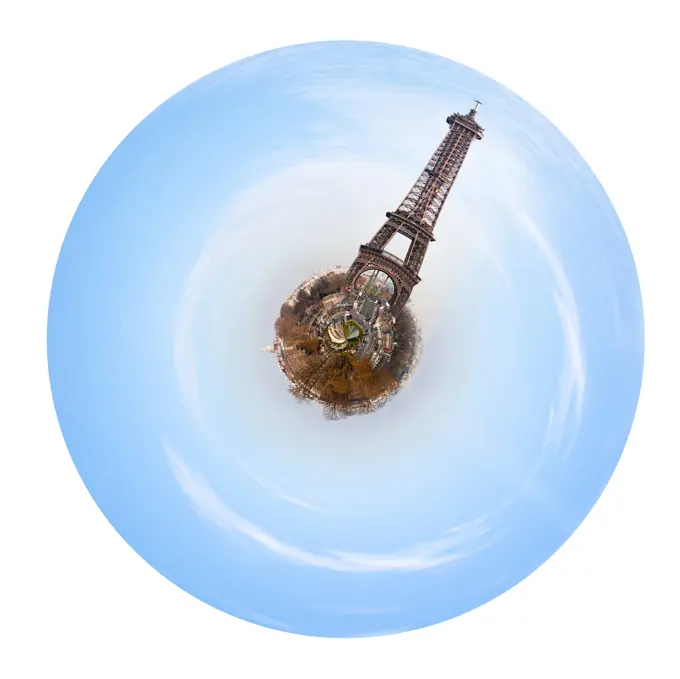
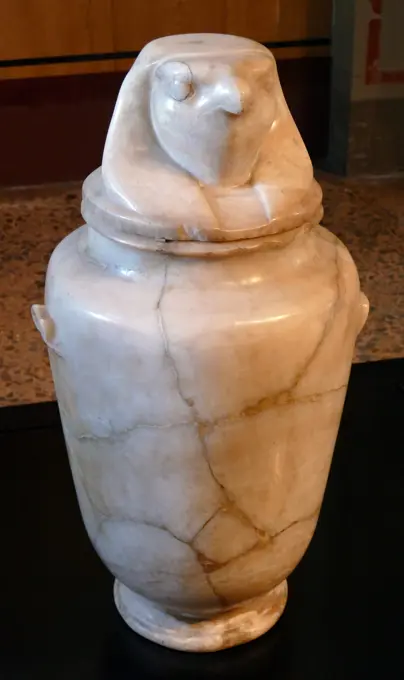
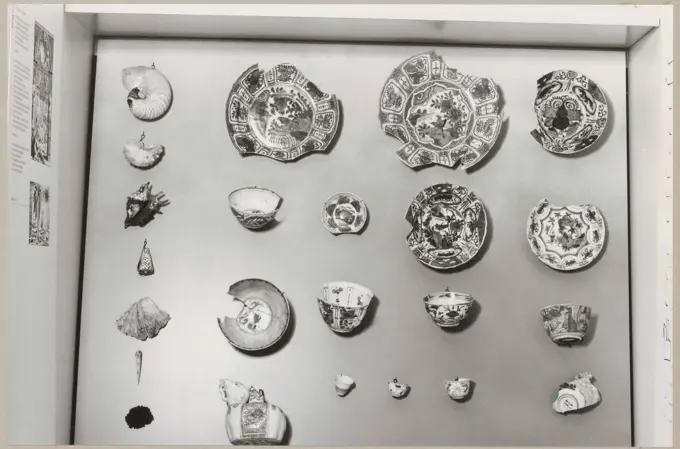
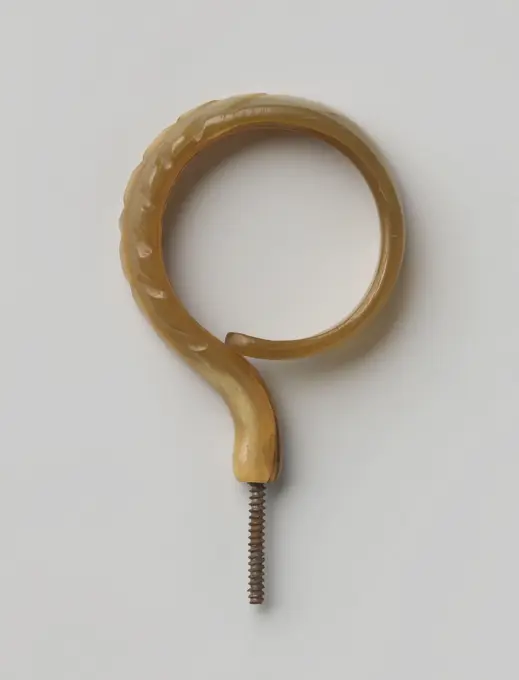
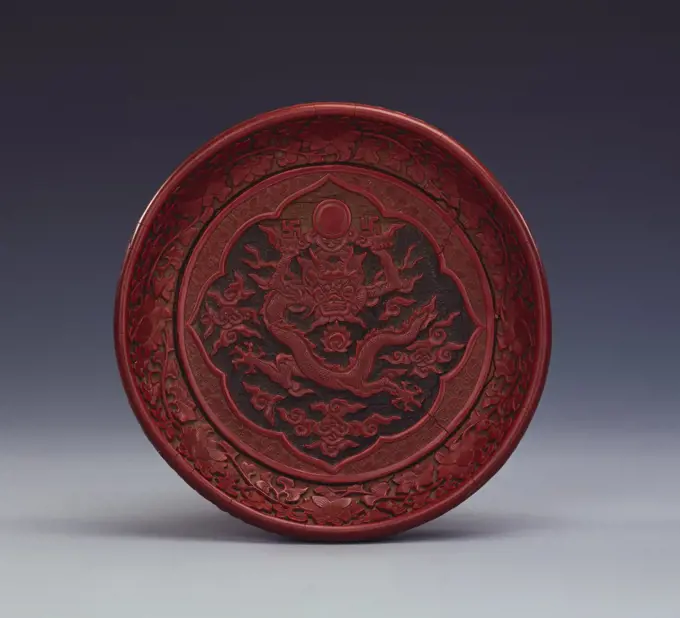
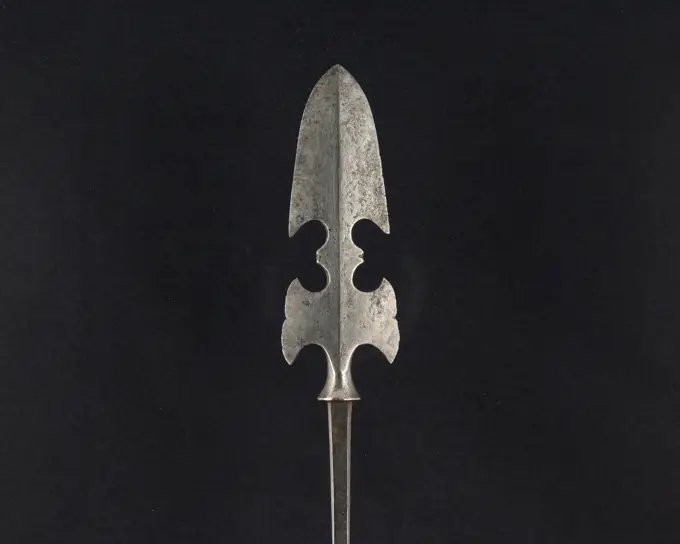
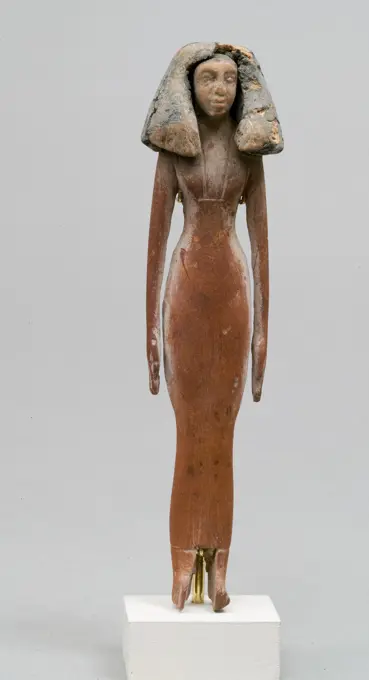
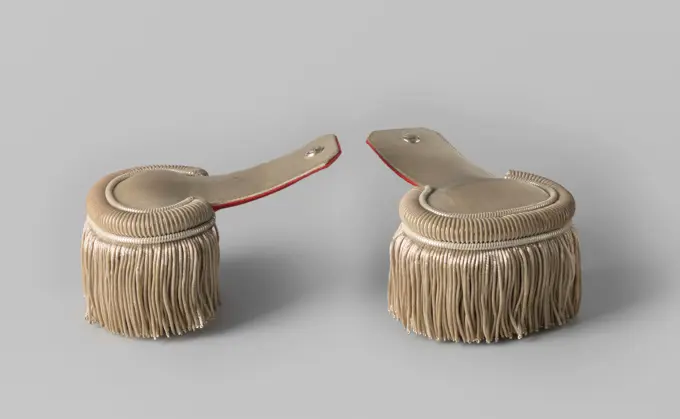
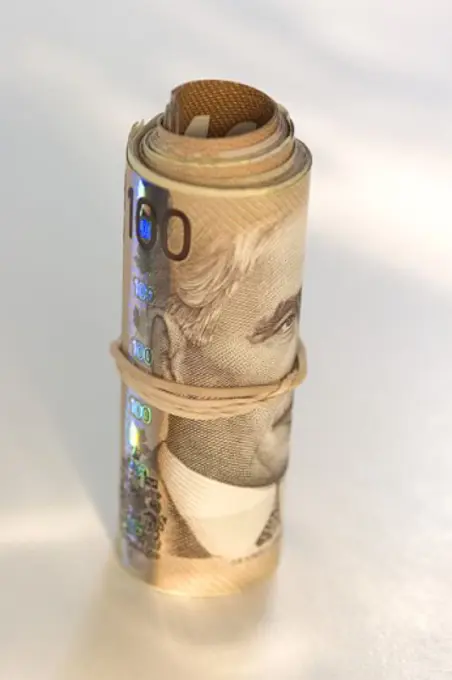
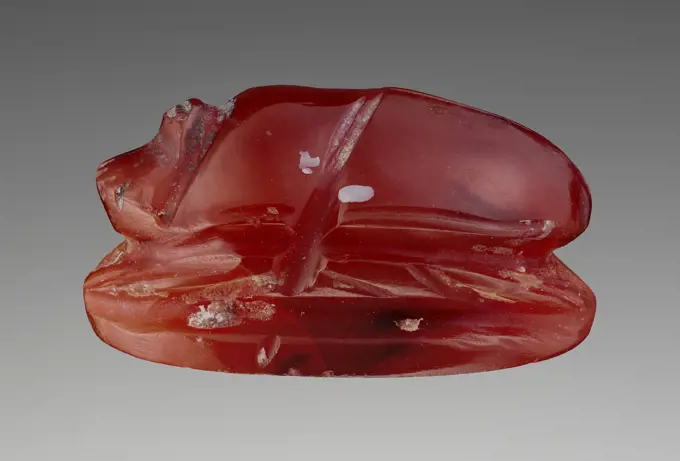
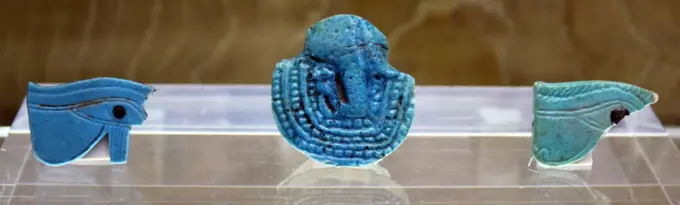
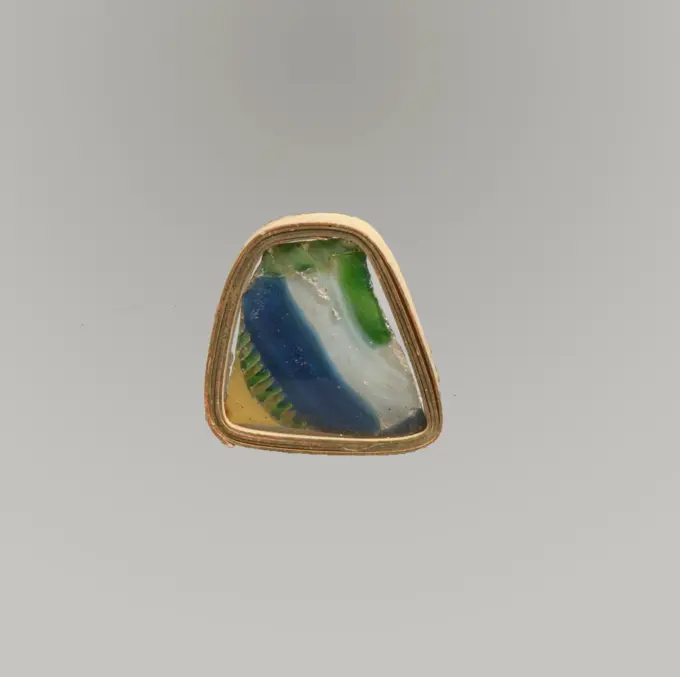
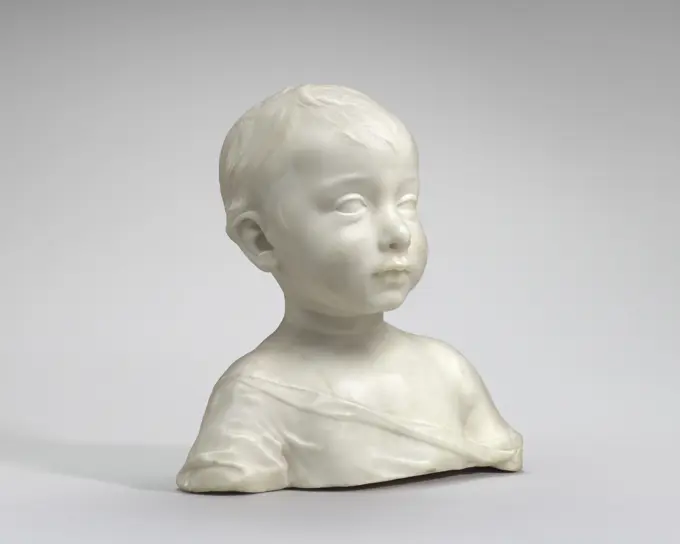
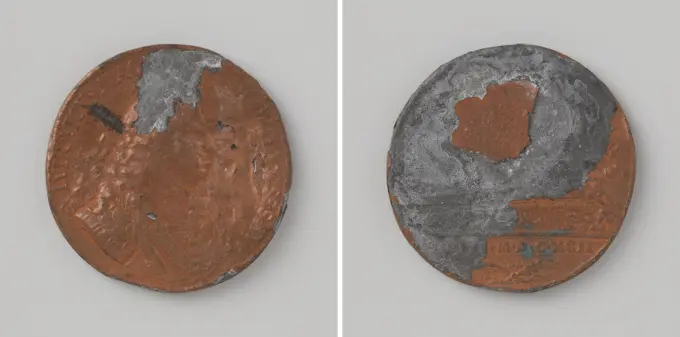
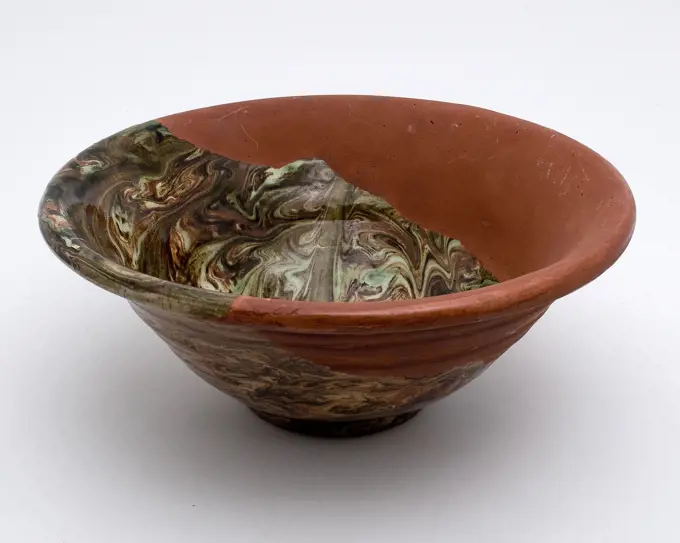
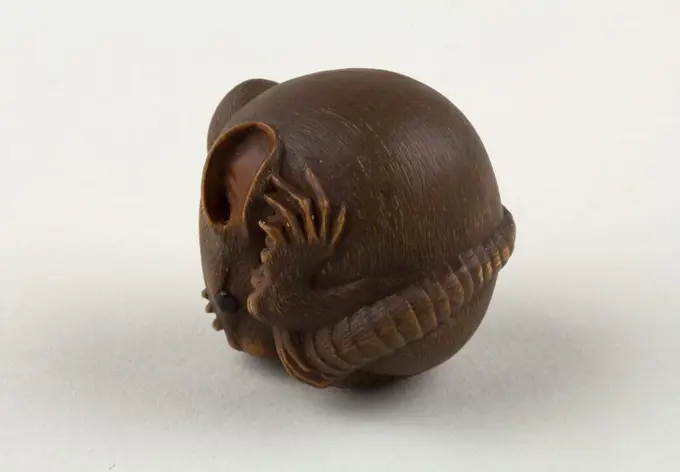
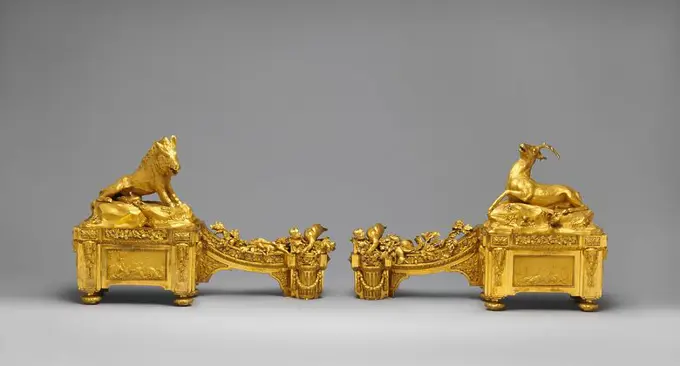
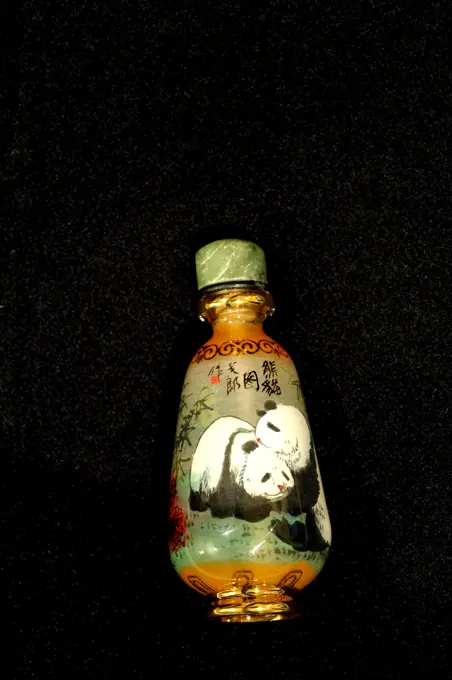
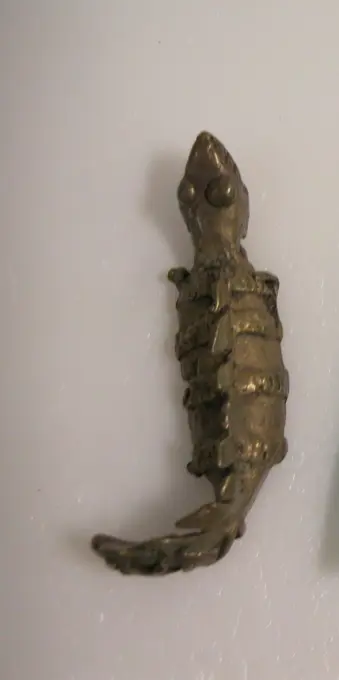
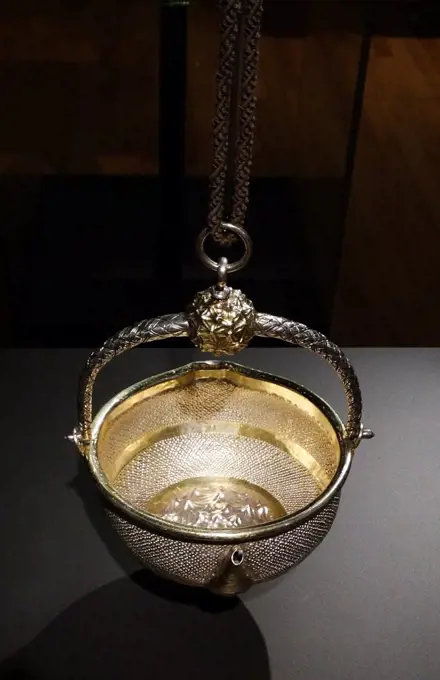
Silver Basin from the 16th Century from Naples. Dated 16th CenturyMedallion (France); Jean-Baptiste Nini (Italian, active Italy and France, 1717 - 1786); earthenware, salmon coloredBanknote with nail and bandageMourning pin: Hand holding a rose and a key. Downweed, sculpted, cut, engraved. Late 19th century. Galliera, fashion museum of the city of Paris. Now a key and a rose. Blackened wood, spindle, key, decoupe, mourning, serious, hand, pink, sculpt, holdGold ring with seal, -Annulus Aureus De Ilipla-, 5th-4th centuries BC. Turdetan era, Niebla, Huelva Museum, Huelva, Andalusia, Spain.Dolphin amulet 200 BC-200 AD Ptolemaic or Roman Period This is one of a small group of animals carved in semiprecious stones from the Davis Collection that share share a general liveliness and more Hellenistic than Egyptian style. Alongside subjects that are familiar in Egyptian iconography such as a baboon and ducks, are others like a goat, dolphins, rhinoceros, galloping horse, and reclining hound that are more at home in the Greco-Roman sphere.. Dolphin amulet. 200 BC-200 AD. Agate. Ptolemaic or Roman Period. From EgyptAncient column pillar replica on a red gradation backgroundHalloween Pumpkin Pumpkin for Halloween in the dark room. Vertical photo Copyright: xZoonar.com/ArmanxZhenikeyevx 5250890Grahal-Manzara. Carnavalet 2013-2016 collection sites. Numismatics.Sword-Hilt Collar and Pommel (Fuchigashira) 18th century Japanese A fuchigashira is a pair of matching sword fittings comprising the fuchi (collar at the base of the grip of the sword hilt) and kashira (pommel cap at the end of a sword hilt).. Sword-Hilt Collar and Pommel (Fuchigashira). Japanese. 18th century. Copper-silver alloy (shibuichi), copper, gold. Sword Furniture-Fuchi-KashiraMinature vase China 18th century View more. Minature vase. China. 18th century. Porcelain with copper red glaze (Jingdezhen ware). Qing dynasty (1644-1911). CeramicsFragment Pijpenkop from the wreck of the East Indians Hollandia, Anonymous, 1700 - in Or Before 1743  Pipe, bowl, heelmark: crowned 47; fragment, 2hsm2. Netherlands pipe clay   SecondDuck amulet 200 BC-200 AD Ptolemaic or Roman Period This is one of a small group of animals carved in semiprecious stones from the Davis Collection that share share a general liveliness and more Hellenistic than Egyptian style. Alongside subjects that are familiar in Egyptian iconography such as a baboon and ducks, are others like a goat, dolphins, rhinoceros, galloping horse, and reclining hound that are more at home in the Greco-Roman sphere.. Duck amulet. 200 BC-200 AD. Agate. Ptolemaic or Roman Period. From EgyptAuguste Rodin, Right Hand, possibly 1880 Right HandGreen mesh hat with carnations and leaves glued on it, Maison de Bonneterie, c. 1955 - c. 1957 Green mesh hat with carnations and leaves glued on it. The Hague whole:. Decoration: Cotton (textile) gluing Green mesh hat with carnations and leaves glued on it. The Hague whole:. Decoration: Cotton (textile) gluing"Brownies" Characters Matchsafe; Manufactured by Gorham Manufacturing Company (United States); USA; silver, enamel; 6.1 x 4 x 1 cm (2 3/8 x 1 9/16 x 3/8 in. )Handmade empty craft ceramic on  textile background.. Handmade empty craft ceramic(SIN IDENTIFICAR) - 1997. Author: VICTORIA CIVERA REDONDO 1955/. Location: GALERIA SOLEDAD LORENZO. MADRID. SPAIN.spherical skyline of Paris with big Eiffel tower little planet - urban spherical skyline of Paris with big Eiffel tower isolated on white background Copyright: xZoonar.com/VVxVoennyyx 5717270Prince of Metternich, Oostenrijks Staatsman, Gottfried Eichler, 1841 locket One -sided medallion in brass ring rear glass on bearing eye and carrying ring. Front: breastpiece man to the right inside. Reverse: label with inscription. Berlin gypsum. brass (alloy). glass castingCanopic jar made from alabaster, 1st century BC, Egyptian. Depicts HorusSoul catcher -Stone Temple Model. Culture: Mezcala. Dimensions: Height 3-11/16 in.. Date: 1st-8th century. Museum: Metropolitan Museum of Art, New York, USA.Ring ca. 1295-1185 B.C. New Kingdom, Ramesside. Ring. ca. 1295-1185 B.C.. Faience. New Kingdom, Ramesside. From Egypt. Dynasty 19Presentation of shells and crockery; Exhibition price of the sea. .Parasol button, light gray horn in the form of a question mark, Anonymous, 1910 - 1920 Umbrella or umbrella button of light gray Hoorn in the form of a question mark. Netherlands horn (animal material) Umbrella or umbrella button of light gray Hoorn in the form of a question mark. Netherlands horn (animal material)A Fine Small Ming Carved Three-Colour Lacquer Dish Depicting a Full-Faced Cinnabar-Red Dragon. Jiajing / Wanli, 16.5cm diam.Arrowhead (Yanone) 18th century Japanese Although today Japanese warriors are renowned most for their swordsmanship, archery, especially from horseback, has been an essential part of samurai warfare and culture for centuries. Arrows were fitted with heads of varying shape according to their intended use in war, the hunt, or target practice. Arrowheads made for use on the battlefield incorporated different designs intended for specialized purposes such as the piercing of armor or to cause maximum damage to horses and unarmored personnel.Large arrowheads, pierced and elaborately chiseled with landscapes, birds, flowers, dragons, and Buddhist divinities, were created to be admired for the beauty of their metalwork and design rather than for use in archery. Such highly elaborate examples may have been made for presentation or as a votive offerings to a shrine.. Arrowhead (Yanone). Japanese. 18th century. Steel. Archery Equipment-ArrowheadsStatuette of woman ca. 1981-1640 B.C. Middle Kingdom. Statuette of woman. ca. 1981-1640 B.C.. Wood, paint. Middle Kingdom. From Egypt, Memphite Region, Lisht North, cemetery west of pyramid of Amenemhat I, so-called "toilet basket I," not with burial, MMA excavations, 1906-07. Dynasty 12-13domestic cat tooth cleaningEpaulet of plain silver brocade and a white button with wall crown on red woolen or bays Bies, A. de Block, c. 1800 - c. 1850 Epaulet of plain silver brocade and a blank button with wall crown on red woolen or bays trim. Model: flat shoulder part. On the inside half a pillow ridge, pinched and covered with blue wool. With long copper hook for mounting on the jacket. Decoration: Elips -shaped open wrong, contained in a finer Canetille cord, including fine torsades or fringes. Amsterdam Substrate: Silver thread. Substrate: Silk. Lining: Wool. Button: Metal. hook: copper (metal) Epaulet of plain silver brocade and a blank button with wall crown on red woolen or bays trim. Model: flat shoulder part. On the inside half a pillow ridge, pinched and covered with blue wool. With long copper hook for mounting on the jacket. Decoration: Elips -shaped open wrong, contained in a finer Canetille cord, including fine torsades or fringes. Amsterdam Substrate: Silver thread. Substrate: Silk. Lining: WoModel of a top mast with a pawl, Rijkswerf Vlissingen, c. 1840 - c. 1850 demonstration model Model of a part of an octagonal mast with square top, salvation, donkey head and steng. A final wood carries the steng on the longitudinal; In a row of teeth against the steng, a Pal falls on the front transmission, with the intention of absorbing the steng when breaking the stenwear rod. Flushing wood (plant material)Roll of Canadian one hundred dollar billsBracelet. Culture: Djenné peoples. Dimensions: Diameter 2-7/8 inches. Date: 14th century (). Museum: Metropolitan Museum of Art, New York, USA.Engraved Scarab with Head of a Gorgon; about 500 B.C; Carnelian; 0.8 × 1.6 × 1.2 cm (5,16 × 5,8 × 1,2 in.)Objects native to Egypt created from the semi- precious stone Lapis lazuli. Items include the eye of Horus, which was the symbol of protection, royal power and good health. Barcelona. Spain 2013Men figurine model and Bullet as Conceptual against war photographyAn old-fashioned leather soccer ballFaiSence ink pot in the form of a turtle, anonymous, c. 1750 - c. 1850 Ink pot of multicolored painted faience, in the form of a turtle.  earthenware. tin glaze. Ink pot of multicolored painted faience, in the form of a turtle.  earthenware. tin glaze.Glass striped mosaic bowl fragment late 1st century B.C.-early 1st century A.D. Roman Rim fragment.Translucent cobalt blue, turquoise blue, opaque white, yellow, layered blue and yellow appearing green, with colorless glass.Applied coil rim with rounded, vertical lip; convex curving side, tapering at bottom. Rim in colorless glass with thick spiral green thread; body decorated with parallel bands in yellow, spiral yellow and green thread, blue, white, and green, with blue below white band.Some pinprick bubbles; exterior polished, with pitting of surface bubbles; iridescent weathering on interior and edges.. Glass striped mosaic bowl fragment. Roman. late 1st century B.C.-early 1st century A.D.. Glass; cast. Early Imperial. GlassVase (one of a pair) late 17th-early 18th century China. Vase (one of a pair). China. late 17th-early 18th century. Porcelain painted in overglaze polychrome enamels (Jingdezhen ware). Qing dynasty (1644-1911), Kangxi period (1662-1722). CeramicsSternanis und Zimtstange auf Schiefer - Star anis and cinnamon stick on shale Sternanis und Zimtstange auf Schiefer - Star anis and cinnamon stick on shale Copyright: xZoonar.com/lantapixx 11448392Parasol Mushroom (Macrolepiota procera), three fruiting bodies of different ages as Studio imageDesiderio da Settignano, A Little Boy, 1455 1460 A Little Boytitle QS:P1476,en:A Little Boy label QS:Len,A Little Boy label QS:Lde,kleiner JungeMemorial medal with image of Lodewijk XIV (1692) ,, 1692 history medal Cast medal of coppered tin, the copper layer partly lost, on the front the bust of Louis XIV with a changeover, the downside largely illegible, in cut ....D.C.XCII above compiled laurel and palm branch.  tin (metal) castingPottery bowl on stand, deep bowl with flowed, marbled glaze, bowl crockery holder soil find ceramic earthenware clay engobe glaze lead glaze, hand turned marbled glazed fired flanking technique Deep earthenware bowl on stand. Red shard. Four-color glaze: engobe white green brown and manganese. Curled top edge. Proof printing in the mirror Restored archeology of indigenous pottery import serve serving tableNetsuke of a Rat Curled into a Ball. Artist: Masanao. Culture: Japan. Dimensions: H. 1 3/8 in. (3.5 cm); W. 1 1/4 in. (3.2 cm). Date: 19th century. Museum: Metropolitan Museum of Art, New York, USA.Pair of firedogs (chenets). Artist: Quentin-Claude Pitoin (French, Paris ca. 1725-1777 Paris). Culture: French, Paris. Dimensions: .5) H. 16 x W. 24 1/4 x D. 7 5/8 in. (40.6 x 61.6 x 19.4 cm);.6) H. 15 1/2 x W. 24 1/4 x D. 7 5/8 in. (39.4 x 61.6 x 19.4 cm). Date: ca. 1772.Attributes of hunting embellish these highly accomplished models, which are known to have been repeated in different sizes. The small sculpture of a wild boar on the left andiron and of a reclining stag on the other surmount a rectangular base, which is further enriched with a relief panel in front showing, below the boar, dead game and, below the stag, a sleeping hound amid game. Dogs' pelts, oak and ivy branches, and a pile of additional game, all beautifully chased and finished, are also incorporated in the elaborate designs. The figure of the boar at bay is derived from a lifesize Roman marble in the Galleria degli Uffizi, in Florence. That antique sculpture was reproduced in bronze, much reduced in size, by theBottle, painted in cobalt underglaze with spiral scrolls from Kütahya, Turkey. Dated 16th CenturyShop window with jewellery, archaic-looking figure with green pearl necklace, Bavaria, Germany, EuropeThe hands of a Muslim woman working with woolAsia, China. Chinese handicrafts. Tiny hand painted panda snuff bottle with jade top, image painted from the inside.Goldweight Striped Fish, 19th-20th century, 3/8 x 13/16 x 1 3/4 in. (0.95 x 2.06 x 4.45 cm), Brass, Ghana, 19th-20th centuryAutumn reading panorama, an old book with a candle and yellow leaves on a blue backgroundAlbert Anker (1831-1910) and Théodore Deck (1823-1891). "Charlemagne". Plate. Earthenware. 1870-1875. Museum of Fine Arts of the City of Paris, Petit Palais. 123542-2