Ancient Cutting Tools

Various archaeological metal tools, including scissors and knives, showcasing historical craftsmanship found in soil.

Fork with four teeth and the stem with rounded end, fork cutlery soil find tin metal, Fork with four tines rounded handle end node stalk double archaeology Rotterdam rail tunnel food Soil discovery: rail tunnel Rotterdam.
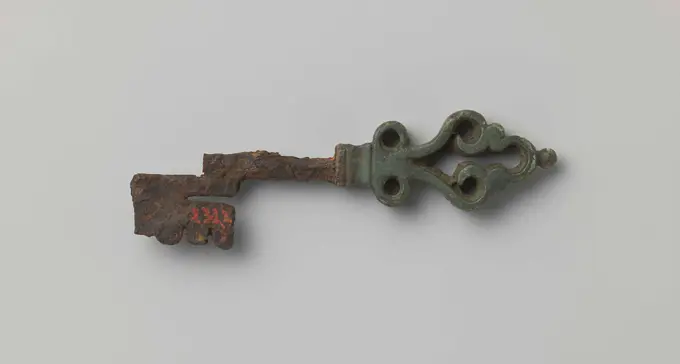
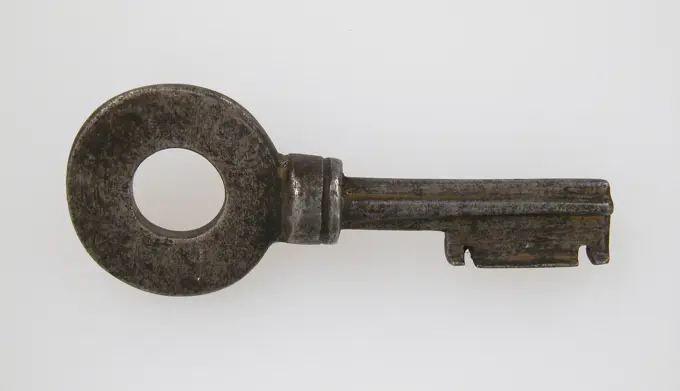
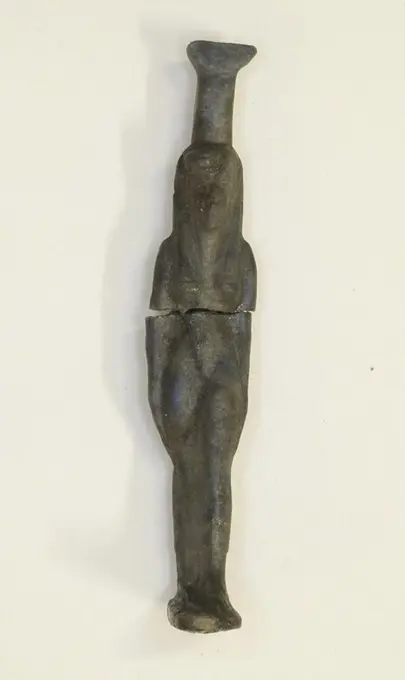
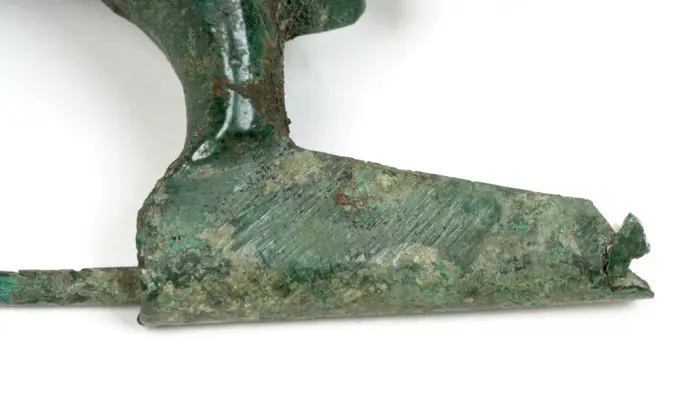
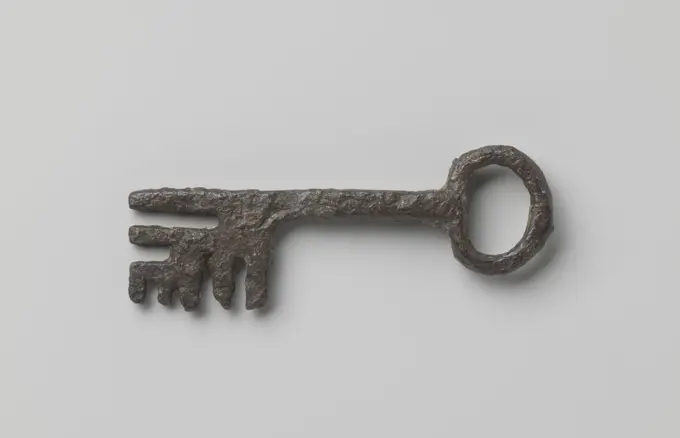
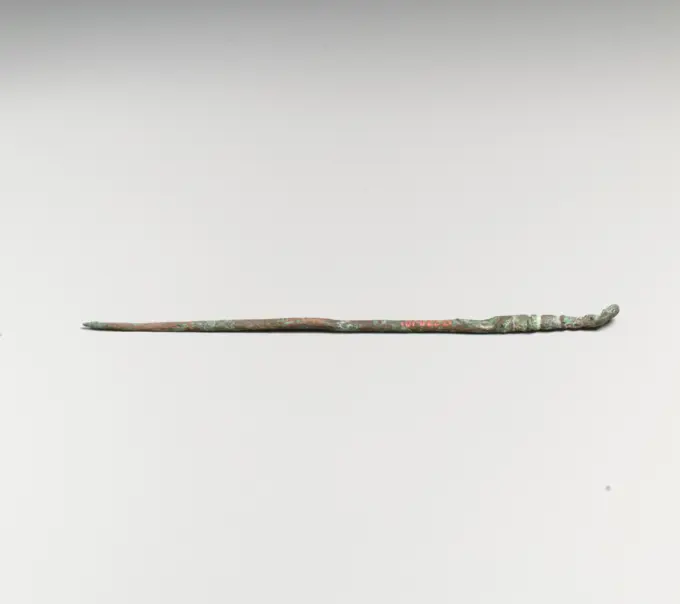
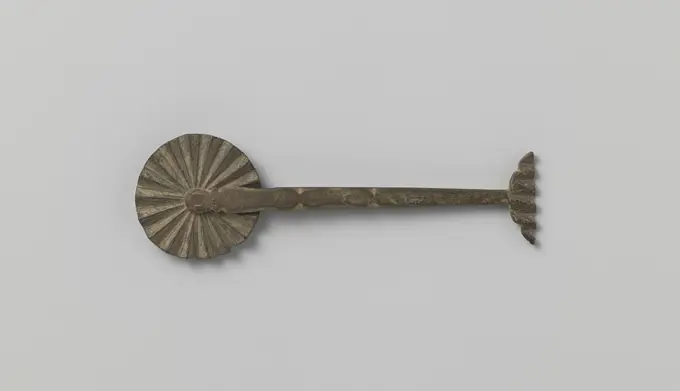
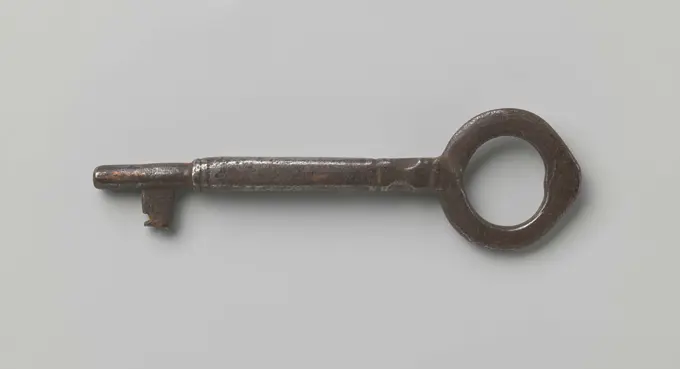
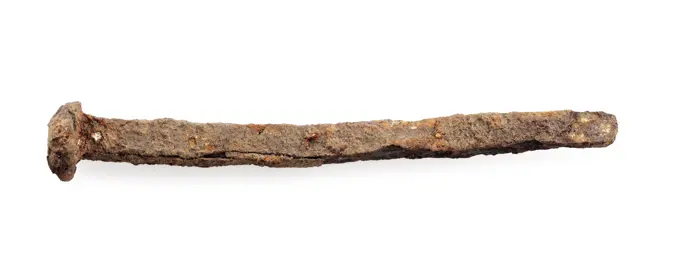
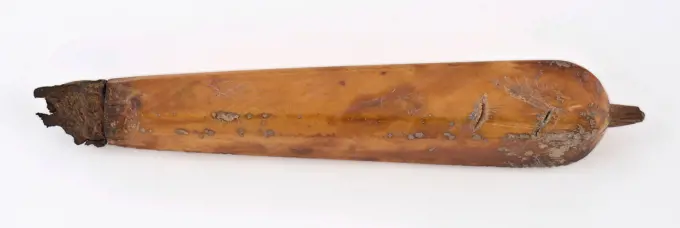
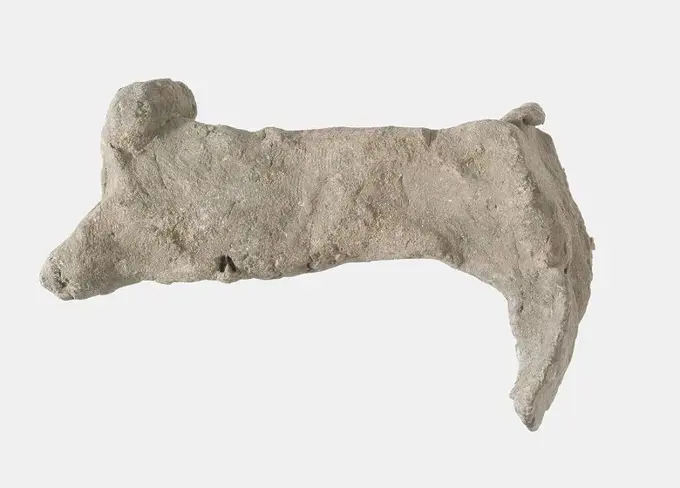
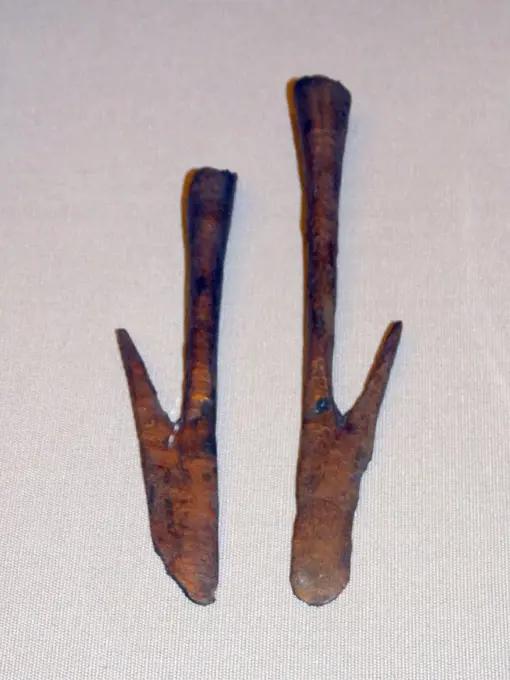
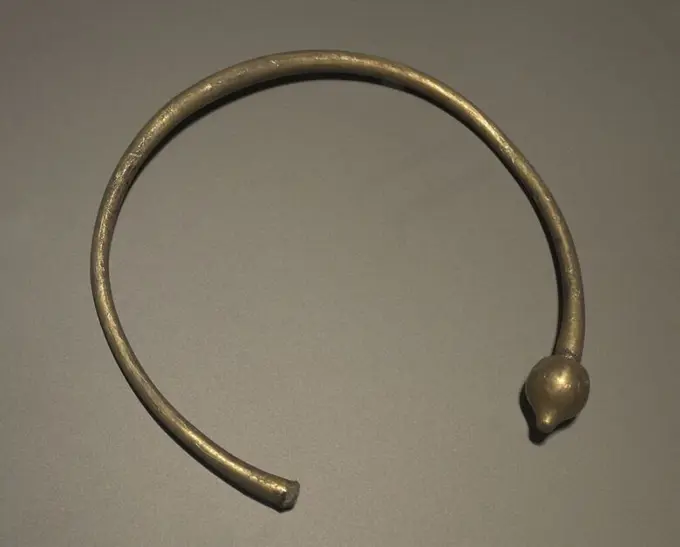
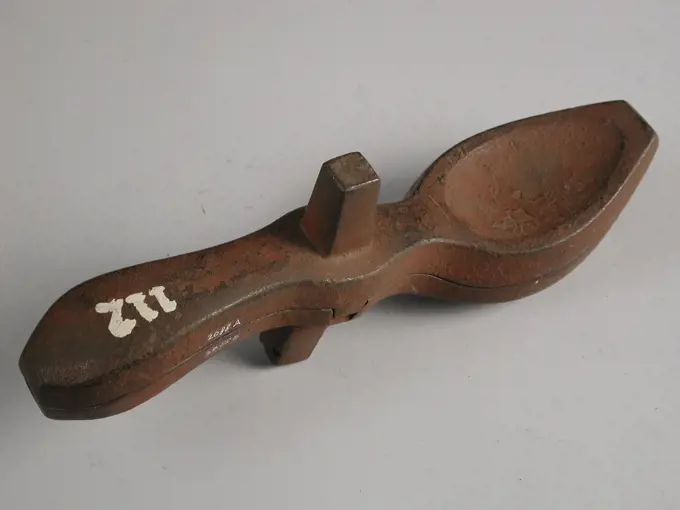
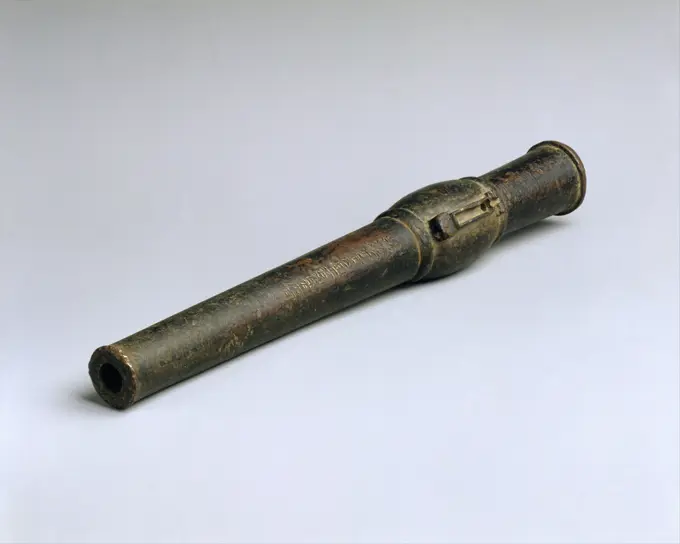
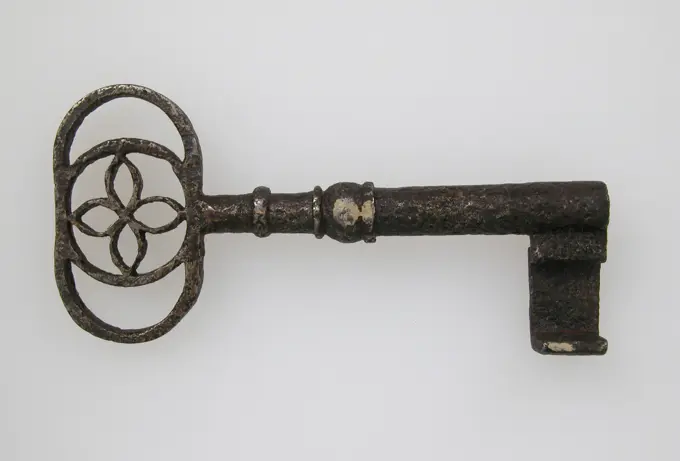
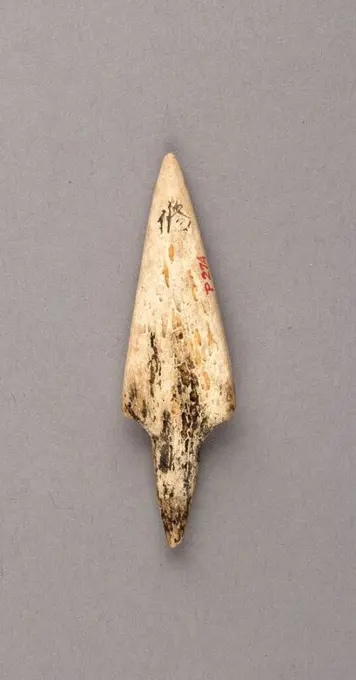
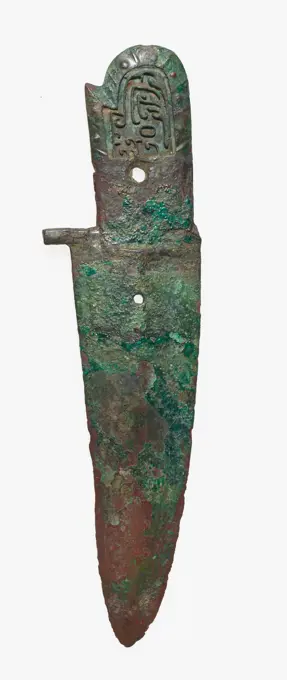
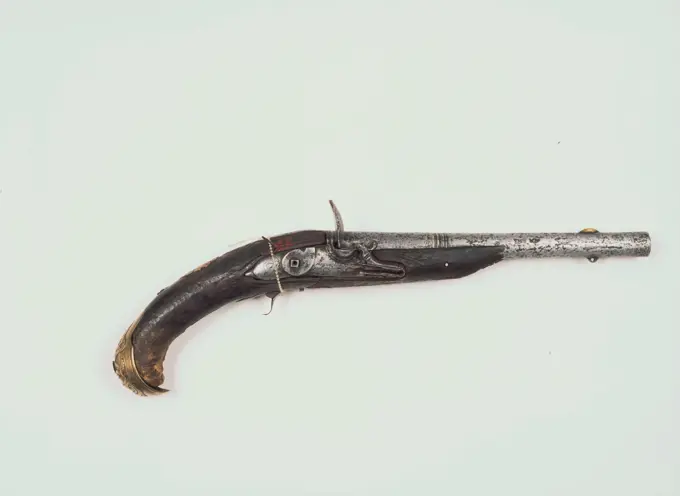
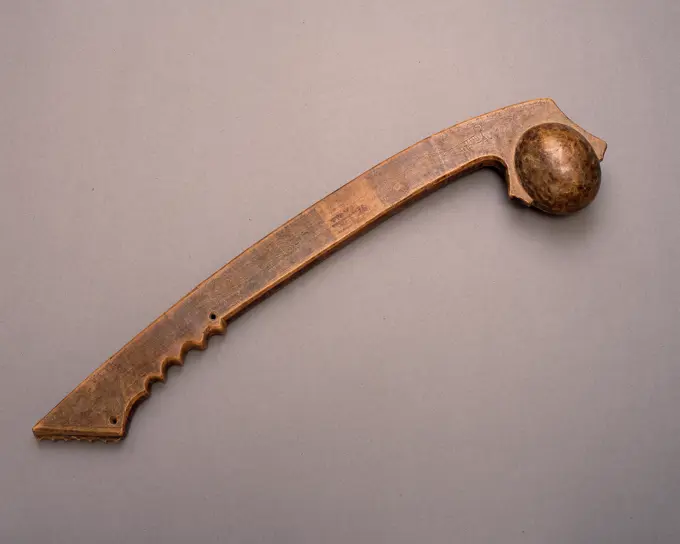
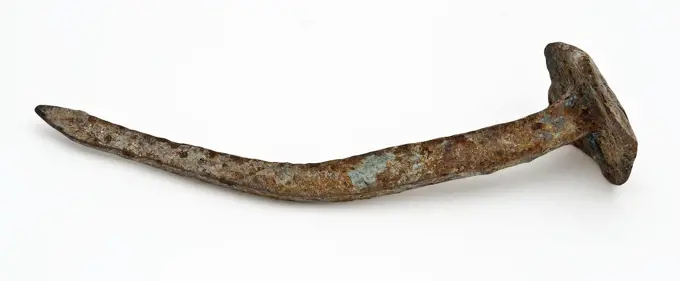
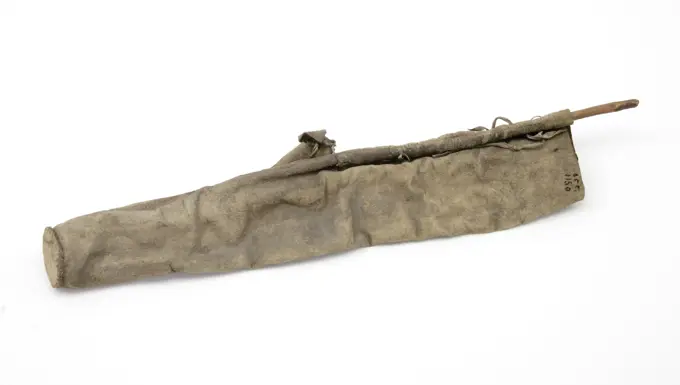
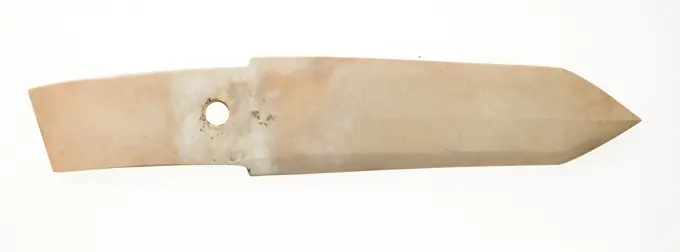
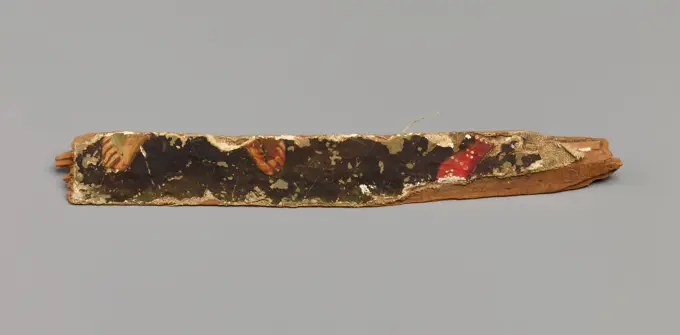
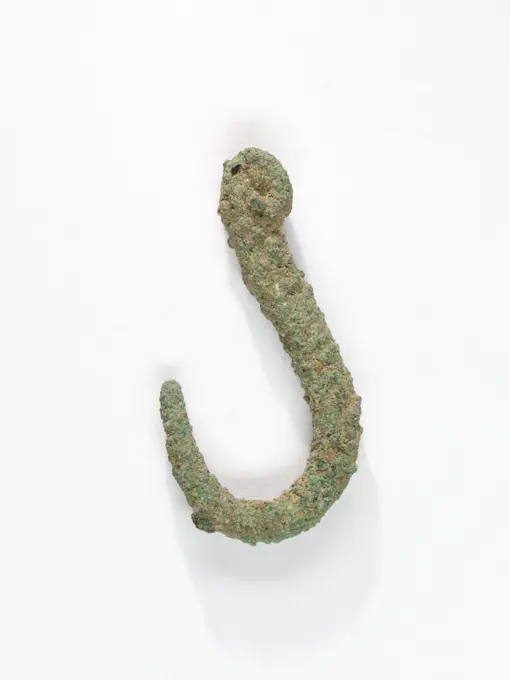
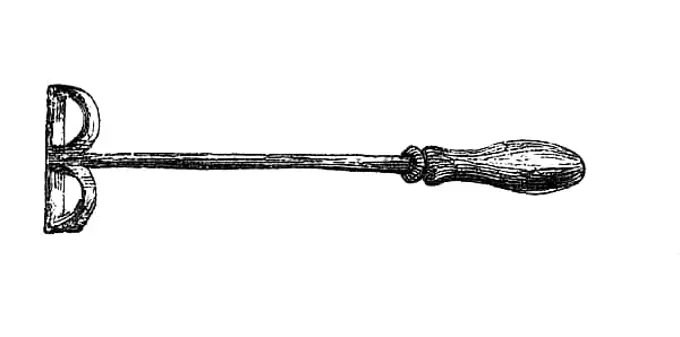
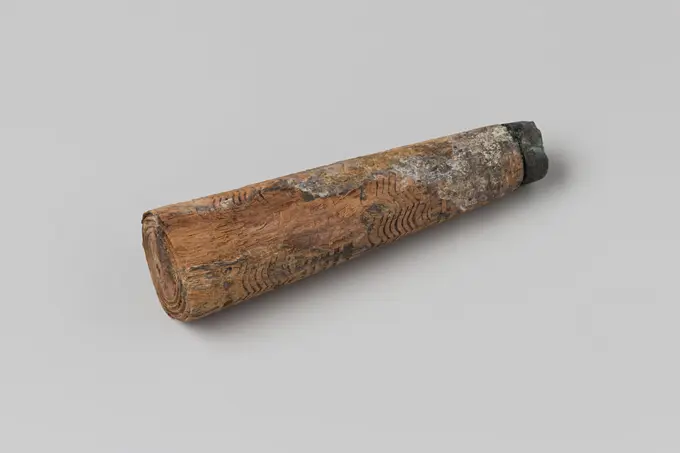
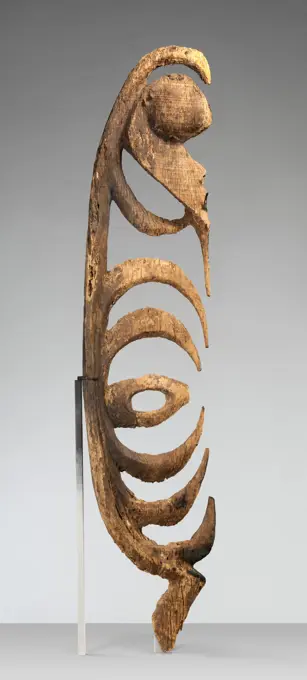
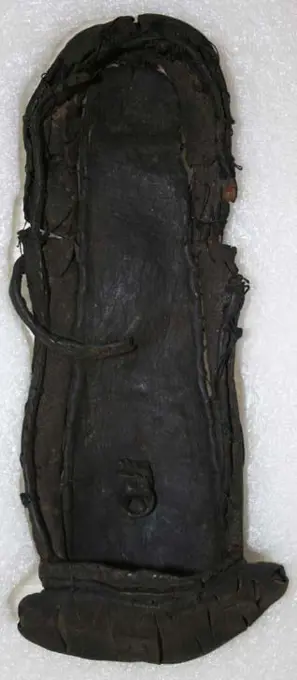
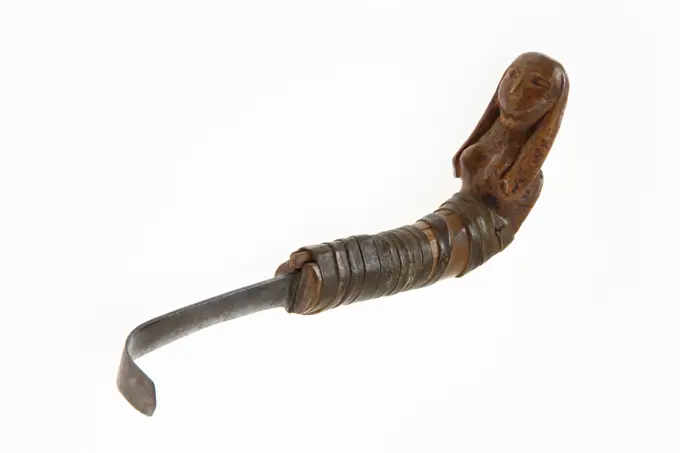
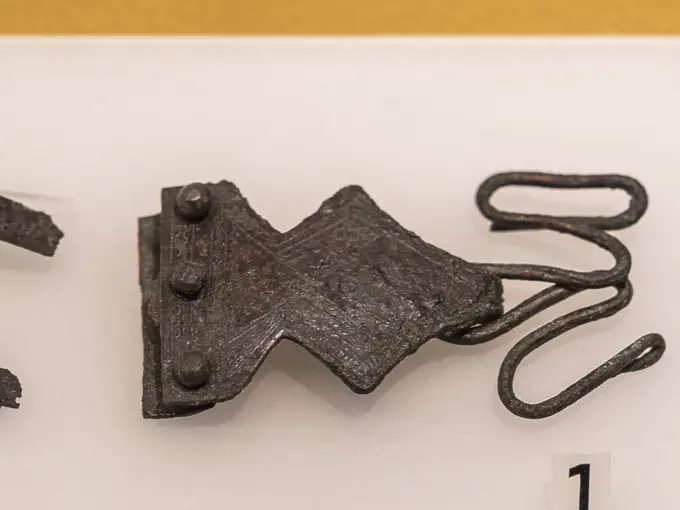
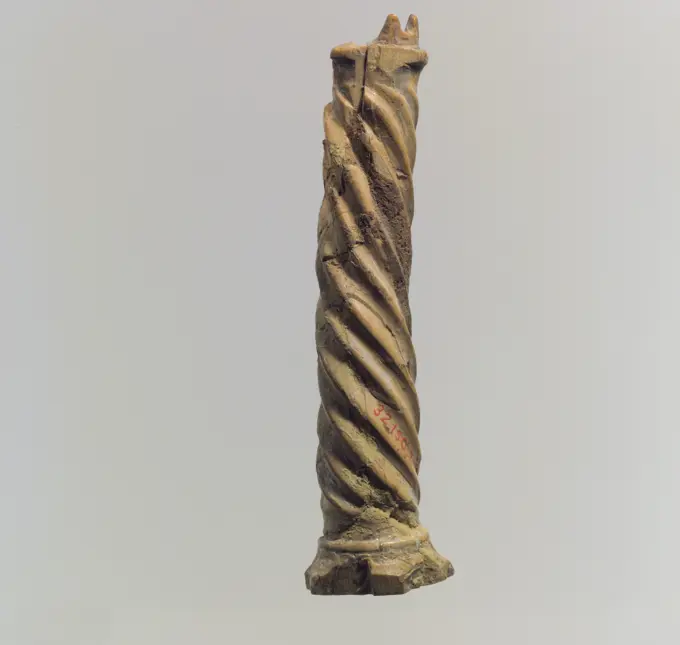
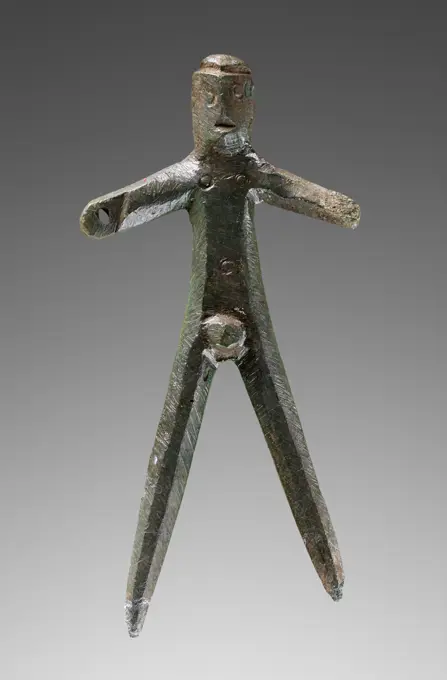
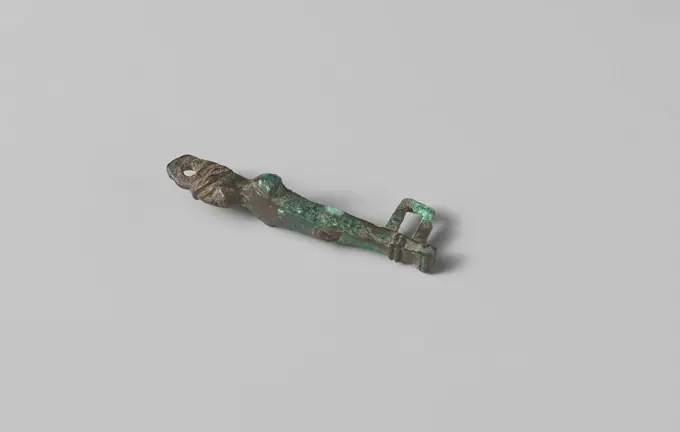
Blade of chopping knife, with flat side and side with blood channel, marked, finger recess in the heel, cleaver knife cutting tool soil finds iron metal, Debossed mark on the blade: two butterfly shapes archeology cutting chop slaughter butcher butchery vealKnife, 1500s - 1800s. Sumatra. overall: 28.7 cm (11 5/16 in.); blade: 20.5 cm (8 1/16 in.).39 keys from the collection of Emmanuel Vita Israël.The Amsterdam apothecary and art collector Emmanuel Vita Israël. He donated his collection, comprising keys dating from Roman antiquity to the 19th century, to the Koninklijk Oudheidkundig Genootschap (Royal Antiquarian Society) in 1937. Vita Israël claimed that his key collection had grown more or less by accident: being one of the few collectors of keys, dealers automatically made their way to him.Pin with the Head and Torso of a Figure 7th century B.C. Halstatt Period. Pin with the Head and Torso of a Figure 466262Key 14th century German. Key 468914Amulet of the Goddess Nephthys. Egyptian. Date: 1070 BC-656 BC. Dimensions: 5.1 × 1.3 × 1 cm (2 × 1/2 × 3/8 in.). Stone. Origin: Egypt. Museum: The Chicago Art Institute, Chicago, USA. Author: Ancient Egyptian.John Lindermayer, Mixing Spoon, c 1941 Mixing SpoonFragment of a tobacco pipe., Anonymous, c. 1400 - c. 1950 Fragment of a tobacco pipe with the letters K.W.  earthenware. pipe clay   Slot Loevestein Fragment of a tobacco pipe with the letters K.W.  earthenware. pipe clay   Slot LoevesteinKnife with Modern Inscription. Egypt, 18th Dynasty (1545 - 1372 BCE). Arms and Armor; knives. BronzeArrowheads, needles, hooks and harpoons. Culture: Japan. Dimensions: W. 3/8 in. (1 cm); L. 2 5/8 in. (6.7 cm). Museum: Metropolitan Museum of Art, New York, USA.Leech Bow Fibula, Etruscan, 600 BC. Etruria, Italy.. Leech-shaped bronze brooch or fibula ('fibula a sanguisuga') with three stylised ducks set along the top.Musketie without cap, with ears and string. Musketie without cap, with ears and string.Key, c. 1500 - c. 1600 Key with deeply incised quadrangular beard, four -sided shaft and oval eye.  iron (metal) Key with deeply incised quadrangular beard, four -sided shaft and oval eye.  iron (metal)Stone Pendant 1st-8th century Mezcala. Stone Pendant 317370Spoon or ligula Roman. Spoon or ligula 250628 Roman, Spoon or ligula, Bronze, Other: 4 13/16 in. (12.2 cm). The Metropolitan Museum of Art, New York. Rogers Fund, 1917 (17.230.101)Keukengerei van ijzer, gekarteld, om versieringen op taarten aan te brengen.Kitchen utensils, to make decorations on cakes. The narrow, straight handle is only towards the roller which decorated with notches. The end of the handle has a broader, serrated turn. The roller itself is also serrated.Gunner's caliper -Key, 1700 - 1800 Key with a handle in the shape of an Anthoniuskruis () And crowned by an eye. Thin stem and massive beard.  iron (metal) Key with a handle in the shape of an Anthoniuskruis () And crowned by an eye. Thin stem and massive beard.  iron (metal)Phallus Pendant. UnknownPhallus ca. 4000-3500 B.C. Iran This fragmentary ceramic object, possibly a phallus, is made of a buff clay. It is typical of Namazga I ceramics from Turkmenistan, dating to ca. 4000-3500 B.C. It was excavated in 1937 at a prehistoric site in the vicinity of Nishapur in northeastern Iran. While Nishapur itself was founded by the Sasanian king Shapur I (reigned ca. A.D. 241-272), this object shows that human habitation there goes back to the prehistoric period. Furthermore, the prehistoric pottery from Nishapur has close affinities with ceramic materials from Central Asia rather than with contemporary sites in Iran, meaning that in this period its inhabitants were likely culturally linked to their neighbors to the east. At the same time, Nishapurs location on what later became known as the Great Khorasan Road suggests that it was part of the trade network that facilitated the import of precious stones such as lapis lazuli, carnelian and turquoise from Central Asia to Mesopotamia.. PhalBlade inscribed for the Overseer of Upper Egypt Idi. Dimensions: L. 38.5 cm (15 3/16 in); greatest w. 5 cm (1 15/16 in); greatest th. 0.45 (3/16 in)wgt. 185 gms. Dynasty: Dynasty 9-11. Date: ca. 2100 B.C.. Museum: Metropolitan Museum of Art, New York, USA.Whetstone handle 1st millennium B.C. Iran. Whetstone handle 327334Denmark, Kopenhagen, Nationalmuseet, Wooden club and arrow parts from HolmegardSleutel.KEY with flat, broaching ring and four-sided shaft that is thinner at the small beard.Fixed-Ruban War Cross 1939-1945. Fabric, metal, 1945-1968. General Leclerc Museum of Hauteclocque and the Liberation of Paris, Jean Moulin Museum.Knife lift from the wreck of the East Indiesman Hollandia.knife, Handle, Cylindrical: tapering; ID. NG 1979-403H.Alter Nagel Old big rusty nail isolated on white Copyright: xZoonar.com/J.xSandvikx 1263421Legs handle of table knife, diamond-shaped with eight sides facetted with straight sides flared backwards, has knife cutlery soil find iron leg metal, archeology Rotterdam City Triangle Mariniersweg Soil discovery: Mariniersweg Rotterdam.39 keys from the collection of Emmanuel Vita Israël, anonymous Key with kidney -shaped handle resting on a heavy quadrangular and profiled key breast. On the octagonal shaft is the extensively processed beard with perpendicularly placed teeth. The key is flat and unprocessed at the rear.  bronze (metal) Key with kidney -shaped handle resting on a heavy quadrangular and profiled key breast. On the octagonal shaft is the extensively processed beard with perpendicularly placed teeth. The key is flat and unprocessed at the rear.  bronze (metal)Sealing. Dimensions: l. 5.5 cm (2 1/8 in). Dynasty: Dynasty 12, late - 13 up to 1700. Date: ca. 1850-1700 B.C.. Museum: Metropolitan Museum of Art, New York, USA.Sumerian Copper harpoons circa 2600 BC. From the graves at Ur, IraqCastro Culture of the Northwest. Torc from Bardaos. 4th-1st centuries BC. Cast gold. From Tordoia (La Corun_a province, Galicia, Spain). Museum of Pilgrimage and Santiago. Santiago de Compostela, Galicia, Spain.Key 1st-7th century Roman. Key. Roman. 1st-7th century. Copper alloy. Metalwork-BronzeFurniture hinge;  XVII century (1601-00-00-1700-00-00);W.M., Two-piece bronze mold for spoon, W M 1820, cast molding tool tools base metal bronze, cast Two-piece bronze mold for casting an S-shaped spoon with triangular praise incised: WM 1820 Rotterdam tin foundry tin pewter Meeuws Druy craft Forms come from the originally 18th century Rotterdam tinnegieter J Druy. The large molds that were not signed or dated were the property of the tinker guild and were rented to the small tin caster.Hand Cannon (Chong) dated 1424 Chinese. Hand Cannon (Chong). Chinese. dated 1424. Bronze. FirearmsBelt (Russia); silk, silver thread, silver buckle, silver ornamentsKey 15th century German The decoration of Gothic iron locks and keys was often elaborate and of the highest standard of workmanship. The motifs were frequently drawn from Gothic architecture, reproducing on a miniature scale complicated tracery patterns and even tiny statuettes. A number of these tiny locks were compound, with some of the mechanisms concealed from view, and required two or even three keys used in sequence to open them. It has been suggested that the greatly expanded use of locks on doors, or coffrets and other types of storage chests was a result of the increasing urbanization of life and the new emphasis on material wealth and private ownership which developed in the late Middle Ages.. Key 468855Sprinkle with silver, anonymous, c. 1400 - c. 1950 Silver sprinkle with one -thread -bent stem that is crowned by a bird. The wide container has a scalloped edge and an asymmetrically opened décor brand: a bird and a re -bracket.  silver (metal) Silver sprinkle with one -thread -bent stem that is crowned by a bird. The wide container has a scalloped edge and an asymmetrically opened décor brand: a bird and a re -bracket.  silver (metal)Lead Role from the wreck of the East Indies' t Vliegend Hart ,, 1700 - 1735 lead Tubes rolled plates. Black-gray in color. Roll of Lead. Middelburg lead (metal)Handle. UnknownPewter hammer, hammer from casting, hammer tool kit metal iron wood veneer, forged Hammer Short round wooden handle. Elongated and curved head with two striking surfaces constricted on both sides of the handle. The striking surfaces have bevelled corners and are slightly round at the top. Decorated with double grooves over the head. Struck marks struck initials of the owner: W * (badly readable) tin foundry tin pewter craft craft driving hammer polishing hammer metal processing Meeuws Originating from collection Meeuws.Arrowheads, needles, hooks and harpoons. Culture: Japan. Dimensions: W. 5/8 in. (1.6 cm); L. 1 3/4 in. (4.4 cm). Museum: Metropolitan Museum of Art, New York, USA.Fragment of shot and lock. .Dagger-axe (Ko), 12th-11th century BCE, 9 5/8 × 2 1/2 × 3/8 in., 0.7 lb. (24.45 × 6.35 × 0.95 cm, 0.3 kg), Bronze, China, 12th-11th century BCERobert Tardiff, Draw Shave, 1938 Draw ShaveFlint pistol. Pistol with flint slot, iron round smooth loop that is interrupted by a profile tape. Iron lock plate whose rooster is missing and on the right is the name "Corbav Le" (Godfried Corbeau de Jonge) with "Mastrin" below. The left side consists of a brass plate in which a sample head has been engraved by tendrils. The flask is made of wood and in poor condition. The kolf cap is of brass on which a sample head has been made with tendrils. At the top, the flask is decorated with various decorations. The trigger bracket is missing through which two slots are visible next to the iron tractor. At the end of the loop a brass vizier grain.Vase fragment 7th century B.C. East Greek Fragment of a handle from a kantharos.. Vase fragment. East Greek. 7th century B.C.. Terracotta. Archaic. VasesArrowhead. Arrowhead 251907 Arrowhead, Bronze, Other: 2 15/16 in. (7.5 cm). The Metropolitan Museum of Art, New York. Fletcher Fund, 1925 (25.78.127)Ball-headed club -Cylindrical case, fragment (common name), -276. Copper alloy sheet. Carnavalet museum, history of Paris.Paleta skryby. unknown, authorCopper Axe with Crescent Blade before 15th century Peruvian. Copper Axe with Crescent Blade 315605Square nail with uneven head, wrought iron, nail fastener part soil find wrought iron metal, forged Nail Square cross section. Flat head divided into four sloping surfaces. Irregular shape Wrought iron archeology underground pit Rotterdam City center Stadsdriehoek Groenendaal building fastening connecting nails From underground pit Groenendaal on 137 meters and 1.5 to 0.5 under N..P Dirt diameter 80 cm.Quiver -Nail 15th-16th century European. Nail. European. 15th-16th century. Iron. Metalwork-IronDAMA OFERENTE DEL CERRO DE LOS SANTOS. Location: MUSEO ARQUEOLOGICO-COLECCION. CORDOBA. SPAIN.Ball-headed club -Key 15th century German. Key 468906Ceremonial Ge Dagger, 1100-771 BCE, 10 x 2 x 1/8 in. (25.4 x 5.08 x 0.32 cm), Ivory and tan jade, China, 11th-8th century BCECaddy Spoon,  1780 - 1828Amulet of a Papyrus Column 664 BCE-343 BCE Egypt. Faience . Ancient EgyptianFalcata, Hispanic sword, Iron Age, Evora Museum, Evora, Alentejo, Portugal, Europe.Barbed wire Metal barbed wire close up against the sky Copyright: xZoonar.com/AlexanderxStrelax 3924585Axe head ca. late 3rd millennium B.C.. Axe head. ca. late 3rd millennium B.C.. Bronze. Early Bronze Age. Western AsiaKnife lift from the wreck of the East India Hollandia. Knife, handle pistol grip-shaped; Flat, Rectangular in section, tapering.Icon Fragment 1200-1272 Byzantine or Crusader This fragment from the lower edge of an icon is all that survives of the only known Byzantine-style icon found at a crusader site and suggests that Crusaders used icons. To the right is a red (purple) shoe decorated with pearls, typical of Byzantine imperial dress. Similar shoes are worn by the Virgin and by archangels, one of whose feet may be pictured here. The barely sandaled feet to the left might be those of Saint John the Forerunner (the Baptist).. Icon Fragment 26485Fish hook ca. 1295-1070 B.C. New Kingdom, Ramesside. Fish hook. ca. 1295-1070 B.C.. Copper Alloy. New Kingdom, Ramesside. From Egypt; Probably from Northern Upper Egypt, Deir el-Ballas. Dynasty 19-20Sotck exchange. Restoration. Gal1952.5.104Small Buckle. Culture: Frankish. Dimensions: Overall: 1 13/16 x 1 1/4 x 5/16 in. (4.6 x 3.1 x 0.8 cm). Date: 7th century. Museum: Metropolitan Museum of Art, New York, USA.Instrument of torture. Brand marker. Branding was understood as a corporal punishment in the Middle Ages, which was characterized by the tortured person being tied up and tormented with a red-hot iron, woodcut from 1864Knife lift from the wreck of the East Indiesman Hollandia.knife, Handle, Cylindrical: tapering; ID. NG 1979-403H, Ferrule, ID. NG 1980-27H426.Elongated bronze fittings with two round openings, clothing accessory clothes batter ground find bronze copper metal, cast archeology adornment fix confirmStandard Finial. Iran, Luristan, Luristan bronzes, circa 1350-800 B.C.. Architecture; Architectural Elements. Bronze, castFigure (Yipwon) 19th century or earlier Yimam people Throughout the ranges of hills south of the middle Sepik River in northeast Papua New Guinea, a number of peoples worked in what is known as the opposed-hooks style, in which curved and pointed hooks are arranged on a vertical axis around a central design element. Among the most elegant are the remarkable stylized anthropomorphic hook figures of the Alamblak people that are known as yipwon. Local oral tradition describes the origin of these distinctive images. When the spirit of the Sun, who formerly inhabited the earth, was carving the first slit gong (a large musical instrument), the pieces of wood chipped from the carving came to life as spirits who lived with the Sun in the men's ceremonial house. One day these spirits killed one of the Sun's male relatives and drank his blood, after which they stretched themselves out against the wall of the house and turned back into wood. Angered by their act, the Sun ascended into the sky whiModel of a Hanging Knee, anonymous, c. 1812 demonstration model Disassemeable model of a composite cover, incomplete. It consists of five parts: wall piece and deck carrier are connected to each other by a dovetail connection, reinforced in the corner by a corner part with two dovetail connections; On both sides a pickled iron curve (one is missing). Scale 1: 12.5 (scale on model). France wood (plant material). iron (metal)Bronzen lilla.Bronze lilla decorated with rings, on the loop a small square rosette and two tap decks with stylized dolphins.Excerpt of a screw plate of a musket from the wreck of the East Indians' t Vliegend Hart ,, 1700 - 1735  Copper screw plate of a musket. Elongated fragment with inscription '.... seela nd'. Side plate. Middelburg copper (metal)Buckle. Bronze. 5th century BC. Northwest China. Paris, Cernuschi museum. 59519-1 Antiquity, Asian art, belt loop, bronze, archeological vestigeBrigandine Plate 1400-1450 Italian This is part of a large find of medieval armor discovered in 1840 in the ruins of the fortress of Chalcis, on the Greek island of Euboea (then a Venetian colony called Negroponte). The fortress had been captured and destroyed by the Turks in 1470. Now divided largely between the Ethnological Museum, Athens, and The Metropolitan Museum of Art, the Chalcis hoard contains many rare and unusual elements of fourteenth- and fifteenth-century armor. Of particular importance are the variety of headpieces and the many fragments of brigandines (armor for the torso constructed of small plates riveted to layers of fabric), some of which retain portions of their original velvet covering. The Chalcis armor provides a unique picture of the armament used in the Aegean, one of the easternmost military outposts of the Venetian empire.. Brigandine Plate 27684Cosmetic Container 301 CE-400 CE Syria. Glass, blown technique . Ancient RomanDagger ca. mid-3rd millennium B.C.. Dagger 327331Side-blown Trumpet Mangbetu 19th century Animal horn or tusk trumpets with mouthpieces drilled into the side are found throughout Africa. Ivory trumpets often symbolize kingly power, and those associated with royal ensembles are decorated with skins, wooden extensions, and beautiful carving. This is true among the Mangbetu of the Democratic Republic of Congo, who fashioned this instrument. Once acquired, the ivory is entrusted to carvers who may take over two months to re-form the tusk and make it playable. Royal instruments are carved in deep relief with ridges and a projecting mouthpiece, seen, in this example, at right of center. Another conspicuous royal motif, appearing at the left, is a canoe-shaped design. Elegant trumpets like this one are used in pairs to accompany dances or signal the entrance and departure of the king. Europeans prized instruments such as this because of their elegant design, and the Mangbetu responded by producing trade instruments that were unfinished and Spearhead. Iran, Luristan, circa 1000-5500 B.C.. Arms and Armor; spears. BronzeSilapa Sword (green leather case), 1700s-1800s. India. Gold with inlay and leather; overall: 92.7 cm (36 1/2 in.).Stealing forks or spoons from the wreck of the East Indians Hollandia, Anonymous, 1700 - in or before 1743 spoon Cutlery, fragment: stem of fork or spoon; fragm ends, flat, widening, curved, fragm shows remains of coatings. Netherlands copper (metal)   SecondNeedle. Neolithic period. North Africa. 15cm.Letter L - alphabet in coffeeBelt Buckle Loop. Culture: Frankish or Burgundian. Dimensions: Overall: 2 9/16 x 1 3/16 x 3/8 in. (6.5 x 3 x 1 cm). Date: 4th-7th century. Museum: Metropolitan Museum of Art, New York, USA.Copper Tumi with Figure 12th-15th century Chimú (). Copper Tumi with Figure 315655Three square arrow heads. Perse, Hurvin. IXEM-VIIIth centuries BC. Paris, Cernuschi museum. 35408-2 Armament, weapon, bronze, arrow, Carrea section, headTorch Holder 15th-16th century European. Torch Holder. European. 15th-16th century. Iron. Metalwork-IronShoes 16th century British. Shoes 101800Crooked knife -Celtic type belt brooch, 7th-3rd century BC. Mesa Del Almendro, Lora del Rio, Iberian Museum of Jaén, Andalusia, Spain.Colonette ca. 3rd-7th century A.D. Sasanian. Colonette 322787Figurine. UnknownKnife with a sheathSleutel.Key whose handle proposes a Roman warrior. The beard consists of an open quadrangle.Lotus Flower. Egyptian. Date: 1069 BC-664 BC. Dimensions: 7.3 × 8.9 × 5.1 cm (2 7/8 × 3 1/2 × 2 in.). Bronze, inlay (). Origin: Egypt. Museum: The Chicago Art Institute, Chicago, USA. Author: Ancient Egyptian.