Ancient Decorative Finials

Artifacts including bronze ornaments and buttons shaped like animals, showcasing ancient craftsmanship and design.

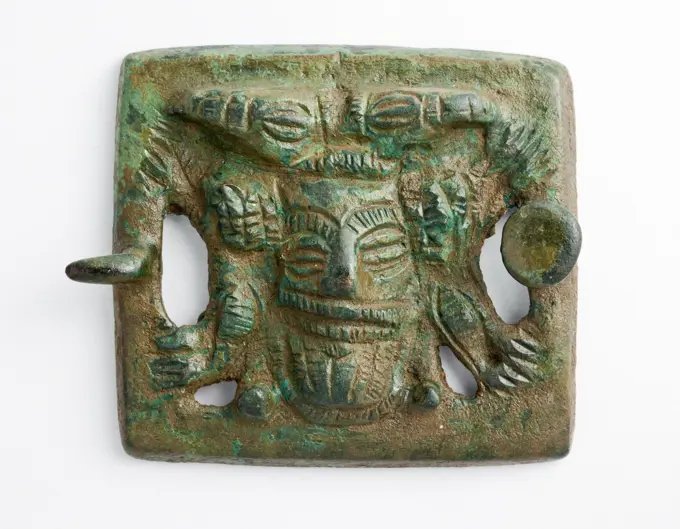
Appliqué in the in the form of a bovine head, one of a pair, 11th century BCE, 3 3/8 × 2 5/8 × 5/8 in., 0.2 lb. (8.5 × 6.7 × 1.6 cm, 0.1 kg), Bronze, China, 11th century BCE
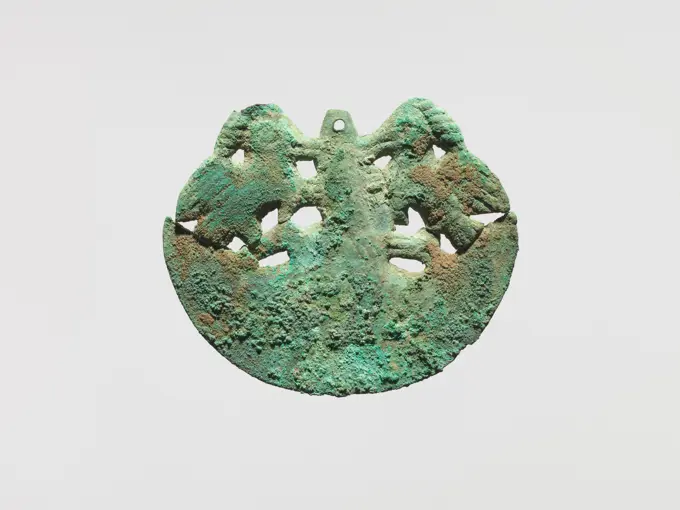
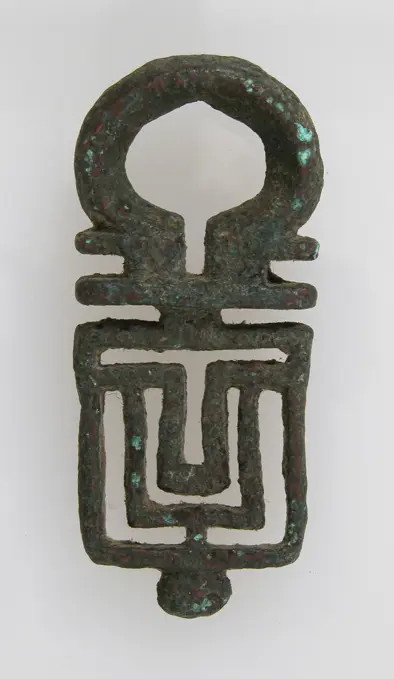
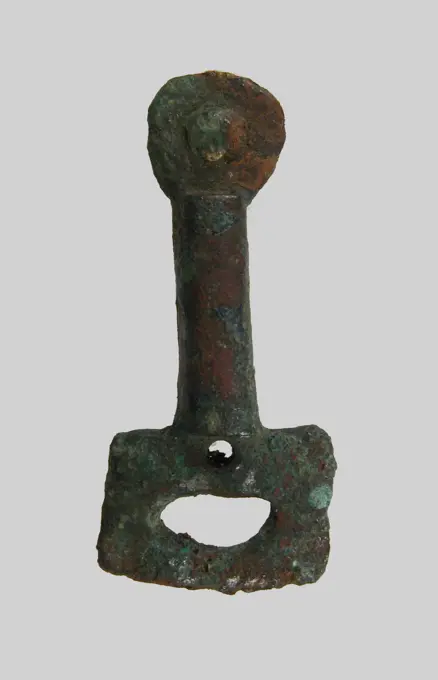
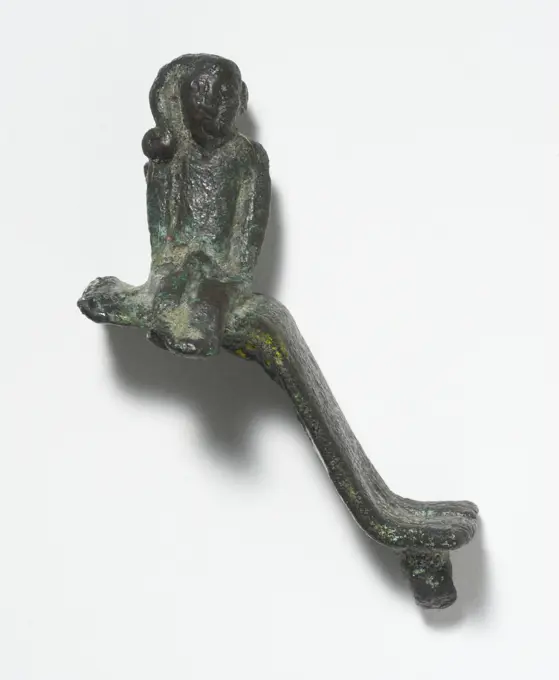
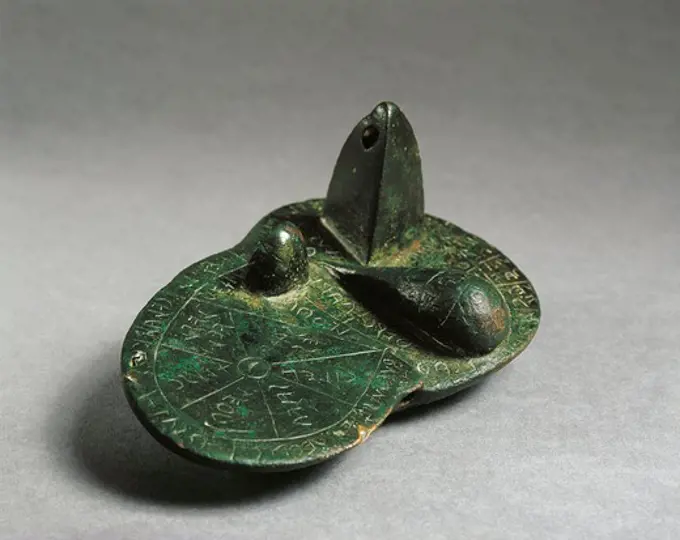
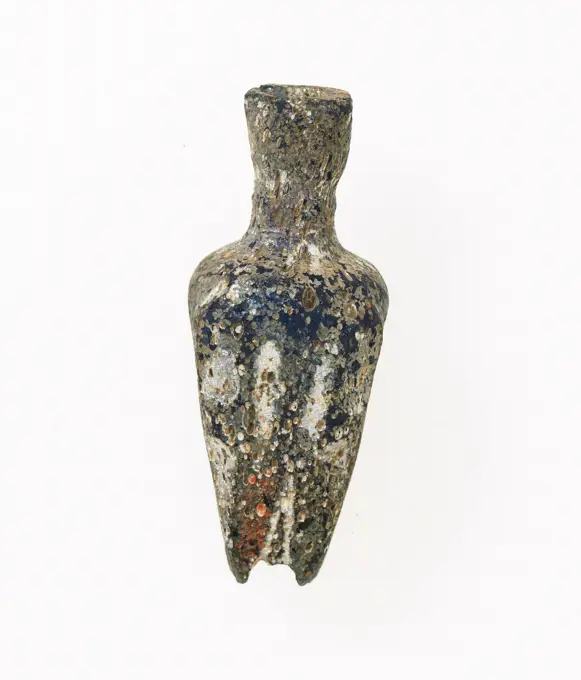
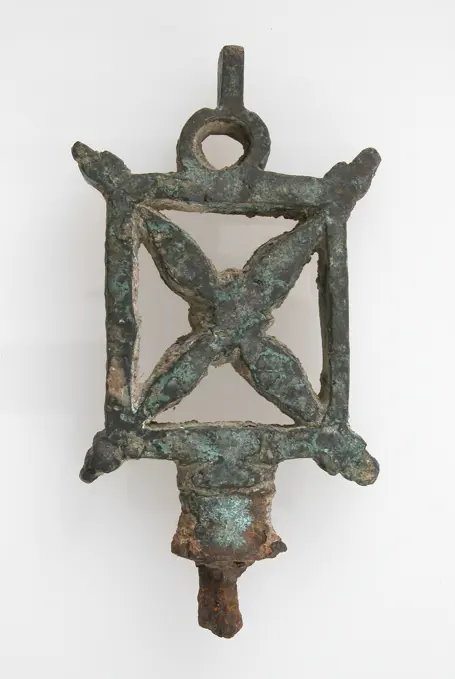
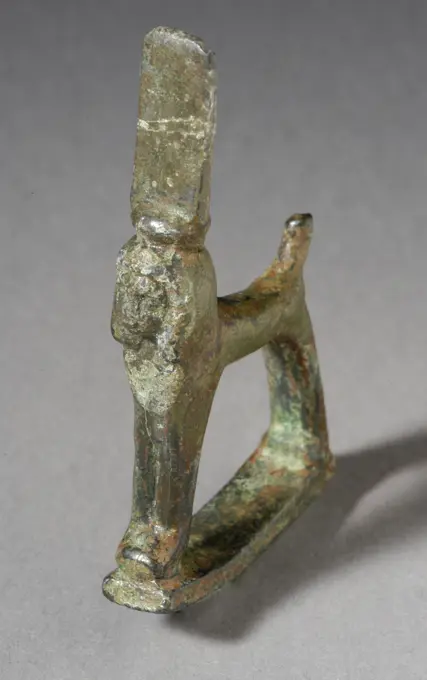
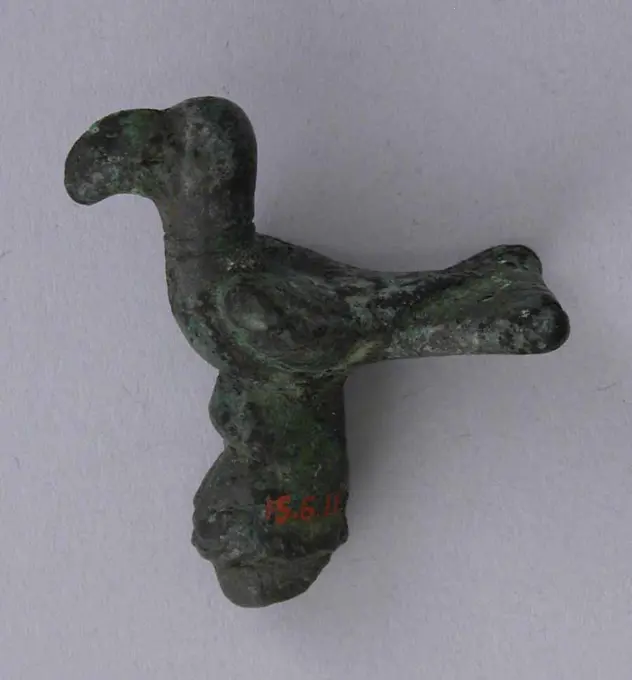
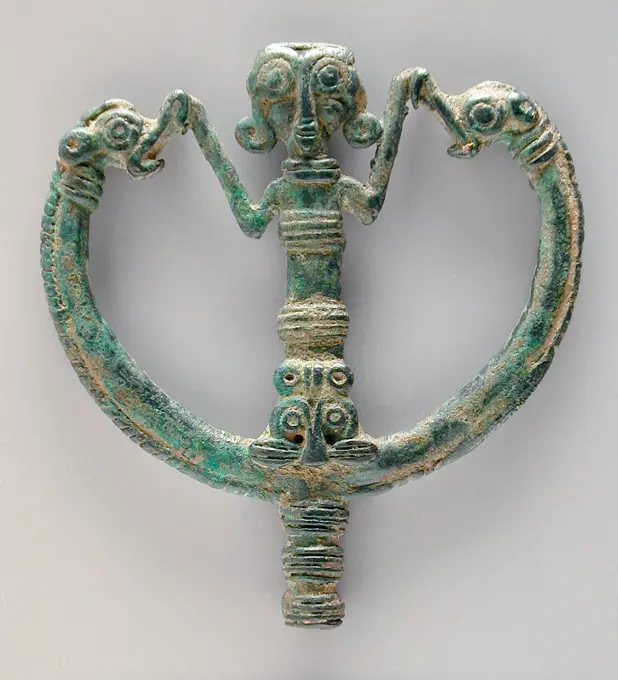
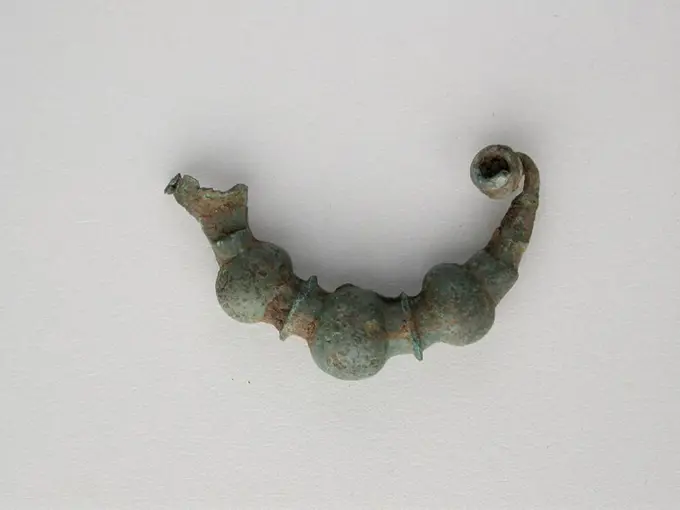
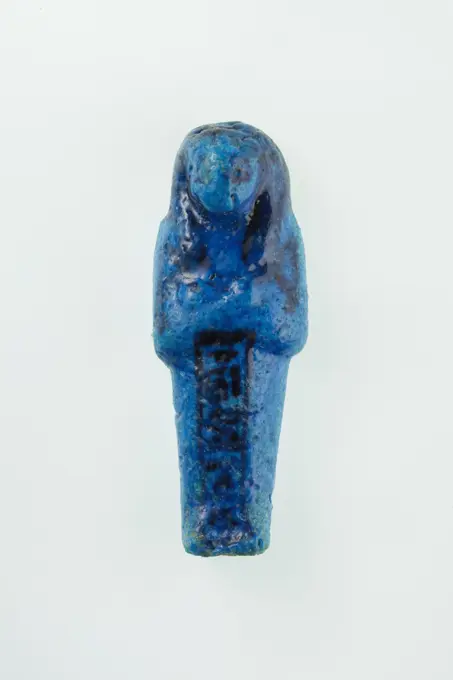
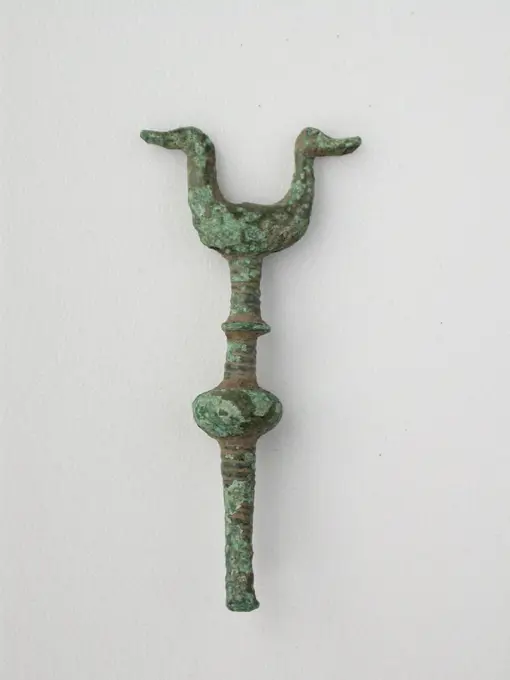
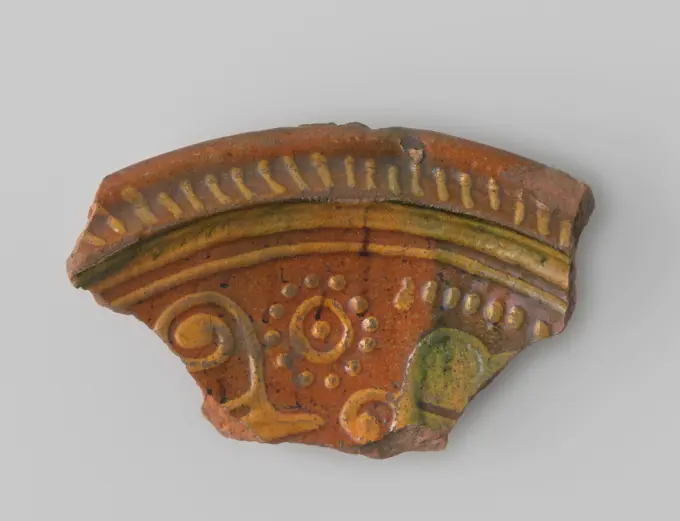
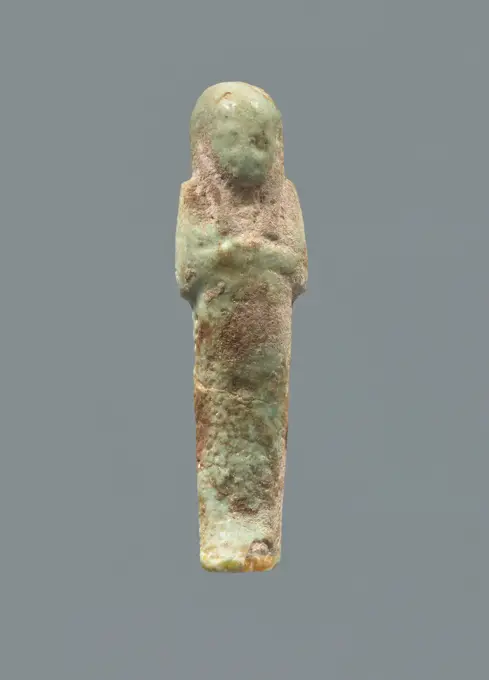
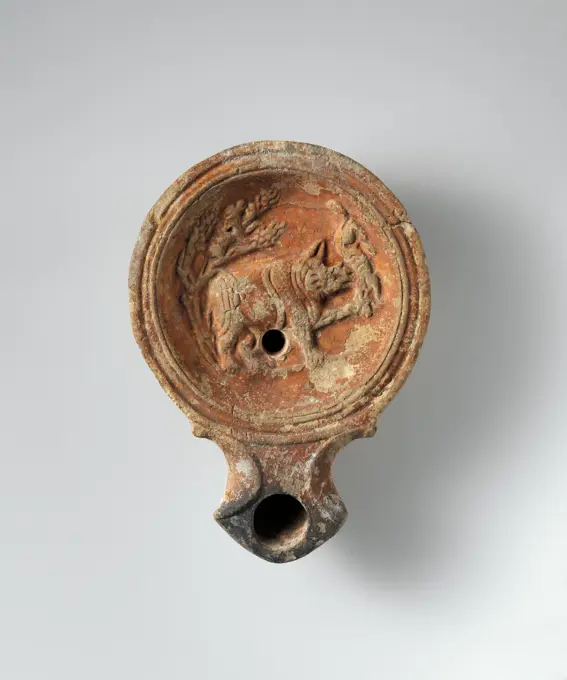
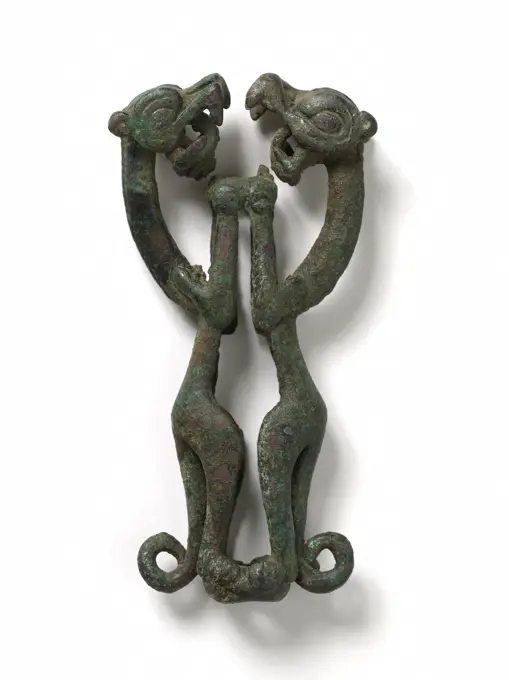
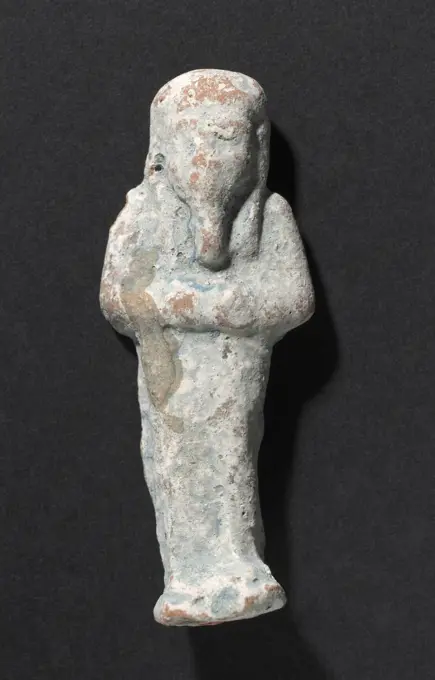
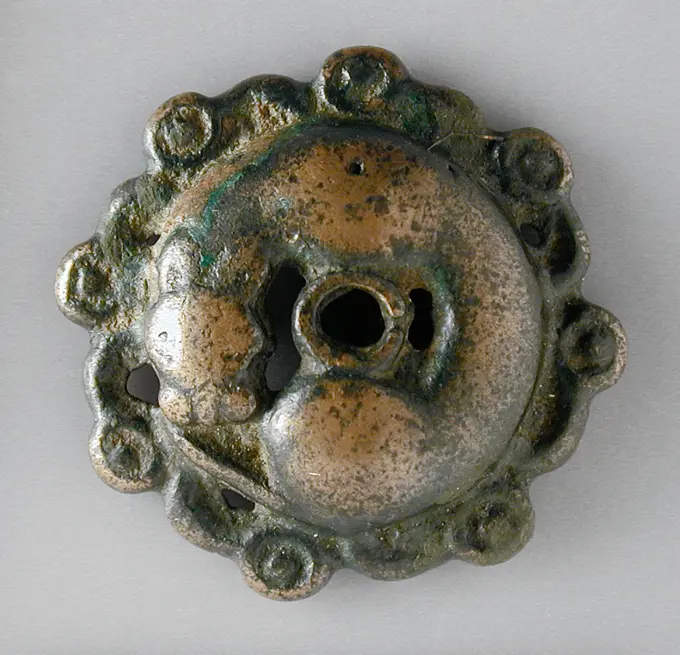
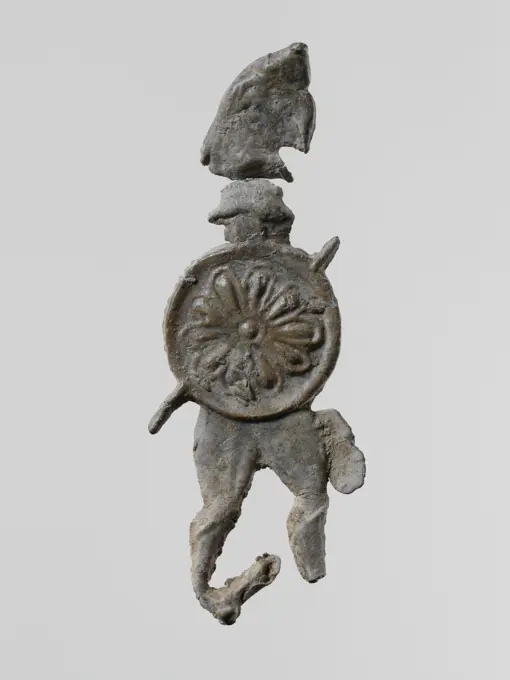
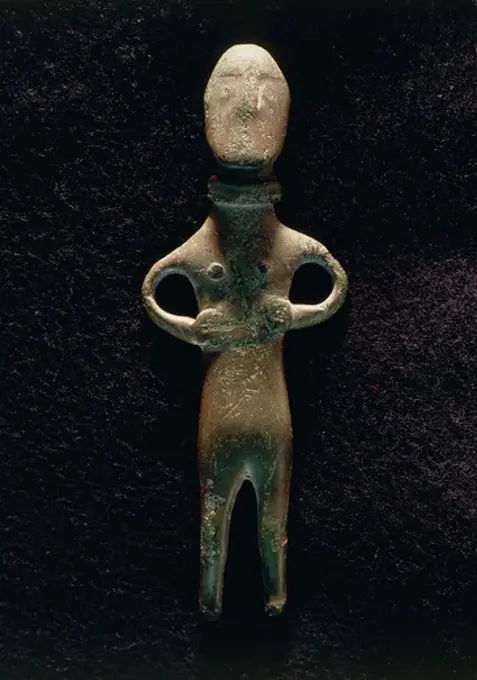
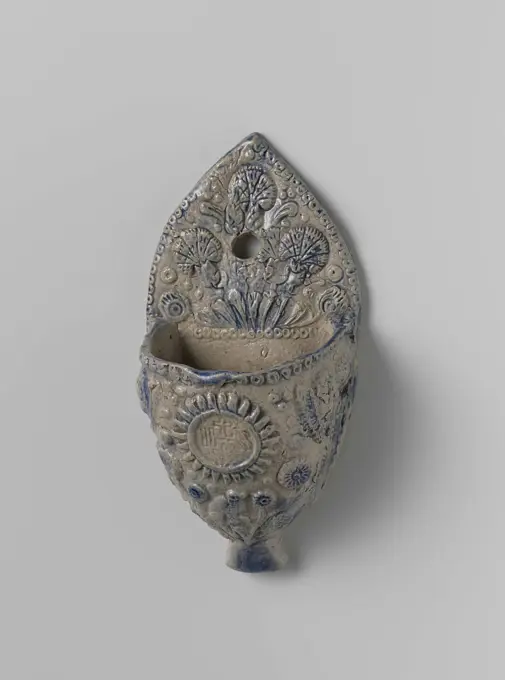
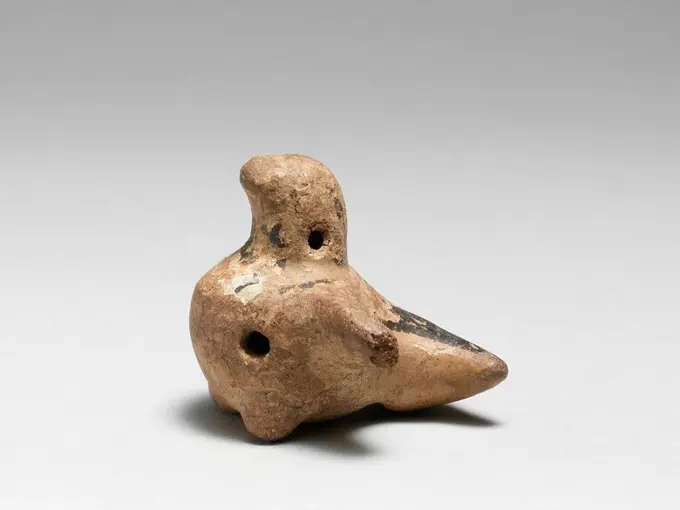
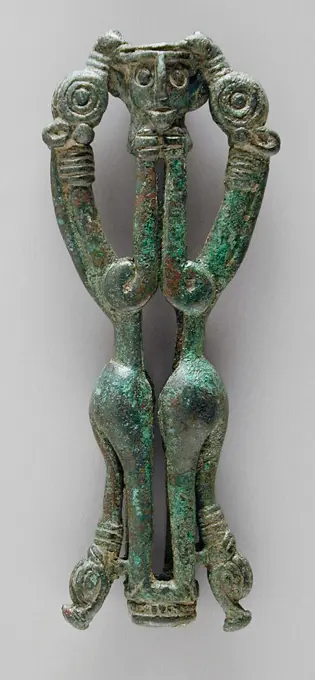
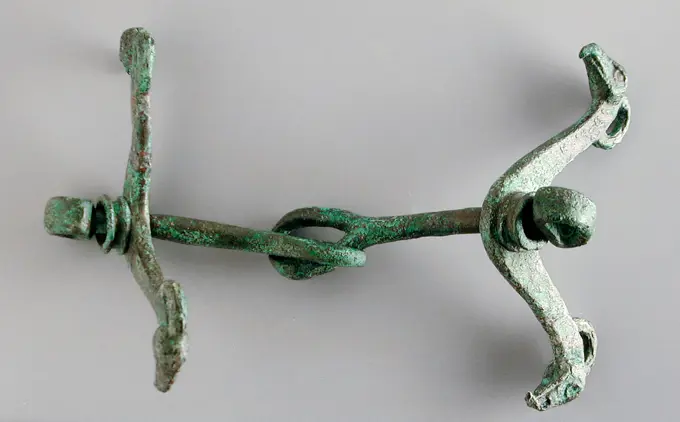
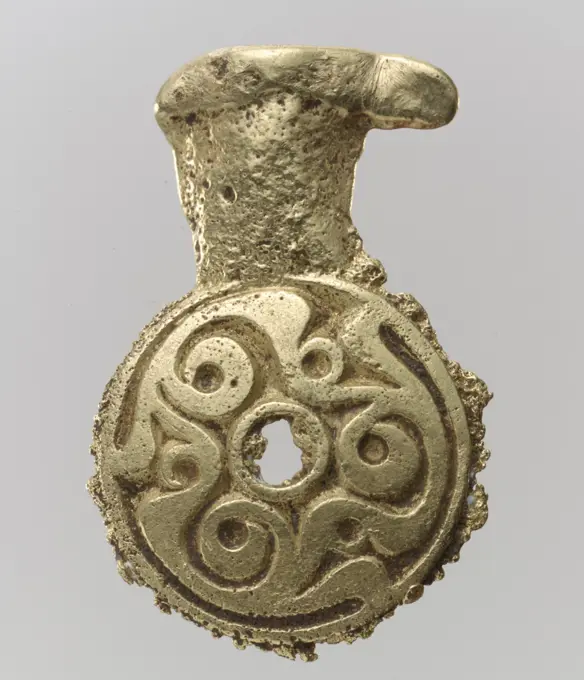
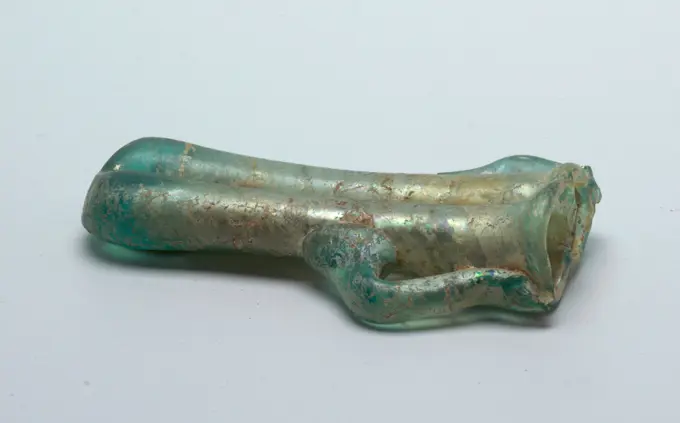
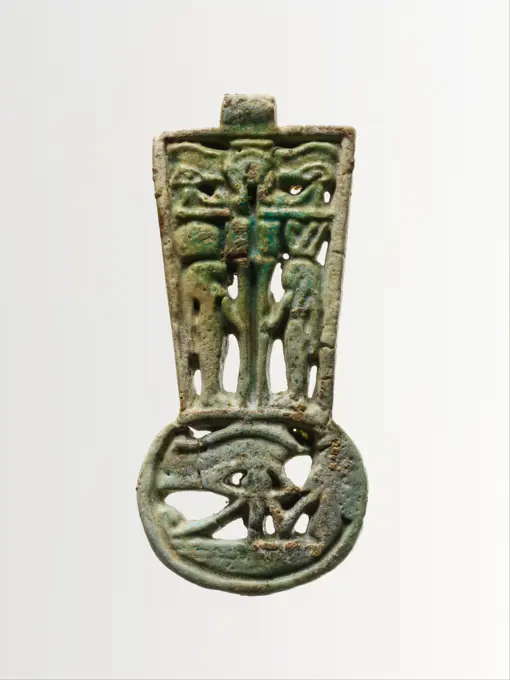
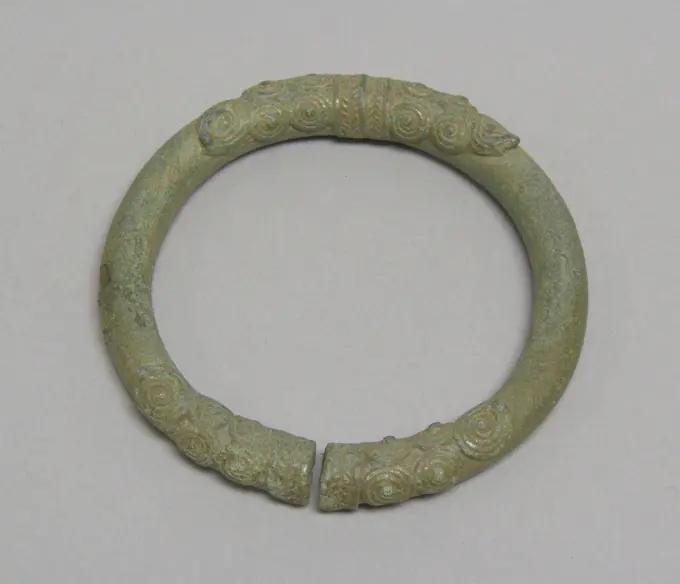
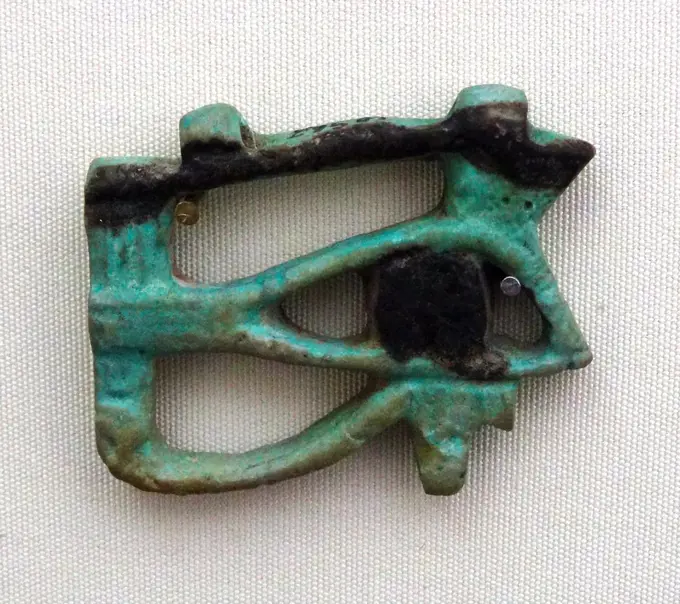
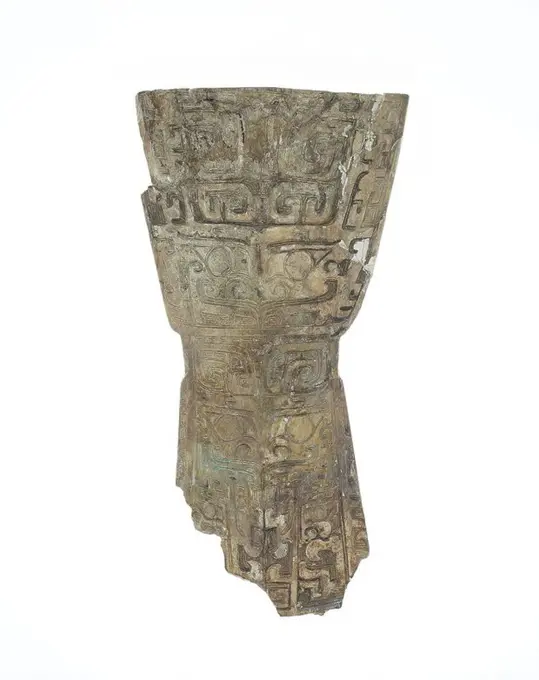
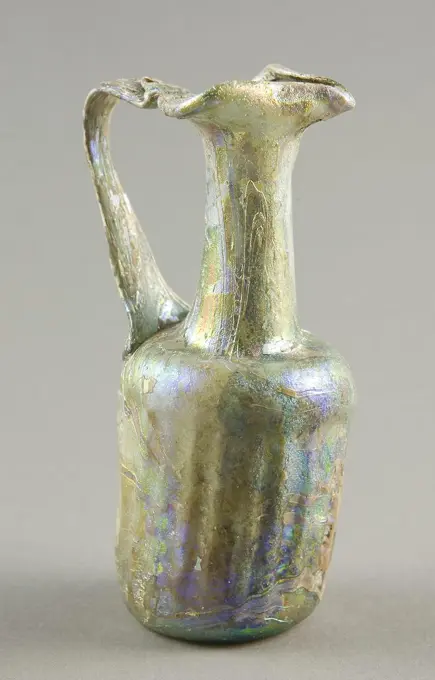
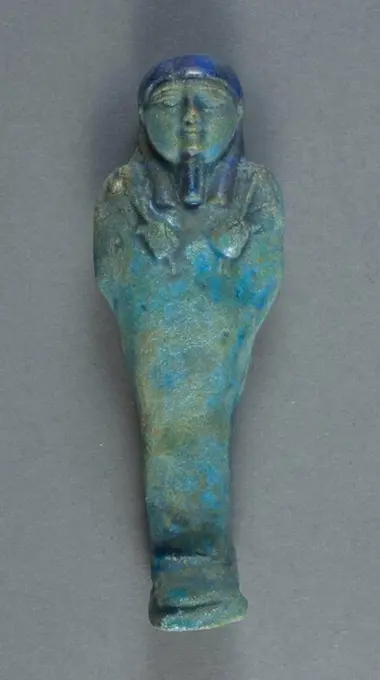
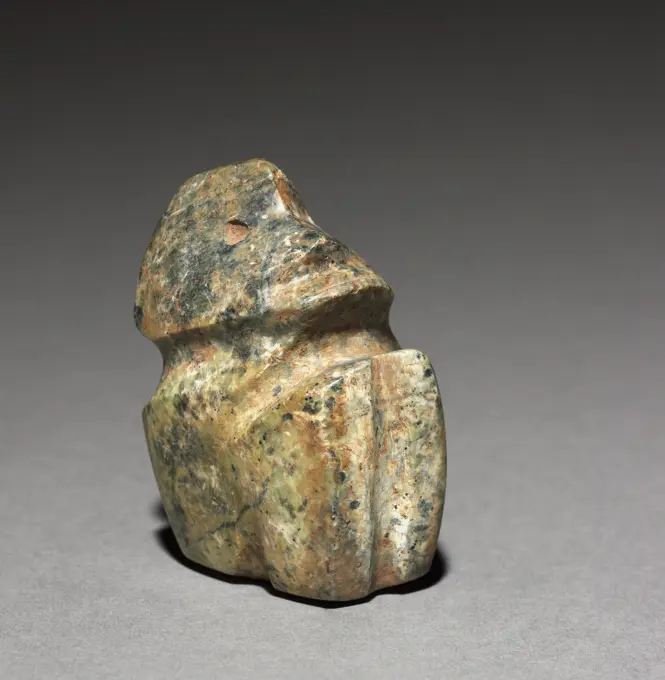
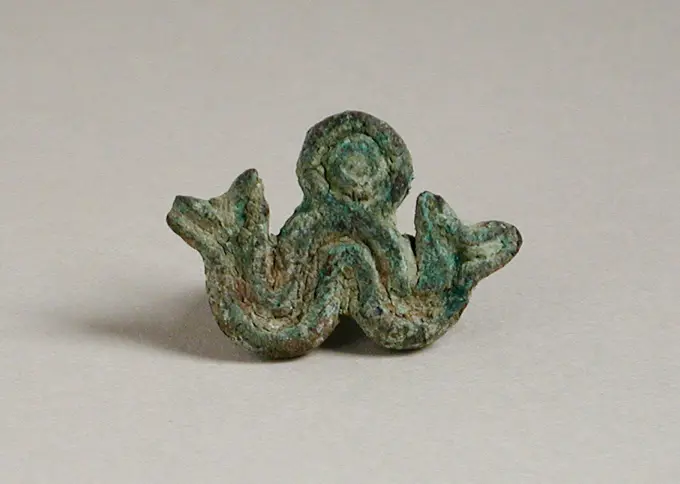
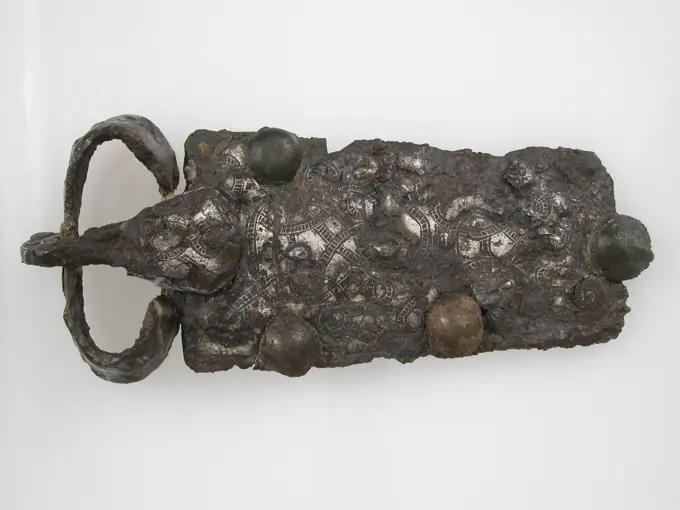
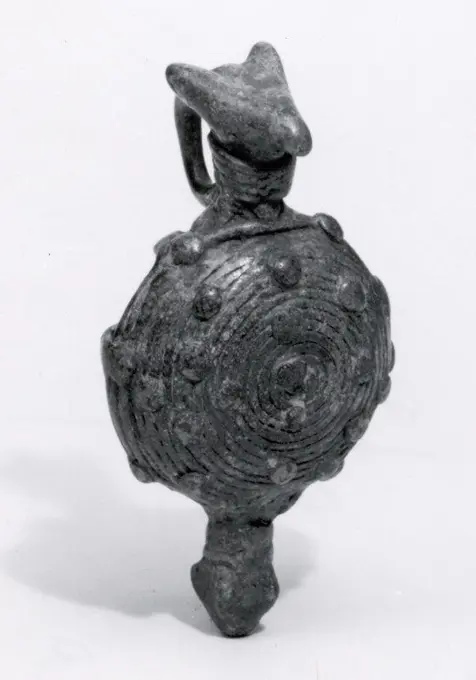
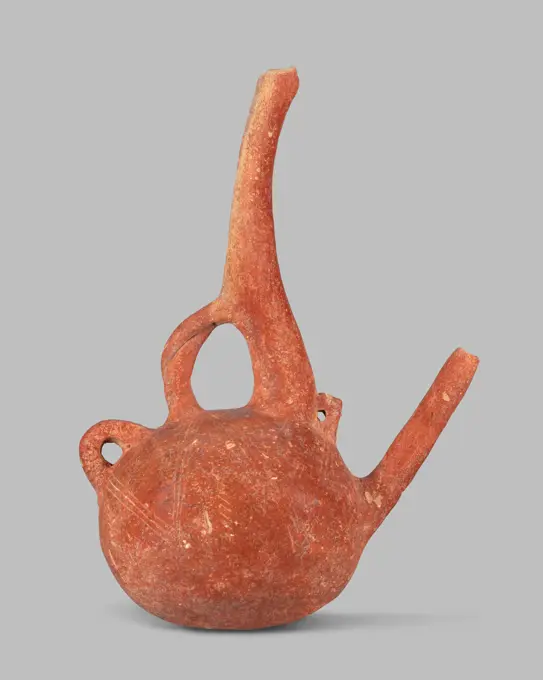
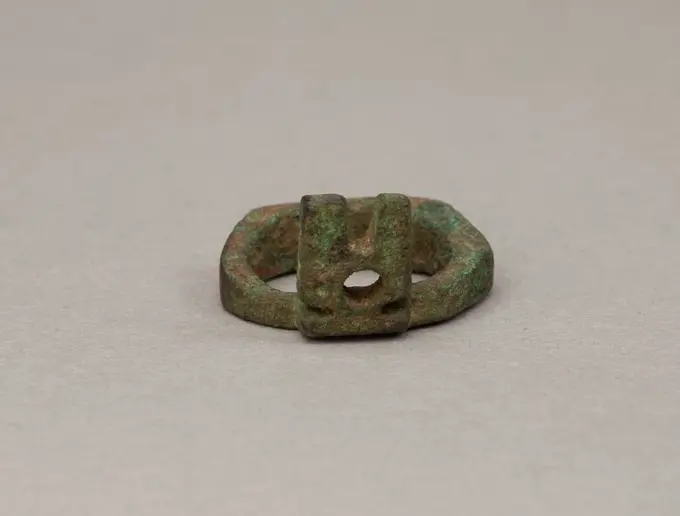
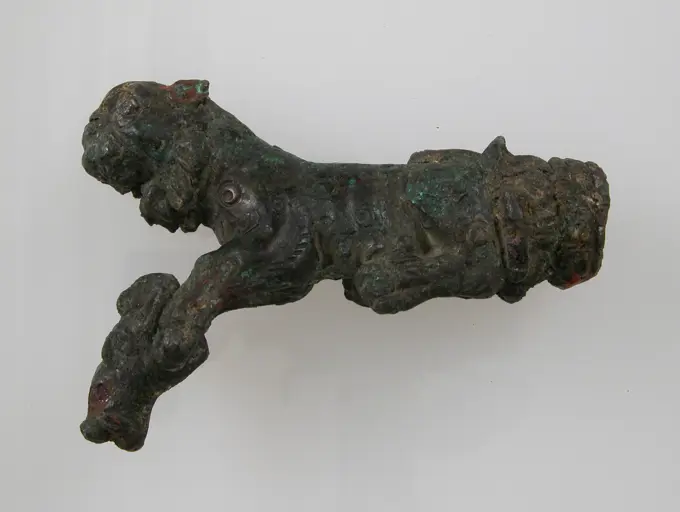
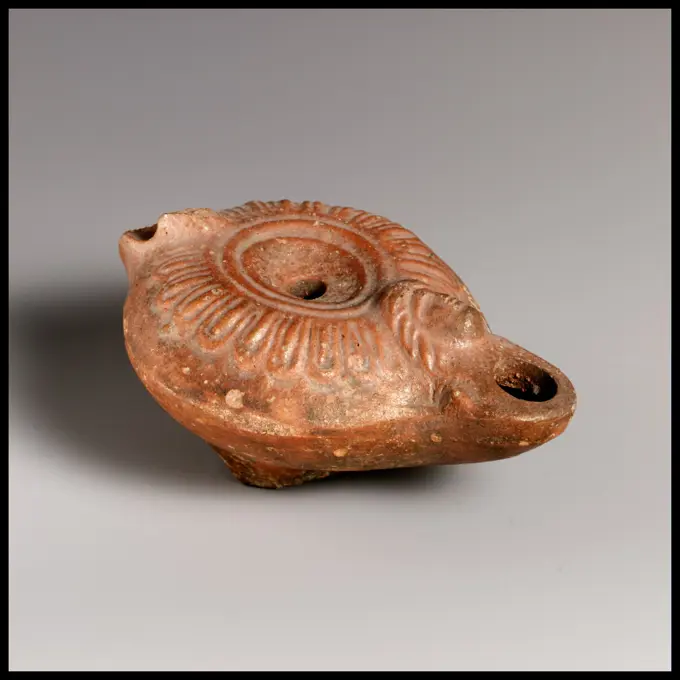
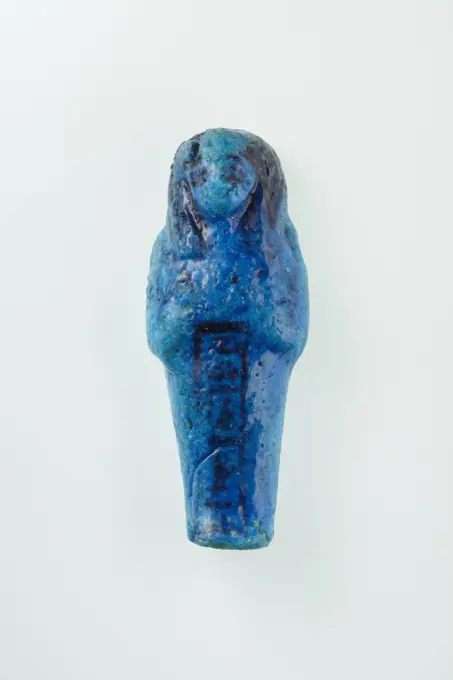
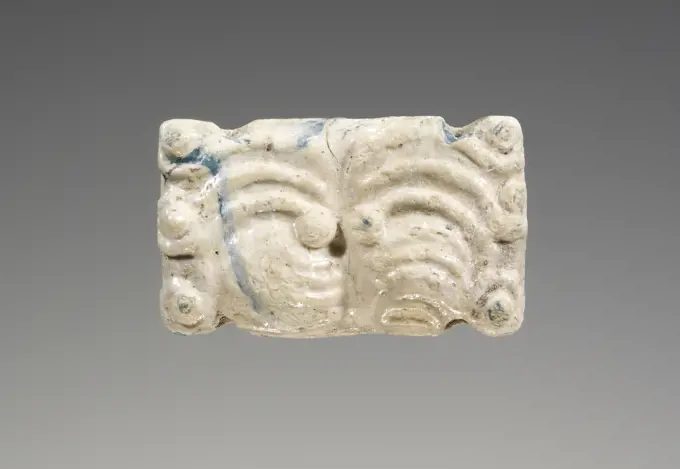
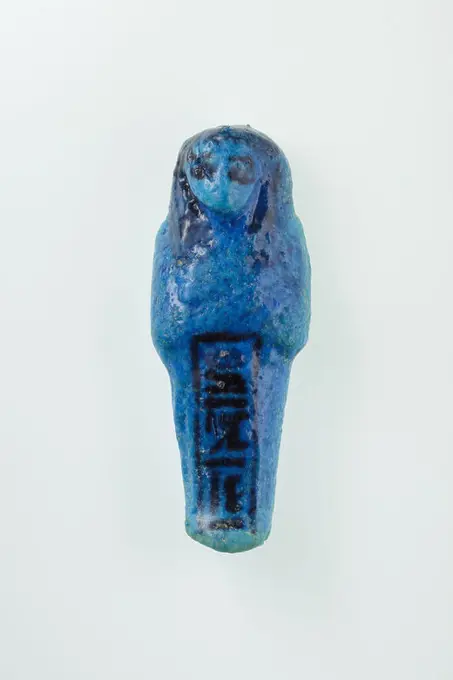
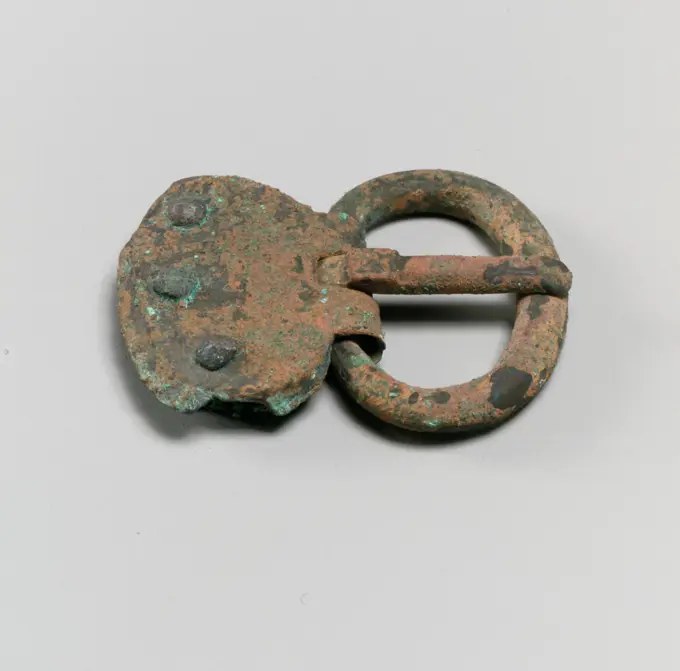
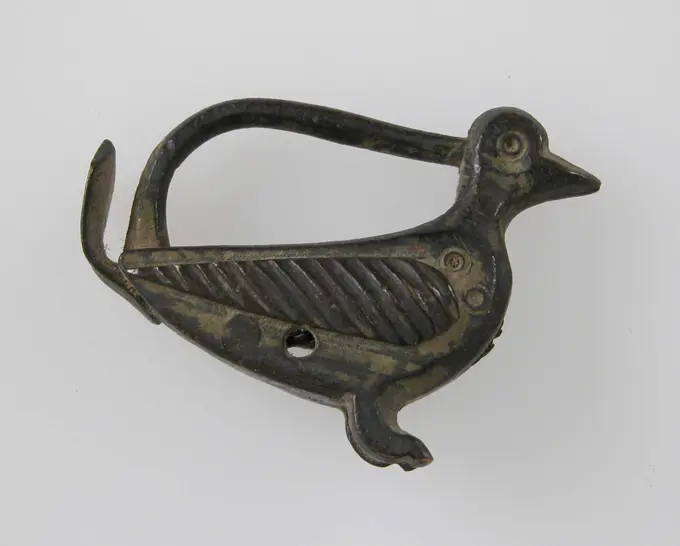
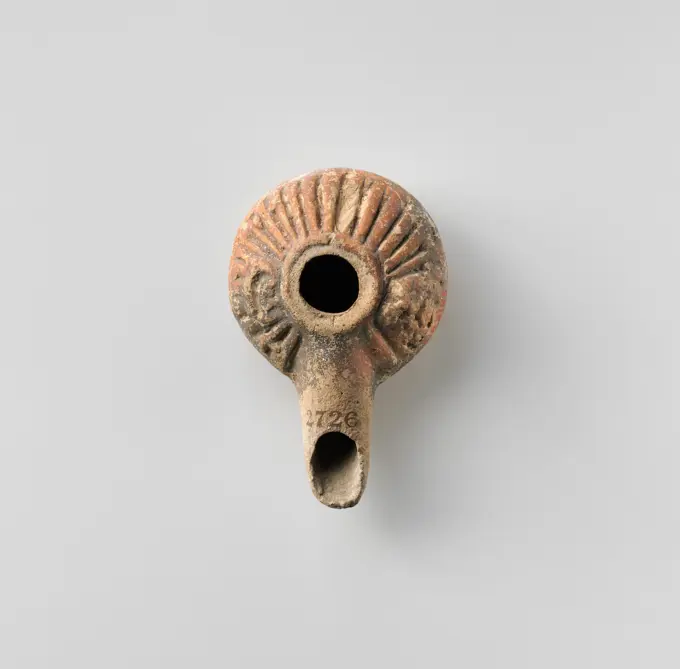
Finial in the Shape of a Tiger's Head 3rd century B.C. China. Finial in the Shape of a Tiger's Head 59548Appliqué in the in the form of a bovine head, one of a pair, 11th century BCE, 3 3/8 × 2 5/8 × 5/8 in., 0.2 lb. (8.5 × 6.7 × 1.6 cm, 0.1 kg), Bronze, China, 11th century BCEButton, conical with ribs and a leafy eye. Knot, conical shape with six ribs that come together in a point and a leafy eye.Brooch with Boars-Head late 8th century Vendel. Brooch with Boars-Head 466249Crescent Ornament 6th-7th century Moche (Loma Negra). Crescent Ornament. Moche (Loma Negra). 6th-7th century. Copper. Peru. Metal-OrnamentsLead figure of a warrior with a helmet, shield, and spear 6th-5th century B.C. Greek, Laconian Small flat votive figurines of cast lead have been found in great quantities at the ancient sanctuaries of Laconia; over one hundred thousand, dating from the seventh century B.C. to the Classical period, were dedicated to the goddess Artemis Orthia in Sparta.. Lead figure of a warrior with a helmet, shield, and spear 251629 Greek, Laconian, Lead figure of a warrior with a helmet, shield, and spear, 6th5th century B.C., Lead, Height: 2 1/4 in. (5.7 cm). The Metropolitan Museum of Art, New York. Gift of A. J. B. Wace, 1924 (24.195.63)Key Latch 1st-7th century Roman. Key Latch 462939Rectangular Plaque middle of the 6th century Frankish. Rectangular Plaque. Frankish. middle of the 6th century. Copper alloy. Made in Niederbreisig, Germany. Metalwork-Copper alloyFigurine of Horus the Child on the Stylized Legs of His Mother Isis. Late Period - Ptolemaic Period (664 - 30 BCE). Sculpture. BronzeBelt Buckle Loop. Culture: Frankish. Dimensions: Overall (attached with x.209.4, .38, .48): 4 13/16 x 2 5/16 x 7/8 in. (12.2 x 5.9 x 2.2 cm)Overall (.38 loop only): 2 5/16 x 1 5/16 x 1/2 in. (5.9 x 3.3 x 1.2 cm). Date: 4th-7th century. Museum: Metropolitan Museum of Art, New York, USA.OillampAmulet of the God Shu 1070 BCE-656 BCE Egypt. Faience . Ancient EgyptianKey handle, c. 1400 - c. 1950 Key handle and palm shape. Battered here (shaft and beard are missing). Rome bronze (metal) Key handle and palm shape. Battered here (shaft and beard are missing). Rome bronze (metal)Votive liver, bronzeVessel, 1st-4th century, 2 x 3/4 x 3/4 in. (5.1 x 1.9 x 1.9 cm), Cut glass, Egypt, 1st-4th centuryBelt Ornament Middle of the 6th century Frankish. Belt Ornament 465600 Frankish, Belt Ornament, Middle of the 6th century, Copper alloy, Overall: 1 13/16 x 1 x 3/8 in. (4.6 x 2.6 x 1 cm). The Metropolitan Museum of Art, New York. Gift of J. Pierpont Morgan, 1917 (17.193.273)Miniature figurine, 1500 BCE, 1 3/4 in. (4.4 cm), Earthenware, Mexico, Pre-ClassicBronze fibula (safety pin) with amber segment 7th century B.C. Etruscan Segment of amber on the bow.. Bronze fibula (safety pin) with amber segment. Etruscan. 7th century B.C.. Bronze. Late Geometric. BronzesKey-Handle 1st-7th century Roman. Key-Handle 462913Standing Sphinx Figurine. Egypt, Late Period to Ptolemaic Period (664 - 30 BCE). Sculpture. BronzeFitting 11th-10th century B.C. China. Fitting 61293Naviform fibula, era of the Tène (attributed title). Bronze. Carnavalet museum, history of Paris.Figure of Bird 3rd-12th century. Figure of Bird 446669Openwork Pinhead. Iran, Luristan, Luristan bronzes, circa 1000-650 B.C.. Jewelry and Adornments; pins. Bronze, castBow Fibula. Greek; Thessaly. Date: 800 BC-700 BC. Dimensions: 3.2 x 5.4 x 1.1 cm (1 1/4 x 2 1/8 x 7/16 in.). Bronze. Origin: Greece. Museum: The Chicago Art Institute, Chicago, USA. Author: ANCIENT GREEK.Worker Shabti of Nauny ca. 1050 B.C. Third Intermediate Period See 30.3.27.1a, b. Worker Shabti of Nauny. ca. 1050 B.C.. Faience. Third Intermediate Period. From Egypt, Upper Egypt, Thebes, Deir el-Bahri, Tomb of Meritamun (TT 358, MMA 65), first corridor, burial of Nauny, MMA excavations, 1928-29. Dynasty 21Taweret Amulet ca. 1390-1353 B.C. New Kingdom. Taweret Amulet. ca. 1390-1353 B.C.. Faience. New Kingdom. From Egypt, Upper Egypt, Thebes, Malqata, Palace of Amenhotep III, MMA excavations, 1911-12. Dynasty 18Rectangular Plaque middle of 6th century Frankish. Rectangular Plaque 464929 Frankish, Rectangular Plaque, middle of 6th century, Copper alloy, Overall: 13/16 x 11/16 x 3/16 in. (2 x 1.8 x 0.5 cm) b-applied plaque: 1/2 x 1/2 x 1/16 in. (1.2 x 1.2 x 0.2 cm). The Metropolitan Museum of Art, New York. Gift of J. Pierpont Morgan, 1917 (17.191.227)Double Birds on Knobbed Pole 800 BCE-600 BCE Thessaly. This precious bronze object is a votive, or devotional gift, made as an offering to the gods. They come in many forms, such as animals, beads and brooches. Many seem once to have been attached to something else. Votives were hung from sacred trees or placed in sanctuaries around Greece. Once a shrine was full, the votives were ceremonially buried to make room for more offerings.. Bronze . Ancient GreekSharf red -baking earthenware with decoration in yellow and green, anonymous, 1500 - 1699  Majolic screen. Northern Netherlands earthenware. glazeFibula Italic. Fibula 251340 Italic, Fibula, Bronze, H.: 7/8 x 1 1/2 in. (2.2 x 3.8 cm). The Metropolitan Museum of Art, New York. Purchase, 1923 (23.138.3)Boat;  around 1069 656 BC ; 3rd passing period (-1069-00-00--656-00-00);Two bronze handle attachments ca. 2nd century A.D. Roman The handles once decorated the side of a situla (wine bucket), and the wreathed mask in high relief may be identified as that of Dionysus.. Two bronze handle attachments 255175 Roman, Two bronze handle attachments, ca. 2nd century A.D., Bronze, H. 7/16 in. (8.8 cm). The Metropolitan Museum of Art, New York. Gift of Miriam Schaar Schloessinger, 1964 (64.206.1, .2)Standing FigureFibula, boat-shaped type 6th-4th century B.C. Italic The bow is solid and decorated on its upper surface with a series of ridges.. Fibula, boat-shaped type 246339Terracotta oil lamp 1st half of 1st century A.D. Roman, Cypriot Loeschcke Type 1A. Mold-made. Discus: a rhinoceros stands, facing right, tossing with its horn a large cat, probably a lion, while a small animal, possibly meant to be a baby rhino, hides in a tree behind and above; a single filling hole below the rhinoceros's belly, with a band of lines and grooves around edge. Volutes flanking angular nozzle. Raised base ring, outlined by two incised circles, and a flat base with the marker's mark impressed across it, reading in Latin: FAVSTI.Intact.On the discus a rhinoceros is shown tossing with its horn a large cat, probably a lion, while a small animal, possibly meant to be a baby rhino, hides in a tree behind. The rhinoceros, unknown in the Mediterranean world before Roman times, is only rarely depicted in Roman art and on coins; it is shown, for example, on the Roman mosaic from Lod, Israel. The base is inscribed FAVSTI (of the lamp maker Faustus); he seems to have worked in ItalTaught. Two felines faced. LURISTAN. 1000-750 BC. J-C. Paris, Cernuschi museum. 35176-4 Face, Iron Age, Brand, FelinPendant: Female Head. UnknownPlastic Askos. UnknownStylized Bird: Decorative Inlay for a Box, c. 2000 BC. Israel, possibly Jericho. Bone; overall: 3.4 x 1.9 x 0.3 cm (1 5/16 x 3/4 x 1/8 in.).Glass pendant in the form of a demonic mask. Culture: Phoenician. Dimensions: H.: 7/8 in. (2.2 cm). Date: 6th-5th century B.C..Semi-opaque deep yellow brown, appearing black, with additions in opaque yellow and translucent cobalt blue.Conical, splayed at bottom with rounded edge; rod hole underneath.Applied large arched eyebrows in yellow, eyes as blue knobs applied over large yellow circles, and yellow edge at bottom, extending round back edge.Large chip on front edge, suspension loop missing, and chip on face between eyes (perhaps nose missing); slight dulling and weathering, withencrustation inside rod hole. Museum: Metropolitan Museum of Art, New York, USA.Shawabty of Ditamenpaankh, 715-656 BC. Egypt, Late Period, Dynasty 25. Terracotta; overall: 6.7 x 2.6 x 1.8 cm (2 5/8 x 1 x 11/16 in.). High demand for shawabtys in the Late Period, a time when as many as 400 or more shawabtys were placed in the tomb with the deceased, gave rise to a specialized container for storing them: the shawabty box. This example is inscribed for the lady of the house, Ditamenpaankh, and was probably one of a pair originally made for her. The single-masted boat on the box's lid is perhaps an allusion to the pilgrimage of the deceased to the holy city of Abydos, the cult city of Osiris, king of the dead. The shawabtys inside are crude, mass-produced examples cast in an open mold. Made of terracotta, their blue paint imitates more costly shawabtys made of faience. As for the shawabty spell, it has been removed from its traditional location on the shawabty's front and relocated onto the sides of box, where it needed only to be written once, thus expediting productFead of a WomanPlaque or Button. Western Inner Mongolia and northern China, 5th-3rd century B.C.. Jewelry and Adornments; plaques. Bronze, castLead figure of a warrior with a helmet and shield 6th-5th century B.C. Greek, Laconian Small flat votive figurines of cast lead have been found in great quantities at the ancient sanctuaries of Laconia; over one hundred thousand, dating from the seventh century B.C. to the Classical period, were dedicated to the goddess Artemis Orthia in Sparta.. Lead figure of a warrior with a helmet and shield. Greek, Laconian. 6th-5th century B.C.. Lead. Archaic. Miscellaneous-LeadBull-Head Pendant, 1766-1122 BCE, 2 3/4 x 1 13/16 x 5/16 in. (6.99 x 4.6 x 0.71 cm), Grey-blue jade with calcification and traces of red pigment, China, 18th-12th century BCECeremonial Knife (Tumi) 3rd century B.C.-A.D. 2nd century Vicús (). Ceremonial Knife (Tumi) 315243Spindle Whorl, 700s - 900s. Iran, early Islamic period, 8th - 10th century. Bone, incised; overall: 1.6 x 1.3 x 1.3 cm (5/8 x 1/2 x 1/2 in.).Pendant ca. 8th-7th century B.C.. Pendant 326612Amulet - plaque with God heh;  664-332 BC ; Half period (-664-00-00--332-00-00);Su (Mitol.)Pendant. Iran, no date. Jewelry and Adornments; pendants. Bronze, castCopper Disk Ornament with Triangles 10th-15th century Peruvian. Copper Disk Ornament with Triangles 315370Prehistory, Sweden, Bronze Age. Bronze female figurine from Ingelstad (Scania), 1500-500 b.C.Woodwater bin from stoneware. Woodwater bin from stoneware. Three flowers on the back plate. On the bowl of the cross and IHS in a gloria between flowers and two angel heads.Pottery Whistle. Culture: Costa Rican. Dimensions: H: 44mm; W: 45cm; L: 46mm; Wt: 32g.. Date: ca. 800-1525. Museum: Metropolitan Museum of Art, New York, USA.Finial. Iran, Luristan, Luristan bronzes, circa 1000-650 B.C.. Architecture; Architectural Elements. Bronze, castBird. Culture: China. Dimensions: H. 3 1/4 in. (8.3 cm). Museum: Metropolitan Museum of Art, New York, USA.Horse Bit. Iran, Luristan, Luristan bronzes, circa 800-600 B.C.. Tools and Equipment; horse trappings. Bronze, castGold Belt Mount (Miscast and Unfinished) 700s Avar The treasure contains an array of belt fittings, some elaborately decorated, some unfinished or defectively cast. Some show no signs of use, while others are quite worn.The AvarsThe Avars were a nomadic tribe of mounted warriors from the Eurasian steppe. The Byzantine emperor Justinian negotiated with them in the sixth century to protect the Empires northern border along the Black Sea. Emboldened by their subjugation of numerous tribes, they unsuccessfully attempted to seize the Empires capital, Constantinople. They remained a scourge of both Byzantium and the Western kingdoms until Charlemagne defeated them through a series of campaigns in the 790s and early 800s.All the money and treasure that the Avars had been years amassing was seized, and no war in which the Franks have ever engaged.. brought them such riches and such booty. Up to that time the Avars had passed for a poor people, but so much gold and silver was found.. that oneVase; glass; H: 12 cm (4 3/4 in.)Belt Buckle (Human Head). Iran, circa 150 B.C. - A.D. 225. Costumes; Accessories. BronzeBronze sword hilt, from Ancona, Marche, Italy. Italic Civilization, 9th Century BC.Boat;  3rd passing period (-1069-00-00--747-00-00);Daszewski, Wiktor A. (1936-), Daszewski, Wiktor A. (1936-)-collection, gift (provenance)Faience amulet ca. 1090-900 B.C. Egyptian Symbolic objects used for amulets include a menat-pendant, the djed-sign, and a papyrus capital, all common in Egyptian architecture. A pectoral used on mummies, a bunch of grapes or other clusters of fruit, and an inscribed bead are also represented.. Faience amulet 243778One from a Pair of Solid Anklets with Spiral Decoration 300 B.C.-A.D. 400 Thailand. One from a Pair of Solid Anklets with Spiral Decoration. Thailand. 300 B.C.-A.D. 400. Bronze. Late period. JewelryThe Wedjat-Eye, the left eye of the god Horus, symbolising light and provides protection against the evil eye.Fragment of Spatula (Si). China. Date: 1100 BC-1000 BC. Dimensions: 16.3 × 8.6 × 2.1 cm (6 7/16 × 3 3/8 × 13/16 in.). Bone. Origin: China. Museum: The Chicago Art Institute, Chicago, USA.Pendant 6th-8th century Visigothic. Pendant. Visigothic. 6th-8th century. Bronze. Miscellaneous-Buckles & OrnamentPitcher. Ancient Mediterranean. Date: 101 AD-500 AD. Dimensions: 11.4 × 6 × 6 cm (4 1/2 × 2 3/8 × 2 3/8 in.). Glass, blown technique. Origin: Mediterranean Region. Museum: The Chicago Art Institute, FLORENCIA, USA.Shabti. Egyptian; Kaw el-Kebir. Date: 380 BC-343 BC. Dimensions: 11 × 4 × 2.5 cm (4 1/4 × 1 9/16 × 1 in.). Faience. Origin: Egypt. Museum: The Chicago Art Institute, Chicago, USA. Author: Ancient Egyptian.Key Handle 1st-7th century Roman. Key Handle 462901Seated Figure, 100 BC - 300. Mexico, Guerrero, Mezcala. Serpentine; overall: 7.5 x 4.4 x 5.5 cm (2 15/16 x 1 3/4 x 2 3/16 in.).Amulet. Egypt, probably Roman to Coptic Period (200 - 800 CE). Jewelry and Adornments; amulets. BronzeCylinder Seal. Iran, late 2nd-early 1st millennium B.C.. Tools and Equipment; seals. BronzeBelt Buckle 6th-7th century Frankish or Burgundian. Belt Buckle 465300 Frankish or Burgundian, Belt Buckle, 6th7th century, Iron, silver inlay, bronze, Overall: 7 13/16 x 3 1/4 x 1 in. (19.9 x 8.3 x 2.5 cm). The Metropolitan Museum of Art, New York. Gift of J. Pierpont Morgan, 1917 (17.192.232)Amulet of the Goddess Hathor 1550 BCE-332 BCE Egypt. Steatite . Ancient EgyptianKey Handle 1st-7th century Roman. Key Handle 462931Pendant 1st millennium B.C. Iran. Pendant 326614Amulet of a Hedgehog. Egypt, New Kingdon (1569 - 1081 BCE). Jewelry and Adornments; amulets. Faience (pale turquoise blue) flat-bottomedBronze and enamel, rhomboid shaped fibula, Crimea. Scythian Civilization, 1st-3rdCentury.Fibula (leech type). Greek; Thessaly. Date: 800 BC-700 BC. Dimensions: 3.1 x 6.0 x 2.0 cm (1 1/4 x 2 3/8 x 3/4 in.). Bronze. Origin: Thessaly. Museum: The Chicago Art Institute, Chicago, USA. Author: ANCIENT GREEK.Ancestor Figure (Konumb or Atei) 19th century Kopar people The Angoram and Kopar peoples who live along the lower reaches of the Sepik River in northeast New Guinea formerly created distinctive ancestor images (atei) with flat openwork bodies and fully modeled heads. Their bodies are frequently adorned, as here, with images of animals representing totemic species associated with the village clans and, occasionally, with smaller human figures whose significance is uncertain. Erected in lines standing shoulder-to-shoulder within the mens ceremonial house, in the past, the powerful ancestor figures were reportedly consulted before hunting expeditions or raids on enemy villages.. Ancestor Figure (Konumb or Atei) 310071Standing female figure, 200-700, 3 1/8 x 2 x 1 1/8 in. (7.9 x 5.1 x 2.9 cm), Polychromed earthenware, Mexico, 3rd-8th centuryAmulet - HeartA jug with decoration rite; Unknown Cypriot workshop; 2000-1800 BC (-2000-00-00--1800-00-00);Cesnoli-collection, Cyprus, Działyńska, Izabela (1830-1899), Działyński, Jan (1829-1880)Key. Dimensions: Height: 1.3 x W. 2.2 x D. 2.2 cm (1/2 x 7/8 x 7/8 in.). Date: 30 B.C.-A.D. 364. Museum: Metropolitan Museum of Art, New York, USA.Key Handle or Knife Handle 1st-7th century Roman. Key Handle or Knife Handle 462908Terracotta oil lamp 2nd century A.D. Roman Mold-made, with ring handle. Discus: small, plain, concave disk, with a single central filling hole and surrounded by a raised circle flanked by two grooves. On sloping convex shoulder: radiating long tongues, and between discus and nozzle, a head in high profile. Body curves in and joins a projecting, vertical pedestal.Handle broken and mostly missing; pedestal also broken off, revealing the flat bottom of the lamp.. Terracotta oil lamp. Roman. 2nd century A.D.. Terracotta. Mid Imperial. TerracottasWorker Shabti of Nauny ca. 1050 B.C. Third Intermediate Period See 30.3.27.1a, b. Worker Shabti of Nauny. ca. 1050 B.C.. Faience. Third Intermediate Period. From Egypt, Upper Egypt, Thebes, Deir el-Bahri, Tomb of Meritamun (TT 358, MMA 65), first corridor, burial of Nauny, MMA excavations, 1928-29. Dynasty 21Cast Pendant; Greece; about 14th century B.C; Glass; 2.5 cm (1 in.)Worker Shabti of Nany. Dimensions: H. 8.6 × W. 3.2 × D. 2 cm (3 3/8 × 1 1/4 × 13/16 in.). Dynasty: Dynasty 21. Reign: reign of Psusennes I. Date: ca. 1050 B.C..See 30.3.27.1a, b. Museum: Metropolitan Museum of Art, New York, USA.Fragment of a Lamp 13th-14th century. Fragment of a Lamp 442903Buckle With oval rim and rounded back piece with three rivets.. Buckle 246780Bronze angry ring in the shape of a ram cap. Bronze angry ring in the shape of a ram cap.Amulet - Ba. unknown, authorLock 11th century or later Byzantine (). Lock. Byzantine (). 11th century or later. Cast copper alloy. Metalwork-Copper alloySword Guard (Tsuba) ca. 3rd century-538 Japanese A tsuba is a sword guard and part of a sword mounting. It is mounted between the swords blade and grip to protect the users hands.. Sword Guard (Tsuba) 35190Hand guard, anonymous, 1600 - 1699 Rounded rectangular tsuba with irregularly raised edge; At the front in Hon-Zogan two dragons in the middle of stylized clouds; At the rear a dragon in the middle of stylized clouds; The Ryo-Hitsu are filled with Shakudo. Japan iron (metal). gold (metal). bronze (metal) Rounded rectangular tsuba with irregularly raised edge; At the front in Hon-Zogan two dragons in the middle of stylized clouds; At the rear a dragon in the middle of stylized clouds; The Ryo-Hitsu are filled with Shakudo. Japan iron (metal). gold (metal). bronze (metal)Terracotta oil lamp Greek Mold-made. Carinated body. Large central filling hole, surrounded by a narrow rim. Convex-curving shoulder, decorated with a raised circle around discus and radiating, raised lines, with knobs at sides; at left, a small, indistinct creature (scorpion), and at right, a mask (lion's head). Short nozzle, with long wick hole. Undefined, flat base.Intact.. Terracotta oil lamp. Greek. Terracotta. Hellenistic. TerracottasCeremonial Spearhead (Tsukushi Boko) probably 1st-2nd century A.D. Japanese. Ceremonial Spearhead (Tsukushi Boko). Japanese. probably 1st-2nd century A.D.. Bronze. Shafted Weapons