Ancient Decorative Finials

Artifacts including bronze ornaments and buttons shaped like animals, showcasing ancient craftsmanship and design.

Appliqué in the in the form of a bovine head, one of a pair, 11th century BCE, 3 3/8 × 2 5/8 × 5/8 in., 0.2 lb. (8.5 × 6.7 × 1.6 cm, 0.1 kg), Bronze, China, 11th century BCE
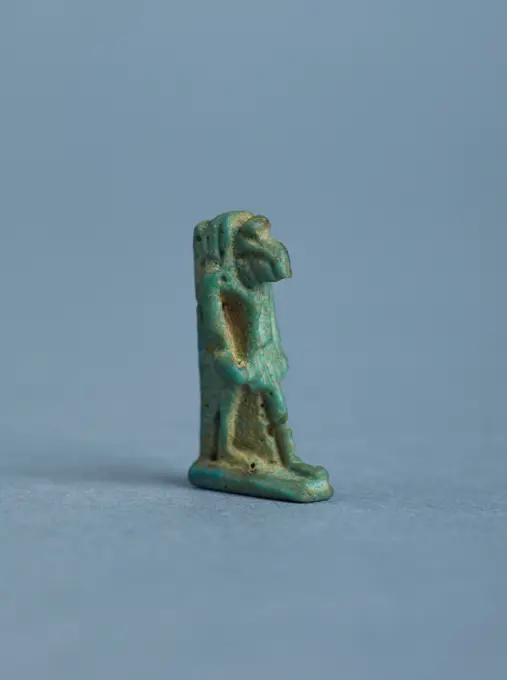
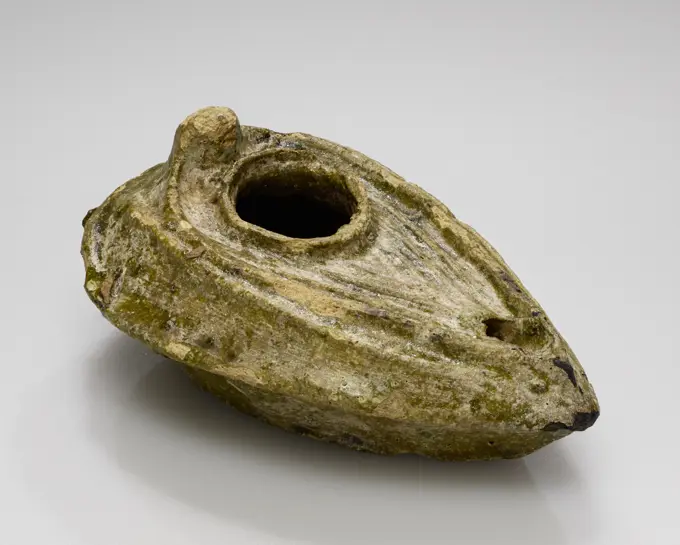
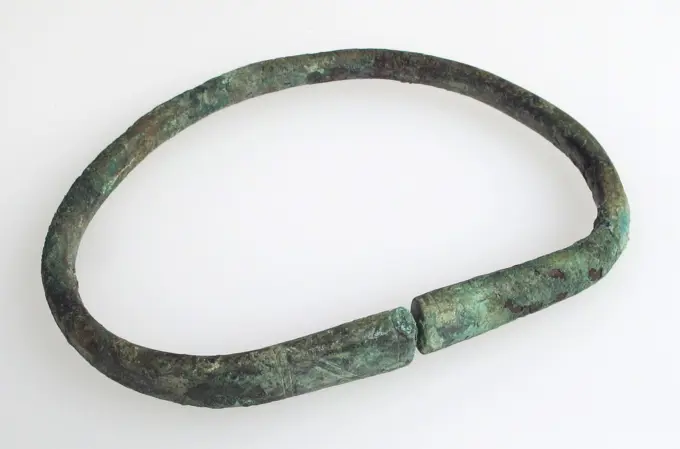
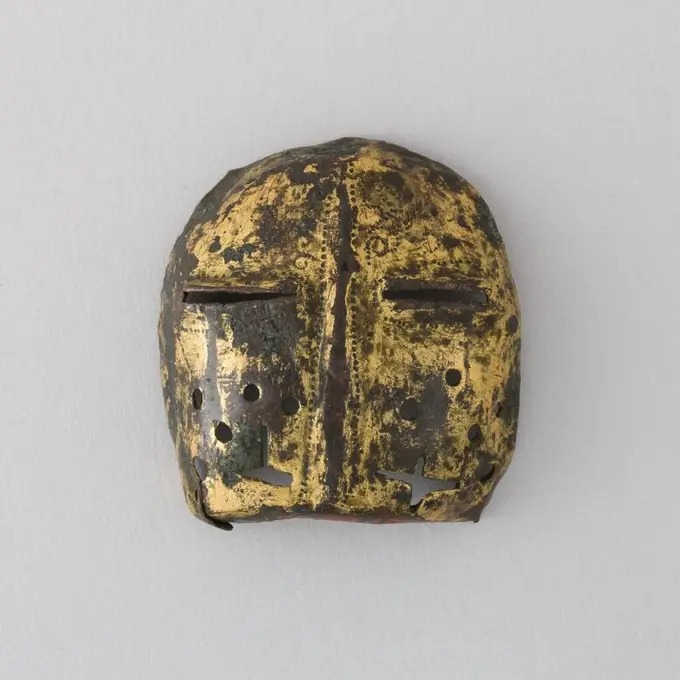
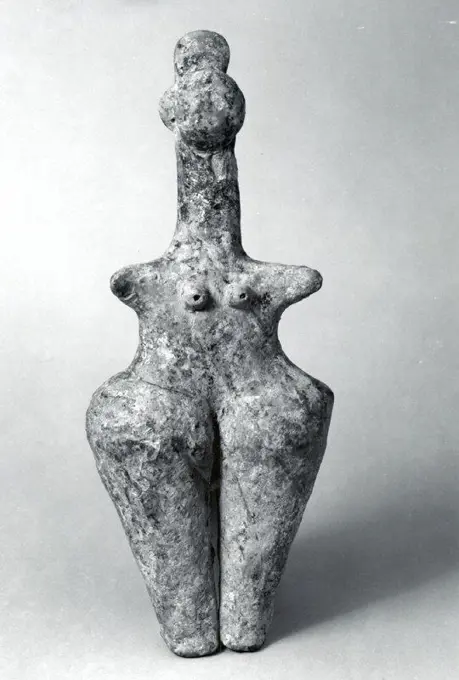
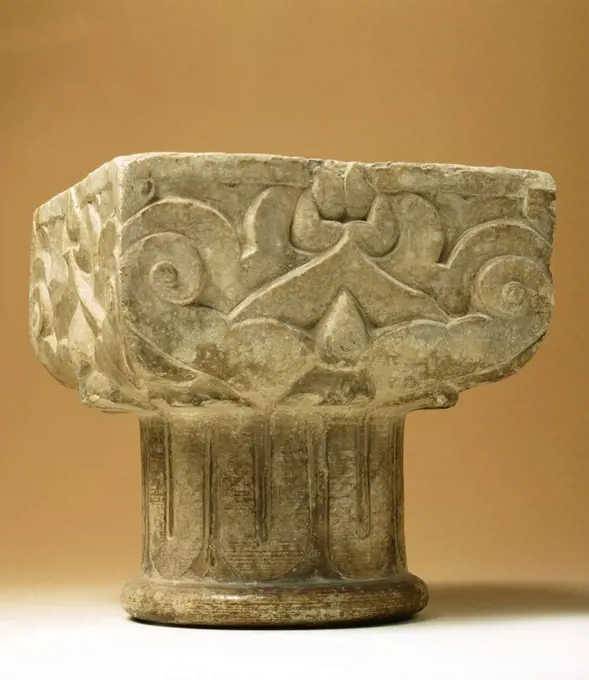
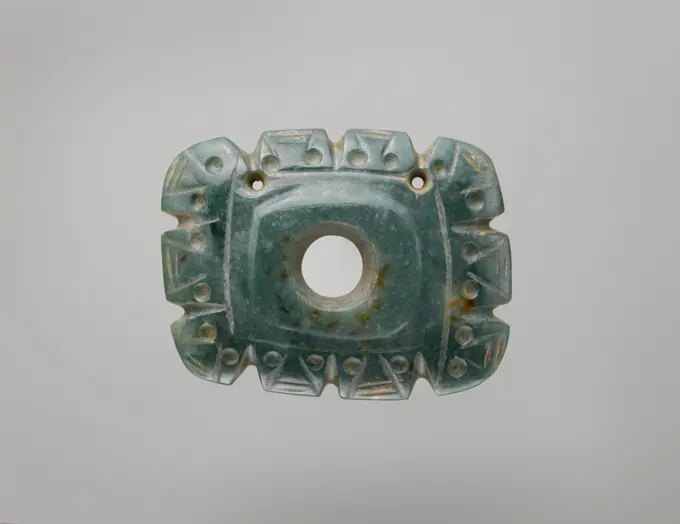
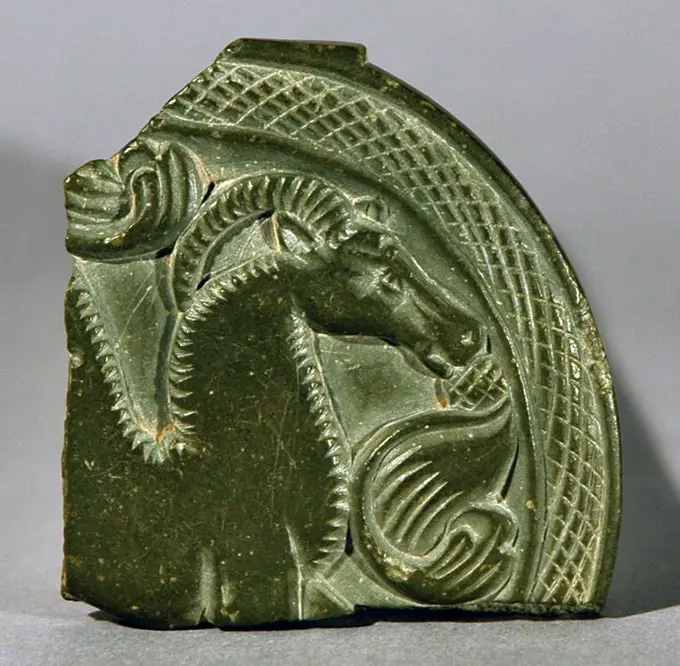
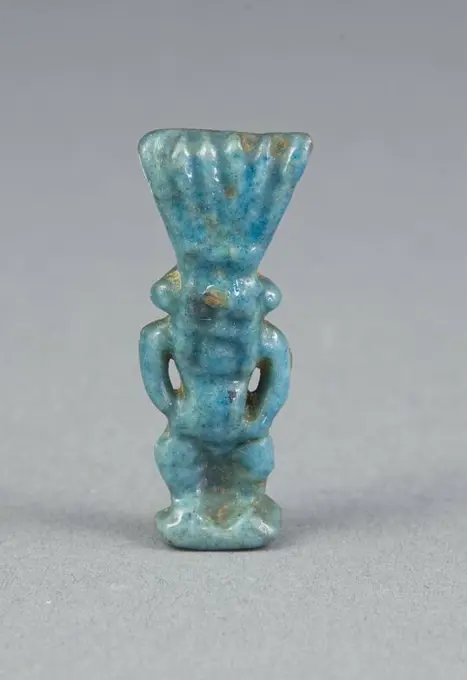
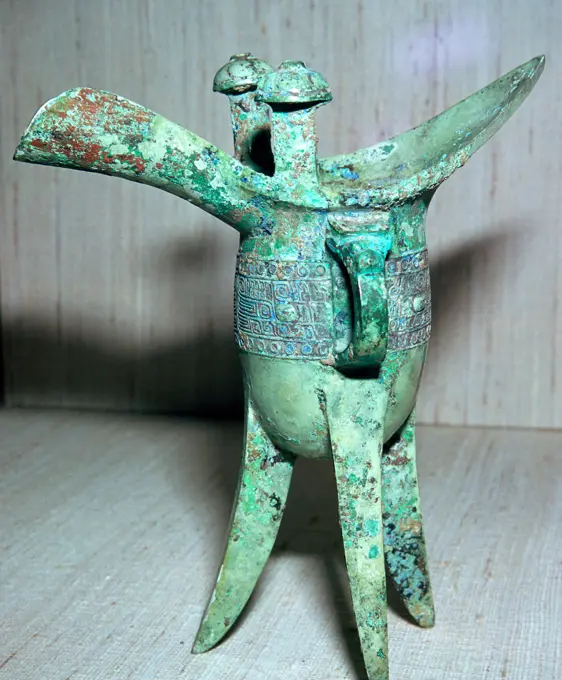
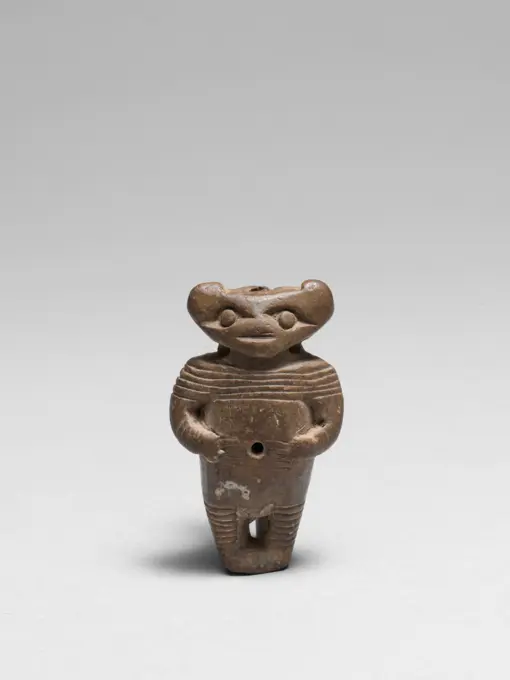
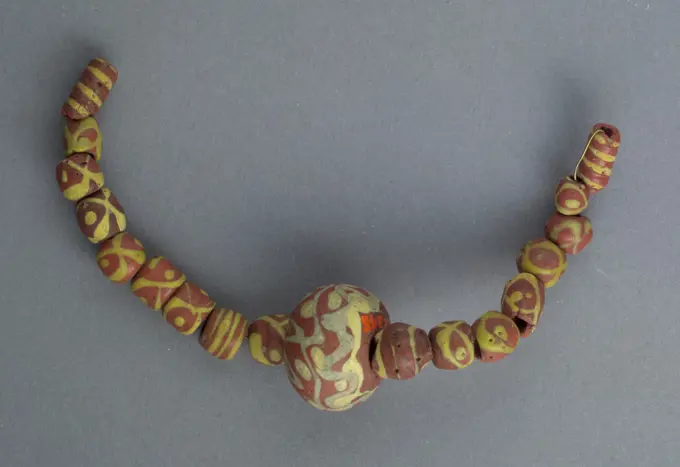
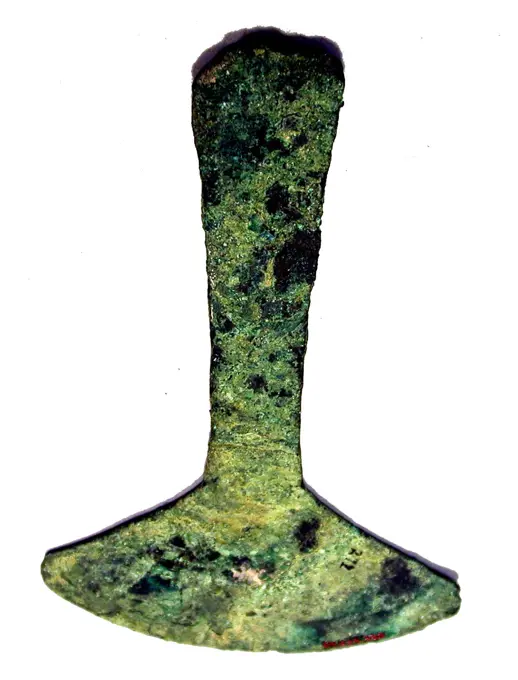
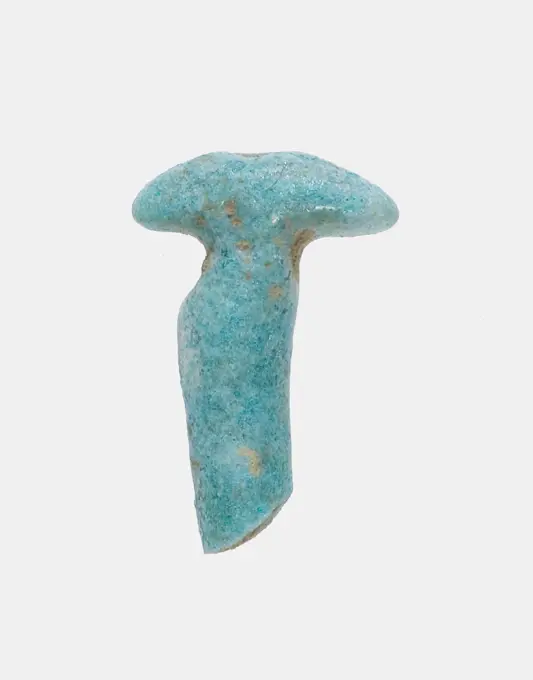
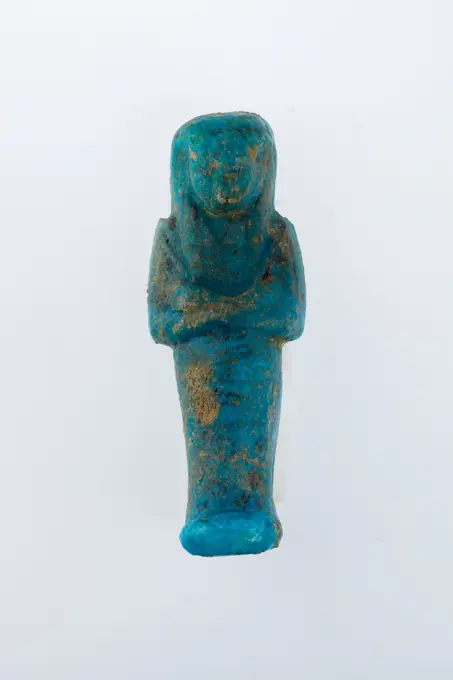
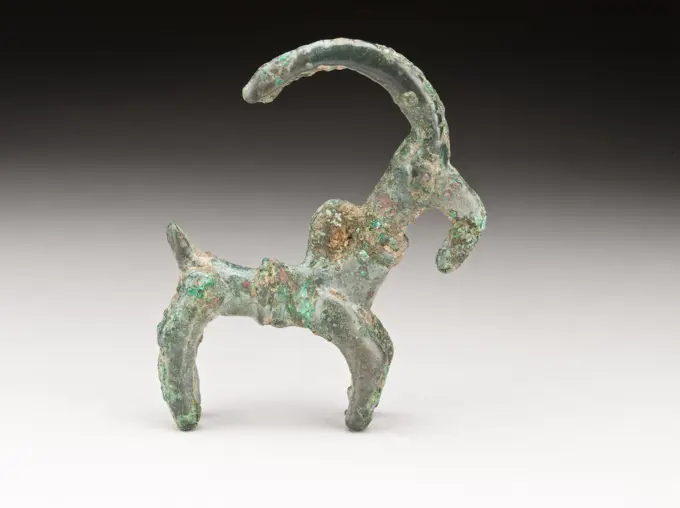
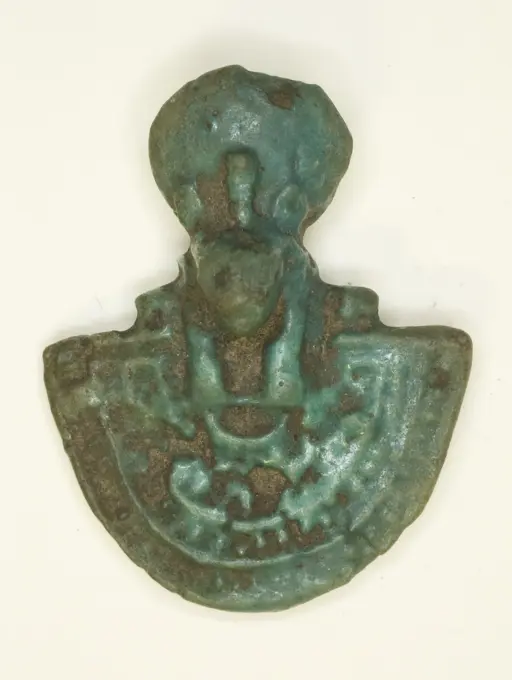
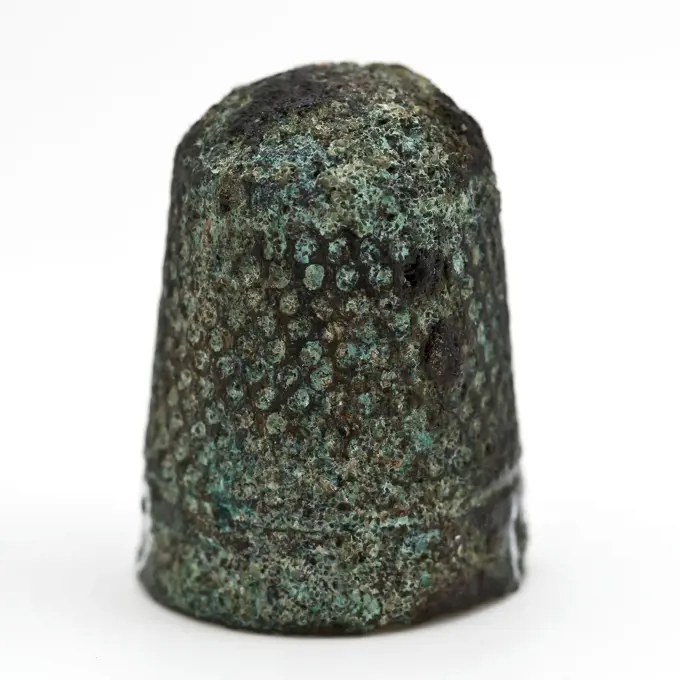
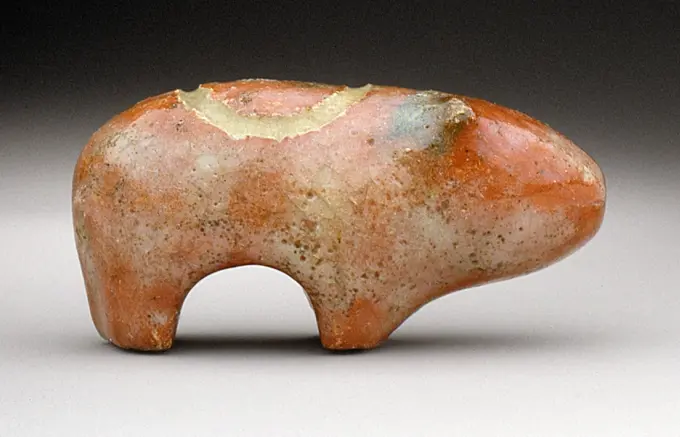
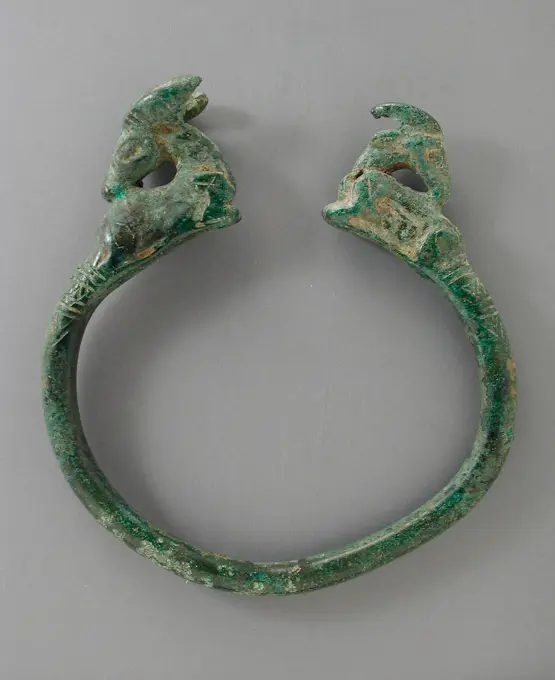
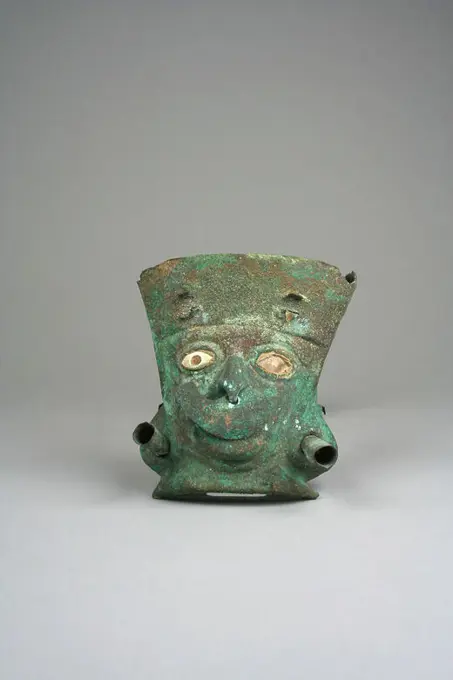
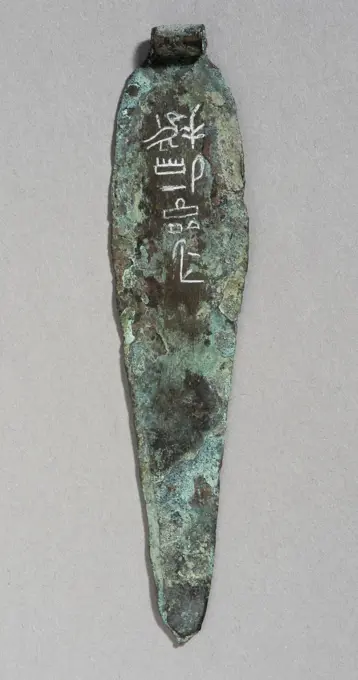
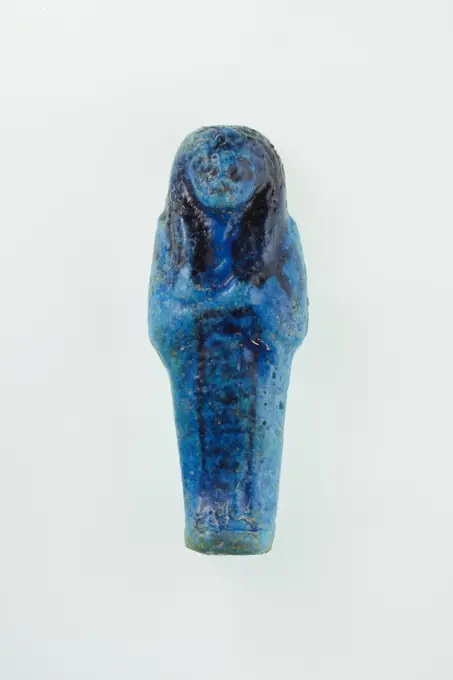
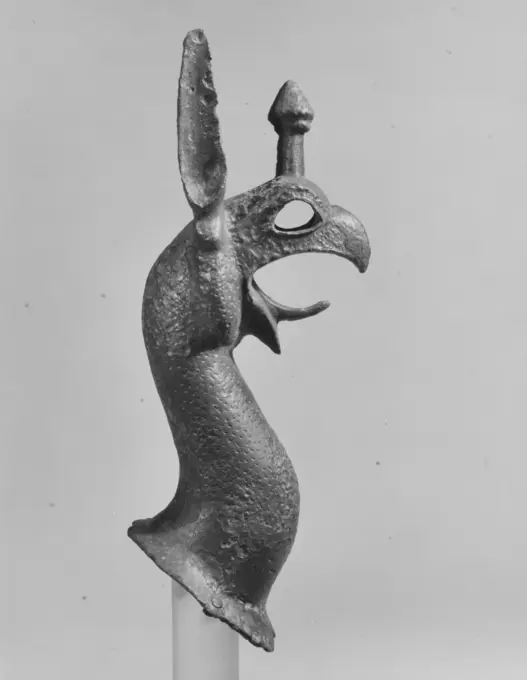
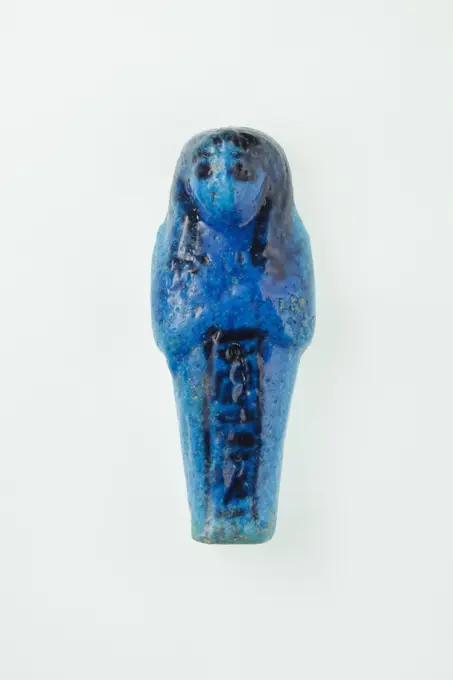
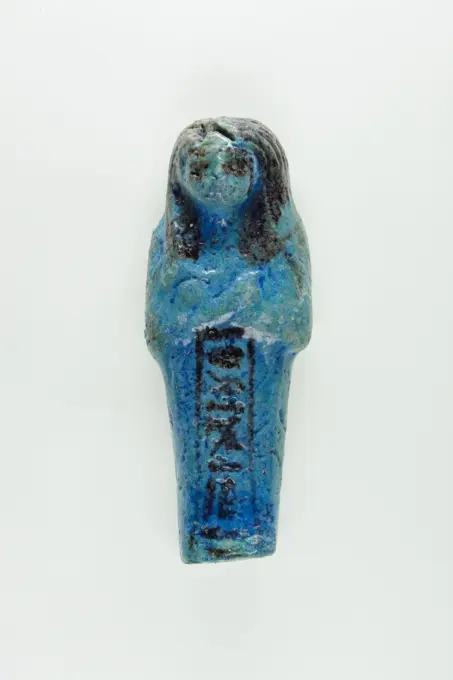
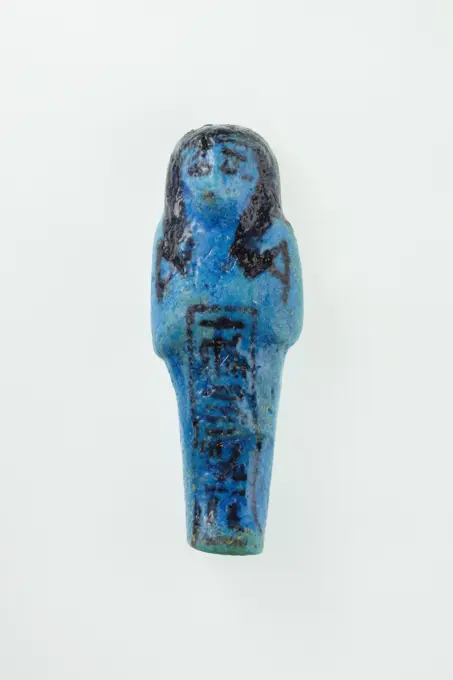
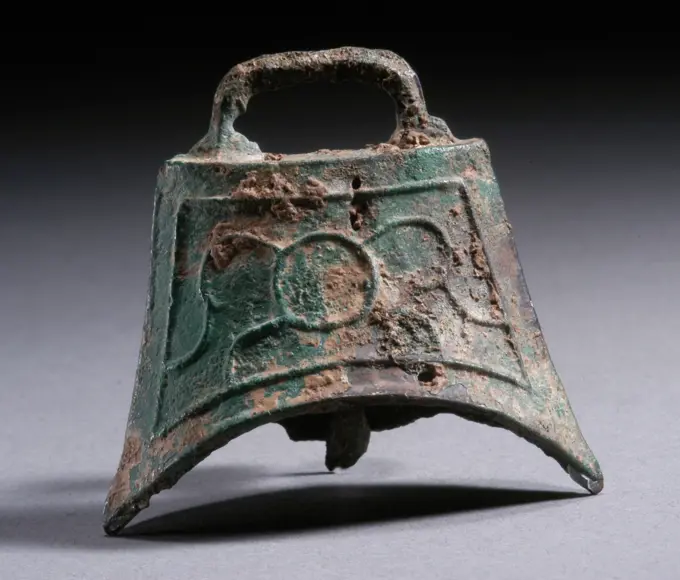
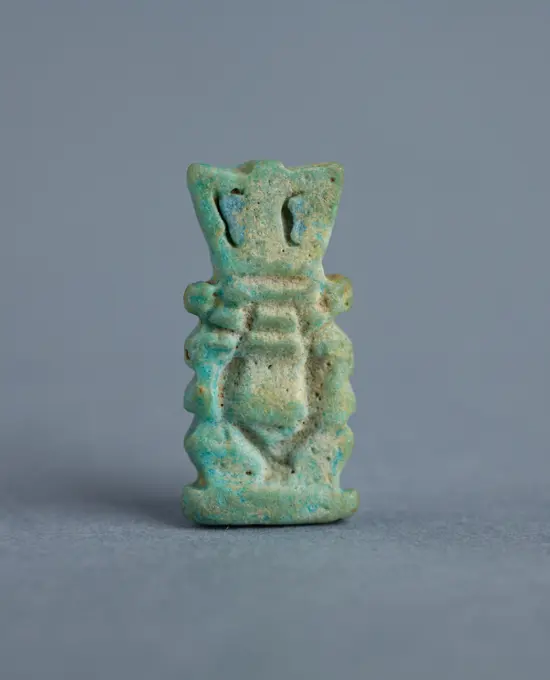
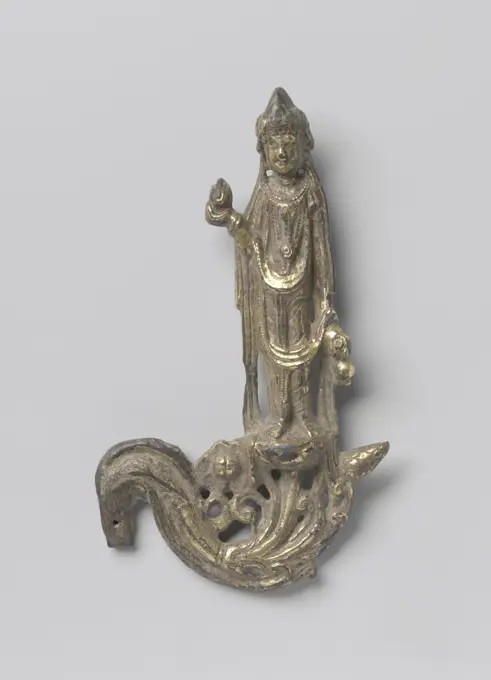
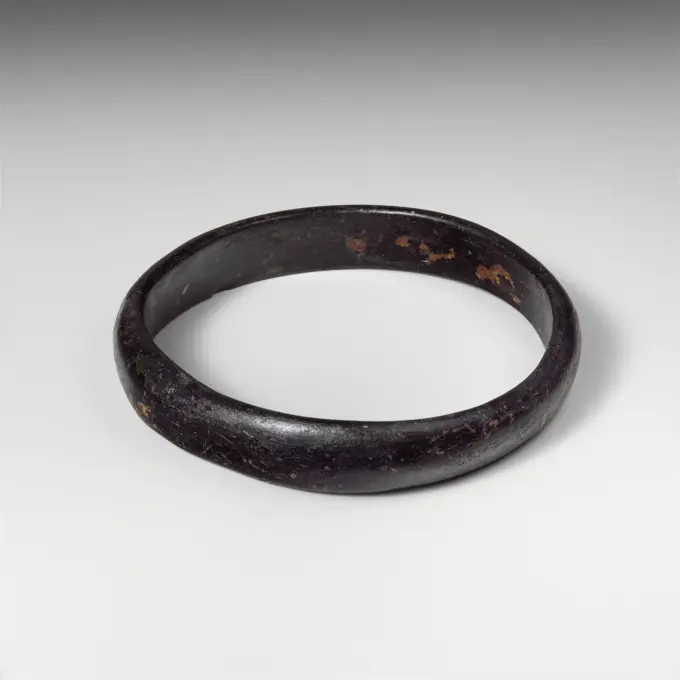
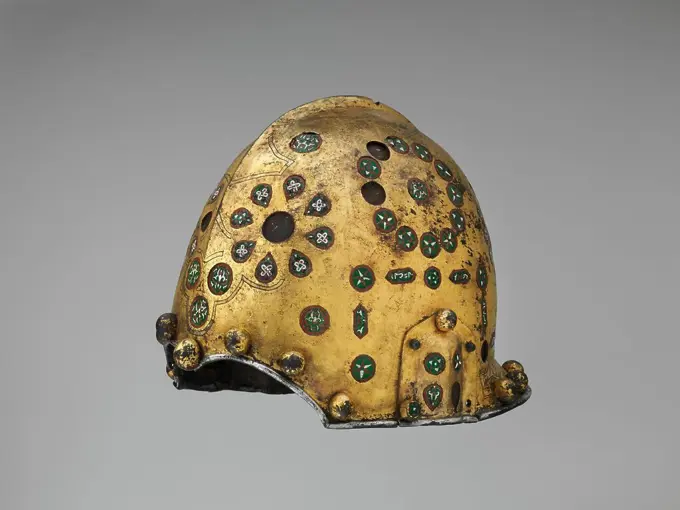
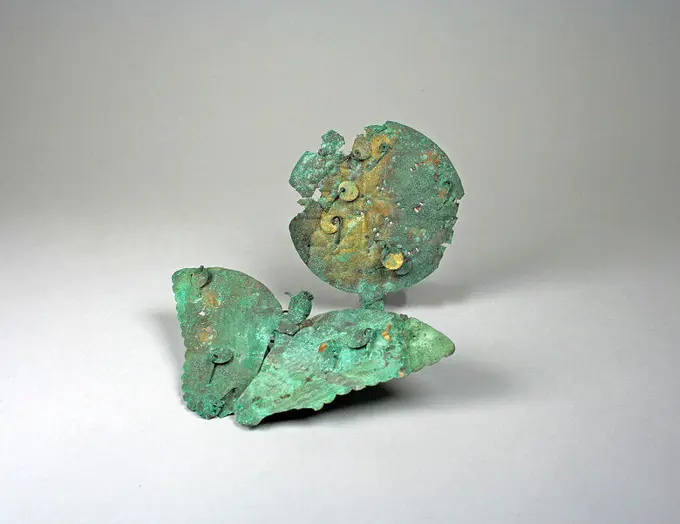
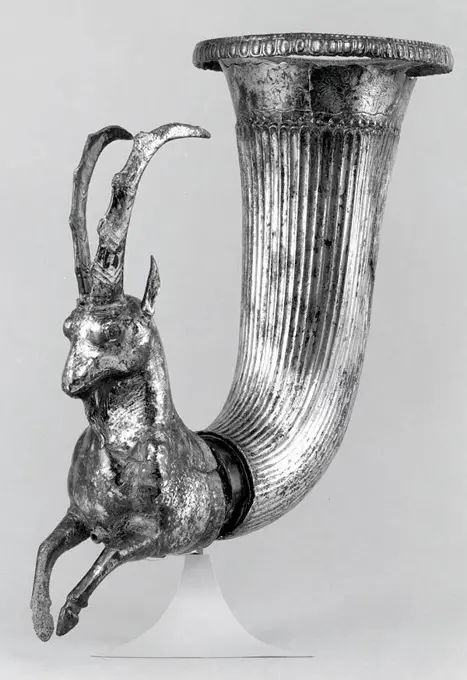
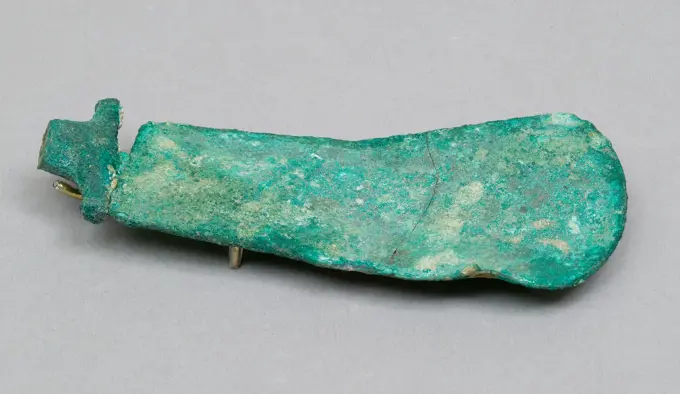
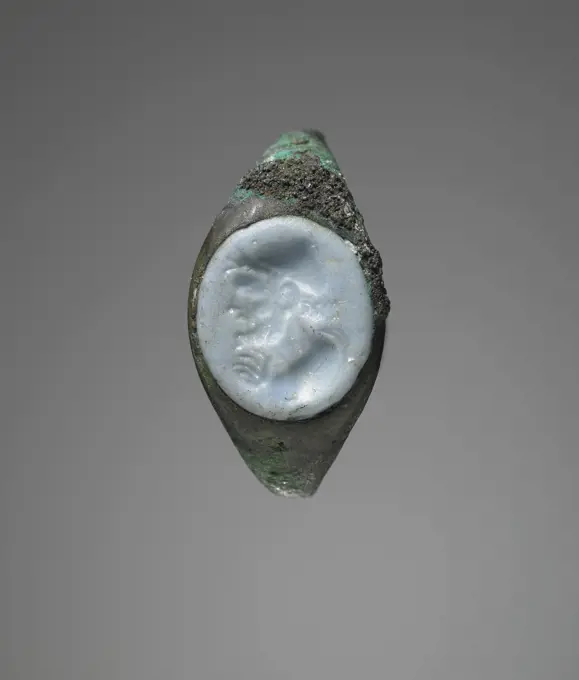
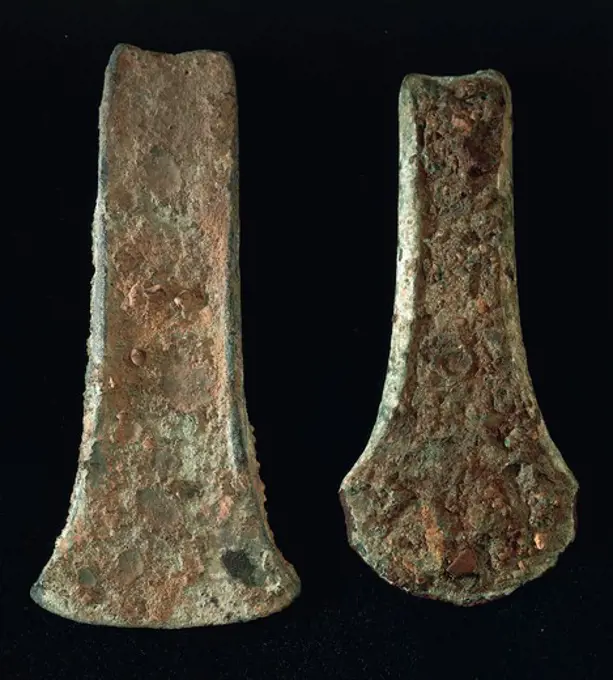
Ornamental Knife 15th-16th century Inca. Ornamental Knife 312726Axle Heads and Pins. Culture: China. Dimensions: H. 2 1/4 in. (5.7 cm). Museum: Metropolitan Museum of Art, New York, USA.Figurine. Greece, Mycenean, circa 1400-1300 B.C.. Sculpture. Ceramic with painted slip decorationFibula, fragment Greek, Cypriot. Fibula, fragment 244428Amulet - ThotBead and Pendant Necklace. UnknownLamp. UnknownAskos;  5th century BC (-500-00-00--401-00-00);Armlet 5th century B.C. Celtic. Armlet 465437 Celtic, Armlet, 5th century B.C., Copper alloy, Overall: 3 3/16 x 2 1/2 x 1/4 in. (8.1 x 6.4 x 0.7 cm). The Metropolitan Museum of Art, New York. Gift of J. Pierpont Morgan, 1917 (17.193.13)Visor of a Miniature Helm. Culture: French. Dimensions: H. 2 13/16 in. (7.1 cm); W. 2 in. (5.1 cm); thickness 7/8 in. (2.2 cm); Wt. 1.4 oz. (39.7 g). Date: end of 13th century. Museum: Metropolitan Museum of Art, New York, USA.Ornament of Horse Trapping 14th century Spanish. Ornament of Horse Trapping. Spanish. 14th century. Bronze, patina. Miscellaneous-Buckles & OrnamentCandlestick: knight with dragon, anonymous, c. 1200 - c. 1250 On the high -hearted back of the dragon there is a male between rankwork, the swiveling curls of which end in leaves. At the top the rankwork turns into a lobed fat catcher with a candle pin. The fat catcher is smooth at the bottom and is engraved above double -mine. The neck resting on a reinforcement is turned so that the dragon's head provided with the trunk of the animal rests with two ears. The tail is also formed by a head with two ears, as well as by two legs. The details are roughly out. The back of the dragon shows two openings, which extends the rankwork. On the inside of the back there are two remains of casting needles. The Stameinde is (at the time) re -confirmed with Tinsolder. Hildesheim copper alloy casting / engraving / soldering On the high -hearted back of the dragon there is a male between rankwork, the swiveling curls of which end in leaves. At the top the rankwork turns into a lobed fat catcher with a cFigurine 1st millennium B.C. Iran. Figurine 325581CAPITEL NAZARI. Nº INV. 199. MUSULMAN. (EXPOSICION :ARTE ISLAMICO ESPAÑOL)(DEPOSITO: MUSEO DE GRANADA ).Mount for a Belt Buckle() with Ram's Heads; Central Asia; 100 B.C.-A.D. 50; Gold and inlaid stones; 5.2 × 4.9 × 2 cm (2 1,16 × 1 15,16 × 13,16 in.)Lamp 5th-6th century Small earthenware lamps, made from double molds, were the most commonly used source of light in daily Coptic life. A wick produced from plant fiber or linen fabric was placed in a reservoir filled with oil, generally castor or sesame oil, and illuminated. The disc of this red earthenware lamp is decorated with pearled arches around a square with leaves between the arches; it is encircled by a border of triangles.. Lamp 447985Standing Male FigureRing -shaped fragment from the wreck of the East Indians Hollandia, Anonymous, 1700 - in Or Before 1743 fragment Varied parts or fragments, rings or ring-shaped fragments; id. 80H1. Netherlands copper (metal)   SecondTrophy Head Pendant 4th-7th century Central Region Edged with abstract renditions of ten human trophy heads, this jade pendant has a large central hole and two upper perforations through which to thread a cord for suspension. The taking of heads as trophies in ancient Costa Rica is believed to have been a way in which victorious warriors appropriated the knowledge and power of their defeated enemies. Greenstone held a position of importance among the peoples of ancient Costa Rica, and jade objectsperhaps heirloomswere occasionally recarved to suit new owners or different purposes. This pendant may have been reworked from a piece of jade already possessing a central hole.. Trophy Head Pendant. Central Region. 4th-7th century. Jadeite. Costa RicaFragment of a Box Lid ca. 5th century Pakistan (ancient region of Gandhara). Fragment of a Box Lid 37639Model scorpions in malachite, faience and serpentine and a scorpion in rock crystal. The scorpion's poisonous sting may have been associated with royal power.Amulet - bogini Toeris. unknown, authorAmulet of the God Bes. Egyptian. Date: 1069 BC-664 BC. Dimensions: 3.8 × 1.6 × 1 cm (1 1/2 × 5/8 × 3/8 in.). Faience. Origin: Egypt. Museum: The Chicago Art Institute, Chicago, USA. Author: Ancient Egyptian.Amulet of a Forked Lance (Pesekh-kef) 664 BCE-332 BCE Egypt. Steatite . Ancient EgyptianChinese bronze libation vessel, 12th century BC. Artist: UnknownStanding Male FigureCostume Ornament 11th-12th century Peru; central coast (). Costume Ornament 308689Animal Ornament 6th-7th century Moche (Loma Negra). Animal Ornament. Moche (Loma Negra). 6th-7th century. Copper. Peru. Metal-OrnamentsPottery Whistle date uncertain probably Tairona. Pottery Whistle. probably Tairona. date uncertain. Clay. Colombia or Costa Rica. Aerophone-Whistle Flute-whistleKey Handle. Culture: Roman. Dimensions: Overall: 2 5/8 x 13/16 in. (6.6 x 2 cm). Date: 1st-7th century. Museum: Metropolitan Museum of Art, New York, USA.Beads, 18. Beads, 18. Glass. GlassClasp, 618-907. China, Tang dynasty (618-907). Bronze; overall: 4.6 cm (1 13/16 in.).Bracelet with Dragonflies Thailand (Ban Chiang) 300 BCE-CE 200Terracotta oil lamp. Culture: Roman, Cypriot. Dimensions: Overall: 1 x 3 3/4 in. (2.5 x 9.5 cm).Loeschcke Type 1B. Mold-made. Large discus: gladiator, standing facing, wearing large crested helmet, holding a large rectangular shield on left arm and a sword in lowered right hand, with a narrow band of lines and grooves at edge. Volutes flanking nozzle. Within raised base ring, flat base, with impressed letters across center: FAVSTI.Intact, but small chips on left side of shoulder and nozzle. Museum: Metropolitan Museum of Art, New York, USA.Knife 1st-mid-8th century Moche. Knife 308849Key Handle 1st-7th century Roman. Key Handle 462906Ancient China: Tripod pouring vessel (He), Shang Dynasty; 1600 - 1027 BC; BronzePin head. Opened disc and character with two animals. Bronze. LURISTAN. The 1st-Dri millennia av. Paris, Cernuschi museum. 35388-3 Bronze, opening disc, character, Epingle head, animalFish amulet ca. 9th century B.C. Iran. Fish amulet 325173Belt Buckle Fragment. UnknownAmulet ca. 1802-1450 B.C. Late Middle Kingdom-Early New Kingdom. Amulet. ca. 1802-1450 B.C.. Faience. Late Middle Kingdom-Early New Kingdom. From Egypt, Memphite Region, Lisht North, Cemetery south of pyramid, House A1, so-called "faience factory", MMA excavations, 1920-22. Dynasty 13-18, earlyAmulet - bóg Anubis na kapliczce. unknown, authorFerret 6th-7th century Late Roman. Ferret 465560 Late Roman, Ferret, 6th7th century, Copper alloy, Overall: 3 11/16 x 1 1/4 x 1/4 in. (9.4 x 3.1 x 0.7 cm). The Metropolitan Museum of Art, New York. Gift of J. Pierpont Morgan, 1917 (17.193.237)Spear Point. Western Iran, circa 1000-825 B.C.. Arms and Armor; spears. BronzeFragment of a Small Standing Buddha Indonesia (Kalimantan) ca. 8th century View more. Fragment of a Small Standing Buddha. Indonesia (Kalimantan). ca. 8th century. Bronze. SculptureEarring 3rd-12th century. Earring 446240Brooch. Culture: European Bronze Age. Dimensions: Overall: 10 13/16 x 2 11/16 x 1 7/16 in. (27.5 x 6.8 x 3.6 cm). Date: 11th century B.C.. Museum: Metropolitan Museum of Art, New York, USA.Tweezers before 15th century Peruvian; central coast. Tweezers. Peruvian; central coast. before 15th century. Silver. Peru, Lima province. Metal-ImplementsWorker Shabti of Henettawy (C), Daughter of Isetemkheb ca. 990-970 B.C. Third Intermediate Period See 25.3.19.. Worker Shabti of Henettawy (C), Daughter of Isetemkheb 591106Bronze necklace spiral 9th-8th century B.C. Italic, Villanovan Openwork disk with three concentric circles linked at 4 points and flat on underside.. Bronze necklace spiral 256048Brooch in the form of a Stag 2nd-3rd century Roman Small brooches, often in whimsical animal forms, were worn both by Roman soldiers stationed in the provinces and by the native population. Though brooches in these forms appear throughout the Roman world, the distribution of finds and the archaeological remains of workshops suggest that the major centers of production were Britain and Gaul.. Brooch in the form of a Stag 466288Hoof, cow. Dimensions: 2 9/16in. (6.5cm). Museum: Metropolitan Museum of Art, New York, USA.Pendant. Iran, Luristan, circa 1000-650 B.C.. Jewelry and Adornments; pendants. Bronze, castPectoral Amulet of the Goddess Bastet 1070 BCE-656 BCE Egypt. Faience . Ancient EgyptianCopper molded thimble, thimble sewing kit soil find copper metal, cast Copper molded children's thimble with wells in lines at the top going into the shaft with blank board with two grooves archeology Rotterdam railway tunnel seamstress tailor sewing textile processing clothing needle and restore wire Soil discovery: rail tunnel Rotterdam.Simplified Animal. Japan, 19th century. Costumes; Accessories. Raku ware; stonewareBracelet. Western Iran, circa 1000-650 B.C.. Jewelry and Adornments; bracelets. Bronze, castCast Plaque; Workshop in the Eastern Mediterranean, Eastern Mediterranean; 4th century B.C; Glass; 2.9 cm (1 1,8 in.)Bracelet. Southern Europe, 2000-1550 B.C.. Jewelry and Adornments; bracelets. BronzeFace Mask Ornament. Culture: Moche (Loma Negra). Dimensions: H. 3 3/4 in. (9.5 cm). Date: 390-450. Museum: Metropolitan Museum of Art, New York, USA.Flask. UnknownRosette dated 1565 Italian. Rosette. Italian. dated 1565. Brass. Miscellaneous-Buckles & OrnamentKnife Blade with Modern Inscription. Egypt, probably New Kingdom (1569 - 1081 BCE) or later. Arms and Armor; knives. BronzeANILLO DE PLATA. Location: EGYPTIAN MUSEUM. KAIRO. EGYPT.Necklace Clasp. UnknownGreywacke head of a satyr 1st century A.D. Roman Copy or variant of a Hellenistic work, perhaps of the 2nd century B.C.. Greywacke head of a satyr. Roman. 1st century A.D.. Greywacke. Imperial. Stone SculptureWorker Shabti of Nauny ca. 1050 B.C. Third Intermediate Period See 30.3.27.1a, b. Worker Shabti of Nauny. ca. 1050 B.C.. Faience. Third Intermediate Period. From Egypt, Upper Egypt, Thebes, Deir el-Bahri, Tomb of Meritamun (TT 358, MMA 65), first corridor, burial of Nauny, MMA excavations, 1928-29. Dynasty 21Bronze griffin attachment from a cauldron mid-7th century B.C. Greek Head of a griffin from a cauldron.. Bronze griffin attachment from a cauldron 255012Worker Shabti of Nany ca. 1050 B.C. Third Intermediate Period See 30.3.27.1a, b. Worker Shabti of Nany. ca. 1050 B.C.. Faience. Third Intermediate Period. From Egypt, Upper Egypt, Thebes, Deir el-Bahri, Tomb of Meritamun (TT 358, MMA 65), first corridor, burial of Nany, MMA excavations, 1928-29. Dynasty 21Shell Ornaments 6th-7th century Moche (Loma Negra). Shell Ornaments 313427Amulet of the God Thoth Holding an Offering Table ( ) 664 BCE-332 BCE Egypt. Faience . Ancient EgyptianFinger stall ca. 1479-1425 B.C. New Kingdom. Finger stall 576558Inkstand 12th-14th century. Inkstand 447255Worker Shabti of Nauny ca. 1050 B.C. Third Intermediate Period See 30.3.26.1a, b. Worker Shabti of Nauny 625741Rusty hook isolated on white. Old construction crane hook close-up.Amulet - Syncretic DeityWorker Shabti of Nany ca. 1050 B.C. Third Intermediate Period See 30.3.27.1a, b. Worker Shabti of Nany. ca. 1050 B.C.. Faience. Third Intermediate Period. From Egypt, Upper Egypt, Thebes, Deir el-Bahri, Tomb of Meritamun (TT 358, MMA 65), first corridor, burial of Nany, MMA excavations, 1928-29. Dynasty 21Female Figurine. Anatolia, Syro-Hittite, 2000-1000 B.C.. Sculpture. TerracottaBelt buckle ca. 2nd-3rd century A.D. Parthian. Belt buckle 327595Dog Jingle with Mask. China, Late Shang dynasty, Anyang phase, about 1300-1050 B.C.. Jewelry and Adornments; masks. Cast bronzeAmulet - BesFrog on a lotus pad, perhaps a weight ca. 1550-1295 B.C. New Kingdom. Frog on a lotus pad, perhaps a weight 544103Covered vase 20th century China. Covered vase. China. 20th century. Jade. JadeAnthropomorphic vessel ca. 9th-7th century B.C. Iran. Anthropomorphic vessel 327501Bowl with ribs on the inside, anonymous, c. 960 - c. 1279 Wide bowl of stoneware, partially covered with a crackled, transparent enamel with a light blue hue. The inside with six ribs. The edge is unglazed. A crack in the edge. Qingbai. China stoneware. glaze vitrification Wide bowl of stoneware, partially covered with a crackled, transparent enamel with a light blue hue. The inside with six ribs. The edge is unglazed. A crack in the edge. Qingbai. China stoneware. glaze vitrificationGlass bracelet ca. 2nd-4th century A.D. Roman Translucent dark blue, appearing black.Slightly oval band with uneven sides; semicircular in section with flat inner side; no visible seam.Intact, except for chip in edge of inner side; elongated bubbles; dulling, faint iridescence, and small patches of creamy weathering.. Glass bracelet 239931Helmet (Sallet). Culture: Spanish, possibly Granada. Dimensions: H. 7 7/8 in. (20 cm); W. 8 1/8 in. (20.6 cm); D. 10 1/2 in. (26.7 cm); Wt. 3 lb. 12 oz. (1701 g). Date: late 15th-early 16th century.This helmet is the only known example of armor to survive from the entire Nasrid period in Spain (1230-1492). Traditionally, it is said it belonged to Abd 'Abd Allah Muhammad, known in the West as Boabdil, the last Nasrid king of Granada (reigned 1482-83 and 1487-92) before it was reconquered by the Spanish.The helmet has the form of a typical Spanish sallet of the late fifteenth century, with cutouts over the eyes inspired by Islamic examples. The decoration, however, is extraordinarily rich and distinctive. The steel is covered entirely in a layer of gold leaf that is finely engraved with geometric and foliate designs; the edges are trimmed with silver. Delicate cloisonné enamels, evocative of Nasrid jewelry, are inset overall, further distinguishing this helmet as one of great rarity, quaBead 8th-13th century This object was excavated at Nishapur.Nishapur was a vital city in the early and middle Islamic periods, located along one of the main trajectories that connected Iran and West Asia Islamic lands with Central Asia and China. These itineraries are often referred to by the term Silk routes’ but were in fact crucial to the movement of constellations of materials and objects, as well as people and ideas. The diverse population of Nishapur and its surroundings, from the better-researched elite groups of merchants, land-owning aristocracy, and literates, to the less-known artisans, farmers, miners, and servants, were instrumental in adapting global cultural trends to create their own distinctive visual languages. This is seen in the material remains of everyday life in medieval Nishapur - from pots and pans to lighting devices, inkwells, textiles and trimmings, jewelry, games and toys, talismanic devices, weapons, coins, and architectural fragments.Nishapur lost its poDisk Ornament. Culture: Moche (Loma Negra). Dimensions: Diameter 6-7/8 in. (17.5 cm). Date: 390-450. Museum: Metropolitan Museum of Art, New York, USA.RingPrehistory, Italy, Bronze Age. Fibula in the shape of a boat. From Marche Region.Rhyton terminating in the forepart of a wild goat ca. 4th century B.C. Thrace This vessel is called a rhyton’ (from the Greek rheo, meaning flow through’) by scholars because it has a spout at the bottom. Like many rhyta, it consists of a horn-shaped beaker and a hollow sculptural element, in this case in the form of the foreparts of an ibex or wild goat. The beaker has vertical fluting with floral decoration at the top. The rim is folded over and decorated with an egg-and-dart pattern. The goat has extended forelegs, as if galloping. It has a long goatee, a pointed snout, a prominent brow, pointed ears and long curved horns. The pouring spout is on its chest between its legs. The goat’s body was hammered from a single sheet of silver, with the legs, horns and ears attached. The beaker is also hammered.Rhyta originated in the Achaemenid Persian Empire, and this example was originally attributed to Iran. However, recent research has shown that its beaker closely resembles in size and Razor ca. 1950-1885 B.C. Middle Kingdom. Razor. ca. 1950-1885 B.C.. Bronze or copper alloy. Middle Kingdom. From Egypt, Memphite Region, Lisht South, tomb west of the tomb of Senwosretankh, Pit 3, Burial of Hepy, in front of blocking wall, MMA excavations, 1933-34. Dynasty 12, early-midOne of a Pair of Bangles 500 B.C.-A.D. 300 Vietnam(). One of a Pair of Bangles 58430Molded Gem Inset Into Fragmentary Ring; Roman Empire; second half of 1st century B.C; Gem: pale blue opaque glass; ring: bronze; 1.1 × 1 cm (7,16 × 3,8 in.)Prehistory, Albania, Bronze Age. Hallstatt culture. Axes.Ring, , 300 - 600 Ring with round cross -section that broadens to the opening. Java bronze (metal). gold (metal) Ring with round cross -section that broadens to the opening. Java bronze (metal). gold (metal)Iberian votive offering in the shape of a rooster, bronze, III BC, Las Tiesas Espeluy, Iberian Museum of Jaén, Andalusia, Spain.Pair of Bronze Door Knobs Designed as Lion Heads. UnknownLamp 2nd-7th century. Lamp 447834