Ancient Decorative Finials

Artifacts including bronze ornaments and buttons shaped like animals, showcasing ancient craftsmanship and design.

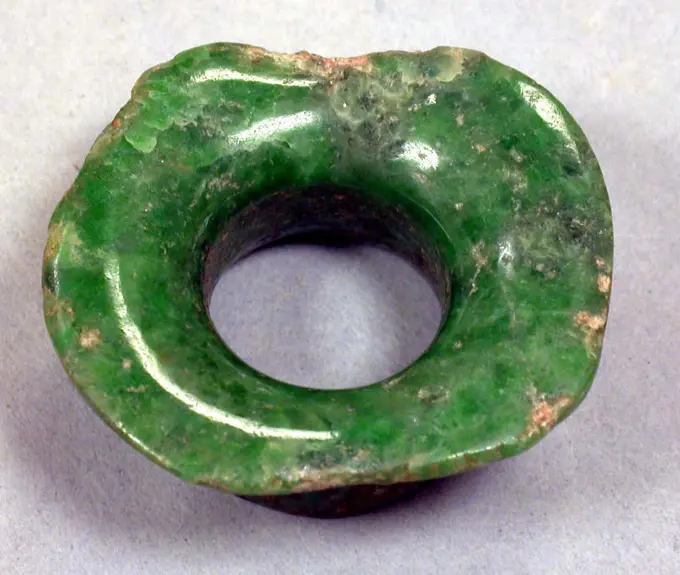
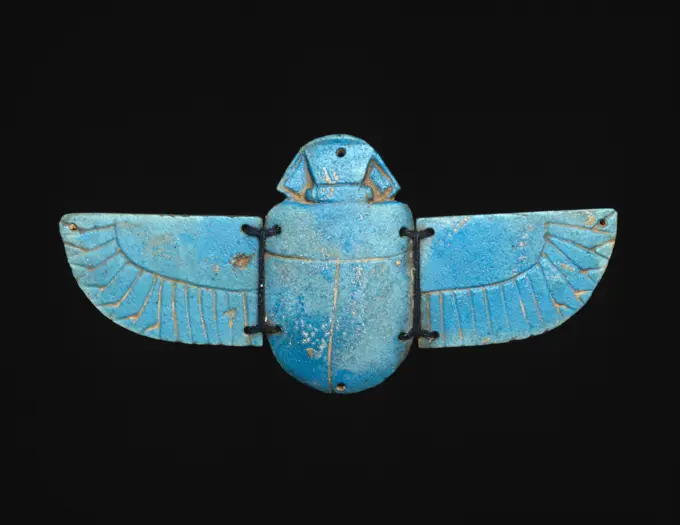
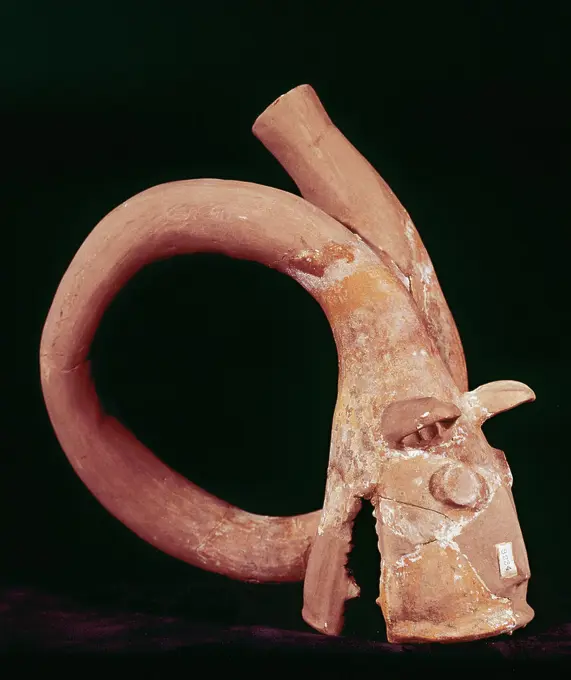
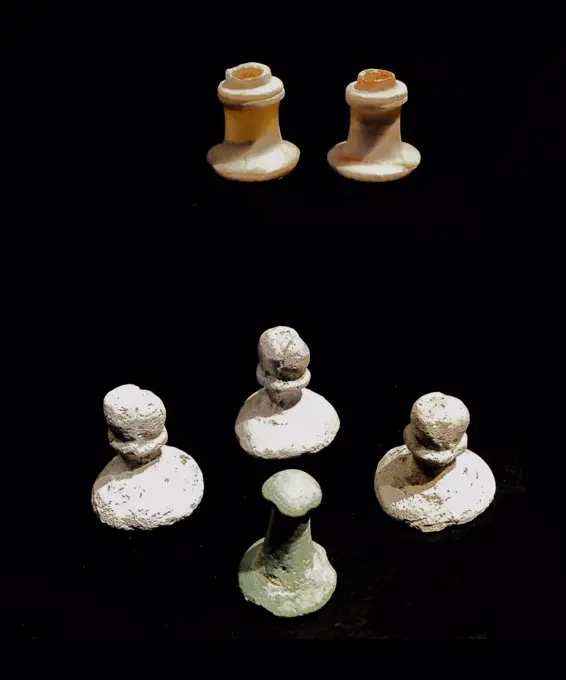
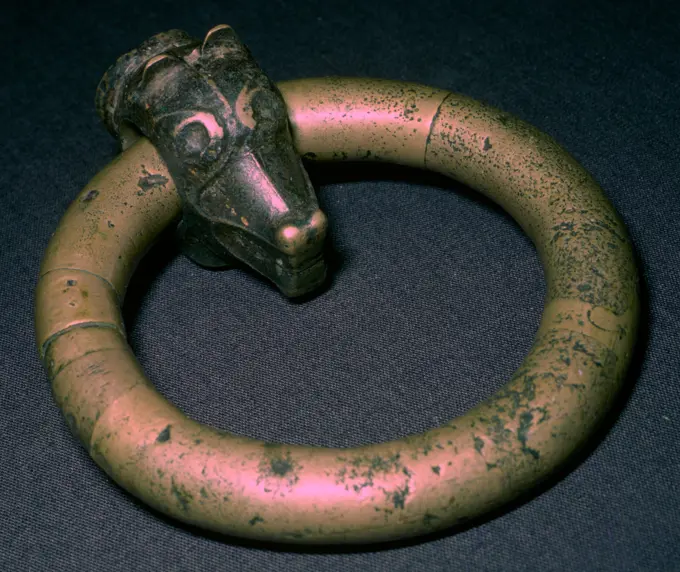
Appliqué in the in the form of a bovine head, one of a pair, 11th century BCE, 3 3/8 × 2 5/8 × 5/8 in., 0.2 lb. (8.5 × 6.7 × 1.6 cm, 0.1 kg), Bronze, China, 11th century BCE
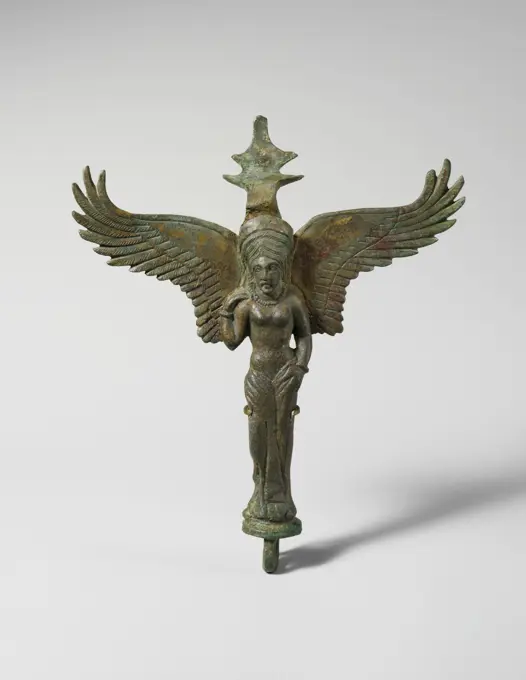
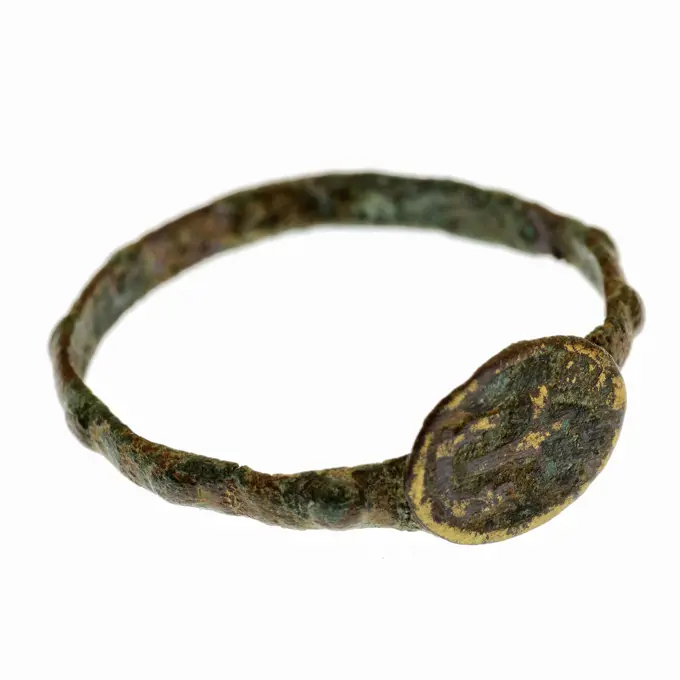
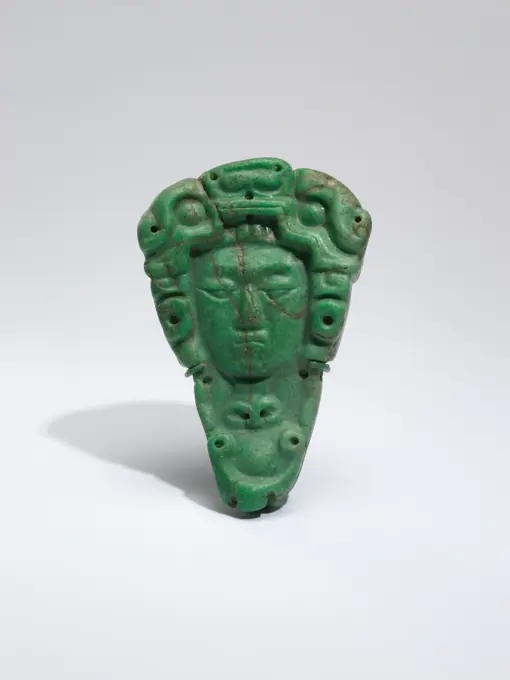
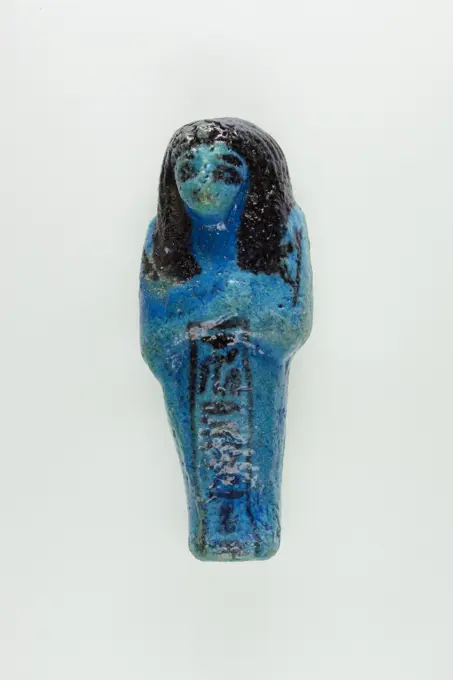
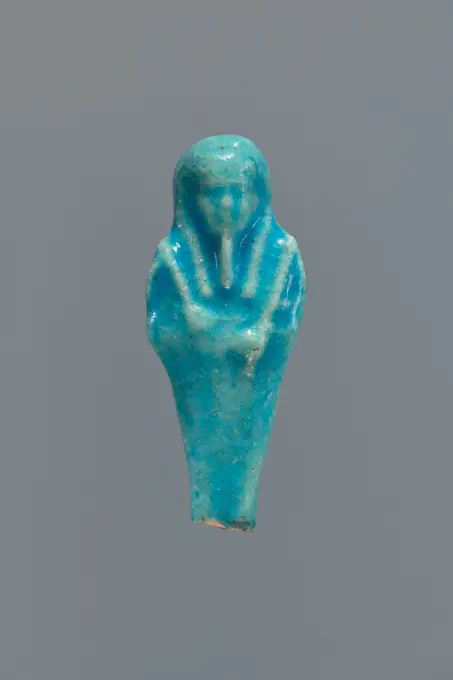
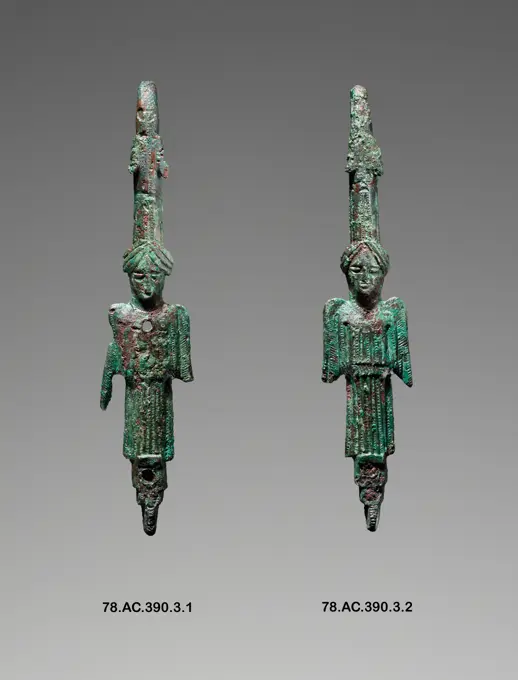
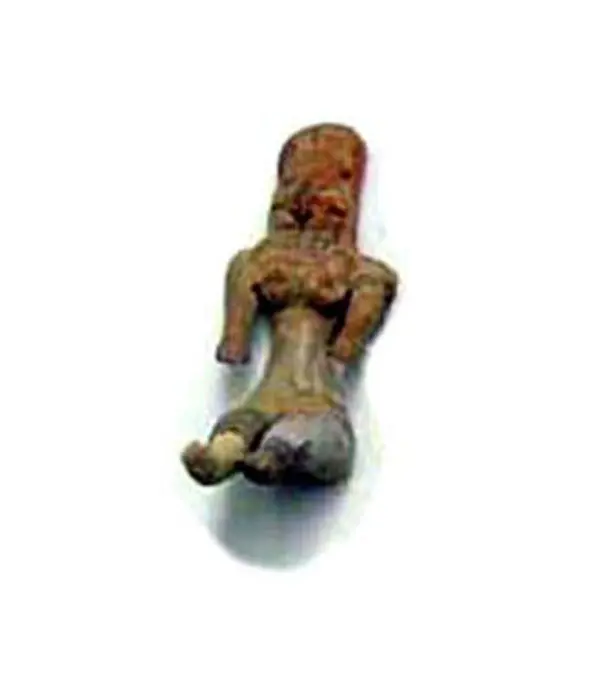
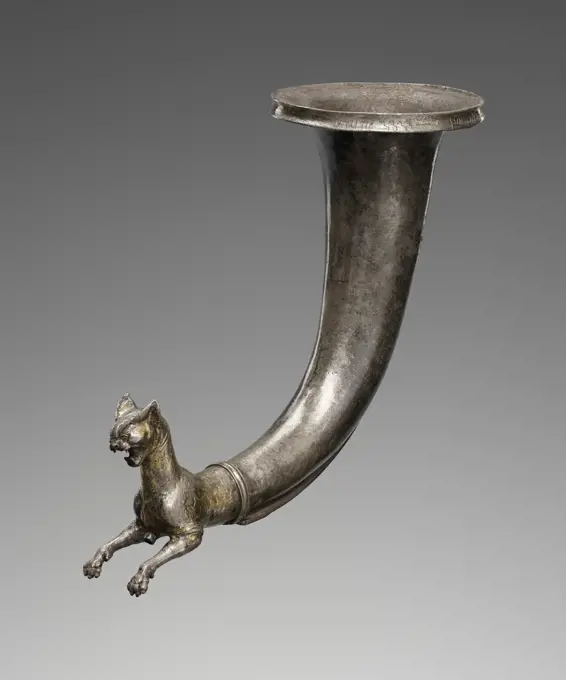
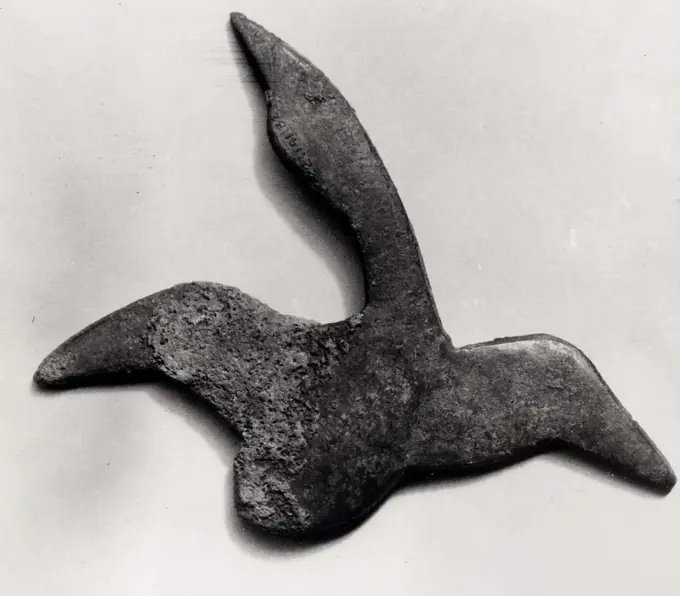
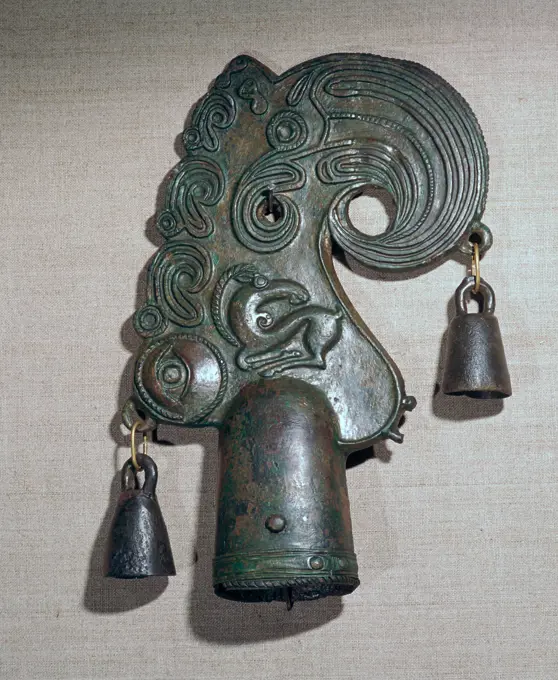
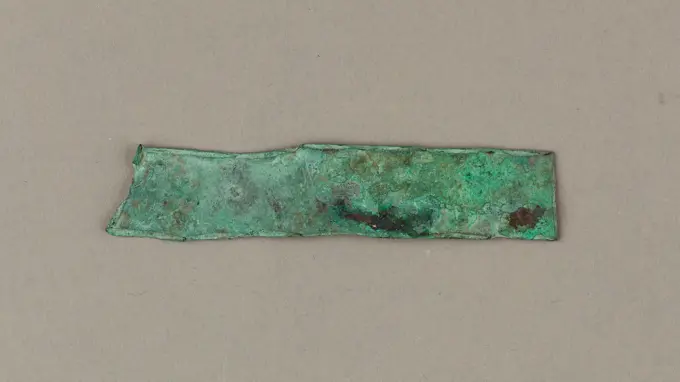
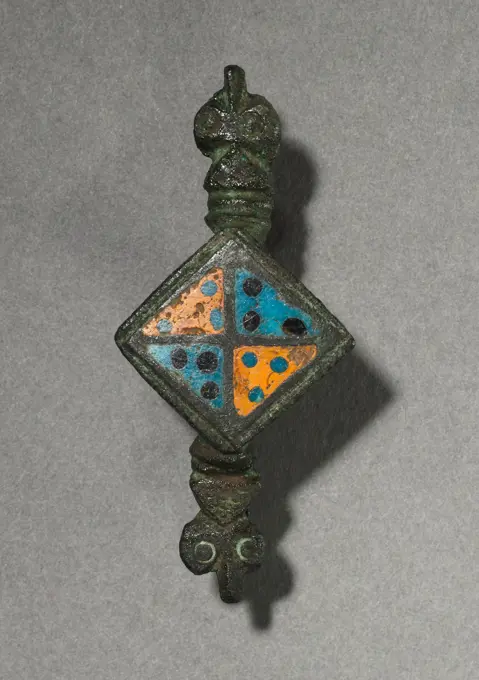
Ornamental Brooch, c.100-300. Gallo-Roman or Romano-British, Migration period, 2nd-3rd century. Bronze and champlevé enamel; overall: 5.1 x 4.8 x 1.6 cm (2 x 1 7/8 x 5/8 in.).Figure of a Dog China. Figure of a Dog 42924Bronze patera handle in the form of Lasa 4th century B.C. Etruscan Rogers Fund, 1919 (19.192.65)Both handles are elaborately modeled in the form of nude female figures that probably represent the Etruscan nymph Lasa. Typical attributes of this mythical character are wings and elegant jewelry. The handle attachments, at the top on the reverse of each piece, are decorated with an ivy leaf and a female head wearing a necklace of three pendant amulets.. Bronze patera handle in the form of Lasa 246542Copper ring with studs, oval shield with text and cross, ring jewelry clothing accessory clothing soil find copper metal d 0.3, cast brazed soldered Copper ring Surrounded with rounded studs Smooth and flat on the inside. Oval shield on which, among other things, cross and text not readable archeology Rotterdam railway tunnel adorn remembrance status prosperity faith devotion religion Soil discovery: railway tunnel 1988-1993.Greek statuette, 7th cent. BC, Karditsa, Early Iron Age.Head Pendant 6th-9th century Maya (Mexico or Guatemala) A Maya sculptor created this triangular pendant from a large core of bright apple-green jadeite mined or found as a river cobble in the Motagua River Valley in what is now Guatemala. It depicts a human face wearing a zoomorphic headdress in the upper portion, and the lower portion may reference the snout of a crocodile as seen from above; note the protruding nostrils just below the chin of the face. The jaws of the creature in the headdress frame the rounded, conventionalized face, and the figure wears circular, adorned earflares. The artist sculpted the very hard jadeite with stone blades by incision, polishing, and the use of micro-drills with an abrasive and binding agent. The reverse of the pendant contains an incised hieroglyphic inscription of ten signs arranged in five rows and two columns. The brief text commemorates two dates in the life of a ruler whose name eludes precise decipherment. The first, which refers to the accWorker Shabti of Nauny ca. 1050 B.C. Third Intermediate Period See 30.3.26.1a, b. Worker Shabti of Nauny 625719Earflare 3rd-9th century El Salvador; Maya () Set into a wide perforation in the wearer’s earlobe (as earspools are today), this earflare frontal (a paired set with 1994.35.583) would have been anchored in place in various ways. In some cases, a bead (or beads) were set into the front of the earflare, anchoring it with the help of a set of beaded counterweights that were threaded through the earflare and hung behind the earlobe. Another possibility is that an L-shaped plug (likely made of wood) was fitted through the earflare’s central opening, or stem, from the back, holding the entire assemblage in place, snug against the wearer’s ear (for examples, see the earflare assemblages worn by the figures on 1979.206.1047).The word "jade," when used in Mesoamerican contexts, refers specifically to jadeite. All Mesoamerican jade comes from a single source, located in the Motagua River Valley of eastern highland Guatemala. Such a restricted point of access made jade a particularly rare and vaUszebti. unknown, authorHorse Armor; South Italy; about 480 B.C; Bronze; 107 × 25 × 20 cm (42 1,8 × 9 13,16 × 7 7,8 in.)Group of Belt Hooks Fragments (2). UnknownFigure of Fertility Goddess ca. 2700-2000 B.C. Baluchistan. Figure of Fertility Goddess. Baluchistan. ca. 2700-2000 B.C.. Terracotta. CeramicsEgyptian faience head of Bes. Artist: UnknownLynx-Shaped Drinking Horn; Eastern Seleucid Empire; 100 - 1 B.C; Gilt silver; 24.5 × 41.9 × 12.2 cm (9 5,8 × 16 1,2 × 4 13,16 in.)Bird-Shaped Ornament Korea. Bird-Shaped Ornament. Korea. Bronze. Goryeo dynasty (918-1392). MetalworkObject with a handle, perhaps a weight; palm trees and guilloche ca. mid- to late 3rd millennium B.C.. Object with a handle, perhaps a weight; palm trees and guilloche. ca. mid- to late 3rd millennium B.C.. Chlorite schist. Early Bronze Age. Persian Gulf region or southern IranChariot Model. Western Iran, circa 2100-1900 B.C.. Sculpture; models. Bronze, castVisigothic broque from the 7th century, Mortera cave, Pielagos, Museum of prehistory and archeology (MUPAC), Santander, Cantabria, Spain.Coins, 1800s. China, Qing dynasty (1644-1911). Copper;Breastplate. UnknownBronze Scythian pole-top in the early style with later developments. Artist: UnknownSet of 3 small annular pearls (attributed title). Carnavalet museum, history of Paris.Model chisel ca. 2650 B.C. Early Dynastic Period. Model chisel 547427Bronze statuette of a warrior, 5th century, National Archaeological Museum, Villa Cassis Faraone, UNESCO World Heritage Site, important city in the Roman Empire, Aquileia, Friuli, Italy, Aquileia, Friuli, Italy, EuropeIberian Excised Box, Valladolid Museum - Provincial Museum of Antiquities, Autonomous Community of Castile and Leon, Spain.Winged Scarab Amulet 664 BCE-332 BCE Egypt. A scarab amulet was often placed over the heart of a mummy to act as its protector. The wings allowed the scarab to join the daily rising and setting of the sun, a cycle that was equated with eternal death and rebirth.. Faience . Ancient EgyptianIberian art. Trumpet of clay. Numancia Museum. Soria. Castilla-Leon.Ancient Egyptian Gambling chips made from Alabaster and limestone. New Kingdom 1550-1070 BCPendant 11th century. Pendant. 11th century. Earthenware; glazed. Excavated in Iran, Nishapur. CeramicsDoor Ring found in a Viking grave, 9th century. Artist: UnknownWeight Weighing Six Deben ca. 1550-1295 B.C. New Kingdom. Weight Weighing Six Deben 544778