Ancient Decorative Fittings

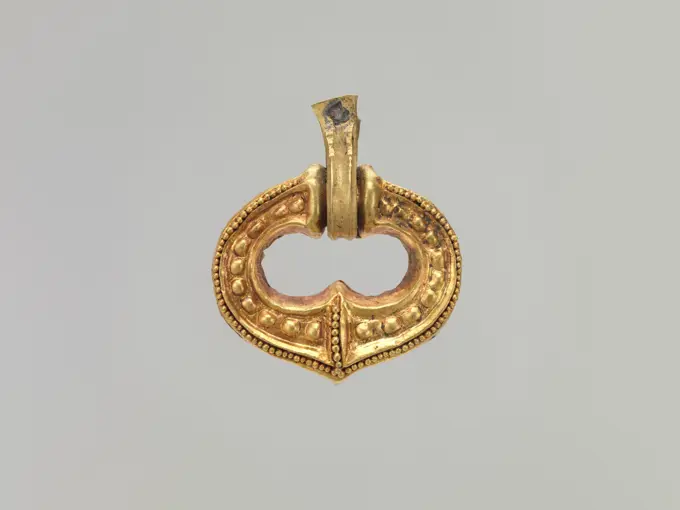
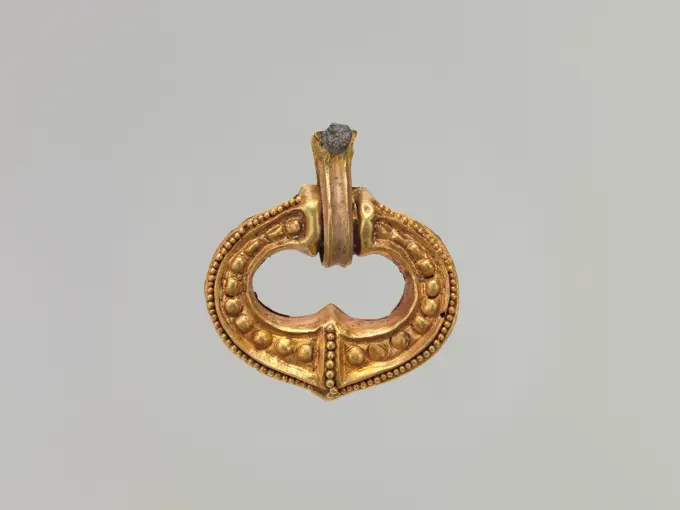
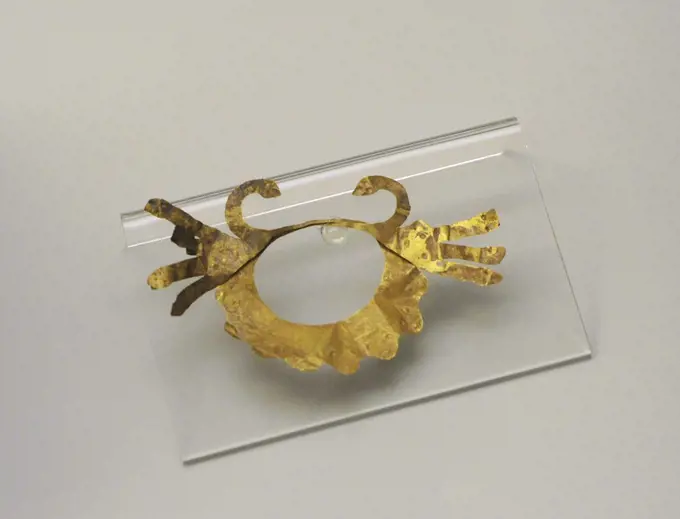
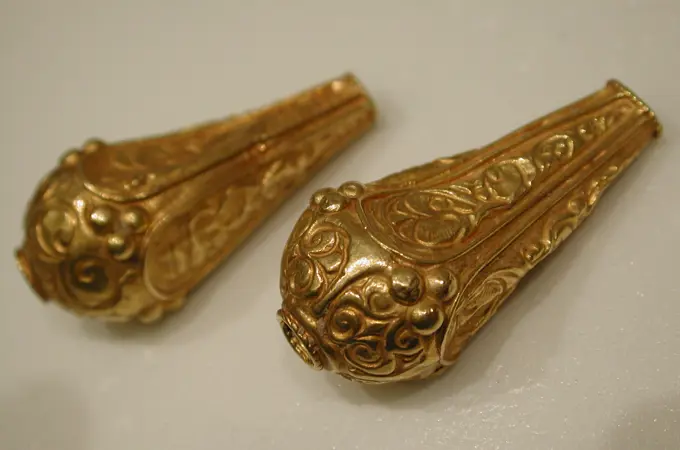
Gold clasps and fittings from Central Asia, showcasing intricate designs used for clothing and horse trappings, symbolizing status and wealth.

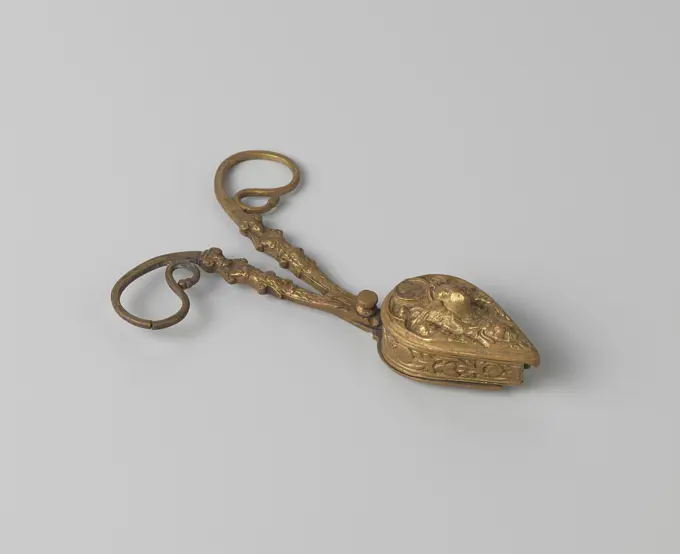
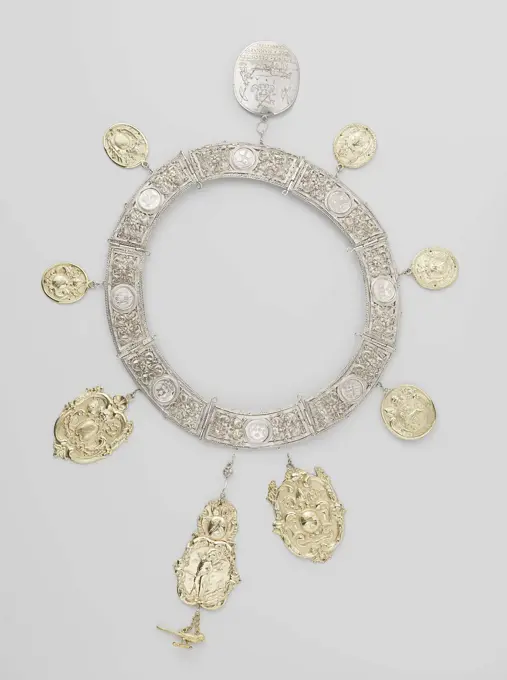
Silver, Bartholomeus Smits, 1791 Silver sprinkle with an oval container. The container is open with a symmetrical pattern. The powerfully curved stem is at right angles to one of the long sides and is crowned with a bird. Schoonhoven silver (metal) Silver sprinkle with an oval container. The container is open with a symmetrical pattern. The powerfully curved stem is at right angles to one of the long sides and is crowned with a bird. Schoonhoven silver (metal)
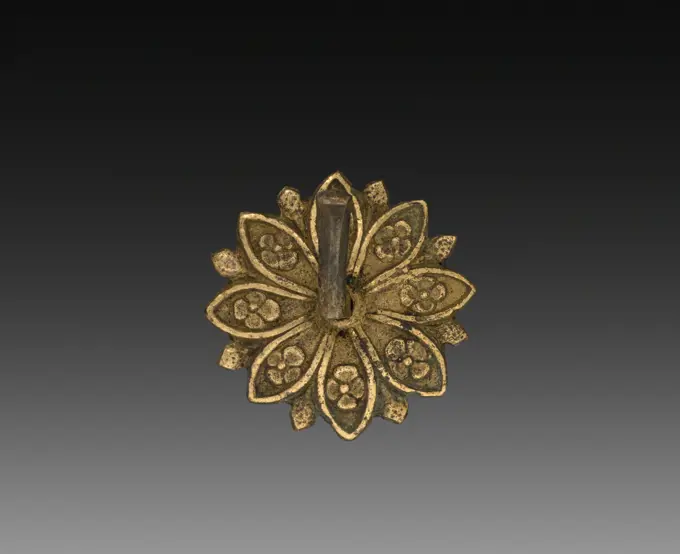
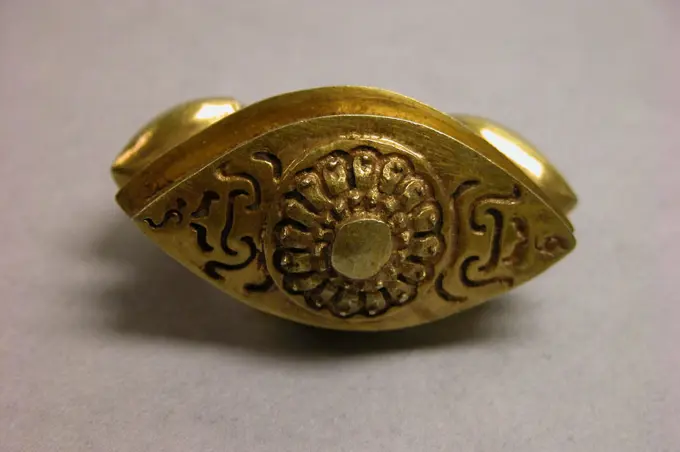
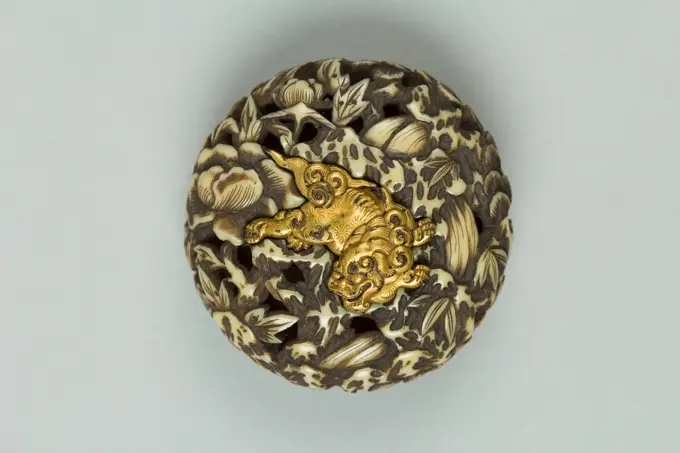
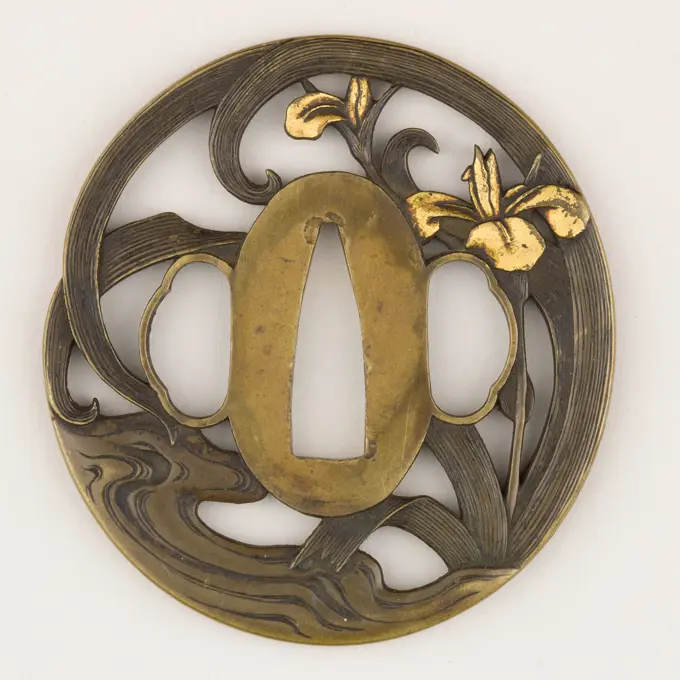
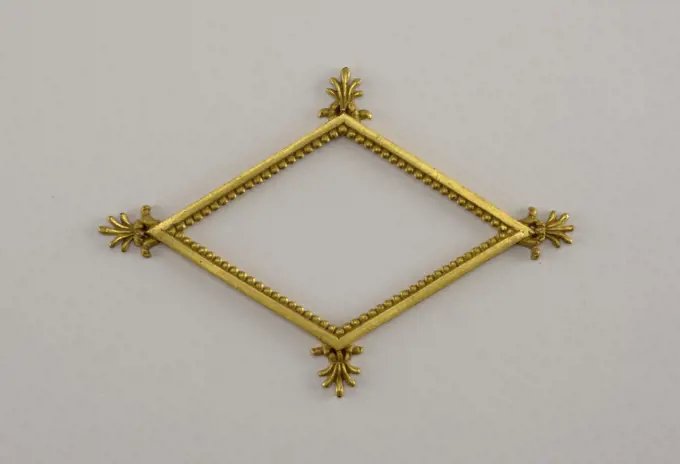
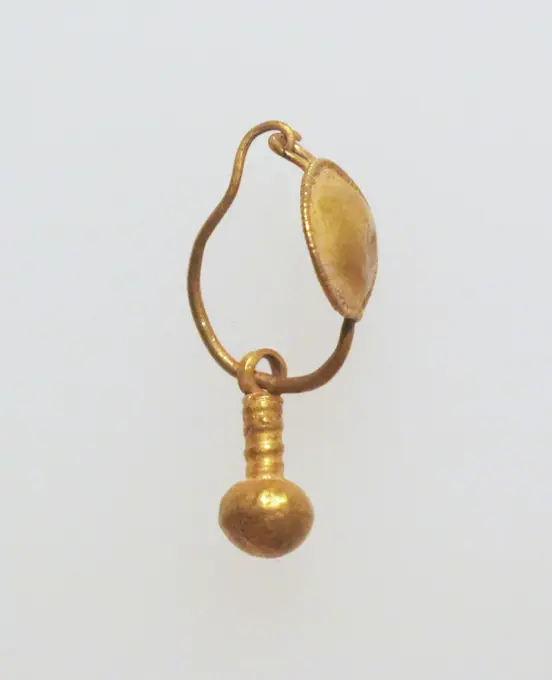
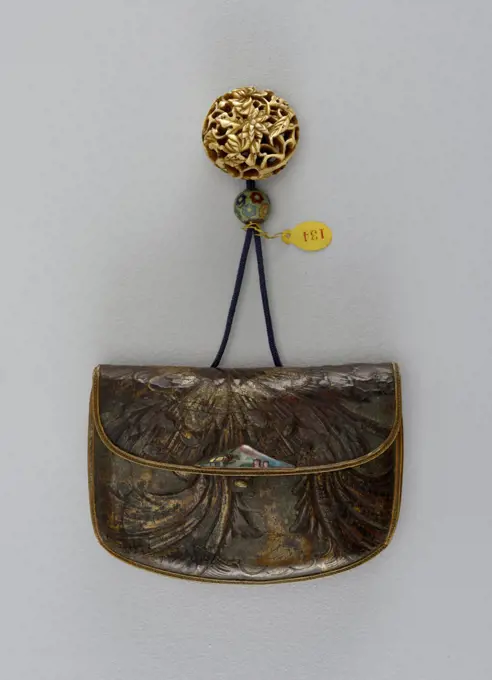
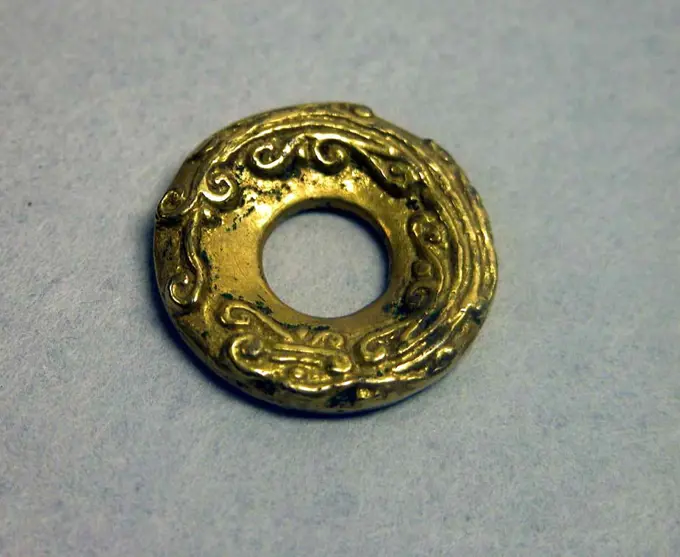
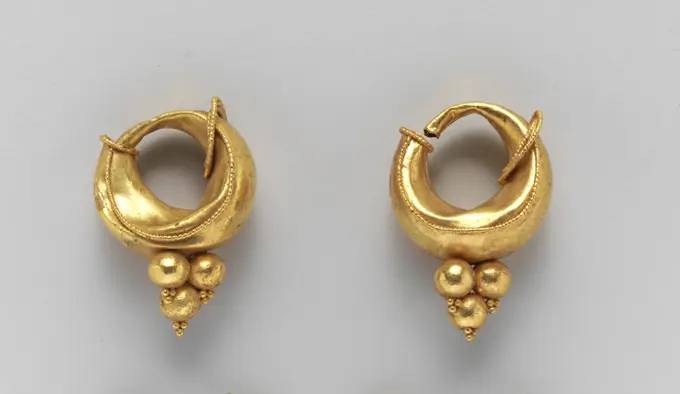
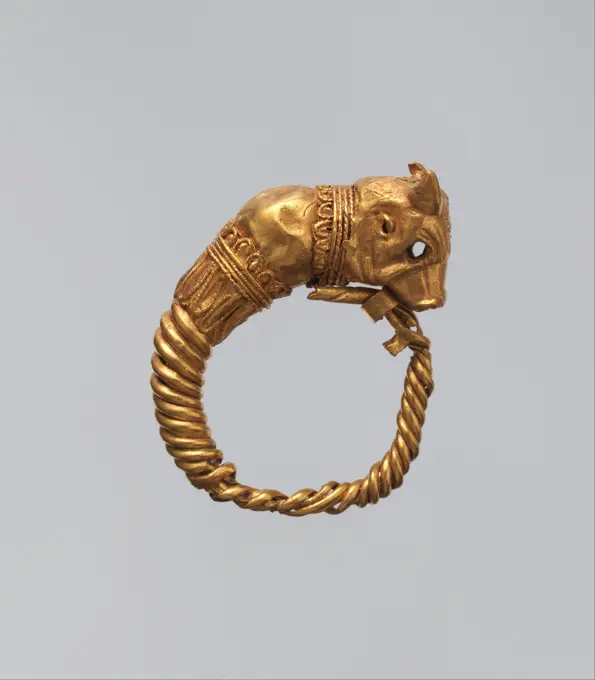
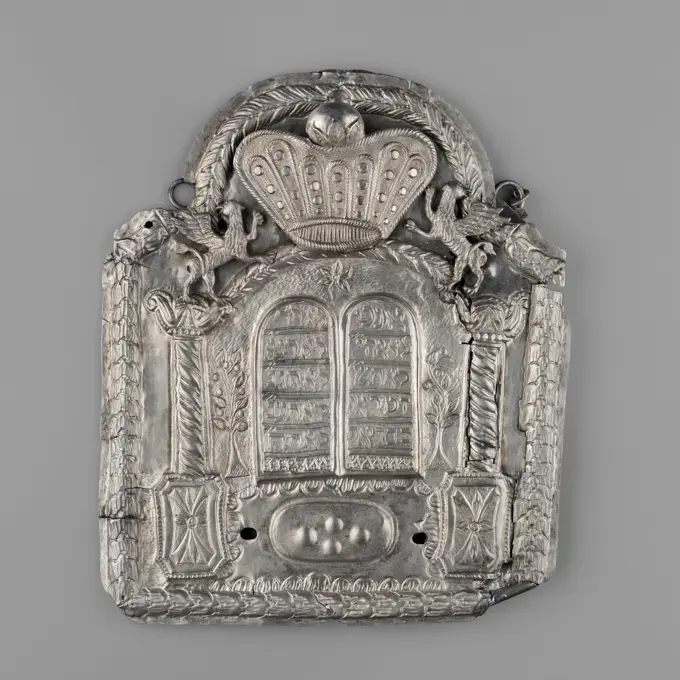
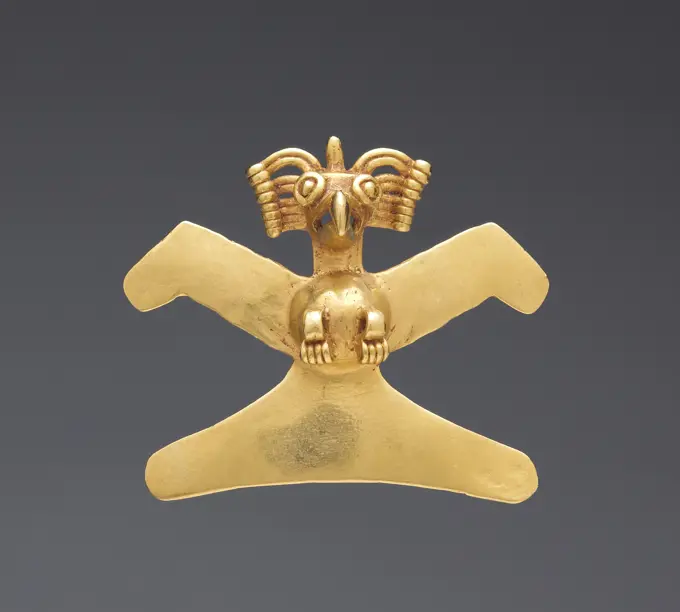
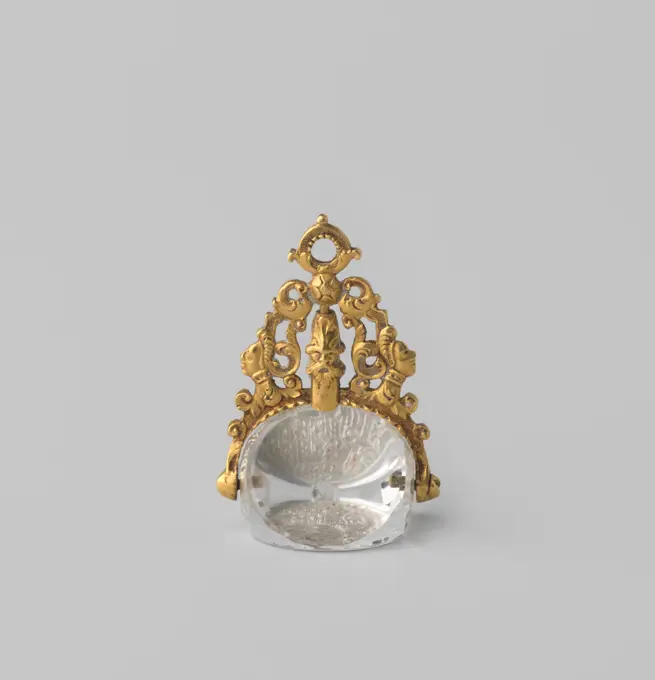
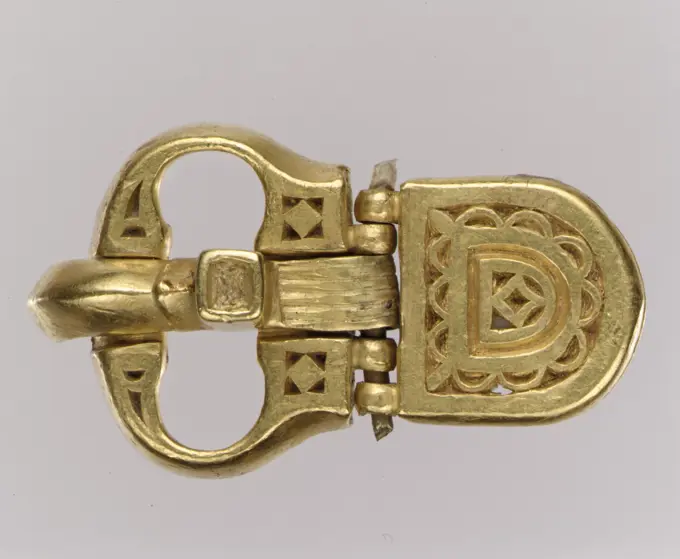
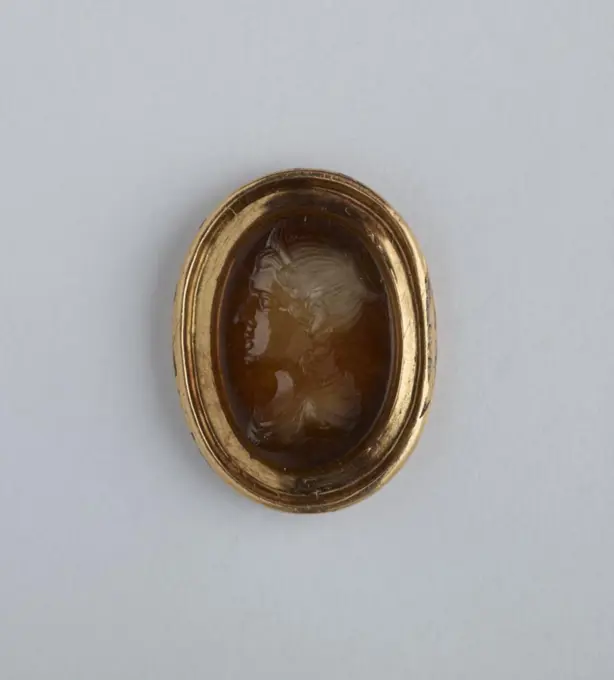
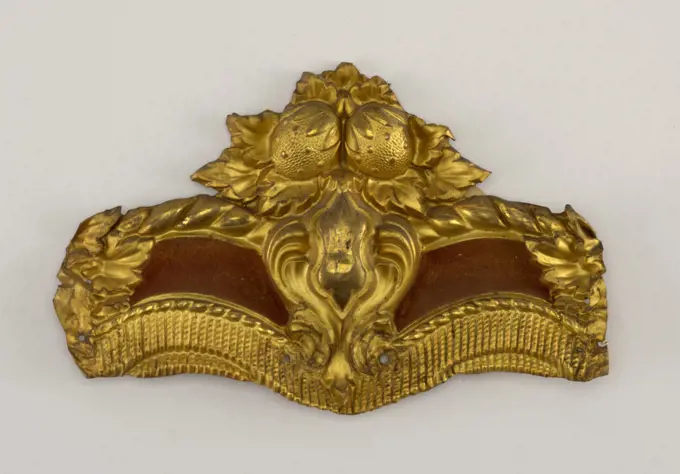
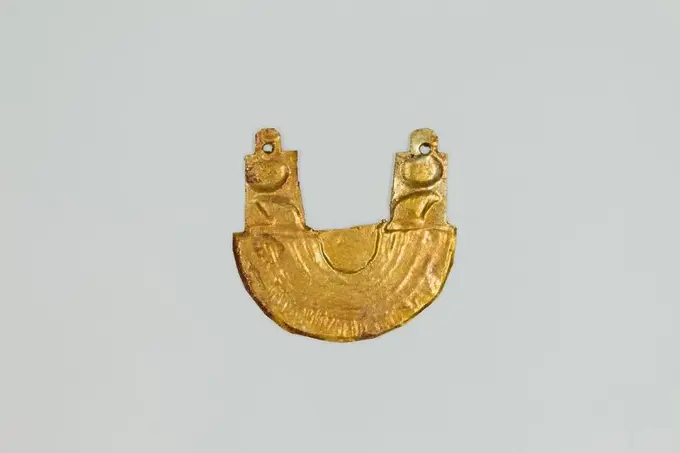
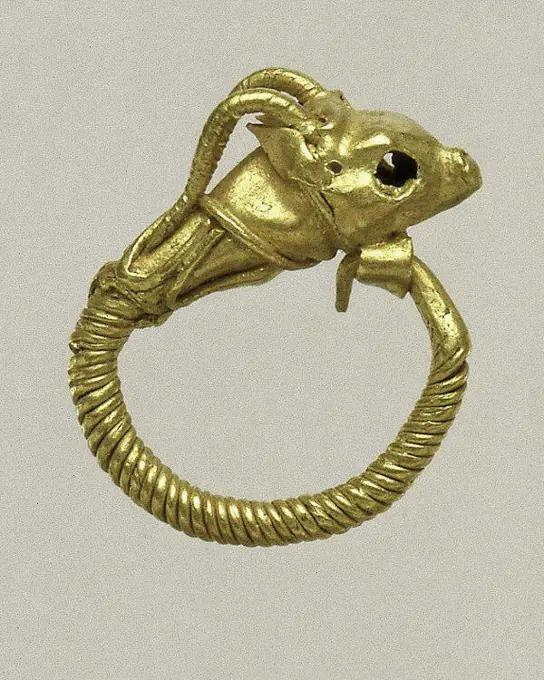
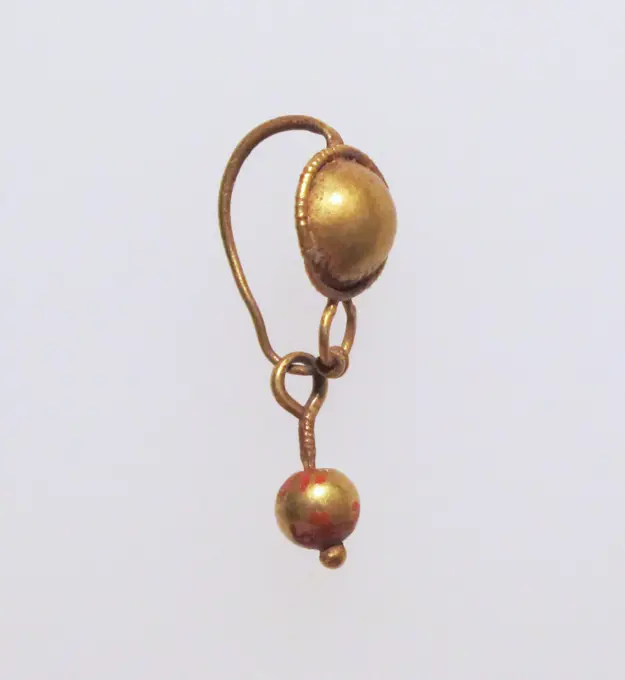
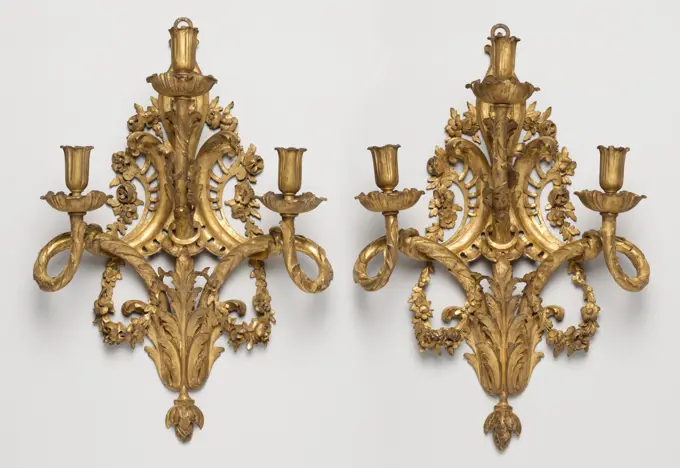
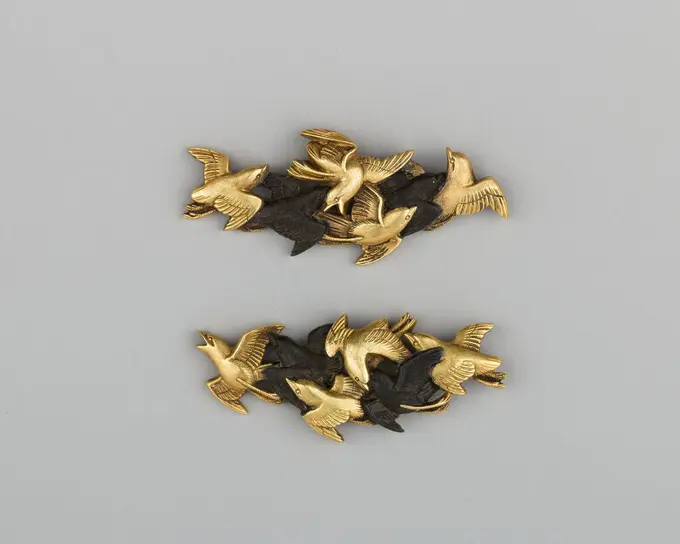
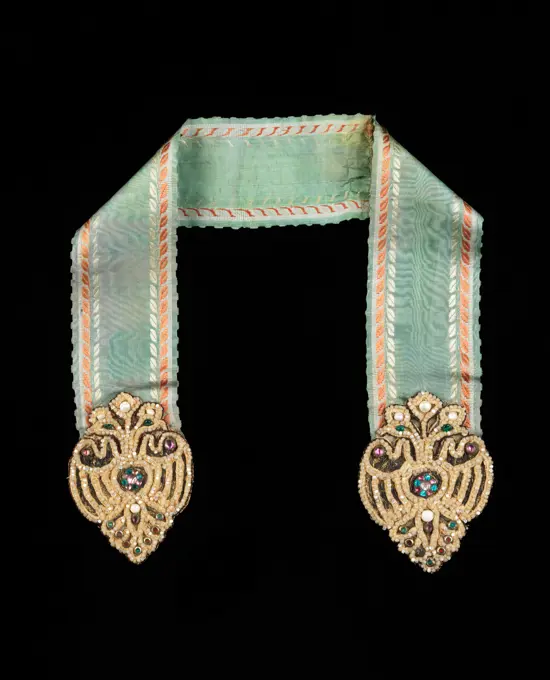
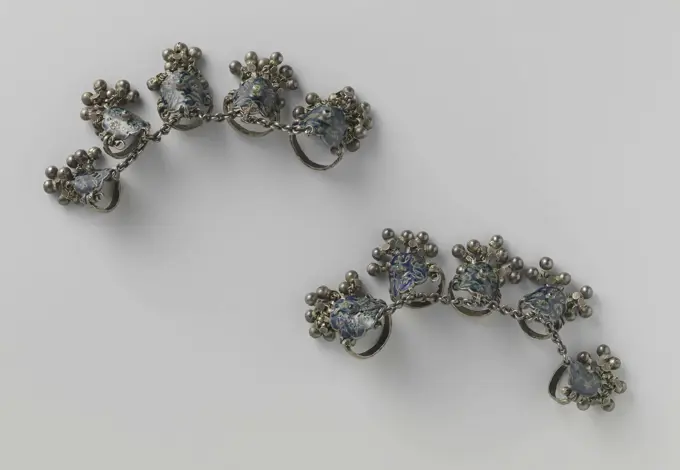
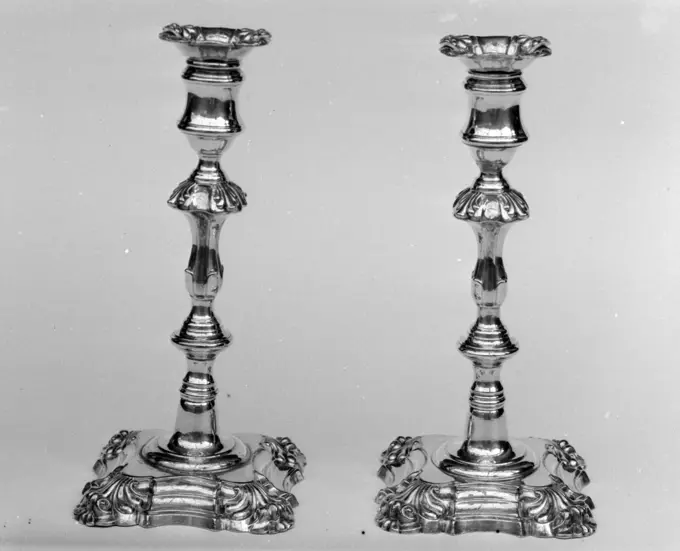
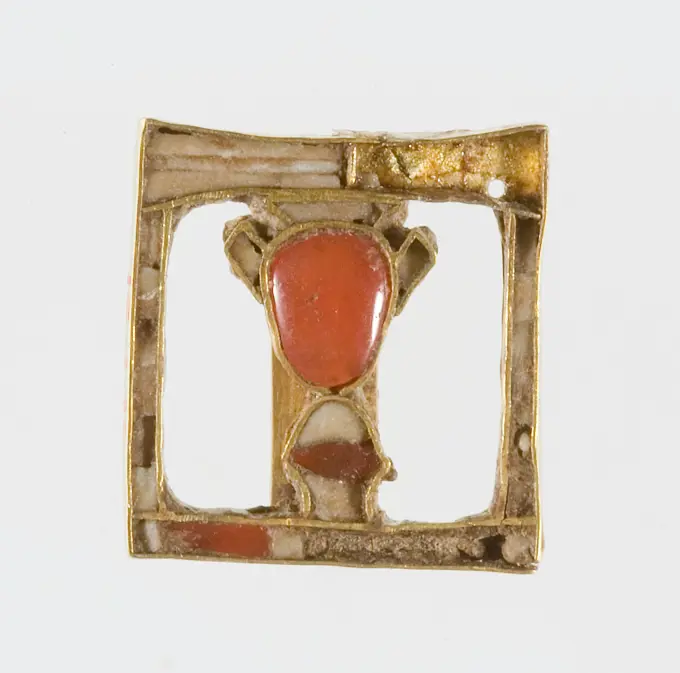
Clasp, DraperyDecorated Fitting 7th-9th century China (Xinjiang Autonomous Region, Central Asia) The nomadic communities of Central Asia used such plaques to embellish clothing and horse trappings. As these nomadic cultures herded animals and were constantly moving, their artistic production was expressed in portable objects that marked the wearers status and wealth. The outstanding preservation of these fragile ornaments suggests they were used in conjunction with burials, where the body was aggrandized with valuable textiles and augmented with gold. Although it is difficult to date and place these objects geographically, their presence in Central Asia and has a long, established history.. Decorated Fitting 65319Decorated Fitting. Culture: China (Xinjiang Autonomous Region, Central Asia). Dimensions: W. 13/16 in. (2.1 cm); L. 1 3/8 in. (3.5 cm). Date: 7th-9th century.The nomadic communities of Central Asia used such plaques to embellish clothing and horse trappings. As these nomadic cultures herded animals and were constantly moving, their artistic production was expressed in portable objects that marked the wearer's status and wealth. The outstanding preservation of these fragile ornaments suggests they were used in conjunction with burials, where the body was aggrandized with valuable textiles and augmented with gold. Although it is difficult to date and place these objects geographically, their presence in Central Asia and has a long, established history. Museum: Metropolitan Museum of Art, New York, USA.Decorated Fitting 7th-9th century China (Xinjiang Autonomous Region, Central Asia) The nomadic communities of Central Asia used such plaques to embellish clothing and horse trappings. As these nomadic cultures herded animals and were constantly moving, their artistic production was expressed in portable objects that marked the wearers status and wealth. The outstanding preservation of these fragile ornaments suggests they were used in conjunction with burials, where the body was aggrandized with valuable textiles and augmented with gold. Although it is difficult to date and place these objects geographically, their presence in Central Asia and has a long, established history.. Decorated Fitting 65320Seal. Ottoman, 1891/1309 A.H.. Jewelry and Adornments. Rock crystal with gold mountMount; L x W x D: 11.1 x 6.3 cm (4 3/8 x 2 1/2 in.)Nariguera. Nose ornament. Gold. Nazca culture. Early Intermediate period (100 BC-700 AD). Peru. Museum of the Americas. Madrid, Spain. Mount; L x W x D: 16 x 5.2 cm (6 5/16 x 2 1/16 in.)Silver, Bartholomeus Smits, 1791 Silver sprinkle with an oval container. The container is open with a symmetrical pattern. The powerfully curved stem is at right angles to one of the long sides and is crowned with a bird. Schoonhoven silver (metal) Silver sprinkle with an oval container. The container is open with a symmetrical pattern. The powerfully curved stem is at right angles to one of the long sides and is crowned with a bird. Schoonhoven silver (metal)Ceintuur from the east India wreck 't flying heart. Metal buckle.Garuda Ornament withGemsAnonymous, a belt of belt of large resistance of officer of the national navy (title awarded), 1915. Metal, golden brass. Museum of the Liberation of Paris - General Leclerc Museum - Jean Moulin Museum.Mount, Bronze, Simple rinceau, with decorative knot at center., France, ca. 1750, metalwork, Decorative Arts, MountButton, Brass, steel beads, England, USA, 18th-19th century, costume & accessories, Decorative Arts, ButtonEscutcheonOrnamental Hook, 1775-1799. France, 18th century, Period of Louis XVI. Gilt bronze; diameter: 3.5 cm (1 3/8 in.).Ring with Almond-Shaped Bezel with "Sri" Inscription Second half of the 8th-second half of the 10th century Indonesia (Java). Ring with Almond-Shaped Bezel with "Sri" Inscription 50118Alabastron orientalizujący z przedstawieniami koni. unknown, authorBadge of the Order of Saint Michael. Culture: French. Dimensions: Overall, with chain extended: 3 1/8 x 1 1/4 in. (8 x 3.3 cm);Visible cameo with right facing figure (confirmed): 27.5 x 21.7 mm;Visible cameo with left facing figure (confirmed): 28.8 x 22 mm. Date: 17th century, with modern chains and links.Both sides of this pendant contain shell cameos with well-worn, almost mirror images of the archangel Michael putting down Satan. The badge belonged to a member of the French Royal Order of Saint Michael, which was founded by Louis XI in 1469. Badges with shell were reputedly presented to ecclesiastic members, whose numbers had swelled to one hundred before they were reduced to six by decree of Louis XIV in 1655 as part of a reform of the chivalric order. Museum: Metropolitan Museum of Art, New York, USA.BracketMount; bronze (gilt)Pendant with Bird-HeadedFigure. Artist: UnknownKnob, brass, Repousse head with simple mouldings. Threaded bolt on back., ca. 1795, metalwork, Decorative Arts, knob, knobNetsuke 19th century Japan. Netsuke. Japan. 19th century. Ivory carved in openwork and ornamented in gold. Edo (1615-1868) or Meiji period (1868-1912). NetsukeWaterpot EarOrnamentOval Bezel EarOrnamentFob late 18th century European. Fob 122381Sword Guard (Tsuba) Depicting Iris in Running Water (辺の杜若図鐔) 19th century Japanese This tsuba shows two irises in three dimensional openwork whose blossoms are highlighted in gold and whose leaves are forming for the most part the rim of the tsuba. Towards the bottom right we see running water. The combination of irises and running water often alludes to one chapter in the Ise Monogatari (伊勢物語), a collection of poems that dates back to the 10th century. The chapter in question introduces a nobleman who rests beside an eight-planked bridge in the famous iris marshes of Mikawa province. He composes a poem in which longs for his home, the artistocratic capital of Kyōto, but in particular for his wife that he misses: “I have a beloved wife, familiar as the skirt of a well-worn robe, and so this distant journying fills my heart with grief." (Richard Bowring, The Ise Monogatari: A Short Cultural History; Harvard Journal of Asiatic Studies, Vol. 52, No. 2 Dec., 1992) The first syllables of eFrame, Cast and gilt bronze, Horizontally oriented lozenge-shaped form with palmettes at each corner., France, ca. 1800, metalwork, Decorative Arts, FrameHunting Scene with Female Equestrian, Silver, Rectangular, with curves and counter-curves along ornate perimeter, featuring raised decoration of female equestrian on horse, jumping over wooden fence, tree and grass in foreground and background, scene is framed by elaborate scroll work, lid features fox head with scroll work surround; reverse features variation on decorative scroll work frame, scroll work on lid as well, reserve empty except for incised initials 'J.C.L.' Lid hinged on side. Striker on bottom., ca. 1900, containers, Decorative Arts, Matchsafe, MatchsafeEscutcheonGold earring with disc and pendant 2nd century A.D. Roman. Gold earring with disc and pendant 243159Badge or Harness Pendant 14th century Spanish Heraldry, or coat-of-arms, were vitally important in Europe throughout the Middle Ages and the Renaissance. Heraldic emblems were used to identify noble families, cities, regions, and even countries. In addition to being displayed on shields and flags, heraldry was incorporated into architectural decoration on the interior and the exterior of buildings, on furniture, works of art, clothing, and horse equipment. Harness pendants, like this example, would have been attached to a headstall, bridle, or other straps making up the tack of a horse ridden by a nobleman or noblewoman, or a member of their household. Many harness pendants also have decoration that is simply ornamental, or have symbols that are not specifically heraldic in nature.. Badge or Harness Pendant. Spanish. 14th century. Copper, gold, enamel. Miscellaneous-BadgesMount; gilt bronze. Shame, decorated with presentation of sitting woman figure in cave between stones and plants in gold repoussé.Elements 11th-12th century. Elements 453020MountFitting with two birds 5th-3rd century B.C. China. Fitting with two birds. China. 5th-3rd century B.C.. Bronze. Eastern Zhou dynasty, Warring States period (475-221 B.C.). MetalworkDowry of green roggen leather. Dowry of green roggen leather and gold.Kin-chaku (purse) with netsuke and ojime on chord, Leather (purse); ivory and shibuichi (netsuke), enamel on copper, silk (cord), Purse of Cuir de Cordoue  Dutch leather tooled in a floral design on a grained diapered field, gilded and painted. Edges and seams bound with a tan leather. Flap closing with ornament over clasp of Fujiyama, in colored enamels on copper. Netsuke of ivory openwork, showing design of peony flowers and foliage. Ojime, flowers of various colors on a green field. Cord of blue silk., Japan, Netherlands (leather), ca. 1750, costume & accessories, Decorative Arts, Kin-chaku (purse) with netsuke and ojime on chordOrnamental Ring Korea. Ornamental Ring 52203Goldsmith's art, England, 18th century. George III style diamonds pendant.Pair of silver knee buckles, Silver, Pair of buckles silver, basically square in shape with undulating outline., probably England, 18th century, jewelry, Decorative Arts, Buckle, BuckleBolt; 1904-21-42-a/eMaker: Joseph and Nathaniel Richardson, American, 1777-1790, Clasp, Gold, 7/8 in. (2.2 cm), Made in Philadelphia, Pennsylvania, American, 18thcentury, JewelryCachet of Queen Regents Emma, Hunt & Roskell, c. 1890  Cachet, consisting of pink -red grenade, caught in gold that is adorned with email. The stamp is cut out in a white rock (quartz); Crowned alliance weapon with l. and r. Ribbons with weapon spells, the whole in mirror image. Left weapon of Queen Emma (Waldeck-Pyrmont) with weapon spell "Palma Sub Pondere Crescit". Right: Coat of arms of King William III (Nederlandse Leeuw), with weapon spell "Je Maintiendrai". In purple velvet box. London garnet (mineral). gold (metal). quartz (mineral) grinding / forging / inlay (process) / cuttingGold earring with pearl pendant 1st2nd century A.D. Roman. Gold earring with pearl pendant 243210Gold boat-shaped earrings 4th-3rd century B.C. Etruscan Decorated with filigree and point granulation.. Gold boat-shaped earrings. Etruscan. 4th-3rd century B.C.. Gold. Classical. Gold and SilverEarring with bull's head whose eyes were previously inlaid 2nd-1st century B.C. Ptolemaic Period Hoops formed of wound wire with animal head terminals are the commonest type of Hellenistic earring. The bull-head earring appears throughout the Mediterranean, probably a positive image because of the physical and sexual prowess attributed to bulls. Examples like this one with a gold or stone bead incorporated into the collar behind the animal's head date mostly to the second and first centuries B.C.. Earring with bull's head whose eyes were previously inlaid 545987Gold triple-finger ring 3rd-4th century A.D. Roman, Syrian This ring exemplifies a flamboyant type of costume jewelry that was especially popular in the eastern half of the Roman Empire. The three finger bands support five colorful settings, containing pearls, glass imitation gems, and a central green bead (a modern replacement).. Gold triple-finger ring. Roman, Syrian. 3rd-4th century A.D.. Gold, glass. Late Imperial or Late Antique. Gold and SilverToe Ring, 1800s. India. Silver; diameter: 3.9 cm (1 9/16 in.).Keyhole Escutcheon (France); brassPendant Shaped as a Dragon 1575-1600 Spain. Gold, enamel, and baroque pearls .Plaque with Head. Culture: China (Xinjiang Autonomous Region, Central Asia). Dimensions: H. 1 5/8 in. (4.1 cm); W. 1 in. (2.5 cm). Date: 7th-9th century.The nomadic communities of Central Asia used such plaques to embellish clothing and horse trappings. As these nomadic cultures herded animals and were constantly moving, their artistic production was expressed in portable objects that marked the wearer's status and wealth. The outstanding preservation of these fragile ornaments suggests they were used in conjunction with burials, where the body was aggrandized with valuable textiles and augmented with gold. Although it is difficult to date and place these objects geographically, their presence in Central Asia and has a long, established history. Museum: Metropolitan Museum of Art, New York, USA.TAS - Torah pendant;  beginning of the 19th century (1800-00-00-1810-00-00);Bronisław (1887-1983) - collection, Bronisław Krystall. Testament (Warsaw - Exhibition - 2015/2016), Keter Tora, columns of Boas and Jakin (Judaic symbol), Krystall, Decalogue tables (iconogr.), Dar (provenance), griffin, Kodesz glue, synagogue (cult), testamentary record ( provenance)List for two photos, 1880 - 1900 frame   wood (plant material). metal. glass. paper. gilding (material)Bird Pendant, c. 1000-1550. Panama, Veraguas-Chiriquí style, 10th-16th century. Cast gold; overall: 5.6 x 6.5 x 2 cm (2 3/16 x 2 9/16 x 13/16 in.). The kinds of birds represented in pendants of the isthmus are not clear, though the emphasis on spread wings and flight suggests birds that soar, such as eagles or hawks. In addition to their aerial agility, they are powerful birds of prey and, therefore, may have symbolized a warrior's or hunter's ferocity and skill. They were also often linked to the sun. Better understanding is difficult because the makers created no written records.Cachet with the alliance weapon Quarles-van der Haer, Anonymous, c. 1744 Cachet (Breloque) of gold with a stamp of rock crystal. In the seal stone the cut alliance weapon Quarles-van der Haer. Netherlands gold (metal). carnelian Cachet (Breloque) of gold with a stamp of rock crystal. In the seal stone the cut alliance weapon Quarles-van der Haer. Netherlands gold (metal). carnelianGold Belt Buckle and Gold Strap End ca. 600 Langobardic This group of objects was found in the grave of a Langobardic horseman, who was buried in his warrior dress, with weapons, shield, helmet, and the fittings for his horse. What remains are the many gold pieces that would have ornamented his clothing and equipment, and they attest to the great wealth of the Langobardic aristocracy within a generation of settling in Italy.. Gold Belt Buckle and Gold Strap End 469032Goldsmith's art, 19th century. Gold, enamels, turquoises comb hairpin.Courting Couple, Simons Bros. & Company, Silver, Oblong, with curves and counter curves around perimeter, featuring raised decoration of a 3/4 view of courting couple, she in hat and long dress with full sleeves and small hat, holding bicycle handle bars, he stands at left, behind her, leaning on bicycle, with cap in hand, suit, vest and tie, trees in background, elaborate surround of alternating c-scrolls, small flowers in bottom corners, lid features 2 birds on branch, with c-scroll surround, reverse unadorned except for c-scrolls. Lid hinged on side. Striker in recess on bottom., ca. 1895, containers, Decorative Arts, Matchsafe, MatchsafeFlying-Fish Pendant 10th-15th century () Tolima (). Flying-Fish Pendant 316684Goldsmithery, gold collar with sardonyx medallionGold earring with head of a lion 4th3rd century B.C. Greek. Gold earring with head of a lion 242930Dish, Meissen Porcelain Manufactory, German, active from 1710 to the present, hard paste porcelain, gold, White, with stylized palmettes in gilt. A) circular bowl, the flaring rim with vine motif. B) low cover with knob handle, rests inside rim bowl. C to F are curved to form a circle around the bowl., Germany, ca. 1810, ceramics, Decorative Arts, dish, dishPortrait of ladies in a diademSwag; wood, carved and gildedNecklet (Musi) 17th-19th century. Necklet (Musi). 17th-19th century. Gold. Attributed to India. JewelryMountPendant, lentoid. Pendant, lentoid 243112Loop. Narrow strip decorated with pearl row.Badge or Harness Pendant 14th century Spanish Heraldry, or coat-of-arms, were vitally important in Europe throughout the Middle Ages and the Renaissance. Heraldic emblems were used to identify noble families, cities, regions, and even countries. In addition to being displayed on shields and flags, heraldry was incorporated into architectural decoration on the interior and the exterior of buildings, on furniture, works of art, clothing, and horse equipment. Harness pendants, like this example, would have been attached to a headstall, bridle, or other straps making up the tack of a horse ridden by a nobleman or noblewoman, or a member of their household. Many harness pendants also have decoration that is simply ornamental, or have symbols that are not specifically heraldic in nature.. Badge or Harness Pendant. Spanish. 14th century. Copper, gold, enamel. Miscellaneous-BadgesRoman gold pendant. Artist: UnknownRing with Blue Glass in Plain Setting Second half of the 8th-second half of the 10th century Indonesia (Java). Ring with Blue Glass in Plain Setting 50120Mirror (Ireland); cut glass, mirrored glass, metal, wood; L x W x D: 65 x 42.5 x 2.5cm (25 9/16 x 16 3/4 x 1in.); Bequest of Walter Phelps Warren; 1986-61-196Gold hoop with picrolite stone in gold setting 6th-5th century B.C. Cypriot Large, flat bead of pale steatite.. Gold hoop with picrolite stone in gold setting. Cypriot. 6th-5th century B.C.. Gold, steatite. Archaic. Gold and SilverDevotional gutter unknown labelCurtain loop ornament or valance mount, Gilded copper and remnants of textile, USA, ca. 1830-50, Decorative Arts, Curtain loop ornament or valance mountBreast Ornament, 1800s. India. Silver; diameter: 4.1 cm (1 5/8 in.); pendant: 7.4 cm (2 15/16 in.).Falcon-headed collar amulet. Dimensions: l. 2.3 cm (7/8 in.) × h. 2.2 cm (7/8 in.). Dynasty: Dynasty 26-29. Date: 664-380 B.C.. Museum: Metropolitan Museum of Art, New York, USA.Gold earring with head of an antelope late 4th-3rd century B.C. Greek Circlet of twisted gold wire, which tapers from the antelope's head at the front end to a hooked point which passes through a loop below the animal's throat.. Gold earring with head of an antelope 242893Pair of Sword-Grip Ornaments (Menuki) 18th century Japanese Menuki are a pair of ornamental sword fittings attached to either side of a sword hilt.. Pair of Sword-Grip Ornaments (Menuki). Japanese. 18th century. Gold, silver, copper-silver alloy (shibuichi), copper, copper-gold alloy (shakud). Sword Furniture-MenukiPendant. Italian. Date: 1400-1599. Dimensions: 6.7 x 4.6 cm (2 5/8 x 1 13/16 in.). Cameo: agate; mount: rock crystal and gold. Origin: Italy. Museum: The Chicago Art Institute, Chicago, USA.Gold earring with disc and pendant 2nd century A.D. Roman. Gold earring with disc and pendant 243179Pair of Candle Brackets, c. 1765-1775. France, Transitional Style, Louis XV to Louis XVI, 18th century. Gilded wood; each: 54.5 x 37.2 x 22.6 cm (21 7/16 x 14 5/8 x 8 7/8 in.).Pair of Sword-Grip Ornaments (Menuki). Culture: Japanese. Dimensions: Menuki (a); L. 1 5/8 in. (4.1 cm); Wt. 0.3 oz. (8.5 g); menuki (b); L. 1 1/2 in. (3.8 cm); Wt. 0.3 oz. (8.5 g). Date: 18th century. Museum: Metropolitan Museum of Art, New York, USA.Silver Dollar with gold chain on white backgroundOval bezelring. Pendant also toothpick, from gold, email, pearls and precious stones. The whole has the shape of a dragon.Brush with weapon Mechelen. Copper guy. Decorated with a cast Mercury head.. Attached to this chain is a small shield depicting Saint Sebastian pierced by arrows. He was the patron saint of archers. The chain was made for the Guild of Saint Sebastian in Hulst. The coats of arms of the towns most important families are suspended from eight links of the chain.Earring, trumpet-shaped 5th-3rd century B.C. Etruscan. Earring, trumpet-shaped 245875Hair accessory 19th century Russian This object is from the collection of Natalia de Shabelsky (1841-1905), a Russian noblewoman compelled to preserve what she perceived as the vanishing folk art traditions of her native country. Traveling extensively throughout Great Russia, she collected many fine examples of textile art of the wealthy peasant class. From the 1870s until moving to France in 1902, Shabelsky amassed a large collection of intricately embroidered hand-woven household textiles and opulent festival garments with rich decoration and elaborate motifs. The Brooklyn Museum holdings include many fine examples including the majority of the garments. Portions of Shabelsky's collection are also housed at the Museum of Fine Arts, Boston, the Cleveland Art Museum, and the Russian Museum of Ethnography in St. Petersburg.. Hair accessory 156480. .Pair of candlesticks ca. 1835 British, Sheffield. Pair of candlesticks. British, Sheffield. ca. 1835. Sheffield plate. Metalwork-SilverplateScarab Set in a Ring Bezel ca. 1504-1425 B.C. New Kingdom A giraffe is the central image on the base of this scarab, which was once part of a ring. This animal was associated with prophecy. Thus the giraffe, in combination with the hieroglyphs on either side of it, predicted a "life of all good things" for the scarab's owner.. Scarab Set in a Ring Bezel 548529Motto Clasp of Sithathoryunet ca. 1887-1813 B.C. Middle Kingdom. Motto Clasp of Sithathoryunet. ca. 1887-1813 B.C.. Gold, carnelian, paste. Middle Kingdom. From Egypt, Fayum Entrance Area, Lahun, Tomb of Sithathoryunet (BSA Tomb 8), Chamber E, box 4, BSAE excavations 1914. Dynasty 12Sint-Helenamedaille, Désiré-Albert Barre, 1857 medal Bronze medal in the form of medallion, surrounded by laurel wreath under the crown with carrying ring. Front: breastpiece man (Keizer Napoleon Bonaparte) Inside and pearl edge. Reverse: inscription inside Covering and Pearl Edge. Paris bronze (metal) striking (metalworking)  Sint-HelenaMountFlowerHolder