Ancient Decorative Vessels

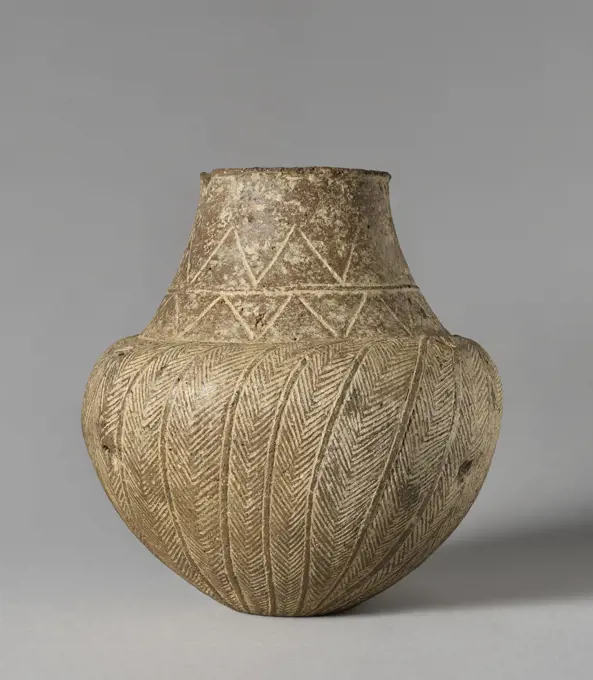
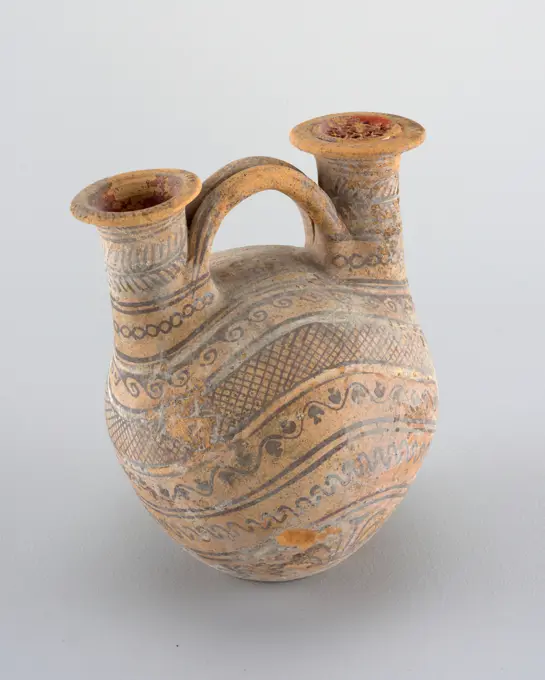
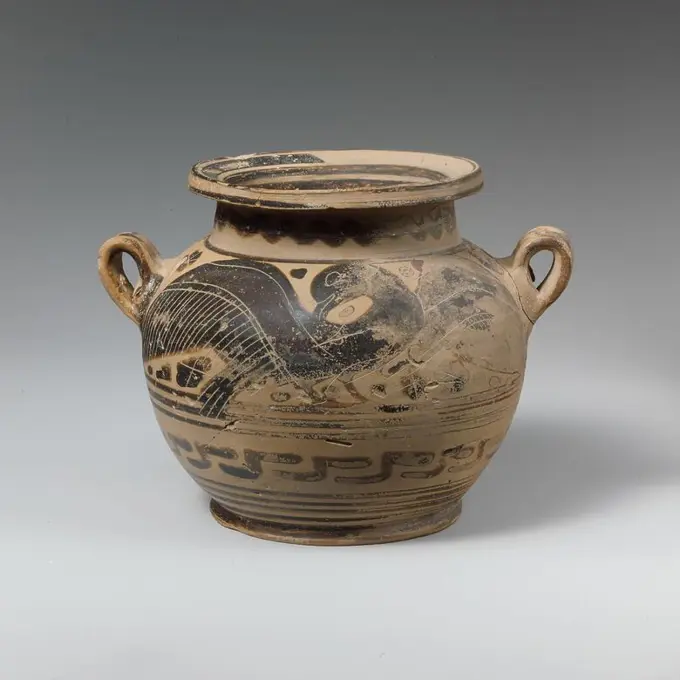
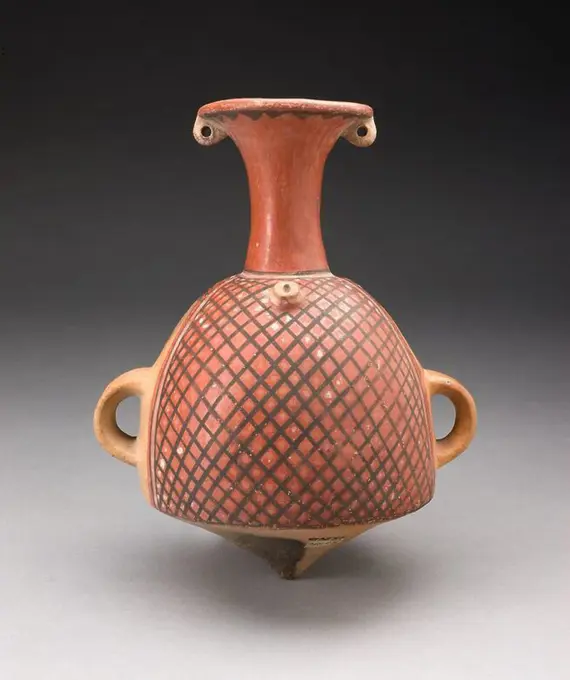
Diverse jars and jugs from ancient cultures featuring unique decorative elements. These vessels are notable for their historical craftsmanship.
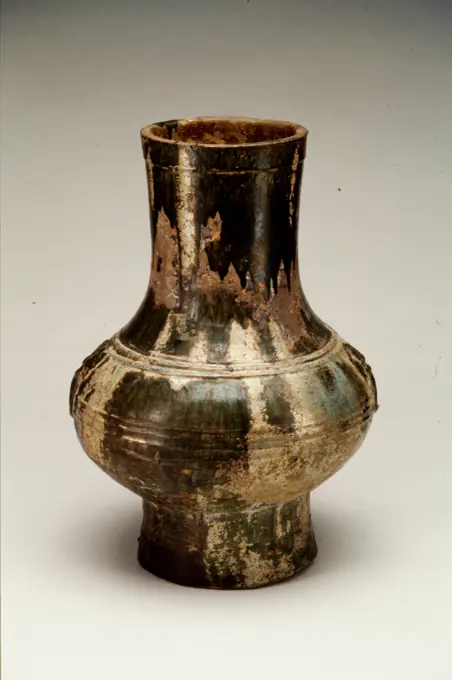
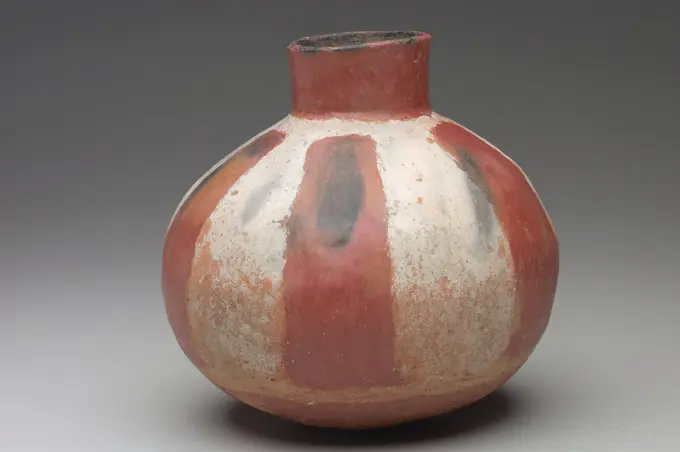
Hu, 1st-2nd century, 20in. (50.8cm), Glazed ceramic, China, 1st-2nd century
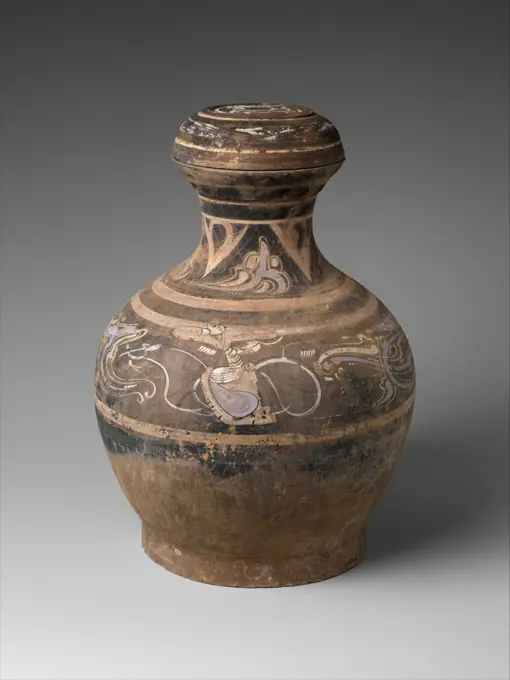
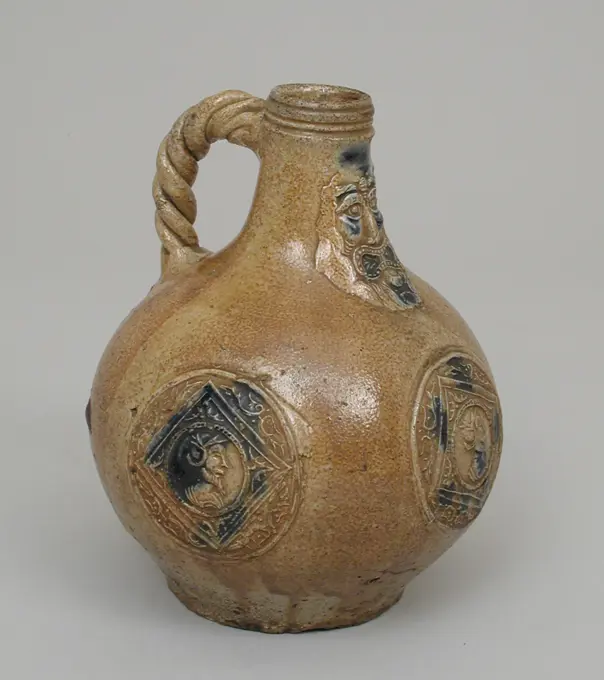
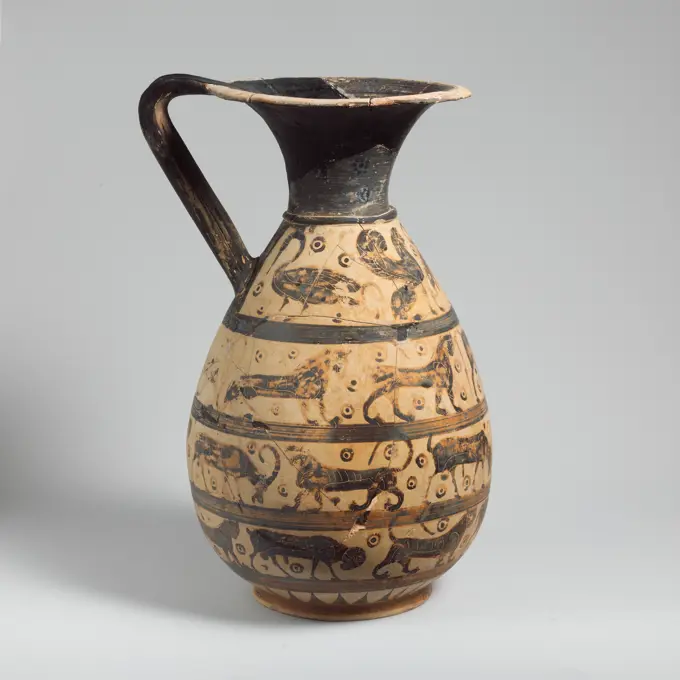
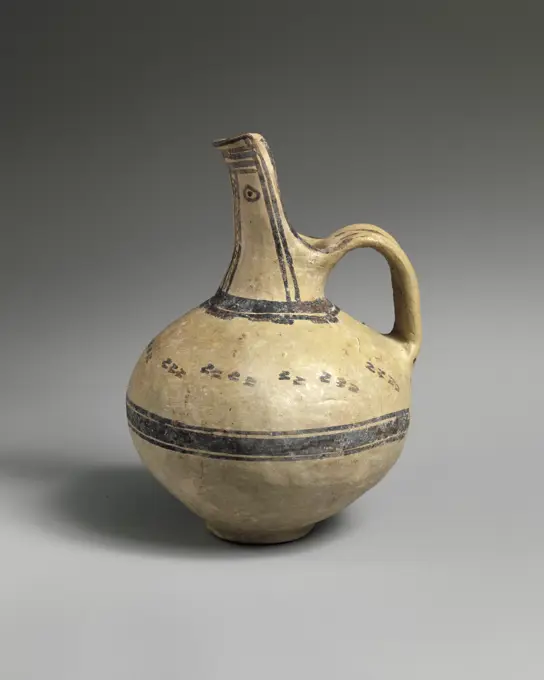
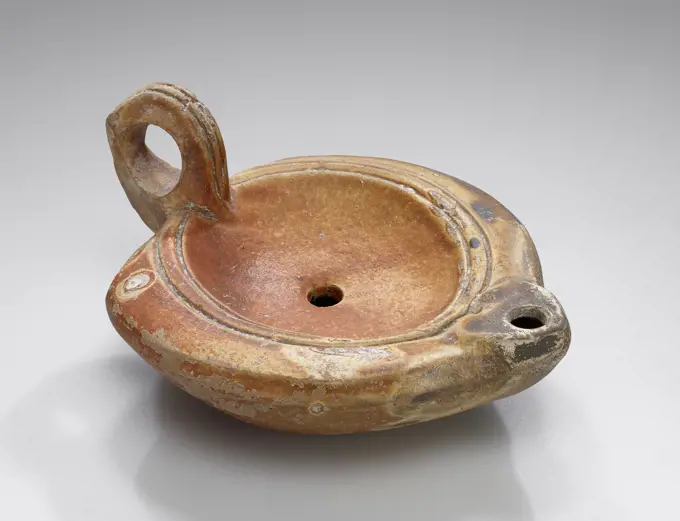
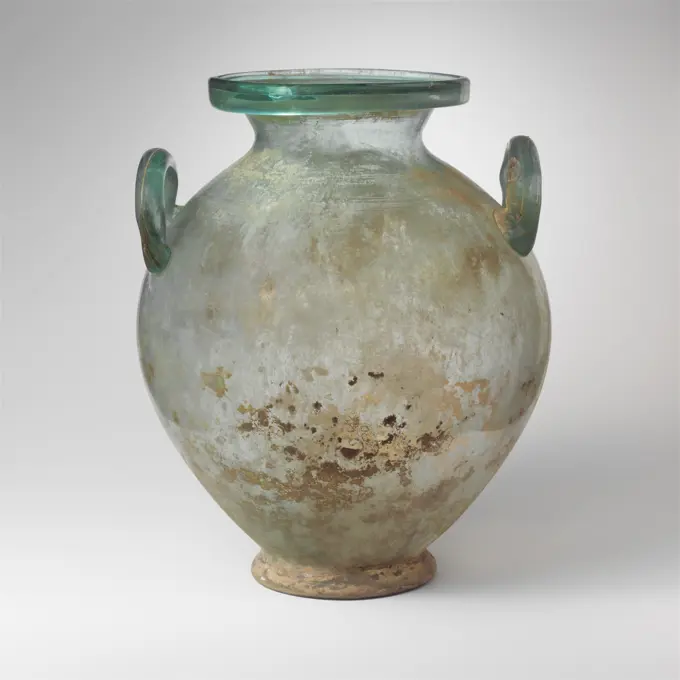
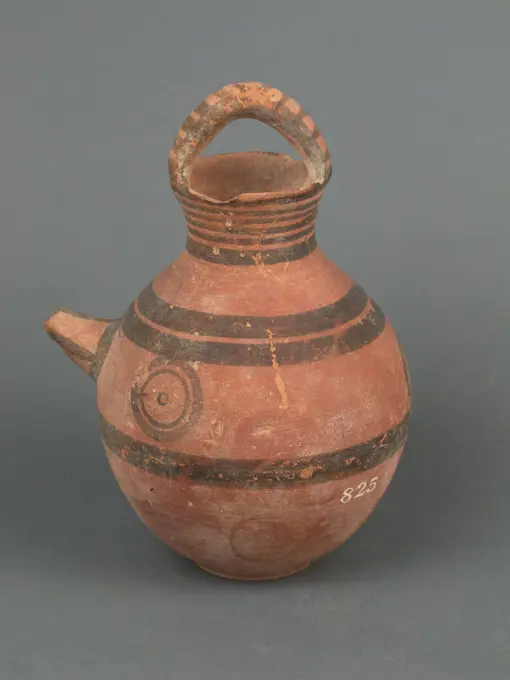
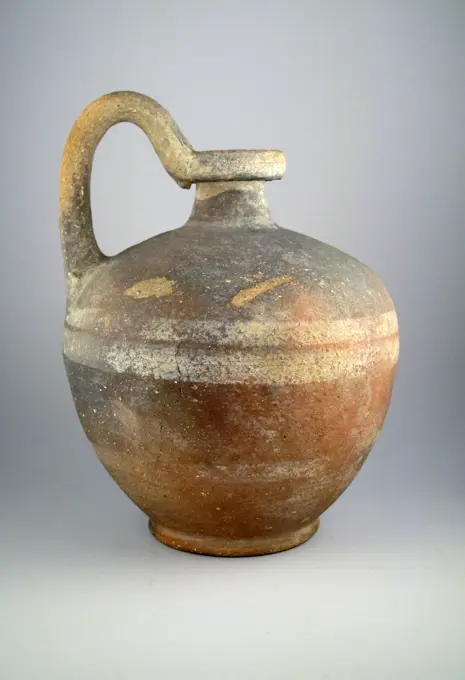
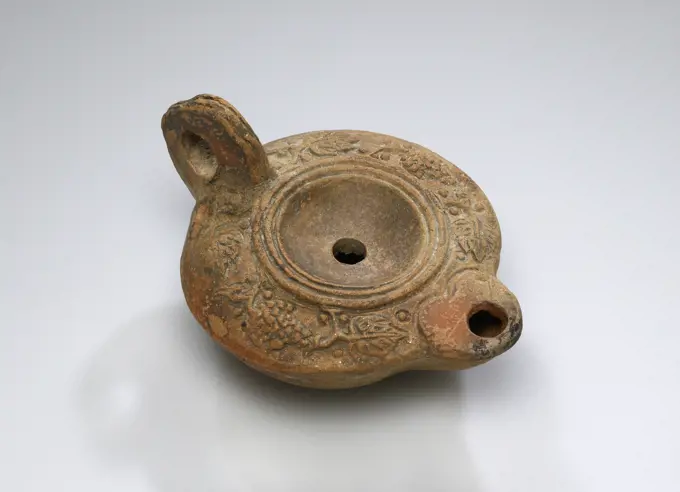
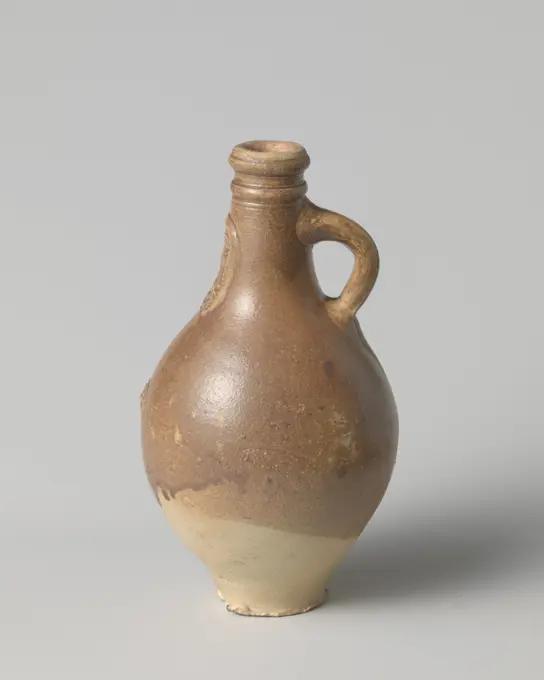
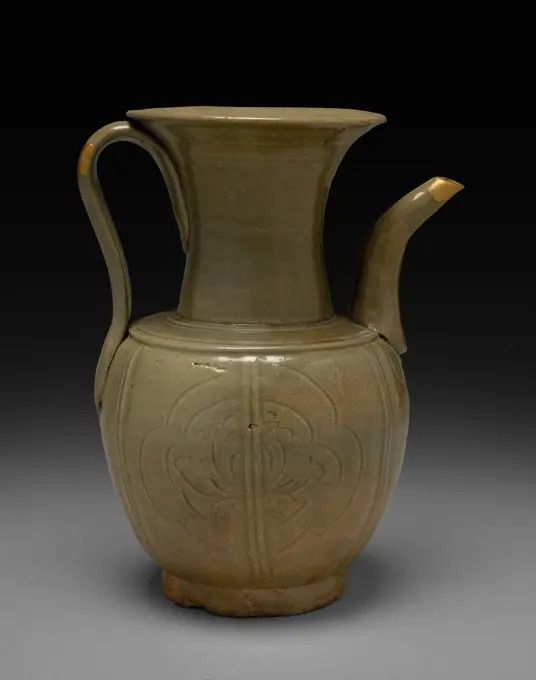
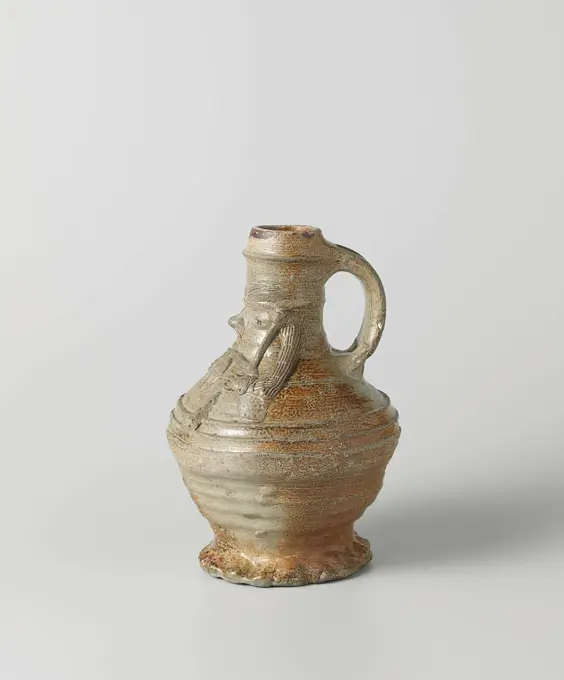
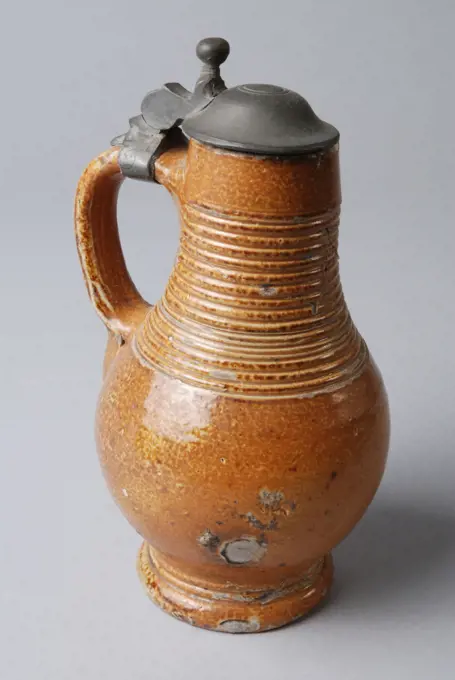
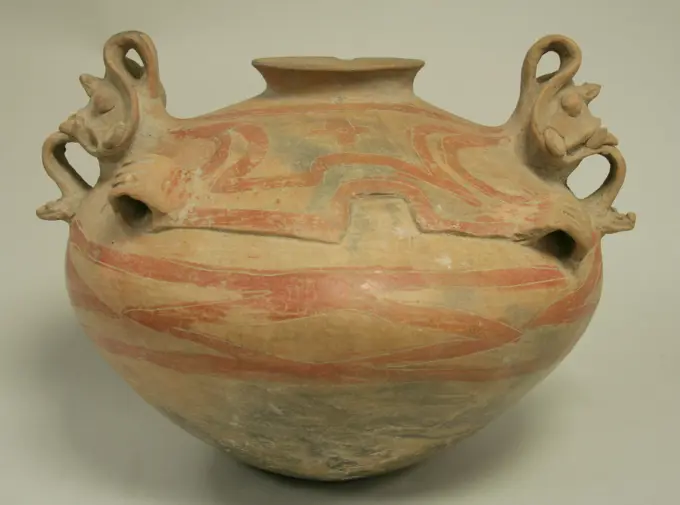
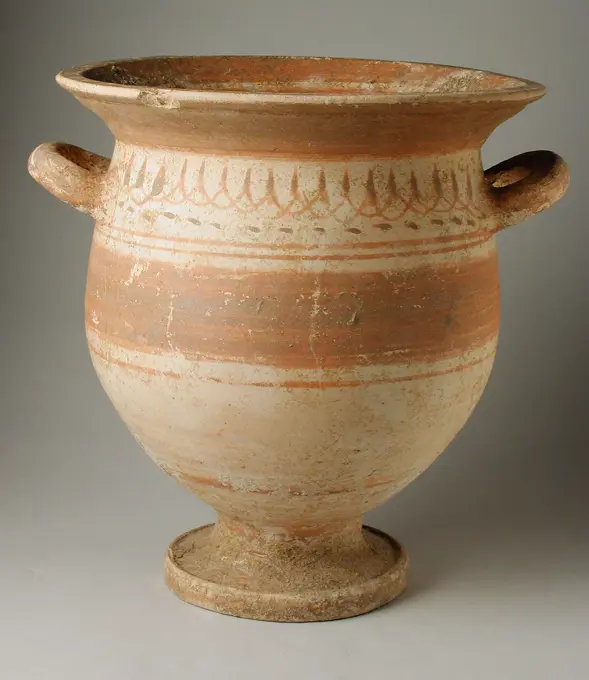
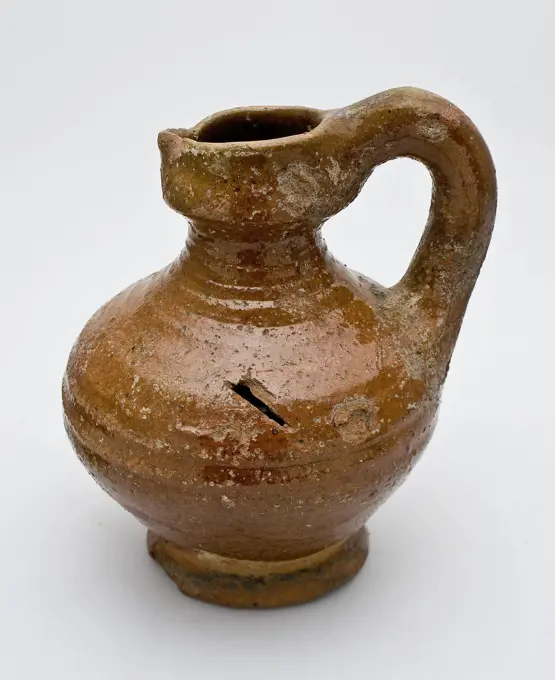
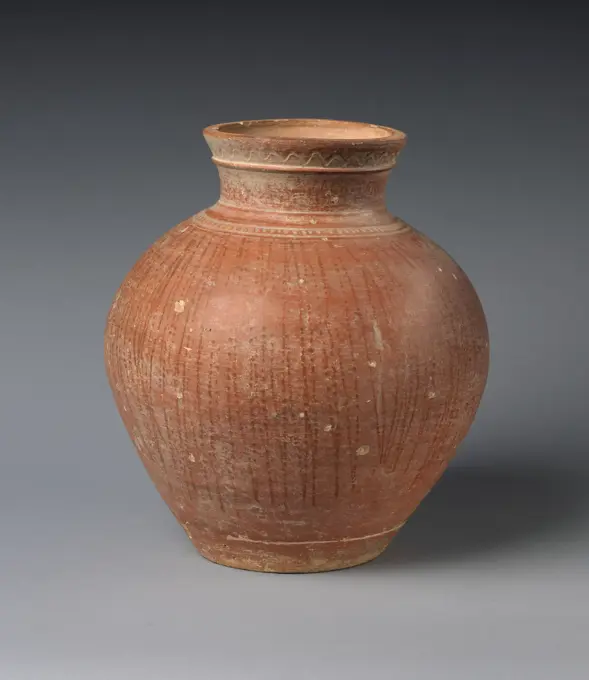
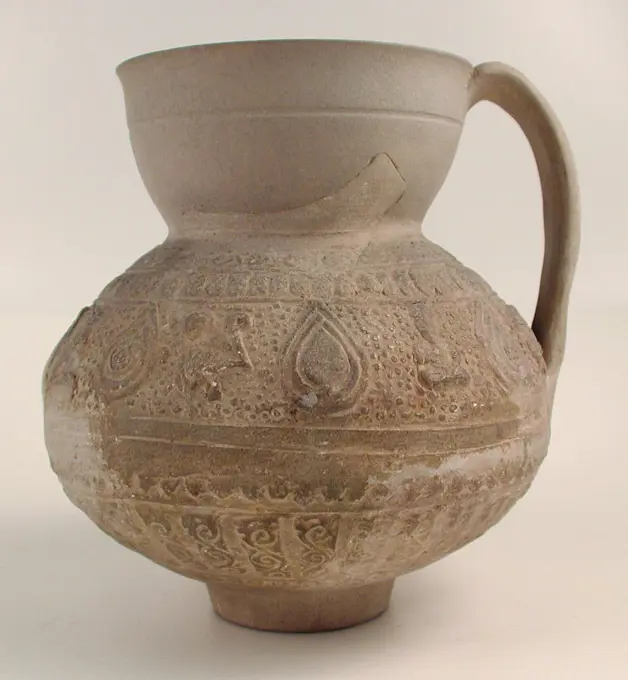
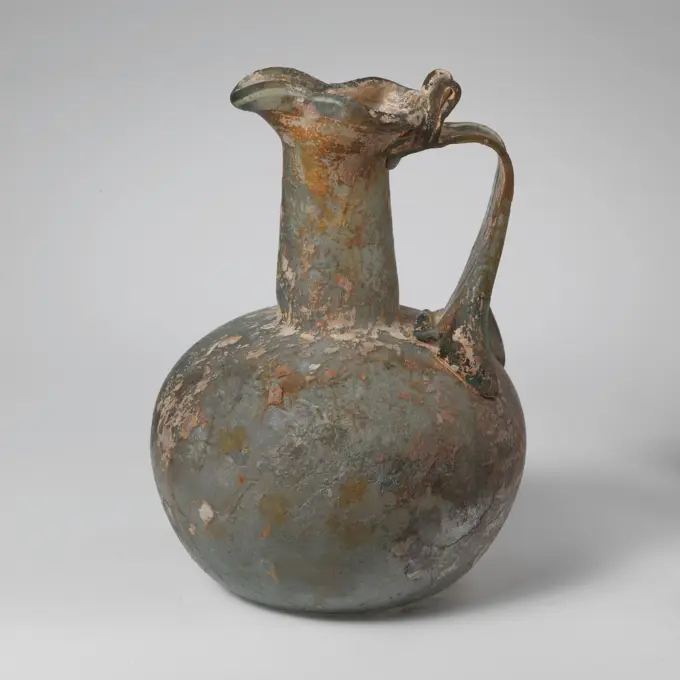
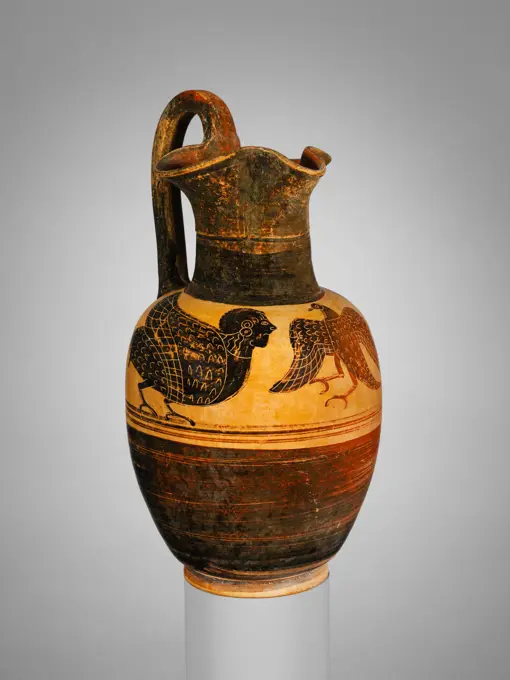
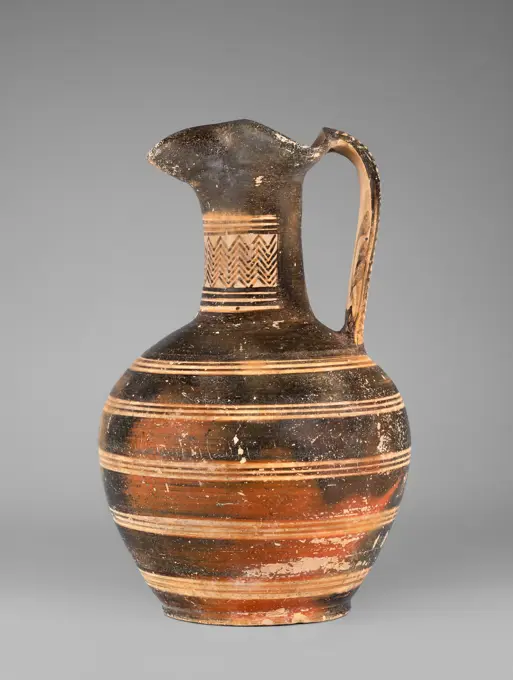
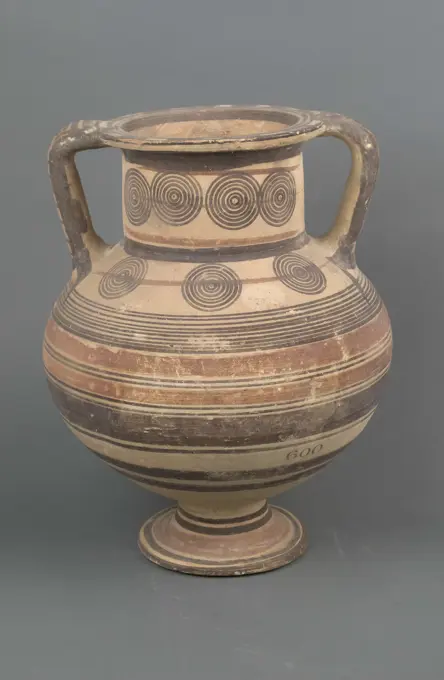
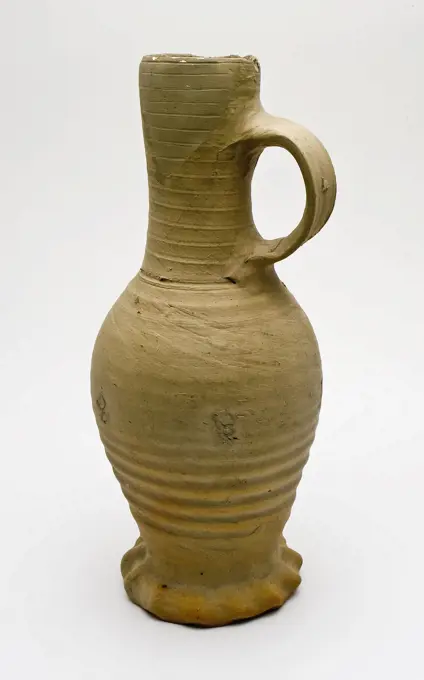
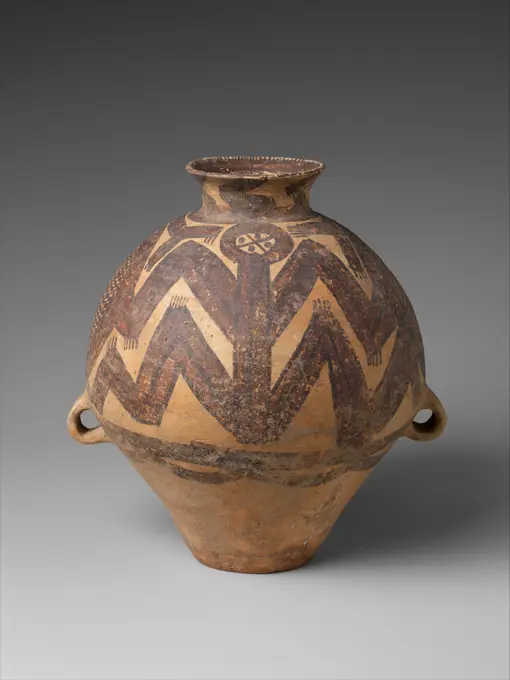
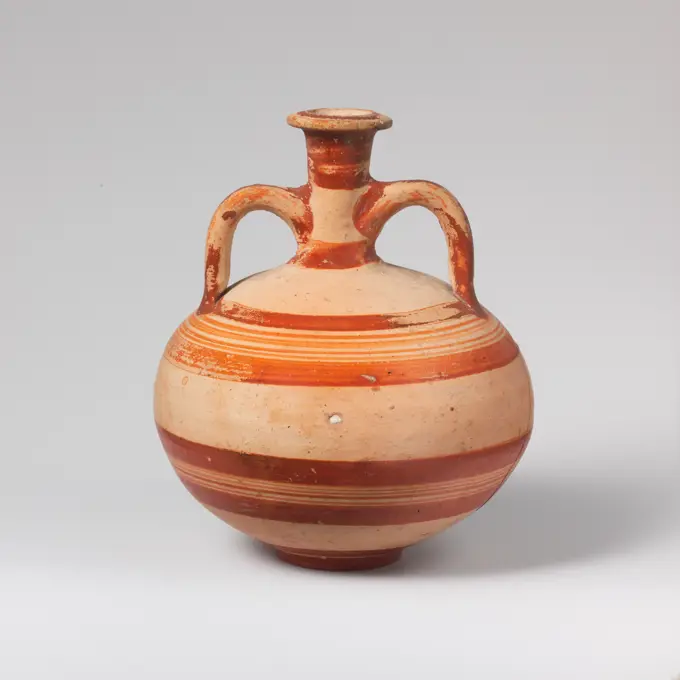
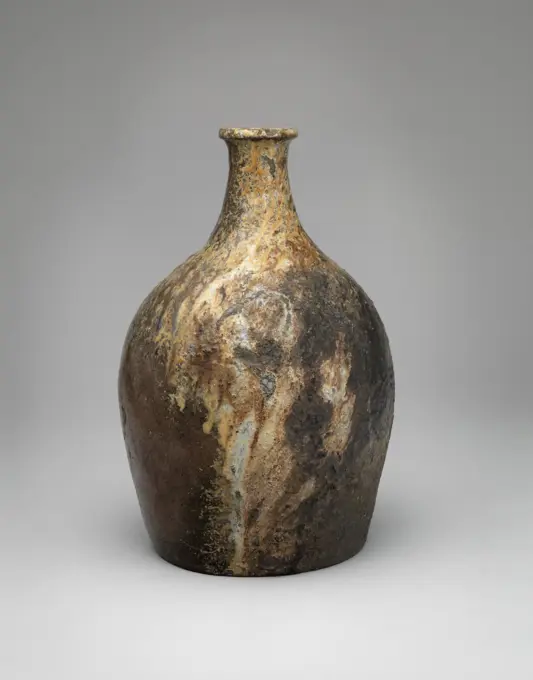
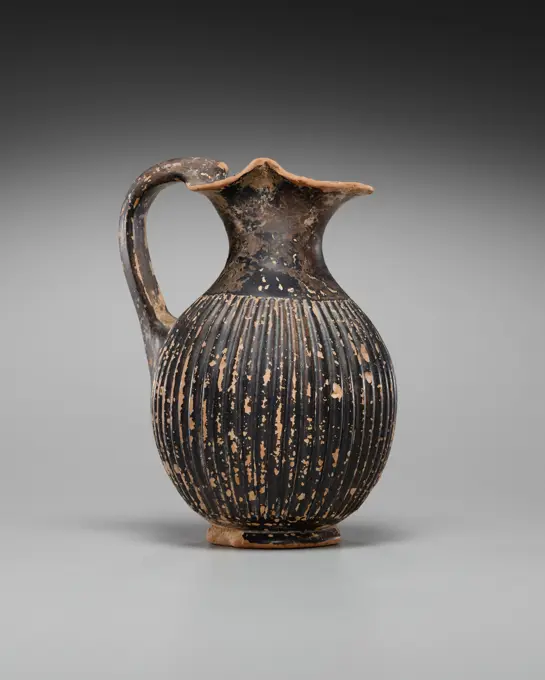
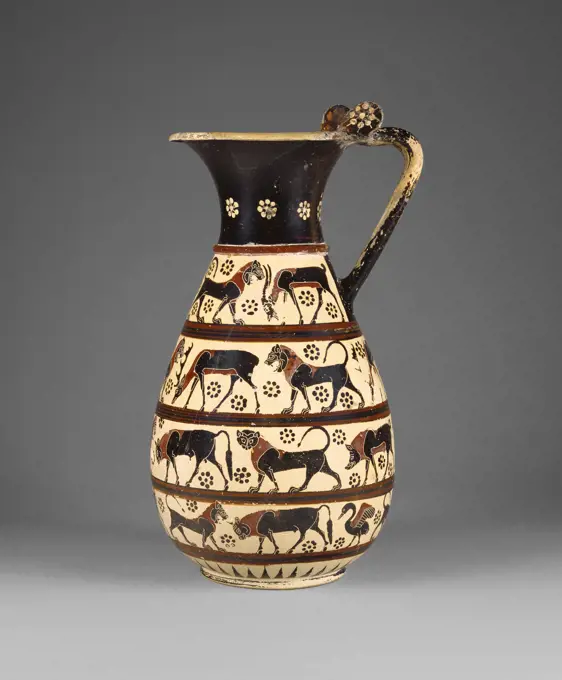
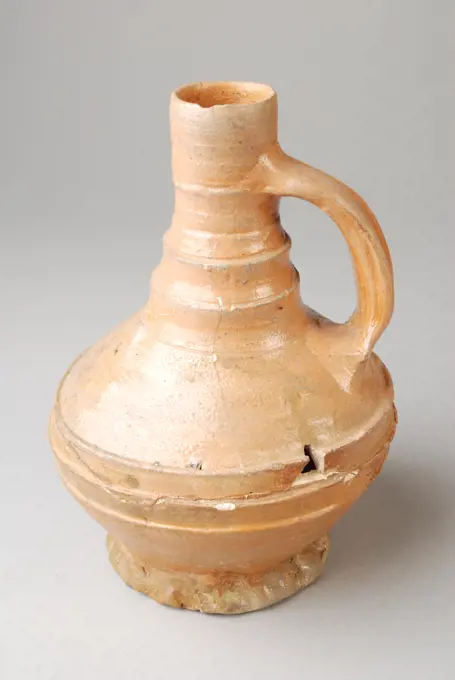
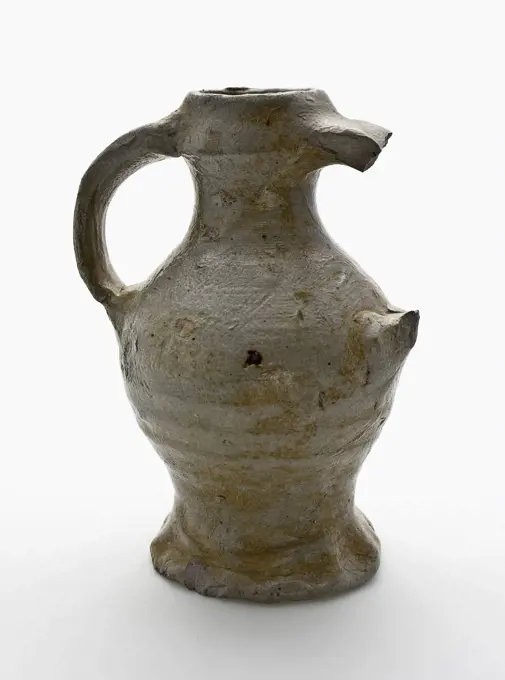
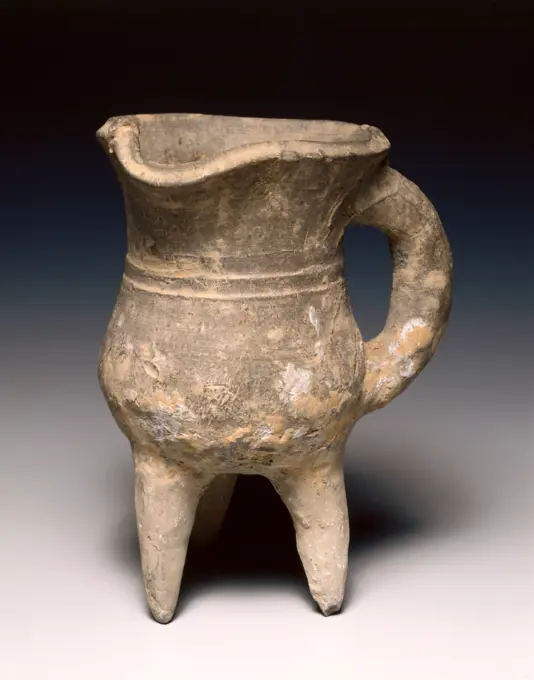
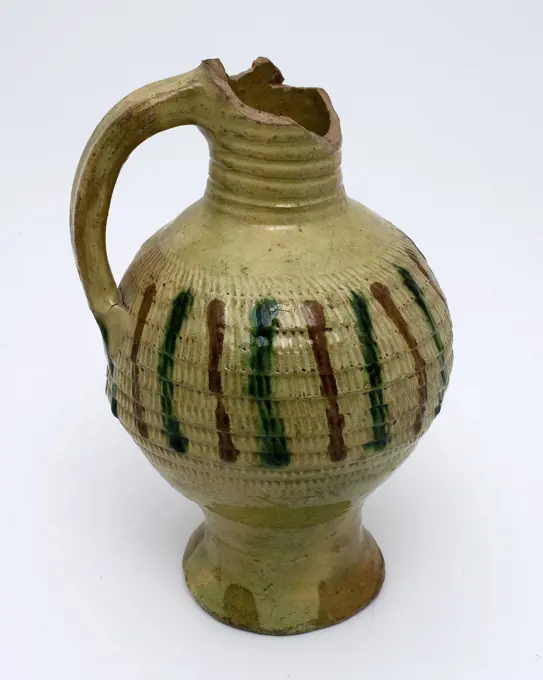
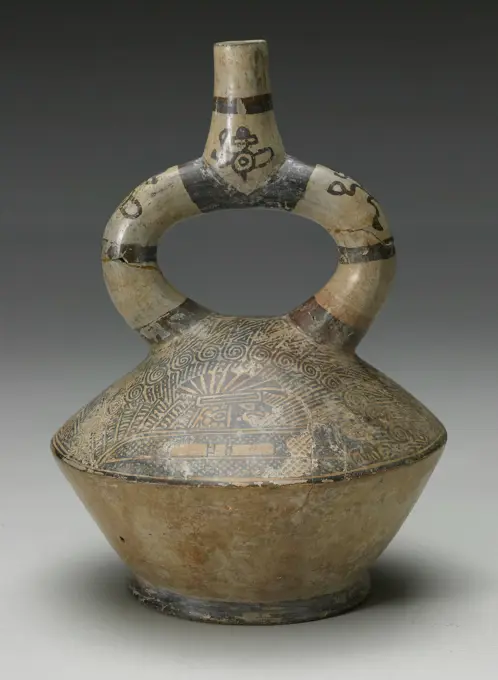
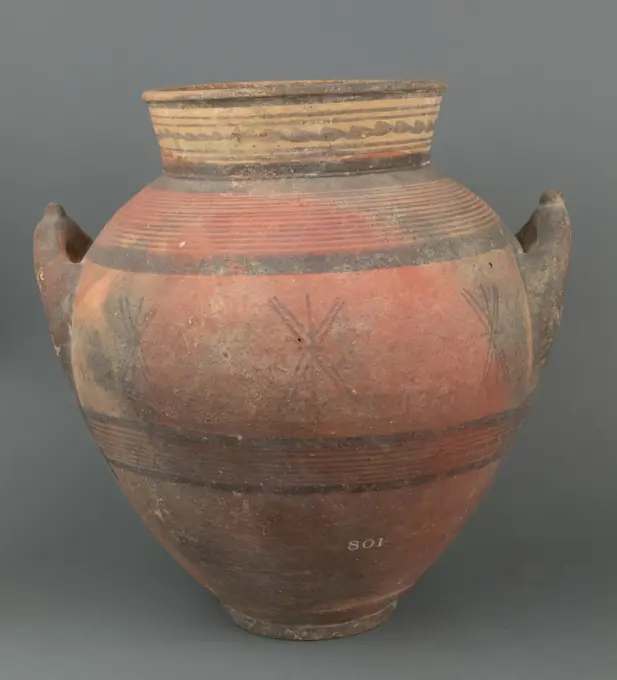
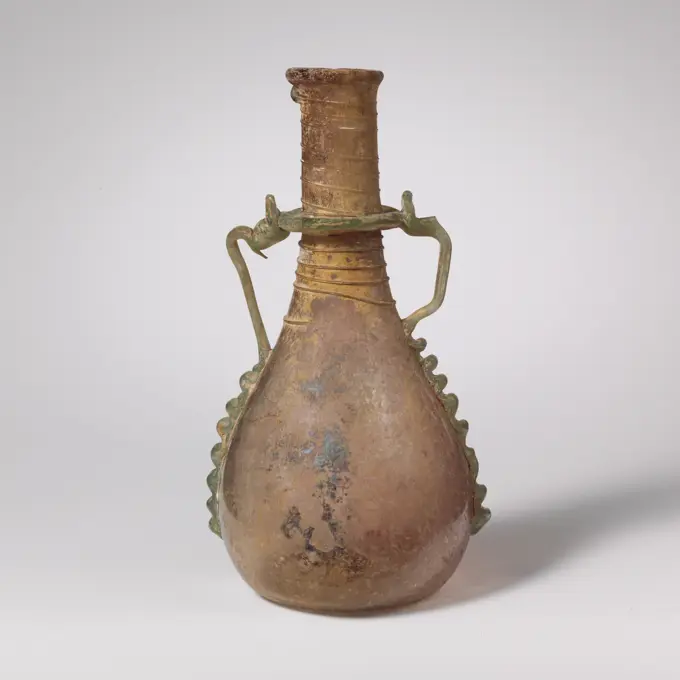
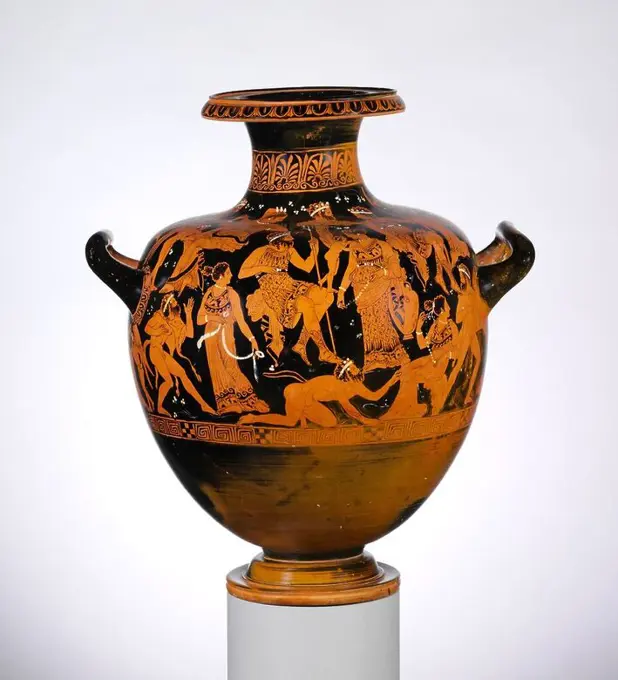
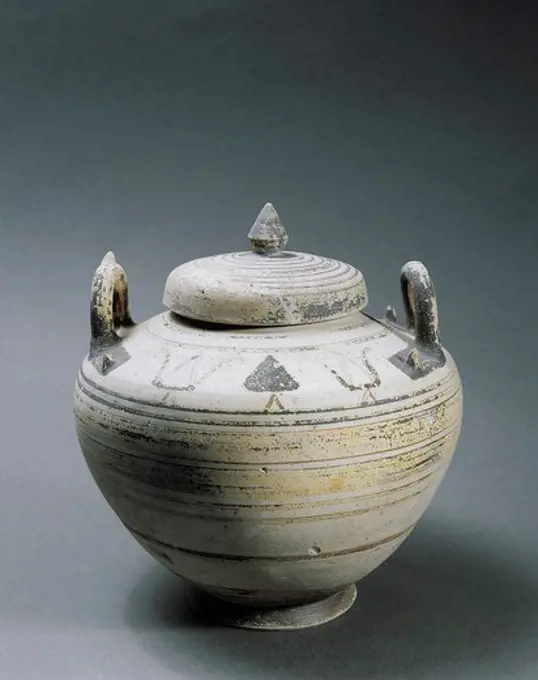
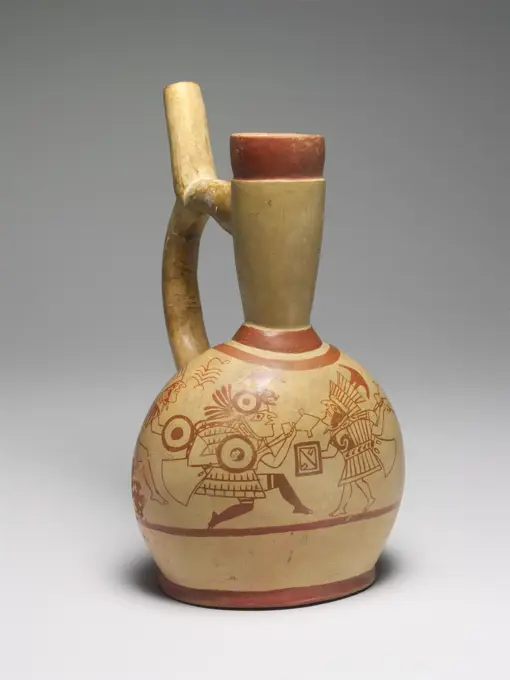
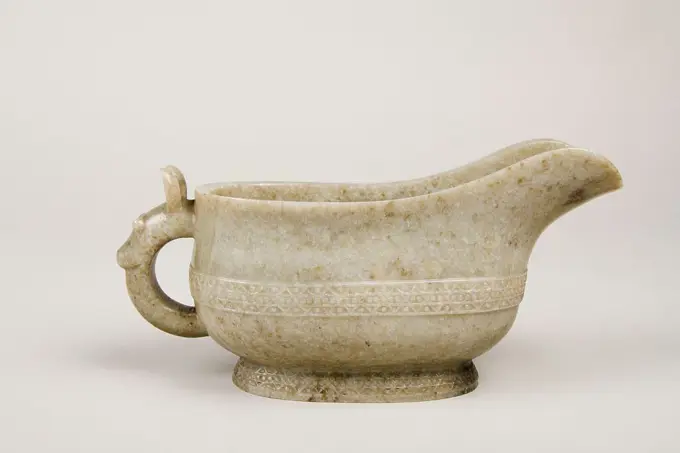
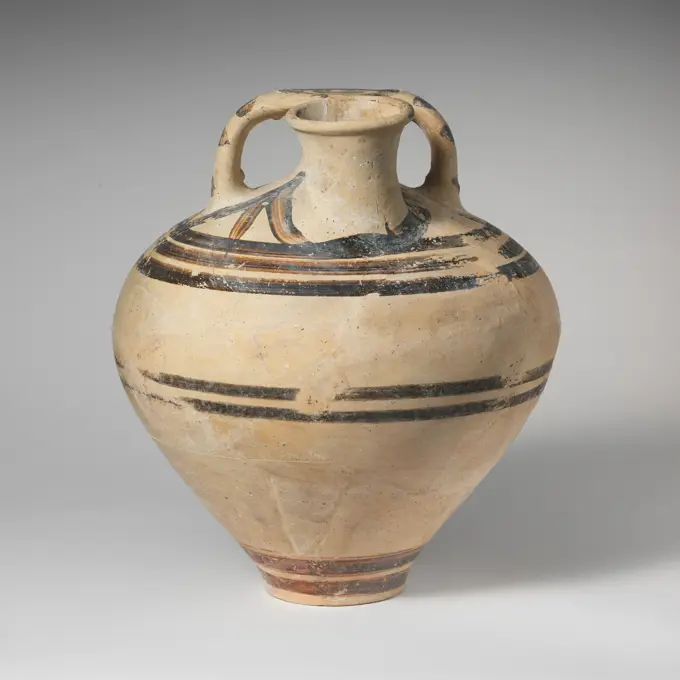
Terracotta stirrup jar ca. 1400-1050 B.C. Mycenaean The stirrup jar is one of the most common Mycenaean shapes used to contain liquids such as oil or wine.. Terracotta stirrup jar 252899 Mycenaean, Terracotta stirrup jar, ca. 14001050 B.C., Terracotta, H. 13 7/8 in. (35.2 cm) Diameter 12 1/8 in. (20.8 cm). The Metropolitan Museum of Art, New York. Gift of the Greek Government, 1927 (27.120.1)Covered Jar (Hu) 2nd-1st century B.C. China This mortuary vessel is decorated with the animated drama of a blue beast with bared fangs lunging at a mounted archer. Roaming the other side of the hu is a long striding tiger. Executed with brilliant pigments and confident black brushstrokes, the decoration perfectly expresses the boldly assertive character of the Western Han dynasty and is, moreover, one of the finest known examples of Han painting. The iconography is celestial: the blue beast represents the star Sirius, known in China as the Heavenly Wolf, and the archer is a personification of the adjoining constellation, Bow, whose arrow always points directly at the Wolf. Their companion on the other side is the White Tiger, cosmological symbol of the West, whose domain in the nightly sky borders that of the Wolf and the Bow.The Wolf is a baleful star. He governs thievery and looting and represents the Xiongnu tribes (Huns) who warred with the Han people on the northwestern borders ofBeardman or Bellarmine jug 17th century German, Cologne-Frechen The motif of a bearded face is carved in low relief at the neck of this jug. Known as Beardman or Bellarmine jugs, these stoneware vessels were made in Cologne and the Rhineland beginning in the sixteenth century.. Beardman or Bellarmine jug. German, Cologne-Frechen. 17th century. Salt-glazed stoneware. Ceramics-PotteryTerracotta oinochoe:olpe (jug) ca. 630-615 B.C. Attributed to the Milazzo Painter Four friezes with animalsOlpai were greatly favored by Corinthian artists, particularly during the last three decades of the seventh century. The decoration consists almost exclusively of animal friezes; there are virtually no examples with narrative figural subjects.. Terracotta oinochoe:olpe (jug) 246567Ewer 7th-8th century China. Ewer. China. 7th-8th century. Stoneware with brown glaze. Tang dynasty (618-907). CeramicsGlass jar Translucent pale green; applied blobs in same color.Outsplayed, horizontal rim, with rounded outer lip; concave cylindrical neck; broad, sloping shoulder; convex side to body tapering downwards; integral base ring; uneven bottom with central kick covered by pad from pontil.On body, three roughly horizontal rows of applied but flattened blobs in relief, all of differing sizes and shapes, some with trailing ends: top row comprises ten large blobs, middle row ten smaller blobs, and bottom row eleven blobs.Intact; some pinprick bubbles; dulling, iridescence, and large areas of thick enamel-like creamy weathering.. Glass jar 249395Hu, 1st-2nd century, 20in. (50.8cm), Glazed ceramic, China, 1st-2nd centuryGlass jug. Culture: Roman. Dimensions: 4 1/8 in. (10.5 cm)Other: 2 3/4 in. (7 cm)Diam. of rim: 1 1/8 in. (2.8 cm). Date: 2nd-3rd century A.D..Translucent pale yellow green; handle in same color.Rim folded unevenly out, round, and in; slightly funnel-shaped cylindrical neck, with tooling marks at base; globular body; concave bottom; strap handle applied to shoulder in three thick claw pads, drawn up and out, turned in horizontally, with a double vertical fold as thumb rest above rim, and then trailed on to top of neck and outer edge of rim.Intact; many bubbles; dulling, pitting, and iridescent weathering. Museum: Metropolitan Museum of Art, New York, USA.Vessel, 20th century, 13 1/4 x 14 3/16 x 14 3/16 in. (33.66 x 36.04 x 36.04 cm), Ceramic, Cameroon, 20th centuryJug with coats of arms, lions and ornamental borders, anonymous, c. 1650 - c. 1670 Jug of stoneware on standing surface with a spherical body and narrow neck. The C-shaped ear is attached to the neck and shoulder. Profiles on the neck. Partly covered with cobalt blue. On the abdomen three printed and imposed medallions in relief with weapons, where the middle one is flanked by lions. Next to the left medallion in Blauw the inscription 'IHS'. On the shoulder five tires with a stamped decoration, interrupted by a fourth medallion with weapon. The neck with two masks and a decorative band. Loose shard of the neck. Frechten. Frechen (possibly) stoneware. glaze. cobalt (mineral) vitrification Jug of stoneware on standing surface with a spherical body and narrow neck. The C-shaped ear is attached to the neck and shoulder. Profiles on the neck. Partly covered with cobalt blue. On the abdomen three printed and imposed medallions in relief with weapons, where the middle one is flanked by lions.Giocse Hioco ". Paris, Musée Cernali. 100126-20 Handle, spout, ceramic, signature, hioco poucherTankard (Wappenkrug). Raeren (ośrodek ceramiczny ; ca 1500-ca 1900), Mennicken, Johann Baldems (fl. ca 1589-1613), ceramistTerracotta beak-spouted jug ca. 1750-1700 B.C. Helladic Buff-ware jug with globular body, concave handle, high beaked spout and low foot. The shoulder is painted in dark brown over a buff slip with small zig zags.. Terracotta beak-spouted jug 256203Bronze hydria (water jar) with silver inlay. Culture: Greek. Dimensions: H.: 16 3/8 in. (41.6 cm). Date: late 5th century B.C..Relief under the handle: winged figure, perhaps Artemis, seizing a stag. Museum: Metropolitan Museum of Art, New York, USA.Jarlet. Thailand, Sawankhalok, late 14th century. Furnishings; Serviceware. Stoneware with celadon glazeEwerLamp, Asia Minor; 1st - 4th century; Terracotta; 3 x 8 x 9.8 cm (1 3,16 x 3 1,8 x 3 7,8 in.)Glass amphoriskos (perfume bottle). Culture: Greek, Eastern Mediterranean. Dimensions: H.: 4 5/8 in. (11.7 cm)Other: 2 3/8 in. (6.1 cm)Diam.: 2 3/16 x 1 1/4 in. (5.5 x 3.2 cm). Date: 2nd to mid-1st century B.C..Translucent blue, with same color pad-base and handles; trail in opaque yellow.Slanting rim-disk, sloping inward, with thick rounded outer edge and jagged vertical lip to mouth; cylindrical neck, expanding downward; broad sloping shoulder; straight-sided ovoid body; broad circular pad-base, flattened but uneven on underside and with round edge; two vertical s-shaped handles applied on shoulder, trailed up along lower part of neck, and pressed on to underside of rim and top neck.Yellow trail applied to edge of rim-disk, wound spirally down neck and across shoulder, where it is tooled into a festoon pattern, with nine upward strokes, continuing in almost horizontal lines at top of body but then tooled into a feather pattern in six uneven panels of alternating upward and downwGlass cinerary urn mid-1st-2nd century A.D. Roman Translucent blue green; handles in same color.Everted rim, folded down, round, up, and in, forming a solid, vertical collar and upward-projecting lip; flaring mouth; short, concave neck; large, piriform body; splayed hollow foot; concave bottom; two vertical, omega-shaped handles, attached on opposite sides of upper body, each made of a thick trail, applied as a large circular pad, drawn across body from left to right, and trailed off back along top of handle.Intact; pinprick bubbles and bands of horizontal scratches on exterior of mouth and upper part of body; dulling, patches of thick creamy brown weathering, and iridescence on exterior, and brilliant iridescent weathering and soil encrustation on interior.For holding ashes of the dead.. Glass cinerary urn 245624Jug, spouted 750-600 B.C. Cypriot Loop handle across neck and circles.. Jug, spouted. Cypriot. 750-600 B.C.. Terracotta. Cypro-Archaic I. VasesGlass indented flask. Culture: Roman. Dimensions: 3 7/16 x 1 11/16in. (8.7 x 4.2cm)Diameter: 1 in. (2.5 cm). Date: 2nd-3rd century A.D..Translucent pale blue green.Partly tubular, rounded rim; flaring mouth; neck expanding downward; broad, sloping shoulder; side of body tapering downward and with six elongated indents; round, pushed-in bottom.Intact; pinprick bubbles and blowing striations; creamy weathering and iridescence. Museum: Metropolitan Museum of Art, New York, USA.Jar ca. 7th century B.C. Iran This globular jar has a flat base and a flaring rim. It is made of an orange clay using a potters wheel and its exterior surface has been burnished. It was excavated at Tepe Nush-i Jan, an Iron Age hilltop site about 60 km sound of Hamadan in western Iran. Nush-i Jan was occupied in the 7th and 6th centuries B.C., and its occupants are generally thought to be the Medes, an Iranian people known from Assyrian, Achaemenid and Biblical sources. Though the textual sources portray them as a powerful empire, archaeological evidence for the Medes has yet to sustain this impression. Rather, they seem to have lived in scattered fortified sites in western and central Iran, without any clear capital. Nush-i Jan, one of the best known of these sites, features two temples, a columned hall, and a fort. The jar was found in the columned hall in what has been identified as a ‘squatters level. Archaeologists use the term ‘squatting to refer to the re-occupation of a sitJug 480-400 B.C. Cypriot White horizontal bands with fleur-de-lys ornament.. Jug. Cypriot. 480-400 B.C.. Terracotta. Cypro-Classical I. VasesStorage jar Japan middle Yayoi period (ca. 100 BCE-100 CE) Contributions from Chinese and Korean immigrants enhanced the cultural complexincluding wet-rice agriculture, bronze technology, spinning and weaving techniques, and a new ceramic aestheticthat defines the Yayoi period in Japan. The elegant form of this jar was built of clay coils and then smoothed to an even base. Used for grains or liquid, this capacious jar is enhanced by bands of clay. The small tapered bottom indicates that this jar was supported either with a separate base or by inserting it into a depression in the ground. View more. Storage jar. Japan. Earthenware with applique. middle Yayoi period (ca. 100 BCE-100 CE). CeramicsCollared Jar with Spiral Designs; Cyclades, Greece; 3000 - 2800 B.C; Terracotta; 14.9 × 14.6 cm (5 7,8 × 5 3,4 in.)Glass flask decorated with intersecting circles. Culture: Roman. Dimensions: H.: 4 5/16 in. (11 cm). Date: 2nd-3rd century A.D..Translucent colorless with pale blue green tinge.Uneven rounded rim with slight inward lip on one side; upper half of neck funnel-shaped, then more cylindrical but tapering downwards; pushed in shoulder, above vertical collar; spherical body; projecting round edge to base concave bottom; no pontil mark. Body blown into a four-part mold of three vertical sections, joined to a shallow, disk-shaped base section.On body, sunken relief design of nine interlocking circles with a dot at the center of each circle, bordered above and below by a double row of smaller dots; on bottom, a raised circle around a small central knob.Intact; some bubbles and blowing striations, with a sharp, trail-like swirl on inside of neck, shoulder, and collar; dulling, pitting, and iridescence on exterior, patches of weathering on interior.Decorated with intersecting circles. Museum: MetrAskos; terra-cottaLamp. UnknownTerracotta pyxis (box). Culture: Greek, Corinthian. Dimensions: H. 4 3/4 in. (12.1 cm). Date: ca. 590-570 B.C..Obverse and reverse, between vertical handles, an eagle. Museum: Metropolitan Museum of Art, New York, USA.Beard cancer with three medallions with coat of arms. Brown bearded manner of pottery. On the belly 3 medallions in which a coat of arms. A mask with beard against the neck. Decorated with blue spots.Ampulla (Roman Empire, probably Syria); glassGlass jug mid-1st-2nd century A.D. Roman Small one-handled jugTranslucent pale blue green; handle in same color.Rim folded out, round, and in; slender, cylindrical neck; slightly convex slanting shoulder with raised, tubular fold below; body flaring downward with concave sides; broad, shallow, rounded bottom; strap handle with ribs at side edges applied to shoulder above fold, drawn up and out, turned in horizontally to top of neck and underside of rim, and trailed off with backward projection.Intact; pinprick bubbles; dulling, pitting, and iridescent weathering.. Glass jug 239728WAZKA  ornament in a relief with beige purple enamel unknownVessel (Aryballos) with Textile Pattern and Spout Modeled as a Head. Inca; Lambayeque Valley, north coast, Peru. Date: 1200-1450. Dimensions: 19.5 x 15.9 cm (7 11/16 x 6 1/4 in.). Ceramic and pigment. Origin: North Coast. Museum: The Chicago Art Institute, Chicago, USA.Lamp; South Anatolia, Anatolia; 1st - 4th century; Terracotta; 3.3 x 7.4 x 9.3 cm (1 5,16 x 2 15,16 x 3 11,16 in.)Jug (Bartmann jug) with a roundel, anonymous, c. 1650 - c. 1799 Jug (beard fancier) of stoneware on the standing surface with an egg -shaped body and narrow neck. The C-shaped ear is attached to the neck and shoulder. Profiles on the neck. Covered with a brown Engobe. On the belly in relief a printed and imposed medallion with a rosette. On the neck, continuously on the shoulder, a bearded man. Frechten. Cheek stoneware. glaze. engobe vitrification Jug (beard fancier) of stoneware on the standing surface with an egg -shaped body and narrow neck. The C-shaped ear is attached to the neck and shoulder. Profiles on the neck. Covered with a brown Engobe. On the belly in relief a printed and imposed medallion with a rosette. On the neck, continuously on the shoulder, a bearded man. Frechten. Cheek stoneware. glaze. engobe vitrificationWine Jug: Yue ware, 10th Century. China, Chekiang province, Shang-lin-hu type, Five dynasties (907-960) - Song dynasty (960-1279). Glazed gray stoneware; diameter: 12.7 cm (5 in.); overall: 21.6 cm (8 1/2 in.).Final jug. Partially light brown colored jug of pottery. The belly is onion-shaped and completely horizontal ribbed. On the neck and belly a beard man with two arms holding a bagpipe.. Ritual wine cup with five bands of braid around the barrel, one of which is around the foot.Jug 750-480 B.C. Cypriot Oinochoe with bands and concentric circles, with lotus and other details in white.. Jug. Cypriot. 750-480 B.C.. Terracotta. Cypro-Archaic I. VasesJar in the Form of an Ancient Bronze Container (lei) Made 475 BCE-221 BCE China. Stoneware .Bottle. Culture: Frankish. Dimensions: Overall: 4 1/8 x 2 13/16 in. (10.5 x 7.1 cm). Date: 5th-7th century. Museum: Metropolitan Museum of Art, New York, USA.Small stoneware jug with tin lid, rings around the neck, jug crockery holder soil find ceramic stoneware glaze salt glaze tin, foot 6.0 hand turned glazed cast Small jug with tin lid pear shaped model with parallel rings on neck and shoulder. On the stand few turns. Stoneware brown mottled glaze. Gray shard Pewter lid one button as thumb rest archeology import pottery serving drink pouring Rotterdam education Academy of Fine Arts and Technical Sciences Cool Coolvest Dijkzigt G.J. de Jonghweg City Triangle Blaak Academy of Fine Arts and Technical Sciences Rotterdam.Painted Bowl with Lugs and Faces 10th-4th century B.C. Chorrera. Painted Bowl with Lugs and Faces. Chorrera. 10th-4th century B.C.. Ceramic, pigment. Ecuador. Ceramics-ContainersJar, Canaanite, miniature 750-480 B.C. Cypriot. Jar, Canaanite, miniature. Cypriot. 750-480 B.C.. Terracotta. Cypro-Archaic I-II. VasesBell-Krater. Italy, Daunia (), 7th century B.C.. Furnishings; Serviceware. TerracottaPottery jug be used with high vertical sausage ear, pouring lip, slender neck and widened upper edge, jug crockery holder soil find ceramic earthenware glaze lead glaze, hand-turned glazed baked Pottery jug covered red shard entirely covered with lead glaze pouring clip top pinched sausage ear stand ring. Slim neck with widened upper edge. Turning rings Top edge next to the schenklip fallen out of shape archeology indigenous pottery kitchen table room serving serveJar ca. 3rd-7th century A.D. Sasanian This small jar is made of a buff ware, covered with a burnished red slip and decorated with incised wavy lines and vertical strokes.The small town and fortress of Qasr-i Abu Nasr is located near Shiraz in southern Iran at a strategic point at the intersection of defensive mountains, available water sources, and along roads entering the Shiraz plain. The site was excavated by archaeologists from The Metropolitan Museum of Art for three seasons from 1932-1935. The town was occupied, at least intermittently, from the Parthian period (3rd century B.C.-3rd century A.D.) to the Muzaffarid period (13th-14th century A.D.). The major occupation, including the extensive fortress, dates to the Late Sasanian period (6th-7th century A.D.).The eastern part of Qasr-i Abu Nasr is a raised plateau of a roughly triangular shape. During the Sasanian period the plateau was fortified by a wall and densely occupied. Archaeological finds from the fortress show a wide ranEwer 12th-13th century While this small earthenware ewer excavated from Nishapur is less colorful than the famous glazed ceramics found at the same site, it is no less vibrant in terms of its decorative program. Most of the preserved surface is covered with registers containing repeat patterns, each one different from the others. In the central register, birds and seated men alternate with large tear-drop shapes, all on a stippled ground. These patterns were made by hemispherical molds in which the body of this vessel was cast. The use of molds not only enabled Nishapurs potters to easily make intricate surface decorations, but the technique also produced motifs that stood out in relief, creating a surface texture similar to cast or hammered metalwork.. Ewer 449041Bearded manner. Brown colored bearded manner of stoneware. The bullet-shaped belly is decorated with grape buttons. At the front of the neck a beard man with heavy, wide-wavy beard.Vase with lid Etruscan Two-handled with cover ending in cone-shaped knob.. Vase with lid. Etruscan. Terracotta. VasesGlass jug with trefoil rim 2nd-3rd century A.D. Roman Translucent blue green; handle in same color.Tubular rim folded over, in, and pressed into sides of neck, then tooled into trefoil shape; cylindrical, funnel-shaped neck, slightly tooled in at base; bulbous body; slightly concave bottom; strap handle applied in two large splayed claw pads to top of body, drawn up and outward, curved in, with a vertical fold as thumb rest above rim, and then trailed on to outer edge of rim and top of neck.Intact; pinprick bubbles and blowing striations; deep pitting, with weathering and iridescence.. Glass jug with trefoil rim 239705Terracotta beaker with barbotine decoration. Culture: Roman. Dimensions: H. 6.15 cm. Diameter 7.4 cm.. Date: late 2nd-early 3rd century A.D..Red vase with dark brown glaze; barbotine pattern of two running dogs and leaves. Museum: Metropolitan Museum of Art, New York, USA.Terracotta oinochoe (jug) ca. 525-500 B.C. Attributed to the Micali Painter Sirens and an eagleThe Micali Painter is the most prolific and best-known Etruscan painter of black-figure pottery. His workshop was probably located at Vulci.. Terracotta oinochoe (jug) 247212Oinochoe w stylu geometrycznym. warsztat korynckiNuragic civilization. Pear-shaped pitcher with engraved decorations. From Sardinia Region.Ewer with AnimalHandleAmphoriskos 750-600 B.C. Cypriot Black and red bands, concentric circles on neck and shoulder.. Amphoriskos. Cypriot. 750-600 B.C.. Terracotta. Cypro-Archaic I. VasesWater Jar. United States, New Mexico, Acomita Pueblo or possibly Laguna Pueblo, circa 1800-1820. Furnishings; Serviceware. Earthenware and pigmentsStoneware jug with long narrow neck on bulbous body, on squeeze foot, jug crockery holder soil find ceramic stoneware, surface 8.7 hand-turned baked Stoneware v gray shard unglazed pink brown spots bandoor profiled turnings around the neck rotations around the belly pinched foot. Turning Reels Restoration is repainted archeology of indigenous earthenware import drink serve serve serveTerracotta amphoriskos (oil flask). Culture: Greek, Attic. Dimensions: H. 6 9/16 in. (16.7 cm). Date: 4th century B.C..Ribbed with incised pattern on body and shoulder. Museum: Metropolitan Museum of Art, New York, USA.Jug. Gray jar with three medallions with weapons.Jar. Culture: French. Dimensions: Overall: 8 3/16 x 6 1/8 x 5 1/16 in. (20.8 x 15.5 x 12.8 cm). Date: 13th century. Museum: Metropolitan Museum of Art, New York, USA.Jug with a coat of arms and a ribbed neck, anonymous, c. 1580 - c. 1600 Jug of stoneware on stand ring with an egg -shaped abdomen and narrow, ribbed neck. The C-shaped ear is attached to the neck and shoulder. Profiles on the foot and shoulder. Covered with a brown Engobe. On the belly in relief three times a printed and imposed weapon with the inscription 'Iohans Freiher Herzo Stattin in Pomeren G. E. 1580'. The lower part of the abdomen with canelures and a horizontal profile. The jug is caught in a pewter frame with lid. Raeren. Rae Stoneware. Glaze. Engobe. frame: tin (metal) vitrification Jug of stoneware on stand ring with an egg -shaped abdomen and narrow, ribbed neck. The C-shaped ear is attached to the neck and shoulder. Profiles on the foot and shoulder. Covered with a brown Engobe. On the belly in relief three times a printed and imposed weapon with the inscription 'Iohans Freiher Herzo Stattin in Pomeren G. E. 1580'. The lower part of the abdomen with canelures and a horizJar (Guan) Machang phase, ca. 2350-2050 B.C. China Large and small two-handled jars, pitchers, bowls, and beakers are the most common forms produced in the Machang phase of the Majiayao (or Gansu Yangshao) culture. Decorative motifs on Machang-period wares are largely geometric and include curvilinear patterns and cross-hatching, and lozenges, triangles, circles, and squares in an endless array of combinations. The zoomorphic figure in the center of this jar is one of the more distinctive images in the Machang vocabulary. Four limbs, bent in the center, are attached to a long torso, capped by a small head. Feathers or some other type of tufting are found at the end of the upper limbs and at the joints of all four appendages. These enigmatic motifs are variously interpreted: they are sometimes explained as abstract representations of natural creatures such as frogs; other hypotheses suggest that they are symbolic of either the costume worn by a shaman or the transformation he undergoes Terracotta globular flask ca. 1400-1050 B.C. Mycenaean Two handles and broad and narrow bands.. Terracotta globular flask 240344Swan group (Swan Group). Set of miniature vases: "Olpè". Ceramics with black figures, without incisions, purplish red highlights, 550-540 BC. AD Museum of Fine Arts of the City of Paris, Petit Palais. 99932-12 Antiquity, ceramic with black figures, rehabilitated red purplish, vieme life VI 6th 6th 6th century before av. JC, ancientJug, anonymous, c. 0 - c. 100 Gallo-Roman jug of cream-colored earthenware. The pear -shaped belly is crowned at the top with a narrow neck in a wider, angular donor. The flat ear is decorated with frightened grooves and connects the neck through a sharp angle with the body. Southern Netherlands (possibly) earthenware Gallo-Roman jug of cream-colored earthenware. The pear -shaped belly is crowned at the top with a narrow neck in a wider, angular donor. The flat ear is decorated with frightened grooves and connects the neck through a sharp angle with the body. Southern Netherlands (possibly) earthenwareSake Bottle, 17th century, Unknown Japanese, 13 3/4 × 9 × 9 in. (34.93 × 22.86 × 22.86 cm), Tanba ware; stoneware with natural ash glaze, Japan, 17th century, Although this bottle for serving sake (Japanese rice liquor) was made at a time when Tanba potters were sometimes using artificial glazes to decorate their work, it features a more traditional Tanba style. The burst of natural ash glaze that drips from the mouth and shoulder makes a dramatic contrast to the reddish brown Tanba clay.Jar, Glass, squat ovoid body witha short conical neck and straight-walled mouth. On circular foot. Iridescent glass, pale green, Arabia, 12th-13th century, glasswares, Decorative Arts, JarTrefoil mouthed oinochoe with ribbedbodyVase with a green glaze and two handles, anonymous, anonymous, c. 1600 - c. 1699 Vase of stoneware with two ears on the shoulder, partly covered with a celadongroen glaze. The belly is dented and an Ingrift Cross four times on the neck. The lower part of the vase is unglazed. Old trader label on the bottom with 'N.V. Hammer - Far Eastern Art New York/ 440 '. I go. Japan stoneware. glaze vitrification Vase of stoneware with two ears on the shoulder, partly covered with a celadongroen glaze. The belly is dented and an Ingrift Cross four times on the neck. The lower part of the vase is unglazed. Old trader label on the bottom with 'N.V. Hammer - Far Eastern Art New York/ 440 '. I go. Japan stoneware. glaze vitrificationInk well, c. 1600 - c. 1699 Inkpot  From stoneware with a cylindrical body and excellent edge to hang in the holder of the ink set. Covered with a brown Engobe. Equipped with a sticker with information about the location. Cologne/ Frechen. Cologne stoneware. glaze. engobe vitrification Inkpot  From stoneware with a cylindrical body and excellent edge to hang in the holder of the ink set. Covered with a brown Engobe. Equipped with a sticker with information about the location. Cologne/ Frechen. Cologne stoneware. glaze. engobe vitrificationJug 3rd quarter of the 7th century B.C. Etruscan Trefoil lip, a ridge about neck, and three incised lines on shoulder.. Jug. Etruscan. 3rd quarter of the 7th century B.C.. Terracotta. Orientalizing. VasesPitcher with Lions and Panthers; Painter of MalibuStoneware jug on pinched foot, ocher-colored salt glaze, belly model, jug holder soil find ceramic stoneware glaze salt glaze, hand-turned glazed baked Stoneware jug ocher colored glazed convex belly slim neck bandoor pinched stand ring rotations wide turns on the neck and some on the belly. Pinched foot archeology Capelle aan den IJssel House in Capelle castle crockery utensils tableware drinking serve serving Soil discovery: moat south side Huis te Capelle ± 1395 - ± 1500 Capelle aan den IJssel 1963Small stoneware jug with two ears and pinched foot, jug crockery holder soil find ceramic stoneware glaze salt glaze, hand turned glazed baked Stoneware gray shard gray salt glaze two bandors protruding ring around the neck under the mouth rim rotations around the belly pinched foot archeology import pottery pouring serve store packagingHanaikeVaseSquat Jar with Cursive Floral Scroll. Thailand, Sukhothai, late 14th century. Furnishings; Serviceware. Wheel-thrown stoneware with cream slip, underglaze brown painted decoration, and clear glazeWine Warmer (Jue), c. 1300-1023 BC. China, Shang dynasty (c.1600-c.1046 BC), Anyang phase (c.1250-1046 BC). Pottery, tripod vessel with loop handle and rudimentary bowstring decoration; diameter: 10.4 cm (4 1/8 in.); overall: 14.7 cm (5 13/16 in.).Jug with foliate scrolls and grapes, anonymous, c. 1570 - c. 1600 Can be made of stoneware on the stand ring with a printed, spherical abdomen and a spreading neck with a raised edge and pinched spout. The C-shaped ear is attached to the edge and the shoulder. Profiles on the abdomen, neck and foot. The shoulder with a band of stamped leaf vines. The lower part of the abdomen is divided into courses with a grape voucher in each. Raeren. Rae stoneware. glaze vitrification Can be made of stoneware on the stand ring with a printed, spherical abdomen and a spreading neck with a raised edge and pinched spout. The C-shaped ear is attached to the edge and the shoulder. Profiles on the abdomen, neck and foot. The shoulder with a band of stamped leaf vines. The lower part of the abdomen is divided into courses with a grape voucher in each. Raeren. Rae stoneware. glaze vitrificationPot 4th-7th century Coptic. Pot 477287Stoneware jug, Jug or jacobakan, slim model with wide vertical ear, on squeeze foot, Jug or jacobakan jug crockery holder soil find ceramic stoneware w 25,1, hand-turned baked Stoneware can Jug or jacobakan slim model with wide vertical ear on squeeze foot. Turning loops over the entire height thickened ring on the transition from neck to belly archeology Rotterdam North Agniesebuurt castle Weena indigenous pottery import drinking pouring table room Soil discovery: Castle Weena Rotterdam found during excavation work for construction station in 1905.Bucket. Iran or Afghanistan, probably Khurasan, early 13th century. Metal. Bronze, engravedRoman Ceramic cup (4 th CE ).Swan group (Swan Group). Set of miniature vases: "Hydrie". Ceramics with black figures, without incisions, purplish red highlights, 550-540 BC. AD Museum of Fine Arts of the City of Paris, Petit Palais. 99932-8 Antiquity, ceramic with black figures, rehabilitated red purplish, vieme life VI 6th 6th 6th century before av. JC, ancientYellow pottery jug, on belly vertical brown and green lines for ornamentation, radification, oil jug tableware holder soil find ceramic earthenware glaze leadglass, hand turned stamped glazed fried lozenge Weser jug with ear on high standing foot round belly Turnings on the neck Yellow shard archeology Rotterdam indigenous pottery import oil enlightenment serve war Second World War Soil finds from rubble after the bombing of May 1940 Rotterdam.Cup with Painted Decoration ca. 4th-5th century Pakistan. Cup with Painted Decoration. Pakistan. ca. 4th-5th century. Painted terracotta. CeramicsStirrup spout vessel, 3rd century BCE - 8th century CE, 9 1/8 x 5 x 5 1/4 in. (23.18 x 12.7 x 13.34 cm), Polychrome, Peru, 3rd century BCE - 8th century CEAmphora 750-480 B.C. Cypriot Black and white horizontal bands and geometric ornaments.. Amphora. Cypriot. 750-480 B.C.. Terracotta. Cypro-Archaic I. VasesGlass two-handled bottle 5th century A.D. Roman, Syrian Translucent pale purple; handles, disk, trail, and pontil stud in translucent pale blue green.Everted rim folded over and in; cylindrical neck, expanding downwards and joining imperceptibly with piriform body; deep pushed-in bottom with central pontil stud; hollow disk around neck, applied over spiral trail; two slender rod handles, attached to upper body with long trails down sides almost to bottom, drawn up (one as angular loop, the other as a straight line), turned in, and pressed on to edge of disk, each with a tooled vertical projection above.Fine trail applied below rim, trailed down neck in a spiral fourteen times, ending on upper body; downward trails to handles with tooled horizontal notches.Intact; pinprick bubbles; dulling, slight pitting, iridescence, and patches of brownish weathering.Purple, pear shaped vase with blue handles and collar, and glass threads around neck.. Glass two-handled bottle 249536Goblet. Western Iran, Iron Age I, about 1350-1000 B.C.. Furnishings; Serviceware. Bronze, hammeredTerracotta hydria: kalpis (water jar). Culture: Greek, Attic. Dimensions: H. 17 3/16 in. (43.6 cm); diameter of mouth 6 9/16 in. (16.7 cm); diameter of foot 6 1/16 in. (15.4 cm). Date: early 4th century B.C..Poseidon and Amymone with Amphitrite, Aphrodite, Dionysos, satyrs, and maenadsThe subject here is the same as on the hydria 56.171.55, and the general composition is similar. Interesting differences include the greater prominence of Amymone and the presence of Amphitrite, Poseidon's consort. Museum: Metropolitan Museum of Art, New York, USA.Bottle, 12th-15th century, 8 1/4 x 8 1/2 in. (20.96 x 21.59 cm), Ceramic, pigment, United States, 12th-15th centuryClay stamnos with lid, decorated with linear and phytomorphic motifsWarrior Bottle 4th-7th century Moche Painted in a style called fineline,” so named for the detailed figures and scenes delicately painted in red slip (a suspension of clay and/or other colorants in water) on a white background, this bottle depicts four warriors, arrayed in pairs and standing on a red ground line that encircles the vessel. The flask-shaped bottle—a less-common vessel shape in Moche ceramics—includes a stirrup-spout, a characteristic feature of Moche bottles. So-called for their formal resemblance to stirrups, a device used to anchor a foot to the saddle of a horse (although entirely unrelated to that function), such spouts are usually located at the top of the vessel’s body. On this bottle, the stirrup-spout is eccentrically located to the side, thereby permitting the placement of a central, cylindrical, sealed element that resembles a bottle spout but does not serve as one (Donnan and McClelland, 1999). The warriors painted on the body of the vessel face their opponenWater vessel in the shape of an ancient ritual bronze (yi). Culture: China. Dimensions: H. 7 15/16 in. (20.1 cm); W. 3 7/8 in. (9.9 cm); L. 3 1/8 in. (8 cm). Museum: Metropolitan Museum of Art, New York, USA.Wazka  Seladon Glass with Krakelula unknownNeolithic, Yangshao culture, ceramic amphora, from GansuTerracotta flask ca. 2000-1600 B.C. Cypriot Flask with horned handle, horizontal and vertical straight and wavy lines.. Terracotta flask 240934