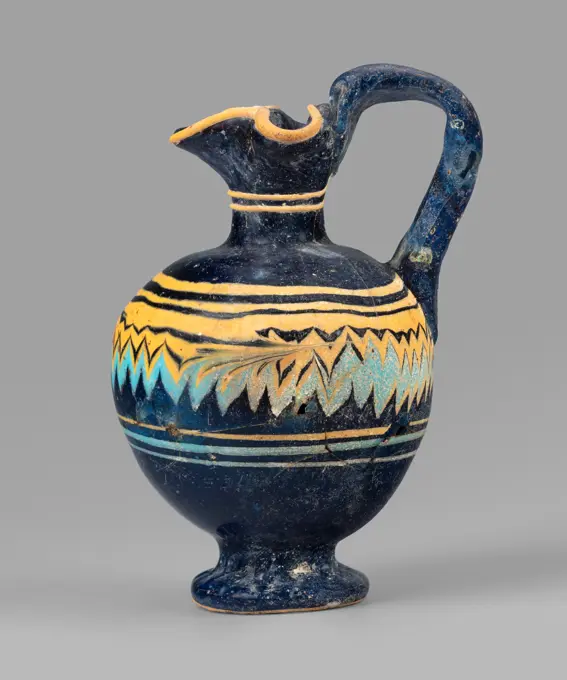
Ancient Decorative Vessels

Diverse jars and jugs from ancient cultures featuring unique decorative elements. These vessels are notable for their historical craftsmanship.
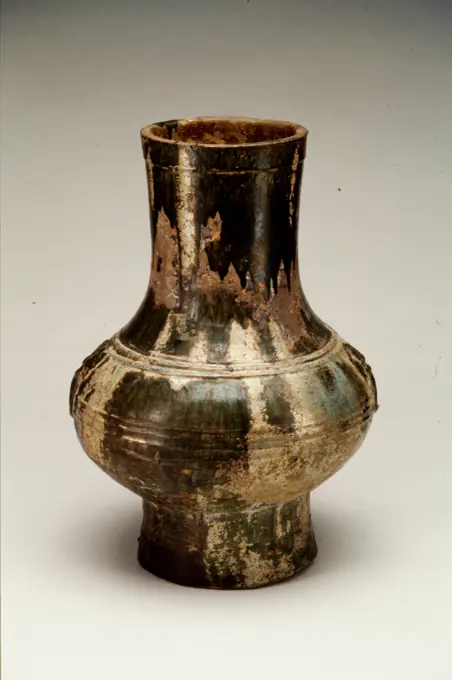
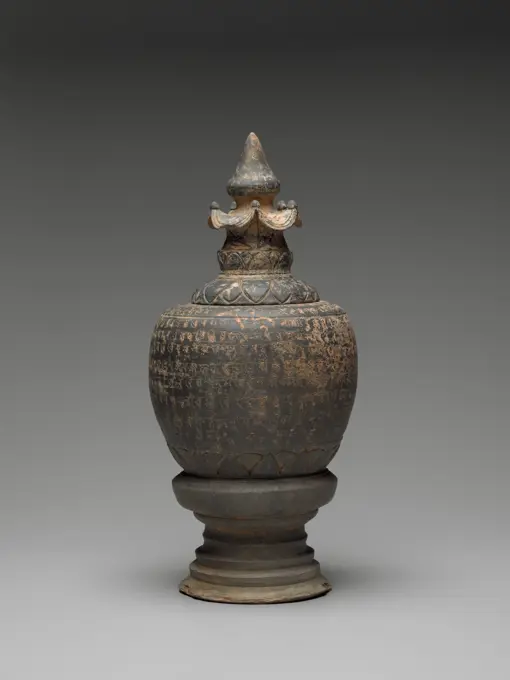
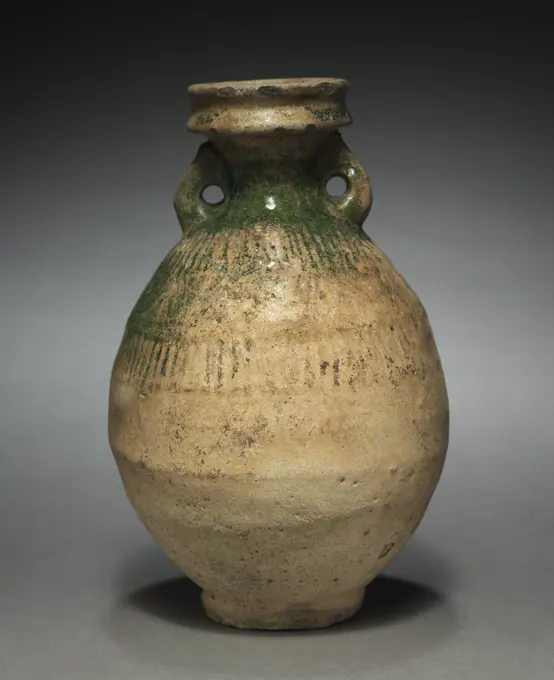
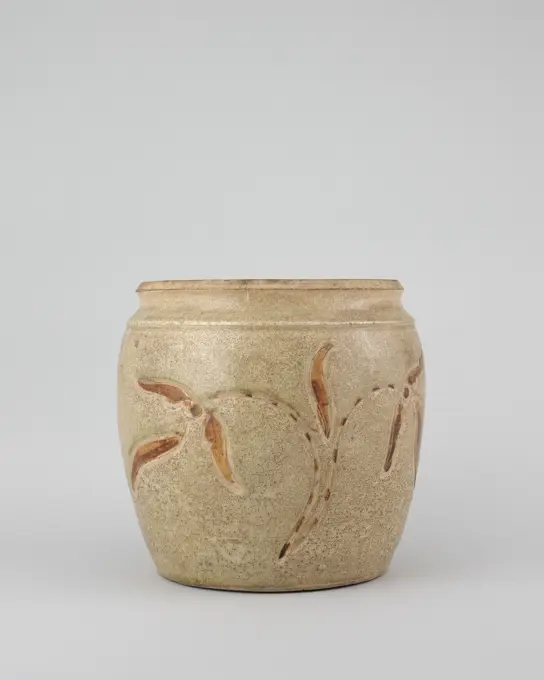
Hu, 1st-2nd century, 20in. (50.8cm), Glazed ceramic, China, 1st-2nd century
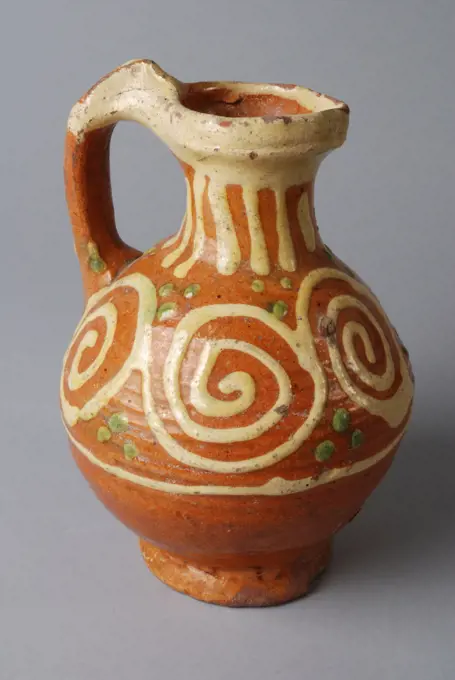
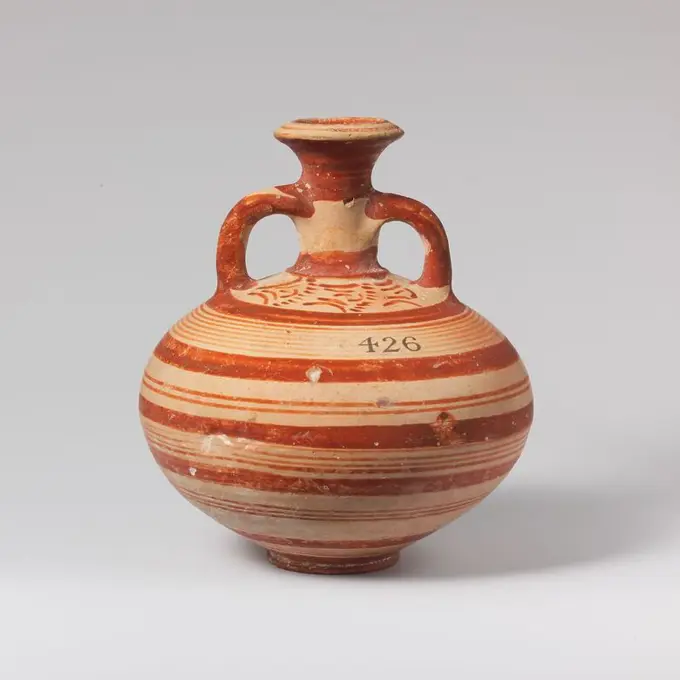
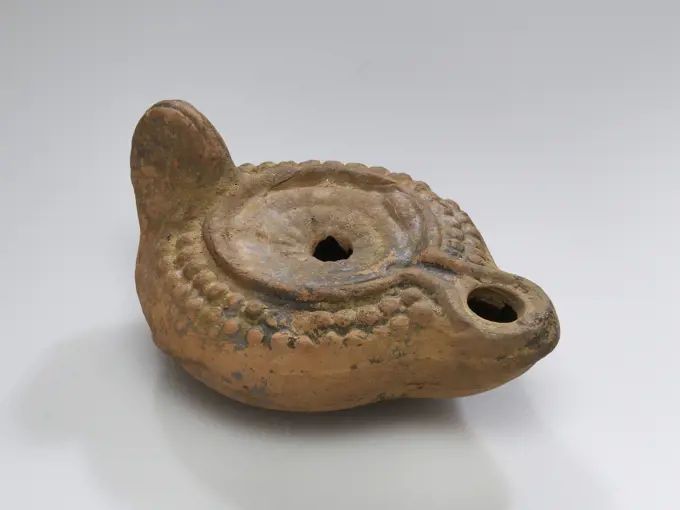
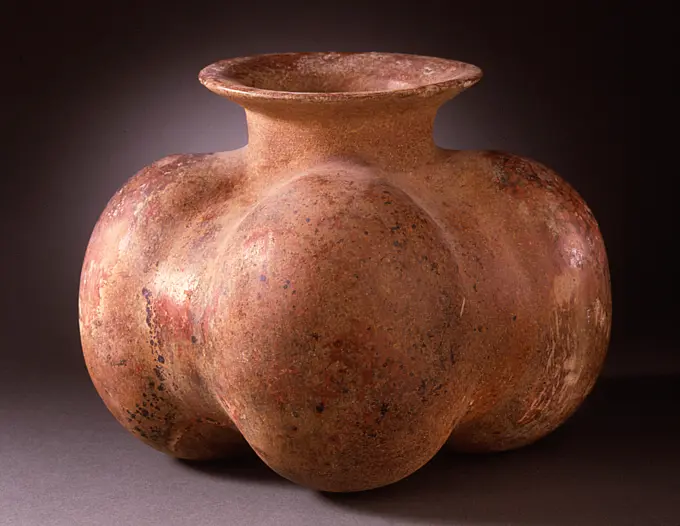
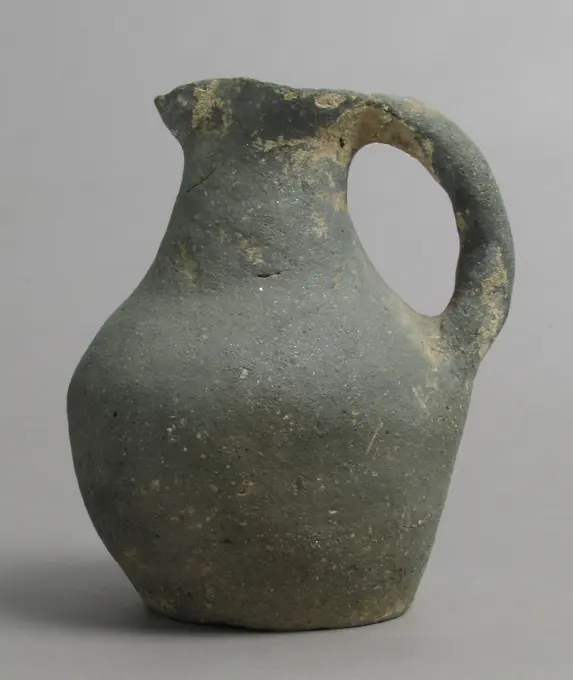
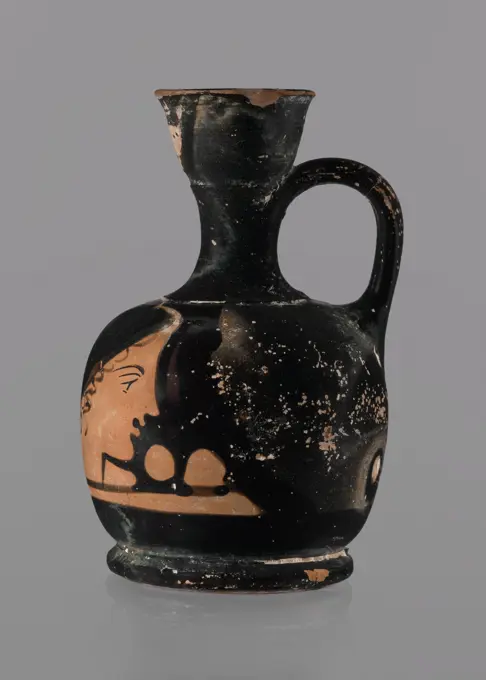
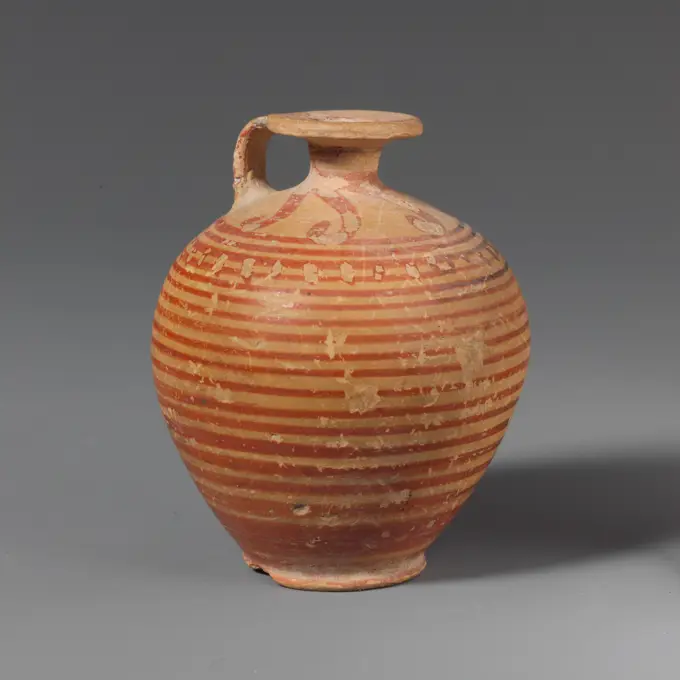
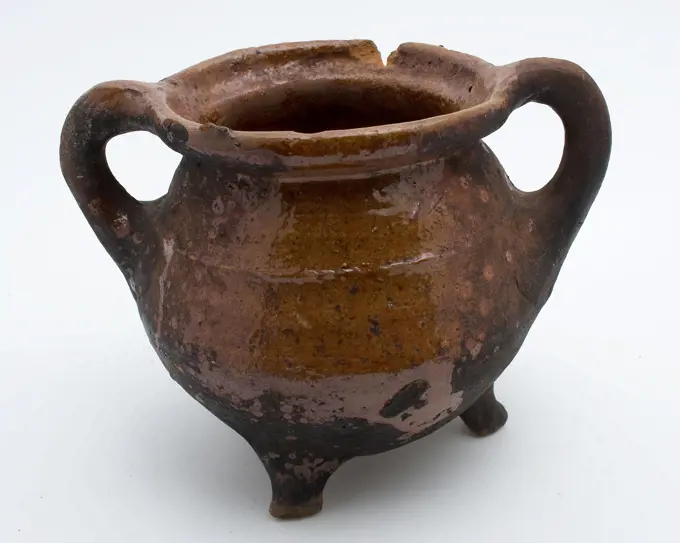
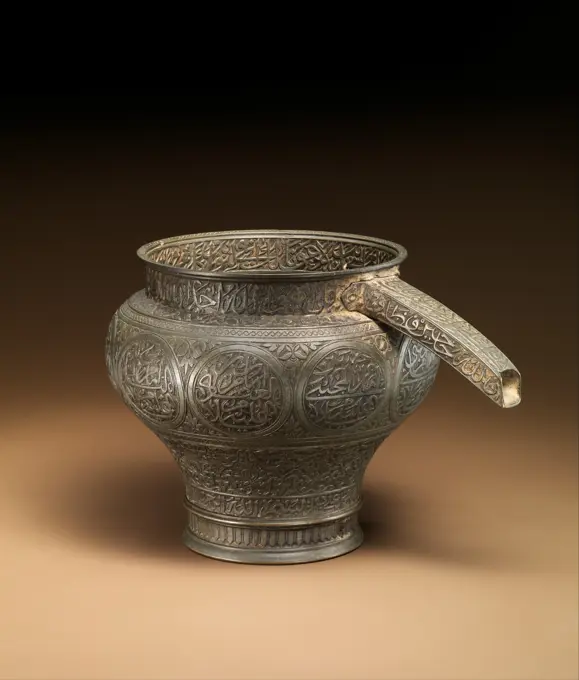
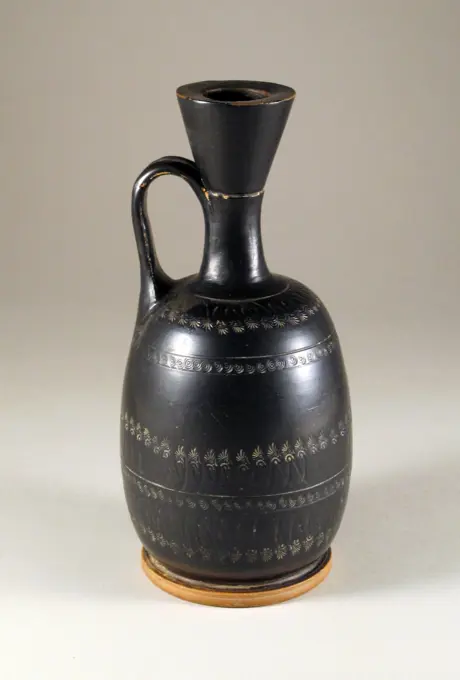
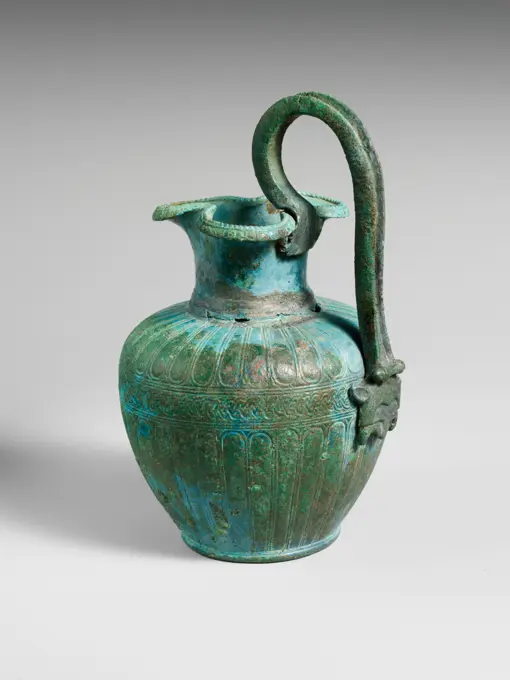
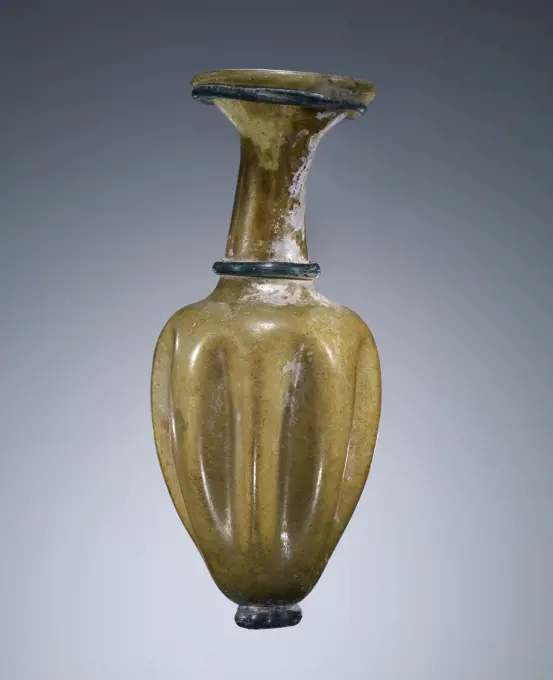
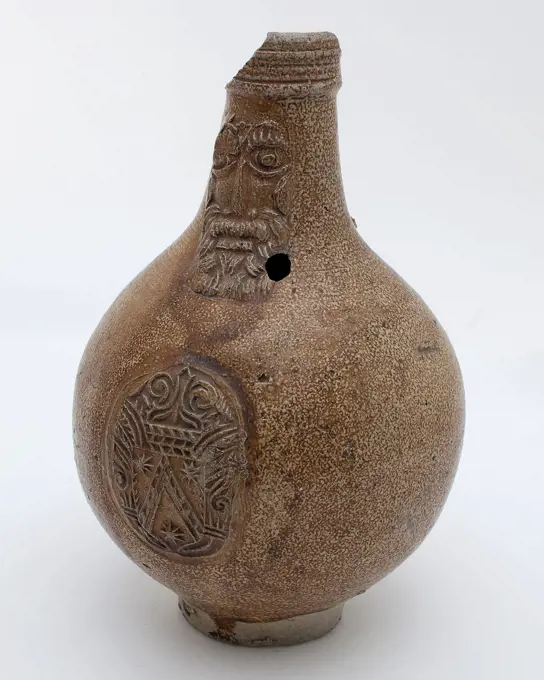
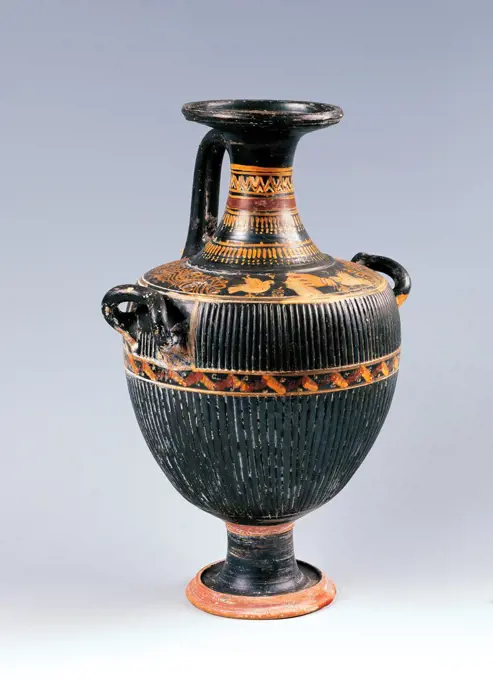
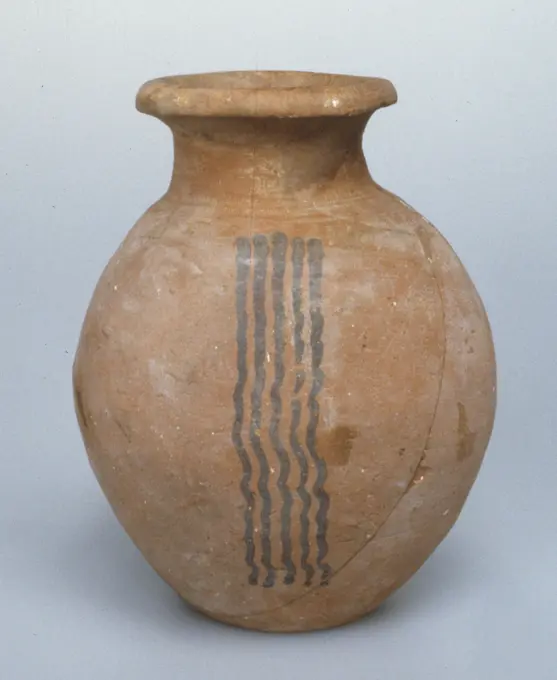
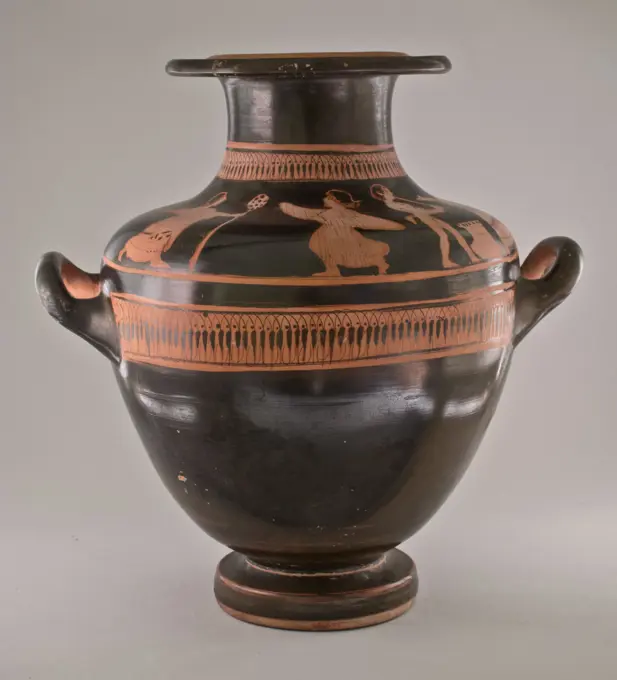
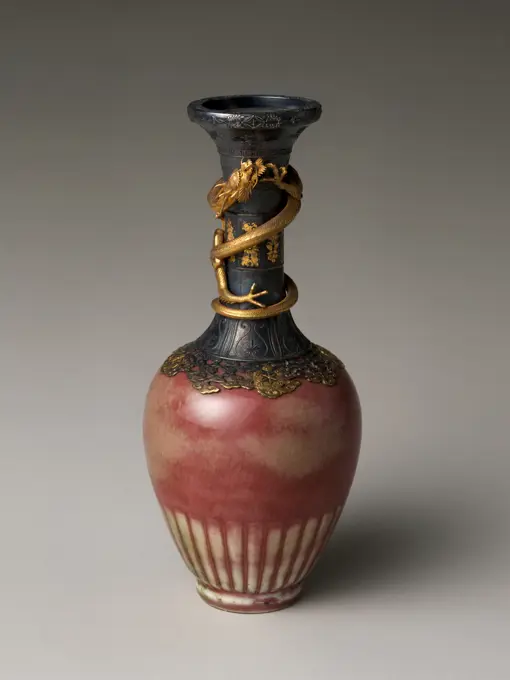
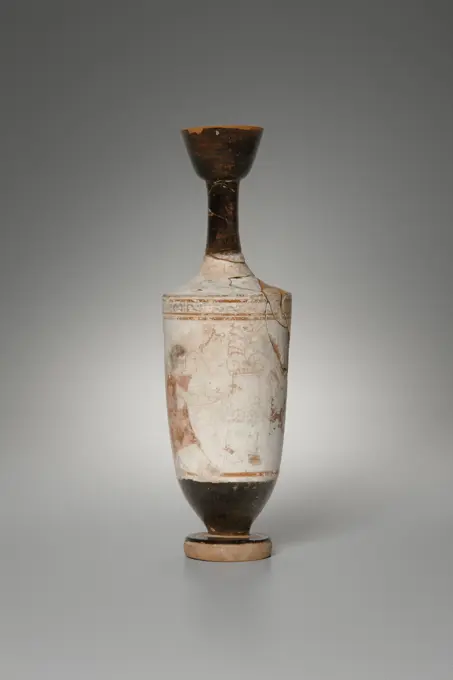
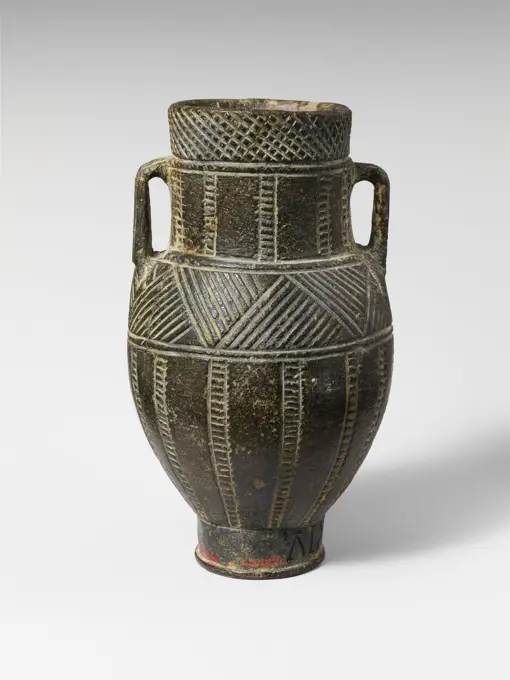
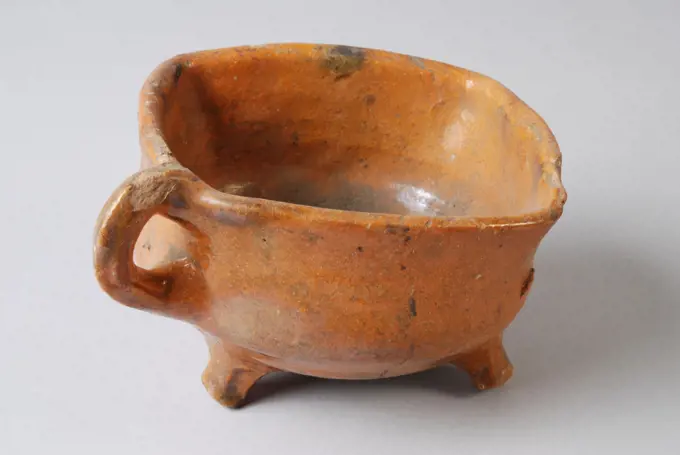
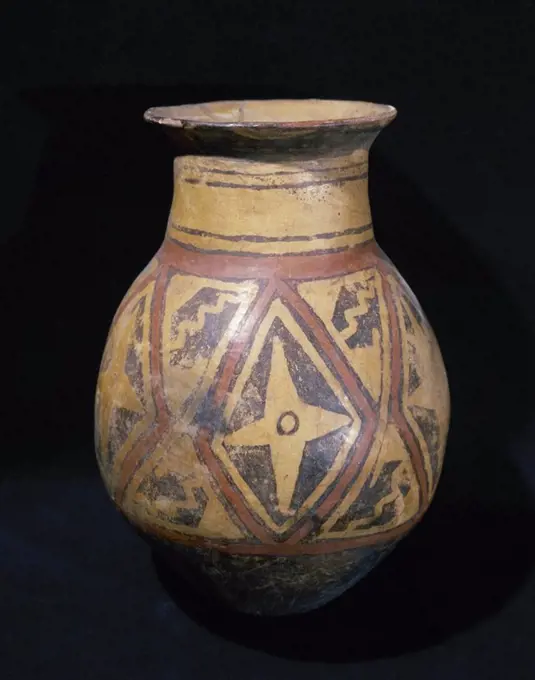
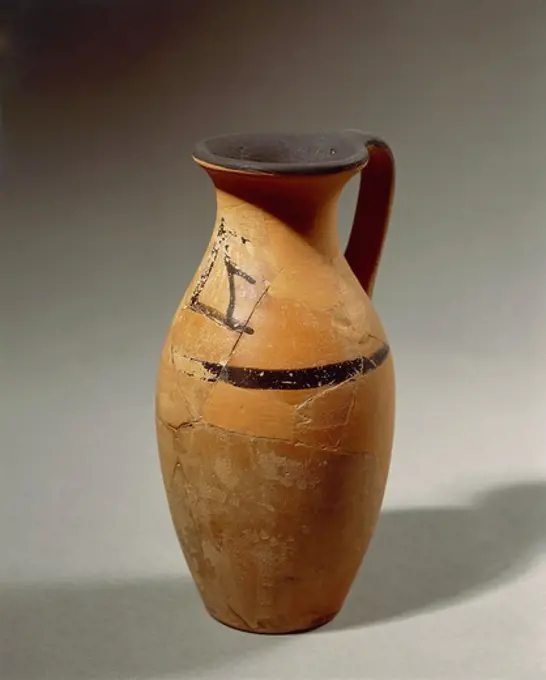
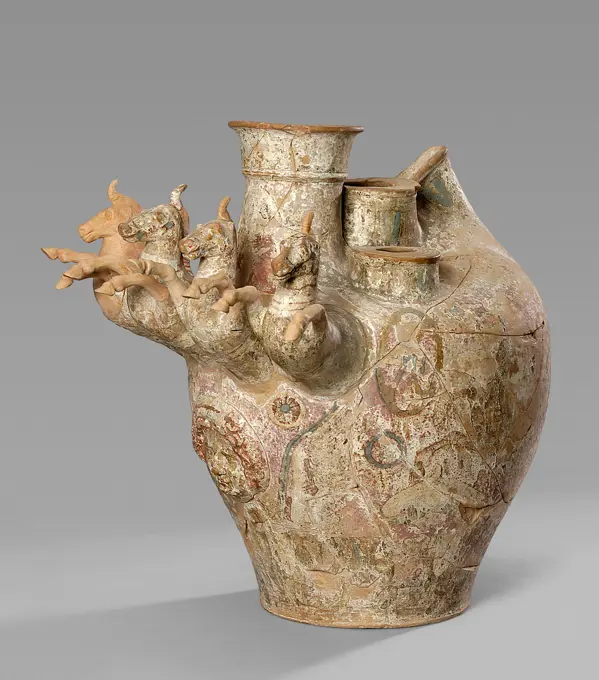
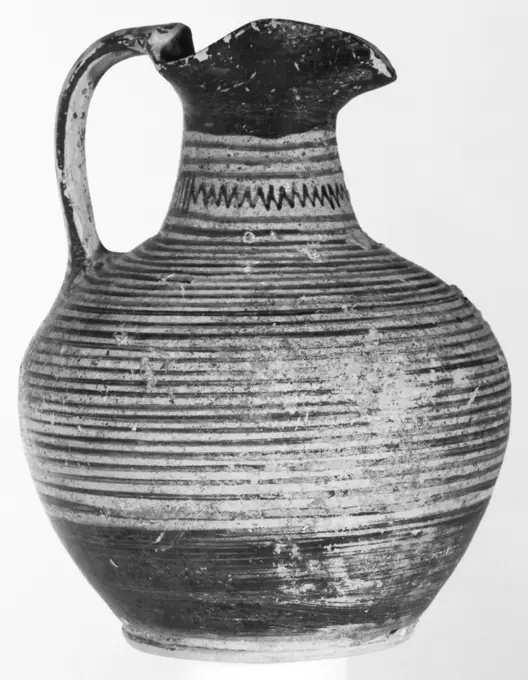
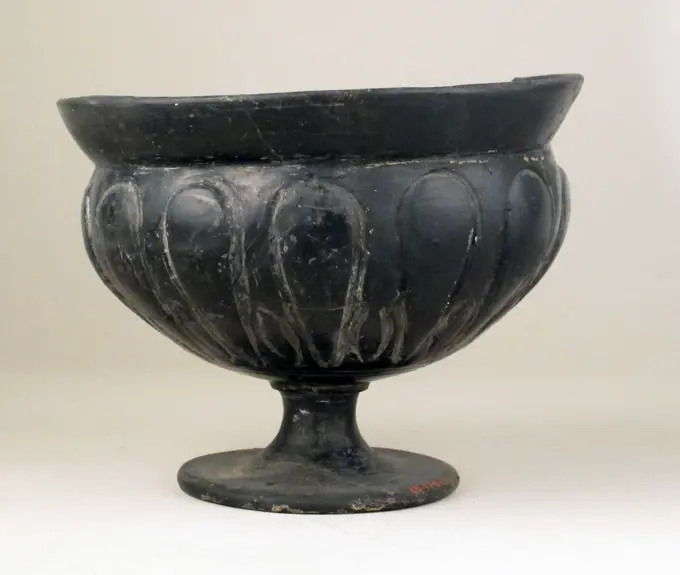
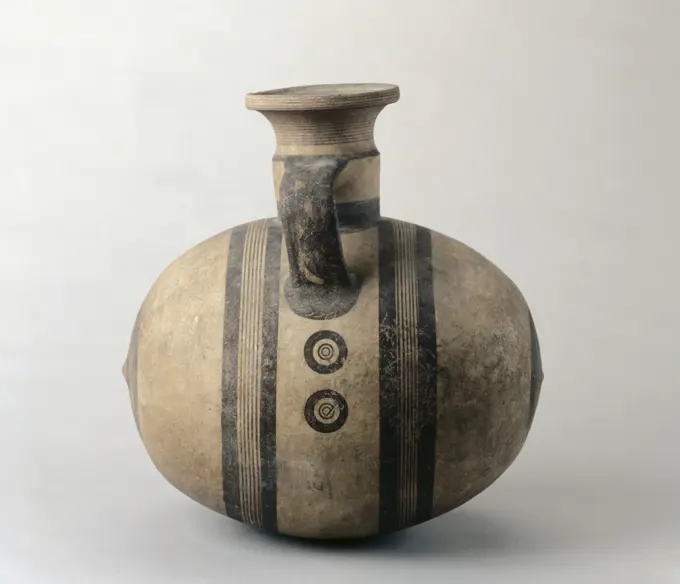
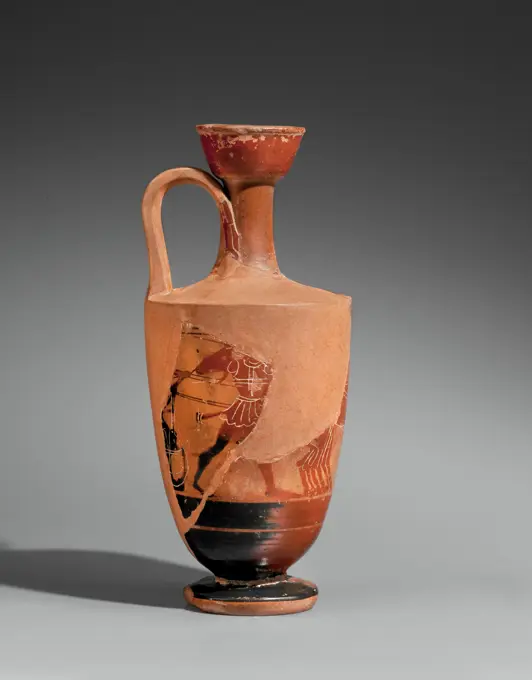
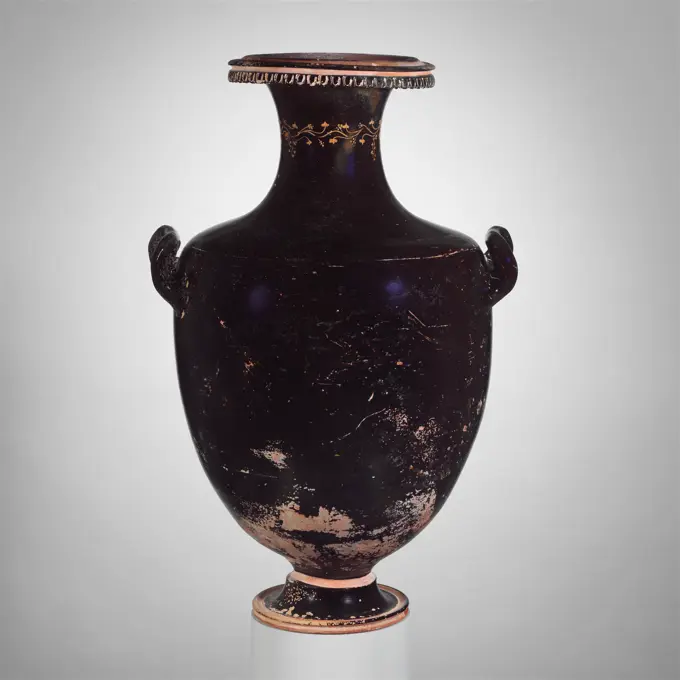
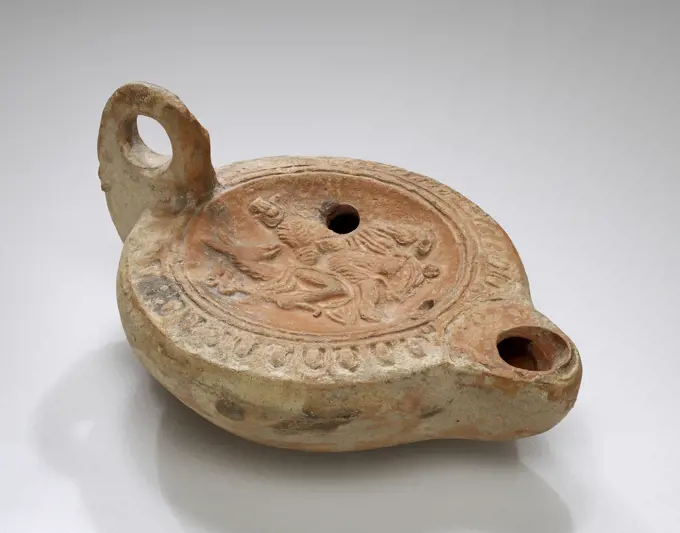
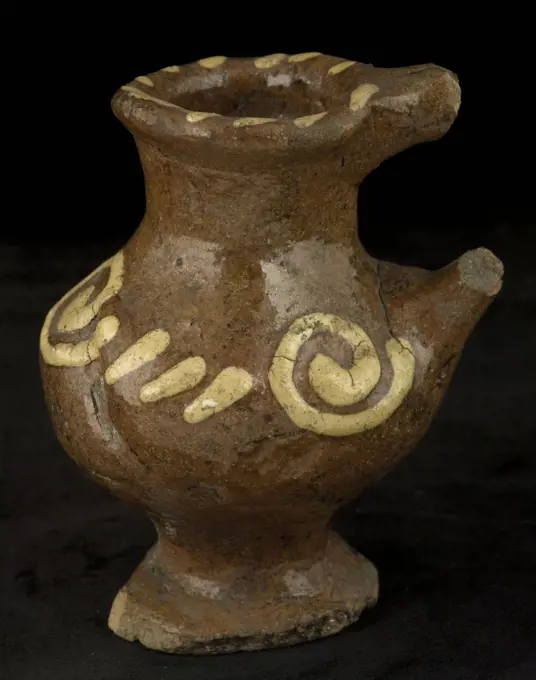
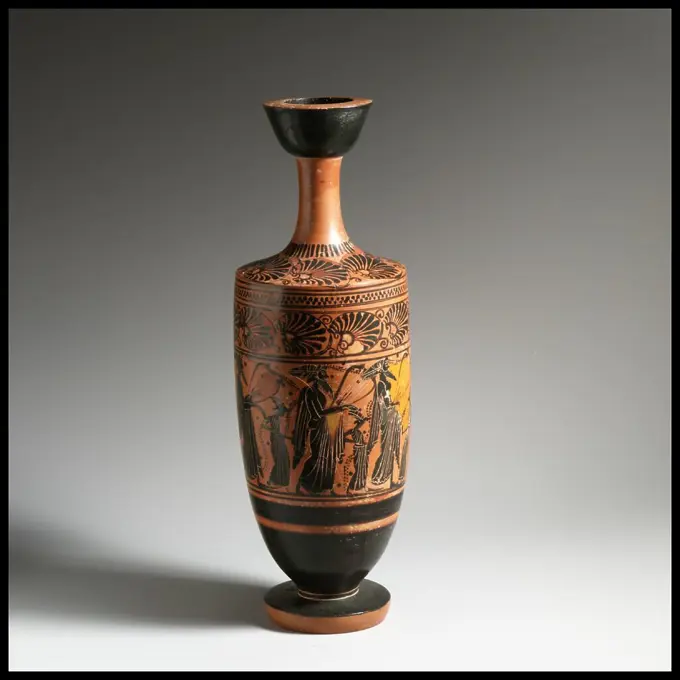
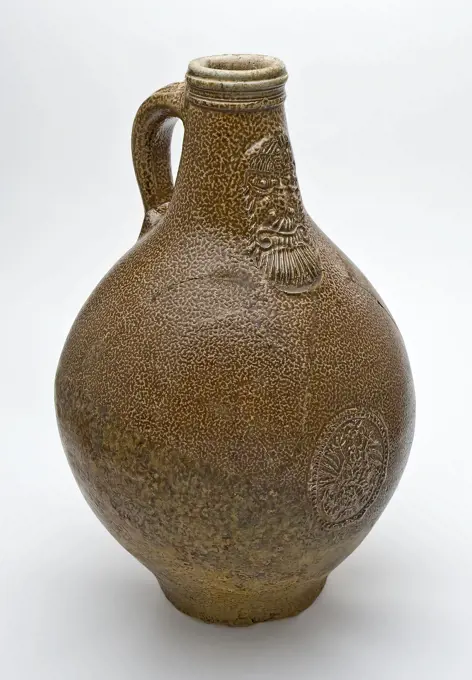
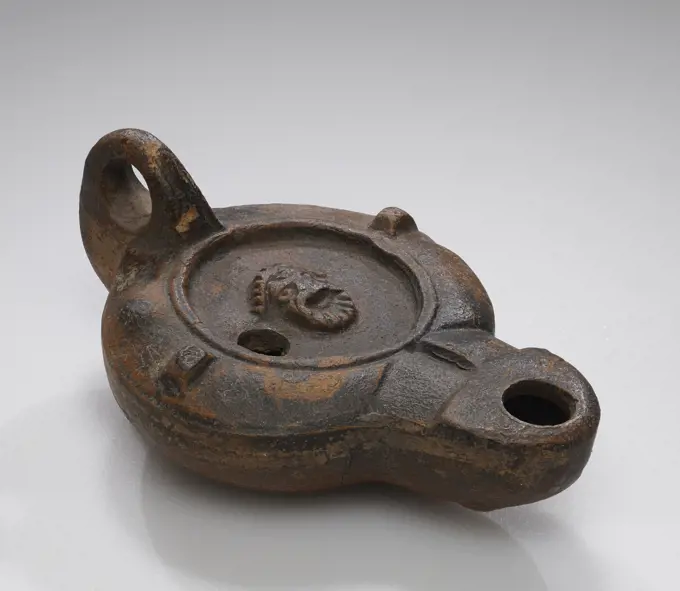
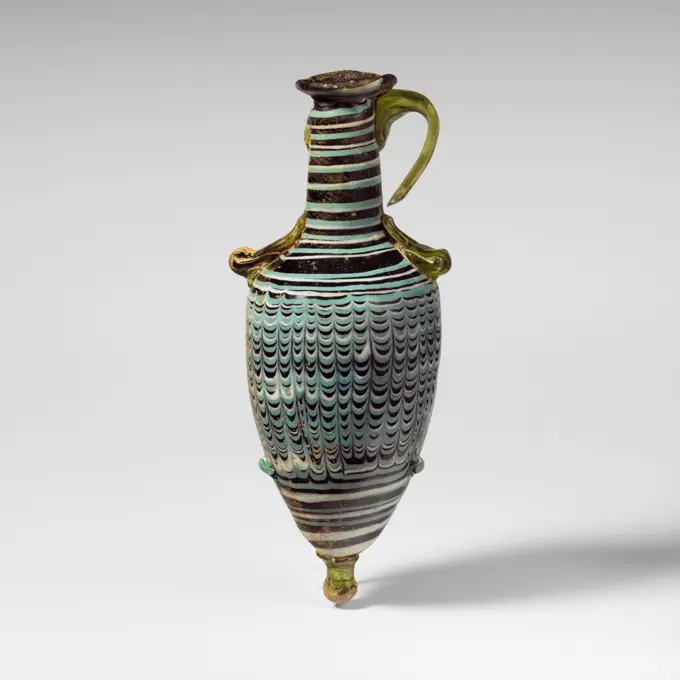
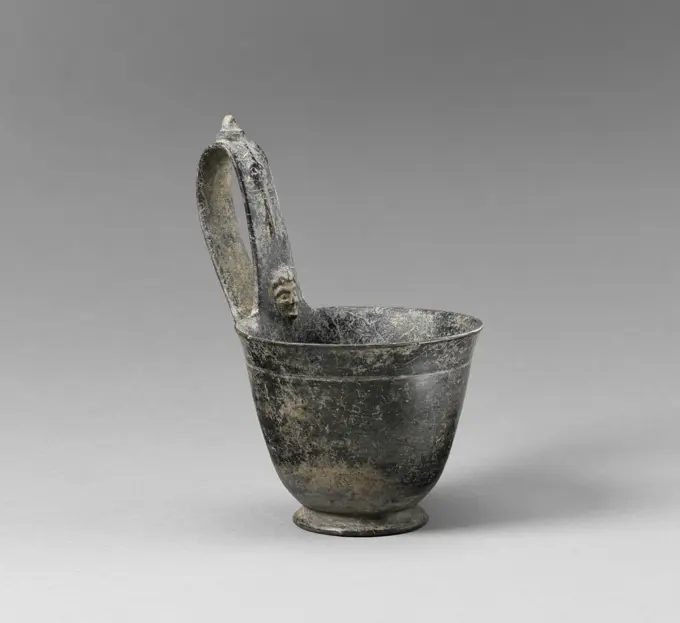
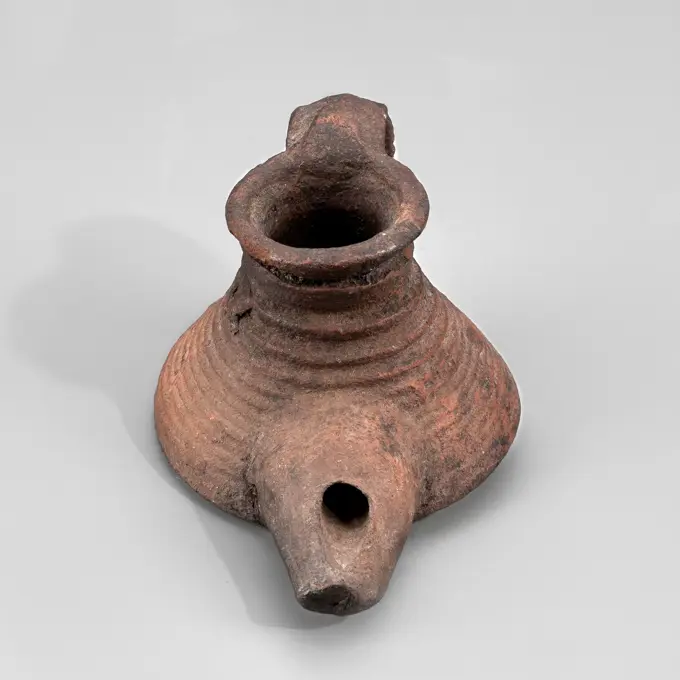
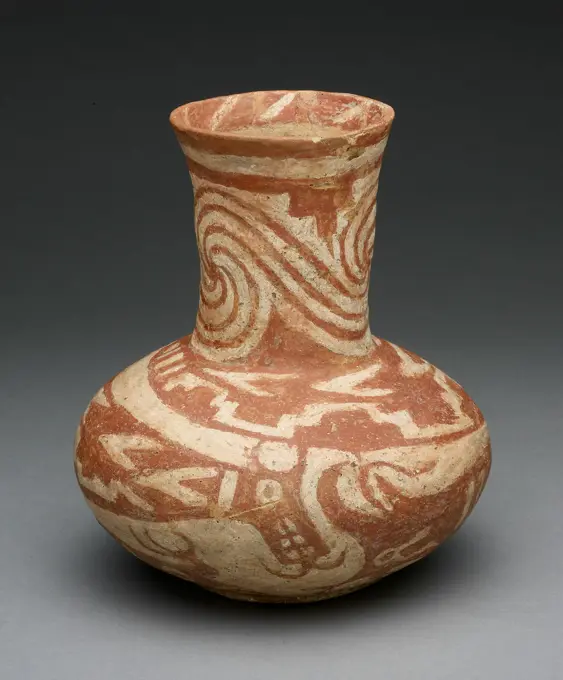
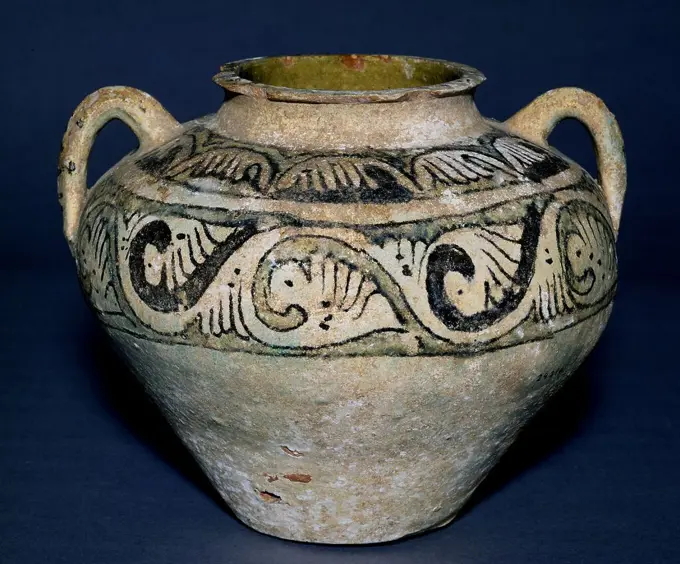
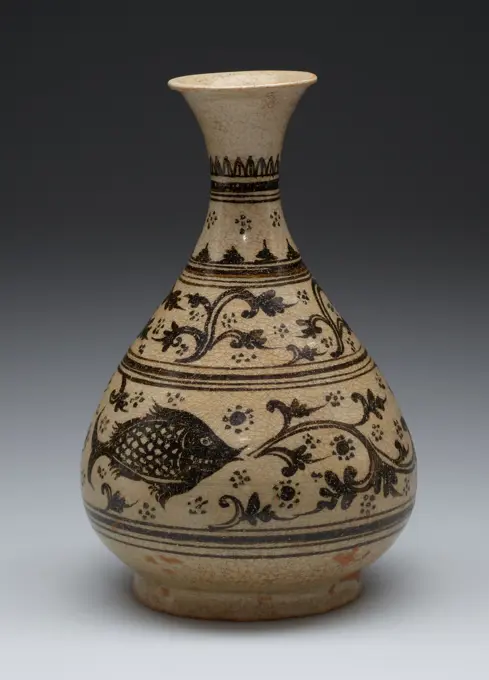
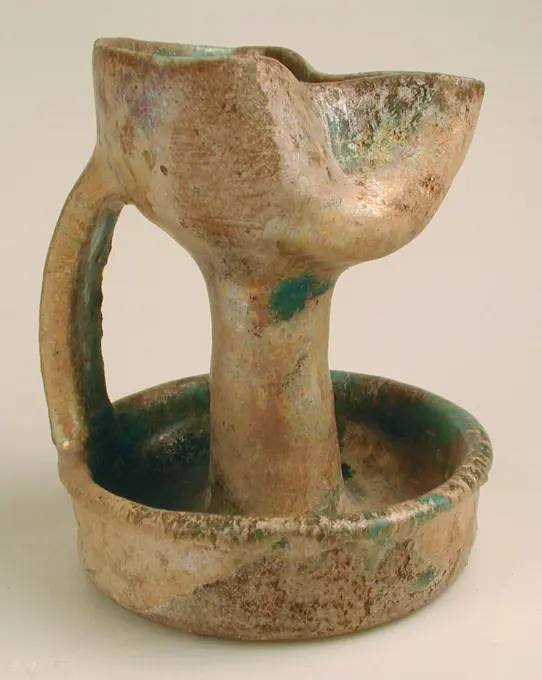
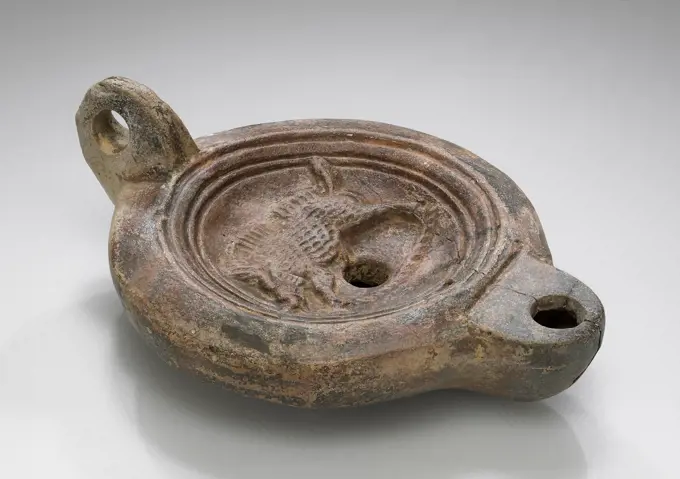
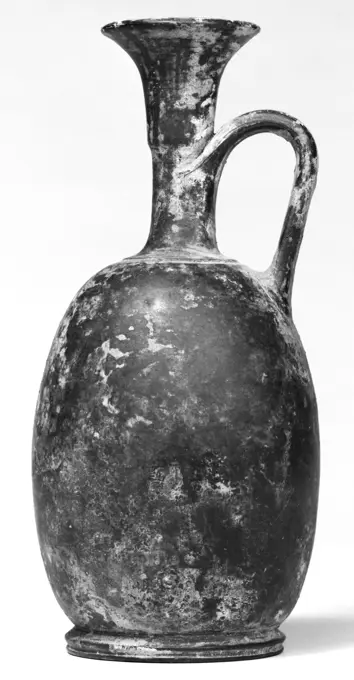
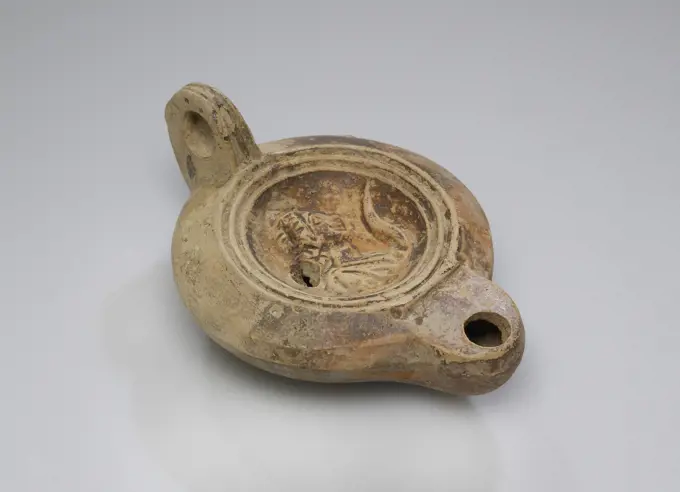
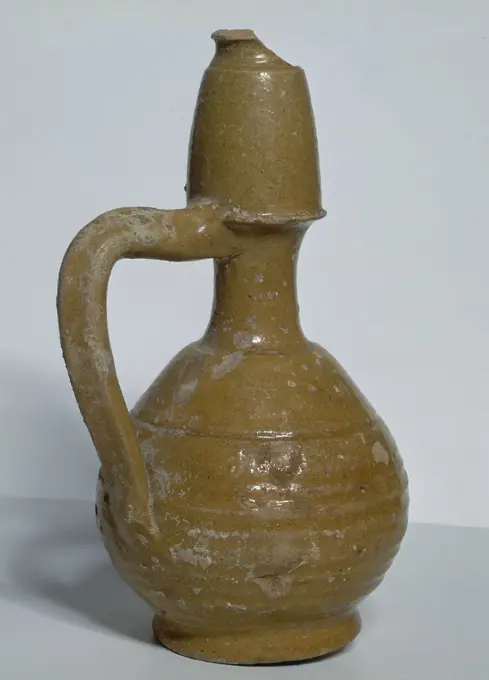
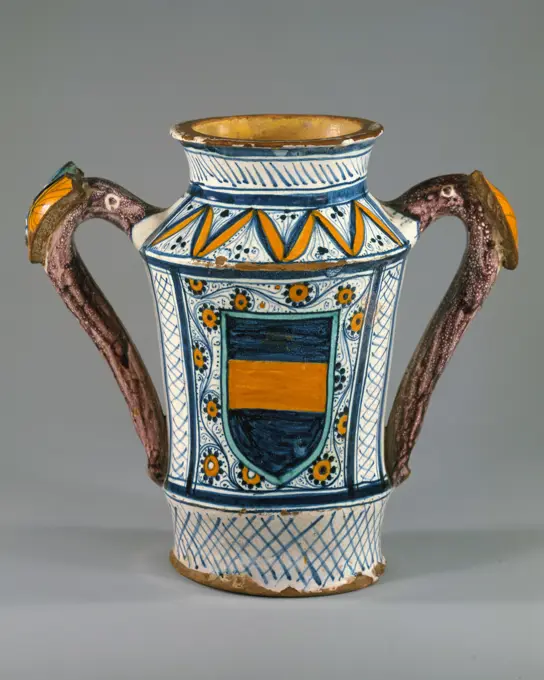
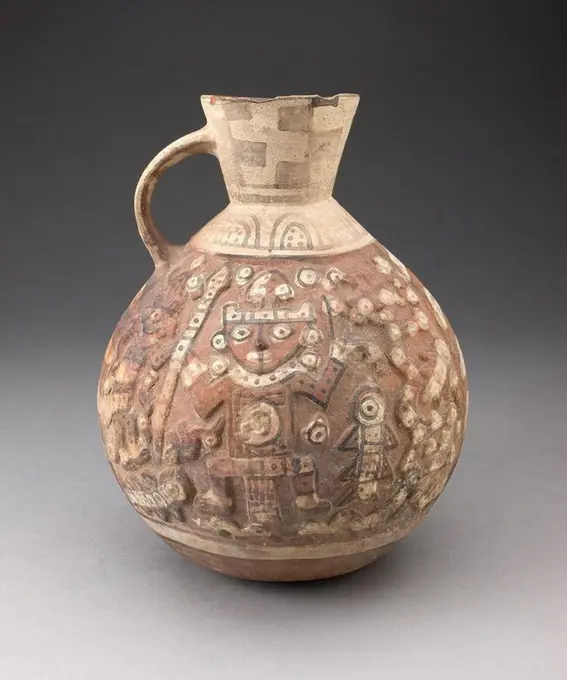
Handeled Jar with Painted Relief Depicting Figure with Animals. Lambayeque or Tiwanaku; North coast, Peru. Date: 1000-1476. Dimensions: 22.4 x 17.5 cm (8 13/16 x 6 7/8 in.). Ceramic and pigment. Origin: Peruvian North Coast. Museum: The Chicago Art Institute, Chicago, USA.Cup in the form of a head of a pig Etruscan. Cup in the form of a head of a pig. Etruscan. Terracotta; bucchero. VasesAryballos with a performance of warriors with shields;  around 570 BC (-570-00-00--550-00-00);Earthenware oil jug, with pouring lip and standing ear, sludge decoration, oil jug crockery holder soil find ceramic earthenware glaze lead glaze clay, hand turned decorated glazed fried lemonade Pottery oil jug on stand. Ball-shaped shape with slender neckline Neck edge with cuff collar. Red shard entirely glazed Decorated in sludge technique Decoration consists of yellow concentric circles on the shoulder yellow stripes on the neck and yellow upper edge Between the yellow decoration three green dots. Rotary arches over the abdomen archeology City triangle Rotterdam Town hall indigenous pottery oil tear lamp lighting donate serving Soil discovery Rotterdam found during the construction of the new town hall (find information on the card in jug)Jar with Abstract Human Face Painted on Shoulder. Paracas; Ica Valley, south coast, Peru. Date: 650 BC-150 BC. Dimensions: H. 21.3 cm (8 3/8 in.). Ceramic and pigment. Origin: Peru. Museum: The Chicago Art Institute, Chicago, USA.Terracotta globular flask. Culture: Mycenaean. Dimensions: H. 4 1/2 in. (11.4 cm.). Date: ca. 1400-1300 B.C..Two handles, broad and narrow bands, and floral ornament on shoulder. Museum: Metropolitan Museum of Art, New York, USA.Lamp, South Anatolia, Anatolia; 1st - 4th century; Terracotta; 2.4 x 5.8 x 8.6 cm (15,16 x 2 5,16 x 3 3,8 in.)Leather Bag-Shaped Flask with Cover, 916-1125. Northeast China, Liao dynasty (916-1125). Earthenware with green glaze; overall: 24.5 x 16.5 x 16 cm (9 5/8 x 6 1/2 x 6 5/16 in.).Vase, cylindrical with squeezed foot and outstanding neck, anonymous, c. 1525 - c. 1625 Cylindrical vase of multicolored painted lead glaze pottery. The vase has a narrow, squeezed foot and an outstanding squeezed neck. The vase is painted with vertically placed, narrow leaves. Italy earthenware. lead glaze Cylindrical vase of multicolored painted lead glaze pottery. The vase has a narrow, squeezed foot and an outstanding squeezed neck. The vase is painted with vertically placed, narrow leaves. Italy earthenware. lead glazeAlabastronParacas BowlVessel. Mexico, Colima, Colima, 200 BCE-500 CE. Ceramics. Burnished ceramic with slipVessel 6th-7th century Visigothic. Vessel 468270AryballosAryball lease;  Ny 5th century BC - early 4th century BC (-420-00-00--380-00-00);Terracotta aryballos (oil flask) late 8th-early 7th century B.C. Greek, Corinthian Narrow bands on body, conventional ornaments on shoulder.. Terracotta aryballos (oil flask) 251260 Greek, Corinthian, Terracotta aryballos (oil flask), late 8thearly 7th century B.C., Terracotta, H. 2 9/16 in. (6.5 cm). The Metropolitan Museum of Art, New York. Rogers Fund, 1922 (22.139.88)Earthenware cooking pot, grape-model, red shard, sparingly glazed, two sausage rolls, on three legs, cooking pot crockery holder kitchenware earth discovery ceramics earthenware glaze lead glaze, hand-turned baked glazed earthenware cooking pot grape-model red shard partially covered with lead glaze two vertical sausage wheels three legs outside wall largely blackened around the shoulder archeology indigenous pottery food prepare cooking food cuisineIncense Burner with Lotus Flowers. Thailand, Sawankhalok, circa 1400-1500. Tools and Equipment; burners. Wheel-thrown stoneware with openwork, incised decoration, and green glazeFunerary Urn withlidSpouted Vessel with Qur'anic Verses and the Names of the Shi'a Imams 17th century This object is one of only two known spouted vessels of broad baluster shape. The inscriptions in the roundels on the body provide the names of Shi'ite imams. Other inscriptions quote the Qur'an, while the spout declares the Shi'ite credo of the Nadi 'Aliyan (call to 'Ali”).. Spouted Vessel with Qur'anic Verses and the Names of the Shi'a Imams 662008Can. Hopper of Stoneware. The egg-shaped belly and the funnel neck are weakly ribbed. 3 medallions are printed on the belly, in which a standing window with women's head surrounded by leaf ornament. Ter Wren's mind: Pene. Lopevlvc.HU ();  19th century (1801-00-00-1900-00-00);Terracotta jug with lid. Culture: Etruscan. Dimensions: H.: 16 7/8 in. (42.9 cm). Date: ca. 550-500 B.C..Round mouth and cover surmounted by cock. Museum: Metropolitan Museum of Art, New York, USA.Jug. Culture: Cypriot. Dimensions: 6 5/8in. (16.8cm). Date: 850-750 B.C..Geometric ornament including eyes and swastikas. Museum: Metropolitan Museum of Art, New York, USA.Vase. Bronze. Chine. Par musée musée malée. 70004-7 Anse, Chinese art, bronze, head, vase, animalTerracotta squat lekythos (oil flask) 4th century B.C. Greek, Boeotian Black-glaze lekythos with stamped decoration.. Terracotta squat lekythos (oil flask) 254958Jar. Culture: Roman. Dimensions: H. 6.6 cm; diam. of rim 4.4 cm; diam. of body 6.5 cm. Date: about 4th century. Museum: Metropolitan Museum of Art, New York, USA.Kiapkwa Polychrome Water Jar. United States, New Mexico, Zuni Pueblo, Zuni, circa 1840-1850. Furnishings; Serviceware. Earthenware and pigmentsJug. Culture: Italian. Dimensions: Overall: 10 5/8 x 10 7/8 x 9 3/16 in. (27 x 27.6 x 23.3 cm). Date: ca. 1400. Museum: Metropolitan Museum of Art, New York, USA.Bronze oinochoe (jug) 5th century B.C. Etruscan The body of this small jug is ornamented with meticulously incised tongue patterns that flank a delicate cable frieze. On the base of the handle is the head of a lion's skin, which may allude to the pelt worn by Herakles.. Bronze oinochoe (jug). Etruscan. 5th century B.C.. Bronze. Classical. BronzesYellow Oinochoe with body indentations; Roman Empire; 4th century; Glass; 13 x 5.5 cm (5 1,8 x 2 3,16 in.)Vessel, 9 x 8 x 8 in. (22.9 x 20.3 x 20.3 cm), Earthenware, Angola or Democratic Republic of CongoLight brown Bartmann jug, under beard mask weapon medallion, Bartmann jug jug crockery holder soil find ceramic stoneware clay engobe glaze salt glaze, hand turned stamped glazed glazed baked stoneware jug gray shard gray and locally brown brindled salt glaze flat tail two ridges under mouth ridge archeology Rotterdam heraldry import pottery drink transport packaging Soil discovery Rotterdam.Terracotta scyphus (drinking cup). Culture: Roman. Dimensions: Overall: 3 1/16 x 6 1/4 in. (7.8 x 15.9 cm)Diam.: 2 5/16 in. (5.9 cm). Date: 1st century A.D.. Museum: Metropolitan Museum of Art, New York, USA.Apulian hydria in the Gnathia style, by Alexandria group, III Century, 300-250, cm 39 diamentro orlo 12.1 cm - piede 12.2 cmLate ware jar with wavy painted decoration ca. 3300-3100 B.C. Predynastic, Naqada III. Late ware jar with wavy painted decoration. ca. 3300-3100 B.C.. Pottery, paint. Predynastic, Naqada III. From Egypt, Southern Upper Egypt, Hierakonpolis (Nekhen), Fort Cemetery (Hk 27), Tomb 19, MMA excavations, 1934-35Hydria mid-5th century B.C. Attributed to the Later Mannerists. Hydria. Greek, Attic. mid-5th century B.C.. Terracotta; red-figure. Classical. VasesBrown stoneware jug with rings around neck, belly decorated with stamped square ornaments, jug crockery holder soil find ceramic stoneware clay engobe glaze salt glaze, hand turned stamped glazed baked Stoneware jug gray shard profiled bandoor with short pointy tail with notches profiled twisted arms around neck and shoulder profiled foot. Belly model on standing foot with smooth transition to the narrow neck opening archeology import pottery serve drinking serve wine beer Rotterdam archaeological find in the soil Rotterdam.Vase with Coiling Dragon 1678-88 China The awe which Chinese ceramics inspired in the West is reflected in the use of an elaborate mount to restore the original shape of this vase.. Vase with Coiling Dragon. China. 1678-88. Porcelain with peach-bloom glaze (Jingdezhen ware); Western mount. Qing dynasty (1644-1911), Kangxi mark and period (1662-1722). CeramicsDish;  around 2686- 2181 BC ; Old PAGlass jar with basket handle. Culture: Roman, Syrian. Dimensions: H. 7 7/16 in. (18.9 cm). Date: 4th century A.D..Translucent blue green; handle in same color.Thick, outsplayed, tubular rim, folded over and in, and flattened into side of neck; funnel-shaped neck, curving out at base to join sloping shoulder; side of body tapers downwards; large, deep kick in bottom, with central pontil scar; thick, solid rod handle applied on shoulder at one side, drawn up and slightly outwards, tooled in with a fold onto top of neck and outer edge of rim, drawn up to form an arched basket handle, and then dropped down to form fold below rim and trailed off on upper body on opposite side.Intact; some bubbles and blowing striation; dulling, creamy weathering, and iridescence. Museum: Metropolitan Museum of Art, New York, USA.Oinochoe 3rd quarter of the 7th century B.C. Etruscan Trefoil lip, with three incised lines on shoulder.. Oinochoe. Etruscan. 3rd quarter of the 7th century B.C.. Terracotta. Orientalizing. VasesMiniature Jar with Textile Pattern or Abstract Fish Motifs Made 1450-1532 Peru, southern. Ceramic and pigment . IncaPrehistoric Painted Pottery Vessel. Central Iran, 5000-4500 B.C.. Furnishings; Serviceware. CeramicSmall green-glazedjugWhite groundlekythosGray stoneware jug with band ear and tail, ball-shaped model, jug crockery holder soil find ceramic stoneware glaze salt glaze h 17.3 neck 3.5 tummy 10.7 standing surface 5.6 hand-turned glazed baked Stoneware jug gray shard salt glaze gray brown brindled thickened neck edge rib below the mouth rim bandoor subtraction traces on the underside. Ear crooked and untidy attached. Bullet-shaped abdomen archeology import pottery oil packaging preserve drink wine beerChlorite amphoriskos (small jar) early 12th century B.C. Cypriot Three signs engraved on the base of the vase are thought to be in Cypro-Minoan script or a very early example of Archaic Phoenician script. Cypro-Minoan script was the form of writing used on Cyprus in the Late Bronze Age. The language is thought to be derived from the Minoan Linear A script of Crete but, like Linear A, it remains undeciphered.. Chlorite amphoriskos (small jar). Cypriot. early 12th century B.C.. Chlorite. Late Bronze Age. Miscellaneous-Stone VasesOvoid Vase, 1-200. Parthian, 1st-2nd Century. Terracotta; overall: 21.6 cm (8 1/2 in.).Pottery fire test, red shard, fully glazed, sausage ear on corner, on three legs, fire test test earth discovery ceramic earthenware glaze lead glaze, hand turned hand shaped baked glazed earthenware fire test (square) grape-model red shard fully glazed overhoeks placed sausage ear three legs archeology indigenous pottery food preparation heating cooking eat kitchenSouth America. Tuncahuan culture. Central highlands of Ecuador. 500BC-500 AD. Ceramic vessel decorated with white paint and red slip. 30 x 20 cm. (diameter). From Ecuador. Private collection.Aryballos. UnknownJARRA CON UN ASA Y BOCA ANCHA SIN VIDRIAR. Location: ALFARERIA. JIMENEZ DE JAMUZ. LEON. SPAIN.Terracotta jar with three handles ca. 1600-1500 B.C. Minoan This jar is from the collection of Heinrich Schliemann. The spirals, arches, and other curvilinear motifs admirably complement the volumes of the shape and such functional adjuncts as the handles, which could have secured a cover or facilitated lifting with a rope.. Terracotta jar with three handles 251248Official unit of measure for liquids (capacity 0.252 liters), From Acropolis of AthensPitcher, 19th century, 10 x 7 7/8 in. (25.4 x 20 cm), Earthenware, United States, 19th centuryAskos; Unknown Apulian workshop; III-II century BC (-300-00-00--101-00-00);Działyńska, Izabela (1830-1899), Działyński, Jan (1829-1880), Greau-collection, Greece, horse (iconogr.), Meduza, Hellenistic periodAttic Geometric Oinochoe. UnknownCup mid 6th century B.C. Etruscan Low foot with pear-shaped decoration.. Cup. Etruscan. mid 6th century B.C.. Terracotta; bucchero pesante. Archaic. VasesBarrel-Shaped Jug, c. 750-600 BC. Cyprus, Cypro-Archaic I. Ceramic; diameter: 12.8 cm (5 1/16 in.); overall: 38 x 27.6 cm (14 15/16 x 10 7/8 in.).Vase 12th-13th century. Vase. 12th-13th century. Stonepaste; underglaze painted. Attributed to Syria, Raqqa. CeramicsPottery chamber pot, ease of use with curved bottom, wide neck opening, standing ear, pot holder sanitary earthenware ceramic earthenware glaze lead glaze, hand-turned glazed baked earthenware chamber pot with curved bottom red shard inside and part exterior covered with lead glaze Wide neck opening. Belly model with low belly and short neck Outstanding pot rim with lid slot Standing sausage ear archeology indigenous pottery drains night sleeping room hygieneBlack -gear leek with the performance of a warrior and chariot;  around 490 BC (0-00-00-0-00-00);Polish excavations in MyrmekionTerracotta hydria (water jar) 4th century B.C. Greek, South Italian, Apulian An ivy wreath circles the neck.. Terracotta hydria (water jar) 246890Jar, 8th-9th century, 5 7/8 in. (14.92 cm), Stoneware with brown glaze, China, 8th-9th centuryGlass jug 2nd-3rd century A.D. Roman Uncertain color (colorless); handle in same glass.Rim folded out, down, round, up, and in, forming collar with vertical lip above mouth; slender, cylindrical neck, with tooling marks around base; squat, globular body; small concave bottom; handle applied as a large pad with three outward claws, drawn up and out, curved in, and trailed on to top of neck with vertical thumb-rest up rim.Intact, except for small part of rim, and crack in body; dulling and brilliant iridescence on exterior; creamy weathering on interior; some soil encrustation around handle. Glass jug 239702Lamp; North Africa, Tunisia; early 2nd century; Terracotta; 4.9 x 7.3 x 10.3 cm (1 15,16 x 2 7,8 x 4 1,16 in.)Small pottery jug be used on foot, double conical in shape, yellow silt decoration, jug crockery holder toy relaxant soil find ceramic earthenware glaze lead glaze clay, foot handwashed glazing slightly glazed small pottery jug red shard internally unglazed externally glazed with lead glaze pinched up at the top. Double conical in form archeology native pottery serve serve child play oil child's playCovered vase ". Bronze. Chunqiu dynasty (Fifth century Av. JC). Paris, Cernuschi museum. 100438-14 Asian art, bronze, chain, chunqiu dynasty, covered vaseLekythos. Culture: Greek, Attic. Dimensions: H. 13 5/8 in. (34.6 cm)diameter 4 9/16 in. (11.5 cm). Date: 1st quarter of 5th century B.C..Procession of lyrists and castanet players. Museum: Metropolitan Museum of Art, New York, USA.Bartmann jug, also called Bellarmine jug, jug, stoneware with cartouche on the belly, mottled brown glazed, beardmug tableware holder soil find ceramic stoneware glaze salt glaze, hand turned turntable glazed fired stoneware jug gray shard brown enamel brindled short flat tail two ridges under mouth edge archeology Valckensteyn Poortugaal Albrandswaard indigenous pottery drink drink packaging transport save import Soil discovery: castle Valckensteyn in Poortugaal now Albrandswaard 1961-1962.Lamp, North Africa; 1st - 2nd century; Terracotta; 2.4 x 6.1 x 9.6 cm (15,16 x 2 3,8 x 3 3,4 in.)Glass amphoriskos (perfume bottle) 2nd-1st century B.C. Greek, Eastern Mediterranean Translucent yellowish green; base-knob and handles in translucent light green; trails in opaque greyish light blue and opaque white.Uneven inward-sloping rim-disk, with projecting jagged edge to mouth and tooled indent around underside; tall cylindrical neck, tapering upward; sloping shoulder; elongated piriform body; pointed bottom; spherical base-knob with short cylindrical stem; two vertical s-shaped rod handles applied over trail decoration in folded pads across shoulder, drawn up to base of neck and pressed onto neck below rim-disk.A light blue trail and a white trail applied to underside of rim, wound down in a spiral, sometimes as alternating lines, sometimes with white overlaying blue, around neck and shoulder to body, then tooled into a close-set festoon pattern with thirty-four upward strokes, continuing in a plain spiral around lower part of body with white trail getting thicker, ending undeAnonymous / 'Case for Fluted goblet with a tall stem and rubies'. Ca. 1600. Leather, Wood, Metal, Velvet. Museum: Museo del Prado, Madrid, España.PelikeKyathos with low foot. UnknownLamp; Unknown Egyptian workshop; V-VII century (401-00-00-700-00-00);Deposit of the University of Warsaw from 1937-1939, lighting, Polish-French excavations in Edfu (Egypt)Sugar Bowl ca. 1790 American. Sugar Bowl. American. ca. 1790. Earthenware with slip decoration. Made in Pennsylvania, United StatesBottle with Underwater Serpents 1300-1500 Arkansas. Earthenware and pigment . MississippianLazio Viterbo Viterbo Museo Civico19. Hutzel, Max 1960-1990 Views of paintings (Middle Ages through 18th c.), frescoes, a tabernacle, coffin, sculpture reliefs, portal fragments, busts, sculpture, tapestry found in the Pinacoteca, Second floor gallery and Second floor cloister sequences. Antiquities: Many views of Etruscan and Roman fragments, sculpture, sarcophagi, pottery, masks, jewelry and other objects found in the Storeroom sequence (inventory numbers on back of prints), and the Cloister, Second floor Cloister, Valle Giulia, Sala Romana and Sala Etrusca sequences. General Notes: There are eight separate numerical sequences for this location. The cloister as an architectural structure, rather than museum site, is documented in the record and file for S. Maria della Verita, Cloister, all views of which are stored in Medieval core collection. Five views from the Museo Civico Second floor cloister sequence are stored in Medieval. German-born photographer and scholar Max Hutzel (1911-. Apotheker spot from quartz frying goods decorated with scripture and tendrils in red-brown luster and blue in vertical tires on white background of glaze.Small pot with remnants of green glaze ca. 3rd-7th century A.D. Sasanian. Small pot with remnants of green glaze 329627Anonymous Jarre (common name). Sandstone with brown in Champlevé. Cernuschi Museum, Asia Museum of Asia in the city of Paris.OLLA CALIFAL EN VERDE Y MANGANESO CON PALMETAS DIGITADAS - SIGLO X- OMEYA. Location: MUSEO ARQUEOLOGICO-COLECCION. CORDOBA. SPAIN.Vase with fish, 14th-16th century, 7 5/8 × 4 7/8 × 4 7/8 in. (19.37 × 12.38 × 12.38 cm), Glazed ceramic, Thailand, 14th-16th century, In 1933, archaeologists discovered some 200 kilns at Kalong, yielding evidence of the production of high-fired ceramic wares for domestic consumption during the height of the Lan Na Kingdom (1300s-1500s). Kalong potters made use of a clay containing a high percentage of kaolin to create elegant ceramics characterized by a chalky, buff body and a faint glaze the color of a gray rain cloud. Within the broader tradition of Thai ceramics, Kalong wares are noteworthy for their painterly underglaze designs, with loose brushstrokes evocatively conjuring the natural world. Here, the bulbous body of the vase features a fish darting in a sea of water plants, and the dish presents an abstract motif the Thai call 'black crow.'Lamp 12th century The type of oil lamp represented by this example excavated from Nishapur in eastern Iran may have evolved as a response to issues of portability. The tall stem and large handle allow it to be carried with ease. The saucer-shaped base not only helps to stabilize the piece but would also catch any oil that spilled from the sides of the lamp. Finally, the tightly pinched spout served to hold the wick steady. This type of portable lamp one of several forms found at Nishapur, speaking to a number of creative solutions to the problem of lighting employed at the site.. Lamp 449130Lamp, Asia Minor; 1st - 4th century; Terracotta; 2.5 x 8.4 x 11.5 cm (1 x 3 5,16 x 4 1,2 in.)Situla early 20th century (original dated 15th century ()) Irish. Situla 463593Vase based on;  beginning of the 20th century (1801-00-00-1810-00-00);Czarka z inskrypcją grecką. unknown, authorCampanian Black Squat Lekythos. UnknownLamp; North Africa, Tunisia; 1st century; Terracotta; 10.9 x 7.5 cm (4 5,16 x 2 15,16 in.)JARRO HISPANO MUSULMAN PINTADO EN MARRON. Location: ALHAMBRA-MUSEO-CERAMICA. GRANADA. SPAIN.Aryballos orientalized with animal frieze;  670-650 BC (-670-00-00--650-00-00);Apothecary jar (albarello) ca. 1480-90 Italian, Faenza. Apothecary jar (albarello). Italian, Faenza. ca. 1480-90. Maiolica (tin-glazed earthenware). Ceramics-PotteryJar in the Form of Ancient Bronze Vessel 1700-1799 China. Porcelain .Vessel with Bat and Caiman Figures. Colombia, Sierra Nevada de Santa Marta, Tairona, 800-1600 CE. Ceramics. CeramicOinochoe;  End of the VI-V century BC (-510-00-00--401-00-00);Black-Figure Hydria. Attributed to Wider Circle of Lydos (Greek (Attic), active about 565 - 535 B.C.)Terracotta scyphus (drinking cup) with barbotine decoration. Culture: Roman. Dimensions: H. 2 7/8 in. (7.4 cm)diameter 3 1/2 in. (8.9 cm). Date: 1st century A.D..Reddish glazed two-handled cup with bands of leave and dots in barbotine. Museum: Metropolitan Museum of Art, New York, USA.