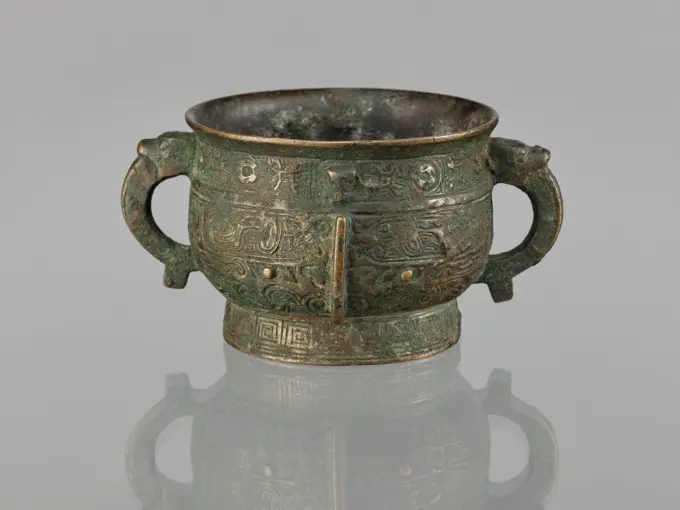
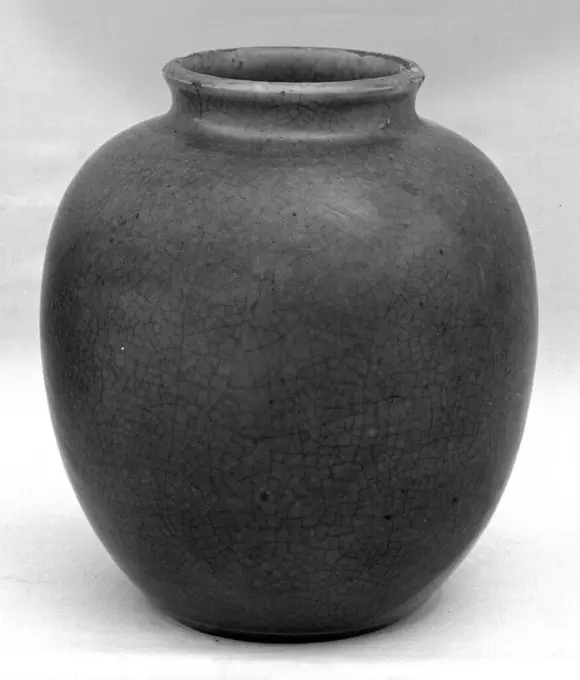
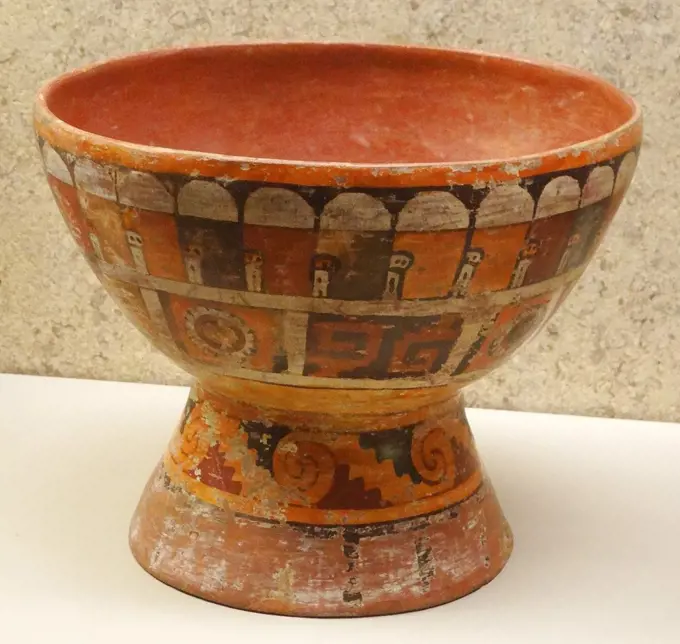
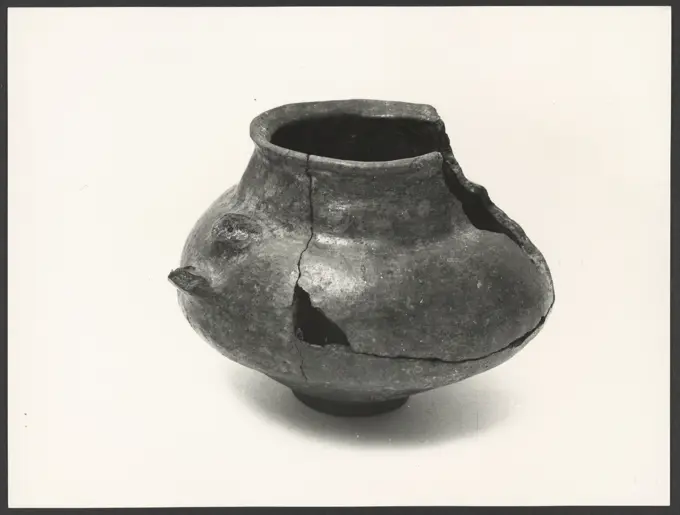
Ancient Decorative Vessels

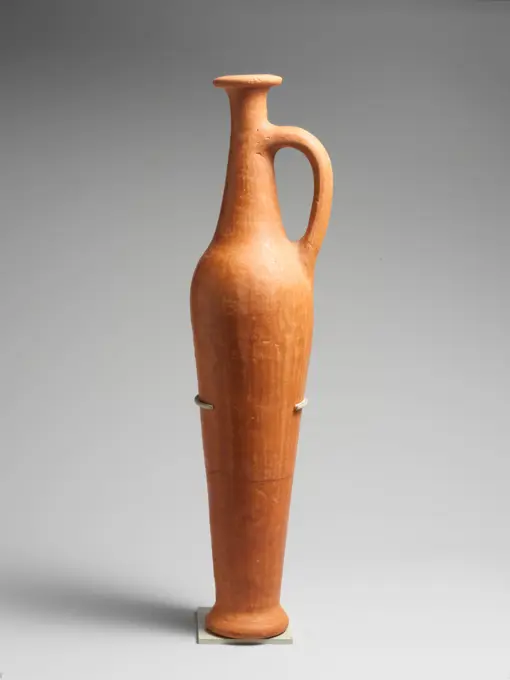
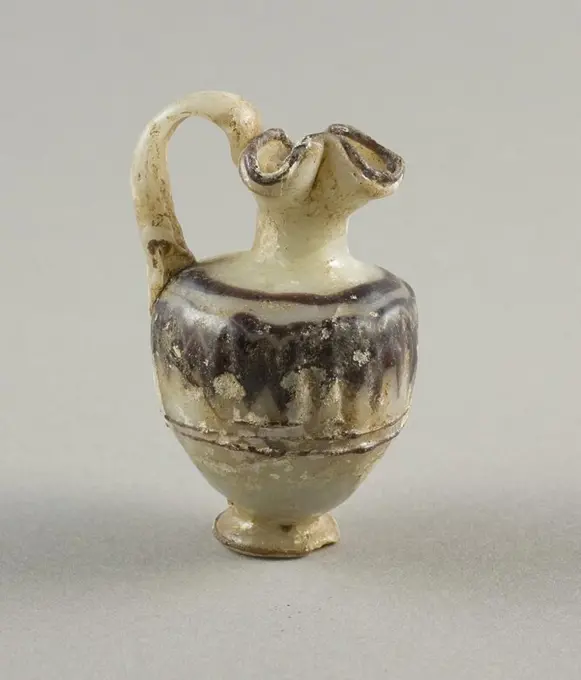
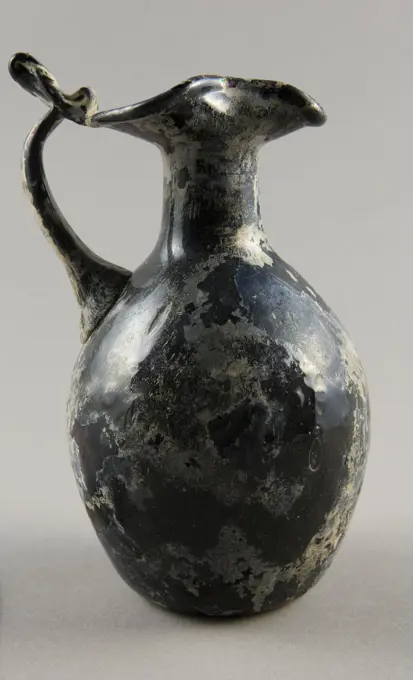
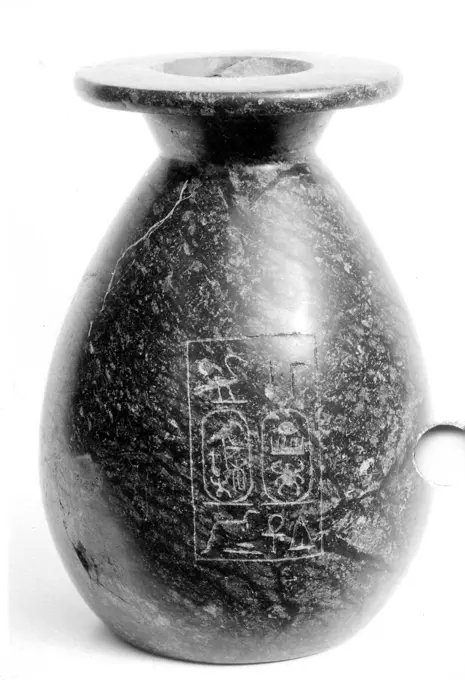
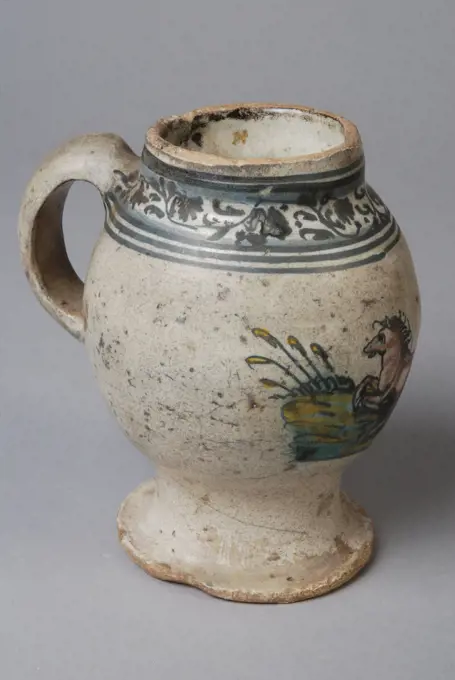
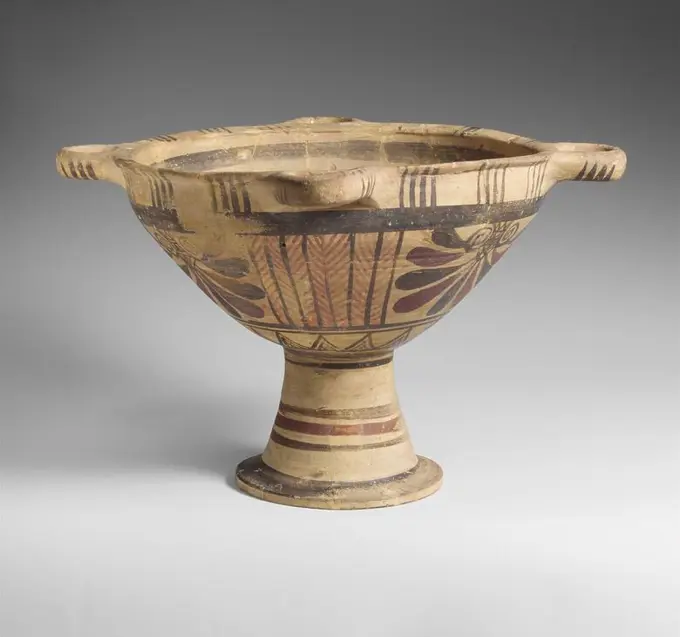
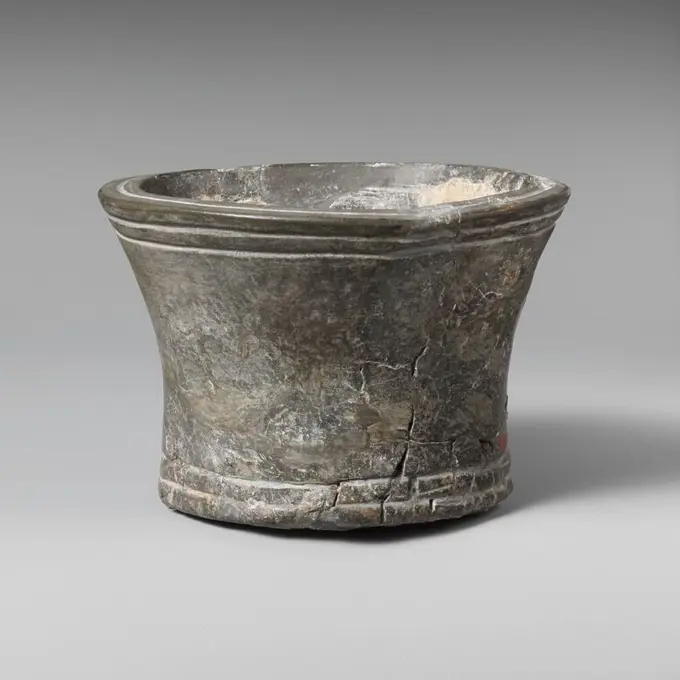
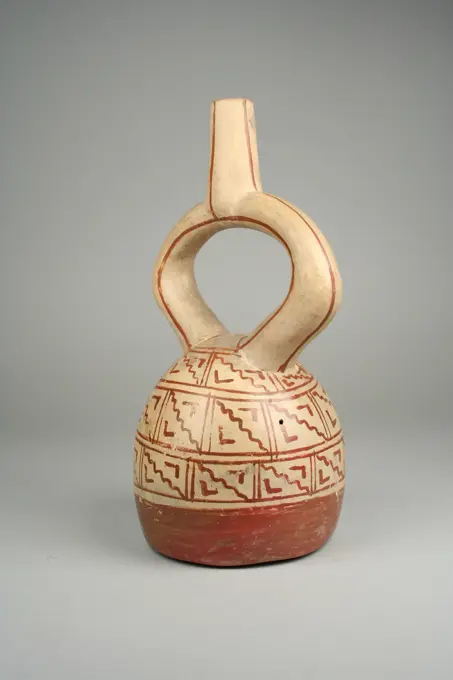
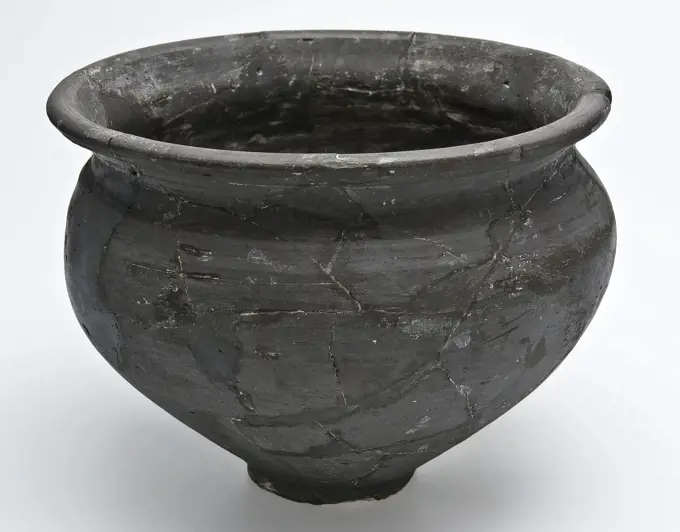
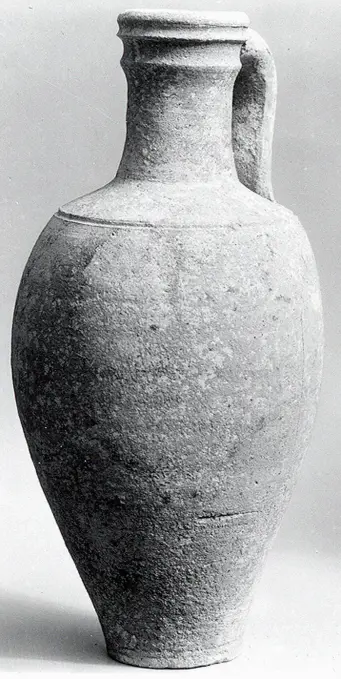
Diverse jars and jugs from ancient cultures featuring unique decorative elements. These vessels are notable for their historical craftsmanship.
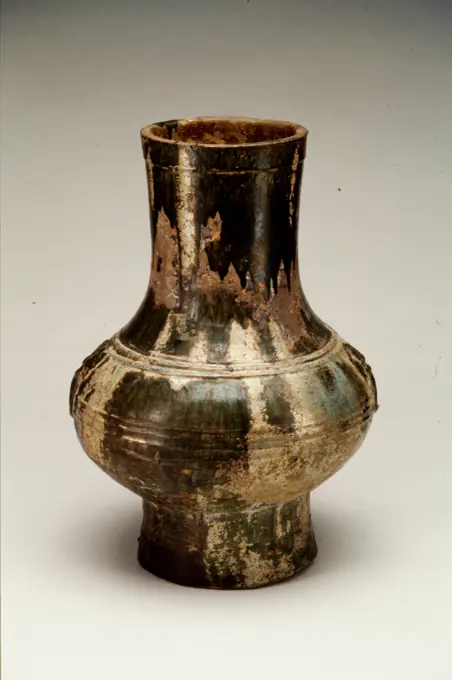
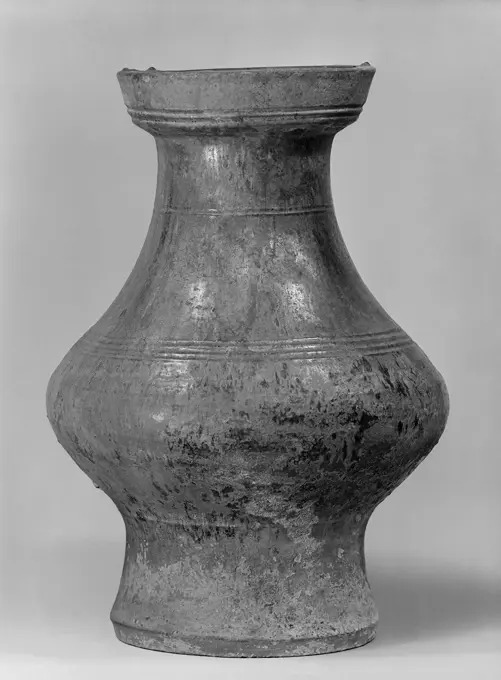
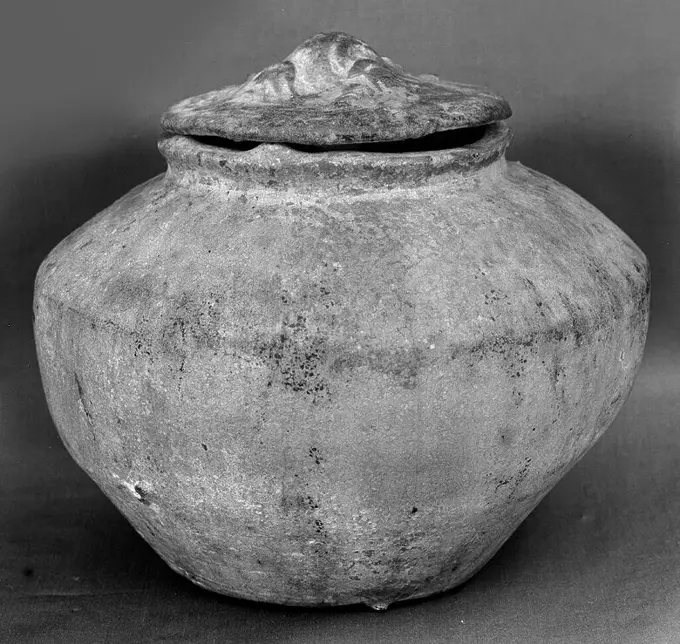
Hu, 1st-2nd century, 20in. (50.8cm), Glazed ceramic, China, 1st-2nd century
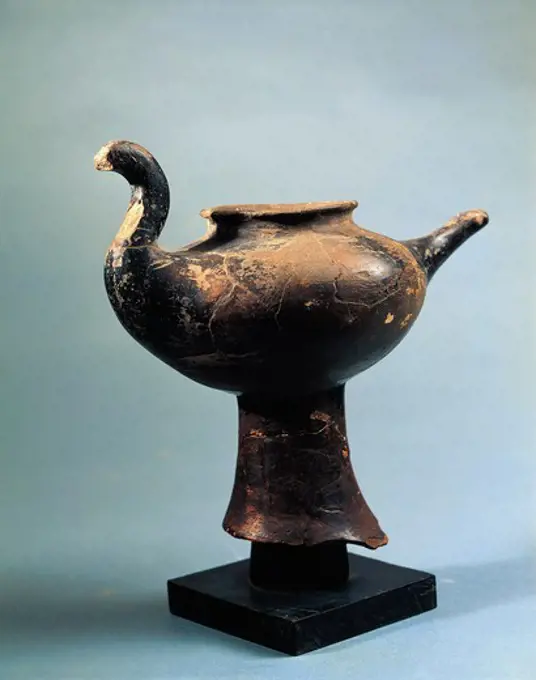
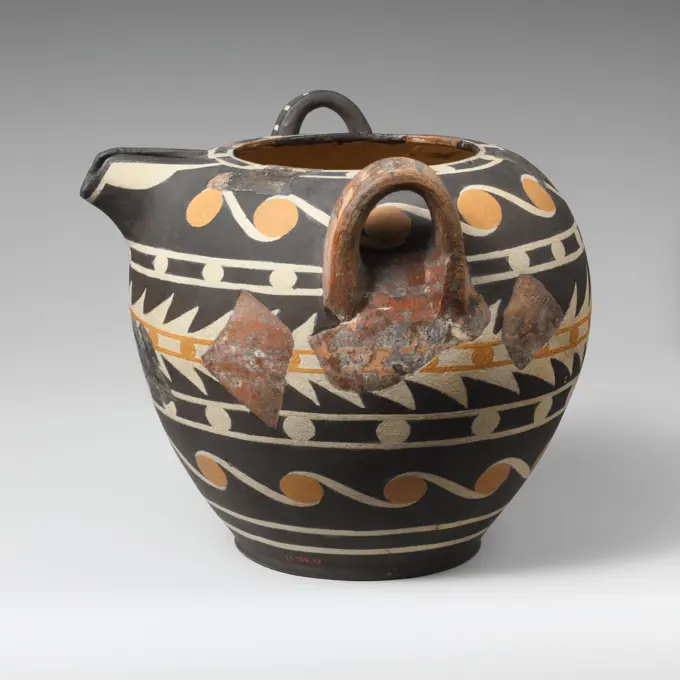
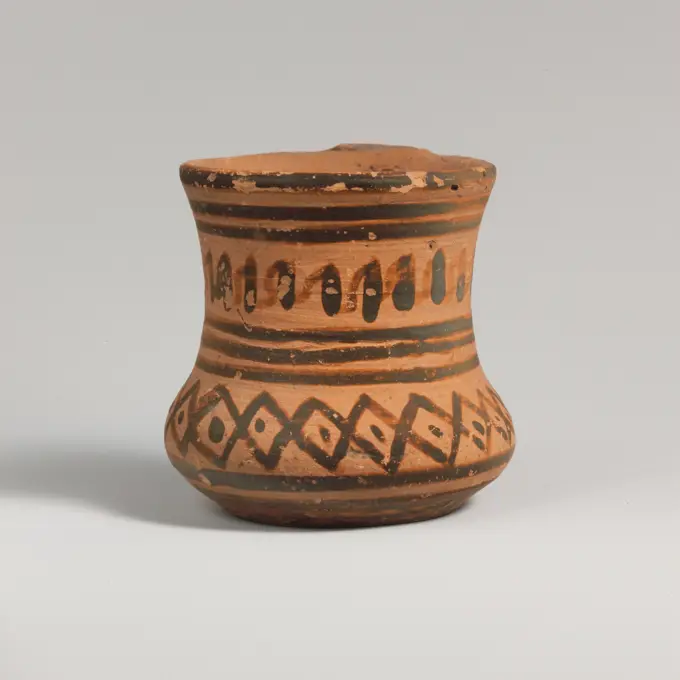
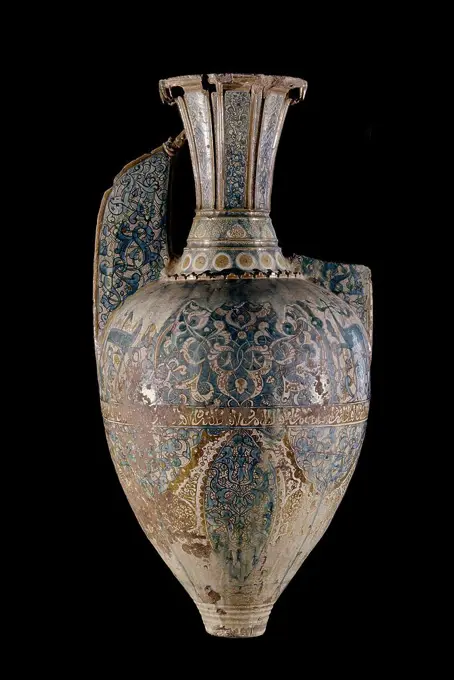
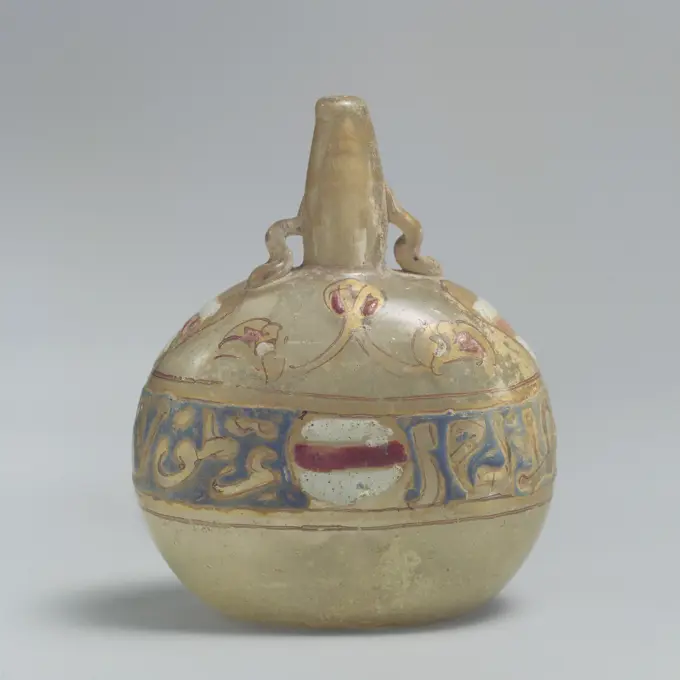
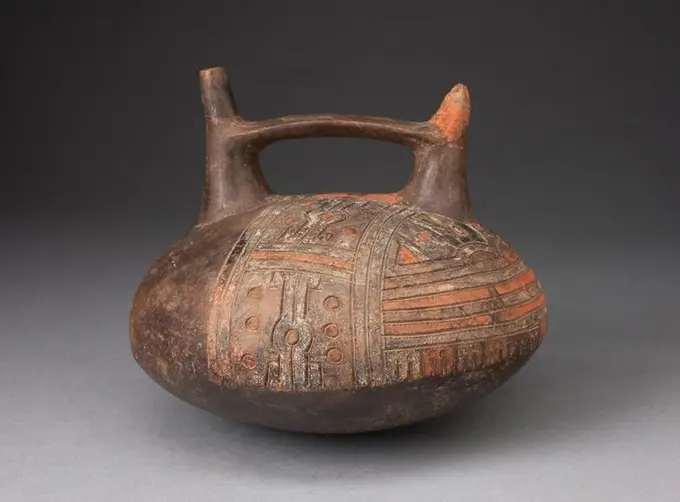
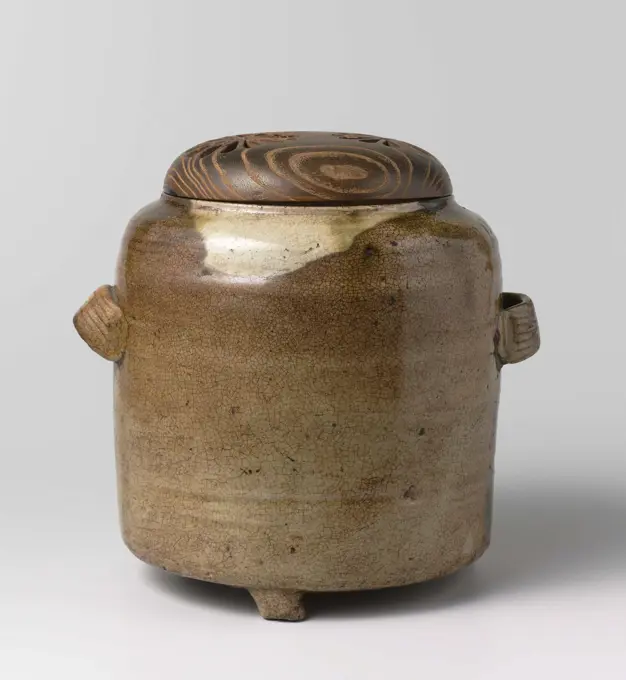
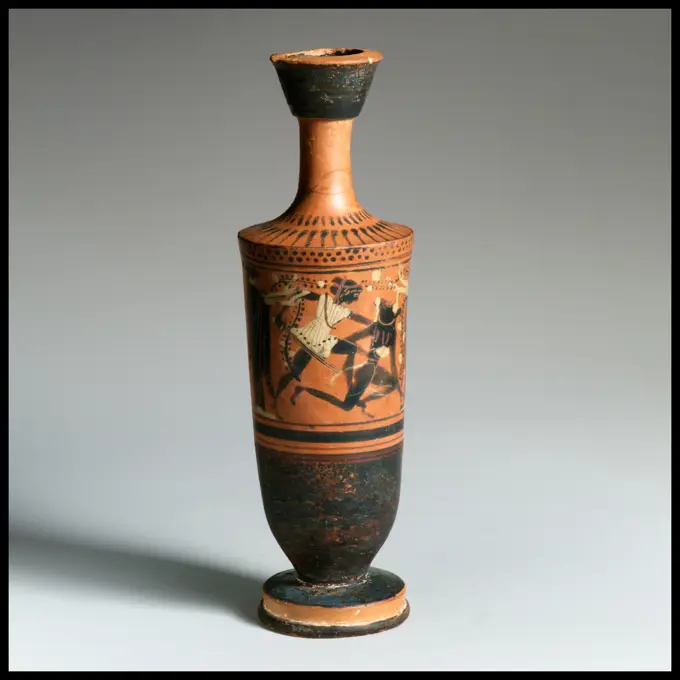
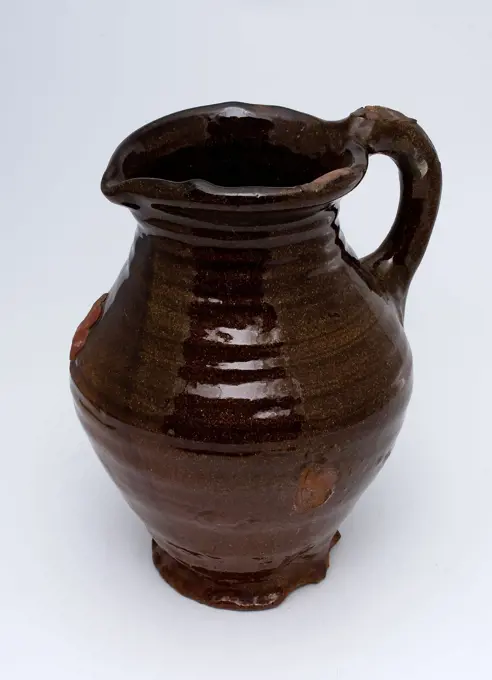
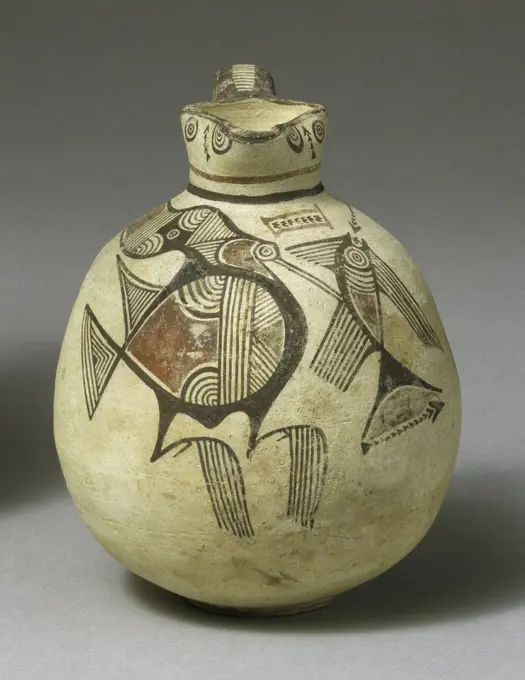
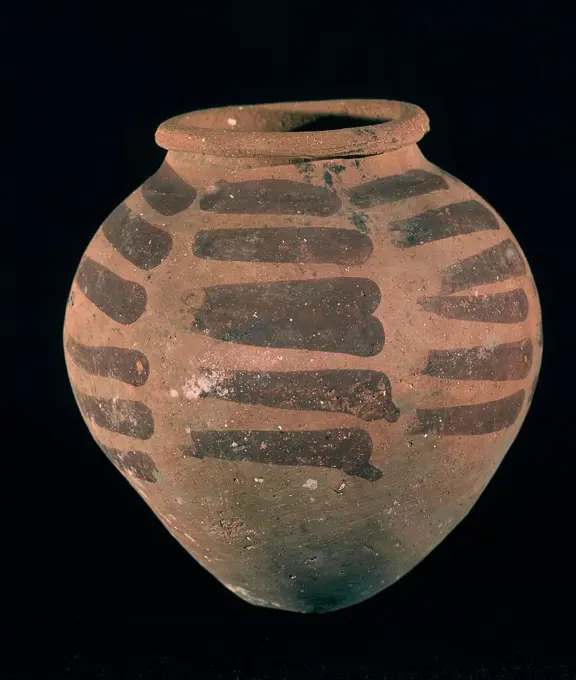
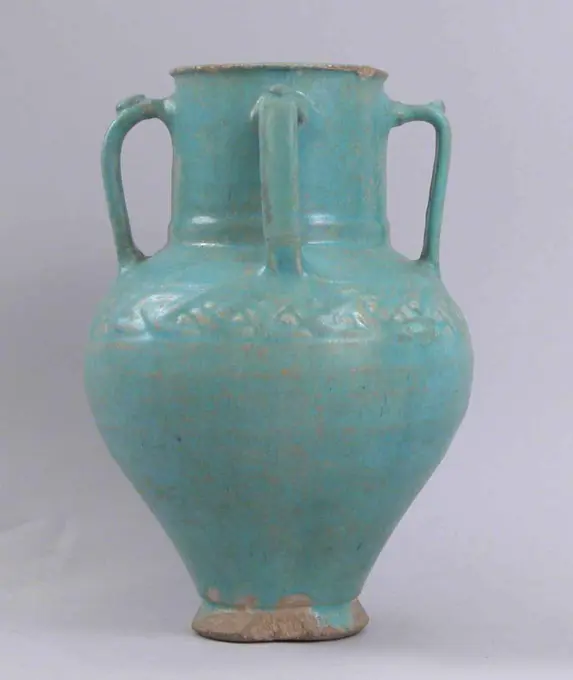
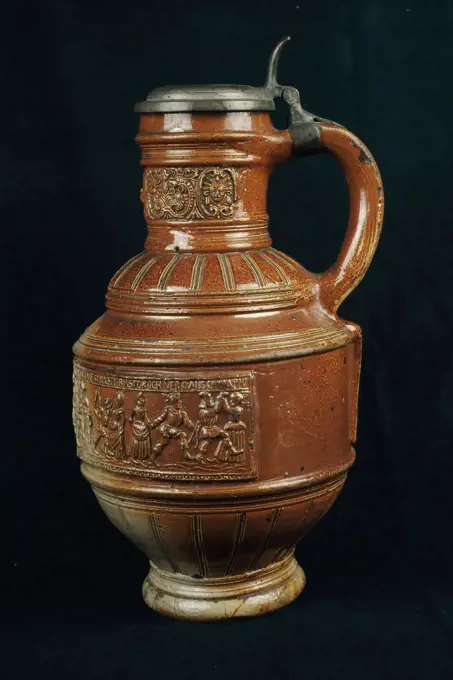
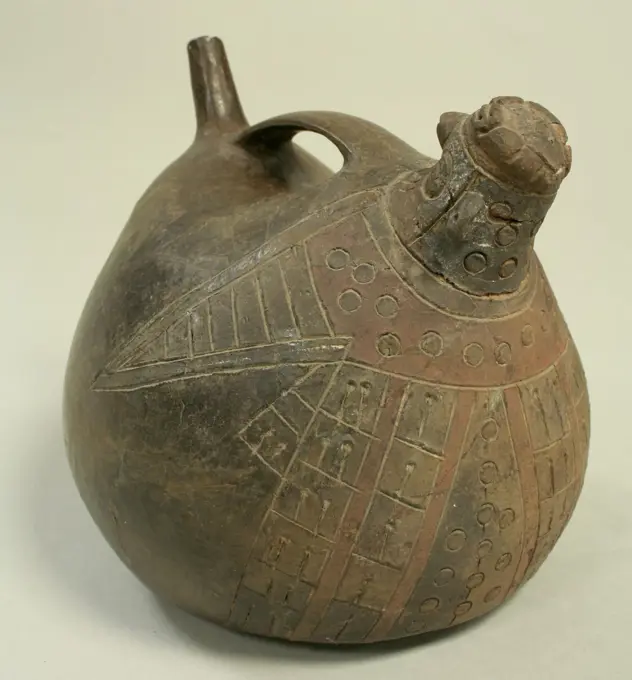
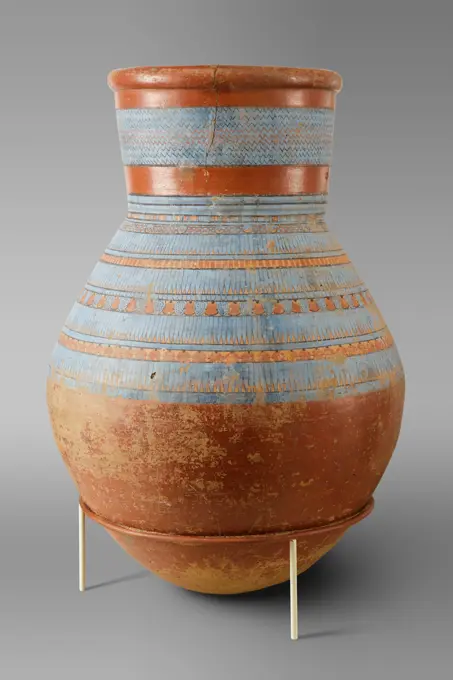
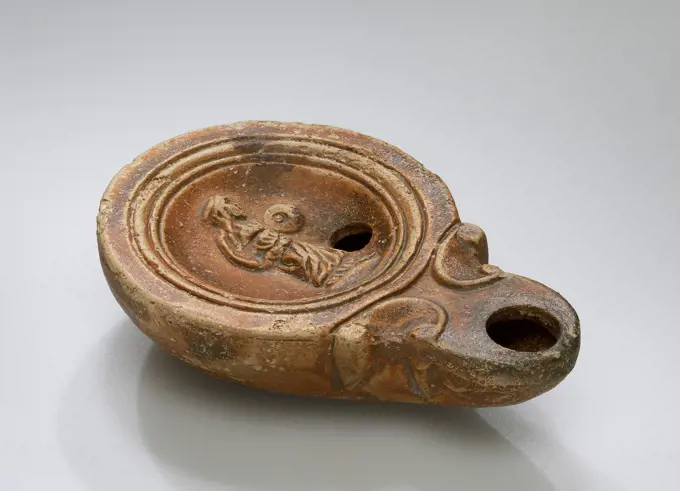
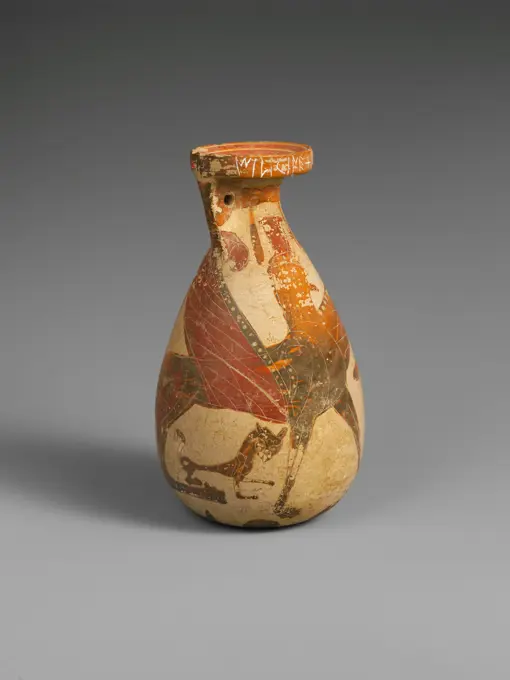
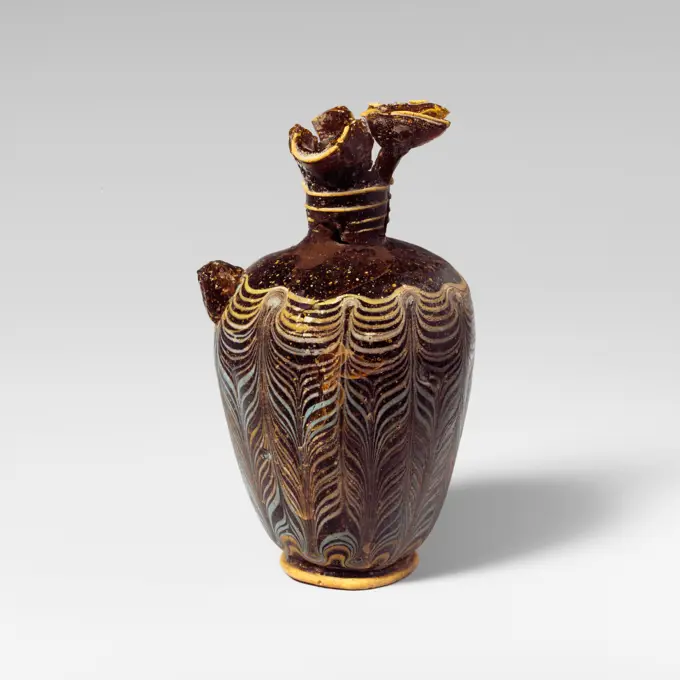
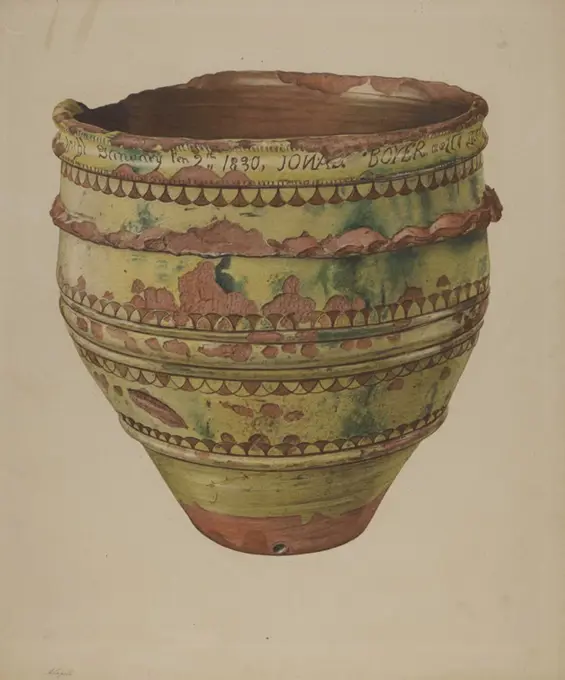
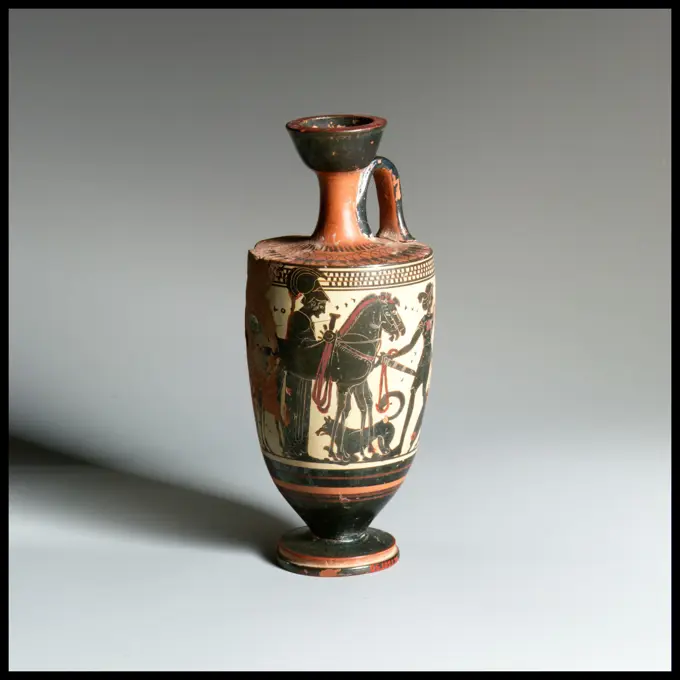
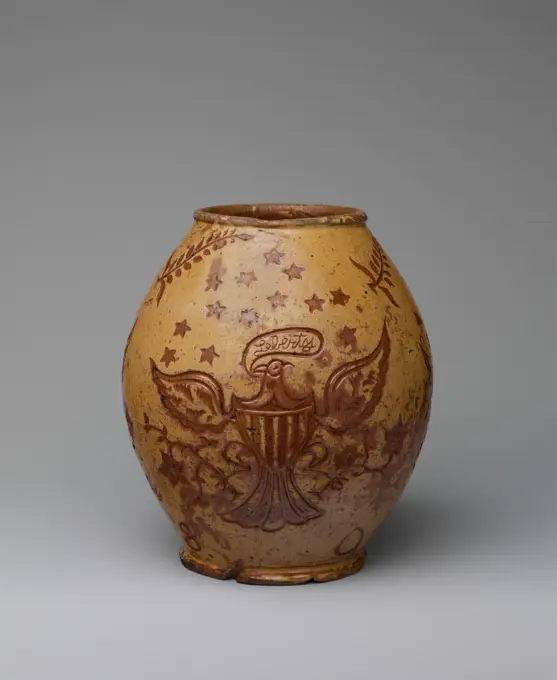
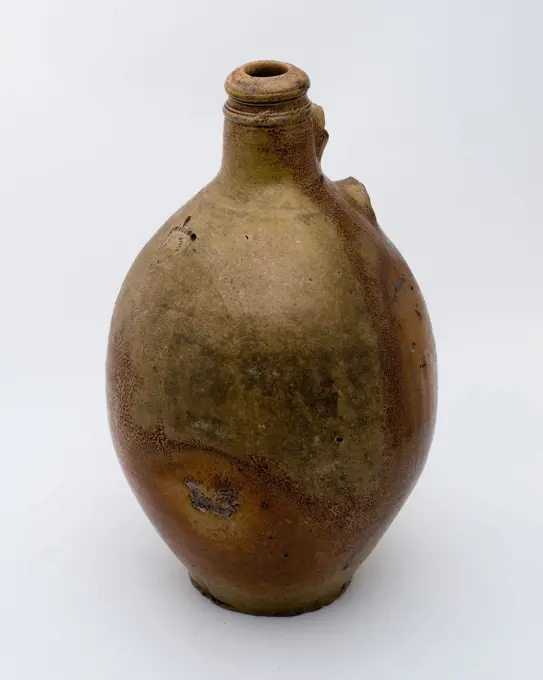
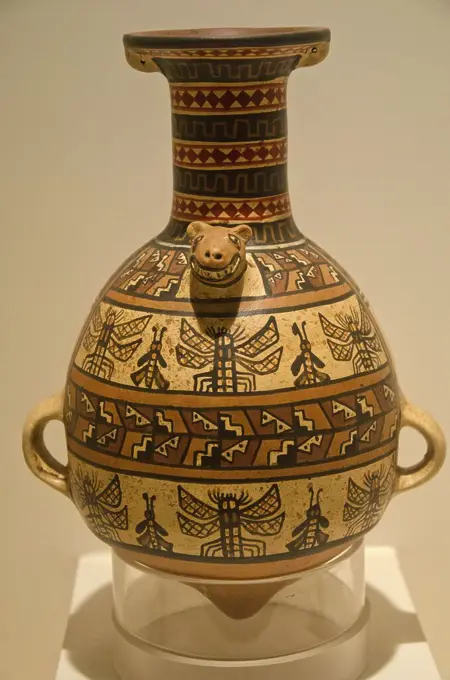
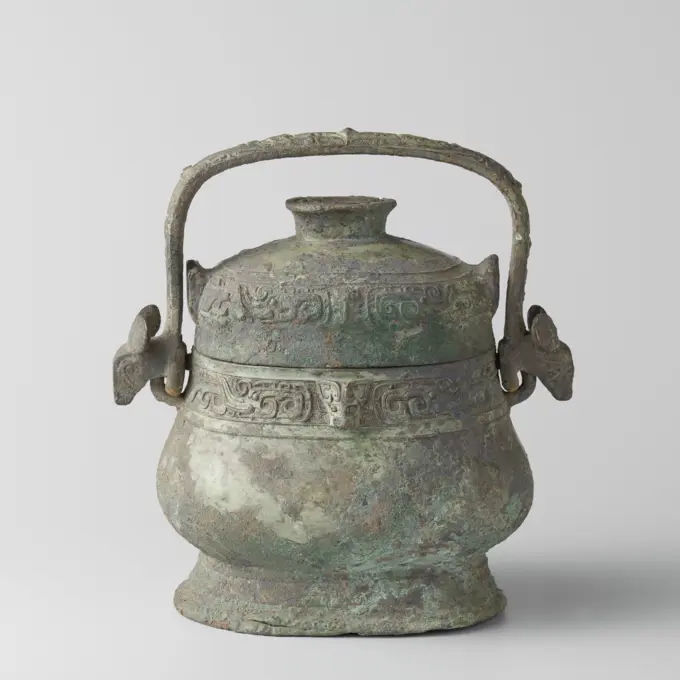
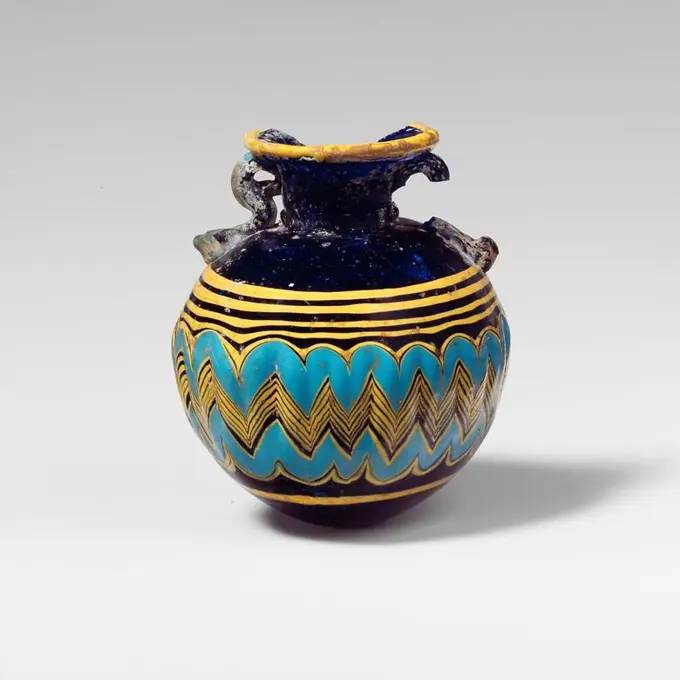
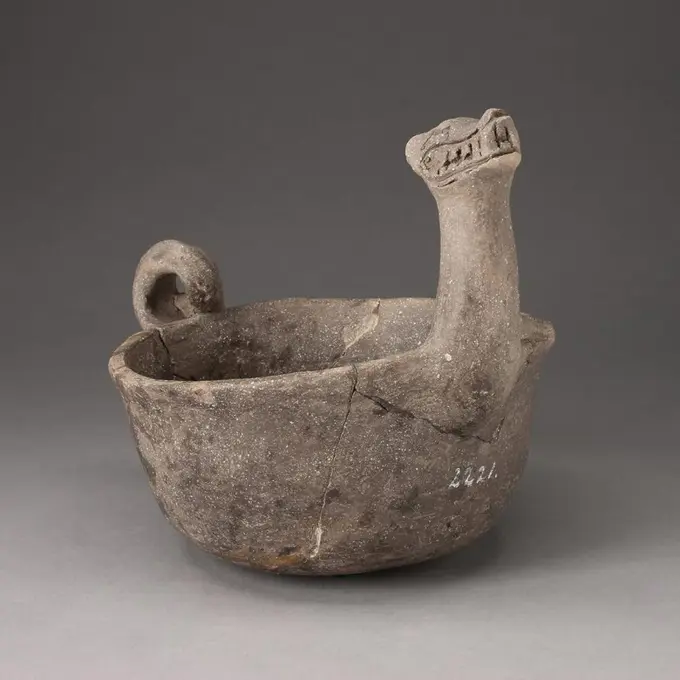
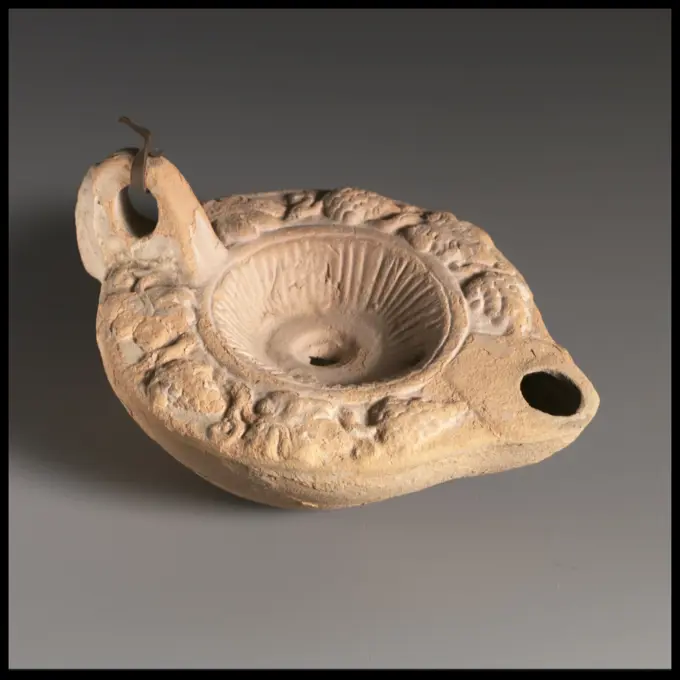
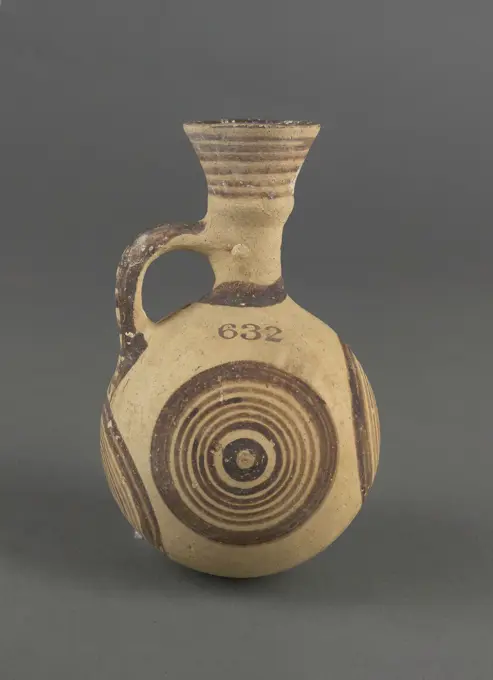
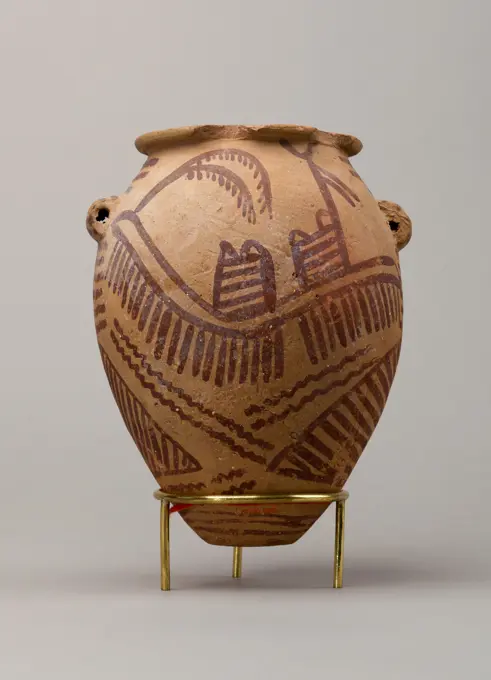
Decorated ware jar depicting two boats ca. 3850-2960 B.C. Predynastic Period. Decorated ware jar depicting two boats. ca. 3850-2960 B.C.. Pottery, paint. Predynastic Period. From EgyptTerracotta oil lamp. Culture: Roman. Dimensions: Other: 1 7/8 x 4 9/16 in. (4.8 x 11.6 cm). Date: 1st century B.C.-1st century A.D..Loeschcke Type 8. Mold-made, with ring handle. Plain, deep concave discus; a single small filling hole at center, with a band of lines and grooves at edge. Plain, sloping shoulder ending in volutes flanking nozzle. Vertical incised lines along front of handle. Raised base ring, and uneven base.The front of the handle added and joined to back that forms part of the molded body.Intact. Museum: Metropolitan Museum of Art, New York, USA.Italy, Lombardy, Lamp made from dark terracotta, from Golasecca CultureTerracotta bridge-spouted jar ca. 1900-1600 B.C. Minoan This vase was restored at the Ashmolean Museum, Oxford, before it entered the Museum's collection.. Terracotta bridge-spouted jar. Minoan. ca. 1900-1600 B.C.. Terracotta; Kamares ware. Middle Minoan II-III. VasesJug ca. 1802-1640 B.C. Middle Kingdom. Jug. ca. 1802-1640 B.C.. Pottery. Middle Kingdom. From Egypt, Memphite Region, Lisht North, cemetery south of pyramid below House A1:1, Pit 907, MMA excavations, 1920-21. Dynasty 13, possibly 15, early. Wooden lid of charcoal burner from stoneware. Opened in the form of three chrysanthemums. A crack in the lid. Ki Seto.Handled Jar Depicting Birds Catching Fish 180 BCE-500 CE Peru. Ceramic and pigment . NazcaItaly, Abruzzo, Picene olla (little cooking pot) with bucchero ware lidTerracotta tankard late 8th century B.C. Greek, Attic From the Hymettos deposit (see 30.118.1). Terracotta tankard. Greek, Attic. late 8th century B.C.. Terracotta. Geometric. VasesJARRON DE LAS GACELAS - SIGLO XIV/XV - PERIODO NAZARI - (OTRO LADO Nº 45050). Location: ALHAMBRA-MUSEO-CERAMICA. GRANADA. SPAIN.Tripod Caldron (Ding). China. Date: 599 BC-550 BC. Dimensions: H. 33.6 cm (13 1/4 in.); diam. 34 cm (13 3/8 in.). Bronze. Origin: China. Museum: The Chicago Art Institute, Chicago, USA.Sprinkler Bottle with Fesse Emblem late 13th-early 14th century Suspended from their handles, miniature perfume sprinklers were worn around the neck or tied to a belt. On this example, the Arabic inscription band praises an unspecified sultan. The fesse emblem, a simple band across the shield, was adopted by Sultan Lajin (r. 1297-99) and several amirs in the late thirteenth century.. Sprinkler Bottle with Fesse Emblem. late 13th-early 14th century. Glass, colorless; blown, applied handles, enameled and gilded. Attributed to Egypt. GlassCovered Box. Thailand, Sawankhalok, 16th century. Furnishings; Accessories. Stoneware with underglaze brown painted decorationDouble Spout and Bridge Vessel Depicting Incised and Painted Abstract Feline Face. Paracas; Ica Valley, south coast, Peru. Date: 650 BC-150 BC. Dimensions: 13.3 x 15.2 cm (5 1/4 x 6 in.). Ceramic and pigment. Origin: Peru. Museum: The Chicago Art Institute, Chicago, USA.. Charcoal burner of stoneware on three short legs and with two handles, covered with a green, squacious glaze. The wooden lid has been opened in the form of three chrysanthemums. Old label on the inside with 'Ki Seto / Auction Breuer'. A crack in the lid. Ki Seto.Terracotta lekythos (oil flask) ca. 500 B.C. Attributed to the Diosphos Painter Depicted on the vase, between two women, is Theseus slaying the Minotaur.. Terracotta lekythos (oil flask). Greek, Attic. ca. 500 B.C.. Terracotta; black-figure. Archaic. VasesPottery jug be placed on pinched stand, ear, shaving clip, revolving around shoulder and neck, water jug crockery holder soil find ceramic earthenware glaze lead glaze, hand-turned glazed baked Pottery jug red shard entirely covered with brown lead glaze pouring lip sausage orbors rotors partly unglazed. Double conical shape with smooth transition from the belly to the neck edge The protruding neck edge has an irregular shape. Various damages of stuck foreign pottery archeology native pottery serve serve drink water table kitchen roomTerracotta jug ca. 750-600 B.C. Cypriot A bird is depicted with a fish that is probably to be understood as being held in its beak. The placement of the decoration on the vase, the combination of line and mass in articulating the forms, and the evocative use of arrowlike forms indicate a vase-painter of remarkable creativity.. Terracotta jug. Cypriot. ca. 750-600 B.C.. Terracotta. Cypro-Archaic I. VasesVASO DE TERRACOTA CON DECORACION ROJA.NAGADA II. PERIODO GERZIENSE 3400 A.C. Location: EGYPTIAN MUSEUM. KAIRO. EGYPT.Terracotta miniature vase with two handles 7th-6th century B.C. Greek, Laconian Two handles, traces of white paint.. Terracotta miniature vase with two handles 251755 Greek, Laconian, Terracotta miniature vase with two handles, 7th6th century B.C., Terracotta, H. 1 1/8 in. (2.8 cm). The Metropolitan Museum of Art, New York. Gift of A. J. B. Wace, 1924 (24.195.189)Vase 12th century. Vase 452610GUI censer;  19th century (1801-00-00-1900-00-00);Prehistory, Italy. Thapsos culture. Terracotta cup with painted ornamental motifs. From Sicily Region.Porcelain vase of Hirado, Japan. Japanese Civilisation, 19th century.Lazio Viterbo Viterbo Museo Civico56. Hutzel, Max 1960-1990 Views of paintings (Middle Ages through 18th c.), frescoes, a tabernacle, coffin, sculpture reliefs, portal fragments, busts, sculpture, tapestry found in the Pinacoteca, Second floor gallery and Second floor cloister sequences. Antiquities: Many views of Etruscan and Roman fragments, sculpture, sarcophagi, pottery, masks, jewelry and other objects found in the Storeroom sequence (inventory numbers on back of prints), and the Cloister, Second floor Cloister, Valle Giulia, Sala Romana and Sala Etrusca sequences. General Notes: There are eight separate numerical sequences for this location. The cloister as an architectural structure, rather than museum site, is documented in the record and file for S. Maria della Verita, Cloister, all views of which are stored in Medieval core collection. Five views from the Museo Civico Second floor cloister sequence are stored in Medieval. German-born photographer and scholar Max Hutzel (1911-Pul with Frisian with Christ and the twelve apostles in relief, Anonymous, c. 1400 - c. 1950 Pul with earthenware ear, with Frisian with Christ and the twelve apostles in relief, polychrome painted. Above the figures a bond with the names.  earthenware Pul with earthenware ear, with Frisian with Christ and the twelve apostles in relief, polychrome painted. Above the figures a bond with the names.  earthenwareBronze oinochoe (jug). Culture: Greek. Dimensions: H.: 9 13/16 in. (25 cm). Date: 4th century B.C..In the long history of the oinochoe, the later forms become quite squat. This example is interesting for its large rotelles. Museum: Metropolitan Museum of Art, New York, USA.Jar. Culture: China. Dimensions: H. 8 3/4 in. (22.2 cm); Diam. 7 in. (17.8 cm); Diam. of rim 4 in. (10.2 cm); Diam. of foot 4 in. (10.2 cm). Museum: Metropolitan Museum of Art, New York, USA.Jar, flaring ca. 1635-1458 B.C. Second Intermediate Period-Early New Kingdom. Jar, flaring. ca. 1635-1458 B.C.. Pottery (black polished). Second Intermediate Period-Early New Kingdom. From Egypt, Upper Egypt, Thebes, Asasif, Courtyard CC 41, Pit 1, Burial A 1, In toilet box, MMA excavations, 1915-16. Dynasty 17-Early Dynasty 18CaudleCupJar With Geometric Patterns. Pot of pottery on a high, narrow foot and a concave wall. The pot is shaded with geometric motifs saved on the outer wall.Pottery vessel Cholula, Mexico AD 1300-1521. Cholula was the capital of an independent Post classic state. Mixtec stylistic influences, especially polychrome geometric patterns, and step and wave motifs like the ones on this vessel are apparent in Cholula designs.Lazio Roma Subiaco Monastery of S. Scolastica Archaeological Museum4. Hutzel, Max 1960-1990 Antiquities: Views of antiquities in museum, including sarcophagi, plates, vases, coins. General Notes: Hutzel guide says we have negatives, but we cannot find them. German-born photographer and scholar Max Hutzel (1911-1988) photographed in Italy from the early 1960s until his death. The result of this project, referred to by Hutzel as Foto Arte Minore, is thorough documentation of art historical development in Italy up to the 18th century, including objects of the Etruscans and the Romans, as well as early Medieval, Romanesque, Gothic, Renaissance and Baroque monuments. Images are organized by geographic region in Italy, then by province, city, site complex and monument.Stoneware jug with embossed peasant dances, farmer's pitcher with tin lid, farmer's pitcher jug crockery holder ceramic stoneware glaze salt glaze tin, ring 10.2 hand turned hand shaped stamped glazed glazed baked stoneware jug with relief decoration Hinged lid top in the frieze: GERHET DU MUS DAPEN BLASEN SO DANCES THAT WERE NEAR AS WERE SI RASEN VERSPRICHT BASTON ICH VERDANS DI APMII indigenous pottery import wine beer serve serve drinksBottle, Falcon 3rd-2nd century B.C. Paracas Inscribed designs in the form of a bird dominate this bottle. One of the vessels two spouts is in the form of a three-dimensional, stylized bird head. The beak faces the opposing spout. The birds modeled head and neck join a flat rendition of the birds body along the surface of the vessel. Incised lines define abstracted wings, a tail, and legs. The wings and tail are further decorated with dots and secondary lines. Alternating sections of the birds body are decorated with red pigment. The remaining part of the bottle is undecorated. The surface of the bottle appears to have been burnished. The vessels form is reminiscent of a double spout and bridge vessel, a classic form in the Paracas culture of the south coast of Peru (700 B.C. - A.D. 1). Many Paracas double-spout vessels served as animated, musical devices, with one of the two spouts containing a whistle. The beak of the bird on this vessel is open, and it is likely that the bird woBlue-painted Storage jar ca. 1353-1336 B.C. New Kingdom, Amarna Period The use of predominantly blue floral motifs in the decoration of terracotta vessels reached its peak during the reigns of Amenhotep III and Akhenaten. The principal component of the blue pigment that was applied to ceramic vessels before firing was cobalt. Numerous examples of ceramics decorated in this style were excavated by the Museum in the palace of Amenhotep III at Malkata, in Thebes (for example 11.215.460).This jar, datable to the middle to late reign of Akhenaten, may have held wine or beer to be served at a banquet. An elaborate polychrome floral decoration was painted on the shoulder and neck. The zigzag line around the neck, derived from the hieroglyph for water, was added to underline the presence of a cool drink inside.. Blue-painted Storage jar 546069Campania Napoli Naples S. Lorenzo Maggiore38. Hutzel, Max 1960-1990 Medieval: Sculpture, architecture, architectural sculpture (including Roman spolia) 13-14th century Chapter house; sarcophagi, gravestones; wall painting. Fragment of mosaic; sculptural fragments in the Sala Capitolare. Post-medieval: Architecture, architectural sculpture, ceiling painting fresco cycle; prints depicting Venice c. 1845 (4), sculpture; life-size creche figures dressed in original Neapolitan costume Church restored in 1882, 1926, 1944; excavations under the transept undertaken between 1958-1962, and in the cloister in 1976, have revealed remains of a Roman macellum (market), street, and the paleochristian basilica of the 6th c. AD. Antiquities: Pottery: black-glazed, archaic banded, domestic wares, bucchero; architectural terracottas, statuettes, lamps, sculpture fragments Object Notes: 3 color negatives with no prints at the end. General Notes: Most objects/paintings/frescoes unidentified. Three batches Pomegranatevase.  Artist: Dipylon Workshop, Greek, Attic, ca. 800-750 B.C.Amphora (Storage Jar) 101 CE-200 CE Syria. Glass, blown technique . Ancient RomanTerracotta oil lamp mid-1st century A.D. Roman Loeschcke Type 1A. Mold-made. Discus: gladiatorial () equipment comprising at top and bottom two large oval shields each with a central rib; to either side of filling hole, two helmets with cheek pieces, flanked by two straight swords pointing upward, each with a strap above hilt; a single, central filling hole; band of lines and deep grooves around edge. Volutes flanking angular nozzle with large wick hole. Base ring, and deep concave bottom.Intact, but some chipping of surfaces.. Terracotta oil lamp 241576Bottle, Falcon 5th-2nd century B.C. Paracas. Bottle, Falcon. Paracas. 5th-2nd century B.C.. Ceramic, pigment. Peru. Ceramics-ContainersBucchero Jug. Italy, Etruria, 5th century B.C.. Furnishings; Serviceware. CeramicLamp, North Africa; 1st - 4th century; Terracotta; 2.4 x 6 x 8.8 cm (15,16 x 2 3,8 x 3 7,16 in.)Terracotta spindle bottle 1600-1050 B.C. Cypriot inscribed on the bottom. Terracotta spindle bottle. Cypriot. 1600-1050 B.C.. Terracotta; Red Lustrous Wheel-made Ware. Late Cypriot. VasesTerracotta lydion (perfume jar) 6th century B.C. Lydian Concentric circles of dull red glaze.. Terracotta lydion (perfume jar) 252634 Lydian, Terracotta lydion (perfume jar), 6th century B.C., Terracotta, H. 3 7/16 in. (8.7 cm) diameter 2 15/16 in. (7.5 cm). The Metropolitan Museum of Art, New York. Gift of The American Society for the Excavation of Sardis, 1926 (26.199.64)Campanian Black Duck Askos (small-sized). UnknownRound tray on three feet 15th-16th century Japan. Round tray on three feet 40281Ancient Greek vase isolated on white backgroundPitcher. Eastern Mediterranean. Date: 500 BC-401 BC. Dimensions: 7.6 × 4.4 × 4.4 cm (3 × 1 3/4 × 1 3/4 in.). Glass. Origin: Egypt. Museum: The Chicago Art Institute, Chicago, USA. Author: Ancient Egyptian.Terracotta inscribed alabastron (perfume vase) ca. 600 B.C. Etruscan, Etrusco-Corinthian Frieze: sphinx, lions, and birdsDecorated with a large striding sphinx accompanied by smaller lions and birds, this delicate vase is notable for the Etruscan inscription incised on its rim: "I am the gift of Licinius Hersinaeus.". Terracotta inscribed alabastron (perfume vase) 252558 Etruscan, Etrusco-Corinthian, Terracotta inscribed alabastron (perfume vase), ca. 600 B.C., Terracotta, H. 5 5/16 in. (13.5 cm). The Metropolitan Museum of Art, New York. Fletcher Fund, 1926 (26.60.94)Glass oinochoe (perfume jug) mid-4th-early 3rd century B.C. Greek, Eastern Mediterranean or Italian Translucent honey brown, with handle in same color; trails in opaque yellow, opaque white, and opaque turquoise blue.Applied trefoil rim-disk; cylindrical neck, expanding downwards; broad rounded shoulder; slightly convex sides to body with downward taper; applied low circular coiled pad-base, slightly concave on bottom; strap handle attached in pad to outer edge of shoulder.A fine yellow trail attached at edge of rim-disk; another unmarvered yellow trail wound spirally four times around neck; on body, alternating bands of yellow, white, and turquoise trails wound round from shoulder to pad-base and tooled into a close-set feather pattern in eleven vertical panels with alternating upward and downward strokes, creating long loops at top and bottom.Broken and repaired, with many holes in rim and neck and most of handle missing; one large chip in body and two small chips in pad-base; dullinJar with loop handles China. Jar with loop handles. China. Earthenware with molded decoration and three color (sancai) glaze. Tang dynasty (618-907). CeramicsGlass hexagonal bottle. Culture: Roman. Dimensions: H.: 3 in. (7.6 cm)Diam.: 3/4 x 1 5/8 in. (1.9 x 4.1 cm). Date: ca. A.D. 25-50.Translucent cobalt blueRim folded out, round, and in, then pressed into flaring mouth; cylindrical neck with concave band below rim; downward sloping shoulder; hexagonal body with vertical sides, then cup-shaped below; low base with rounded edge and flat but uneven bottom. Mold seams run from near top of neck, down sides, and meet off-center on bottom.Decoration in relief in three registers: on shoulder, six downturned rays or pointed petals; on body, six rectangular panels, each decorated at top with a triangular pediment, framed at sides with posts or slender columns, and bordered below by a plain band; in each panel, a different bird perched on or flying over a nest or rock; above the base, twenty-seven upturned tongues.Complete except for weathering holes in shoulder and top of body; pitting, severe weathering, and some patches of brilliant iridesceVase China. Vase. China. Pottery. Han dynasty (206 B.C.-A.D. 220). CeramicsTerracotta neck-amphora 4th quarter of the 8th century B.C. Greek, Attic The iconography of this vase is emphatically martial. On the neck, a warrior appears between two horses; on the body is a procession of chariots. The painted decoration is enhanced by snakes added in clay. Snakes are traditionally associated with death because they can burrow under the ground and periodically shed their skin, a sign of renewal.. Terracotta neck-amphora. Greek, Attic. 4th quarter of the 8th century B.C.. Terracotta. Geometric. VasesTerracotta lebes gamikos (jar with lid, foot, and handles associated with weddings). Culture: Greek, South Italian, Apulian. Dimensions: Height: 15 1/16 in. (38.3 cm). Date: ca. 340-320 B.C..Obverse and reverse, youths, women, and ErotesA finely attired lady sits on a high-backed chair with footstool as the youth before her offers a wreath and fillet (band). He stands in front of a laver. The attendant behind the chair holds the lady's mirror. Above, Erotes carry more festive paraphernalia and play with a swan. The decoration complements the nuptial associations of the shape. The lid is missing. Museum: Metropolitan Museum of Art, New York, USA.glass unguentary glass unguentary, 5th to 3rd century BC, Carada necropolis, Espelyu .Iberian Museum of Jaén, Andalusia, Spain Copyright: xZoonar.com/BartomeuxBalaguerxRotgerx 21714868Ting vase, 771-221 Century, bronze, cm 32 x 32Bowl with Cover Korea. Bowl with Cover 57505Jar with Horned Serpents and Interlocking, Hatched-and-Black Stepped Designs 950 CE-1400 New Mexico. Horned or plumed serpents, mythical entities associated with the life-giving power of water, have an ancient history in the art of the American Southwest, Midwest, and Southeast. On the shoulder of this vessel, twin highly abstract serpents stretch out from a central point, from which rises a series of superimposed stepped chevrons. The chevron is a symbolic motif widely associated with mountains, springs, rivers, and rising thunderstorms. The overall composition of this jar suggests the symbolic representation of a sacred landscape and the ritual summoning of water.. Ceramic and pigment . Ancestral Pueblo (Anasazi)Red figured amphora,  couple wih offering at tombstoneWater Pot 18th century Japan. Water Pot. Japan. 18th century. Clay covered with glaze (Takatori ware). Edo period (1615-1868). CeramicsPitcher 301 CE-400 CE Syria. Glass, blown technique . Ancient RomanStorage jar ca. 1479-1425 B.C. New Kingdom. Storage jar 548649Faience mustard pot, on which polychrome, lying horse, mustard pot holder soil find ceramic earthenware glaze tin glaze, hand turned baked painted glazed baked faience Majolica or faience mustard pot. Egg-shaped body. Polychrome decor consisting of horse lying pictured. Worstoor. Upright top edge. White fond archeology Rotterdam serve serve mustard condiment food archaeological find in the soil Rotterdam 1940.Jug with stylized floral ornamentation, anonymous, c. 1700 - c. 1799 Jug of stoneware on stand ring with an egg -shaped abdomen and a narrow neck. The C-shaped ear is attached to the neck and shoulder. Partly covered with cobalt blue. The jug is divided into wide and narrow tires. In the wide tires a pressed zigzag line (knibis), the narrow tires with a stamped stamped leaf motif or circles. A thread on the inside of the neck. Dop is missing. Westerwald. Westerwald stoneware. glaze. cobalt (mineral) vitrification Jug of stoneware on stand ring with an egg -shaped abdomen and a narrow neck. The C-shaped ear is attached to the neck and shoulder. Partly covered with cobalt blue. The jug is divided into wide and narrow tires. In the wide tires a pressed zigzag line (knibis), the narrow tires with a stamped stamped leaf motif or circles. A thread on the inside of the neck. Dop is missing. Westerwald. Westerwald stoneware. glaze. cobalt (mineral) vitrificationTerracotta stemmed bowl. Culture: Greek, Boeotian. Dimensions: H. 7 7/8 in. (20 cm); diameter 9 15/16 in. (25.2 cm). Date: mid-6th century B.C..The stemmed bowl was a characteristic Boeotian vase that was popular from the mid-sixth into the early fifth century B.C. The decoration of the exterior often shows a flying bird. Here it consists of palmettes. Museum: Metropolitan Museum of Art, New York, USA.Serpentine tankard. Culture: Minoan. Dimensions: H. 2 13/16 in. (7.2 cm); Diameter 3 7/8 in. (9.9 cm). Date: ca. 1750-1450 B.C..Handleless cup. Museum: Metropolitan Museum of Art, New York, USA.Campania Napoli Naples S. Lorenzo Maggiore26. Hutzel, Max 1960-1990 Medieval: Sculpture, architecture, architectural sculpture (including Roman spolia) 13-14th century Chapter house; sarcophagi, gravestones; wall painting. Fragment of mosaic; sculptural fragments in the Sala Capitolare. Post-medieval: Architecture, architectural sculpture, ceiling painting fresco cycle; prints depicting Venice c. 1845 (4), sculpture; life-size creche figures dressed in original Neapolitan costume Church restored in 1882, 1926, 1944; excavations under the transept undertaken between 1958-1962, and in the cloister in 1976, have revealed remains of a Roman macellum (market), street, and the paleochristian basilica of the 6th c. AD. Antiquities: Pottery: black-glazed, archaic banded, domestic wares, bucchero; architectural terracottas, statuettes, lamps, sculpture fragments Object Notes: 3 color negatives with no prints at the end. General Notes: Most objects/paintings/frescoes unidentified. Three batches Bottle, Geometric Designs 5th-7th century Moche. Bottle, Geometric Designs 310193Tripod. Culture: Cypriot. Dimensions: H. 3 5/16 in. (8.4 cm).Decorated with broad and narrow bands. Museum: Metropolitan Museum of Art, New York, USA.Seed Storage Jar, Unassigned, before 1917. Great Basin, Paiute, Kern County, Unassigned. Peeled and unpeeled willow, diagonal twine; overall: 22.3 x 32.8 cm (8 3/4 x 12 15/16 in.).Pottery pot on small standing surface, black shard, round and round with outstanding neck edge, pot holder soil found ceramic pottery, hand turned pottery pot. Ball model with wide neck and small foot. Stand surface. Black shard Outstanding neckline Underwiring under the ridge Roman archeology Valckensteyn Poortugaal Albrandswaard indigenous pottery import save store Soil discovery: excavation Poortugaal castle Valckensteyn.Jar ca. mid-1st millennium A.D. Sasanian Plain unglazed ceramics, like this jar, are the most common type of pottery found during the Sasanian period. This single handled, buff colored jar is typical of the period. The finds inside, however, are more interesting. Inside the vessel ten fragmentary metal amulet cases were recovered (32.150.95, 32.150.96, 32.150.97, 32.150.98, 32.150.99, 32.150.100, 32.150.101, 32.150.102, 32.150.103, 32.150.104). Traces of papyrus were found in one case, and it is probable that they all held magical protective texts written on papyrus scrolls. The jar was excavated from a house at the site of Maaridh II in the Ctesiphon area. The city of Ctesiphon was located on the east bank of the Tigris River, 20 miles (32 km) south of modern Baghdad in Iraq. It flourished for more than 800 years as the capital of the Parthians and the Sasanians, the last two dynasties to rule the ancient Near East before the Islamic conquest in the seventh century. Systematic excavaDouble spout Vessel, c. 900-200 BCE, 5 5/8 x 6 5/16 x 6 3/8 in. (14.29 x 16.03 x 16.19 cm), Clay, pigments, Peru, 9th-2nd century BCEEwer 4th-5th century. Ewer 443168Hu vase;  18th century (1701-00-00-1800-00-00);Lamp. UnknownPot, 8 3/16 × 10 5/8 × 10 5/8 in. (20.8 × 26.99 × 26.99 cm), Ceramic, pigments, United StatesTripod Jar 618 CE-906 CE China. Stoneware with underglaze molded decoration and green glaze .Pa. German Jardiniere. Dated: c. 1939. Dimensions: overall: 45.6 x 38.2 cm (17 15/16 x 15 1/16 in.) Original IAD Object: 11 1/2" high; 11 1/2" in diameter. Medium: watercolor and graphite on paperboard. Museum: National Gallery of Art, Washington DC. Author: Giacinto Capelli.Lazio Viterbo Viterbo Museo Civico90. Hutzel, Max 1960-1990 Views of paintings (Middle Ages through 18th c.), frescoes, a tabernacle, coffin, sculpture reliefs, portal fragments, busts, sculpture, tapestry found in the Pinacoteca, Second floor gallery and Second floor cloister sequences. Antiquities: Many views of Etruscan and Roman fragments, sculpture, sarcophagi, pottery, masks, jewelry and other objects found in the Storeroom sequence (inventory numbers on back of prints), and the Cloister, Second floor Cloister, Valle Giulia, Sala Romana and Sala Etrusca sequences. General Notes: There are eight separate numerical sequences for this location. The cloister as an architectural structure, rather than museum site, is documented in the record and file for S. Maria della Verita, Cloister, all views of which are stored in Medieval core collection. Five views from the Museo Civico Second floor cloister sequence are stored in Medieval. German-born photographer and scholar Max Hutzel (1911-Figural Vessel with Spout. Guatemala, Southern Highlands, Maya, 100-300 CE. Ceramics. Burnished and slipped ceramicTerracotta lekythos (oil flask) ca. 500-490 B.C. Attributed to the Sappho Painter Warrior mounting chariot, Athena, and dogHarnessing of a chariot, Athena and a dog near.. Terracotta lekythos (oil flask). Greek, Attic. ca. 500-490 B.C.. Terracotta; black-figure. Archaic. VasesJug with two handles, anonymous, c. 1300 - c. 1399 Jug of stoneware on wavy foot with an egg -shaped body and short, spreading neck. The two ears are attached to the edge and the shoulder. The belly is decorated with turning virgins and is smoothed out at the bottom. Rhineland stoneware vitrification Jug of stoneware on wavy foot with an egg -shaped body and short, spreading neck. The two ears are attached to the edge and the shoulder. The belly is decorated with turning virgins and is smoothed out at the bottom. Rhineland stoneware vitrificationBottle, Monkey 1st century B.C.-A.D. 1st century Nasca. Bottle, Monkey 308455Jar 1809 Attributed to Philip Kline. Jar 4505Brown speckled jug with stamp 2, jug crockery holder soil find ceramic stoneware glaze salt glaze, hand-turned baked glazed stoneware jug gray shard with salt glaze partly brown brindled profiled rings under the mouth rim sausage ear pull-off traces on the underside On the shoulder 2 (size of the jug ) archeology import pottery serving drinkBridge and Spout Vessel with Duck Head 3rd-2nd century B.C. Nasca. Bridge and Spout Vessel with Duck Head 310704Amphoriskos. UnknownVase with Cover. Culture: China. Dimensions: H. incl. lid 5 in. (12.7 cm); H. w/o lid 4 1/4 in. (10.8 cm); Diam. 5 1/2 in. (14 cm). Museum: Metropolitan Museum of Art, New York, USA.Ceramic vessel Inca culture 1438 AC-1572 AC Perú.Ritual wine vessels, anonymous, c. -1046 - c. -256  China bronze (metal)  China bronze (metal)Glass aryballos (perfume bottle). Culture: Greek, Eastern Mediterranean. Dimensions: H. 2 5/8 in. (6.7 cm). Date: late 6th-5th century B.C..Translucent cobalt blue, with same color handles; trails in opaque yellow and opaque turquoise blue. Broad inward-sloping rim-disk; short cylindrical neck, tapering downwards; right-angled shoulder; almost spherical body; convex, somewhat pointed bottom; two vertical ring handles with knobbed tails, applied over trail decoration, extend from shoulder to underside of rim-disk.Yellow trail applied to outer edge of rim-disk; another yellow trail applied on upper body and wound spirally, at first in horizontal lines, then tooled into a close-set zigzag pattern around central section of body, formed by shallow vertical tooling indents; two thick turquoise blue trails applied over yellow, forming a bold, even design; below this, a single yellow trail wound horizontally around body; a turquoise blue trail applied along outer edge of one handle.Broken Bowl in the Shape of Underwater Serpent with Upturned Neck and Coiled Tail. Mississippian; Arkansas, United States. Date: 1000-1400. Dimensions: 8.9 × 19.7 cm (3 1/2 × 7 3/4 in.). Ceramic. Origin: Arkansas. Museum: The Chicago Art Institute, Chicago, USA.Terracotta oil lamp 3rd-4th century A.D. Roman Vessberg Type 18a. Ring handle, with grooved stem. Mold-made. Sunken discus with central filling hole and close-set radiating lines around side; smaller hole near edge of discus behind nozzle. On shoulder in high relief: alternating vine leaves and bunches of grapes. On flat base within inscribed circle, in incised Greek letters: ΠΛΑ/TWN/OC.Top of handle broken and repaired. Buff clay.. Terracotta oil lamp 241804Double HeadFlaskMiniature Vase. Culture: China. Dimensions: H. 2 1/2 in. (6.4 cm). Date: 19th century. Museum: Metropolitan Museum of Art, New York, USA.Juglet 850-750 B.C. Cypriot Globular jug with concentric circles.. Juglet. Cypriot. 850-750 B.C.. Terracotta. Cypro-Geometric III. VasesTwo Egyptian pots depicting faces of Bes. circa 660-300BC