Ancient Decorative Vessels

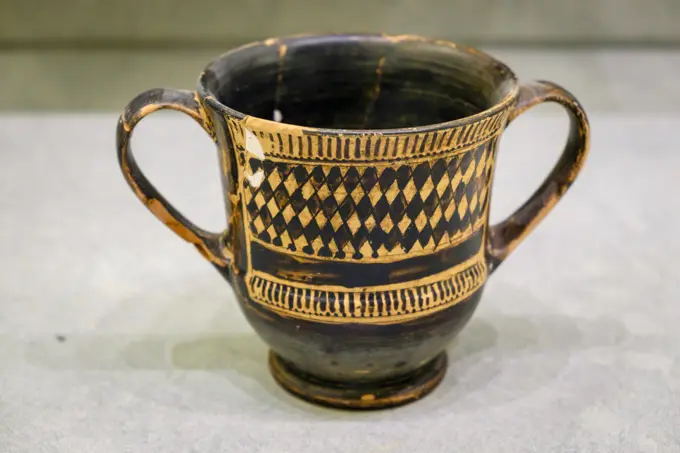
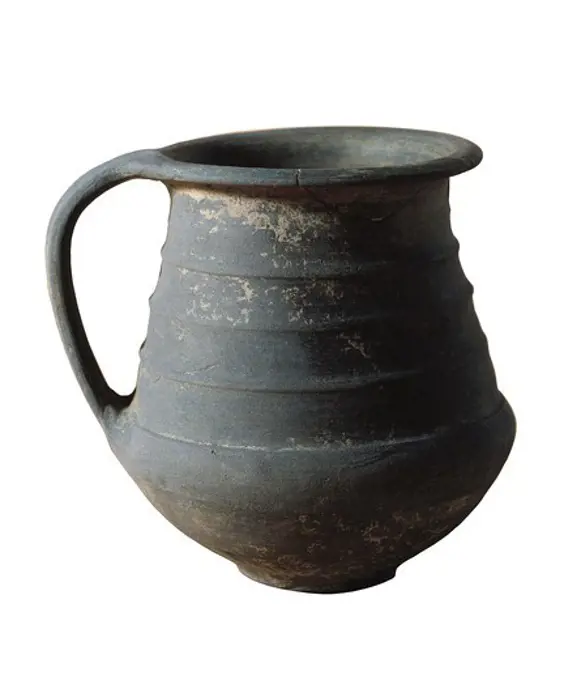
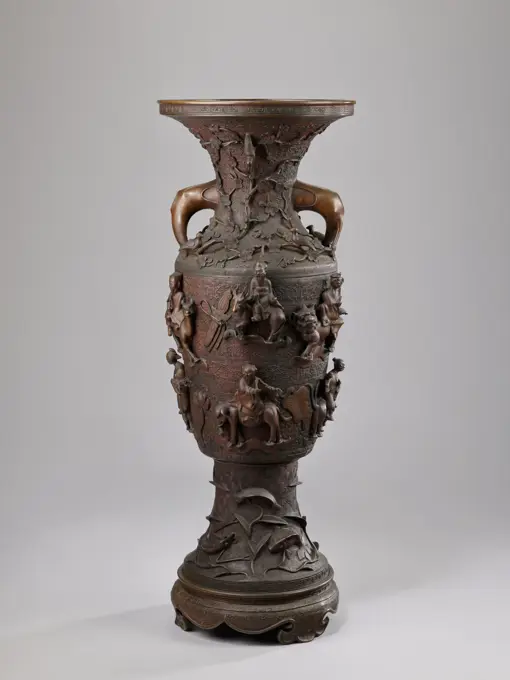
Diverse jars and jugs from ancient cultures featuring unique decorative elements. These vessels are notable for their historical craftsmanship.
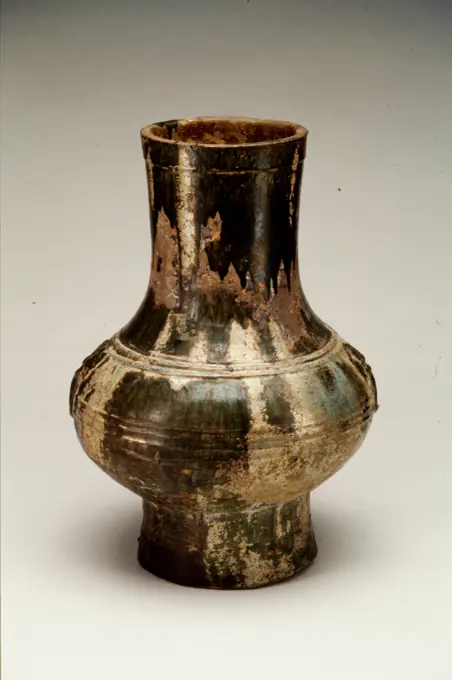
Hu, 1st-2nd century, 20in. (50.8cm), Glazed ceramic, China, 1st-2nd century
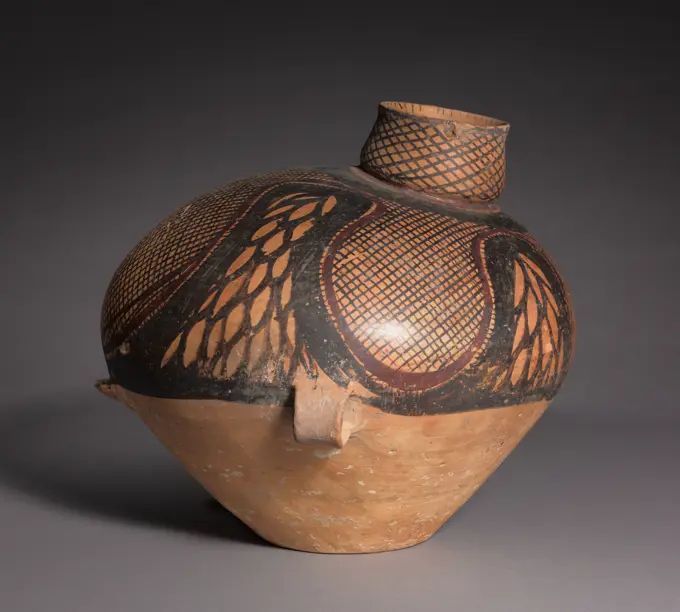
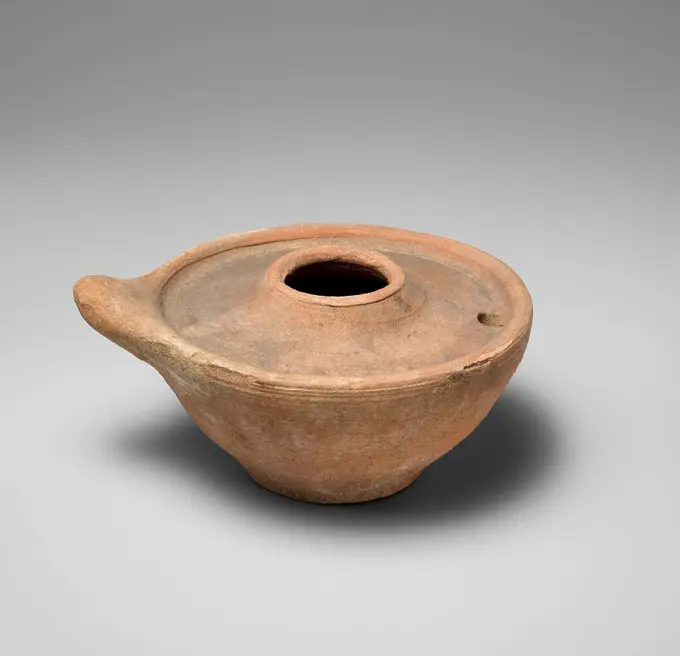
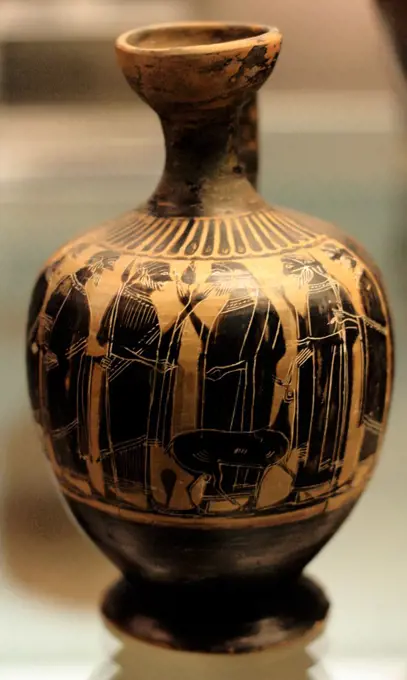
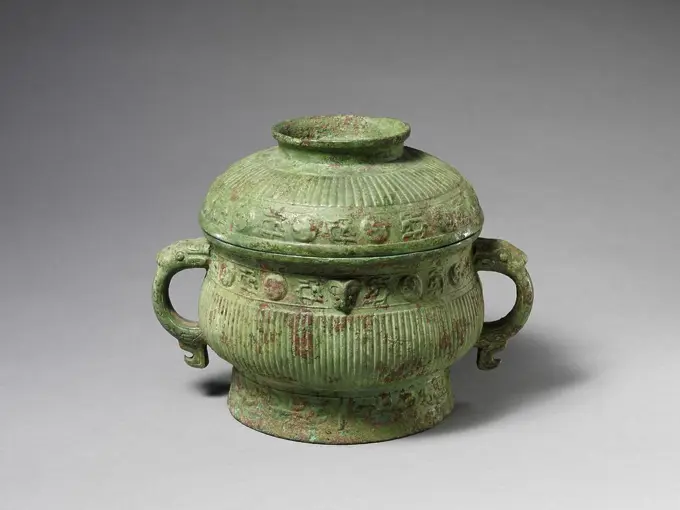
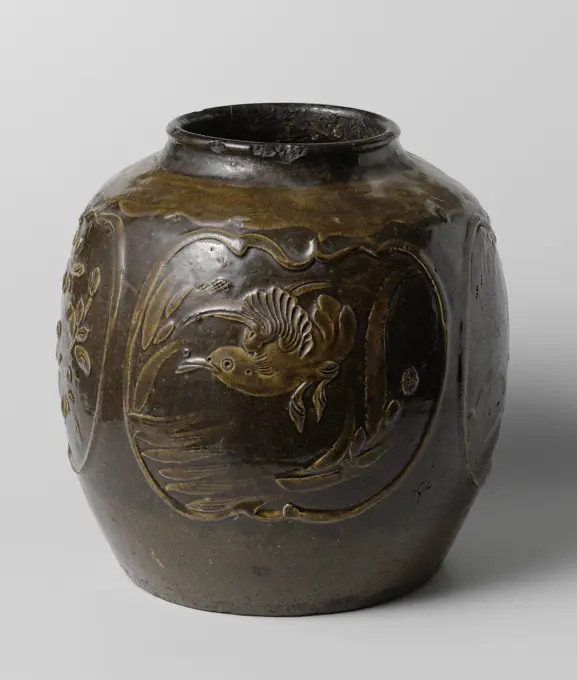
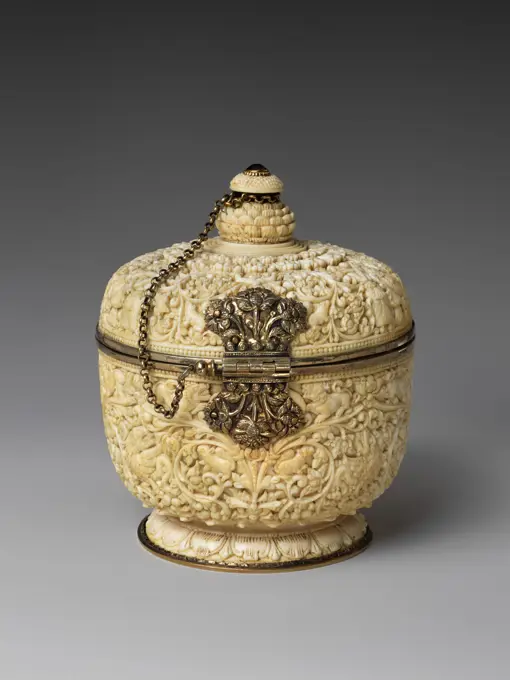
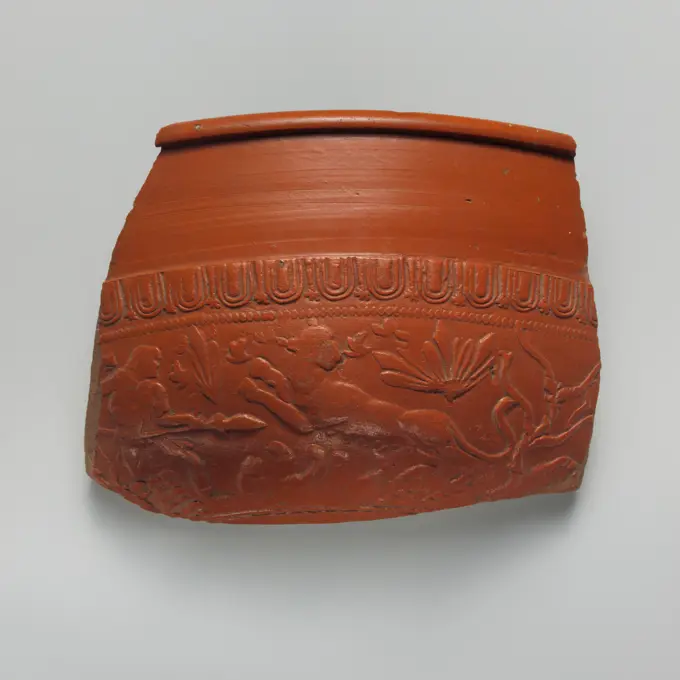
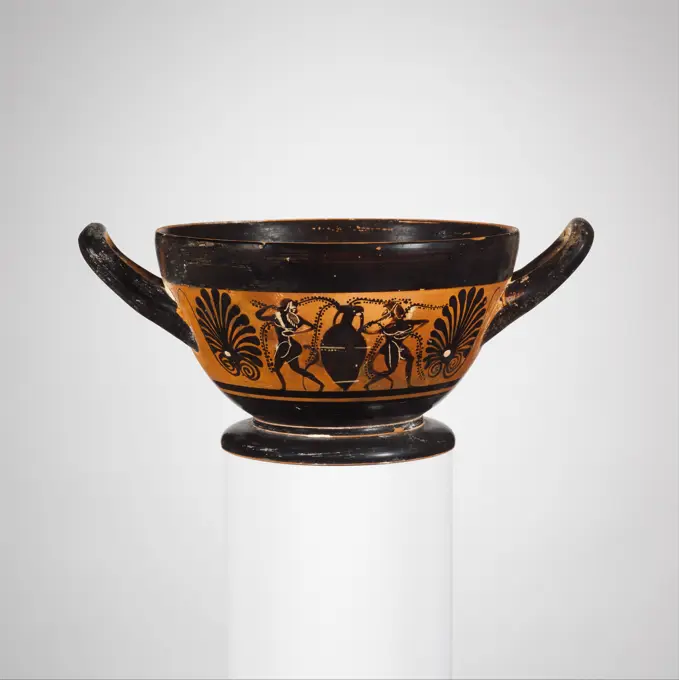
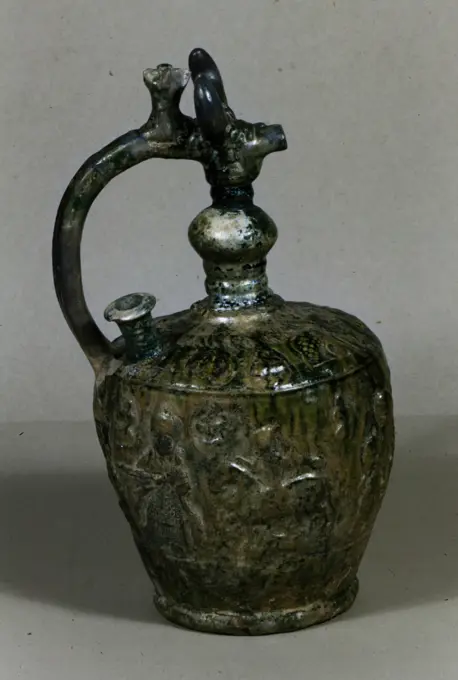
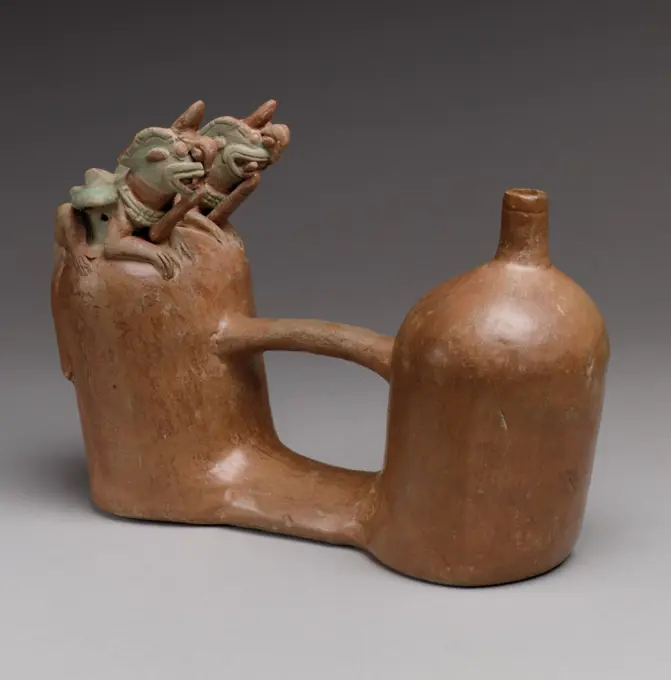
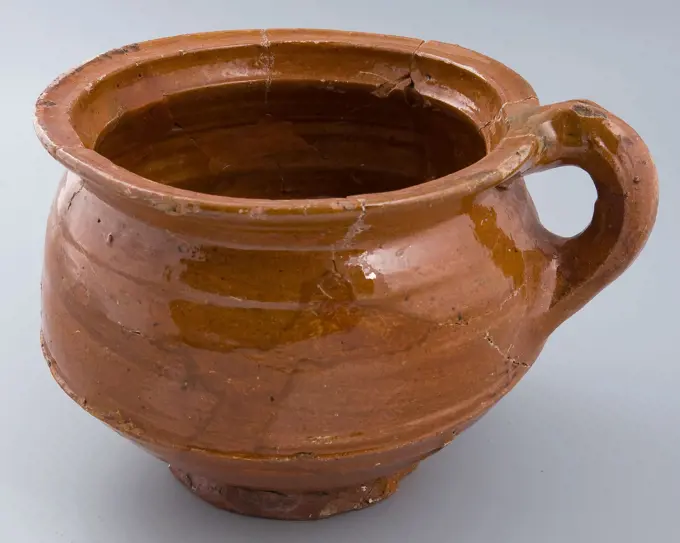
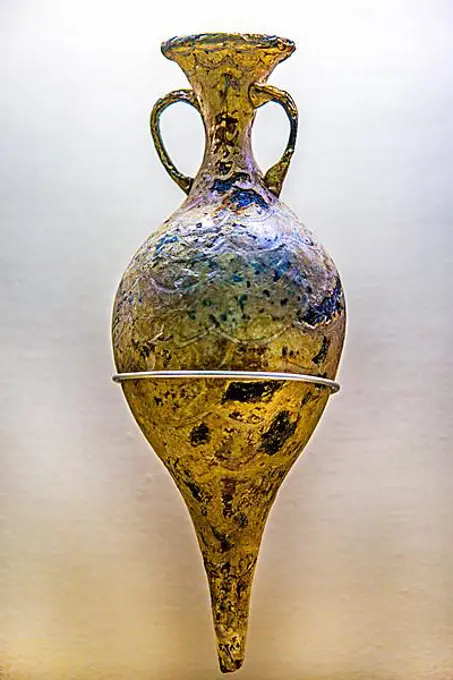
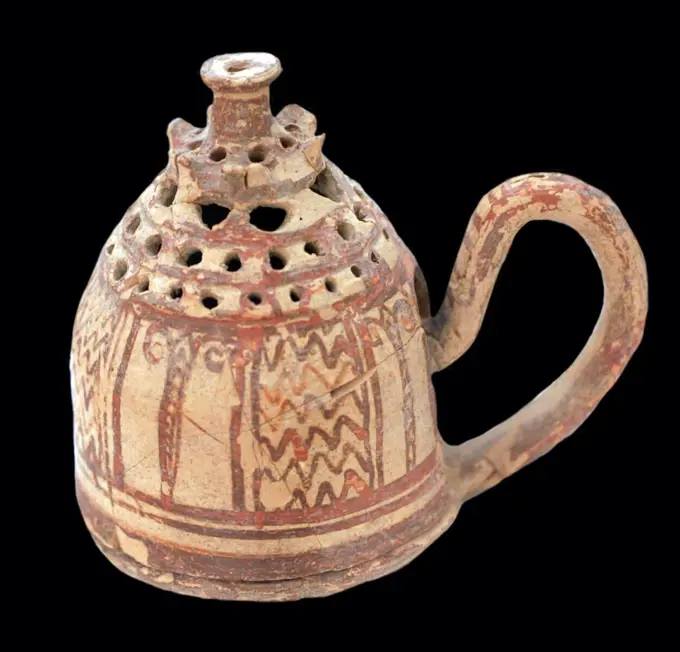
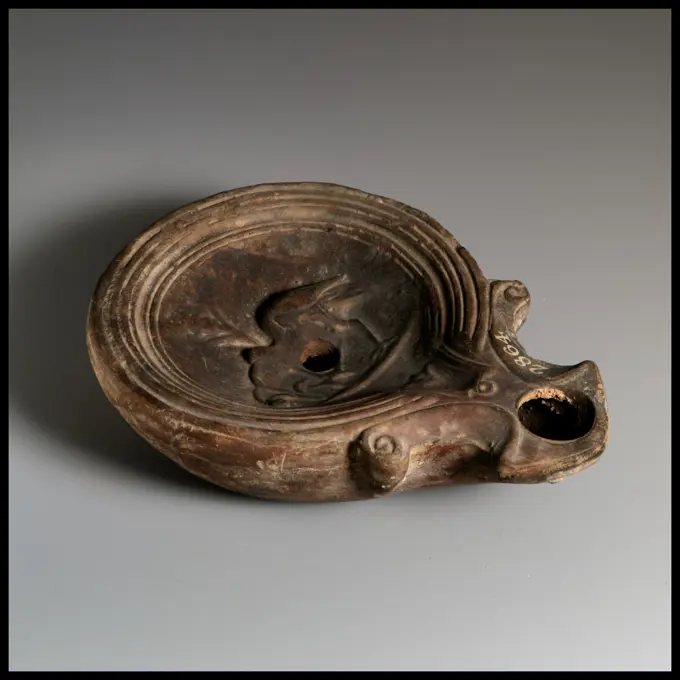
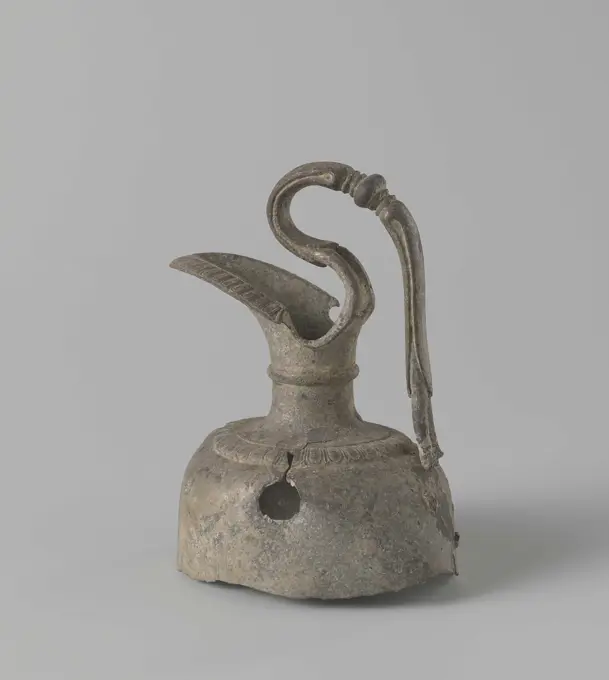
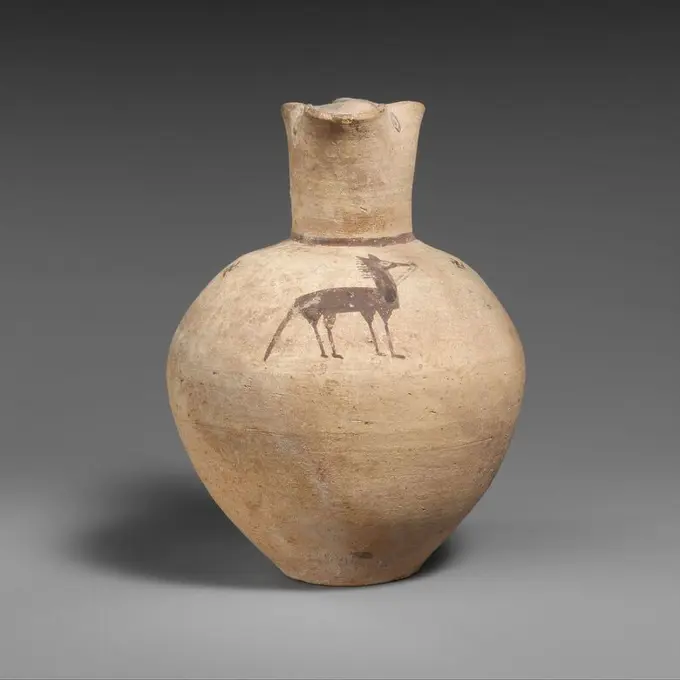
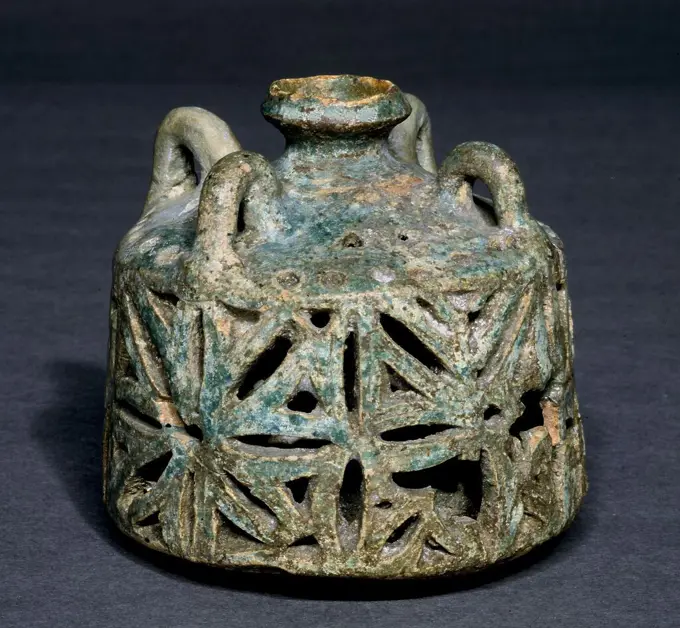
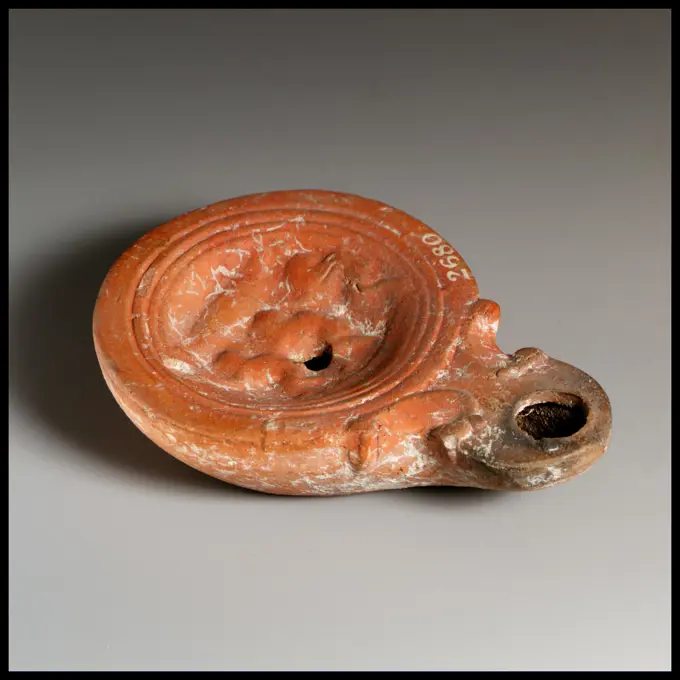
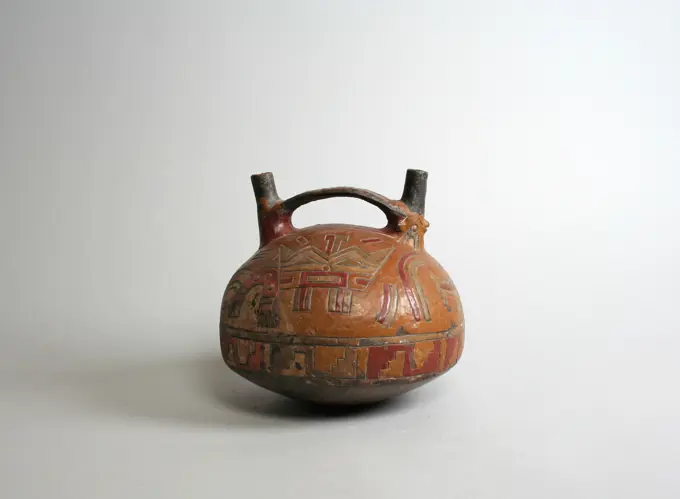
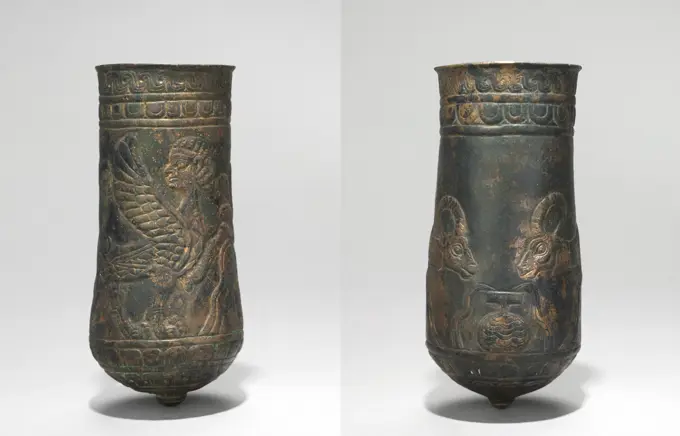
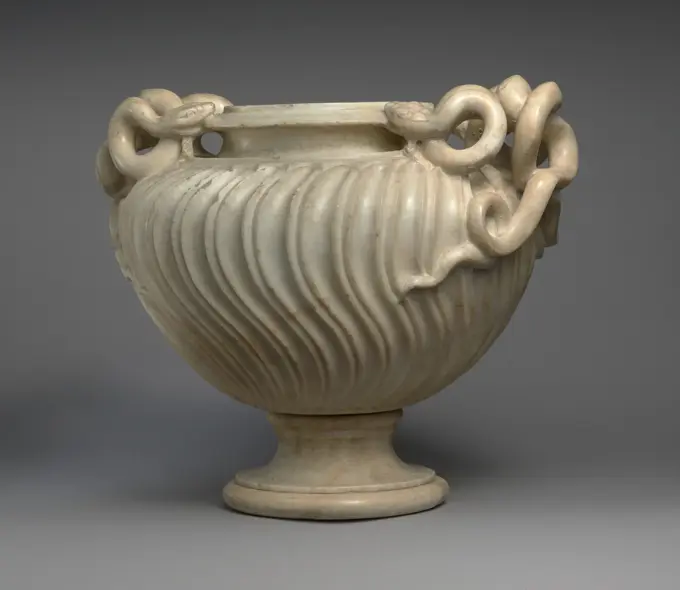
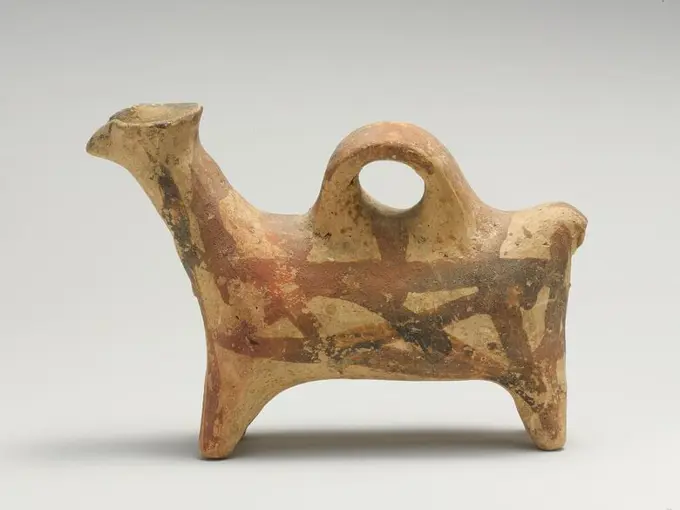
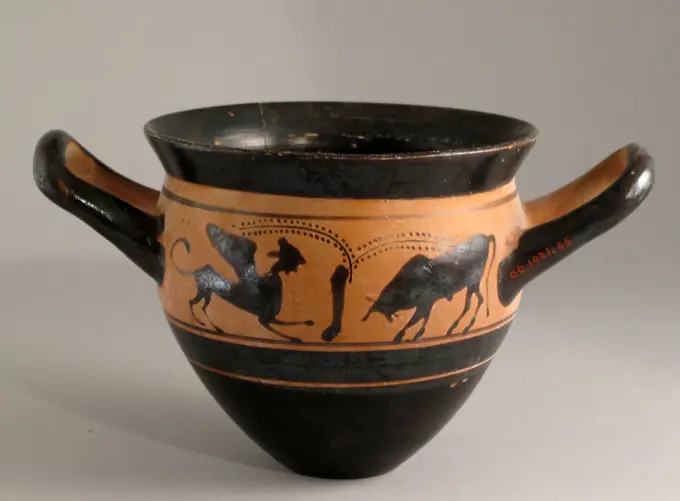
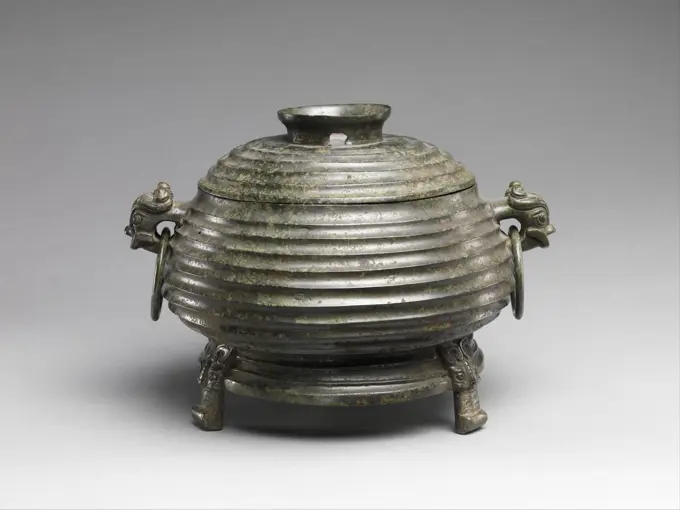
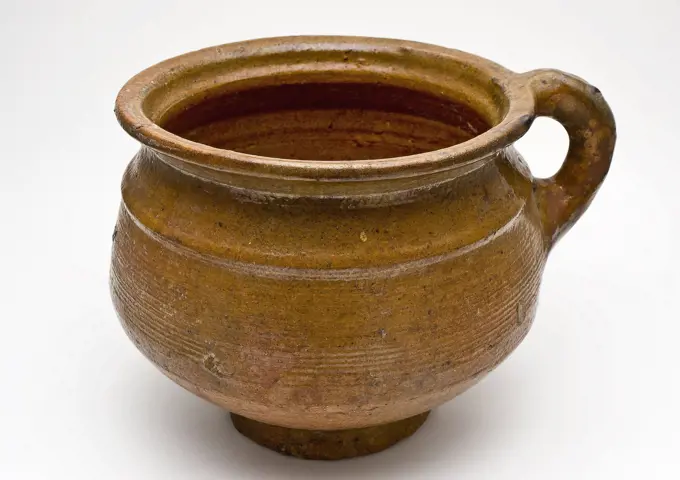
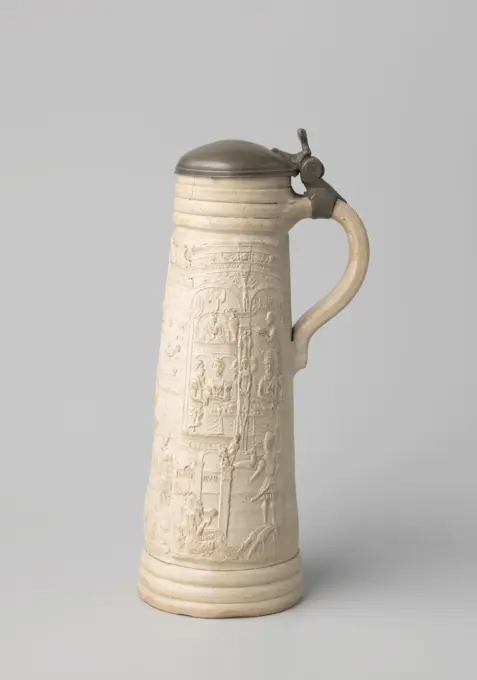
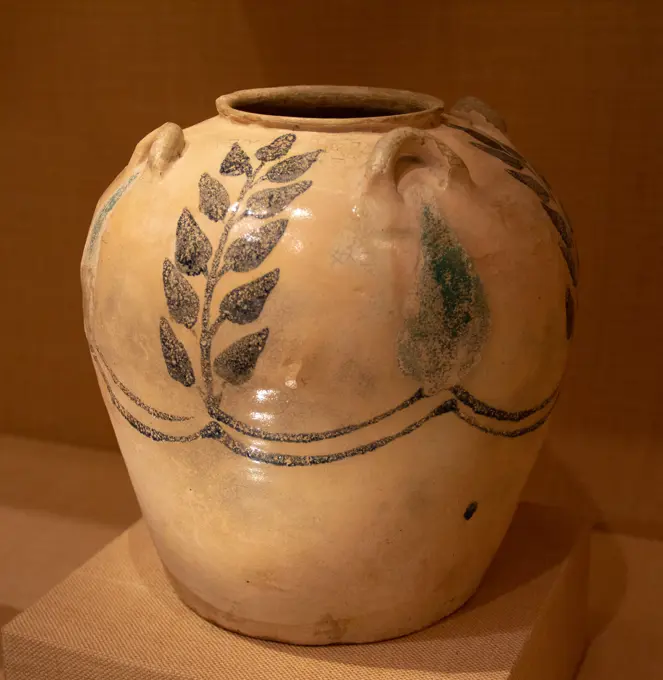
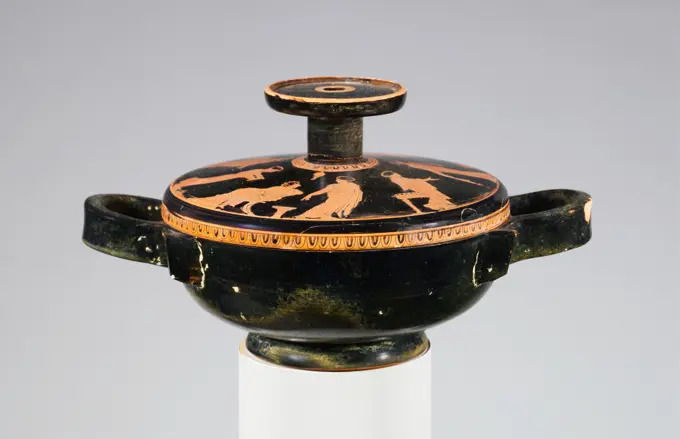
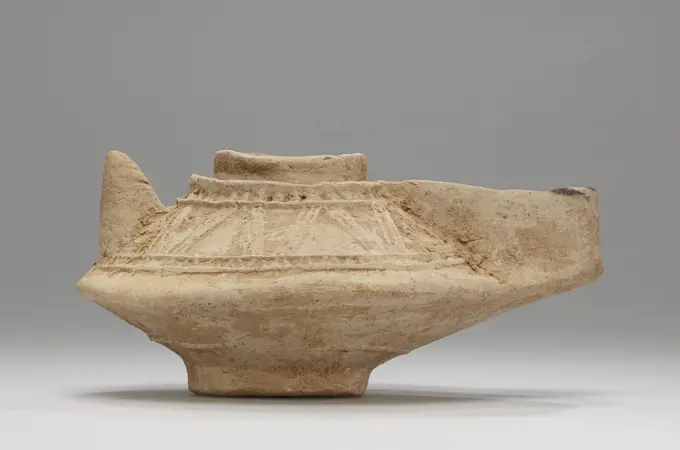
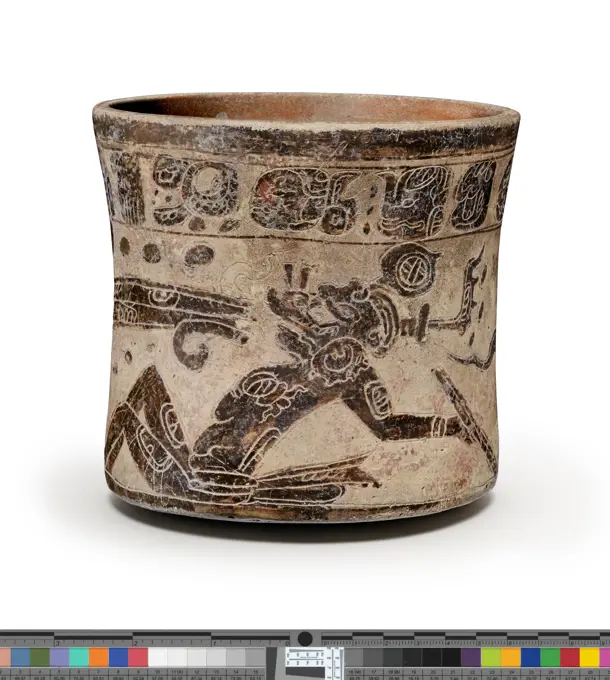
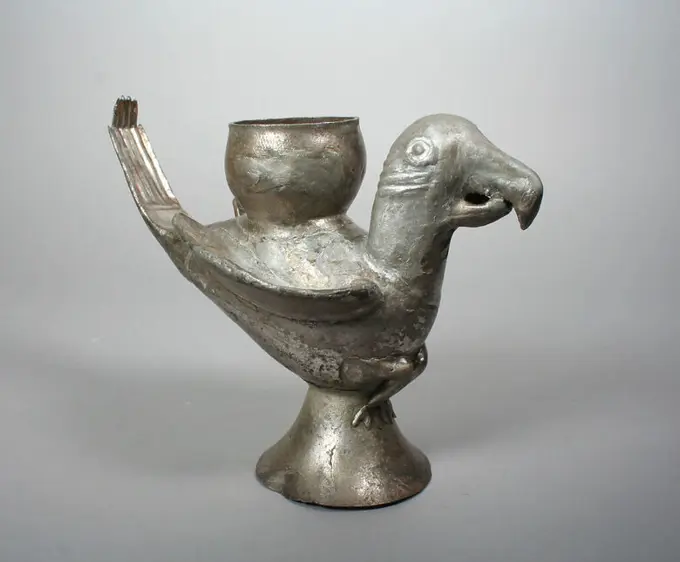
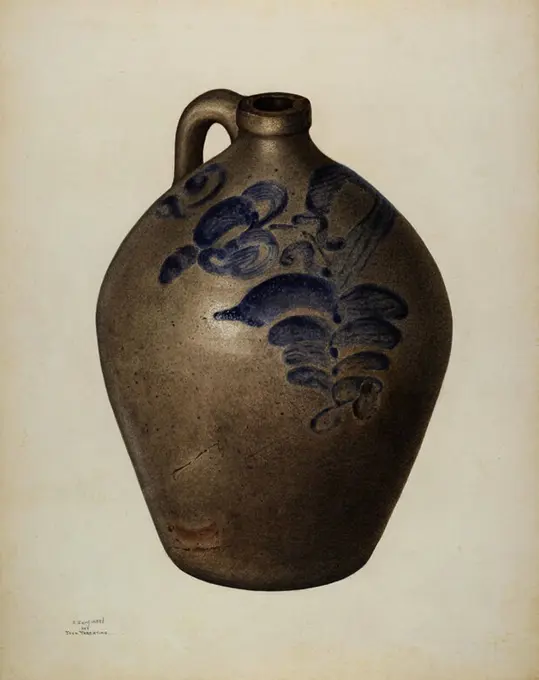
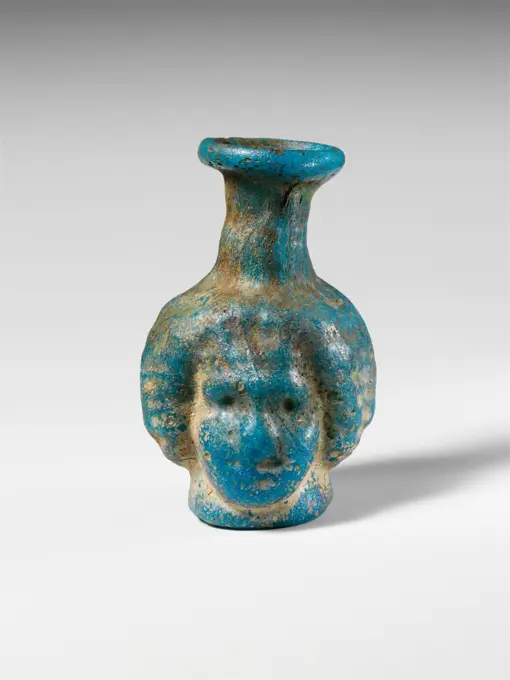
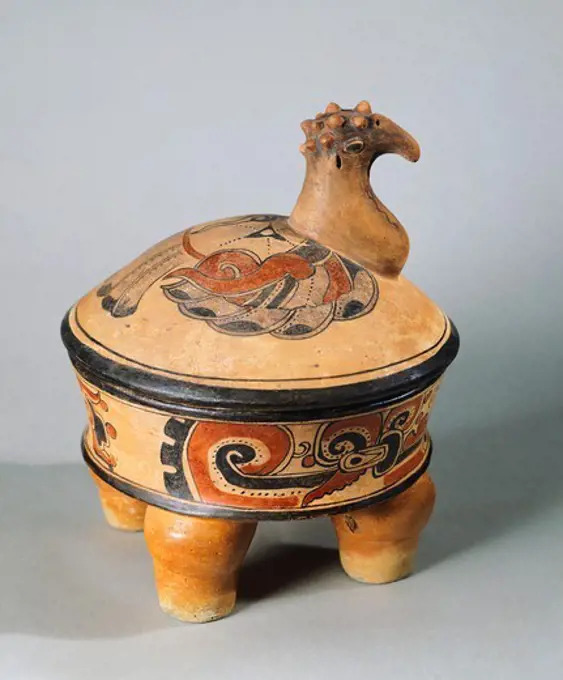
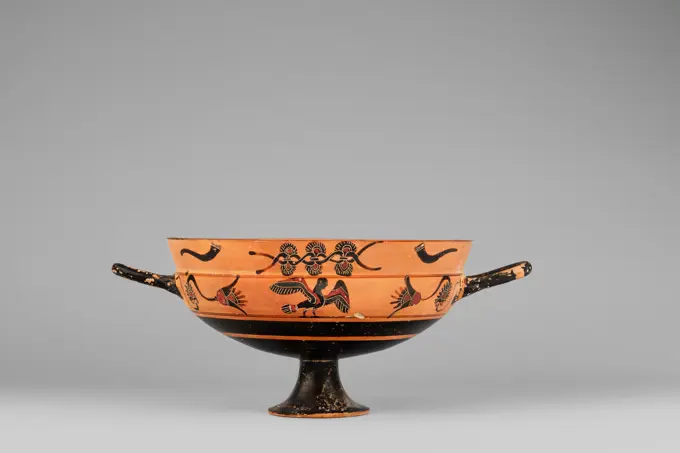
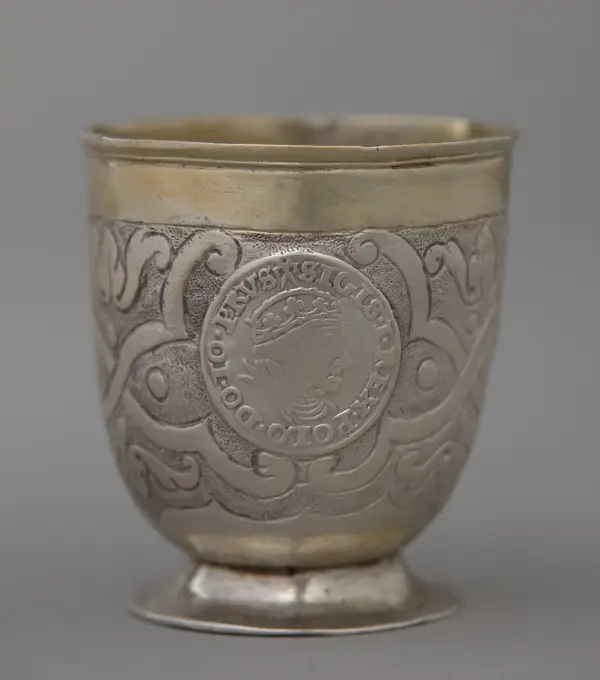
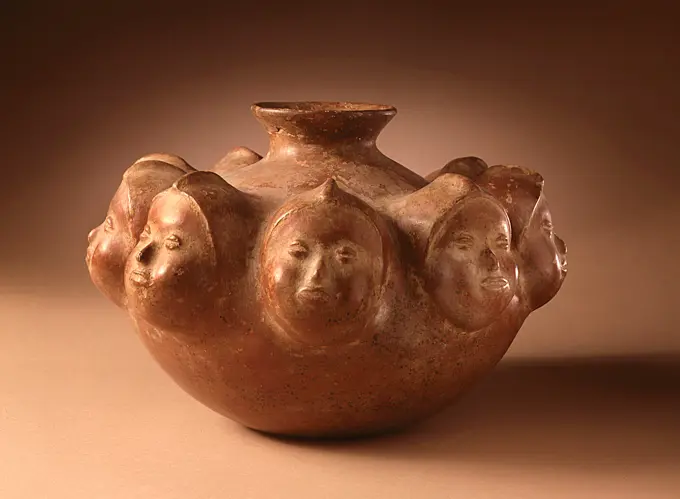
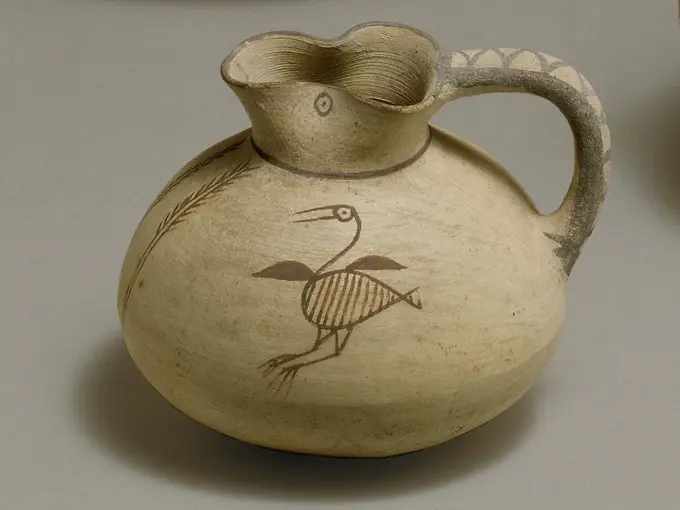
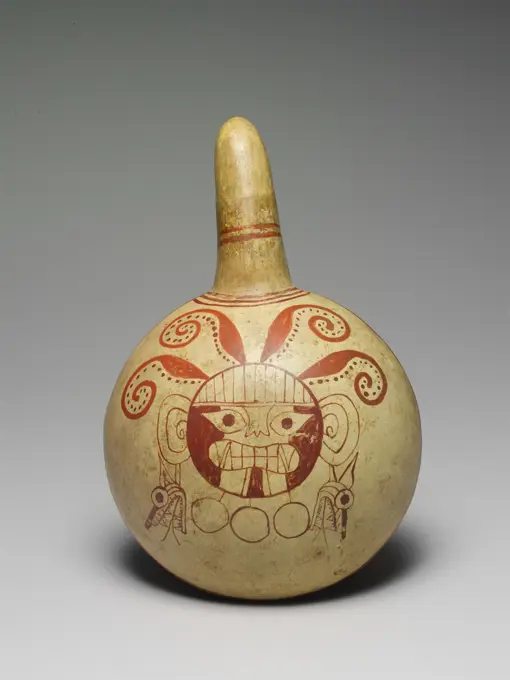
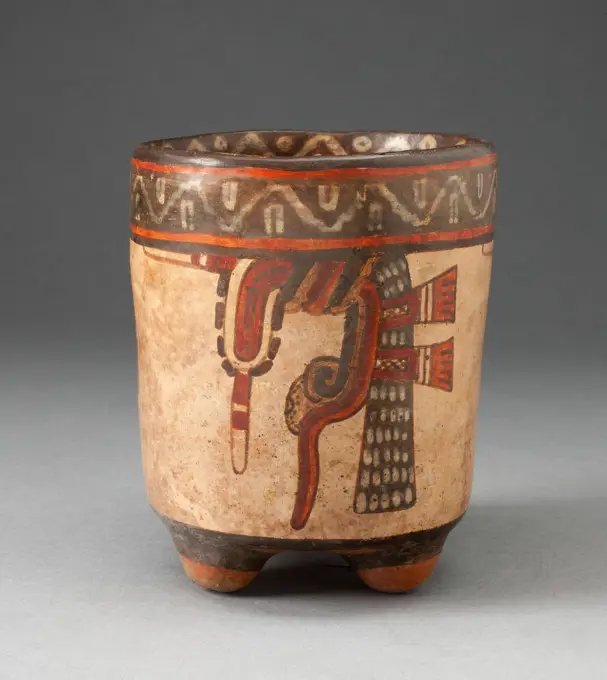
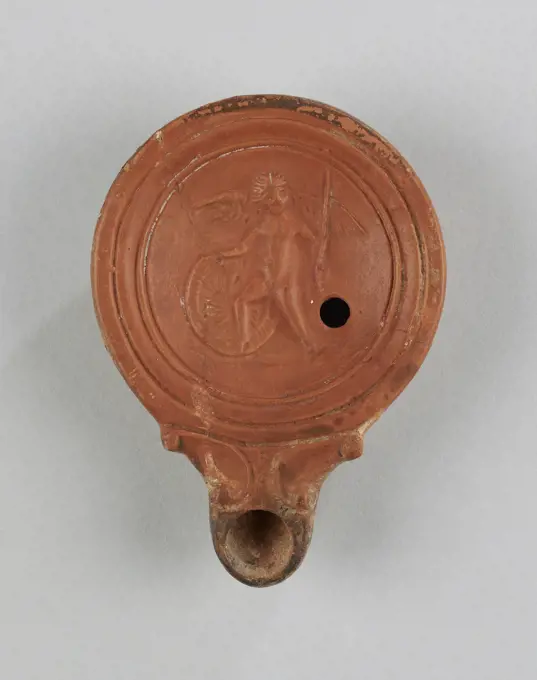
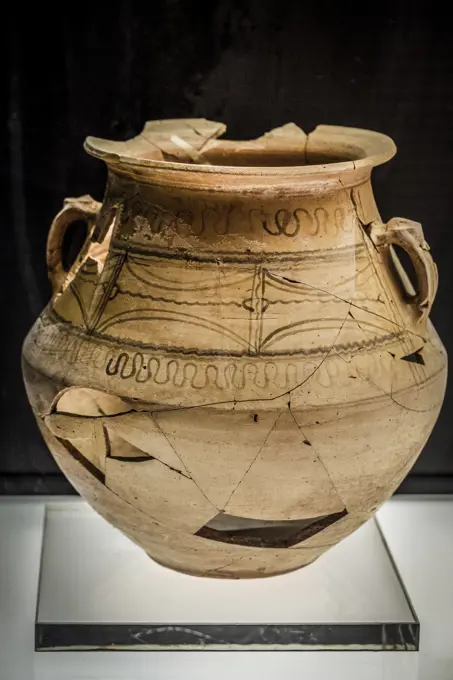
Painted container for storing food painted vessel for storing food copyright: xzoonar.com/bartomeuxbalaguerxrotgerx 23058008Bird-shaped Urn, 2650-2350 BC. Northwest China, Neolithic period, Majiayao culture, Banshan phase (2650-2350 BC). Earthenware with slip-painted decoration; overall: 26.7 x 31.1 x 27.9 cm (10 1/2 x 12 1/4 x 11 in.).Lamp. Culture: Sasanian. Dimensions: 2 5/16 x 4 3/16 in. (5.9 x 10.6 cm). Date: ca. 3rd-7th century A.D..Small lamps, like this example made from unglazed ceramic, would have been filled with oil and had a small wick threaded through the hole near the rim. The tab handle is used for picking up or moving the lamp. The lamp was excavated from a house at the site of Ma'aridh II in the Ctesiphon area. A very similar example was found at the nearby Taq-I Kisra palace (32.150.170). The city of Ctesiphon was located on the east bank of the Tigris River, 20 miles (32 km) south of modern Baghdad in Iraq. It flourished for more than 800 years as the capital of the Parthians and the Sasanians, the last two dynasties to rule the ancient Near East before the Islamic conquest in the seventh century. Systematic excavations in the Ctesiphon area were undertaken by an expedition in 1928-29 sponsored by the German Oriental Society (Deutsche Orient-Gesellschaft). The Metropolitan Museum of Art and the StBlack- figured Lakythos (oil or perfume bottle): a group of men, two with spears, and a deer Made in Athens about 540-520 From Athens.Roman civilization, wrought iron tripod with terracotta kist, from PompeiiPedestal Vase Depicting Kawiil, God of Lightning.   Maker: UnknownSnuff Bottle China. Snuff Bottle. China. Nephrite, spinach-green. Qing dynasty (1644-1911), Qianlong period (1736-95). Snuff BottlesFragment gray stoneware jug, neck with band ear and small part of shoulder, jug crockery holder soil find ceramic stoneware glaze salt glaze, hand turned fried glazed Neck-ear-shoulder fragment of stoneware jug complete with rings. Glazed Cylindrical neck with ledge at the transition from cauldron to neck archeology Rotterdam City Center Stadsdriehoek Groenendaal underground pit indigenous pottery import drinking serve before the ground Soil discovery: underground pit Rotterdam Groenendaal found separate find October 1975.Ritual Grain Vessel (Gui). Culture: China. Dimensions: H. 6 5/8 in. (16.8 cm); W. (at handles) 8 13/16 in. (22.4 cm); Diam. of rim 6 3/8 in. (16.2 cm); Diam. of foot 5 3/8 in. (13.7 cm). Date: late 11th-early 10th century B.C..The same four characters are cast on the interior of the vessel and on the inside of the lid: "Wen Xian had this made for deceased father Ding.". Museum: Metropolitan Museum of Art, New York, USA.Pointed Amphoriskos. UnknownTerracotta vase Terracotta vase, 450-425 BC, Archaeological Museum of Ibiza and Formentera, Spain Copyright: xZoonar.com/Tolox 23005153Terracotta oil lamp. Culture: Greek. Dimensions: Overall: 1 1/4 x 2 7/8 in. (3.2 x 7.3 cm). Museum: Metropolitan Museum of Art, New York, USA.Ovoid jar with birds and flowering plants in panel, anonymous, c. 1550 - c. 1650 Egg -shaped pot of stoneware, partially covered with a white sludge and an olive brown glaze. On the wall a decoration in relief of four scalloped cartouches with a flowering plant or a flying bird. On the shoulder a decorative tire under the glaze in white sludge. The underside is unglazed. Some chips in the edge; A crack in the edge and wall. Old label on the bottom with 'W081'. China stoneware. glaze vitrification Egg -shaped pot of stoneware, partially covered with a white sludge and an olive brown glaze. On the wall a decoration in relief of four scalloped cartouches with a flowering plant or a flying bird. On the shoulder a decorative tire under the glaze in white sludge. The underside is unglazed. Some chips in the edge; A crack in the edge and wall. Old label on the bottom with 'W081'. China stoneware. glaze vitrificationLazio Viterbo Viterbo Museo Civico15. Hutzel, Max 1960-1990 Views of paintings (Middle Ages through 18th c.), frescoes, a tabernacle, coffin, sculpture reliefs, portal fragments, busts, sculpture, tapestry found in the Pinacoteca, Second floor gallery and Second floor cloister sequences. Antiquities: Many views of Etruscan and Roman fragments, sculpture, sarcophagi, pottery, masks, jewelry and other objects found in the Storeroom sequence (inventory numbers on back of prints), and the Cloister, Second floor Cloister, Valle Giulia, Sala Romana and Sala Etrusca sequences. General Notes: There are eight separate numerical sequences for this location. The cloister as an architectural structure, rather than museum site, is documented in the record and file for S. Maria della Verita, Cloister, all views of which are stored in Medieval core collection. Five views from the Museo Civico Second floor cloister sequence are stored in Medieval. German-born photographer and scholar Max Hutzel (1911-Corinthian pottery from Apulia, Italy. Ancient Greek civilization, Magna Graecia.Jewel casket Sri Lanka, Kandy mid-17th century This is one of a small corpus of luxury ivory objects produced in Sri Lanka in the seventeenth century. Probably commissioned by a Dutch East India Company merchant operating in Sri Lanka, it would have been offered on the Amsterdam luxury market to grace a ladys apartment as a container for pearls and jewels. Similar luxury goods are inventoried in European noble collections from the late seventeenth century. View more. Jewel casket. Sri Lanka, Kandy. mid-17th century. Ivory with silver gilt mounts, gilded metal lining, finial with garnet in gold setting. IvoriesLamp. Culture: Roman. Dimensions: Length: 3 7/8 in. (9.9 cm)Height: 1 3/16 in. (3 cm). Date: 1st century B.C.-1st century A.D.. Museum: Metropolitan Museum of Art, New York, USA.Large ceramic amphora with handle isolated on white background.Terracotta bowl fragment 2nd century AD Roman Rim fragment with lion hunt; red-gloss sigillata.This type of mold-made fineware pottery, known as terra sigillata, derives from Arretine and related wares made in Italy in the early first century A.D. By the second century, most terra sigillata was made at sites in central and eastern Gaul (modern France and Germany).. Terracotta bowl fragment. Roman. 2nd century AD. Terracotta. VasesTerracotta skyphos (deep drinking cup) ca. 500 B.C. Attributed to the manner of the Haimon Painter Obverse and reverse, storage jar for wine flanked by satyrsBoth satyrs on one side, one satyr on the other carry kerata (drinking horns).. Terracotta skyphos (deep drinking cup) 245614Pitcher, late 17th century, H.12 in., Hamadan ware Earthenware with molded decor under a green glaze partly discolored to silver iridescence, Iran, 17th centuryCERAMICA  CANTARO DE TOLEDO. Location: MUSEO DEL PUEBLO ESPAÑOL, MADRID, SPAIN.Double-Chambered Bottle 4th-7th century Bahia Double-chambered bottles were a common vessel form among the Bahía people of coastal Ecuador. The chambers, which were round and squat or tall and slender, as here, were joined at the bottom by a tube and at the top by a strap handle. A single, narrow spout tops one of the chambers, while the other vessel serves as a base for modeled figurative sculptures. On this bottle, two fantastic iguana-like creatures sit side by side at the top, their thick, long tails hanging down the side of the container. The iguanas wear necklaces and head crests; long streamers emerge from their open, fanged mouths; their bodies have dorsal crests and winglike elements projecting on the sides. The dull, bumpy surface of the animals, covered with light green pigment, contrasts with the smooth, burnished finish of the red-slipped chambers. The hollow iguanas function as whistles, their several holes producing a sound when the liquid in the bottle is poured out. IgPithos with plastic rope decoration in horizontal bands.Lidded jar 16th-12th century B.C.. Lidded jar. 16th-12th century B.C.. Glazed faience. MesopotamiaCrock. Dated: c. 1937. Dimensions: overall: 29 x 22.6 cm (11 7/16 x 8 7/8 in.) Original IAD Object: 11 1/2" High 8 7/8" Dia(top) 6" Dia(base). Medium: watercolor, graphite, and colored pencil on paperboard. Museum: National Gallery of Art, Washington DC. Author: Yolande Delasser.Earthenware chamber pot on stand, bandage, glazed, ball and double conical shape, pot holder sanitary soil find ceramic earthenware glaze lead glaze, hand turned glazed baked Pottery chamber pot on stand ring Fully glazed except the underside of the bottom Standing bandor wide opening with outwardly bent outer edge low belly with profile ring slightly pinched stand ring Double conical shape with uneven sides Restoration is repainted archeology underground pit Rotterdam City Triangle Groenendaal indigenous earthenware night bed room hygiene disposal Soil discovery: underground pit Groenendaal cesspit at 190 meters. Found 1975-10-03.Glass perfume bottle, 1st Miill. B. C. Eastern Mediterranean style, Glass and Ceramics Museum, Tehran, Tehran, Iran, AsiaMinoan civilization was a Bronze Age civilization that arose on the island of Crete, came to dominate the shores and islands of the Aegean Sea, and flourished as a maritime power from approximately the 27th century BCE to the 15th century BCE. It was rediscovered at the beginning of the 20th century by British archaeologist Arthur Evans. Will Durant referred to it as 'the first link in the European chain'. Archaeological evidence points to the island's settlement between the late 8th and early 7th millennia BCE. However, it was not until 5000 BCE that the first signs of advanced agriculture appeared. Minoan civilization is considered to have begun with the palace complexes that appeared in the Bronze Age.Terracotta oil lamp 1st half of 1st century A.D. Roman, Cypriot Loeschcke Type 1A, with broad, ornate nozzle channel. Mold-made. Discus: crane facing left, with reeds and ground line; below crane's neck, a single filling hole, with a broad band of lines and grooves towards edge. Volutes flanking nozzle. Within incised base ring, uneven base, with impressed letters across center: FAVSTI, and small, impressed dots above and below. Intact.. Terracotta oil lamp. Roman, Cypriot. 1st half of 1st century A.D.. Terracotta. Early Imperial. TerracottasLampet can, fragment. Lampet kan, fragment consisting of the top piece of the can. Identical to NM-7710.Terracotta jug. Culture: Cypriot. Dimensions: H. 6 13/16 in. (17.3 cm); diameter 2 3/8 in. (6 cm). Date: 850-750 B.C..Swastikas and a horse at front. Museum: Metropolitan Museum of Art, New York, USA.Jar 11th-12th century. Jar 449498Campania Caserta Capua Museo Campano034. Hutzel, Max 1960-1990 Medieval: Byzantine architectural fragments; parchment fragments with miniatures (12th century) from Montecassino; painted wooden crucifix (13th century); Carolingian crucifixes; Bishop's miter (11th century) of gold and silver damask; fresco (13th century). Post-medieval: Architecture (15th century). Formerly the Palazzo Antignano. Unusual Catalan/Moorish-style portal; Paintings on panel and canvas (15th-18th centuries); marble intarsia (16th century); marble sculpture: busts of Christ and Mary (17th century); sculpture of saints in marble and in wood (15th century); painted and gilded sculpture in wood; marble grave sculpture (16th century); sarcophagus with allegorical carvings; gold reliquary "Rosa d'Oro"; crucifix made of elephant tusk Specific Location: Pianterreno Antiquities: Italic sculpture (seated women holding babies); inscription. Photo campaign #1: 533 photos. Roman relief and sculpture; cinerary urns; Greek aBirdWhistleRECIPIENTE VIDRIADO DE EPOCA CALIFAL CON DECORACION CALADA - SIGLO X - OMEYA. Location: MUSEO ARQUEOLOGICO-COLECCION. CORDOBA. SPAIN.Terracotta oil lamp ca. A.D. 40-100 Roman, Cypriot Loeschcke Type 4. Mold-made. Discus: three slaves, moving left, holding a large object (amphora) over their heads; single filling hole at center between two of the figures, with a band of lines and grooves towards edge. Volutes flanking nozzle. Incised base ring, and flat base.Intact.. Terracotta oil lamp. Roman, Cypriot. ca. A.D. 40-100. Terracotta. Early Imperial. TerracottasDouble-Spout Bottle: Felines 3rd-2nd century B.C. Paracas. Double-Spout Bottle: Felines. Paracas. 3rd-2nd century B.C.. Ceramic. Peru, Ica Valley. Ceramics-ContainersJar with Cover. Dated: c. 1937. Dimensions: overall: 30.1 x 22.3 cm (11 7/8 x 8 3/4 in.) Original IAD Object: 8 1/4" High 5" Diameter(base). Medium: watercolor, gouache, and graphite on paper. Museum: National Gallery of Art, Washington DC. Author: Jessica Price.Jar in the Form of an Abstract Human Figure 700 CE-1000 Bolivia. Ceramic and pigment . TiwanakuButton-Based Situlas, 900-700 BC. Iran, Luristan, 9th-7th Century BC. Bronze, repoussé, punched, incised; diameter: 5.9 cm (2 5/16 in.); overall: 13 cm (5 1/8 in.). The metalworkers of Luristan provided the Assyrian empire with elaborate bronze ornaments and vessels. These two situla are decorated symmetrically---one with ibexes drinking from an overflowing water jar; the other, with sphinxes.Terracotta oil lamp. Culture: Roman, Cypriot. Dimensions: Overall: 7/8 x 3 3/4 in. (2.2 x 9.5 cm). Date: ca. A.D. 40-100.Loeschcke Type 4. Mold-made. Discus: two, confronted dolphins in relief to either side of central filling hole, with a band of concentric lines and grooves towards edge. Volutes flanking nozzle. Within raised base ring, flat base, with an incised line (the letter I ).Intact. Museum: Metropolitan Museum of Art, New York, USA.Mold-blown Head flask. UnknownMarble strigilated vase with snake handles 2nd half of the 2nd century A.D. Roman The foot is restored.This marble vase with handles in the form of entwined serpents is arguably the finest and best preserved example known today of a type of Roman vessel with a strigilated pattern carved on the body. These elongated S-shaped channels were a popular form of relief decoration on vases and sarcophagi, especially in the second half of the second century and the third century a.d. Two bearded snakes form the handle on either side of the vase. With their upper bodies coiled on the broad shoulder, they stretch their flat heads forward across the deep concavity of the neck to bite the projecting rim, setting up a play of spatial depth and light and dark effects. The motif of entwined serpents is appropriate for a funerary vase. Linked with the earth, snakes were associated with chthonian powers, and the Greeks and Romans regarded them as guardians of sacred places, houses, and tombs. In the absJug. Dated: c. 1940. Dimensions: overall: 57 x 45 cm (22 7/16 x 17 11/16 in.) Original IAD Object: 19" High. Medium: watercolor, graphite, and colored pencil on paperboard. Museum: National Gallery of Art, Washington DC. Author: Giacinto Capelli.Vessel from 2nd c. BC. Iron Age. Ceramics. SPAIN. CATALONIA. BARCELONA. Barcelona. Archaeology Museum of Catalonia. Proc: SPAIN. CATALONIA. BARCELONA. Cabrera de Mar.Vase;  around 1880-1889 (1880-00-00-1900-00-00);glass unguentary, 5th to 3rd century BC, Carada necropolis, Espelyu .Iberian Museum of Jaén, Andalusia, Spain.Terracotta zoomorphic askos (vessel). Culture: Cypriot. Dimensions: H. 3 1/16 in. (7.8 cm). Date: 1900-1600 B.C..Spout and ring-handle. Museum: Metropolitan Museum of Art, New York, USA.Mastoid skyphos. Culture: Greek, Attic. Dimensions: Other (width w/ handles): 6 1/4 in. (15.9 cm)Diameter: 3 13/16 × 4 × 1 1/4 in. (9.6 × 10.2 × 3.2 cm)Height: 3 1/2 in. (8.9 cm). Date: ca. 500-490 B.C.. Museum: Metropolitan Museum of Art, New York, USA.Small Glass Ewer 11th century The decoration created by a thread of glass trailed around this vessel is suggestive of the undulating stylized vegetal scrolls often found on relief-cut wares. The horizontal rings on the neck and body, as well as the overall shape of the vessel, also recall relief-cut examples, showing that simpler, less time-consuming techniques were employed in addition to relief-cutting.. Small Glass Ewer 451692AskosGrain Serving Vessel (Gui) early 9th century B.C. China This vessel is notable in that all of the ornamental decorationexcept for the animal head handleshas been stripped away in favor of a bold design of horizontal fluting. The same twelve-character inscription is cast on the interiors of the vessel and its lid: “The Earl of San made this precious gui for Ji of Zhe. May it be perpetually used for tens and thousands of years.”. Grain Serving Vessel (Gui) 44514Lazio Viterbo Viterbo Museo Civico72. Hutzel, Max 1960-1990 Views of paintings (Middle Ages through 18th c.), frescoes, a tabernacle, coffin, sculpture reliefs, portal fragments, busts, sculpture, tapestry found in the Pinacoteca, Second floor gallery and Second floor cloister sequences. Antiquities: Many views of Etruscan and Roman fragments, sculpture, sarcophagi, pottery, masks, jewelry and other objects found in the Storeroom sequence (inventory numbers on back of prints), and the Cloister, Second floor Cloister, Valle Giulia, Sala Romana and Sala Etrusca sequences. General Notes: There are eight separate numerical sequences for this location. The cloister as an architectural structure, rather than museum site, is documented in the record and file for S. Maria della Verita, Cloister, all views of which are stored in Medieval core collection. Five views from the Museo Civico Second floor cloister sequence are stored in Medieval. German-born photographer and scholar Max Hutzel (1911-Lazio Viterbo Viterbo Museo Civico60. Hutzel, Max 1960-1990 Views of paintings (Middle Ages through 18th c.), frescoes, a tabernacle, coffin, sculpture reliefs, portal fragments, busts, sculpture, tapestry found in the Pinacoteca, Second floor gallery and Second floor cloister sequences. Antiquities: Many views of Etruscan and Roman fragments, sculpture, sarcophagi, pottery, masks, jewelry and other objects found in the Storeroom sequence (inventory numbers on back of prints), and the Cloister, Second floor Cloister, Valle Giulia, Sala Romana and Sala Etrusca sequences. General Notes: There are eight separate numerical sequences for this location. The cloister as an architectural structure, rather than museum site, is documented in the record and file for S. Maria della Verita, Cloister, all views of which are stored in Medieval core collection. Five views from the Museo Civico Second floor cloister sequence are stored in Medieval. German-born photographer and scholar Max Hutzel (1911-Pottery saucepan on three legs, with scalloped handle and pouring lip, saucepan pan holder kitchenware soil find ceramic earthenware glaze lead glaze, hand turned molded glazed baked Pottery saucepan bowl-shaped and hemispherical model. Three legs and scalloped handle and pouring clip Curved top edge Flat top edge with groove in the middle Handgrip is tilted upwards. Fully glazed lead glaze. Restoration is repainted archeology Rotterdam City Triangle New Port Indigenous Pottery Cooking Food Prepare Food New Port Second Port (square) 22-08-1980Jug, Museum, Genoese Fort de Matra, Roman town of Aleria, Corsica, Aleria, Corsica, France, EuropePottery chamber pot, belly model with wide neck opening and band ear, on stand ring, pot holder sanitary earthenware ceramic earthenware glaze lead glaze, hand-turned glazed baked earthenware chamber pot red shard entirely glazed pinched stand ring wide neck with attached vertical sausage ear Fine twisted arms on the shoulder archeology indigenous pottery drains hygiene night sleepStoneware jug, peasant wig with dancers in arcades on the belly, dated 1597, farmer's pitcher jug crockery holder soil find ceramic stoneware glaze salt glaze h 19.3 neck 6.1 belly 10.9 standing surface 7.8 hand turned fried glazed Stoneware jug or jug gray shard brown salt glaze large bandoor with pointed tail rings around the neck Profiled foot In the frieze under the second arcade the year 1597 archeology import pottery serve drink beer drinkTankard (schnelle) with scenes from the life of Lazarus, Anno Knütgen (attributed to workshop of), c. 1567 - c. 1590 Jug (schnelle) of stoneware with cylindrical, tapered body and C-shaped ear. Profiles under the edge and above the foot. On the body in relief three times a printed and imposed, elongated box containing scenes from Lazarus' life. Some inscriptions on the jug: in the top left 'Laservs in Abrehams Schvss', in the middle box the date '1567', the right -hand box with 'Richen Man LVCE XV' and 'Laservs'. Attached to the ear a pewter frame with lid. The inside of the lid with an unreadable brand. Siegburg. Siegburg Stoneware. Glaze. frame: tin (metal) vitrification Jug (schnelle) of stoneware with cylindrical, tapered body and C-shaped ear. Profiles under the edge and above the foot. On the body in relief three times a printed and imposed, elongated box containing scenes from Lazarus' life. Some inscriptions on the jug: in the top left 'Laservs in Abrehams Schvss', in the middlJar with Four Lug Handles 9th century Abbasid artists sometimes applied the motifs and techniques developed in imitating imported Chinese stoneware bowls to other vessels, such as this jug. The decoration consists of a painted surface in green and cobalt blue on a white ground familiar from the imitated bowls. A cypress-like tree in green below each handle alternates with a foliate tree in blue. The motifs extend from the opening to halfway down the body and the entire composition bound at the base by a double line of scallops.. Jar with Four Lug Handles. 9th century. Earthenware; painted in blue on opaque white glaze. Attributed to Iraq, probably Basra. Found Iran, near Susa. CeramicsTerracotta lekanis (covered dish) last quarter of 5th century B.C. Greek, Attic Interior scene with womenVases of this type were often presented as wedding gifts, and the scenes on them tend to show women dressing and grooming themselves. Here, the seated woman leaning back to speak to a woman behind her may be a bride whom the others are preparing for her wedding.. Terracotta lekanis (covered dish) 251831 Greek, Attic, Terracotta lekanis (covered dish), last quarter of 5th century B.C., Terracotta, H. with lid 5 in. (12.7 cm) diameter 6 9/16 in. (16.7 cm). The Metropolitan Museum of Art, New York. Fletcher Fund, 1925 (25.78.47a, b)Terracotta oil lamp. Culture: Roman. Dimensions: Overall: 1 x 3 5/8 in. (2.5 x 9.2 cm). Date: ca. A.D. 40-100.Loeschcke Type 1A. Mold-made. Discus: a crouching lion, facing left, with tail raised; a single, irregular filling hole at bottom below lion, with a band of lines and grooves towards edge. Volutes flanking angular nozzle, with a large wick hole. Incised base ring, and flat base.Intact, except for old chip on front edge of nozzle. Museum: Metropolitan Museum of Art, New York, USA.Glass beaker signed by Neikais mid-1st century A.D. Roman, Syro-Palestinian Translucent light green.Outsplayed knocked-off rim with indent below; body with convex sides, tapering downwards; flat bottom with projecting rounded edge.Three-part mold with two vertical sections joined to cup-shaped bottom section, forming decoration in relief on sides; two horizontal ridges above central frieze containing two Greek inscriptions, each in two lines and divided vertically by a stylized palm frond; below frieze, three more horizontal ridges; near bottom on cup section of mold, two more horizontal ridges.Broken and repaired, with approximately one-third missing including most of bottom; blowing striations but few bubbles; dulling and brilliant iridescent weathering on exterior, and patches of creamy brown weathering and iridescence on interior.The inscriptions read "Neikais made (me/it)" on one side and "May the buyer be remembered" on the other.Only four other beakers signed by Neikais are knowLazio Viterbo Viterbo Museo Civico03. Hutzel, Max 1960-1990 Views of paintings (Middle Ages through 18th c.), frescoes, a tabernacle, coffin, sculpture reliefs, portal fragments, busts, sculpture, tapestry found in the Pinacoteca, Second floor gallery and Second floor cloister sequences. Antiquities: Many views of Etruscan and Roman fragments, sculpture, sarcophagi, pottery, masks, jewelry and other objects found in the Storeroom sequence (inventory numbers on back of prints), and the Cloister, Second floor Cloister, Valle Giulia, Sala Romana and Sala Etrusca sequences. General Notes: There are eight separate numerical sequences for this location. The cloister as an architectural structure, rather than museum site, is documented in the record and file for S. Maria della Verita, Cloister, all views of which are stored in Medieval core collection. Five views from the Museo Civico Second floor cloister sequence are stored in Medieval. German-born photographer and scholar Max Hutzel (1911-Vessel with a hieratic inscription;  around 2686- 2181 BC ; Old PABowl ca. 6th-8th century A.D. Sasanian or Islamic. Bowl 322971Bell 19th century () Burmese. Bell. Burmese. 19th century (). Bronze (containing zinc).. Myanmar (formerly Burma). Idiophone-Struck-bell-without clapperLamp, Syria; 5th - 6th century; Terracotta; 4.9 x 7.5 x 10 cm (1 15,16 x 2 15,16 x 3 15,16 in.)Cylinder Vessel with Chahk and Serpent. Guatemala, Northern Petén, Maya, 650-800 CE. Ceramics. Slip-painted ceramicTripod Cauldron oF Ran (Ran ding). China. Date: 1200 BC-1000 BC. Dimensions: Overall: H. 24.4 × diam. 18.9 cm (9 5/8 × 7 7/16 in.); H. 19.1 × diam. 18.9 cm (without handles) (7 1/2 × 7 7/16 in.). Bronze. Origin: China. Museum: The Chicago Art Institute, USA.Shang bronze vessel. Tripod (Ting) 11-13th cent. BC. China.Bird Vessel. Culture: Chimú. Dimensions: H x W x D: 6 3/4 x 4 1/4 x 9 3/4 in. (17.1 x 10.8 x 24.8 cm). Date: 12th-15th century. Museum: Metropolitan Museum of Art, New York, USA.Jug. Dated: 1940-1941. Dimensions: overall: 44.5 x 35.5 cm (17 1/2 x 14 in.) Original IAD Object: 13" High 6" Dia.(base). Medium: watercolor, colored pencil, and graphite on paperboard. Museum: National Gallery of Art, Washington DC. Author: Sara Garfinkel and John Tarantino.Glass double head flask ca. 2nd century A.D. Roman Semi-translucent deep turquoise blue.Thick everted oval rim, folded over and in; uneven cylindrical neck with horizontal indents; body in the shape of a double head; oval base with flattened bottom, with raised ridge below one head. Mold seam runs from lower half of neck, down sides of heads, and across one side of bottom ().On body, two heads, back to back, with different features, one with rounded face, chubby cheeks, and straps () below chin, the other face more oval, snub nose, straight lips, and possibly horns on forehead: on both, hair rendered as horizontal wavy lines swept back from sides of the faces, deep recessed pupils for eyes, and open mouth.Intact; pitting, dulling, and patchy iridescent weathering, with blackish weathering and encrustation on interior.. Glass double head flask 249484Lamp or InkstandBlack-figure pottery Carbire vase with scene of Ulysses, from OdysseusClay pot Clay pot of manual work. It is possible to store milk or other liquid Copyright: xZoonar.com/ValeryxxSibrikovx 2418775Terracotta stand for a cauldron. Culture: Italic, Villanovan. Dimensions: Overall: 17 9/16in. (44.6cm)Other: 12 7/16in. (31.6cm). Date: 7th century B.C.. Museum: Metropolitan Museum of Art, New York, USA.Small terracotta amphora (jar) ca. 800-750 B.C. Greek, Attic Dipylon style; geometric decorations.. Small terracotta amphora (jar) 251269Blue-painted Jar from Malqata with Hathor Emblem New Kingdom ca. 1390-1352 B.C. This jar has been decorated with a series of personified ankh hieroglyphs. Each ankh has an eye of Horus, or "wedjat" eye, painted in the loop at the top, and two outstretched arms painted red. The best preserved ankh holds two baskets, one of which contains an emblem of the goddess Hathor (see also 11.215.472). View more. Blue-painted Jar from Malqata with Hathor Emblem. ca. 1390-1352 B.C.. pottery, slip, paint. New Kingdom. From Egypt, Upper Egypt, Thebes, Malqata, Palace of Amenhotep III, MMA excavations, 1910-11. Dynasty 18Polychrome terracotta container, decoration in the form of a bird, originating from Tikal (Peten, Guatemala). Mayan culture.Lécitos griegos, 400-300 a.C, Museo arqueológico de Ibiza y Formentera, Patrimonio de la Humanidad «Ibiza, biodiversidad y cultura», Ibiza, balearic islands, Spain.Smoking Pot, 19th-20th century, 8 x 7-1/2 x 9 in. (20.3 x 19.1 x 22.9 cm), Terracotta, rattan, plant fibers, Papua New Guinea, 19th-20th centuryKyliks z przedstawieniem syreny i sfinksów. Malarz Griffin - Bird, authorVessel ca. late 3rd-early 2nd millennium B.C. Bactria-Margiana Archaeological Complex. Vessel 326690Fragmentary Canosan Pyxis with Lid. UnknownPrzeszo Przyszoci unknowncrock isolated on a white backgroundShaft Mounting, 5th - 3rd century B. C.. China, Eastern Zhou dynasty (771-256 BC), Warring States period (475-221 BC). Bronze inlaid with gold and silver; overall: 14 cm (5 1/2 in.).Terracotta jug ca. 750-600 B.C. Cypriot Birds represent a frequent motif on this class of jugs with so-called free-field decoration. The variety in the birds' articulation is noteworthy, although the recurrent basic species is characterized by a rather large body, a long neck with pronounced beak, and wiry talons. Here the figure appears in front of a lotus flower.. Terracotta jug 240090Footed Bowl 5th-7th century Korea. Footed Bowl. Korea. 5th-7th century. High-fired pottery (proto-porcelain). Three Kingdoms period (57 B.C.-A.D. 676). CeramicsAnthropomorphic Vessel. Mexico, Colima, Colima, 200 BCE-500 CE. Ceramics. Burnished ceramic with slipJuglet ca. 750-600 B.C. Cypriot This type of jug was popular in the Amathus region. They are are always decorated with birds.. Juglet 240124Jarro de pico, pointed spout. Viceroyalty of Peru. 1600-1622. Silver. Shipwreck of the galleon "Nuestra Seora de Atocha" (Our Lady of Atocha), Florida Keys, Florida, United States. Museum of the Americas. Madrid, Spain.Dipper 3rd-5th century Moche Moche cornpoppers, or dippers, have a lenticular body and a handle attached to one side. Whereas some handles have a hornlike shape, most have a human or animal head at the extremity. The shape of these vessels was perhaps derived from similar containers made of bottle gourd. Cornpoppers are rarely found in domestic contexts. They were used as funerary offerings and probably as drinking vessels during rituals. Many cornpoppers were discovered in spacious rooms on top of the monumental platform at Huancaco, in the Virú valley. They were associated with large jars designed to store corn beer. The back of this particular vessel represents a Moche major deity with its characteristic fanged mouth, semicircular headdress, snake-head earspools, and octopus tentacles radiating from the head.. Dipper 308521WashingtonFlask.   Subject: George Washington, American, 1732-1799, LL.D. 1781Pair of Tripods with Knotted Motif 850 CE-950 CE Honduras. Ceramic and pigment . MayaAlfred H Smith, Vase, 1939 VaseLamp, Anatolia; 1st - 4th century; Terracotta; 2.5 x 7.5 x 10.2 cm (1 x 2 15,16 x 4 in.)