Ancient Decorative Vessels

Diverse jars and jugs from ancient cultures featuring unique decorative elements. These vessels are notable for their historical craftsmanship.
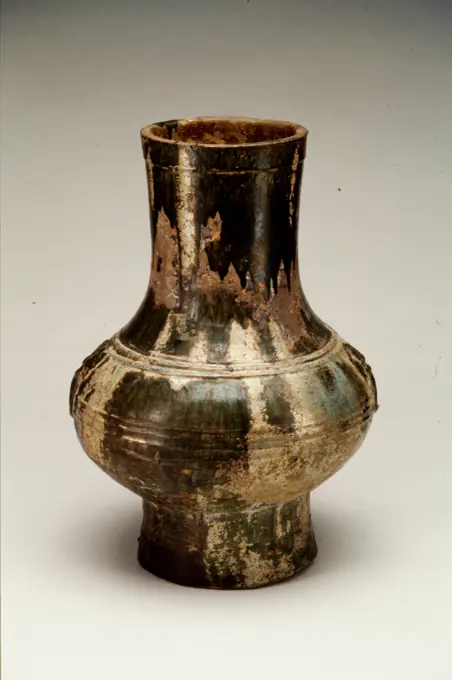
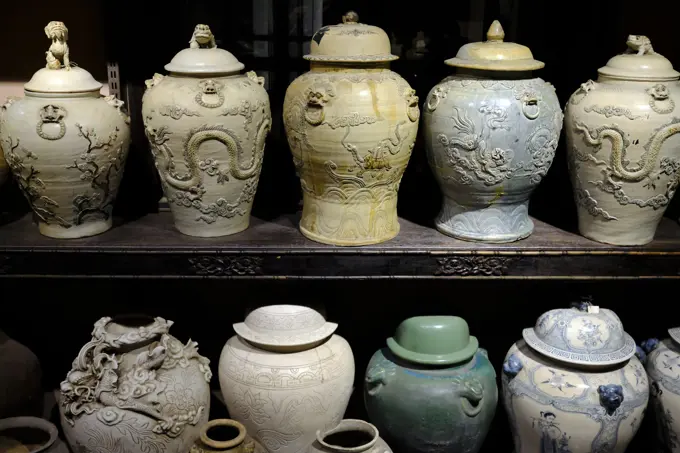
Hu, 1st-2nd century, 20in. (50.8cm), Glazed ceramic, China, 1st-2nd century
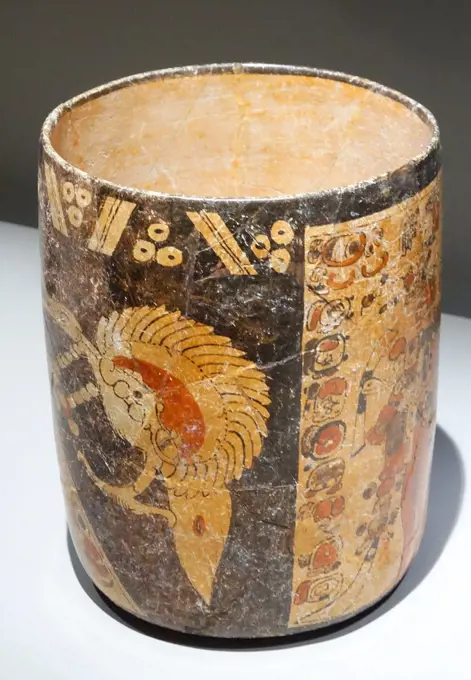
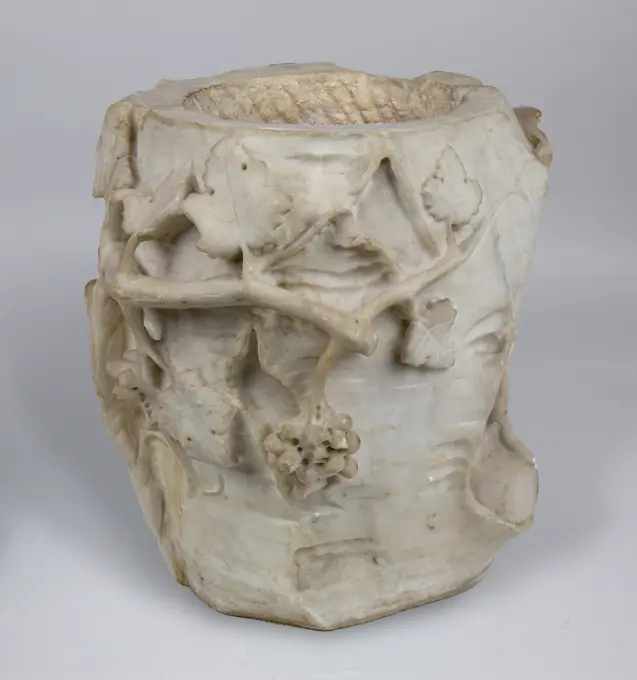
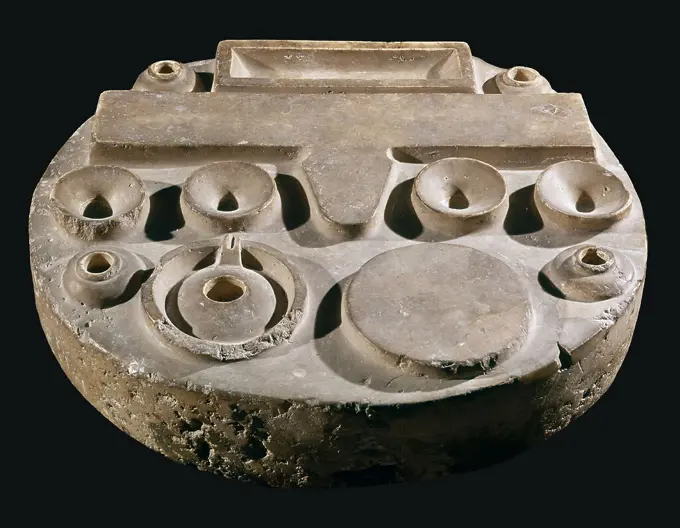
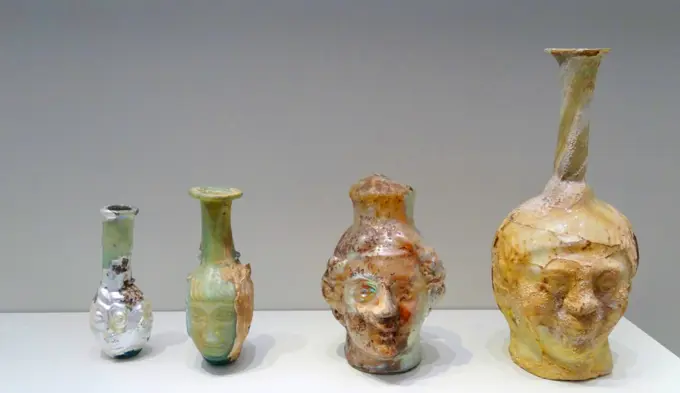
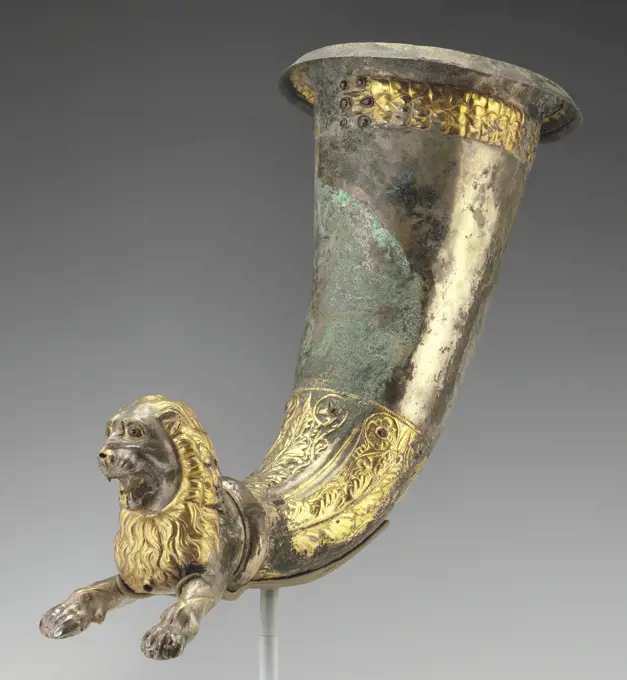
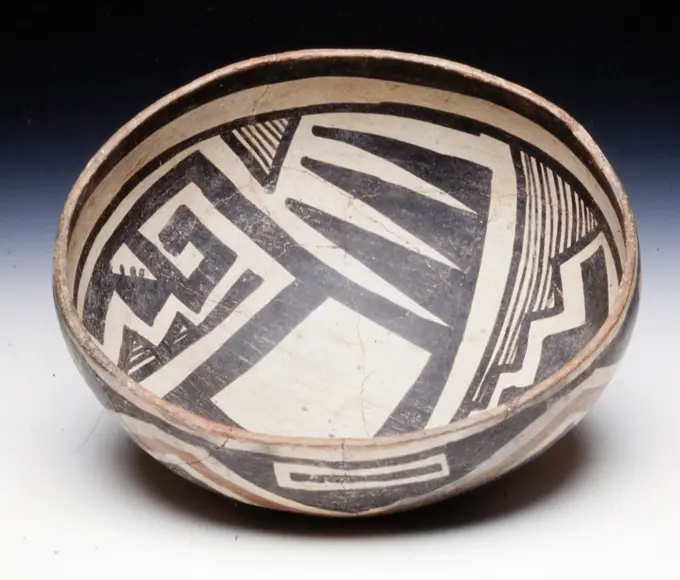
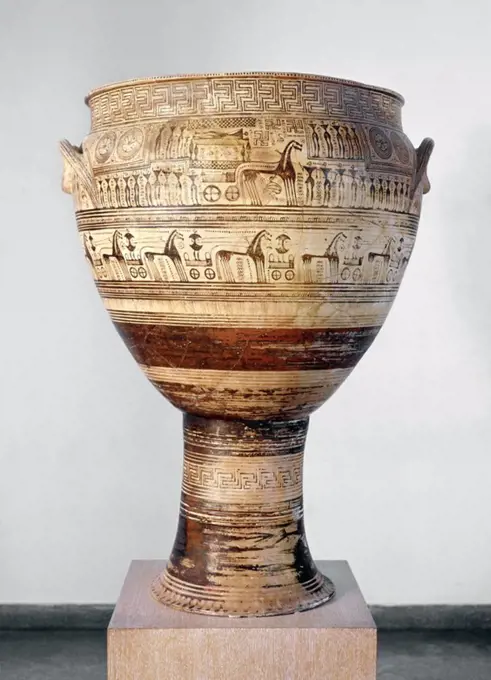
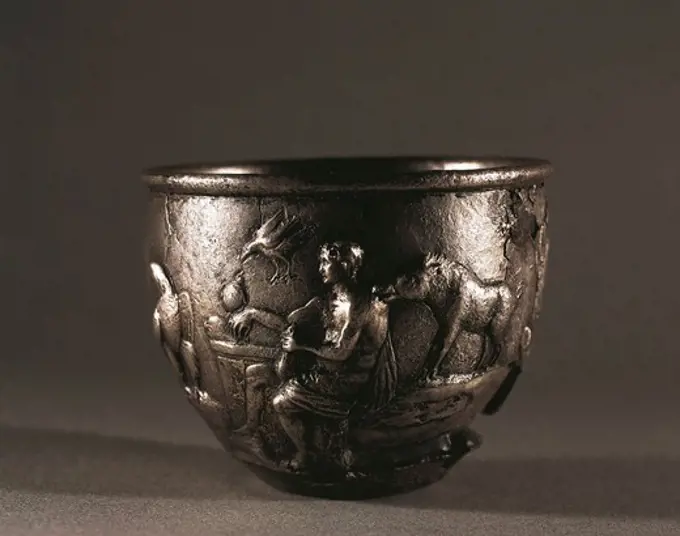
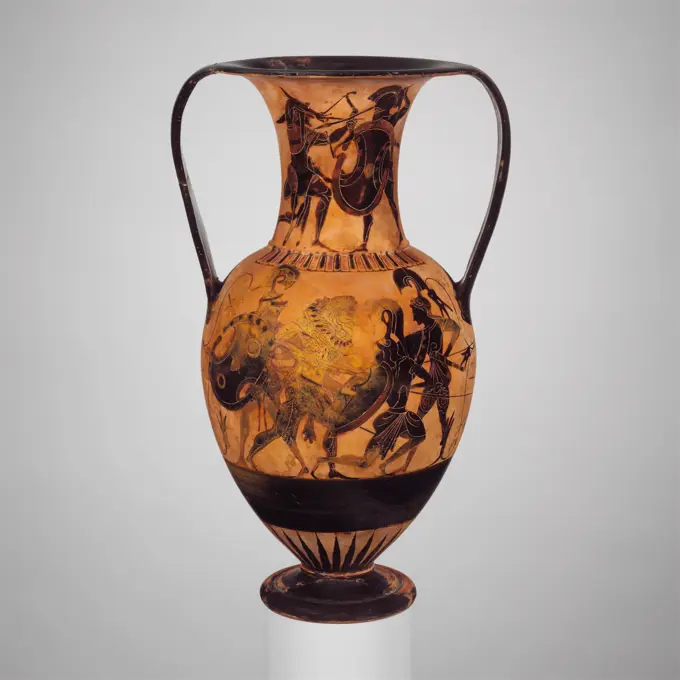
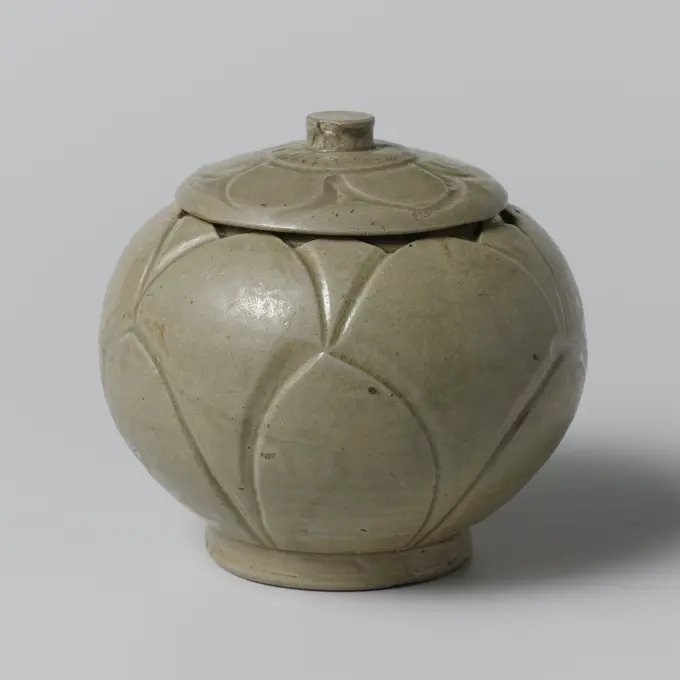
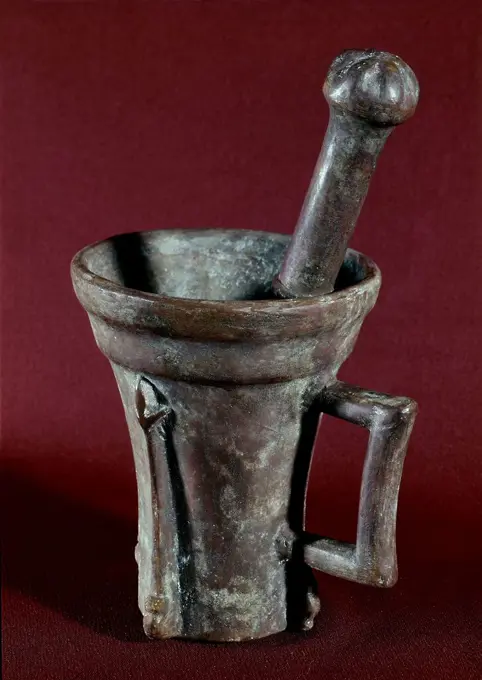
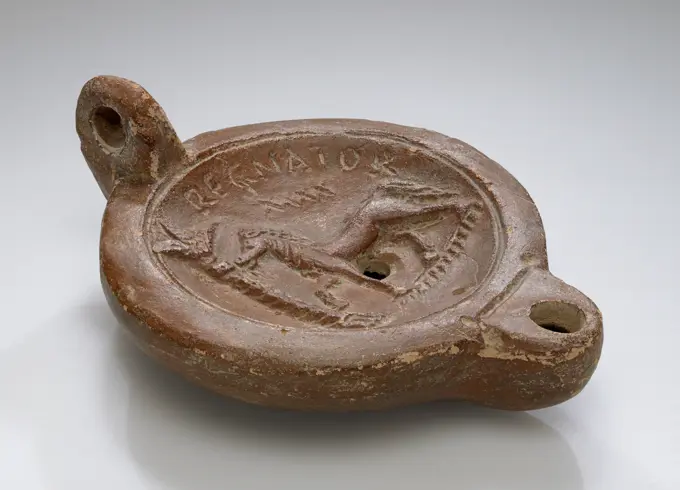
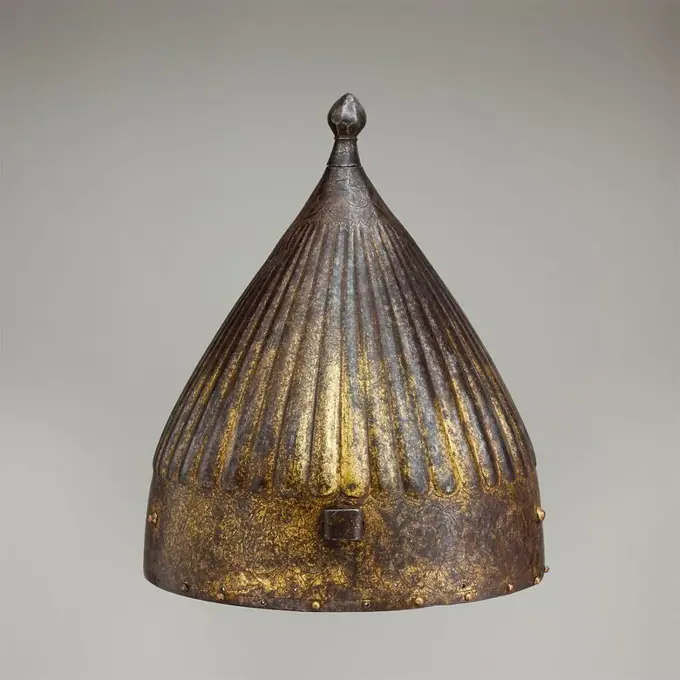
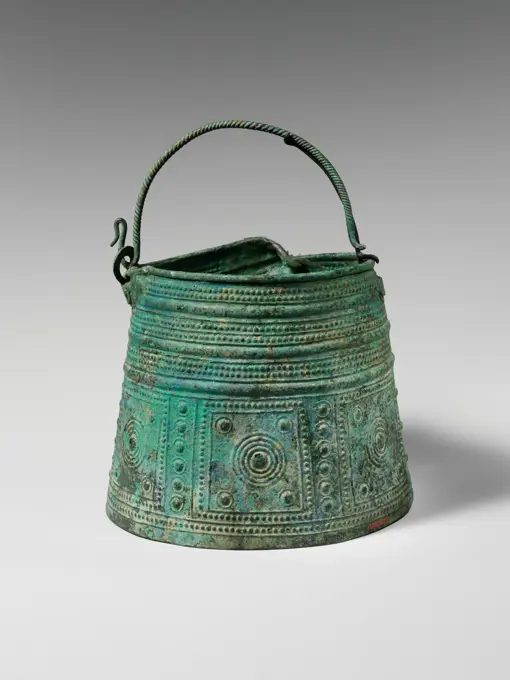
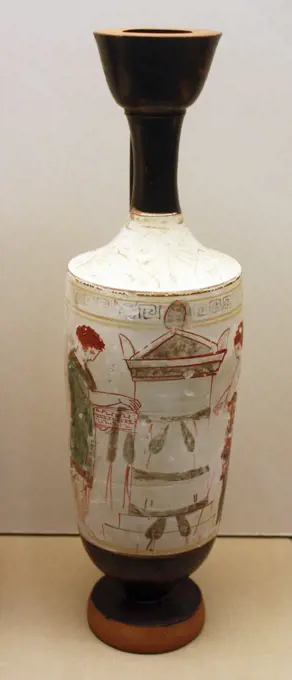
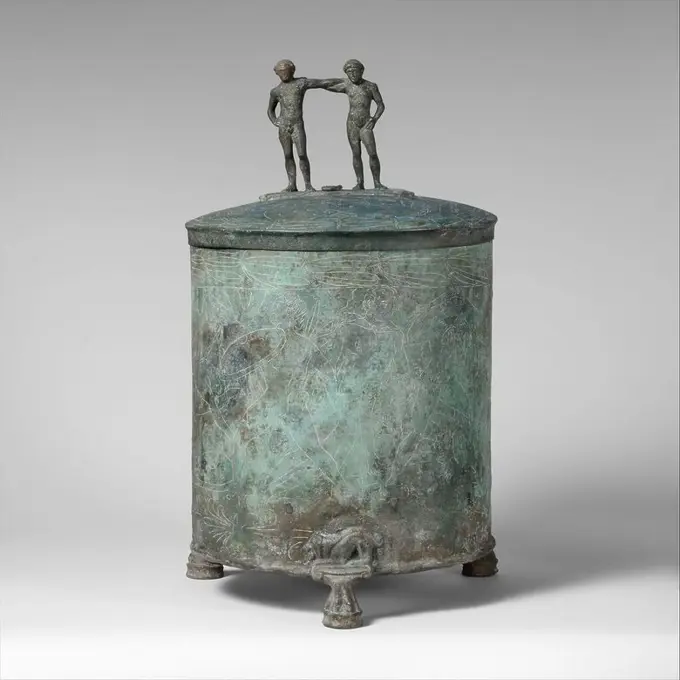
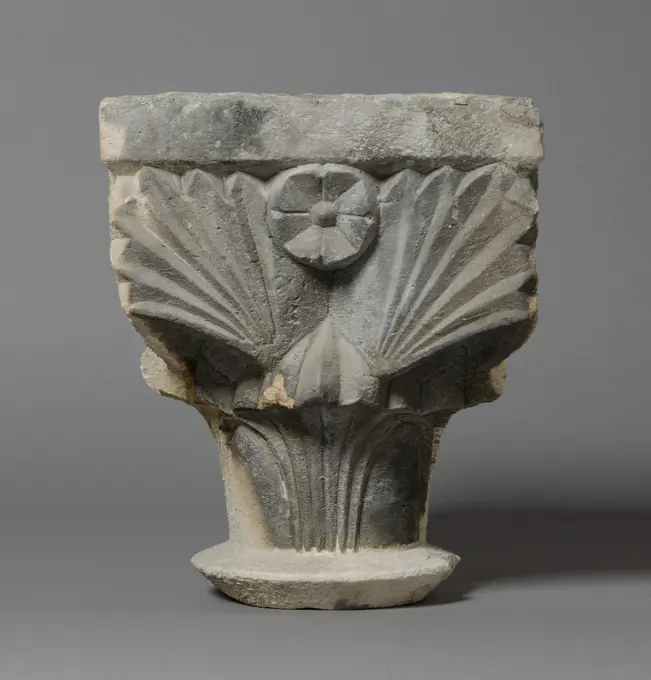
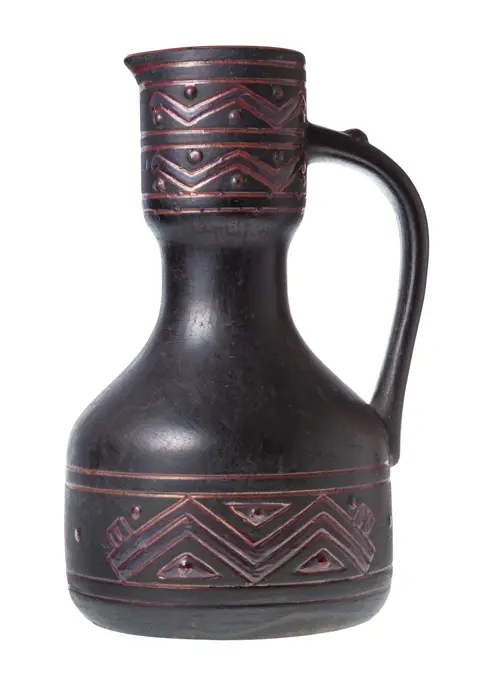
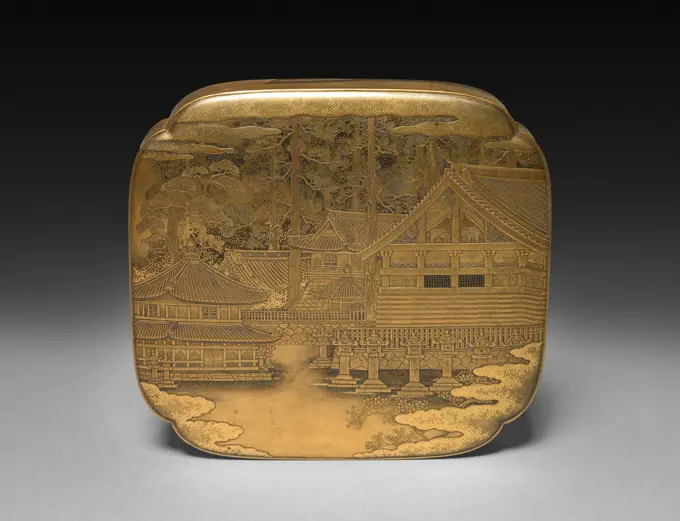
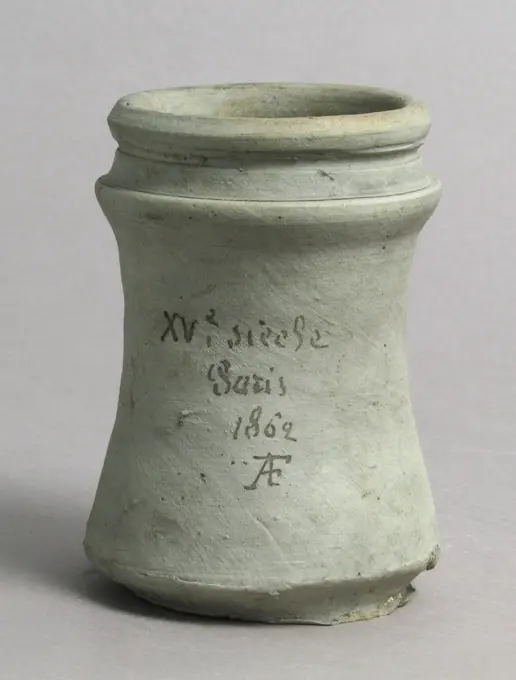
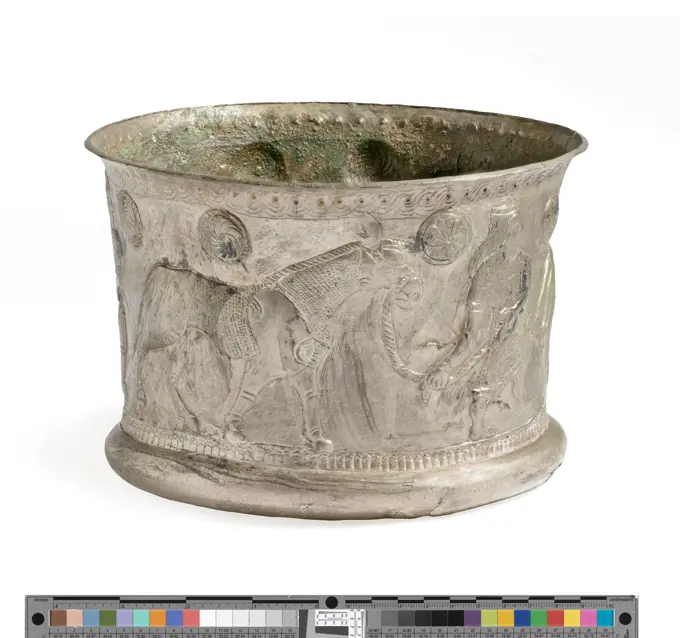
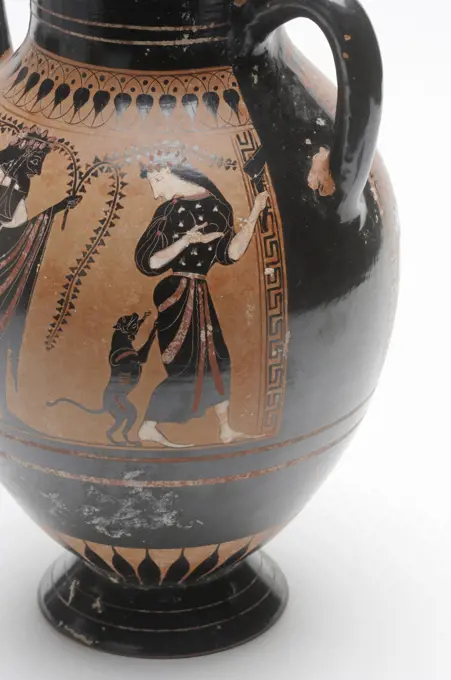
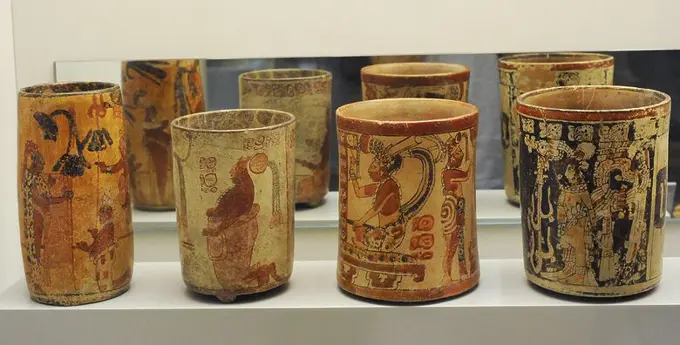
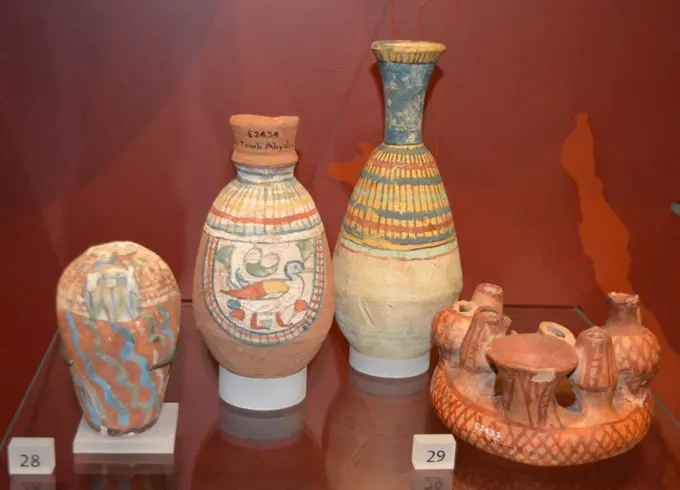
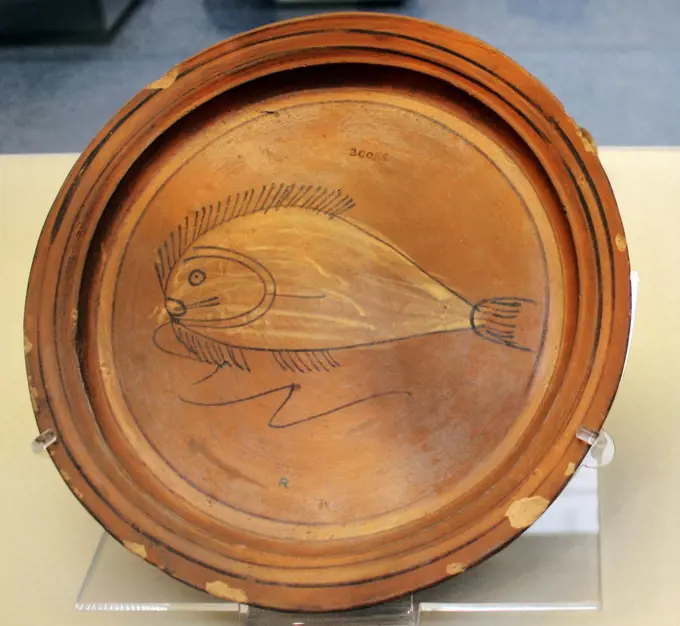
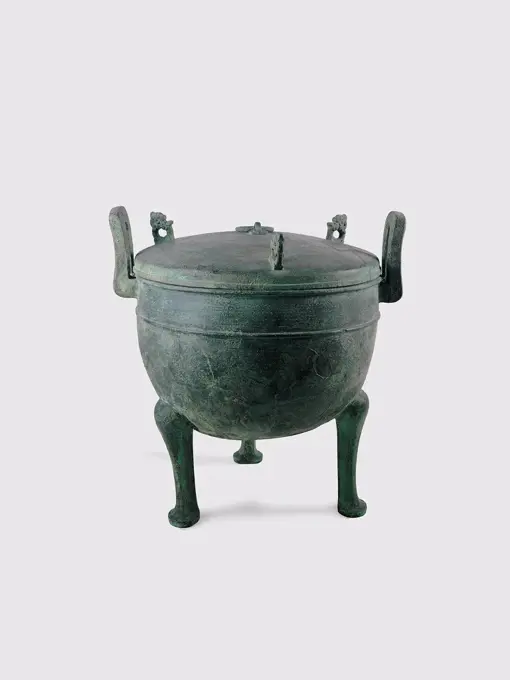
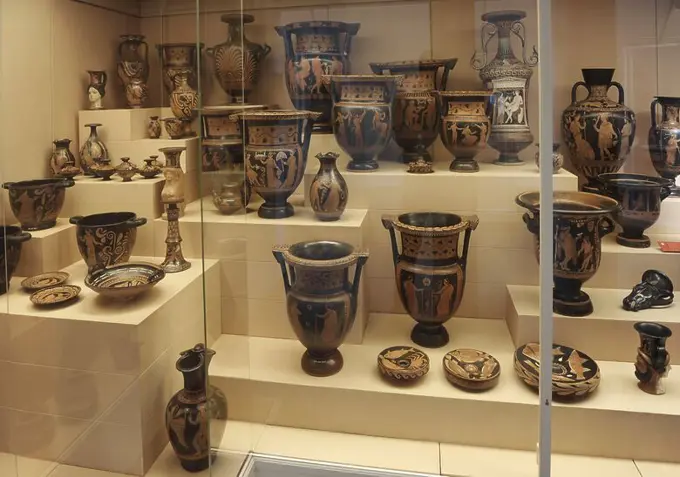
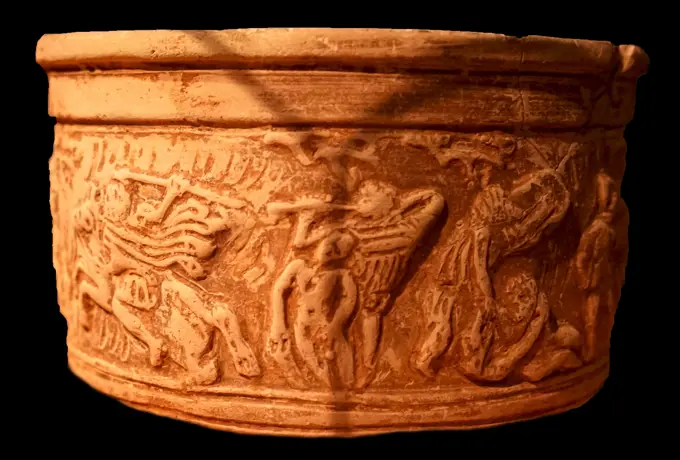
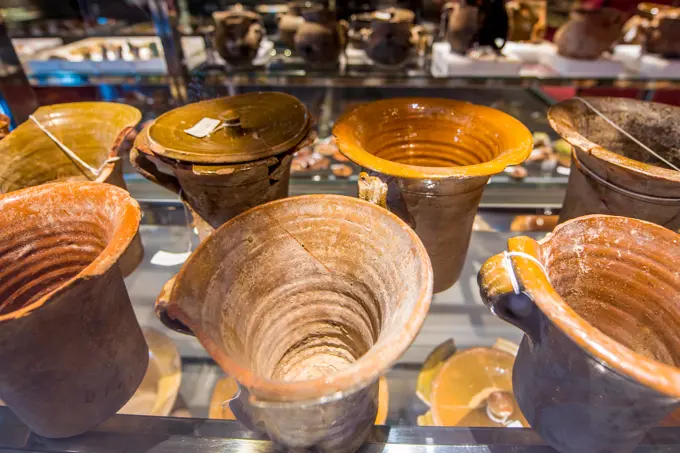
VASO ROMANO DE VELILLA. Location: MUSEUM OF FINE ARTS. SARAGOSSA. Saragossa Zaragoza. SPAIN.Mayan polychrome vase. Provenance unknown. (600-900 AD) Ceramic. This vase with straight walls represents a double scene; one on a dark background and the other on a light background.Marble cinerary urn in the form of a tree stump with leaves and grapes ca. 1st century A.D. Roman Carved to imitate a tree stump with a cut-off branch on one side and a leafy grape vine climbing the other, this cinerary urn references the wine-god Dionysus and his victory over death. Early Imperial Roman urns frequently imitate other forms and materials. The high relief of the detached branch, leaves, and fruit creates an interplay of light and shade against the textured background of bark.. Marble cinerary urn in the form of a tree stump with leaves and grapes. Roman. ca. 1st century A.D.. Marble. Early Imperial. Stone SculptureCup with Figures in a Landscape 16th-17th century China. Cup with Figures in a Landscape 40506MESA DE OFRENDAS - IMPERIO ANTIGUO - V DINASTIA - ALABASTRO - PROCEDE DE SAQQARA - 50 CMS DIAMETRO. Location: EGYPTIAN MUSEUM. KAIRO. EGYPT.An amphora (English plural: amphorae or amphoras) is a type of container of a characteristic shape and size, descending from at least as early as the Neolithic Period. Amphorae were used in vast numbers for the transport and storage of various products, both liquid and dry, but mostly for wine. It is most often ceramic, but examples in metals and other materials have been found. Stoppers of perishable materials, which have rarely survived, were used to seal the contents. Two principal types of amphorae existed: the neck amphora, in which the neck and body meet at a sharp angle; and the one-piece amphora, in which the neck and body form a continuous curve. Neck amphorae were commonly used in the early history of ancient Greece, but were gradually replaced by the one-piece type from around the 7th century BCE.Attic Red-Figure Cup Type A. Psiax (Greek (Attic), active about 525 - 510 B.C.)Head flasks, Eastern Mediterranean, 2nd-4th century.ceramica policroma, postclásico tardio, museo de la plaza central, Chichicastenango ,municipio del departamento de El Quiché, Guatemala, Central America.Lion-Shaped Spouted Horn; Eastern Parthian Empire; 1st century B.C; Gilt silver, stone, and garnets; 30.5 × 18.5 × 35.5 cm (12 × 7 5,16 × 14 in.)Garden Stool, one of a pair, 17th century, 15 3/4 x 13 1/16 in. (40.01 x 33.18 cm), Ceramic, celadon glaze, China, 17th centuryBowl, c. 1300, 4 3/4 x 10 1/4 in. (12.07 x 26.04 cm), Ceramic, pigment, United States, 13th-14th centuryAryball lease;  0k. 420 BC (-425-00-00--416-00-00);Geometric crater depicting funerary cortege. Museum: NATIONAL MUSEUM, ATENAS, GREECE.Open Bowl in the Form of a Jaguar 600 CE-900 CE Ometepe, Isla de. Ceramic and pigment .Cup with gallic deities in reppousse, silverPersian ceramic- Tepe Sialk pot, 1000 BC. Teheran Bastan Museum, IRAN.Terracotta neck-amphora of Nicosthenic shape (jar) ca. 510 B.C. Attributed to the Class of Cabinet des Médailles 218 Obverse, Herakles fighting Amazons; on the neck, fightReverse, Dionysos and satyrs; on the neck, courting sceneThe Nicosthenic neck-amphora is characterized by ribbon handles that are attached at the top of the lip and on the shoulder. In addition the body tends to be egg-shaped and the neck quite narrow. The shape is named after Nikosthenes, the enterprising owner of a potter's establishment that exported actively to Etruria. Nikosthenes signed his wares often and specialized in Atticizing Etruscan shapes that evidently appealed to his western clientele.. Terracotta neck-amphora of Nicosthenic shape (jar) 254882 : Attributed to the Class of Cabinet des Mdailles 218, Terracotta neck-amphora of Nicosthenic shape (jar), ca. 510 B.C., Terracotta, H. 11 1/4 in. (28.5 cm); diameter of mouth 5 1/4 in. (13.3 cm); diameter of foot 3 3/8 in. (8.5 cm). The Metropolitan Museum Feast Bowl, 1860. Used to serve food to the guests during potlatches. It is shown in the form of a sea otter lying on its back as though eating. Made by an unknown Kwakwaka'wakw artist. Vancouver Island, British Columbia. Canada. Painted wood and abalone shell. Dimensions; height: 34,9 cm; width: 44,4 cm; length: 99 cm. Denver Art Museum. Denver, Colorado, United States.Covered jar with incised flowerpetals, anonymous, c. 900 - c. 999 Spreading pot of stoneware with a spherical body, covered with a green glaze. Two rows on the wall of the pot with entered petals. On the lid a tire with breached leaf motifs. Celadon (YUE). China stoneware. glaze engraving / vitrification Spreading pot of stoneware with a spherical body, covered with a green glaze. Two rows on the wall of the pot with entered petals. On the lid a tire with breached leaf motifs. Celadon (YUE). China stoneware. glaze engraving / vitrificationMORTERO DE AMASAR.Lamp. UnknownSet of old ceramic pot - kitchen retro equipment of cooking isolated on white background.jug and Muslim ablution basin, 20th century, tin, silver and copper, Nuristan, Afghanistan, Anthropology National Museum, Madrid, Spain.Helmet. Culture: Turkish. Dimensions: H. 11 in. (27.9 cm); Diam. 9 1/2 in. (24.1 cm); Wt. 3 lb. 3.6 oz. (1462.8 g). Date: ca. 1550-1600.Like most Ottoman helmets of the sixteenth century, this example originally was fitted with a projecting bring, cheekpieces, and a neck plate at the back, all of which were lost long ago. The floral designs around its rim are similar to the decoration on Iznik pottery of the period. Museum: Metropolitan Museum of Art, New York, USA.Bronze situla (bucket) 8th century B.C. Villanovan The precise function of early vessels like this one is unknown. However, by the sixth century B.C., similar objects were represented as banqueting vessels with wine or some other drink being ladled from them. Interestingly, the decorative patterns on the lower portion of this example are precisely paralleled on contemporaneous bronze shields.. Bronze situla (bucket) 249233Owl Bottle 9th-4th century B.C. Peruvian. Owl Bottle 319570Painted Bowl 1st-6th century Nasca. Painted Bowl 309742Malta, Rabat: Roman Domus (Roman villa), glass vessels, EuropeCup with Spotted Face Deity 4th-6th century Nasca. Cup with Spotted Face Deity 308573Terracotta loom weight with red and white decorationArchaic Vases, of various grotesque and fanciful forms. Stephen Thompson (British, about 1830 - 1893)Engaged Base and Part of Shaft late 12th century French. Engaged Base and Part of Shaft. French. late 12th century. Stone. Made in Languedoc, France. Sculpture-ArchitecturalBronze cista (toiletries box). Culture: Praenestine. Dimensions: H. 16 in. (40.6 cm). Date: ca. 325-275 B.C..The engraved cylindrical frieze shows Hercules, wearing his lion skin and brandishing his club as he fights the Amazons with fellow Greek warriors. On the lid, dragon- and horse-headed sea monsters flank a dolphin. The solid-cast lion's-paw feet have attachments in the shape of a crouching lion. The handle shows a nude man and woman standing with their outer arms akimbo. Museum: Metropolitan Museum of Art, New York, USA.Capital 15th century Spanish. Capital. Spanish. 15th century. Sandstone. Made in Spain. Sculpture-Architecturalside view of georgian ceramic ewer isolated side view of typical georgian ceramic ewer made in the middle of 20th century isolated on white background Copyright: xZoonar.com/ValeryxVoennyyx 15362744Box (lid), late 1800s. Japan, Meiji period (1868-1912). Wood with lacquer and gold; overall: 1.4 x 12.3 x 11.4 cm (9/16 x 4 13/16 x 4 1/2 in.).Terracotta skyphos (deep drinking cup). Culture: Greek, Attic. Dimensions: Overall: 3 1/4 x 6 5/8in. (8.2 x 16.9cm); diameter 4 3/8in. (11.2cm). Date: ca. 460 B.C..Obverse, Athena with gooseReverse, Nike (the personification of victory) with phiale (libation bowl) and birdThe goose was traditionally associated with Aphrodite, the goddess of love. Here, a startled goose is addressed by Athena. The shape of the skyphos is a special variety with one vertical, one horizontal handle. Museum: Metropolitan Museum of Art, New York, USA.Pharmacy Jar 15th century French. Pharmacy Jar 465889 French, Pharmacy Jar, 15th century, Earthenware, Overall: 4 7/16 x 3 1/8 in. (11.2 x 7.9 cm). The Metropolitan Museum of Art, New York. Gift of J. Pierpont Morgan, 1917 (17.194.2202)Cup. Northern Iran, 10th-9th century B.C.. Furnishings; Serviceware. Silver; repousséPotVases decorated with courtly scenes. Painted ceramics. Maya culture. Late Classic Period (600-900 AD). Mesoamerica. Maya region. Museum of the Americas. Madrid, Spain.Minoan vases and pottery. Minoan civilization was an Aegean Bronze Age civilization that arose on the island of Crete and flourished from approximately the 27th century BC to the 15th century BCPlate with a painted fish. Roman, made at Aswan, Egypt, AD 400-500 The Aswan potteries produced fine wares in huge quantities from at least the 1st century AD until the 14th century. Some was exported, but most remained in Egypt.Ting vase, 771-221 Century, bronze, cm 36 x 38Vase by J & L Lobmeyr, Vienna, Austria. Lead glass painted with enamels and gilt. During the 19th century Islamic objects were collected avidly throughout Europe.Greek art. Magna Graecia. Amphorae decorated. National Museum of Denmark.Brown ceramic amphora with handles, traditional greek or roman vase for wine or oil, antique clay pottery. Ancient clay amphora with two handles and narrow neck standing on white backgroundImages of man and modern exercise equipment on ancient Greek urnTemple 1st-8th century Mezcala. Temple 317483Fito Museum (Museum of Vietnamese Traditional Medicine), pottery containers for medicinal liquor, Ho Chi Minh City, VietnamRoman decorated bowl from Corinth, Greece. 2nd-3rd Century ADArtifacts at the El Born Cultural and Memorial Centre archeological site and museum, Barcelona, Spain. McPMDF McP_MDF_Barcelona572 *** artifacts AT The El Born Cultural and Memorial Centre Archeological Site and museum, Barcelona, Spain McPMDF McP MDF Barcelona572 McPMDFAncient amphorae in the town of Nesebar in BulgariaStoneware jug, Minoan Palace of Malia, Crete, Greece, EuropeDifferent ceramic products isolated on white background. Big size