Ancient Decorative Vessels

Features historical glass and terracotta jars with intricate designs, showcasing craftsmanship from Greek and Roman cultures.

Pot with Figures and Horses, 19th century, 18 x 17 7/8 x 17 7/8 in. (45.72 x 45.4 x 45.4 cm), Ceramic, Burkina Faso, 19th century
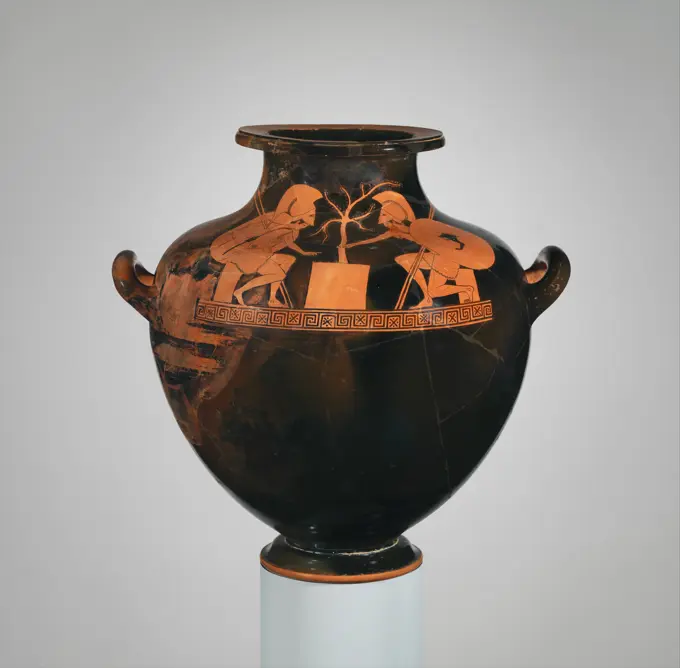
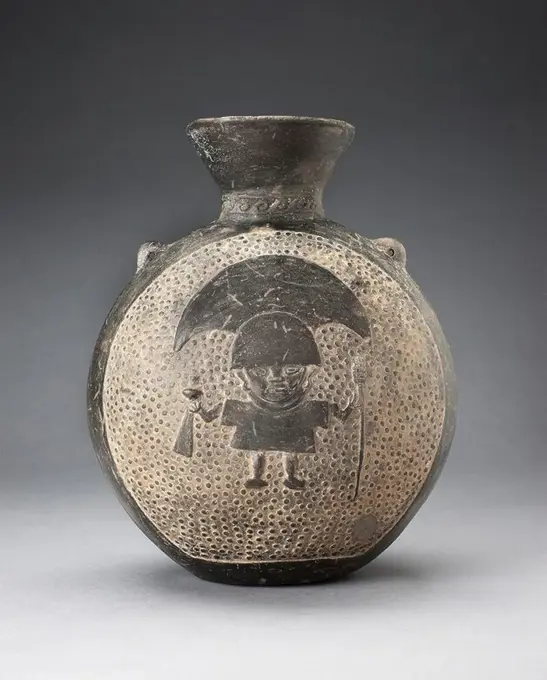
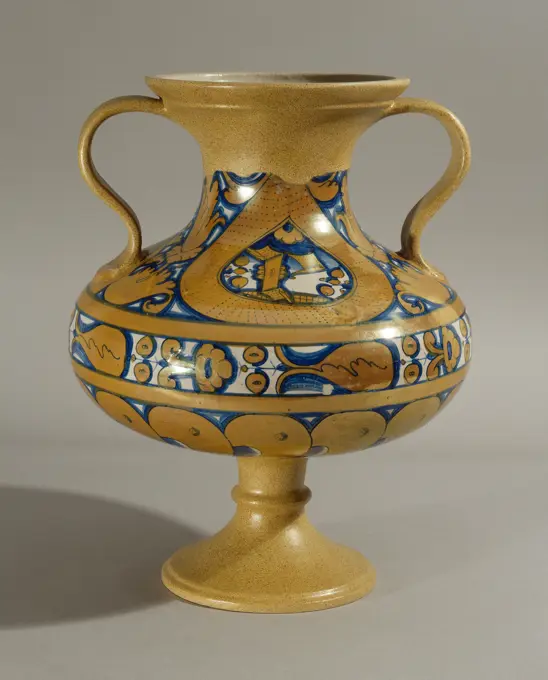
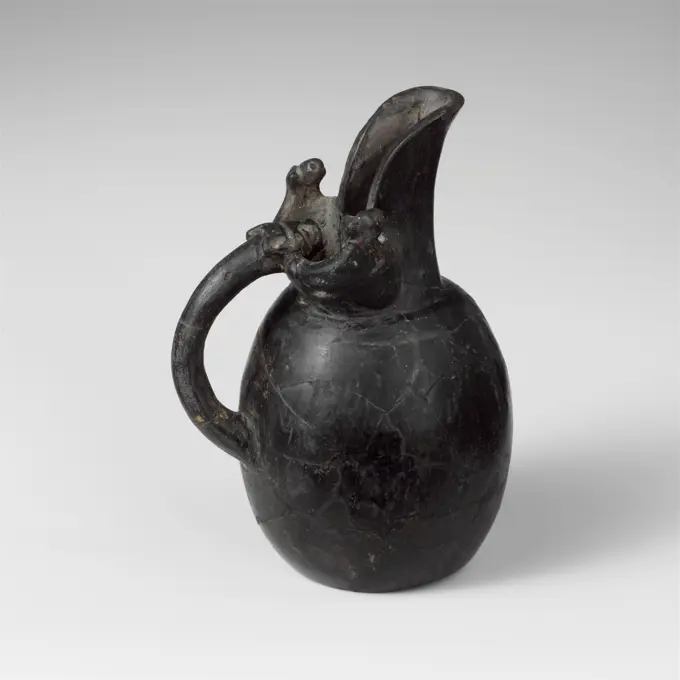
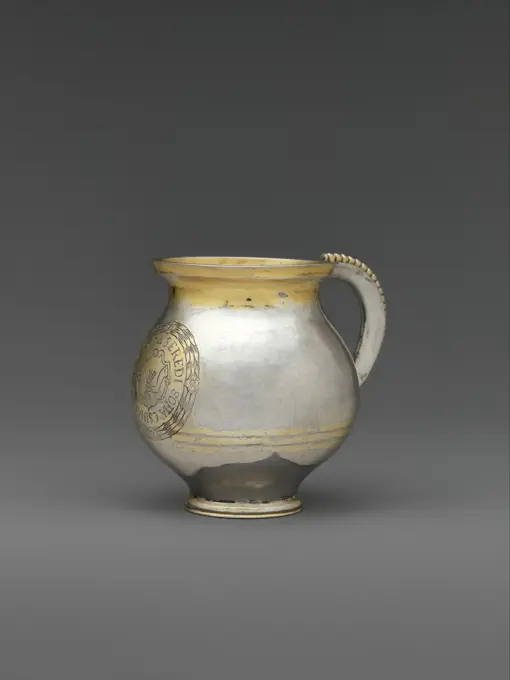
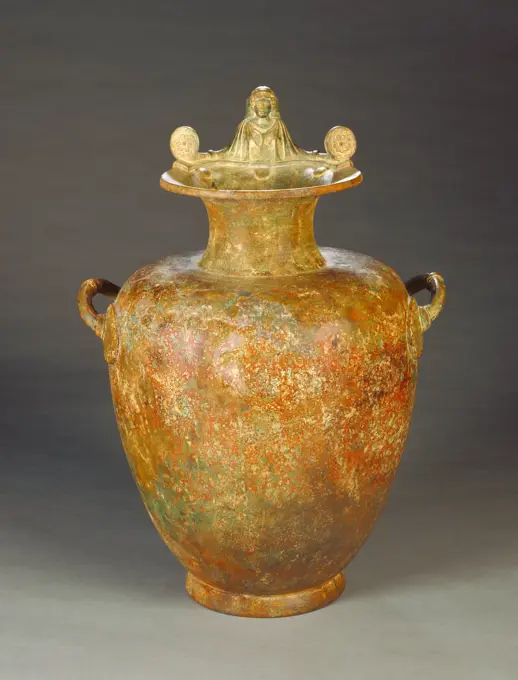
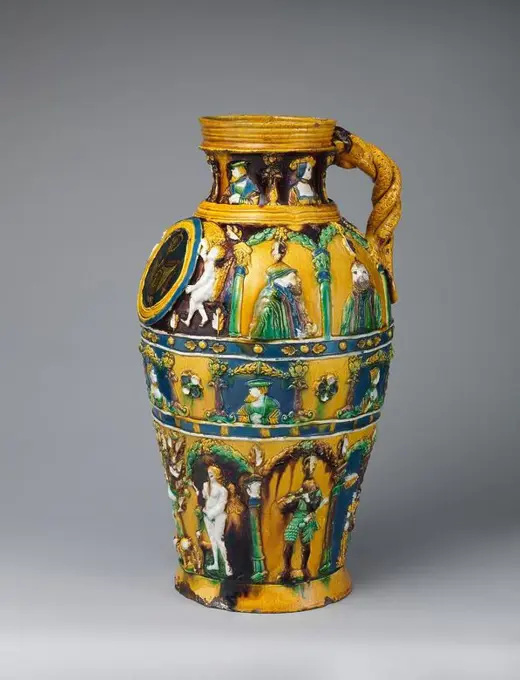
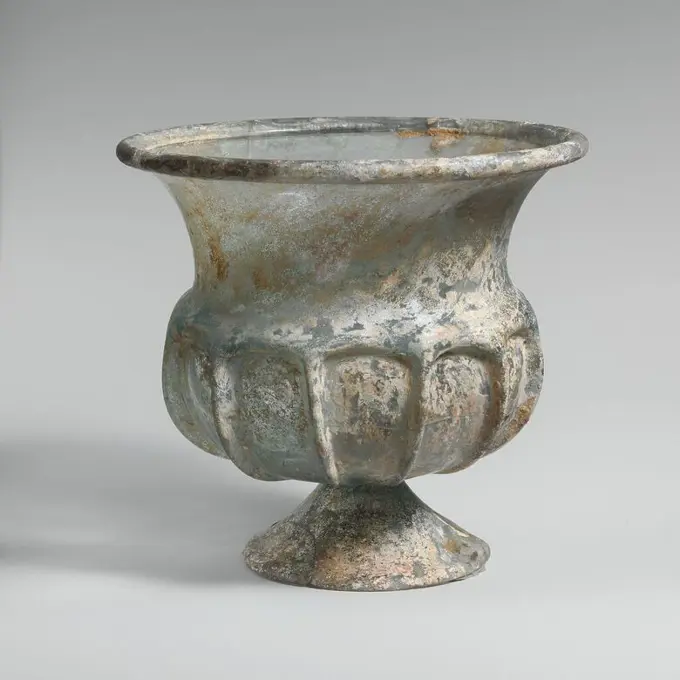
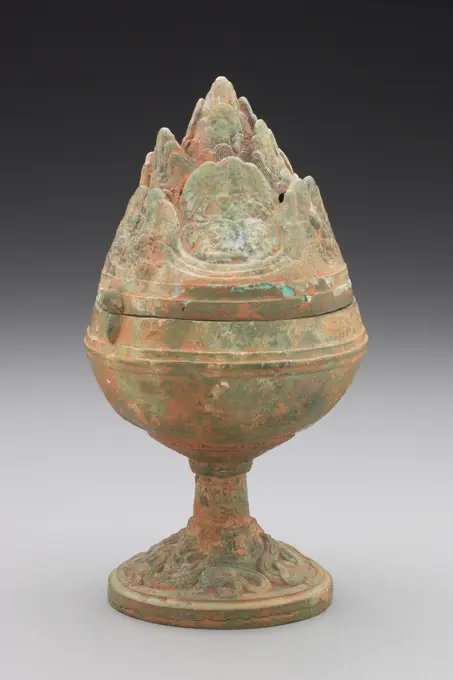
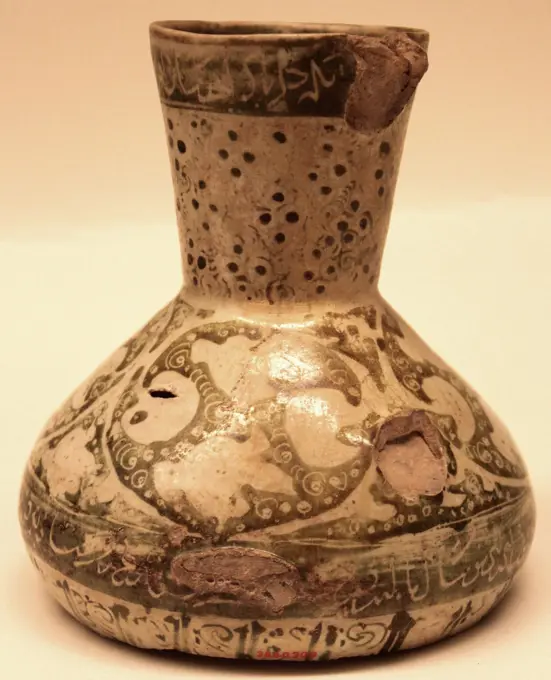
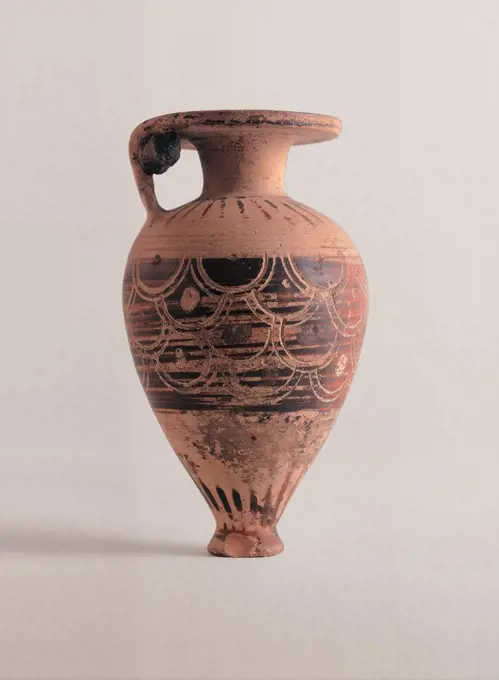
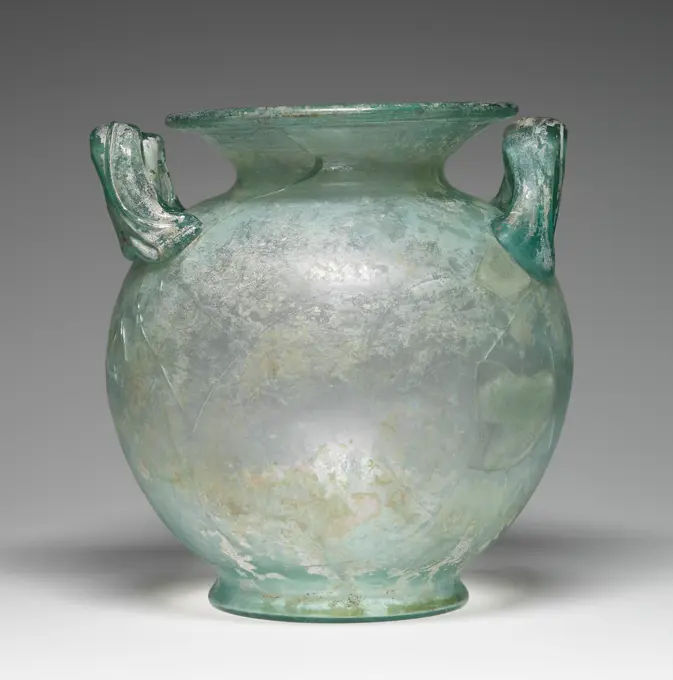
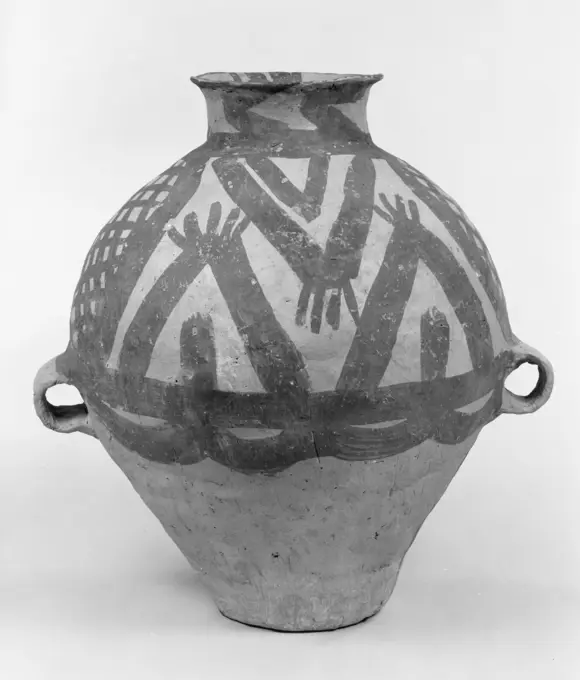
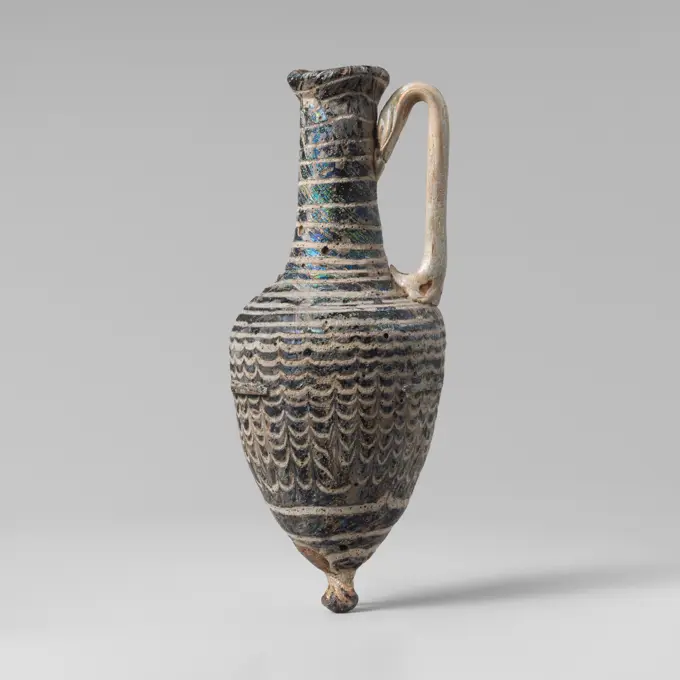
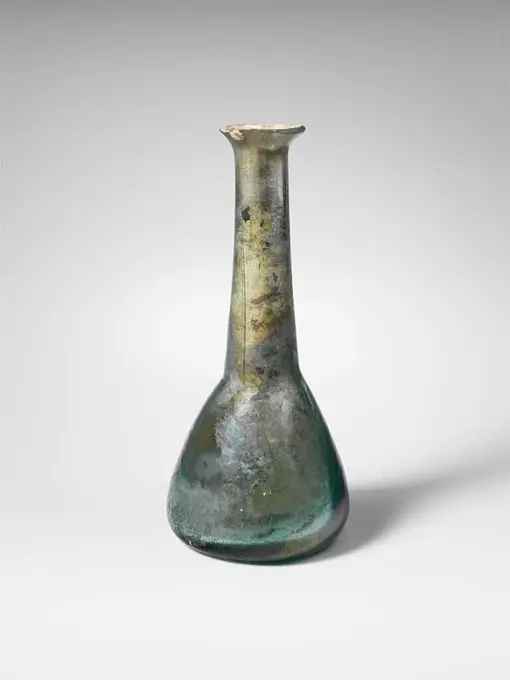
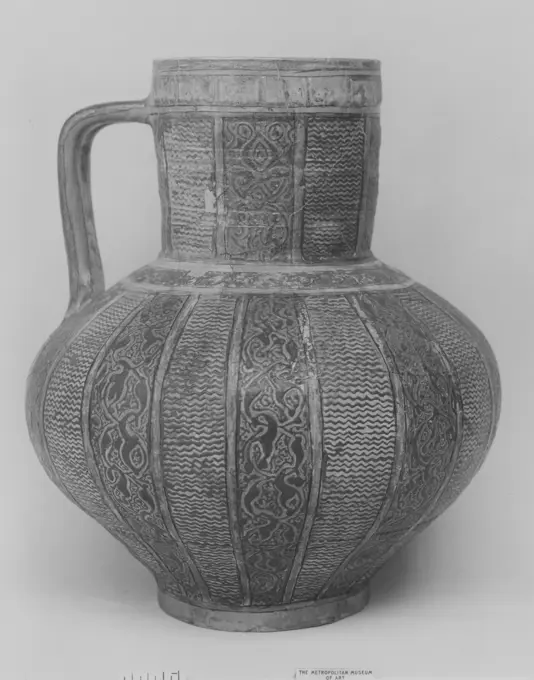
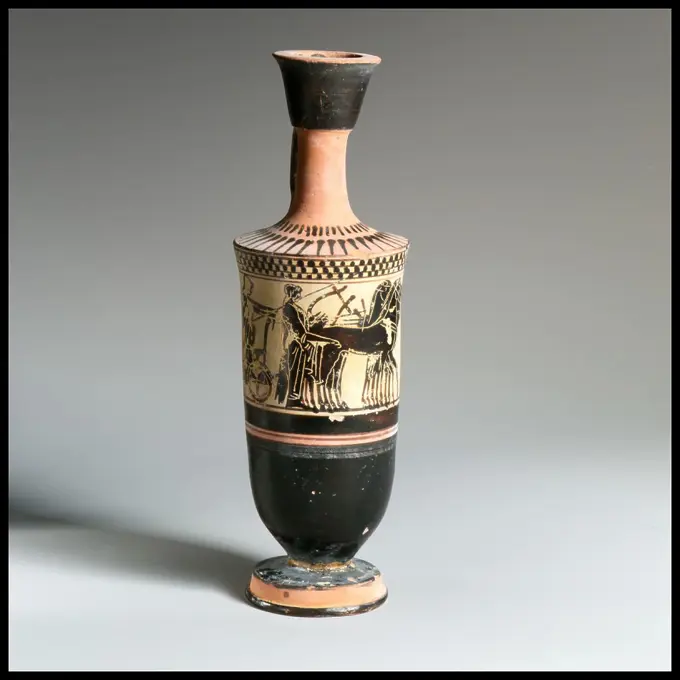
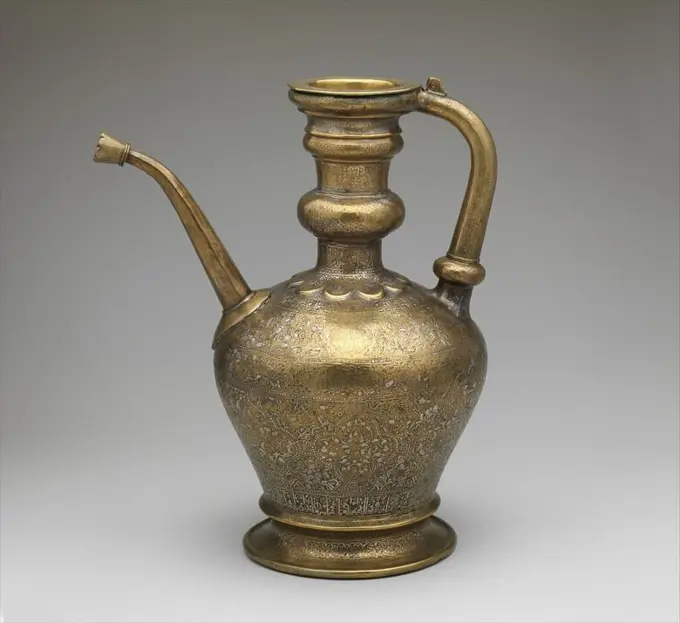
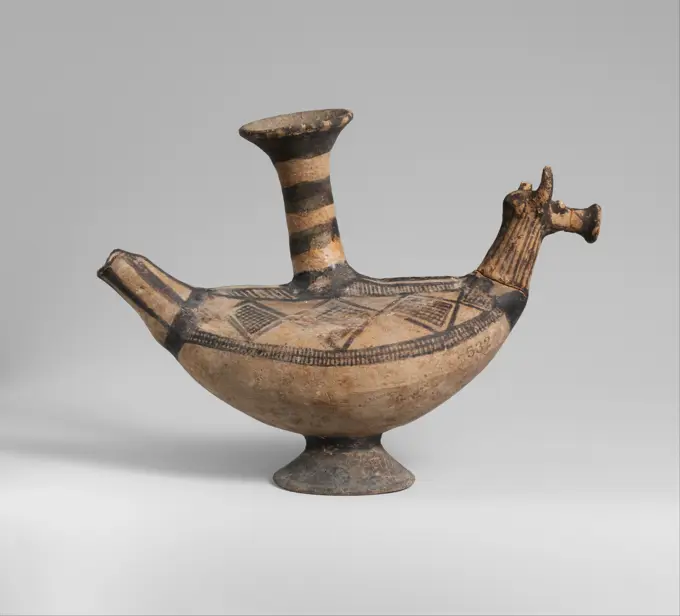
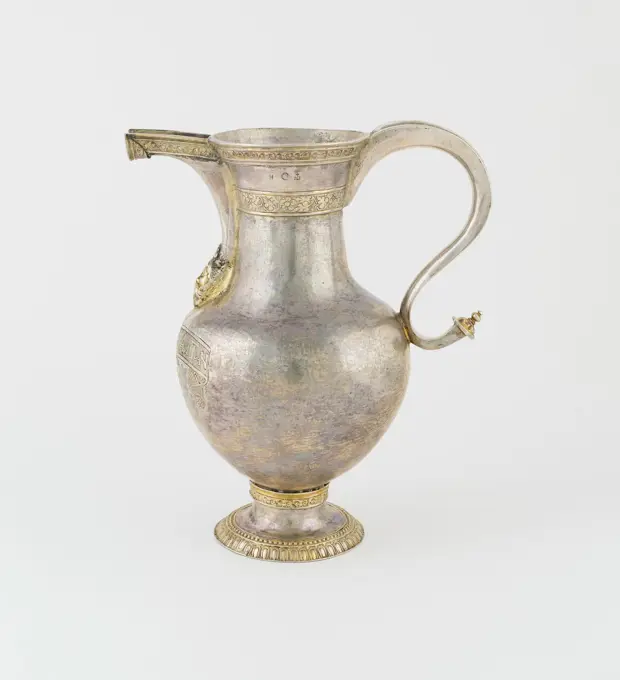
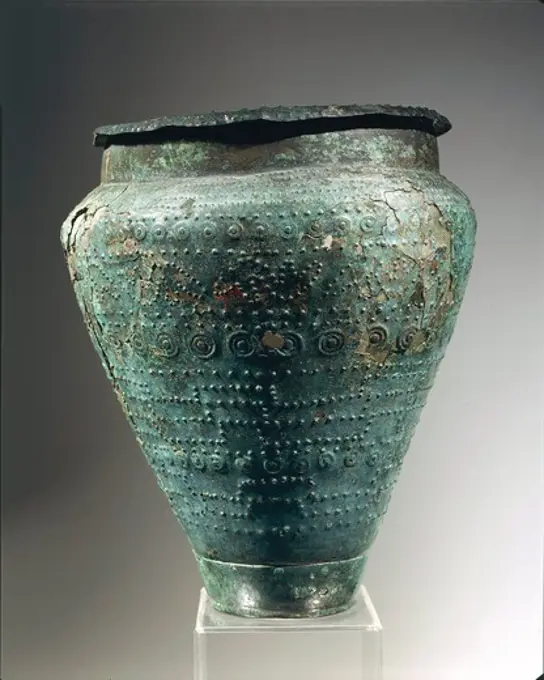
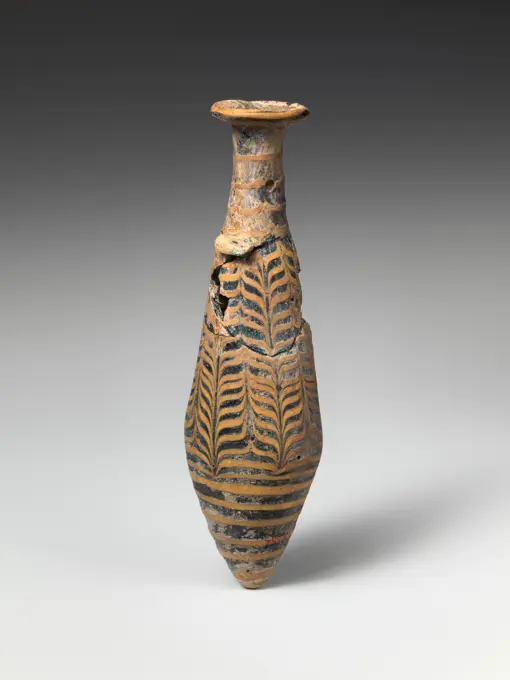
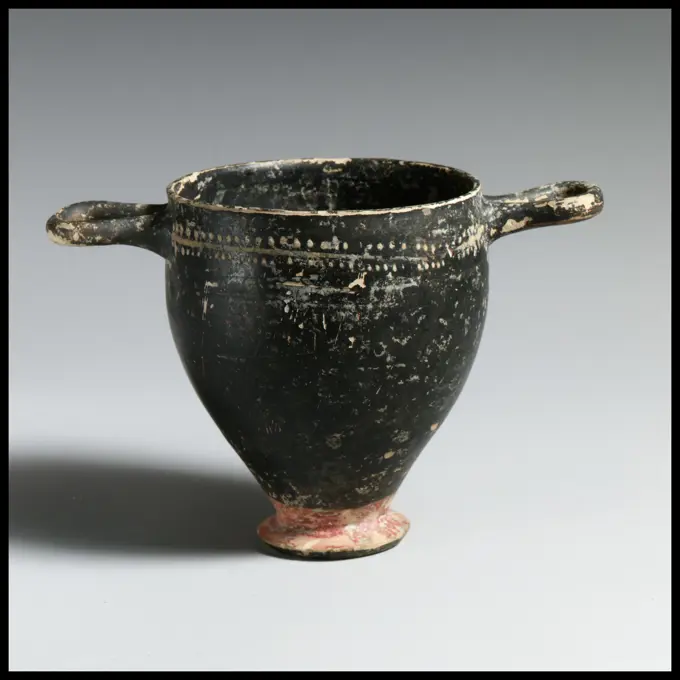
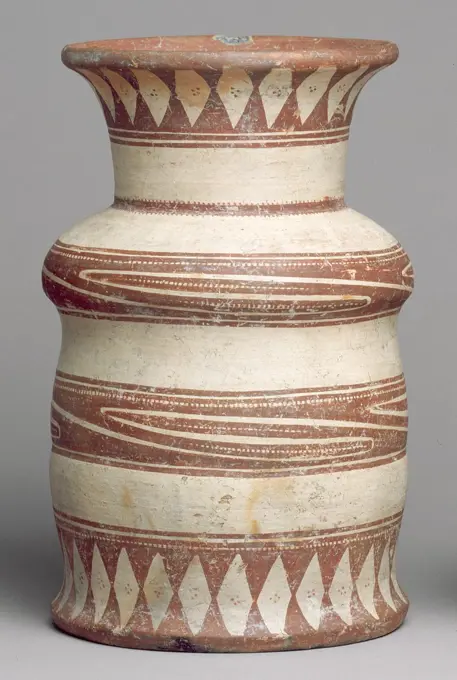
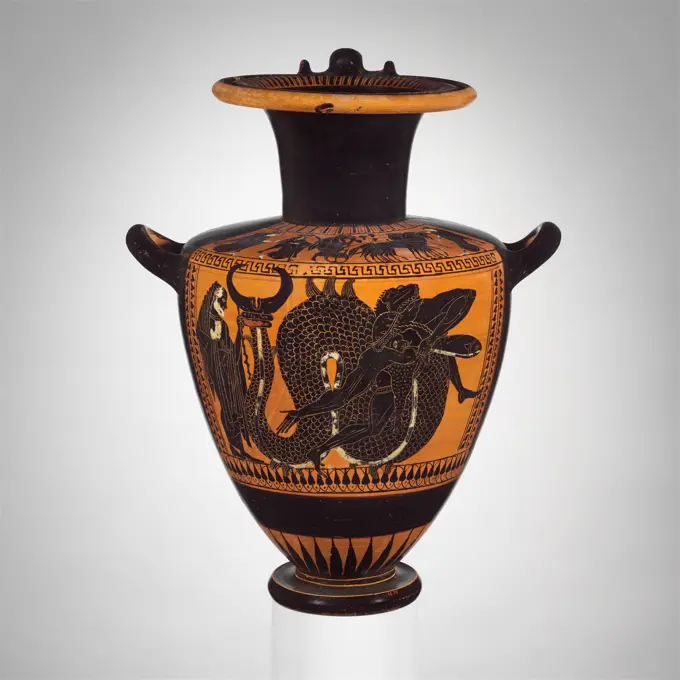
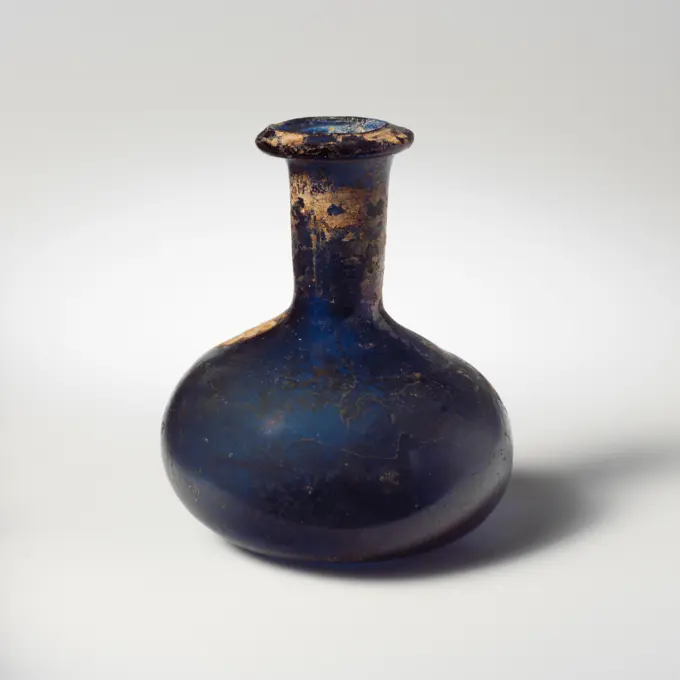
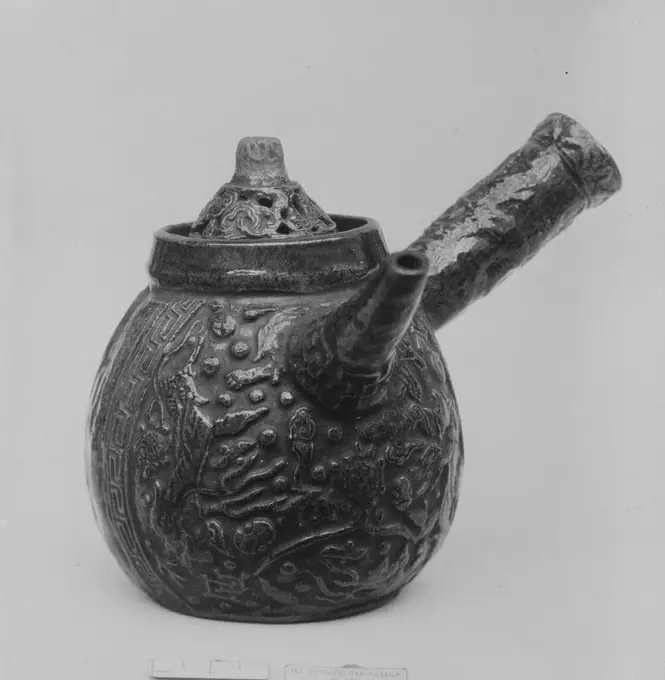
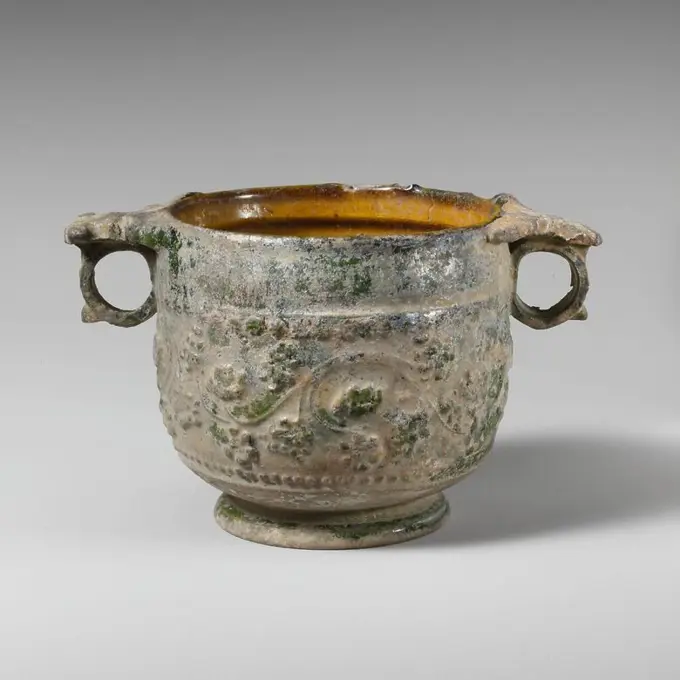
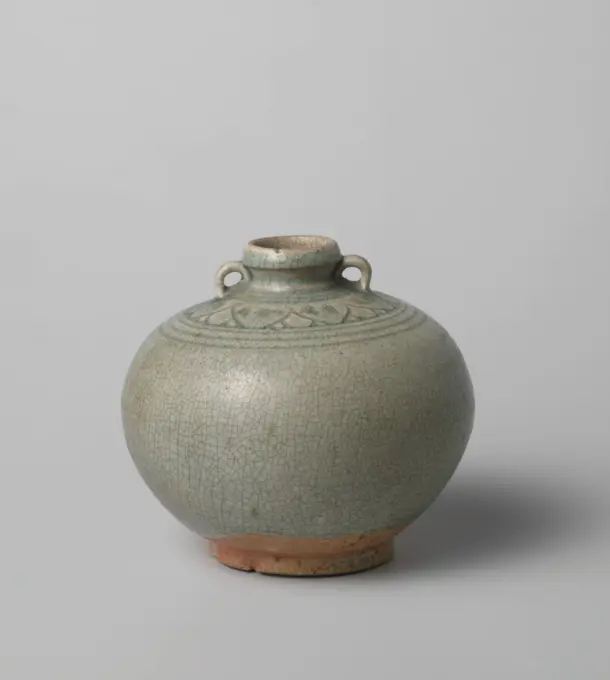
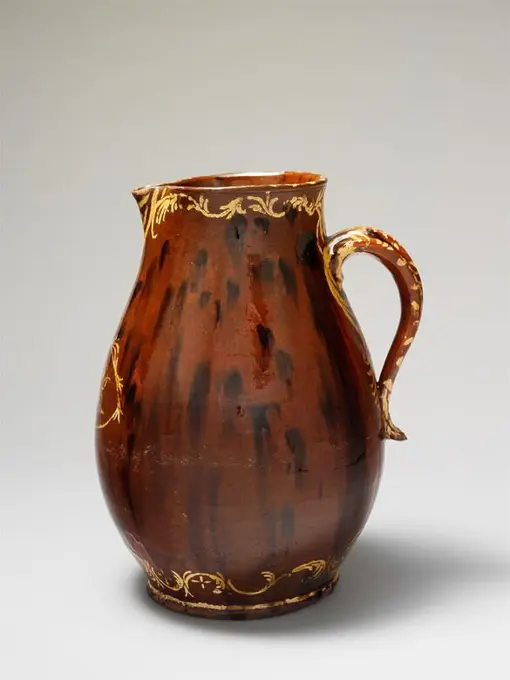
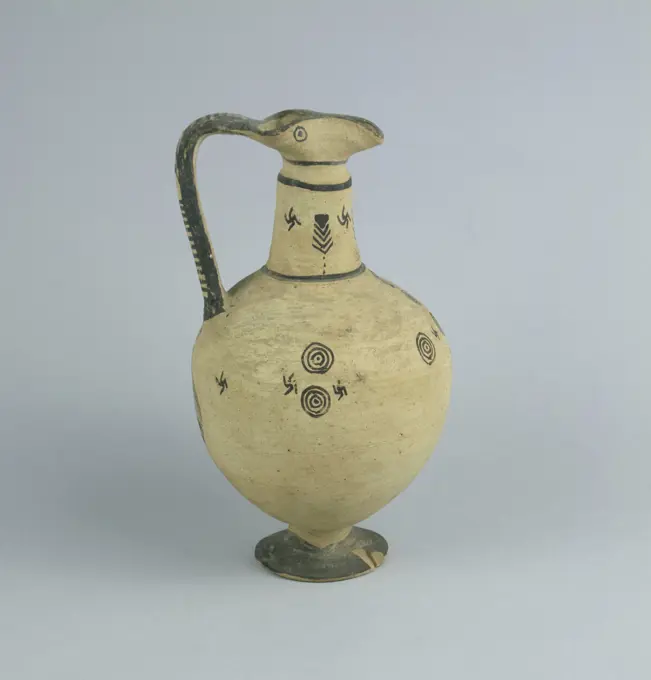
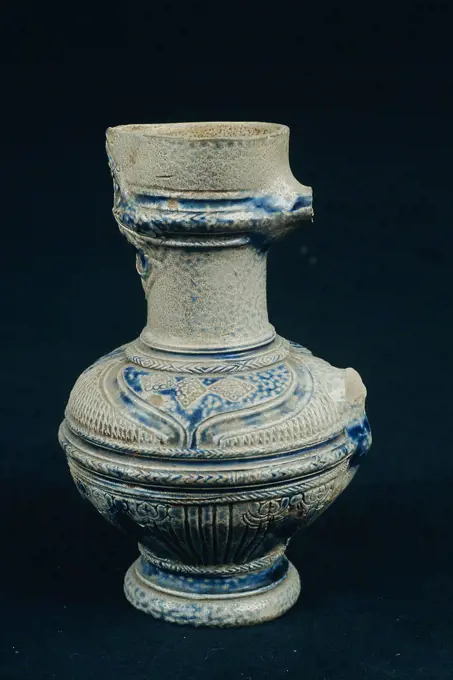
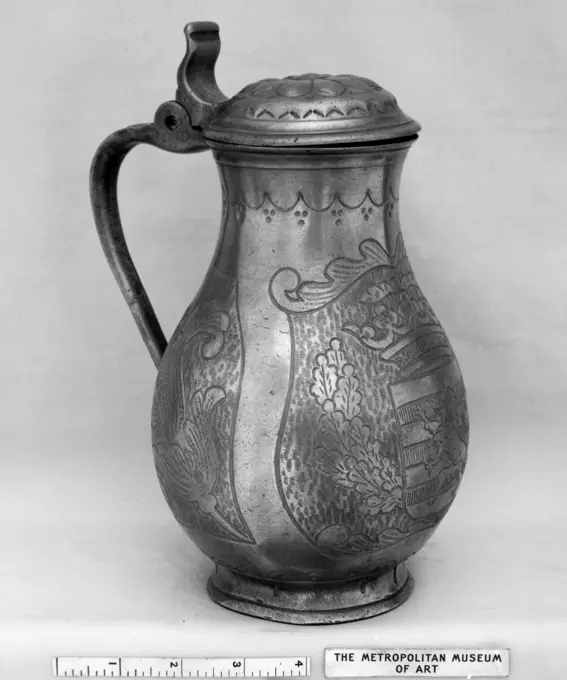
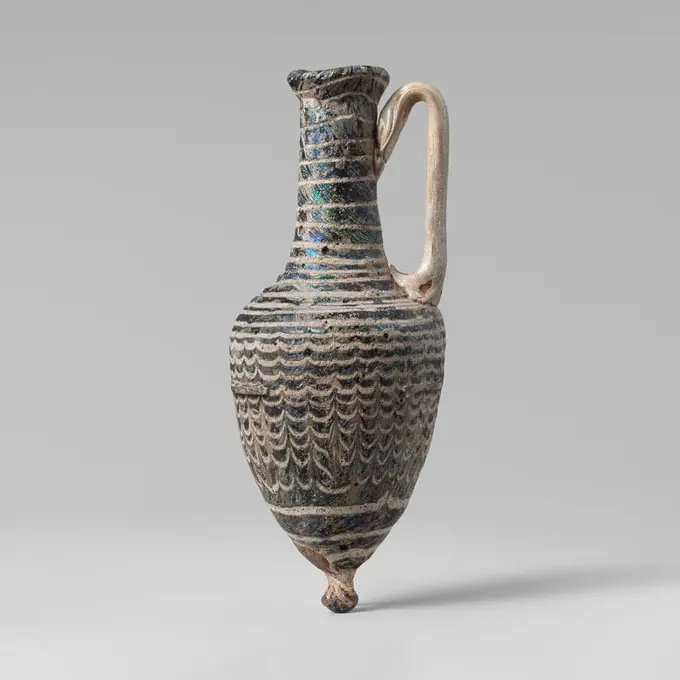
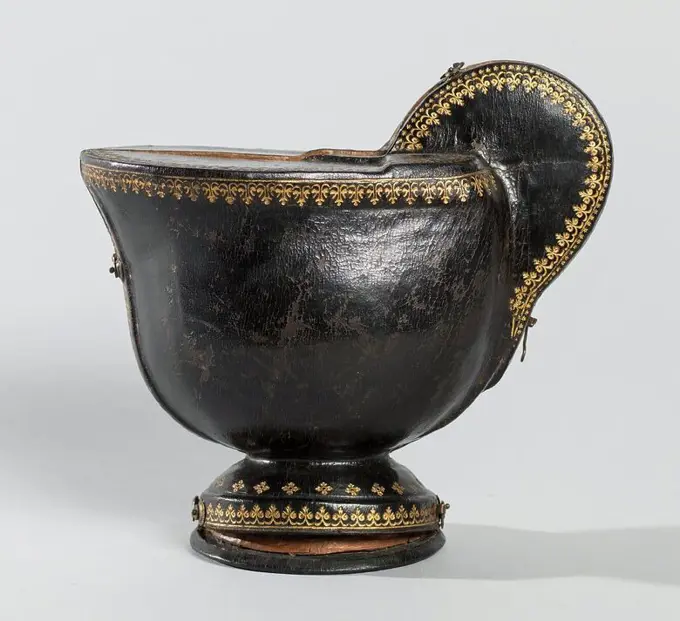
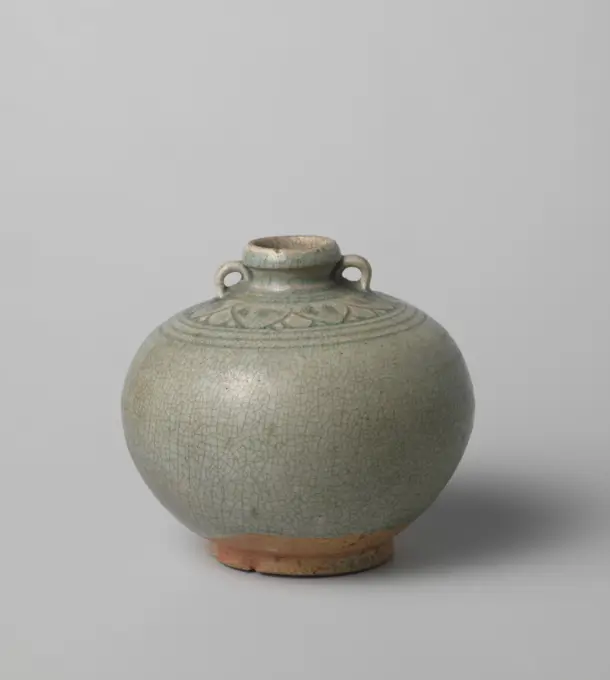
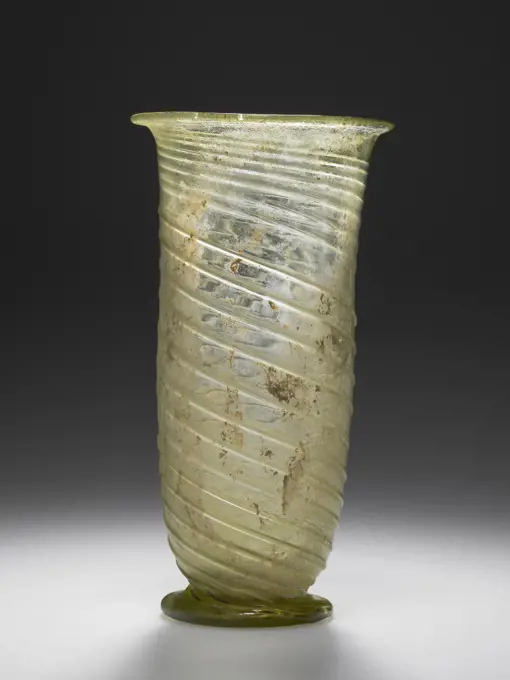
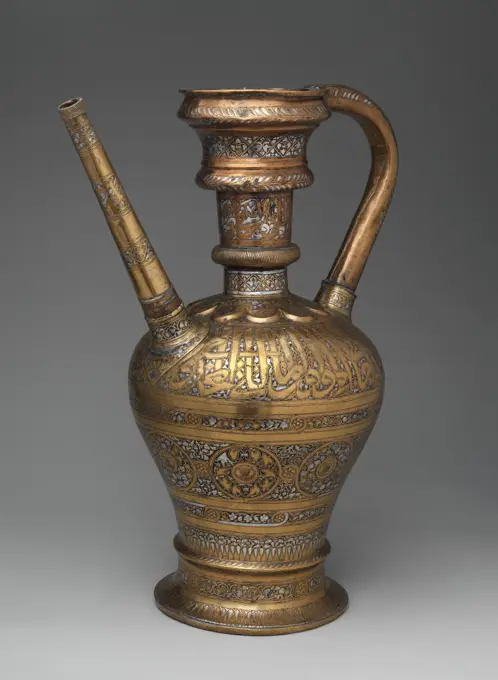
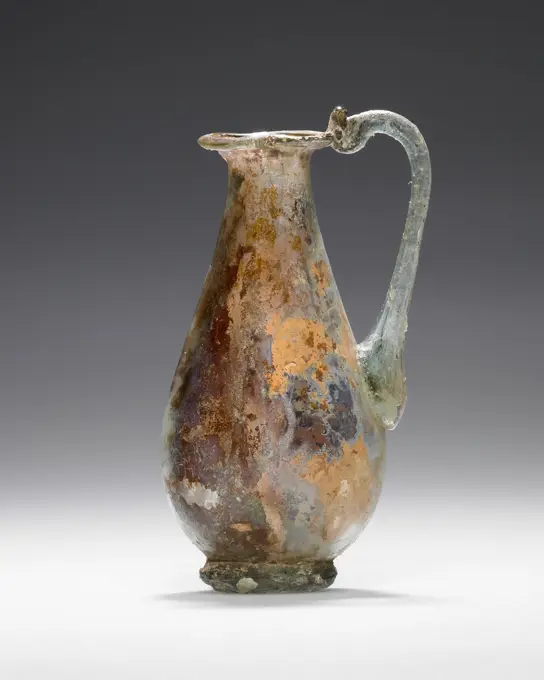
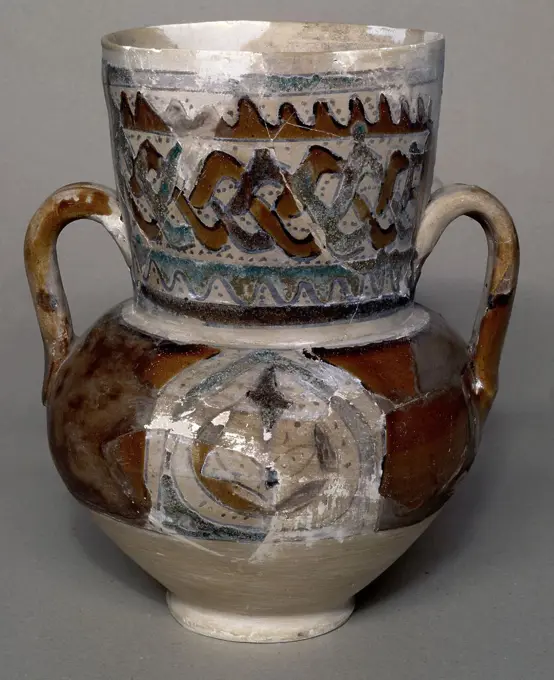
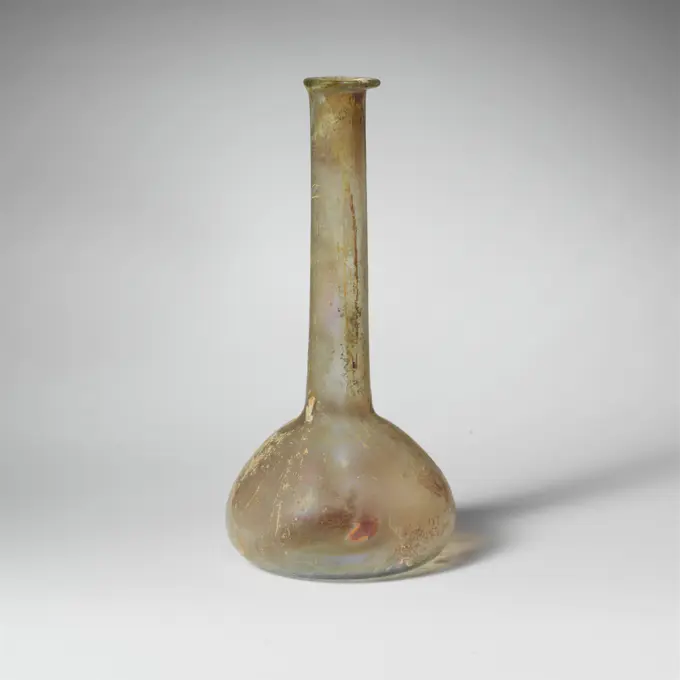
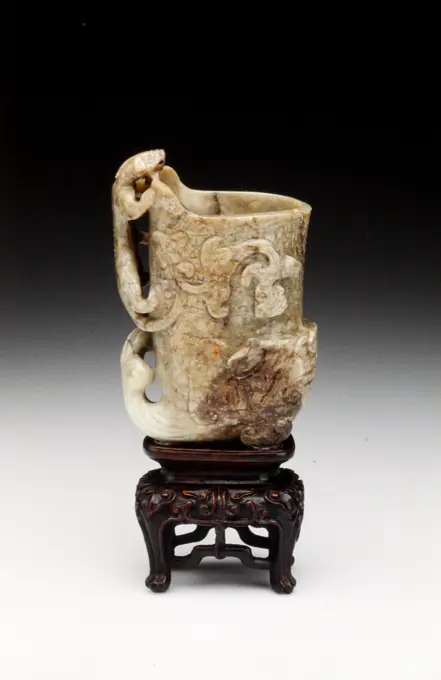
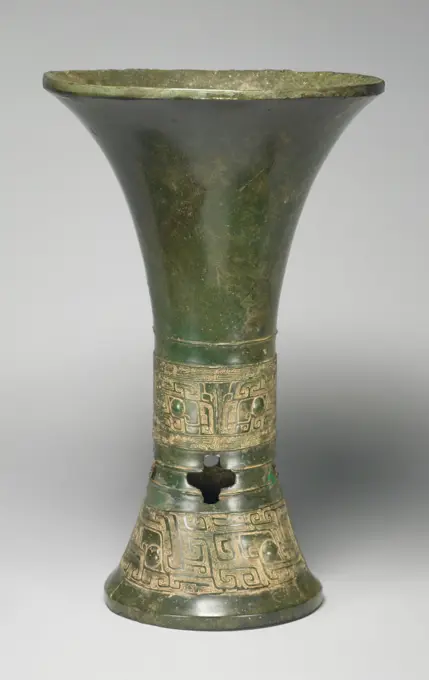
Beaker Made 1600 BCE-1050 BCE China. Bronze .Terracotta hydria: kalpis (water jar) ca. 490 B.C. Attributed to the Berlin Painter Ajax and Achilles gamingAbout 540 B.C. Exekias invented the representation of Achilles and Ajax passing the time during the siege of Troy by playing a board game. The original is preserved in the Vatican Museums. The subject remained popular into the fifth century B.C. The warriors are evenly matched. They hold their spears and shields as they play. The artist's concern seems less to characterize them than to dispose an interesting, symmetrical composition on the shoulder of the kalpis.. Terracotta hydria: kalpis (water jar) 255193 : Attributed to the Berlin Painter, Terracotta hydria: kalpis (water jar), ca. 490 B.C., Terracotta, H. 14 5/16 in. (36.4 cm). The Metropolitan Museum of Art, New York. Purchase, Mr. and Mrs. Arnold Whitridge Gift, 1965 (65.11.12)Jar with Relief of Standing Figure with Crescent Headdress, Holding Ritual Objects. Chimú; North coast, Peru. Date: 1200-1450. Dimensions: 26 × 22.2 cm (10 1/2 × 8 3/4 in.). Ceramic. Origin: North Coast. Museum: The Chicago Art Institute, Chicago, USA.Glass oinochoe (perfume jug). Culture: Greek, Eastern Mediterranean or Italian. Dimensions: H.: 3 5/8 in. (9.2 cm). Date: mid-4th-early 3rd century B.C..Translucent cobalt blue, with handle in same color; trails in opaque yellow and opaque white, with specks of opaque turquoise blue.Applied trefoil rim-disk; cylindrical neck; broad rounded shoulder; straight-sided body with marked downward taper; applied low circular coiled pad-base, slightly concave on bottom; strap handle attached in claw pad to outer edge of shoulder and top of body, drawn up, curved round and down, and appied to back of rim-disk.A fine yellow trail attached at edge of rim-disk; another unmarvered yellow trail wound spirally five times around neck; on body, alternating bands of yellow and white trails wound round from shoulder to pad-base and tooled into a close-set feather pattern in fourteen vertical panels with alternating upward and downward strokes, another fine yellow trail attached at edge of pad-base.BroAndrea Pantaleo. Baluster vase with two handles: medallion decorated with the Gothic letter, the Italian majolica of Deruta, 1st half of the 16th century (view on the 1). Museum of Fine Arts of the City of Paris, Petit Palais. 27014-11 Anse, Ceramic, two, Gothic, Italy, Letter L, Lettrine, Majolique de Duta, Medallion, Italian renaissance, dishes, Balustrous vaseTerracotta oinochoe (jug) 6th century B.C. Etruscan With a large beaked spout and a bulbous body. Small animal heads decorate the top of the handle.. Terracotta oinochoe (jug) 250244 Etruscan, Terracotta oinochoe (jug), 6th century B.C., Terracotta, H. 5 1/2 in. (14 cm). The Metropolitan Museum of Art, New York. Gift of J. Pierpont Morgan, 1917 (17.194.1840)Jar. Culture: China. Dimensions: H. 13 1/4 in. (33.7 cm). Date: ca. 2600-2300 B.C.. Museum: Metropolitan Museum of Art, New York, USA.Mug 1704 Hungarian, Transylvania This mug is engraved with the coat of arms of the Serédi family and an inscription that states Sofia Serédi commissioned the piece in 1704. She was married to István Andrássy (1650-1725), a general under Francis II Rákóczi (1676-1735), who fought in an uprising against the Habsburg emperor from 1703 to 1711. Several pieces from the Salgo Collection were once part of the Andrássy treasury.LiteratureEuropean Silver. Sale cat., Sothebys, Geneva, May 8, 1989, p. 71, no. 205.Judit H. Kolba. Hungarian Silver: The Nicolas M. Salgo Collection. London, 1996, p. 97, no. 75.ExhibitedA Magyar történeti ötvösmű-kiállítás lajstroma. Exh. cat. Országos Magyar Iparművészeti Múzeum. Budapest, 1884, room 5, case 3, p. 27.Régi ezüstkiállításának leíró lajstroma. Exh. cat. edited by Károly Csányi. Országos Magyar Iparművészeti Múzeum. Museum of Applied Arts. Budapest, 1927, p. 45, no. 355.[Wolfram Koeppe 2015. Mug 237035Ewer second half 13th century Anthropomorphic calligraphy, also referred to as human-headed naskh, was unique to metalwork made in Eastern Iran and Mosul, in present-day Iraq, during the twelfth and thirteenth centuries. On this vessel the upright shafts of the letters terminate in heads with facial features. In other examples, the shapes of the letters act as the arms and legs of figures. This short-lived style reflects the ingenuity and playfulness of the artist-designer.. Ewer. second half 13th century. Bronze; cast with handle cast separately, chased, engraved, inlaid with silver and gold. Attributed to Iran. MetalBottle 1 CE-100 CE Roman Empire. Initially affordable only among the wealthy, glass was used in ancient Rome as containers for oils, perfume, and tablewares. The variety of glass-making techniques reveals the changing tastes and fashions over the centuries. During the 1st century A.D., cast glass was a novel form that was a luxury for the Roman household, but by the end of the century, the innovation of blown glass allowed for less labor-intensive and less expensive production, which meant people of lesser means could afford it. Blown glass became so popular it nearly supplanted ceramic and even bronze wares in the home.. Glass, mold-blown technique . Ancient RomanHydria. UnknownJug. Culture: German, Nuremberg. Dimensions: Height: 19 13/16 in. (50.3 cm). Maker: Workshop of Paul Preuning (active ca. 1550). Date: ca. 1547-50. Museum: Metropolitan Museum of Art, New York, USA.Glass cup with splayed foot. Culture: Roman. Dimensions: H. 5 3/16 in. (13.2 cm); diameter 5 9/16 in. (14.1 cm). Date: 2nd half of 1st century A.D..Translucent blue green.Outsplayed tubular rim, folded over and in; tall curving neck, tapering downwards; thick projecting shoulder; squat, globular body; applied conical foot, formed from a separate gather, with edge cracked-off and ground flat; small, circular, flat bottom.Eleven vertical ribs in high relief tooled out from shoulder down side of body.Rim and body cracked with one hole in side; part of foot broken and missing; few bubbles; dulling, pitting, creamy brown weathering, and faint iridescence.This cup or chalice bears a similarity to the ribbed bowls also displayed here (91.1.1247, .1346), but the treatment of the rim and the addition of the foot make it a very unusual example of Roman blown glass tableware. Museum: Metropolitan Museum of Art, New York, USA.Incense Burner(Boshanlu)Euboean Black-Figure Neck Amphora. UnknownFragment of an Ewer 8th century. Fragment of an Ewer 449505Aryballos from Cerveteri, 8th Century, ceramic,Jar with loop handle ca. 3500-3300 B.C.. Jar with loop handle 326495Terracotta amphora (storage jar). Culture: Rhodian (Fikellura). Dimensions: H. 11 11/16 in. (29.7 cm). Date: ca. 530 B.C..Scroll and lotus designs. Museum: Metropolitan Museum of Art, New York, USA.Drinking vessel ("istikan") ca. 9th-7th century B.C. Assyrian. Drinking vessel ("istikan") 324628Jar ca. 1st-2nd century A.D Parthian. Jar. Parthian. ca. 1st-2nd century A.D. Ceramic. Parthian. From Mesopotamia, CtesiphonCinerary Urn. UnknownJar (Guan) ca. 2300-2000 B.C. China. Jar (Guan) 44729Flask. UnknownPitcher; Unknown Cypriot workshop; 1900-1650 BC (-1900-00-00--1650-00-00);Glass amphoriskos (perfume bottle) 1st century B.C. Greek, Cypriot Translucent green, appearing black; handles and base of uncertain color; patch near base in opaque red; trail in opaque white.Inward-sloping rim-disk, with upward rounded lip; cylindrical neck, expanding downwards; sloping shoulder with indented surface; piriform body; applied knob base; two rod handles applied in pads across shoulder, drawn up vertically, then looped in and down, and pressed onto neck below rim over trail decoration.Single white trail applied to lip of rim and then wound in a spiral around neck and shoulder to body, then tooled into a festoon pattern with twenty-eight upward strokes, continuing in a plain spiral around lower part of body and under base knob, and trailed off up side.Broken and repaired, with one handle completely missing and hole in side of body; dulling, deep pitting and weathering, with brilliant iridescence.. Glass amphoriskos (perfume bottle). Greek, Cypriot. 1st century B.C.. GlassGlass perfume bottle. Culture: Roman. Dimensions: H.: 5 1/16 in. (12.9 cm)Diam.: 2 3/16 x 1 in. (5.6 x 2.5 cm). Date: 1st century A.D..Translucent blue green.Flaring, uneven rim, with beveled lip; cylindrical neck expanding downwards with tooling marks around base; conical body; thick concave bottom.Intact; pinprick and larger bubbles, and blowing striations; slight pitting and faint iridescence on exterior; thick encrusted weathering and brilliant iridescence on interior. Museum: Metropolitan Museum of Art, New York, USA.Ewer late 12th century. Ewer 446685Lekythos. Culture: Greek, Attic. Dimensions: Overall: 7 1/4in. (18.5cm)Diameter: 2 1/4 × 1 3/8 × 1 7/8 in. (5.8 × 3.6 × 4.8 cm). Date: ca. 480 B.C..Chariot scene. Museum: Metropolitan Museum of Art, New York, USA.Ewer with Inscription, Horsemen, and Vegetal Decoration. Dimensions: H. 14 1/2 in. (36.8 cm)W. 12 1/16 in. (30.6 cm)Diam. 8 3/8 in. (21.3 cm). Maker: `Umar ibn al-Hajji Jaldak. Date: dated A.H. 623/ A.D. 1226.This lavishly decorated object is inscribed around the neck: "Made by 'Umar ibn al-Hajji Jaldak, the apprentice of Ahmad al-Dhaki al-Naqqash al-Mawsili in the year 623 1226 A.D.." Ahmad al-Mawsili, originally from Mosul in Upper Mesopotamia, was a famous metalworker who had a number of pupils. Museum: Metropolitan Museum of Art, New York, USA.Terracotta vase in the form of an animal 1050-950 B.C. Cypriot The vase appears to be a variant of the askos, a bag-shaped flask with one spout and a handle over the top. While askoi often take the form of birds, the animal here appears to be a quadruped and is equipped with two spouts.. Terracotta vase in the form of an animal. Cypriot. 1050-950 B.C.. Terracotta. Cypro-Geometric I. VasesGlass jar. Culture: Roman. Dimensions: Base: 15/16 in. (2.4 cm)H.: 5 1/4 in. (13.3 cm). Date: 2nd half of 1st-mid-2nd century A.D..Colorless with pale blue green tinge.Rounded, flaring, tubular rim, folded out and down, forming collar around neck; broad ovoid body; bottom pushed in to form hollow foot ring.On body, sixteen projecting roughly vertical ribs of differing lengths and shapes (some almost straight, others sinuous), four of which extend onto the neck below the collar.Intact, except for one small chip in one of the ribs; some bubbles and a few white glassy inclusions; slight brownish weathering and faint iridescence. Sealed within the rim are fine particles of dry, loose sand. Museum: Metropolitan Museum of Art, New York, USA.Sake Bottle with Net and Flower Patterns. Japan, early 19th century. Ceramics. Tateno ware, Mishima type; stoneware with white slip inlay under clear glazeCovered Jar With Floral Scrolls. Lid of stoneware lid pot, painted in underglaze blue. On the lid a tire with flower leaf-shaped compartments with plants blooming in it. On the edge depending, pointed leaf motifs. The glaze is slightly gray. Blue White.Wine Jug 1535-1545 Italy. Parcel-gilt silver .Laminated bronze situla with embossed and engraved decoration, used as urn, Etruscan civilization, 6th century b.c.Glass alabastron (perfume bottle) 2nd-mid-1st century B.C. Greek, Eastern Mediterranean Translucent light blue; opaque yellow trail; handles in blue glass.Everted, almost flat, rim-disk; slender, concave neck; straight-sided fusiform body expanding downward, then tapering in to pointed bottom; two horizontal lug handles applied over trails at top of body.Trail attached at bottom, drawn up in a spiral to point of carination, tooled into a close-set feather pattern around side, arranged in six panels of alternating upward and downward strokes, and wound round again in spiral ending on rim.Broken and repaired around body with some areas missing, and only vestigial traces of one handle remaining; a few bubbles; dulling, pitting, and iridescent weathering.. Glass alabastron (perfume bottle). Greek, Eastern Mediterranean. 2nd-mid-1st century B.C.. Glass; core-formed, Group III. Late Hellenistic. GlassJar, c. 3rd millenium BC. Thailand, Ban Chiang, Neolithic Period. Earthenware; overall: 28 cm (11 in.).Bearded manner with weapon. Gray bearded manner with transparent glaze. On the bullet-shaped belly 3 ovals with the coat of arms of England. A Baardman on the neck.LEBETES CON ESCENA DE BODA.GRIEGO CERAMICA. (DEPOSITO: MUSEO ARQUEOLOGICO NACIONAL).Can be from stoneware. Can be from stoneware. The egg-shaped belly is decorated with ovals placed in rows in which Cherubs () Are printed. Spotty cobalt blue coloring.Spouted Ewer 960 CE-1127 China. Cizhou ware; slip-coated stoneware with yellowish brown glaze and applied handle and loop handles .Fragment of a jug with the story of Susanna, anonymous, c. 1584 - c. 1600 fragment Fragment of a jug of stoneware on a high foot with a cylindrical body with round shoulder and wide neck. Profiles on the neck, belly and foot. Covered with a brown Engobe. Printed and imposed, upside down on the belly in relief, representations from the history of Susanna with the inscription 'Int Korte Eit cut in 1584/ This is the clean hestoria of Susanna Int Korte Eit cut in 15 ...'. The shoulder is divided into two tires of entered courses with a double S-shape. On the neck an imposed band of portraits and Face in Bogen. Raeren. Rae stoneware. glaze. engobe vitrificationBaluster-Shaped Vase with Loop Handles 1736-1796 China. Porcelain with robinís egg blue glaze .Daedalic Plastic Vase. UnknownWine bottle from the wreck of the East Indians' t Vliegend Hart, Anonymous, 1700 - 1735  Uivid glass wine bottle. Two large fragments are missing and there is a hole in it. Cork still in the neck. Netherlands cork (bark)Neck-amphora last quarter of 6th century B.C. Related to the Painter of Toronto 313. Neck-amphora 246727Large Turquoise Jar 12th-13th century This large earthenware jar holds four registers of molded decoration containing motifs typical of the Seljuq period, including winged griffins set against a scrolling background, an elegant arabesque design, and a series of inscriptions with good wishes written in small kufic script. Although the original function of this jar is not known, similar earthenware jugs may have been used to hold grains or wine.. Large Turquoise Jar 449686Skyphos ca. 350-300 B.C. Greek, South Italian, Apulian. Skyphos 244856Jar 300 B.C.-200 A.D. Thailand (Ban Chiang culture) Ceramics with painted rather than impressed or incised designs date to the final phase of the Ban Chiang culture. This solid, full-bodied jar has a narrow neck, wide flaring mouth, and flat base. Alternating areas of red pigment with white geometric and curvilinear designs, and plain white bands decorate the vessel. Small white dots along the edges of the white bands, and red ones placed in the centers, along with the diamond shapes at the neck and base, add an element of playfulness to the deceptively simple design.Ceramics from the late phase are the most numerous and well known of the Ban Chiang wares. Unlike middle-phase examples, which were often purposely shattered as they were placed in burials, late-phase Ban Chiang pieces were unbroken when they were added to the grave. Bronze adornments, particularly bracelets, are also common in Ban Chiang graves, and those from final-phase burials are generally larger and more elaborately Pilgrim Bottle, Qianlong period, 1736-1795, 13 3/8 x 8 7/8 in. (34 x 22.5 cm), Jade, China, 18th centuryJar 801 CE-900 CE Mesopotamia. During the Abbasid caliphate (750-1258), relative peace and an initially consolidated government allowed for the arts and sciences to flourish. The caliphateís first capital, Baghdad, and its later capital, Samarra, became centers for cultural and commercial production. Some of antiquityís most important scientific treatises, such as Ptolemyís writings on the stars, were translated into Arabic while court inventors made advancements in medicine, chemistry, and mathematics. In the arts, poets such as Abu Nuwas invigorated classical Arabic literature, and artists developed a style of decoration that the west would later call ìarabesque,î which refers to repetitive vegetal patterns that can be found in almost every medium of Islamic art.This jar, which has been attributed to the early 9th century, exhibits one of the most important artistic advancements that developed during the Abbasid caliphateóthe introduction of luster painting over glaze. Luster-paintedFluted Bowl withText.  Artist: UnknownTerracotta kantharos 7th century B.C. Etruscan. Terracotta kantharos 255170 Etruscan, Terracotta kantharos, 7th century B.C., Terracotta, H. 18.39 cm.. The Metropolitan Museum of Art, New York. Gift of Mr. and Mrs. Jan Mitchell, 1964 (64.17)White Painted Ware jug;  1700-1600 BC (-1800-00-00--1601-00-00);Glass beaker mid-late 2nd century A.D. Roman, Cypriot Translucent yellow green.Uneven, knocked-off rim, with bulging collar beneath; cylindrical sides to body, curving in to integral, low base ring; pushed-in bottom.Band of fine abraded horizontal lines below collar; six deep vertical indents in sides.Intact, except for minor cracks in rim; pinprick bubbles and a few glassy inclusions; slight dulling, pitting, and areas of iridescent weathering.. Glass beaker 239815Terracotta hydria (water jar) ca. 520-510 B.C. Greek, Attic On the body, Herakles and TritonOn the shoulder, Dionysos in a chariot and three maenadsA number of details indicate that this vase was probably made after the introduction of the red-figure technique about 530 B.C. The incision, especially of human musculature, reflects the fluency made possible by red-figure. The composition is bursting its frame, and much of the mouth of the vase is unglazed with the result that the work appears lighter.. Terracotta hydria (water jar). Greek, Attic. ca. 520-510 B.C.. Terracotta; black-figure. Archaic. VasesGlass perfume bottle 1st century A.D. Roman Translucent cobalt blue. Rim folded out, over, and in, with raised inner lip; funnel-shaped neck, with slight tooling marks around base; squat, bulbous body; concave bottom.Tooling lines around upper bodyIntact; some bubbles and blowing striations; iridescent weathering with patches of dulling and pitting.. Glass perfume bottle 239771Terracotta lead-glazed skyphos late 1st century B.C.-early 1st century A.D. Roman. Terracotta lead-glazed skyphos 247356Teapot. Artist: Aoki Mokubei (1767-1833) (). Culture: Japan. Dimensions: H. 4 5/8 in. (11.7 cm); L. 5 3/4 in. (14.6 cm). Date: 1800. Museum: Metropolitan Museum of Art, New York, USA.Ding crap;  19th century (1801-00-00-1900-00-00);Terracotta scyphus (drinking cup). Culture: Roman. Dimensions: H. 8.00 cm. Diameter 8.00 cm.. Date: 1st half of 1st century A.D..Lead-glazed cup with floral decoration. Museum: Metropolitan Museum of Art, New York, USA.Beaker. Western Iran, circa 1000 - 650 B.C.. Furnishings; Serviceware. BronzeOvoid jar with incised flower petals, anonymous, anonymous, c. 1300 - c. 1399 Egg -shaped pot of stoneware with a narrow, short neck with a raised edge, covered with a crackle green glaze. On the shoulder three horizontal lines and a band with petals. Two semicircular ears from the shoulder attached to the neck. The lower half of the pot is unglazed. The foot ring is damaged. Celadon. Thailand stoneware. glaze painting / vitrification Egg -shaped pot of stoneware with a narrow, short neck with a raised edge, covered with a crackle green glaze. On the shoulder three horizontal lines and a band with petals. Two semicircular ears from the shoulder attached to the neck. The lower half of the pot is unglazed. The foot ring is damaged. Celadon. Thailand stoneware. glaze painting / vitrificationLidded dish with tall, perforated base, second half 5th century, Unknown Korean, 6 13/16 × 4 15/16 × 4 7/8 in. (17.3 × 12.54 × 12.38 cm), Stoneware, Korea, 5th centuryPitcher. Culture: American. Dimensions: 12 in. (30.5 cm). Date: 1821.The elaborate slip decoration on this impressive presentation piece emulates the English tradition and relates to engraving found on silver and glass objects. Museum: Metropolitan Museum of Art, New York, USA.Terracotta lamp. Culture: Roman. Dimensions: Overall: 1 1/2 x 3 1/2 in. (3.8 x 8.9 cm). Date: 2nd century A.D.. Museum: Metropolitan Museum of Art, New York, USA.Vessel ca. 1780-1580 B.C. Canaanite. Vessel. Canaanite. ca. 1780-1580 B.C.. Alabaster. Middle Bronze Age II. Levant, Lachish (modern Tell ed-Duweir)Bottle 301 CE-500 CE Syria. Glass . IslamicJug 750-600 B.C. Cypriot High foot, narrow neck, concentric circles, swastikas.. Jug. Cypriot. 750-600 B.C.. Terracotta. Cypro-Archaic I. VasesSmall stoneware jug with clip, ear, shoulder with carved cross-section, belly with cannelures, mask, jug crockery holder soil find ceramic stoneware glaze salt glaze, hand turned stamped molded sgraffito glazed baked carved Stoneware jug gray shard with salt glaze top neck bandoor with pointed tail Profiled foot with cord strap archeology import pottery serve serve serve drink wine beerTankard 17th century probably Dutch. Tankard. probably Dutch. 17th century. Pewter. Metalwork-PewterGlass amphoriskos (perfume bottle). Culture: Greek, Cypriot. Dimensions: 5 11/16 × 2 5/16 in. (14.5 × 5.8 cm)Diam. of rim: 1 1/8 in. (2.9 cm). Date: 1st century B.C..Translucent green, appearing black; handles and base of uncertain color; patch near base in opaque red; trail in opaque white.Inward-sloping rim-disk, with upward rounded lip; cylindrical neck, expanding downwards; sloping shoulder with indented surface; piriform body; applied knob base; two rod handles applied in pads across shoulder, drawn up vertically, then looped in and down, and pressed onto neck below rim over trail decoration.Single white trail applied to lip of rim and then wound in a spiral around neck and shoulder to body, then tooled into a festoon pattern with twenty-eight upward strokes, continuing in a plain spiral around lower part of body and under base knob, and trailed off up side.Broken and repaired, with one handle completely missing and hole in side of body; dulling, deep pitting and weathering, Spherical vessel;  around 1985-1795 BC ; Pahu, 12 dynasty (-1985-00-00--1795-00-00);Deposit of the University of Warsaw from 1937-1939, stone vessels, Polish-French excavations in Edfu (Egypt)Anonymous / 'Case for jasper helmet-shaped ewer'. Ca. 1600. Leather, Wood, Metal, Cloth. Museum: Museo del Prado, Madrid, España.Skyphos. Culture: Greek, South Italian, Apulian. Dimensions: H. 7.29 cm. Diameter 9.2 cm.. Date: ca. 400 B.C.. Museum: Metropolitan Museum of Art, New York, USA.Ovoid Jar With Incised Flower Petals. Egg-shaped pot of stoneware with a narrow, short neck with raised edge, covered with a crackled green glaze. On the shoulder three horizontal lines and a tire with flower leaves. Two semicircular ears mounted on the neck from the shoulder. The lower half of the pot is unglazed. The foot ring is damaged. Celadon.Terracotta kantharos (drinking cup with high handles) 4th century B.C. Greek, South Italian, Apulian Although black-glazed wares often represent cheaper versions of metal vases, the precise execution and beautiful black gloss make them attractive objects in their own right.. Terracotta kantharos (drinking cup with high handles). Greek, South Italian, Apulian. 4th century B.C.. Terracotta; black-glaze. Late Classical. VasesGlass beaker. Culture: Roman. Dimensions: H.: 3 5/8 in. (9.2 cm)Diam.: 2 1/2 x 1 1/8 in. (6.4 x 2.9 cm). Date: late 2nd-3rd century A.D..Colorless, with same color trail and foot ring.Knocked-off rim; slightly bulging collar below rim; side tapering downward; applied coil foot ring; kick in bottom.Thick trail wound six times in a spiral down body and tooled to form irregular lozenge or network pattern.Intact, except for very chips and crack in rim; pinprick bubbles; dulling, severe pitting, iridescence, and creamy weathering. Museum: Metropolitan Museum of Art, New York, USA.Vase; Europe (); 19th century; Silver; 4.8 cm (1 7,8 in.)Etruscan Beak-Spouted Oinochoe. UnknownBeaker; Roman Empire; 4th century; Glass; 14.2 x 7.6 cm (5 9,16 x 3 in.)Bird-shaped jar from the Middle Presynaptic, EgyptJug of stoneware. Jug of stoneware, separated by two lions (). The jug is decorated on the belly with three weapons.Vase (one of a pair) late 18th century Humphrey Palmer. Vase (one of a pair). British, Hanley, Staffordshire. late 18th century. Pottery. Ceramics-PotterySmall pitcher (golabdan). unknown, craftsmanJug ca. 6th-8th century A.D. Sasanian or Islamic. Jug 322947PotteryBuddhist swelling;  XVIII-XIX century (1701-00-00-1900-00-00);mascarons, purchaseVase ". Green lead glaze sandstones. Paris, Cernuschi museum. Chinese art, Chinese ceramic, extended shape, green lead glacure, gresBottle ca. 325-300 B.C. Greek, South Italian, Apulian, Canosan. Bottle 255333Glass oinochoe (perfume jug). Culture: Greek, Eastern Mediterranean or Italian. Dimensions: Overall: 4 13/16in. (12.2cm). Date: mid-4th-early 3rd century B.C..Translucent honey brown, with handle in same color; trails in opaque yellow, opaque white, and opaque turquoise blue.Applied trefoil rim-disk; cylindrical neck, expanding downwards; broad rounded shoulder; slightly convex sides to body with downward taper; applied low circular coiled pad-base, slightly concave on bottom; strap handle attached in pad to outer edge of shoulder.A fine yellow trail attached at edge of rim-disk; another unmarvered yellow trail wound spirally four times around neck; on body, alternating bands of yellow, white, and turquoise trails wound round from shoulder to pad-base and tooled into a close-set feather pattern in eleven vertical panels with alternating upward and downward strokes, creating long loops at top and bottom.Broken and repaired, with many holes in rim and neck and most of handle missing;Ewer first half 14th century Holding the ewer by its rounded handle, a servant would have poured water into a large matching basin while his master washed his hands in the stream of water flowing from the long spout. The dedicatory inscription on this ewer places it in the reign of Sultan alNasir Muhammad (1310-41).. Ewer 444600Miniature Oinochoe. UnknownJARRA DE CUERDA SECA PARCIAL - PROCEDE LA ALCAZABA DE MALAGA - SIGLO XII-XIII - AL-ANDALUS. Location: ARCHAEOLOGICAL MUSEUM. Malaga. SPAIN.Glass perfume bottle 2nd-3rd century A.D. Roman Colorless with light blue tinge.Lop-sided rim, folded out, over, and in, slightly flattened on top; tall cylindrical neck; squat bulbous body; flat bottom with slight concavity at center.Intact; pinprick bubbles and blowing striations; faint dulling, weathering, and brilliant iridescence.. Glass perfume bottle 244627Skyphos. Culture: Greek, South Italian, Apulian. Dimensions: H. 16.03 cm. Diameter w/ handles 23.9 cm.. Date: ca. 325-300 B.C.. Museum: Metropolitan Museum of Art, New York, USA.Rhyton, 13th century, 5 1/4 in. (13.34 cm), Grayish white nephrite with brown markings, China, 13th century, Rhytons, cups borne in the mouths of animals, represent an ancient vessel form imported from the Western classical world during the Tang dynasty (7th-10th century). In China, the rhyton shape became more complex, with dragonlike animals often forming a handle. Another characteristic is the elaborate use of surface ornament. Most of the low-relief motifs on this cup derive from the ancient bronze decor. The vessels display an eclectic mix of 'C-scrolls,' 'monster-masks,' and lizardlike dragons that are loosely linked to the decor on the ceremonial vessels of bronze age China. Although the rhyton shape and this particular combination of decorative motifs never occurred in ancient vessels, the evocation of antiquity found in a piece like this had immense appeal within Sung dynasty intellectual circles of the twelfth and thirteen centuries, when antiquarian studies were in vogue.Terracotta lebes (deep bowl). Culture: Greek, Attic. Dimensions: H. 10 1/2 in. (26.7 cm)diameter 9 1/2 in. (24.1 cm). Date: ca. 450-425 B.C..At symposia (drinking parties) and other occasions, vases were wreathed with tendrils or stems of various plants. Ivy and grapevines were most common. During the fifth century B.C., laurel and myrtle were popular as well. Museum: Metropolitan Museum of Art, New York, USA.Storage Jar ca. 1479-1425 B.C. New Kingdom. Storage Jar 548657