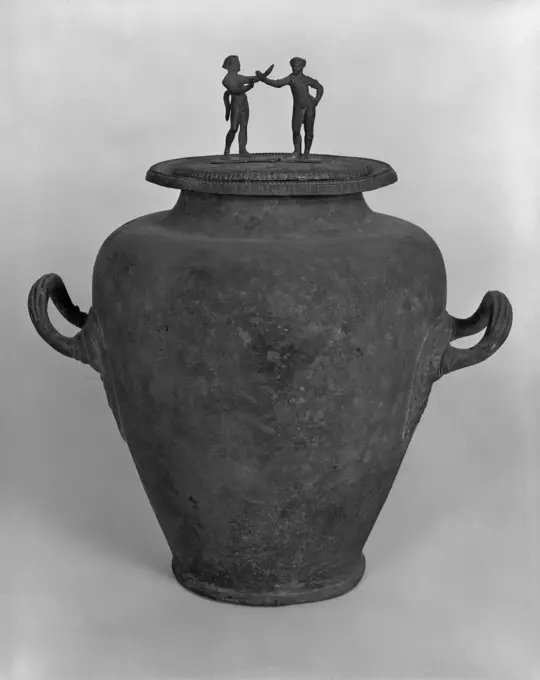
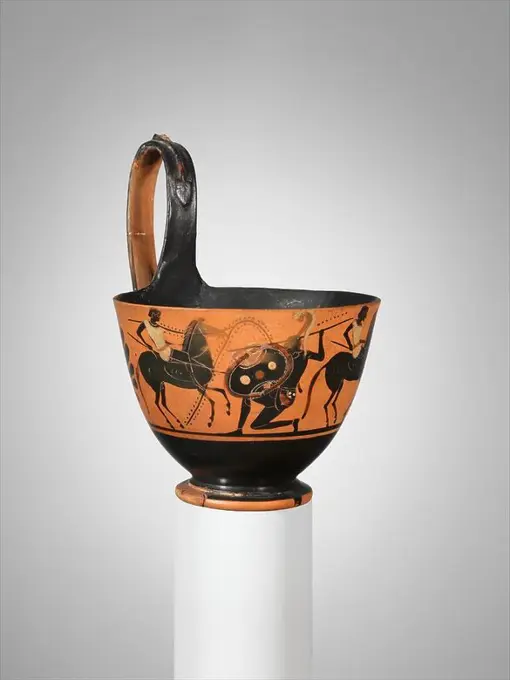
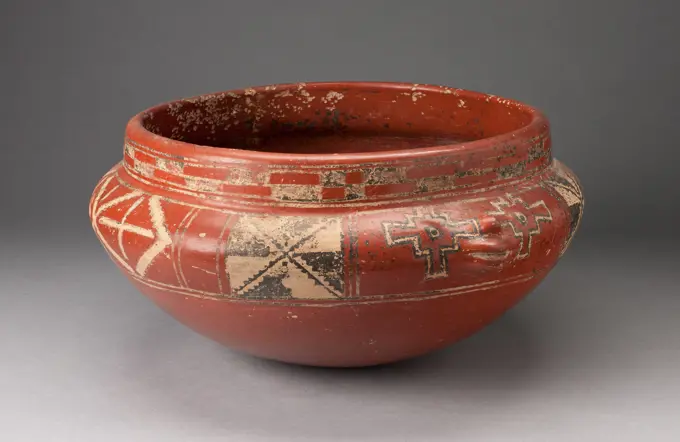
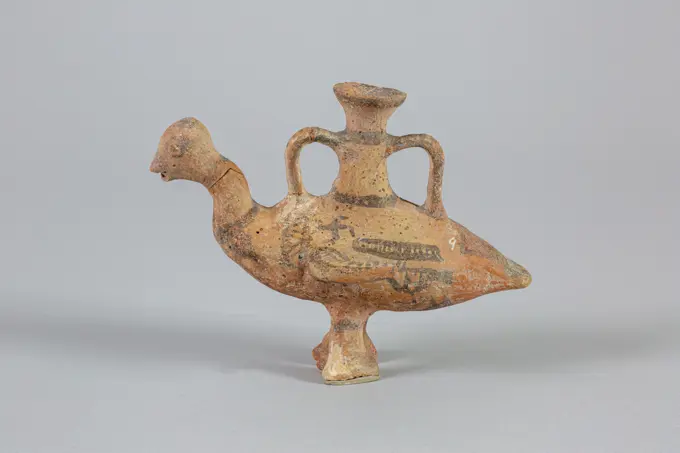
Ancient Decorative Vessels

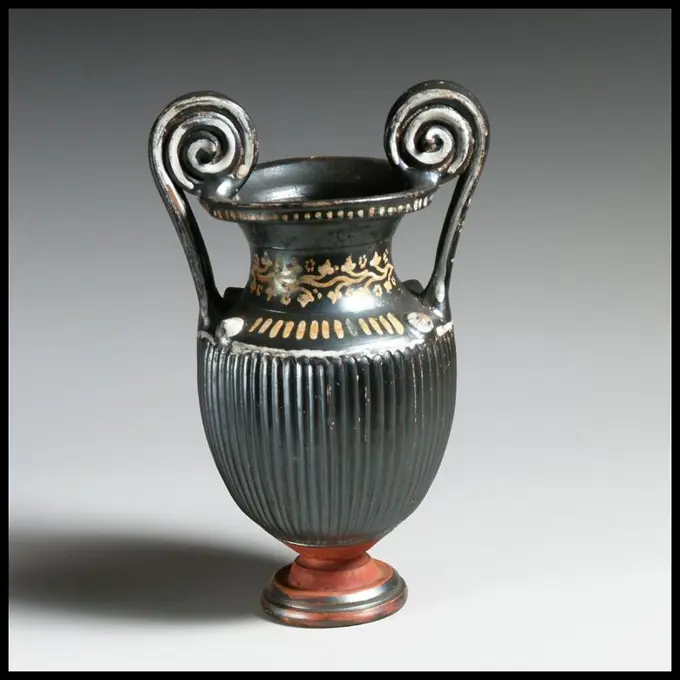
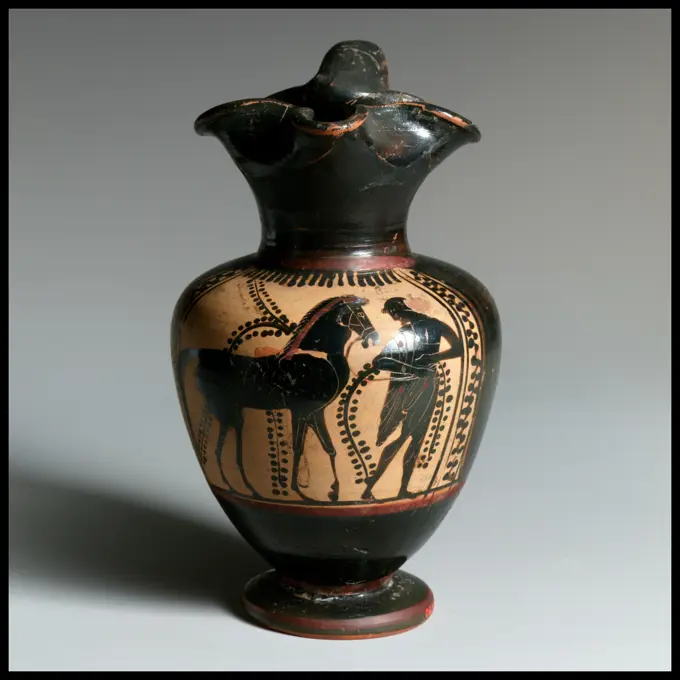
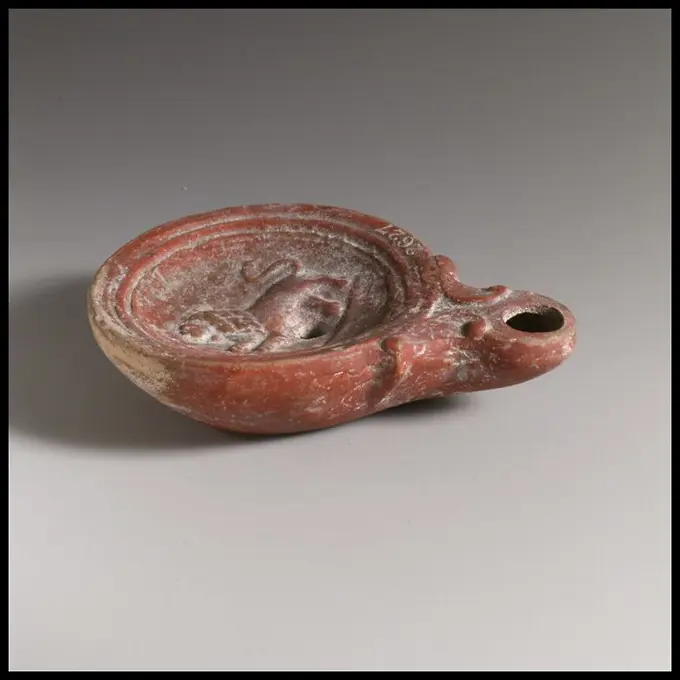
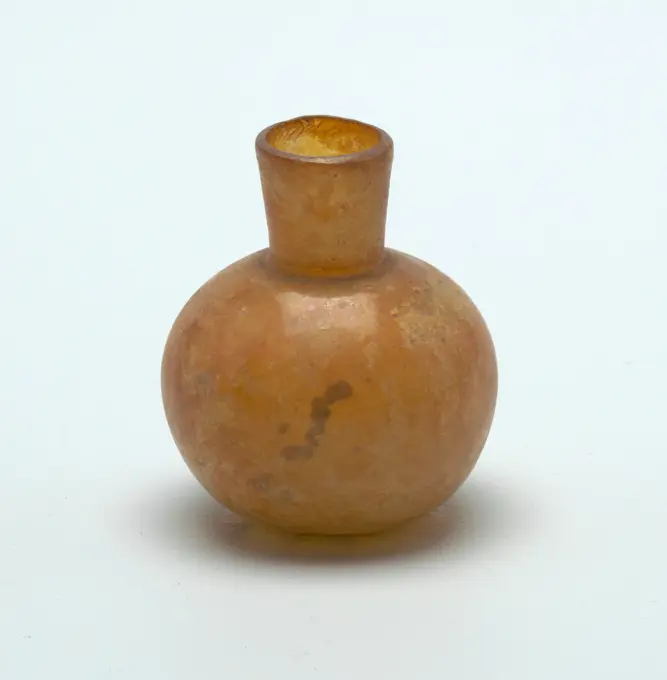
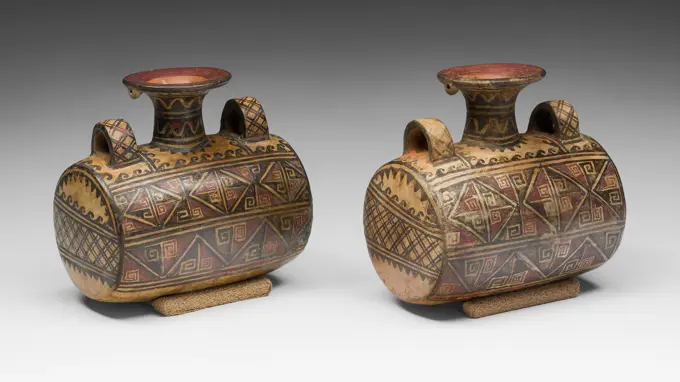
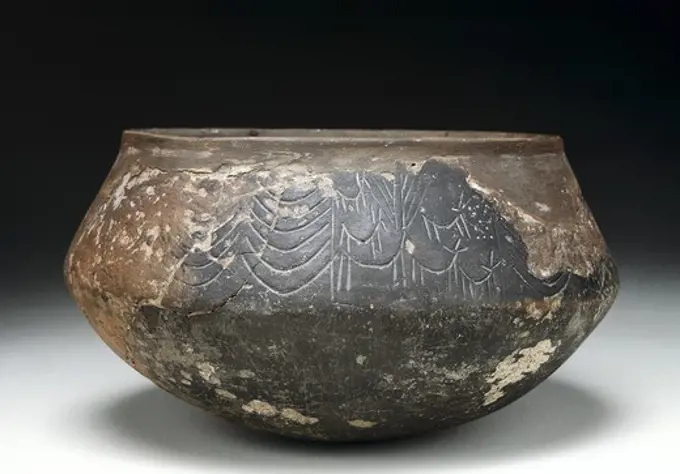
Features historical glass and terracotta jars with intricate designs, showcasing craftsmanship from Greek and Roman cultures.

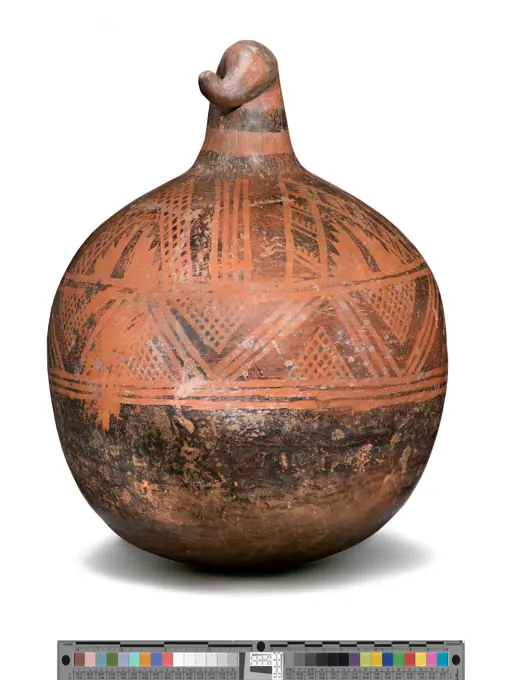
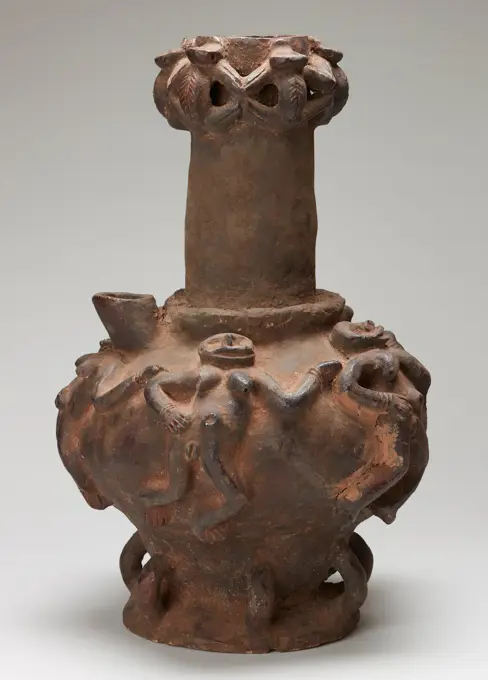
Pot with Figures and Horses, 19th century, 18 x 17 7/8 x 17 7/8 in. (45.72 x 45.4 x 45.4 cm), Ceramic, Burkina Faso, 19th century
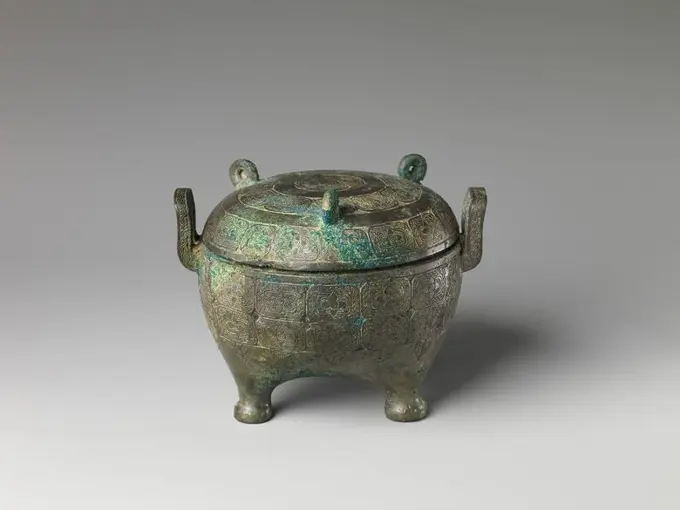
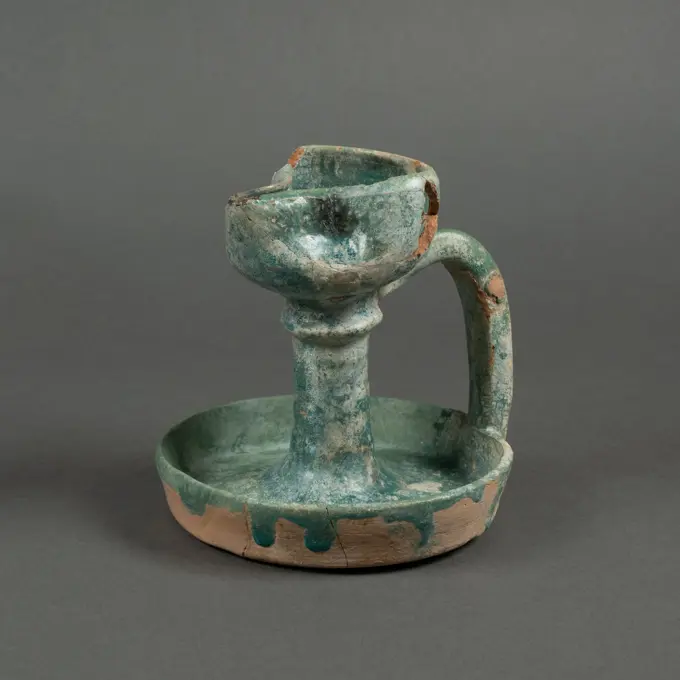
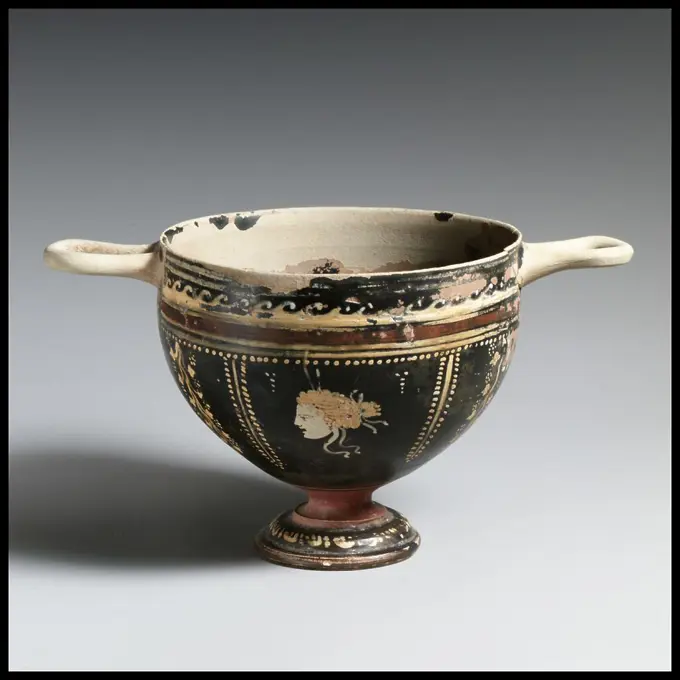
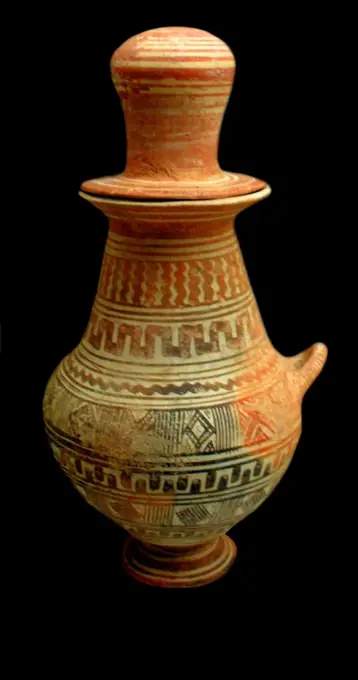
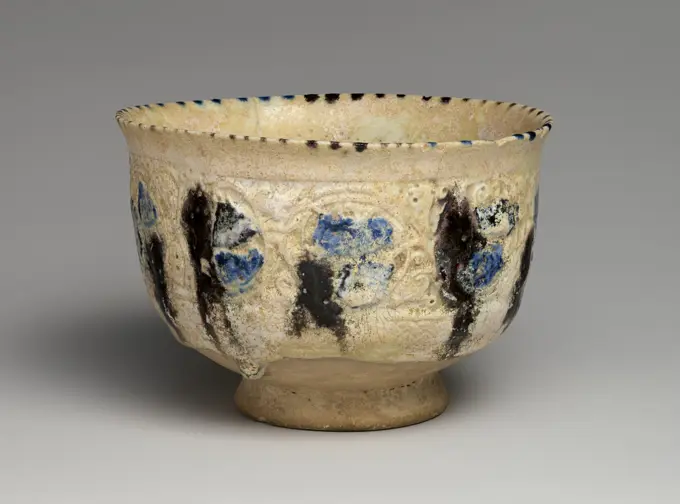
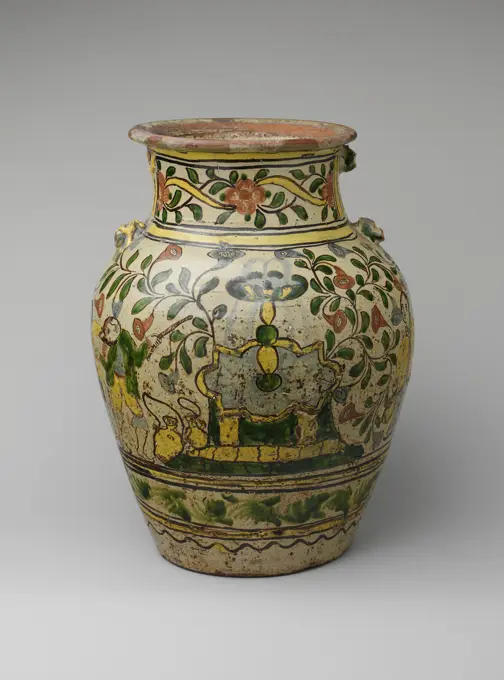
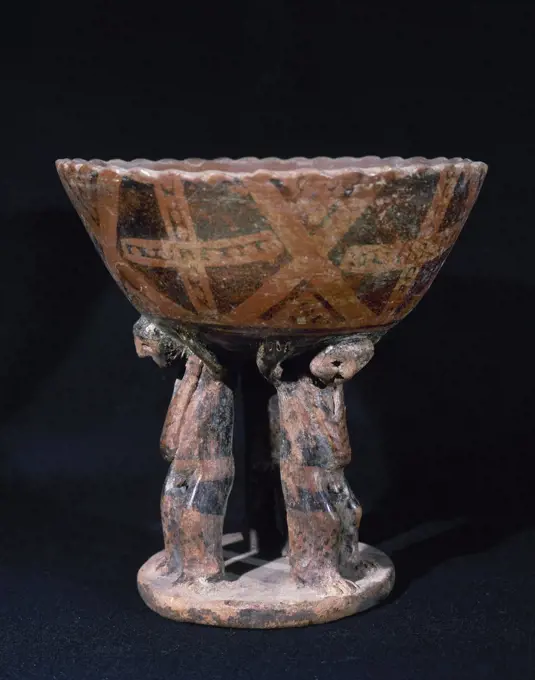
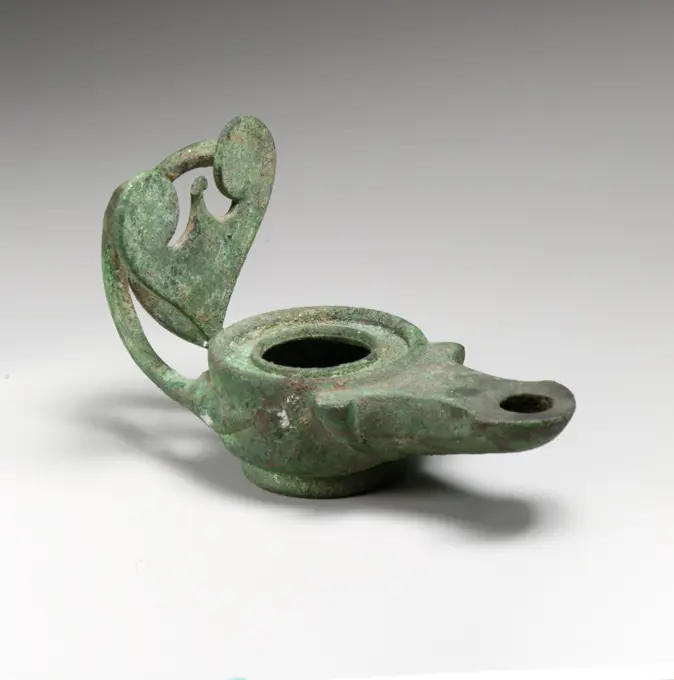
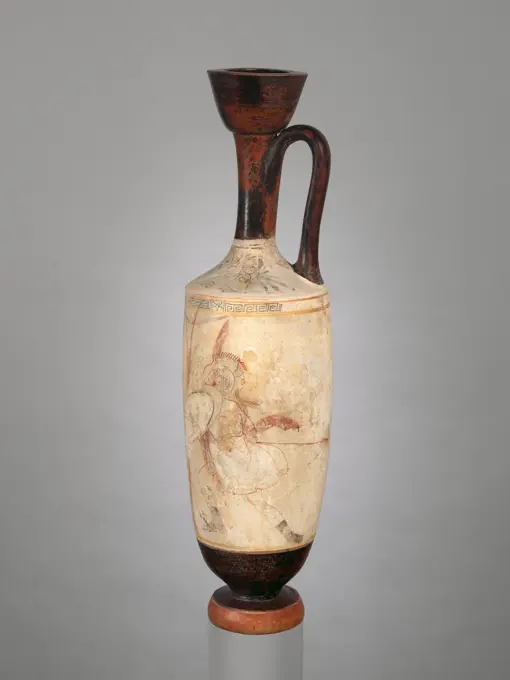
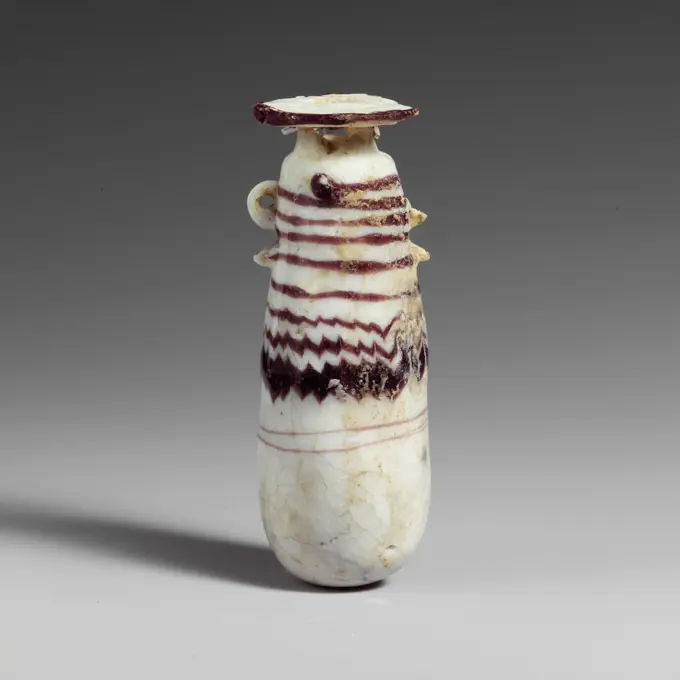
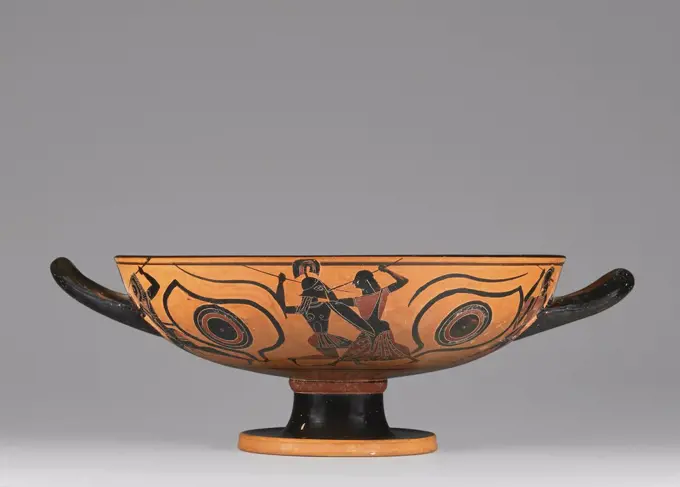
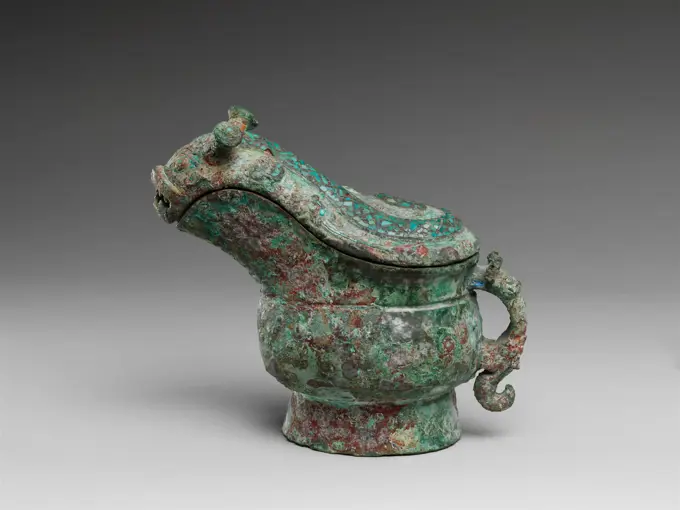
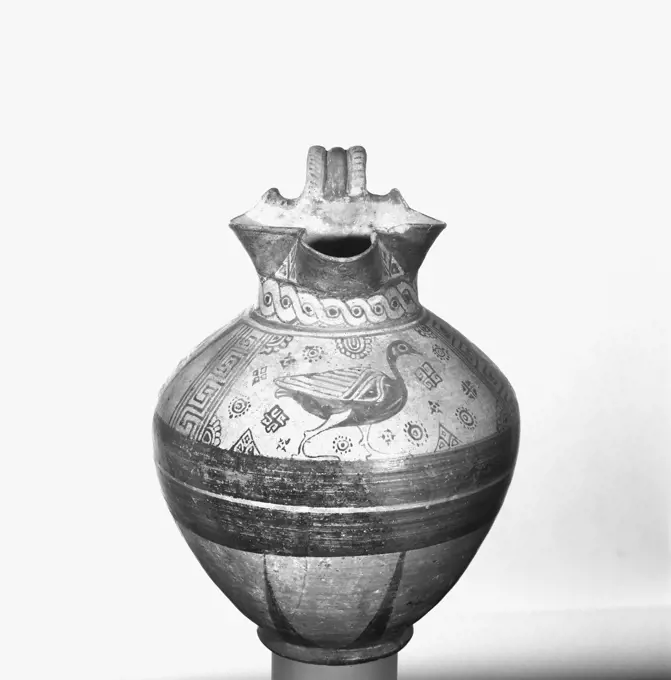
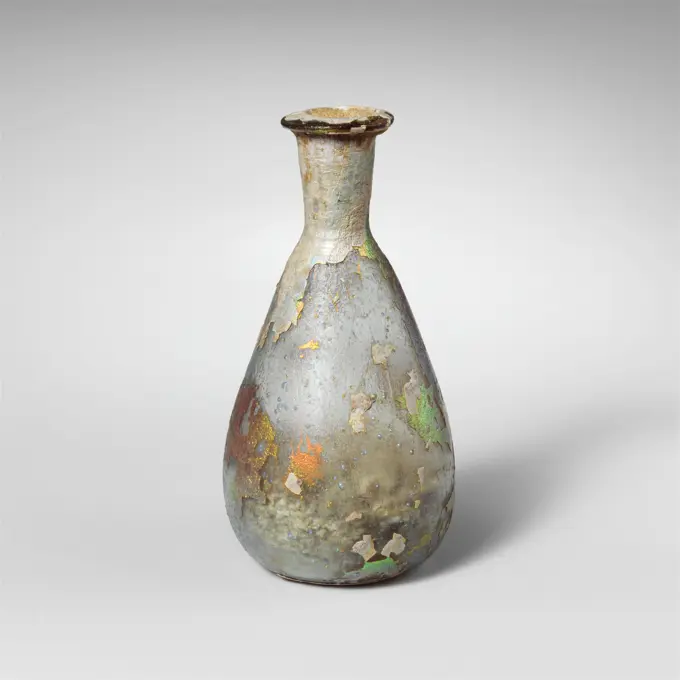
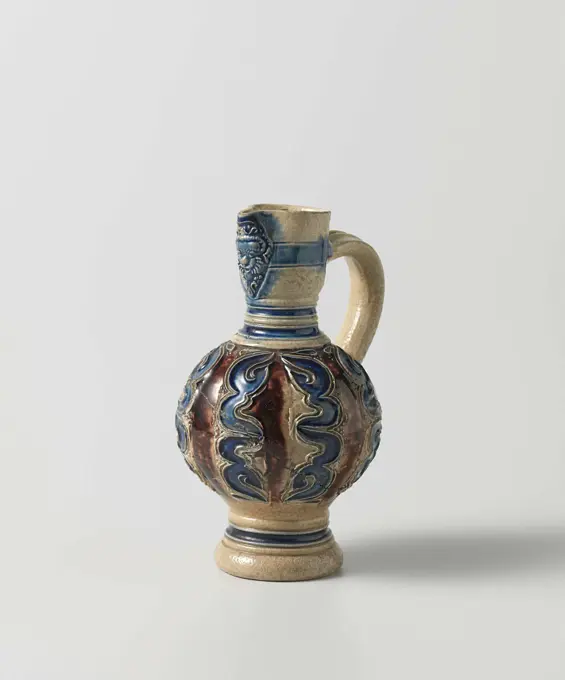
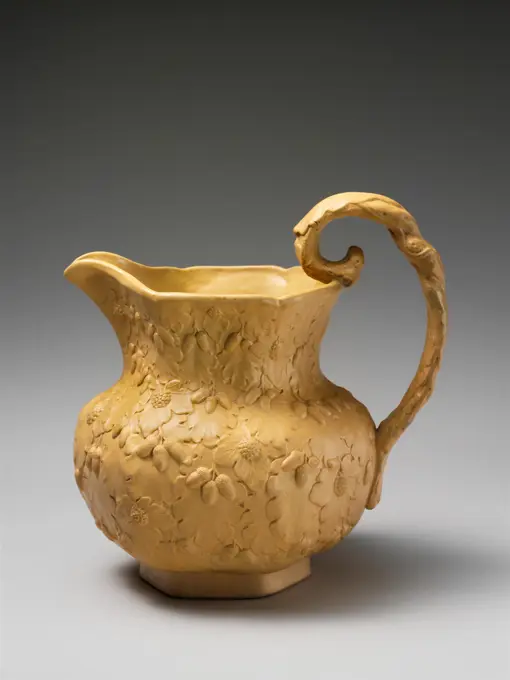
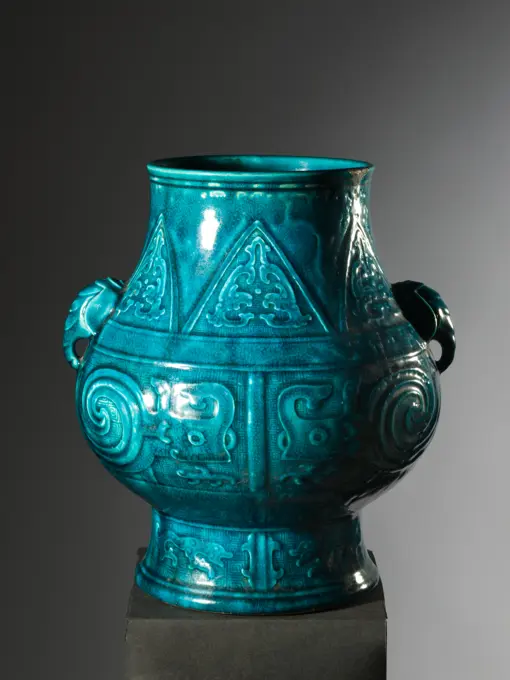
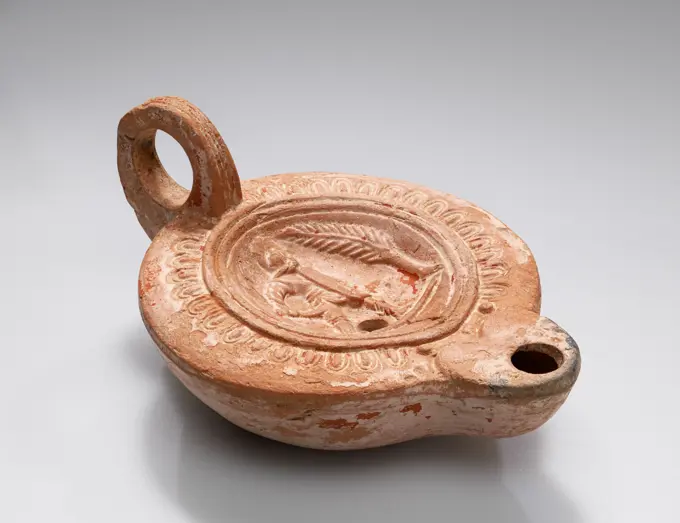
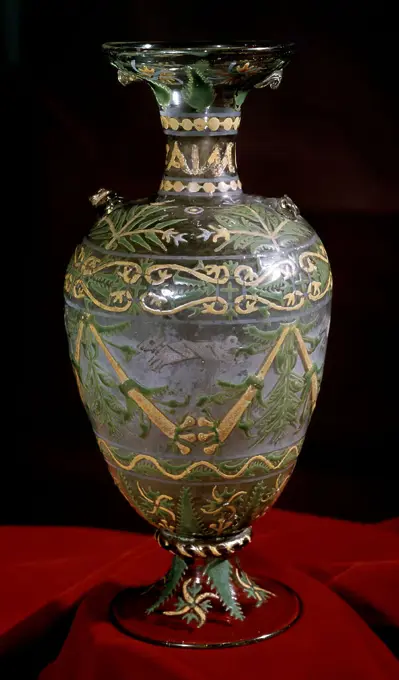
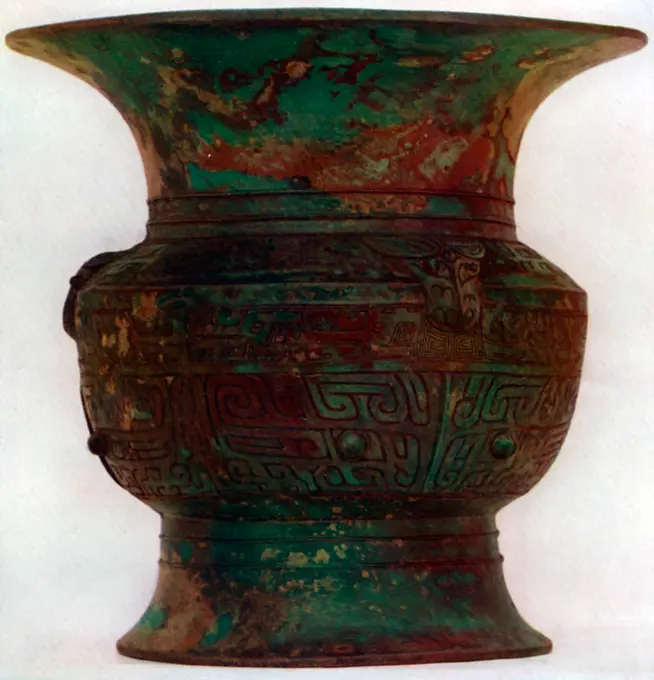
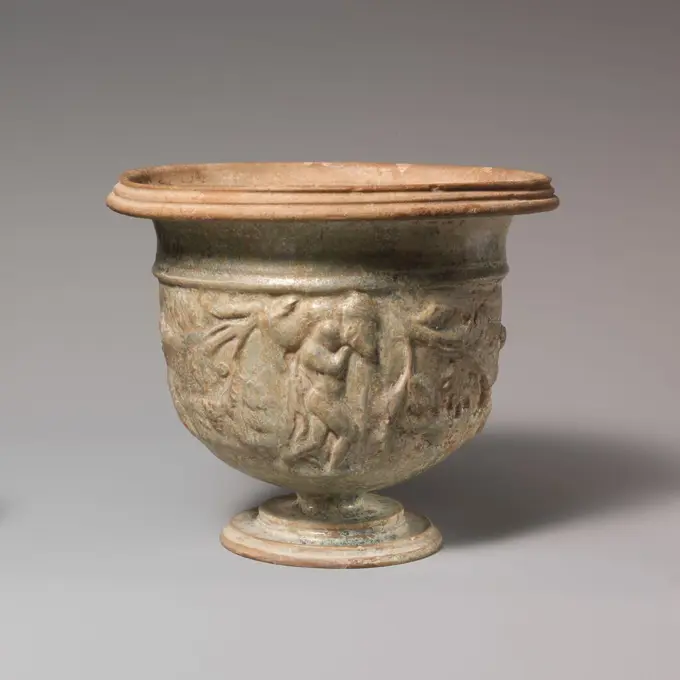
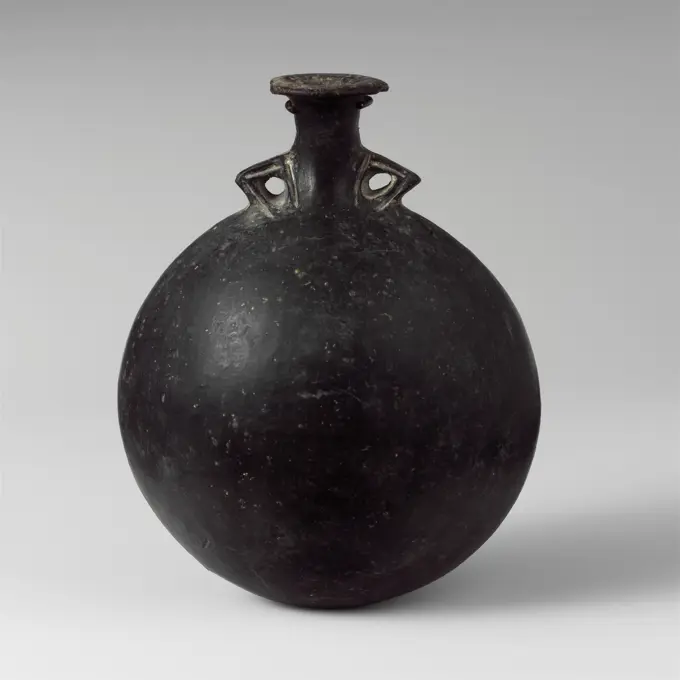
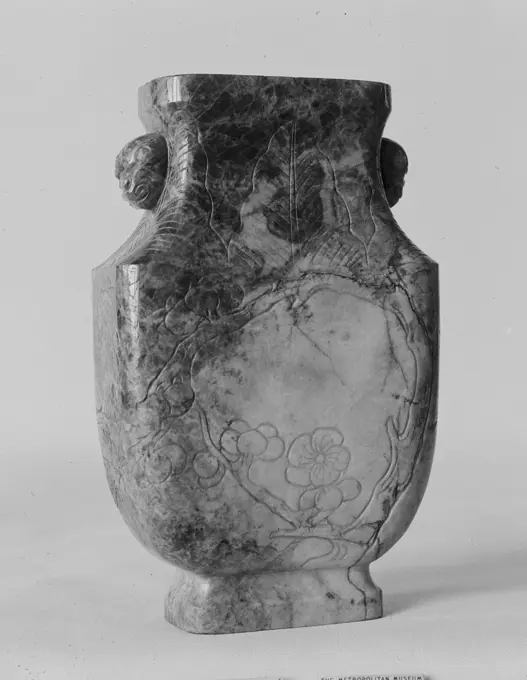
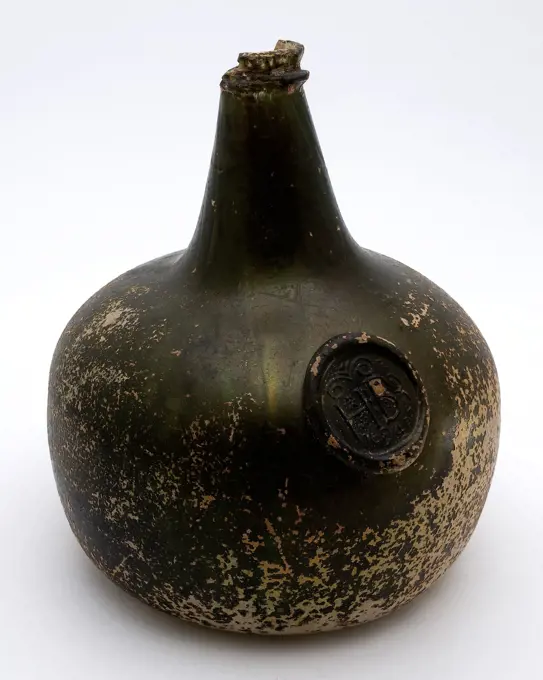
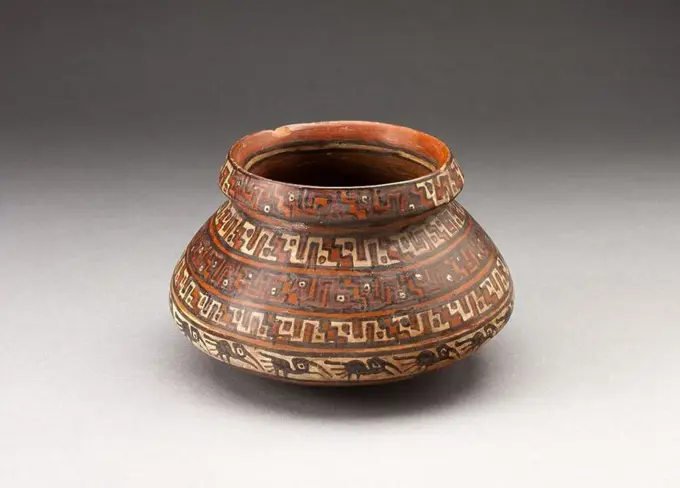
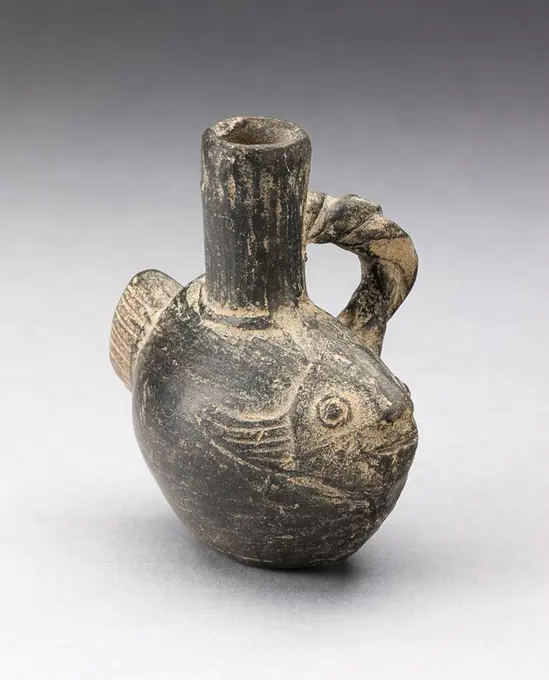
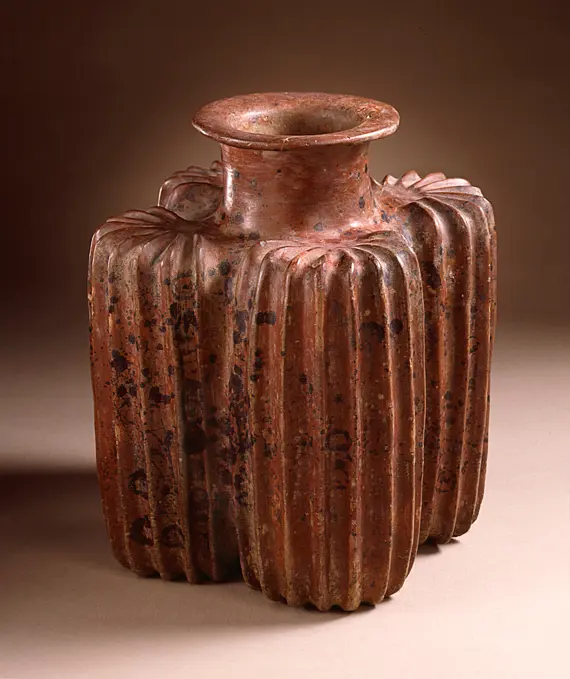
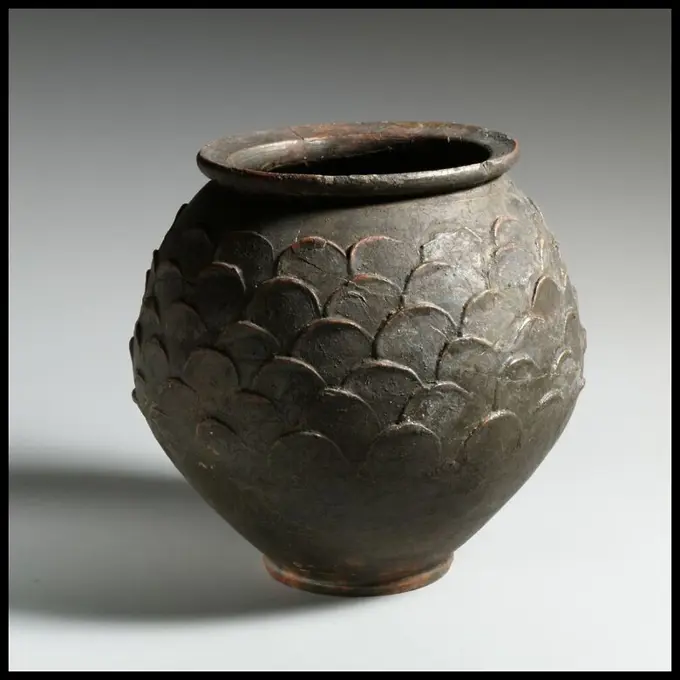
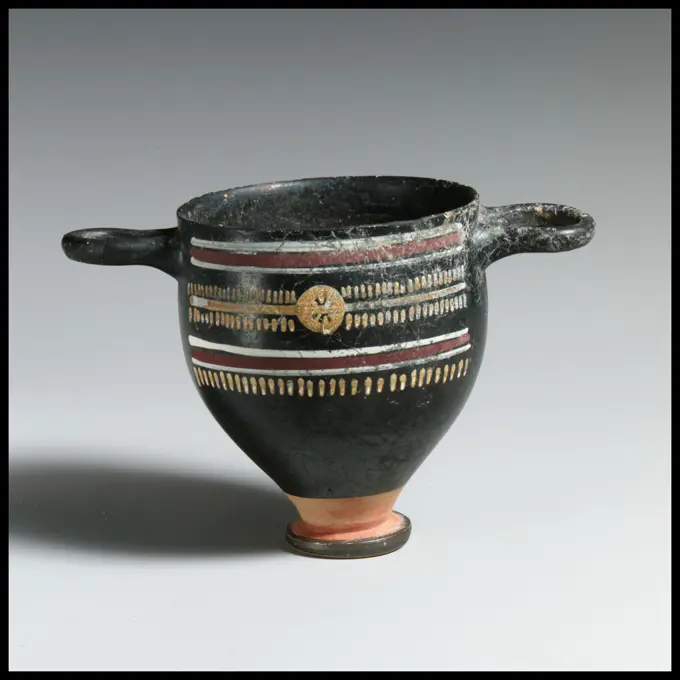
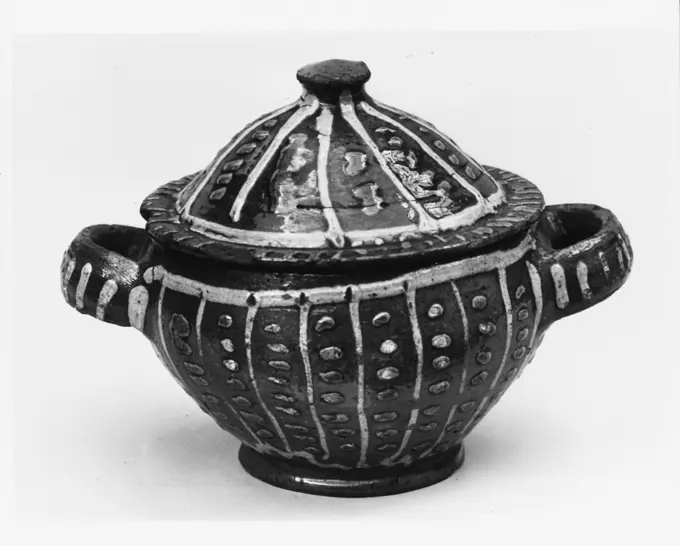
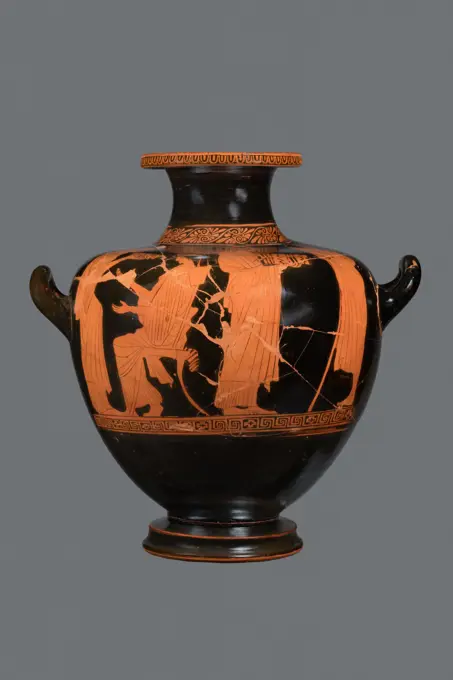
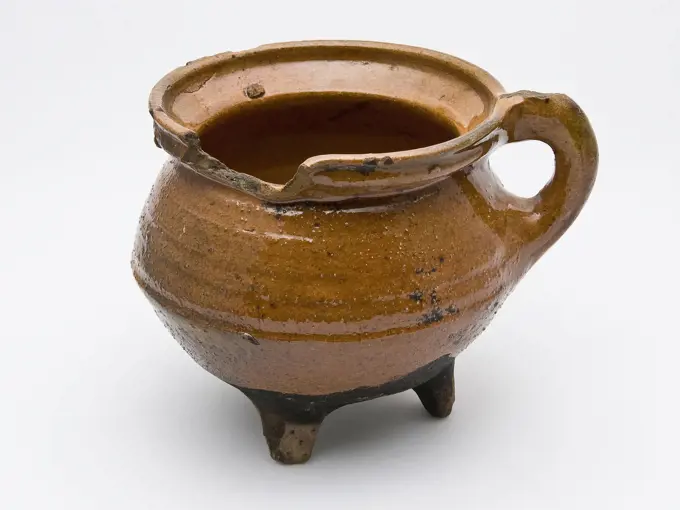
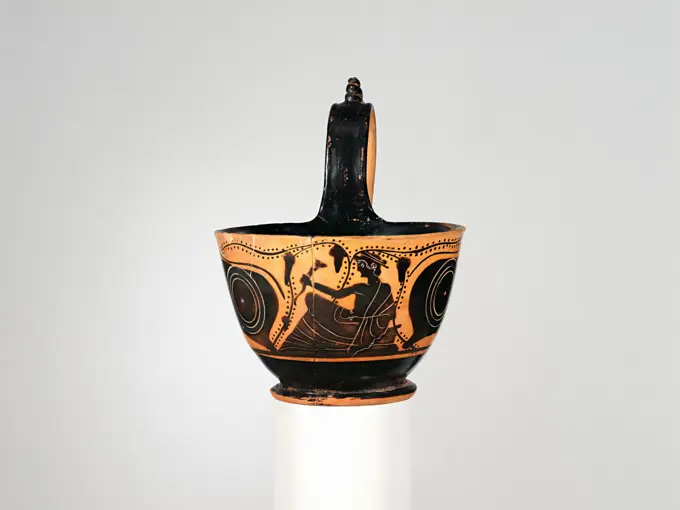
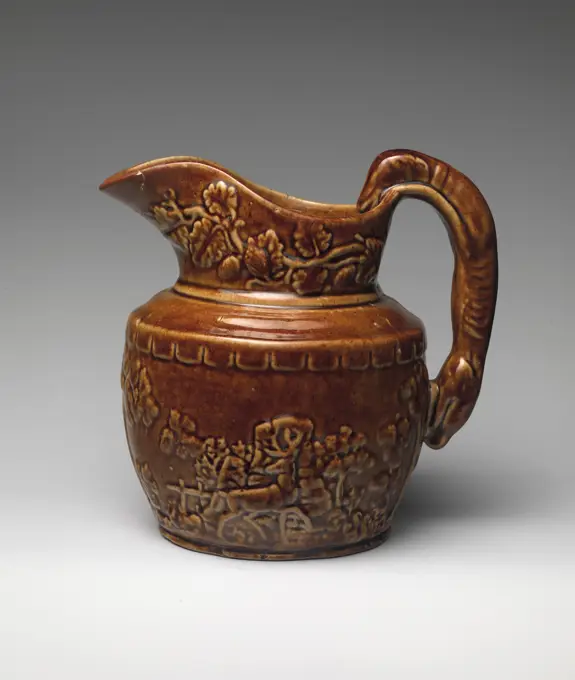
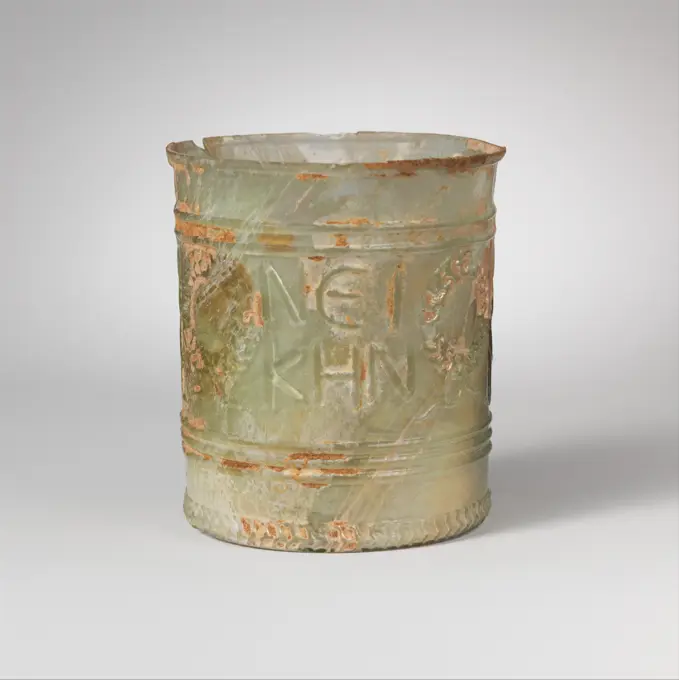
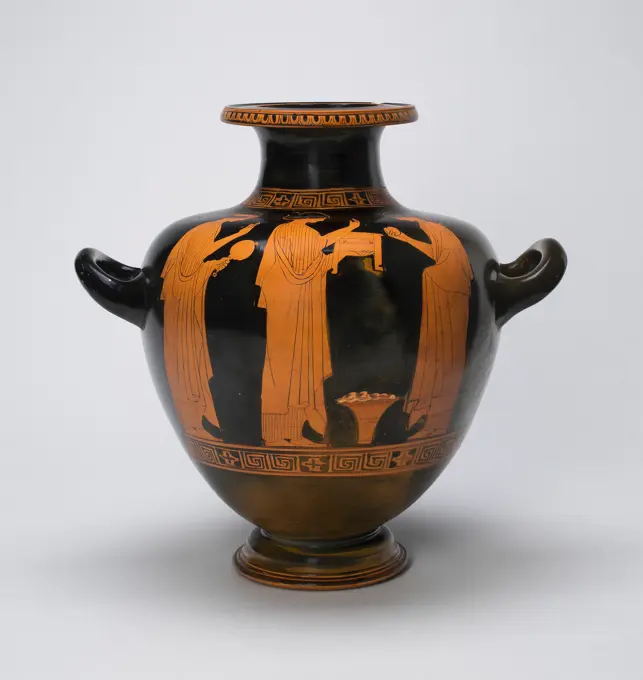
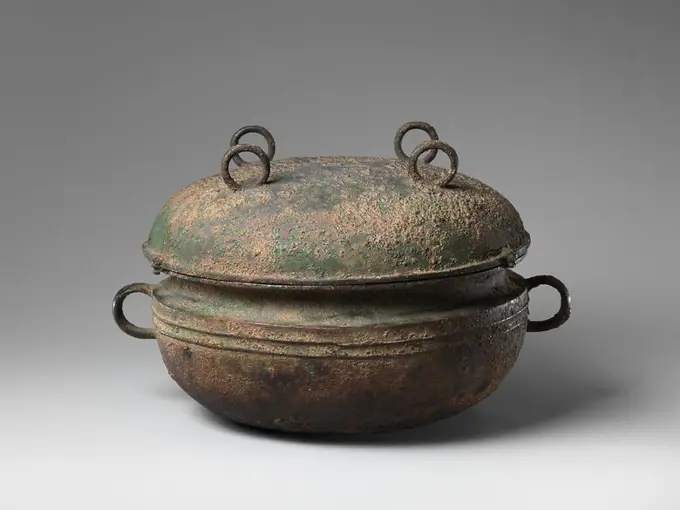
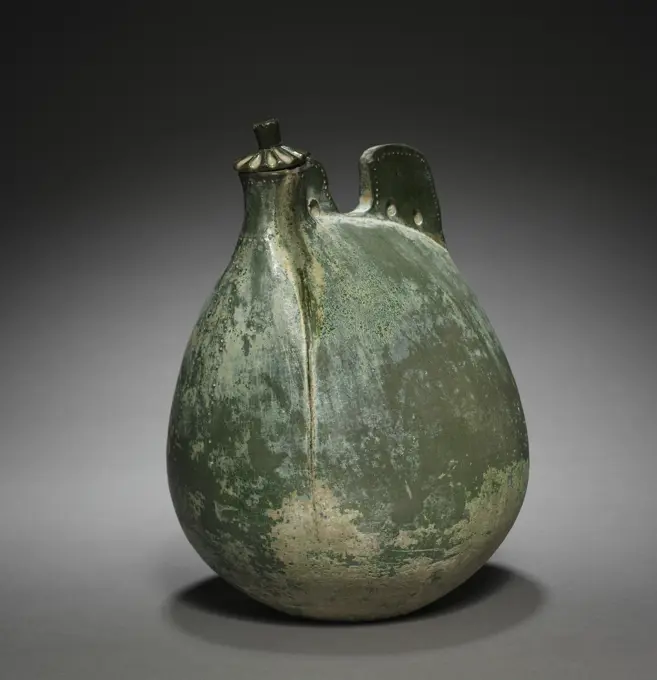
Jug of stoneware. Jug of stoneware decorated with blue and purple horizontal tires. The belly is decorated with a rosette on blue ground.Grain Serving Vessel (Dui). Culture: China. Dimensions: H. 3 1/3 in. (8.9 cm); W. 3 3/4 in. (9.5 cm); D. 4 3/8 in. (11.1 cm). Date: ca. 5th century B.C.. Museum: Metropolitan Museum of Art, New York, USA.Can with spits-shaped spout, decorated with flour surrounded by circles of geometric ornament. Can be from stoneware. The high, narrow neck dangles upwards and has a small, pointed spout. The egg-shaped belly is decorated with a flower on the belly, surrounded by circles of geometric ornament.Jar. Cambodia, Khmer, circa 1100-1300. Furnishings; Serviceware. Stoneware with incised decoration and brown glazeBird Warrior Bottle. Culture: Moche. Dimensions: Height: 13 7/8in. (35.2cm)Diameter: 6 5/8in. (16.8cm). Date: 4th-7th century. Museum: Metropolitan Museum of Art, New York, USA.Jug with handle ca. 3rd-7th century A.D. Sasanian. Jug with handle 322986Goblet. Western Iran, circa 1500-1000 B.C.. Furnishings; Serviceware. Buff wareDish;  around 1650 1550 BC ; 2nd transition period (-1650-00-00--1550-00-00);Lamp 10th-12th century View more. Lamp. 10th-12th century. Earthenware; monochrome glaze. Excavated in Iran, Nishapur. CeramicsBracelet. Western Iran, circa 1000-650 B.C.. Jewelry and Adornments; bracelets. Bronze, castVase China. Vase. China. Porcelain with blue glaze. Qing dynasty (1644-1911), Jiaqing period (1796-1820). CeramicsOinochoe. Culture: Greek, South Italian, Apulian. Dimensions: H. 15.06 cm. Diameter 8.91 cm.. Date: 3rd century B.C..Ribbed body and arched handle; incised leaf-pattern down back; glazed. Museum: Metropolitan Museum of Art, New York, USA.Terracotta skyphos (deep drinking cup). Culture: Greek, South Italian, Apulian, Gnathian. Dimensions: H. 4 1/4 in. (10.8 cm)diameter 5 1/16 in. (12.9 cm). Date: ca. 330-310 B.C..Theatrical maskThe courtesan's mask depicted here is carefully drawn with particular attention to the detail of her blond hair. Museum: Metropolitan Museum of Art, New York, USA.Terracotta Vase Decorated with Black Lines Circa 700.Bowl with Revolving Scrolls late 12th century This vessel was likely molded, then pierced with tiny holes, incised with a sequence of revolving scrolls and a plaited band, then painted and glazed. By covering the holes, the glaze creates a light-through effect. While the shape and the technique speak of a shared aesthetic with Iranian ceramics of the same period, this vessel represents a distinct development attested in 12th-century Afghanistan. The bowl came to the Museum only in 1998 as a gift from the Mansour Gallery. It allegedly came from Bamiyan in present-day Afghanistan which has important archaeological sites dating back to the 4th-9th centuries when the town was a key Buddhist site up to the 12th century.. Bowl with Revolving Scrolls. late 12th century. Stonepaste; molded, pierced, incised, painted, and glazed. Said to be from Afghanistan, Bamiyan. CeramicsTerracotta bell-krater (bowl for mixing wine and water). Culture: Greek, Attic. Dimensions: H. 15 1/4 in. (38.8 cm)diameter of mouth including rim 17 1/2 in. (44.5 cm). Date: ca. 470-450 B.C..In this magnificent vase, the shape and the gloss of its surface are paramount. The lack of figural decoration suggests that, rather than hold wine, it may have contained cold water or snow to chill a wine-filled psykter (vase for cooling wine). Museum: Metropolitan Museum of Art, New York, USA.Jar 950 CE-1150 Arizona. Ceramic and pigment . HohokamVase decorated with geometric and zoomorphic figures, Daunia ceramics, Apulia, Italy. Peucetian Civilization, 4th-3rd Century BC.Beaker; Cnidus, Turkey; 1st century; Gold; 13.7 cm, 0.6562 kg (5 3,8 in., 1.4467 lb.); 2001.6Ewer with Calligraphic Band 12th century Traces of silver in the incisions of the calligraphic bands make this ewer one of the earliest examples of the twelfth-century development of metalwork inlay that took place in eastern Iran and Afghanistan. The inscriptions convey good wishes in Arabic for the owner.. Ewer with Calligraphic Band 451486Jar ca. 1800 Mexican These two jars, which were probably used to store water, are decorated with lively scenes centered on the public fountains that provided water for daily use. Subjects include popular types like the water carrier, burdened by his characteristic chochocol, a large earthenware jar used to deliver water. In another scene, a bloody brawl between two water carriers has broken out. The treatment of these subjects belongs to the literary and pictorial tradition of "costumbrismo," which highlights the customs, occupations, and dress of a particular place.. Jar. Mexican. ca. 1800. Tin-glazed earthenware. Made in MexicoPre-Columbian art. Pre-Incan. Negative Carchi culture. 850-1500 AD. "Compotera". Negative decorated with black on red background. Pedestal decorated with anthropomorphic figures. 20 x 20 cm (diameter). From Ecuador. Private collection.Lamp. UnknownBronze lamp late 1st century A.D. Roman In the form of a round bowl with an elongated nozzle. The handle consists of two stems united above in a heart-shaped disc.. Bronze lamp 246911Terracotta lekythos (oil flask) ca. 420-400 B.C. Attributed to a painter of Group R CombatA horseman is fighting a foot soldier in front of the kind of whispy reeds that give this group of painters its name. The subject may indicate that this lekythos stood on the tomb of a man who died in battle. The iconography may, however, also be a reflection of the conflicts of the Peloponnesian War, which were taking place concurrently. Characteristic of the Reed Group's style is polychromy applied in translucent washes.. Terracotta lekythos (oil flask). Greek, Attic. ca. 420-400 B.C.. Terracotta; white-ground. Classical. VasesGlass cup. Culture: Roman. Dimensions: H.: 3 1/2 x 4 x 2 3/8 x 2 in. (8.9 x 10.2 x 6 x 5.1 cm). Date: 2nd-3rd century A.D..Translucent blue green, with same color trail and ring base.Rim outsplayed, cracked off and ground; straight side expanding downwards, and then turned in sharply to solid ring base; shallow kick in center of bottom.Fine horizontal trail wound once round top of body; on side, eight oval indents.One large chip in rim and one long crack running from rim around body; some pinprick bubbles; patches of limy encrustation, creamy weathering, and iridescence on exterior. Museum: Metropolitan Museum of Art, New York, USA.Yolande Delasser, Pa German Pitcher, c 1937 Pa. German PitcherGlass alabastron (perfume bottle) late 6th-5th century B.C. Greek, Eastern Mediterranean Opaque white, with handles in same color; trails in translucent purple.Broad, flat rim-disk; short cylindrical neck; narrow rounded shoulder; straight-sided body with upward taper; convex bottom; below shoulder, two vertical ring handles with knobbed tails applied over trail decoration.One trail attached at edge of rim-disk; another applied in a raised pad at top of body and wound down in spiral, then tooled into a close-set zigzag pattern around middle of body; below this, a third fine trail wound twice horizontally around body.Broken and repaired, with part of rim-disk and most of one handle missing, and many cracks in body; slight dulling and pitting, with patches of iridescent weathering.These glass vessels with opaque white bodies and purple threads have been found throughout the Greek world, but most examples are from cemeteries and sanctuaries in the eastern Mediterranean.. Glass alabastron Attic Black-Figure Eye Cup; Attributed to Nikosthenes, Greek (Attic), active Athens, Greece 540 - 510 B.C.; Athens, Greece, Europe; 540 - 530 B.C.; Terracotta; Object: H: 12.9 x W (across handles): 39 cm (5 1/16 x 15 5/16 in.)Glass alabastron (perfume bottle). Culture: Greek, Eastern Mediterranean. Dimensions: H.: 3 7/8 in. (9.8 cm). Date: late 6th-5th century B.C..Translucent light blue with greenish tinge, with handles in same color; trails in opaque yellow and opaque turquoise blue.Broad flat rim-disk, with radiating tooling marks on upper surface; short cylindrical neck, tapering downwards; narrow uneven shoulder; straight-sided body with upward taper; convex bottom; below shoulder, two vertical ring handles with long knobbed tails applied over trail decoration.One yellow trail attached at edge of rim-disk; another applied at top of body and wound down in spiral seven times, then tooled into a close-set zigzag pattern around the central part of body; a turquoise blue trail added to zigzag, mingling with yellow trail, midway down body; below this, a third yellow trail wound three times horizontally around lower body.Complete, except for gash on one side of body; dulling, faint iridescence, and creamySpouted Wine Vessel (Gong) 12th century B.C. China. Spouted Wine Vessel (Gong). China. 12th century B.C.. Bronze inlaid with turquoise. Shang dynasty (ca. 1600-1046 B.C.). MetalworkTerracotta miniature volute-krater (mixing bowl). Culture: Greek, South Italian, Apulian, Gnathian. Dimensions: H. 5 7/8 in. (14.9 cm). Date: ca. 325-300 B.C..Ribbing characterizes the latest Gnathian pottery. Museum: Metropolitan Museum of Art, New York, USA.Jar with mixed decoration; Korean, Joseon period, 1400-1500 Buncheongware, stoneware with incised and stamped decorationOinochoe 1st quarter of 5th century B.C. Attributed to the Workshop of the Athena Painter. Oinochoe. Greek, Attic. 1st quarter of 5th century B.C.. Terracotta; black-figure. Archaic. VasesTarracotta oil lamp. Culture: Roman. Dimensions: Length: 3 9/16 in. (9 cm)Height: 7/8 in. (2.2 cm). Date: 1st century B.C.-1st century A.D.. Museum: Metropolitan Museum of Art, New York, USA.Vase; amber glassEast Greek Trefoil Oinochoe; East Greece; 625 - 600 B.C; Terracotta; 20.3 cm (8 in.)Glass perfume bottle 1st-2nd century A.D. Roman Translucent very pale blue.Rim folded out, slightly down, over, and in; funnel-shaped neck with tooling marks around base; slightly elongated ovoid body; flat bottom.Intact; many pinprick bubbles; pitting, dulling, and brilliant iridescence, with some remaining patches of creamy white weathering; mouth sealed with soil, and a large quantity of loose soil inside bottle.. Glass perfume bottle 244675Gourd-Shaped Vessel. Colombia, Nariño Highlands or Ecuador, Carchi, Calima Yotoco, 100-800 CE. Ceramics. Resist-painted ceramicCan. Can be from stoneware. The round body turns into the narrow to barreled neck. Under the spout a mascaron. On the belly a zig-saw decoration in blue and purple.Jug with the Amsterdam Coat-of-Arms. On the body of this jug are three ovals with the Amsterdam coat-of-arms. The jug was thus made especially for use in this city. It was produced for export in the German town of Raeren. In the ovals is the date 1585. The letters IE stand for its maker, Jan Emens, an important Raeren stoneware pottery maker.Pitcher ca. 1850-75 American. Pitcher 5871Tripod Bowl, 600-1000. Honduras, Ulúa Valley, 7th-10th century. Marble; overall: 8.1 x 6.9 x 10.9 cm (3 3/16 x 2 11/16 x 4 5/16 in.).Pitcher 1829-33 D. & J. Henderson Flint Stoneware Manufactory. Pitcher 16732Fragmentary terracotta cup 2nd century A.D. Roman On the sides of the cup is barbotine decoration inset with small chunks of colored glass.. Fragmentary terracotta cup 250242 Roman, Fragmentary terracotta cup, 2nd century A.D., Terracotta, H. 8.31 cm.. The Metropolitan Museum of Art, New York. Gift of J. Pierpont Morgan, 1917 (17.194.1832)Armorial jug (boccale) ca. 1470-90 Italian, possibly Florence or Faenza. Armorial jug (boccale) 460135Vase. Tuquoise glaze sandstone. Paris, Cernuschi museum. 78840-11 Asian art, container, vaseLamp. UnknownJARRO CATALAN S XVI. Location: MUSEE D'ARTS DECORATIFS. Barcelona. SPAIN.Wine beaker (tsun), ancient Chinese, (1925). Artist: UnknownTerracotta bowl. Culture: Roman. Dimensions: H. 5 3/16 in. (13.2 cm); diameter 6 1/4 in. (15.9 cm). Date: 1st half of 1st century A.D..The figure may represent Hercules performing one of his twelve labors--carrying off the Erymanthian boar, a scene that was long familiar from Greek art. Museum: Metropolitan Museum of Art, New York, USA.Terracotta flask 6th century B.C. Etruscan Without decoration.. Terracotta flask 246197Globular vessel. Ceramic. Manteña culture. Integration Period (500-1533 AD). Ecuador. South America. Museum of the Americas. Madrid, Spain. Covered Jar 14th-ca. mid-16th century Thailand (Si Satchanalai). Covered Jar 37476Lamp. UnknownJardiniere. unknown, craftsmanVase China. Vase. China. Nephrite, a mottling of lettuce- and emerald-green, interspersed with small patches of greenish-gray; upon one side a very large patch of color resembling mutton-fat in which there are delicate veinings of brown. Qing dynasty (1644-1911), Kangxi period (1662-1722). JadeBulbous bottle with seal, bottle bottle wine bottle bottle holder soil find glass, free blown and shaped glass application Bulky bottle in clear green glass. Pontil mark under wide (dm 8.5 cm) raised bottom Body with slightly widened ascending wall on which glass seal to convex shoulders and rejuvenated neck (5.0 - 2.5 cm) with V-shaped chip (3.0 x 2.5 cm) with fracture imposed all around sharp glass thread (chip) and widened lip with chip Affixed seal: HB 1694 archeology Rotterdam City Triangle Newhaven Spanish quay wine trade packaging Soil discovery degradation Roowug Spaansekade and Nieuwehaven.Jar 9th-10th century. Jar 447674Miniature Jar with Bands of Geometric Motifs and Abstract Birds. Inca; South coast or southern highlands, Peru. Date: 1450-1532. Dimensions: 7.9 x 12.9 cm (3 1/8 x 5 1/16 in.). Ceramic and pigment. Origin: Peru, southern. Museum: The Chicago Art Institute, Chicago, USA.Miniature Spout Vessel in the Form of a Fish with a Rope-shaped Handle. Chimú; North coast, Peru. Date: 1000-1400. Dimensions: 9.1 x 8.7 cm (3 9/16 x 3 7/16 in.). Ceramic and pigment. Origin: North Coast. Museum: The Chicago Art Institute, Chicago, USA.Tou ritual food vessel, 6th century BCE, 5 5/8 × 8 1/4 × 6 3/4 in., 2.4 lb. (14.29 × 20.96 × 17.15 cm, 1.1 kg), Bronze, China, 6th century BCEOrgan Cactus Vessel. Mexico, Colima, 200 BCE-500 CE. Ceramics. Slip-painted ceramicJug with insiced borders and flower roundels, anonymous, c. 1630 - c. 1720 Jug of stoneware on stand ring with an egg -shaped abdomen and a wide, short neck. The C-shaped ear is attached to the neck and shoulder. Decorated with cobalt blue. On the foot, belly and neck some profiles, the wide of which is filled with blue. Two tires on the abdomen with an entered professional decoration. The upper band with stamped flower rosettes against a blue background. Tin frame with lid attached to the ear with the inscription '12 10 11 '. Westerwald. Westerwald Stoneware. Glaze. Cobalt (Mineral). frame: tin (metal) vitrification Jug of stoneware on stand ring with an egg -shaped abdomen and a wide, short neck. The C-shaped ear is attached to the neck and shoulder. Decorated with cobalt blue. On the foot, belly and neck some profiles, the wide of which is filled with blue. Two tires on the abdomen with an entered professional decoration. The upper band with stamped flower rosettes against a blue baDrum-Shaped Vessels with Textile Motif 1450-1532 South Coast. Ceramic and pigment . IncaDecorated vessel. Eneolithic. Ceramics. SPAIN. MADRID (AUTONOMOUS COMMUNITY). Madrid. National Museum of Archaeology. Proc: SPAIN. ANDALUSIA. ALMERIA. Santa Fe de Mondœjar. Los Millares.Glazed oil lamp. unknown, craftsmanTerracotta jar with barbotine decoration. Culture: Roman. Dimensions: H. 5 3/4 in. (14.6 cm); diameter 6 1/16 in. (15.5 cm). Date: 2nd century A.D..Brown glazed bowl with brown barbotine scale decoration on shoulder. Museum: Metropolitan Museum of Art, New York, USA.Skyphos ca. 350-300 B.C. Greek, South Italian, Apulian. Skyphos 255321Stamnos and Lid (Mirror) with a Handle in the Form of a Satyr and a MaenadIncense Burner 16th century China. Incense Burner 39644Painted PotteryvaseCovered bowl with Thai celestial beings 19th century China. Covered bowl with Thai celestial beings. China. 19th century. Porcelain painted in overglaze polychrome enamels (Bencharong ware for Thai market ). Qing dynasty (1644-1911). CeramicsKyathos. Culture: Greek, Attic. Dimensions: Overall: 3 3/16 in. (8.1 cm)Other (height with handle): 5 5/8in. (14.3cm)Diameter: 4 1/4 × 2 3/16 in. (10.7 × 5.6 cm). Date: ca. 530-500 B.C..Combat of horsemen and foot soldiers. Museum: Metropolitan Museum of Art, New York, USA.Red decorated fictile vase with black animal figures, from Khafaji, IraqPolychrome Bowl with Geometric Designs and Face in Relief on Shoulder 600 BCE-200 BCE México. Ceramic and pigment . ChupícuaroTerracotta askos in the shape of a water bird Cypriot early 11th century BCE White Painted ware vessel in the shape of a water bird with course, distinctive fabric. View more. Terracotta askos in the shape of a water bird. Cypriot. early 11th century BCE. Terracotta. Late Cypriot IIIB. VasesCup Italic. Cup. Italic. Terracotta. VasesCovered Sugar Bowl ca. 1800 American. Covered Sugar Bowl. American. ca. 1800. Earthenware with slip decoration. Possibly made in North Carolina, United States; Possibly made in Pennsylvania, United StatesTwo-handled pot 18th century South American (Peruvian). Two-handled pot 207746Hydria czerwonofigurowa. unknown, authorPottery cooking jug, grape-model with bandoor and pouring clip, on three legs, cooking pot crockery holder kitchenware earth discovery ceramics earthenware glaze lead glaze, hand turned glazed earthenware cooking jug grape-model red shard entirely covered with lead glaze bandoor on three legs archeology indigenous pottery food food preparation cooking cuisinePalm Wine Jar (Tikar Style), 19th century, 20 13/16 x 12 11/16 x 12 3/8 in. (52.86 x 32.23 x 31.43 cm), Ceramic, Cameroon, 19th centuryVase, 1662-1722. China, Jiangxi province, Jingdezhen kilns, Qing dynasty (1644-1911), Kangxi reign (1662-1722). Glazed white porcelain; overall: 25.4 cm (10 in.).Terracotta kyathos (cup-shaped ladle) ca. 530-500 B.C. Attributed to the Group of Vatican G.57 Between eyes, a youth recliningAt the handle, sphinxes. Terracotta kyathos (cup-shaped ladle). Greek, Attic. ca. 530-500 B.C.. Terracotta; black-figure. Archaic. VasesPitcher ca. 1845-58 Possibly designed by Sidney Risley. Pitcher 5801Abruzzo L'Aquila Albe S. Pietro. Hutzel, Max 1960-1990 Medieval: Architecture (11th, 15-16th century), architectural sculpture (12th century), sculpture (12th century, housed in L'Aquila, Museo Nazionale d'Abruzzo since 1956-57 restorations), mosaic (12th century), also re-used Roman capitals and columns Sculpture, coins, pottery, minor arts, architecture Post-medieval: Portal, ciborium German-born photographer and scholar Max Hutzel (1911-1988) photographed in Italy from the early 1960s until his death. The result of this project, referred to by Hutzel as Foto Arte Minore, is thorough documentation of art historical development in Italy up to the 18th century, including objects of the Etruscans and the Romans, as well as early Medieval, Romanesque, Gothic, Renaissance and Baroque monuments. Images are organized by geographic region in Italy, then by province, city, site complex and monument.Incense burner (from a set) 17th century Attributed to Hu Wenming Hu Wenming is one of the most renowned metalworkers in Chinese history and one of the few whose name and style are discussed in Chinese art-historical writing. Most of the works attributed to Hu Wenming are objects for the use of scholars, such as incense burners and brush pots. They are characterized by densely worked backgrounds covered with naturalistically rendered flowers and other motifs cast in high relief.. Incense burner (from a set). Attributed to Hu Wenming (Chinese, active late 16th-early 17th century). China. 17th century. Parcel gilt copper alloy. Ming dynasty (1368-1644). MetalworkGlass beaker with inscription 1st half of 1st century A.D. Roman Translucent pale green.Outsplayed unworked rim; cylindrical body with vertical sides; uneven, flat bottom. Two vertical mold seams run down sides from rim to edge of bottom through palm fronds, with a separate disk-shaped base section.On body, large central frieze bordered above by two horizontal ridges and below by three horizontal ridges, and divided vertically by two palm fronds, extending from bottom of frieze to rim: the frieze contains an inscription in Greek capitals, in three lines on one side and in two lines on the other, each flanked by a pair of large stylized wreaths, comprising two concentric circles filled with chevrons, and with large wavy ribbons below; around bottom of side, continuous narrow horizontal wreath with chevrons. The inscription translates as "Seize the victory!" On bottom, projecting rounded ring and central dot.Complete except for small chips in rim, a hole in edge of bottom, and a crack doHydria (Water Jar) 450 BCE . This hydria, or water jar, depicts three fully clothed and wreathed women quietly engaged in feminine activities. The subject on the left examines her face in a mirror, the central figure holds a chest, which may contain such personal effects as jewelry and cosmetics, and the woman on the right holds a large, lobed fruit.The shape of this water jar is called a kalpis. The body and neck were raised on the potterís wheel as a single piece. Large areas of the vase misfired, resulting in greenish discoloration. The back, sides, and two handles have been repainted in modern times to mask the blemish, which is visible below the figural scene.A single artist, today known as the Chicago Painter, decorated this vase. He takes his name from a larger vessel, 1889.22a-b, acquired by the Art Institute in 1889, which was the first example of his work to be identified. A capable draftsman, he was active in Athens in the middle of the 5th century BC, a time of political deCovered Food Vessel (Qi hou dun). Culture: China. Dimensions: H. (with loops) 7 1/4 (18.4 cm); W. (at handles) 11 3/4 in. (29.8 cm); Diam. 9 1/2 in. (24.1 cm). Museum: Metropolitan Museum of Art, New York, USA.Snuff Bottle, 1644-1911. China, Qing dynasty (1644-1911). Glass; overall: 6.4 cm (2 1/2 in.).Leather Bag-Shaped Flask with Cover, 916-1125. Northeast China, Liao dynasty (916-1125). Earthenware with green glaze; overall: 23.5 x 17.5 x 13.8 cm (9 1/4 x 6 7/8 x 5 7/16 in.). Flasks like these derive their shapes from leather bags; even the edges are finely rouletted to resemble the seams of sewn leather. These were used by the nomadic Khitan people who established the Liao kingdom in Inner Mongolia, Manchuria, and North China. Such wares represented the Liao adoption of the Tang Chinese ceramic tradition, and yet they expressed ethnic identity and new innovations resulted from the cultural borrowing.Vase 1830 Japan. Vase. Japan. 1830. Porcelain with glaze and designs in relief (Awaji ware). Edo period (1615-1868). CeramicsKoro, 1736-95. China, Qing Dynasty (1644-1911), Qianlong reign (1736-95). Jade; overall: 19.8 cm (7 13/16 in.).Covered mug 1830-50 John Bell. Covered mug 2427 Maker: John Bell, American, Waynesboro, Pennsylvania, 18001880, Covered mug, 183050, Earthenware, 6 1/4 x 5 1/2 in. (15.9 x 14 cm). The Metropolitan Museum of Art, New York. Purchase, Dr. and Mrs. Burton P. Fabricand Gift, 1987 (1987.111a, b)Bottle with spherical body. Deeply inserted soul, spherical body, passing into a light concave neck with flat cutting edge.Hurricane Shade. Culture: American. Dimensions: H. 21 3/4 in. (55.2 cm); Diam. 8 3/4 in. (22.2 cm). Date: ca. 1825. Museum: Metropolitan Museum of Art, New York, USA.Terracotta strainer early 4th century B.C. Greek, Attic In relief, spout in the form of a lion's head. In red-figure, body of the lion, two birds, head of a womanThe strainer fills a small hole at the top of the vase; the liquid flowed out through the lion's head. This uncommon vase belongs to a small group of Attic and South Italian examples.. Terracotta strainer 254221 Greek, Attic, Terracotta strainer, early 4th century B.C., Terracotta, H. 1 3/8 in. (3.5 cm). The Metropolitan Museum of Art, New York. Rogers Fund, 1941 (41.162.54)Jar China. Jar. China. Porcelain with yellow glaze. Qing dynasty (1644-1911), Daoguang mark and period (1821-50). Ceramics