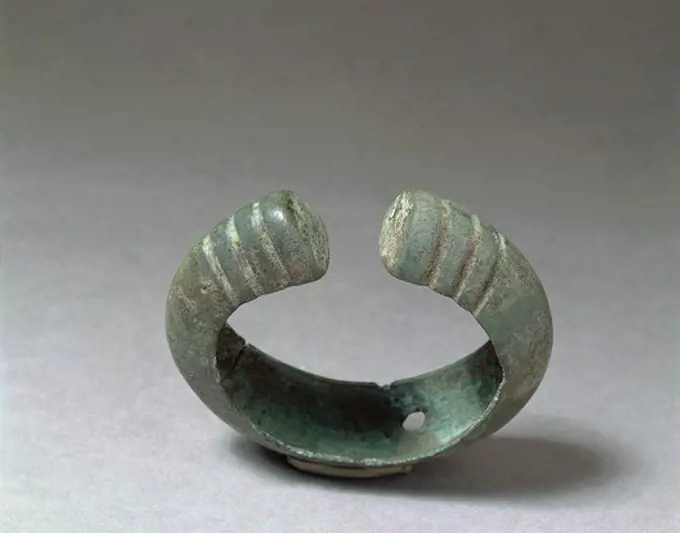
Ancient Egyptian Artifacts

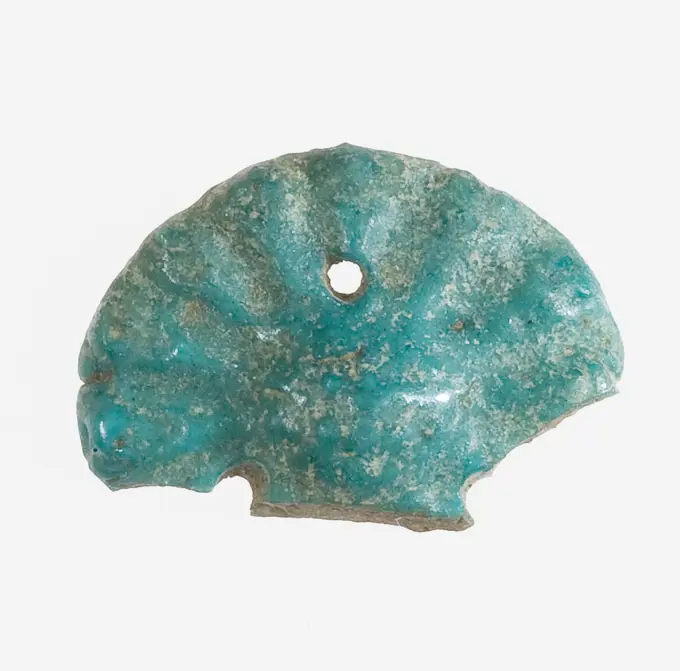
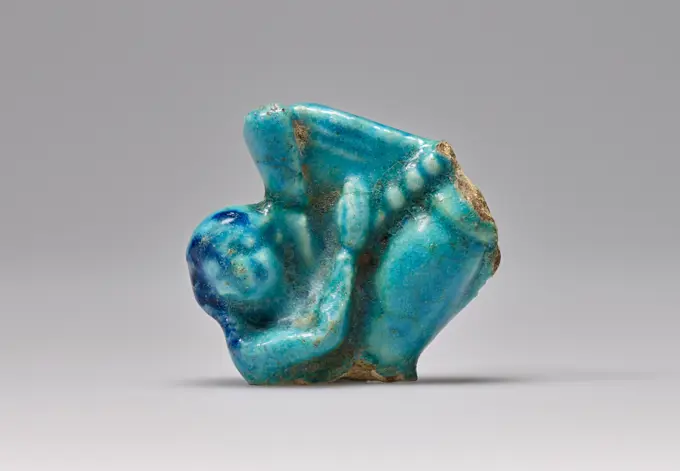
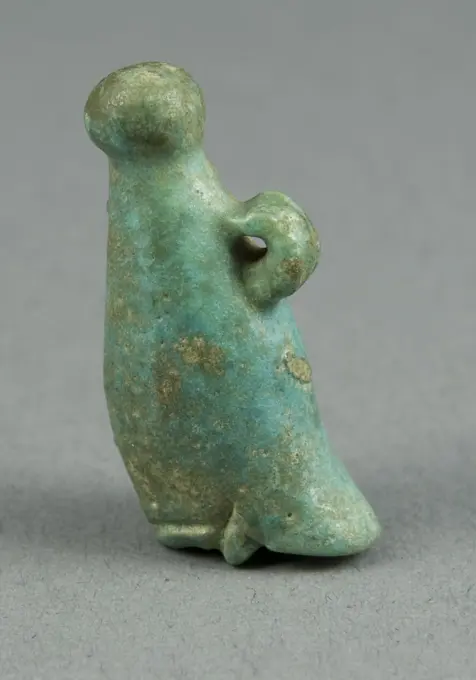
Fragments and amulets from ancient Egypt, highlighting significant cultural symbols and materials used in historical jewelry.

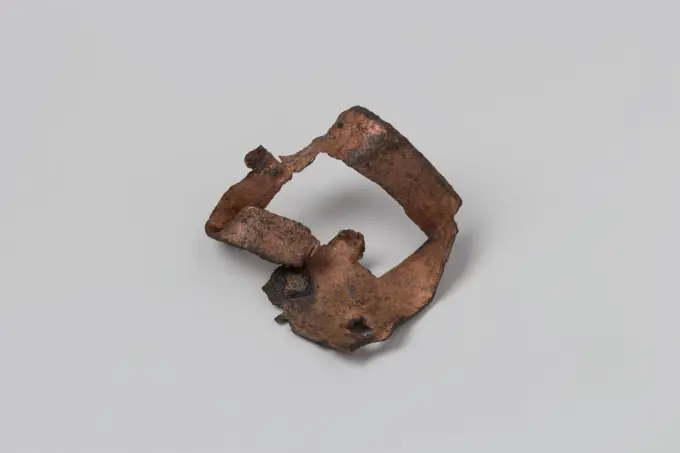
Dress part of the wreck of the East Indies Hollandia, Anonymous, 1700 - in Or Before 1743  tap, part of tap; Fragm, End, ID. ng 1979-521H. Netherlands copper (metal)   Second
Dress part of the wreck of the East Indies Hollandia, Anonymous, 1700 - in Or Before 1743 tap, part of tap; Fragm, End, ID. ng 1979-521H. Netherlands copper (metal) Second
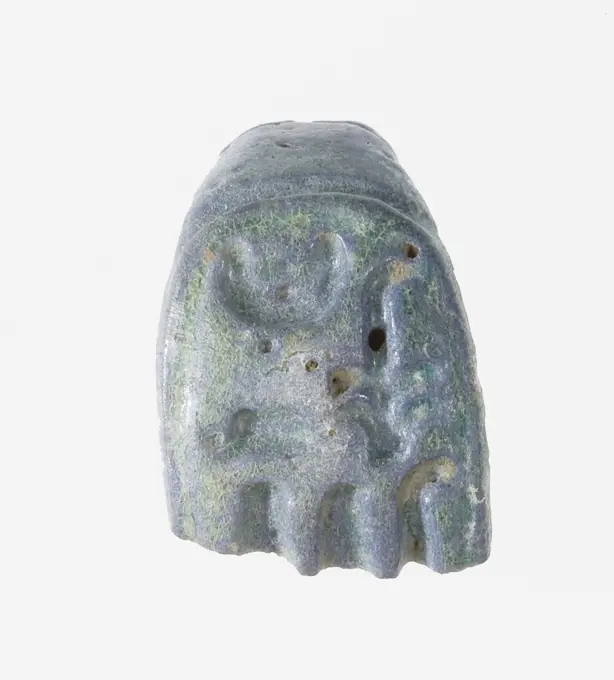
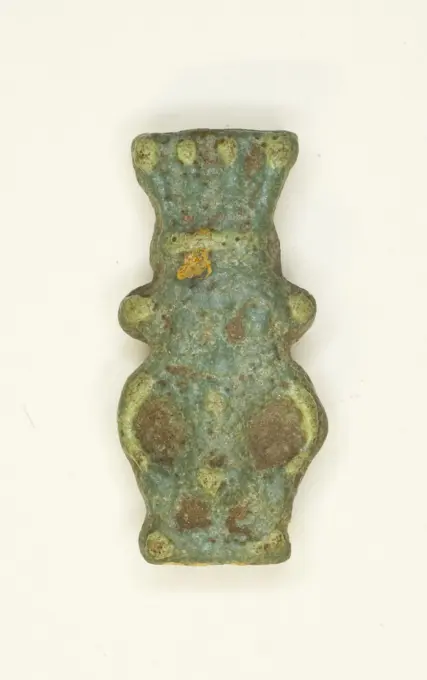
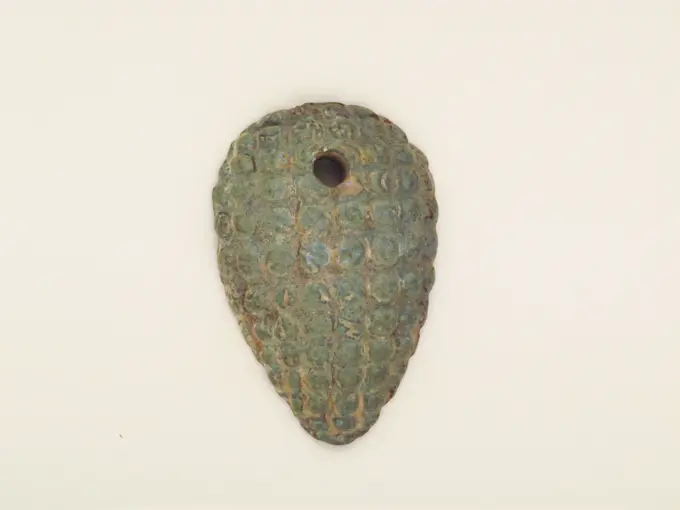
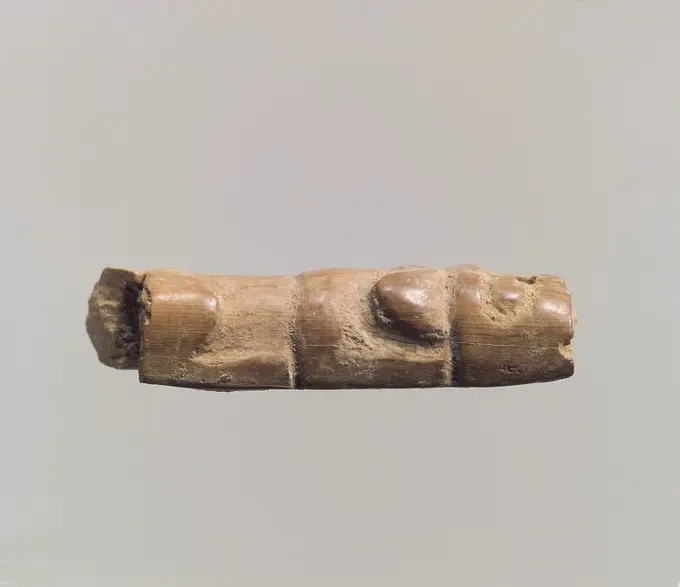
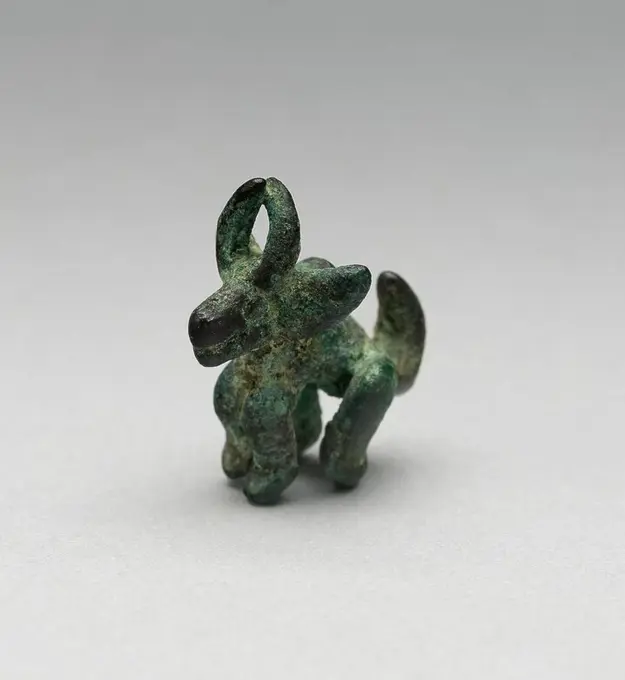
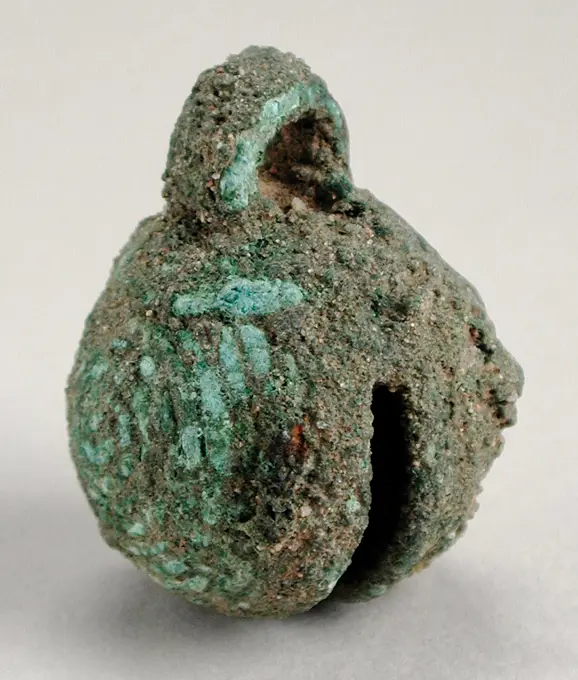
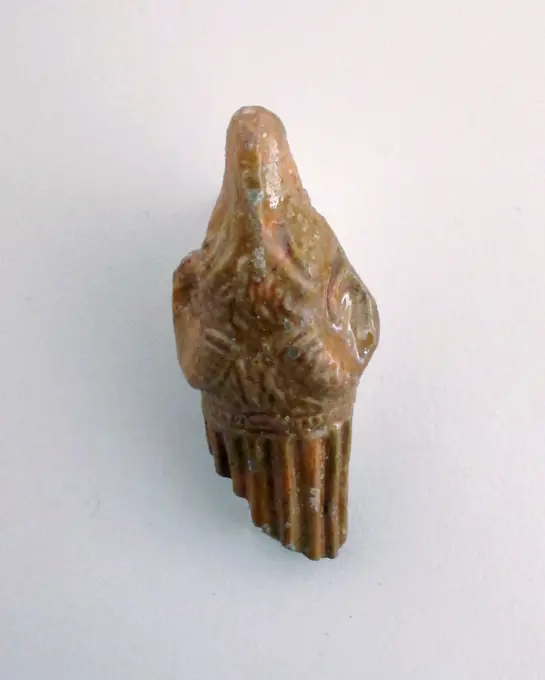
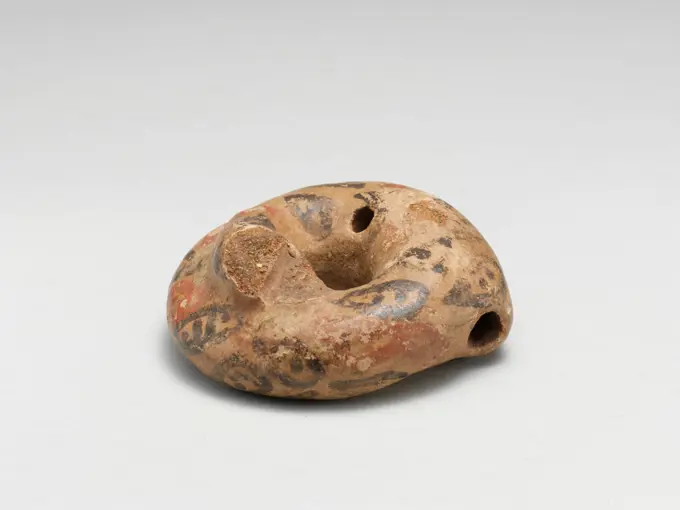
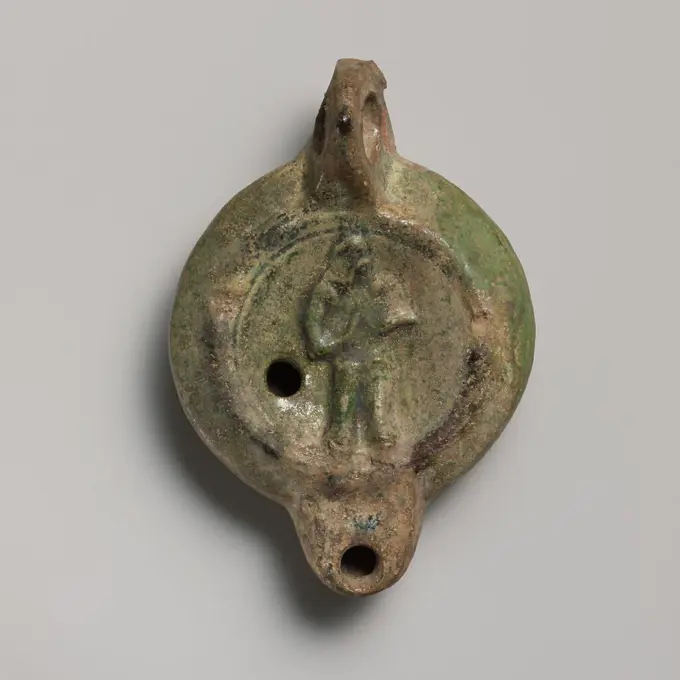
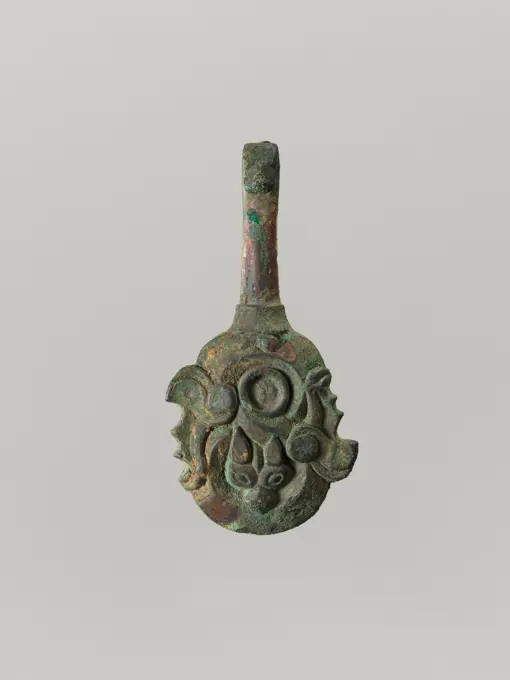
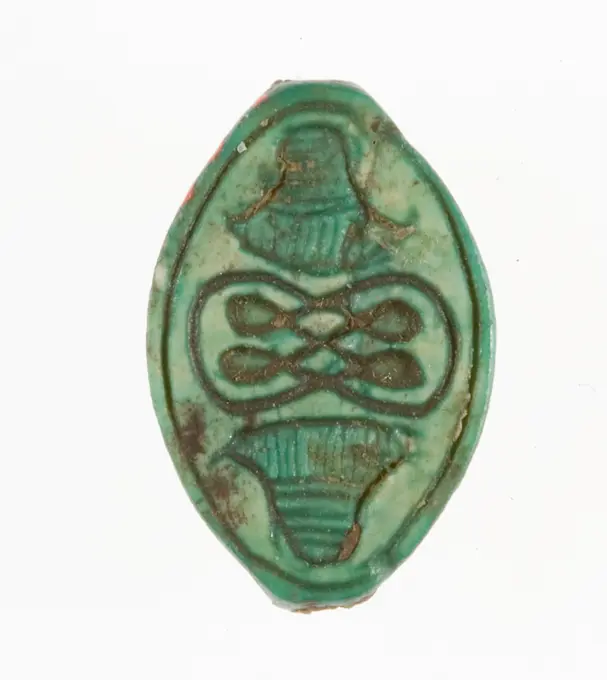
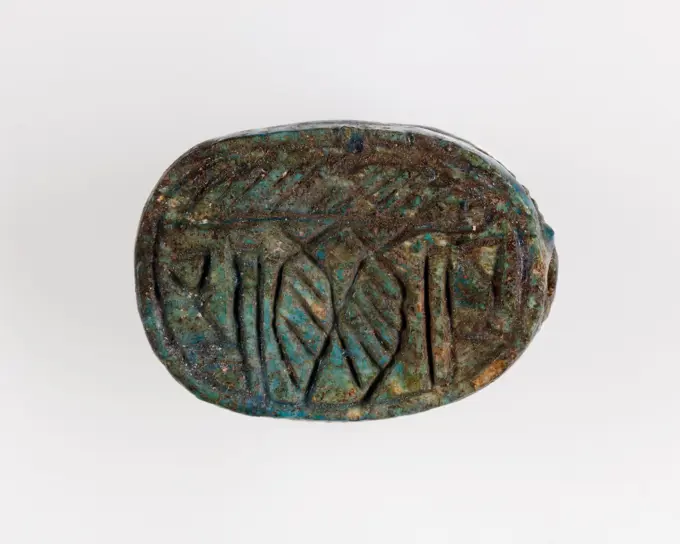
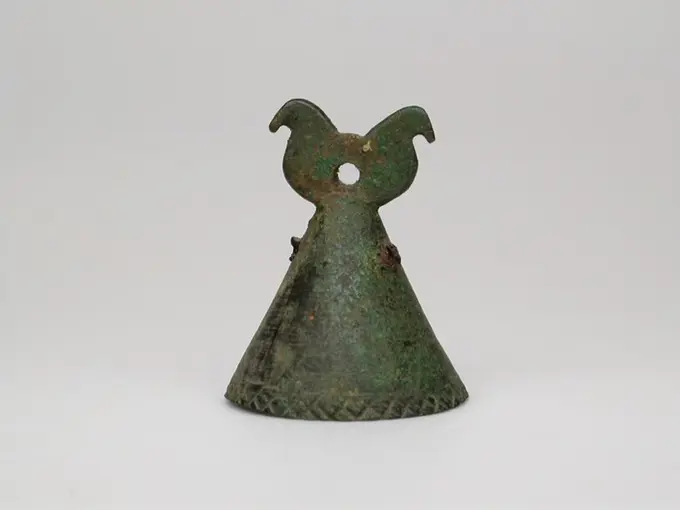
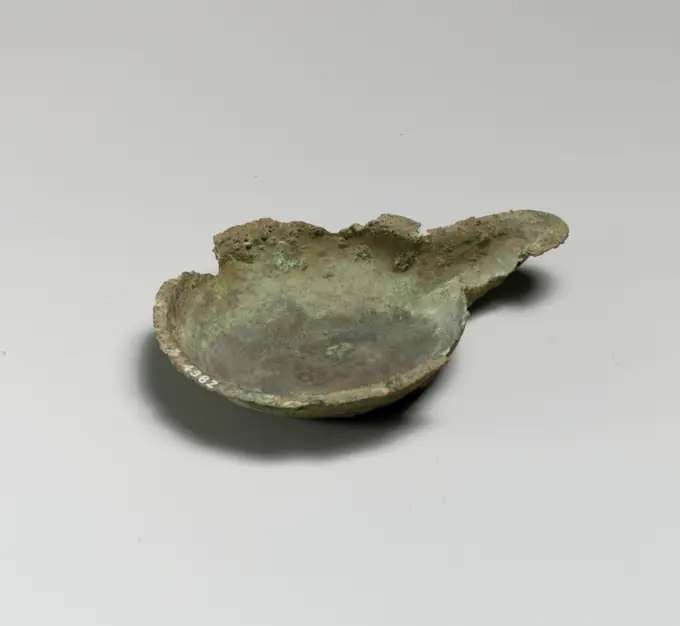
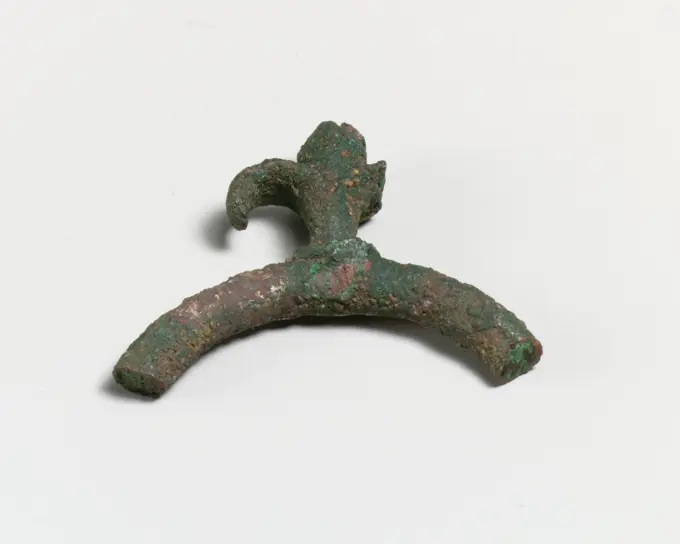
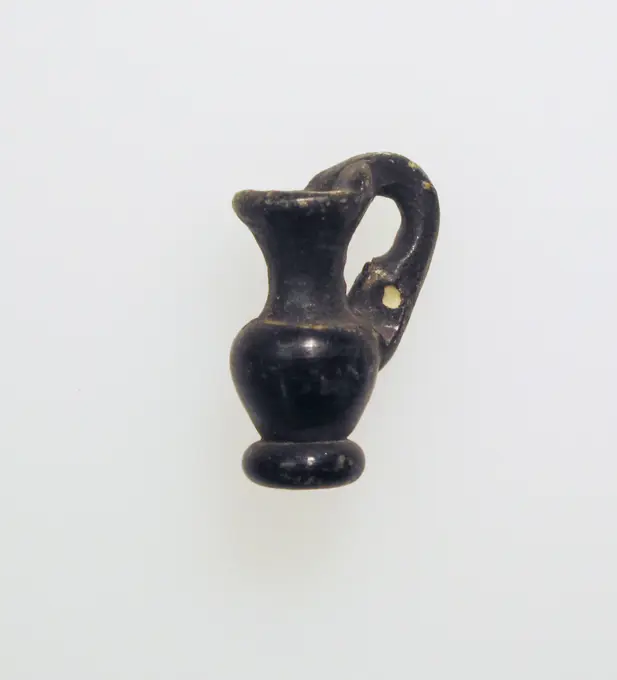
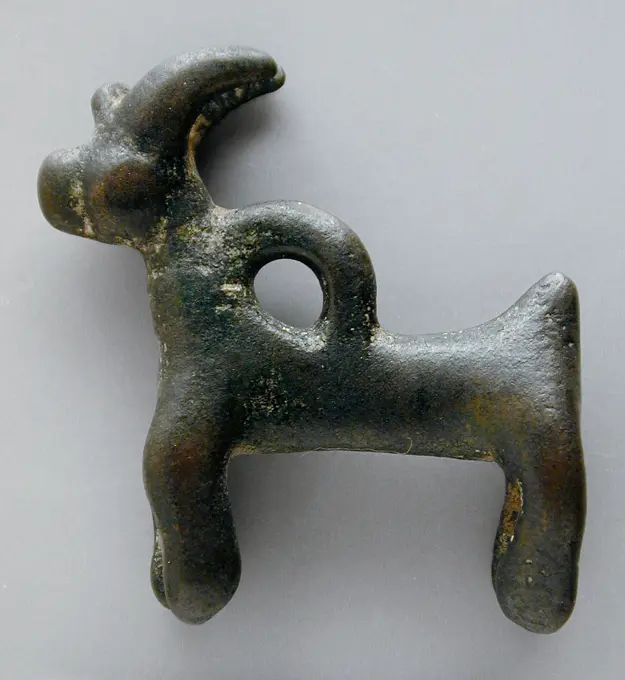
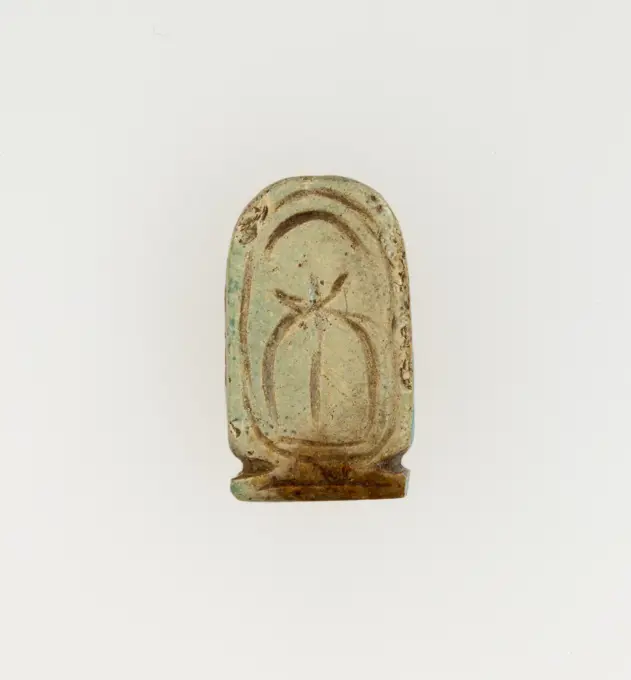
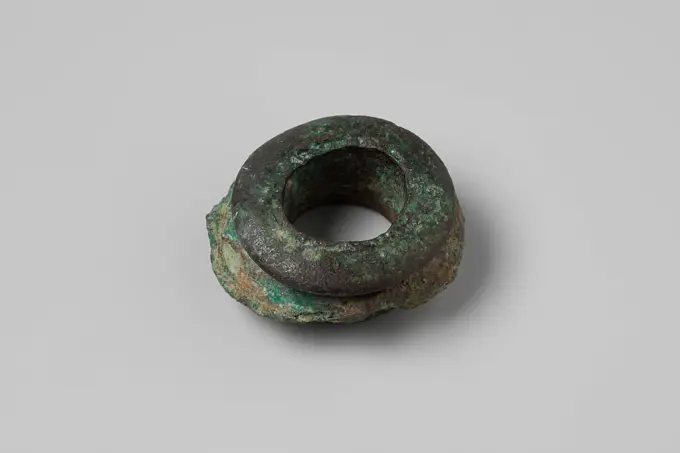
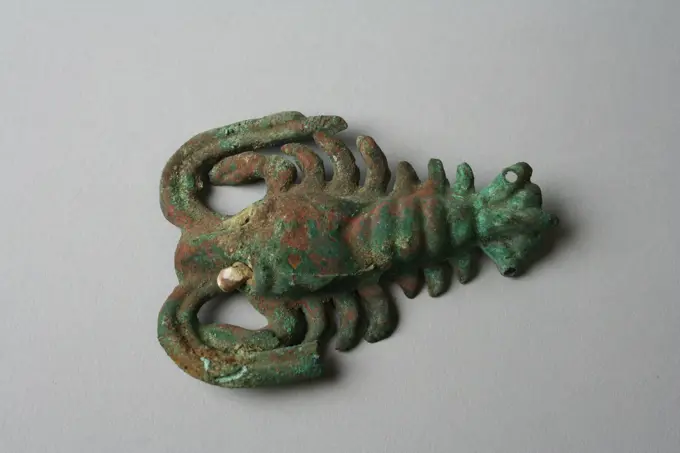
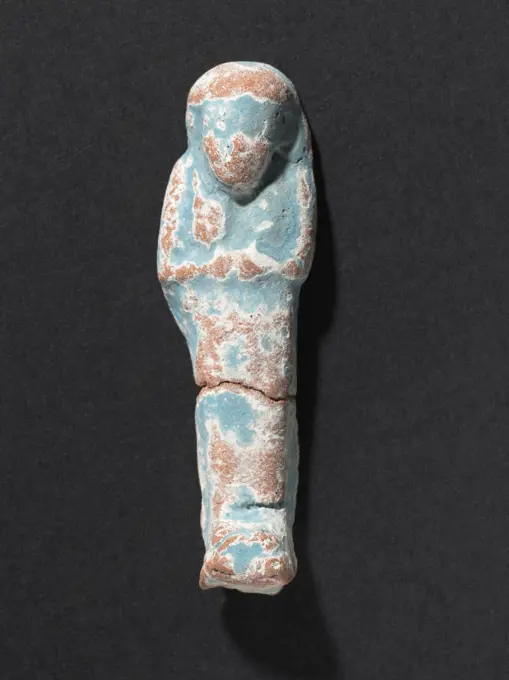
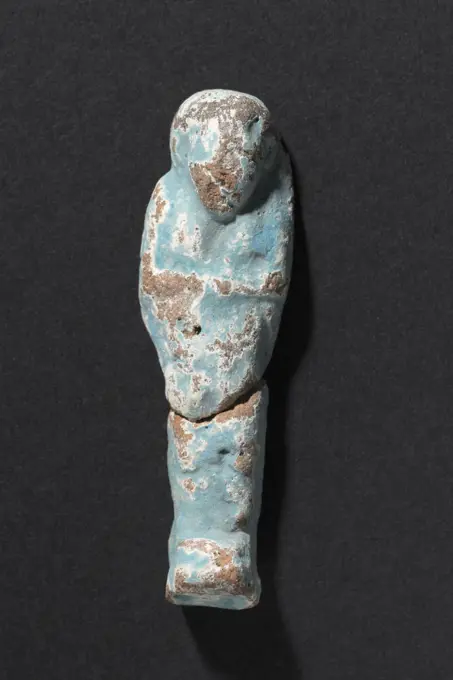
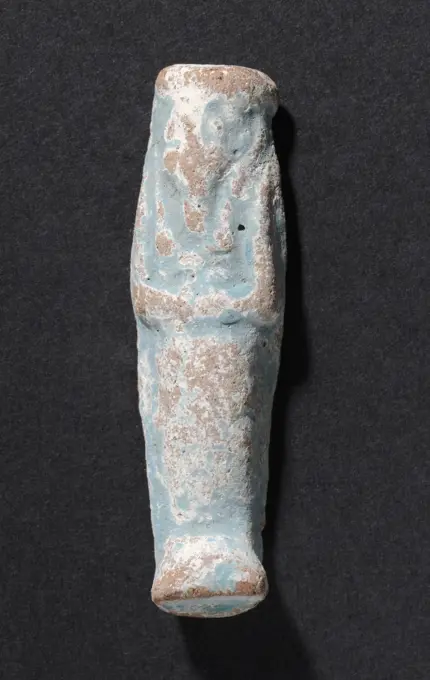
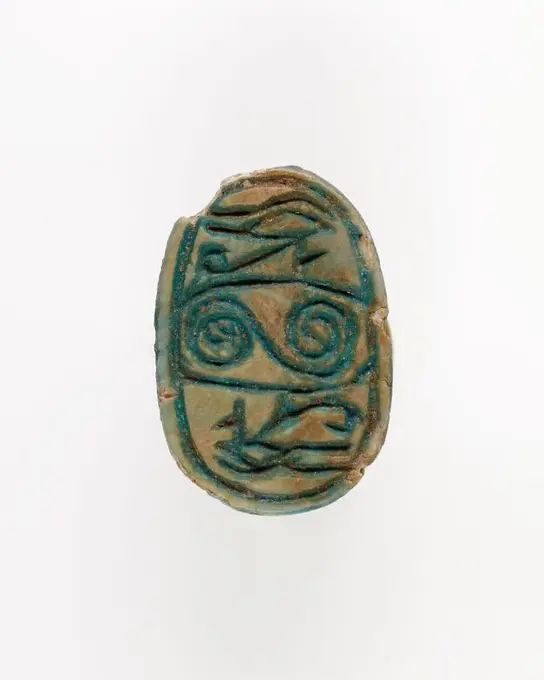
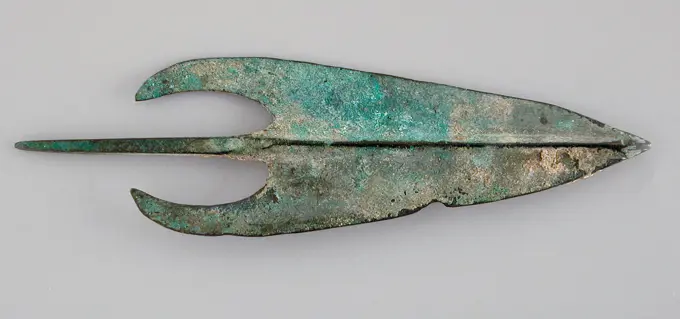
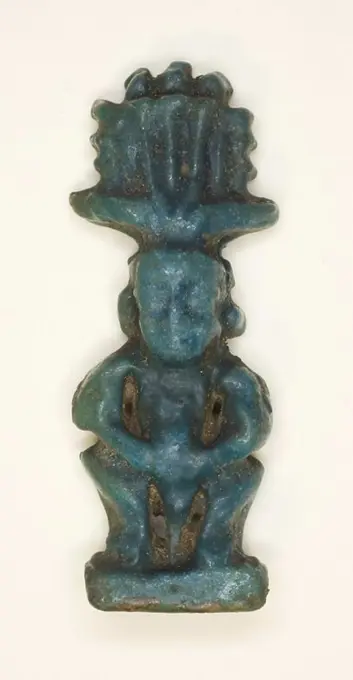
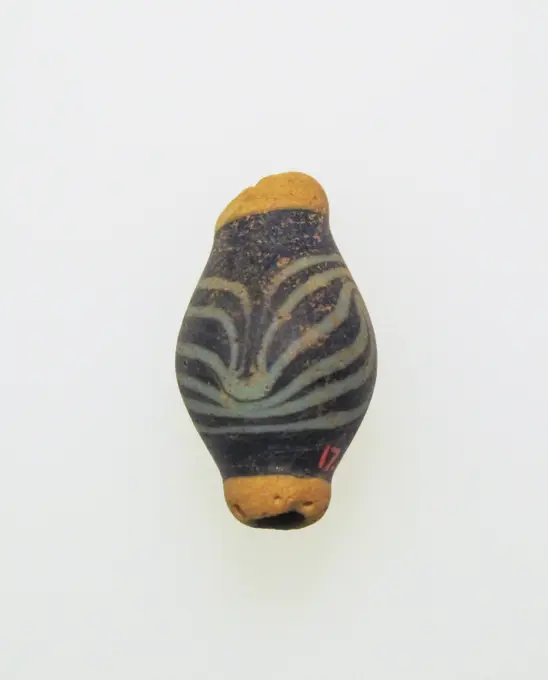
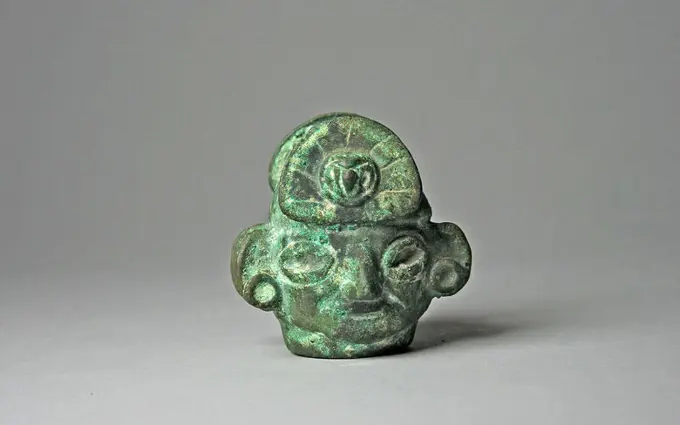
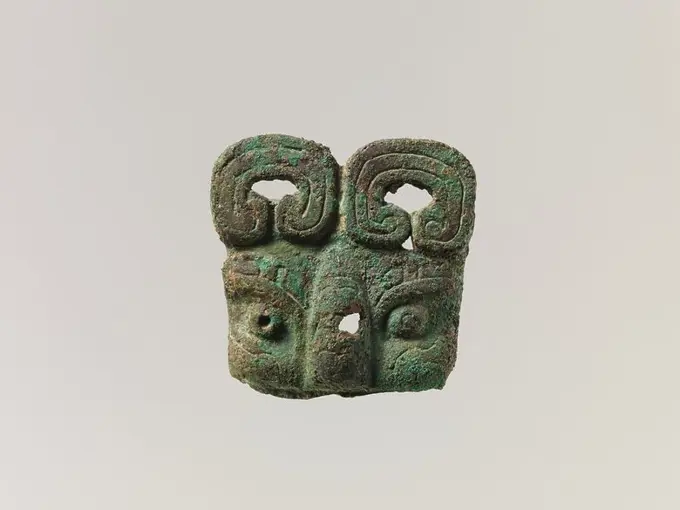
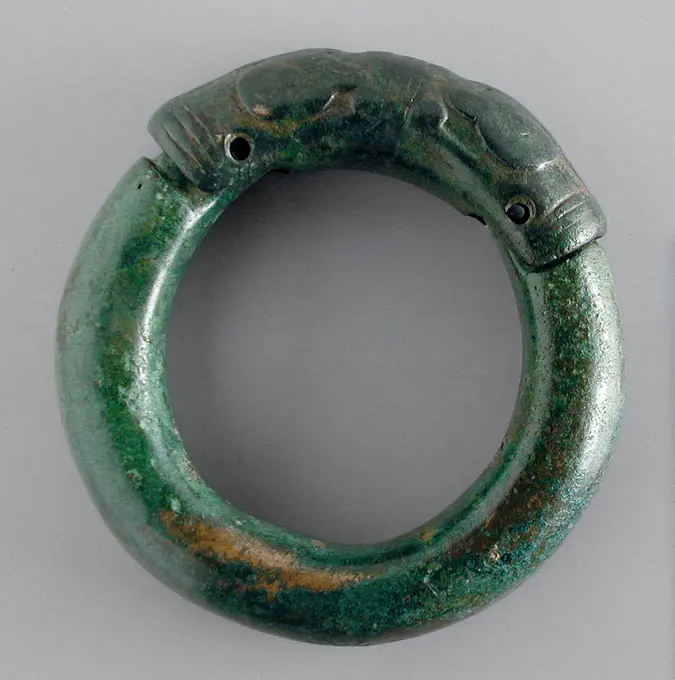
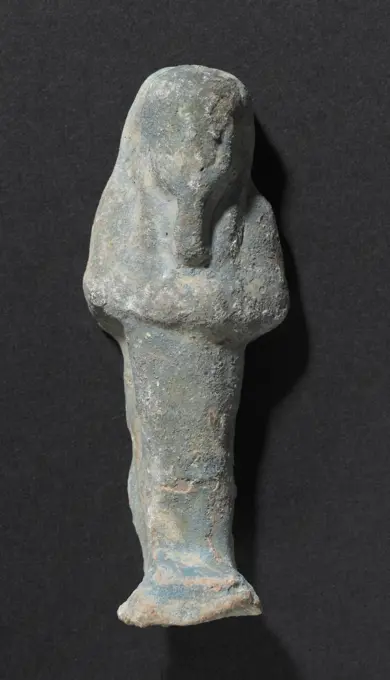
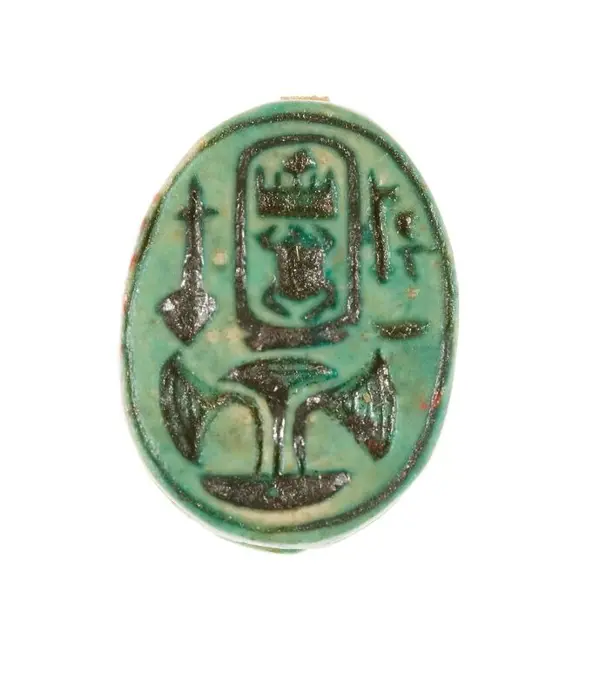
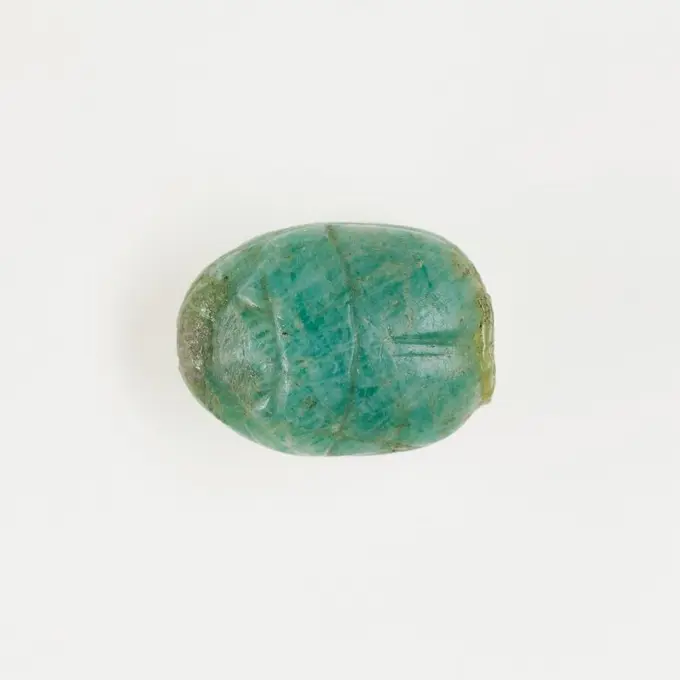
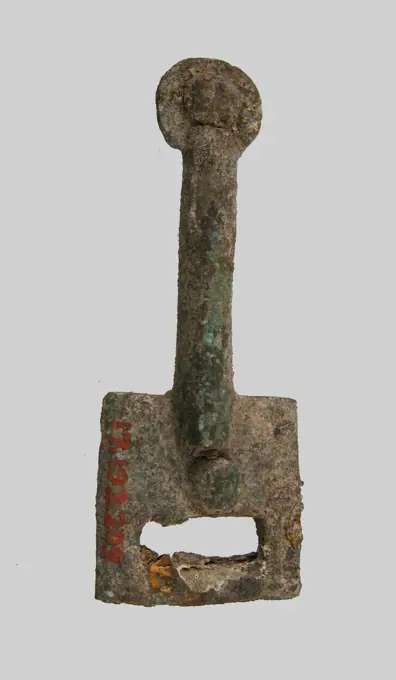
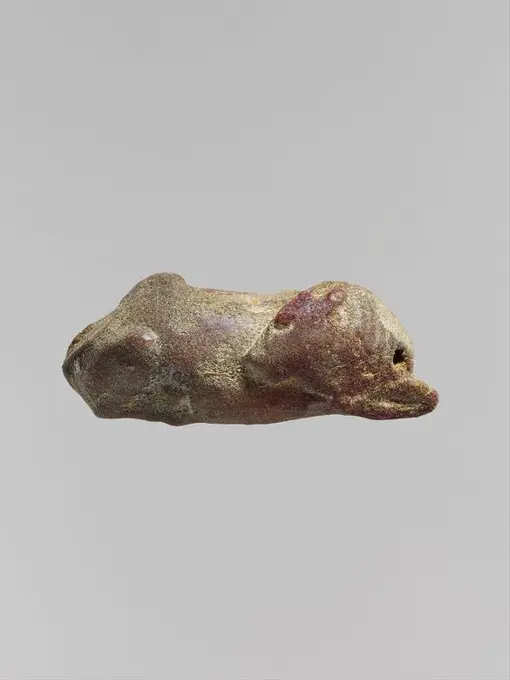
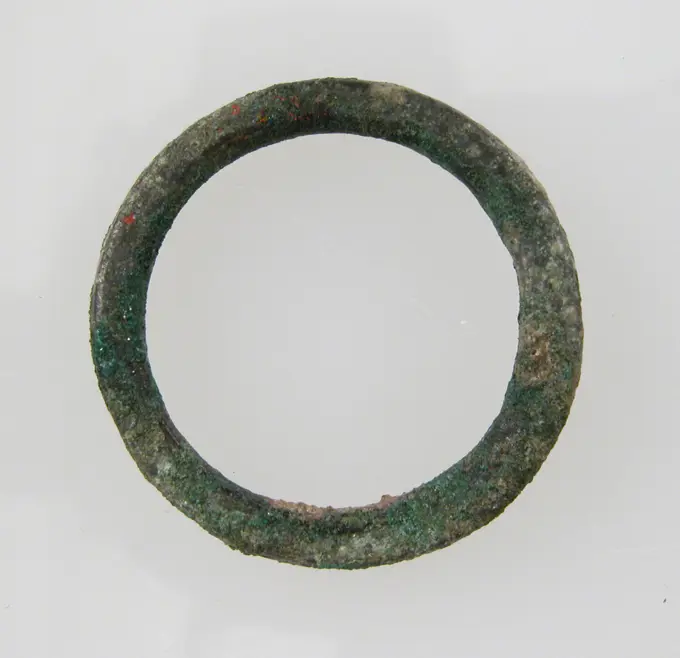
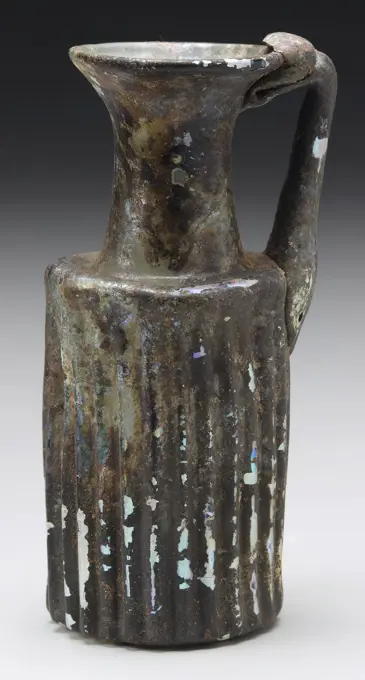
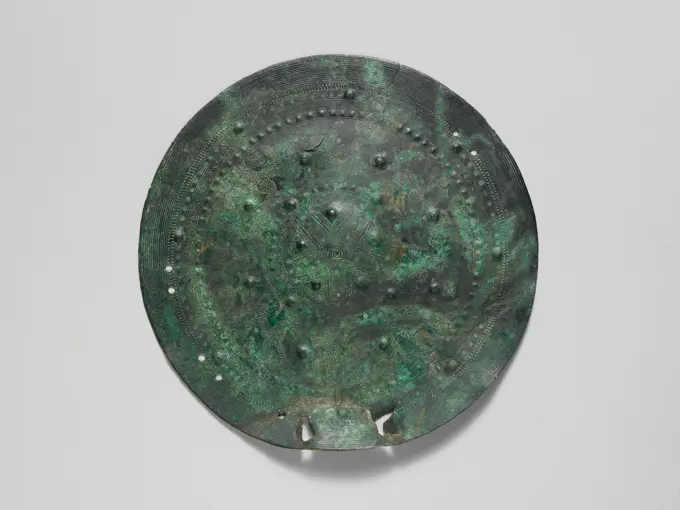
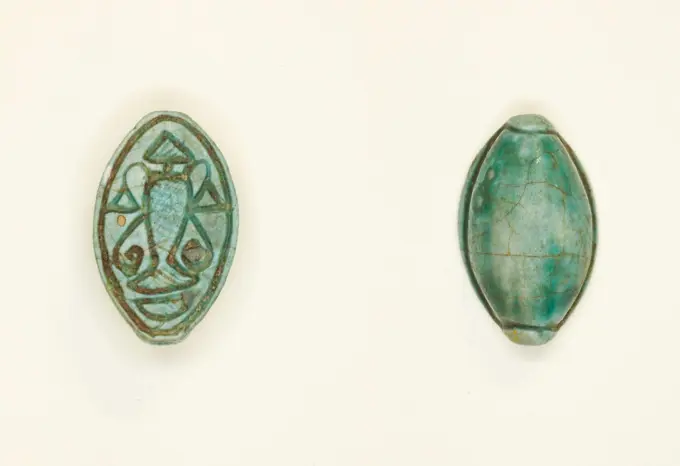
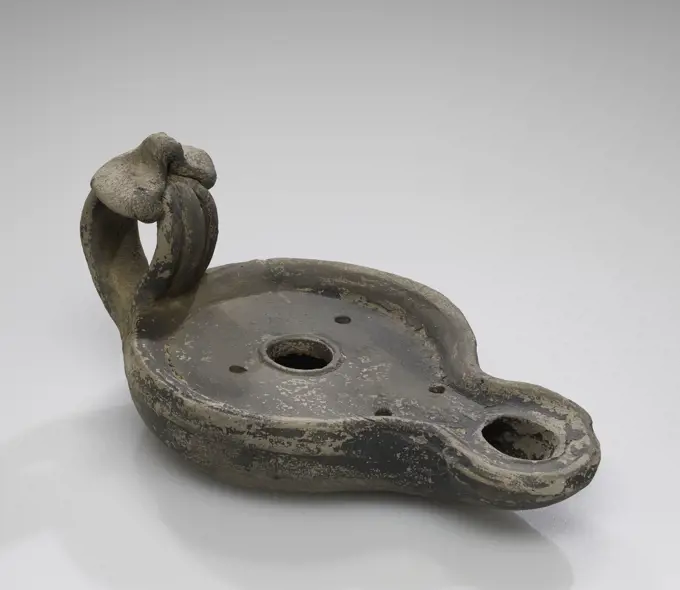
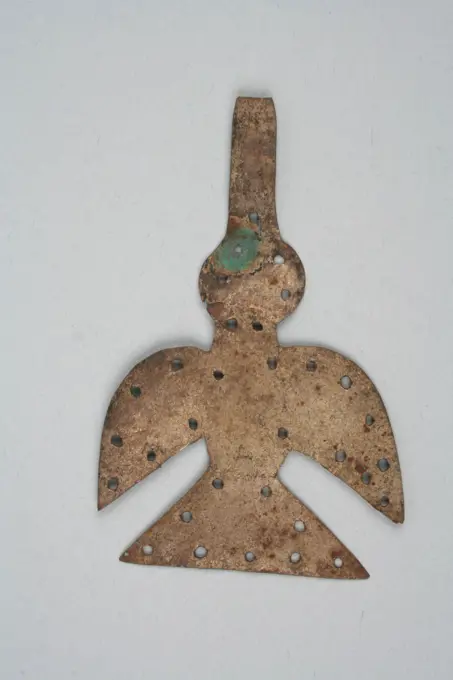
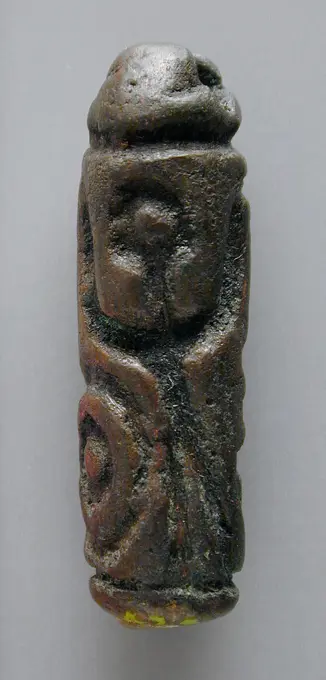
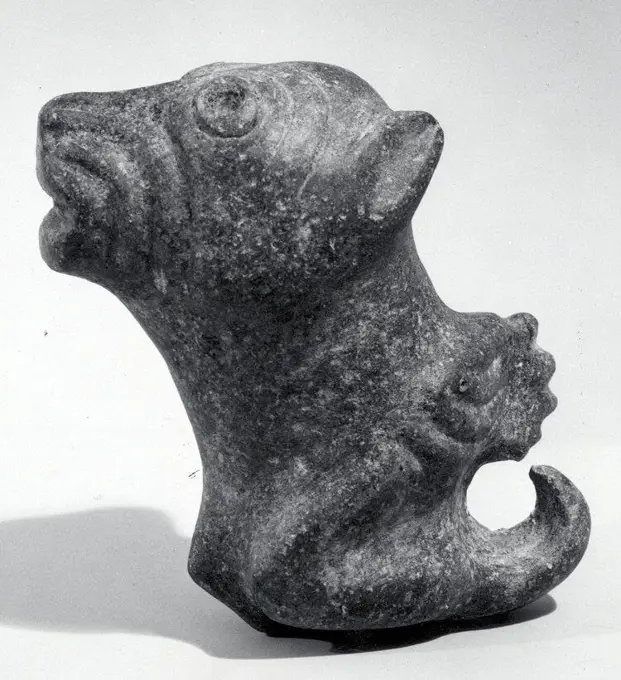
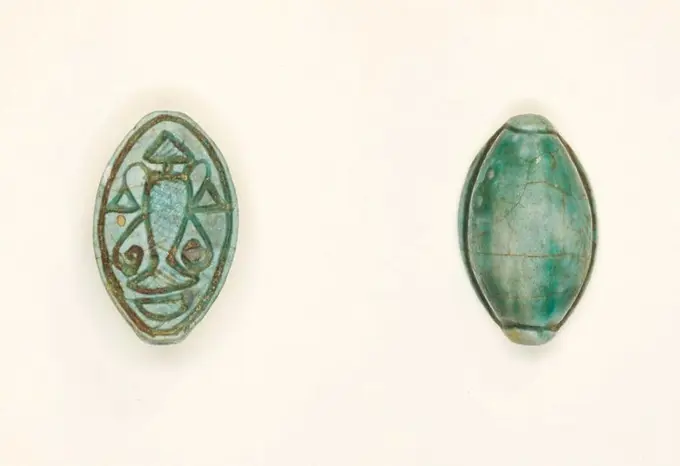
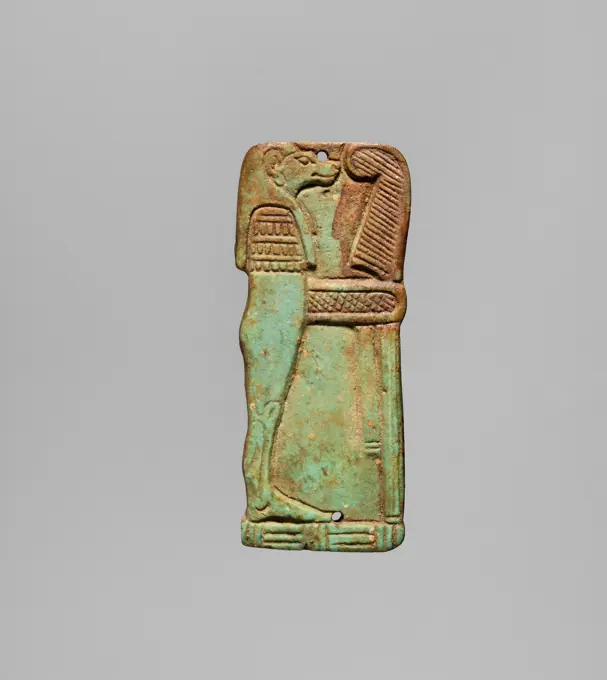
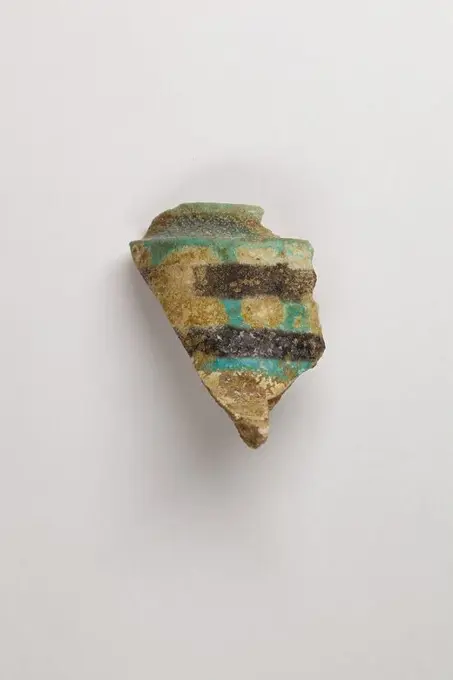
Vase fragment. Dimensions: h. 3.8 cm (1 1/2 in); w. 3.2 cm (1 1/4 in). Dynasty: Dynasty 12-13. Date: ca. 1981-1640 B.C.. Museum: Metropolitan Museum of Art, New York, USA.Plaque Amulet with the Name of the God Ptah 1070 BCE-656 BCE Egypt. Faience . Ancient EgyptianRing Fragment ca. 1390-1353 B.C. New Kingdom. Ring Fragment. ca. 1390-1353 B.C.. Faience, pale violet. New Kingdom. From Egypt, Upper Egypt, Thebes, Malqata, Palace of Amenhotep III, MMA excavations, 1910-11. Dynasty 18Amulet of the God Bes 30 BCE-395 CE Egypt. Faience . Ancient EgyptianAmulet pendant, grapes Symbolic objects used for amulets include a menat-pendant, the djed-sign, a papyrus capital are all common in Egyptian architecture. Also, a pectoral, such as is used on mummies, a bunch of grapes, or other clusters of fruit, and an inscribed bead are common shapes.. Amulet pendant, grapes. Clay, glazed. Gold and SilverFigure of crouching lion. Culture: Iran. Dimensions: H.7 cm x W.8 cm x D. 3.9 cm. Date: ca. 8th-7th century B.C.. Museum: Metropolitan Museum of Art, New York, USA.Dress part of the wreck of the East Indies Hollandia, Anonymous, 1700 - in Or Before 1743  tap, part of tap; Fragm, End, ID. ng 1979-521H. Netherlands copper (metal)   SecondBronze handle attachment with antelope heads 3rd-2nd century B.C. Greek Handle attachment with antelope heads on either end.. Bronze handle attachment with antelope heads 255403Figure of a Deer, Possibly Finial of a Pin. Chimú-Inca; North coast, Peru. Date: 1000-1470. Dimensions: 2.5 x 2 cm (1 x 3/4 in). Bronze. Origin: North Coast. Museum: The Chicago Art Institute, Chicago, USA.Crescent Ornaments 6th-7th century Moche (Loma Negra). Crescent Ornaments. Moche (Loma Negra). 6th-7th century. Gilded copper. Peru. Metal-OrnamentsApplique with two monster heads., Anonymous, -800 --500 Two monster heads connected by two tires. China bronze (metal) Two monster heads connected by two tires. China bronze (metal)Bell. Northeastern Thailand, Ban Chiang culture, 300 B.C.-A.D. 150. Tools and Equipment; musical instruments. Copper alloyGlazed terracotta handle fragment from a saucepan (patera) late 1st century A.D. Roman Fragment of brown-glazed handle shaped like ram's head.. Glazed terracotta handle fragment from a saucepan (patera). Roman. late 1st century A.D.. Terracotta. Early Imperial. VasesPottery Whistle ca. 800-1525 Costa Rican. Pottery Whistle. Costa Rican. ca. 800-1525. Clay. Pre-Columbian. Diquis Region, Costa Rica. Aerophone-Whistle Flute-whistleTerracotta lamp. Culture: Roman. Dimensions: 2 19/32 x 6 1/2 in. (6.6 x 16.5 cm). Date: late 1st-2nd century A.D..In the discus stands a gladiator in armor, greaves, and helmet. His small, square shield and curved sword mark him as a thrax (Thracian), one of the more popular categories of fighter. Museum: Metropolitan Museum of Art, New York, USA.Pendant. Iran, circa 150 B.C.-A.D. 225. Jewelry and Adornments; pendants. Bronze, castBelt hook 4th-3rd century B.C. China. Belt hook 61262Elephant Head Figurine. Egypt, Roman Period (30 BCE - 395 CE) or later. Sculpture. BronzeCowroid Seal Amulet Inscribed with a Geometric Pattern ca. 1479-1458 B.C. New Kingdom Most of the amulets found in the foundation deposits of Hatshepsut's funerary temple were scarabs, but a hand full were carved in the shape of a cowrie shell. Like this one, the backs of most of these cowroids have been incised with a decorative pattern that suggests the setting of a swivel ring bezel (see 36.3.46). Others (27.3.180) have also been inscribed with the image of a bolti fish (a tilapia), and two have been carved with the image of a falcon, with its wings outstretched and wearing an atef-crown (27.3.164, 27.3.396).The design on the base of this cowroid consists of two open papyrus umbels and a geometric loop pattern in the center.. Cowroid Seal Amulet Inscribed with a Geometric Pattern. ca. 1479-1458 B.C.. Steatite (glazed). New Kingdom. From Egypt, Upper Egypt, Thebes, Deir el-Bahri, Temple of Hatshepsut, Foundation Deposit 9 (I), MMA excavations, 1926-27. Dynasty 18, earlySeated BirdBadge (probably from Horse Harness). Culture: Spanish or Moorish. Dimensions: H. 2 1/2 in. (6.3 cm); W. 1 13/16 in. (4.6 cm); Wt. 1 oz. (28.3 g). Date: 15th century. Museum: Metropolitan Museum of Art, New York, USA.Scarab with Papyrus Motif and Signs ca. 1740-1640 B.C. Middle Kingdom During the late Middle Kingdom (late Dynasty 12-mid Dynasty 13, ca. 1850-1640 B.C), decorations on scarabs often show symmetric designs and combinations of signs and symbols that are nicely composed. This is also the case for floral and plant decorations, which consist of representations of papyrus plants, and lotus flowers and their buds. Plants are a popular theme on the underside of seal-amulets because they refer to life, renewal, and regeneration.. Scarab with Papyrus Motif and Signs 557119Hollow Bangle in Two Parts with Pellets 300 B.C.-A.D. 400 Thailand. Hollow Bangle in Two Parts with Pellets 53300Excerpt of shot and lock, c. 1400 - c. 1950  Rome bronze (metal)  Rome bronze (metal)Bell. Greek; Thessaly. Date: 800 BC-600 BC. Dimensions: 4.0 × 3.1 × 3.1cm (1 5/8 × 1 1/4 × 1 1/4 in.). Bronze. Origin: Greece. Museum: The Chicago Art Institute, Chicago, USA. Author: ANCIENT GREEK.Axe Head ca. 2000-90 B.C. European, Italian peninsula, possibly Etruscan. Axe Head. European, Italian peninsula, possibly Etruscan. ca. 2000-90 B.C.. Bronze. Shafted WeaponsBronze saucer-shaped lamp Cypriot. Bronze saucer-shaped lamp 244528Handle of a bowl 7th-6th century B.C. Cypriot. Handle of a bowl. Cypriot. 7th-6th century B.C.. Bronze. BronzesGlass pendant in the form of a jug 4th-early 5th century A.D. Roman Uncertain color, appearing opaque black; handle in same color.Ovoid body, tapering downwards; disk-shaped pad base; handle attached to body.Body, base, and bottom of handle complete, but rest missing and restored with fill; slight iridescent weathering.. Glass pendant in the form of a jug. Roman. 4th-early 5th century A.D.. Glass; rod-formed. Late Imperial. GlassShawabty of Ditamenpaankh, 715-656 BC. Egypt, Late Period, Dynasty 25. Terracotta; overall: 4.8 x 1.7 x 1.1 cm (1 7/8 x 11/16 x 7/16 in.).Faience Plaque with name of Deceased as Osiris. Egypt, Late Period (714 - 333 BCE). Sculpture; plaques. FaienceAnklet/Bracelet. Iran, 800 - 600. Jewelry and Adornments; bracelets. Bronze, castPendant. Iran, Luristan, circa 1000-650 B.C.. Jewelry and Adornments; pendants. Bronze, castFragment of jaws. Caucasus. 7th-six century BC. Paris, Cernuschi museum. 35178-2 BRONZE, FRAGMENT, MORSPlaque Inscribed with the Name Ahmose ca. 1550-1525 B.C. New Kingdom. Plaque Inscribed with the Name Ahmose. ca. 1550-1525 B.C.. Steatite. New Kingdom. From Egypt. Dynasty 18Fragment of Ewer 8th-13th century View more. Fragment of Ewer. 8th-13th century. Earthenware; glazed. Excavated in Iran, Nishapur. CeramicsClosure of copper; From the wreck the East Indiesman Hollandia. Large mosquito-shaped fitting, brass.Crayfish 6th-7th century Moche (Loma Negra). Crayfish 314469Shawabty of Ditamenpaankh, 715-656 BC. Egypt, Late Period, Dynasty 25. Terracotta; overall: 5.9 x 1.7 x 1.2 cm (2 5/16 x 11/16 x 1/2 in.).Shawabty of Ditamenpaankh, 715-656 BC. Egypt, Late Period, Dynasty 25. Terracotta; overall: 5.8 x 1.6 x 1.4 cm (2 5/16 x 5/8 x 9/16 in.).Scarab Inscribed for the God's Wife Hatshepsut ca. 1479-1458 B.C. New Kingdom This scarab was found in one of the foundation deposits located along the front of Hatshepsut's funerary temple at Deir el-Bahri. The inscription on the base reads: God's Wife Hatshepsut. The title "god's wife" was held by the principal queen or the queen mother. Hatshepsut inherited the title while she was principal queen of her half-brother, Thutmose II. Soon after taking on the titles of King, Hatshepsut passed the title to her daughter, Neferure (see 27.3.324).. Scarab Inscribed for the God's Wife Hatshepsut. ca. 1479-1458 B.C.. Steatite (glazed). New Kingdom. From Egypt, Upper Egypt, Thebes, Deir el-Bahri, Temple of Hatshepsut, Foundation Deposit 7 (G), MMA excavations, 1926-27. Dynasty 18, earlyShawabty of Ditamenpaankh, 715-656 BC. Egypt, Late Period, Dynasty 25. Terracotta; overall: 5.7 x 1.6 x 1.1 cm (2 1/4 x 5/8 x 7/16 in.).Excerpt from a tractor plate of a musket from the wreck of the East Indians' t Vliegend Hart ,, 1700 - 1735  Rectangular tractor plate of a musket, damaged and bent, with one remaining corner eye. Middelburg copper (metal)Scribe's paint dish. Dimensions: l. 11.2 xm (4 7/16 in). Dynasty: Dynasty 12-13. Date: ca. 1981-1640 B.C.. Museum: Metropolitan Museum of Art, New York, USA.Daisy Pendant ca. 1390-1353 B.C. New Kingdom. Daisy Pendant. ca. 1390-1353 B.C.. Faience. New Kingdom. From Egypt, Upper Egypt, Thebes, Malqata, Palace of Amenhotep III, MMA excavations, 1910-11. Dynasty 18Figure of Phallic Horus with Lyre. UnknownShawabty of Ditamenpaankh, 715-656 BC. Egypt, Late Period, Dynasty 25. Terracotta; overall: 5.9 x 1.6 x 1.5 cm (2 5/16 x 5/8 x 9/16 in.).Small bottle. unknown, craftsmanAmulet of the White Crown of Upper Egypt 664 BCE-332 BCE Egypt. Faience . Ancient EgyptianSpindle Whorl, 700s - 900s. Iran, early Islamic period, 8th - 10th century. Bone, incised; overall: 0.5 x 2 x 2 cm (3/16 x 13/16 x 13/16 in.).Pin head. LURISTAN. Iron Age. Paris, Cernuschi museum. 35132-1 Iron Age, Bronze, Epingle, TeteScarab. Dimensions: l. 1.7 cm (11/16 in). Dynasty: Dynasty 12-18. Date: ca. 1981-1295 B.C.. Museum: Metropolitan Museum of Art, New York, USA.Engraved bronze pyxis (small box with lid) ca. 675-625 B.C. Etruscan The engraved decoration, consisting of heraldic animals alternating with stylized plants, is similar to Orientalizing friezes incised on contemporaneous bucchero pottery.. Engraved bronze pyxis (small box with lid) 24858439 keys from the collection of Emmanuel Vita Israël, c. 1200 - c. 1300 Pipe key with an eye consisting of a square that rests with the bottom corner on the short shaft and of which the other corners end in leaf motif.  bronze (metal) Pipe key with an eye consisting of a square that rests with the bottom corner on the short shaft and of which the other corners end in leaf motif.  bronze (metal)Hafted Ax 500 B.C.-A.D. 300 Indonesia. Hafted Ax. Indonesia. 500 B.C.-A.D. 300. Bronze. Bronze and Iron Age period. MetalworkSpear Point. Western Iran, circa 1000-825 B.C.. Arms and Armor; spears. BronzeScarab Inscribed with a Geometric Pattern ca. 1479-1458 B.C. New Kingdom. Scarab Inscribed with a Geometric Pattern. ca. 1479-1458 B.C.. Steatite (glazed). New Kingdom. From Egypt, Upper Egypt, Thebes, Deir el-Bahri, Temple of Hatshepsut, Foundation Deposit 9 (I), MMA excavations, 1926-27. Dynasty 18, earlyAmulet of the God Pataikos wearing Atef Crown. Egyptian. Date: 1069 BC-332 BC. Dimensions: 4.1 × 1.5 × 0.8 cm (1.62 × 0.61 × 0.32 in.). Faience. Origin: Egypt. Museum: The Chicago Art Institute, Chicago, USA. Author: Ancient Egyptian.Statuette of Herakles. Etruscan. Date: 400 BC-200 BC. Dimensions: 7.5 × 5 × 1.25 cm (2 7/8 × 2 × 1/2 in.). Bronze. Origin: Etruria. Museum: The Chicago Art Institute, Chicago, USA. Author: Ancient Etruscan.Glass bead. Glass bead. Glass. GlassPair of bronze ankle guards 5th century B.C. Greek The ankle guard is an exceptional piece of equipment, intended to protect the leg below the greave.. Pair of bronze ankle guards 255748Janus Mace Head. Culture: Moche. Dimensions: H x W: 2 1/4 x 2 3/8in. (5.7 x 6.1cm). Date: 2nd-5th century. Museum: Metropolitan Museum of Art, New York, USA.Stamp Seal, in the Shape of a Female Head. Northern Syria, 10th-8th century B.C.. Tools and Equipment; seals. Black serpentineLion mask. Culture: China. Dimensions: H. 2 1/8 in. (5.4 cm); W. 2 1/2 in. (6.4 cm). Museum: Metropolitan Museum of Art, New York, USA.BraceletGlass pendant in the form of a demonic mask 6th-5th century B.C. Phoenician Semi-opaque deep yellow brown, appearing black, with additions in opaque yellow and translucent cobalt blue.Conical, splayed at bottom with rounded edge; rod hole underneath.Applied large arched eyebrows in yellow, eyes as blue knobs applied over large yellow circles, and yellow edge at bottom, extending round back edge.Large chip on front edge, suspension loop missing, and chip on face between eyes (perhaps nose missing); slight dulling and weathering, withencrustation inside rod hole.. Glass pendant in the form of a demonic mask 249972Bird 4th-7th century Coptic. Bird 479602Shawabty of Ditamenpaankh, 715-656 BC. Egypt, Late Period, Dynasty 25. Terracotta; overall: 6.7 x 2.5 x 1.7 cm (2 5/8 x 1 x 11/16 in.).Scarab Inscribed with the Throne Name of Thutmose III. Dimensions: L. 1.5 cm (9/16 in); w. 1.2 cm (1/2 in); h. 0.6 cm (1/4 in). Dynasty: Dynasty 18, early. Reign: Joint reign of Hatshepsut and Thutmose III. Date: ca. 1479-1458 B.C.. Museum: Metropolitan Museum of Art, New York, USA.Key Handle or Knife Handle 1st-7th century Roman. Key Handle or Knife Handle 462921Olive lamp;  1st century AD (0-00-00-50-00-00);Scarab. Dimensions: l.1.1 cm (7/16 in). Dynasty: Dynasty 12-18. Date: ca. 1981-1550 B.C.. Museum: Metropolitan Museum of Art, New York, USA.Rectangular Plaque ca. middle of the 6th century Frankish. Rectangular Plaque 465528 Frankish, Rectangular Plaque, ca. middle of the 6th century, Copper alloy, Overall: 2 1/16 x 13/16 x 1/4 in. (5.2 x 2 x 0.7 cm). The Metropolitan Museum of Art, New York. Gift of J. Pierpont Morgan, 1917 (17.193.209)Pendant. Iran. Jewelry and Adornments; pendants. Silver, castPendant: recumbent bull. Culture: Italic or Etruscan. Dimensions: Overall: 15/16 x 2 3/4 x 1/2 in. (2.4 x 7 x 2.4 cm). Date: mid-5th century B.C..Pendant of a crouching bull. Museum: Metropolitan Museum of Art, New York, USA.Plain Ring 7th century Frankish. Plain Ring. Frankish. 7th century. Copper alloy. Made in Northern France. Metalwork-Copper alloyMosaic glass fragment. The small glass fragment shows an irregular gradient of several bright and dark green tones. In Roman times, it used colored, ornamented glass for vessels, mosaics, wall decorations and furniture ornaments. For the production, different colored glasses were shaped to tubes and rods. These were compressed and heated, causing a long bar. The glass sliced now had a wide variety of amorphous or floral patterns.Pitcher, 1st-5th century, 4 x 2 x 1 5/8 in. (10.16 x 5.08 x 4.13 cm), Glass, Roman / Near Eastern, 1st-5th centuryBronze shield boss 7th century B.C. Etruscan Convex bronze discs, often with punched or incised ornament, were frequently attached to wooden, leather, or bronze shields. Many of the shields found in seventh century B.C. Italic and Etruscan chamber tombs were made for ceremonial or funerary purposes; they were too fragile to have had any practical use in combat.. Bronze shield boss 250688 Etruscan, Bronze shield boss, 7th century B.C., Bronze, diameter 9 1/8in. (23.2cm). The Metropolitan Museum of Art, New York. Rogers Fund, 1918 (18.145.23)Cowroid Hes vase, flowers, and nb sign 1550 BCE-1069 BCE Egypt. Ceramic . Ancient EgyptianFragmentary stone axe 5th-3rd millennium B.C. Greek Neolithic Fragmentary.. Fragmentary stone axe. Greek Neolithic. 5th-3rd millennium B.C.. Stone. Neolithic. Miscellaneous-StonePinLamp, Anatolia; 1st century B.C. - 4th century A.D; Terracotta; 2.5 x 7 x 12.2 cm (1 x 2 3,4 x 4 13,16 in.)Costume Ornament 11th-12th century North Coast (). Costume Ornament. North Coast (). 11th-12th century. Silver. Peru. Metal-OrnamentsCylinder Seal. Iran, late 2nd-early 1st millennium B.C.. Tools and Equipment; seals. BronzeAnimal Mace Head 4th century B.C. Jalisco (). Animal Mace Head 312584Fragment buyer from the wreck of the East Indieschief Hollandia. Parts or artifacts; eroded fragments: Materials; Copper.Cowroid: Hes vase, flowers, and nb sign. Egyptian. Date: 1550 BC-1069 BC. Dimensions: 1.9 × 1 × 0.6 cm (3/4 × 3/8 × 1/4 in.). Ceramic. Origin: Egypt. Museum: The Chicago Art Institute, Chicago, USA. Author: Ancient Egyptian.Two neck fragments of hand-blown bottles, one round, one square, bottle holder bottomfound glass, blown into shape Two neck fragments of two bottles. Square model of reasonably clear glass uncolored. Very short neck and protruding neck edge Round bottle green tinted glass with large air bubbles short neck and thick bulging neck edge. Oval neck opening. Neck edge slightly folded for schenklip archeology Valckensteyn Poortugaal Albrandswaard store packaging store transport packaging Soil discovery: castle Valckensteyn in Poortugaal now Albrandswaard 1961-1962.Amulet of an Unidentified Animal. Egypt, Late Period (724 - 333 BCE). Jewelry and Adornments; amulets. BronzeAmulet - plakietka z przedstawieniem boga Hapi. unknown, authorPinhead. Northwestern Iran, Iron Age II, about 1000-800 B.C.. Jewelry and Adornments; pins. Bronze, castPrehistory, France, Iron Age. Armilla.Umbel Pendant ca. 1390-1353 B.C. New Kingdom. Umbel Pendant. ca. 1390-1353 B.C.. Faience. New Kingdom. From Egypt, Upper Egypt, Thebes, Malqata, Palace of Amenhotep III, MMA excavations, 1910-11. Dynasty 18Cylinder with the name of Djserkare (Amunhotep I). Egyptian. Date: 1550 BC-1504 BC. Dimensions: L. 3.2 cm (1 1/4 in.); diam. 0.6 cm (1/4 in.). Faience. Origin: Egypt. Museum: The Chicago Art Institute, Chicago, USA. Author: Ancient Egyptian.Staff Head 6th-7th century Moche (Loma Negra). Staff Head 313477Tuning Key for a Zither 3rd century B.C. North China. Tuning Key for a Zither. North China. 3rd century B.C.. Bronze. MetalworkCopper Animal Disk A.D. 200-900 Peruvian. Copper Animal Disk 314892UshabtiGuanyin (common name). Sandstone, molding, cookie, celadon. Cernuschi Museum, Asia Museum of Asia in the city of Paris.