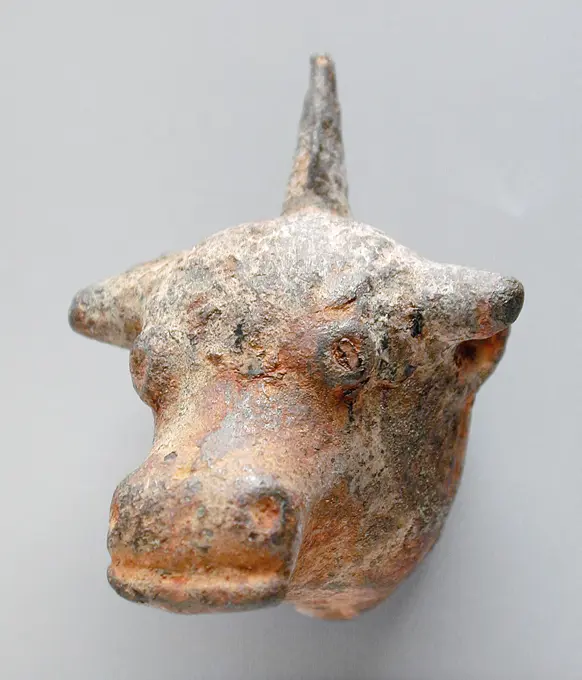
Ancient Egyptian Artifacts

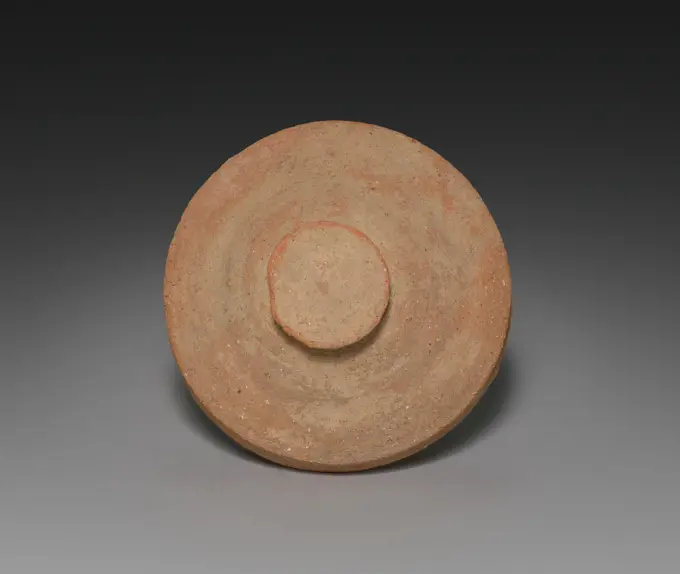
Fragments and amulets from ancient Egypt, highlighting significant cultural symbols and materials used in historical jewelry.

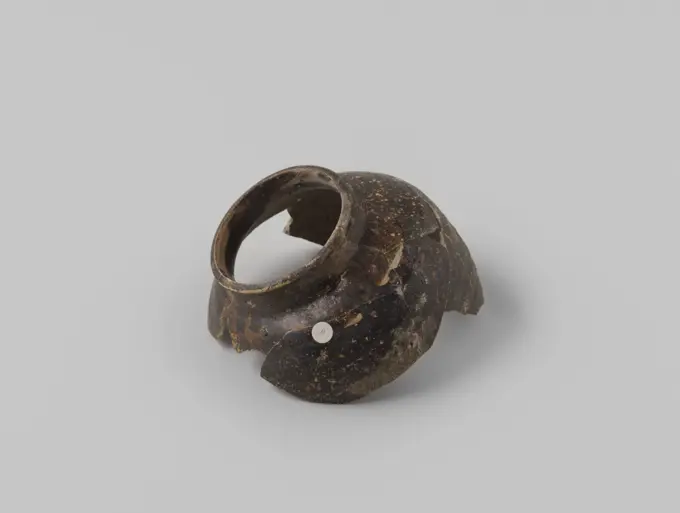
Dress part of the wreck of the East Indies Hollandia, Anonymous, 1700 - in Or Before 1743  tap, part of tap; Fragm, End, ID. ng 1979-521H. Netherlands copper (metal)   Second
Dress part of the wreck of the East Indies Hollandia, Anonymous, 1700 - in Or Before 1743 tap, part of tap; Fragm, End, ID. ng 1979-521H. Netherlands copper (metal) Second
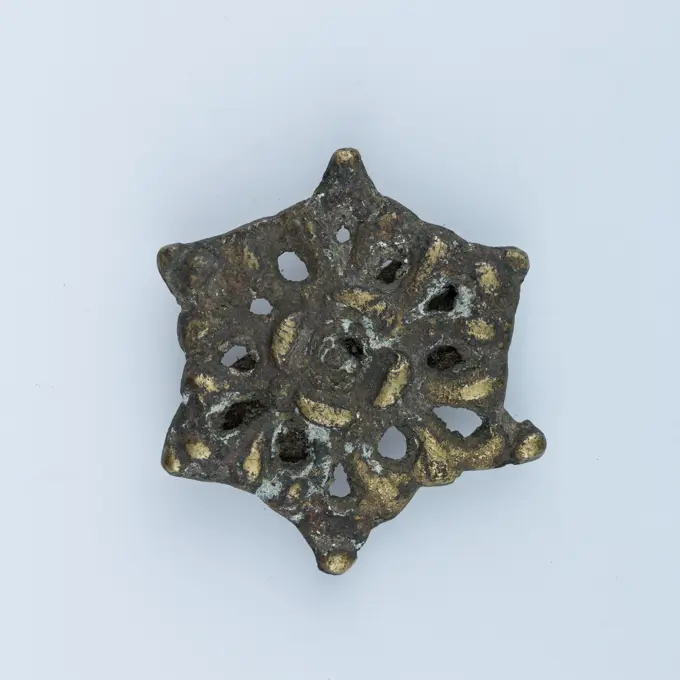
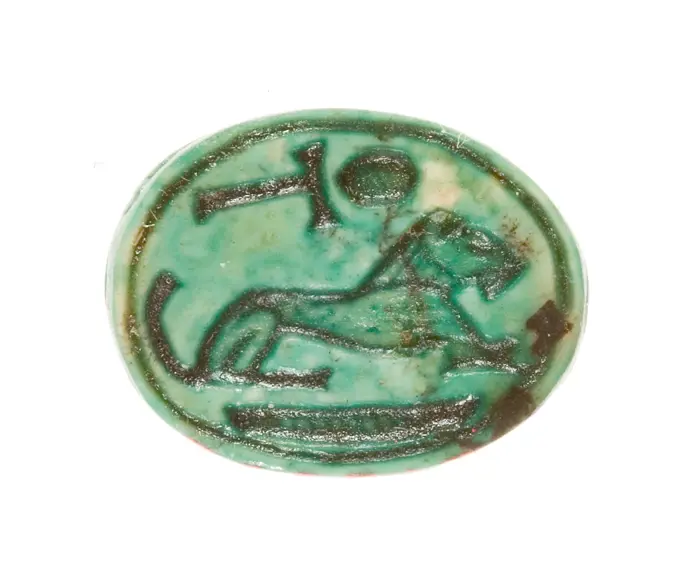
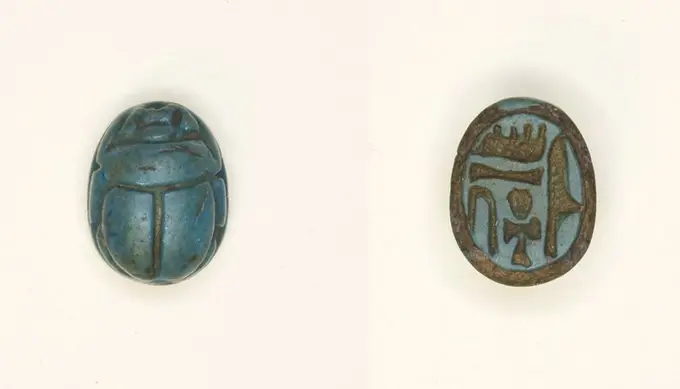
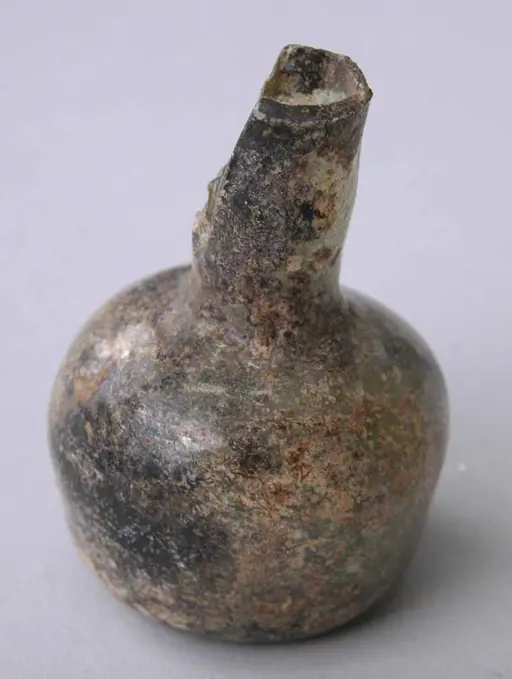
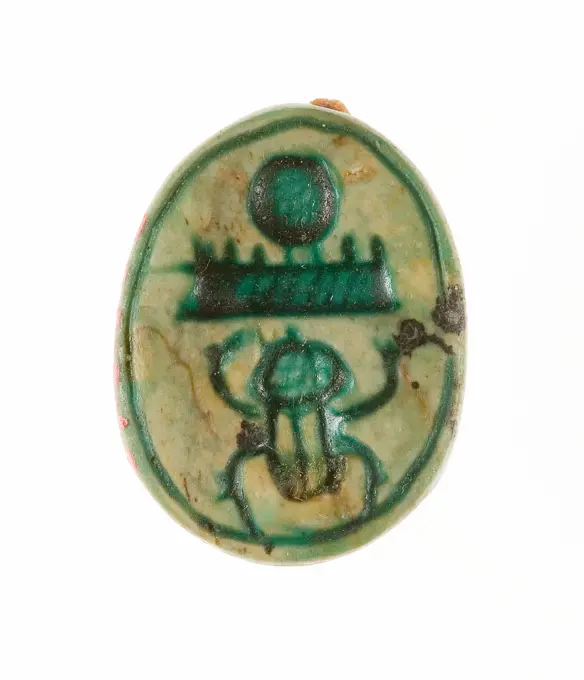
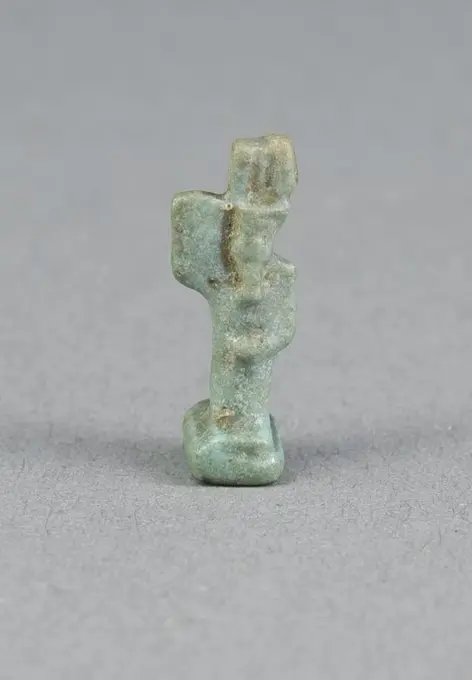
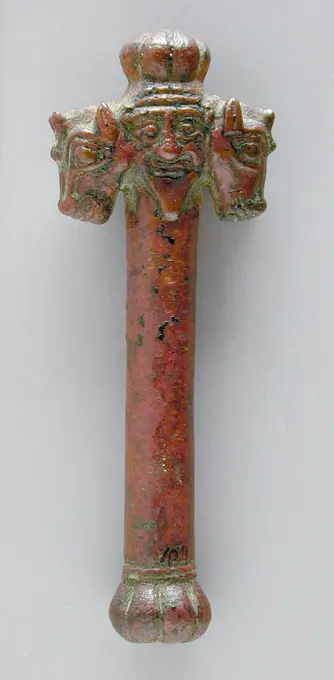
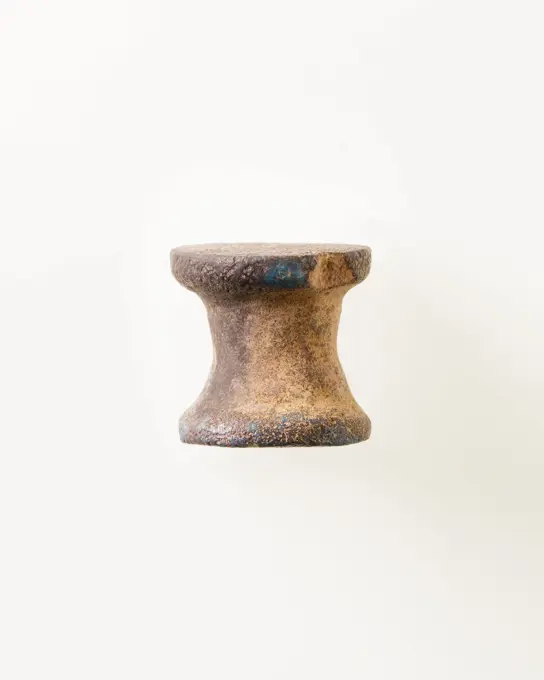
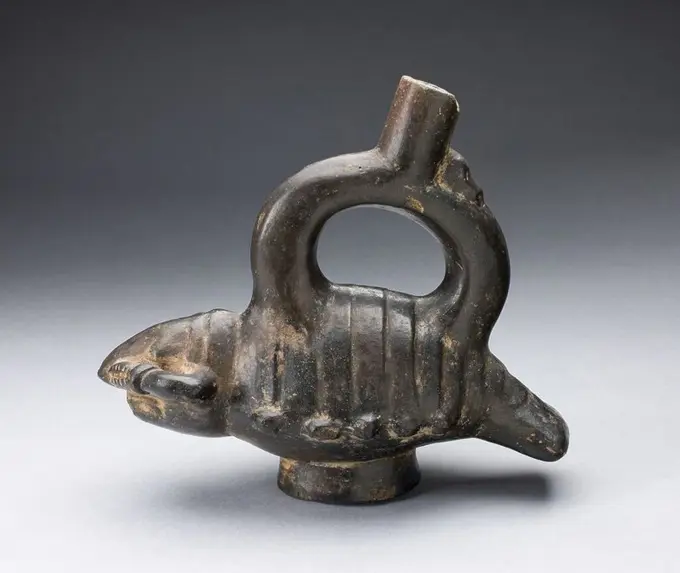
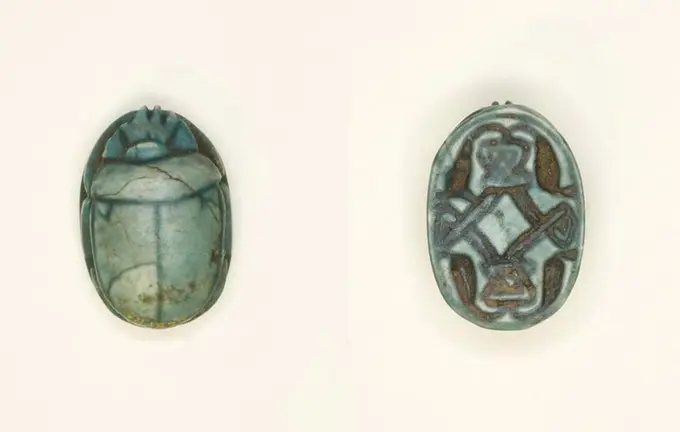
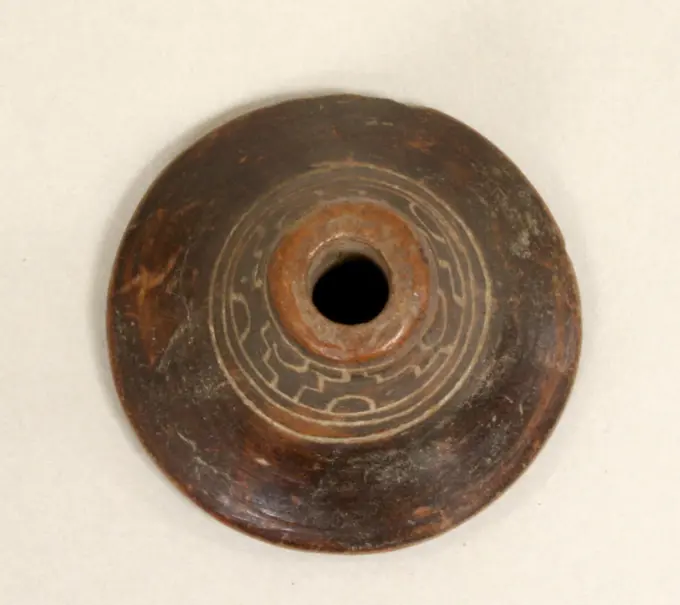
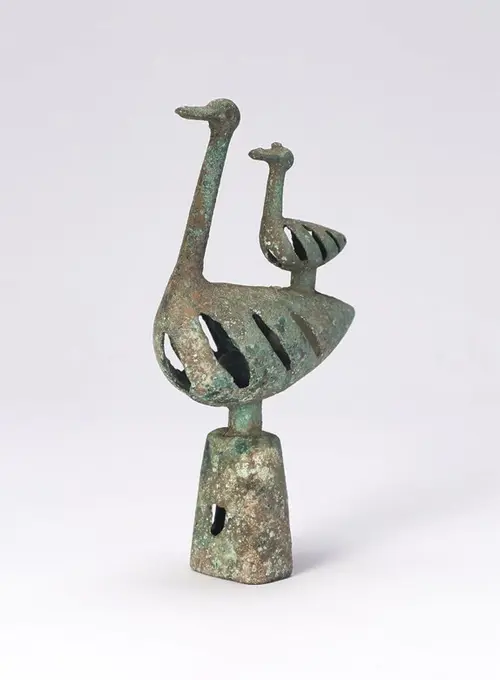
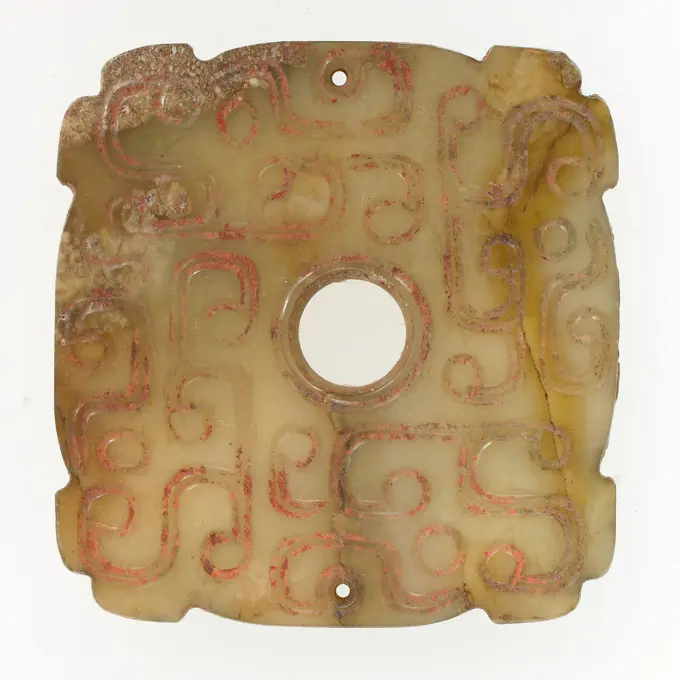
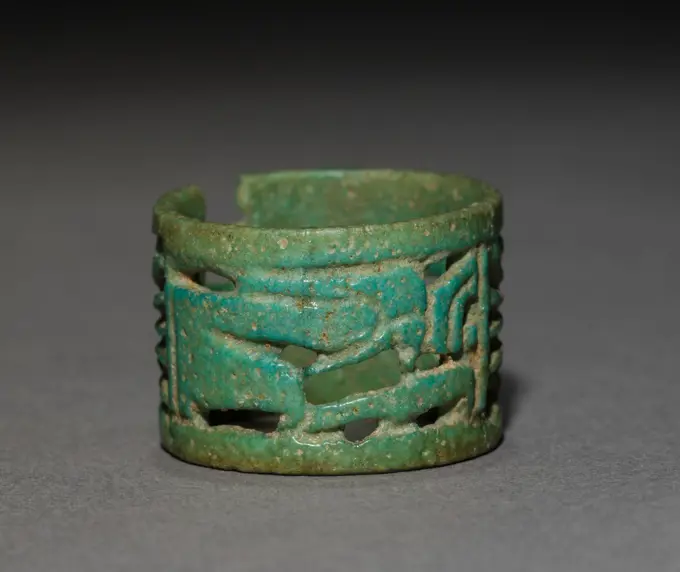
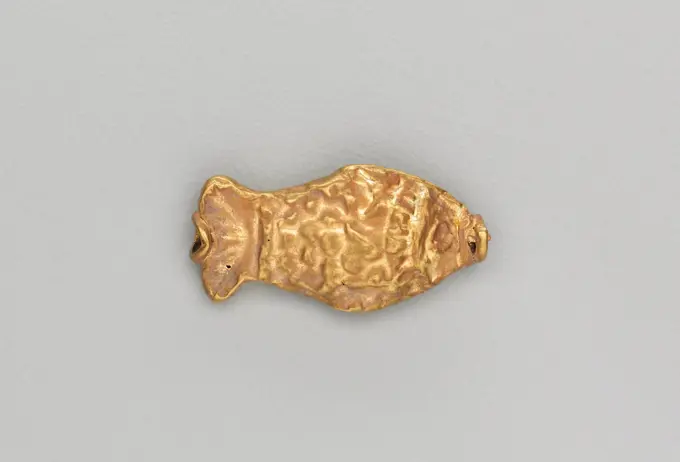
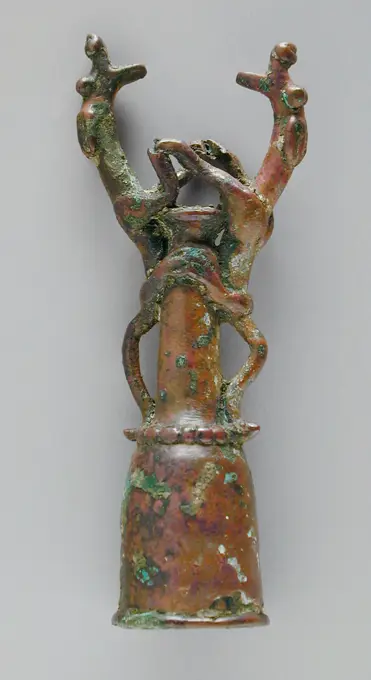
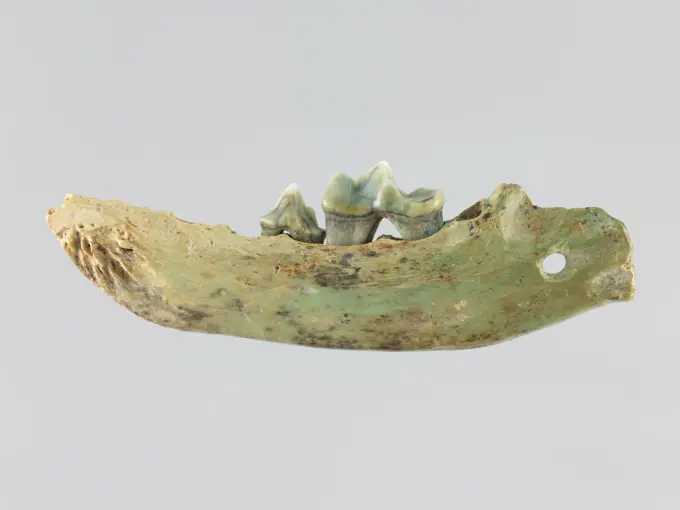
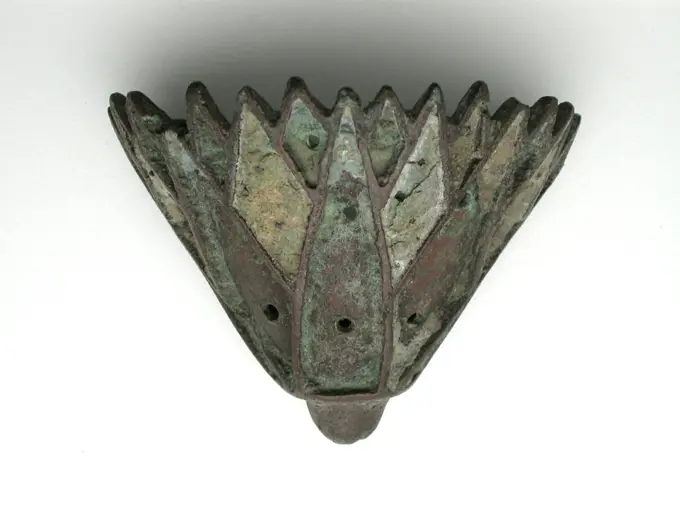
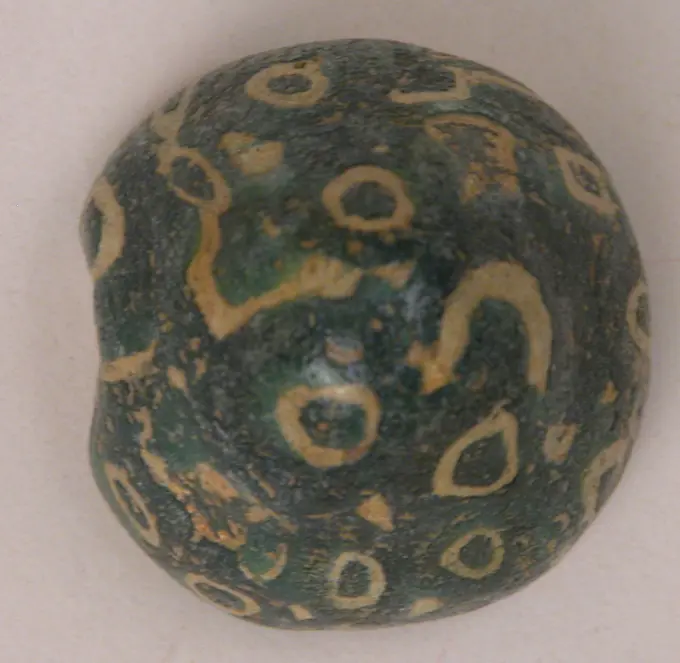
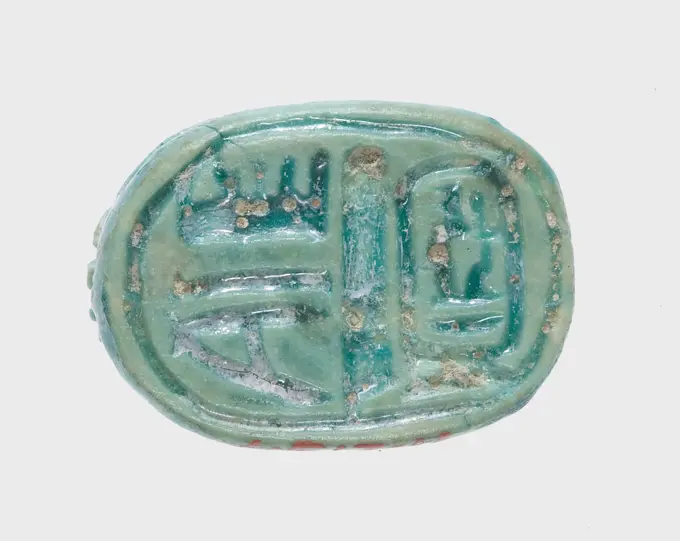
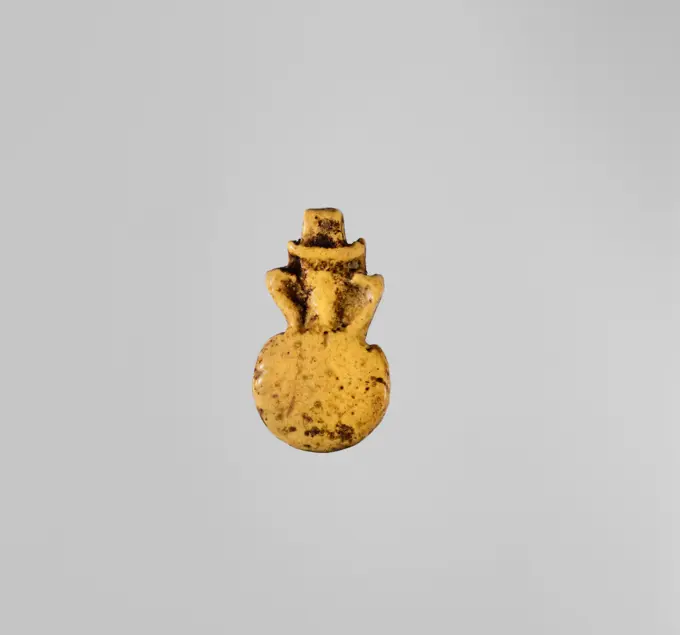
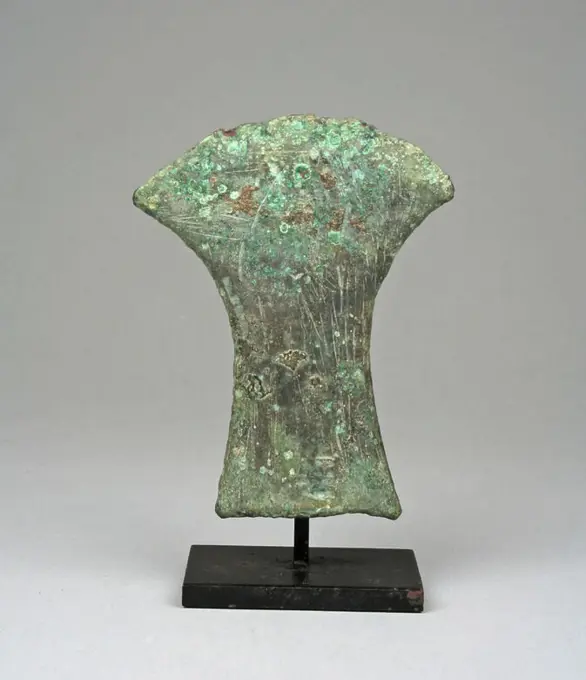
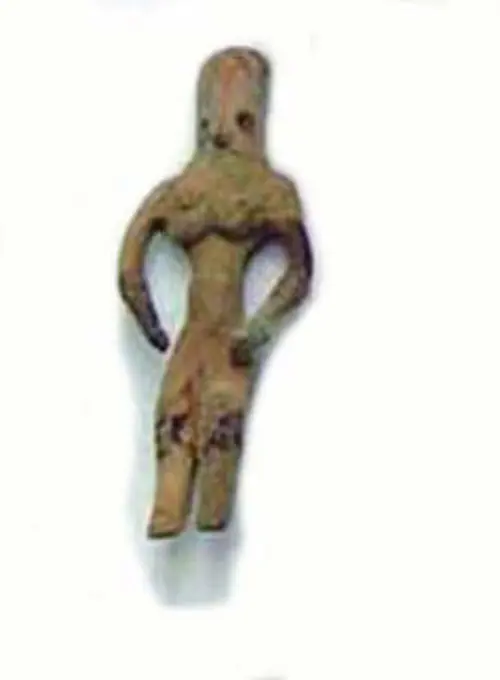
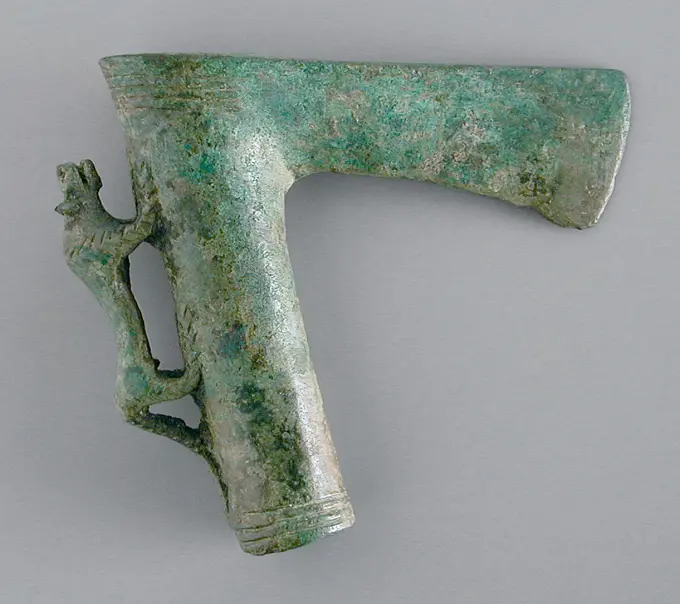
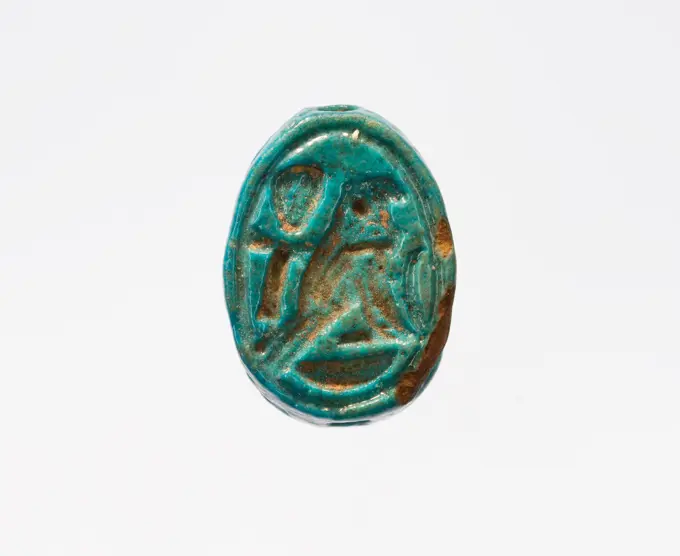
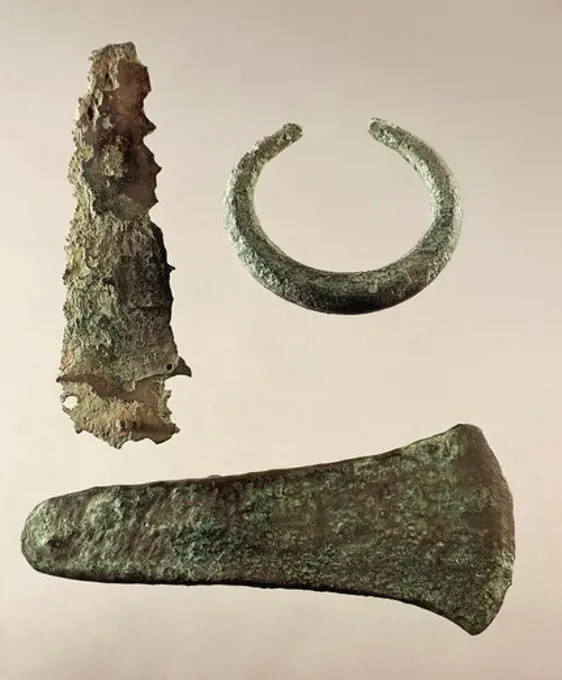
Martavaan from V.O.C. ship De 'Witte Leeuw', Anonymous, Before 1613  Martavaan from V.O.C. ship De 'Witte Leeuw', 15 present. southeast Asia stoneware. porcelain   Sint-HelenaScarab: Uninscribed. Egyptian. Date: 1985 BC-525 BC. Dimensions: 0.5 × 1.1 × 0.8 in. (3/16 × 7/16 × 5/16 in.). Stone. Origin: Egypt. Museum: The Chicago Art Institute, Chicago, USA. Author: Ancient Egyptian.Pin Part Roman 200-500Rosace early 16th century European. Rosace. European. early 16th century. Brass. Miscellaneous-Buckles & OrnamentTextile Ornament 14th-15th century Chimú (). Textile Ornament 307624Scarab Inscribed with a Hieroglyphic Motif New Kingdom ca. 1479-1458 B.C. View more. Scarab Inscribed with a Hieroglyphic Motif. ca. 1479-1458 B.C.. Steatite (glazed). New Kingdom. From Egypt, Upper Egypt, Thebes, Deir el-Bahri, Temple of Hatshepsut, Foundation Deposit 7 (G), MMA excavations, 1926-27. Dynasty 18, earlyEXCAVACIONES DE LA HOYA-IDOLO. Location: POBLADO DE LA HOYA. Laguardia. ALAVA. SPAIN.Vessel Attachment. Roman, A.D. 1st-2nd century. Furnishings; Serviceware. Bronze, castEarring, spiral with gold lion head 5th century B.C. Cypriot Silver earriing with lion head of gold.. Earring, spiral with gold lion head 242809Scarab: Ankhesenamun. Egyptian. Date: 1336 BC-1327 BC. Dimensions: 1.3 × 1 × 0.6 cm (1/2 × 3/8 × 1/4 in.). Faience. Origin: Egypt. Museum: The Chicago Art Institute, Chicago, USA. Author: Ancient Egyptian.Bottle 7th-8th century. Bottle 448740Scarab ca. 1550-1295 B.C. New Kingdom. Scarab. ca. 1550-1295 B.C.. Glazed steatite. New Kingdom. From Egypt. Dynasty 18Stone Earflare before 16th century Mexican. Stone Earflare 317112Scarab Inscribed for the King of Upper and Lower Egypt Maatkare (Hatshepsut). Dynasty: Dynasty 18, early. Reign: Joint reign of Hatshepsut and Thutmose III. Date: ca. 1479-1458 B.C.. Museum: Metropolitan Museum of Art, New York, USA.Scarab Inscribed with the Throne Name of Thutmose III ca. 1479-1458 B.C. New Kingdom. Scarab Inscribed with the Throne Name of Thutmose III. ca. 1479-1458 B.C.. Steatite, glazed. New Kingdom. From Egypt, Upper Egypt, Thebes, Deir el-Bahri, Temple of Hatshepsut, Foundation Deposit 7 (G), MMA excavations, 1926-27. Dynasty 18, earlyCostume Ornament. Culture: Peru; central coast (). Dimensions: D. 1 3/8 in. (3.5 cm). Date: 11th-12th century. Museum: Metropolitan Museum of Art, New York, USA.Small padlock with copper body and iron bracket with closing plate for the keyhole, padlock lock sealant soil find copper iron metal, forged punched Small padlock with copper body and iron bracket with closing plate for the keyhole. Marked on the closing plate of the keyhole Locking plate stamped; VP under figure consisting of three oval crown archeology Rotterdam rail tunnel close theft prevention Soil discovery Rotterdam tunnel trajectory.Amulet of the God Min or Amun-Min. Egyptian. Date: 1070 BC-332 BC. Dimensions: 2.1 × 0.8 × 0.6 cm (13/16 × 5/16 × 1/4 in.). Faience. Origin: Egypt. Museum: The Chicago Art Institute, Chicago, USA. Author: Ancient Egyptian.Scaraboid Hedgehog 1550 BCE-1186 BCE Egypt. Glazed steatite . Ancient EgyptianModel of a Foot (left foot), c. 1880 - 1917. Auguste Rodin (French, 1840-1917). Bronze; overall: 12.4 x 7.4 cm (4 7/8 x 2 15/16 in.).Decorated Tube. Iran, Luristan, Luristan bronzes, circa 1000-650 B.C.. Sculpture. Bronze, castSpool-shaped Game Piece Third Intermediate Period-Late Period ca. 1070-525 B.C. View more. Spool-shaped Game Piece. ca. 1070-525 B.C.. Blue Faience. Third Intermediate Period-Late Period. From Egypt, Upper Egypt, Thebes, Sheikh Abd el-Qurna, MMA excavations. Dynasty 21-26Single Spout Blackware Vessel in the Form of a Crayfish. Chimú; North coast, Peru. Date: 1000-1400. Dimensions: H. 16 cm (6 15/16 in.). Ceramic and pigment. Origin: North Coast. Museum: The Chicago Art Institute, Chicago, USA.Round Plaque. Culture: Vicús. Dimensions: Diameter 1-13/16 in. (4.6 cm). Date: 3rd century B.C.-A.D. 2nd century. Museum: Metropolitan Museum of Art, New York, USA.Ring with Animal Mask. China. Date: 2000 BC-1500 BC. Dimensions: 3.1 × 2.7 × 2.1 cm (1 1/4 × 1 1/16 × 13/16 in.). Jade. Origin: China. Museum: The Chicago Art Institute, Chicago, USA.Fragment of a Leg (right leg), c. 1880 - 1917. Auguste Rodin (French, 1840-1917). Plaster; overall: 7 cm (2 3/4 in.).Teardrop-Shaped Bead, 1980-1801 BC. Egypt, Middle Kingdom, Dynasty 12. Gold over calcite gesso core; average: 2.4 cm (15/16 in.).Terracotta jug fragment 1st half of 2nd century A.D. Roman Fragment of an applied medallion from a vase; male figure with branch, beside a tripod.. Terracotta jug fragment 250474 Roman, Terracotta jug fragment, 1st half of 2nd century A.D., Terracotta, width   7.01 cm.. The Metropolitan Museum of Art, New York. Gift of J. Pierpont Morgan, 1917 (17.194.2138)Fragment of a terracotta plate 7th century B.C. East Greek, Wild Goat Style Obverse, above, griffin; below, sphinxReverse, head of horned figure, AcheloosIt is unclear whether this plate was decorated on the reverse or whether the plain surface invited a spontaneous drawing.. Fragment of a terracotta plate 255081 East Greek, Wild Goat Style, Fragment of a terracotta plate, 7th century B.C., Terracotta, greatest H. 4 3/4 in. (12 cm); estimated diameter 14 in. (35.6 cm). The Metropolitan Museum of Art, New York. Gift of Nicolas Koutoulakis, 1960 (60.92.1)Mordant French early 16th century View more. Mordant. French. early 16th century. Bronze. Miscellaneous-Buckles & OrnamentCylinder seal ca. 2345-2181 B.C. or later Old Kingdom. Cylinder seal. ca. 2345-2181 B.C. or later. Steatite. Old Kingdom. From Egypt. Dynasty 6 or laterScarab ca. 1479-1458 B.C. New Kingdom. Scarab. ca. 1479-1458 B.C.. Faience. New Kingdom. From Egypt, Upper Egypt, Thebes, Deir el-Bahri, Hatshepsut Hole, Hathor Shrine, MMA excavations, 1922-23. Dynasty 18Shaffron (Horse's Head Defense). Culture: Iranian. Dimensions: H. 23 1/4 in. (59.1 cm). Date: 16th century.The surface is engraved with symmetrical floral arabesques. It is likely that this piece originally would have been part of an entire garniture for man and horse. Museum: Metropolitan Museum of Art, New York, USA.Counter Plate of a Belt Buckle. Culture: Frankish. Dimensions: Overall: 3 9/16 x 2 1/4 x 1/2 in. (9 x 5.7 x 1.2 cm). Date: 7th century. Museum: Metropolitan Museum of Art, New York, USA.Boat;  664-332 BC ; Half period (-664-00-00--332-00-00);Scarab: Cobras Addorsed and Linked. Egyptian. Date: 1550 BC-1295 BC. Dimensions: 0.6 × 1.6 × 1.3 cm (1/4 × 5/8 × 1/2 in.). Glazed steatite. Origin: Egypt. Museum: The Chicago Art Institute, Chicago, USA. Author: Ancient Egyptian.Spindle Whorl 10th-early 16th century Mexican. Spindle Whorl 307573Pole Top with Double Bird-Shaped Bell (one of pair). Northern China or Inner Mongolia. Date: 599 BC-400 BC. Dimensions: 19.2 × 10.5 cm (7 1/2 × 4 1/8 in.). Bronze. Origin: Northern China. Museum: The Chicago Art Institute, Chicago, USA.Scarab Inscribed for Queen Merytamun. Dimensions: L. 1.5 cm (9/16 in). Dynasty: Dynasty 18. Reign: reign of Amenhotep I. Date: ca. 1525-1504 B.C.. Museum: Metropolitan Museum of Art, New York, USA.Costume Ornament 11th-12th century Central coast (). Costume Ornament 308789Statuette of a dog Roman. Statuette of a dog 256664Amulet - Killer whaleIncense Burner. Egypt, Ptolemaic or Roman Period (323 BCE - 300 CE). Tools and Equipment; burners. BronzeScarab with Lion-headed Goddess Protecting Maatkare ca. 1479-1458 B.C. New Kingdom During the 1926-1927 excavation season, the Museum's Egyptian Expedition uncovered three foundation deposits along the eastern enclosure wall of Hatshepsut's funerary temple at Deir el-Bahri in Western Thebes. Among the contents were 299 scarabs and stamp-seals. Sixty-five of these are now in the Egyptian Museum, Cairo, and the rest were acquired by the Museum in the division of finds.Among the inscriptions on the bases of these scarabs and seals are examples of every title Hatshepsut held, from the time she was "king's daughter" during the reign of her father, Thutmose I; through the time she was queen of her half-brother, Thutmose II; and during her regency and co-reign with her nephew/step-son, Thutmose III.The inscription on the base of this scarab records Hatshepsut's throne name, Maatkare, enclosed in a cartouche. A lion-headed winged goddess, perhaps Sakhmet, protects the king with outstretched arPendant probably 8th-12th century. Pendant 453462One Small Bronze Enamelled Reliquary. UnknownGarment Ornament, 475-221 BCE, 1 5/8 x 1 9/16 x 1/16 in. (4.13 x 3.97 x 0.16 cm), Opaque light brown jade with mottling, China, 5th-3rd century BCEOpenwork Ring, 1069-715 BC. Egypt, Third Intermediate Period, Dynasties 21 (1069-945 BC) - 22 (945-715 BC). Turquoise faience; diameter: 2.6 cm (1 in.); overall: 2 cm (13/16 in.).Menat fragment ca. 1479-1458 B.C. New Kingdom. Menat fragment. ca. 1479-1458 B.C.. Faience. New Kingdom. From Egypt, Upper Egypt, Thebes, Deir el-Bahri, Hatshepsut Hole, Hathor Shrine, MMA excavations, 1922-23. Dynasty 18Necklace Bead in the Form of a Fish, 185-72 BC. India, Sunga Period (185-72 BC). Gold repoussé with granulation;Finial Support. Iran, Luristan, Luristan bronzes, circa 1000-650 B.C.. Architecture; Architectural Elements. Bronze, castMandible de Loutre (common name). mandible from otter. Carnavalet museum, history of Paris.Face Mask Ornament 6th-7th century Moche (Loma Negra). Face Mask Ornament. Moche (Loma Negra). 6th-7th century. Gilded copper, turquoise. Peru. Metal-OrnamentsTerracotta oil lamp. Culture: Roman, Cypriot. Dimensions: Overall: 7/8 x 3 5/8 in. (2.2 x 9.2 cm). Date: ca. A.D. 40-100.On discus, a siren. Museum: Metropolitan Museum of Art, New York, USA.Stamp Seal. Western Iran, circa 1350-800 B.C.. Tools and Equipment; seals. Bronze, castPectoral 3rd century B.C.-A.D. 2nd century Vicús. Pectoral 315495Lotus Flower 1069 BCE-664 BCE Egypt. Bronze, inlay ( ) . Ancient EgyptianBell 16th century Italian, Padua or Venice. Bell. Italian, Padua or Venice. 16th century. Bronze, dark brown lacquer patina. Sculpture-BronzeAmulet of a Ram. Egypt, Old Kingdom - New Kingdom (2687 - 1081 BCE). Jewelry and Adornments; amulets. Calcite (carved in the round)Bird on Bell. Greek; Thessaly. Date: 800 BC-600 BC. Dimensions: 4.2 x 2.8 x 1.9 cm (1 5/8 x 1 1/8 x 3/4 in.). Bronze. Origin: Greece. Museum: The Chicago Art Institute, Chicago, USA. Author: ANCIENT GREEK.Bird Plaque Ornament 3rd century B.C.-A.D. 2nd century Vicús. Bird Plaque Ornament 315390Pilgrim's Badge 14th-16th century French. Pilgrim's Badge. French. 14th-16th century. Lead. Metalwork-LeadHarness Ornament with Owl's Head 4th century B.C. Northwest China. Harness Ornament with Owl's Head 59494Animal amulet ca. 1850-1640 B.C. Middle Kingdom-Early New Kingdom. Animal amulet 557138Terracotta spindle whorl ca. 1900-1600 B.C. Cypriot Spindle whorls aided in the making of cloth for garments and bedding. They were placed in tombs, perhaps so that the deceased could continue to spin wool in the afterlife.. Terracotta spindle whorl. Cypriot. ca. 1900-1600 B.C.. Terracotta; hand-made. Middle CypriotHammered Silver Miniature Drum 11th-mid-15th century Chimú or Chancay. Hammered Silver Miniature Drum 308973Gaming Piece possibly 8th-12th century The dot-in-circle motif recalls designs presumed to be of magical significance, most likely an abstract eye to ward off the evil-eye, which serves an apotropaic function. Easily reproduced with a tool and visible in many cultures and times, this symbol may have lost its meaning, and become simply a decorative pattern, or may have one that we have not yet discovered.. Gaming Piece 452329Amulet, papyrus capital Symbolic objects used for amulets include a menat-pendant, the djed-sign, a papyrus capital are all common in Egyptian architecture. Also, a pectoral, such as is used on mummies, a bunch of grapes, or other clusters of fruit, and an inscribed bead are common shapes.. Amulet, papyrus capital. Clay, glazed. Gold and SilverPaciorek-Koralik;  9th century (1001-00-00-1100-00-00);Kubiak, Władysław (1925-1997) - collection, gift (provenance), Islam (culture), Islamic artCovered Jar with Horn Handle (lid), AD 400s-500s. Korea, Silla (57 BC-935) or Kaya (AD 42-562) period. Red earthenware with impressed designs and applied red slip; diameter of mouth: 8.8 cm (3 7/16 in.); overall: 13.5 x 12 cm (5 5/16 x 4 3/4 in.).Papier -sherry, with glazes in different colors and and in relief possibly a religious performance, anonymous, 1500 - 1799   earthenware. glaze   earthenware. glazeScarab Inscribed for Amenhotep III ca. 1390-1353 B.C. New Kingdom This scarab is inscribed on the base with a cartouche enclosing the throne name of Amenhotep III, Nebmaatre. To the left are hieroglyphs that describe the king as beloved of the god Amun.. Scarab Inscribed for Amenhotep III. ca. 1390-1353 B.C.. Faience. New Kingdom. From Egypt, Upper Egypt, Thebes, Malqata, Houses G-K, MMA excavations, 1910-11. Dynasty 18Amulet w kształcie manierki. unknown, authorAxle cap from chariot wheel, one of a pair, 5th-4th century BCE, 3 1/16 × 2 1/16 in., 0.9 lb. (7.78 × 5.24 cm, 0.4 kg), China, 5th-4th century BCERound Plaque. Culture: Vicús. Dimensions: Diam. 3 3/16 in. (8.1 cm). Date: 3rd century B.C.-A.D. 2nd century. Museum: Metropolitan Museum of Art, New York, USA.Buckle Shank 7th century Visigothic. Buckle Shank. Visigothic. 7th century. Copper alloy. Miscellaneous-Buckles & OrnamentAxe Blade. Culture: Dongson. Dimensions: H. 3 1/2 x W. 2 11/16 x D. 15/16 in. (8.9 x 6.8 x 2.4 cm). Date: ca. 500 B.C.-A.D. 300. Museum: Metropolitan Museum of Art, New York, USA.Scarab Depicting Seti II In His Chariot Shooting a Bow and Arrow. ca. 1200-1194 B.C. New Kingdom, Ramesside On the base, the scarab depicts Seti II in his chariot drawing a bow and arrow. A bearded man, perhaps an Asian enemy, stands in front of the chariot. Above the scene is the king's prenomen.. Scarab Depicting Seti II In His Chariot Shooting a Bow and Arrow.. ca. 1200-1194 B.C.. Glazed steatite. New Kingdom, Ramesside. From Egypt. Dynasty 19One of a Pair of Ear Pendants 500 B.C.-A.D. 300 Vietnam (North) or Indonesia (Sumatra). One of a Pair of Ear Pendants 53329Prehistory, Italy. Copper and flint tools and weapons.Anthropomorphic bone pendant used as an amulet, Crimea. Gotho-Alanic Civilization, 3rd-4th Century.Silver Nail with Spherical Gilt Head. UnknownStone Earflare before 16th century Mexican. Stone Earflare. Mexican. before 16th century. Stone. Mexico, Mesoamerica, Guerrero, Balsas River region. Stone-OrnamentsFragment tobacco pipe. Fragment tobacco pipe with a fish, a crown and the letters H L R depicted. Of the excavations at the Hofstede Arentsburg 1827-1831 under the supervision of professor Reuvens.Neith () amulet 664-380 B.C. Late Period. Neith () amulet 561538Tube, one of a pair, 11th century BCE, 8 1/16 × 1 5/16 × 1 1/8 in., 0.7 lb. (20.48 × 3.33 × 2.86 cm, 0.3 kg), Bronze, China, 11th century BCE, These tubular objects would have functioned as components of a chariot. During Chinas Bronze Age, a chariot not only served as a vehicle but a symbol of wealth and power—they were always buried with the deceased kings and nobles. For this reason, chariot components were exquisitely designed and often decorated with the same motifs seen on ritual bronze vessels. In these examples, broad strips divide the tubes decoration into four sections. Along one vertical strip is an open slot. Within the four oblong spaces, there is a dragon in profile, facing the closed end.Lamp. Culture: Greek or Roman. Dimensions: Overall: 1 3/16 x 4 1/16 in. (3 x 10.3 cm). Date: 1st century B.C.-1st century A.D.. Museum: Metropolitan Museum of Art, New York, USA.Nike Driving a Chariot; South Italy (); 4th century B.C; Glass and terracotta with gold inlay; 2.4 × 1.9 × 0.8 cm (15,16 × 3,4 × 5,16 in.)Figure of Fertility Goddess ca. 2700-2000 B.C. Baluchistan. Figure of Fertility Goddess. Baluchistan. ca. 2700-2000 B.C.. Terracotta. CeramicsPilgrim's Badge 14th-16th century French. Pilgrim's Badge. French. 14th-16th century. Lead. Metalwork-LeadShaft-hole Axehead. Iran, Luristan, circa 2600-2350 B.C.. Arms and Armor; axes. Bronze, castCovered Cosmetic Box in the Form of Chrysanthemum Flower 1265-1299 Korea. Celadon-glazed stoneware with underglaze molded and inlaid decoration of white clay .Prehistory, Albania, Bronze Age. Shkoder type ax. From Elbasan.Triangular element decorated with a goose (side panel intended to decorate an access ramp) (username), 0100. Gray shale. Cernuschi Museum, Asia Museum of Asia in the city of Paris.Scarab ca. 1479-1458 B.C. New Kingdom. Scarab. ca. 1479-1458 B.C.. Faience. New Kingdom. From Egypt, Upper Egypt, Thebes, Deir el-Bahri, Hatshepsut Hole, Hathor Shrine, MMA excavations, 1922-23. Dynasty 18Stone Temple Model 1st-8th century Mezcala. Stone Temple Model 317488Prehistory, Sweden, Bronze Age. Bronze ax imported from Great Britain; Scandinavian bracelet and blade. From Pile.Protome. Roman, A.D. 2nd-4th century. Sculpture. Iron, castMiniature figurine, 1500 BCE, 2 in. (5.1 cm), Earthenware, Mexico, Pre-ClassicTextile Ornament. Culture: Chimú (). Dimensions: Diameter 1-1/4 in.. Date: 14th-15th century. Museum: Metropolitan Museum of Art, New York, USA.