Ancient Egyptian Artifacts

Fragments and amulets from ancient Egypt, highlighting significant cultural symbols and materials used in historical jewelry.

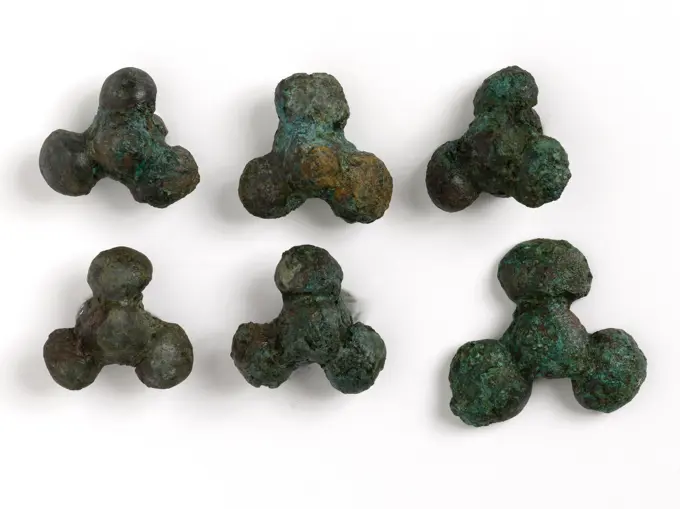
Dress part of the wreck of the East Indies Hollandia, Anonymous, 1700 - in Or Before 1743  tap, part of tap; Fragm, End, ID. ng 1979-521H. Netherlands copper (metal)   Second
Dress part of the wreck of the East Indies Hollandia, Anonymous, 1700 - in Or Before 1743 tap, part of tap; Fragm, End, ID. ng 1979-521H. Netherlands copper (metal) Second
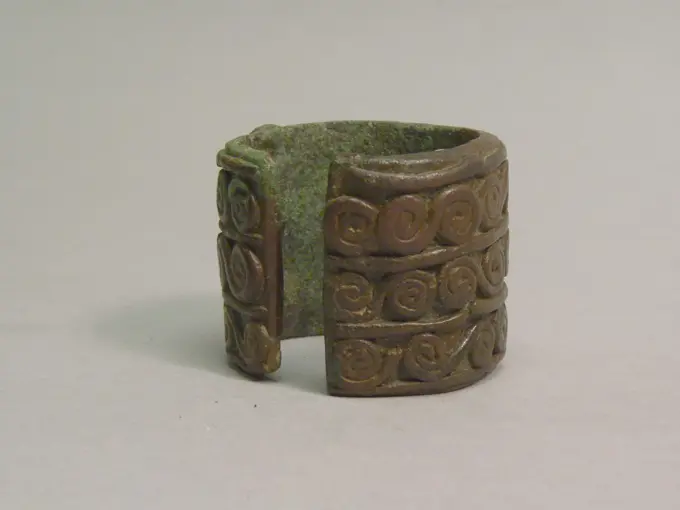
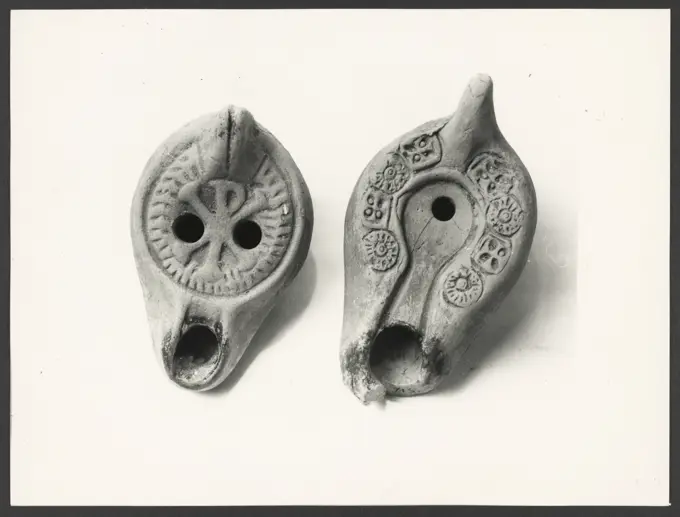
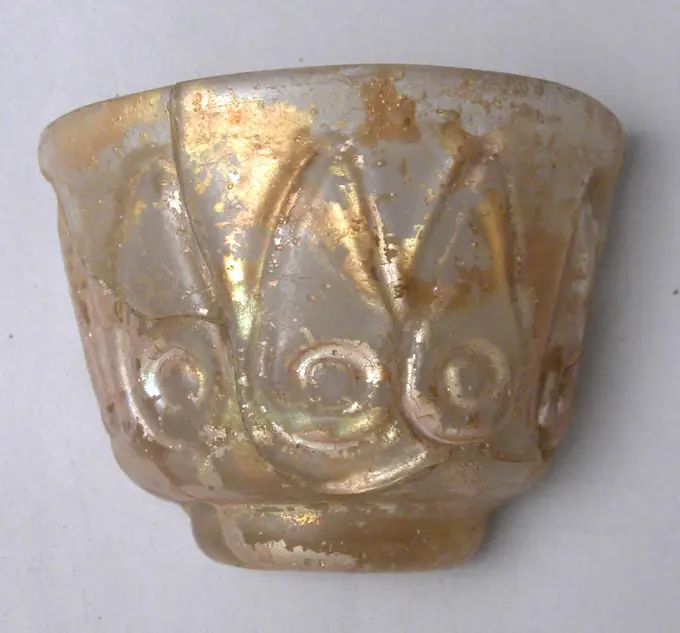
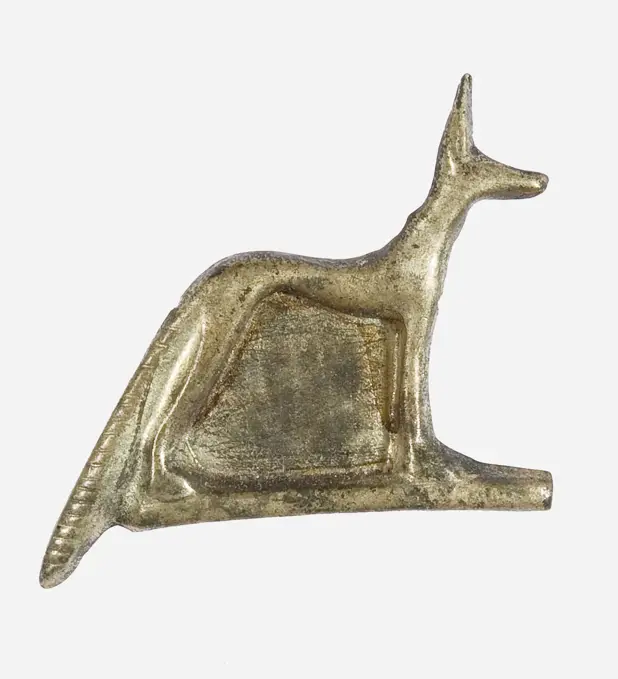
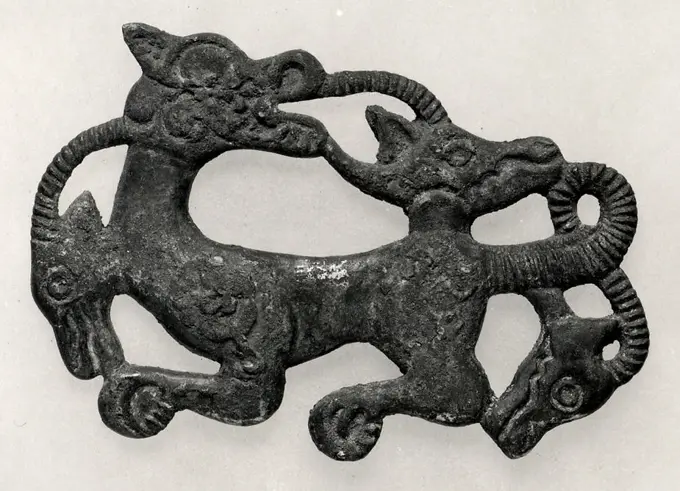
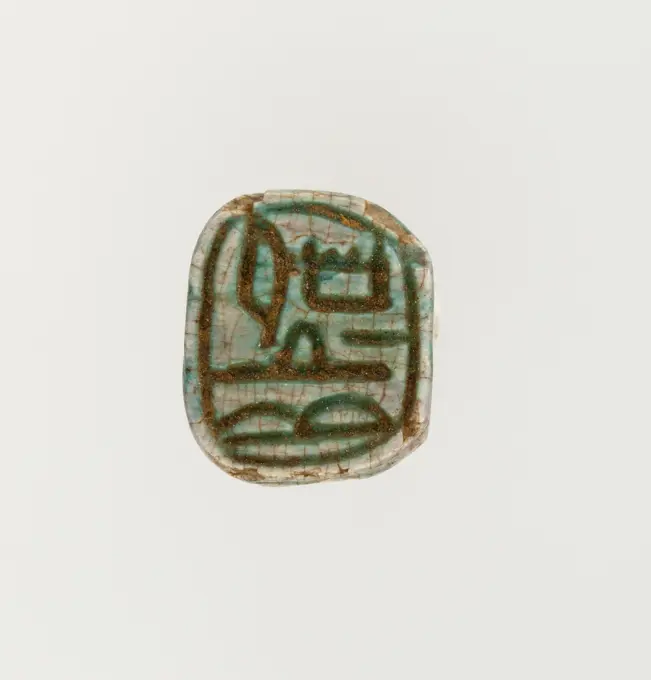
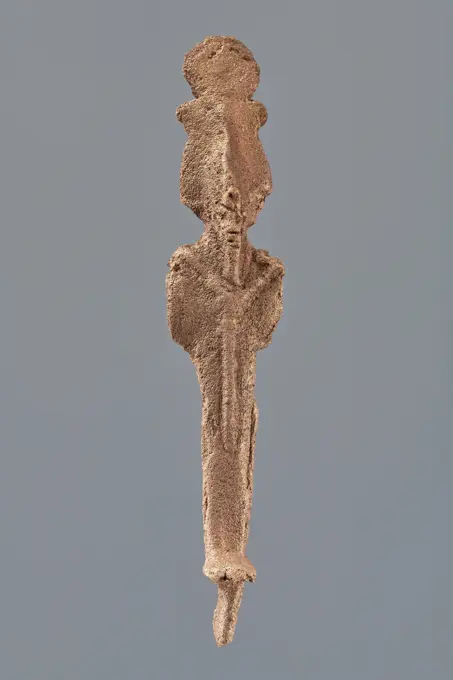
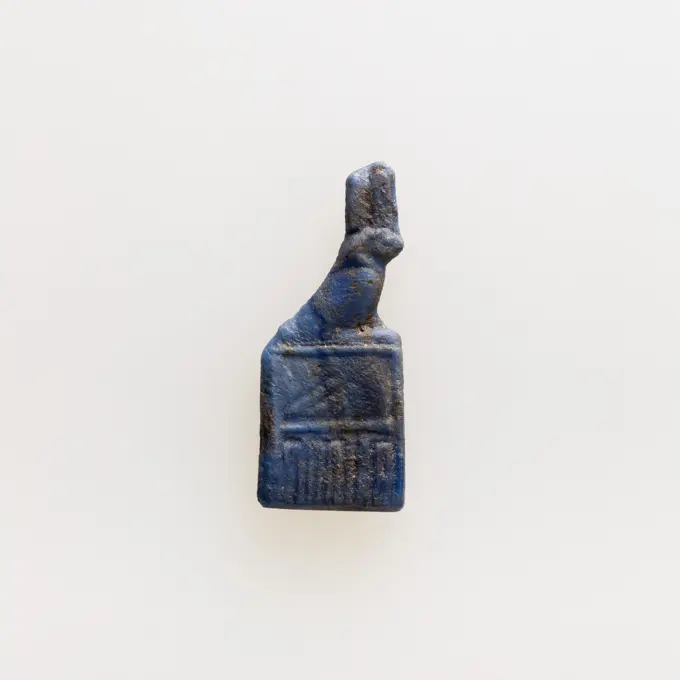
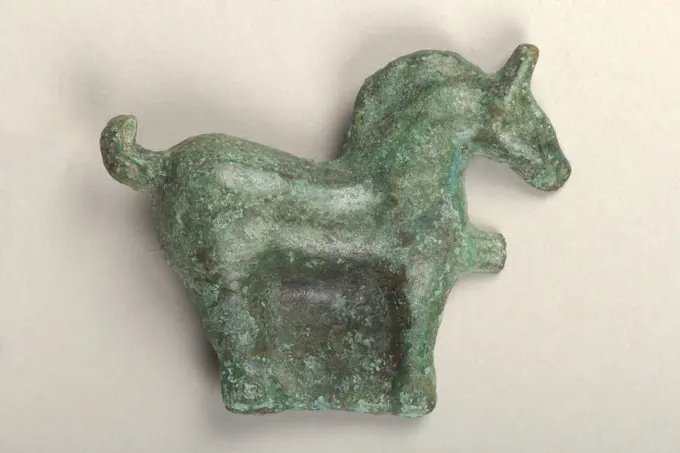
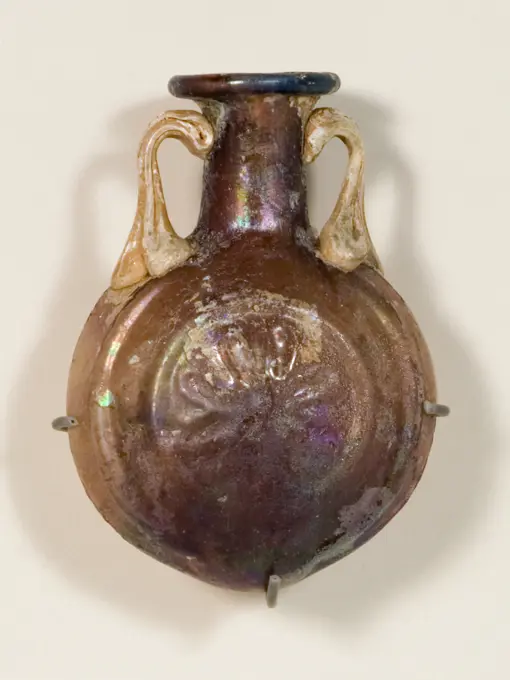
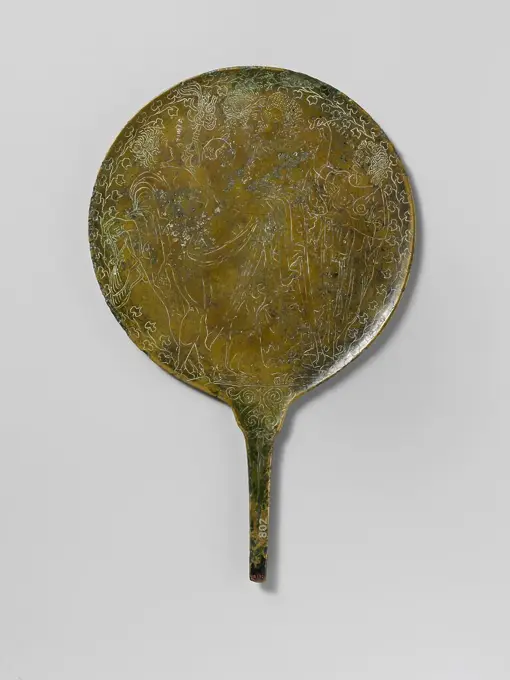
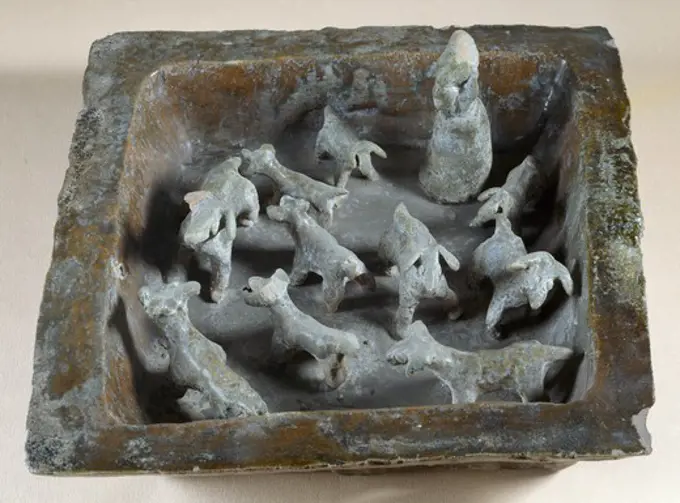
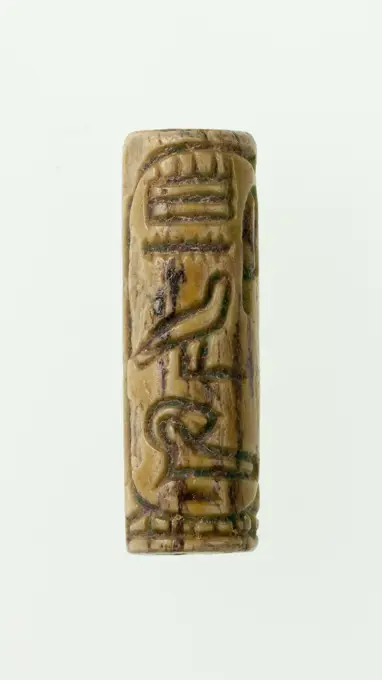
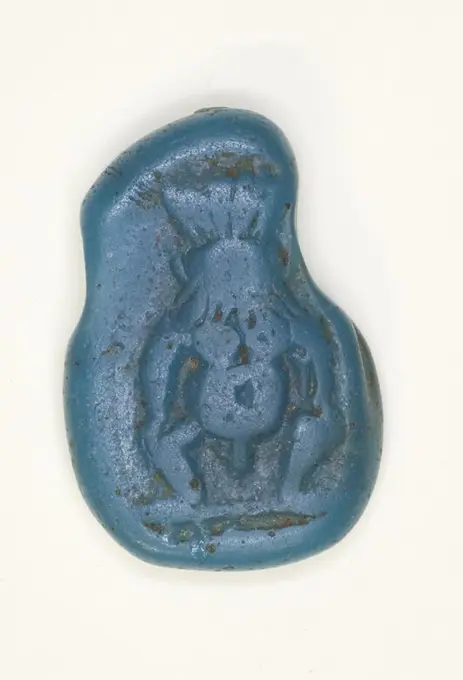
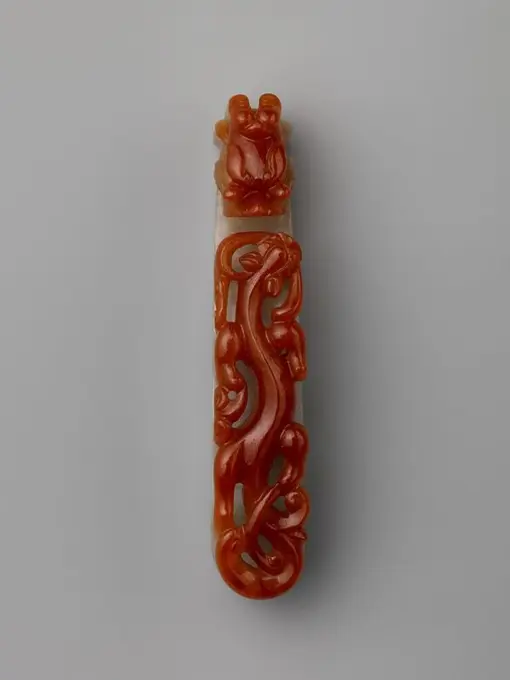
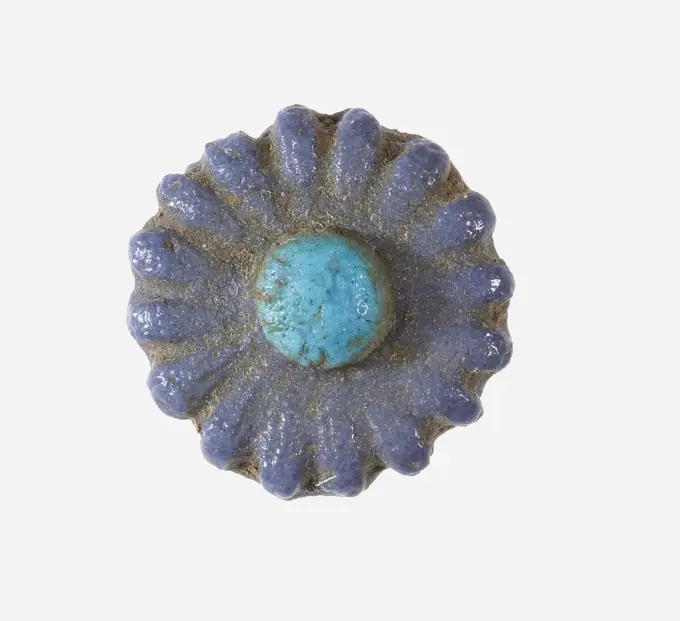
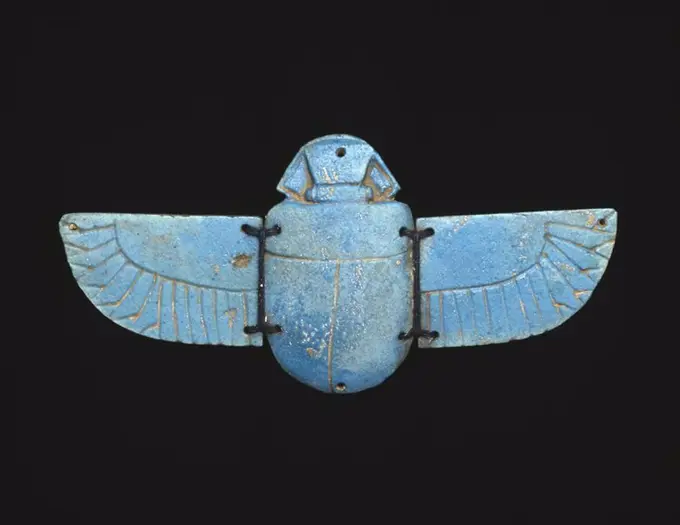
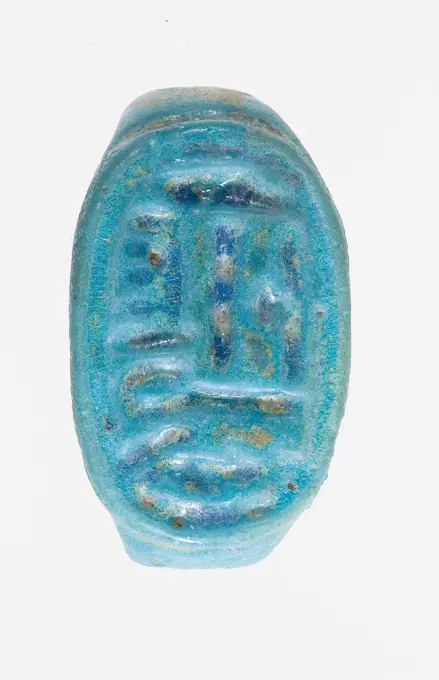
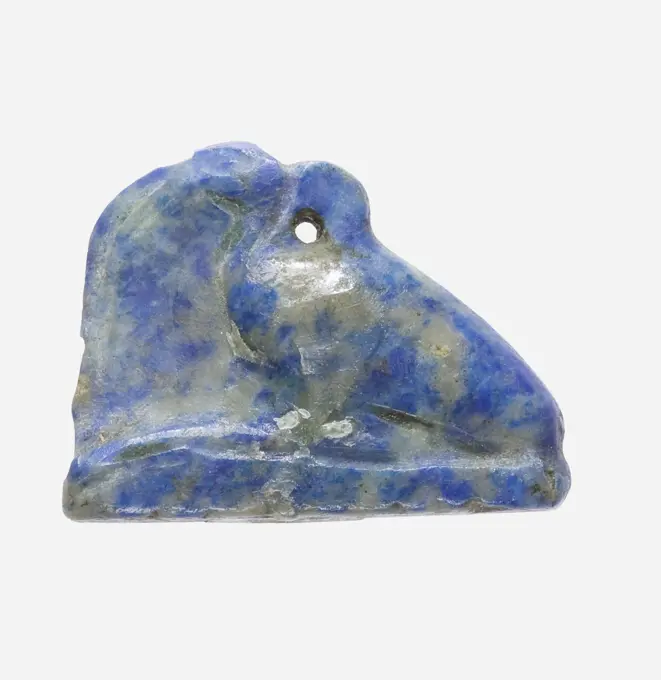
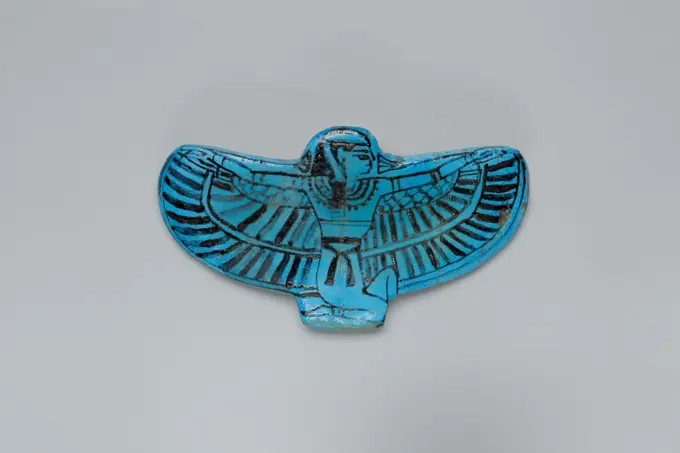
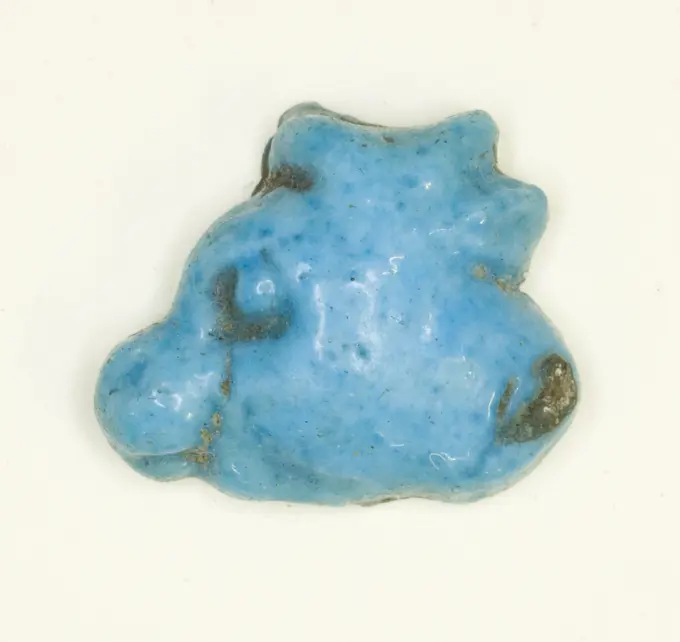
Foundation Deposit Ox Head 1500 BCE-1069 BCE Egypt. Faience . Ancient EgyptianScarab ca. 1479-1458 B.C. New Kingdom. Scarab. ca. 1479-1458 B.C.. Faience. New Kingdom. From Egypt, Upper Egypt, Thebes, Deir el-Bahri, Hatshepsut Hole, Hathor Shrine, MMA excavations, 1922-23. Dynasty 18Cuff with Three Rows of "S"-Shaped Designs 500 B.C.-A.D. 300 Vietnam (North, Highlands). Cuff with Three Rows of "S"-Shaped Designs 53378Lazio Roma Subiaco Monastery of S. Scolastica Archaeological Museum00. Hutzel, Max 1960-1990 Antiquities: Views of antiquities in museum, including sarcophagi, plates, vases, coins. General Notes: Hutzel guide says we have negatives, but we cannot find them. German-born photographer and scholar Max Hutzel (1911-1988) photographed in Italy from the early 1960s until his death. The result of this project, referred to by Hutzel as Foto Arte Minore, is thorough documentation of art historical development in Italy up to the 18th century, including objects of the Etruscans and the Romans, as well as early Medieval, Romanesque, Gothic, Renaissance and Baroque monuments. Images are organized by geographic region in Italy, then by province, city, site complex and monument.Fragment 13th century Syrian. Fragment 26491Fragmentary Cup with Molded Designs in the Beveled Style 9th century Characteristic of the Abbasid period was the movement of ornamental motifs across media as artists explored and played with the relationship between figuration and abstraction. The Beveled style was perhaps the most pervasive as it developed in a number of media. In stucco, the style indicated a technique of cutting which produced cushion-like designs. This glass cup translates that aesthetic both in terms of medium and technique. Rather than cutting into the surface, the artist has instead created the repeating motif by pressing a pair of tongs several times around the circumference of the cup... Fragmentary Cup with Molded Designs in the Beveled Style 442915Fragment figurki. unknown, authorAmulet of Wepwawet ca. 1850-1775 B.C. Middle Kingdom This amulet is part of a group of objects found in tomb V21 at Abydos with two bodies. The group includes 04.18.1-04.18.49.. Amulet of Wepwawet. ca. 1850-1775 B.C.. Electrum. Middle Kingdom. From Egypt, Northern Upper Egypt, Abydos, Cemetery V, Tomb V21, Egypt Exploration Fund excavations, 1904. Dynasty 12, late-early 13Plaque with Tiger and Antelope Heads 3rd-1st century B.C. North China. Plaque with Tiger and Antelope Heads 49537Scaraboid: Fish. Egyptian. Date: 1550 BC-1186 BC. Dimensions: 1 × 0.6 × 0.3 cm (3/8 × 1/4 × 1/8 in.). Glazed steatite. Origin: Egypt. Museum: The Chicago Art Institute, Chicago, USA. Author: Ancient Egyptian.Animal head - a fragment of the figurine;  III/II century BC -1st century (-225-00-00-100-00-00);Finger ring 6th-7th century Langobardic. Finger ring 469025Incense Box and Wrapping Cloth, anonymous, c. 1700 - c. 1799 Incense box of stoneware in the shape of a bat, painted on the glaze in blue, red, green, yellow and black. A carriage on the lid. The edge with servetwork. Style of Ninsei. Kyoyaki . Kyoto (possibly) earthenware. glaze. painting / vitrification Incense box of stoneware in the shape of a bat, painted on the glaze in blue, red, green, yellow and black. A carriage on the lid. The edge with servetwork. Style of Ninsei. Kyoyaki . Kyoto (possibly) earthenware. glaze. painting / vitrificationScaraboid Dwarf Figure 1295 BCE-1069 BCE Egypt. Glazed steatite . Ancient EgyptianRing with emerald 2nd century Roman Period Emeralds began to be mined in Egypt's Eastern Desert already in the Ptolemaic Period, but it's only with the Roman Period they become more common. In the Roman Period they were usually left in their rough hexagonal form.This swivel-set ring suspends the emerald on a pin passing through two disks hammered at the end of the ring itself. The emerald itself is only very slightly faceted.. Ring with emerald 547386Chalice fragment Third Intermediate Period or later ca. 1070-664 B.C. This turquoise blue fragment comes from the rim of a chalice. The relief decoration shows Caerulea (a water lily, often referred to the "blue lotus") flowers alternating with papyrus umbels. The blue lotus or waterlily was not as common as the white (N. lotus) variety in nature, but it was depicted more often in Egyptian art. It was symbolic of the sun and rebirth, as it closes during the night and opens again in the morning. The lily was also the heraldic plant of Upper Egypt, and the papyrus symbolized Lower Egypt; these were often shown twined together to symbolize the unification of Egypt.See 26.7.971 for an example of a complete chalice. View more. Chalice fragment. ca. 1070-664 B.C.. Faience. Third Intermediate Period or later. From Egypt, Upper Egypt, Thebes. Dynasty 21-25Cylinder seal ca. 2960-2770 B.C. Early Dynastic Period. Cylinder seal. ca. 2960-2770 B.C.. Ivory. Early Dynastic Period. From Egypt. Dynasty 1Shabti of Tchenetipet 1069 BCE-945 BCE Egypt. Faience . Ancient EgyptianScarab of Queen Ahmose ca. 1550-1475 B.C. New Kingdom. Scarab of Queen Ahmose 548383Arrowhead, 1100-771 BCE, 2 3/4 x 1 5/8 x 1/8 in. (6.99 x 4.13 x 0.4 cm), Calcified opaque white jade with brown and blue marks, China, 11th-8th century BCELazio Viterbo Viterbo Museo Civico09. Hutzel, Max 1960-1990 Views of paintings (Middle Ages through 18th c.), frescoes, a tabernacle, coffin, sculpture reliefs, portal fragments, busts, sculpture, tapestry found in the Pinacoteca, Second floor gallery and Second floor cloister sequences. Antiquities: Many views of Etruscan and Roman fragments, sculpture, sarcophagi, pottery, masks, jewelry and other objects found in the Storeroom sequence (inventory numbers on back of prints), and the Cloister, Second floor Cloister, Valle Giulia, Sala Romana and Sala Etrusca sequences. General Notes: There are eight separate numerical sequences for this location. The cloister as an architectural structure, rather than museum site, is documented in the record and file for S. Maria della Verita, Cloister, all views of which are stored in Medieval core collection. Five views from the Museo Civico Second floor cloister sequence are stored in Medieval. German-born photographer and scholar Max Hutzel (1911-Belt Buckle. Iran, circa 150 B.C.-A.D. 225. Costumes; Accessories. Bronze, castScarab Inscribed with the Name Amenhotep ca. 1525-1504 B.C. New Kingdom. Scarab Inscribed with the Name Amenhotep. ca. 1525-1504 B.C.. Steatite, glazed. New Kingdom. From Egypt, Upper Egypt, Thebes. Dynasty 18Osiris;  Half period (-664-00-00--332-00-00);Scarab Inscribed with the Name of Ramesses II ca. 1279-1213 B.C. New Kingdom The underside is inscribed with the throne name of pharaoh Ramesses II, Usermaatre (Dynasty 19, ca. 1279-1213 B.C.). The name is set in an oval -a stylized version of the royal cartouche- and surrounded by a rope border.. Scarab Inscribed with the Name of Ramesses II 545692Round white glass bead, bead bead necklace jewelery clothing clothing bottomfound glass, Round glass bead with oval cross section archeology Capelle aan den IJssel adornment Capelle.Double uraeus 664-30 B.C. Late Period-Ptolemaic Period. Double uraeus. 664-30 B.C.. Bronze, glass. Late Period-Ptolemaic Period. From EgyptBird whistle of pipe earth, bird flute lure flute musical instrument sound stimulator toy relaxant soil find ceramic pipe earth, in mold pressed dried fried Vogelfluitje of pipe earth sitting bird with folded wings. Part of mouthpiece at the end of the tail Bird hutch in relief decorated with feathers and feather motifs archeology Valckensteyn Poortugaal Albrandswaard hunting indigenous pottery flutes playing toys child music Soil discovery: castle Valckensteyn in Poortugaal now Albrandswaard.Ring Fragment with Ankh ca. 1390-1353 B.C. New Kingdom. Ring Fragment with Ankh. ca. 1390-1353 B.C.. Faience, dark blue. New Kingdom. From Egypt, Upper Egypt, Thebes, Malqata, Palace of Amenhotep III, MMA excavations, 1910-11. Dynasty 18Celt before 16th century Maya () Greenstone axe heads, commonly known as “celts,” were some of the most important works of art across ancient Mesoamerica and Central America. Created from jadeite mined from the Motagua River Valley of southern Guatemala, or using local green stones from highland Mexico, celts were first created by the Olmec peoples of the Gulf Coast after 1000 B.C. The Olmec conceived of green celts as sprouts of maize and thus “planted” celts in dedicatory offerings, activating ceremonial spaces and perpetuating agricultural fertility. For the later Maya peoples, celts also served as dedicatory materials, but more so as adornments for the royal bodies of kings and queens. Often the celts would be thinned into celt-shaped plaques, strung together in pairs and triads in order to create belt assemblages that would have clinked with the sound of jades striking one another. Tombs from the Classic Period (ca. AD 250-900) contain celts of jadeite and various greenstones froNaczynie kuliste. nieznany warsztat północno mezopotamski (ca 2600-ca 2350 a.C.), workshopBuckle Shank 5th-7th century Visigothic. Buckle Shank. Visigothic. 5th-7th century. Bronze. Miscellaneous-Buckles & OrnamentPendant ca. 9th century B.C. Iran. Pendant 325186Ring: Cowroid with Sistrum and Pendant Uraeui. Egyptian. Date: 1350 BC. Dimensions: 1.3 × 0.6 × 0.6 cm (1/2 × 1/4 × 1/4 in.). Electrum, steatite. Origin: Egypt. Museum: The Chicago Art Institute, USA. Author: Ancient Egyptian.Goose, 1100-900 BC. China, Western Zhou dynasty (c. 1046-771 BC). Jade;Appliqué. Anatolia or Iran, 12th-13th century. Metal. Bronze, castRitual Wine Vessel (Jue) late 11th century B.C. China This elaborate set of wine vessels provides an idea of the splendor of Shang and early Zhou ritual ceremonies. The set is said to have come from a tomb uncovered in 1901; shortly thereafter, it entered the collection of Duan Fang, a senior Manchu official and one of the preeminent antiquarians of the late Qing period. The pieces vary in style and execution. Although eleven of the vessels are inscribed, only one grouping shares identical inscriptions: the two wine containers, or you (nos. 2, 3) and the tall wine container, or zun (no. 4). A second grouping has largely comparable inscriptions: the spouted water vessel, or he (no. 5) and one cup, or zhi (no. 11).A partial reconstruction of the sets arrangement in the tomb may be established from corrosion outlines on the three principal vessels—the two wine containers, or you, and the central tall wine container, or zun—that were etched onto the surface of the altar table. The diagramFragments from buyer from the wreck of the East India Hollandia.parts or artifacts; eroded fragments: Materials; Copper.Shabti, Overseer of Isimkheb. Egyptian; Thebes, Deir el-Bahri. Date: 1069 BC-945 BC. Dimensions: 14 × 5.7 × 4.8 cm (5 1/2 × 2 1/4 × 1 7/8 in.). Faience. Origin: Egypt. Museum: The Chicago Art Institute, Chicago, USA. Author: Ancient Egyptian.Amulet of the Goddess Bastet. Egyptian. Date: 1070 BC-656 BC. Dimensions: 4.8 × 1.6 × 1 cm (1 7/8 × 5/8 × 3/8 in.). Faience. Origin: Egypt. Museum: The Chicago Art Institute, Chicago, USA. Author: Ancient Egyptian.Pins, ornaments. Bronze. Caucasus. Second half of the 1st millennium BC. Paris, Cernuschi museum. 35407-8 Spindle, bronze, ornamentToe stall ca. 1479-1425 B.C. New Kingdom. Toe stall. ca. 1479-1425 B.C.. Gold. New Kingdom. From Egypt, Upper Egypt, Thebes, Wadi Gabbanat el-Qurud, Wadi D, Tomb of the Three Foreign Wives of Thutmose III. Dynasty 18Amulet of serekh sign surmounted by archaic falcon 525-30 BC Late Period-Ptolemaic Period Starting in the later Late Period and continuing through the Ptolemaic Period, a type of glass amulet cast by pressing the glass into a shallow open mold appears. The back was left rough, and the amulets may look ragged because glass overflowed the mold around the edges. The earlier amulets are monochrome, bi- or multicolor amulets supplement the repertoire during the Ptolemaic Period.Some of the amulets can be specifically tied to spells of the Book of the Dead - for example, acc. no. 17.194.2526 - and most are clearly funerary amulets, presumably meant to be wrapped between the bandages of the mummy where the presence of the amulet would do its job irrespective of its degree of finish.. Amulet of serekh sign surmounted by archaic falcon. 525-30 BC. Glass. Late Period-Ptolemaic Period. From EgyptBracelet. Culture: Djenné peoples. Dimensions: Diameter 3-1/8 in.. Date: 15th-19th century. Museum: Metropolitan Museum of Art, New York, USA.Horse-Shaped Belt Buckle ca. 2nd-3rd century Korea. Horse-Shaped Belt Buckle. Korea. ca. 2nd-3rd century. Bronze. Three Kingdoms period (57 B.C.-A.D. 668). MetalworkUraeus Amulet of Djedmutesankh. Dimensions: H. 2 cm (13/16 in.). Dynasty: Dynasty 21. Date: ca. 1070-945 B.C..The Lady Djedmutesankh, a wife or daughter of the High Priest of Amun, was buried with this miniature gold uraeus (rearing cobra) tied to her forehead. Although her family controlled the Theban region, Djedmutesankh's funerary equipment is no better made than that found buried with her lower-ranking contemporaries.For other objects found in the burial of Djedmutesankh, see 25.3.1-.3; 154a-d;.17-.18; .24; .27; and .167-.170. Museum: Metropolitan Museum of Art, New York, USA.Tile Fragment 1334-1434. Tile Fragment 450554Bottle 1 CE-100 CE Roman Empire. Glass . Ancient RomanBronze mirror. Culture: Etruscan. Dimensions: length 10 3/16in. (25.9 cm); diameter 6 1/2in. (16.5 cm). Date: ca. 400-350 B.C..Inscribed: Admite (Admetus) and Alcestei (Alcestis), from Euripedes' tragedy Alcestis of 438 B.C. and nude figure holding a torch-holder. Museum: Metropolitan Museum of Art, New York, USA.Amulet - baran. unknown, authorBird Plaque, 2nd-3rd century, 5 3/16 x 8 3/4 in. (13.18 x 22.23 cm), Gilt bronze, China, 2nd-3rd centurySheepfold, glazed terracotta model from a funeral, China. Chinese Civilisation, Eastern Han Dynasty, 1st-3rd century.Medal (reverse), 1900. Pierre Roche (French, 1855-1922). Bronze; diameter: 19.1 cm (7 1/2 in.).Scarab. Dimensions: l. 0.8 cm (5/16 in). Dynasty: Dynasty 12-18. Date: ca. 1981-1295 B.C.. Museum: Metropolitan Museum of Art, New York, USA.Plaque. Western Inner Mongolia, 5th-3rd century B.C.. Sculpture; plaques. Bronze, castCylinder seal of Amenemhat III ca. 1802-1550 B.C. Middle Kingdom-Second Intermediate Period. Cylinder seal of Amenemhat III 557035Amulet of the God Bes. Egyptian. Date: 1069 BC-656 BC. Dimensions: 2.7 × 1.9 × 0.6 cm (1 1/16 × 3/4 × 1/4 in.). Faience. Origin: Egypt. Museum: The Chicago Art Institute, Chicago, USA. Author: Ancient Egyptian.Bulgaria, Hellenist fibula depicting a lion killing a deer, from the Lukovit treasure, gilded silverMirror with Lotus Handle. Egypt, New Kingdom - Ptolemaic Period (1569 - 30 BCE) or modern. Tools and Equipment; mirrors. BronzeNecklaceCopper Bird Peruvian before 15th centuryCostume Ornament. Culture: Peru; central coast (). Dimensions: Overall: 1 1/2 in. (3.81 cm). Date: 11th-12th century. Museum: Metropolitan Museum of Art, New York, USA.Garment hook. Culture: China. Dimensions: H. 3 11/16 in. (9.4 cm); W. 11/16 in. (1.7 cm); D. 1 in. (2.5 cm). Date: 18th century. Museum: Metropolitan Museum of Art, New York, USA.Seal with Quadruped 800 BCE-600 BCE Thessaly. These precious bronzes objects are votives, or devotional gifts, made for gods. They come in many forms. Some are miniature sculptures of animals, mostly depicting horses, deer, and birds. Others are items of personal adornment, including beads and brooches. Quite a few seem once to have been attached to something else. This assemblage is characteristic of the thousands of votives that were hung from sacred trees or placed in sanctuaries around Greece. Once a shrine was full, the votives were gathered together and ceremonially buried to make room for more offerings. This comes from Thessaly in north-eastern Greece.. Bronze . Ancient GreekPendant. Northwestern Iran, Iron Age I-II, about 1350-800 B.C.. Jewelry and Adornments; pendants. Bronze, castScarab, 1350-1296 BC. Egypt, New Kingdom, mid-Dynasty 18 (1540-1296 BC). Turquoise faience; overall: 1 cm (3/8 in.).Belt Attachment. UnknownMace head. Date: ca. 3850-2960 B.C.. Museum: Metropolitan Museum of Art, New York, USA.Daisy Bead ca. 1390-1353 B.C. New Kingdom. Daisy Bead. ca. 1390-1353 B.C.. Faience. New Kingdom. From Egypt, Upper Egypt, Thebes, Malqata, Palace of Amenhotep III, MMA excavations, 1910-11. Dynasty 18Gold earring with a glass pendant in the form of a demonic mask. Culture: Phoenician or Carthaginian. Dimensions: Height: 1 1/16in. (2.7cm). Date: 1st half of the 5th century B.C..Translucent colorless with greenish tinge, cobalt blue, opaque yellow and white.Hollow at back from rod, forming protruding face with rounded forehead and broad, flat beard extending downward; above, added colorless trail as suspension ring.Yellow outline to head, forming line across brow and around beard; colorless ears applied at sides; bulging eyes outlined in white with blue pupils.End of nose and proper right ear missing, and large, weathered chip on proper left side of face; pitting and iridescent weathering.Large gold hoop, circular in section, tapering towards ends fastened in a hook and loop.These pendants were used as protective amulets to ward off evil. Similar pendants are frequently represented on Cypriot votive statues and figurines, particularly "temple boys.". Museum: Metropolitan MuseumScarab ca. 1479-1458 B.C. New Kingdom. Scarab. ca. 1479-1458 B.C.. Faience. New Kingdom. From Egypt, Upper Egypt, Thebes, Deir el-Bahri, Hatshepsut Hole, Hathor Shrine, MMA excavations, 1922-23. Dynasty 18Spain, Cerro del Calvario, Statuette of a galloping horse, bronzePlaque Bearing the Image of an Ibex ca. 1153-1147 B.C. New Kingdom, Ramesside Ramesses IV initiated several building projects and sent large expeditions to mining regions and quarries early on in his reign. His plans and ambitions were cut short by his death in the sixth year of his reign, but he had been able to complete and decorate his tomb in the Valley of the Kings. He also began work on a gigantic processional temple in Thebes, in which a number of intact foundation deposits were found with literally hundreds of plaques and other objects, like this plaque with an image of an ibex.. Plaque Bearing the Image of an Ibex. ca. 1153-1147 B.C.. Faience. New Kingdom, Ramesside. From Egypt, Upper Egypt, Thebes, Asasif, Temple of Ramesses IV, MMA excavations, 1915-16. Dynasty 20Winged Scarab Amulet. Egyptian. Date: 664 BC-332 BC. Dimensions: 6.4 × 13 × 0.6 cm (2 1/2 × 5 1/8 × 1/4 in.). Faience. Origin: Egypt. Museum: The Chicago Art Institute, Chicago, USA. Author: Ancient Egyptian.Winged scarab Late Period-Ptolemaic Period 664-30 B.C. View more. Winged scarab. 664-30 B.C.. Faience. Late Period-Ptolemaic Period. From EgyptStone Figure Pendant 9th-15th century Costa Rica. Stone Figure Pendant 315820Bead 2nd-7th century Moche (). Bead. Moche (). 2nd-7th century. Copper. Peru. Metal-OrnamentsRing with Cartouche of Amenhotep III ca. 1390-1353 B.C. New Kingdom. Ring with Cartouche of Amenhotep III. ca. 1390-1353 B.C.. Faience, blue. New Kingdom. From Egypt, Upper Egypt, Thebes, Malqata, Palace of Amenhotep III, MMA excavations, 1911-12. Dynasty 18Ibis Amulet 664-332 B.C. Late Period. Ibis Amulet. 664-332 B.C.. Lapis lazuli. Late Period. From Egypt. Dynasty 26-30Glass Fragment 17th-18th century Dutch. Glass Fragment. Dutch. 17th-18th century. Pot metal glass. Glass-StainedGold Figures from Pre-Columbian Tombs, Colombia, South America. Artist: Unknown.Freshly baked homemade bell-shaped sugar christmas cookies on the craft backgroundPectoral of a winged goddess, probably Nut ca. 1295-1186 B.C. New Kingdom, Ramesside Discovered in a tomb at Deir el-Medineh, this funerary pectoral must have belonged to one of the workmen who built and decorated the royal tombs of the New Kingdom or a member of his family. It represents a winged female figure, perhaps the sky goddess Nut, who is often seen protecting the deceased. It could also be Isis, or another goddess. Holes in the upper and lower edges of the pectoral would have been used to attach the piece to the wrappings of the mummy, right over the chest.. Pectoral of a winged goddess, probably Nut. ca. 1295-1186 B.C.. Faience, blue glaze. New Kingdom, Ramesside. From Egypt, Upper Egypt, Thebes, Deir el-Medina, IFAO Tomb 1437, Bruyère excavations. Dynasty 19Costume Ornament 11th-12th century Central coast (). Costume Ornament. Central coast (). 11th-12th century. Silver. Peru. Metal-OrnamentsFortuna