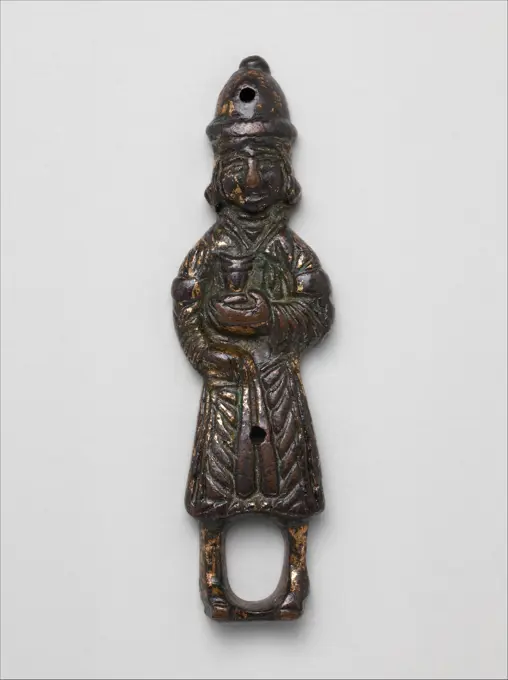
Ancient Egyptian Artifacts

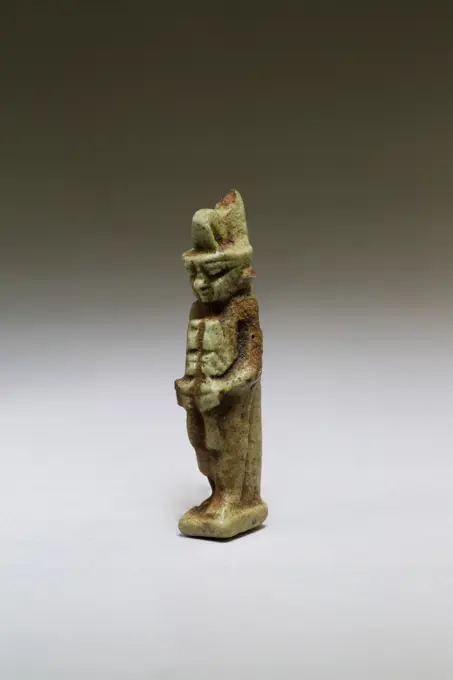
Small ancient figures and amulets depicting deities and symbols from Egyptian history, characterized by detailed craftsmanship and historical significance.
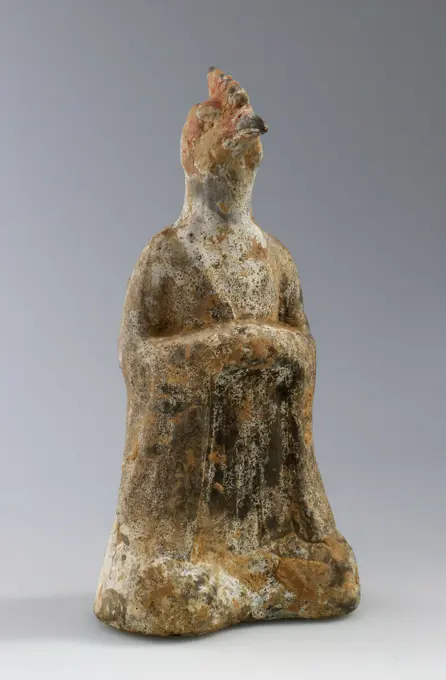
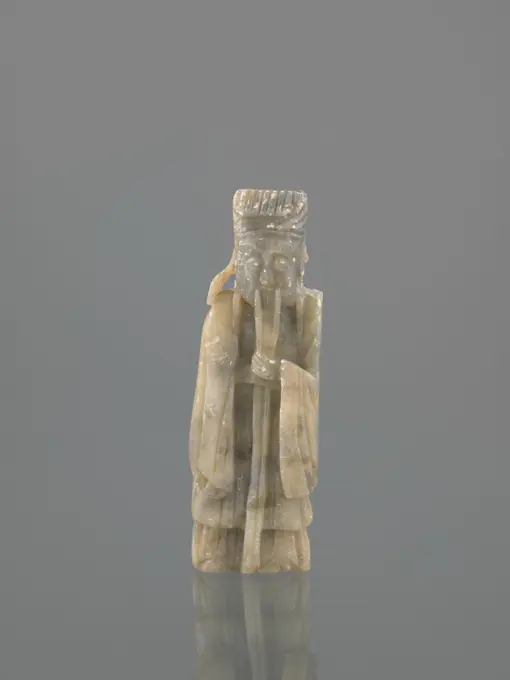
Rooster from Set of Zodiac Figures, 386-535, Dia.9-3/8 in., Earthenware with white slip and traces of pigment, China, 4th-6th century
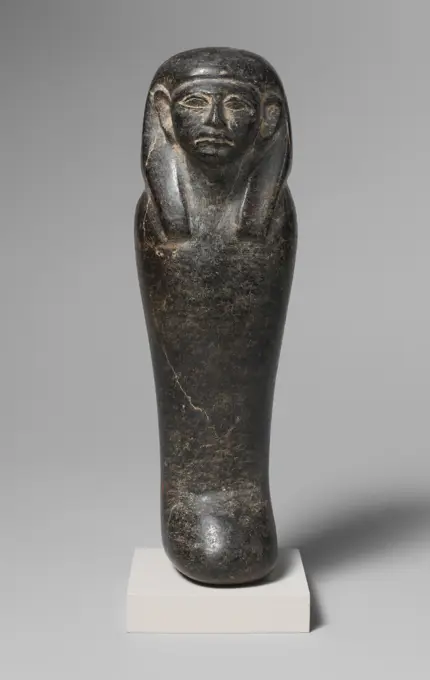
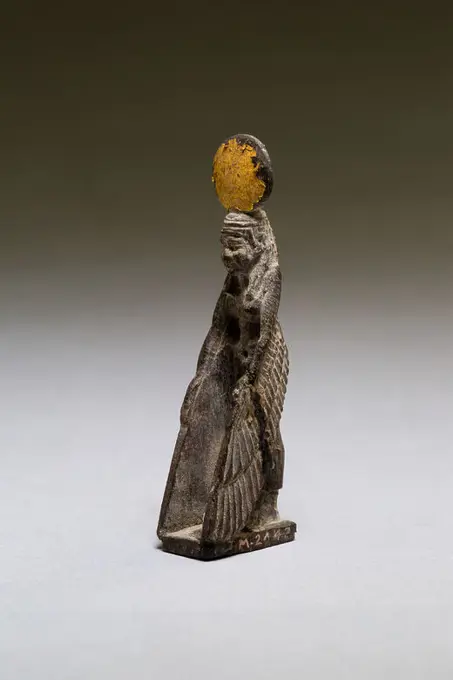
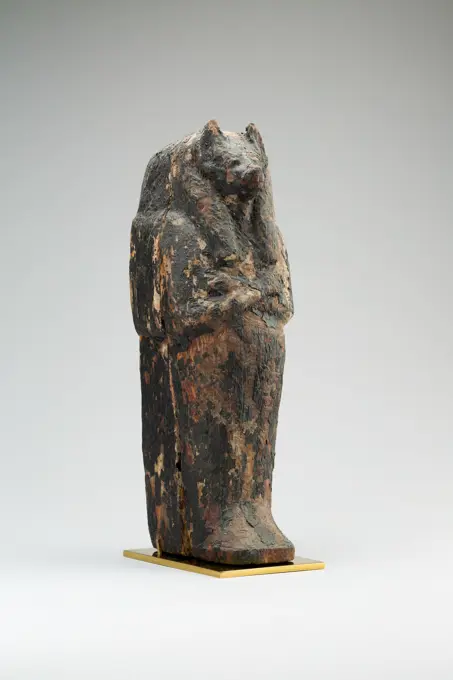
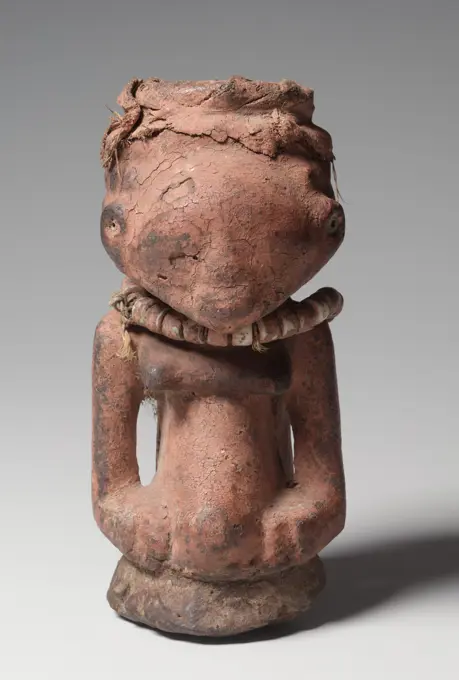
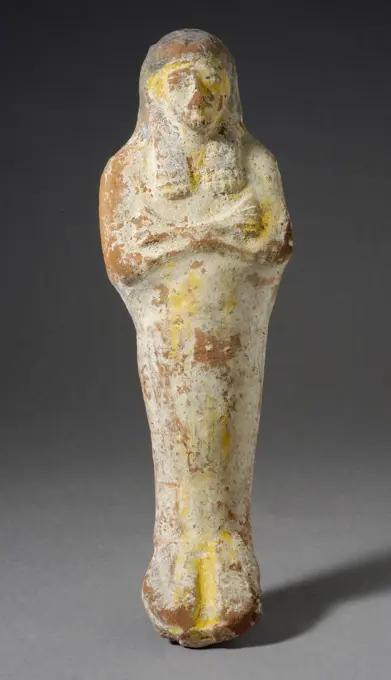
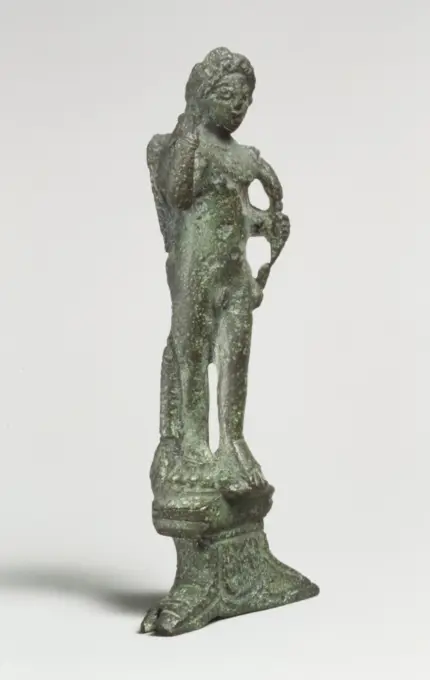
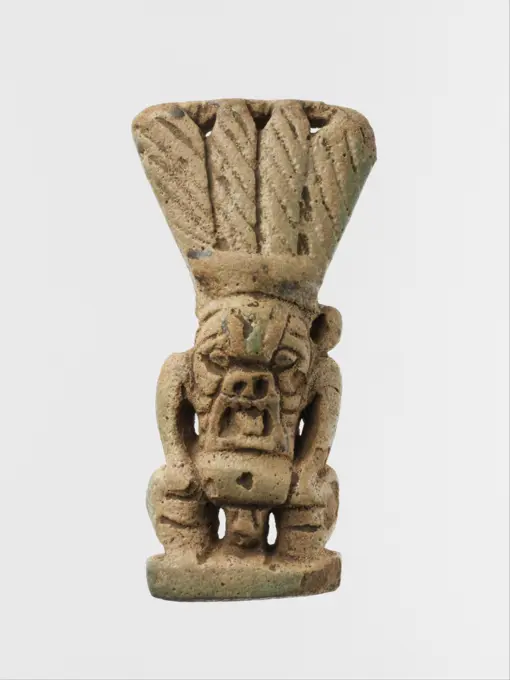
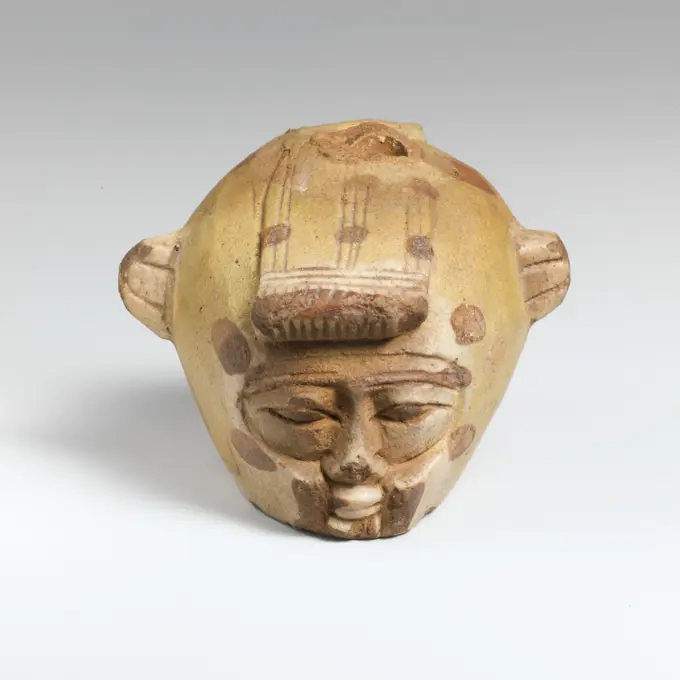
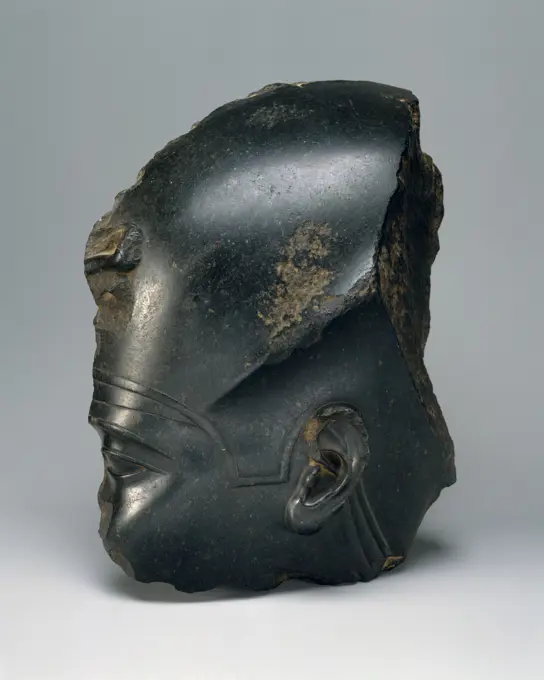
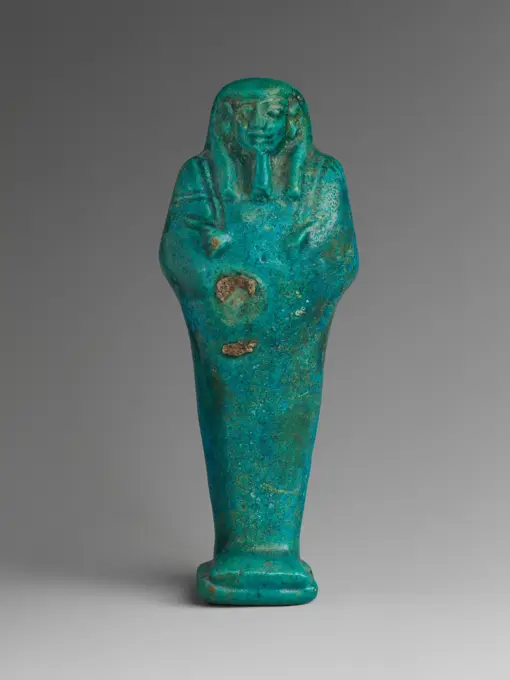
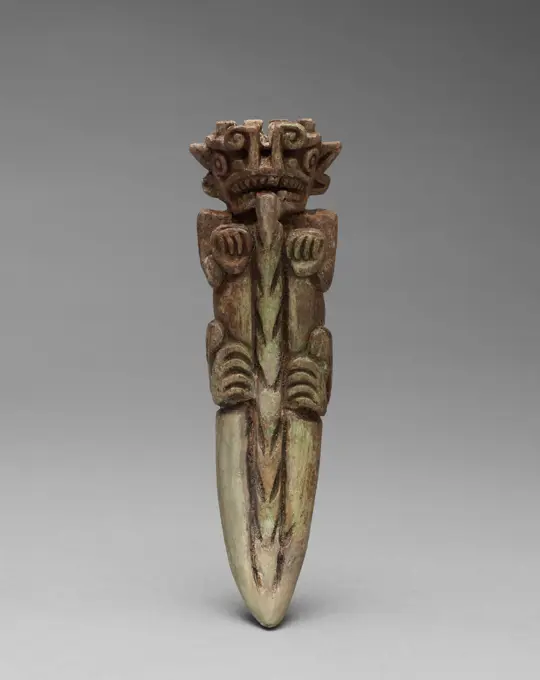
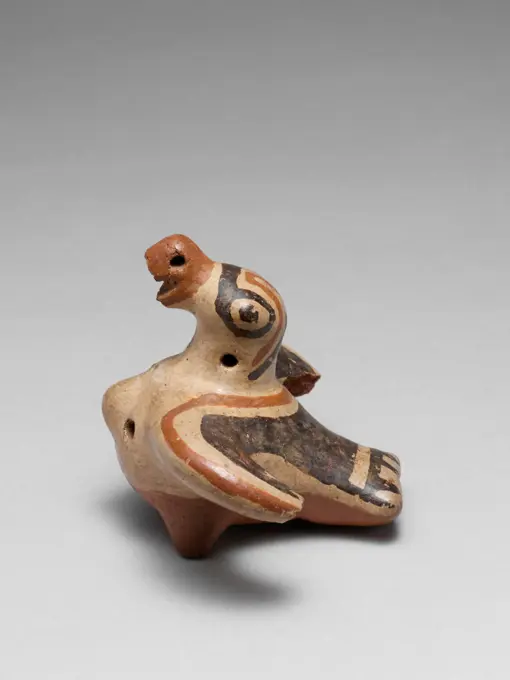
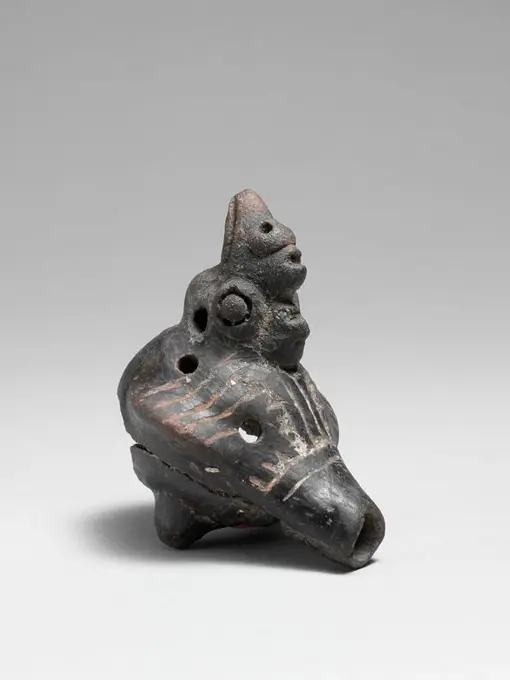
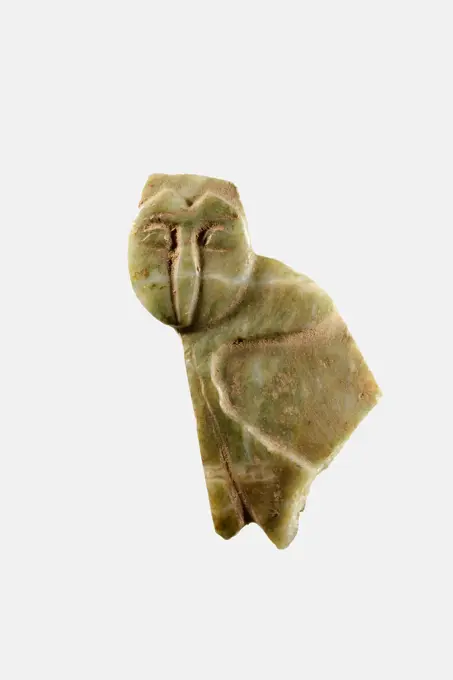
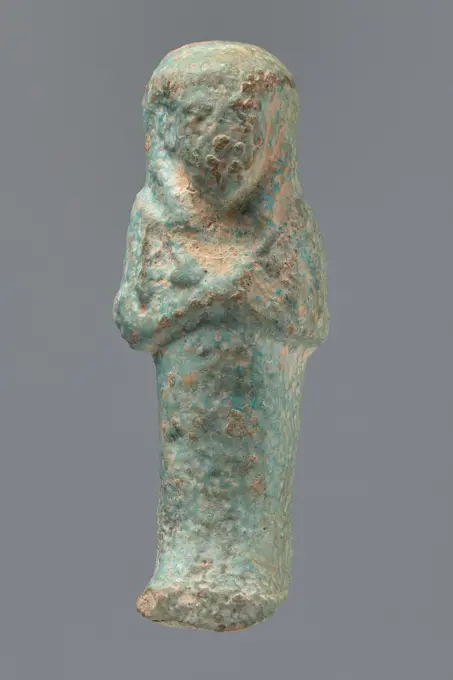
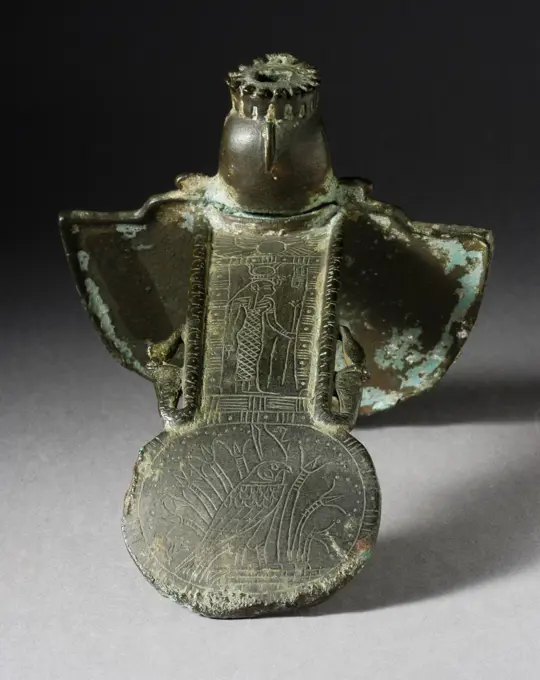
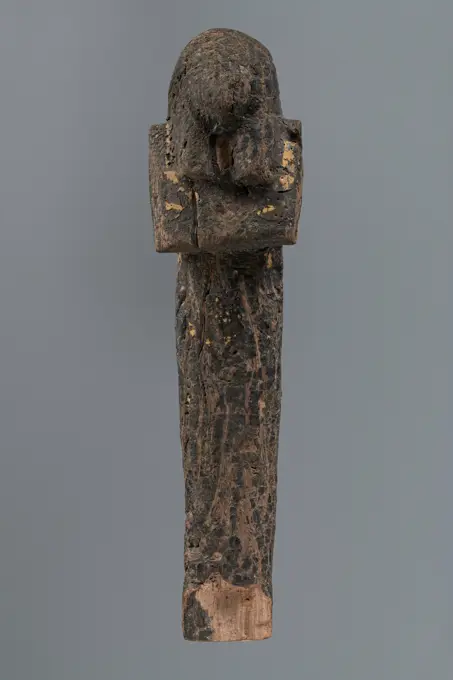
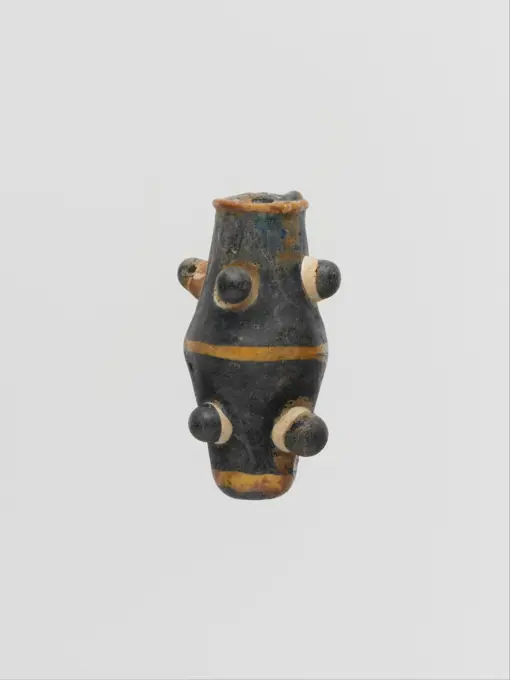
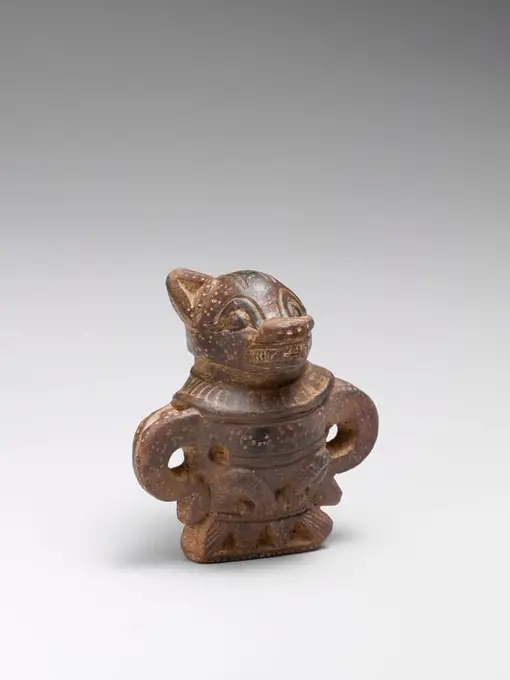
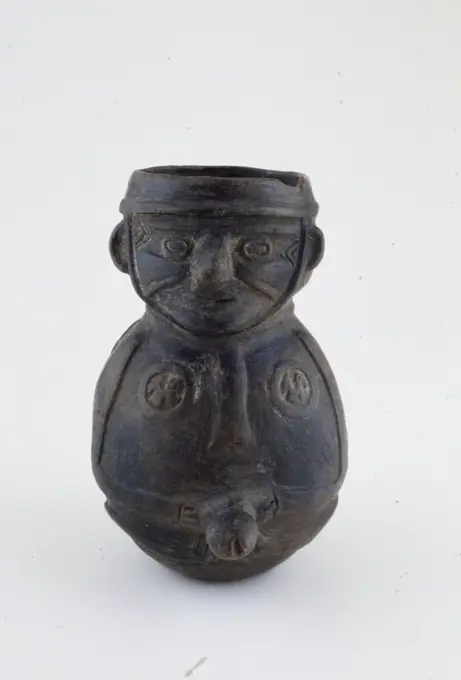
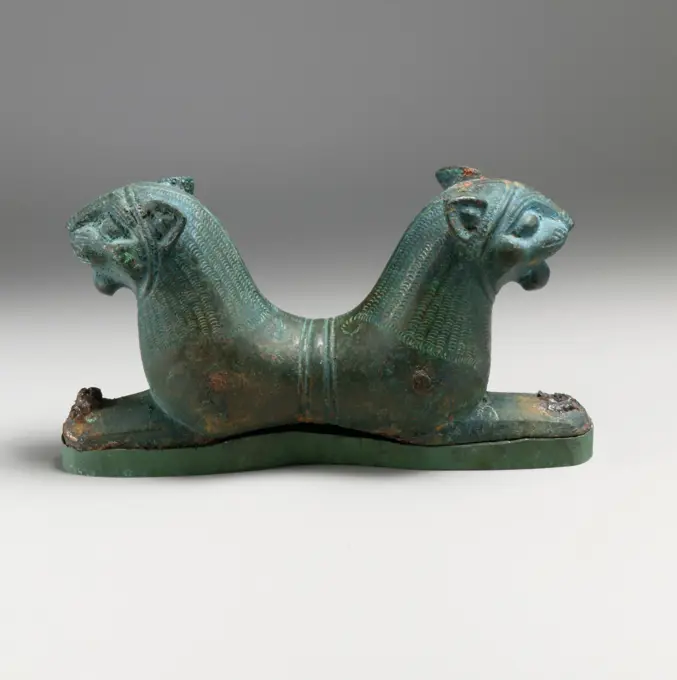
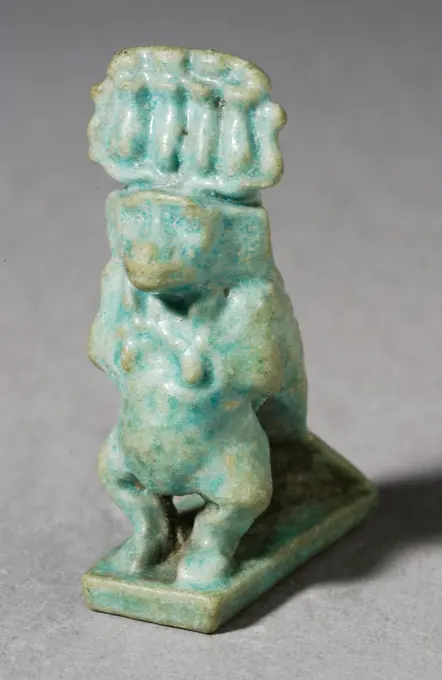
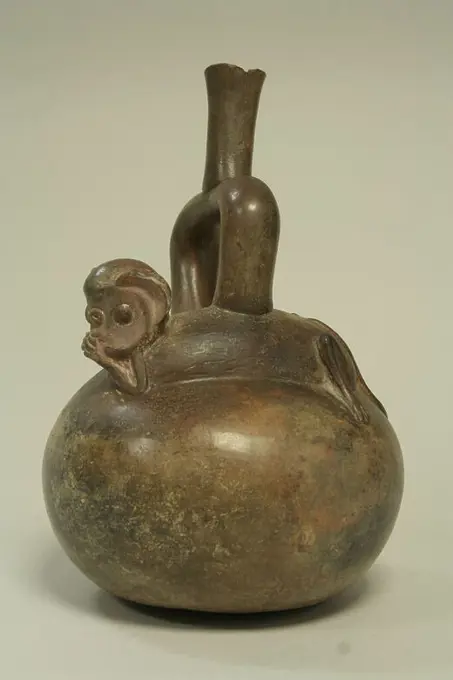
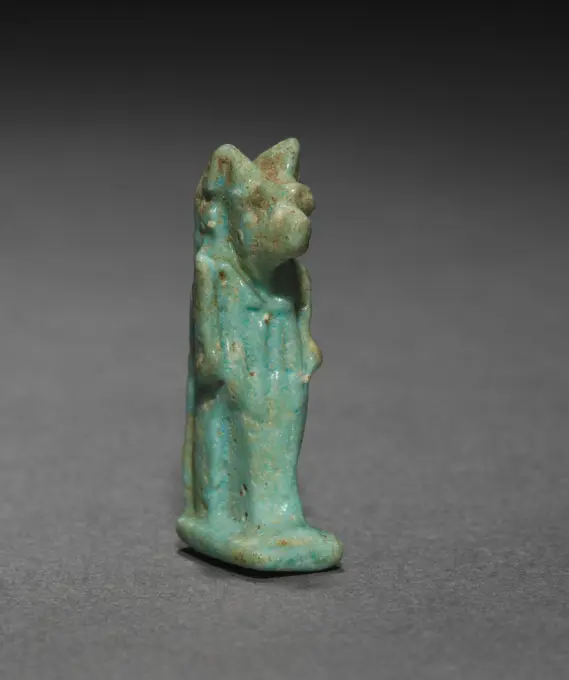
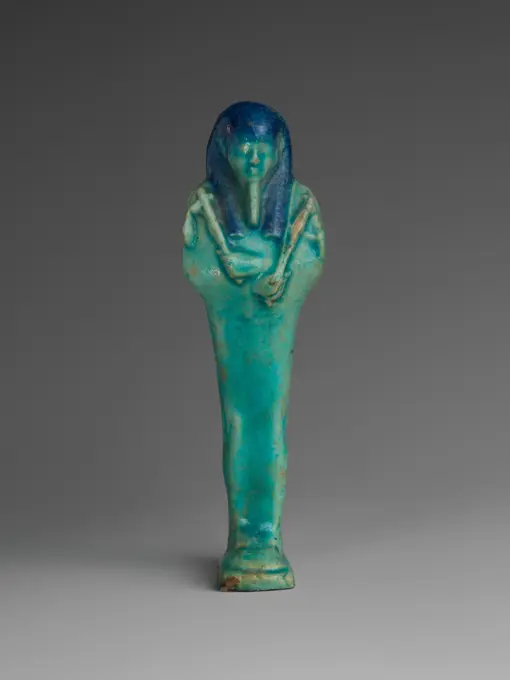
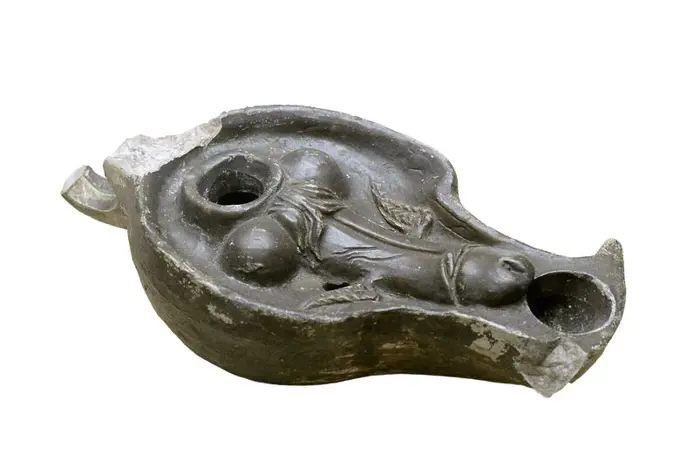
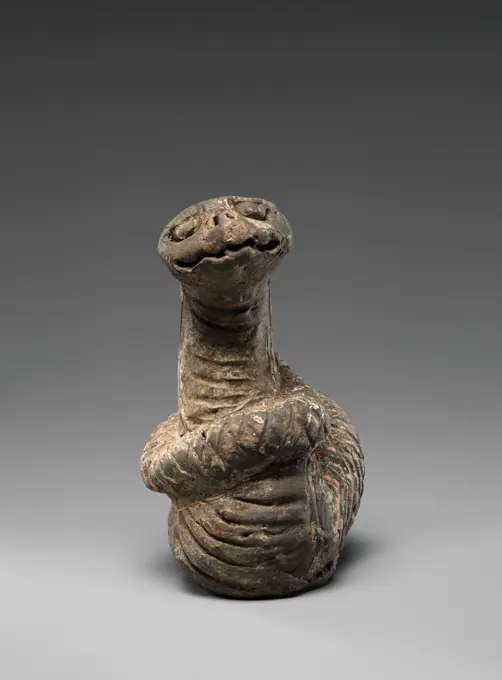
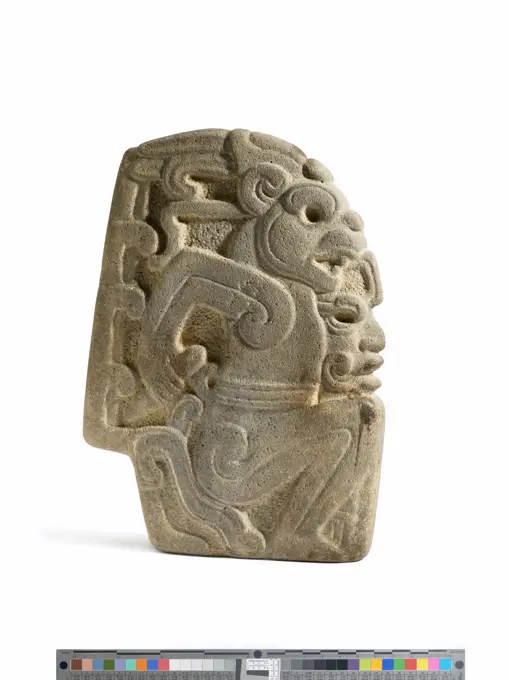
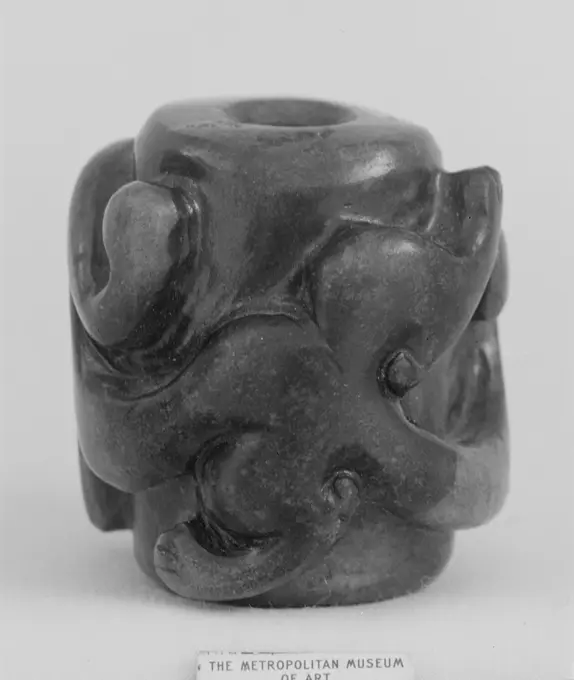
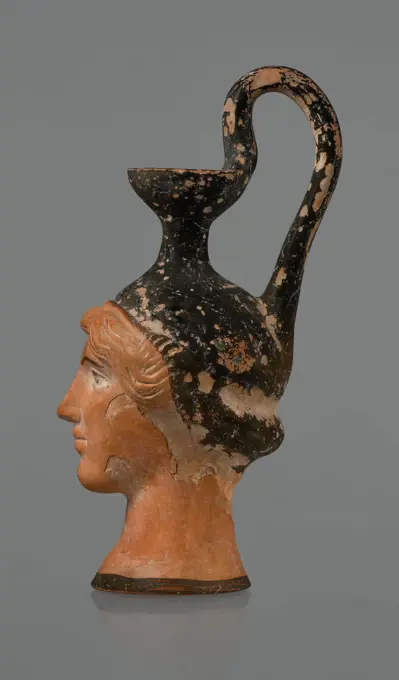
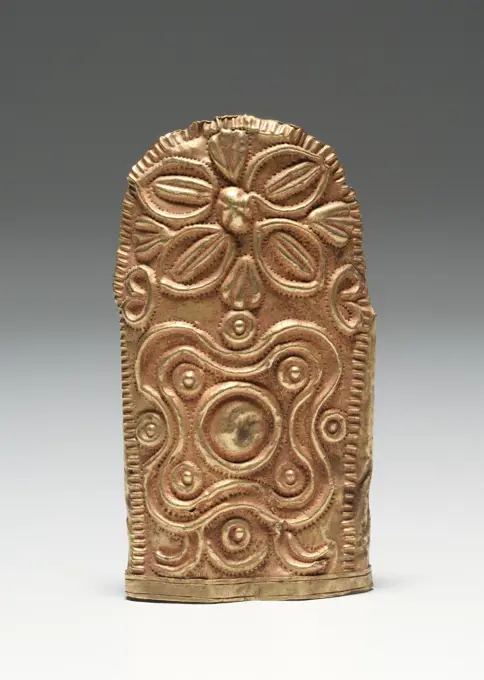
Neith suckling two crocodiles 664-30 B.C. Late Period-Ptolemaic Period Neith was a great creator goddess, and was not linked with any partner except primarily her son Tutu. She was also closely associated with crocodiles: Sobek was considered her son and at Esna she had a second crocodile son Shemanefer. Small amulets like this one where she nurses two crocodiles may represent her as a creator goddess where the crocodiles represent the sun and the moon, or the animals may refer to her two crocodile sons Sobek and Shemanefer.. Neith suckling two crocodiles. 664-30 B.C.. Faience. Late Period-Ptolemaic Period. From EgyptThrowing Stick () 13th-15th century Mixtec. Throwing Stick () 312730Faience amulet of Isis and Horus. Culture: Egyptian. Dimensions: H.: 1 3/4 in. (4.4 cm). Date: 664-30 B.C..Amulet, Isis. Museum: Metropolitan Museum of Art, New York, USA.Shabti ca. 1981-1550 B.C. Middle Kingdom-Early New Kingdom. Shabti 545753Goddess with gilded sundisk and wings. Dimensions: H. 4.1 × W. 0.9 × D. 1.3 cm (1 5/8 × 3/8 × 1/2 in.). Date: 664-30 B.C..The small, finely detailed amulets 10.130.2439-.2445 are all made of wood. Wooden amulets are often gilded, but the only remaining gilding is on this goddess's sun disk.The identity of the goddess is uncertain. A number of goddesses might be winged, but the most common are not generally identified with a sun disk. Museum: Metropolitan Museum of Art, New York, USA.Canopic Coffin in the Form of Duamutef ca. 924-889 B.C. Third Intermediate Period. Canopic Coffin in the Form of Duamutef 559932Figure (nkishi), late 1800s-early 1900s. Africa, Central Africa, Democratic Republic of Congo, Luba-style maker. Wood, organic materials (including resin and soil), plant fiber, and glass beads; overall: 22.4 x 10.7 x 12.4 cm (8 13/16 x 4 3/16 x 4 7/8 in.). The substances contained in its cloth-covered cranial cavity indicate that this half-figure belongs to the broad category of charms or "power objects" that the Luba call mankishi. It was used by a ritual expert and functioned in a variety of rituals dealing with healing, protection, divination, or jurisdiction. Often such power figures were carved by the ritual experts rather than by professional artists.Fragment of a cart or chariot, socket ca. 500-480 B.C. Etruscan Large collection of bronze and iron attachments once belonging to a chariot.. Fragment of a cart or chariot, socket 253009 Etruscan, Chariot fragments, socket, ca. 500480 B.C., Bronze, 3 1/8  2 5/8  4 in. (7.9  6.6  10.2 cm). The Metropolitan Museum of Art, New York. Fletcher Fund, 1929 (29.131.3c)Shabti. Egypt, Late Period - Ptolemaic Period (724 - 31 BCE). Sculpture. TerracottaRooster from Set of Zodiac Figures, 386-535, Dia.9-3/8 in., Earthenware with white slip and traces of pigment, China, 4th-6th centuryStatuette of Eros, winged Roman, Cypriot. Statuette of Eros, winged 244458Appliqué for a funeral couch. UnknownFaience amulet of Bes image ca. 1090-1000 B.C. Egyptian Amulet, Bes.. Faience amulet of Bes image 243739Faience aryballos (oil flask) in the form of a head wearing an animal skin 6th century B.C. East Greek This unusual vase shows a human head of which all but the area of the eyes, nose, and mouth is enclosed in the head of an animal. The softness of the pelt is indicated by the way in which it tightly fits the human head. The small ears and spots are further animal attributes. It is difficult to identify the figure. It may possibly be a very Egyptianized interpretation of Herakles wearing the lion skin.. Faience aryballos (oil flask) in the form of a head wearing an animal skin 254292 East Greek, Faience aryballos (oil flask) in the form of a head wearing an animal skin, 6th century B.C., Faience, H.: 1 3/4 in. (4.4 cm). The Metropolitan Museum of Art, New York. Rogers Fund, 1941 (41.162.120)Fragment of a Royal Head, Probably Apries 589-570 B.C. Late Period, Saite Although in fragmentary condition, this piece is a royal image of the highest artistic quality. The sculptor, a master of working hard stones, differentiated with superb sensitivity the various surfaces of the bulging metal helmet, the leather of the strips or cap that the king wore under the helmet, and the fleshy facial features. Surviving images of Dynasty 26 kings are rare, generally small, and often fragmentary. This over-lifesize fragment probably came from a seated statue of the energetic pharaoh, Apries. Kings of Dynasty 26 were constantly involved in conflicts with surrounding kingdoms, particularly those northeast of Egypt. Despite some successes, a foreign defeat combined with growing internal tensions led to Apries' overthrow by the usurper, Amasis, after nineteen years on the throne; what remains of this image of Apries may be the result of willful destruction.. Fragment of a Royal Head, Probably AprKneeling Figure 1500 BCE-1000 BCE China. This starkly poignant figure, probably a male, kneels with his hands bound behind him with two rounds of thick rope. Parted down the middle, his hair resembles an open book; finely incised parallel lines suggest that it has been meticulously combed, and a long double braid hangs down his back. His facial features are defined by raised eyebrows, high cheekbones, a tight mouth that curves slightly downward, and large pierced ears that project perpendicularly from his head. Evoking fierceness and shock, the man stares blankly aheadólike a subdued victim anticipating a terrifying, painful punishment. Figures with proportions and features similar to this sculpture have recently been unearthed at sites in southwestern Sichuan Province that date to the second millennium BC. Whereas those images were carved from more roughly textured stones and sometimes preserve traces of pigment, this exampleís smooth, blackish-green surface appears unique. ScientificShabti of Djedhor Late Period-Ptolemaic Period ca. 360-300 BC This small funerary figure (shabti) comes from the tomb of a wealthy family. The patriarch, the Priest ("God's Father") Djedhor, was buried with his wife Nebtaihet and two other individuals in one chamber, with their three sons in the second..At the head of Djedhor's stone sarcophagus were two shabti boxes, one containing 198 figures and the second holding 196. These shabtis were of two different sizes (the larger ones as here and smaller ones, see 02.4.151). They are all mummiform, with back pillars and pedestals. Each wears a curved "divine" beard, and holds a pick in the left hand and a hoe in the right. Slung over the left shoulder is a round-bottomed basket, held there by a rope in the right hand. Some, like 02.4.159, are inscribed with black ink. A large number of additional shabtis, much cruder in form than these, were found under one of the shabti boxes. View more. Shabti of Djedhor. ca. 360-300 BC. Faience. Late PerOrnament from Sitio Conte: Animal Pendant(), c. 400-900. Panama, Conte style, 5th - 10th century. Manatee bone; overall: 4.3 x 5.5 cm (1 11/16 x 2 3/16 in.). Harvard archaeologists excavated the eight ornaments in this case from several burials at Sitio Conte, a cemetery famous for its lavish graves of powerful chieftains. The young man buried in Grave 26 was such a chief. His status was stunningly memorialized by 21 human companions and 475 objects, many of them personal ornaments made of gold, including the large chest plaque (no. 2) and the rod-shaped ear ornament (no. 3) shown here. The creature on the chest plaque, found close to the chief’s body, has reptile claws and perhaps the head crest of an iguana. Its meaning is unknown but perhaps, as in later periods, reptilian imagery and the warm gleam of gold linked rulers with the sun’s creative force.Ceramic Animal Head on a Base 5th century B.C.-A.D. 4th century Bahia. Ceramic Animal Head on a Base 314191Pottery Whistle ca. 800-1525 Costa Rican Although numerous types of instruments survive from pre-conquest South and Central America, little is known of how they were used. Whistles, trumpets, and rattles in animal or human form probably had ceremonial functions or served as playthings. Smaller whistles in animal shapes, perhaps worn suspended from the neck, frequently have fingerholes that allow variation of pitch.. Pottery Whistle. Costa Rican. ca. 800-1525. Clay. Pre-Columbian. Diquis Region, Costa Rica. Aerophone-Whistle Flute-whistleVessel leg in the form of a bird 5th-3rd century B.C. China. Vessel leg in the form of a bird 61253Terracotta snake figurine. Culture: Cypriot. Dimensions: H. 5 7/16 in. (13.8 cm)L. 5 11/16 in. (14.5 cm). Date: 5th century B.C..The front part of the cobra is attached to a column, with a shallow bowl, probably a religious offering, on top. Between the bowl and the cobra may be a baby snake, with head missing. The piece is similar to Egyptian examples. Museum: Metropolitan Museum of Art, New York, USA.Key Handle 1st-7th century Roman. Key Handle 462899Head of a Sea Monster. UnknownAppliqué for a funeral couch. UnknownPottery Whistle. Culture: Costa Rican. Dimensions: H. 75mm.; W. 52 mm.; D. 69 mm.; Wt. 66 g.. Date: ca. 800-1500. Museum: Metropolitan Museum of Art, New York, USA.Terracotta figure wearing a bull mask. Culture: Cypriot. Dimensions: H. 5 1/8 in. (13.0 cm). Date: ca. 750-600 B.C..The flaring cylindrical body is wheel-made and hollow. The upper part of the body and the head are handmade. Museum: Metropolitan Museum of Art, New York, USA.Ancestor Figure orCharmScholar device;  20th century (1901-00-00-2000-00-00);Owl Hieroglyph Inlay ca. 1550-1295 B.C. New Kingdom. Owl Hieroglyph Inlay. ca. 1550-1295 B.C.. Beryl. New Kingdom. From Egypt; Probably from Northern Upper Egypt, Deir el-Ballas. Dynasty 18Coffin of Nesi-pa-her-hat 1069 BCE-945 BCE Ancient Egypt. Wood, pigment . Ancient EgyptianTerracotta statuette of a woman playing the tambourine. Culture: Cypriot. Dimensions: H. 7 7/8 in. (20 cm). Date: ca. 600-480 B.C..The figurine, in the Kamelarga style, has a wheel-made, hollow cylindrical body, flaring at the bottom. Museum: Metropolitan Museum of Art, New York, USA.Boat;  332-30 BC ; Ptolemean period (-332-00-00--30-00-00);Boat;  around 1069 715 BC ; 3rd transition period, 21-23 dynasty (-1069-00-00--715-00-00);Cultic Aegis and Menat with a Goddess Head. Egypt, 19th and 20th Dynasties (1315 - 1081 BCE). Jewelry and Adornments. BronzeBoat;  Unspile (0-00-00-0-00-00);Ancient art: female terracotta figurine, northern Syria, 2000 BC.Spatula with Carved Lizard, 100 BC-700. Peru, Nasca style (100 BC-AD 700). Bone with shell inlay; overall: 11.8 x 2.6 cm (4 5/8 x 1 in.).Lower Legs Fragment 4th-7th century Coptic. Lower Legs Fragment 478941Seated female figurine ca. 600-480 B.C. Cypriot The figurine is handmade and solid. The face and hair are mold-made. Her left forearm is missing. With her right hand she touches her right breast.. Seated female figurine 241118Face Beaker 12th-15th century Chimú. Face Beaker 307479Bi-conical glass bead ca. 4th century B.C. Possibly Carthaginian Semi-opaque dark blue, appearing almost black; additions in opaque yellow, white, and dark blue.Large, biconical shape with vertical hole, wide at one end with slightly flaring, rounded edge, and narrow at other, rounded end.Three horizontal yellow trails, comprising one wound around rounded end and one around center of bead, both marvered, and the third left in relief around flaring end; in spaces between trails two sets of four evenly-spaced stratified large blobs.One blob missing, and cracked gaps around flaring end; dulling and faint creamy iridescent weathering.Cylindrical; blue, with blue drops.. Bi-conical glass bead 249201Figure 15th-19th century Dogon peoples. Figure 314916Jar spout with animal head ca. 9th century B.C. Iran. Jar spout with animal head. Iran. ca. 9th century B.C.. Ceramic. Iron Age II. Iran, HasanluLamp. UnknownBronze statuette of a bird of prey 8th-7th century B.C. Cypriot This fragment once may have been the ornament of a tripod or a vase handle.. Bronze statuette of a bird of prey 244450Irish copper-alloy curved mount, 6th century. Artist: UnknownAppliqué for a funeral couch. UnknownOcarina. Culture: Tairona People; Gayraca style. Dimensions: L. 5 cm (1-15/16 in.); W. 4.6 cm (1-13/16 in.). Date: 1300-1500. Museum: Metropolitan Museum of Art, New York, USA.Jar in the form of an erotic figure, 8th-15th century, 7 1/8 x 5 1/2 x 4 1/2 in. (18.1 x 14 x 11.4 cm), Ceramic, Peru, 8th-15th centuryFace Mask Ornament 6th-7th century Moche (Loma Negra). Face Mask Ornament 314338Glass head pendant. Culture: Phoenician. Dimensions: H.: 1 in. (2.5 cm). Date: mid-5th-4th century B.C..Translucent cobalt blue, with additions in opaque white and yellow, and translucent cobalt blue.Cylindrical with large rod hole at bottom; horizontal rounded edge at back, U-shaped front projecting downwards; applied suspension loop on top of head.Applied twisted headband in cobalt blue; upper half of face in yellow, with blue and white stratified eyes; beard in blue with small circular mouth, ears in yellow, and pendant earrings in white.Intact, but missing proper left earring and blob in forehead; pitting, dulling, and some weathering.Blue, bearded mask with yellow face; handle at top. Museum: Metropolitan Museum of Art, New York, USA.Standing Female FigureBronze statuette of a double-headed lion ca. 550-500 B.C. Etruscan These three solid-cast lions are said to have been found together. Certainly they are closely related both in style and technique of manufacture. They likely ornamented a larger object, perhaps a brazier, which was almost certainly made of iron, since fragments of iron plate and several iron rivets remain attached to the bronze lions.. Bronze statuette of a double-headed lion 255953Shawabty of Ditamenpaankh, 715-656 BC. Egypt, Late Period, Dynasty 25. Terracotta; overall: 6.8 x 2.5 x 1.5 cm (2 11/16 x 1 x 9/16 in.).Amulet of a Composite Thoth Baboon and Bird. Egypt, Late Period- Ptolemaic Period (724 - 30 BCE). Jewelry and Adornments; amulets. Blue faienceStirrup Spout Bottle: Monkey. Culture: Cupisnique. Dimensions: Height: 10 5/8in. (27cm)Diameter: 7 1/4in. (18.4cm). Date: 12th-5th century B.C.. Museum: Metropolitan Museum of Art, New York, USA.Statuette of a Goddess 600 BCE-580 BCE Dodona. This terracotta sculpture was fashioned from locally abundant clay in Boeotia, situated to the northwest of Athens. The standing female wears a tall headdress and a painted necklace with a pomegranate pendant, which suggests that she depicts either Demeter or Persephone, goddesses of the harvest and agricultural fertility, respectively. Statuettes like this one were created in great numbers, probably as gifts to the gods or to be placed in graves.. terracotta . Ancient GreekAmulet of Anubis, 305-30 BC. Egypt, Ptolemaic Dynasty. Light robin's egg blue faience; overall: 1.4 x 0.6 x 1.1 cm (9/16 x 1/4 x 7/16 in.).Wooden Otobo Masquerade Mask 1950. Worn by the Kalabari people. NigeriaAmulet - figurka lwiogłowej bogini (Sachmet). unknown, authorFigurine, 700s-900s. Iran, early Islamic Period, 8th-10th Century. Carved bone; overall: 3.1 cm (1 1/4 in.).Shabti of Psusennes I Third Intermediate Period ca. 1040-992 B.C. View more. Shabti of Psusennes I. ca. 1040-992 B.C.. Bronze or copper alloy. Third Intermediate Period. From Egypt; Presumably from Eastern Delta, Tanis (San el-Hagar), Royal Tombs, NRT III (Psusennes I), Montet excavations. Dynasty 21Head 1st millennium B.C.. Head 322137Attic Red-Figure Plastic Vase Fragment. UnknownUninscribed shabti Late Period to early Ptolemaic Period ca. 400-250 B.C View more. Uninscribed shabti. ca. 400-250 B.C. Faience. Late Period to early Ptolemaic Period. From Egypt. Dynasty 30 or laterPendant: Female Holding a Child (Kourotrophos) with Bird. UnknownBlue Faience Shabti Late Period, Blue, Ceramics, inscription, Hieroglyphics, Antiquities, Ancient Egypt, Antiquities, North AfricaFragment sistrum z głową bogini Hathor. unknown, authorVase des Binelles. Designer: Hector Guimard (French, Lyons 1867-1942 New York). Dimensions: 51 1/4  15 3/8  15 5/8 in. (130.2  39.1  39.7 cm). Manufacturer: Svres Manufactory (French, 1740-present). Date: 1903.This vase is an extraordinary feat of Art Nouveau ceramics by the French architect Hector Guimard, who designed the iconic Paris Mtro entrances. Monumental in scale, the vase des binelles has an architectural presence and a strong organic form, and its curvilinear handles are evocative of the ornate cast-iron elements of Guimard's buildings. The specialized crystalline glaze, developed at the end of the nineteenth century, features iridescent crystal particles that create a sparkling effect. Only five examples of this model were made. Museum: Metropolitan Museum of Art, New York, USA.Unguent BottleRoman clay lamp. Decorated with a winged phallus. Black color. period of August (). Secret Cabinet. National Archaeological Museum. Naples. Italy.Figurine ca. 2350-2150 B.C.. Figurine. ca. 2350-2150 B.C.. Ceramic. Akkadian. Mesopotamia, NippurTomb Figure of Serpent 3rd-6th century China. Tomb Figure of Serpent. China. 3rd-6th century. Grey earthenware with pigment. Six Dynasties (220-589). Tomb PotteryBottle: Head. Culture: Cupisnique. Dimensions: H x W x D: 11 x 5 3/8 x 5 3/8in. (27.9 x 13.7 x 13.7cm). Date: 12th-9th century B.C.. Museum: Metropolitan Museum of Art, New York, USA.Dog ". Porcelain. Period of the ten kingdoms. Paris, Cernuschi museum. 157046-12 Asian artMortuary figure China. Mortuary figure 43198Pendant. Northwestern Iran, Iron Age I-II, about 1350-800 B.C.. Jewelry and Adornments; pendants. Bronze, castFigurine. UnknownFragment of a Figure. Culture: Coptic. Dimensions: Overall: 3 1/4 x 1 9/16 x 1 7/16 in. (8.3 x 4 x 3.7 cm). Date: 4th-7th century. Museum: Metropolitan Museum of Art, New York, USA.Face Beaker. Culture: Chimú. Dimensions: Overall: 7 5/8 in. (19.3 cm). Date: 12th-15th century. Museum: Metropolitan Museum of Art, New York, USA.Terracotta statuette of a female figure. Culture: Greek, Cretan. Dimensions: 6 in. x 2 in. (15.2 cm x 5 cm). Date: 7th century B.C..Body of a nude, frontal female figure. Museum: Metropolitan Museum of Art, New York, USA.Figure of an Owl 3rd-6th century Moche Owls were a popular subject for Moche artists on Perus North Coast. They were depicted in metal (see for example Met accession numbers 1987.394.312, 1987.394.28, 1987.394.56, 1987.394.118, and 1979.206.1227), ceramics (66.30.5, 64.228.19, and 64.228.2), wood, and, as shown here, in bone. In this example, the carver has carefully indicated the owls “ear tufts” (not truly ears but rather the clumps of feathers seen on some owls) and the feathers forming a circle around the eyes. The zigzag pattern on the back also represents feathers, here highlighted by the red cinnabar rubbed into the incised lines. The reason for the prominence of owls in Moche culture is unclear. It may reflect the fact that owls are nocturnal hunters capable of finding and seizing prey in what appears to us to be complete darkness. Some scholars have drawn a parallel between owls predatory behavior, particularly its propensity to decapitate its prey and drain the blood from Amulet of the God Horus 1070 BCE-656 BCE Egypt. Faience . Ancient EgyptianAmulet - bóg Bes. unknown, authorShabti ca. 1850-1640 B.C. Middle Kingdom. Shabti. ca. 1850-1640 B.C.. Serpentinite . Middle Kingdom. From Egypt, Memphite Region, Lisht North, cemetery south of pyramid below House A2:2, Pit 495, MMA excavations, 1913-14. Dynasty 12, late-early 13Ceramic vessel, Warrior Moche culture 100 AC-800 AC Perú.Hunting cordlas with a vagina and a knifeKey with Handle in the Form of a Dog. UnknownHacha in the Form of a Jaguar. Mexico, Veracruz, Totonac, 700-900 CE. Stone. Andesite stoneFragmentary Horse's Head from a Statuette or Attachment. UnknownFigure of a Cat China. Figure of a Cat 42922Bead China. Bead. China. Jade. Han dynasty (206 B.C.-A.D. 220). JadeStatuette of a girl ca. 550-500 B.C. Etruscan. Statuette of a girl 250785 Etruscan, Statuette of a girl, ca. 550500 B.C., Bronze, H.: 2 11/16 x 15/16 in. (6.8 x 2.4 cm). The Metropolitan Museum of Art, New York. Rogers Fund, 1919 (19.192.52)Oinochoe in a female shape;  after. 5th century BC (-450-00-00--450-00-00);Upper Part of a Jar in the Shape of a Womans Head ca. 1479-1352 B.C. New Kingdom This womans head belonged to the upper part of a figure vase, a type of vessel that became popular during the 18th Dynasty. Her hair and facial details are rendered in black paint. A small circular handle is attached to the back of her head.Figure vases could represent servants and personal attendants, but the most popular type depicted kneeling women with children. Their iconography put the emphasis on private and everyday life, and it is supposed they were linked to midwifery and/or medicine.. Upper Part of a Jar in the Shape of a Womans Head. ca. 1479-1352 B.C.. Pottery, paint. New Kingdom. From Egypt. Dynasty 18Stone Temple Model. Culture: Mezcala. Dimensions: H. 6 1/4 x W. 4 3/4 in. (15.9 x 12.1 cm). Date: 1st-8th century. Museum: Metropolitan Museum of Art, New York, USA.Knife-sheath tip (sika boha), 1800s. Guinea Coast, Ghana, Asante, 19th century. Gold; overall: 6.9 cm (2 11/16 in.).Figure 12th century This small brass figure, whose original use is unknown, represents a standing figure holding a cup. In the pre-Islamic Central Asian Turkic nomadic world, ceremonies involving the drinking of wine from cups were associated with kingship and investiture, and implied the establishment and display of social hierarchies. Among the many representations of this period, are stone statues depicting a standing or squatting cup-bearer which were found in funerary contexts.A legacy of these cup rites persisted among the Seljuqs and is attested in contemporary iconography. Here, however, wine drinking ceremonies were mostly part of the rulers pleasures, and cup-bearers were among his boon companions.. Figure 451990Hacha in the Shape of a JaguarHead. Artist: Unknown