Ancient Egyptian Artifacts

Small ancient figures and amulets depicting deities and symbols from Egyptian history, characterized by detailed craftsmanship and historical significance.
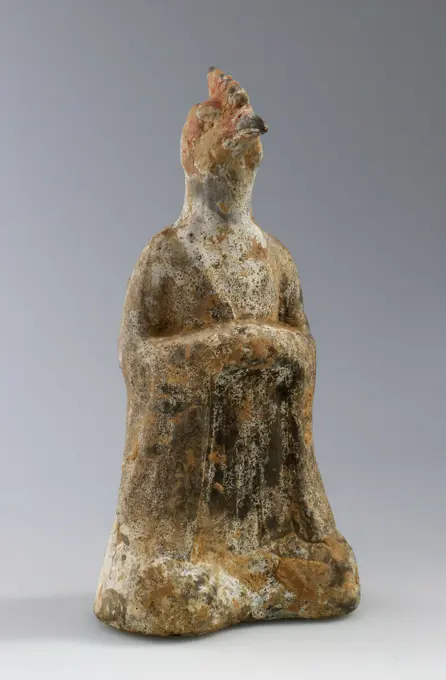
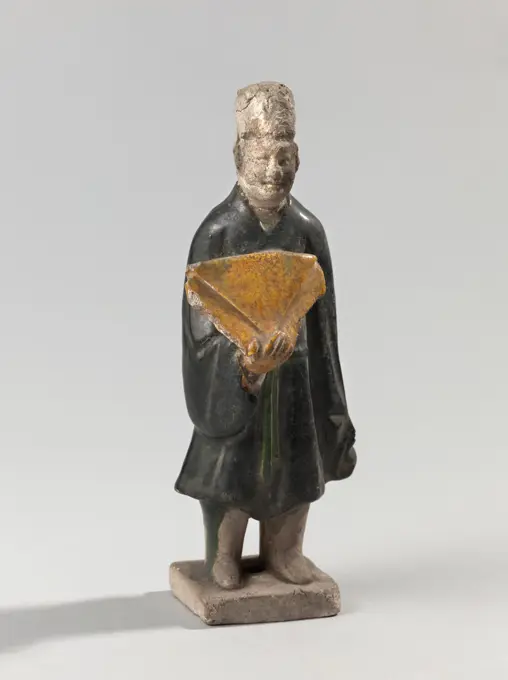
Rooster from Set of Zodiac Figures, 386-535, Dia.9-3/8 in., Earthenware with white slip and traces of pigment, China, 4th-6th century
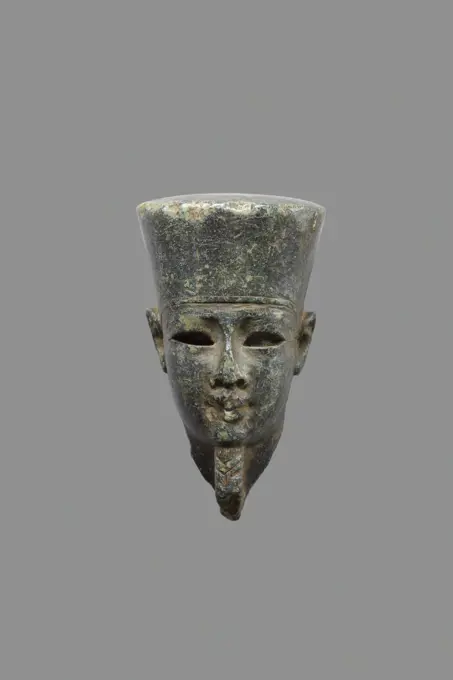
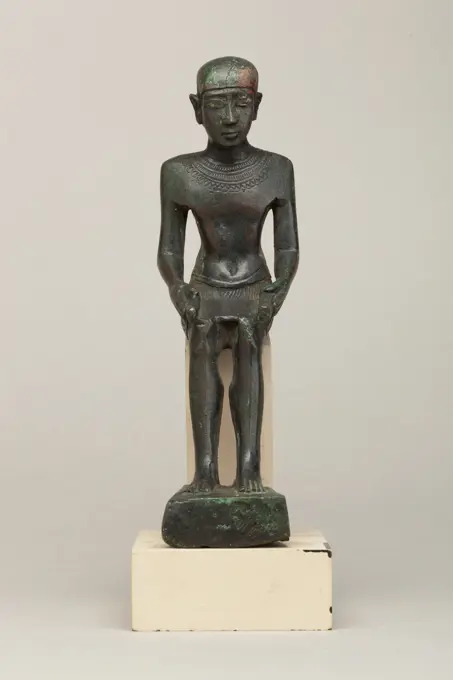
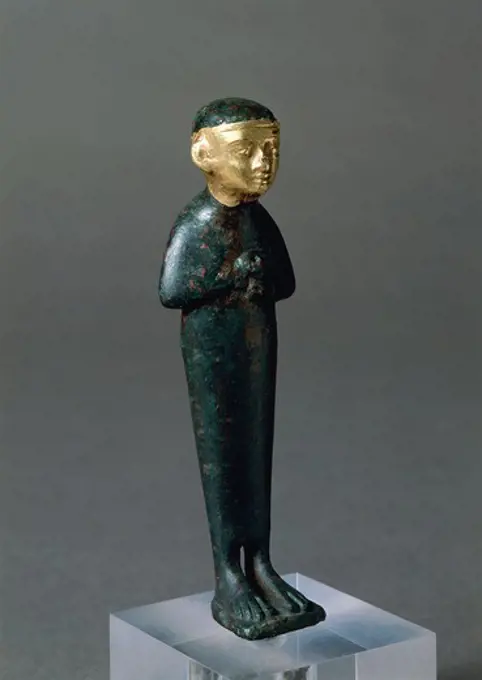
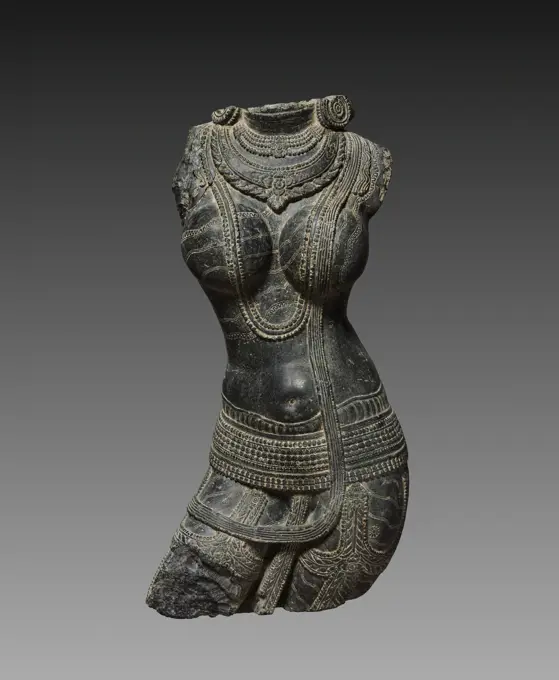
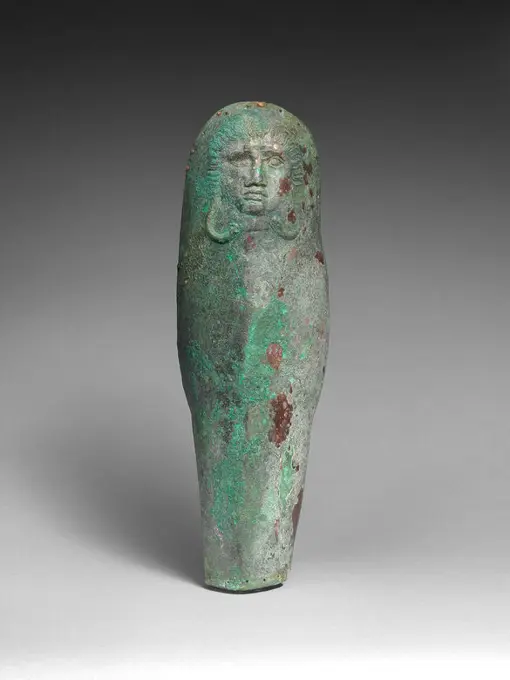
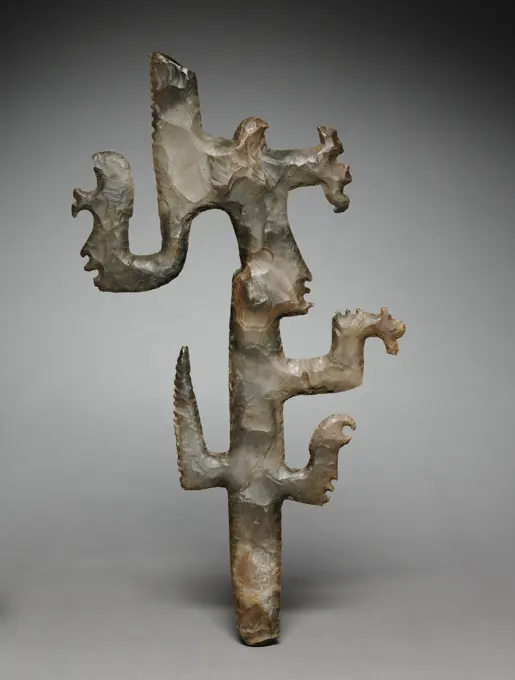
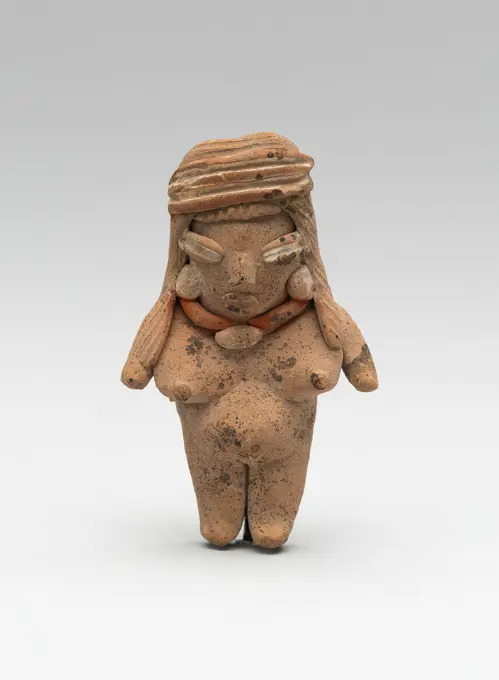
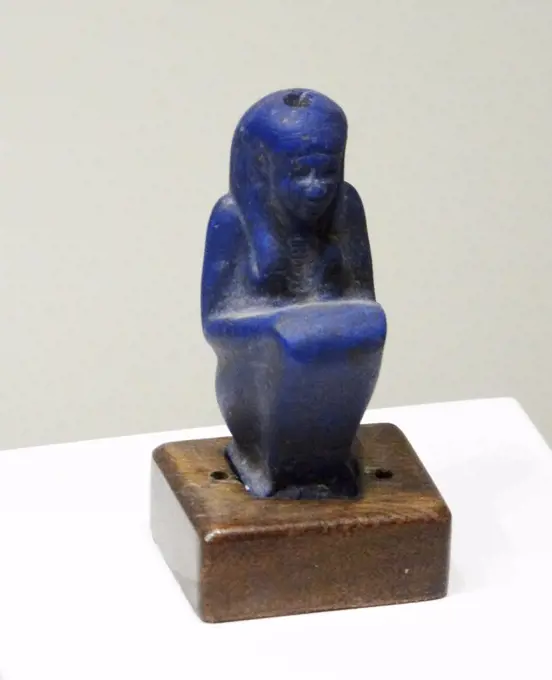
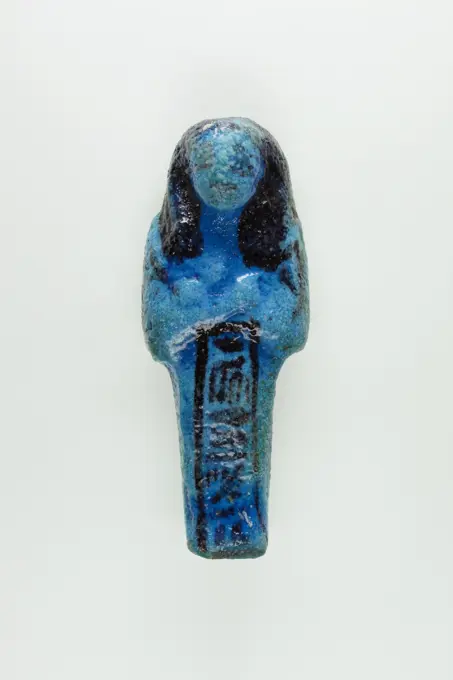
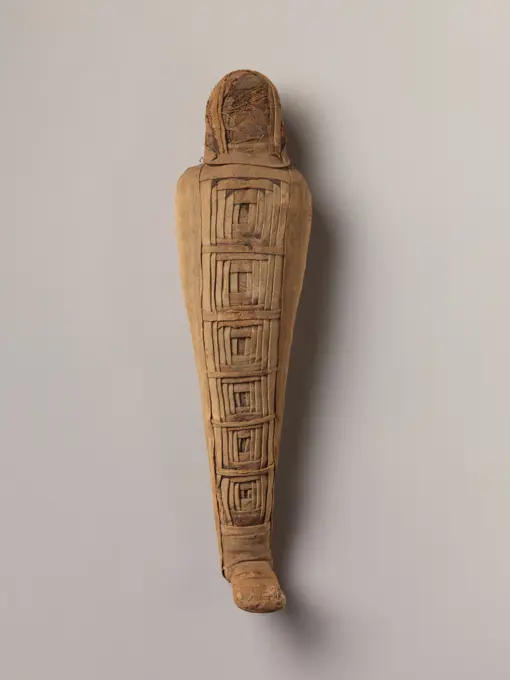
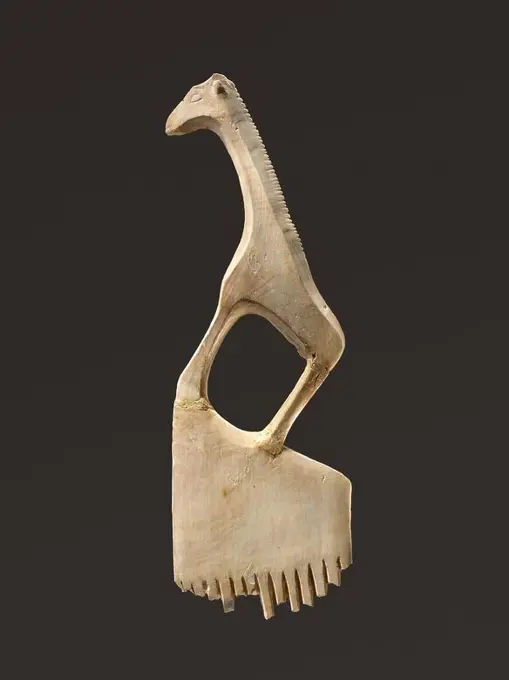
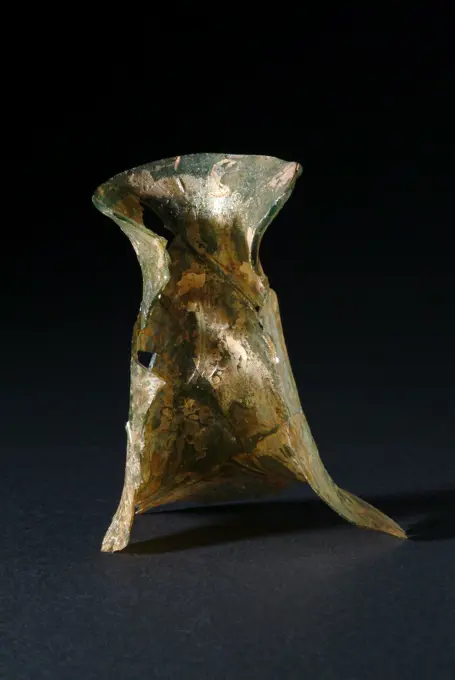
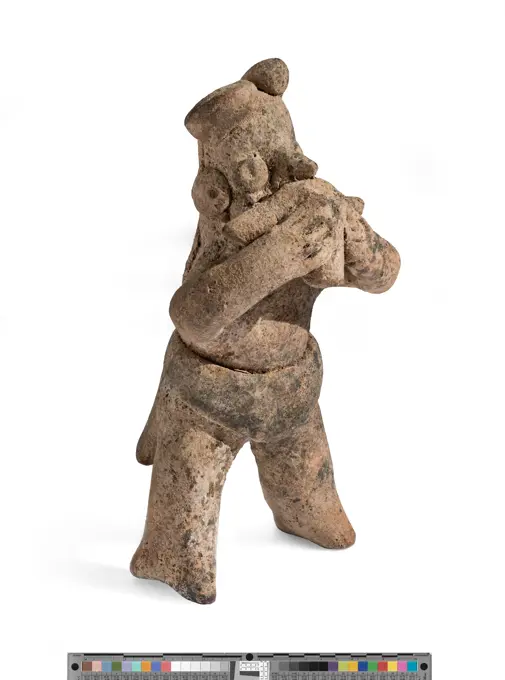
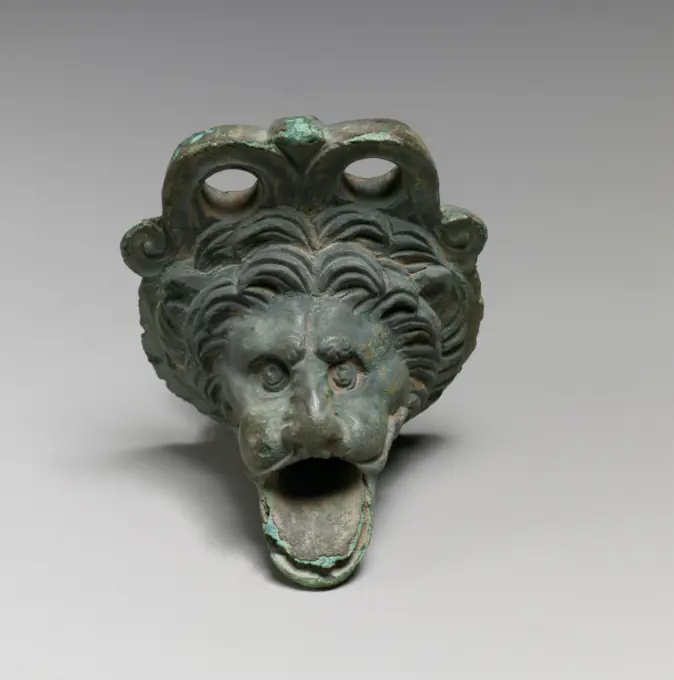
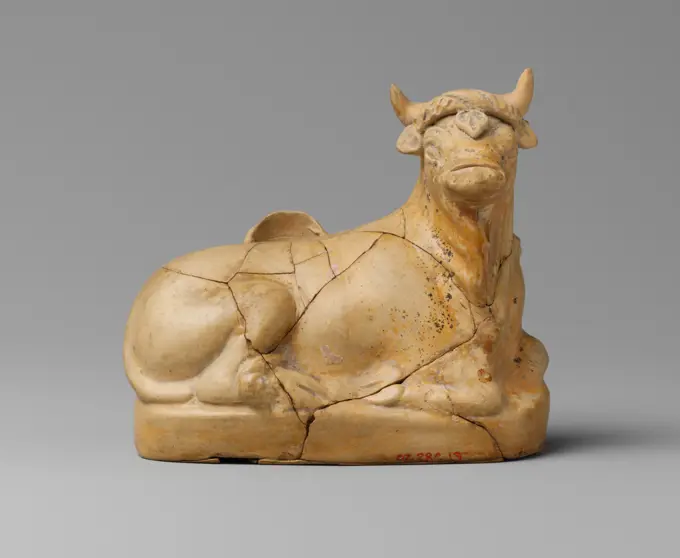
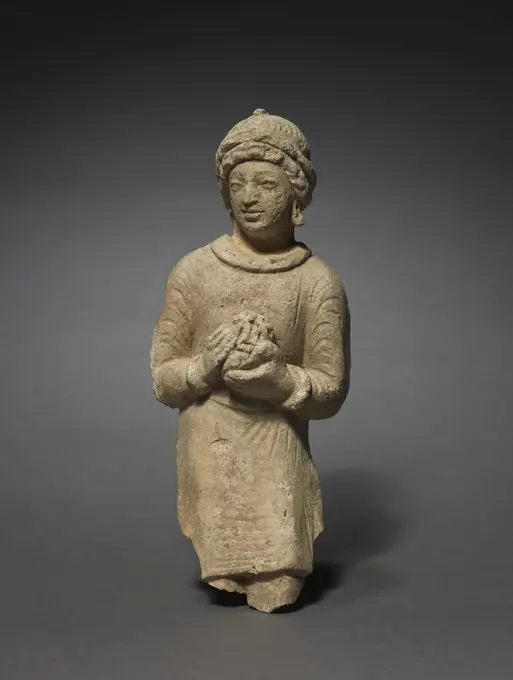
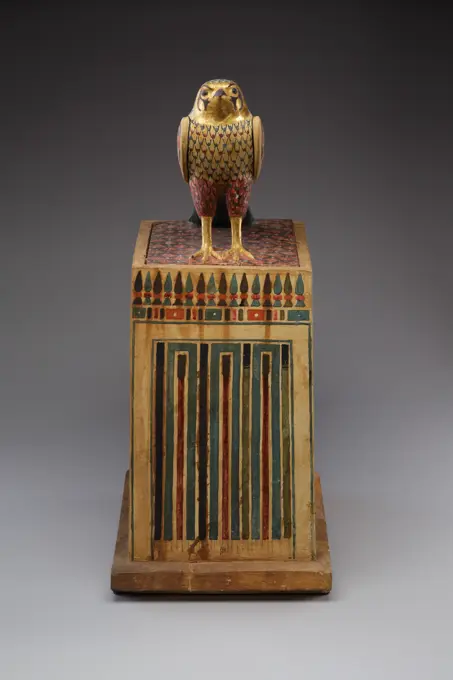
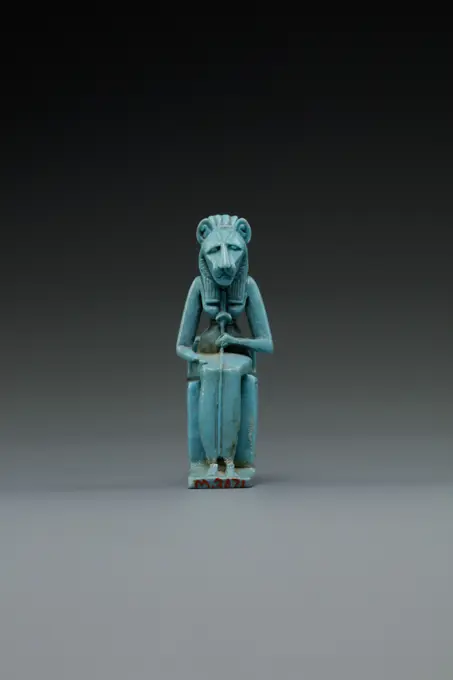
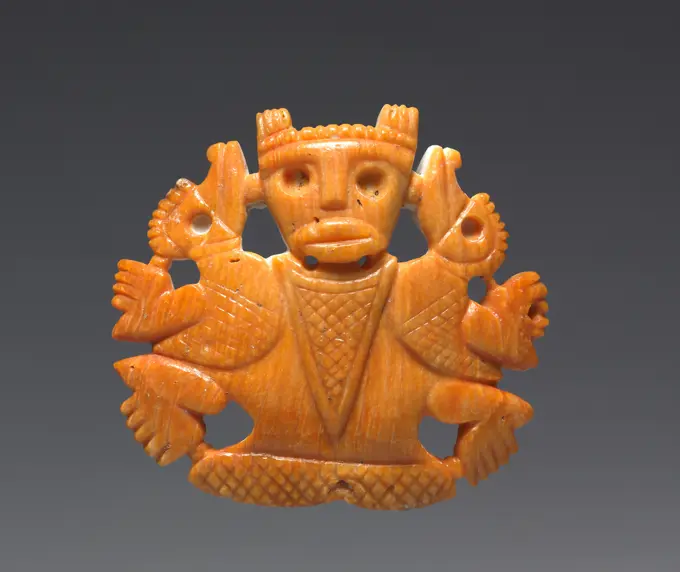
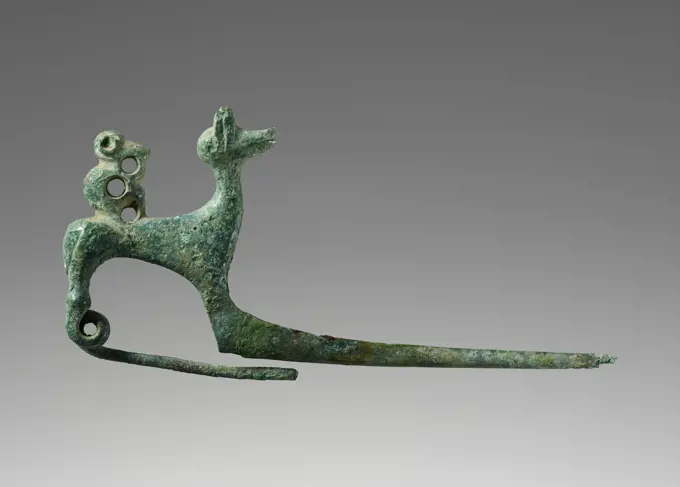
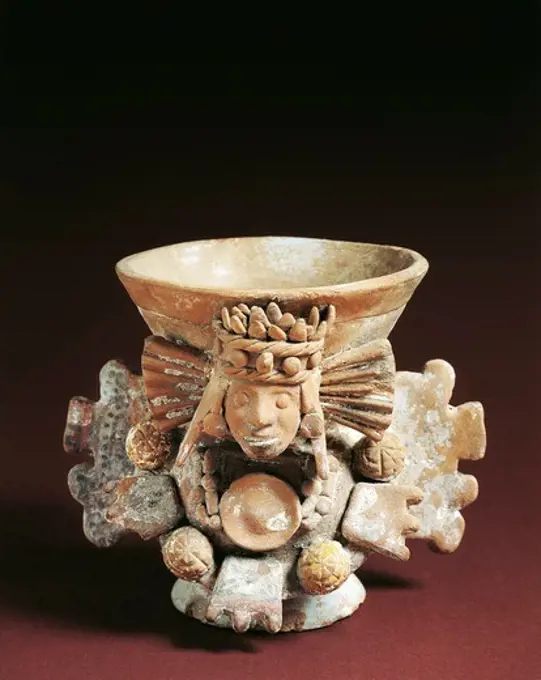
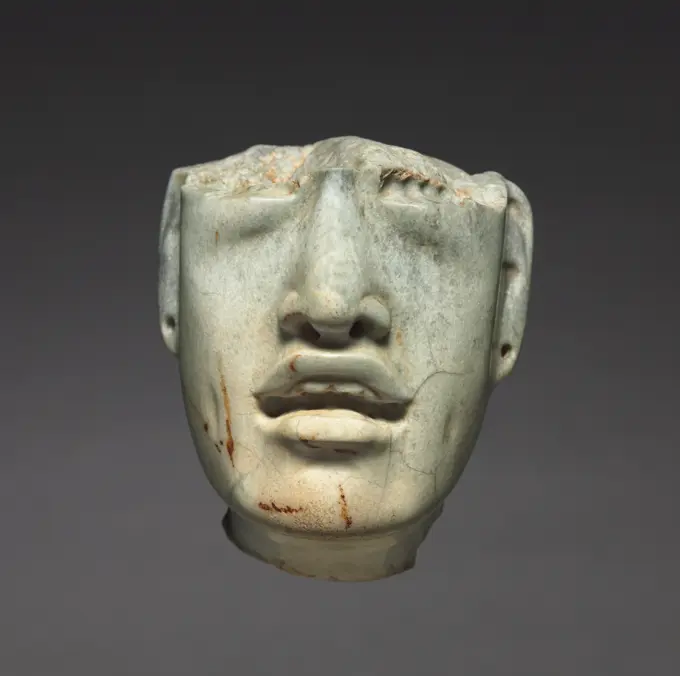
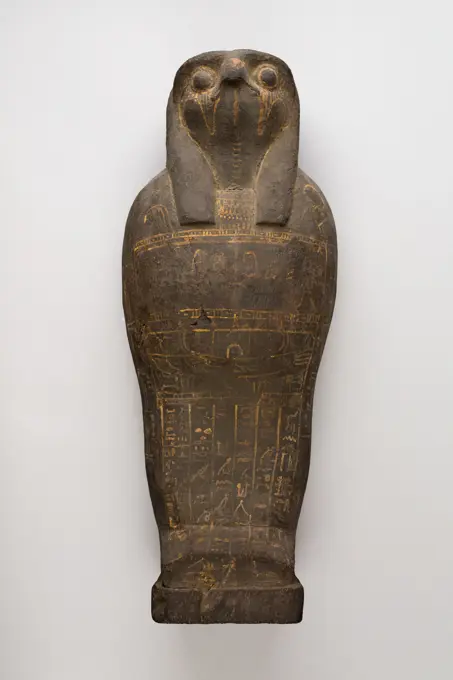
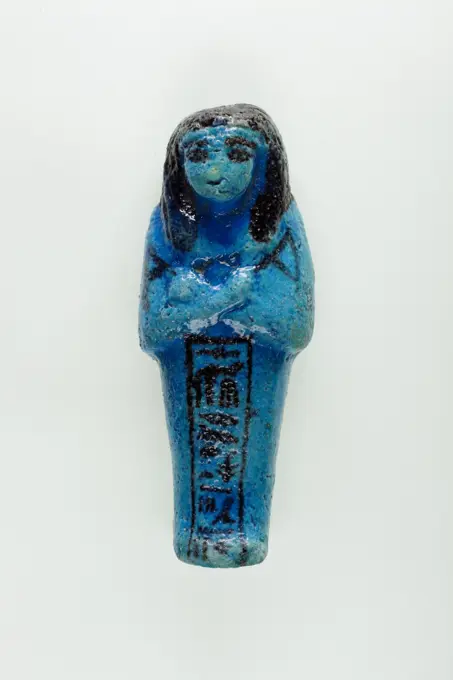
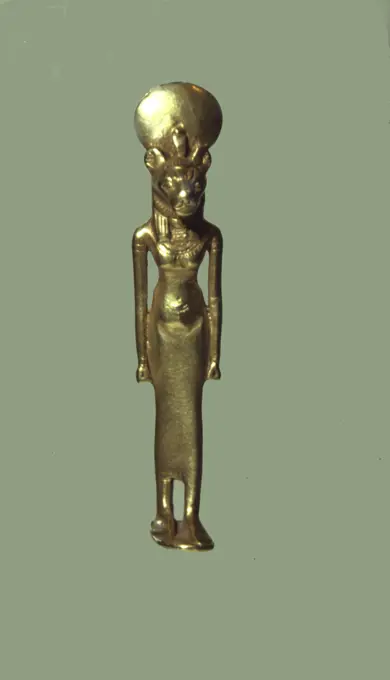
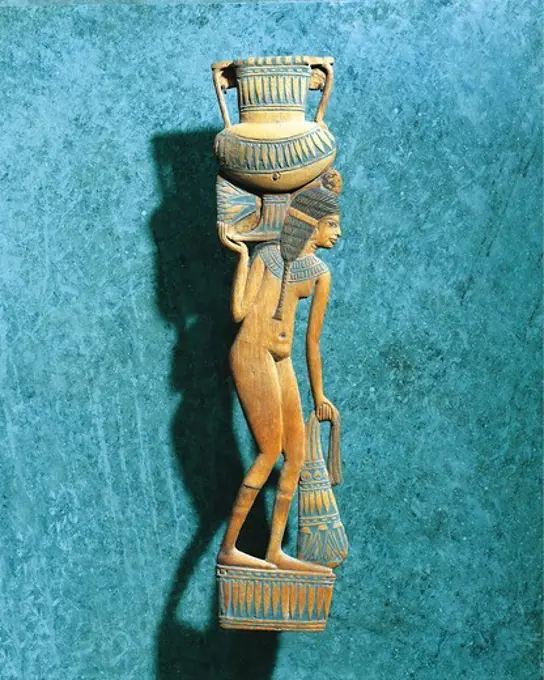
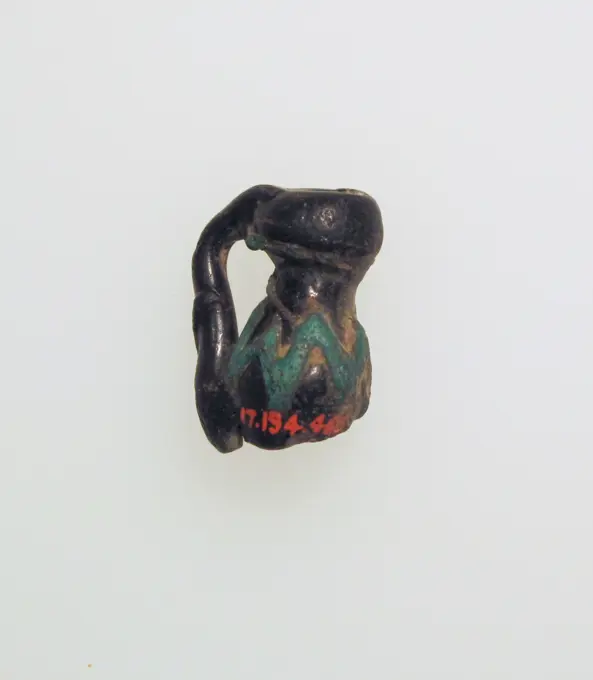
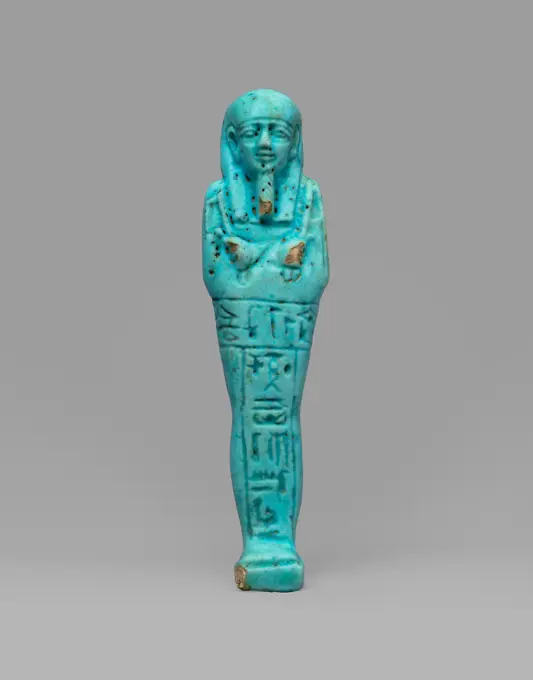
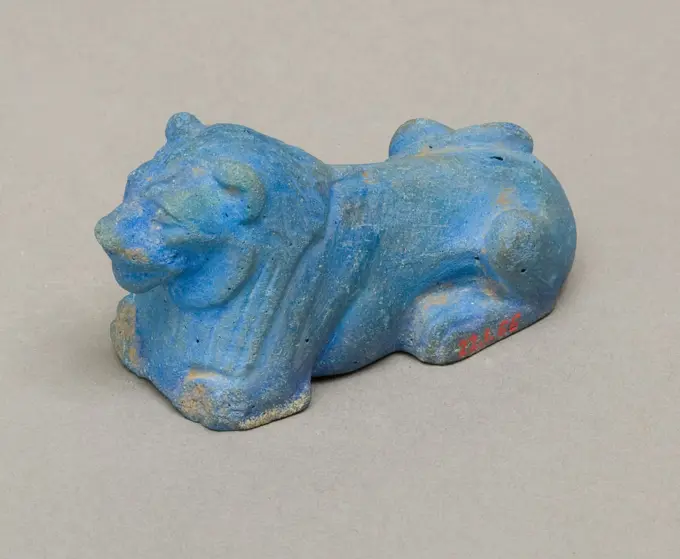
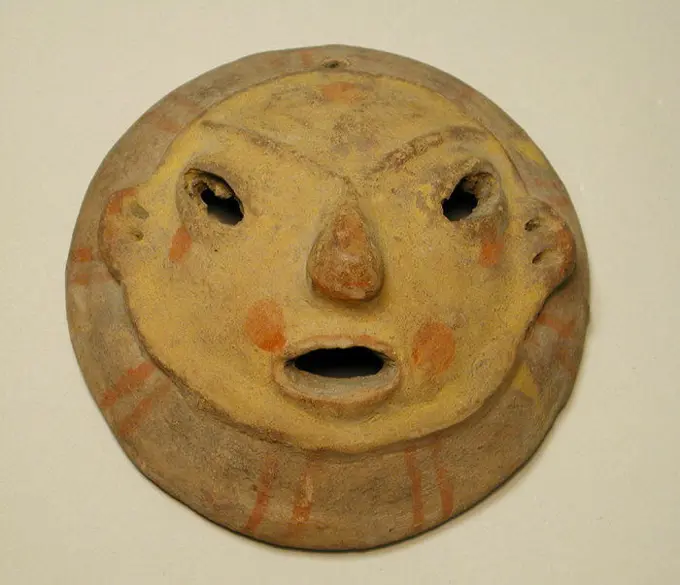
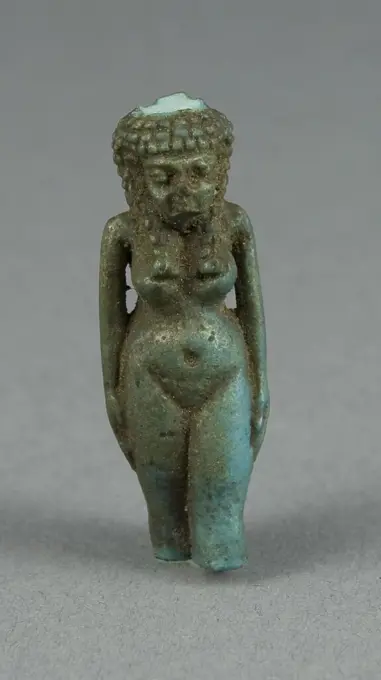
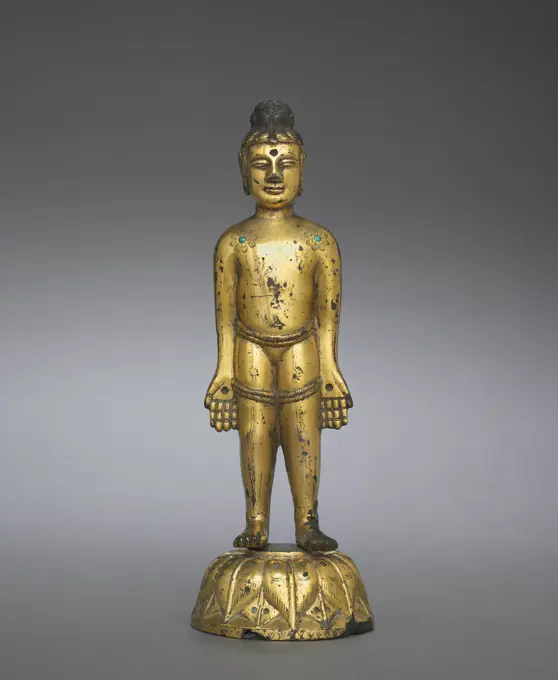
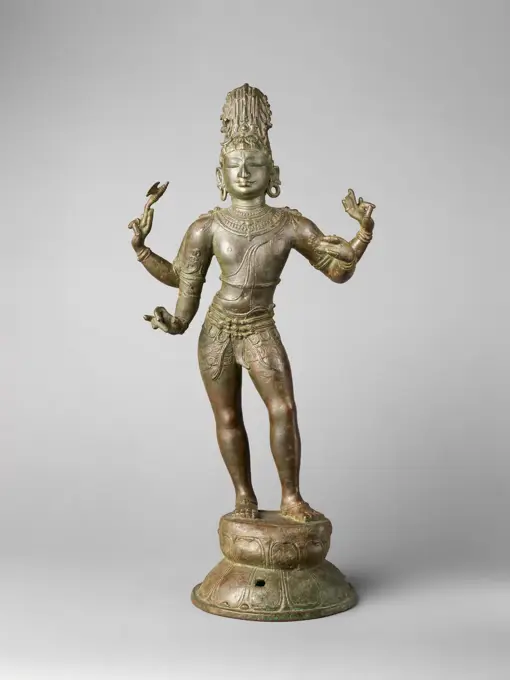
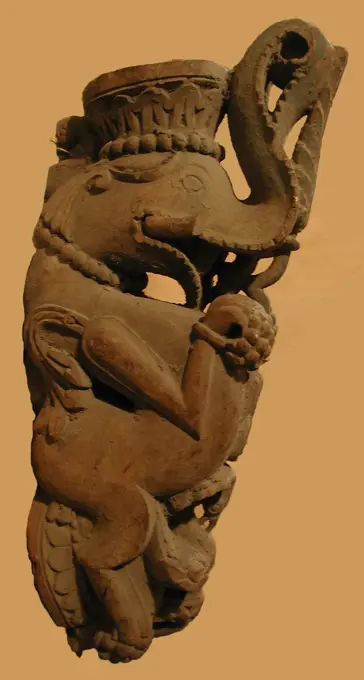
Oranth figurine; Unknown Egyptian workshop; VI-VII century (501-00-00-700-00-00);Deposit of the University of Warsaw from 1937-1939, painted decorations, women's figurines, figurines imprinted in form, Coptic orants, female imagesAncestor bust amulet ca. 1295-1185 B.C. New Kingdom, Ramesside. Ancestor bust amulet 549262Horseman Early 3rd century B.C. Cypriot The figurine is handmade and solid. His face is mold-made, as is the device on the shield. He turns his head to the left, while with his raised right arm, now missing the forearm, he originally brandished a spear.. Horseman. Cypriot. Early 3rd century B.C.. Terracotta; mold-made and hand-made. Early Hellenistic. TerracottasHead possibly from a figure of Amun-Min ca. 664-525 B.C. or later Late Period (Saite) or later Although tiny, this intriguing head comes from a high-status composite sculpture most likely of the god Amun-Min. The eyes would have been inlaid with a different material (now missing), and the cap crown has a notch in the back to hold an addition, perhaps the tall feathers worn by Amun and gods syncretized with him (see 07.228.179). The pursed lips suggest a date in the Late Period, although a later date is also possible.Amun, king of the Egyptian pantheon from the New Kingdom on, was joined with a number of other deities. One of these was Min, originally from the northern Upper Egyptian site of Akhmim. As Amun-Min, this syncretized deity is usually shown with an erect penis, evoking his role as a self-generated fertility god.. Head possibly from a figure of Amun-Min. ca. 664-525 B.C. or later. Steatite. Late Period (Saite) or later. From Egypt. Dynasty 26 or laterSelma Sandler, Dancing Doll, c 1940 Dancing DollImhotep 664-30 B.C. Late Period-Ptolemaic Period Imhotep was adviser to King Djoser in the third dynasty and he is credited with the design of the Step Pyramid in Saqqara, the earliest pyramid in Egypt. For this and other achievements of wisdom and learning attributed to him, in later periods he became one of the only historical non-royal people to be divinized and to have a dedicated cult, which was particularly strong in the Memphite region. In copper alloy statuettes like this one, he is shown sitting, wearing his close-fitting cap and holding a scroll on his lap. Imhoteps scroll serves to emphasize his wisdom and erudition, his role as a patron of scribes, and hints at the many intellectual forays into medicine, architecture, and engineering that were later ascribed to him. His eyes are gilded, which gives him a piercing look, and his facial and bodily features are well defined, if somewhat angular on the upper body. His attire varies, but in this instance he wears a broad collar Gold and bronze figurine, from Cadiz, Spain, Phoenician civilizationFemale torso, 1000s. Northeastern India, Pala dynasty (730-1197). Black chlorite; overall: 89 x 44 x 19 cm (35 1/16 x 17 5/16 x 7 1/2 in.).Funeral stele from Tunisia, North Africa. Dated 11th Century AD.Bronze statuette of horseman, from Veneto Region, ItalyBronze greave (shin guard). Culture: Greek, South Italian. Dimensions: width 4 7/8in. (12.4cm)length 15 3/4in. (40cm). Date: 4th century B.C..The uppermost part of the greave, where it widens to cover the knee, is often decorated with a figural motif. The gorgoneion (Gorgon's face) is particularly appropriate in view of its round shape and power to transfix the enemy. Museum: Metropolitan Museum of Art, New York, USA.Eccentric Flint, 600-900. Guatemala, Quirigua, Maya style (250-900). Chipped flint; overall: 34.6 x 19.3 cm (13 5/8 x 7 5/8 in.).Standing Female Figurine 500 BCE-300 BCE Guanajuato state. Ceramic and pigment . ChupícuaroTerracotta statuette of Artemis 3rd century B.C. Greek, South Italian, Tarentine Statue of Artemis.. Terracotta statuette of Artemis. Greek, South Italian, Tarentine. 3rd century B.C.. Terracotta. Hellenistic. TerracottasMaskMat Weight in the Shape of a Doe. Culture: China. Dimensions: H. 2 7/8 in. (7.3 cm); W. 2 3/8 in. (6 cm); D. 4 5/8 in. (11.7 cm). Date: 1st century B.C.-1st century A.D..A low bed, small table, and screen were often the only furnishings in a Han-dynasty room. The floors were generally covered with mats kept in place with weights in the shape of single animals, fighting beasts, or entertainers. Comparable deer-shaped weights excavated in north China are inlaid with marine shells, suggesting that the back of this was once similarly filled. Museum: Metropolitan Museum of Art, New York, USA.Amulet of Ma'at, seated, without the ostrich feather on her head, from the 7th-5th century.Glass fusiform bottle. Culture: Roman. Dimensions: 6 5/8 in. (16.8 cm)Diameter: 1 1/16 x 1 1/8 in. (2.7 x 2.9 cm). Date: 3rd-4th century A.D..Fusiform perfume bottleTranslucent pale green.Tubular rim folded out, round, and in, forming irregular oval mouth; cylindrical, concave neck; short, sloping shoulder; slender, bulbous body, tapering downward, with irregular pattern of four indents at top; rounded bottom, with flat pad from pontil.Intact; pinprick bubbles; dulling, creamy weathering, and iridescence. Museum: Metropolitan Museum of Art, New York, USA.House GableOrnamentWorker Shabti of Nauny ca. 1050 B.C. Third Intermediate Period See 30.3.26.1a, b. Worker Shabti of Nauny 625715Death Mask from the Moche people of Peru, circa 600-1000 AD. The red colour is vermilion a mercury bearing pigment used to delay decomposition of the face.Bronze helmet of Illyrian type. Culture: Greek. Dimensions: Height 26 cm (from cheek guard to crown). Date: 5th or early 4th century B.C..The Illyrian helmet was a popular type in the Classical period. A similiar helmet with the elaborate plumed crest that was once attached between the ridges on the top appears on silver tetraobols of the Macedonian King Perdiccas II (ca. 454-413 B.C.). Museum: Metropolitan Museum of Art, New York, USA.Sacred animal mummy in the form of a falcon ca. 400 B.C.-100 A.D. Late Period-Roman Period Animal cultsThe Egyptians considered certain individual animals to be living manifestations of a god, such as, since earliest times, the Apis bull. Those individuals were duly mummifed when they died and buried for eternal life, then replaced by another single living manifestation. During the first millennium BC, many multiples of animals associated with certain gods were specially raised in temple precincts as simultaneous avatars of that god and then mummified in large contingents and deposited in catacombs for eternal life. The ancient perception of these multiples, the evolution of the practice in this direction, and variations within the practice are not easily accessible to us. But the hundreds of thousands of often elaborately prepared animal mummies found in catacombs and other locales testify to its ancient resonance. Animal mummies Research on animal mummies has shown that the majority Pendant. Iran, Luristan, circa 1000-650 B.C.. Jewelry and Adornments; pendants. Bronze, castComb with a giraffe. Dimensions: h. 18.9 x w. 6.2 x th. 1.1 cm (7 7/16 x 2 7/16 x 7/16 in.). Date: ca. 3900-3500 B.C.. Museum: Metropolitan Museum of Art, New York, USA.Appliqué for a funeral couch. UnknownWar Mask. Culture: Mongolian or Tibetan. Dimensions: 6 ½ x 5 ¾ in. (16.5 x 14.6 cm). Thickness: Cheeks between 1.3-1.5mm on both cheeks.Center of forehead, 1.7mmTip of nose, 1.2mm.Ridge of nose, 1.8mm The exposed ring was 1mm at all point checked.All other samples from around the face were about 1.5mm.. Date: 12th-14th century.Masks for use in ritual dances and other ceremonies are well known in Tibet and Mongolia, and were made from papier-mché, leather, or gilt copper. This mask is exceptionally rare, however, because it was made of iron for use in battle, and is one of only two known masks of this type with distinctly Mongolian or Tibetan features. Bronze and silver war masks were used during the Roman Empire and in the Ancient Near East. Iron war masks dating from the 10th to 13th century are known from southern Ukraine and Russia, from Iran during the 13th century to the16th century, and Japan, where they were worn by Samurai warriors from the 15th to the 19th century. ThNeck Fragment of Glass Urinal. Found at Weoley Castle, Birmingham, a Birmingham Museums Trust heritage siteVessel in the Form of a Human or Animal Skull Made 100 BCE-500 CE Moche Valley. Ceramic and pigment . MocheFemale Head. UnknownConch Shell Trumpet Player. Mexico, Colima, 200 BCE-500 CE. Ceramics. Buff ceramic with postfire applied paintPowder Flask, c. 1675-1725. Transylvanian, late 17th-early 18th century. Staghorn (two branches) with incised and painted geometric decoration; mounts missing; overall: 29.9 x 21 cm (11 3/4 x 8 1/4 in.).Bronze spout in the form of a lion's head 4th century B.C. Greek Lion's head spouts were popular among the Greeks. They were used on the roofs of temples and public buildings as well as for vessel attachments. This spout was attached to a situla (pail).. Bronze spout in the form of a lion's head 255198 Greek, Bronze spout in the form of a lion's head, 4th century B.C., Bronze, Overall: 2 3/8 x 2 1/16in. (6.1 x 5.2cm). The Metropolitan Museum of Art, New York. Rogers Fund, 1965 (65.11.17)Chessman (Rook). Culture: British, Birmingham after a Scandinavian original. Dimensions: Overall (confirmed): 3 1/8 x 1 5/16 x 1 in. (8 x 3.4 x 2.5 cm). Maker: Elkington & Co. (British, Birmingham, 1829-1963). Date: ca. 1870. Museum: Metropolitan Museum of Art, New York, USA.FemaleheadDecorative Finial, 1800s. Italian or French. Brass; overall: 7 x 4.8 cm (2 3/4 x 1 7/8 in.).Terracotta askos (flask with a spout) in the form of a bull 2nd half of 3rd century B.C. Italic Askoi were used to store and dispense oil and thus were employed in variety of domestic and sacro-religious contexts. A clue to the use of this specific vessel, however, may lie in the wreath encircling the head of the bull below its horns. Since animals to be sacrificed during religious rites were often crowned in this way, perhaps this particular askos was intended for use in such a ritual.. Terracotta askos (flask with a spout) in the form of a bull 24800719th century Canadian Inuit (Eskimo) ivory death figurineComb Fragment. UnknownMingqi of personnage male. Land cuisine, gleamure culture in froid. Par musée musée malée. 78844-14 Asian art, beyond, belief, figurine, mingqi, funeral object, model character, funeral rite, statuetteCup of a nymph. Cup of a heavenly Nymph (asparas), serious weathered. On base.Layman Bearing Offerings, c. AD 300s. Afghanistan or Pakistan, Gandhara, probably Hadda, late Kushan Period (1st century-320). Stucco; overall: 25.3 cm (9 15/16 in.).Falcon Box with Wrapped Contents 332-30 B.C. Ptolemaic Period The elaborately decorated box features a falcon statuette on top of its lid. Inside is a tightly wrapped linen bundle. X-rays have shown that it does not contain a complete bird mummy but only feathers.. Falcon Box with Wrapped Contents. 332-30 B.C.. Painted and gilded wood, linen, resin, feathers. Ptolemaic Period. From Egypt; Said to be from Middle Egypt, Asyut (Lykopolis)Coiled Trumpet in the Form of a Snarling Feline Face 100 BCE-500 CE Santa Valley. Ceramic and pigment . ChimboteSakhmet amulet Late Period 664-332 B.C. View more. Sakhmet amulet. 664-332 B.C.. Faience. Late Period. From Egypt. Dynasty 26-29Woman carrying a forked staff, Muisca tunjo, Colombia.Naga Finial, 1100s. Cambodia, Angkor Wat Period, 12th century. Bronze; overall: 29.2 x 15.2 x 15.2 cm (11 1/2 x 6 x 6 in.).Face Fragment, 600-1000. Mexico, Palenque region(), Maya. Molded pottery; overall: 15.5 x 13 x 9 cm (6 1/8 x 5 1/8 x 3 9/16 in.).Falcon head, fitting from furniture or shrine. Dimensions: H. 4.9 cm (1 15/16 in.); W. 3.5 cm (1 3/8 in.); D. 5.9 cm (2 5/16 in.)H. (with tang): 6.5 cm (2 9/16 in.). Date: ca. 712-343 B.C..This falcon head is an attachment that would have been part of a larger, more imposing piece of cult equipment, possibly part of a piece of furniture, a shrine.. Museum: Metropolitan Museum of Art, New York, USA.Miniature cradle (culla) ca. 1720 Southern Italian. Miniature cradle (culla) 205306SpoonLimestone head of a man with a plain headdress early 6th century B.C. Cypriot The man has a short beard, and his lips preserve traces of red color. On each ear he wears two earrings.. Limestone head of a man with a plain headdress 242143Teardrop-Shaped Bead, 1980-1801 BC. Egypt, Middle Kingdom, Dynasty 12. Gold over calcite gesso core; average: 2.4 cm (15/16 in.).Figure-and-Birds Pendant, c. 300-700. Costa Rica, Atlantic Watershed region, 4th-8th Century. Spondylus (thorny oyster) shell; overall: 6.7 x 7.3 x 1.7 cm (2 5/8 x 2 7/8 x 11/16 in.).Pin Shaped as a Dog with a Monkey; Etruria; 700-650 B.C; Bronze; 3.8 × 7.6 × 2 cm (1 1,2 × 3 × 13,16 in.)Glass bottle shaped like a date. Culture: Roman. Dimensions: H.: 2 3/16 in. (5.6 cm)Diam.: 3/4 x 1 1/4 in. (1.9 x 3.2 cm). Date: mid-1st to early 2nd century A.D..Translucent yellowish brown.Thick, uneven rim, slightly everted and folded round and in; cylindrical neck, pushed down into body, forming hollow shoulder; uneven, cylindrical body; rounded but lopsided bottom. One continuous mold seam around body, extending to top of neck.Body molded into the shape of a wrinckled date, but with pattern of more regular vertical ridges and hollows.Broken and repaired, with six holes remaining in body; dulling, pitting, creamy white weathering, and brilliant iridescence. Museum: Metropolitan Museum of Art, New York, USA.Vase drum from Tenochtitlan, MexicoAnthropomorphized Monkey Bottle. Culture: Moche. Dimensions: H. 8 7/8 x W. 5 1/4 in. (22.5 x 13.3 cm). Date: 4th-7th century. Museum: Metropolitan Museum of Art, New York, USA.Head Fragment, c. 900-300 BC. Mexico, Olmec, 1200-300 BC. Jadeite; overall: 7.4 x 6.2 x 5 cm (2 15/16 x 2 7/16 x 1 15/16 in.).Handle of the Galician Uniformed States Unknown ManufakturaUszebti. unknown, authorCoffin and corn mummy with Osiris mask 400-200 BC Late Period-Ptolemaic Period These falcon-headed coffins do not contain actual mummies but symbolic Osiris mummies stuffed with grain and sand. The falcon head on the coffins and the hieroglyphic text on the painted lid indicate they are associated with the funerary deity Ptah-Sokar-Osiris.Such coffins and 'mummies' were prepared and buried in annual rites at certain centers as part of the mysteries of Osiris. Subsequent germination of the grain would symbolize the possibility of new life offered by Osiris.Both this example and acc. no. 58.106a-d belong to a typological group, although this group cannot at this time be associated with any particular site.. Coffin and corn mummy with Osiris mask. 400-200 BC. coffin: wood, paint mummy: grain, sand, clay and/or soil, resin, linen bandages mask: wax. Late Period-Ptolemaic Period. From EgyptWorker Shabti of Nauny ca. 1050 B.C. Third Intermediate Period See 30.3.26.1a, b. Worker Shabti of Nauny 625682Italic civilizations, Piceni. Bronze oinochoe. Detail of the handle.Bowl, 20th century, 8 1/2 x 13 1/4 x 13 1/4 in. (21.6 x 33.7 x 33.66 cm), Ceramic, pigment, Papua New Guinea, 20th centuryFigurine of head ca. 1981-1640 B.C. Middle Kingdom. Figurine of head. ca. 1981-1640 B.C.. Blue faience, pigment. Middle Kingdom. From Egypt, Memphite Region, Lisht North, Cemetery, debris, MMA excavations, 1906-07. Dynasty 12-13House GableOrnamentFemale Attendant (Tomb Figurine) 200 BCE-101 BCE China. Gray earthenware with slip coating and polychrome pigments .Fox Head Ornament 6th-7th century Moche (Loma Negra). Fox Head Ornament 315175Bastet , cat-headed goddess. Gold charm. 1040 BC. EGYPT.Canopic Jar of Ruiu. Dimensions: H. 34 cm (13 3/8 in.). Lid: H. 10.2 cm (4 in.), Diam. 11.8 cm (4 5/8 in.); Diam. of rim 8 cm (3 1/8 in.). Jar: H. 26 cm (10 1/4 in.). Dynasty: Dynasty 18, early. Reign: reign of Thutmose I-early sole Thutmose III. Date: ca. 1504-1447 B.C..The burial of Ruiu was found in the tomb of her father, Neferkhawet, which was excavated by the Museum's Egyptian Expedition in 1935. Ruiu's coffin and canopic box had been placed in the east chamber of the tomb along with the burials of seven other family members. The canopic box had been badly damaged by dampness and insects, but enough was left to allow the archaeologists to reconstruct the box and its decoration and texts on paper.The box was divided into four compartments by two interlocking partitions, and the jars had been placed in these compartments. Each side of the box was decorated with the image of one of the four funerary goddesses: Isis, Nephthys, Selkit, and Neit. In the texts on the box, each goddessCylinder Vase with Moon Goddess and Other Celestial Beings. Mexico or Guatemala, Southern Lowlands, Maya, 600-900 CE. Ceramics. CeramicFigurine of naked woman holding vase for ointments and sack of lily petalsWomans Pendant (Sipital)Crowned Buddha Seated on a Lion Throne, 700s. India, Kashmir, 8th century. Brass; overall: 15.6 cm (6 1/8 in.).Brass copper and white metal design fitting on antique wooden cat, Jodhpur, Rajasthan, India Copyright: xSafatxAli/DinodiaxPhotoxAnthropomorphic head pendant. Culture: Zenú. Dimensions: H. 2 x W. 1 3/4 in. (5.1 x 4.4 cm). Date: A.D. 1-1000.This hollow metal pendant is in the form of a human head. It was made primarily by lost-wax casting. The person depicted in the pendant wears a nose ornament, a separate triangular piece made of metal sheet. The cast head appears to be gold or likely a gold alloy with copper, while the pink hue of the nose ornament suggests it has higher copper content. A casting core made of ceramic would have been present in the space of the hollow interior; it was almost entirely removed after the metal's solidification. The walls of the pendant, measured at the bottom edges on the reverse side, are 0.8 to 1 mm thick. All of the features discussed here, except the triangular nose ornament, were originally designed in wax as one continuous piece (please see Metropolitan Museum of Art 2008.569.13a, b for a more detailed discussion of lost-wax casting). The pendant is the work of Zenú peoplesSpain. Collection of Iberian votive offerings. 5th century BC to 1st century AD. Bronze. Andalusia and south of Iberian Peninsula. Museo Frederic Marés. Barcelona. Spain.Frog amulet ca. 1550-1070 B.C. New Kingdom. Frog amulet. ca. 1550-1070 B.C.. Faience. New Kingdom. From Egypt. Dynasty 18-20Nefertem Amulet, c. 500 BC. Lebanon, Syro-Phoenicia. Gold, lost-wax, solid cast; overall: 3.9 x 1.2 x 1.7 cm (1 9/16 x 1/2 x 11/16 in.).Glass pendant in the form of a jug 4th-early 5th century A.D. Roman Uncertain color, appearing opaque black; handle in same color; trail in opaque turquoise blue.Ovoid body; thick rounded rim; short cylindrical neck; handle applied to rim, drawn out and down, and attached to lower body, and trailed off back along its length. Vertical hole running through body.On body, zigzag trail, then drawn up and wound around neck.Broken with bottom of body and base missing; dulling, pitting, and faint weathering.. Glass pendant in the form of a jug. Roman. 4th-early 5th century A.D.. Glass; rod-formed and trailed. Late Imperial. GlassTomb figure China. Tomb figure 62964WaHibre-anema-Caleti;  664-525 BC ; Half period, 26 dynasty (-664-00-00--525-00-00);Scen.Gal.Eg., Wahibre-em-achet (ca 664-525 a.C.), filarki plecowe, hieroglifyNaczynie. unknown, authorPaddle Doll ca. 2030-1981 B.C. Middle Kingdom This paddle doll” was found in Tomb MMA 813. Like most examples of this type, the figure has a keyhole shaped body and rudimentary left arm; the right arm is missing. Most of the torso is decorated with a diamond patterned garment, which ends above a large pubic triangle. Braces painted on the doll’s back may be meant to hold the garment in place and there is a necklace painted around the neck. On the head, there was likely once hair” made of mud beads, a few of which were found loose with the doll.For more on paddle dolls, see 15.10.90 & 31.3.35a, b.. Paddle Doll 556667Toothing Plane. Possibly Germany. Date: 1715-1725. Dimensions: 6.7 x 2.9 x 5.7 cm (2 5/8 x 1 1/8 x 2 1/4 in.). Wood. Origin: Germany. Museum: The Chicago Art Institute, Chicago, USA.Roller Stamp 9th-15th century Manteño. Roller Stamp 316447Comb, 1600-1100 BCE, 3 x 1 7/8 x 1/4 in. (7.62 x 4.76 x 0.64 cm), Calcified grey-green jade with traces of red pigment, China, 16th-11th century BCEJanus - head Cup. UnknownFigure of lion ca. 1981-1640 B.C. Middle Kingdom. Figure of lion. ca. 1981-1640 B.C.. Egyptian blue. Middle Kingdom. From Egypt, Memphite Region, Lisht North, Tomb of Rehuerdjersen (384), Pit 379, MMA excavations, 1920-22. Dynasty 12-13statuette of pharaoh Tutmosis IV, bronze, eighteenth dynasty reigning Tutmosis IV, Egypt, collection of the British Museum.Mask 12th-9th century B.C. Tlatilco. Mask 317784Bone Dolls ArmMaskAmulet of an Unidentified Goddess (). Egyptian. Date: 400 BC-1 BC. Dimensions: 3.8 × 1.3 × 1.3 cm (1 1/2 × 1/2 × 1/2 in.). Faience. Origin: Egypt. Museum: The Chicago Art Institute, USA. Author: Ancient Egyptian.The New-born Buddha, 400s. China, Northern Wei dynasty (386-534). Gilt bronze with inlays of blue glass and turquoise; overall: 19.4 cm (7 5/8 in.); diameter of base: 6.8 cm (2 11/16 in.); base: 3.1 cm (1 1/4 in.).Painted skull mask. Made from the front part of a human skull, this mask would have been used in rituals in order to represent the dead. Painted bone and clay, New Britain, 1801-1910.Mask Nigeria. Wood . IbibioShiva as Vanquisher of the Three Cities (Shiva Tripuravijaya) ca. 1000-1020 India, Tamil Nadu This majestic image of Shiva as the supreme victor over the Three Cities of the demons is one of the greatest realizations of this regal form of Shiva as the destroyer of evil, a masterpiece in the corpus of imperial quality devotional bronze icons produced under Chola patronage. This work may be assigned to the peak of imperial Chola production under Rajarajachola I or his immediate successors. Infused with all the majesty of a conquering king, this form of Shiva was much revered by the Chola rulers, as both their spiritual protector and as a divine role model for their imperial ambitions.. Shiva as Vanquisher of the Three Cities (Shiva Tripuravijaya). India, Tamil Nadu. ca. 1000-1020. Copper alloy. Chola period. SculptureBracket 18th century. Bracket 445999