Ancient Egyptian Artifacts

Small ancient figures and amulets depicting deities and symbols from Egyptian history, characterized by detailed craftsmanship and historical significance.
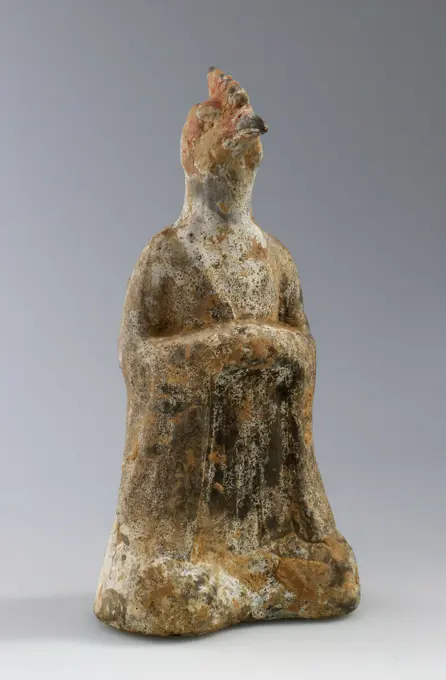
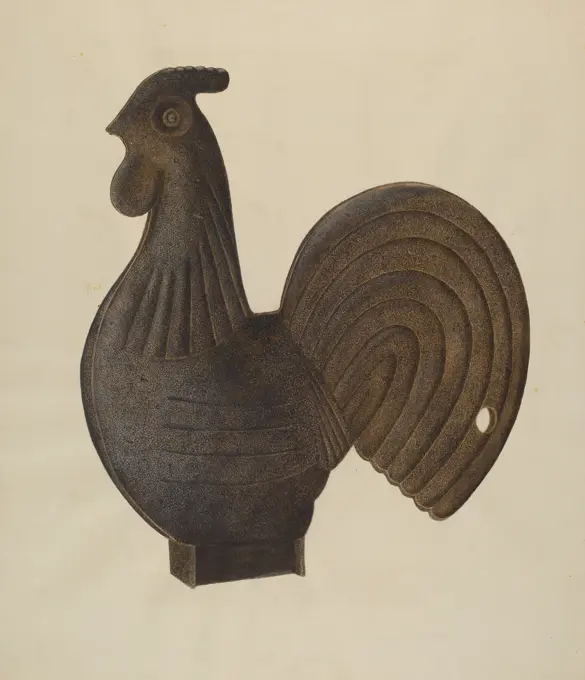
Rooster from Set of Zodiac Figures, 386-535, Dia.9-3/8 in., Earthenware with white slip and traces of pigment, China, 4th-6th century
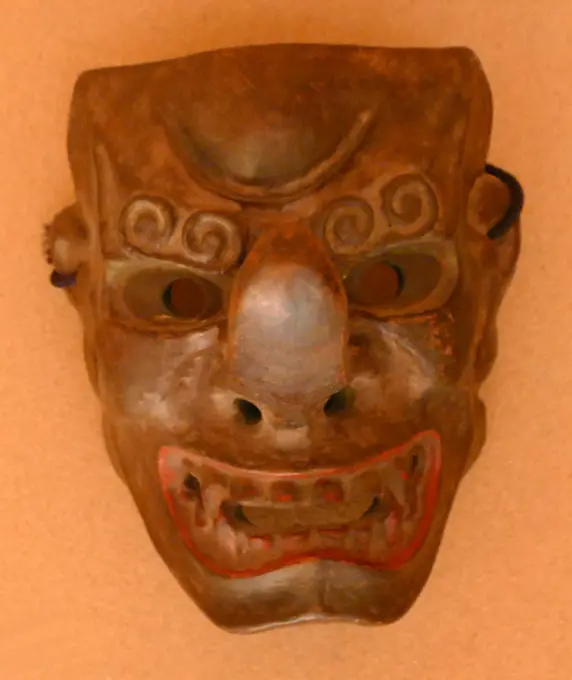
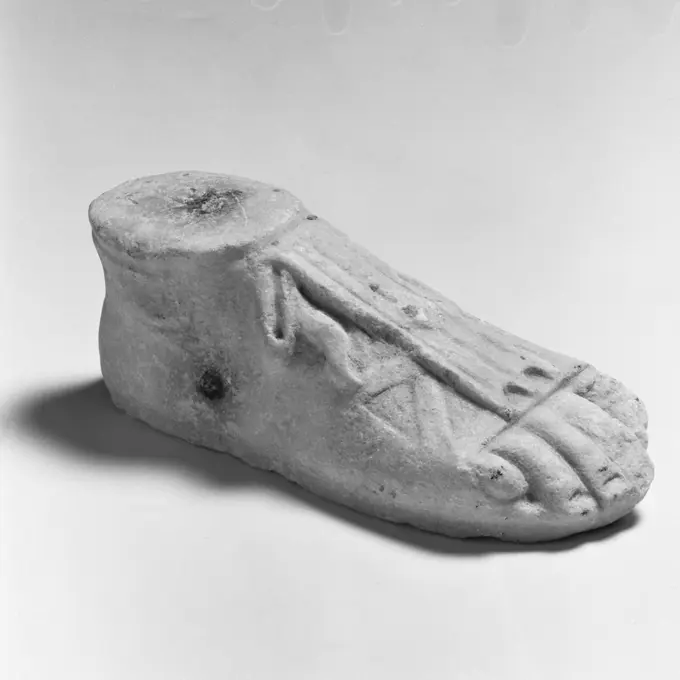
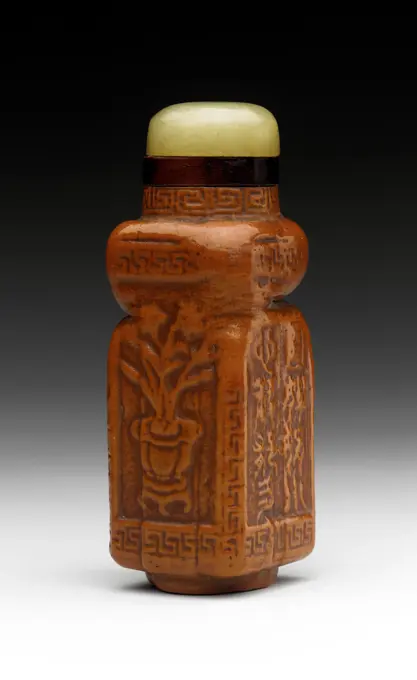
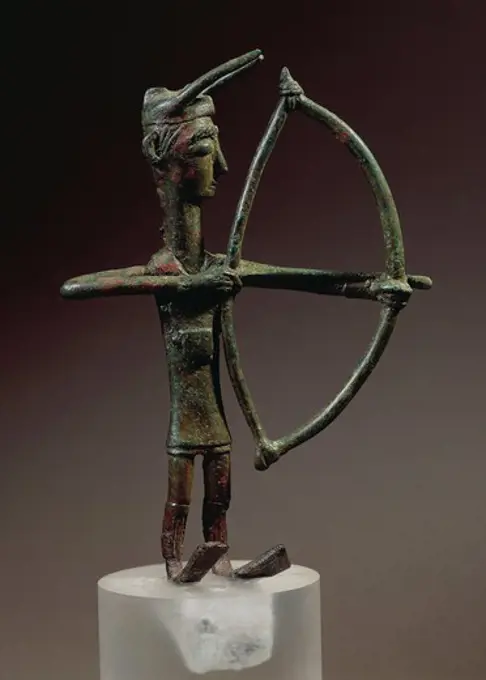
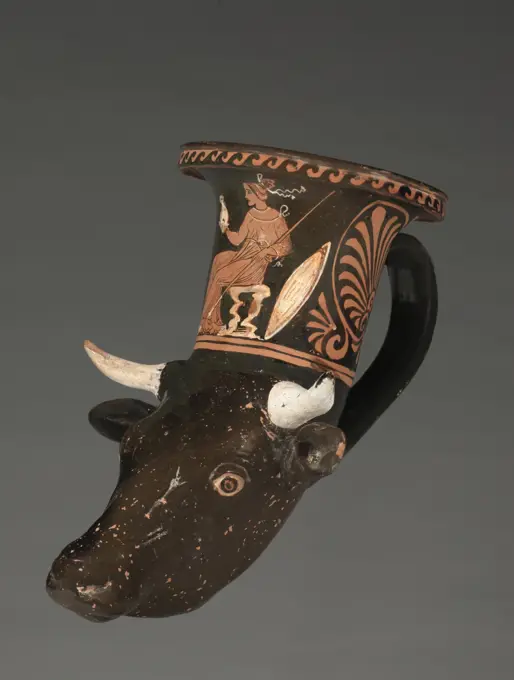
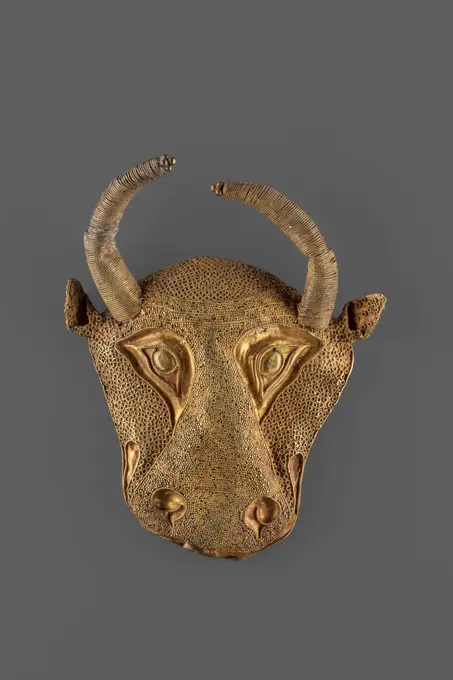
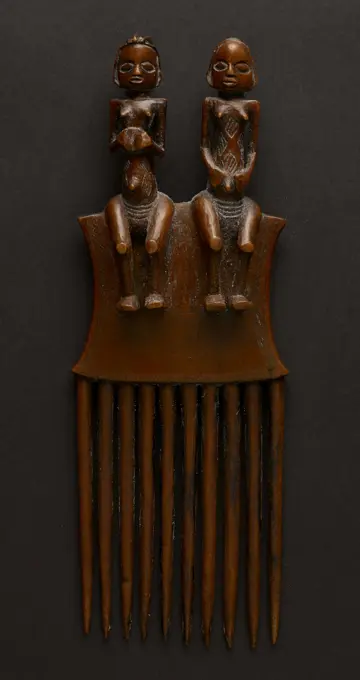
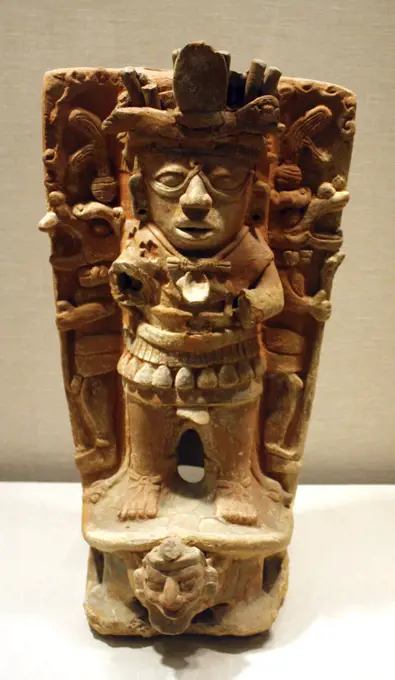
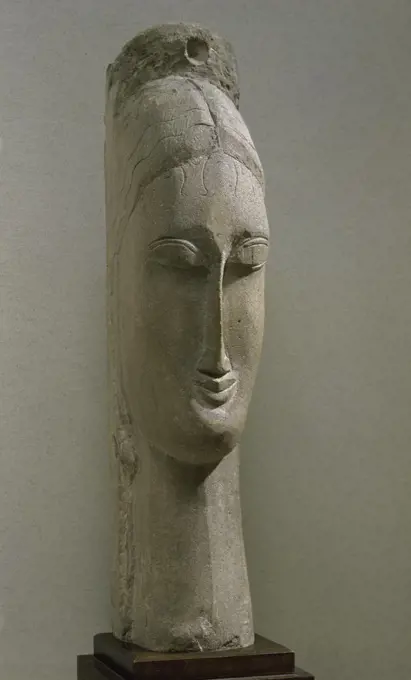
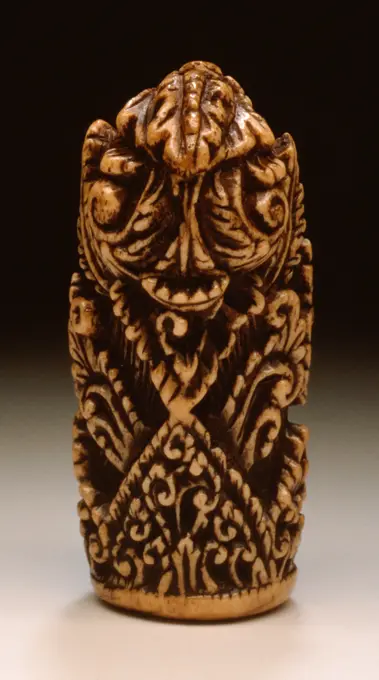
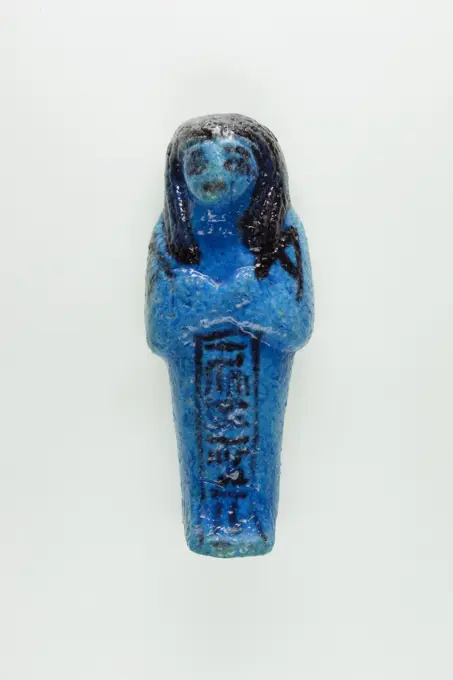
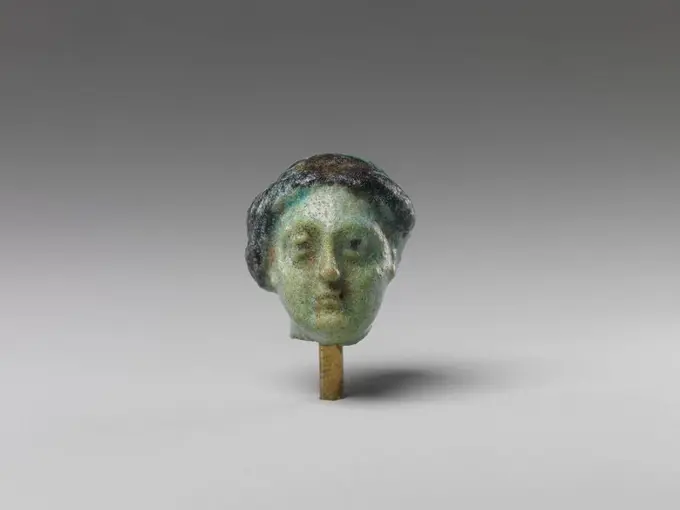
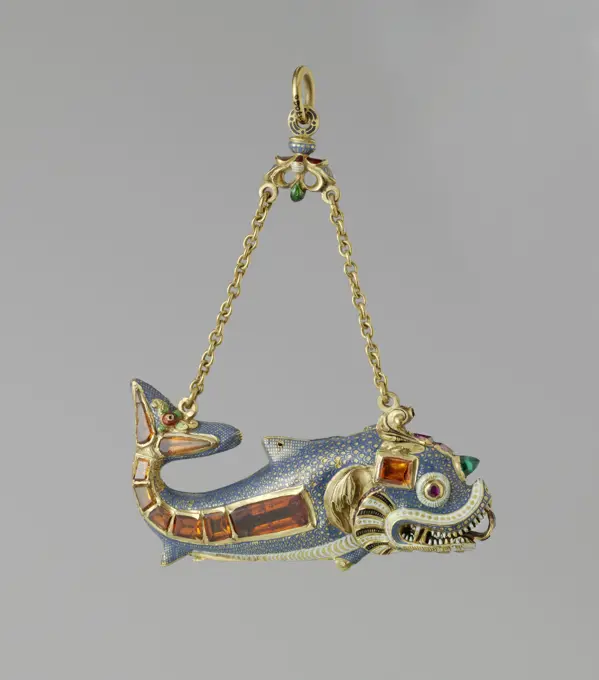
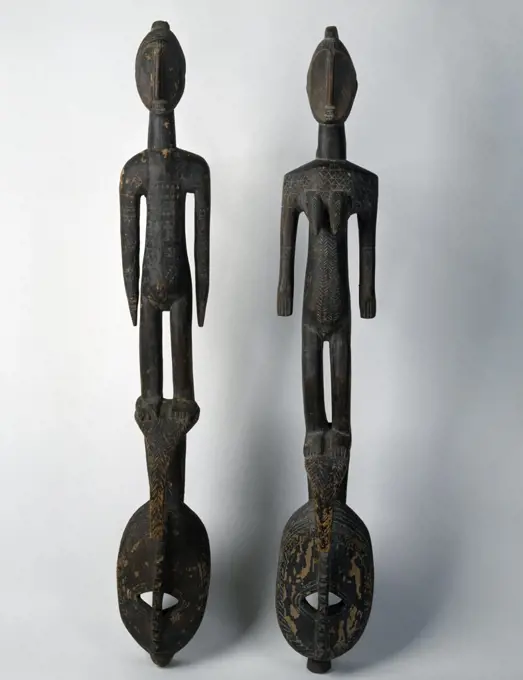
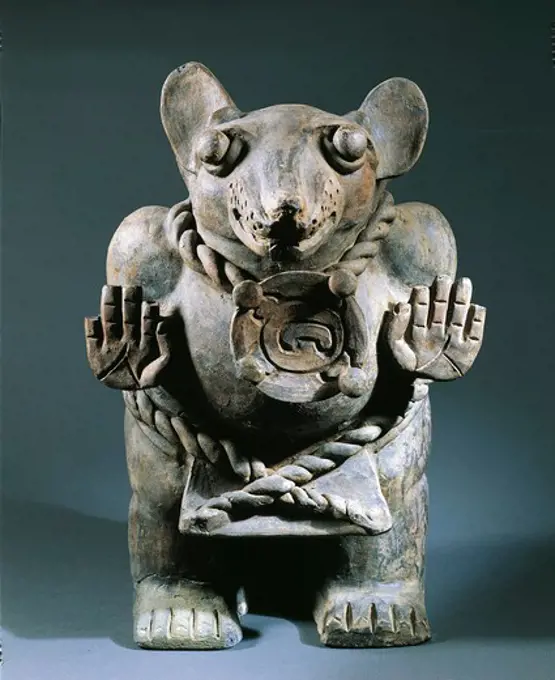
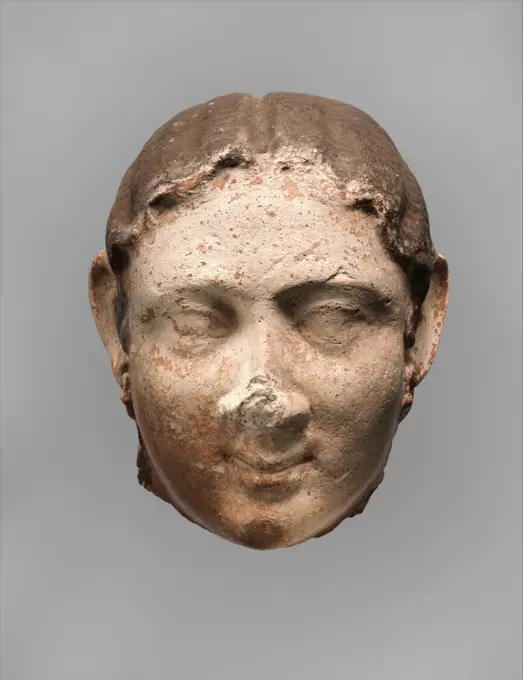
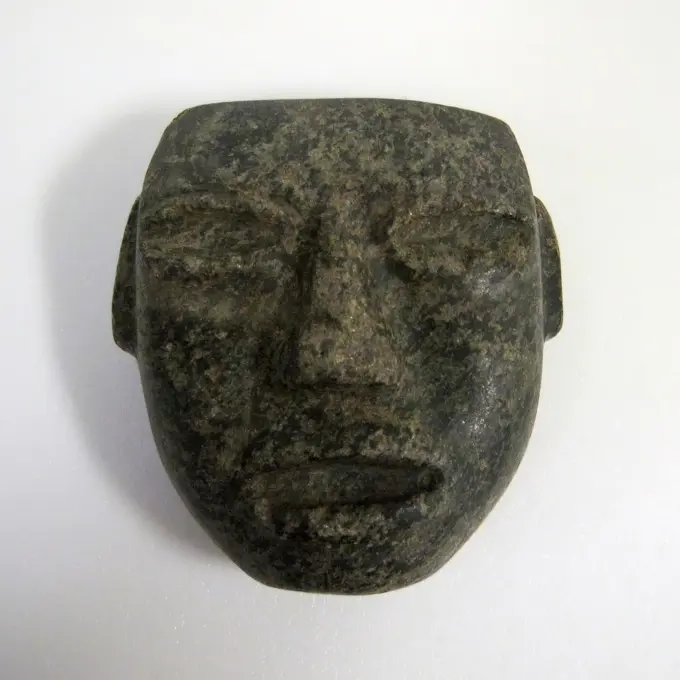
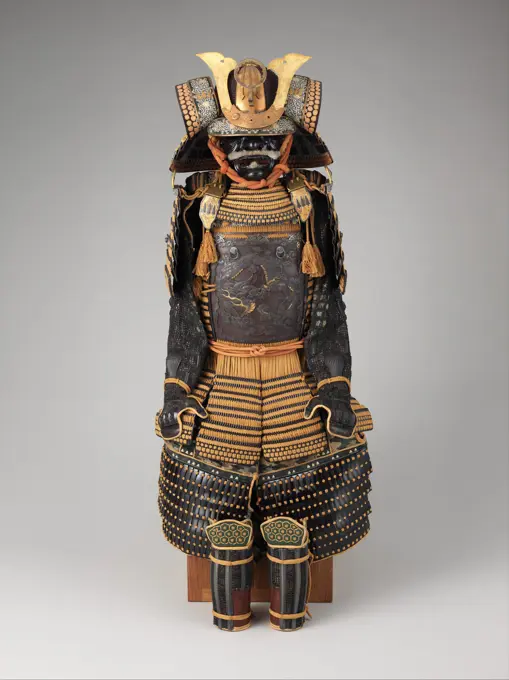
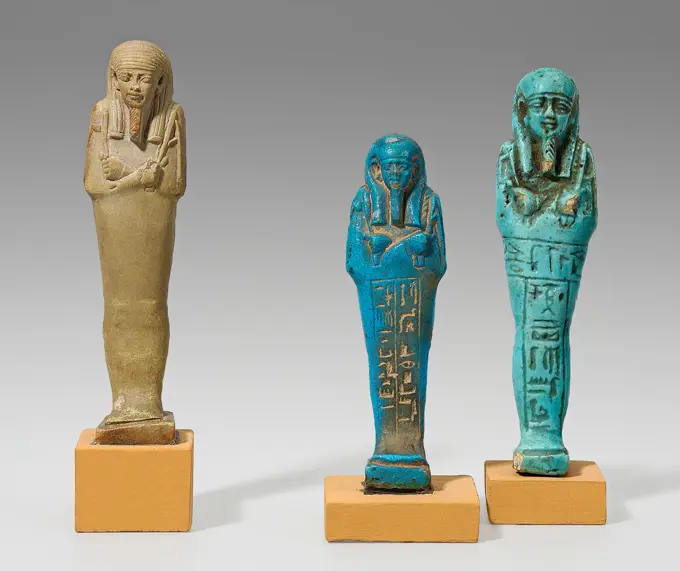
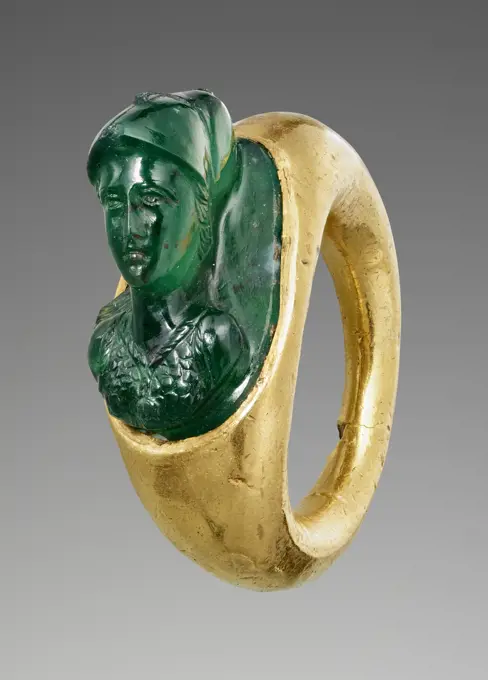
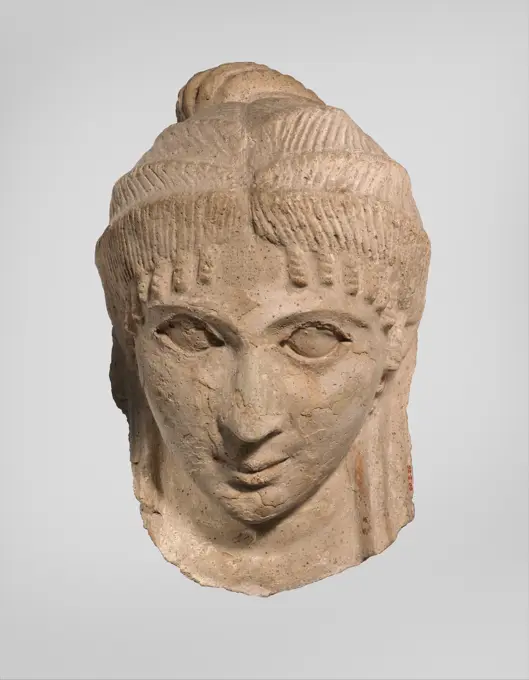
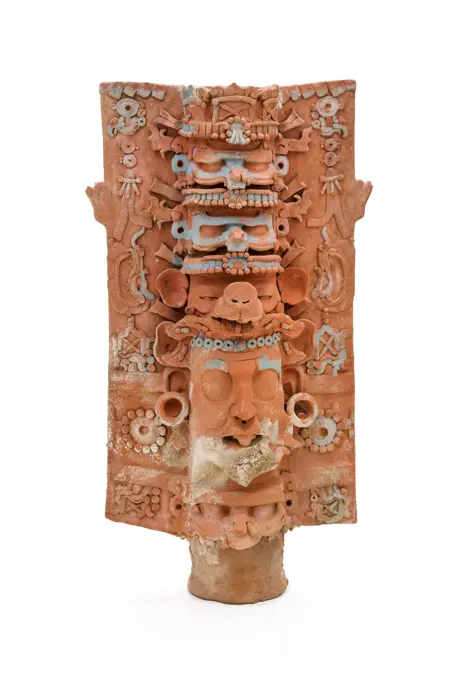
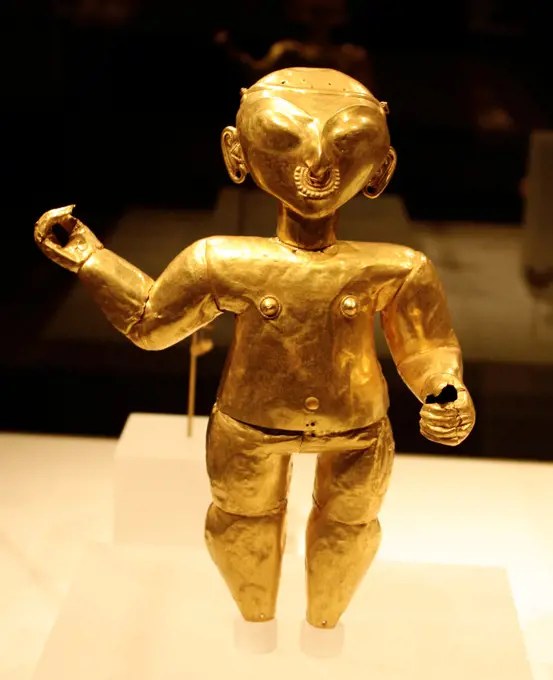
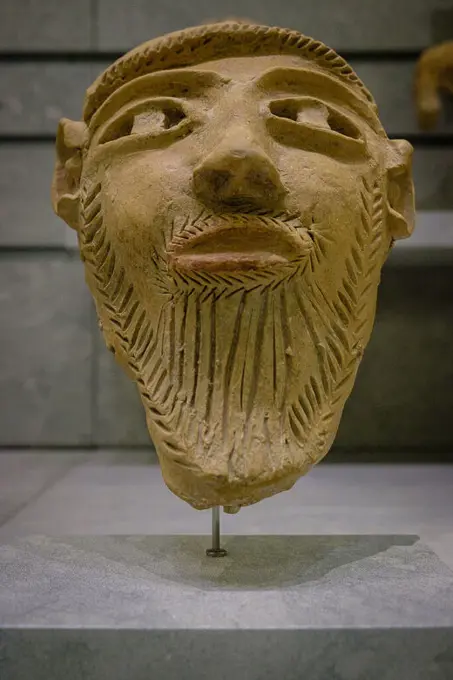
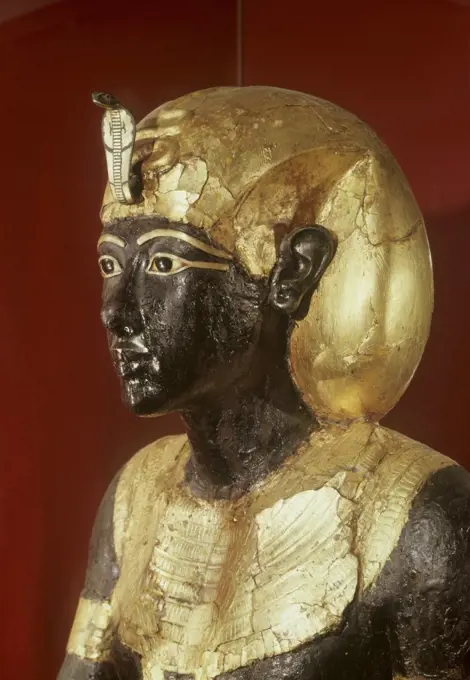
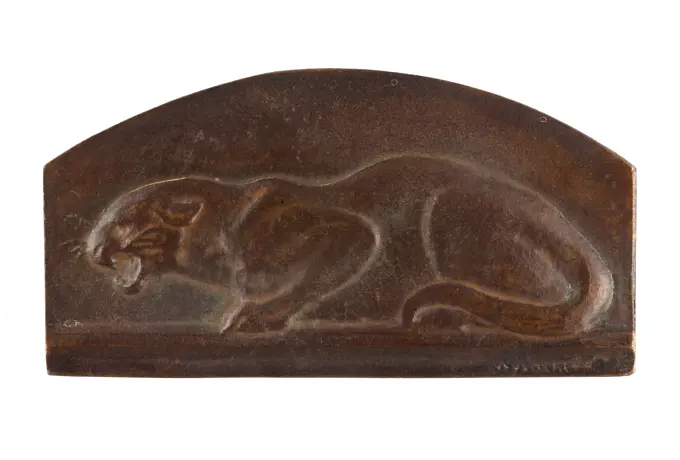
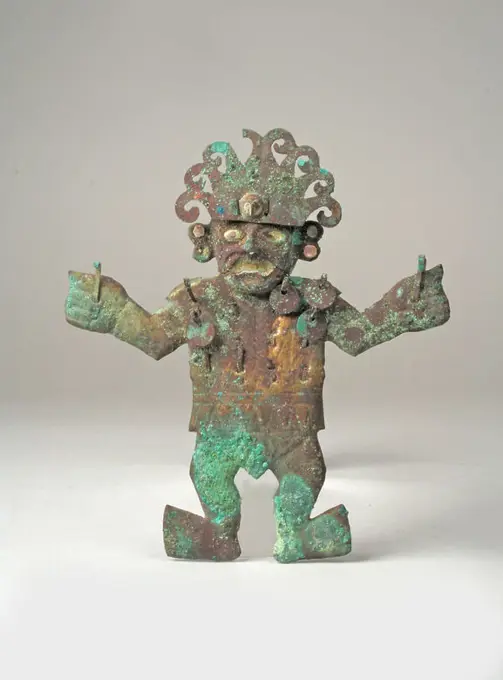
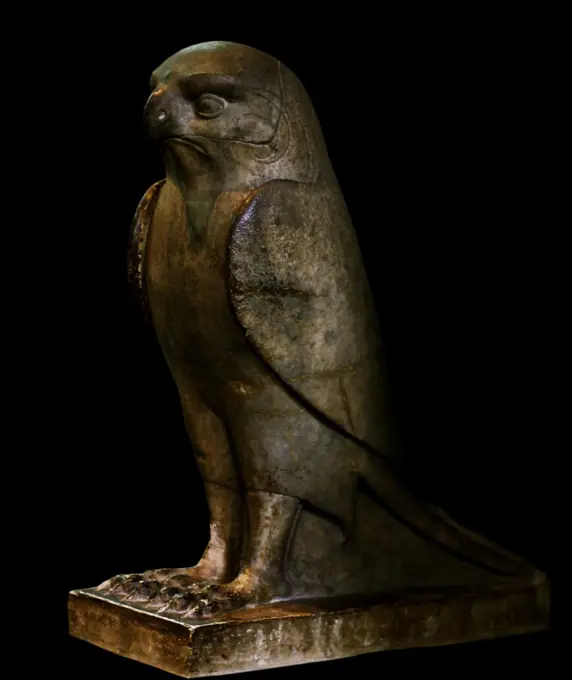
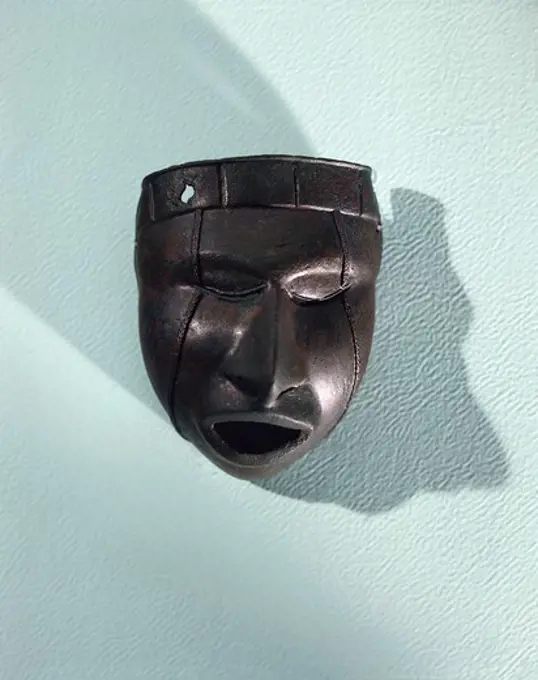
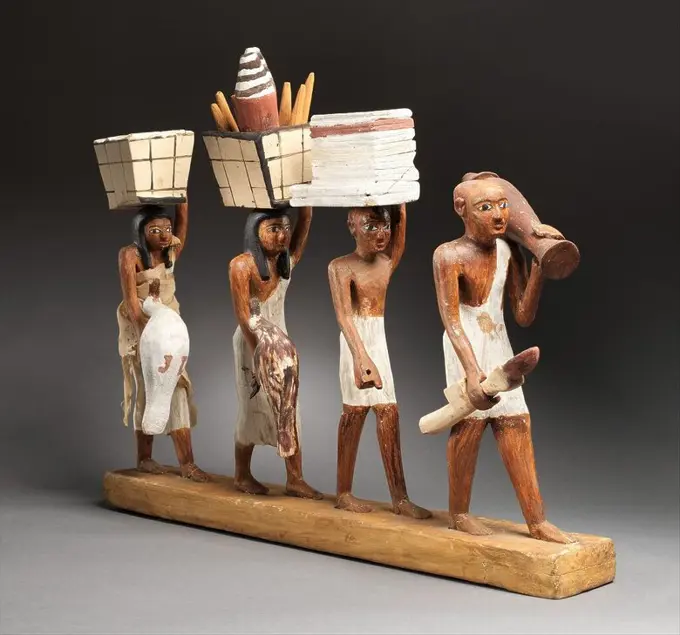
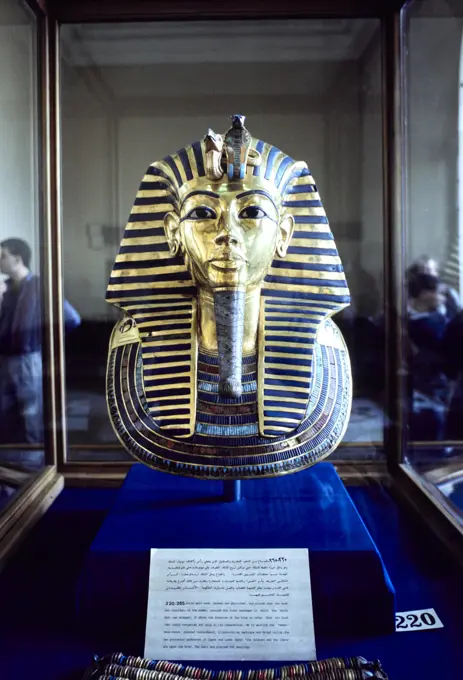
Egyptian Ushabti or Ushabti. The Ushabti also called Ushabti or shawabti, was an Ancient Egyptian funerary figurine17th century Japanese wooden maskWooden guardian figure, eyema Byeri; Fang tribe; Ntumu group; Equatorial Guinea, West Africa.Pyxis (Container for Personal Objects) 730 BCE-720 BCE Athens. Ceramic vessels decorated with repetitive linear designs were so popular during the 8th and 7th centuries BC that the term Geometric applies to both the style and the time period (800ñ600 BC). The body of this container is decorated with popular ornamentations, among them Greek key pattern, or meanders, as well as checkerboard patterns, dotted and crosshatched lozenges, and chevrons.The handle of this vase takes the form of horses standing side by side, suggesting a team for a four-horse chariot. Ownership of horses was an important indicator of financial status, since only the wealthy could afford to possess and train them.. terracotta . Ancient GreekSandaled Foot from a Statue. UnknownPendant, 8th-15th century, 2 3/8 in. (6.03 cm), Gold, Costa Rica, Pre-ColumbianSnuff Bottle (Biyanhu) with Flower Vases and InscriptionsSnuff Bottle 18th century China. Snuff Bottle 41723Comb, c 1900s . Africa, Central Africa, Democratic Republic of Congo, Luba, possibly 20th century. Wood and wire; overall: 4.5 cm (1 3/4 in.).Italy, Sardinia region, bronze statuette of archer from Nuraghic village of Abini at TetiRed-Figure Cow-Head Rhyton (Drinking Horn), c. 340 BC. South Italian, Apulian, Tarentine. Ceramic; diameter: 10 cm (3 15/16 in.); overall: 17 cm (6 11/16 in.).Blue vitreous paste head of a king, probably TutankhamenRelief mask in the shape of a bull's head (Protome) - horse harness ornament (). unknown, authorPortrait Vessel of a Ruler Made 100 BCE-500 CE Peruvian North Coast. Ceramic and pigment . MochePriesthood. Priesthood with top piece in the form of trident, probably shiwaitic object.Necklace Figurine Bead, 1-700. Colombia, 1st-8th century. Cast gold; overall: 3.4 cm (1 5/16 in.).Comb, mid 20th century, 9 1/2 × 3 1/2 in. (24.13 × 8.89 cm), Wood, Democratic Republic of Congo, 20th centuryAchaemenid. Horn-shaped rhyton. Silver and gold. 5thC BC. Made in Syria. Turkey, Kahramanmaras. British Museum.Uszebti. unknown, authorCenser Support, Mexico, Mesoamerican 8th-9th century. Ceremic.Head of a Woman Amedeo Modigliani 1884-1920/Italian Muse National d'Art de Moderne, ParisKeris Handle with Floral Motifs (modified to serve as a netsuke). Indonesia, Java, 18th-19th century. Costumes; Accessories. Stag antlerMask Japan. Mask. Japan. Wood with lacquer. Kamakura period (1185-1333). MasksInlay profile head Late Period-Ptolemaic Period 500-30 BC Glass or stone figural inlay elements could be fitted in individual wooden cells, or placed immediately adjacent to other elements and attached to a background. View more. Inlay profile head. 500-30 BC. Jasper. Late Period-Ptolemaic Period. From EgyptCaryatid Mirror, c. 1540-1296 BC. Egypt, New Kingdom, Dynasty 18. Bronze with black copper inlay; overall: 38.9 x 20 cm (15 5/16 x 7 7/8 in.); figure: 16.7 x 4 cm (6 9/16 x 1 9/16 in.); disk: 16.6 cm (6 9/16 in.).Tlingit dance rattle decoratively carved with a two headed bird and painted with northwest coast designs.Worker Shabti of Nany ca. 1050 B.C. Third Intermediate Period See 30.3.26.1a, b. Worker Shabti of Nany 625729Female head. Dimensions: H. 1.5 × W. 1.4 × D. 1.6 cm (9/16 × 9/16 × 5/8 in.). Date: 332-30 B.C..This tiny head was molded and carved in the round, but was attached at the neck and behind the head to another surface. She wears no emblem of Ptolemaic royalty in her hair, although this is not necessarily determining. The head may have been attached to a vessel or its handle. Museum: Metropolitan Museum of Art, New York, USA.Pendant and necessary in the form of a dolphin, anonymous, c. 1600 Pendant and necessary of gold, enamelled and occupied with emerald and topaz. In the form of a dolphin. Content: a toothpick and a spoon. Germany (possibly) gold (metal). emerald (mineral). topaz (mineral) Pendant and necessary of gold, enamelled and occupied with emerald and topaz. In the form of a dolphin. Content: a toothpick and a spoon. Germany (possibly) gold (metal). emerald (mineral). topaz (mineral)Bonnet 1840s American. Bonnet 110169Mossi and Bobo statues from Mossi Culture,  Upper Volta,  USA,  Florida,  Jacksonville,  The Museum of Contemporary Art,  African Art CollectionMexico - Zapotec civilization, Classic period (200-900). Terracotta Tlacuache (opossum) figurine.Head of a woman 3rd-2nd century B.C. Greek, Asia Minor. Head of a woman 252977 Greek, Asia Minor, Head of a woman, 3rd2nd century B.C., Terracotta, H. 2 1/16 in. (5.3 cm). The Metropolitan Museum of Art, New York. Anonymous Gift, 1928 (28.168.1)Funerary Mask A.D. 1st-4th century Roman Period. Funerary Mask 547855Wilbur M Rice, Windmill Counterbalance, c 1938 Windmill CounterbalanceAmulets of deities Hathor and Taweret, and statuette of Isis nursing infant HorusCarved mask of a human head, 5th-6th century, 7 3/4 x 6 1/2 x 4 in. (19.69 x 16.51 x 10.16 cm), serpentine stone, Mexico, 5th-6th centuryArmor (Gusoku) late 18th-19th century Japanese The breastplate is embossed in high relief with designs featuring a dragon and clouds.. Armor (Gusoku) 639926Padipepa, boat, padiamonnesuta, boosbti wahibre-anem-anet;  664-525 BC ; Half period, 26 dynasty (-664-00-00--525-00-00);Padipep (Ca 664-525 A.C.), padipep (private name), Wahibre -em-Cachet (Ca 664-525 A.C.), Tomb figurines, back pillars, hieroglyphsMinerva; 1st century; Gem: chrome chalcedony; ring: gold; 1.8 × 1.1 × 1.3 cm (3,4 × 7,16 × 1,2 in.)Funerary Mask A.D. 2nd century Roman Period. Funerary Mask 547836TobyPitcherCenser Stands with Solar Deities. Mexico, Chiapas, vicinity of Palenque, Maya, 650-850 CE. Ceramics. Post-fire painted ceramicCat Amulet ca. 2030-1640 B.C. Middle Kingdom. Cat Amulet. ca. 2030-1640 B.C.. Faience. Middle Kingdom. From Egypt, Memphite Region, Lisht South, Roman Burial 2, MMA excavationsHead Inlay. UnknownStanding figure. Ecuador or Colombia, Tolita-Tumaco. 1st-4th century, hammered gold. Three dimensional figures in the Tolita-Tumaco style are among the most unusual Precolumbian gold objects. The figure displayed here is distinguished by its decorated nose ornament. the Tolita-Tumaco style area style area is located on the Ecuador-Colombian border along the Pacific coast.mascara funeraria barbada, estilo púnico-ebusitano, 400-300 a.C, Museo arqueológico de Ibiza y Formentera, Patrimonio de la Humanidad «Ibiza, biodiversidad y cultura», Ibiza, balearic islands, Spain.Statue of Ka of Tutankhamen.  Detail:  Bust  c. 1347-1337 B.C.,   Artist Unknown Egyptian  Wood, Bronze, Gold, Glass Egyptian Museum, Cairo Female Mask (Gambanda or Kambanda), early 1900s. Africa, Central Africa, Democratic Republic of Congo, Pende-style maker. Wood, plant fiber, and colorant; overall: 27 x 22 x 28.5 cm (10 5/8 x 8 11/16 x 11 1/4 in.).Plaque - leopard; Wysocki, Jan (1873-1960); 1908 (1908-00-00-1908-00-00);Partage Plus, Wysocki, Jan (1834-1912), Panther (iconogr.), Plastic, secession (style), animal (iconogr.)Votive main;  Hellenistic period (-323-00-00--30-00-00);Disk Figure. Culture: Moche (Loma Negra). Dimensions: H. 4 3/4 x W. 4 1/4 x D. 1/2 in. (12.1 x 10.8 x 1.3 cm). Date: 390-450. Museum: Metropolitan Museum of Art, New York, USA.Gilded statue of King Tutankhamen, From his tomb. 1323 BC. 18th dynasty, New KingdomLimestone figure of a Horus-falcon. Late period, after 600 BC.Czech Republic, Ceramic vase at Houska CastleAncient Egyptian faience amulet figurine of NefertemBuddha Shakyamuni Reclining. Sri Lanka, Kandy period, 18th century. Sculpture. Wood with paintMexico. Pre-Columbian civilizations. Taraschi civilization. Copper mask representing god of spring and earth, known as Xipe TotecModel of a procession of offering bearers. Dimensions: L. 47.5 cm (18 11/16 in.); W. 7.2 cm (2 13/16 in); H. of base 3 cm (1 3/16 in.); H. of figures 24 cm. (10 5/8 in.). Dynasty: Dynasty 12. Reign: reign of Amenemhat I, early. Date: ca. 1981-1975 B.C..This funerary procession was discovered in a hidden chamber at the side of the passage leading into the rock cut tomb of the royal chief steward Meketre, who began his career under King Nebhepetre Mentuhotep II of Dynasty 11 and continued to serve successive kings into the early years of Dynasty 12.Two men and two women, probably Meketre's sons and daughters, walk in step on a narrow base. Its yellow color places the scene in the desert on the way to the tomb. The first man carries a large libation vase and an incense burner for use in an offering ritual; the second balances a pile of linen on his head. One linen sheet is dyed red. Linen was an indispensable part of every Egyptian burial: the mummified body was wrapped in it, and foldeLife-size bronze forest pug, art figure of the humourist Loriot, artist Clara Walter, Brandenburg an der Havel, Brandenburg, Germany, EuropeVintage Photograph. Discover the iconic golden mask of Tutankhamun in its museum display.Egypt, Sais, Backside of mummy-shaped sarcophagus of the vizier Gemenefherbak, twenty-sixth dynasty, late period, circa 600 B.C., black basaltAncient Greek Head Sculpture Front view ancient greek head sculpture isolated on white background Copyright: xZoonar.com/DanielxFerreira-LeitesxCiccarinox 16977617