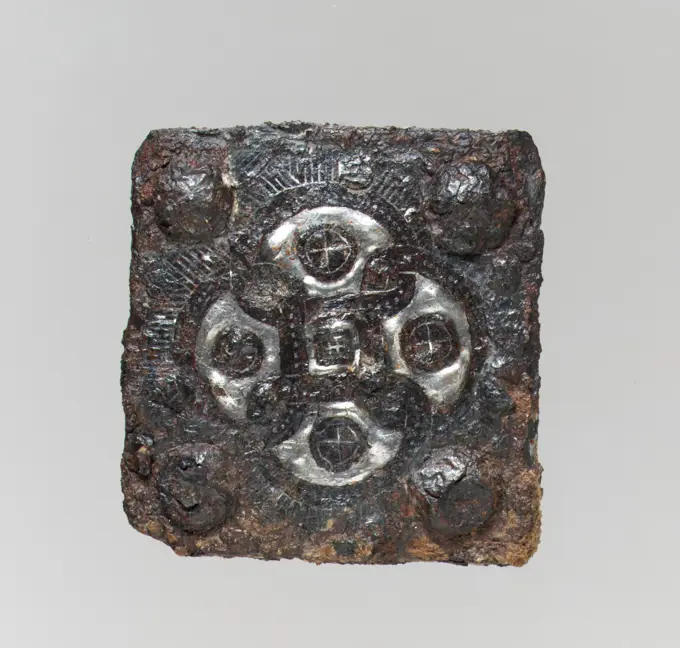
Ancient Egyptian Artifacts

A mix of historical scarabs and artifacts depicting ancient Egyptian symbols and figures, showcasing cultural significance across time.
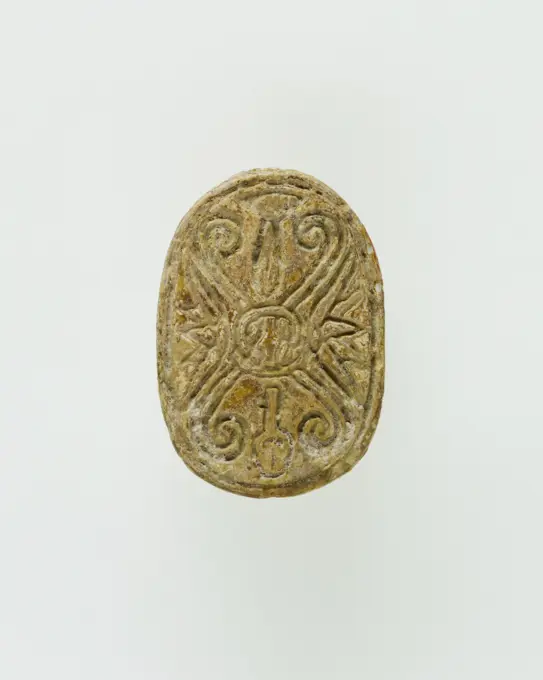
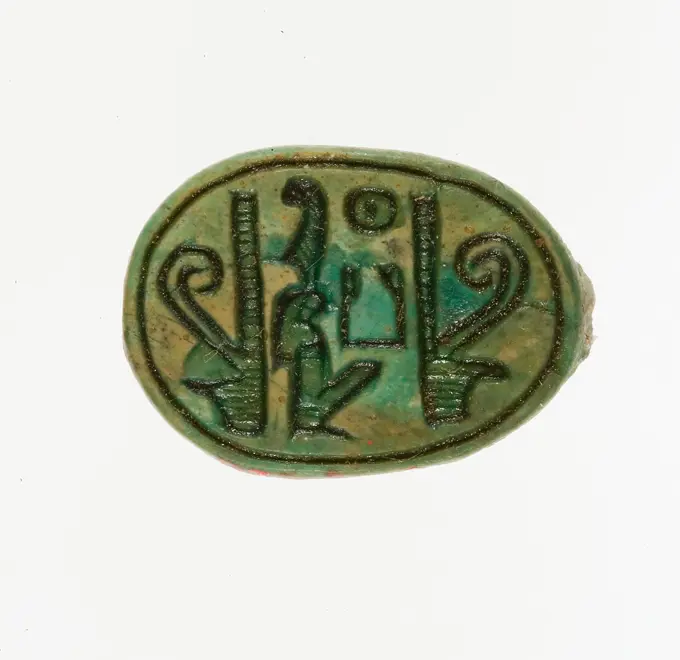
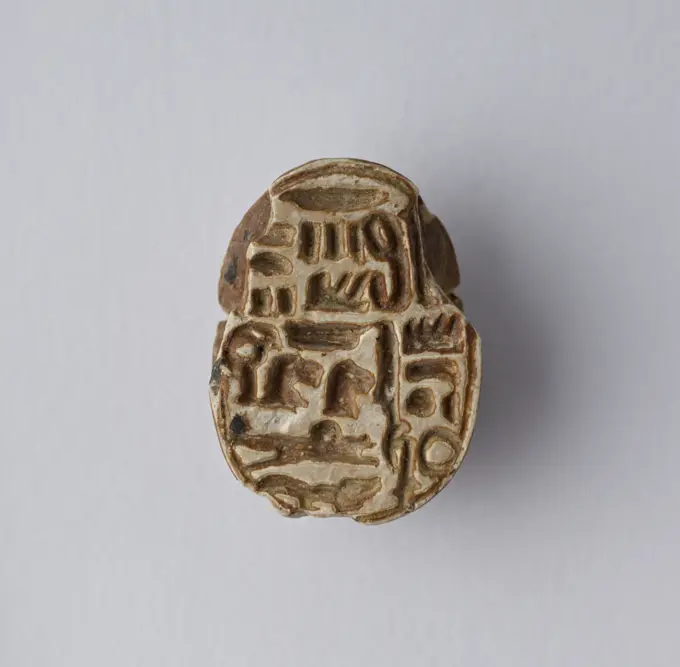
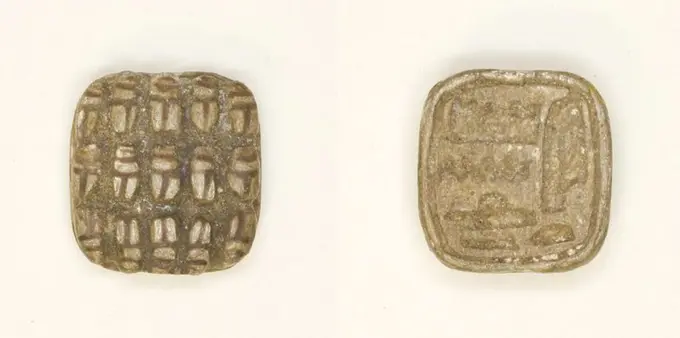
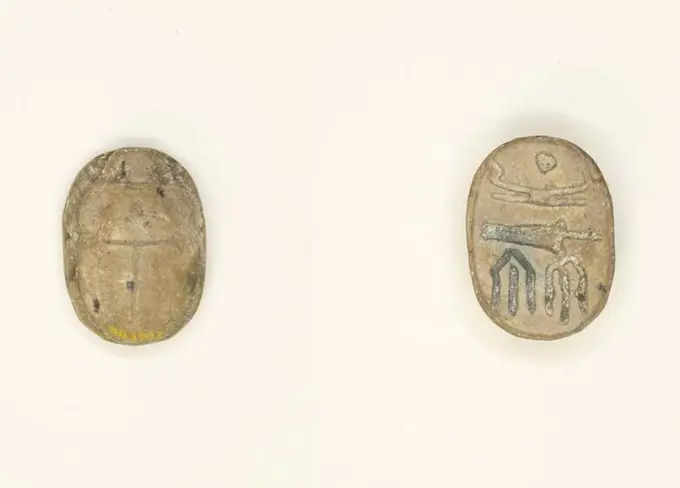
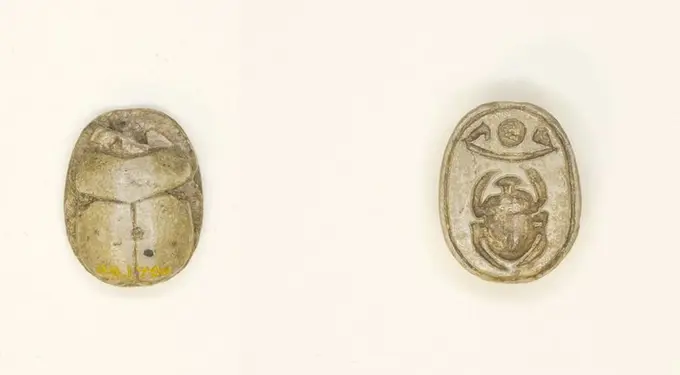
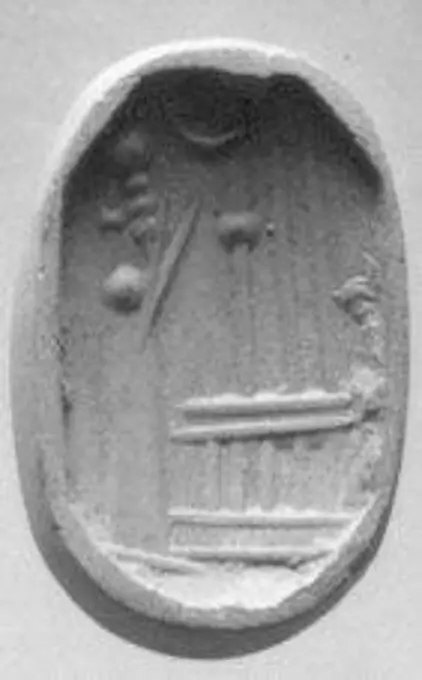
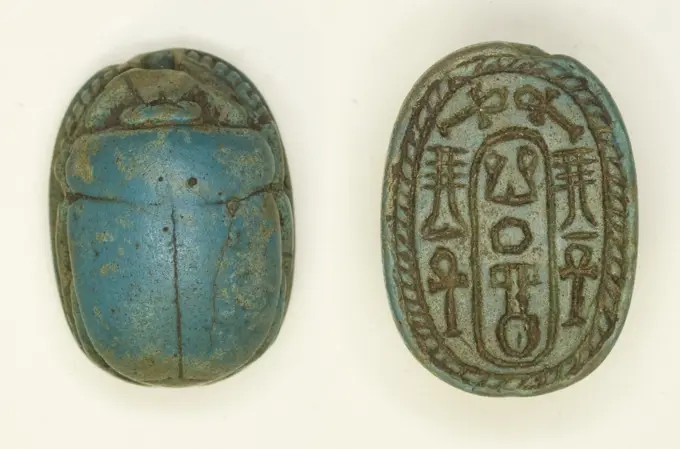
Scarab Incised with Hieroglyphs and a Cruciform Design ca. 1760-1670 B.C. Middle Kingdom The underside of the scarab is finely decorated with a cross design consisting of scrolls centered on convoluted coils. Coil designs are not often combined with cruciform patterns; this is a rare and elaborate example dating to the late Middle Kingdom (late Dynasty 12-Dynasty 13, ca. 1850-1640 B.C.). Hieroglyphs associated with positive ideas such as life and regeneration, namely lotus flowers, the papyrus stem, and the hieroglyph for good and beautiful (nefer), are placed between the scrolls.. Scarab Incised with Hieroglyphs and a Cruciform Design 557055
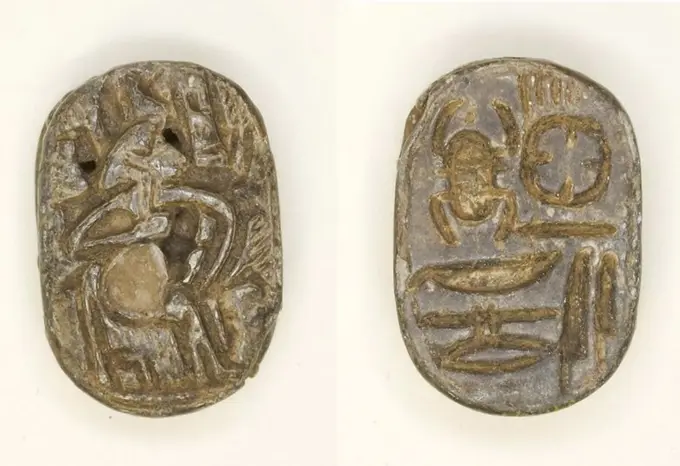
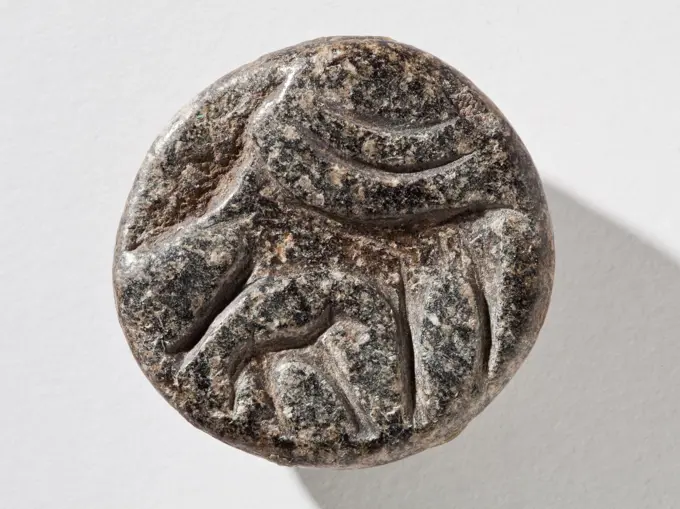
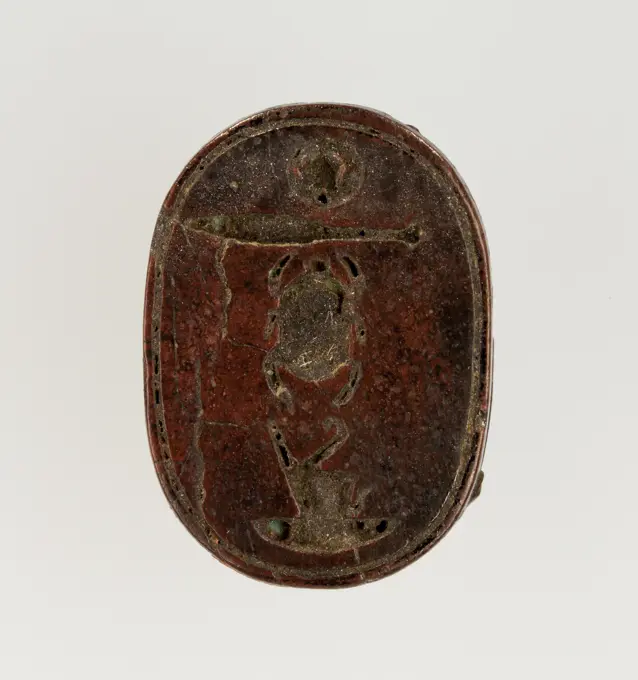
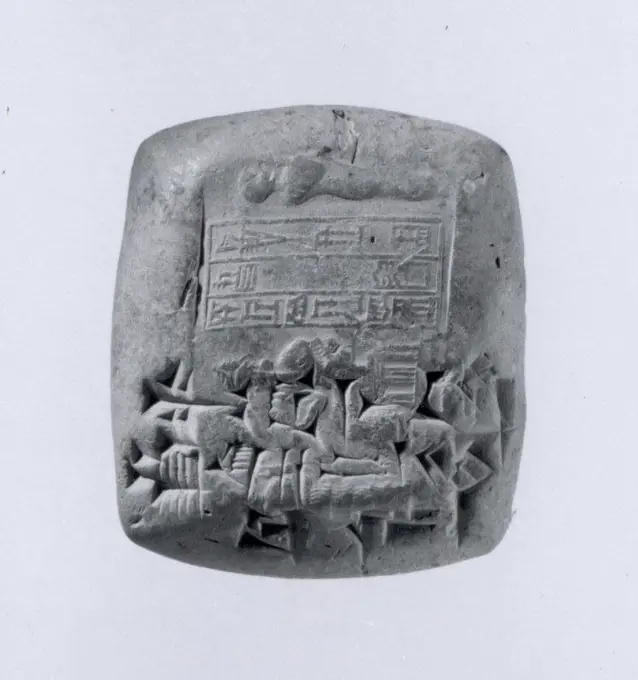
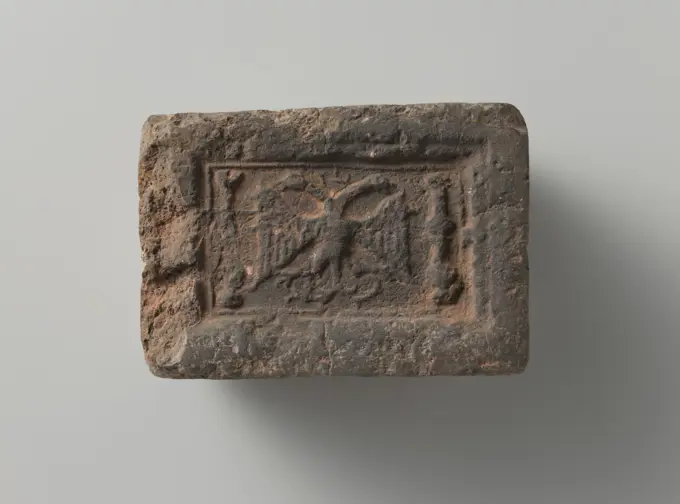
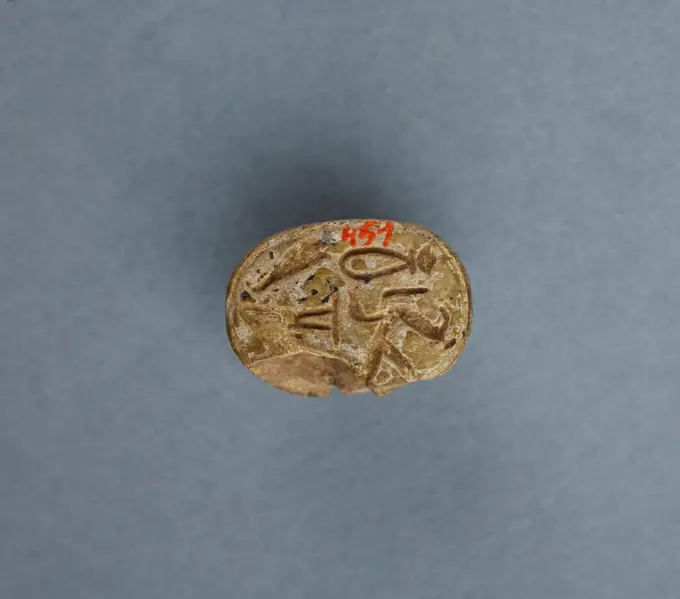
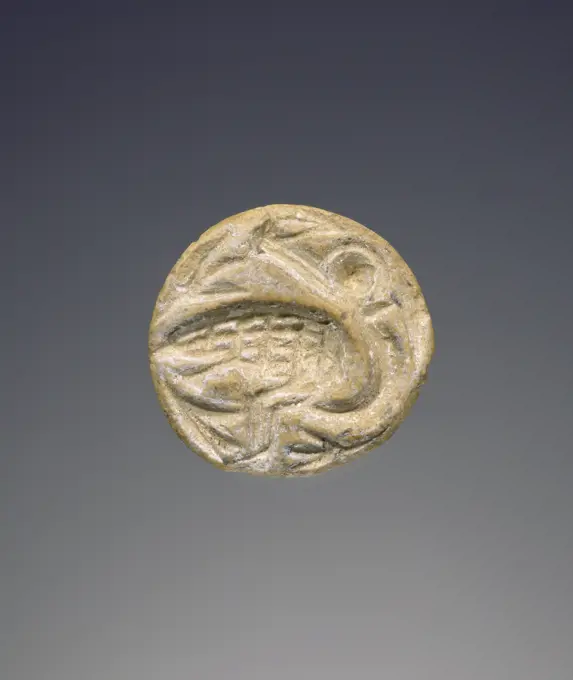
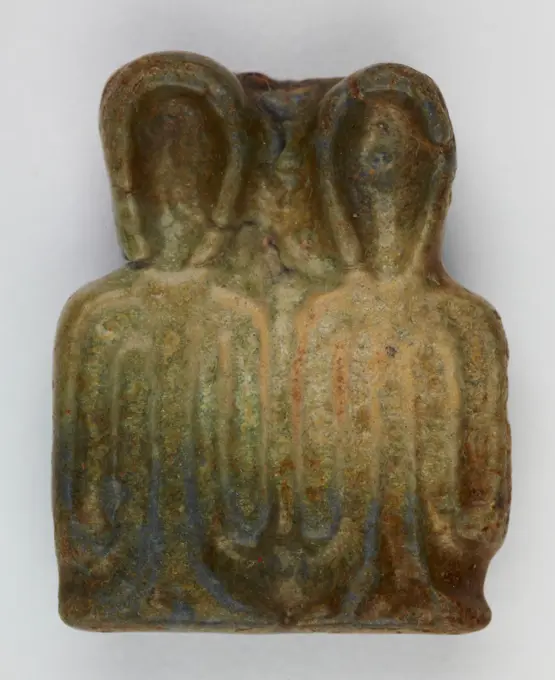
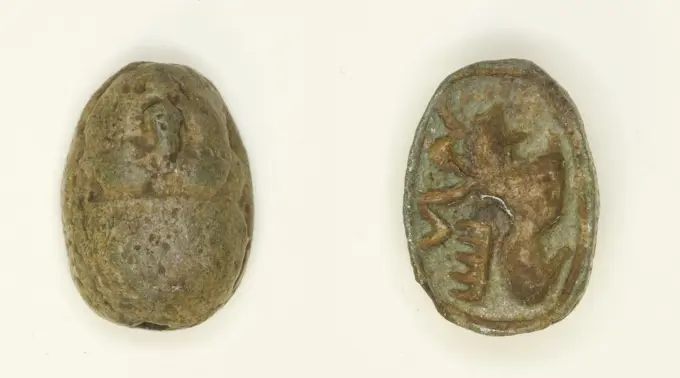
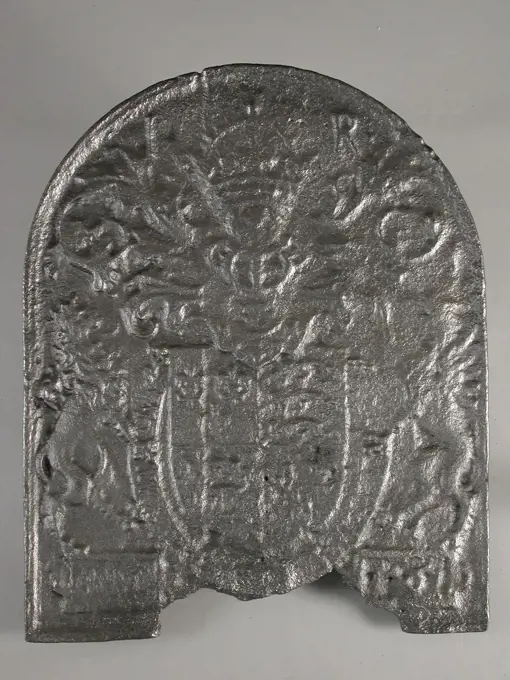
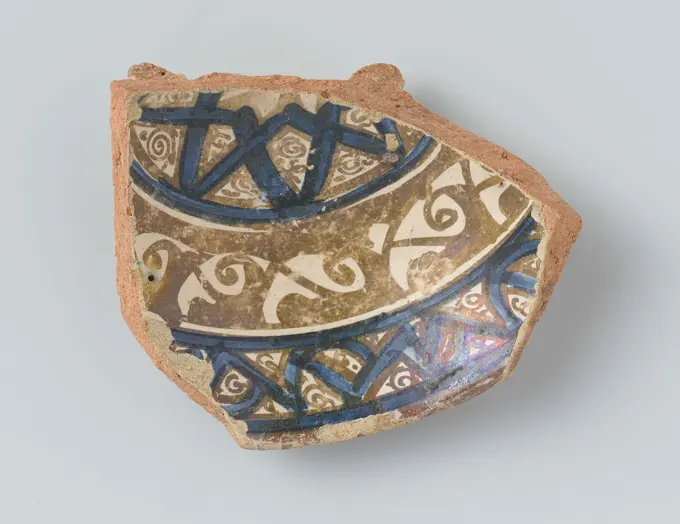
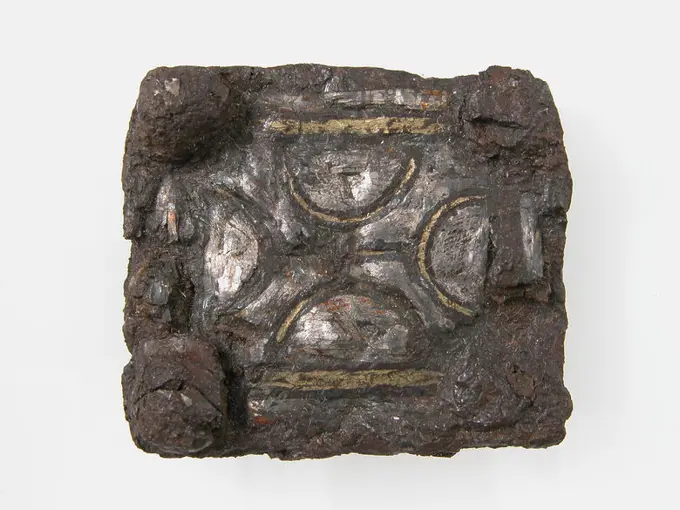
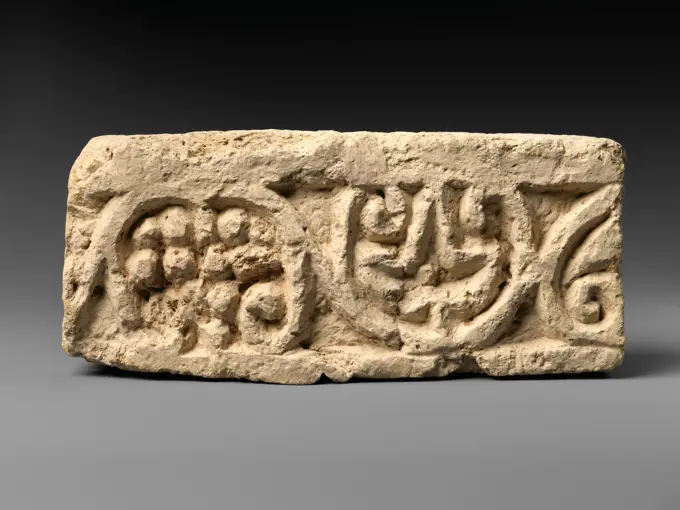
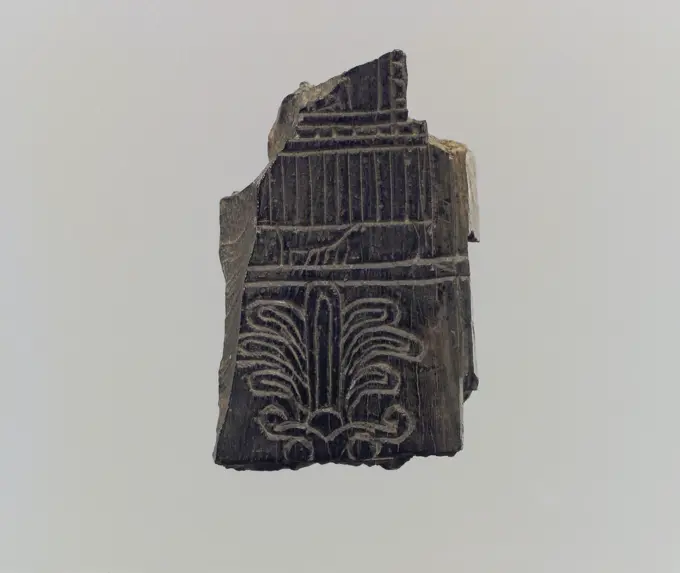
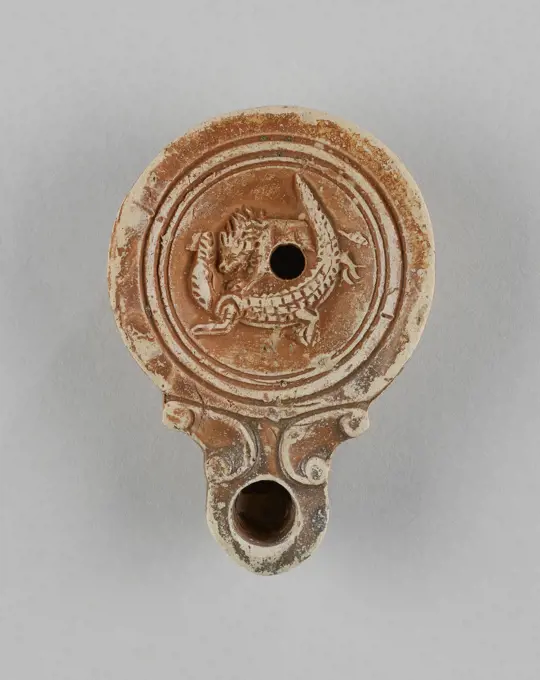
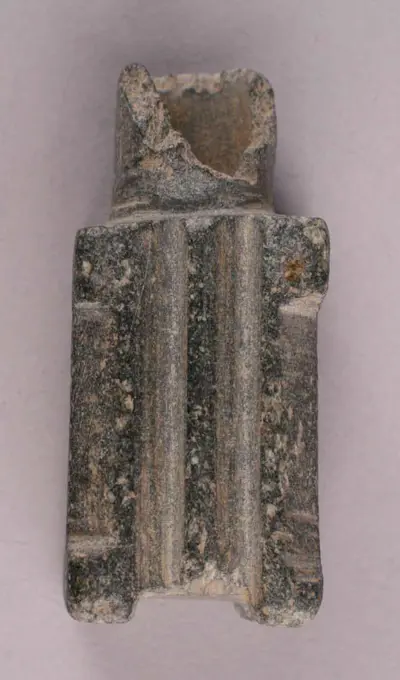
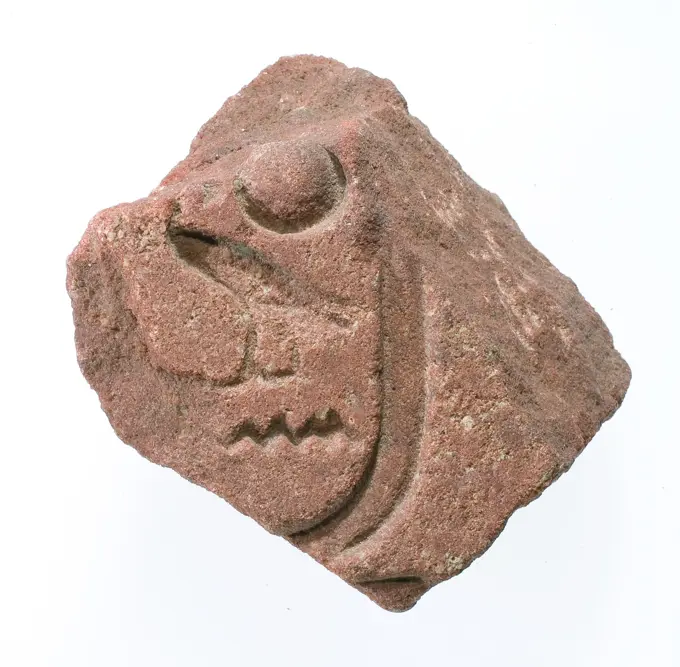
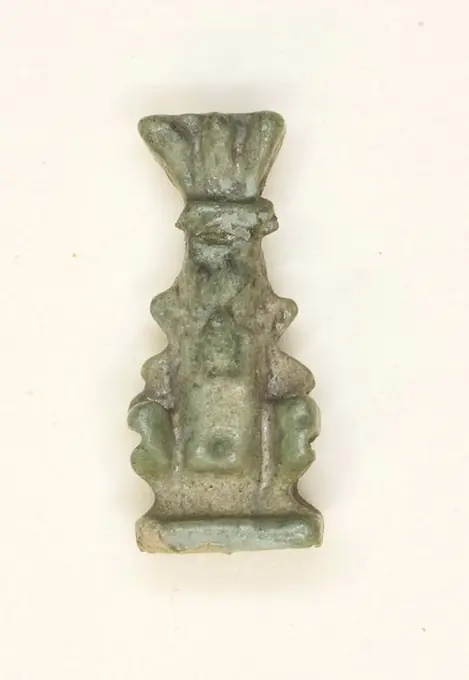
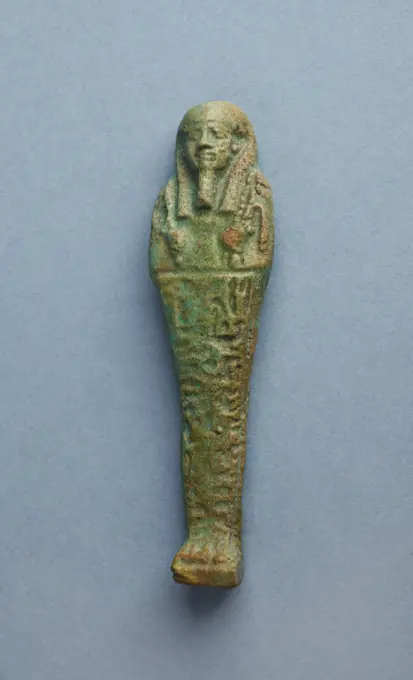
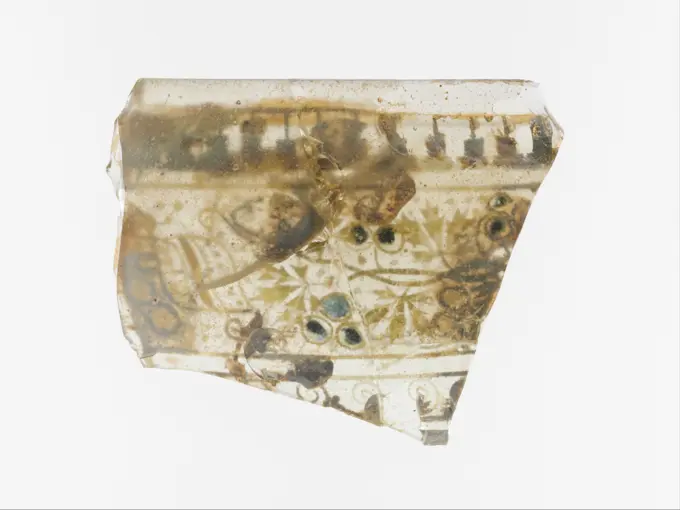
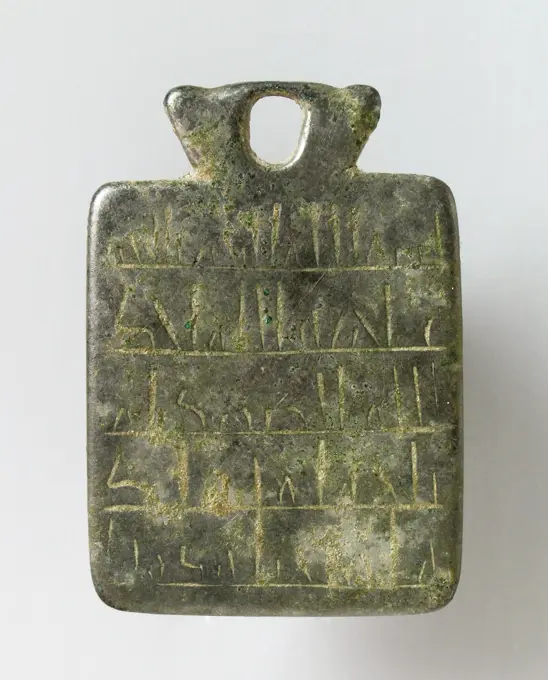
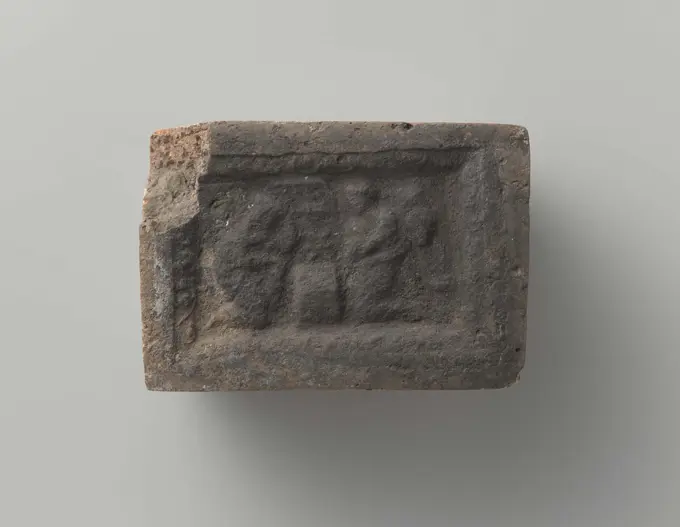
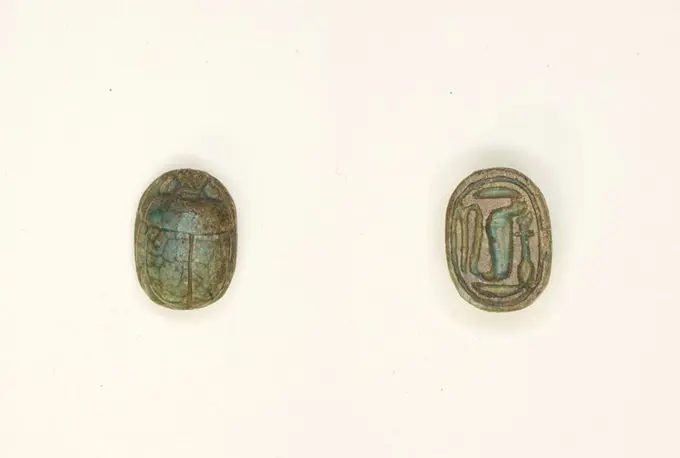
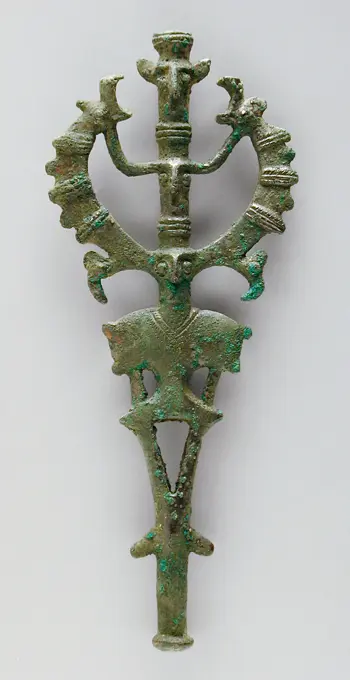
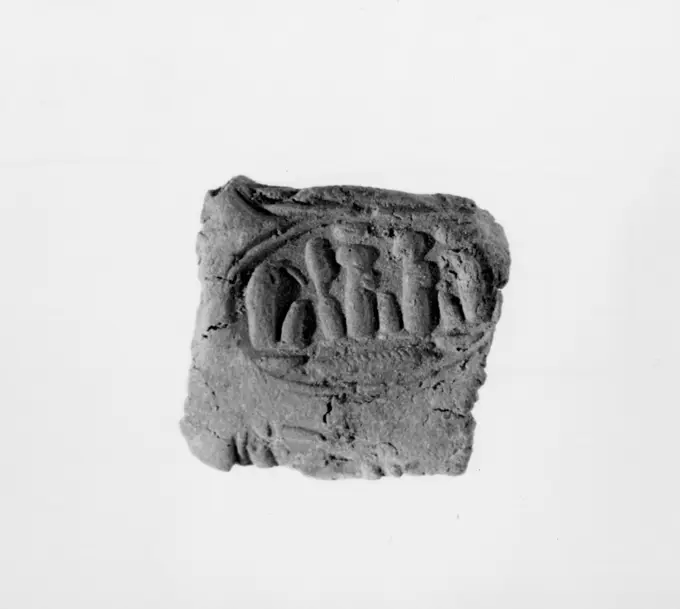
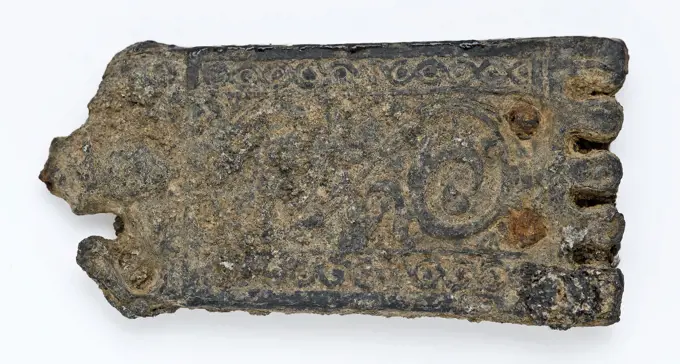
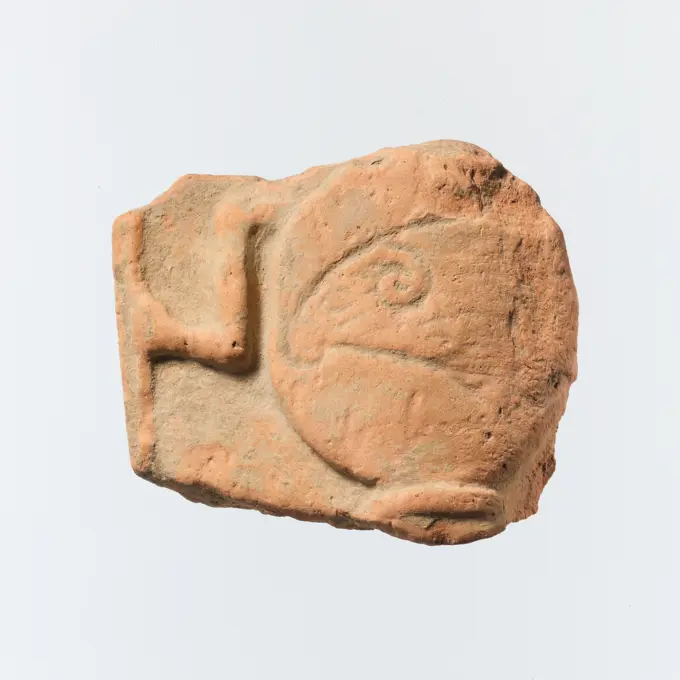
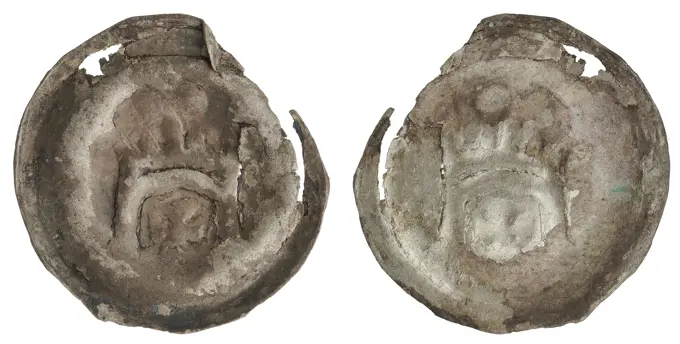
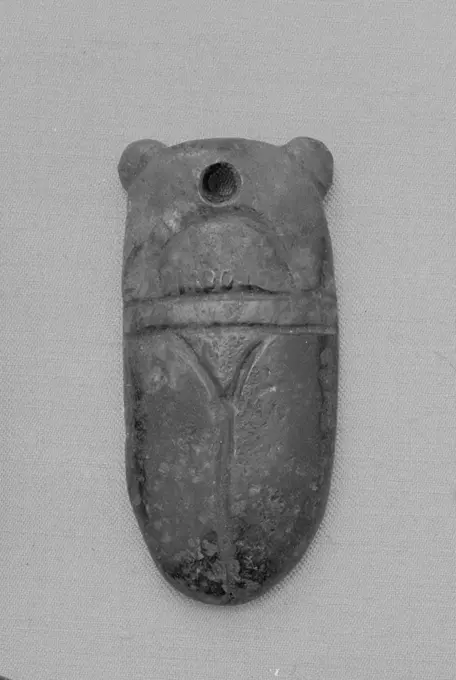
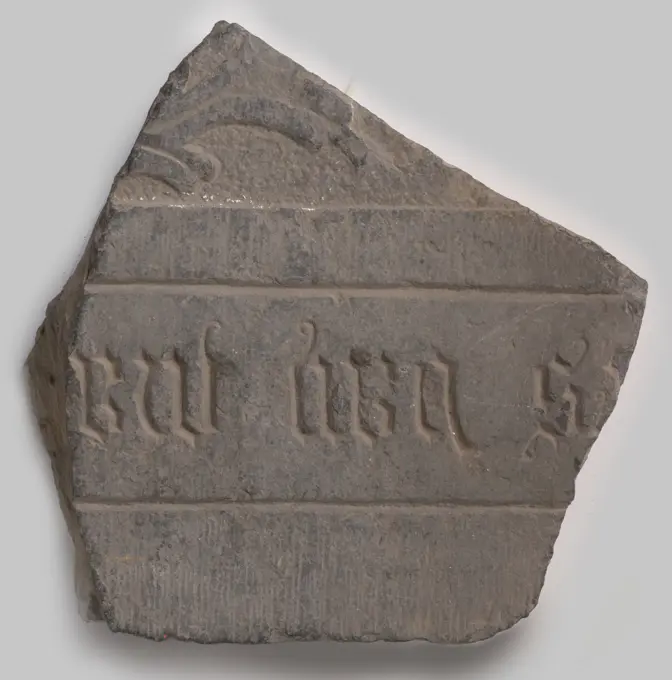
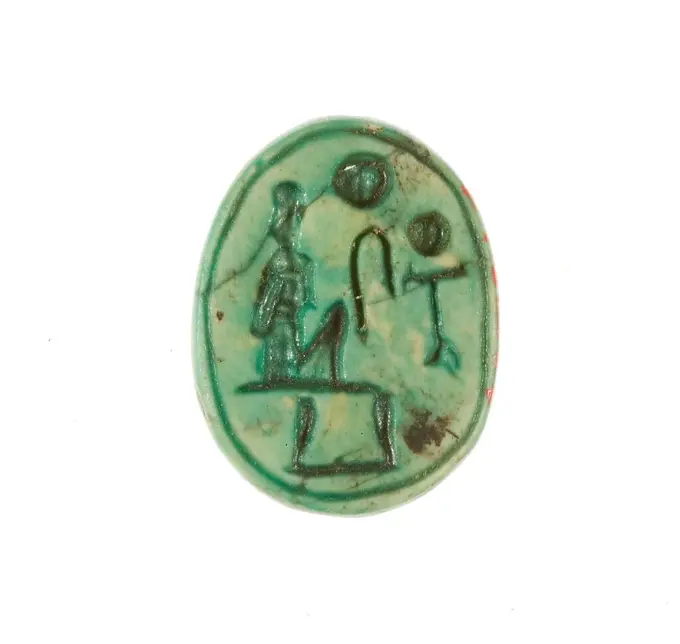
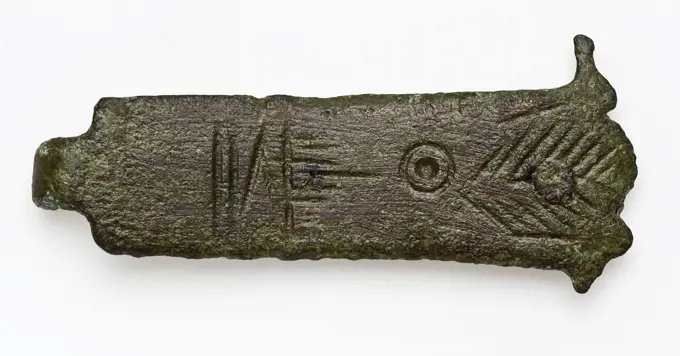
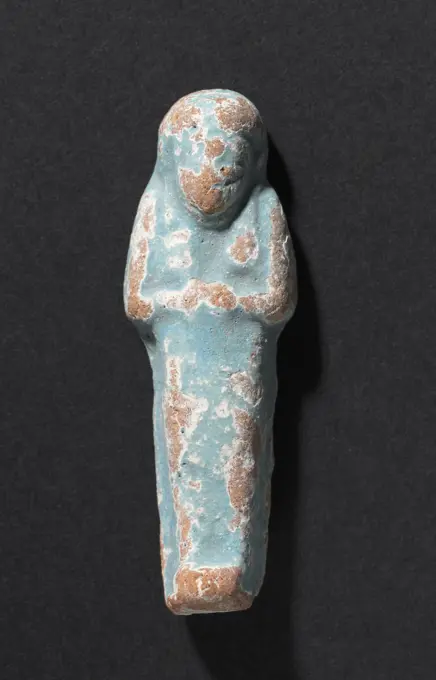
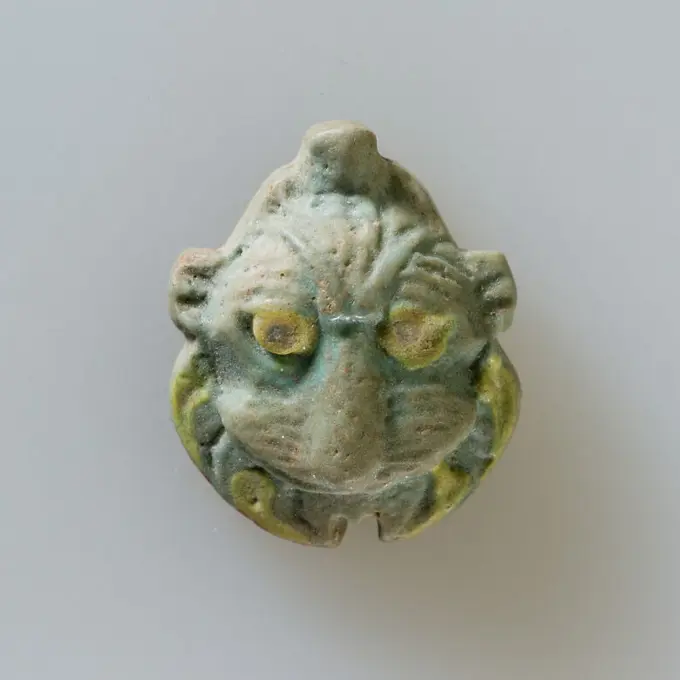
Scarab Inscribed with the Name Maatkare (Hatshepsut) Flanked by Two Red Crowns ca. 1479-1458 B.C. New Kingdom During the 1926-1927 excavation season, the Museum's Egyptian Expedition uncovered three foundation deposits along the eastern enclosure wall of Hatshepsut's funerary temple at Deir el-Bahri in Western Thebes. Among the contents were 299 scarabs and stamp-seals. Sixty-five of these are now in the Egyptian Museum, Cairo, and the rest were acquired by the Museum in the division of finds.Among the inscriptions on the bases of these scarabs and seals are examples of every title Hatshepsut held, from the time she was "king's daughter" during the reign of her father, Thutmose I; through the time she was queen of her half-brother, Thutmose II; and during her regency and co-reign with her nephew/step-son, Thutmose III.After the death of her husband, Hatshepsut became regent for her nephew who was a small child. The length of this regency period is uncertain, with estimates ranging fromScarab Cobras Addorsed and Linked 1650 BCE-1550 BCE Egypt. Steatite . Ancient EgyptianPlaque with Representation of Goddess Isis suckling Horus. Egyptian. Date: 1069 BC-656 BC. Dimensions: 0.6 × 1.9 × 1.3 cm (1/4 × 3/4 × 1/2 in.). Steatite. Origin: Egypt. Museum: The Chicago Art Institute, Chicago, USA. Author: Ancient Egyptian.Oracle bone fragment. Culture: China. Dimensions: H. 1 in. (2.5 cm); W. 1 3/4 in. (4.4 cm). Museum: Metropolitan Museum of Art, New York, USA.Scarab Incised with Hieroglyphs and a Cruciform Design ca. 1760-1670 B.C. Middle Kingdom The underside of the scarab is finely decorated with a cross design consisting of scrolls centered on convoluted coils. Coil designs are not often combined with cruciform patterns; this is a rare and elaborate example dating to the late Middle Kingdom (late Dynasty 12-Dynasty 13, ca. 1850-1640 B.C.). Hieroglyphs associated with positive ideas such as life and regeneration, namely lotus flowers, the papyrus stem, and the hieroglyph for good and beautiful (nefer), are placed between the scrolls.. Scarab Incised with Hieroglyphs and a Cruciform Design 557055Pot sherd, tin-enamelled earthenware, Irregular fragment with flanged edge and ornament in relief consisting of quatrefoil and chain motifs surmounting an incised wavy line. Pearly iridescence., Seville, Spain, 14th-16th century, tiles, Decorative Arts, Pot sherdScarab with Lion and Crocodile Decoration. Egypt, 15th - 16th Dynasty (1664 - 1569 BCE). Sculpture. Steatite with modern blue colorSkarabeuszJar FilterBase fragment inscribed with the names of Akhenaten and Meketaten ca. 1353-1336 B.C. New Kingdom, Amarna Period. Base fragment inscribed with the names of Akhenaten and Meketaten 567652Stamp Seal, Hemispheroid. Western Iran, circa 4th millennium B.C.. Tools and Equipment; seals. Gray-mottled serpentineScarab Hieroglyphs 1550 BCE-525 BCE Egypt. Glazed steatite . Ancient EgyptianTerracotta mold fragment. Culture: Roman. Dimensions: Overall: 3 1/8 x 5 1/2 in. (7.9 x 14 cm). Date: ca. 2nd century A.D..This fragment has all the salient characteristics of a mold used to manufacture a relief bowl: faint horizontal striations indicating it was wheel made; incised designs on a concave surface; and no trace of glaze. Museum: Metropolitan Museum of Art, New York, USA.Scarab Inscribed with a Hieroglyphic Motif ca. 1479-1458 B.C. New Kingdom. Scarab Inscribed with a Hieroglyphic Motif. ca. 1479-1458 B.C.. Steatite (glazed). New Kingdom. From Egypt, Upper Egypt, Thebes, Deir el-Bahri, Temple of Hatshepsut, Foundation Deposit 7 (G), MMA excavations, 1926-27. Dynasty 18, earlyScarab Inscribed with the Throne Name of Thutmose II ca. 1492-1479 B.C. New Kingdom. Scarab Inscribed with the Throne Name of Thutmose II. ca. 1492-1479 B.C.. Hematite. New Kingdom. From Egypt. Dynasty 18Cuneiform tablet impressed with cylinder seal: receipt of a dead sheep ca. 2041 B.C. Neo-Sumerian. Cuneiform tablet impressed with cylinder seal: receipt of a dead sheep 325267Faience Scarab with Protective Inscription. Egypt, New Kingdom (1569-1081 BCE) or later. Sculpture. Blue green faienceFireplace with a performance of two pottermeda leaks, placed in two windows. Fireplace with a performance of two pottermeda leaks, placed in two windows.Plaque 15 Scarabs/Amun is Satisfied 2055 BCE-1069 BCE Egypt. Steatite . Ancient EgyptianHighstone with a vase with flowers, c. 1575 - c. 1600 Highstone with a vase with flowers. Southern Netherlands earthenware Highstone with a vase with flowers. Southern Netherlands earthenwareBliżej Kultury Władysław Warneńczyk (King of Poland, 1434 1444), Mint of KrakówFairat stone with a double-headed eagle and two columns. Fireplace cover made of coarse earth with a double eagle and the two columnsScarabScarab Hieroglyphs (nfr-signs, anx-signs, Dd-signs) 2055 BCE-1550 BCE Egypt. Glazed steatite . Ancient EgyptianScarab Wish Formula 1295 BCE-525 BCE Egypt. Steatite . Ancient EgyptianEngraved stamp or seal; Crete, Greece; about 1850 B.C. - 1700 B.C; Ivory; 1.3 × 1.4 cm (1,2 × 9,16 in.)Plaque: 15 Scarabs/"Amunhotep". Egyptian. Date: 2055 BC-1069 BC. Dimensions: 0.3 × 1.3 × 1.3 cm (1/8 × 1/2 × 1/2 in.). Steatite. Origin: Egypt. Museum: The Chicago Art Institute, Chicago, USA. Author: Ancient Egyptian.Amulet - Two Knots of IsisScarab Ram (Amun) 1650 BCE-1295 BCE Egypt. Faience . Ancient EgyptianFitting in the shape of a man grasping a tiger head 11th-10th century B.C. China. Fitting in the shape of a man grasping a tiger head 61232Fireback coat of arms of the King of England, Charles II, Date 1661, hob plate cast iron, cast Rectangular bow at the top. In the middle coat of arms with crown and helmet held by two lions At the bottom frame with text and year In frame below: ANNO 1661 heraldry living environment interior heating king royalty house EnglandPlaque 3rd-1st century B.C. North China. Plaque 49510. Fragment of a quartz frying dish with a cream-colored glaze. Decorated with decorative tires with geometric patterns and curl work in blue and luster.Fragment Italian 18th-19th centuryScarab Inscribed with the Name of the God Amun-Re ca. 1479-1458 B.C. New Kingdom. Scarab Inscribed with the Name of the God Amun-Re. ca. 1479-1458 B.C.. Steatite (glazed). New Kingdom. From Egypt, Upper Egypt, Thebes, Deir el-Bahri, Temple of Hatshepsut, Foundation Deposit 7 (G), MMA excavations, 1926-27. Dynasty 18, earlyScarab Antelope with Foliage (sw.t-plant) Motif 1650 BCE-1295 BCE Egypt. Glazed steatite . Ancient EgyptianHardeststone MET CARTURE VAN RULES, C. 1575 - c. 1600 Hearing stone with cartouche of rolling work. Top crumbled. Southern Netherlands earthenware Hearing stone with cartouche of rolling work. Top crumbled. Southern Netherlands earthenwareBackplate of a Belt Buckle. Culture: Frankish. Dimensions: Overall: 1 11/16 x 1 7/16 x 3/8 in. (4.3 x 3.7 x 1 cm). Date: 6th-7th century. Museum: Metropolitan Museum of Art, New York, USA.Glazed brick ca. 1st-2nd century A.D Parthian. Glazed brick. Parthian. ca. 1st-2nd century A.D. Ceramic, glaze. Parthian. From Mesopotamia, CtesiphonPlaque fragment ca. 9th-8th century B.C. Assyrian This small ivory fragment was probably blackened through exposure to fire when the palace complexes at Nimrud were sacked during the final defeat of Assyria at the end of the seventh century B.C. A stylized palmette is depicted at the bottom of the fragment, below a plain border. Above, the foot of a figure wearing a long garment with fringed border can be seen; to the left, the heel of the figures other foot is still preserved. The original composition was probably similar to other Assyrian carved ivories and reliefs that show processions of court officials and foreign dignitaries bringing tribute to the king. Carved ivory pieces such as this were widely used in the production of elite furniture during the early first millennium B.C., and were often inlaid into a wooden frame using joinery techniques and glue. Ivories carved in this style, in which scenes similar to those depicted in the stone reliefs decorating the walls of the AssyrLamp, North Africa; 1st - 4th century; Terracotta; 2 x 6.3 x 9 cm (13,16 x 2 1,2 x 3 9,16 in.)Scarab Inscribed Hatshepsut United with Amun ca. 1479-1458 B.C. New Kingdom During the 1926-1927 excavation season, the Museum's Egyptian Expedition uncovered three foundation deposits along the eastern enclosure wall of Hatshepsut's funerary temple at Deir el-Bahri in Western Thebes. Among the contents were 299 scarabs and stamp-seals. Sixty-five of these are now in the Egyptian Museum, Cairo, and the rest were acquired by the Museum in the division of finds.Among the inscriptions on the bases of these scarabs and seals are examples of every title Hatshepsut held, from the time she was "king's daughter" during the reign of her father, Thutmose I; through the time she was queen of her half-brother, Thutmose II; and during her co-reign with her nephew/step-son, Thutmose III.Thirteen of the scarabs (27.3.199 to 27.3.212) are inscribed with various writings of the extended form of Hatshepsuts personal name, Hatshepsut-united-with-Amun, which sometimes appears, enclosed in a cartouche, as Bottle 9th-10th century This object was excavated at the site of Sabz Pushan- a thriving residential neighborhood throughout the 9th and 12th centuries. Made of gray stone from Mashhad, this small bottle has a neck (now broken) and a short rectangular body carved with two grooves and a small foot on each side. The inside of the neck has been drilled through to a small cavity at the center of the body. The bottle would have fit easily in ones hand. The protruding feet at the bottles base would have allowed it to stand on a flat surface. It is one of many objects excavated at Nishapur, Iran in 1937 and was acquired by the Museum through a division of finds with the Iranian government.. Bottle 450094Fragment of pottery ". Ceramic. China, Shang dynasty. Paris, Cernuschi museum. 72199-32 Ceramic, shang dynasty, fragment, potteryButton or Bead 9th-10th century The dot-in-circle motif recalls designs presumed to be of magical significance, most likely an abstract eye to ward off the evil-eye, which serves an apotropaic function. Easily reproduced with a tool and visible in many cultures and times, this symbol may have lost its meaning, and become simply a decorative pattern, or may have one that we have not yet discovered.. Button or Bead 449282Fragment with the cartouche of Akhenaten ca. 1353-1336 B.C. New Kingdom, Amarna Period. Fragment with the cartouche of Akhenaten 567654Scarab Inscribed with the Throne Name of Ahmose ca. 1550-1525 B.C. New Kingdom. Scarab Inscribed with the Throne Name of Ahmose. ca. 1550-1525 B.C.. Steatite. New Kingdom. From Egypt. Dynasty 18Stamp Seal, Tabloid. Western Iran, circa 4th millennium B.C.. Tools and Equipment; seals. Pale gray serpentineAmulet of the God Bes. Egyptian. Date: 1069 BC-332 BC. Dimensions: 1.5 × .5 × .5 cm (9/16 × 3/16 × 3/16 in.). Faience. Origin: Egypt. Museum: The Chicago Art Institute, Chicago, USA. Author: Ancient Egyptian.UshabtiScarab of Ramesses II. Dimensions: L. 2 cm (13/16 in.). Dynasty: Dynasty 19-20. Date: ca. 1295-1070 B.C.. Museum: Metropolitan Museum of Art, New York, USA.Stamp Seal, Oval with Handle. Western Iran, circa 4th millennium B.C.. Tools and Equipment; seals. Black serpentinePart of a small block with parts of names of the Aten and Akhenaten preserved on two adjacent sides ca. 1353-1336 B.C. New Kingdom, Amarna Period. Part of a small block with parts of names of the Aten and Akhenaten preserved on two adjacent sides 561643Eye idol ca. 3700-3500 B.C. This type of figurine known as an eye idol, made of stone and having incised eyes, has been excavated at Tell Brak, where thousands were found in a building now called the Eye Temple. They were probably dedicated there as offerings. Many are incised with multiple sets of eyes, others with jewelry, and still others with representations of "children"smaller eyes and body carved on the body of the larger idol. Wide eyes demonstrate attentiveness to the gods in much of Mesopotamian art.. Eye idol 324147Excerpt (foot) with red shard, with a flower in sgraffito technology in white and black on the top and a border of geometric shapes on the underside, anonymous, 1200 - 1899  Italy earthenware  Italy earthenwarePlaque with Interlinked Scrolls 700 BCE-600 BCE China. Jade .Gold-glass skyphos (drinking cup) fragment 2nd century B.C. Greek, Eastern Mediterranean Colorless with yellowish tinge, with gold foil and blue enamel.Vertical rim, with top edge ground flat; slightly convex curving side, comprised of two layers of glass fused together, both becoming thinner towards the bottom.Decoration applied between the two layers of glass on side in three registers: at top, pattern of close-set squared crenallations; in the middle, a broad frieze flanked above and below by single horizontal lines, depicting a scrolling vine with grape clusters painted in blue and flanked to one side by a uncertain object (a cushion ) with three dots in field above and below and beside it another cluster of fruit; at the bottom, a delicate dog-tooth pattern flanked above and below by single horizontal lines.Broken and repaired from three pieces, with jagged edges at sides and bottom; pinprick bubbles; dulling, slight pitting, and faint iridescence.Some luxury Hellenistic glass taCylinder seal ca. 19th-16th century B.C.. Cylinder seal 327194Amulet. Spain, 8th-10th century. Metal. BronzeBliżej KulturyHair stone, on which Simeon in the temple. Hair stone, on which Simeon in the temple. Mirror image of BK-NM-9642. Of fine baked earth.Unattributed Trebizond Coin. UnknownScarab: Cobra. Egyptian. Date: 1295 BC-1096 BC. Dimensions: 1.3 × 0.8 × 0.6 cm (1/2 × 5/16 × 1/4 in.). Glazed steatite. Origin: Egypt. Museum: The Chicago Art Institute, Chicago, USA. Author: Ancient Egyptian.Scarab: Wish Formula. Egyptian. Date: 1550 BC-525 BC. Dimensions: 1.6 × 1.1 × 0.6 cm (5/8 × 7/16 × 1/4 in.). Steatite. Origin: Egypt. Museum: The Chicago Art Institute, Chicago, USA. Author: Ancient Egyptian.Standard Finial. Iran, Luristan, Luristan bronzes, circa 1000-650 B.C.. Architecture; Architectural Elements. Bronze, castDocument Sealing With the Throne Name of Amenhotep III ca. 1390-1353 B.C. New Kingdom. Document Sealing With the Throne Name of Amenhotep III. ca. 1390-1353 B.C.. Mud. New Kingdom. From Egypt, Upper Egypt, Thebes, Malqata, King's Palace, West magazine, MMA excavations, 1910-12. Dynasty 18Seal China. Seal 41031Belt tongue or batter plate with decoration, belt tongue clothing accessory clothing soil find tin metal, w 4,3 cast riveted Double batter plate. Belt tongue belonging to belt buckle or belt hanger. Cast ornamentation consisting of two pilasters with curling motifs between which flower arches archeology Rotterdam rail tunnel attaching hang fasten carry away Soil discovery: trajectory rail tunnel Rotterdam.Fragment of a terracotta plaque 7th century B.C. Greek, Cretan Upper body of a warrior carrying a shield (device, ram's head); arm and part of a spear.. Fragment of a terracotta plaque 254732 Greek, Cretan, Fragment of a terracotta plaque, 7th century B.C., Terracotta, 3 1/2 in x 4 in. (8.8 cm x 10.1 cm). The Metropolitan Museum of Art, New York. Gift of Archaeological Institute of America, 1953 (53.5.7)Magic wand fragment ca. 1981-1550 B.C. Middle Kingdom-Early New Kingdom. Magic wand fragment 561142bracteate denarius. Zakon krzyżacki (1190-), issuerScabbard ornament China. Scabbard ornament 42812Scarab: Wish Formula. Egyptian. Date: 1550 BC-1069 BC. Dimensions: 1.3 × 1 × 0.6 cm (1/2 × 3/8 × 1/4 in.). Steatite. Origin: Egypt. Museum: The Chicago Art Institute, Chicago, USA. Author: Ancient Egyptian.Sealing ca. 1981-1640 B.C. Middle Kingdom. Sealing 560300Fragment of a terracotta architectural tile 6th century B.C. Lydian Incised lines with egg and dart pattern.. Fragment of a terracotta architectural tile 252639 Lydian, Fragment of a terracotta architectural tile, 6th century B.C., Terracotta, Overall: 6 11/16 x 5 13/16in. (17 x 14.8cm). The Metropolitan Museum of Art, New York. Gift of The American Society for the Excavation of Sardis, 1926 (26.199.69)Stamp seal (octagonal pyramid) with cultic scene 7th - 6th century B.C. Assyro-Babylonian. Stamp seal (octagonal pyramid) with cultic scene. Assyro-Babylonian. 7th - 6th century B.C.. Flawed neutral and white Agate (Quartz). Neo-Assyrian / Neo-Babylonian. MesopotamiaBand (Spain); linen, silk, metallic thread; Bequest of Marian Hague; 1971-50-224Belt Plate Fragment 4th-7th century Frankish. Belt Plate Fragment 469783Uninscribed Funerary Scarab. Egypt, 18th - 26th Dynasty (1569 - 525 BCE). Sculpture. Unknown dark stoneScarab Inscribed Lord of the Two Lands Maatkare (Hatshepsut) Flanked by Two Falcons ca. 1479-1458 B.C. New Kingdom. Scarab Inscribed Lord of the Two Lands Maatkare (Hatshepsut) Flanked by Two Falcons. ca. 1479-1458 B.C.. Steatite (glazed). New Kingdom. From Egypt, Upper Egypt, Thebes, Deir el-Bahri, Temple of Hatshepsut, Foundation Deposit 9 (I), MMA excavations, 1926-27. Dynasty 18, earlyStanding Figurine Covering its Head with its Hands. Egypt, Ptolemaic Period (332 - 30 BCE) or modern. Sculpture. BronzePhallocrypt probably 19th century Oceanic This collection of largely ethnographic jewelry includes examples from cultures in South America, North America, Europe, Asia, and Africa and dates from the Pre-Columbian period to the twentieth century. Owned by renowned art collector and fashion enthusiast Muriel Kallis Newman, the collection represents her knowledge and appreciation of a wide range of jewelry design and making traditions. Numerous items in her collection are composite artifacts made from various cultures and time periods reappropriated as modern jewelry creations by or for Muriel. It is important to note that Newman wore many of the pieces in the collection, interpreting them to suit and express her own singular, often avant-garde style.. Phallocrypt 141584Amulet (Tongue) China. Amulet (Tongue). China. Jade. Han dynasty (206 B.C.-A.D. 220). JadeExcerpt of a grave with sculpture ,, 1497 Fragment of the left side of the gravestone of Arent van Malsen. The fragment has a rounds: S of MA and leaf vines in midfield. The excerpt is part of seven fragments of an incomplete gravestone (BK-NM-8657-B-1 to BK-NM-8657-B-8). Berne .   Bern (Gelderland) Fragment of the left side of the gravestone of Arent van Malsen. The fragment has a rounds: S of MA and leaf vines in midfield. The excerpt is part of seven fragments of an incomplete gravestone (BK-NM-8657-B-1 to BK-NM-8657-B-8). Berne .   Bern (Gelderland)Spindle Whorl 9th-10th century Spindle whorls aided in the making of thread by maintaining the momentum of the spindle. This semi-spherical bone spindle whorl was excavated at Nishapur. The area surrounding the central hole is incised with triangular motifs, arranged radially. Along the bottom edge is a ring of four large dot-in-circles connected by double lines. Hundreds of spindle whorls were excavated at Nishapur, providing further evidence that the city possessed a thriving textile industry. Their incised designs exhibit a wide variety of motifs ranging from geometric forms to zoomorphic figures.. Spindle Whorl 449991Scarab Inscribed Maatkare (Hatshepsut), She Lives. Dimensions: L. 1.6 cm (5/8 in.); w. 1.2 cm (1/2 in.). Dynasty: Dynasty 18, early. Reign: Joint reign of Hatshepsut and Thutmose III. Date: ca. 1479-1458 B.C..During the 1926-1927 excavation season, the Museum's Egyptian Expedition uncovered three foundation deposits along the eastern enclosure wall of Hatshepsut's funerary temple at Deir el-Bahri in Western Thebes. Among the contents were 299 scarabs and stamp-seals. Sixty-five of these are now in the Egyptian Museum, Cairo, and the rest were acquired by the Museum in the division of finds.Among the inscriptions on the bases of these scarabs and seals are examples of every title Hatshepsut held, from the time she was "king's daughter" during the reign of her father, Thutmose I; through the time she was queen of her half-brother, Thutmose II; and during her regency and co-reign with her nephew/step-son, Thutmose III.The inscription on the base of this scarab records Hatshepsut's throne Copper book fittings, decorated, decorative fitting fittings closure soil find copper brass metal, cast punched riveted engraved Copper strip part of book fittings Beveled sides with protruding end with two transverse points. Decorated with transverse grooves and chevron lines and the shape of an ear of corn. Reinforced on the inside with blob lead or tin archeology Rotterdam rail tunnel book protect close close transport Soil discovery: trajectory rail tunnel Rotterdam.Scarab Menkheperra (Thutmose III) 1479 BCE-1425 BCE Egypt. Stone . Ancient EgyptianShawabty of Ditamenpaankh, 715-656 BC. Egypt, Late Period, Dynasty 25. Terracotta; overall: 5.7 x 1.8 x 1.5 cm (2 1/4 x 11/16 x 9/16 in.). High demand for shawabtys in the Late Period, a time when as many as 400 or more shawabtys were placed in the tomb with the deceased, gave rise to a specialized container for storing them: the shawabty box. This example is inscribed for the lady of the house, Ditamenpaankh, and was probably one of a pair originally made for her. The single-masted boat on the box's lid is perhaps an allusion to the pilgrimage of the deceased to the holy city of Abydos, the cult city of Osiris, king of the dead. The shawabtys inside are crude, mass-produced examples cast in an open mold. Made of terracotta, their blue paint imitates more costly shawabtys made of faience. As for the shawabty spell, it has been removed from its traditional location on the shawabty's front and relocated onto the sides of box, where it needed only to be written once, thus expediting prodImpression Of Seal Cylinder; 1902-20-37Hearing stone with representation of two climbing lions, placed in two windows, c. 1499 - c. 1699 Hearing stone with representation of two climbing lions, placed in two windows and accompanied by the year 1634. The half windows on the top and bottom are filled with diamond-shaped flowers. Southern Netherlands earthenware Hearing stone with representation of two climbing lions, placed in two windows and accompanied by the year 1634. The half windows on the top and bottom are filled with diamond-shaped flowers. Southern Netherlands earthenwareBliżej Kultury unknownEqual-Arm Brooch ca. 650-750 Frankish. Equal-Arm Brooch 465603 Frankish, Equal-Arm Brooch, ca. 650750, Copper alloy, Overall: 2 3/8 x 13/16 x 11/16 in. (6 x 2.1 x 1.8 cm). The Metropolitan Museum of Art, New York. Gift of J. Pierpont Morgan, 1917 (17.193.276)Lion head amulet. Dimensions: l. 2.6 cm (1 in.) × w. 2.1 cm (13/16 in.). Date: 664-30 B.C..This lion head amulet exhibits changes in the representation of lions that appeared during the later first millennium BC. The forehead is smaller and the face drawn downward, and there is emphasis on the mane beneath the cheeks. Museum: Metropolitan Museum of Art, New York, USA.Scarab Neferkara and Hieroglyphs (ankh and djed signs) 2055 BCE-1550 BCE Egypt. Faience . Ancient EgyptianCostume Ornament 11th-12th century Central coast (). Costume Ornament 308786Belt Plate 7th century Frankish or Burgundian. Belt Plate 465049 Frankish or Burgundian, Belt Plate, 7th century, Iron with silver overlay/ inlay; iron rivets with silver inlay in head, Overall: 2 3/4 x 2 5/8 x 9/16 in. (7 x 6.6 x 1.4 cm). The Metropolitan Museum of Art, New York. Gift of J. Pierpont Morgan, 1917 (17.191.334)Bottle with Tlaloc FaceChina, Shanghai, Museum, bronze ware,Hearing stone with two coats of arms and the year 1567, Anonymous, 1567 Hearing stone with two coats of arms and the year 1567. From fine baked earth. Southern Netherlands earthenware Hearing stone with two coats of arms and the year 1567. From fine baked earth. Southern Netherlands earthenware