Ancient Egyptian Artifacts

A mix of historical scarabs and artifacts depicting ancient Egyptian symbols and figures, showcasing cultural significance across time.
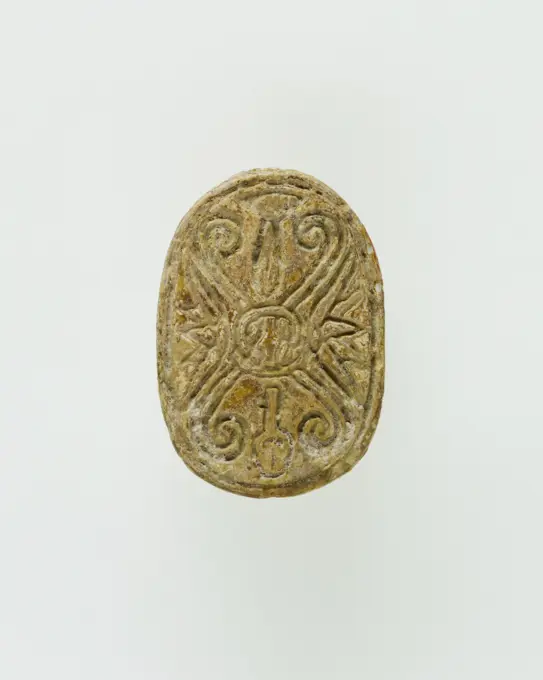
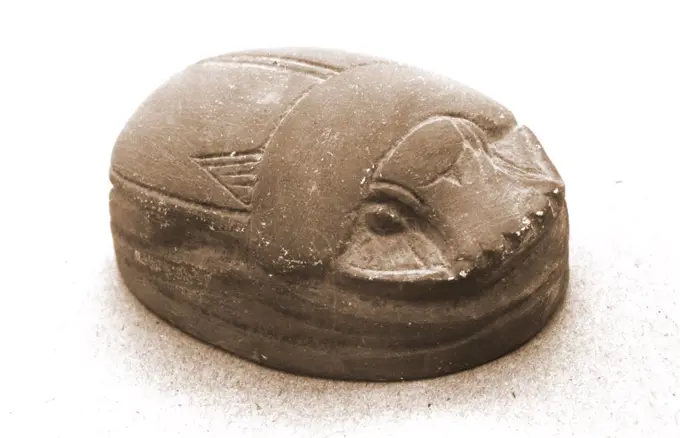
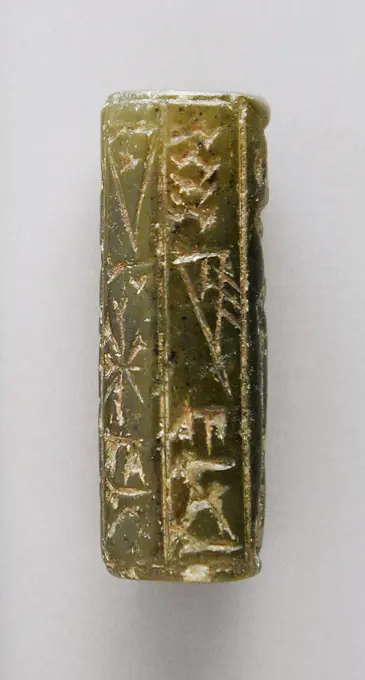
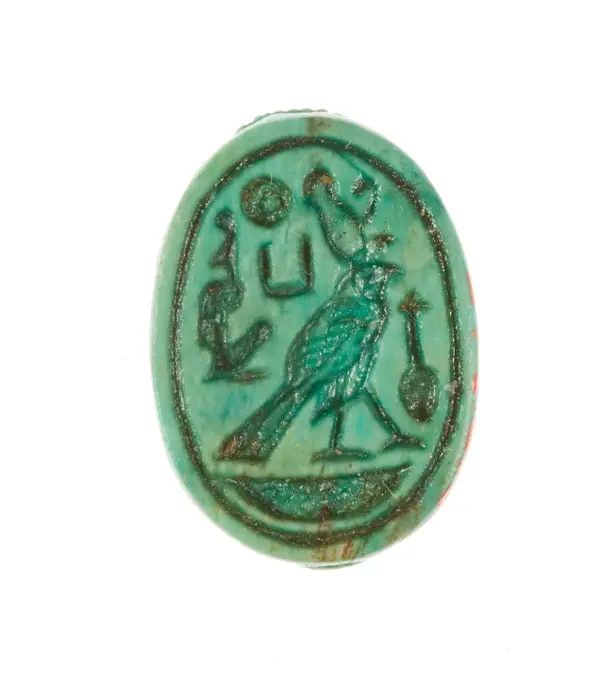
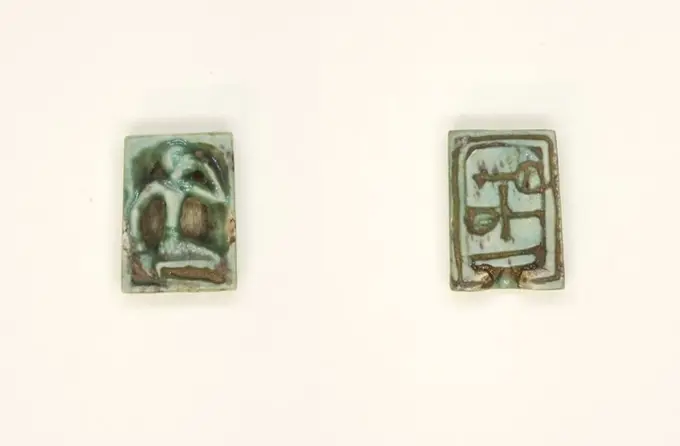
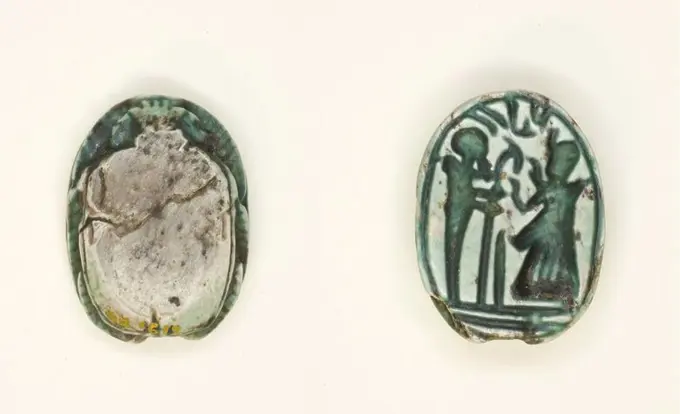
Scarab Incised with Hieroglyphs and a Cruciform Design ca. 1760-1670 B.C. Middle Kingdom The underside of the scarab is finely decorated with a cross design consisting of scrolls centered on convoluted coils. Coil designs are not often combined with cruciform patterns; this is a rare and elaborate example dating to the late Middle Kingdom (late Dynasty 12-Dynasty 13, ca. 1850-1640 B.C.). Hieroglyphs associated with positive ideas such as life and regeneration, namely lotus flowers, the papyrus stem, and the hieroglyph for good and beautiful (nefer), are placed between the scrolls.. Scarab Incised with Hieroglyphs and a Cruciform Design 557055
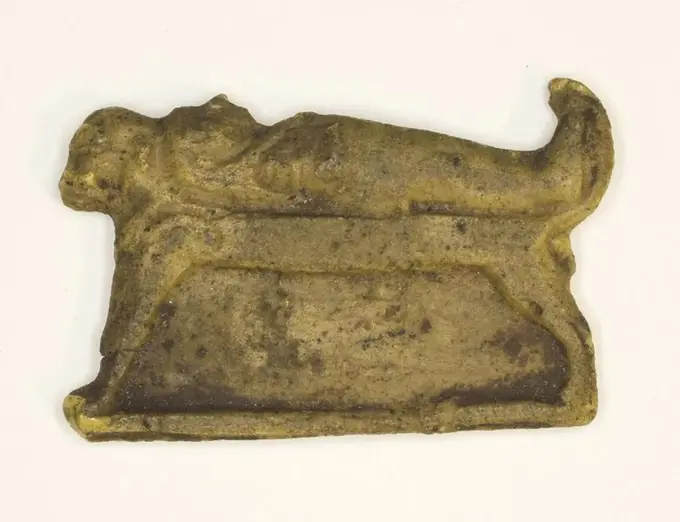
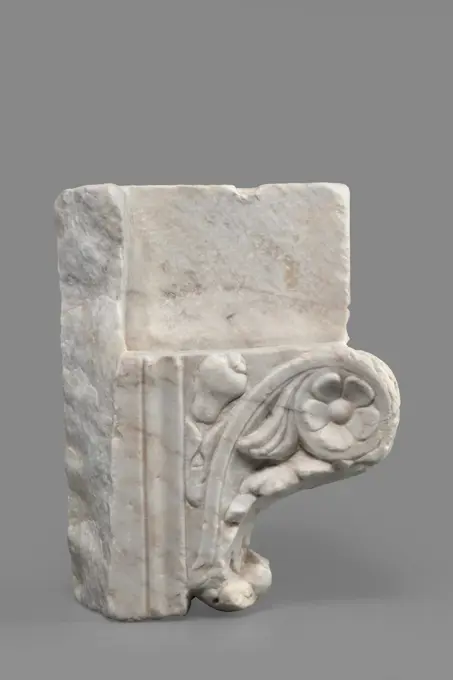
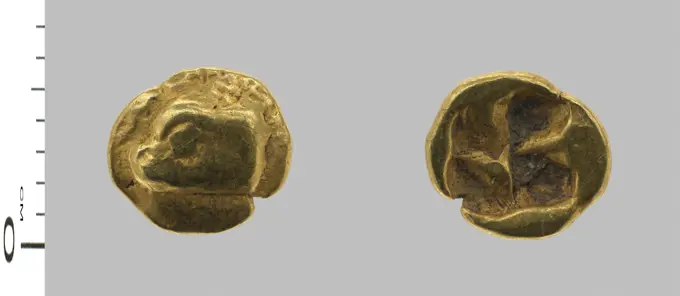
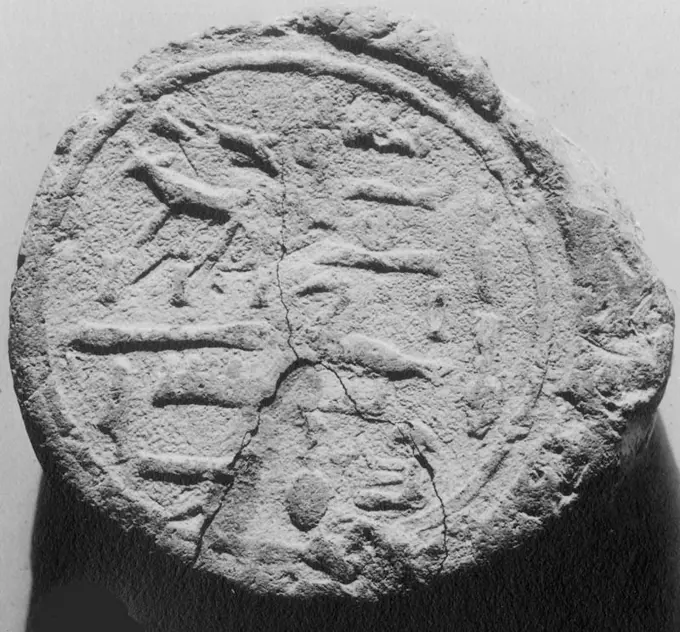
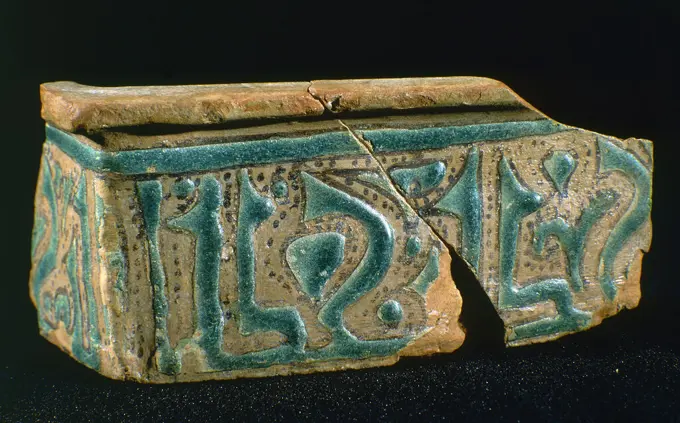
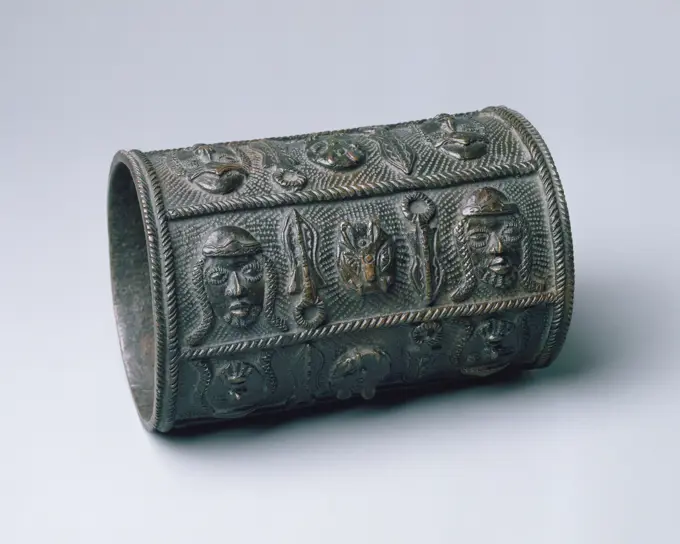
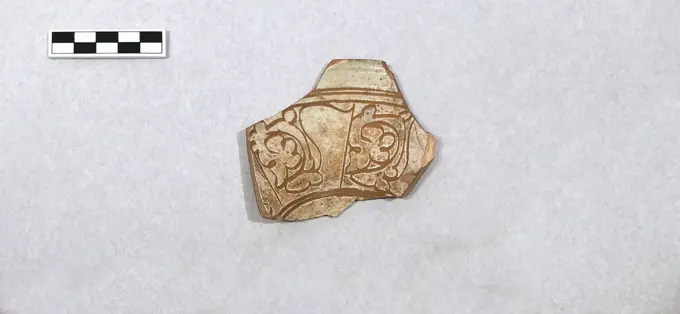
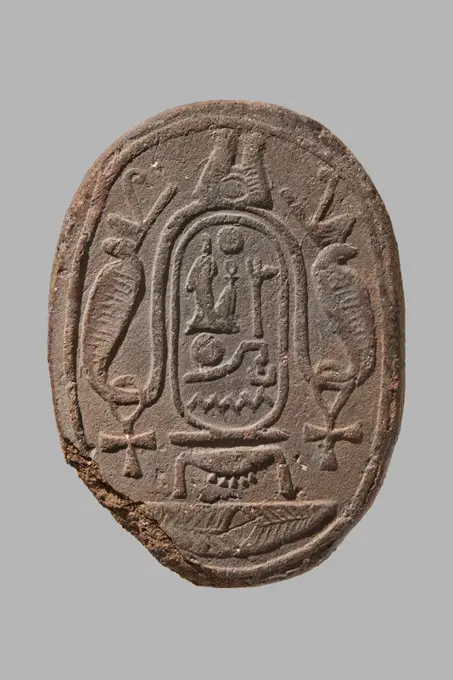
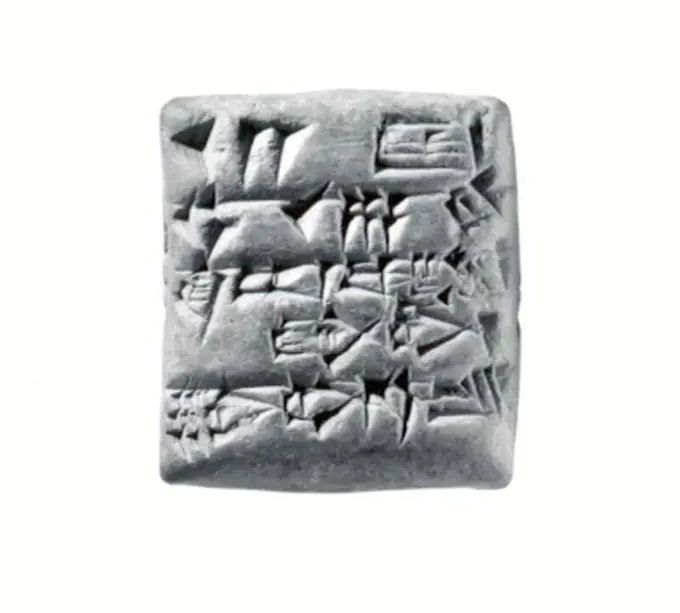
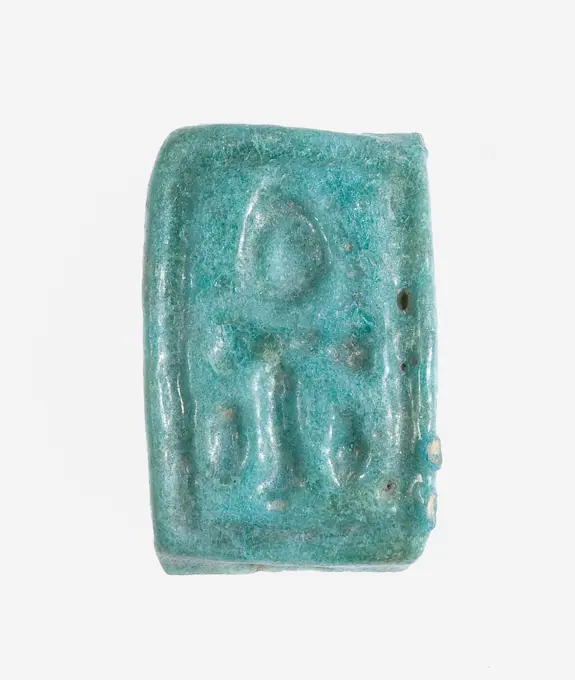
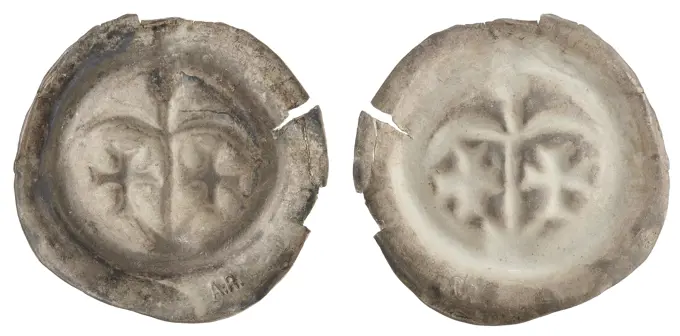
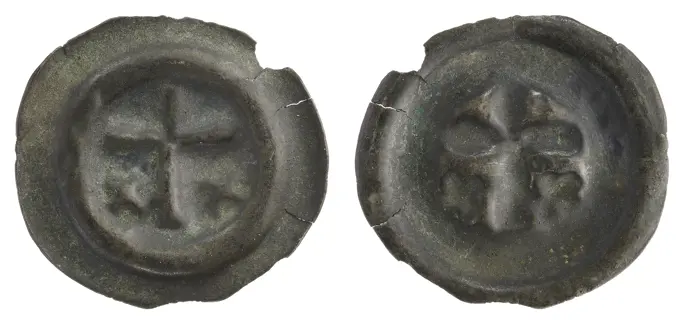
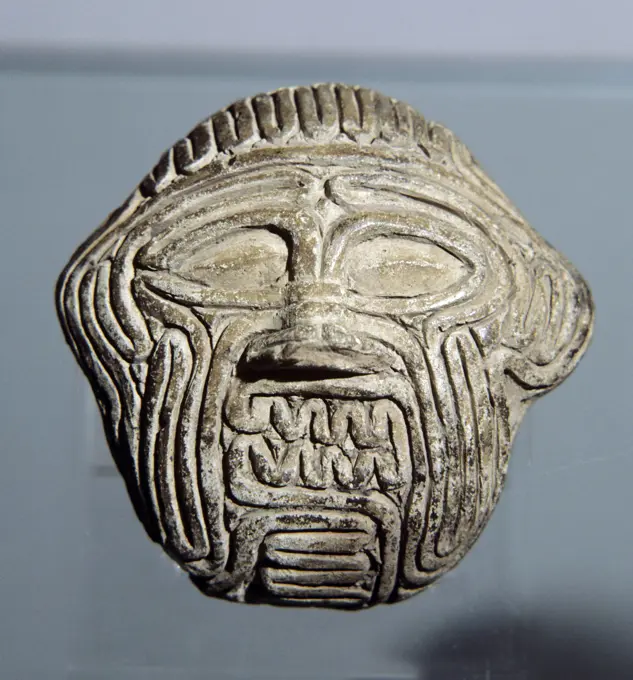
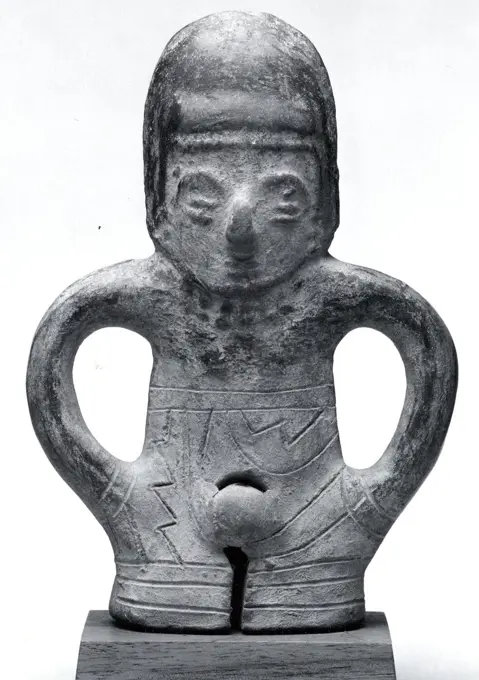
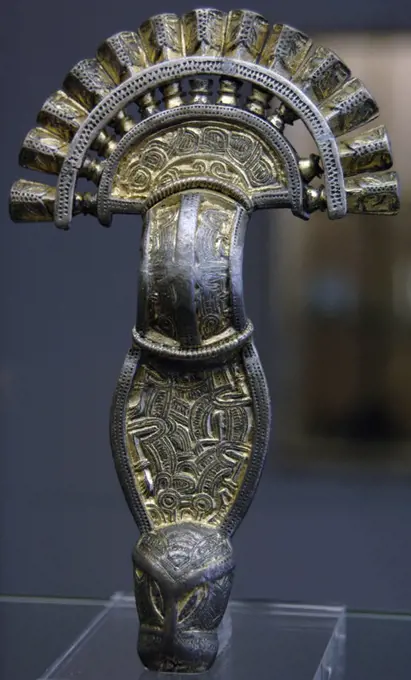
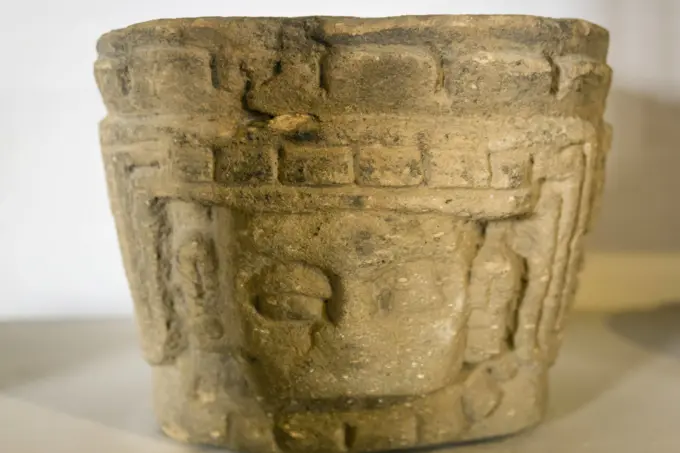
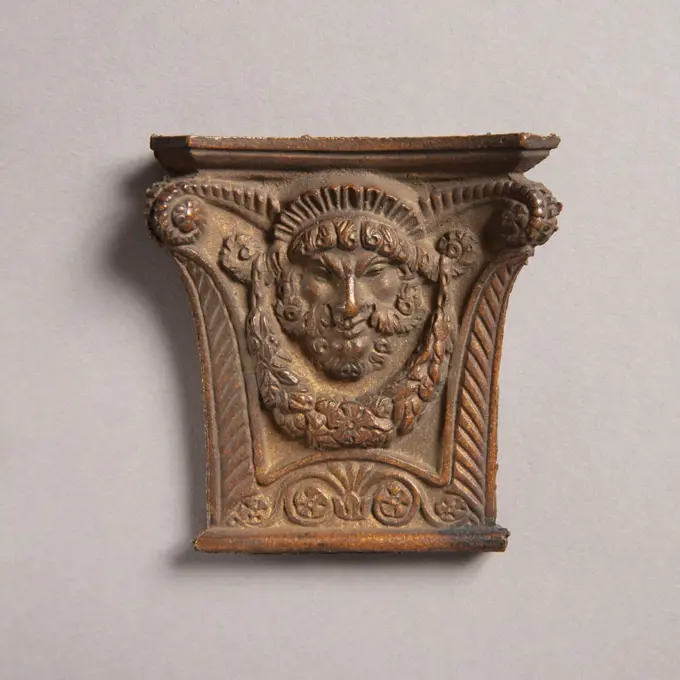
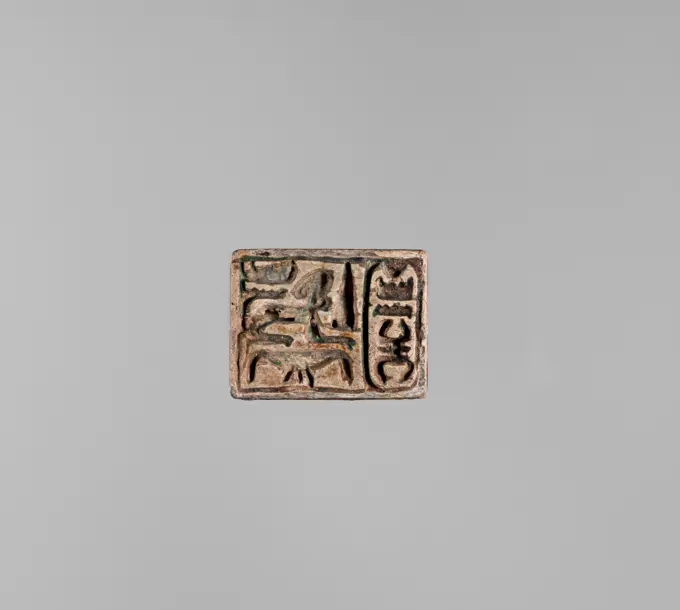
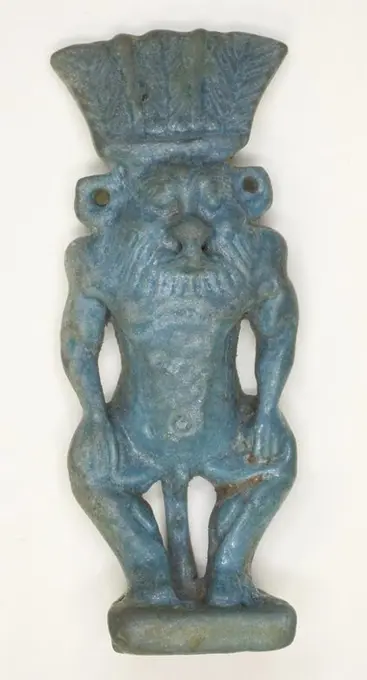
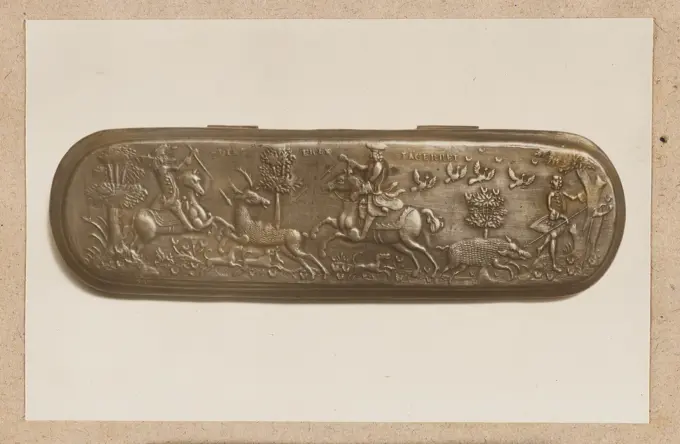
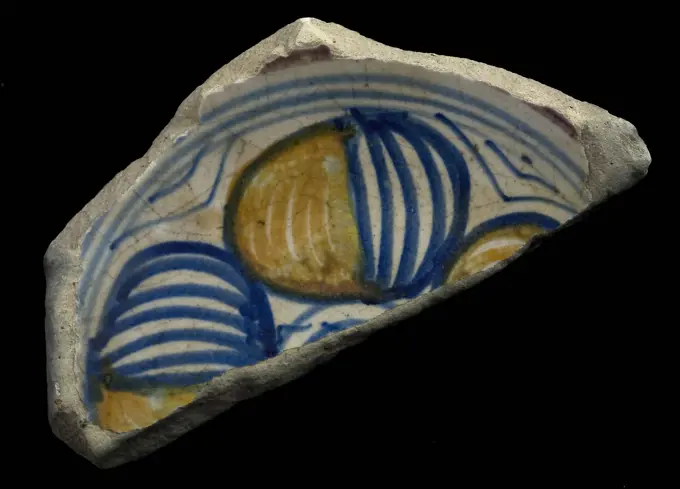
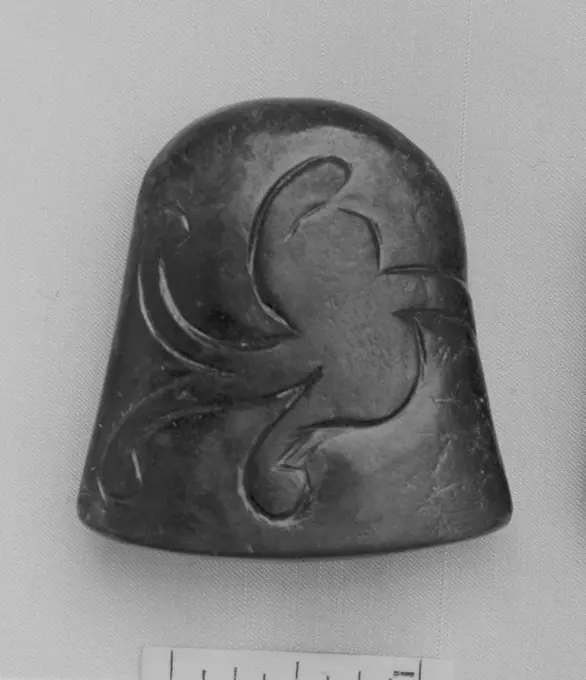
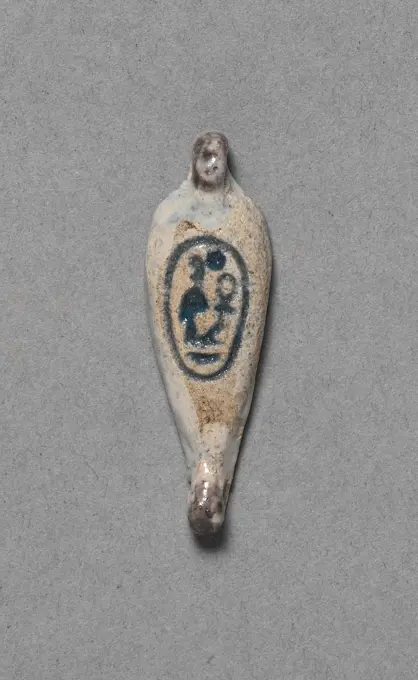
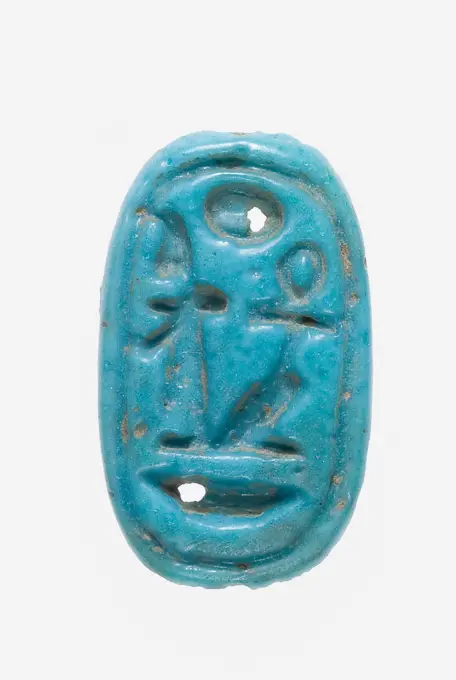
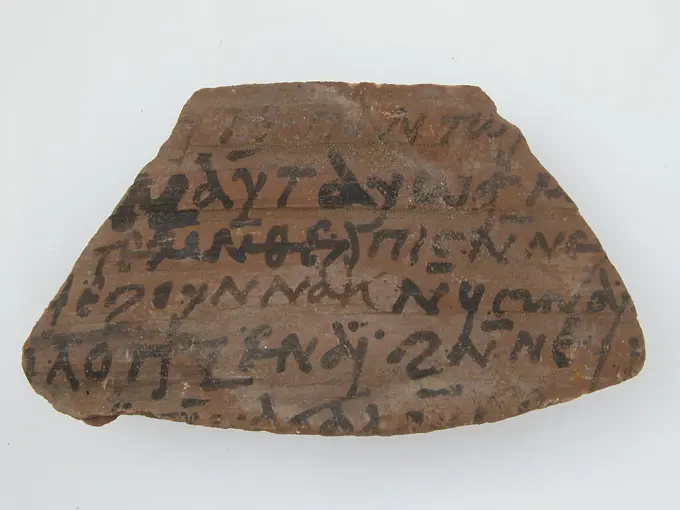
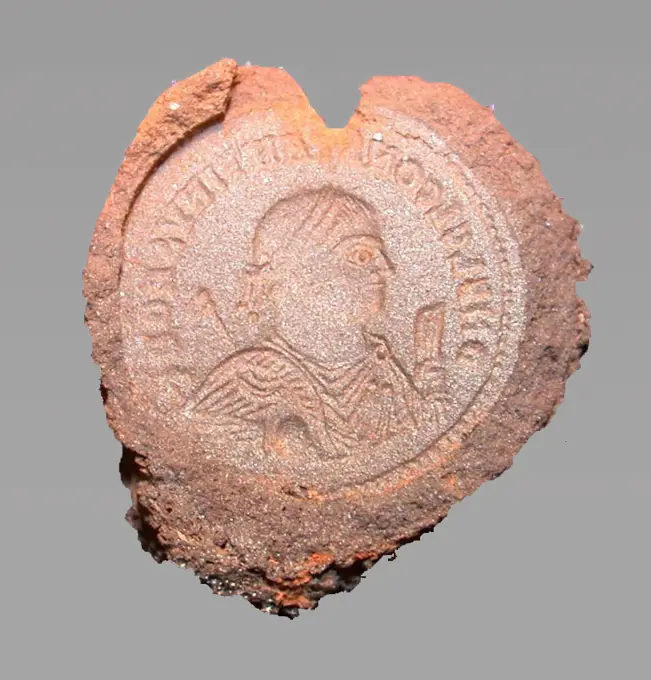
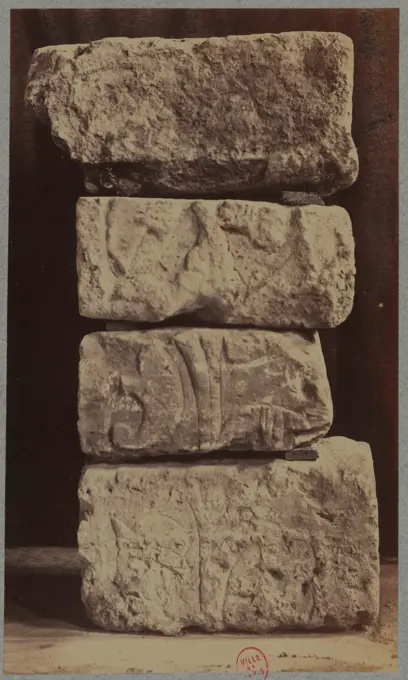
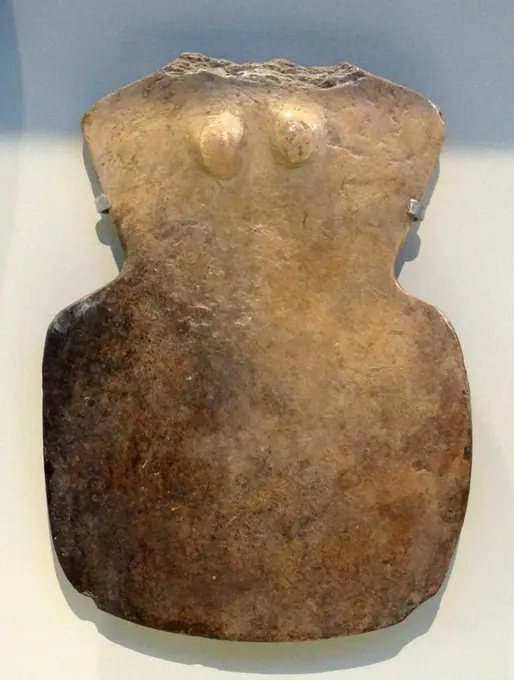
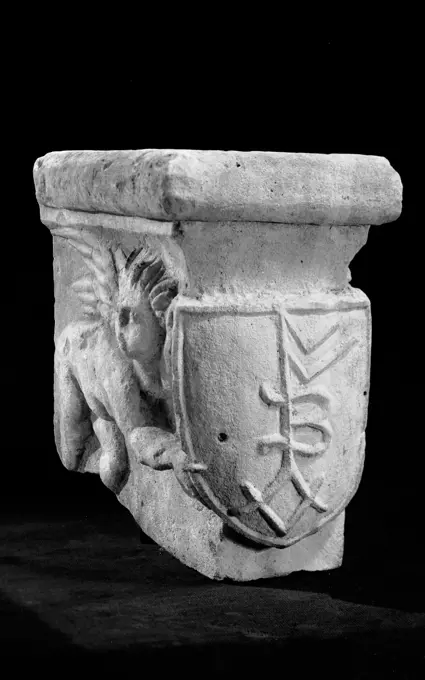
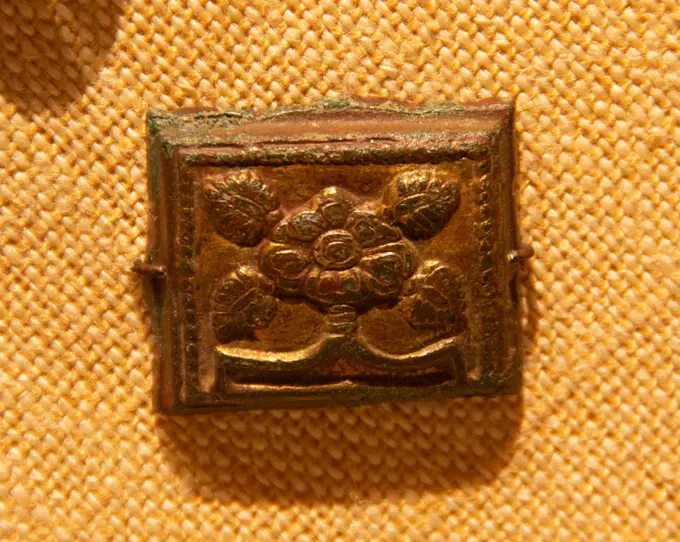
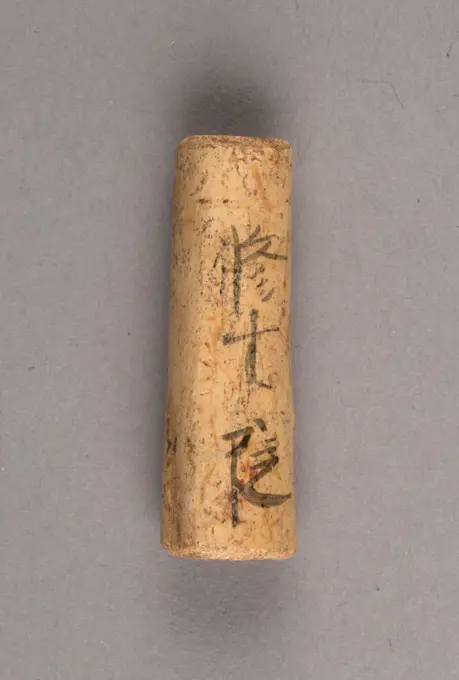
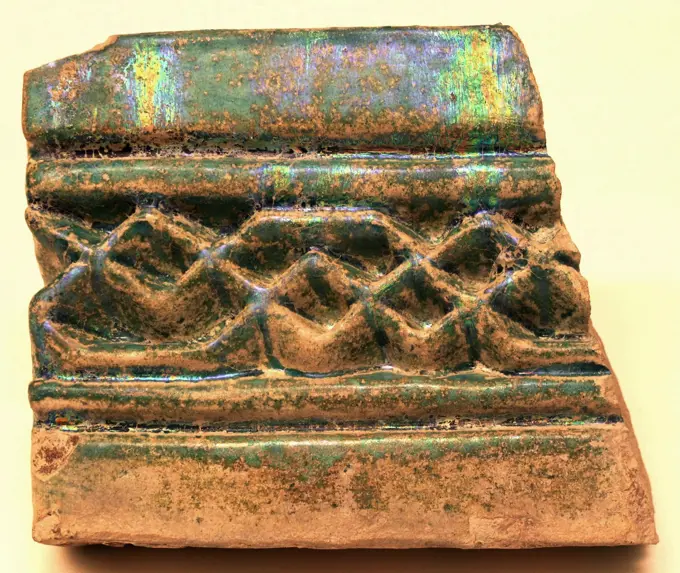
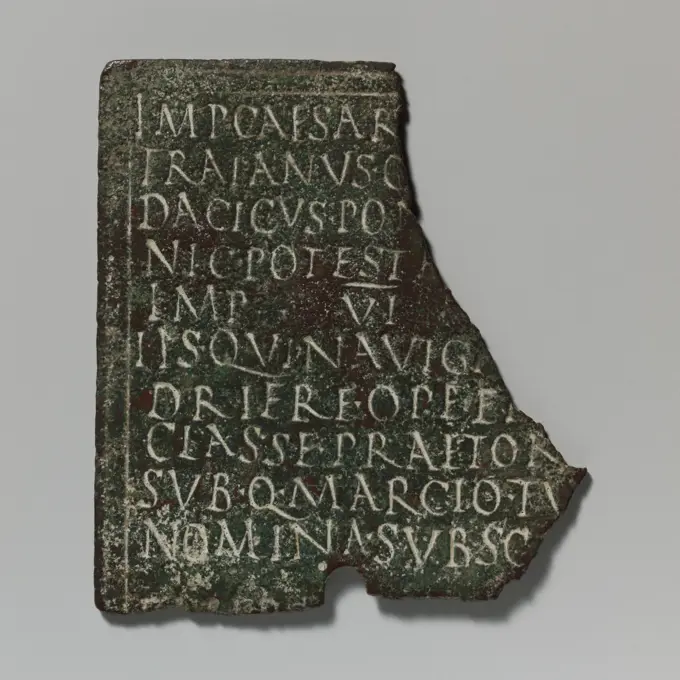
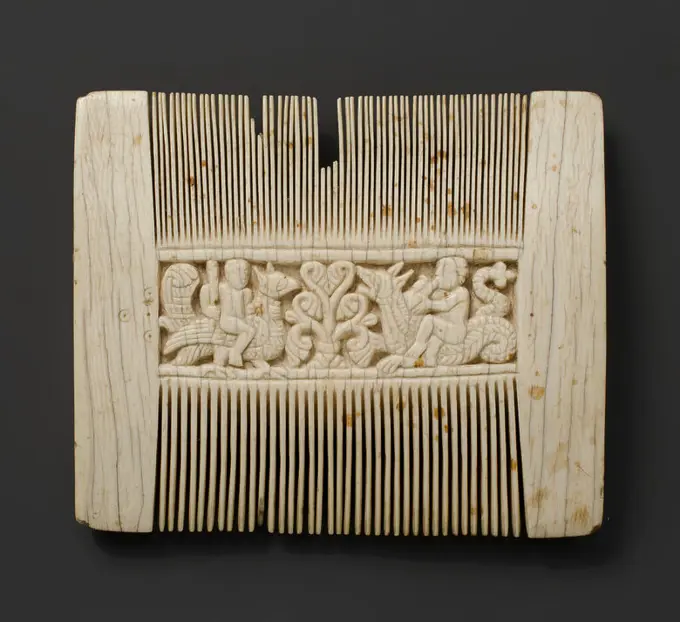
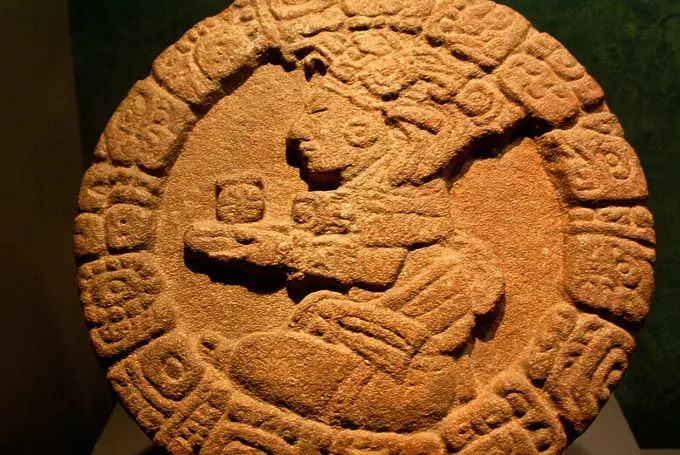
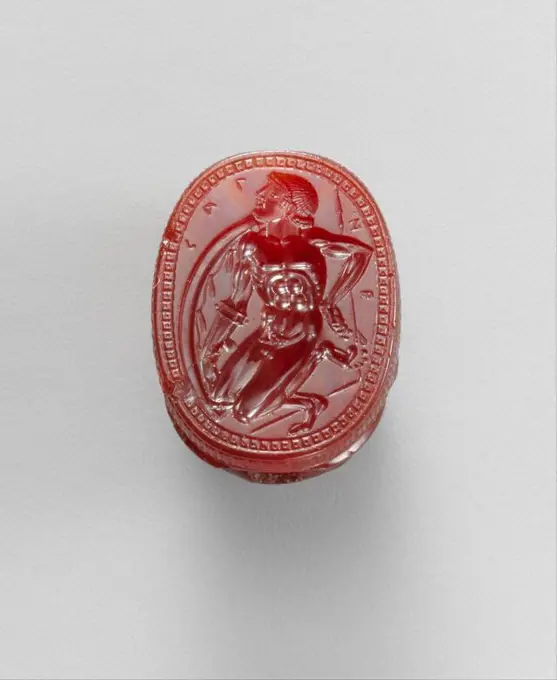
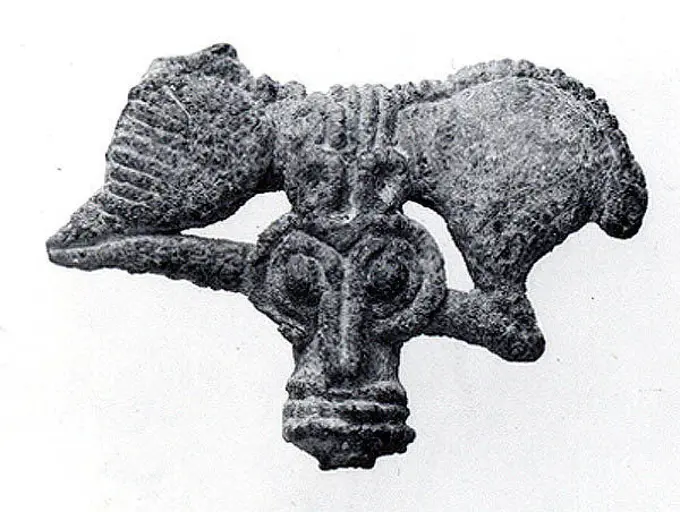
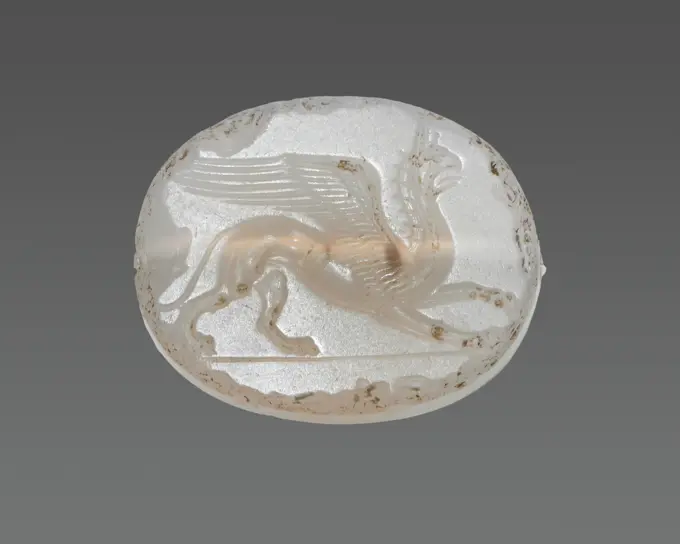
Stamp. UnknownAmulet of a Mummy Lying on a Bier. Egyptian. Date: 700 BC-100 BC. Dimensions: 2.2 x 3.5 x 0.5 cm (7/8 x 1 3/8 x 1/4 in.). Faience. Origin: Egypt. Museum: The Chicago Art Institute, Chicago, USA. Author: Ancient Egyptian.Ordos plaque with predators. Openwork slab with a representation of two sprinkling predators.Wspornik. unknown, authorFragment of Carved Wood Panel with Two Birds. Date: 11th-12th century.The two birds on this panel have long legs and are shown as if opening their wings; their wide tail suggests that they may be peacocks. Similar small rectangular panels with figural representation were widely employed in the architectural furniture in Fatimid and Ayyubid Cairo, for example in doors or churches' screens. The closest parallel for this example is a screen from the Sitt Barbara church in Cairo (possibly made in 1072-75). Museum: Metropolitan Museum of Art, New York, USA.Daedalic Pendant with Potnia Theron (Mistress of Animals), 650-600 BC. Eastern Greece, Rhodian, 7th Century BC. Gold and glass; overall: 3 x 2 cm (1 3/16 x 13/16 in.).1/48 Stater fromPhocaea. Mint: Phocaea Artist: UnknownFragment wylewu i imadła amfory ze stemplem. unknown, potter's workshopFunerary Cone ca. 1550-1295 B.C. New Kingdom. Funerary Cone. ca. 1550-1295 B.C.. Pottery. New Kingdom. From Egypt, Upper Egypt, Thebes. Dynasty 18Excerpt (foot) with red shard, in sgraffito technology within a few circles (ocher and manganese purple) in graceful letters something similar to IIHS, Anonymous, 1200 - 1899  Italy earthenware  Italy earthenwareScarab of Ramesses II ca. 1295-1070 B.C. New Kingdom, Ramesside. Scarab of Ramesses II 550328RECIPIENTE CERAMICO INCOMPLETO-ALMOHADE-S XII. Location: ARCHAEOLOGICAL MUSEUM. Almería. SPAIN.Bracelet 18th-19th century Edo peoples At its origins, the centralized city-state of Benin was founded by Edo-speaking peoples. The accounts by official court historians and descriptions provided by visitors evoke a vibrant cultural center continually redefined by its leadership through shifting internal and external power dynamics. According to oral tradition, circa 1300, Edo chiefs are reputed to have reached out to the leader of neighboring Ife, Oranmiyan, to establish a new divinely sanctioned royal dynasty. Since then, the investiture of Benins rulers to the title of obas has conferred upon them at once a role of chief priest officiating in important religious ceremonies and presiding over an elaborate structure of palace officials. During the fifteenth century reign of Oba Ewuare, Benins armies were formed and the fortification of its capital with a massive wall undertaken. In parallel, delegations of Portuguese traders assiduously sought to secure exclusive commercial treatiesLidFragment 9th-10th century. Fragment 451534Fragment 9th-10th century. Fragment. 9th-10th century. Earthenware; white slip, incised decoration, glazed (sgraffito ware). Excavated in Iran, Nishapur. CeramicsOdcisk pieczęci z kartuszem Ramzesa II. unknown, authorCuneiform tablet: receipt of lambs ca. 2041 B.C. Neo-Sumerian. Cuneiform tablet: receipt of lambs 322463Ancient South Arabia (now Yemen). 5th-4th century BC. Incense burner inscribed with the names of incense. British Museum. London. GBR.Bronze handle attachment 2nd century A.D. Roman This handle attachment is one of a pair, together with 00.13.11, that were likely used to connect the swing handle of a situla or wine bucket.. Bronze handle attachment 246913Ring Fragment Inscribed with an Ankh ca. 1390-1353 B.C. New Kingdom. Ring Fragment Inscribed with an Ankh. ca. 1390-1353 B.C.. Faience. New Kingdom. From Egypt, Upper Egypt, Thebes, Malqata, Palace of Amenhotep III, MMA excavations, 1910-11. Dynasty 18bracteate denarius. Zakon krzyżacki (1190-), issuerESTELA FUNERARIA DE TANIT - SIGLO IV AC. Location: MUSEO DE CADIZ-ARQUEOLOGIA. Cadiz. SPAIN. TANIT DIOSA PUNICA.Double Column. Culture: French. Dimensions: Overall (a: Capital): 16 1/2 x 21 3/4 x 13 3/8 in. (41.9 x 55.2 x 34 cm)Overall (b: Base): 8 3/4 x 19 3/8 x 10 3/4 in. (22.2 x 49.2 x 27.3 cm). Date: 13th-14th century. Museum: Metropolitan Museum of Art, New York, USA.Scarab Inscribed Lady of the Two Lands Maatkare (Hatshepsut) ca. 1479-1458 B.C. New Kingdom. Scarab Inscribed Lady of the Two Lands Maatkare (Hatshepsut). ca. 1479-1458 B.C.. Steatite (glazed). New Kingdom. From Egypt, Upper Egypt, Thebes, Deir el-Bahri, Temple of Hatshepsut, Foundation Deposit 9 (I), MMA excavations, 1926-27. Dynasty 18, earlyCostume Ornament. Culture: Peru; central coast (). Dimensions: Overall: 2 3/8 in. (6.03 cm). Date: 11th-12th century. Museum: Metropolitan Museum of Art, New York, USA.Abruzzo, L'Aquila, S. Giuliano (L'Aquila environs), Museo, Italy, 20th century, photo, photography, EuropeSeal Amulet, 2311-2124 BC. Egypt, Old Kingdom, Dynasties 6-8. Bone; diameter: 3.2 cm (1 1/4 in.).bracteate denarius. Zakon krzyżacki (1190-), issuerJade bead necklace, central plaza museum, Chichicastenango, municipality of El Quiché department, Guatemala, Central America.Textile Fragment 6th century Coptic. Textile Fragment 475262Cicada late 19th to early 20th century China. Cicada 43022Historic, Babylon. Babylonian demon Humbaba, face of divination entrails, 1800 BC Sippar5 reales, 1641, 003767-N. Museu Nacional d'Art de Catalunya.Funerary Cone ca. 1550-1295 B.C. New Kingdom. Funerary Cone. ca. 1550-1295 B.C.. Pottery. New Kingdom. From Egypt, Upper Egypt, Thebes. Dynasty 18Ceramic Whistle in the Form of a Standing Figure 2nd century B.C.-A.D. 3rd century Chorrera or Bahia. Ceramic Whistle in the Form of a Standing Figure 313554Scarab with Throne Name of Thutmose III and an Image of the Goddess Mut. Egypt, New Kingdom, 18th-20th dynasty (1504-1081 BCE). Sculpture. Steatite with modern green colorBlade before 16th century Tairona. Blade 317286Cylinder Seal. Mesopotamia, no date. Tools and Equipment; seals. StoneFragment of a Bowl 14th-15th century. Fragment of a Bowl. 14th-15th century. Stonepaste; white slip; blue underglaze; transparent, colorless glaze. Made in Egypt or Syria. Found Egypt, Kush. CeramicsShard ca. 4th-5th century Pakistan. Shard 50868Stamp Seal, Hemispheroid. Western Iran, circa 4th millennium B.C.. Tools and Equipment; seals. Black serpentineTile 13th-14th century French. Tile. French. 13th-14th century. Glazed earthenware. CeramicsAmulet of the God Khonsu as a Falcon. Egyptian. Date: 664 BC-332 BC. Dimensions: 3.5 × 1.6 × 0.6 cm (1 3/8 × 5/8 × 1/4 in.). Faience. Origin: Egypt. Museum: The Chicago Art Institute, Chicago, USA. Author: Ancient Egyptian.Stamp seal (oval conoid) with cultic scene 7th - 6th century B.C. Assyro-Babylonian. Stamp seal (oval conoid) with cultic scene. Assyro-Babylonian. 7th - 6th century B.C.. Variegated and veined neutral and red Chalcedony (Quartz). Neo-Assyrian / Neo-Babylonian. MesopotamiaHeart Scarab. Egypt, New Kingdom - Late Period (1569 - 525 BCE) or modern. Sculpture. SandstoneScarab "Two Ladies, Wadjetrenput" ca. 1479-1458 B.C. New Kingdom. Scarab "Two Ladies, Wadjetrenput". ca. 1479-1458 B.C.. Egyptian blue. New Kingdom. From Egypt, Upper Egypt, Thebes, Deir el-Bahri, Temple of Hatshepsut, Foundation Deposit 7 (G), MMA excavations, 1926-27. Dynasty 18Fibula of animalistic style. National Museum of the Early Middle Ages (Museo dell' Alto Medioevo). Rome. Italy.Textile Fragment 6th century Coptic. Textile Fragment 475236Fragment of a Bowl. Dimensions: H. 1 1/4 in. (3.2 cm)W. 3 1/4 in. (8.3 cm). Date: 9th-10th century. Museum: Metropolitan Museum of Art, New York, USA.Bowl-type crushing stone Bowl-type crushing stone, classic, central square museum, Chichicastenango, municipality of the department of El Quiché, Guatemala, Central America Copyright: xZoonar.com/BartomeuxBalaguerxRotgerx 22071582Belt Plate of Buckle 6th century Langobardic. Belt Plate of Buckle 468537Impression Of Seal Cylinder; 1902-20-13Engraved Gem. UnknownFurniture Mount in the form of a Capital Furniture Mount; bronzeAmulet - plakietka z rozetą i imieniem Mencheperre. unknown, authorSeal Impression of Louis, Marquis of Salcuces (1433-1504) ca. 1358 Netherlandish or South Netherlandish. Seal Impression of Louis, Marquis of Salcuces (1433-1504) 466077 Netherlandish or South Netherlandish, Seal Impression of Louis, Marquis of Salcuces (1433-1504), ca. 1358, Green wax, Overall: 3 1/4 x 9/16 in. (8.2 x 1.5 cm). The Metropolitan Museum of Art, New York. Gift of H.P. Kraus, 1981 (1981.534.3)Scarab Inscribed Perfect Horus Maatkare (Hatshepsut) ca. 1479-1458 B.C. New Kingdom. Scarab Inscribed Perfect Horus Maatkare (Hatshepsut). ca. 1479-1458 B.C.. Steatite (glazed). New Kingdom. From Egypt, Upper Egypt, Thebes, Deir el-Bahri, Temple of Hatshepsut, Foundation Deposit 7 (G), MMA excavations, 1926-27. Dynasty 18, earlyUpper fragment of the gara; Unknown Nubian workshop; 1. PO. VIII century (701-00-00-750-00-00);Faras (Sudan), relief decorations, architectural elements, rosettes (ornament), Nubian crafts, Polish excavations in Faras (Sudan), HungaryBell Głonka (coat of arms of the Krakow chapter)  Zygmuntów Tower, Wawel Cathedral, KrakowScarab ca. 1479-1458 B.C. New Kingdom. Scarab. ca. 1479-1458 B.C.. Faience. New Kingdom. From Egypt, Upper Egypt, Thebes, Deir el-Bahri, Hatshepsut Hole, Hathor Shrine, MMA excavations, 1922-23. Dynasty 18Funerary Cone ca. 1550-1295 B.C. New Kingdom. Funerary Cone. ca. 1550-1295 B.C.. Pottery. New Kingdom. From Egypt, Upper Egypt, Thebes. Dynasty 18Double sided camera with the representation of St. Maria Egypt and a portrait of NubianAmulet of the God Bes. Egyptian. Date: 1069 BC-332 BC. Dimensions: 4.8 × 1.9 × 1 cm (1 7/8 × 3/4 × 3/8 in.). Faience. Origin: Egypt. Museum: The Chicago Art Institute, Chicago, USA. Author: Ancient Egyptian.The cover of mosa to the poodle, crushed, from the 18th century, the gift of Roman Szewczykowski for the National Museum in Warsaw in 1918 - general view;  around 1920 (after 16.05.1922) (1918-00-00-1922-00-00);Bottom fragment of majolica dish with polychrome fruit decor, porcelain dish holder fragment fragment earthenware ceramics earthenware glaze tin glaze lead glaze, w 4.6 hand-turned baked glazed painted fried Fragment of majolica papkom. Polychrome decoration of fruit in the mirror in the colors blue yellow purple and orange. underside of lead glaze. Standring and shallow soul Probably no pronged traces of carrier points caused by baking in tube on the stand archaeological site Coolhaven Dijkzigt City center Rotterdam indigenous earthenware import porridge food serve serving Soil discovery Rotterdam found at the construction of the Coolhaven or in the war during clearing from the rubble of the bombing in the inner city.Sheet metal for the CZARTORYSKI CARTLIC Militia unknown labelScabbard ornament China. Scabbard ornament. China. Jade. Han dynasty (206 B.C.-A.D. 220). JadePetal-Shaped Bead, c. 1391-1353 BC. Egypt, New Kingdom, Dynasty 18, reign of Amenhotep III. Faience; overall: 3 x 1 cm (1 3/16 x 3/8 in.).Aplique romano de bronce procedente del yacimiento arqueológico de Can Modolell. Can Serra Museu de Mataró.Plaque Inscribed with the Throne Name of Amenhotep III ca. 1390-1352 B.C. New Kingdom Inscribed on this ring is the throne name of pharaoh Amenhotep III "Nebmaatre" that can be translated as "(The god) Re is the lord of truth," written here with three hieroglyphs. A sun disk for the name of the sun god Re is at the top. In the center is a large depiction of the goddess Maat that is used as a hieroglyph for the concept of truth, as she embodied the principle of world order, truth, and justice. She is depicted squatting and with the sign of life (ankh) on her knees. The ostrich plume that signifies her name is on her head. Other writings for this royal name use the Maat feather alone, but the small figure of the goddess herself might express a more direct and intimate relationship between the king and this goddess. At the very bottom of the bezel is a rounded sign that reads "neb" meaning "lord." Every Egyptian king had five names and four of them, including the throne name that is used Plaque: Man with Hand to Head/Nefer, Ankh, Nb. Egyptian. Date: 1550 BC-1186 BC. Dimensions: 0.6 × 1.3 × 0.3 cm (1/4 × 1/2 × 1/8 in.). Steatite. Origin: Egypt. Museum: The Chicago Art Institute, Chicago, USA. Author: Ancient Egyptian.Scarab ca. 1479-1458 B.C. New Kingdom. Scarab. ca. 1479-1458 B.C.. Faience. New Kingdom. From Egypt, Upper Egypt, Thebes, Deir el-Bahri, Hatshepsut Hole, Hathor Shrine, MMA excavations, 1922-23. Dynasty 18Ornament of a mummy: faience pectoral with winged scarabScarab of Ramesses II ca. 1295-1070 B.C. New Kingdom, Ramesside. Scarab of Ramesses II 559682IA (), Ground fragment majolica dish with polychrome fruit bowl in the mirror, signed, dish plate tableware holder soil find ceramic earthenware glaze tin glaze lead glaze, ring 10.1 hand-turned baked decorated glazed fried Soil on stand. Polychrome fruit bowl in the mirror in the colors green orange blue with pomegranates and bunches of grapes Fruit bowl on high stand. Backside sparing lead glaze greenish in color Signature in the stand ring signature in stand ring: IA not sure archeology City Triangle Rotterdam Town Hall Town Hall native pottery decorate serving up food Soil discovery of Rotterdam Council House 1914.Ostrakon. Culture: Coptic. Dimensions: 1 7/8 x 3 3/8 in. (4.8 x 8.5 cm). Date: 600. Museum: Metropolitan Museum of Art, New York, USA.Box, silver, The Netherlands, late 19th century, metalwork, Decorative Arts, BoxSasanian art. Vase with female figures. Silver; chasing, gilding. Iran. 6th-7th centuries. The State Hermitage Museum. Saint Petersburg. Russia.Terracotta coin molds ca. A.D. 308-320 Roman Roman coins were usually struck, not cast. These molds, therefore, were made from real coins in order to make forgeries of low-value bronze nummi. The practise may be seen as an attempt to overcome a shortage of official coin, but it clearly involved an element of deception and profiteering and was undoubtedly regarded as highly illegal by the imperial authorities. These examples include three obverse and three reverse molds, the latter all from coins minted at Alexandria, which fits the recorded provenance. The obverses portray two of the tetrarchs of the period between A.D. 308 and 311 and a later coin showing Constantine II as Caesar, dated A.D. 317-320.. Terracotta coin molds. Roman. ca. A.D. 308-320. Terracotta. Late Imperial, Tetrarchic. TerracottasSelf blocks of "trees with cut heads". Archological Collections of the Carnavalet Museum, 23 rue de Sevigne, 3rd arrondissement, Paris Self-blocks of "trees at cut heads". Photograph of Pierre Emonds (1831-1912), 1862-1905.Scarab Inscribed with the Throne Name of Amenhotep I ca. 1525-1504 B.C. New Kingdom. Scarab Inscribed with the Throne Name of Amenhotep I. ca. 1525-1504 B.C.. Steatite, glazed. New Kingdom. From Egypt. Dynasty 18Female figurines from Shiqmim and Beersheba, over 6,500-5,500 years ago. Made from pebble. Likely to have represented a goddess, some are natural representations of the female form while others are more stylized.Scarab: The God Ptah with Name of Usermaatra Setepenra (Rameses II). Egyptian. Date: 1279 BC-1213 BC. Dimensions: 1.9 × 1.3 × 0.6 cm (3/4 × 1/2 × 1/4 in.). Steatite. Origin: Egypt. Museum: The Chicago Art Institute, Chicago, USA. Author: Ancient Egyptian.Cross-bow Fibula, 1-200. Italy, Roman, 1st-2nd Century. Bronze; overall: 9.5 cm (3 3/4 in.).CAMINEE JAMBAGE: Angels holding coat of arms, excavations of the Hotel-Dieu (Cat 79). Three-quarter view. Anonymous. Fireplace jam: Angels holding coat of arms, excavations of the H�tel-Dieu (Cat 79). Three-quarter view. Pierre.Selection of scarabs depicting the goddess Ma'at as a component of the throne name of King Amenhotep III. From the 14th century.Belt Fittings 9th-10th century. Belt Fittings. 9th-10th century. Bronze; cast, gilded. Excavated in Iran, Nishapur. MetalArrowheads, needles, hooks and harpoons Japan These implementsan arrowhead, fishhooks, needle, and harpoonwere skillfully carved from bone, a material worked by Japanese artisans since Paleolithic times. They were found in the Obara Shell Mound at Ofunato Bay in Iwate Prefecture. According to information gleaned from shell mounds, or middens, the people of the Jōmon period relied on a variety of strategies to obtain food. The large number of fishhooks, fashioned with and without barbs, together with the rich array of marine remains found in these rubbish heaps since very early times indicate that some fifty species of fish and shellfish constituted an essential dietary staple. Toggle-head harpoons, a later innovation, facilitated the hunting of sea mammals. Attaching a line to the toggle allowed the hunter to draw in his prey once the toggle had broken away from the harpoon shaft. Further evidence gathered from these refuse dumps suggests that the Jōmon people also relied heavily on Fragment of a Tile 11th century The decoration of this tile is obliquely cut to "correct" the design for the normal viewing angle, a feature often seen in the tenth-century carved stucco of Nishapur.. Fragment of a Tile 450316Bronze military diploma fragment A.D. 113/14 Roman These discharge papers were issued by the Emperor Trajan to sailors on a warship, a quadrireme, in the imperial fleet based in Misenum on the Bay of Naples. The ship may have formed part of the flotilla that escorted the emperor from Italy to the East for the Parthian War (A.D. 114-117).. Bronze military diploma fragment. Roman. A.D. 113/14. Bronze. Mid-Imperial, Trajanic. BronzesLiturgical Comb. Culture: Italian. Dimensions: Overall: 3 3/4 x 4 1/2 x 11/16 in. (9.5 x 11.4 x 1.7 cm). Date: late 11th-early 12th century.Decorated double-sided combs were generally used for the ritual preparation of the priest before the celebration of the Mass, but they could have a secular function as well. In some cases they entered church treasuries as relics of saints. The vigorous design of two youths mounted on confronting griffinlike beasts derives from Eastern motifs. Southern Italy had many political, cultural, and artistic contacts with Byzantium and the Islamic world. Museum: Metropolitan Museum of Art, New York, USA.Marcador de juego de pelota(550d.c.)(marcador de Toniná), procedente de Chiapas. Museo Nacional de antropologia. Estado de Mexico D.F. Mexico.Carnelian scarab. Culture: Etruscan, Populonia. Dimensions: H.: 9/16 x 7/8 in. (1.5 x 2.3 cm). Date: ca. 480-450 B.C..Kapaneus (inscribed in Etruscan letters as Capne) struck by Zeus' thunderbolt. Museum: Metropolitan Museum of Art, New York, USA.Fragment of a dish with a lion reclining on the rim 664-332 B.C. Late Period. Fragment of a dish with a lion reclining on the rim 550935Head of pin ca. 8th-7th century B.C. Iran This is the head of a bronze pin in the form of a demon or supernatural creature, surmounted by a recumbent animal. The demons head is framed by two thick lines that meet and form its nose; its eyes are raised pellets. Two loops extend from the top of its head; these probably represent hair curls or horns. A recumbent animal sits on the demons head, with its folded legs disappearing behind it. It is impossible to say what kind of animal it is, as both its head and tail are now missing, and its form is stylized.This pinhead was excavated at Surkh Dum, a settlement site in Luristan in the Zagros Mountains of western Iran. It was found in a structure interpreted as a sanctuary and was thus probably an offering to a god. Pins were probably used to fasten clothing and as objects of adornment in their own right.. Head of pin 323964Scaraboid. Unknown mid-5th century B.C. Scaraboid gem engraved with the image of a crouching griffin standing on a ground line.CAPITEL HISPANO MUSULMAN EN MARMOL. Location: MUSEO ARQUEOLOGICO-COLECCION. CORDOBA. SPAIN.Ring Amun-Ra, King of the Gods, the Lord 1550 BCE-1069 BCE Egypt. Faience . Ancient EgyptianStater: Boetian Shield (obverse), 395-387 BC. Greece, 4th century BC. Silver; diameter: 2.5 cm (1 in.).