Ancient Egyptian Artifacts

A mix of historical scarabs and artifacts depicting ancient Egyptian symbols and figures, showcasing cultural significance across time.
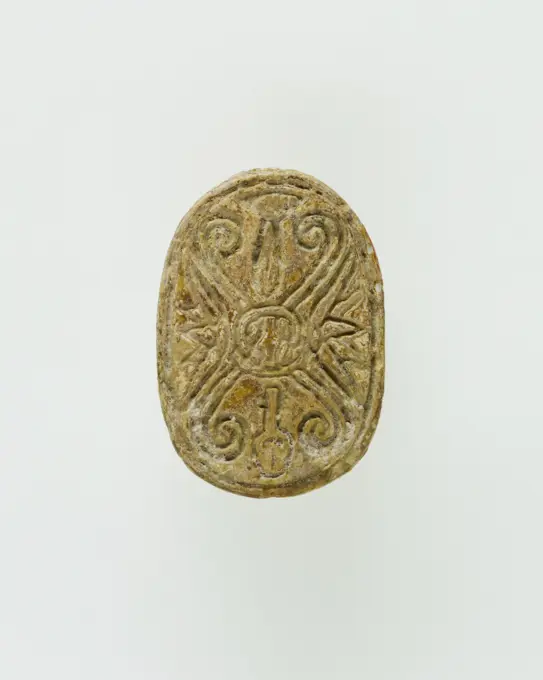
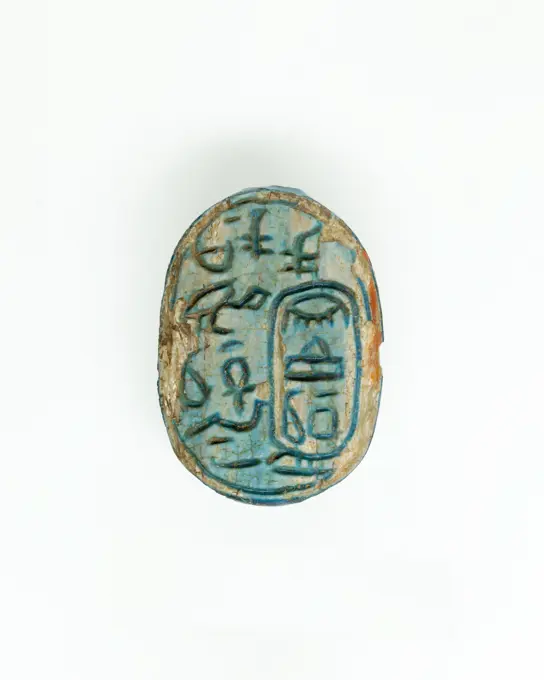
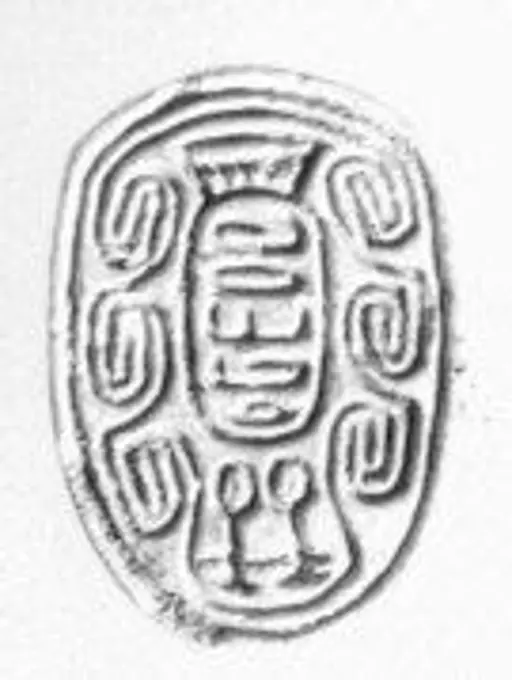
Scarab Incised with Hieroglyphs and a Cruciform Design ca. 1760-1670 B.C. Middle Kingdom The underside of the scarab is finely decorated with a cross design consisting of scrolls centered on convoluted coils. Coil designs are not often combined with cruciform patterns; this is a rare and elaborate example dating to the late Middle Kingdom (late Dynasty 12-Dynasty 13, ca. 1850-1640 B.C.). Hieroglyphs associated with positive ideas such as life and regeneration, namely lotus flowers, the papyrus stem, and the hieroglyph for good and beautiful (nefer), are placed between the scrolls.. Scarab Incised with Hieroglyphs and a Cruciform Design 557055
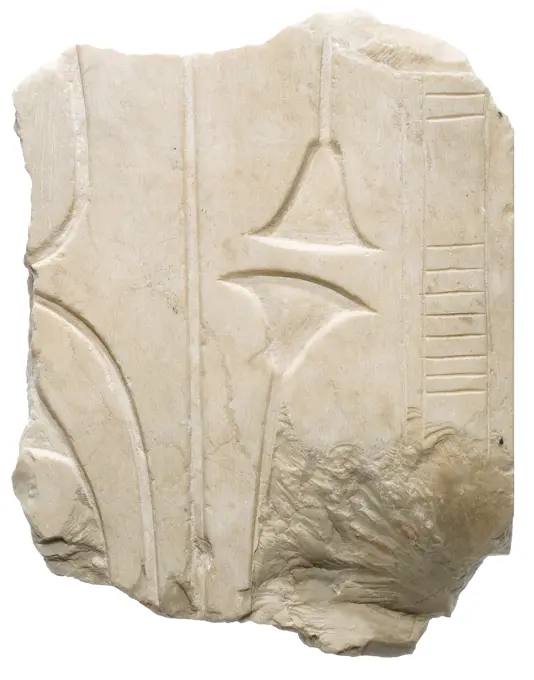
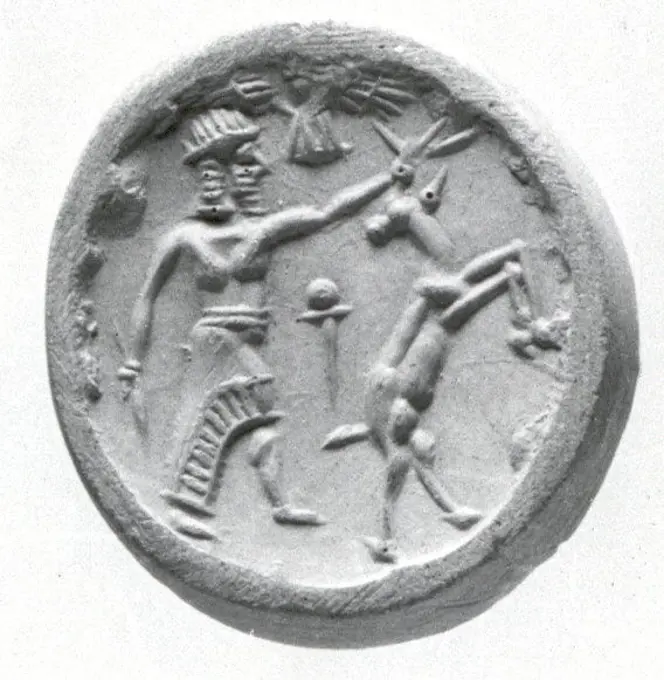
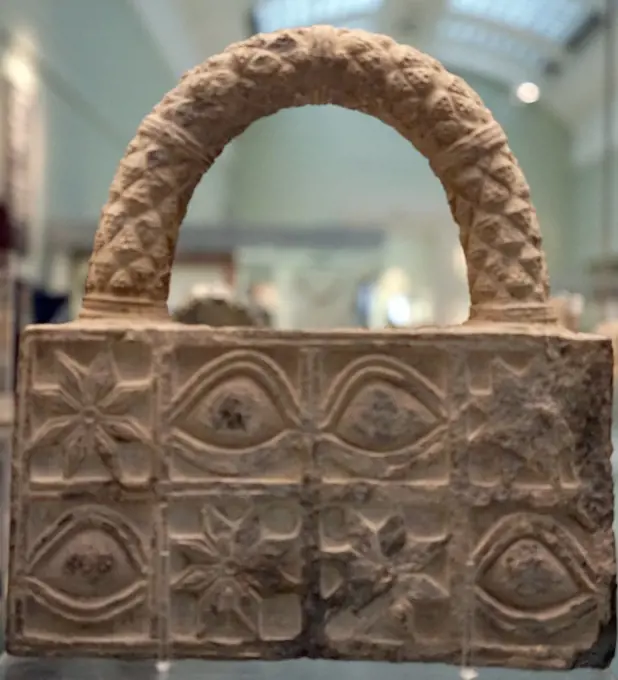
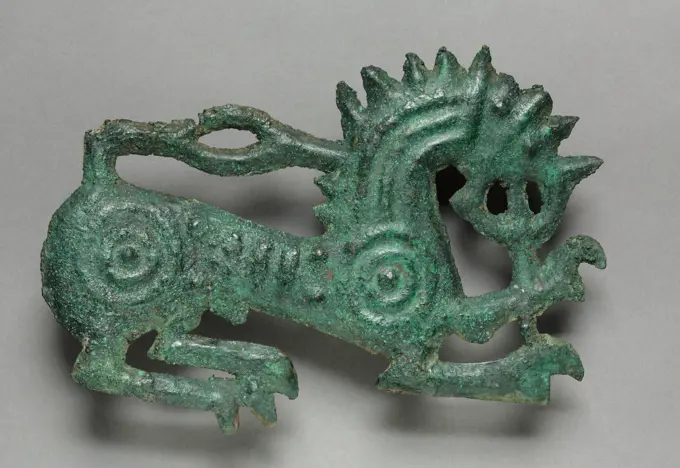
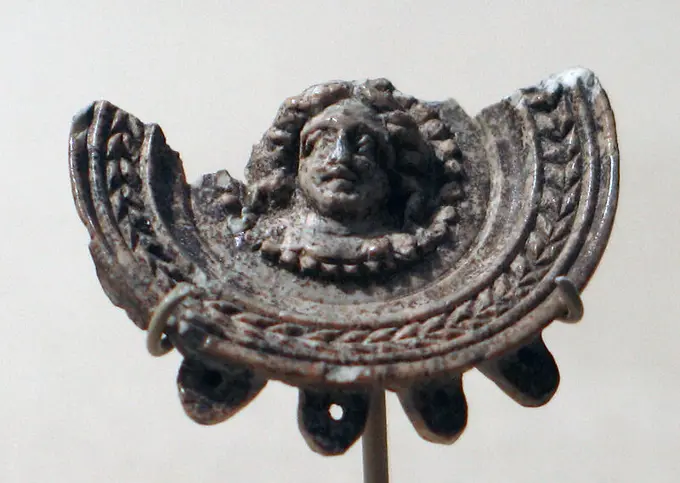
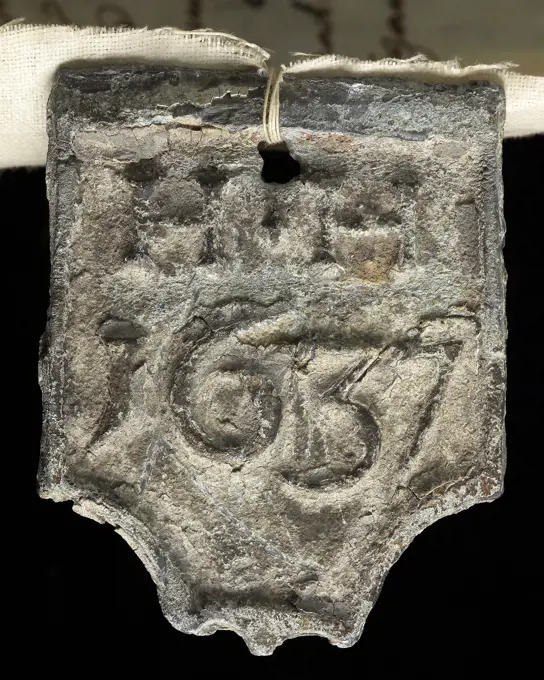
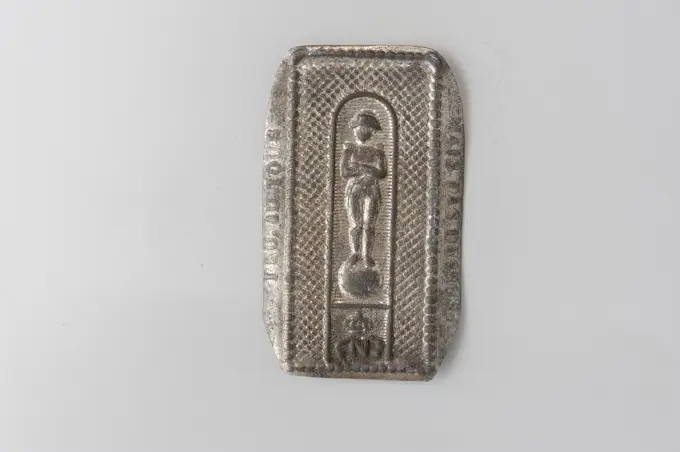
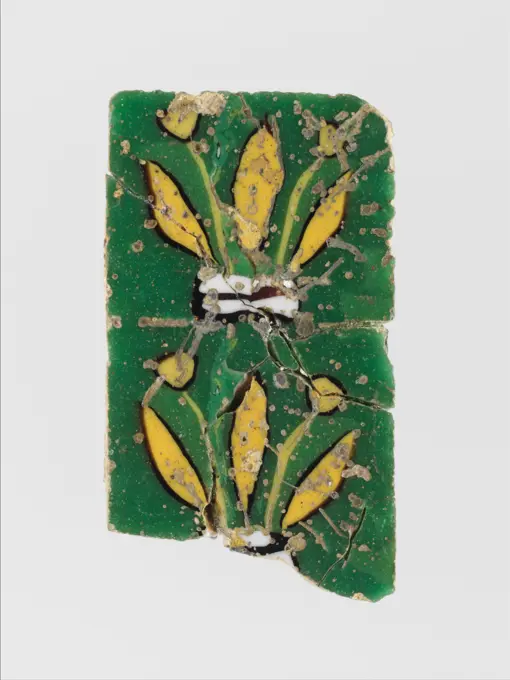
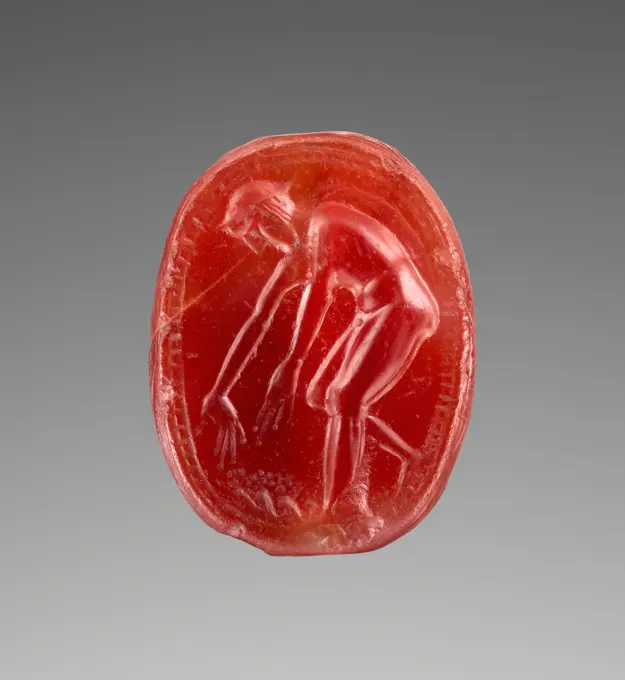
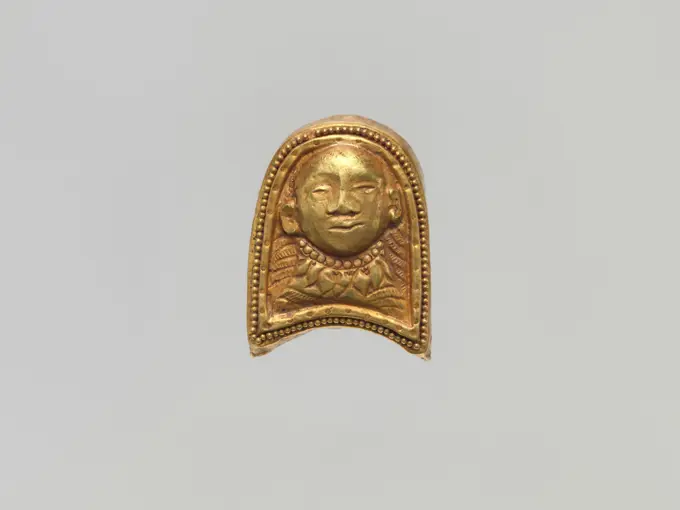
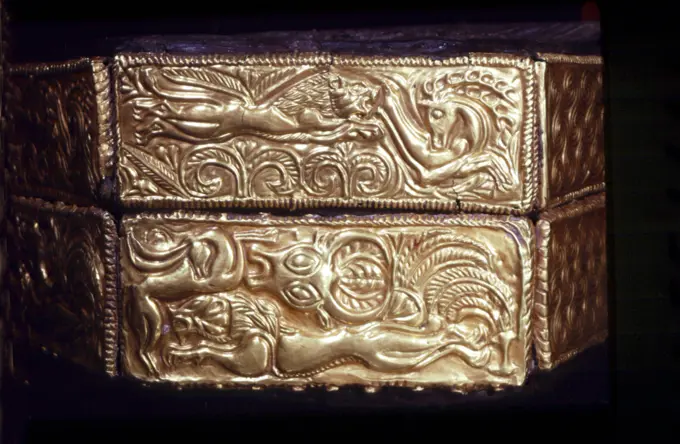
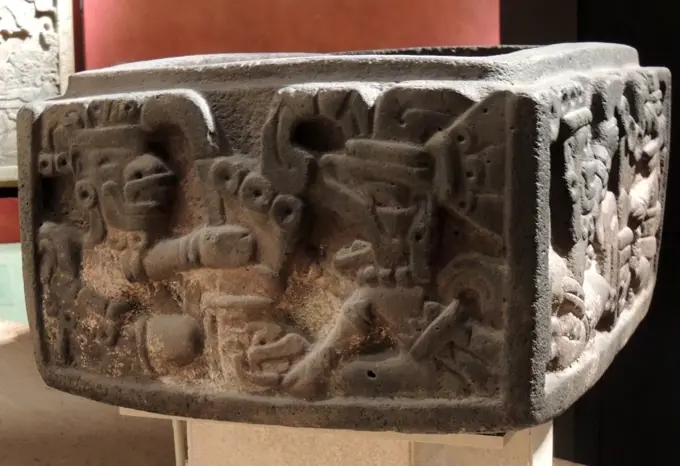
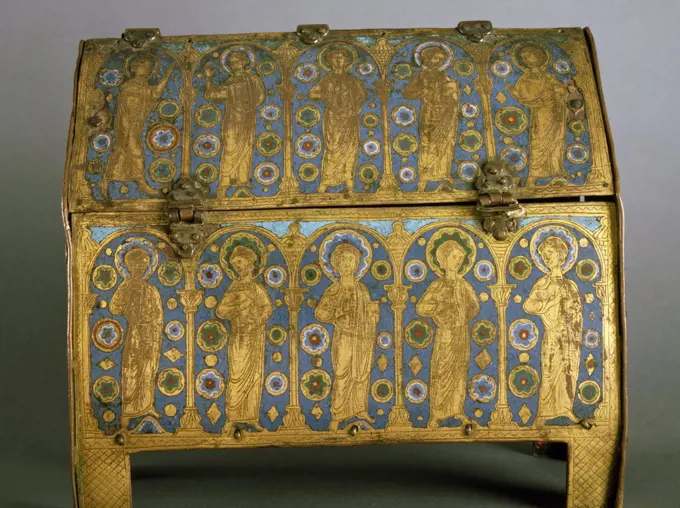
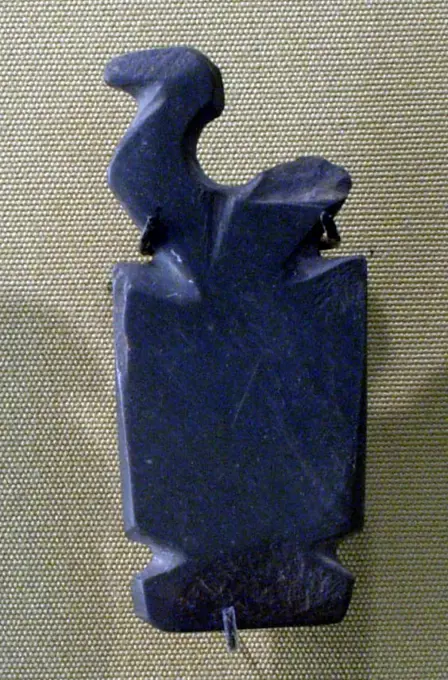
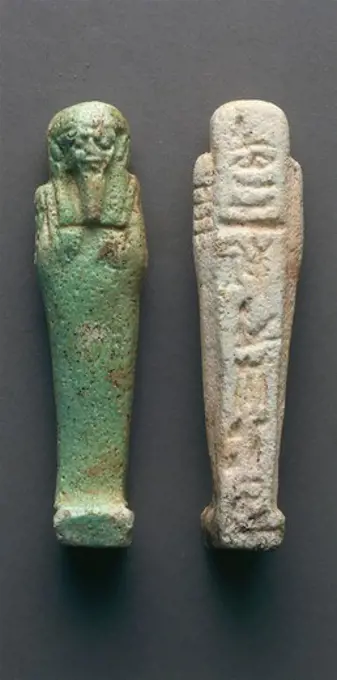
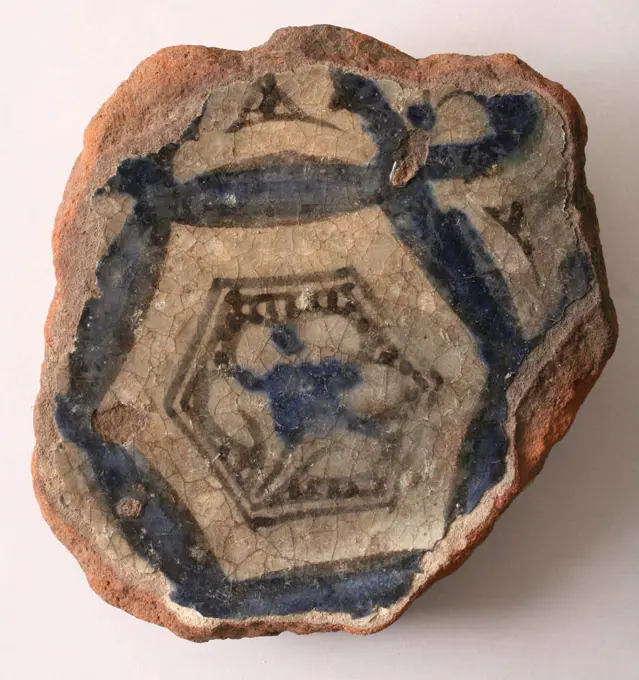
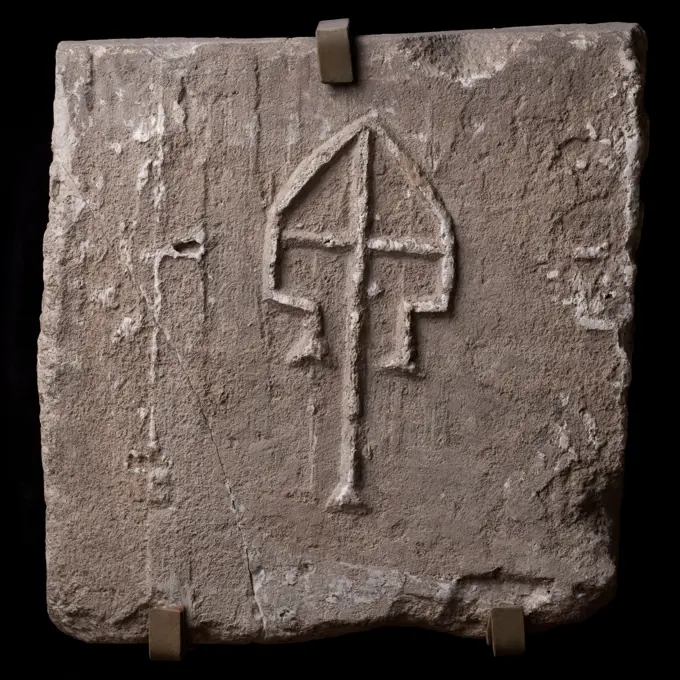
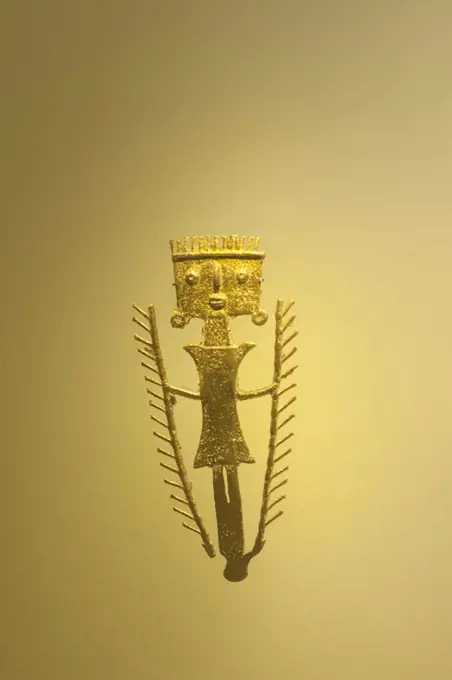
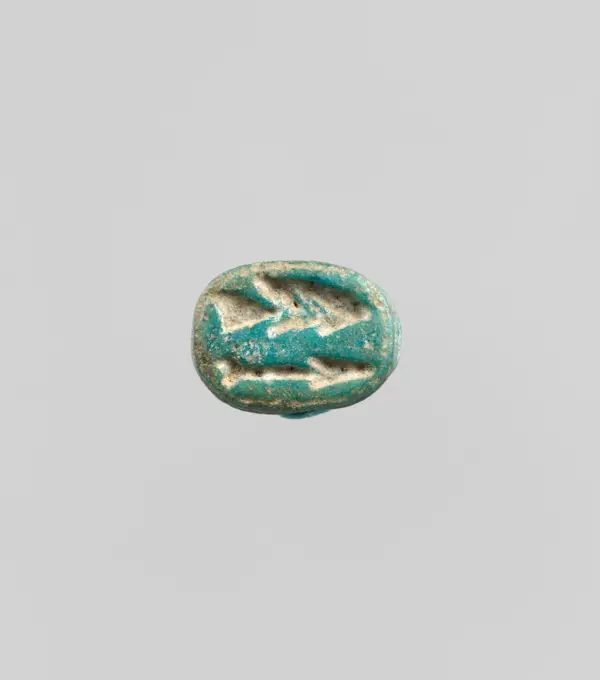
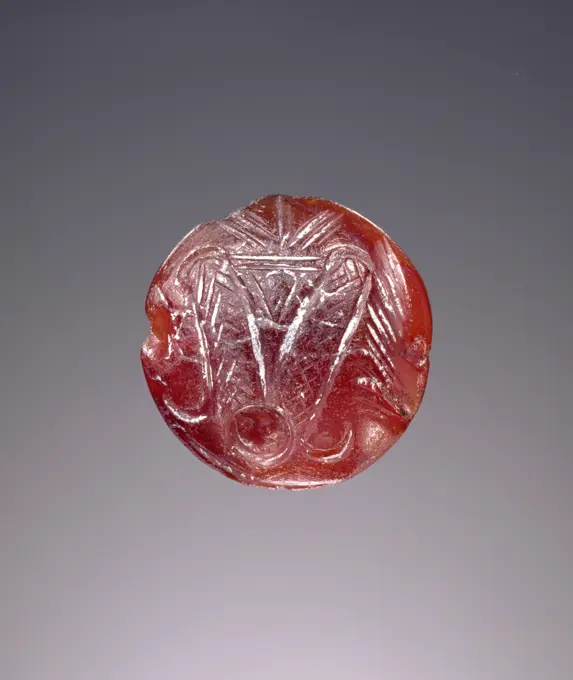
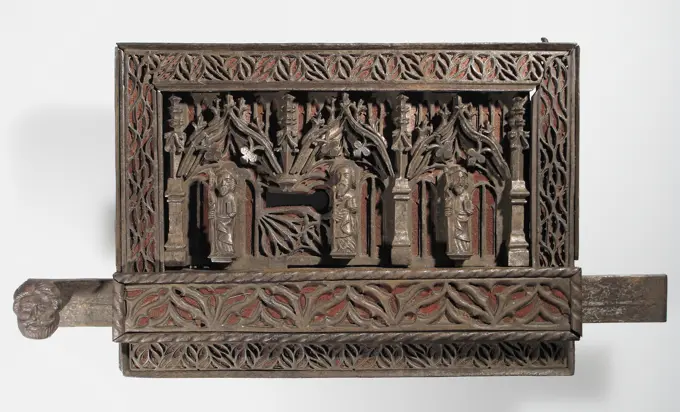
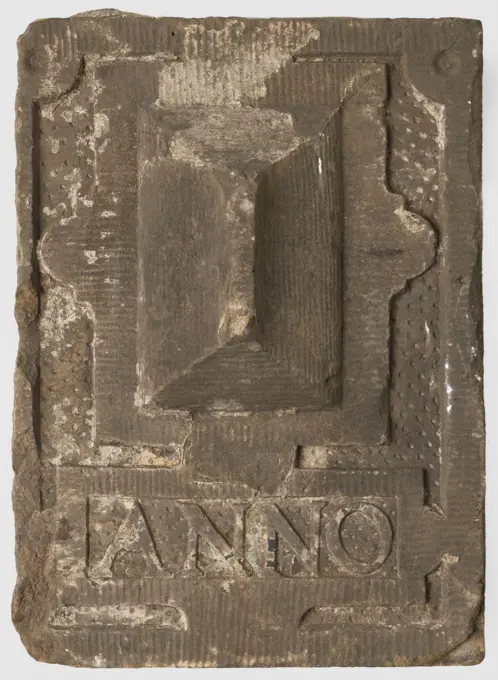
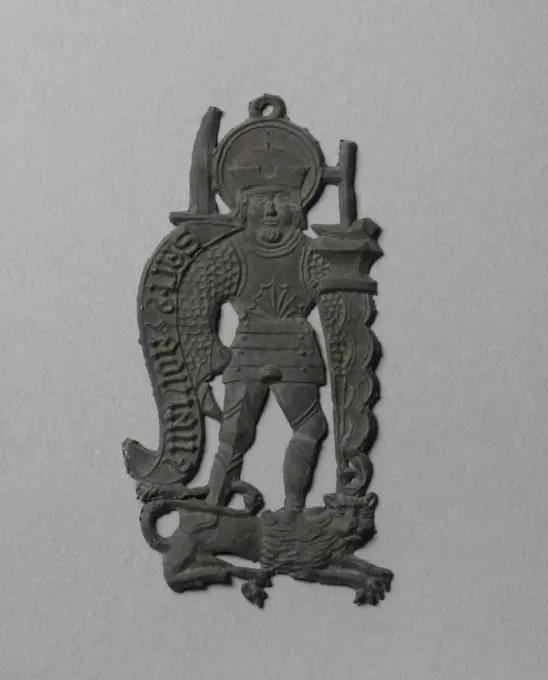
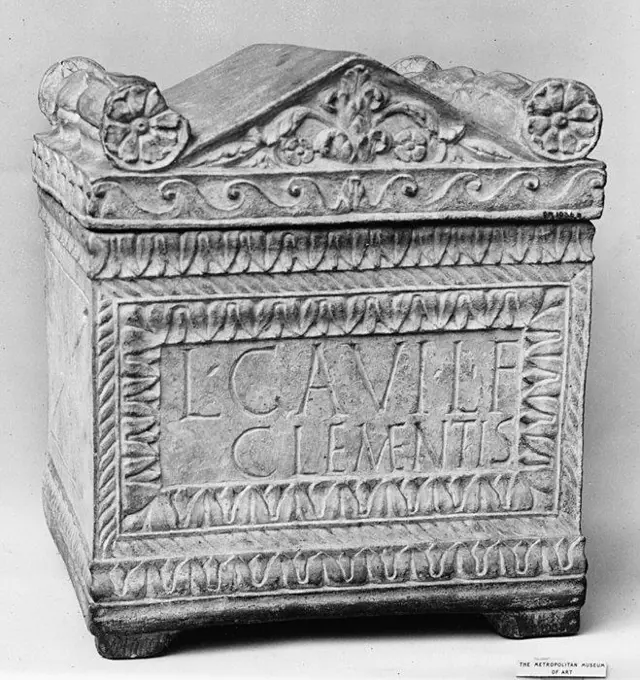
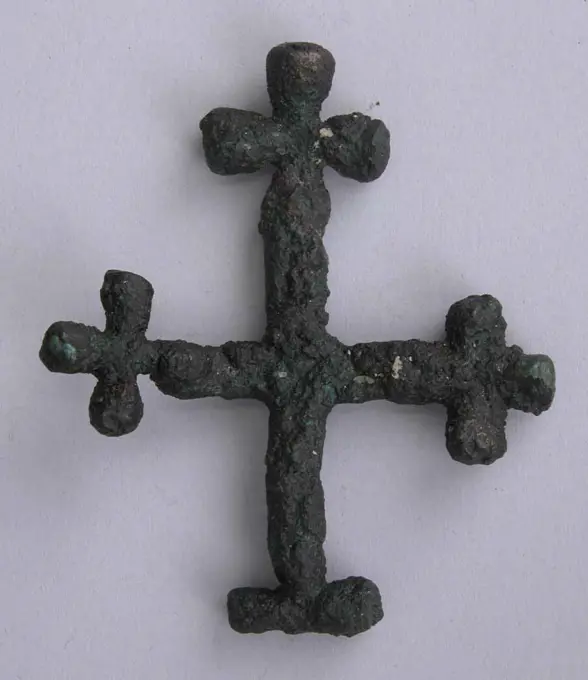
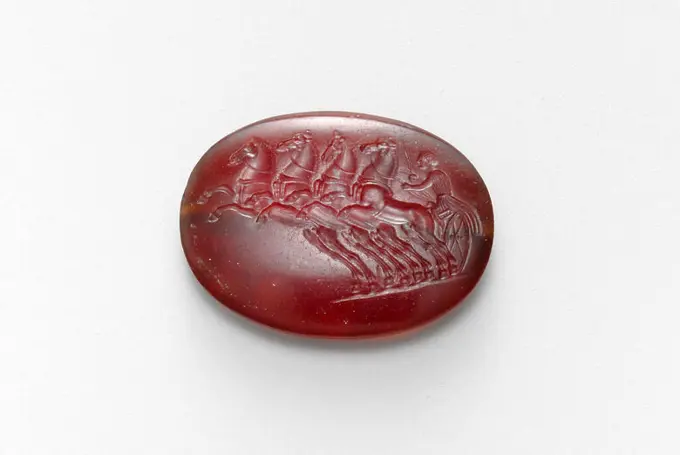
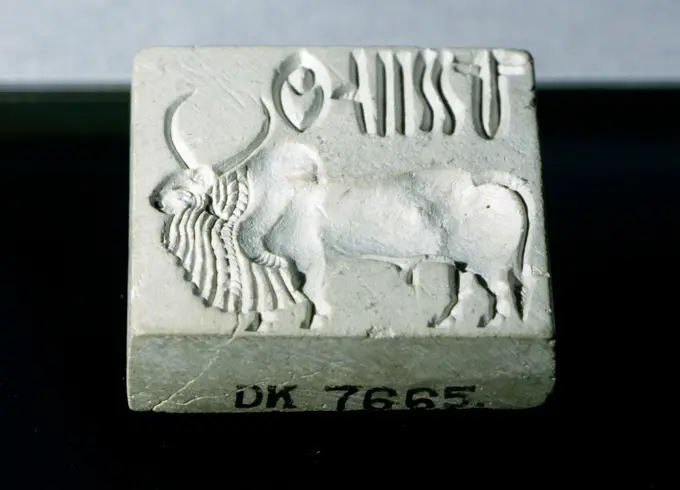
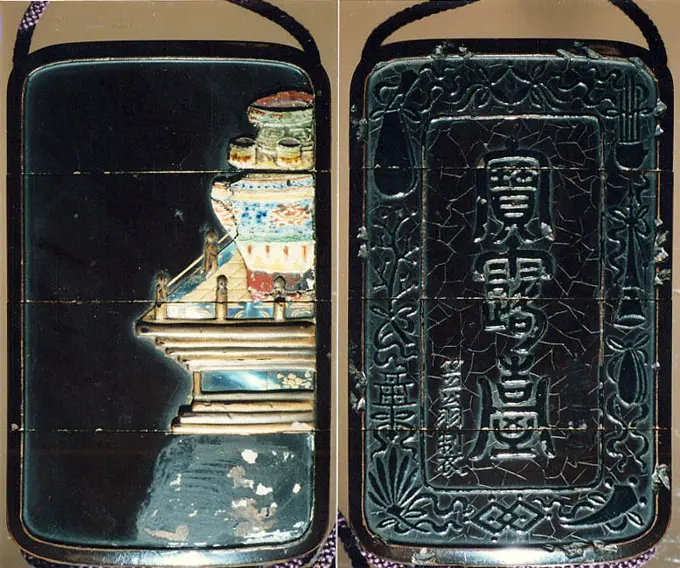
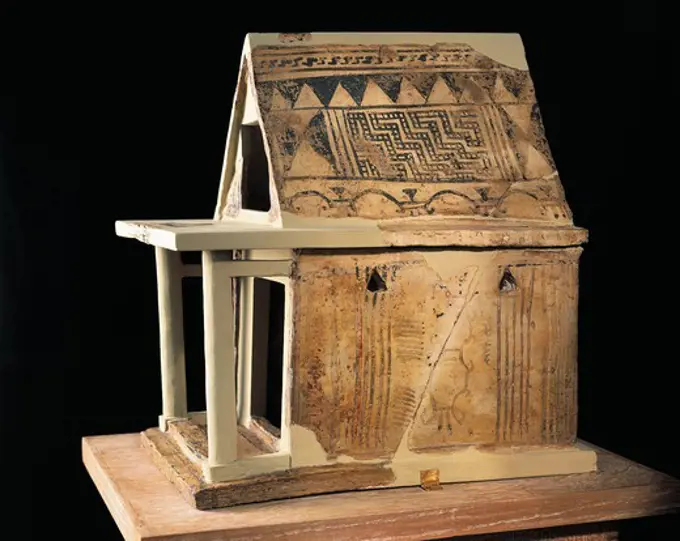
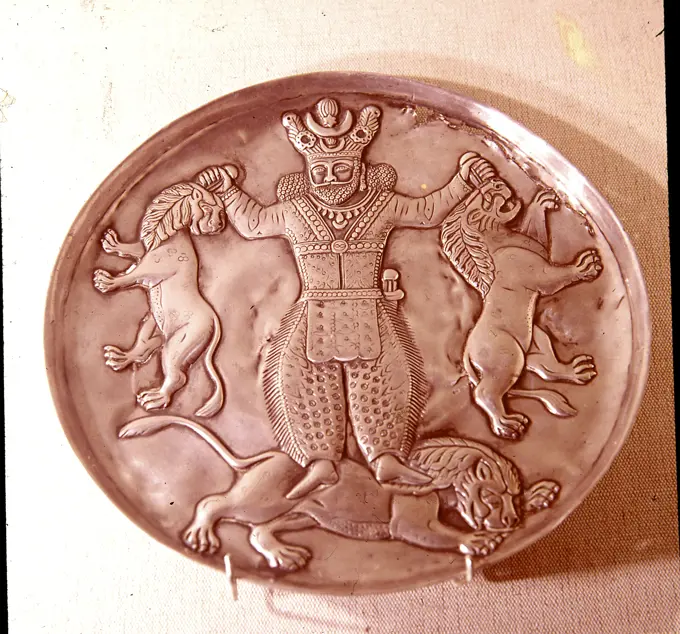
Israel, Negev, the archaeological site of Shivta (old incense caravan town), detail of a capitalThrone fragment ca. 1353-1336 B.C. New Kingdom, Amarna Period. Throne fragment 549874Stamp seal (conoid) with two-figure contest second half of 8th - 7th century B.C. Assyro-Babylonian. Stamp seal (conoid) with two-figure contest 321450Cylinder seal ca. 3200-2900 B.C.. Cylinder seal 327260Carved stone with integral handle from the ancient Sumerian city-state of Ur. Dated 2500 BCRing Djeserkheprure-Setepenre (Horemheb) 1323 BCE-1295 BCE Egypt. Faience . Ancient EgyptianMiniature figurine, 1500 BCE, 1 7/16 in. (3.7 cm), Earthenware, Mexico, Pre-ClassicVotive Tablet with Deity Tibet 15th-17th centuryCylinder seal. Culture: Mitanni. Dimensions: H. 1.7 cm x Diam. 1 cm. Date: ca. 1500-1350 B.C.. Museum: Metropolitan Museum of Art, New York, USA.Lion Plaque, 1000-500 BC. Iran, Scythian, 1st half 1st millennium BC. Bronze, repoussé ; overall: 13.5 x 18 x 1 cm (5 5/16 x 7 1/16 x 3/8 in.).Highstone with a man with spear and horse, c. 1550 - c. 1600 Highstone with a man with spear and horse. Southern Netherlands earthenware Highstone with a man with spear and horse. Southern Netherlands earthenwareEarring() with the Head of a Male Figure 4th century Pakistan (ancient region of Gandhara). Earring() with the Head of a Male Figure. Pakistan (ancient region of Gandhara). 4th century. Ivory. JewelryHH, Roof lead, shield-shaped cover plate with 1637, initials HH and text label, braiding lead mark lead metal linen h 5,7, slater Poortugaal AlbrandswaardFragment of an Inscribed Relief 3rd-12th century. Fragment of an Inscribed Relief 456200Seal matrixNAIPE DECORADO CON DOS ESPADAS DE COLOR ROJO - CUERO Y PIGMENTO - SIGLO XVIII - PROCEDENTE DE CHILE - ESTILO MAPUCHE - 10,8x7,7 CM. Location: MUSEO DE AMERICA-COLECCION. MADRID. SPANIEN.Carnavalet museum, medal collection Law statue of Napoleon I in uniform, walking on a globe; Imperial crown above an inscription on a line.Heart Scarab of Senmes ca. 1550-1295 B.C. New Kingdom. Heart Scarab of Senmes. ca. 1550-1295 B.C.. Dark Green Stone. New Kingdom. From Egypt. Dynasty 18Tile with Three GrapeClustersCostume Ornament 11th-12th century Central coast (). Costume Ornament 308773Engraved Gem. UnknownGlass mosaic inlay 1st century B.C.-1st century A.D. Egyptian, Ptolemaic or Roman Semi-opaque green ground, with backing in translucent deep purple appearing black; decoration in opaque white and yellow, and translucent deep purple appearing black.Rectangular, flat plaque with slightly convex back, slightly beveled edges, and rounded corners.Vertical strip with repetitive floral motif with yellow leaves and buds, outlined in purple, each issuing from a horizontal base in purple and white stripes.Broken and repaired with large cracks and small losses; upper side ground and polished; pitted surface bubbles, encrustation and iridescent weathering on edges.This part of a longer strip is decorated with a pattern of yellow-petalled lilies.. Glass mosaic inlay. Egyptian, Ptolemaic or Roman. 1st century B.C.-1st century A.D.. Glass; cast. Late Hellenistic or Early Imperial. GlassScarab. UnknownAx Head with Human Body ca. 500 B.C.-A.D. 300 Indonesia (Roti Island). Ax Head with Human Body. Indonesia (Roti Island). ca. 500 B.C.-A.D. 300. Bronze. Bronze and Iron Age period. MetalworkScarab of the King's Mother Queen Nebuhetepti ca. 1802-1640 B.C. Late Middle Kingdom. Scarab of the King's Mother Queen Nebuhetepti. ca. 1802-1640 B.C.. Glazed steatite. Late Middle Kingdom. From Egypt. Dynasty 13official seal of the Brzesko County. unknown, signatorySlabs with hieroglyphic inscription about the activities of King Urhilina and his son. Basalt. Late Hitite Period. 9th century BC. From Hama (Syria). Archaeological Museum. Museum of Ancient Orient. Istanbul. Turkey.Banquet Pyxis , 800-750 BC. Anatolia, Neo-Hittite, 9th-8th Century BC. Steatite; overall: 5 x 10 cm (1 15/16 x 3 15/16 in.).Wooden Incan ceremonial beaker from Bolivia, Peru. Dated 14th CenturyFireplace of baked earth with diamond-shaped distribution with two medallions of a man and woman. Fireplace of baked earth with diamond-shaped distribution. Two medallions of a man and woman.Ring Ring of ivory with Venus and Cupid.. Ring. IvoryPendant. UnknownBENDITERA VIDRIADA Y DECORADA EN AZUL-ARTE POPULAR S XX. Location: ALFARERIA. Toledo. SPAIN.Plaque with Head 7th-9th century China (Xinjiang Autonomous Region, Central Asia) The nomadic communities of Central Asia used such plaques to embellish clothing and horse trappings. As these nomadic cultures herded animals and were constantly moving, their artistic production was expressed in portable objects that marked the wearers status and wealth. The outstanding preservation of these fragile ornaments suggests they were used in conjunction with burials, where the body was aggrandized with valuable textiles and augmented with gold. Although it is difficult to date and place these objects geographically, their presence in Central Asia and has a long, established history.. Plaque with Head 65169Gold plated box. Lions hunting horse and deer. Mycenae. Shaft Grave V artefact. Mycenaean. Bronze Age. GREECE. Fragment of a stone box (tepetlacalli) 1521 A.D. Aztec Europe, England, Bath. Roman Bath Museum. THIS IMAGE RESTRICTED - Not available to U.S. land tour travel operators.Wine Container 1099 BCE-1000 BCE China. The bulging, curvilinear silhouette of this house-shaped wine container is emphasized by prominent, hooked flanges, which also accent the surface divisions created by sectional mold casting. The elements of surface decorationóhigh relief monster (taotie) masks, crested and plumed birds, and dragons with reverted heads are extravagantly shaped Fringes with elaborate hooks and quills, their curves and coils extend and replicate to symmetrically fill the divided panels of the body and lid.Identical dedicatory inscriptions cast within the interior of the base and lid read ìRong zi Son of Rong made this precious sacrificial vessel.î Such inscriptions, studied as historical documents as well as calligraphic art, contribute to our understanding of the chronology and patronage of ancient Chinese bronzes.. Bronze .Reliquary from Limousin by unknown artist, FranceDouble bird-head amulet ca. 3650-3500 B.C. Predynastic, Naqada II. Double bird-head amulet. ca. 3650-3500 B.C.. Greywacke. Predynastic, Naqada II. From Egypt; Said to be from Northern Upper Egypt, Nag el-DeirSarkofag dziecięcy z przedstawieniami z cyklu dionizyjskiego. warsztat rzymski, workshopEgyptian civilization. Shabtis, anterior and posterior view. From Bahariya Oasis, Sheik Souby. Governor's Tomb, Tomb of Nassa (mother)Fragment of a Bowl 15th century. Fragment of a Bowl 446320BROCHE VISIGODO DECORADO CON MOTIVOS ZOOMORFOS Y HUMANOS - VI-VII. Location: MUSEO ARQUEOLOGICO NACIONAL-COLECCION. MADRID. SPAIN.Zygmunt Bell (Shield with Coat of ARMS Biały)  Zygmuntów Tower, Wawel Cathedral, Krakow Beheem, Hans (FL. 1520)Egypt, Bahariya Oasis, Sheik Souby, Governor's Tomb, Tomb of Nassa, ScarabEngraved Scarab with Apollo Playing the Lyre set in a Gold Swivel Ring. UnknownVase 11th century The spiraling forms in the panels between the handles of this vase, a combination of half-palmettes and an inverted calyx-like form, are derived from the beveled style of ninth-century Samarra in Iraq... Vase 450772Anonymous (France). Sarcophagus foot panel, cross surmounted by a triangular pattern. Plaster, Merovingian. Paris, Carnavalet museum. 58445-13 Cross, Merovingian, Merovingian, panel, plaster, sarcophagus, triangular, archeological vestigeGolden Artifact From Medio Tribe In The Gold Museum In La Candelaria, The Old Town Of Bogota, ColombiaPlaque representing an Egyptian open shrine (kiosk) A.D. 1st-2nd century Roman Period Columns with bell-shaped capitals support the barrel roof of the kiosk. Isis() towers over an open-lintel doorway surmounted by lions or perhaps cats.Small plaques shaped like like shrines containing a god are found in various places in the Roman world, and are thought to be small offerings for shrines.. Plaque representing an Egyptian open shrine (kiosk). A.D. 1st-2nd century. Bronze. Roman Period. From EgyptBrick (stove tile) with heraldic decoration. unknown, factoryScarab with the Representation of a Fish ca. 1479-1070 B.C. New Kingdom Although the ancient Egyptians paid attention to detail when depicting fish on the walls of tombs and temples, it is not always possible to identify the species incised on seal-amulets. The fish is a popular theme on New Kingdom scarabs, especially during Dynasty 18 (ca. 1550-1295 B.C.). It is often assumed that these represent the well-known Nile tilapia, the fish which was a symbol of fertility and rebirth. New Kingdom scarabs show the fish with lotus flowers or buds coming from its mouth, or paired with another sign or symbol. Here, it may be a harpoon or fishing spear.. Scarab with the Representation of a Fish. ca. 1479-1070 B.C.. Green glazed faience. New Kingdom. From Egypt, Memphite Region, Lisht North, Cemetery, debris, MMA excavations, 1920-22. mid Dynasty 18-20Lentoid engraved seal. UnknownCinerary Urn 50 CE-150 CE Roman Empire. This cinerary urn likely held the cremated remains of two individuals, presumably a husband and wife. The lid features portraits of the deceased flanked by symbols of the Roman goddess of love, Venus (the Greek Aphrodite), including dolphins and winged erotes, the goddessís mythological companions. The front of the urn contains two rectangular panels, which were intended for personalized inscriptions but were instead left blank. Surrounding the panels are garland swags and an ox skull, both motifs associated with sacrificial rites, as well as rabbits, symbols of love and immortality.. Marble . Ancient RomanFrench Republic, 1848 (dummy title) French Republic, 1848. Copper Blanc, 1848.Scarab. UnknownLock 15th-16th century European or French () The decoration of Gothic iron locks and keys was often elaborate and of the highest standard of workmanship. The motifs were frequently drawn from Gothic architecture, reproducing on a miniature scale complicated tracery patterns and even tiny statuettes. A number of these tiny locks were compound, with some of the mechanisms concealed from view, and required two or even three keys used in sequence to open them. It has been suggested that the greatly expanded use of locks on doors, or coffrets and other types of storage chests was a result of the increasing urbanization of life and the new emphasis on material wealth and private ownership which developed in the late Middle Ages.. Lock. European or French (). 15th-16th century. Iron. Metalwork-IronFish Ornament 11th-12th century Peru; central coast (). Fish Ornament 308814Scarab seal ca. 1786-1560 B.C.. Scarab seal. ca. 1786-1560 B.C.. Stone, white. Dynasty 15-17, 2nd Intermediate Period, Hyksos. Levant, Lachish (modern Tell ed-Duweir)Impression Of Seal Cylinder; 1902-20-17Facing brick with image and inscription: Anno ,, c. 1400 - c. 1950  Standing rectangle in which a cartouche with above a standing rectangular shape (stamp or pillow) And below that the inscription Anno. Netherlands (possibly) .Pilgrim's Badge representing Saint Adrian 1480-1500 South Netherlandish Saint Adrian of Nicomedia was a former Roman soldier martyred for his Christian beliefs by having his limbs smashed on an anvil. His relics were translated to Geraardsbergen in 1175 thus establishing this foundation as an important pilgrimage site. Patron saint of soldiers, jailors, blacksmiths, and messengers, by the fourteenth century, Adrian was also considered a protector against the plague. In both badges here he is represented in full armor holding a sword in one hand and an anvil in the other. The apparent chronological separation in the making of the respective molds reveals developments in figurative, armor, and costume styles.. Pilgrim's Badge representing Saint Adrian 466291Marble cinerary chest with lid ca. A.D. 20-30 Roman The Latin inscription on the front of this chest indicates that it was made to hold the ashes of Lucius Gavius Clemens. Several prominent men from Late Republican times to the second century A.D. bore the name Gavius, which belongs to an old Roman gens (clan).. Marble cinerary chest with lid 246266Cross 3rd-12th century. Cross 446053Carnelian flat scaraboid. Culture: Greek. Dimensions: H.: 1 1/16 in. (2.7 cm). Date: 2nd half of the 4th century B.C..quadriga (four-horse chariot) with prancing horses. Museum: Metropolitan Museum of Art, New York, USA.Steatite Seal. Mohenjo Daro. Indus Valley. 2500-2000 BC.Cylinder seal ca. first half 2nd millennium B.C. Babylonian. Cylinder seal. Babylonian. ca. first half 2nd millennium B.C.. Rock crystal. late Old Babylonian. MesopotamiaAnonymous. Diane Chasseresse (obverse). Paris, Carnavalet museum. Medal, numismaticsSealing pistonEgypt, Thebes, Luxor, Valley of the Kings, Tomb of Tutankhamon, Treasures of Tutankhamon, AmuletsMirror Case ca. 1350 French Ivory mirror cases were usually carved in pairs to protect a polished metal disk within. Few pairs survive today, and none with their original protective leather case.. Mirror Case 464247Case (Inrō) with Design taken from 'Fang Shi Mopu' (Book of Ink Cake Designs) (obverse); Large Jar on Stand (reverse) 19th century Fangshi Mopu. Case (Inrō) with Design taken from 'Fang Shi Mopu' (Book of Ink Cake Designs) (obverse); Large Jar on Stand (reverse) 58688Ring of Leontios ca. 1000 Byzantine The ring belonged to Leontios of the province of Opsikion, in what is now northwestern Turkey. Patrikios and komes were Roman titles that shifted in meaning during the Byzantine period; it seems likely that Leontios was the governor of the province or a high-ranking general.. Ring of Leontios 466087Spain, Galicia, Santiago de Compostela. Sign indicating the way of Santiago de Compostela.UNESCOPaperweight Wi cki, Wojciech (1823 1873), factory: Minter KarolVector Illustration of balance made of decorative stones for coloring pages.Terracotta model of temple dedicated to Hera at Argos, Grece, 700 B.C.Plaster Cast of Egyptian head, along with Mahogany reproduction. Circa 1812, UK. Reflecting the British fascination with ancient Egyptian archaeology.Carnival badge in Onex, 1988 Louis Imhof SASassanian silver dish. Lion hunt of King Baram V. Iran.Ivory comb, from Marsiliana d'Albegna, Grosseto province, ItalyMilestone, I BC, Calahorra, Museum of Romanization, Calahorra, La Rioja, Spain, Europe.