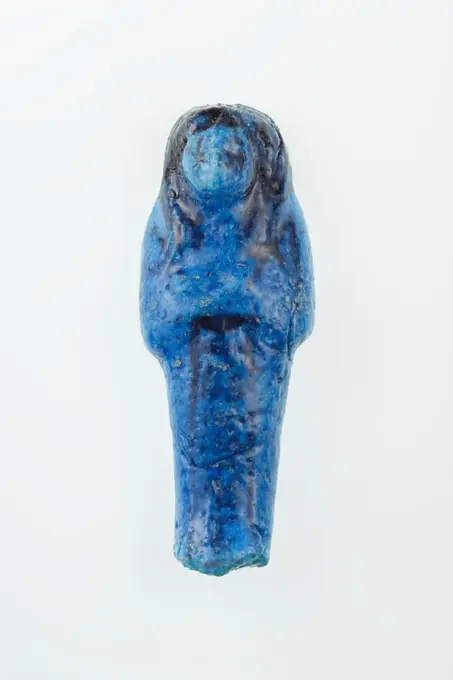
Ancient Egyptian Artifacts

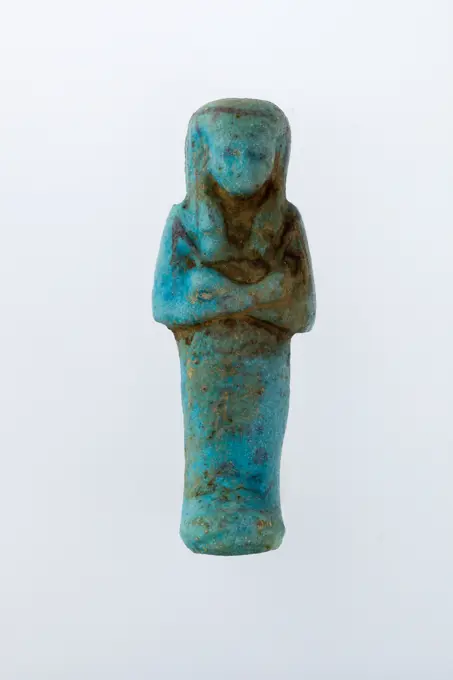
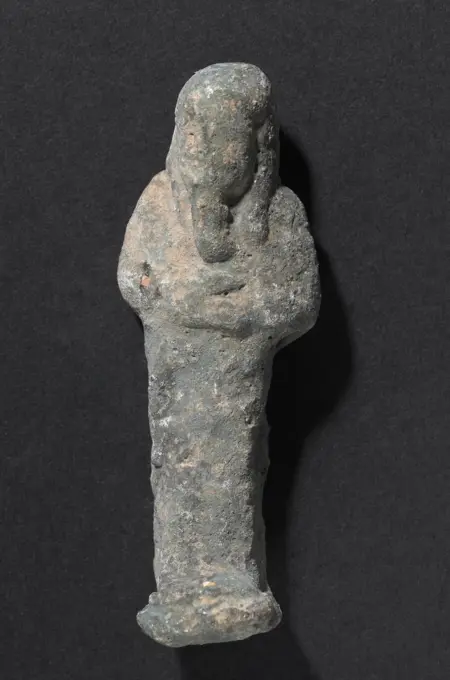
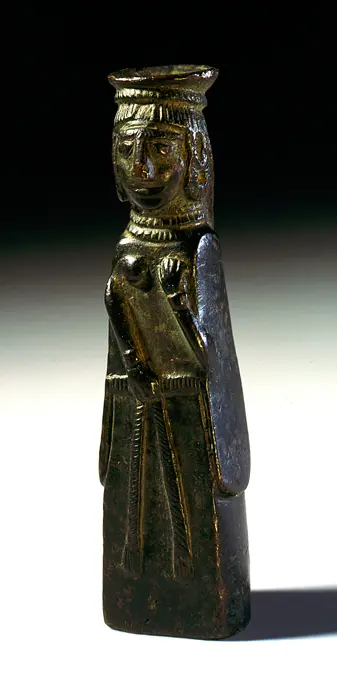
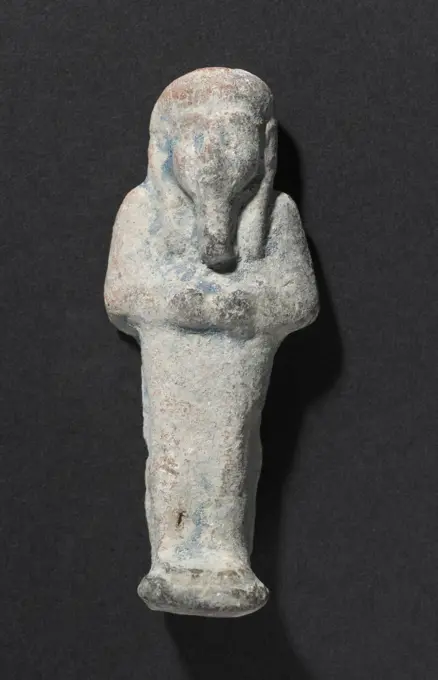
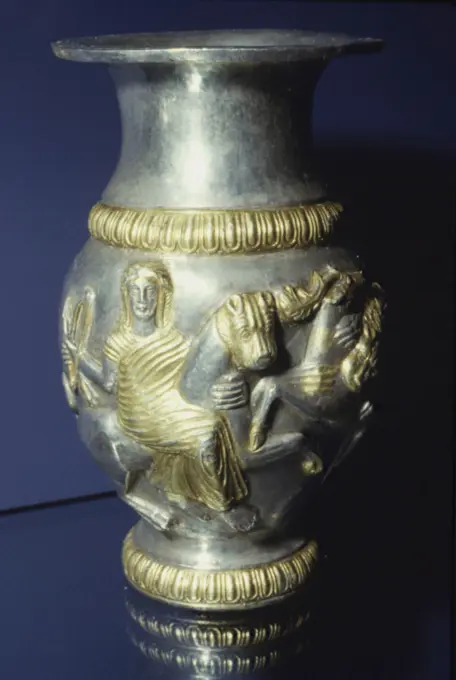
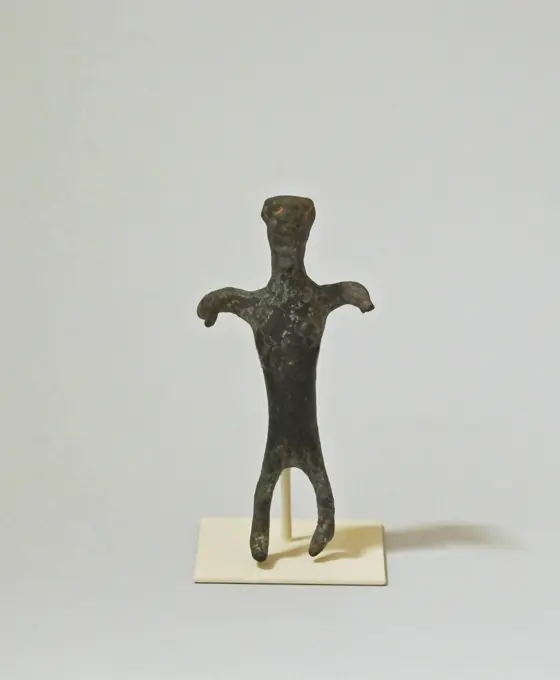
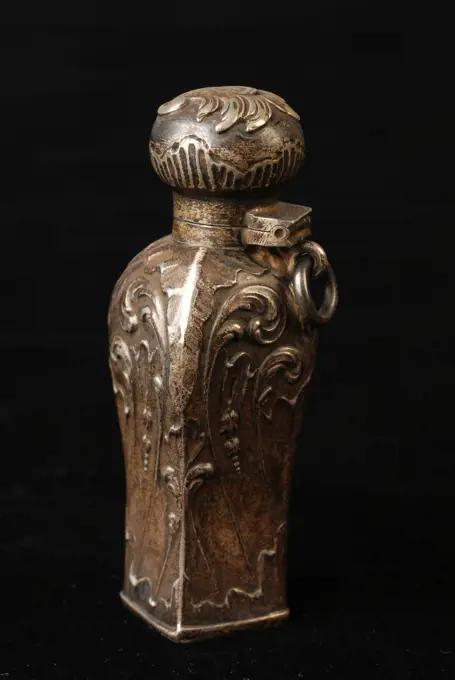
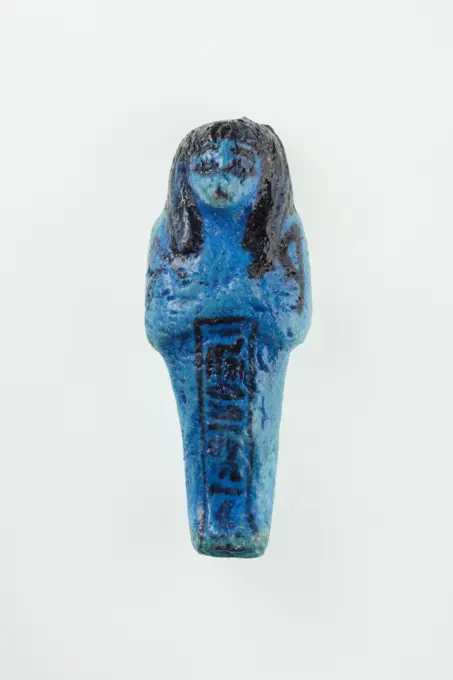
Intricate amulets and figurines from ancient Egypt, showcasing historical craftsmanship. These artifacts reflect cultural significance and are a glimpse into past traditions.
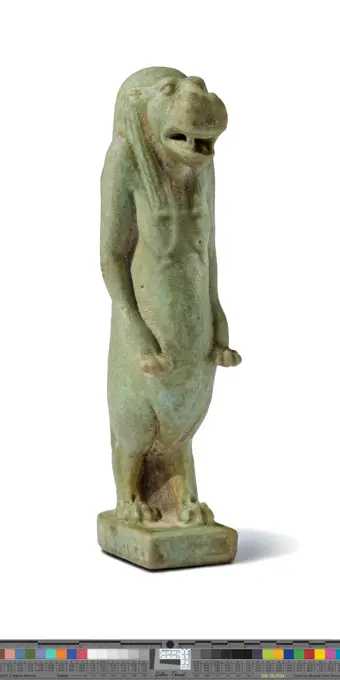
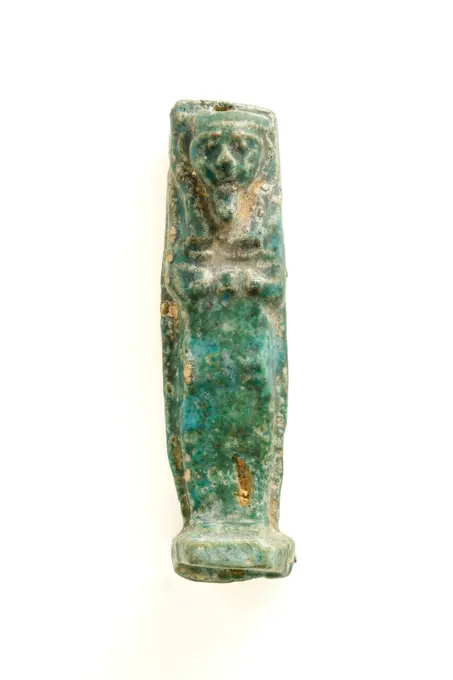
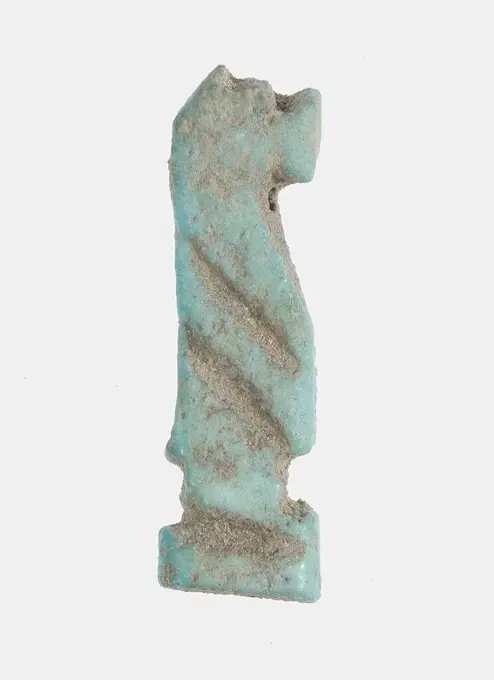
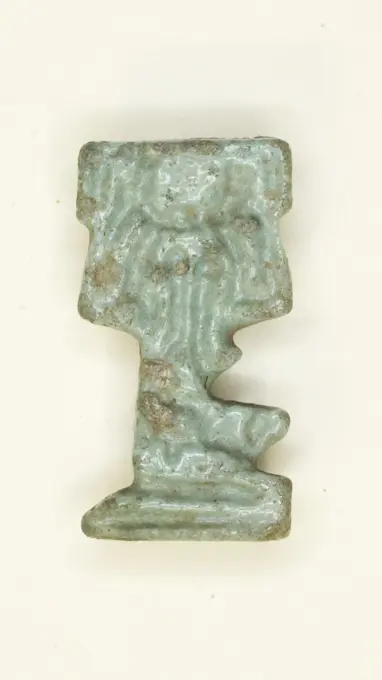
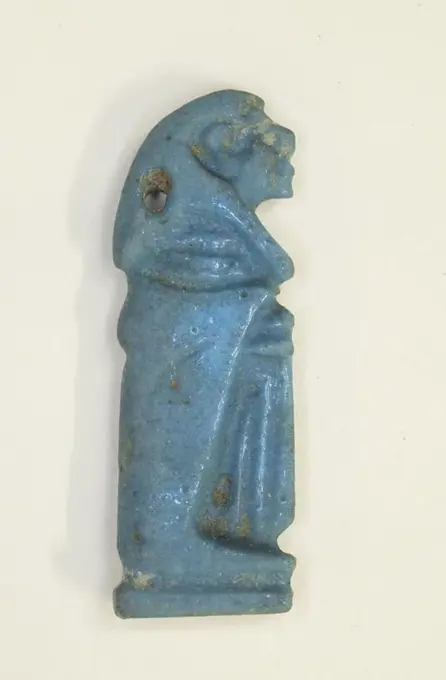
Taweret Amulet. Egypt, Late Period-Ptolemaic Period, 664-30 BCE. Jewelry and Adornments; amulets. Faience
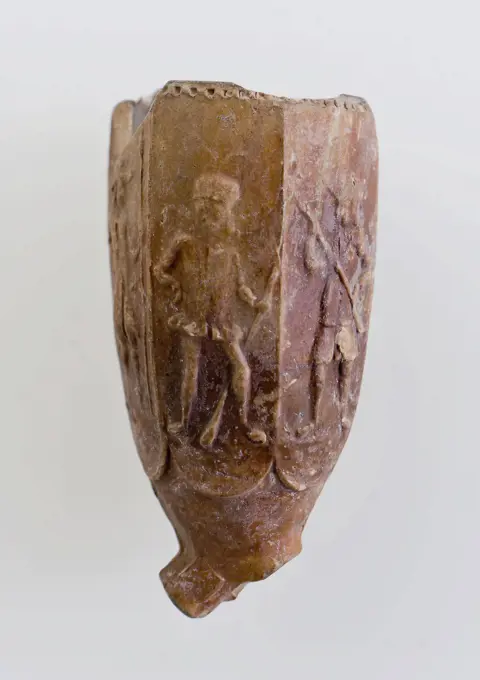
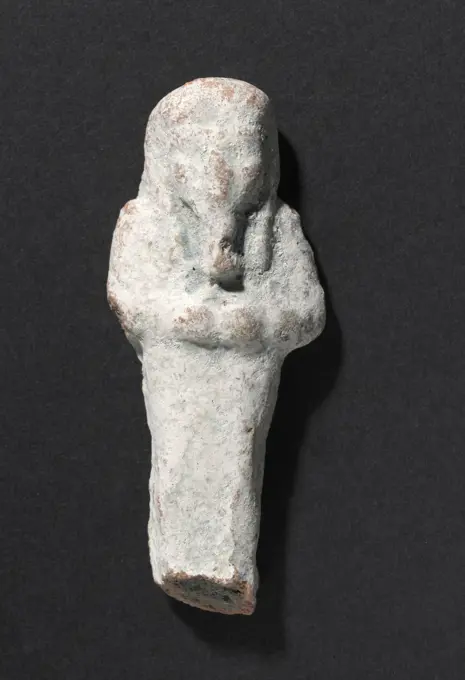
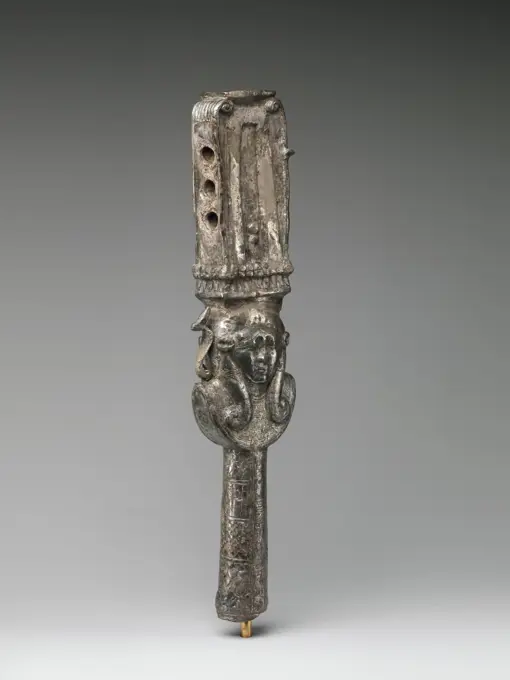
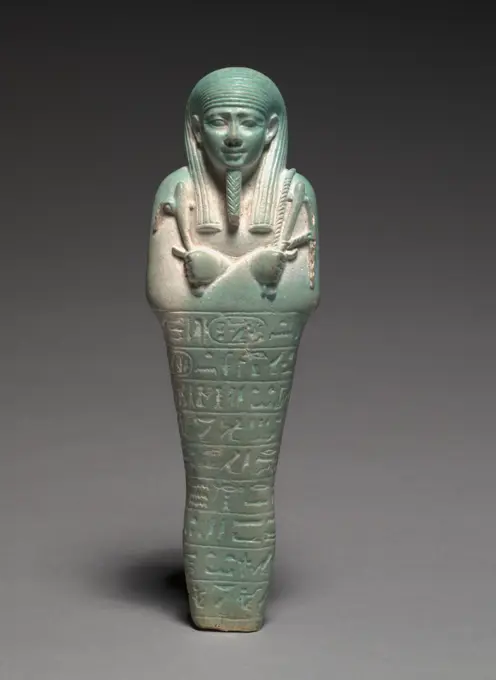
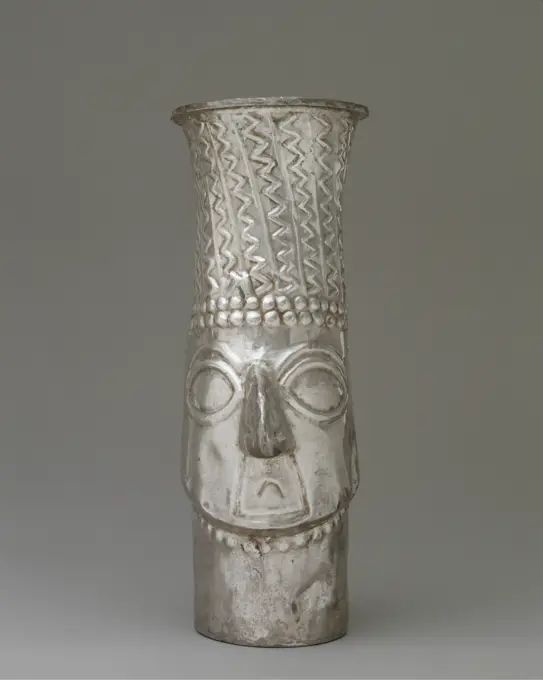
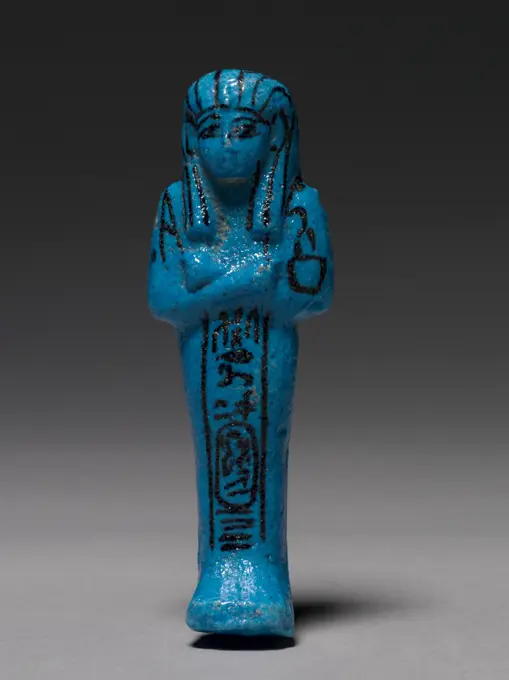
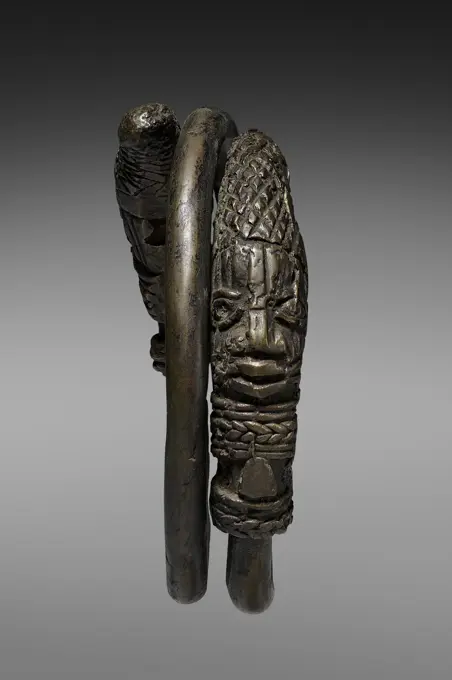
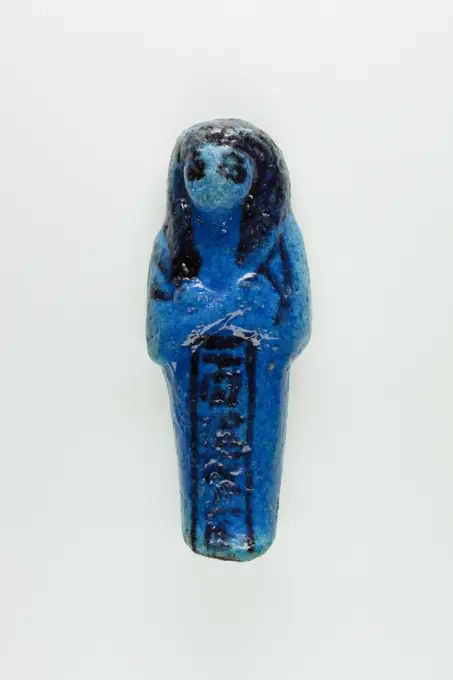
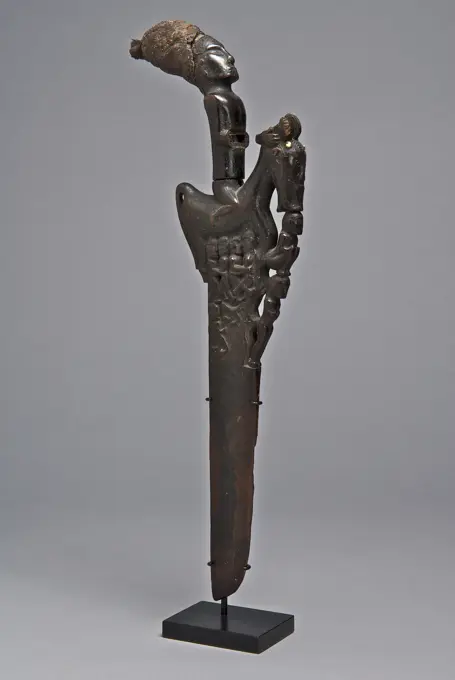
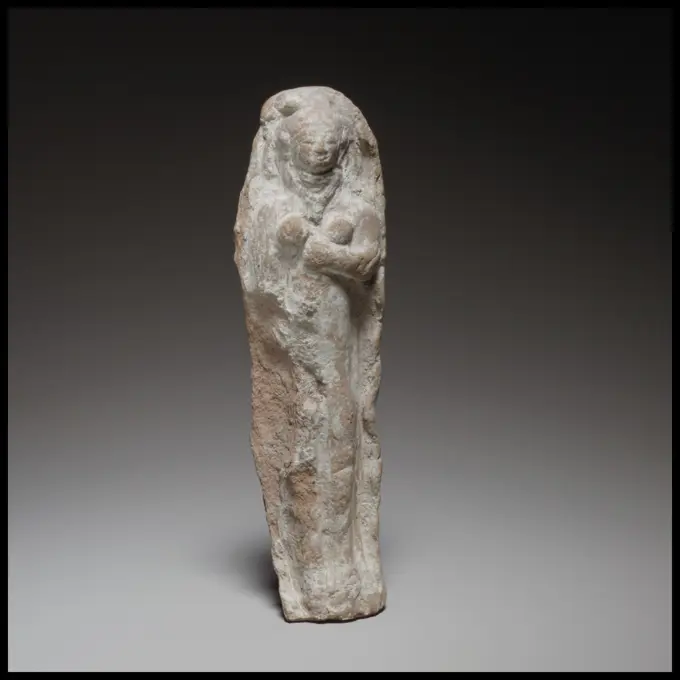
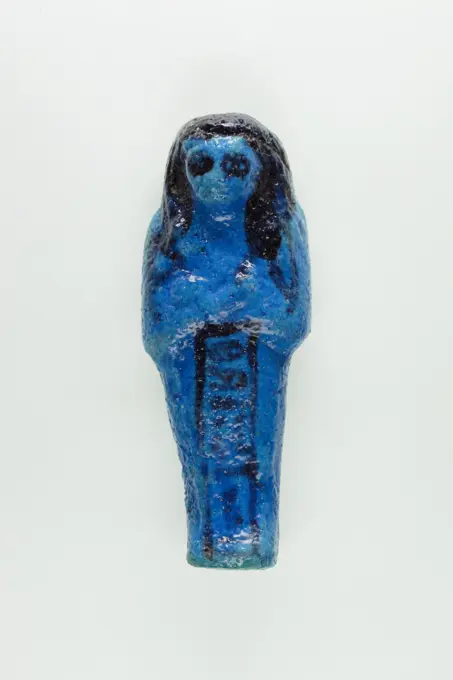
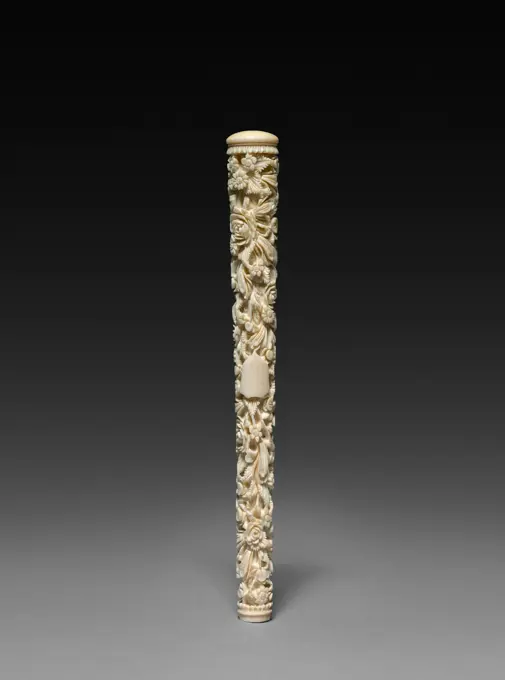
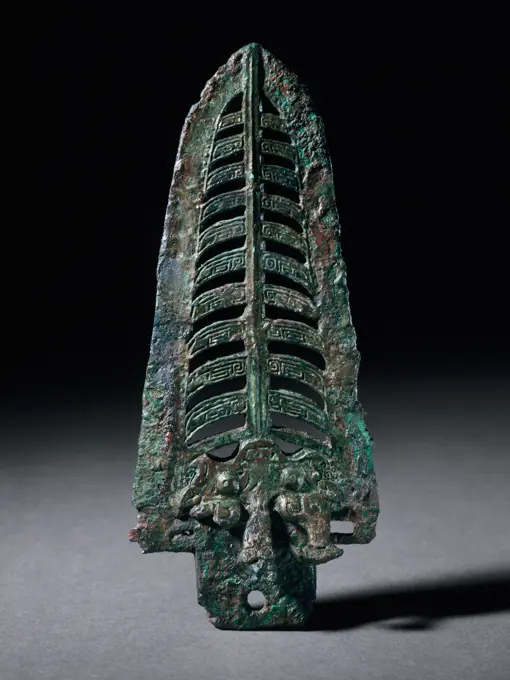
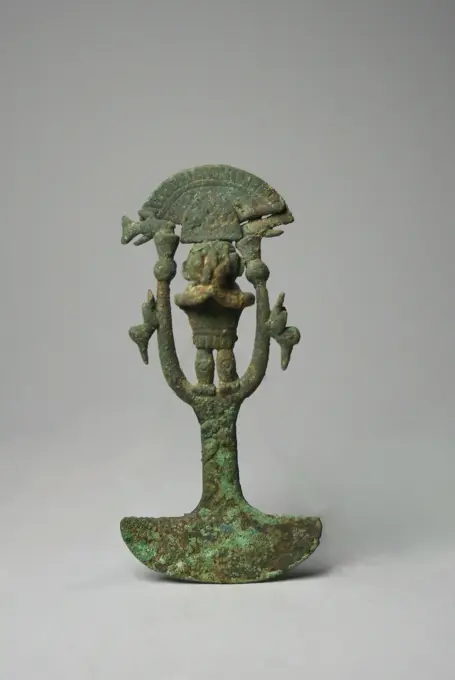
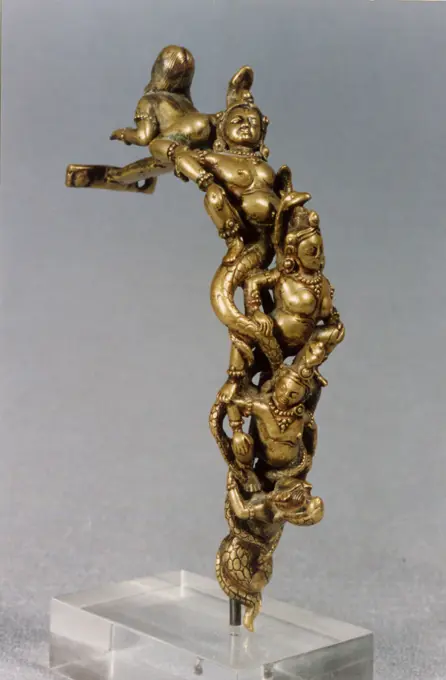
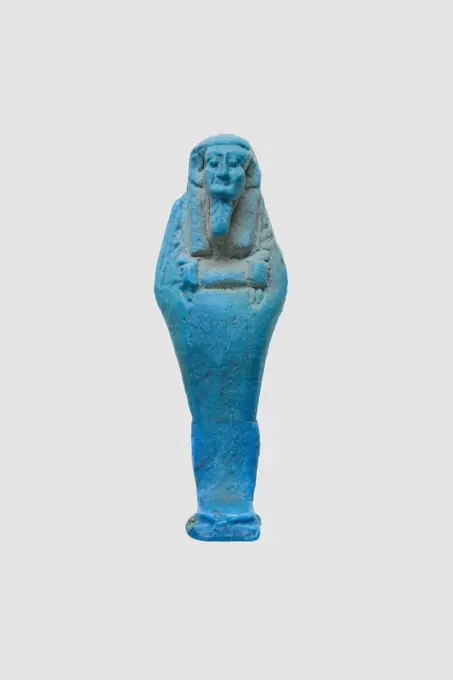
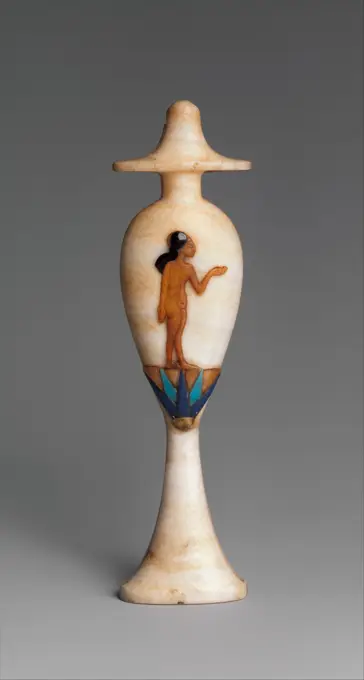
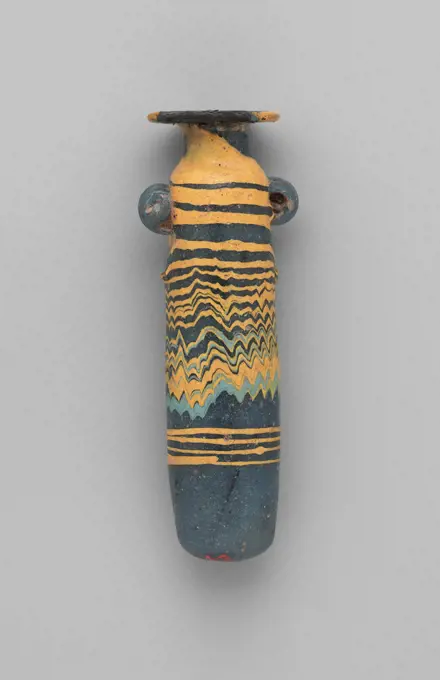
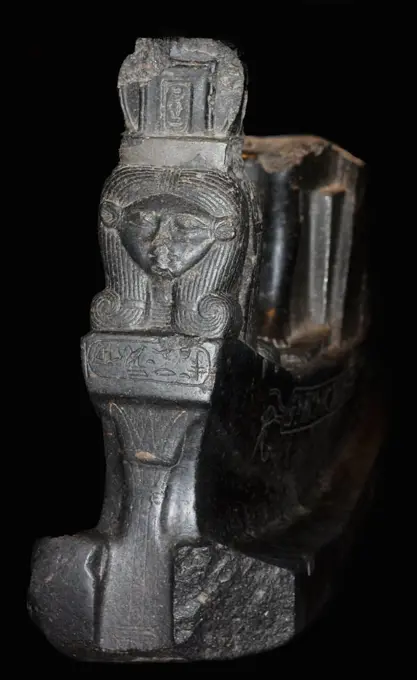
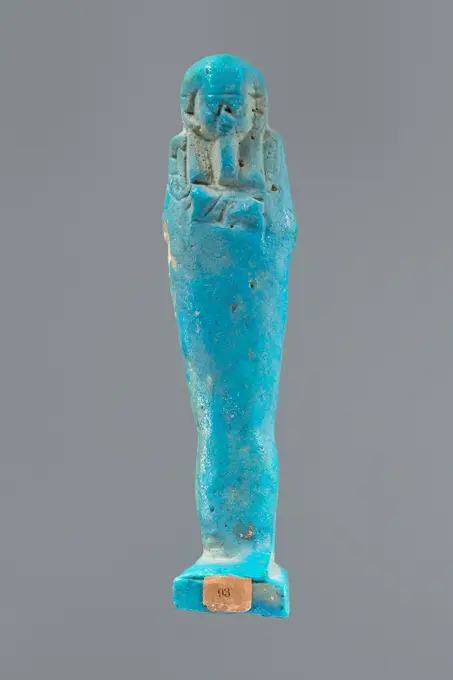
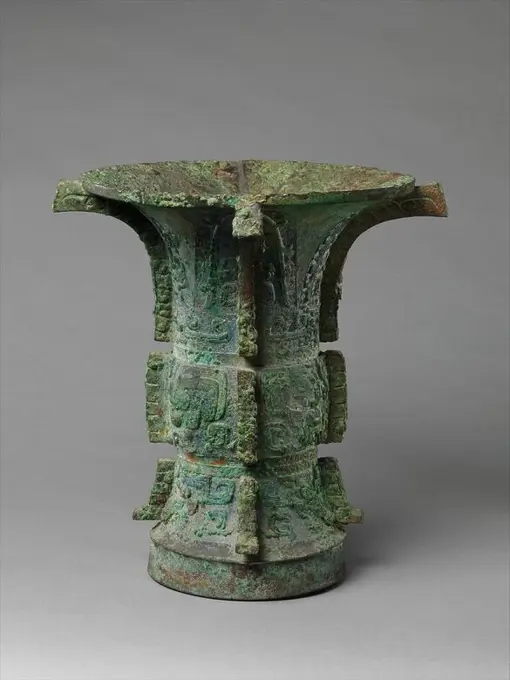
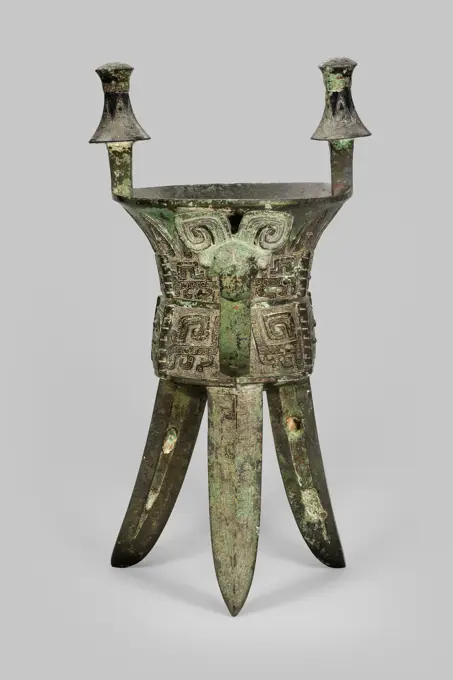
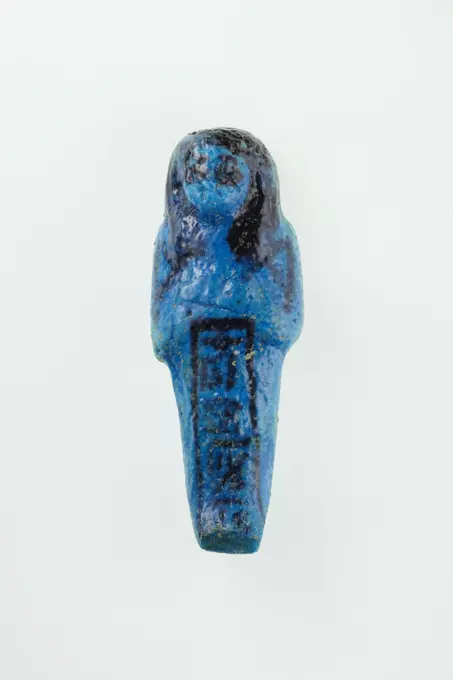
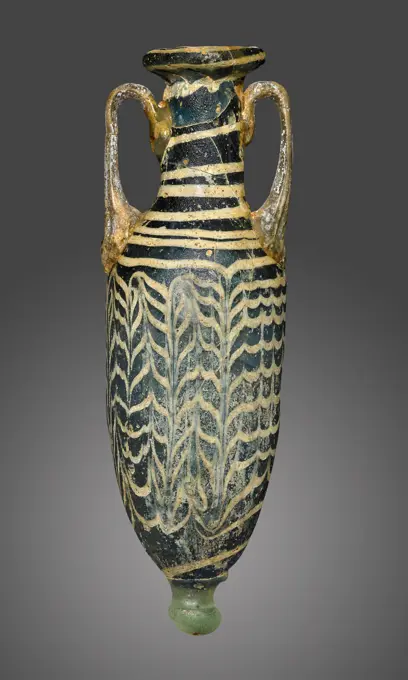
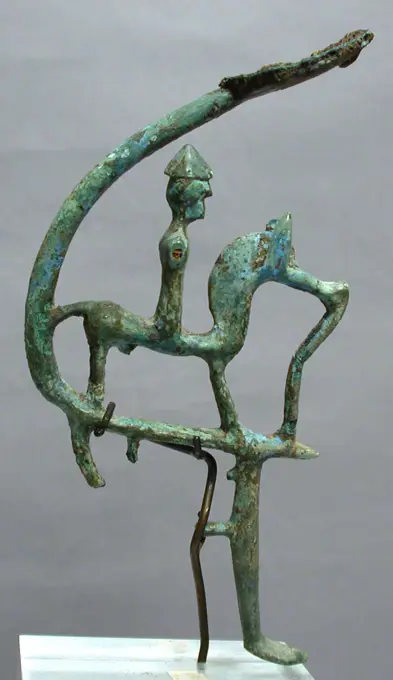
Son of Horus amulet Third Intermediate Period-Late Period ca. 1070-525 B.C. View more. Son of Horus amulet. ca. 1070-525 B.C.. Faience. Third Intermediate Period-Late Period. From Egypt, Upper Egypt, Thebes, Deir el-Bahri, Tomb MMA 602, MMA excavations, 1918-19. Dynasty 21-26Worker Shabti of Henettawy (C), Daughter of Isetemkheb ca. 990-970 B.C. Third Intermediate Period See 25.3.19.. Worker Shabti of Henettawy (C), Daughter of Isetemkheb 591104Shawabty of Ditamenpaankh, 715-656 BC. Egypt, Late Period, Dynasty 25. Terracotta; overall: 6.7 x 2.4 x 1.8 cm (2 5/8 x 15/16 x 11/16 in.).Shawabty of Ditamenpaankh, 715-656 BC. Egypt, Late Period, Dynasty 25. Terracotta; overall: 5.1 x 1.9 x 1.3 cm (2 x 3/4 x 1/2 in.).Boat;  664-332 BC ; Half period (-664-00-00--332-00-00);Taweret Amulet. Egypt, Late Period-Ptolemaic Period, 664-30 BCE. Jewelry and Adornments; amulets. FaienceShawabty of Ditamenpaankh, 715-656 BC. Egypt, Late Period, Dynasty 25. Terracotta; overall: 6.4 x 2.5 x 1.6 cm (2 1/2 x 1 x 5/8 in.). High demand for shawabtys in the Late Period, a time when as many as 400 or more shawabtys were placed in the tomb with the deceased, gave rise to a specialized container for storing them: the shawabty box. This example is inscribed for the lady of the house, Ditamenpaankh, and was probably one of a pair originally made for her. The single-masted boat on the box's lid is perhaps an allusion to the pilgrimage of the deceased to the holy city of Abydos, the cult city of Osiris, king of the dead. The shawabtys inside are crude, mass-produced examples cast in an open mold. Made of terracotta, their blue paint imitates more costly shawabtys made of faience. As for the shawabty spell, it has been removed from its traditional location on the shawabty's front and relocated onto the sides of box, where it needed only to be written once, thus expediting productioAmulet of the God Shu 1550 BCE-332 BCE Egypt. Faience . Ancient EgyptianKohl Tube. Western Iran, about 800-330 B.C.. Tools and Equipment. BronzeWhip Handle in the Form of a Horse 525-380 B.C. Late Period. Whip Handle in the Form of a Horse 550962Appliqué for a funeral couch. UnknownShawabty of Ditamenpaankh, 715-656 BC. Egypt, Late Period, Dynasty 25. Terracotta; overall: 6.7 x 2.5 x 1.7 cm (2 5/8 x 1 x 11/16 in.).Kohl Tube. Western Iran, Iron Age III - Achaemenid Period (about 800-330 B.C.). Tools and Equipment; containers. BronzeShawabty of Ditamenpaankh, c. 715-656 BC. Egypt, Late Period, Dynasty 25. Terracotta; overall: 6.7 x 2.6 x 1.7 cm (2 5/8 x 1 x 11/16 in.). High demand for shawabtys in the Late Period, a time when as many as 400 or more shawabtys were placed in the tomb with the deceased, gave rise to a specialized container for storing them: the shawabty box. This example is inscribed for the lady of the house, Ditamenpaankh, and was probably one of a pair originally made for her. The single-masted boat on the box's lid is perhaps an allusion to the pilgrimage of the deceased to the holy city of Abydos, the cult city of Osiris, king of the dead. The shawabtys inside are crude, mass-produced examples cast in an open mold. Made of terracotta, their blue paint imitates more costly shawabtys made of faience. As for the shawabty spell, it has been removed from its traditional location on the shawabty's front and relocated onto the sides of box, where it needed only to be written once, thus expediting prodBoudewijn Claris of Jacob Claris, Clay pipe, marked, with soldiers embossed on the boiler, clay pipe smoking equipment smoking floor found ceramic earthenware h 4,5, pressed finished baked Clay pipe marked with soldiers in relief on boiler. Decoration consists of six surfaces with warrior in armor as representation. Side of the heel carries the city arm of Gouda. Heel mark. heel mark: mermaid with object in right hand archeology heraldry indigenous pottery smoking tobacco militariaStatuette of a Camel Rider. UnknownVase ". Terracotta with white slip painted in brown. Paris, Cernuschi museum. Chinese art, Chinese ceramic, terracotta, vaseTaweret Amulet. Dimensions: H. 2.7 cm (1 1/16 in.); W. 0.8 cm (5/16 in.); D. 0.5 cm (5 3/16 in.). Dynasty: Dynasty 13-18, early. Date: ca. 1802-1450 B.C.. Museum: Metropolitan Museum of Art, New York, USA.Mace heads in the form of triple bulls' heads late 2nd-early 1st millennium B.C. Iran. Mace heads in the form of triple bulls' heads 325703Finial, 13th-12th century BCE, Carved animal bone, China, 13th-12th century BCE, The two tiger amulets, bird hairpin and finial decorated with a composite serpent human motif although exceptionally rare, are products of a major Shang dynasty industry: bone carving. The stylized animals and conventional motifs found on bronze vessels are also encountered in carved bone suggesting similar emblematic purposes. All of these items were likely personal adornments rather than ceremonial objects.Faience amulet of Mut with double crown 304-30 B.C. Egyptian, Ptolemaic Amulet, Isis.. Faience amulet of Mut with double crown 243747Beard for a statue Late Period-Ptolemaic Period ca. 712-30 B.C. View more. Beard for a statue. ca. 712-30 B.C.. Copper alloy, inlay. Late Period-Ptolemaic Period. From Egypt, Western Desert; Kharga OasisCoffin and Corn Mummy with Osiris mask Late Period-Ptolemaic Period 664-30 B.C. These falcon-headed coffins do not contain actual mummies but symbolic Osiris mummies stuffed with grain and sand. The falcon head on the coffins and the hieroglyphic text on the painted lid indicate they are associated with the funerary deity Ptah-Sokar-Osiris.Such coffins and 'mummies' were prepared and buried in annual rites at certain centers as part of the mysteries of Osiris. Subsequent germination of the grain would symbolize the possibility of new life offered by Osiris.Both this example and acc. no. 58.98a-d belong to a typological group, although this group cannot at this time be associated with any particular site.Dagger, 1900s. Central Africa, Democratic Republic of the Congo, Mangbetu, 20th century. Iron and elephant ivory; knife including handle: 19.5 cm (7 11/16 in.).Shawabty of Ditamenpaankh, 715-656 BC. Egypt, Late Period, Dynasty 25. Terracotta; overall: 6.4 x 2.6 x 1.2 cm (2 1/2 x 1 x 1/2 in.). High demand for shawabtys in the Late Period, a time when as many as 400 or more shawabtys were placed in the tomb with the deceased, gave rise to a specialized container for storing them: the shawabty box. This example is inscribed for the lady of the house, Ditamenpaankh, and was probably one of a pair originally made for her. The single-masted boat on the box's lid is perhaps an allusion to the pilgrimage of the deceased to the holy city of Abydos, the cult city of Osiris, king of the dead. The shawabtys inside are crude, mass-produced examples cast in an open mold. Made of terracotta, their blue paint imitates more costly shawabtys made of faience. As for the shawabty spell, it has been removed from its traditional location on the shawabty's front and relocated onto the sides of box, where it needed only to be written once, thus expediting productioAlabastron. UnknownBronze and iron knife late 12th century B.C. Cypriot. Bronze and iron knife 244235Sistrum with a dedication referring to a king 332-30 B.C. Ptolemaic Period The sistrum was a a sort of rattle, its rustling sound associated in particular with great female goddesses, for instance Tefnut, Hathor, Isis, or Bastet.Like all Egyptian sistra, this one has the emblem of Hathor/Bat, the frontal head of a female with cow ears, at the juncture of the upper part and the handle. Above the goddess's head, a naos or shrine forms the sound-box. The naos in this instance is not openwork, so that disks could not be strung between the sides of the naos as they usually were. Three holes are provided on each side for the crossbars, however, so possibly the movement of the crossbars within the soundbox created a desirable sound. Beneath the Hathor emblem are columns of inscription on either side of the handle. Although very difficult to deipher owning to pits and cracks, the insciption includes reference to shaking the sistrum for a goddess - possibly Hathor is named. The inscriptions incGaia- Thracian jug, 4th cent. BC. BULGARIA-THRACE.Owl still bank, c. 1800, 11 7/16 x 2 1/4 x 3 1/16 in. (29.05 x 5.72 x 7.78 cm), Wood, pigment, United States, 18th-19th centuryBronze statuette of a woman ca. 1050-900 B.C. Cretan Statuette of a woman with arms outstretched.. Bronze statuette of a woman. Cretan. ca. 1050-900 B.C.. Bronze. Iron Age. BronzesSilver perfume bottle, square model with s-line, rococo ornaments in relief, hanging eye on neck and glass interior, perfume bottle bottle holder cosmetics silver glass, woman grooming rococoWorker Shabti of Nany ca. 1050 B.C. Third Intermediate Period See 30.3.27.1a, b. Worker Shabti of Nany. ca. 1050 B.C.. Faience. Third Intermediate Period. From Egypt, Upper Egypt, Thebes, Deir el-Bahri, Tomb of Meritamun (TT 358, MMA 65), first corridor, burial of Nany, MMA excavations, 1928-29. Dynasty 21Shaft - hole Axehead. Iran, Luristan, circa 2000-1800 B.C.. Arms and Armor; axes. Bronze, castColumns drum with relief decoration (BES, musician and goose);  1st half 1st century BC 1st century (100-00-00-100-00-00);Statuette representing Isis and Horus from a Greek necropolis, Saite period, bronzeShawabty of Ditamenpaankh, 715-656 BC. Egypt, Late Period, Dynasty 25. Terracotta; overall: 6.1 x 1.7 x 1.5 cm (2 3/8 x 11/16 x 9/16 in.).Worker Shabti of Nany ca. 1050 B.C. Third Intermediate Period See 30.3.26.1a, b. Worker Shabti of Nany 625708Spoon Pendant. Western Inner Mongolia, 5th-3rd century B.C.. Jewelry and Adornments; pendants. Bronze, castAmulet of the God Shu 664 BCE-332 BCE Egypt. Faience . Ancient EgyptianSpearhead ca. 1600-1050 B.C. Cypriot. Spearhead 244185Carved BoneDollLamella Case Fragment. UnknownShawabty of Nectanebo II, 360-342 BC. Egypt, Late Period, Dynasty 30, reign of Nectanebo II. Pale turquoise faience; overall: 19 x 6.1 x 3.8 cm (7 1/2 x 2 3/8 x 1 1/2 in.).Male Head. UnknownAncient China: Muscial bell (Yong zhong), Eastern Zhou Dynasty (late Spring and Autumn period) 770 - 475 BC. Bronze.Glass alabastron (perfume bottle). Culture: Eastern Mediterranean or Italian. Dimensions: H.: 7 11/16 in. (19.5 cm). Date: mid-4th-early 3rd century B.C..Translucent cobalt blue, with handles in same color; trails in opaque yellow and opaque white.Broad horizontal rim-disk, with radiating tooling marks on underside; cylindrical neck, tapering downwards; narrow uneven shoulder; straight-sided cylindrical body, with slight upward taper; uneven convex bottom, with irregular tooling indents; below shoulder, two vertical ring handles, pierced horizontally, applied over trail pattern.A fine yellow trail attached at edge of rim-disk; a fine white trail begun below shoulder, wound spirally down to lower body, tooled into a festoon pattern with well-defined loops, some projecting around shoulder; a second yellow trail added over white near bottom of festoon pattern and continuing below as fine spiral, ending in large flattened blob.Intact; dulling, pitting, and creamy iridescent weathering.Female Head. UnknownStatuette of a man with vessel 3rd-1st century B.C. Etruscan The feet are joined by a small ledge below which is a tang for insertion in a base.. Statuette of a man with vessel 246406Face Beaker 14th-early 16th century Inca Beakers with human faces on one side made of precious metals were worked in Peru from about the ninth to the early sixteenth century. Those with pronounced noses, resembling bird beaks, are said to have been found in many parts along the Central and South Coasts. Because none were excavated by archaeologists, their cultural attribution is uncertain. In the literature they are variously called Chimú, Chincha, Ica, and Inca. The more naturalistic rendering of the facial features on Chimú beakers, particularly the eyes and noses, would argue against their attribution to that culture. The beakers were made in different sizes, from two to sixteen inches in height. Some are straight-sided, while others have flared bases and stepped tops. Many were made from a single sheet of silver by hammering the metal over carved wood molds that are flat in back and held in place by a wedge during hammering; others have soldered seams along the back and bottom. AltPeru, Pre-Inca civilization,Chimu culture, Black paste vase with figure of musicianPilgrim's Badge 14th-16th century French. Pilgrim's Badge. French. 14th-16th century. Lead. Metalwork-LeadFOREIGN OLDShawabty of Pinudjem I, High Priest of Amen and King, c. 990-969 BC. Egypt, Thebes, Third Intermediate Period, early Dynasty 21. Bright blue faience with purple details; overall: 11 x 3.6 x 2.5 cm (4 5/16 x 1 7/16 x 1 in.).Amulet of the God Imsety (one of the four Sons of Horus). Egyptian. Date: 1070 BC-656 BC. Dimensions: 3.5 × 1.3 × 0.5 cm (1 3/8 × 1/2 × 3/16 in.). Faience. Origin: Egypt. Museum: The Chicago Art Institute, Chicago, USA. Author: Ancient Egyptian.Pyxis fragment ca. 9th century B.C. Iran. Pyxis fragment 325758Hand Coil, 1800s. Nigeria, Benin Kingdom, Ẹdo peoples, members of the Igun Eronmwon (royal brasscasters) guild. Copper alloy; diameter: 11.5 cm (4 1/2 in.). While this looks like a bracelet, it wasnt worn around a wrist. A chief or titleholder grasped this “hand coil” vertically during the annual Igu? festival, during which such men reaffirm their relationship to the ?ba, whose mystical powers are strengthened. An image of a mans head caps each end of the thick, twisted metal. Repeated human touch rubbed the undecorated lengths bright and shiny. Though small, the coils detail is enormous: to capture it, the artist incised the designs in wax during the casting process. They show these men are elites, with necklaces, caps, and whisker-like facial markings.Peg for a Patten-type Shoe, c 1800s. Africa, Central Africa, Democratic Republic of the Congo, Kuba or Bushongo, 19th century. Wood and glass beads; overall: 12.5 x 4.5 cm (4 15/16 x 1 3/4 in.).Worker Shabti of Nany ca. 1050 B.C. Third Intermediate Period See 30.3.26.1a, b. Worker Shabti of Nany 625728The Goddess Taweret with a Feline Head. Dimensions: H. 6.4 cm (2 1/2 in); w. 2 cm (13/16 in); d. 2.3 cm (7/8 in). Dynasty: Dynasty 26-30. Date: 664-332 B.C..In this depiction of Taweret, the goddess is shown with a feline head and on top of her head seems to be a small animal. As usual her massive hippopotamus torso includes the pendulous breasts of a woman, while the tail of a crocodile is on her back. Her human arms end in the paws of a lion and she stands upright on the legs of a lion. This hybrid creature combines the elements of dangerous and fertile creatures, perfect for a goddess that was meant to protect women and their children. In front of her legs is the sa-symbol, a protective loop that was also used as a hieroglyph to write the word for "protection" and for "amulet." The object here is a very small figurine that might have been used as a protective amulet, but it is also possible that it was a personal object of adoration or a gift to Taweret expressing the hope for her Ceremonial Knife (Tumi) 2nd-7th century Moche. Ceremonial Knife (Tumi) 315353Priests Knife (Piso Ni Datu)Standing female figurine ca. 600-480 B.C. Cypriot This possibly nude figurine is mold-made and solid, with a smooth back and convex feet. She stands in relief against a background, which is curved at the top.. Standing female figurine 241127Worker Shabti of Nany ca. 1050 B.C. Third Intermediate Period See 30.3.26.1a, b. Worker Shabti of Nany 625745Buckle China. Buckle 61277Carved Handle for Parasol, early 1900s. Japan, Meiji period (1868-1912). Ivory; overall: 18.2 cm (7 3/16 in.).Goldsmithery, Dagger with golden handle, from tomb V at Mycenae, GreeceDagger Axe (Kui) with Masks, Cicadas, and Bird. China, Late Shang dynasty, late Anyang phase, or early Western Zhou dynasty, about 1100-950 B.C.. Arms and Armor; axes. Cast bronzeVase China. Vase. China. Nephrite. Qing dynasty (1644-1911), Qianlong period (1736-95). JadeCeremonial Knife (Tumi) 12th-15th century Chimú. Ceremonial Knife (Tumi) 315241Jar (hu). China. Date: 927 BC-850 BC. Dimensions: 48.5 × 30 × 24.5 cm (19 1/4 × 11 3/4 × 9 5/8 in.). Bronze. Origin: China. Museum: The Chicago Art Institute, Chicago, USA.Handle with Intertwined Figures 13th century Nepal (Kathmandu Valley) This elaborate openwork handle for a ritual vessel is composed of a five intertwined nagas, snake deities charged with the protection of the earths waters and its riches. The nagas appear with human torsos, snake hoods, jewels, crowns, and extended snakes bodies. As this handle likely formed part of vessel for ritual lustration, naga imagery would be highly propitious.. Handle with Intertwined Figures 39389AlabastronUninscribed shabti from tomb of Nespekashuty 664-610 B.C. Late Period, Saite These shabtis were part of a group of 377 found at the bottom of the sloping passageway to the burial chamber in the tomb of Nespekashuty. The shabtis were closely grouped as if they came from one or two boxes that had disappeared, almost certainly in the fire that left a number of the shabtis melted together and damaged the walls of the tomb in the excavator's opinion.Other shabtis were found elsewhere in the much reused tomb and the forecourt debris, also with no inscription or names, but their size and appearance differed.. Uninscribed shabti from tomb of Nespekashuty. 664-610 B.C.. Faience. Late Period, Saite. From Egypt, Upper Egypt, Thebes, Deir el-Bahri, Tomb of Nespekashuty (TT 312, MMA 509), MMA excavations, 1922-26. Dynasty 26Perfume bottle in the shape of a hes-vase inlaid with the figure of a princess ca. 1353-1336 B.C. New Kingdom, Amarna Period The shape of this perfume bottle imitates that of a ritual vessel used for water libations. Inlaid on its side is a marvel of lapidary skill-a little Amarna princess standing on a blossom of the blue lotus, a species that opens anew each morning with the rising sun. For an Egyptian, the child and the flower would have been a powerful image of rebirth and rejuvenation.. Perfume bottle in the shape of a hes-vase inlaid with the figure of a princess. ca. 1353-1336 B.C.. Travertine (Egyptian alabaster), carnelian, obsidian,gold, and colored glass inlay. New Kingdom, Amarna Period. From Egypt; Possibly from Upper Egypt, Thebes. Dynasty 18Belt Hook (Probably from the same belt as 81.AC.184.142). UnknownAlabastron, 6th-4th century B.C., Core-formed glass, medium bluish green, 4 1/16 in. (10.3cm), Eastern Mediterranean orEgyptian, LatePeriod, Containers -GlassAttachment. UnknownStamp Roller 9th-15th century Manteño. Stamp Roller 317710Sacred boat of Queen Mutemwia. 18th Dynasty, about 1400 BC, from Thebes, Temple of Karnak. This sculpture of a ceremonial boat carried a statue of Queen Mutemwia. Mutemwia means 'the Goddess Mut in the (sacred) boat. The back of the statue is carved with vulture wings. Mut is shown as a vulture.Boat;  332-30 BC ; Half-period period-Ptolemean period (-332-00-00--30-00-00);Ritual Wine Container (Zun). Culture: China. Dimensions: H. 13 3/4in. (34.9 cm); Diam. of rim: 11 1/8 in. (28.3 cm); Diam. of foot: 6 7/8 in. (17.5 cm); Wt. 16 lb. (7.3 kg). Date: late 11th century B.C..This elaborate set of wine vessels provides an idea of the splendor of Shang and early Zhou ritual ceremonies. The set is said to have come from a tomb uncovered in 1901; shortly thereafter, it entered the collection of Duan Fang, a senior Manchu official and one of the preeminent antiquarians of the late Qing period. The pieces vary in style and execution. Although eleven of the vessels are inscribed, only one grouping shares identical inscriptions: the two wine containers, or you (nos. 2, 3) and the tall wine container, or zun (no. 4). A second grouping has largely comparable inscriptions: the spouted water vessel, or he (no. 5) and one cup, or zhi (no. 11).A partial reconstruction of the set's arrangement in the tomb may be established from corrosion outlines on the three principaCast pendant bead. UnknownGoblet (jia) Made 1200 BCE-1046 BCE China. Monumental scale and the precise casting of animal imagery distinguish this vessel as a commission of late Shang royalty. Two tiers of monster masks encircle the flared bowl. Elongated version of these masks, which may also be interpreted as paired serpents, descend the sharply tapered legs. A bovine head with sculpted horns crowns the strap handle. Pieces of the clay core, visible through holes in the legs, remain from the piece-mold casting process.. Bronze .Worker Shabti of Nauny ca. 1050 B.C. Third Intermediate Period See 30.3.27.1a, b. Worker Shabti of Nauny. ca. 1050 B.C.. Faience. Third Intermediate Period. From Egypt, Upper Egypt, Thebes, Deir el-Bahri, Tomb of Meritamun (TT 358, MMA 65), first corridor, burial of Nauny, MMA excavations, 1928-29. Dynasty 21Statuette of a Gladiator. UnknownKey Handle 1st-7th century Roman. Key Handle 462926Rhyton terminating in the forepart of a ram ca. 5th century B.C. Achaemenid This silver vessel is called a rhyton’ (from the Greek rheo, meaning flow through’) by scholars because it has a spout at the bottom. Like many rhyta, it consists of a horn-shaped beaker and a hollow sculptural element, in this case in the form of the foreparts of a kneeling ram or ibex. The ibex has curved horns, pointed ears, heavy brows, a narrow snout and a chin beard. Rows of spiral curls on its chest and back indicate hair or possibly fleece. The animal’s hindquarters are depicted in row relief on the beaker itself, with its hind legs running straight up the side. A feather is engraved on each of the ibex’s flanks, perhaps suggesting wings. The beaker is decorated with horizontal fluting. Below the outturned rim is a repeating pattern of engraved lotuses and palmettes, separated from the fluting by a guilloche border. The two parts of the rhyton are now joined by an acrylic ring and it is not certain thCosmetic Spoon. Egypt, Late Period, 712-332 B.C.. Tools and Equipment; palettes. FaienceSaint Agnès Acephalus (statuette). Rock. France, 1250-1350. Paris, Carnavalet museum. Acecepto, French art, stone, holy, medieval sculpture, statuette, medievalAmphoriskos. UnknownFoot from a Thymiaterion (Incense-Burner). UnknownGirdle ornament China. Girdle ornament 42988Buckle, 1900s. China, 20th century. Bronze; overall: 7.7 cm (3 1/16 in.).Eye of Horus Amulet, 945-715 BC. Egypt, Third Intermediate Period, Dynasties 22-25. Turquoise faience; overall: 2.2 x 0.5 cm (7/8 x 3/16 in.).Stone vessel, alabastron, vessel;  332-30 BC ; Ptolemean period (-332-00-00--30-00-00), 664-332 BC ; Half period (-664-00-00--332-00-00), 664-525 BC; Half period, 26 dynasty (0-00-00-0-00-00);Deposit of the University of Warsaw from 1937-1939, Królewiec, scenes.gal.eg., Stone vessels, oils for oils and ointments, ritual vessels, Polish-French excavations in Edfu (Egypt)Bronze leg of a cauldron with horseman ca. late 8th century B.C. Italic, Villanovan Originally part of a set of three, this solid cast bronze leg in the form of a horse and rider would have supported a large bowl or basin used in lavish Etruscan gatherings. These vessels are common at Vetulonia, in Etruria, where this leg was likely manufactured, and continue a long tradition of bronze working in this metal-rich region. As symbols of wealth and status, the vessels were frequently buried with their owners, and perhaps allude to the funerary banquet.. Bronze leg of a cauldron with horseman 330023Square Wine Container (Fangyou), c. 1250-1046 BC. China, Henan province, probably Anyang, late Shang dynasty (c.1600-c.1046 BC), Anyang phase (c.1250-1046 BC). Bronze; overall: 26.7 x 13.4 cm (10 1/2 x 5 1/4 in.).Dagger. Northern Iran, circa 1350-1000 B.C.. Arms and Armor; daggers. Bronze, castWorker Shabti of Nany. Dimensions: H. 9 × W. 3.3 × D. 2.3 cm (3 9/16 × 1 5/16 × 7/8 in.). Dynasty: Dynasty 21. Reign: reign of Psusennes I. Date: ca. 1050 B.C..See 30.3.28.1a, b. Museum: Metropolitan Museum of Art, New York, USA.