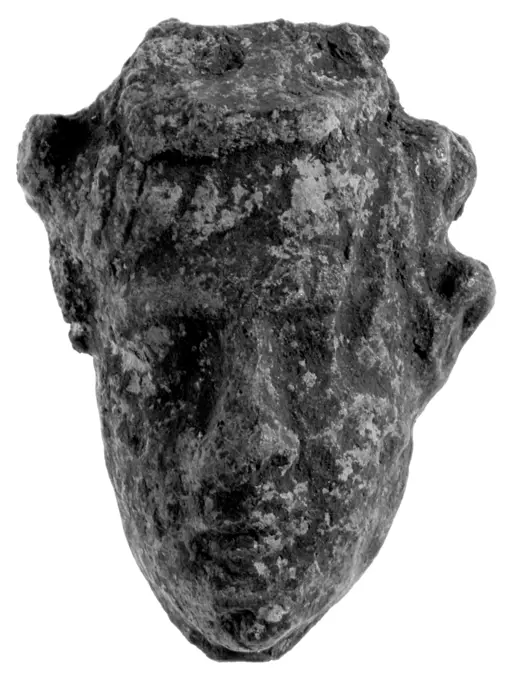
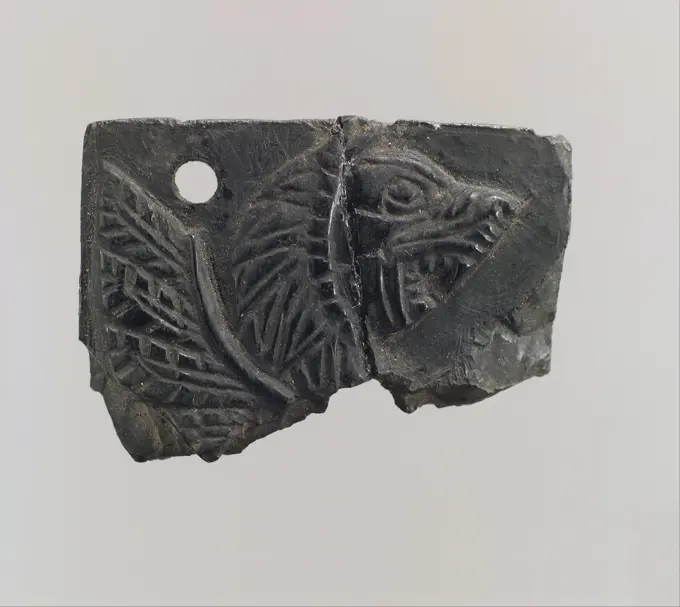
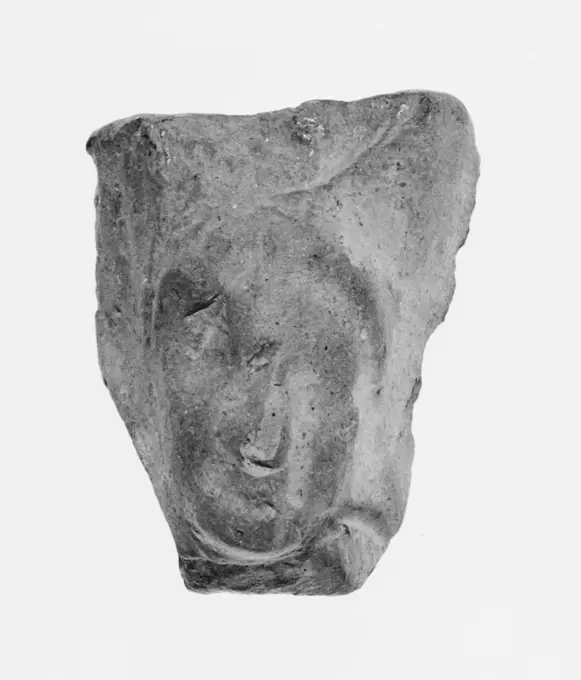
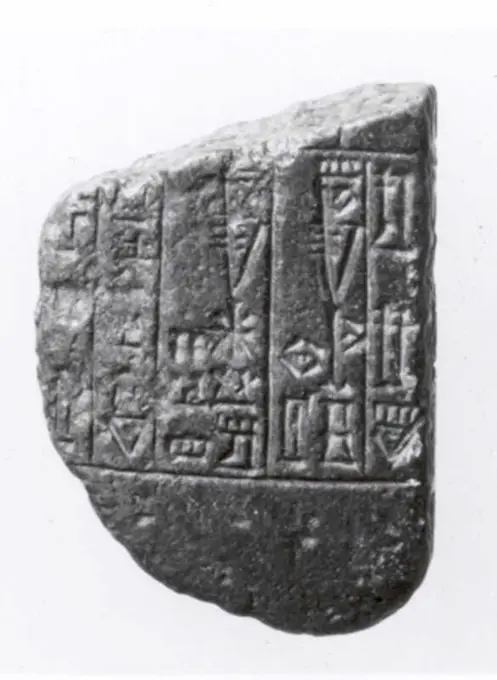
Ancient Egyptian Artifacts

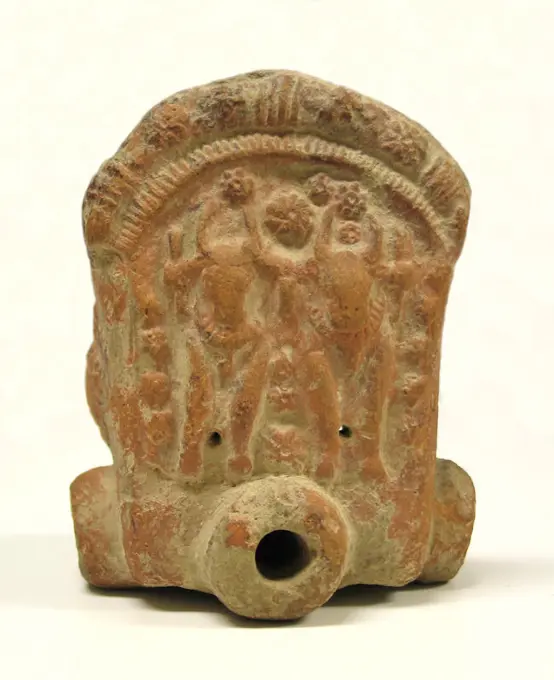
Historical seals and inscriptions from ancient Egypt, depicting archaeological significance and craftsmanship from various dynasties.
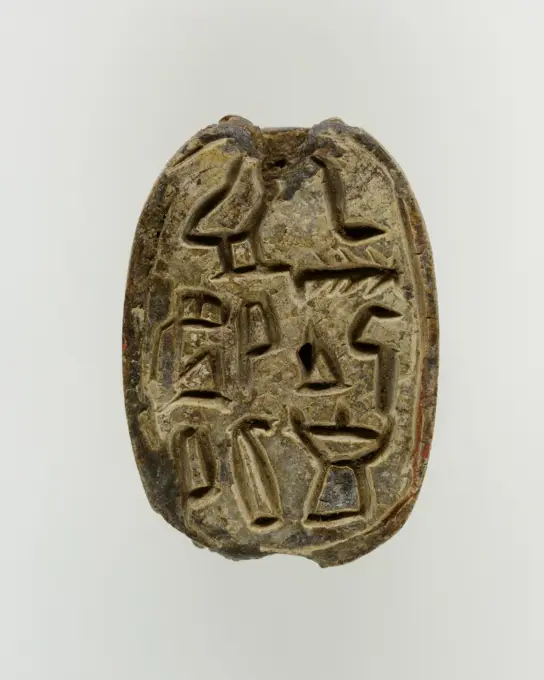
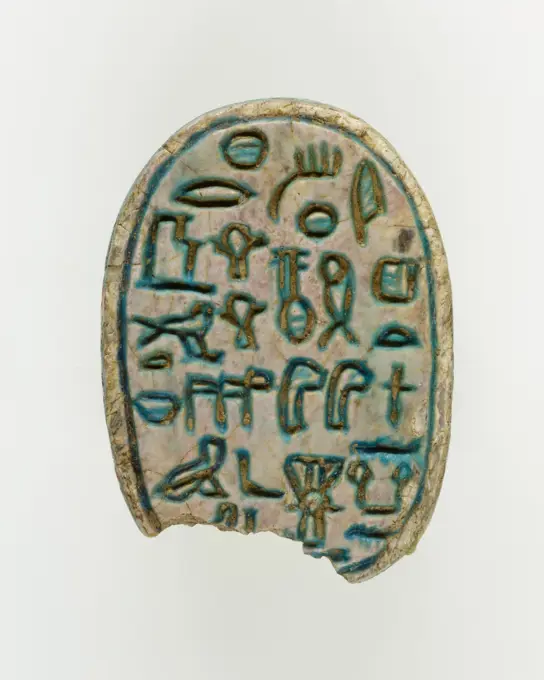
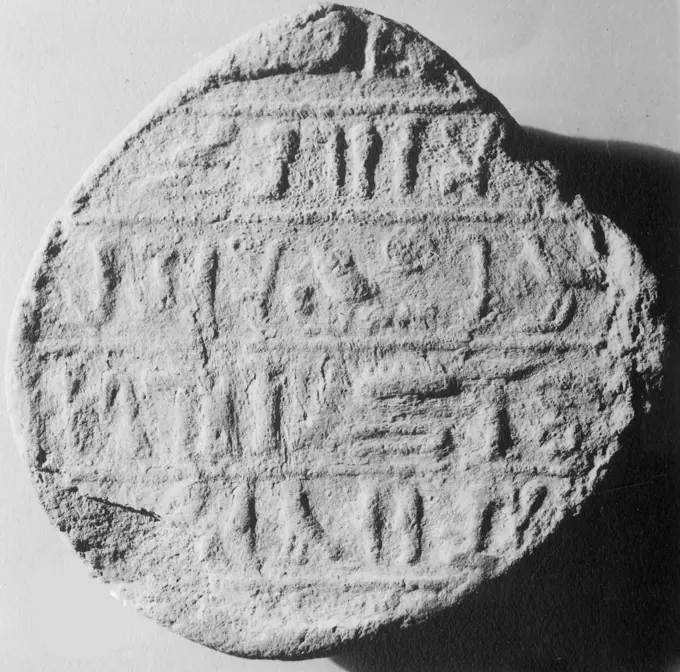
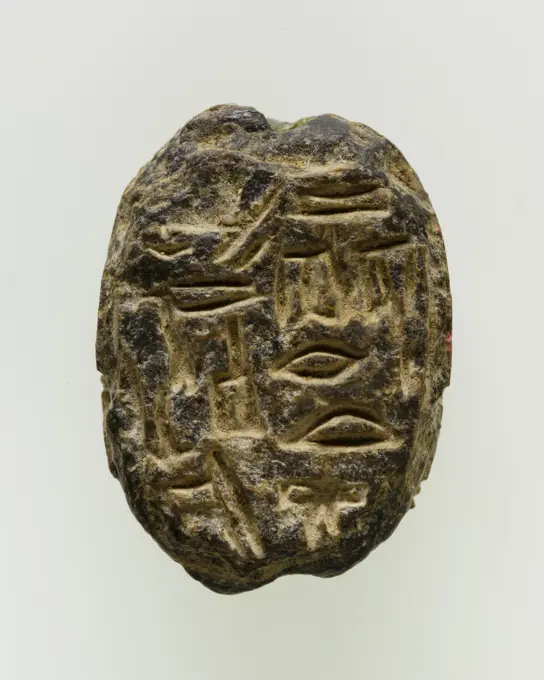
Scarab of an Official ca. 1760-1670 B.C. Middle Kingdom Administrative changes during Dynasty 12 lead to an increase in bureaucracy and, subsequently, in the production and use of seals. This is reflected in the beginning of the mass production of scarabs, the most popular shape for amulets, in late Dynasty 12 through Dynasty 13 (ca. 1850-1640 B.C.). Thousands of these late Middle Kingdom scarabs bear the names and titles of officials, who would wear them as amulets, but who could also use them to seal documents, containers or doors. However, the scarabs primary function remained that of a protective amulet. Several inscriptions add a funerary epithet to the owners name, indicating that the amulet was manufactured after the owner had passed away. This scarab belongs to Iti, an attendant of the pharaohs table, as the hieroglyphic inscription specifies.. Scarab of an Official 557040
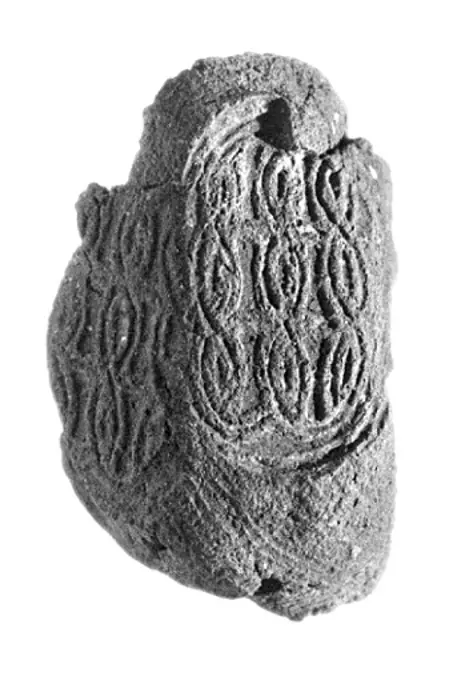
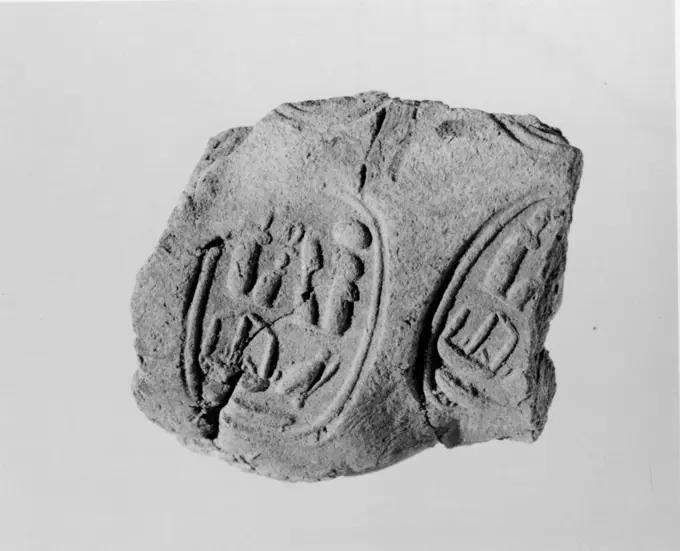
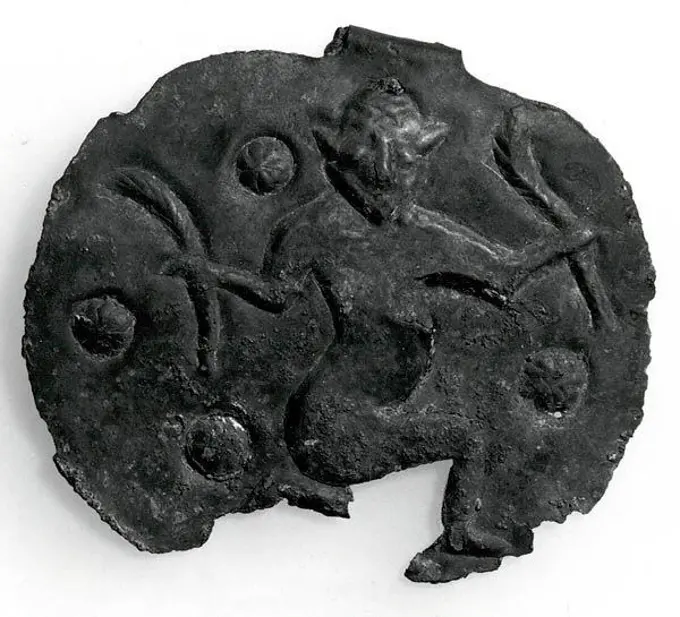
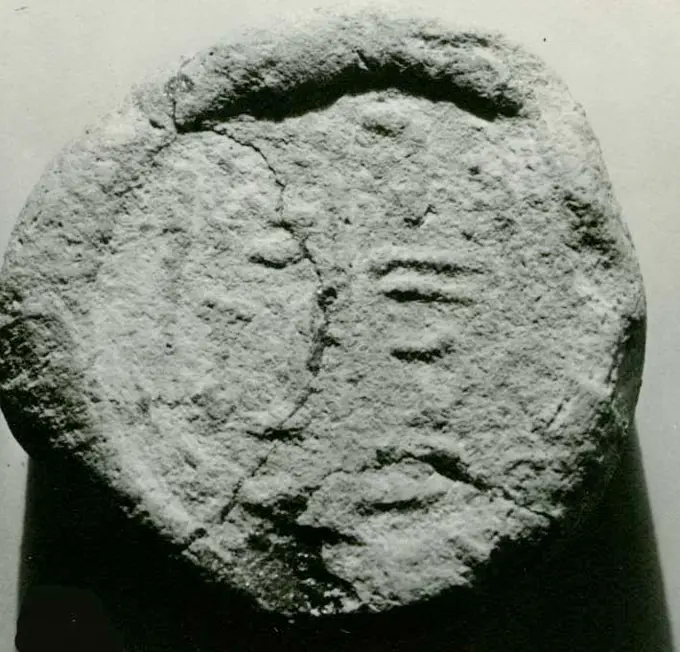
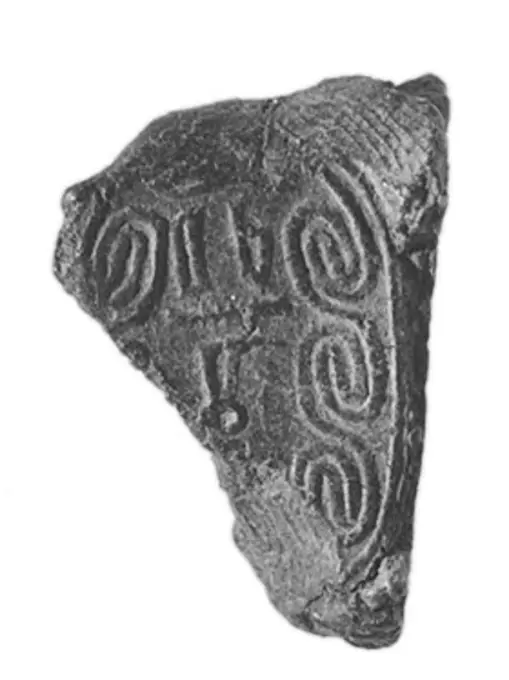
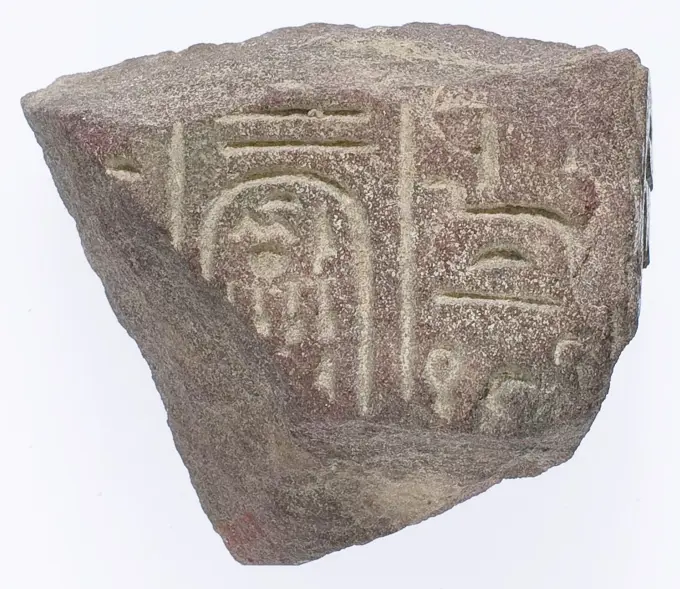
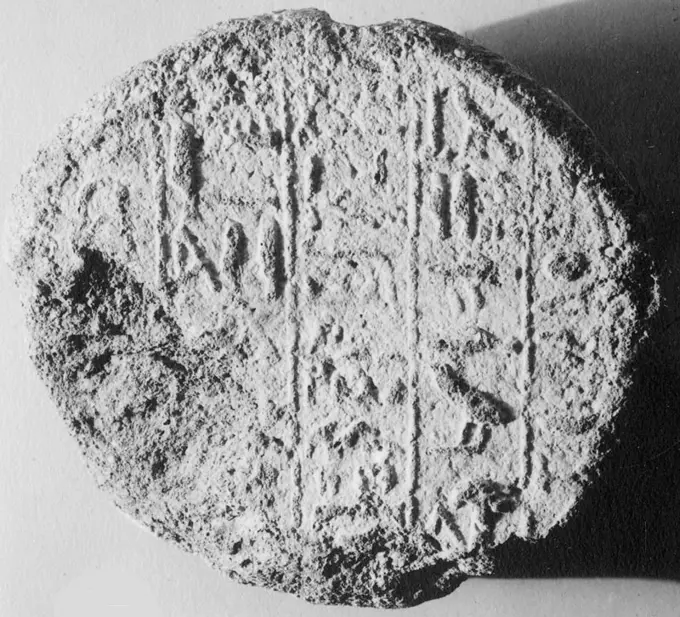
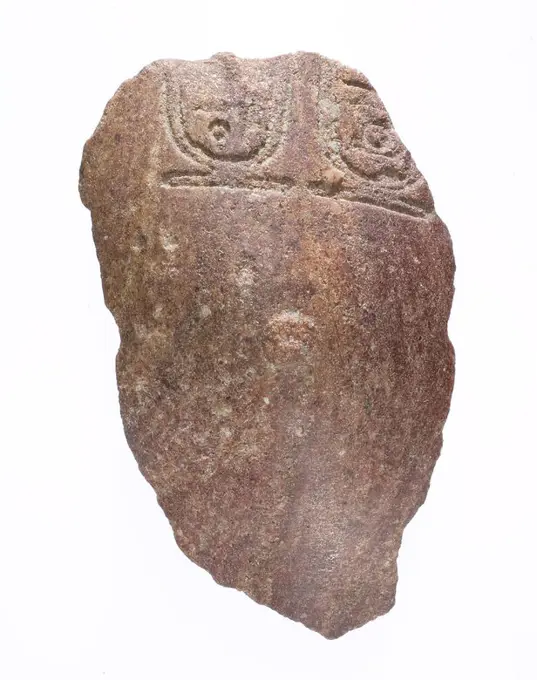
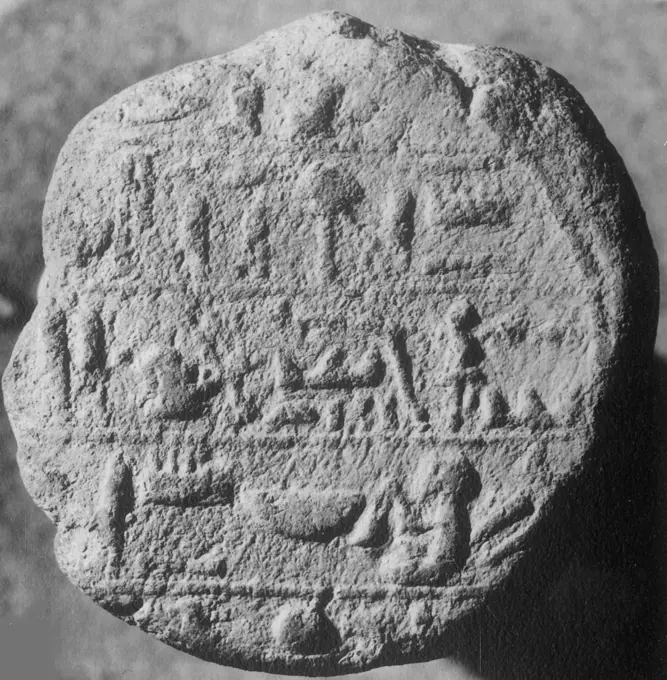
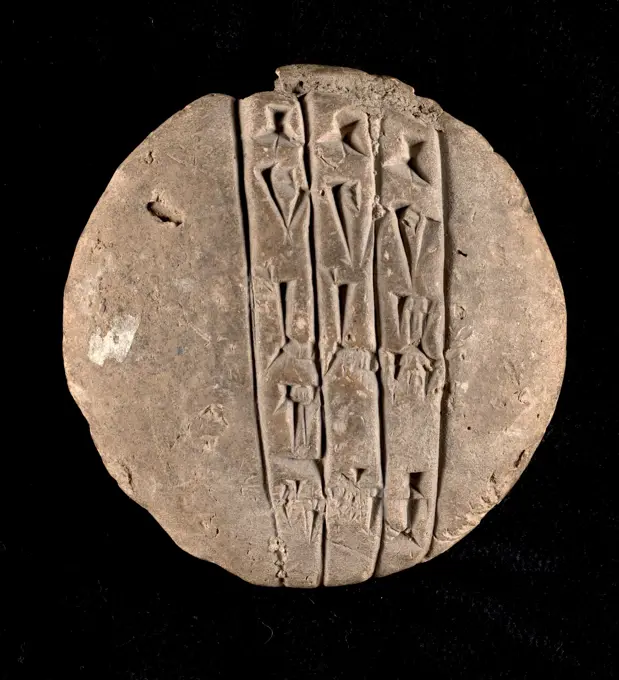
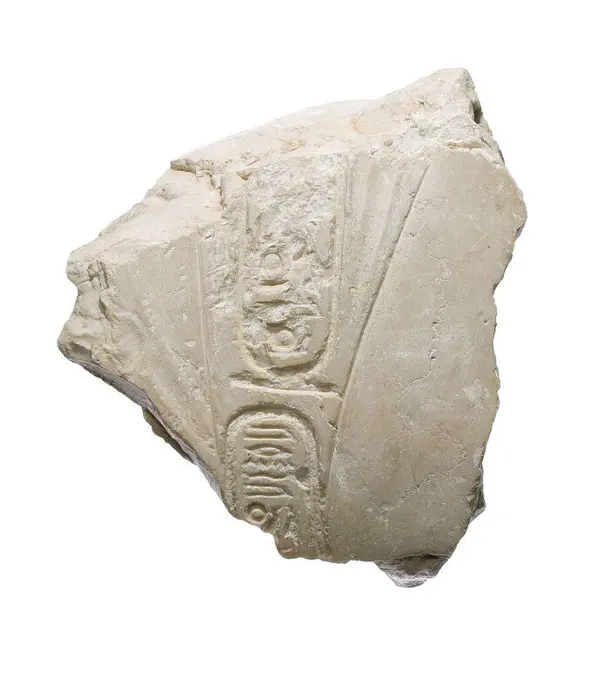
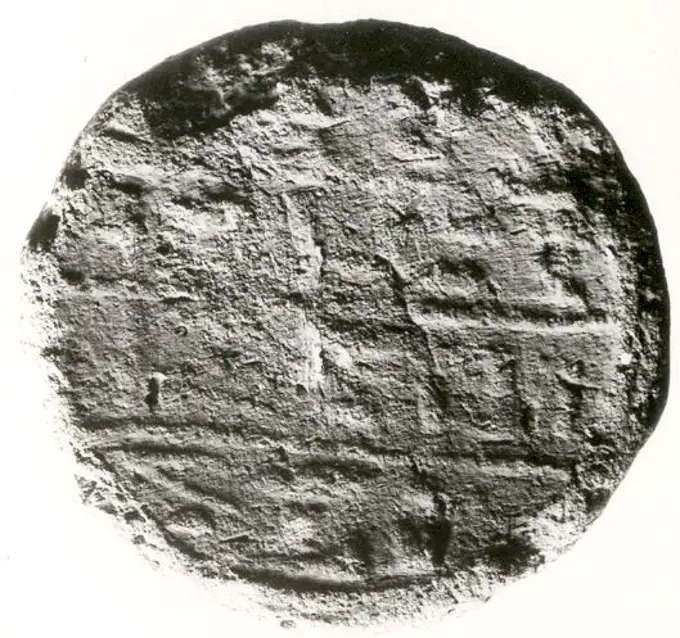
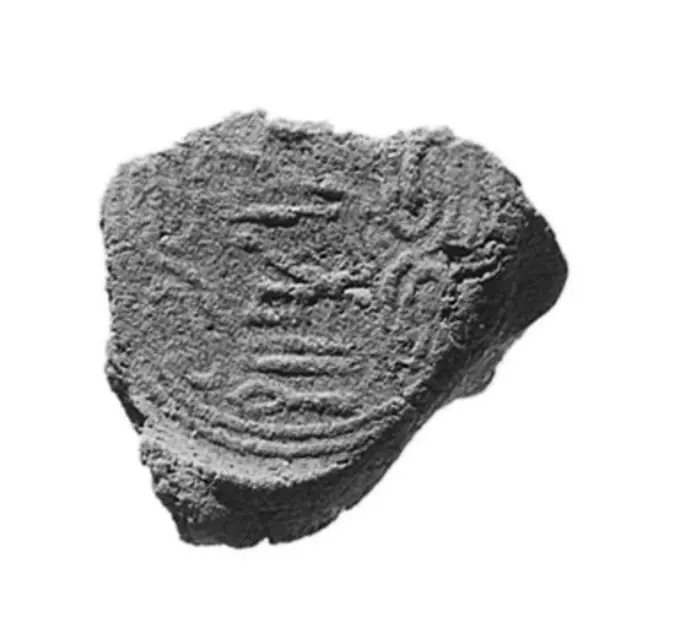
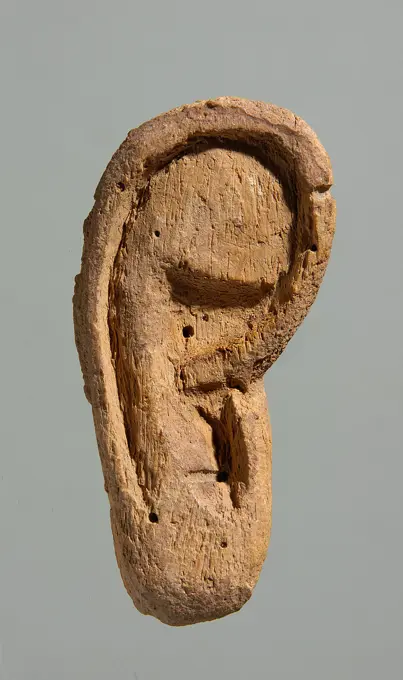
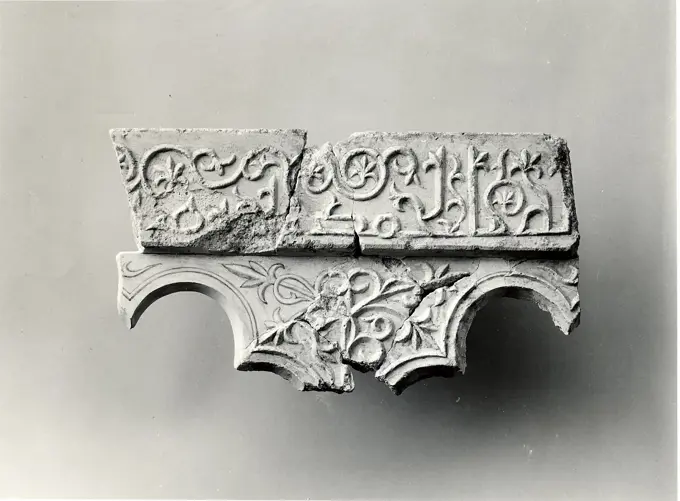
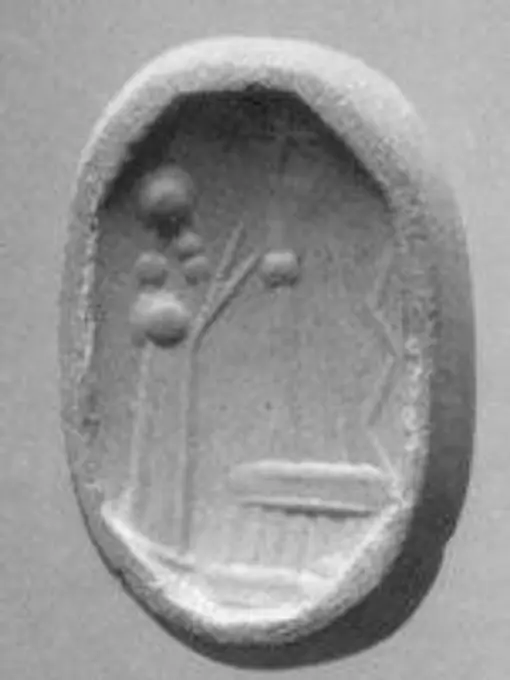
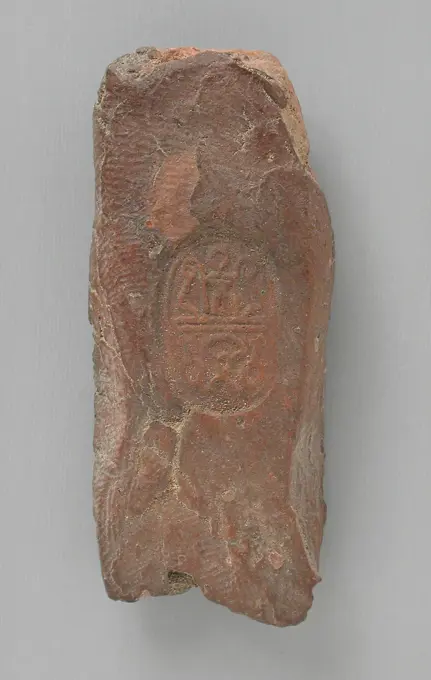
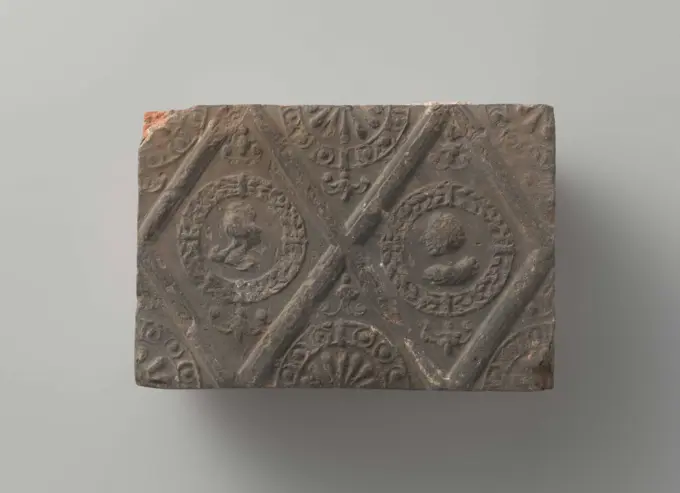
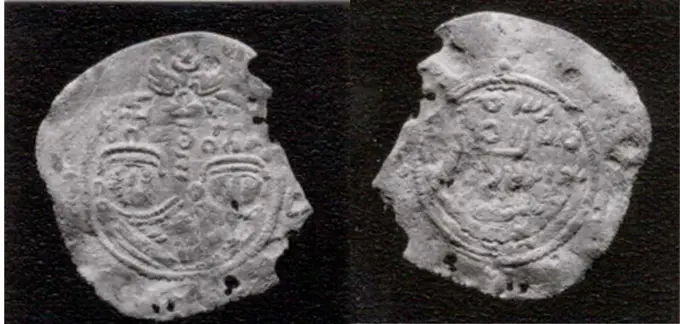
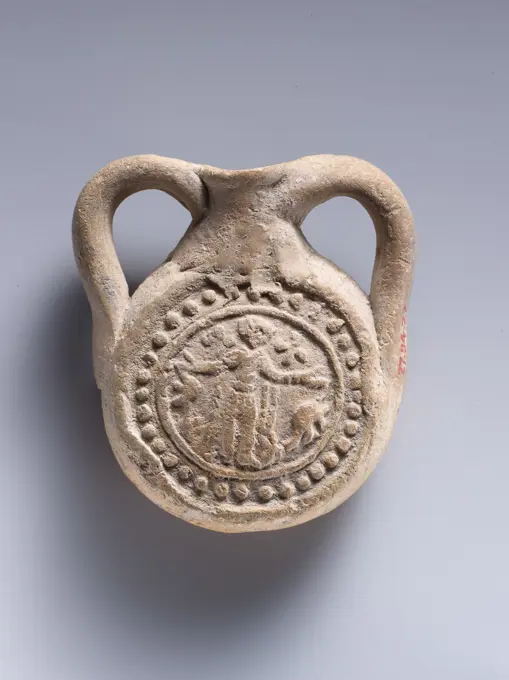
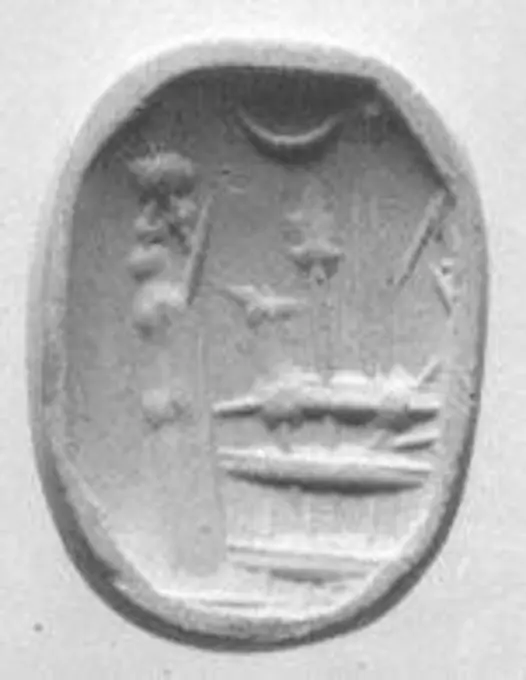
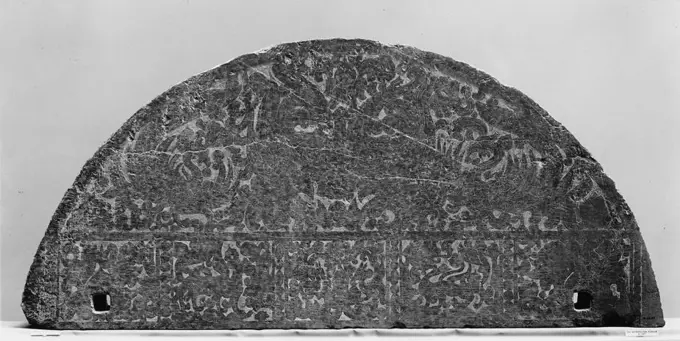
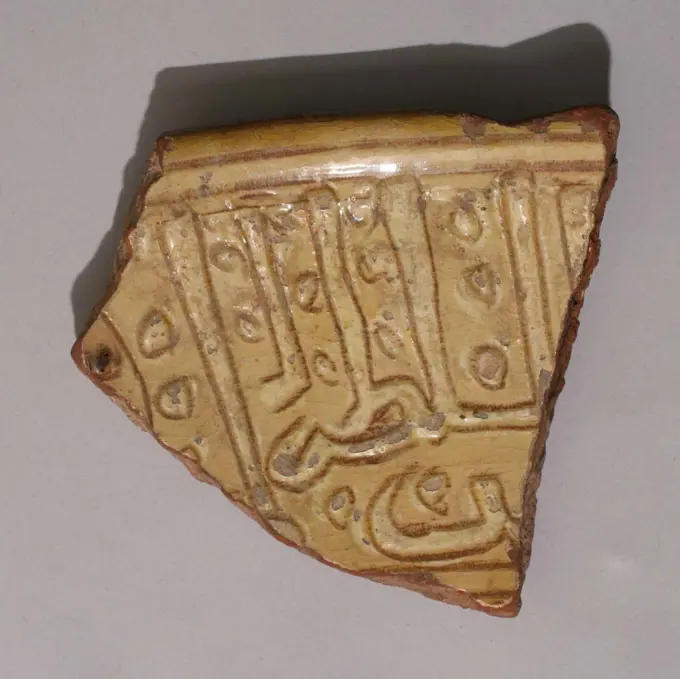
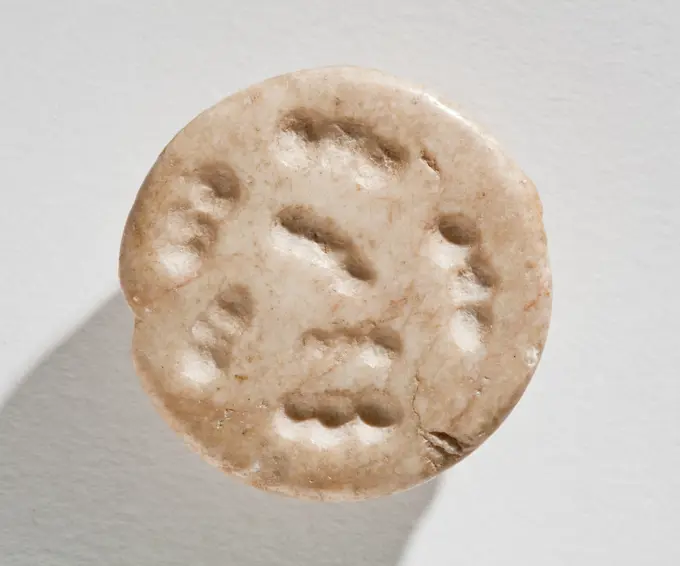
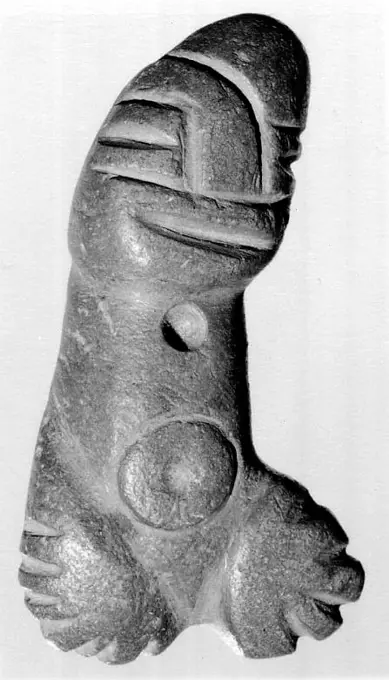
Sealing ca. 1981-1640 B.C. Middle Kingdom. Sealing 560306Funerary Cone of Overseer of the Seal Senneferi ca. 1550-1295 B.C. New Kingdom This cone has the impression of a stamp seal inscribed for the overseer of the seal, Senneferi, who owned Theban tomb 99. He was also seal-bearer of the king of Lower Egypt. For a drawing of this impression see http://www.funerarycones.com/, number 154.. Funerary Cone of Overseer of the Seal Senneferi Funerary Cone of Overseer of the Seal Senneferi ca. 1550-1295 B.C. New Kingdom This cone has the impression of a stamp seal inscribed for the overseer of the seal, Senneferi, who owned Theban tomb 99. He was also seal-bearer of the king of Lower Egypt. For a drawing of this impression see http://www.funerarycones.com/, number 154.. Funerary Cone of Overseer of the Seal Senneferi. ca. 1550-1295 B.C.. Pottery. New Kingdom. From Egypt, Upper Egypt, Thebes. Dynasty 18Scarab of an Official ca. 1760-1670 B.C. Middle Kingdom Administrative changes during Dynasty 12 lead to an increase in bureaucracy and, subsequently, in the production and use of seals. This is reflected in the beginning of the mass production of scarabs, the most popular shape for amulets, in late Dynasty 12 through Dynasty 13 (ca. 1850-1640 B.C.). Thousands of these late Middle Kingdom scarabs bear the names and titles of officials, who would wear them as amulets, but who could also use them to seal documents, containers or doors. However, the scarabs primary function remained that of a protective amulet. Several inscriptions add a funerary epithet to the owners name, indicating that the amulet was manufactured after the owner had passed away. This scarab belongs to Iti, an attendant of the pharaohs table, as the hieroglyphic inscription specifies.. Scarab of an Official 557040Triple Seal Impression Mentioning the Name of King Psamtik. Egypt, Late Period, 26th Dynasty (664 - 525 BCE). Tools and Equipment; seals. Semi-baked clay of red color with scorch marksSealing ca. 1981-1640 B.C. Middle Kingdom. Sealing 560322Document Sealing With the Throne Name of Amenhotep III ca. 1390-1353 B.C. New Kingdom. Document Sealing With the Throne Name of Amenhotep III. ca. 1390-1353 B.C.. Mud. New Kingdom. From Egypt, Upper Egypt, Thebes, Malqata, West Villas, West Villa B, MMA excavations, 1910-12. Dynasty 18Sealing Middle Kingdom ca. 2030-1640 B.C.Pendant with a kneeling male ca. 8th-7th century B.C. Iran This thin bronze sheet features a male figure in repousse facing forward. He has bulging eyes, pointed ears and a beard. No other details of his body are shown. One attenuated leg with bent knee is depicted; it is unclear whether the figure is meant to be seated or kneeling, since the bottom of the sheet is missing. The figure holds palm fronds in each hand. There are rosettes (or some other floral element) in the background. There is a rolled loop at the top of the sheet, indicating that it is a pendant.This pendant was excavated at Surkh Dum, a settlement site in Luristan in the Zagros Mountains of western Iran. It was found in a structure interpreted as a sanctuary and was thus probably an offering to a god. The figure on the pendant has been interpreted as a fertility god.. Pendant with a kneeling male. Iran. ca. 8th-7th century B.C.. Bronze. Iron Age III. Iran, Luristan, Surkh DumFragment 9th century. Fragment. 9th century. Earthenware; slip covered and unglazed. Excavated in Iran, Nishapur. CeramicsSealing ca. 7th century A.D. Sasanian. Sealing 323374Funerary Cone of the Cup-Bearer of the King Senemnetjer ca. 1550-1295 B.C. New Kingdom This cone has the impression of a stamp seal inscribed for a man named Senemnetjer who was a cup-bearer of the king. For a drawing of this impression see http://www.funerarycones.com/, number 279. Funerary Cone of the Cup-Bearer of the King Senemnetjer Funerary Cone of the Cup-Bearer of the King Senemnetjer ca. 1550-1295 B.C. New Kingdom This cone has the impression of a stamp seal inscribed for a man named Senemnetjer who was a cup-bearer of the king. For a drawing of this impression see http://www.funerarycones.com/, number 279. Funerary Cone of the Cup-Bearer of the King Senemnetjer. ca. 1550-1295 B.C.. Pottery. New Kingdom. From Egypt, Upper Egypt, Thebes. Dynasty 18Female Head. UnknownScarab of an Official ca. 1760-1670 B.C. Middle Kingdom Administrative changes during Dynasty 12 lead to an increase in bureaucracy and, subsequently, in the production and use of seals. This is reflected in the beginning of the mass production of scarabs, the most popular shape for amulets, in late Dynasty 12 through Dynasty 13 (ca. 1850-1640 B.C.). Thousands of these late Middle Kingdom scarabs bear the names and titles of officials, who would wear them as amulets, but who could also use them to seal documents, containers or doors. However, the scarabs primary function remained that of a protective amulet. Several inscriptions add a funerary epithet to the owners name, indicating that the amulet was manufactured after the owner had passed away. The inscription on this scarab gives the name and function of an official named Bem(bu?), and evokes the god Ptah. Included are a series of Ptahs divine epithets.. Scarab of an Official 545697Sealing fragment ca. 2030-1640 B.C. Middle Kingdom. Sealing fragment. ca. 2030-1640 B.C.. Clay (unfired). Middle Kingdom. From Egypt, Memphite Region, Lisht South, South of the tomb of Imhotep, north of the royal causeway, MMA excavations, 1930-31. Dynasty 12-13Unattributed Trebizond Coin. UnknownRim sherd ca. 8th-7th century B.C. Assyrian. Rim sherd 324647Part of a small block with name of Nefertiti and another on adjacent sides ca. 1353-1336 B.C. New Kingdom, Amarna Period. Part of a small block with name of Nefertiti and another on adjacent sides 553778Toy Model of a Cart 1st century B.C.-1st century A.D. India. Toy Model of a Cart 38074Funerary Cone ca. 1550-1295 B.C. New Kingdom. Funerary Cone. ca. 1550-1295 B.C.. Pottery. New Kingdom. From Egypt, Upper Egypt, Thebes. Dynasty 18Sealing ca. 1981-1640 B.C. Middle Kingdom. Sealing 560484Base fragment with name of Nefertiti and a princess ca. 1353-1336 B.C. New Kingdom, Amarna Period. Base fragment with name of Nefertiti and a princess 567660Unattributed Trebizond Coin. UnknownCoin dated A.H. 37/ A.D. 98. Coin 457250Funerary Cone ca. 1550-1295 B.C. New Kingdom. Funerary Cone. ca. 1550-1295 B.C.. Pottery. New Kingdom. From Egypt, Upper Egypt, Thebes. Dynasty 18Male breast with lower part of Aten cartouches. Dimensions: H. 16.5 × W. 9.5 × D. 5 cm (6 1/2 × 3 3/4 × 1 15/16 in.); cartouche: W. 3.6 cm (1 7/16 in.). Dynasty: Dynasty 18. Reign: reign of Akhenaten. Date: ca. 1353-1336 B.C.. Museum: Metropolitan Museum of Art, New York, USA.Terracotta shell. Culture: Minoan. Dimensions: L. 1 1/4 in. (3.3 cm). Date: ca. 2200-1050 B.C..Pendant in the shape of a clay shell. Museum: Metropolitan Museum of Art, New York, USA.Sealing ca. 1981-1640 B.C. Middle Kingdom. Sealing 565442 in phaselis temple turkey asia old ruined column and destroyed stoneRing. UnknownFunerary Cone ca. 1550-1295 B.C. New Kingdom. Funerary Cone. ca. 1550-1295 B.C.. Pottery. New Kingdom. From Egypt, Upper Egypt, Thebes. Dynasty 18Fireplace, on which Andromeda or Sint Joris. Fireplace, on which Andromeda or Sint Joris. Of fine baked earth.Writing exercise. Writing exerciseScarab of an Official ca. 1740-1640 B.C. Middle Kingdom Administrative changes during Dynasty 12 lead to an increase in bureaucracy and, subsequently, in the production and use of seals. This is reflected in the beginning of the mass production of scarabs, the most popular shape for amulets, in late Dynasty 12 through Dynasty 13 (ca. 1850-1640 B.C.). Thousands of these late Middle Kingdom scarabs bear the names and titles of officials, who would wear them as amulets, but who could also use them to seal documents, containers or doors. However, the scarabs primary function remained that of a protective amulet. Several inscriptions add a funerary epithet to the owners name, indicating that the amulet was manufactured after the owner had passed away. This scarab is inscribed for a high-ranking court official named Nebersehwy. The inscription mentions his titles and name, followed by an epithet.. Scarab of an Official 557043One of Three Hundred Sixty Heads, Five Molds, Fifteen Oscilla and Other Figural and Vase Fragments. UnknownFragment 10th-11th century. Fragment 450124Mold ca. 1550-1295 B.C. New Kingdom. Mold 558441Terracotta ". Terracotta. China, Han. Paris dynasty, Cernuschi museum. 72679-47 Han dynasty, decorative motif, terracotta, tiles madePendant Ornament. Culture: China. Dimensions: H. 1 in. (2.5 cm); W. 2 3/4 in. (7 cm). Museum: Metropolitan Museum of Art, New York, USA.Sealing ca. 1981-1640 B.C. Middle Kingdom. Sealing 557541Belt with Aten cartouche from Akhenaten prostrate (). Dimensions: H. 13.2 × W. 11 × D. 6.7 cm (5 3/16 × 4 5/16 × 2 5/8 in.). Dynasty: Dynasty 18. Reign: reign of Akhenaten. Date: ca. 1352-1336 B.C.. Museum: Metropolitan Museum of Art, New York, USA.Female Head. UnknownStożek pogrzebowy Amenwahsu. unknown, authorCoin late 13th century. Coin 457342Jar rim sherd ca. mid-3rd millennium B.C.. Jar rim sherd 326106Sealing ca. 2030-1640 B.C. Middle Kingdom. Sealing 565342Hooded Head. UnknownSilver Repoussé Earflare 12th-15th century Chimú. Silver Repoussé Earflare 315365Votive ear;The collection of ancient EgyptFragment of a Window 9th-10th century Despite their slenderness and the tendency toward foliated terminals, the letters in this window fragment retain much of the monumental quality of eighth- and ninth-century Kufic. The palmettes of the scroll above retain a strong Sasanian character.. Fragment of a Window 450319Stamp seal (octagonal pyramid) with cultic scene 7th - 6th century B.C. Assyro-Babylonian. Stamp seal (octagonal pyramid) with cultic scene. Assyro-Babylonian. 7th - 6th century B.C.. Flawed neutral Chalcedony (Quartz). Neo-Assyrian / Neo-Babylonian. MesopotamiaVotive Statuette of a Male Head. UnknownPlaque fragment ca. 9th century B.C. Iran This ivory plaque with a winged, snarling lion is one of several similarly decorated ivory fragments excavated at Hasanlu. The creature's mane is rendered in triangular tufts, while its wing is shown with four feathers emerging from a curved band. A dowel hole at the upper left suggests how such carved plaques were once attached to pieces of furniture or other objects. Although winged lions exist in both Assyrian and northern Syrian art, this example reflects a style of ivory carving found at Hasanlu.. Plaque fragment 325751Female Head. UnknownRaised relief fragment 664-610 B.C. Late Period, Saite see 23.3.468. Raised relief fragment. 664-610 B.C.. Limestone, varnish. Late Period, Saite. From Egypt, Upper Egypt, Thebes, Deir el-Bahri, Tomb of Nespekashuty (TT 312, MMA 509), 1st chamber W. wall; bottom register, MMA excavations, 1922-23. Dynasty 26relief () chest with pleats and Aten cartouches ca. 1353-1336 B.C. New Kingdom, Amarna Period. relief () chest with pleats and Aten cartouches 567648Inscribed stone fragment ca. 2112-2004 B.C. Neo-Sumerian. Inscribed stone fragment 323772Seal Impression with Apotropaic Hieroglyphs. Egypt, Middle Kingdom () (1991 - 1665 BCE). Tools and Equipment; seals. Semi-baked clay of reddish-brown color with black scorch marksPottery Fragment with Inscription 4th-7th century Coptic. Pottery Fragment with Inscription 478512Cast pendant bead. UnknownStamp Seal, Tabloid. Northern Syria or southeast Anatolia, circa 3500 - 3100 B.C.. Tools and Equipment; seals. Gray serpentineCoin dated A.H. 384/ A.D. 994. Coin 457369Upper left arm with Aten cartouches ca. 1353-1336 B.C. New Kingdom, Amarna Period. Upper left arm with Aten cartouches 549691Sealing ca. 7th century A.D. Sasanian. Sealing 323266Fragment of a Window 9th-10th century. Fragment of a Window 450321Fireplace with image. Fireplace. "Two portraits in windows".ESCARABEO EGIPCIO CON INSCRIPCION JEROGLIFICA-S VII-VI A C. Location: MUSEO ARQUEOLOGICO / MUSEO DE PUIG DES MOLINS. IBIZA. SPANIEN.Pottery Fragment 4th-7th century Coptic. Pottery Fragment 479325Coin A.H. 141-51/ A.D. 758-68. Coin 457556Mold bearing a Ramesside Birth Name. Egypt, New Kingdom, 19th or 20th Dynasty, probably reign of Ramses II or after (1304 - 1081 BCE). Tools and Equipment; molds. TerracottaSealing ca. 1981-1640 B.C. Middle Kingdom. Sealing 557531Console with abstract decoration, one side plane, console building element sandstone stone cement, sculpted Console with on the left side curl and leaf motifs on the front brace-shaped decoration large pyramidal shape and band decoration. Right side roughly flattened: the console was probably placed in the corner of building with this side.Coin late 12th-early 13th century. Coin 457390Funerary Cone of Mentuemhat. Egypt, 25th-26th Dynasty (circa 755-525 B.C.). Tools and Equipment; cones. TerracottaShawabty of Ditamenpaankh, 715-656 BC. Egypt, Late Period, Dynasty 25. Terracotta; overall: 5.4 x 2.6 x 1.4 cm (2 1/8 x 1 x 9/16 in.).Coin ca. 7th-8th century A.D. Islamic. Coin 323505Ampulla (Flask) with Saint Menas late 6th-mid-8th century Ampullae like this one were used by pilgrims to bring home water or oil from the great pilgrimage site for Saint Menas, said to be a late-third-century Egyptian Roman soldier who was martyred for his Christian faith. He is shown between the two camels who returned his body to Egypt for burial.. Ampulla (Flask) with Saint Menas 447987Ceramic Female Fragment 2nd-1st millennium B.C. Machalilla. Ceramic Female Fragment 317705Hooded Female Head. UnknownFragment of polychrome pipe, image, lying, waking lion, sculpture footage earth discovery pottery earthenware pipe earth, in mold shaped baked Fragment polychrome pipe sculpture statue lying waking lion. Stylized stylized mane; depicted as round spheres. In the mouth of the lion still red paint remains of the original coat of archeology indigenous pottery adornment toysPottery stamps used to imprint designs on textiles. From the Island of Sacrifices Mexico, AD 900.Lamp 1st-2nd century. Lamp 442922Ornament Korea. Ornament. Korea. Silver. Goryeo dynasty (918-1392). MetalworkRaised relief fragment 664-610 B.C. Late Period, Saite see 23.3.468. Raised relief fragment 548032Coin probably A.H. 153/ A.D. 770. Coin. probably A.H. 153/ A.D. 770. Copper. Excavated in Iran, Nishapur. CoinsStamp seal (bell-shaped with loop handle) with monster ca. 8th-7th century B.C. Urartian. Stamp seal (bell-shaped with loop handle) with monster. Urartian. ca. 8th-7th century B.C.. Copper/bronze alloy. Iron Age II. UrartuHead with Headdress. Egypt, Ptolemaic Period - Roman Period (332 BCE - 337 CE). Sculpture. Terracotta. Fragment of a dish of pottery, on which a palmet ornament in brownish luster. Soft red earth with creamy cracked glaze.Head ca. 14th-13th century B.C.. Head 322601Lid with a Lion attacking a Bull 12th century This unglazed earthenware fragment was most likely used as the lid of a large cooking pot. The molded scene depicts a lion attacking a bull, and the feet at the bottom indicate that a similar scene was repeated on the other half of the lid.. Lid with a Lion attacking a Bull 449484Fragment of Dish 11th-12th century. Fragment of Dish 446505Stamp seal (octagonal pyramid) with cultic scene 7th - 6th century B.C. Assyro-Babylonian. Stamp seal (octagonal pyramid) with cultic scene. Assyro-Babylonian. 7th - 6th century B.C.. Neutral Chalcedony (Quartz). Neo-Assyrian / Neo-Babylonian. MesopotamiaLintel: Part of a Tomb Entrance 6th century China. Lintel: Part of a Tomb Entrance 61528Fragment of a Bowl 14th-15th century. Fragment of a Bowl 445152Stamp Seal, Hemispheroid. Iran or Mesopotamia, before and about 3000 B.C.. Tools and Equipment; seals. White marbleFerret 6th-7th centuries Frankish. Ferret. Frankish. 6th-7th centuries. Copper alloy. Made in Niederbreisig, Germany. Metalwork-Copper alloyPhallic Object, Possibly a Talisman Japan. Phallic Object, Possibly a Talisman. Japan. Stone. Final Jmon period (ca. 1000-300 B.C.). SculptureFunerary Cone ca. 1550-1295 B.C. New Kingdom. Funerary Cone. ca. 1550-1295 B.C.. Pottery. New Kingdom. From Egypt, Upper Egypt, Thebes. Dynasty 18Coin A.H. 153/ A.D. 770. Coin. A.H. 153/ A.D. 770. Copper. Excavated in Iran, Nishapur. CoinsSmiths and jewelery. Moulds for rings and bracelets. Middle ages. Historical Museum. Oslo. Norway.Ground fragment Werra plate, mirror finish animal, year 1612, pale yellow and green glaze, plate crockery holder earth discovery ceramic earthenware glaze, Red earthenware with drawing in light yellow and green glaze Year in mirror: 1612 archeology