Ancient Egyptian Artifacts

Historical seals and inscriptions from ancient Egypt, depicting archaeological significance and craftsmanship from various dynasties.
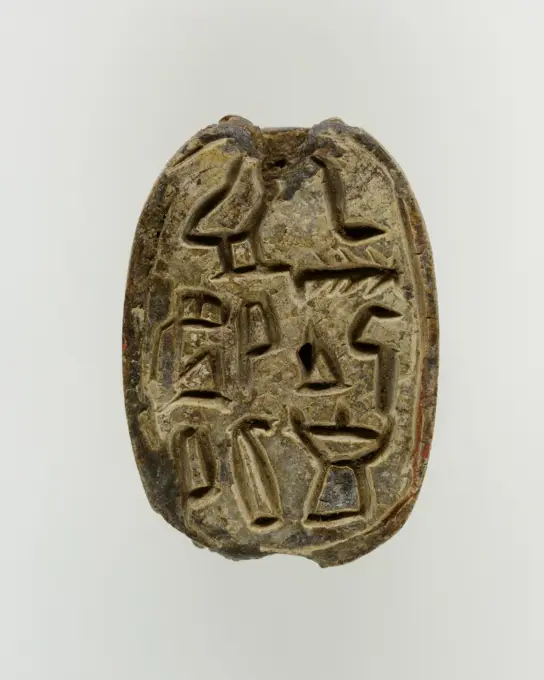
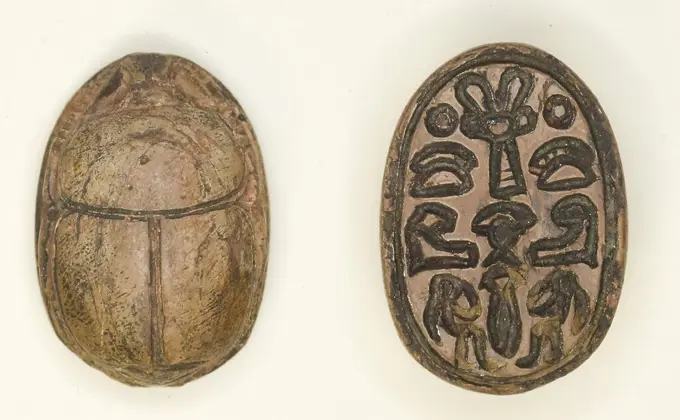
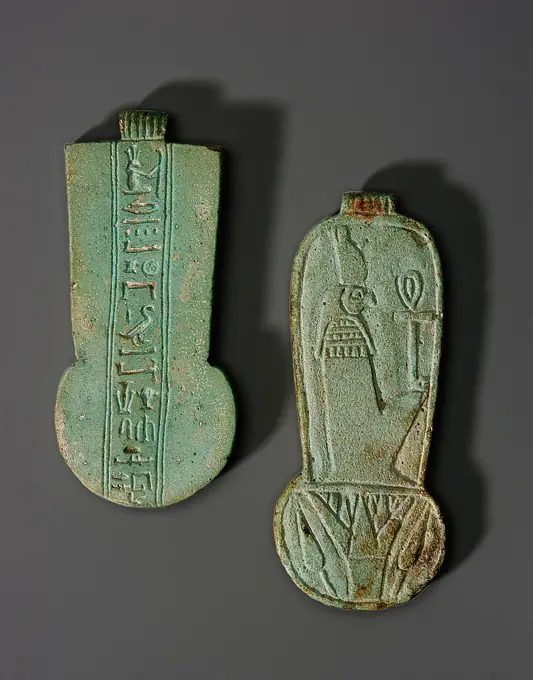
Scarab of an Official ca. 1760-1670 B.C. Middle Kingdom Administrative changes during Dynasty 12 lead to an increase in bureaucracy and, subsequently, in the production and use of seals. This is reflected in the beginning of the mass production of scarabs, the most popular shape for amulets, in late Dynasty 12 through Dynasty 13 (ca. 1850-1640 B.C.). Thousands of these late Middle Kingdom scarabs bear the names and titles of officials, who would wear them as amulets, but who could also use them to seal documents, containers or doors. However, the scarabs primary function remained that of a protective amulet. Several inscriptions add a funerary epithet to the owners name, indicating that the amulet was manufactured after the owner had passed away. This scarab belongs to Iti, an attendant of the pharaohs table, as the hieroglyphic inscription specifies.. Scarab of an Official 557040
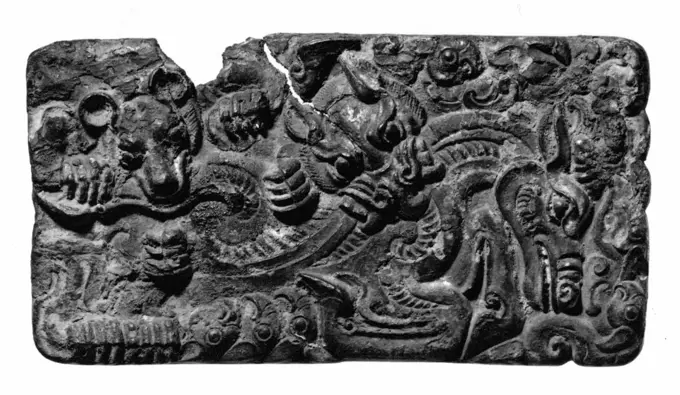
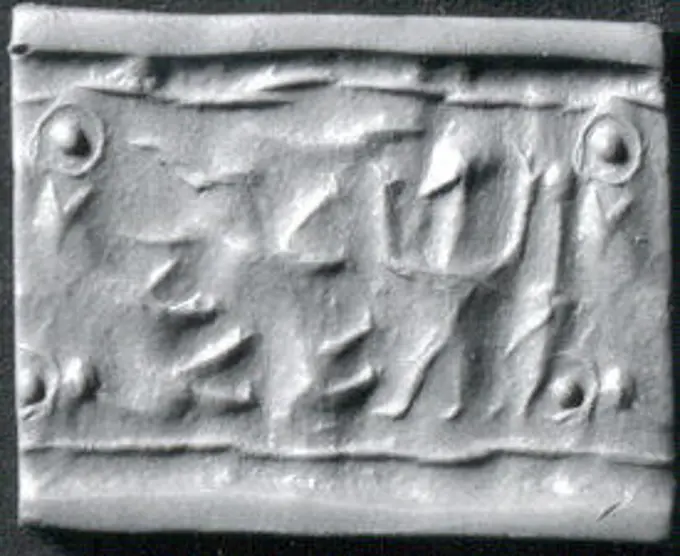
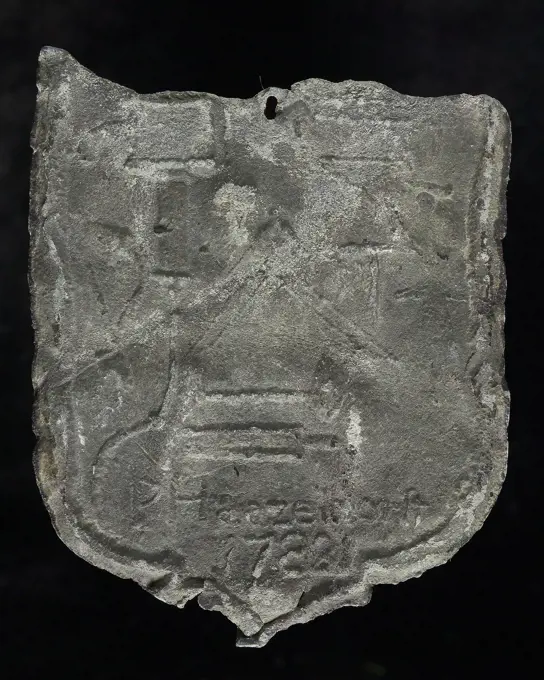
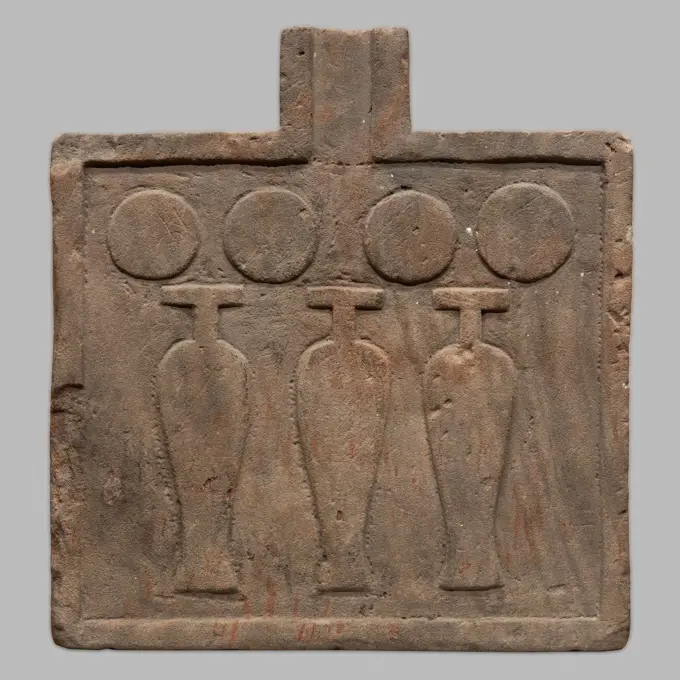
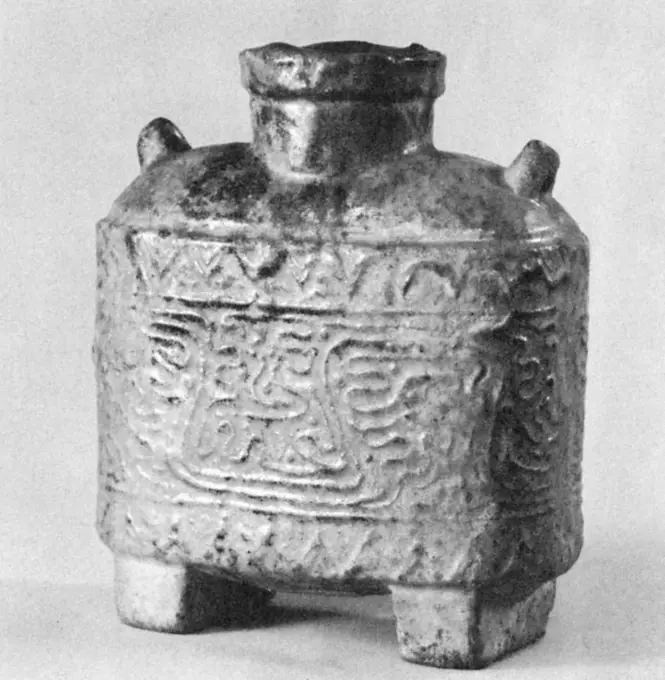
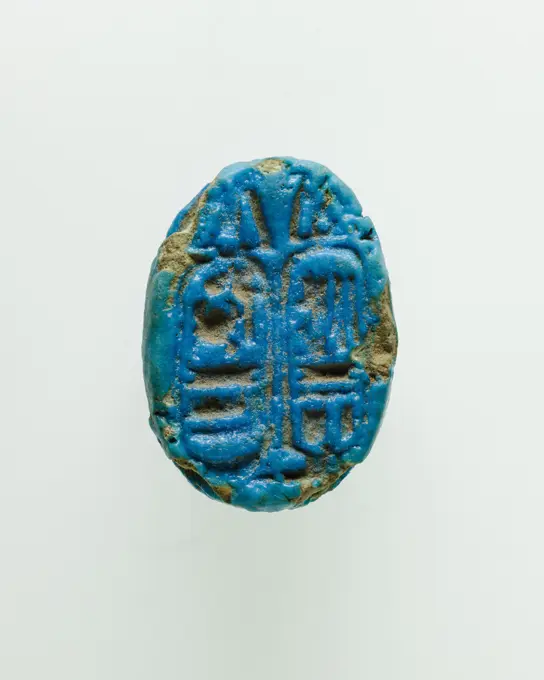
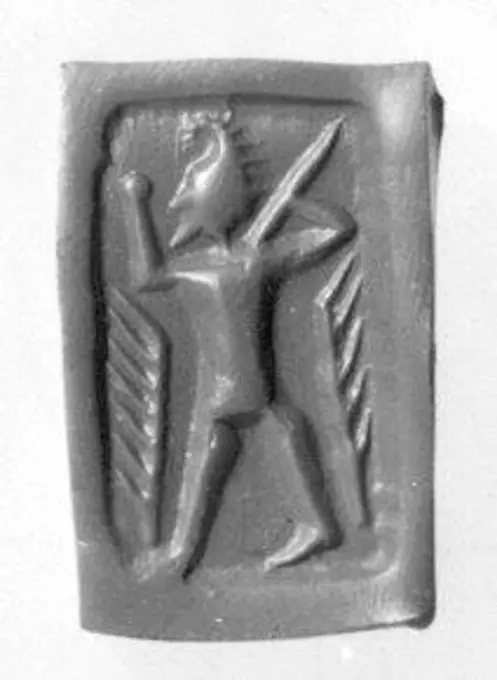
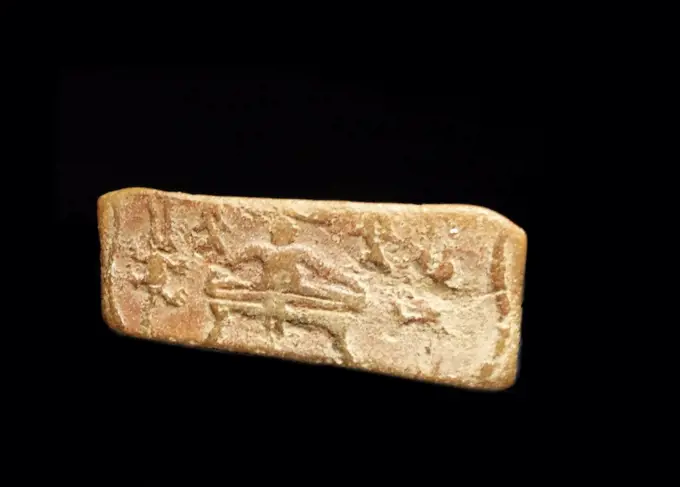
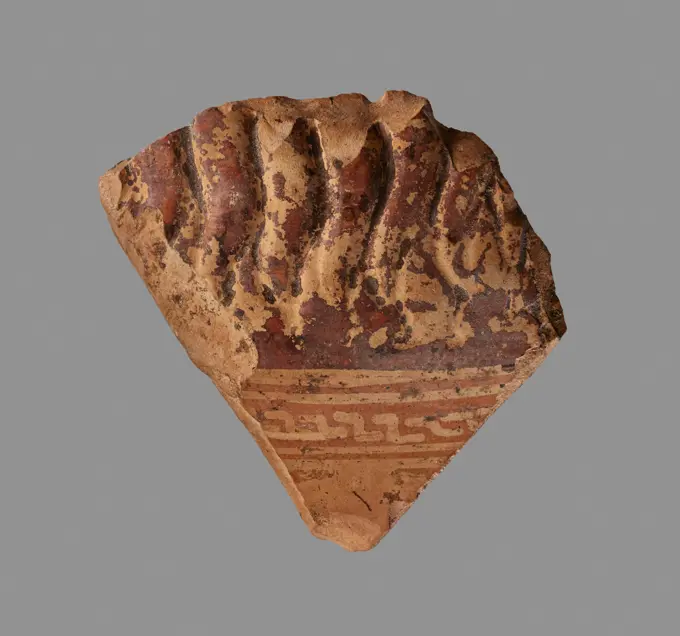
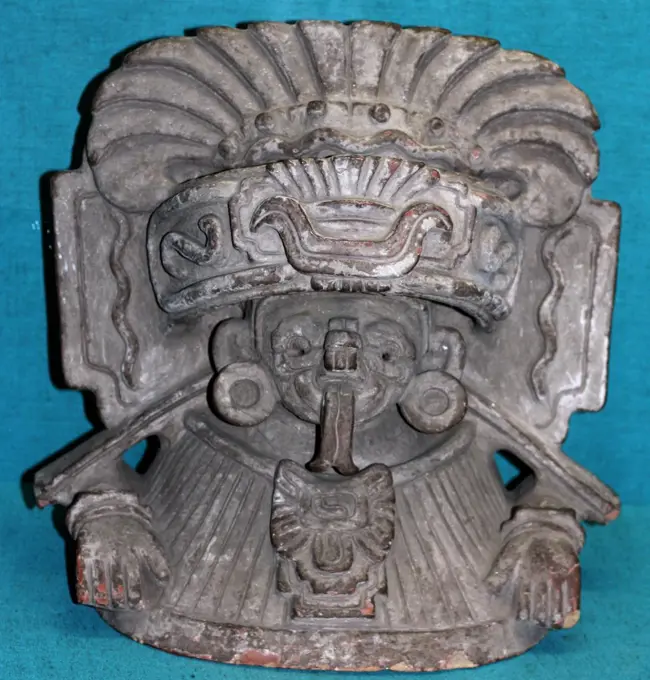
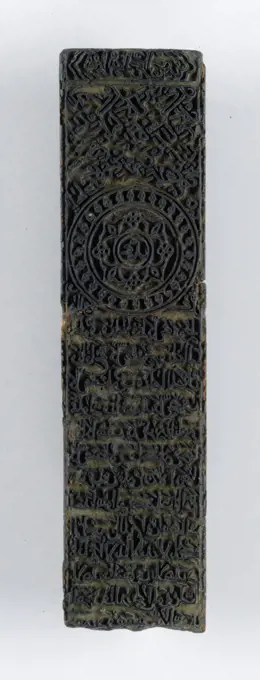
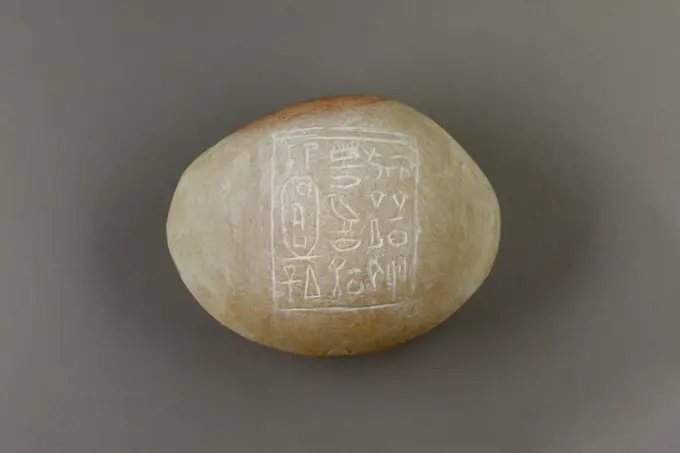
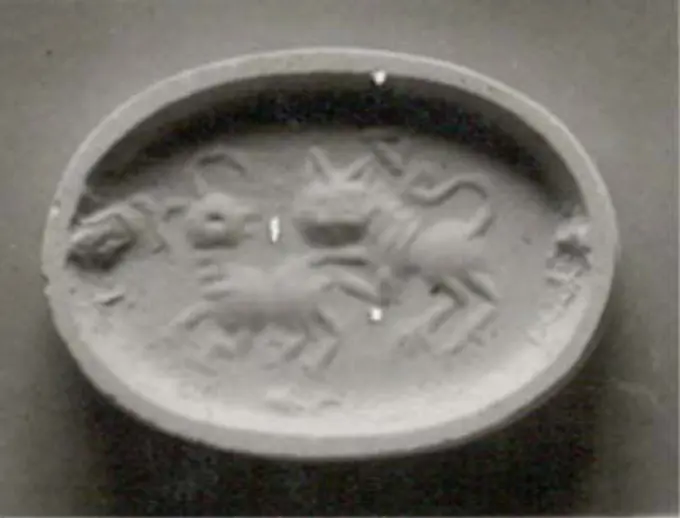
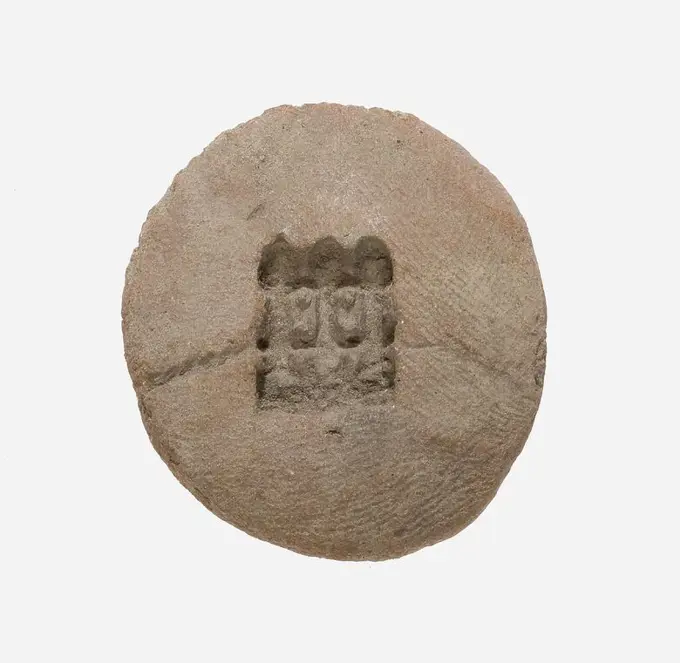
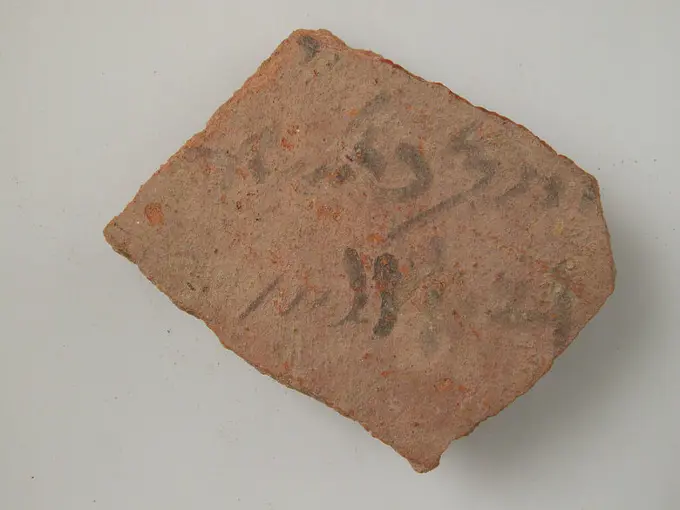
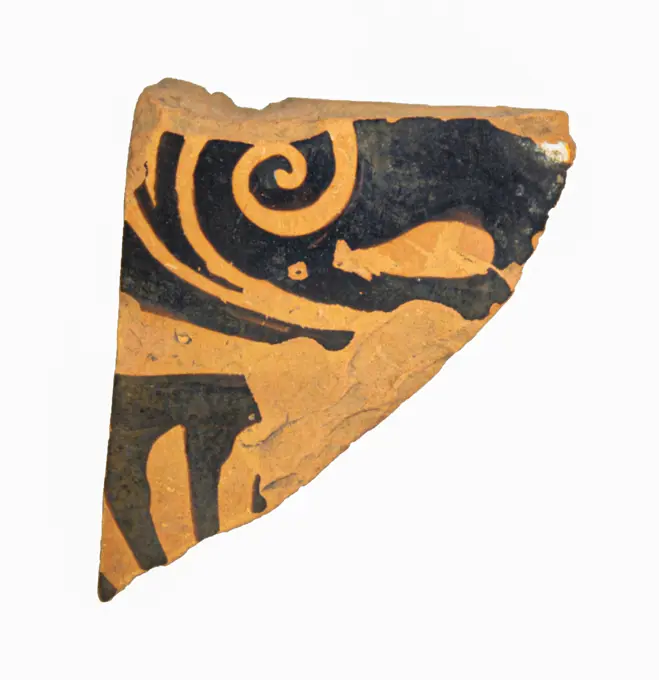
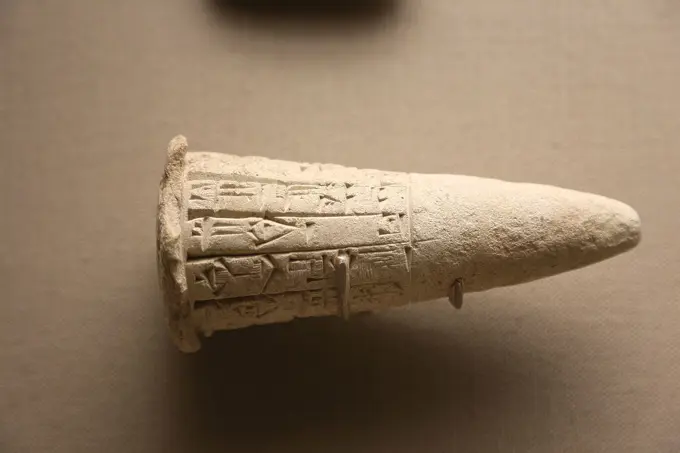
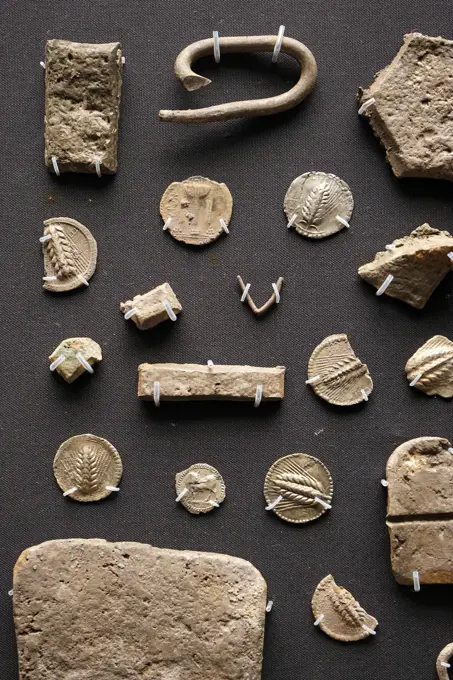
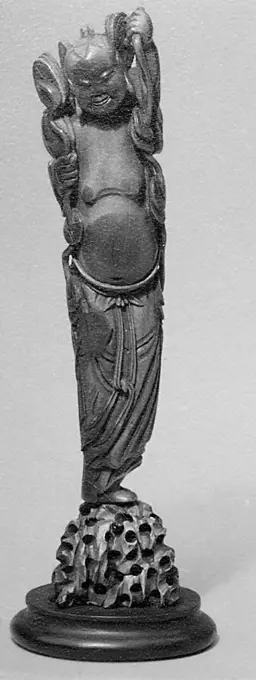
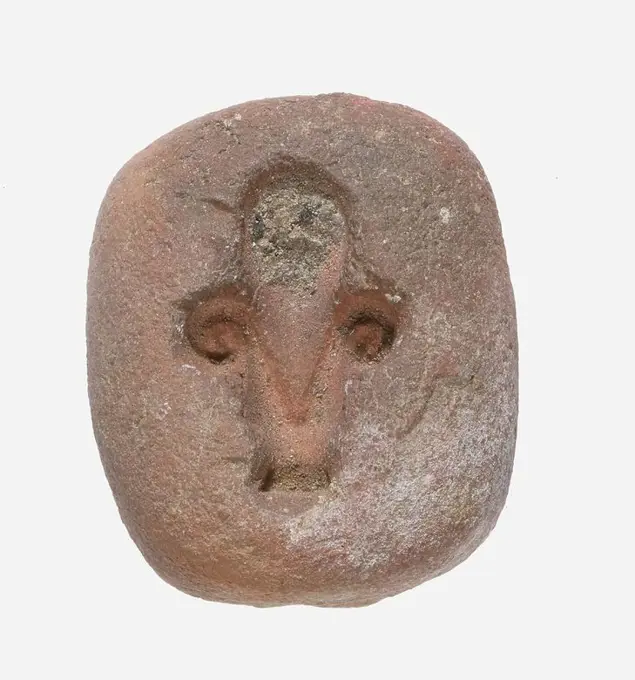
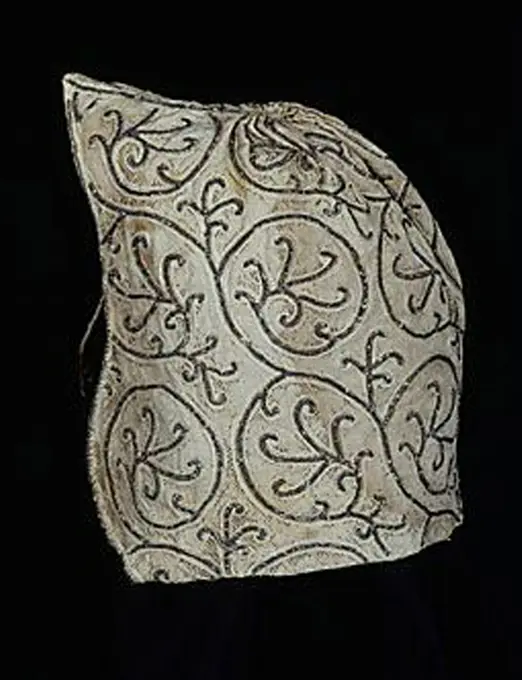
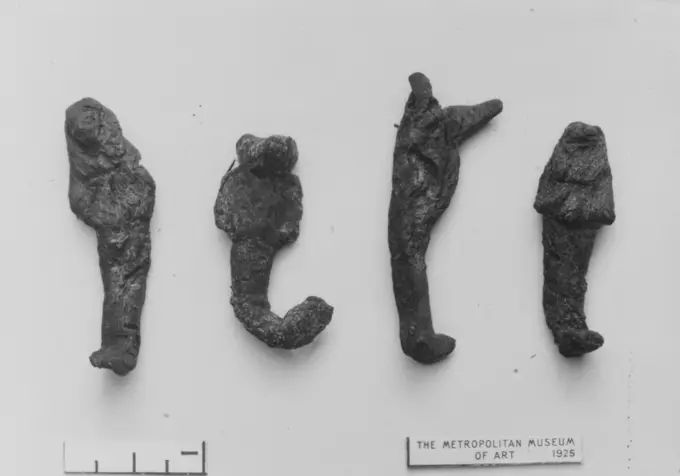
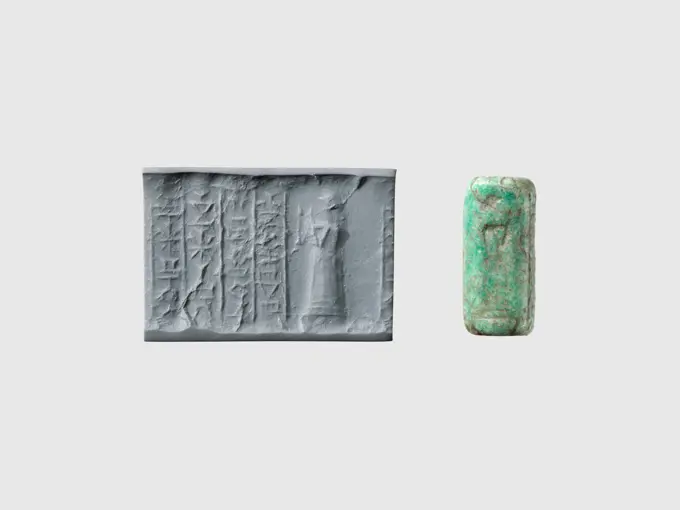
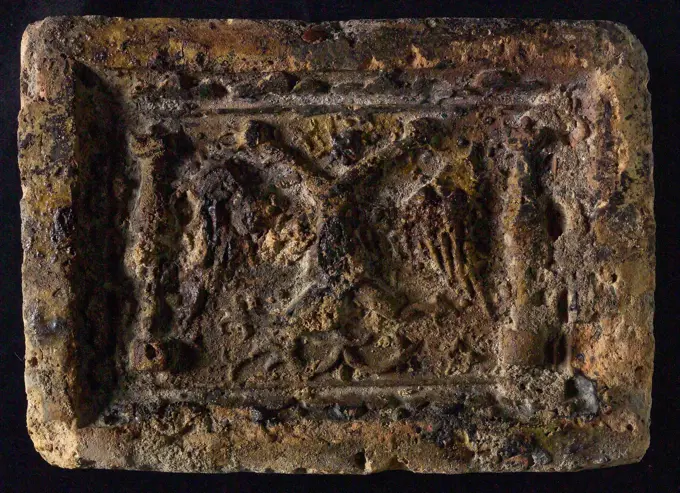
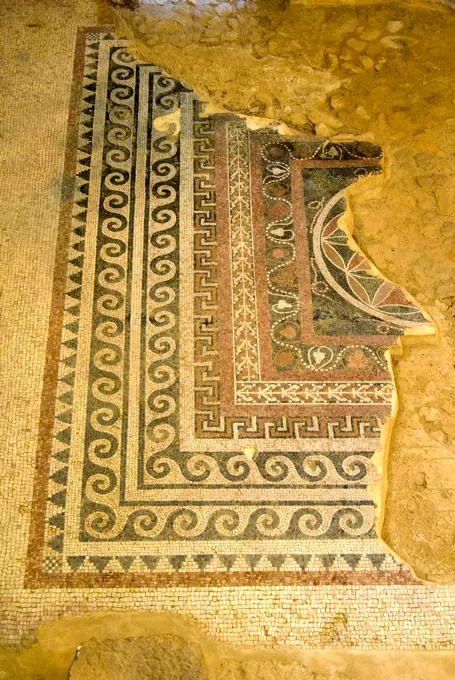
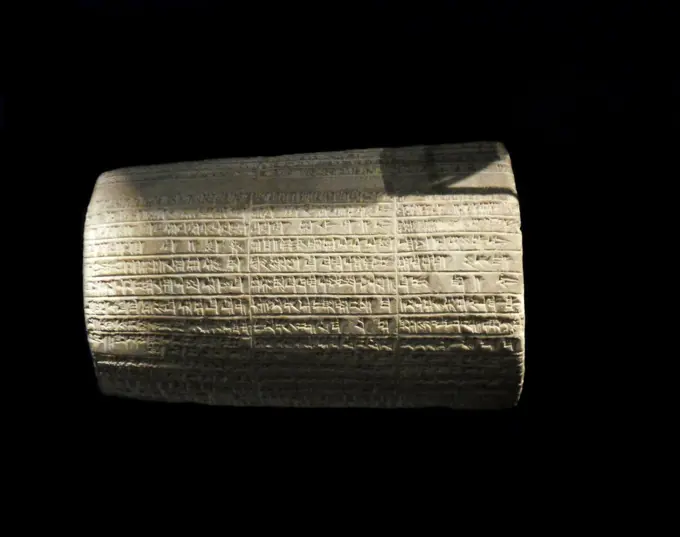
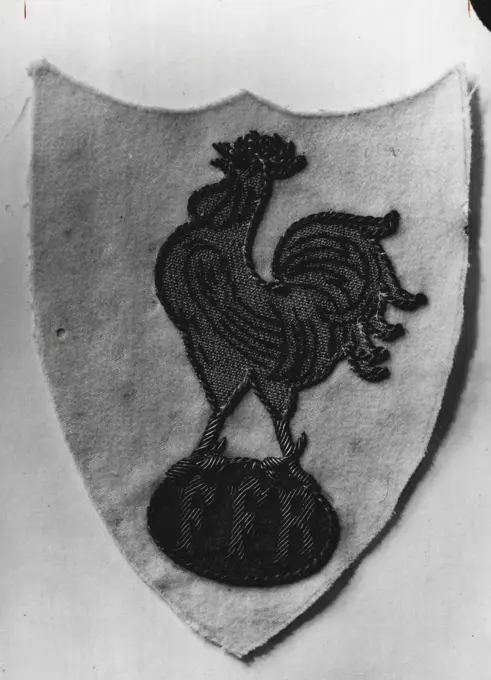
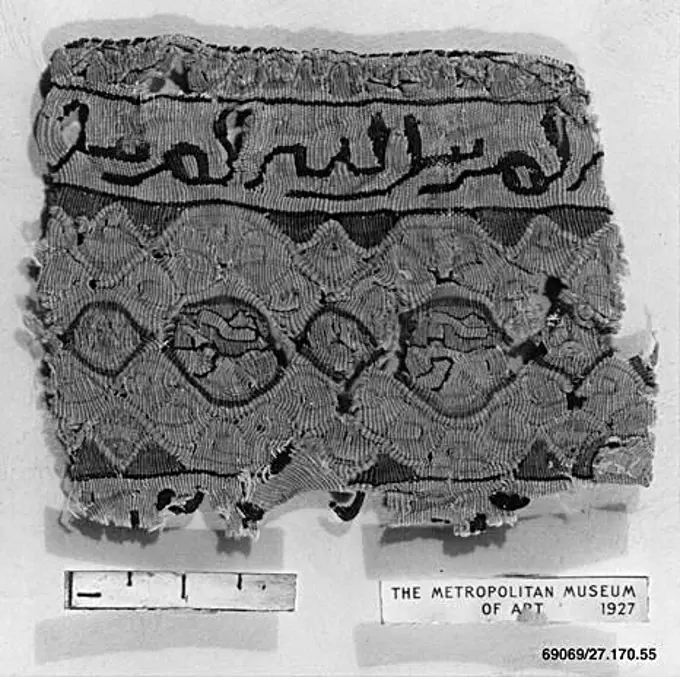
Female Head (comprised of 2 joined fragments). UnknownBelt Buckle with Animal-Combat Scene 3rd-2nd century B.C. North China. Belt Buckle with Animal-Combat Scene 61091Cylinder seal ca. 15th-13th century B.C. Cypriot. Cylinder seal 321438Tag in the shape of a poodle for a lane;  XII-XIV century (501-00-00-700-00-00);Semerau-Siemianowski, Władysław (1849-1938), Semerau-Siemianowski, Władysław (1849-1938)-collection, Arabic (culture), gift (provenance), Islamic artP. Haazelhorst, Roof bonnet, shield-shaped cover plate with 1783, P. Haazelhorst and guide tool, lead hallmark lead metal, Roof lead shield shaped cover of the nails with various guide tools and the name of the plumber P. Haazelhorst and 1783 on plate: P. HAAZELHORST 1783Raised relief fragment 664-610 B.C. Late Period, Saite see 23.3.468. Raised relief fragment. 664-610 B.C.. Limestone. Late Period, Saite. From Egypt, Upper Egypt, Thebes, Deir el-Bahri, Tomb of Nespekashuty (TT 312, MMA 509), 1st chamber E. wall; bottom register, MMA excavations, 1922-23. Dynasty 26Smiths and jewelery. Moulds for rings and bracelets. Middle ages. Historical Museum. Oslo. Norway.Hundred sacrificial;  332-30 BC ; Ptolemean period (-332-00-00--30-00-00);Deposit of the University of Warsaw from 1937-1939, breads, vases, Polish-French excavations in Edfu (Egypt)Roman Calendar. Gods denoting days of the week and pegholes. Romano-German.Knife () 15th-16th century Inca (). Knife () 315338Treasure of Aliseda. 7th c. BC. Gold belt. Detail. Tartessian art. Ceramics. SPAIN. MADRID (AUTONOMOUS COMMUNITY). Madrid. National Museum of Archaeology. Proc: SPAIN. EXTREMADURA. CACERES. Aliseda.Flask 1st-2nd century China. Flask. China. 1st-2nd century. Earthenware with green glaze. Han dynasty (206 B.C.-A.D. 220). Tomb PotteryCoin 758-68. Coin 457095Scarab of Seti II ca. 1200-1194 B.C. New Kingdom The underside of the scarab is decorated with two royal cartouches, each surmounted by sun disk flanked by ostrich feathers. The cartouches contain the prenomen and nomen of Seti II, Userkheperre-meramun Seti-merneptah. Only few seals are known on which both names appear together and, moreover, most of these are plaques.. Scarab of Seti II. ca. 1200-1194 B.C.. Faience. New Kingdom. From Egypt. Dynasty 19Female Head Fragment. UnknownRectangular prism seal engraved on five faces ca. 7th-6th century B.C. Cypriot. Rectangular prism seal engraved on five faces. Cypriot. ca. 7th-6th century B.C.. Steatite, black. Cypro-Archaic. CyprusStamp seal ca. 6th-4th century B.C. Achaemenid. Stamp seal. Achaemenid. ca. 6th-4th century B.C.. Agate, banded. Achaemenid. IranShawabty of Ditamenpaankh, 715-656 BC. Egypt, Late Period, Dynasty 25. Terracotta; overall: 5.4 x 1.4 x 1.1 cm (2 1/8 x 9/16 x 7/16 in.).Terracotta seal with a male cult figure; from the Indus Valley civilization at Mohenjo Daro; Indian Sub-continent; 2500-2300 B.C.Fragment 8th-9th century. Fragment 448872Bliżej Kultury unknownFragment from an Etruscan Plastic Vase. UnknownBelt Fittings 12th-13th century. Belt Fittings 452932Pottery urn, Zapotec, Mexico, AD 500-800Bead. UnknownBand Fragment 9th-10th century Peru; south coast (). Band Fragment 307999Cuneiform tablet: record of silver for purchase of animals, Ebabbar archive ca. 7th-6th century B.C. Babylonian. Cuneiform tablet: record of silver for purchase of animals, Ebabbar archive 321796Printing block, Medium: wood Technique: carved in relief., Block for printing textiles with a design of writing. Contemporary picture hangers attached., India, 19th century, appliances & tools, Printing blockSeafight. Rectangular fireplace with sea fight; Links two sloops and three warriors, right three sloops and four warriors; Right piece off, black breased, cement remains.Inscribed Clam-Shaped Hammer ca. 1479-1458 B.C. New Kingdom. Inscribed Clam-Shaped Hammer. ca. 1479-1458 B.C.. Travertine (Egyptian alabaster). New Kingdom. From Egypt, Upper Egypt, Thebes, Deir el-Bahri, Tomb of Senenmut (TT 353), Foundation deposit 3, MMA excavations, 1926-27. Dynasty 18Stamp seal ca. 3rd-7th century A.D. Sasanian. Stamp seal. Sasanian. ca. 3rd-7th century A.D.. Chalcedony, brown. Sasanian. Iran or MesopotamiaTombstone or Mihrab. Syria, 11th century. Stone. Sandstone, carvedESCARABEO DE JASPE VERDE PROCEDENTE DE LA NECROPOLIS DEL PUIG DES MOLINS - S V A C. Location: MUSEO ARQUEOLOGICO / MUSEO DE PUIG DES MOLINS. IBIZA. SPAIN.Hearing stone with representation of two climbing lions, placed in two windows, Anonymous, 1614 Hearing stone with representation of two climbing lions, placed in two windows and accompanied by the year 1614. Southern Netherlands (possibly) earthenware Hearing stone with representation of two climbing lions, placed in two windows and accompanied by the year 1614. Southern Netherlands (possibly) earthenwareBag Made 1501-1600 England. Tooled leather with front cut out by cutpurse .Chisel. Culture: China. Dimensions: H. 3 1/16 in. (7.8 cm); W. 1 3/4 in. (4.4 cm); D. 5/16 in. (.8 cm). Museum: Metropolitan Museum of Art, New York, USA.Implement to loosen knots China. Implement to loosen knots. China. Jade. Han dynasty (206 B.C.-A.D. 220) or later. JadeBook clasp 17th century possibly Dutch. Book clasp 192397Head with Melon Coiffure. UnknownImpression Of Seal Cylinder; 1902-20-40Carinated lentoid seal ca. 4500-3600 B.C.. Carinated lentoid seal 326909Fragment 14th-15th centuryEngraved Gem, Roman Empire; 2nd - 4th century; Rock; 1.7 x 1.3 cm (11,16 x 1,2 in.)Decorated stone, Bronze age. Artist: UnknownFragment of the carton;  indefinite (0-00-00-0-00-00);Compartmented stamp seal ca. late 3rd-early 2nd millennium B.C. Bactria-Margiana Archaeological Complex. Compartmented stamp seal 326658Mold for an Amulet of Wedjat Eyes and Nefer Hieroglyphs. Dimensions: H. 2 cm (13/16 in); w. 1.8 cm (11/16 in). Dynasty: Dynasty 18. Reign: reign of Amenhotep III. Date: ca. 1390-1353 B.C.. Museum: Metropolitan Museum of Art, New York, USA.Ostracon. Dimensions: 4.5 x 5.5 x 1.2 cm (1 3/4 x 2 3/16 x 1/2 in.). Date: 400-30 B.C.. Museum: Metropolitan Museum of Art, New York, USA.Scarab: Hathor Sistrum with Hieroglyphs (xaw-signs, hAt-signs, child signs, papyrus stalk). Egyptian. Date: 1950 BC-1773 BC. Dimensions: 2.5 × 1.6 × 1 cm (1 × 5/8 × 3/8 in.). Steatite. Origin: Egypt. Museum: The Chicago Art Institute, USA. Author: Ancient Egyptian.Chinese bronze 'spade' money, 5th century BC. Artist: UnknownMiniature stand and spouted jar and stem from a stand or dish, from Nineveh, an ancient Mesopotamian City, modern day Iraq.Amulet - pimples of the Menit necklace, amulet - axrek of the necklace Menit Kap Ahpeta;  664-332 BC ; Half period (-664-00-00--332-00-00), 664-332 BC; Half-ny (0-00-00-0-00-00);Re (mitol.), Scene.gal.g., Uadzit (mitol.), Anch (iconogr.), Egyptian deities, hieroglyphs, double crown (iconogr.), Lotos, MenySherds ca. 3rd-7th century A.D. Sasanian. Sherds. Sasanian. ca. 3rd-7th century A.D.. Ceramic. Sasanian. From Mesopotamia, CtesiphonGirdle pendant. Culture: China. Dimensions: H. 2 1/8 in. (5.4 cm); W. 4 7/8 in. (12.4 cm); D. 3/16 in. (.5 cm). Museum: Metropolitan Museum of Art, New York, USA.Ancestral Pueblo pottery, Pueblo II Mancos Black-on-White Olla, Edge of the Cedars State Park Museum, Blanding, Utah.  (ECPR-4106)Mask Attachment(), 900-300 BC. Mexico, Olmec, 1200-300 BC. Serpentine; overall: 2.5 x 5.5 cm (1 x 2 3/16 in.).Hearthstone, Luiks, from Luik, Liege Belgium, with wide frame, with two-headed eagle, hearth fireplace part ceramics brick, fired fireplace of the Liege type with broad list showing the two-headed rich eagle between the pillars of Hercules history heating HerculesStamp Seal, Gabled. Northern Syria or southeast Anatolia, circa 3500 - 3100 B.C.. Tools and Equipment; seals. Black chloriteBelt plaque 3rd-6th century China. Belt plaque 61161Ring. UnknownHead of a Woman. UnknownBead China. Bead 43104Scarab Inscribed for the God's Wife Neferure ca. 1479-1458 B.C. New Kingdom. Scarab Inscribed for the God's Wife Neferure. ca. 1479-1458 B.C.. Faience. New Kingdom. From Egypt. Dynasty 18Tile p Ask (Tegula);  4. W. II-1. In. III century (176-00-00-225-00-00);Fragment 8th-9th century. Fragment 448857Volute-krater fragment 4th century B.C. Greek, South Italian, Apulian. Volute-krater fragment. Greek, South Italian, Apulian. 4th century B.C.. Terracotta; red-figure. Late Classical. VasesHearing stone with representation of two climbing lions, c. 1875 - c. 1900 Hearing stone with representation of two climbing lions, placed in profiled window. The half windows at the top and bottom are filled with arrow pattern. Glazed. Netherlands earthenware vitrification Hearing stone with representation of two climbing lions, placed in profiled window. The half windows at the top and bottom are filled with arrow pattern. Glazed. Netherlands earthenware vitrificationVotive cone, dedicated when Gudea built the Eninnu temple for the god Ningirsu. Clay. Mesopotamia, Girsu. Neo-Sumerian period. Reign of Gudea of Lagash, ca. 2150-2100 BC.Metropolitan Museum of Art. Ny. USA.Children's jacket or jacket made of white cotton with Zaans Sticwork, trimmed at the bottom of the sleeve with a wide edge of the lace and lace rough; lining of white linen, anonymous Children's jacket or jacket made of white cotton with Zaans stitching, bottom of the sleeve with a wide edge of the lace and lace rough; lining of white linen.  cotton (textile). linen (material). embroidering Children's jacket or jacket made of white cotton with Zaans stitching, bottom of the sleeve with a wide edge of the lace and lace rough; lining of white linen.  cotton (textile). linen (material). embroideringModel of a Wellhead China. Model of a Wellhead 52526Bead China. Bead 43101Heart Scarab Inscribed for Nesitaset ca. 1070-945 B.C. Third Intermediate Period. Heart Scarab Inscribed for Nesitaset. ca. 1070-945 B.C.. Serpentinite. Third Intermediate Period. From Egypt, Upper Egypt, Thebes, Deir el-Bahri, Tomb MMA 60, Chamber, Burial of Nesitaset (Ch1), MMA excavations, 1923-24. Dynasty 21Fragment of a Window 9th-10th century. Fragment of a Window 450320Card Case And Cover (China); ivoryCuneiform tablet  barley rations, 1st Dynasty of Lagash, about 2350-2200 BC. Artist: UnknownTaranto Hoard; buried at Taranto in Southern Italy. dated circa 508 BC. Roman silver ingots and coins from the eastern Mediterranean or local areas.Fragment of a Relief 3rd-7th century Central Asia. Fragment of a Relief 39954Arc-shaped pendant (huang) 900 BCE-700 BCE China. Jade .Statuette early 18th century China. Statuette. China. early 18th century. Ivory. Qing dynasty (1644-1911). IvoriesMold for a Lily Bead. Dimensions: H. 1.8 cm (11/16 in); w. 1.5 cm (9/16 in). Dynasty: Dynasty 18. Reign: reign of Amenhotep III. Date: ca. 1390-1353 B.C.. Museum: Metropolitan Museum of Art, New York, USA.Case and cover decorated with figures between bamboo stems. Relief in ivory, circa 19th century. The level of detail truly showcases the skill of the artist. Chinese.Coif Made 1501-1600 England. Linen, plain weave; embroidered with silk, silvered-metal-strip-wrapped fiber, and linen in chain and seed stitches .Votive tablet 6th century China. Votive tablet 61600Viscera figure with falcon head (Qebehsenuef) ca. 1000-945 B.C. Third Intermediate Period see 25.3.158a. Viscera figure with falcon head (Qebehsenuef) 577430Lluís Masriera / Molde de fango blanco para brazalete con cisnes, 1903. Colección privada. Author: LLUÍS MASRIERA I ROSÉS.Stamp seal ca. 3rd-7th century A.D. Sasanian. Stamp seal. Sasanian. ca. 3rd-7th century A.D.. Carnelian. Sasanian. IranCylinder seal and modern impression: suppliant goddess ca. 17th-16th century B.C. Babylonian or Kassite Although engraved stones had been used as early as the seventh millennium B.C. to stamp impressions in clay, the invention in the fourth millennium B.C. of carved cylinders that could be rolled over clay allowed the development of more complex seal designs. These cylinder seals, first used in Mesopotamia, served as a mark of ownership or identification. Seals were either impressed on lumps of clay that were used to close jars, doors, and baskets, or they were rolled onto clay tablets that recorded information about commercial or legal transactions. The seals were often made of precious stones. Protective properties may have been ascribed to both the material itself and the carved designs. Seals are important to the study of ancient Near Eastern art because many examples survive from every period and can, therefore, help to define chronological phases. Often preserving imagery no longSkarabeusz sercowy. unknown, authorStone lintels decorated with the Seven-Branched Menorah synagogue at Eshtemoa. Southern Hebron hill region. 3rd-4th century CE. Rockefeller Archaeological Museum. Jerusalem. Israel.Hearthstone, Luiks, from Luik, Liege Belgium, with wide frame, with two-headed eagle, fireplace stone fireplace component ceramics brick, baked fireplace of the Liege type with wide list showing the two-headed rich eagle between the columns of Hercules building history heating HerculesIsrael, Negev, Masada, mosaics of the Western palaceUnknown photographer, stone fragments in Baalbek (without dat.): View. Photo, 18.2 x 13.4 cm (including scan edges) unbek. Fotograf : Steinfragmente in Baalbek (ohne Dat.)Limestone Cylinder Seal from the Persian Period 550 B.C.Football Emblems. March 25, 1955.Tile with Buddhist Trinity in Relief China. Tile with Buddhist Trinity in Relief. China. Clay. Tang dynasty (618-907). CeramicsRoundel. Dimensions: H. 21.3/4 in. (55.2 cm)W. 11 3/4 in. (29.8 cm). Date: 3rd-4th century. Museum: Metropolitan Museum of Art, New York, USA.Unknown photographer, beam fragment in Baalbek (without dat.): View. Photo, 20 x 20.1 cm (including scan edges) unbek. Fotograf : Gebälkfragment in Baalbek (ohne Dat.)Band 11th-12th century. Band. 11th-12th century. Linen and silk. Attributed to Egypt, Fustat. Textiles-WovenCanosan Head Vase. UnknownPoll photo collection. Israel 1964-1965: Bet Shearim, Archeology. Broken stone of a monument in an archaeological site. January 1, 1964. Bet Shearim, Israel