Ancient Egyptian Artifacts

Historical seals and inscriptions from ancient Egypt, depicting archaeological significance and craftsmanship from various dynasties.
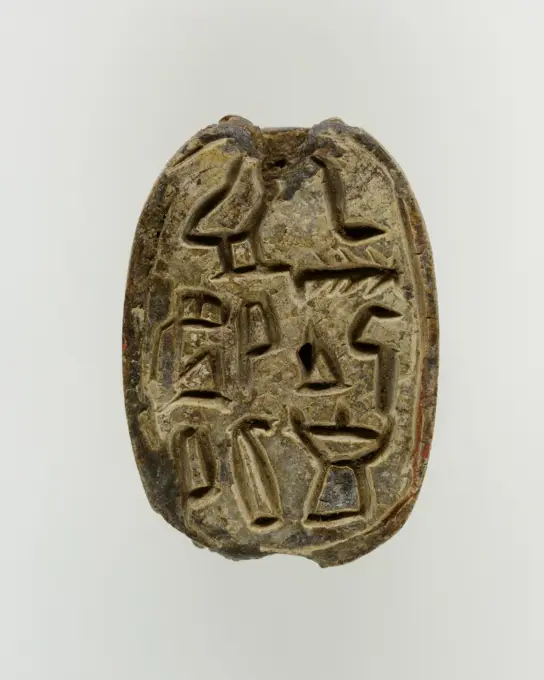
Scarab of an Official ca. 1760-1670 B.C. Middle Kingdom Administrative changes during Dynasty 12 lead to an increase in bureaucracy and, subsequently, in the production and use of seals. This is reflected in the beginning of the mass production of scarabs, the most popular shape for amulets, in late Dynasty 12 through Dynasty 13 (ca. 1850-1640 B.C.). Thousands of these late Middle Kingdom scarabs bear the names and titles of officials, who would wear them as amulets, but who could also use them to seal documents, containers or doors. However, the scarabs primary function remained that of a protective amulet. Several inscriptions add a funerary epithet to the owners name, indicating that the amulet was manufactured after the owner had passed away. This scarab belongs to Iti, an attendant of the pharaohs table, as the hieroglyphic inscription specifies.. Scarab of an Official 557040
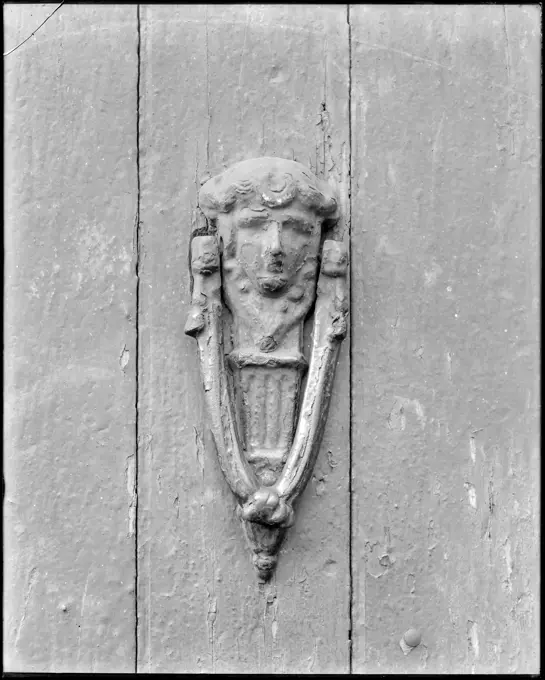
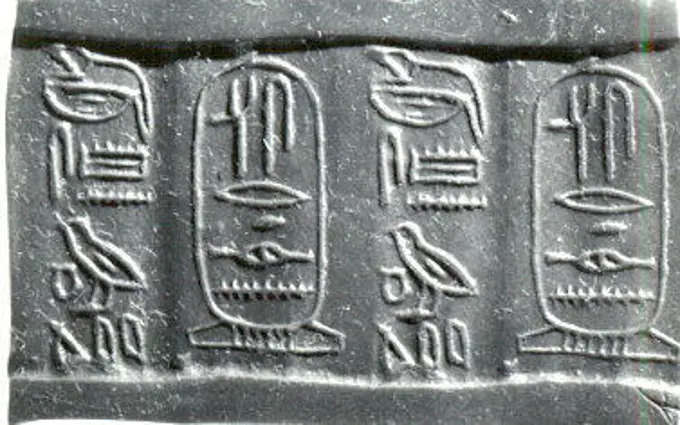
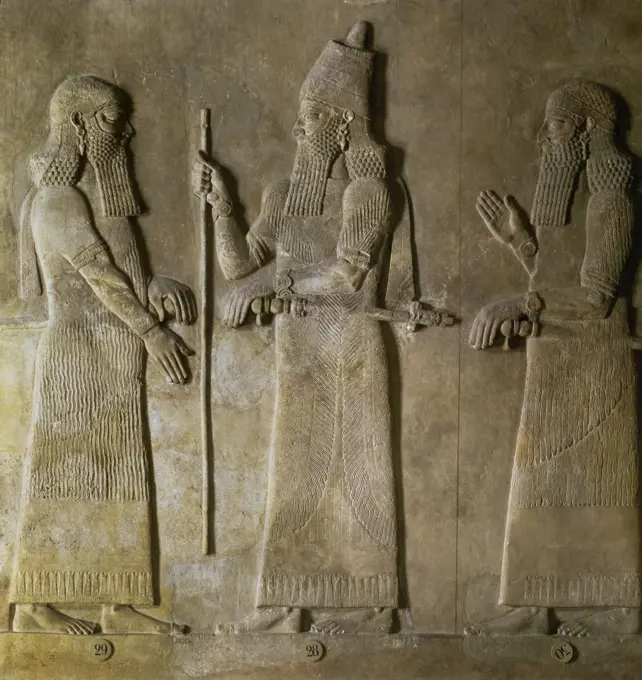
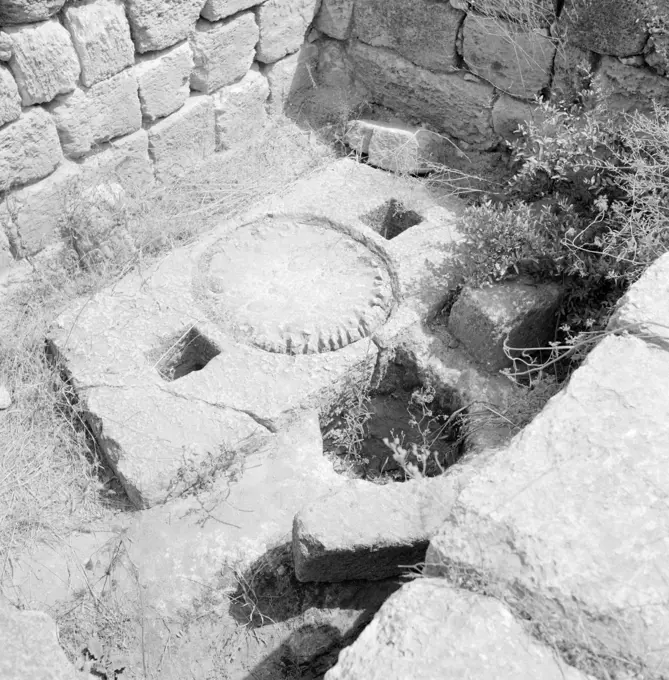
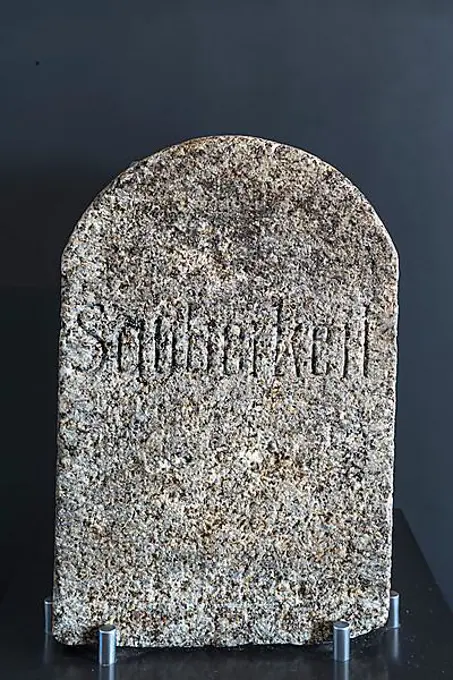
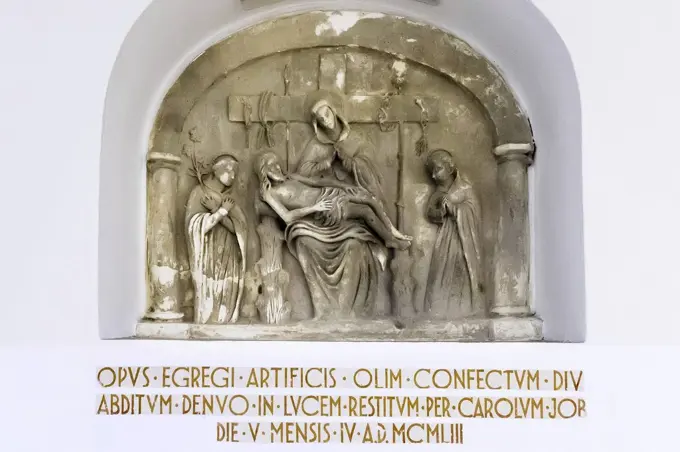
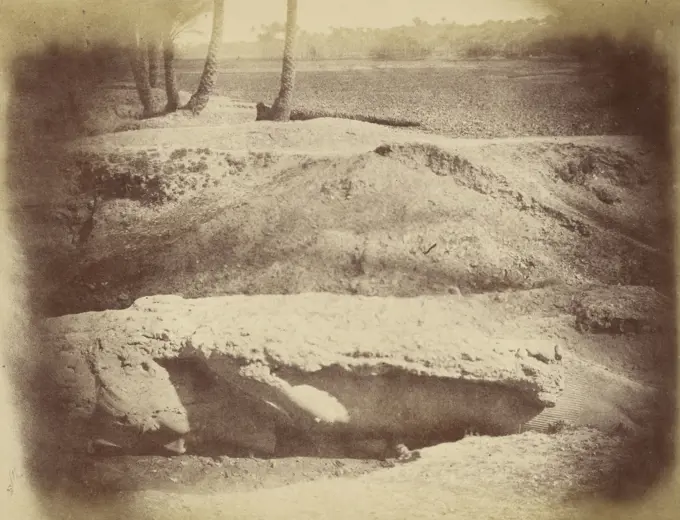
Stamp. Mexico, 1400-1519. Ceramics. CeramicGreek bronze inscribed plaque. Dated 125 ADHistoric, Babylon. Babylonian cylinder seal, bulls and sacred tree, II mill. BCfine arts, ancient world, Roman Empire, sculpture, Sol Invictus, relief, marble, detail, Upper Italy, 3rd century BC, Ny Carlsberg Museum, Copenhagen,Philadelphia, Pennsylvania, 324 South 7th Street, exterior detail, door knocker , Doors & doorways, Hardware. Frank Cousins Glass Plate Negatives Collectiontombstone in africa morocco graveyard marble and concreteCylinder seal ca. mid-20th-mid-19th century B.C. Egyptian. Cylinder seal 327202Cemetery column;  around 1709 (1704-00-00-1714-00-00);Sargon II and the Civil Servants  Mesopotamian Art  Musee du Louvre, Paris Shard with Figural Decoration ca. 4th-5th century Pakistan. Shard with Figural Decoration. Pakistan. ca. 4th-5th century. Painted terracotta. CeramicsPoll photo collection. Israel 1964-1965: Bet Shearim, Archeology. At the ruins of the synagogue, the remains of an olive press with two indicators for wooden items. January 1, 1964. Bet Shearim, IsraelAncient stone with Roman lettering from mausoleum ruins  Lydae, Turquoise Coast, TurkeyGranite stone with the inscription Cleanliness, exhibition room in the concentration camp memorial Flossenbuerg, Flossenbuerg, Upper Palatinate, Bavaria, Germany, Europemicrophone and book, nese, italyClose-up of a Sculpture on an Excavated Site; Théodule Devéria (French, 1831 - 1871); France; 1859 - 1862; Albumen silver printSaint Matthew. Date/Period: 1615. Folio. Tempera colors, gold paint, and gold leaf on glazed paper. Height: 230 mm (9.05 in); Width: 171 mm (6.73 in). Author: UNKNOWN.