Ancient Egyptian Clay Objects

Significant archaeological items, including fragments and decorative pieces, representing the artistry of ancient Egypt, often made from faience or clay.
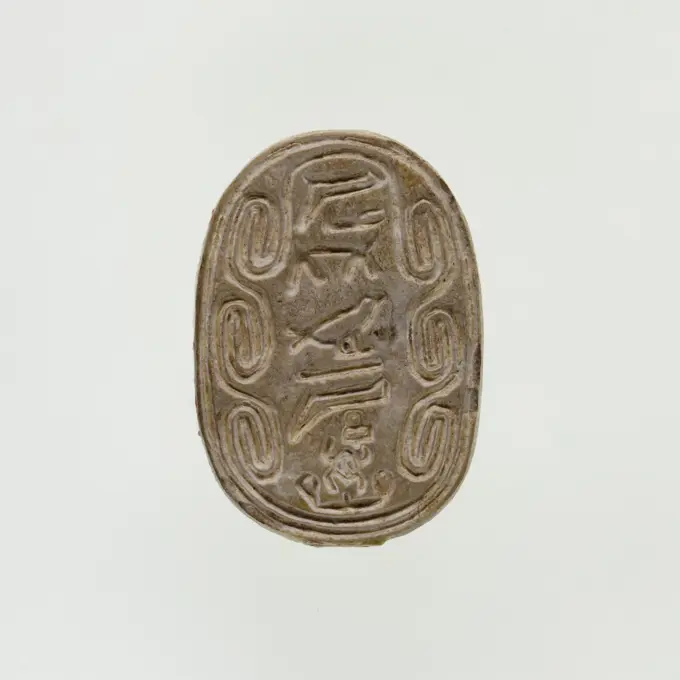
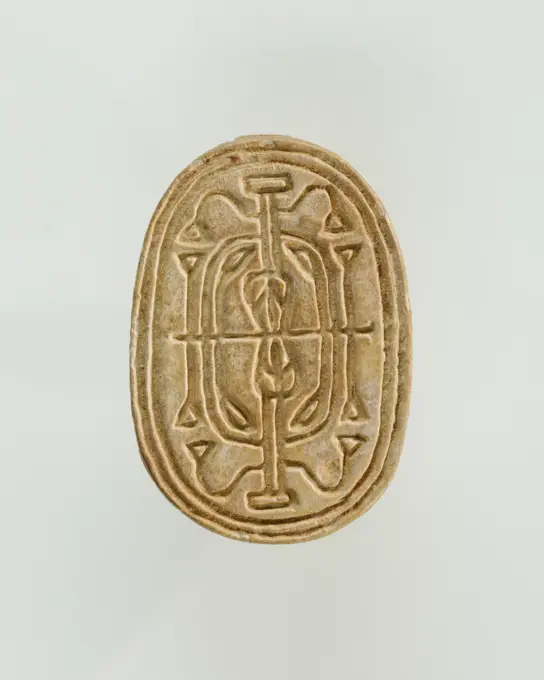
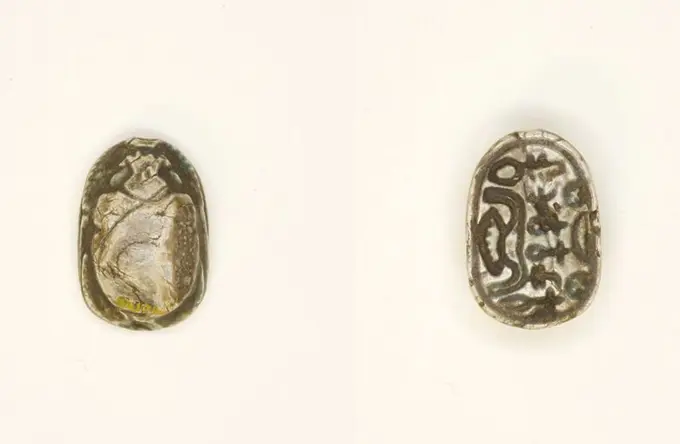
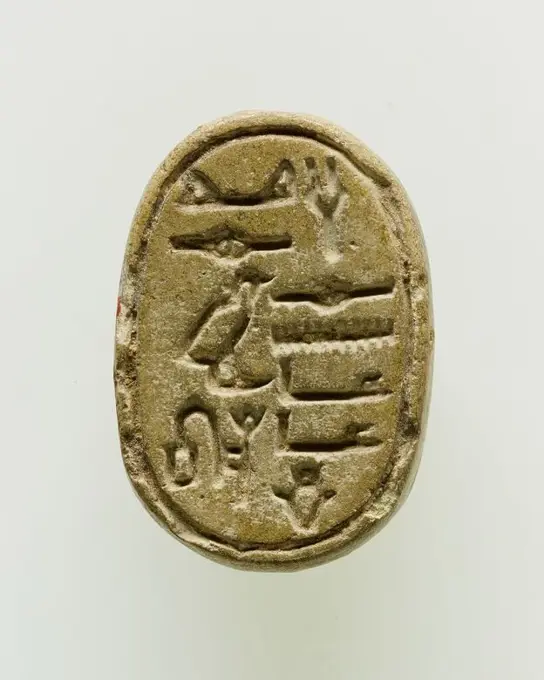
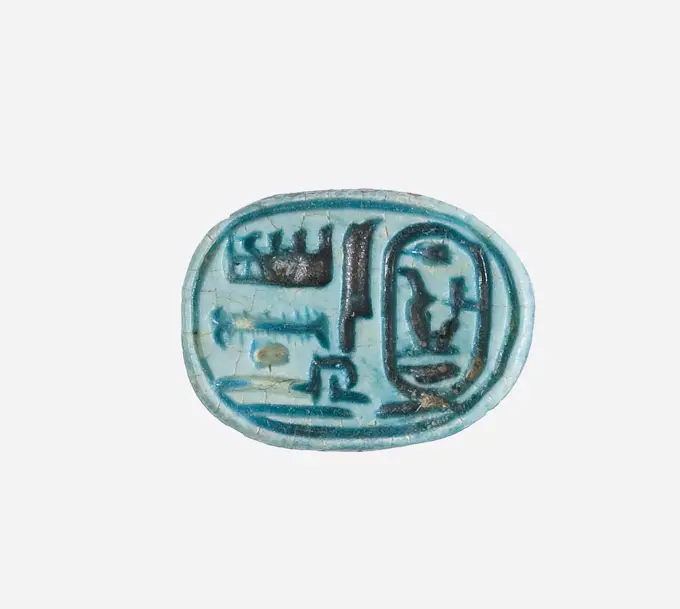
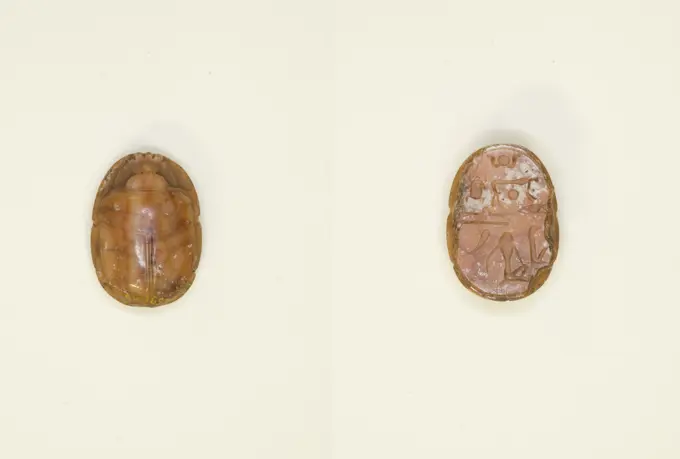
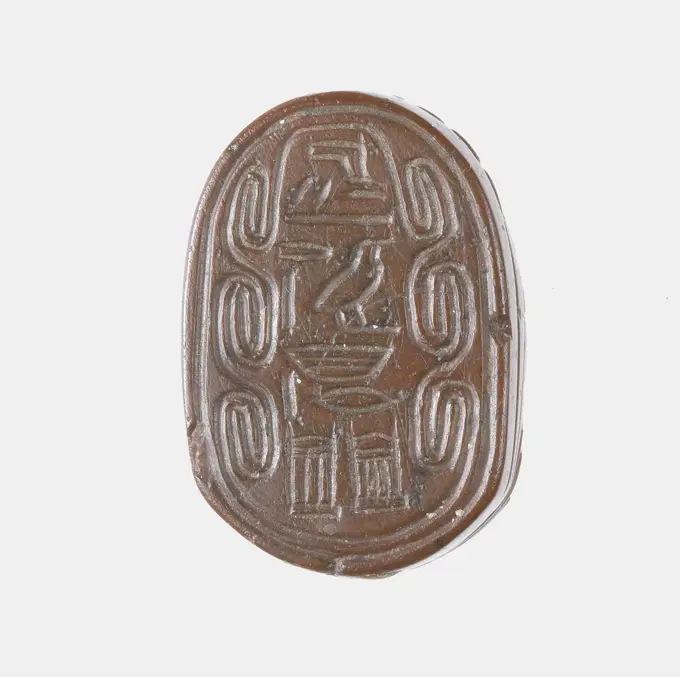
Scarab of the Chamberlain to the Treasurer Kheperka ca. 1760-1670 B.C. Middle Kingdom Administrative changes during Dynasty 12 lead to an increase in bureaucracy and, subsequently, in the production and use of seals. This is reflected in the beginning of the mass production of scarabs, the most popular shape for amulets, in late Dynasty 12 through Dynasty 13 (ca. 1850-1640 B.C.). Thousands of these late Middle Kingdom scarabs bear the names and titles of officials, who would wear them as amulets, but who could also use them to seal documents, containers or doors. However, the scarabs primary function remained that of a protective amulet. Several inscriptions add a funerary epithet to the owners name, indicating that the amulet was manufactured after the owner had passed away. This scarab is inscribed with the name and titles of Kheperka, the chief chamberlain of the Treasurer. A decorative scroll border surrounds the inscription.. Scarab of the Chamberlain to the Treasurer Kheperka
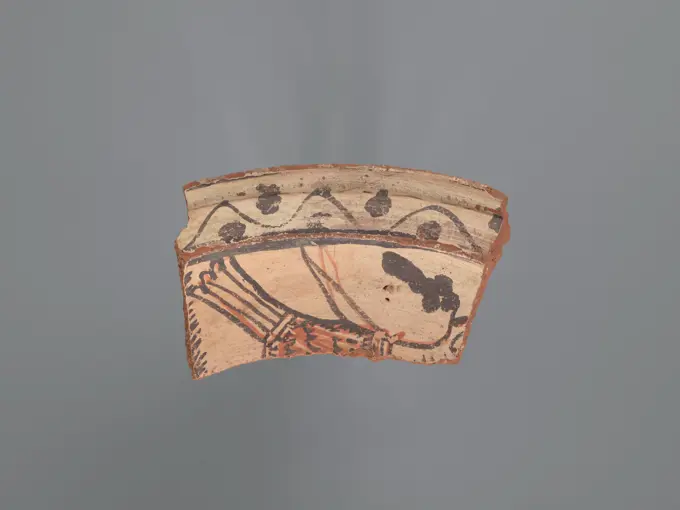
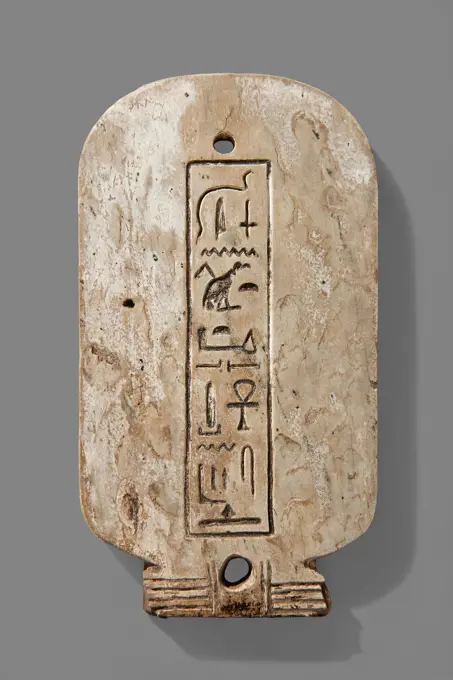
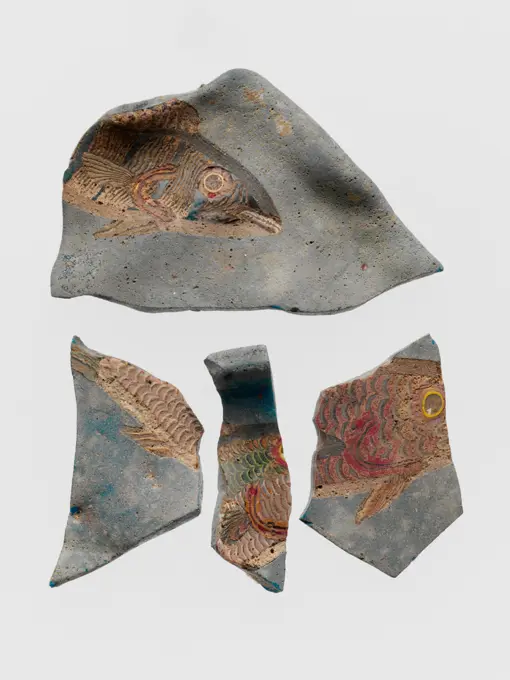
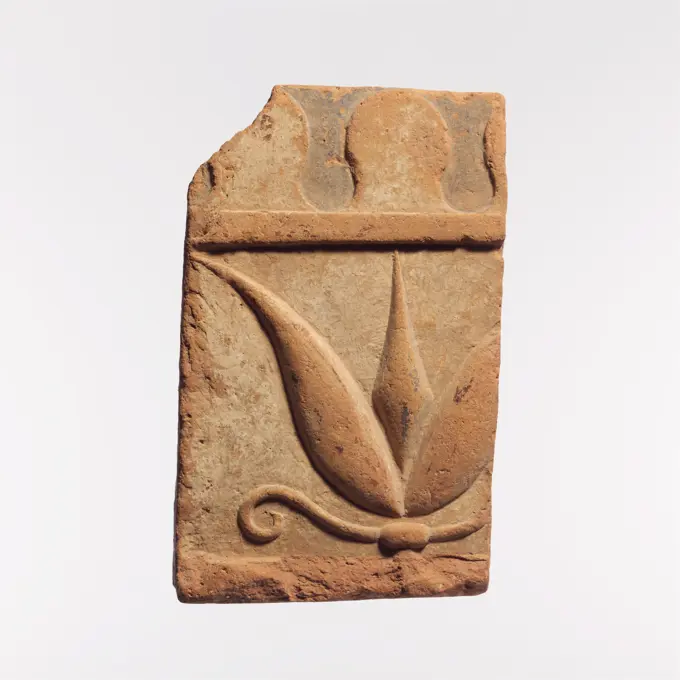
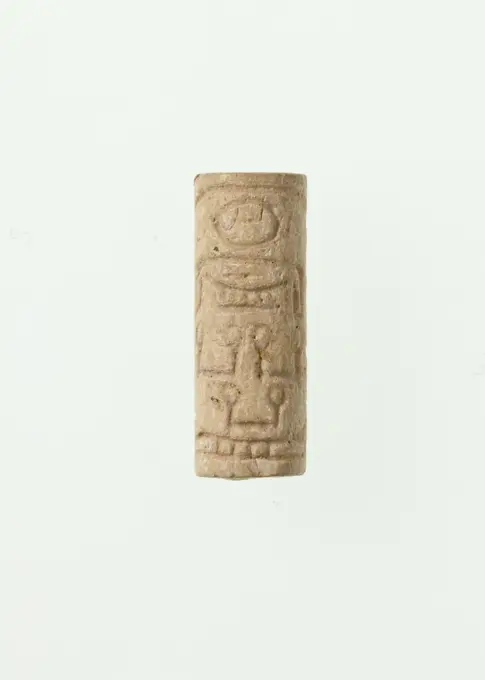
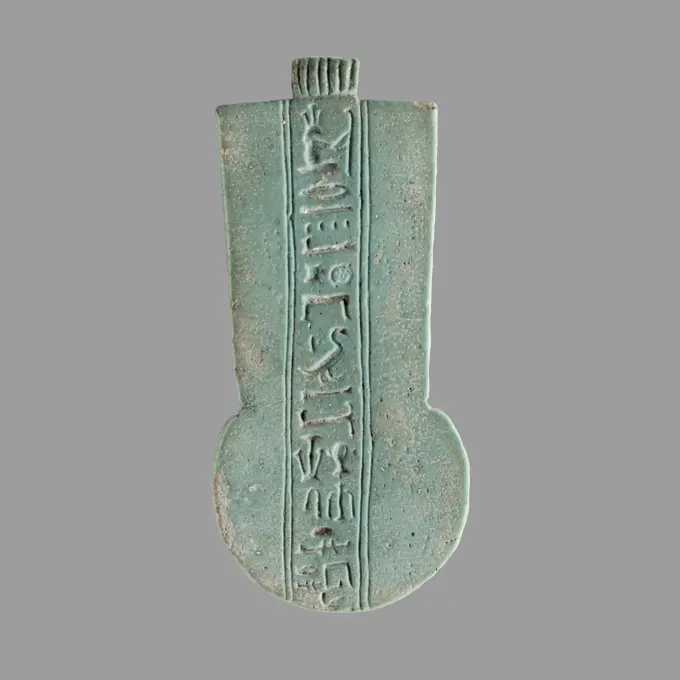
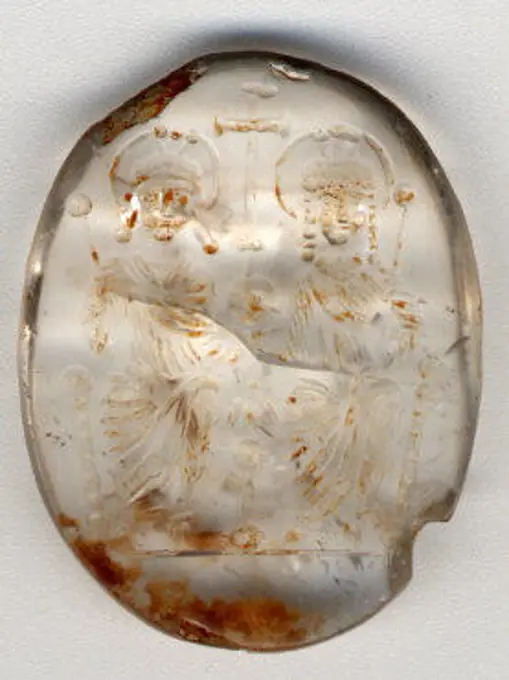
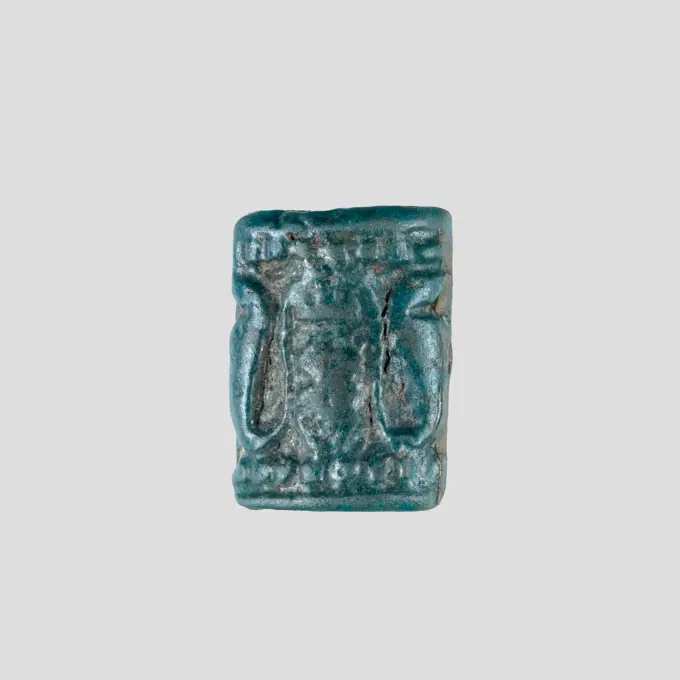
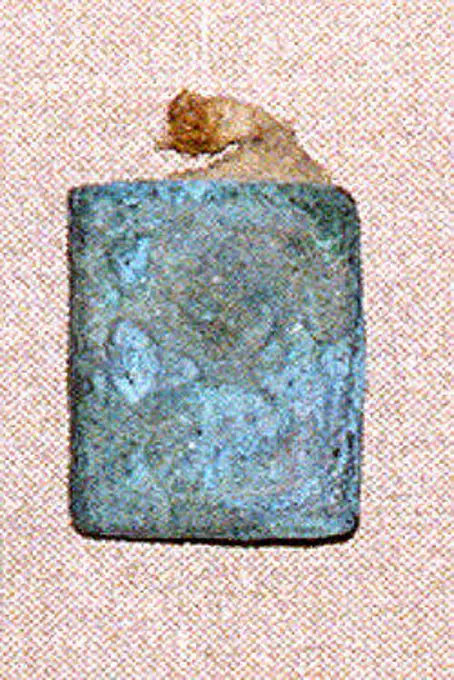
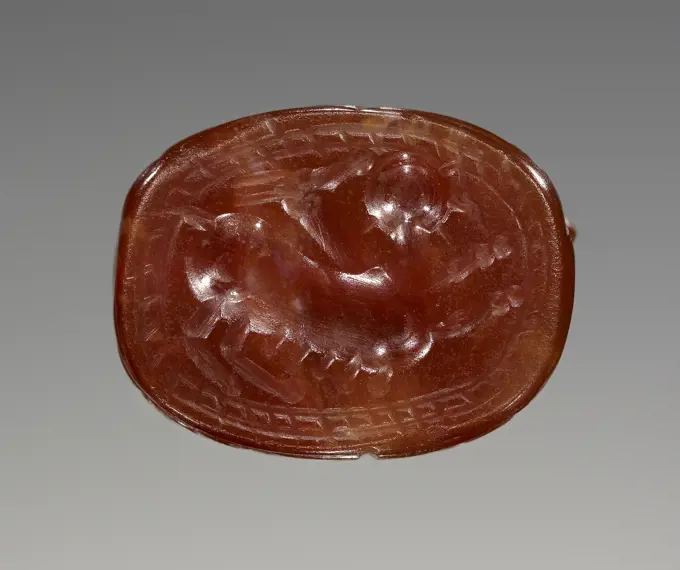
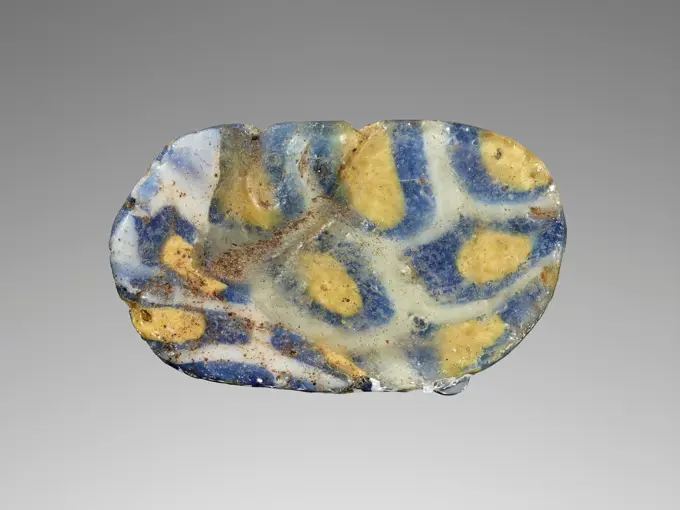
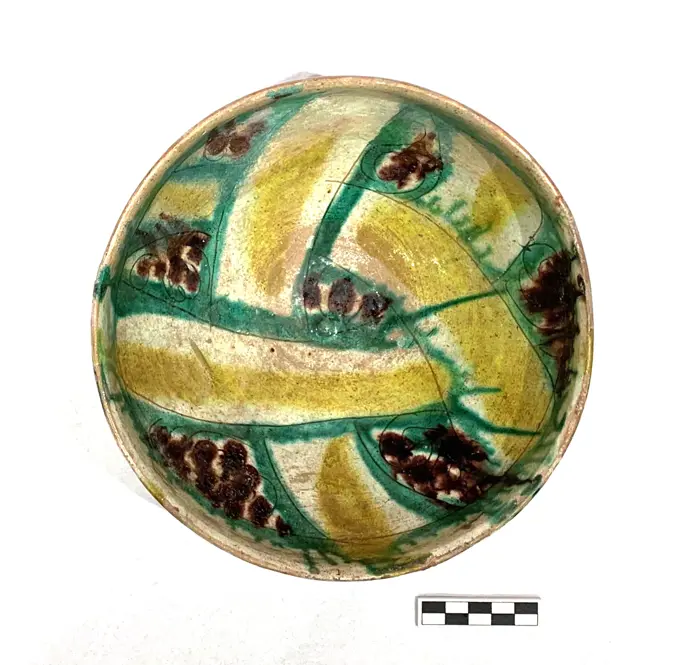
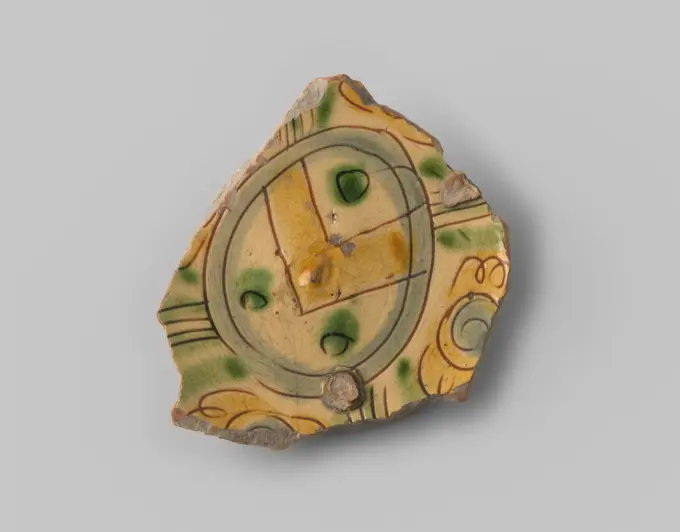
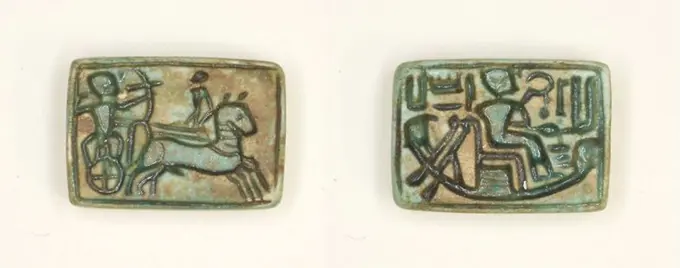
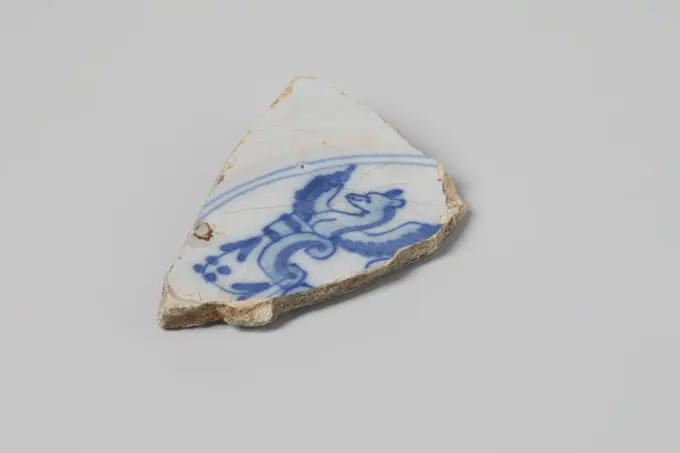
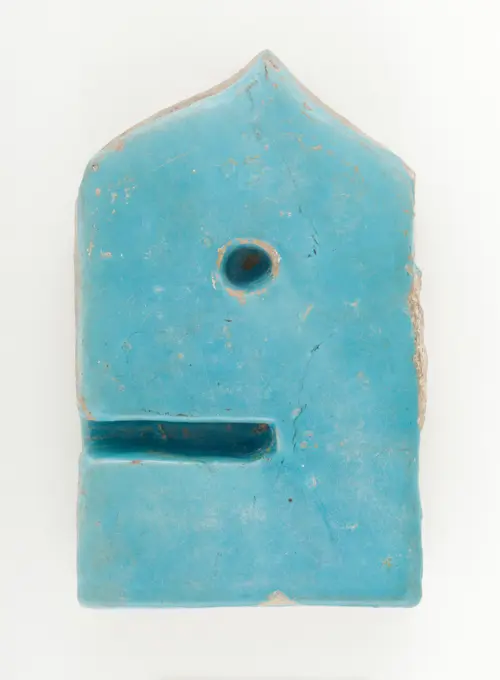
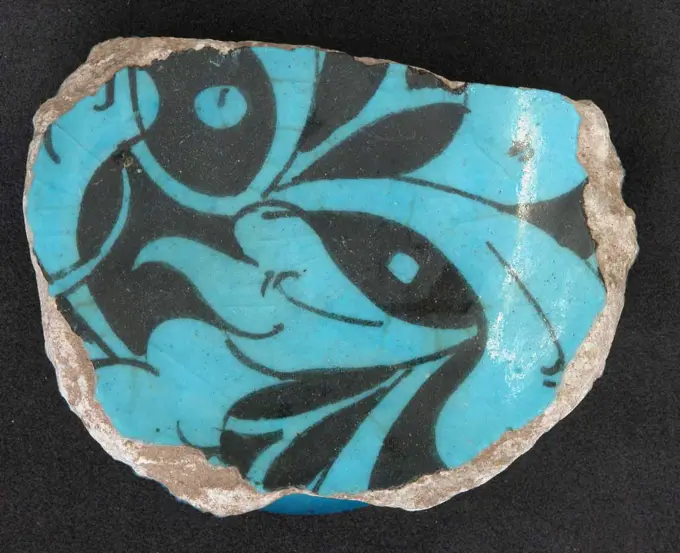
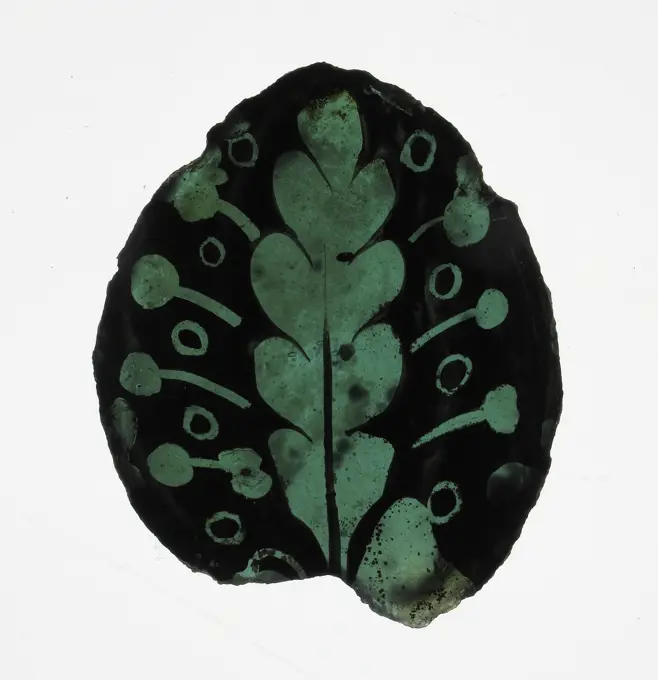
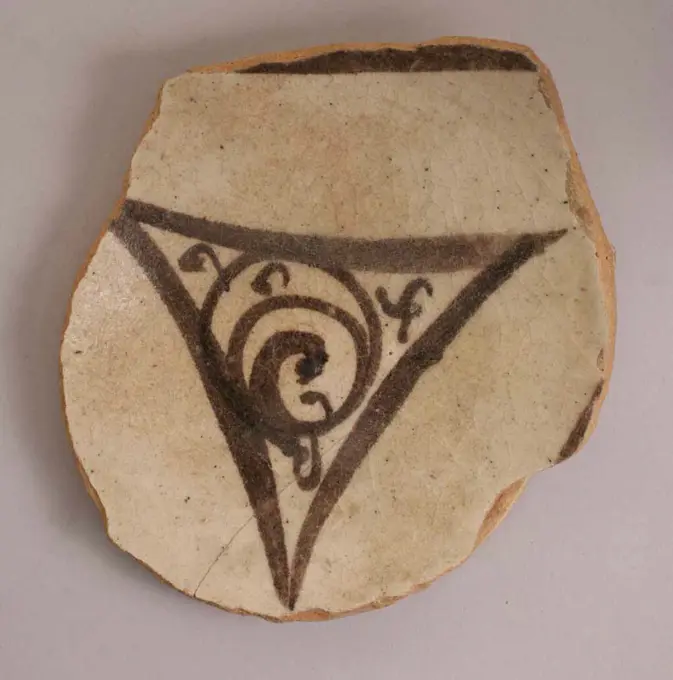
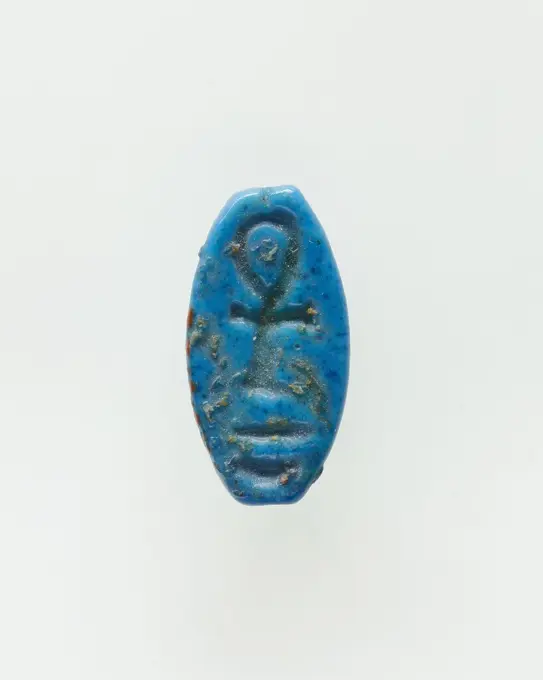
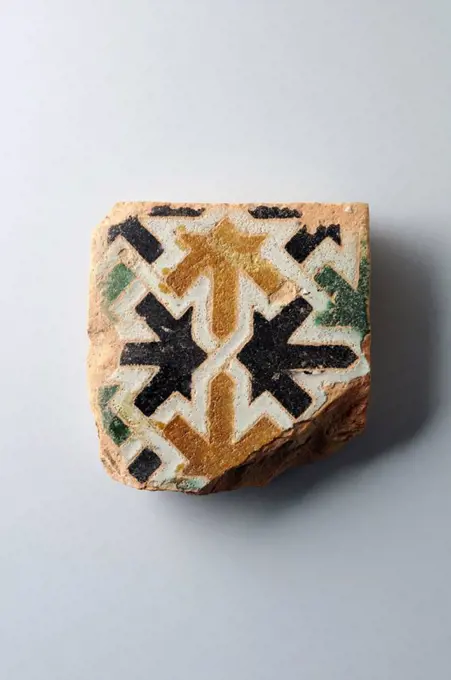
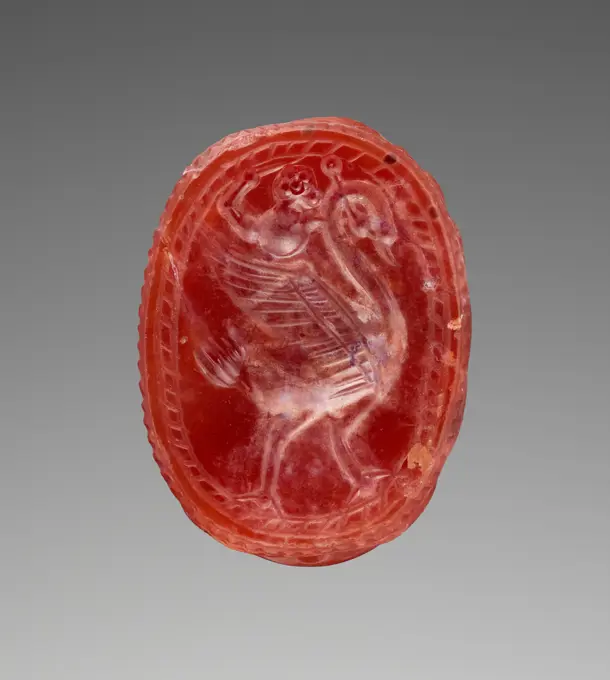
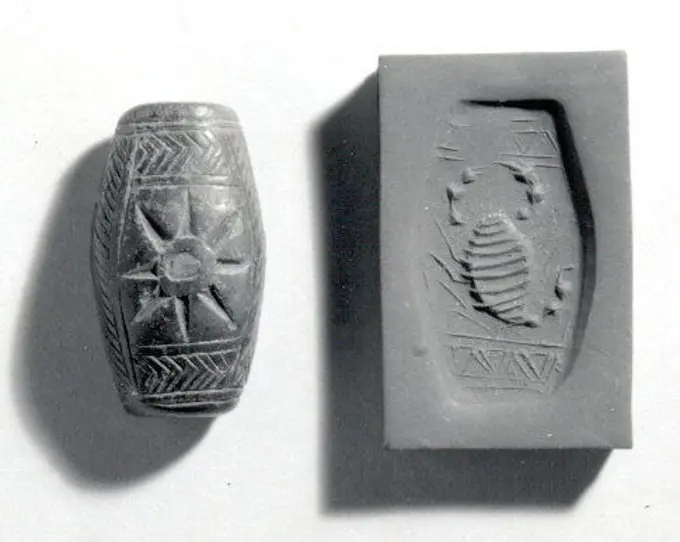
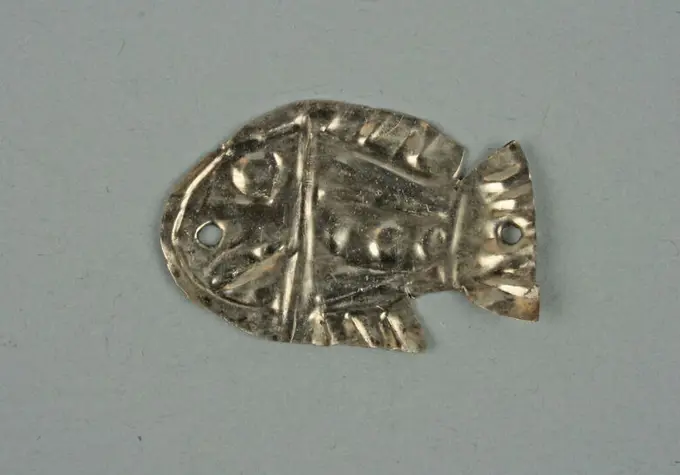
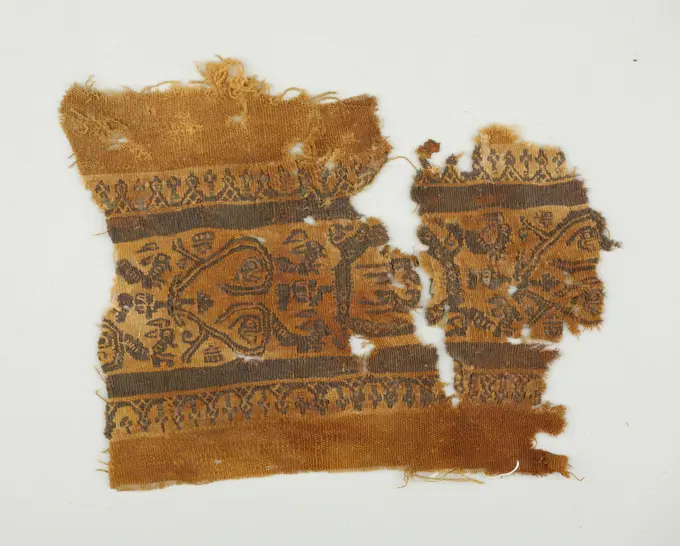
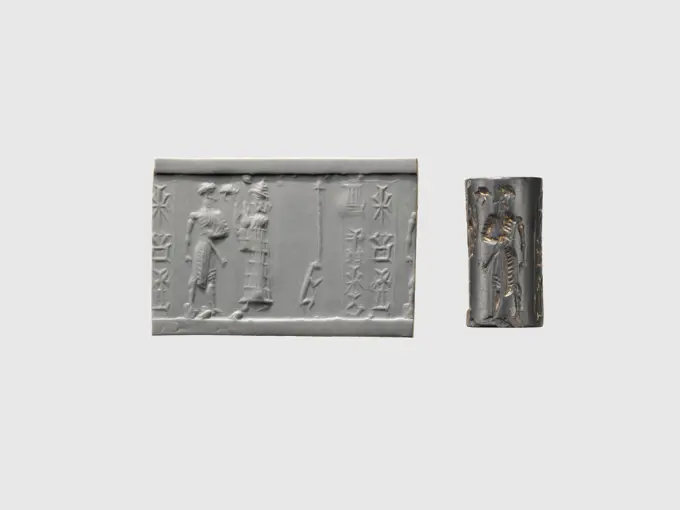
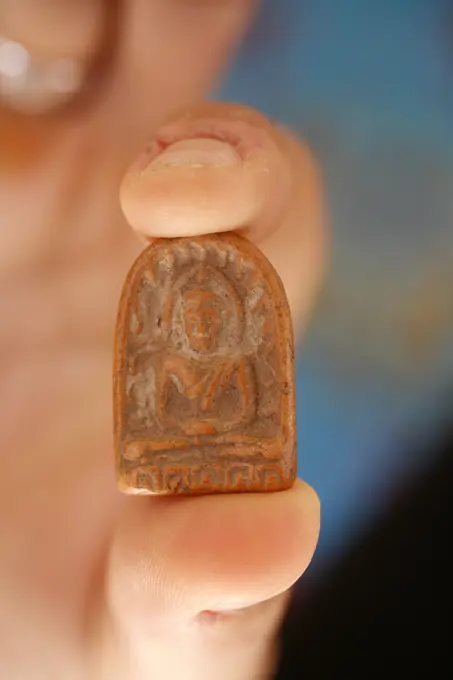
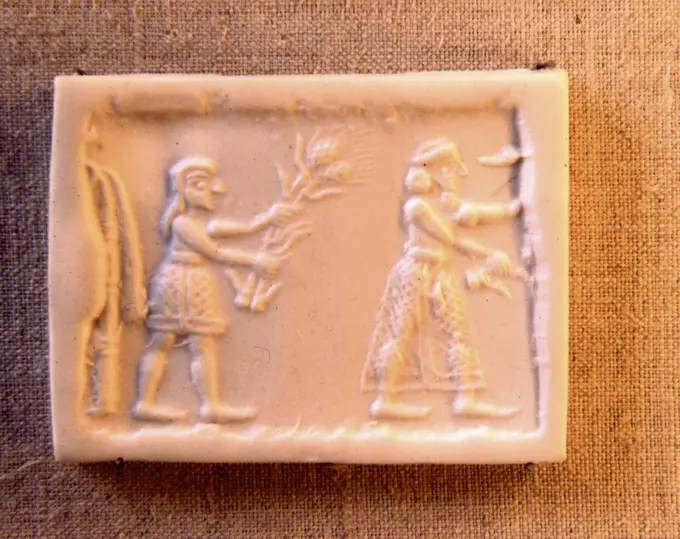
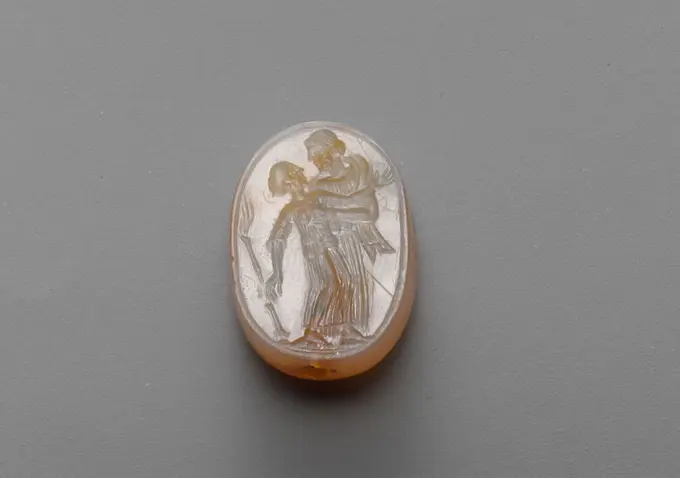
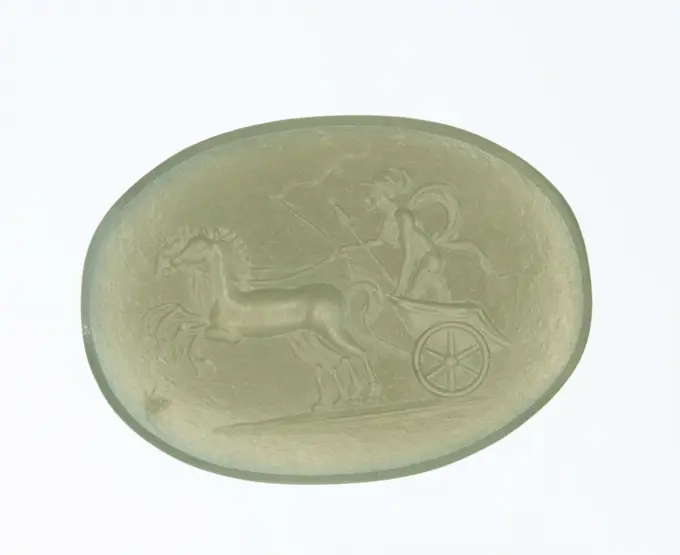
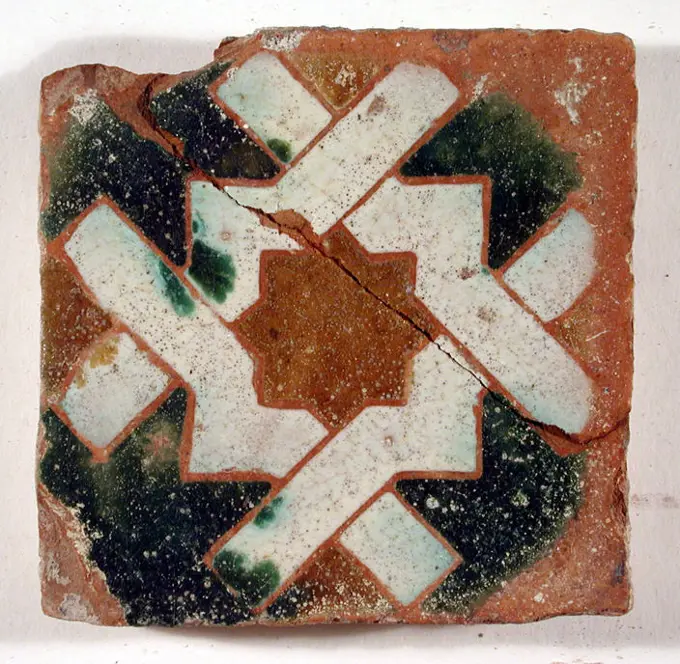
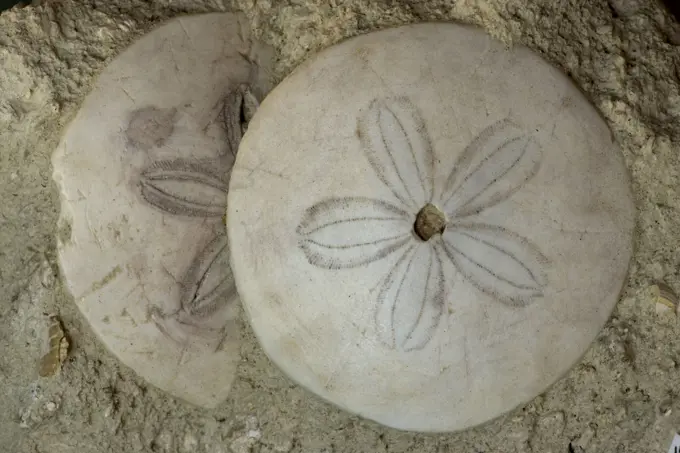
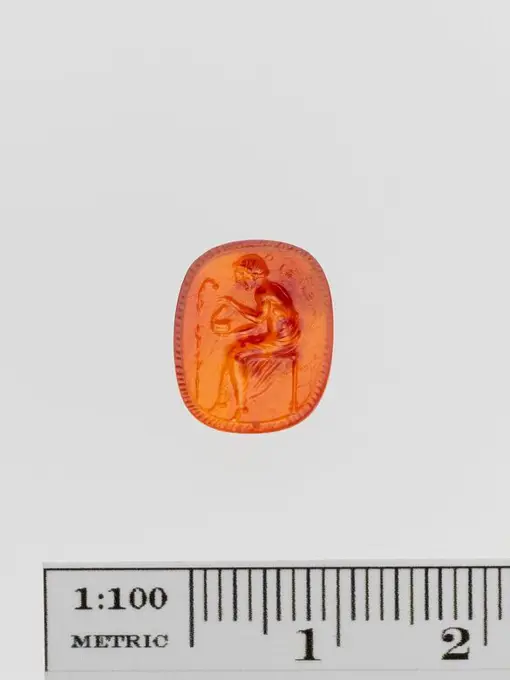
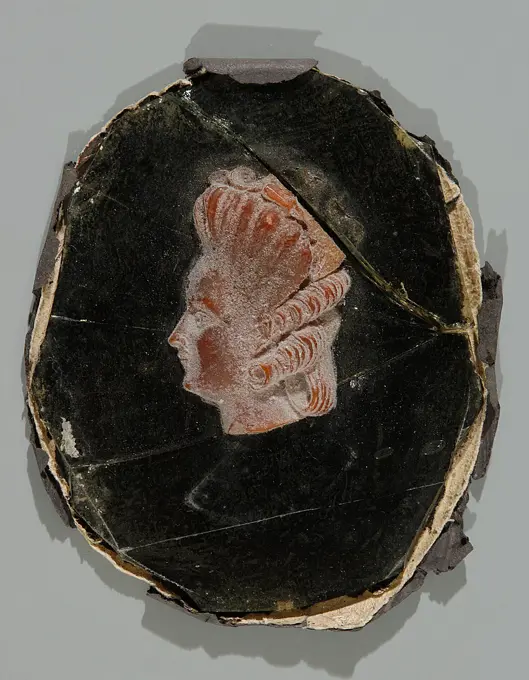
A convex profile told women in a high hairstyle;  1850 (1850-00-00-1850-00-00);Women, foreign miniatures, profiles, reliefs, hairstylesRectangular Plaque middle of 6th century Frankish. Rectangular Plaque 465464 Frankish, Rectangular Plaque, middle of 6th century, Copper alloy, Overall: 1 3/16 x 13/16 x 5/16 in. (3 x 2 x 0.8 cm). The Metropolitan Museum of Art, New York. Gift of J. Pierpont Morgan, 1917 (17.193.152)Lid with the name Mut;  New Pał XIX century (1800-00-00-1900-00-00);The art collection of ancient Egypt, Mut (Mitol.Hearing stone with representation of two climbing lions, c. 1875 - c. 1900 Hearing stone with representation of two climbing lions, placed in profiled window. The half windows at the top and bottom are filled with arrow pattern. Glazed. Netherlands earthenware vitrification Hearing stone with representation of two climbing lions, placed in profiled window. The half windows at the top and bottom are filled with arrow pattern. Glazed. Netherlands earthenware vitrificationGlass fragments of bowl decorated with mosaic fish 1st-3rd century A.D. Roman The fragments depict life-like fish swimming in a river, lake, or pool, indicated by the blue glass background. It is uncertain whether they belong to a plate or a panel since they are now warped out of shape.. Glass fragments of bowl decorated with mosaic fish. Roman. 1st-3rd century A.D.. Glass; cast. Imperial. GlassScarab Decorated with Symbol of Unification ca. 1802-1670 B.C. Middle Kingdom A popular motif on Middle Kingdom scarabs is the sema-tawy, the symbol of the unification of Egypt. The motif consists of a windpipe entwined with lotus and papyrus plants, floral symbols that respectively represent Upper and Lower Egypt. While many early Middle Kingdom scarabs (late Dynasty 11-early Dynasty 12, ca. 2030-1850 B.C.) show the sema-tawy alone, the compositions of the late Middle Kingdom (late Dynasty 12-mid Dynasty 13) often display two sema-tawy motifs in symmetric opposition or combine it with other motifs such as spirals or hieroglyphs. The motif does not disappear after the Middle Kingdom but continues to appear on Egyptian and Canaanite scarabs during the Second Intermediate Period (Dynasty 14-17, ca. 1640-1550 B.C.) when, ironically enough, the kingdom was no longer unified. The accompanying motifs or the details in the shape of the scarab allow dating these scarabs more precisely.. ScarabAnonymous. Half-Doudou de Pondicherry de Louis XV, 1715-1774. Copper, 1715-1774. Paris, Carnavalet museum. Numismatics, currency room, 18th 18th 18th 18th 18th 18th 18 century, partFragment of a terracotta architectural tile 6th century B.C. Lydian Lotus.. Fragment of a terracotta architectural tile 252601 Lydian, Fragment of a terracotta architectural tile, 6th century B.C., Terracotta, Overall: 8 1/16 x 5 in. (20.5 x 12.7 cm). The Metropolitan Museum of Art, New York. Gift of The American Society for the Excavation of Sardis, 1926 (26.199.4)Sharf of ross -baking earthenware, with blue glaze at the top with a painting of two flowers in white, brown and ocher, and two green leaves, anonymous, 1600 - 1650  Northern Netherlands earthenware. glaze majolica  Northern Netherlands earthenware. glaze majolicaUninscribed Scarab of Sithathoryunet. Dimensions: l. 1.7 cm (11/16 in). Dynasty: Dynasty 12. Reign: reign of Senwosret II-Amenemhat III. Date: ca. 1887-1813 B.C.. Museum: Metropolitan Museum of Art, New York, USA.Scarab: Hieroglyphs. Egyptian. Date: 1650 BC-1550 BC. Dimensions: 1.4 × 1 × 0.5 cm (9/16 × 3/8 × 3/16 in.). Glazed steatite. Origin: Egypt. Museum: The Chicago Art Institute, Chicago, USA. Author: Ancient Egyptian.Cylinder seal with the name of Amenemhat II ca. 1802-1550 B.C. Middle Kingdom. Cylinder seal with the name of Amenemhat II 557036Amulet - pimples of Menit Menit Kap Ahpeta;  664-332 BC; Half-ny (0-00-00-0-00-00);Achpet (Ca 664-404 A.C.), Louvre (Paris) - collection, scenes.gal.eg., hieroglyphs, priests, MenyMosaic block inlay fragment. Mosaic block inlay fragment. Clay, glazed. Gold and SilverFragment of a Mold for Making Ceramics 11th century. Fragment of a Mold for Making Ceramics 450762Intaglio 6th century Byzantine. Intaglio 473293Bliżej KulturySteatite intaglio: Lion-headed serpent ca. 2nd-3rd century A.D. Roman. Steatite intaglio: Lion-headed serpent 245147Tile decorated with a lily embossed. .Scarab of an Official. Dimensions: l. 2.2 cm (7/8 in). Dynasty: Dynasty 12-18. Date: ca. 1981-1550 B.C.. Museum: Metropolitan Museum of Art, New York, USA.sextans (aes grave). Anonimowy, monetary officer, Republika Rzymska, issuerAmulet - a plaque with Mencheperre cartridge and a deity;  around 1295 1069 BC ; New PAMencheperre cryptograms, scenes.gal.eg., Society for the Encouragement of Fine Arts (Warsaw - 1860-1940) - collection, Tyszkiewicz, Michał (1828-1897), Tyszkiewicz, Michał (1828-1897) - collections, Egyptian deities, Dar (provenance (provenance ), cartouches, plaques, ureuszeShard ca. 4th-5th century Pakistan. Shard 50876Decorated jar fragment. Dimensions: H. 4 (1 9/16 in.); W. 5.7 cm (2 1/4 in.). Dynasty: Dynasty 18. Reign: reign of Amenhotep III. Date: ca. 1390-1352 B.C.. Museum: Metropolitan Museum of Art, New York, USA.Bronze belt plaque with attached fragment of leather belt ca. 7th-9th century A.D. Alanic. Bronze belt plaque with attached fragment of leather belt 327577Fragment majolica dish, yellow, orange and blue on white, decor with stylized leaf motifs, dish plate crockery holder earth discovery ceramics pottery glaze, archeology serving garnishScaraboid Crocodile 1550 BCE-1069 BCE Egypt. Glazed steatite . Ancient EgyptianCylinder seal ca. 16th-15th century B.C. Kassite. Cylinder seal. Kassite. ca. 16th-15th century B.C.. Faience. Kassite. IranScarab; Etruria; 4th century B.C; Carnelian; 0.8 × 1.5 × 1.1 cm (5,16 × 9,16 × 7,16 in.)Scarab Inscribed for Amenhotep III ca. 1390-1353 B.C. New Kingdom The throne name of Amenhotep III, Nebmaatre, appears in the cartouche at the right followed by an epithet saying that he is the chosen one of the god Amun.. Scarab Inscribed for Amenhotep III. ca. 1390-1353 B.C.. Mica schist, glazed. New Kingdom. From Egypt, Upper Egypt, Thebes, Malqata, Houses G-K, MMA excavations, 1911-12. Dynasty 18Fragment of a Bowl 13th-14th century. Fragment of a Bowl 446322Fragment of a Mosaic Glass Vessel. Unknown 1st century B.C.-1st century A.D. Blue, yellow and white in a scale pattern.Fragment 14th-15th century. Fragment 445500Grahal-Manzara. Carnavalet 2013-2016 collection sites. Numismatics.Bowl early 10th century. Bowl. early 10th century. Earthenware; slip covered with polychrome slip decoration under transparent glaze, incised. Excavated in Iran, Nishapur. CeramicsFragment Werra bowl with ears, mirror effect winged angel and year, bowl bowl container holder earth discovery ceramic earthenware glaze, Red earthenware with drawing in light yellow and green glaze. year of glaze: ** 20 archeologyScarab of a Priest of Hathor Middle Kingdom ca. 1850-1802 B.C. Administrative changes during Dynasty 12 lead to an increase in bureaucracy and, subsequently, in the production and use of seals. This is reflected in the beginning of the mass production of scarabs, the most popular shape for amulets, in late Dynasty 12 through Dynasty 13 (ca. 1850-1640 B.C.). Thousands of these late Middle Kingdom scarabs bear the names and titles of officials, who would wear them as amulets, but who could also use them to seal documents, containers or doors. However, the scarabs primary function remained that of a protective amulet. Several inscriptions add a funerary epithet to the owners name, indicating that the amulet was manufactured after the owner had passed away. This scarabs bears the name and title of a priest of the goddess Hathor. The inscription is surrounded by a scroll border. View more. Scarab of a Priest of Hathor. ca. 1850-1802 B.C.. Green feldspar. Middle Kingdom. From Egypt, MemphiVessel, fragment of the plate; Unknown Egyptian Night Workshop; VI-VII century (501-00-00-700-00-00);Prismatic Bead with Ogre Mask, 11th-10th Century BC. China, Western Zhou dynasty (c. 1046-771 BC). Jade ; overall: 2 x 1.7 cm (13/16 x 11/16 in.).Excerpt (foot) with red shard, in sgraffito technology an egg -shaped weapon with a job and three bulbs, in green and ocher, in pale blue frame, anonymous, 1200 - 1899  Italy earthenware  Italy earthenwarePlaque: King in Chariot Shoots Enemy/King Seated in the Barque of Amun. Egyptian. Date: 1570 BC-1186 BC. Dimensions: 1.6 × 1.3 × 0.6 cm (5/8 × 1/2 × 1/4 in.). Steatite. Origin: Egypt. Museum: The Chicago Art Institute, Chicago, USA. Author: Ancient Egyptian.Carved Intaglio Gemstone with GoodShepherdScarab with Hieroglyphs 1069 BCE-343 BCE Egypt. Carnelian . Ancient EgyptianFerigrag. Fencing with a green and purple painted decor of stylized leaves.Owl Amulet ca. 1390-1352 B.C. New Kingdom. Owl Amulet. ca. 1390-1352 B.C.. Faience. New Kingdom. From Egypt, Upper Egypt, Thebes, West Valley of the Kings, Tomb of Amenhotep III (WV 22), Carnarvon/Carter excavations, 1915. Dynasty 18Amulet of a Necklace Counter Weight 1070 BCE-656 BCE Egypt. Faience . Ancient EgyptianFragment of a Bowl 14th-15th century. Fragment of a Bowl 445334Impression Of Seal Cylinder; 1902-20-42Pectorals from a tomb in Egypt, of the 20th Dynasty. Dated 13th Century BCPyramidal Stamp Seal. UnknownScarab ca. 1760-1670 B.C. Middle Kingdom. Scarab. ca. 1760-1670 B.C.. Glazed steatite. Middle Kingdom. From Egypt. mid Dynasty 13Plaque for a Collar or Necklace 8th century. Plaque for a Collar or Necklace 446244Shards of porcelain from V.O.C. ship De 'Witte Leeuw', Anonymous, Before 1613  Shards Porcelain from V.O.C. ship De 'Witte Leeuw'. Jingdezhen porcelain   Sint-HelenaDishwill of earthenware with white tinglaze on the underside and white tinglaze on the top and a winged animal in blue, damaged, anonymous, 1500 - 1799   earthenware. tin glaze   earthenware. tin glazeImpression Of Seal Cylinder; 1902-20-35Tile in the Form of the Letter Waw’. Iran, Islamic, 12th century. Ceramics. Fritware, molded and glazedcollection of various  empty wooden sign on white background. each one is shot separatelyFragment of a Bowl 13th century. Fragment of a Bowl 445461Glass Fragment 14th-15th century European. Glass Fragment. European. 14th-15th century. Pot metal glass. Glass-StainedKohl Tube in the form of a Palm Column ca. 1550-1295 B.C. New Kingdom. Kohl Tube in the form of a Palm Column. ca. 1550-1295 B.C.. Glass. New Kingdom. From Egypt. Dynasty 18Fragment 15th century. Fragment 445498Fragment of a Mosaic Glass Vessel. Unknown 1st century B.C.-1st century A.D. Light green, yellow and red arranged in a scale pattern.Anonymous. "Moses". Blue gold background glass. Museum of Fine Arts of the City of Paris, Petit Palais. 99933-2 Antiquity, gold leaf, half half of the 4th 4th 4th century, brown, ancient glass, ancient glassFragment of Dish 12th-13th century This earthenware fragment, attributed to Syria or Egypt, was slipped and painted in dark brown to create a triangular medallion at the center of the vessel before it was coated with a transparent colorless glaze. Such underglaze painting traditions in Syria were crucial to the development of the signature underglaze-painted stonepaste wares of the 12th century onwards.The fragment came to the Museum as early as 1913, before the establishment of a dedicated department of Islamic Art.. Fragment of Dish. 12th-13th century. Earthenware; slipped, underglaze painted under colorless glaze. Attributed to Egypt or Syria. CeramicsCowroid Inscribed with an Ankh. Dimensions: L. 1.4 cm (9/16 in.), W. 0.7 cm (1/4 in.); H. 0.4 cm (3/16 in.). Dynasty: Dynasty 18, early. Reign: reign of Thutmose II-Early Joint reign. Date: ca. 1492-1473 B.C..This cowrie-shaped amulet is inscribed on the base with the full spelling of the word ankh, whick means "to live," or "life." It was among the objects that had been placed in the coffin of an unnamed woman that was found in the tomb of Hatnefer (see 36.3.1). Five other amulets in the Museum's collections were found inside a kohl pot in the same coffin (26.3.22-.21, .23-.24). There were also two mirrors (36.3.12, .13), three faience bowls (36.3.8-.10) , a circular wood box (36.3.11a, b). Museum: Metropolitan Museum of Art, New York, USA.Fragment of a Dish 14th-15th century. Fragment of a Dish 446438Glazed ceramic tile with geometric decoration 10 x 9, 5 cm. (15 th CE ) - Modern era belonging of the " Burgo de Santiuste Museum" in Alcalá de Henares. (Madrid). SPAIN.Scarab. UnknownCylinder seal 3rd millennium B.C.. Cylinder seal 326928Stamp seal (loaf-shaped hemispheroid) with animal and symbol 9th - 8th century B.C. Assyrian. Stamp seal (loaf-shaped hemispheroid) with animal and symbol 325627Fish Ornament. Culture: Peru; central coast (). Dimensions: L. 1 3/8 in. (3.5 cm). Date: 11th-12th century. Museum: Metropolitan Museum of Art, New York, USA.Scarab ca. 1479-1458 B.C. New Kingdom. Scarab. ca. 1479-1458 B.C.. Faience. New Kingdom. From Egypt, Upper Egypt, Thebes, Deir el-Bahri, Hatshepsut Hole, Hathor Shrine, MMA excavations, 1922-23. Dynasty 18Fragment of Coptic fabric unknownFragment of a Bowl 10th-12th century. Fragment of a Bowl 447265Cylinder seal ca. first half 2nd millennium B.C. Babylonian. Cylinder seal. Babylonian. ca. first half 2nd millennium B.C.. Hematite. late Old Babylonian. MesopotamiaScarab Inscribed for Nebrasahwy, the magistrate of a district ca. 1850-1700 B.C. Middle Kingdom. Scarab Inscribed for Nebrasahwy, the magistrate of a district. ca. 1850-1700 B.C.. Brown jasper. Middle Kingdom. From Egypt. Dynasty 12, late-13 to 1700 B.C.Openwork Copper Bead with Bird Design 12th-15th century Chimú. Openwork Copper Bead with Bird Design 315377Gold Necklace Ornament 3rd-16th century Colombia. Gold Necklace Ornament. Colombia. 3rd-16th century. Gold. Colombia. Metal-OrnamentsBuddhist amulet, Paris, France, EuropeWinged Scarab 664-332 B.C. Late Period This winged scarab consists of three pieces: an actual scarab beetle and two separately made wings. The wings are not those of a beetle, but those of a bird, as is apparent by their shape and the indication of individual feathers. Each piece features several small holes that were used to fasten the winged scarab to the wrappings of a mummy. Winged scarabs, meant to guarantee the rebirth of the deceased, were very popular funerary amulets.. Winged Scarab. 664-332 B.C.. Faience. Late Period. From EgyptCeramic Fragment 13th-16th century. Ceramic Fragment 452441Band design for: Louis Couperus, Majesty, 1893. Monogram by Richard Roland Holst Rnrh in a circle.Cylinder seal Sumerian ca. 2600-2350 BCETile with Floral Medallion, 1881-1883, J. & J.G. Low Patent Art Tile Works, Chelsea, Massachussets, 1877-1907, 4 3/16 x 4 1/4 x 3/8 in. (10.64 x 10.8 x 0.95 cm), Glazed ceramic, United States, 19th centuryAkkadian seal and seal impression, 2300 BC Goddess of Fruitfulness (Inanna ) MESOPOTAMIA.Seal impression showing crop harvest. Uruk, 3200 BC. Sumerian. MESOPOTAMIA.art set of vintage frame lableTextile Fragment 7th-8th century. Textile Fragment 444036Chalcedony scaraboid in silver ring. Culture: Greek. Dimensions: 1 5/8 in. (4.1 cm)gem: 1/4 × 9/16 × 13/16 in. (0.6 × 1.5 × 2 cm). Date: mid-5th century B.C..Hades abducting PersephoneHades, the ruler of the underworld, abducted Persephone, the daughter of the goddess Demeter. Persephone spent half the year with him and half on earth. Museum: Metropolitan Museum of Art, New York, USA.Bliżej KulturyPavement tiles 16th century Spanish, Seville Polychrome tiles had long been made in Spain in the cuerda seca (dry cord) technique, dating to the Muslim Almohad dynasty, in which colors were kept from running together during firing by a line of grease drawn between them. This method was not always successful, however, as the blurred outlines in some of these tiles indicate.. Pavement tiles 187933 Spanish, Seville, Pavement tiles, 16th century, Tin-glazed earthenware, 3-1/8 x 3 in. (7.9 x 7.6 cm). The Metropolitan Museum of Art, New York. Gift of Henry G. Marquand, 1894 (94.4.445ac)Fossil Sea Urchins (Soutella). Saumar-France - Helvetien.Cast Copper Tray A.D. 1-1500 Peruvian. Cast Copper Tray 309237Carved intagliogemstoneFragment of a Bowl 11th-12th century. Fragment of a Bowl 446399Carnelian ring stone. Culture: Italic. Dimensions: Length: 9/16 in. (1.4 cm). Date: 3rd-2nd century B.C..Man seated on a stool (diphros) opening a chest. Museum: Metropolitan Museum of Art, New York, USA.