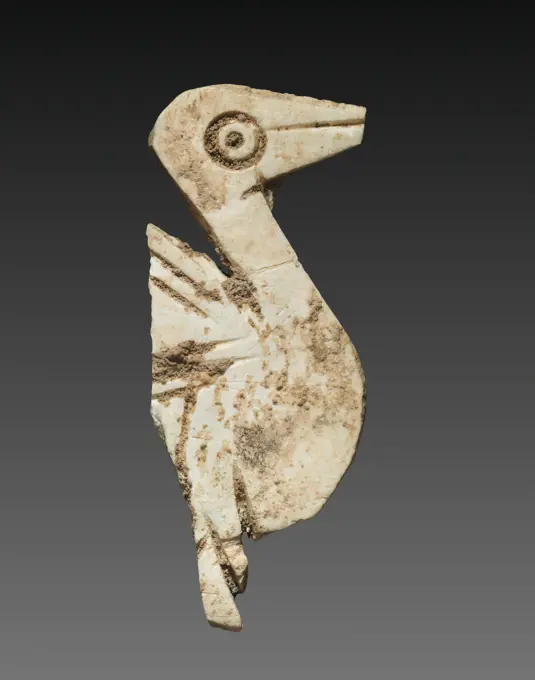
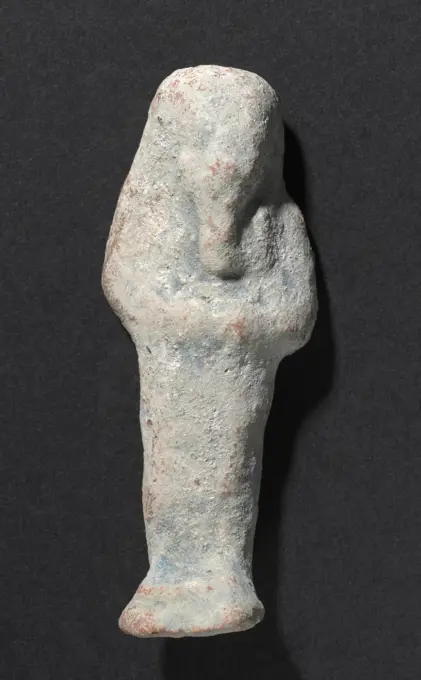
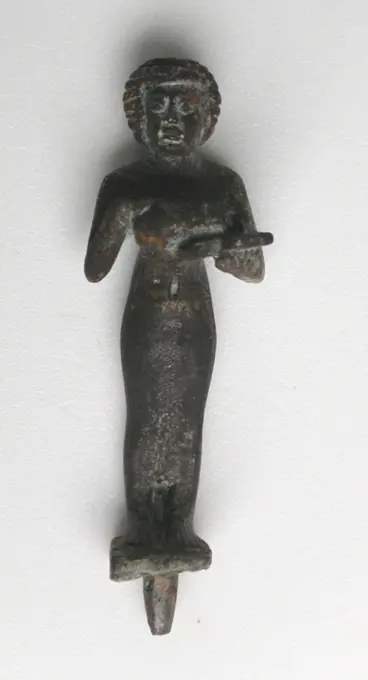
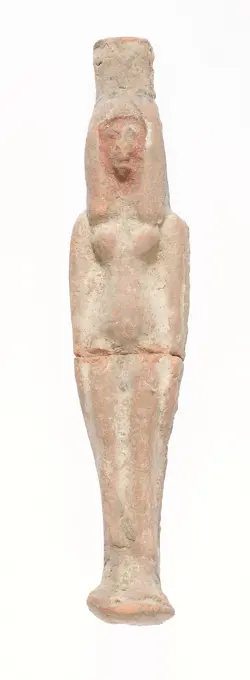
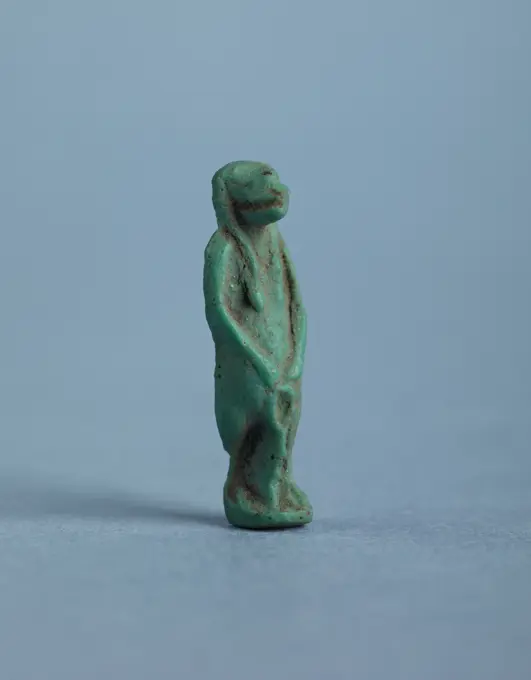
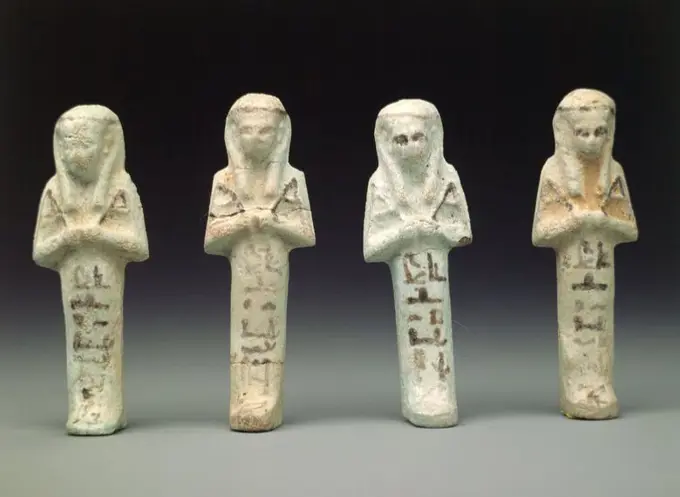
Ancient Egyptian Figurines

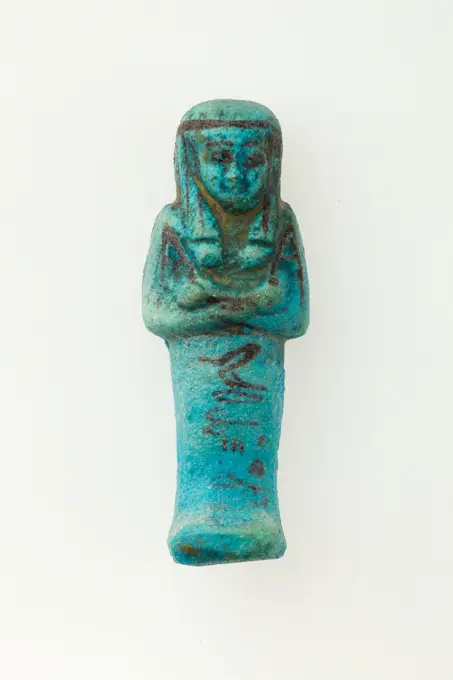
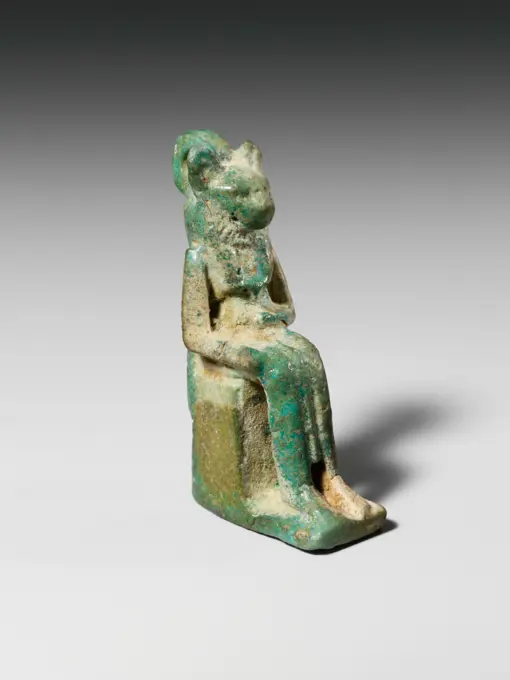
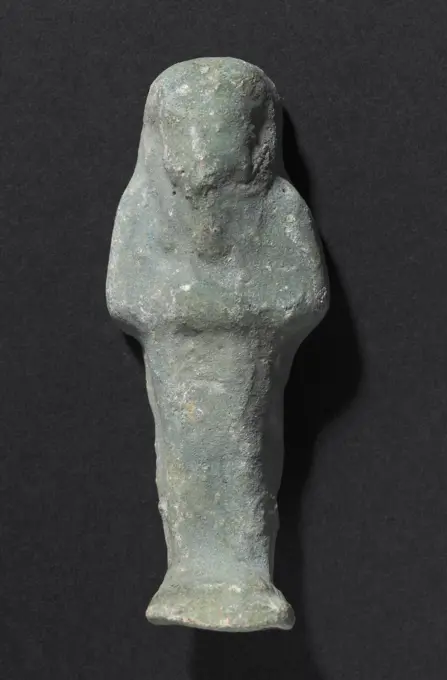
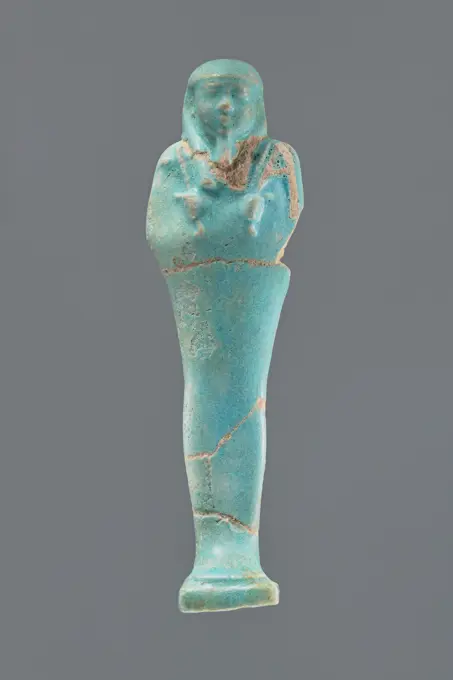
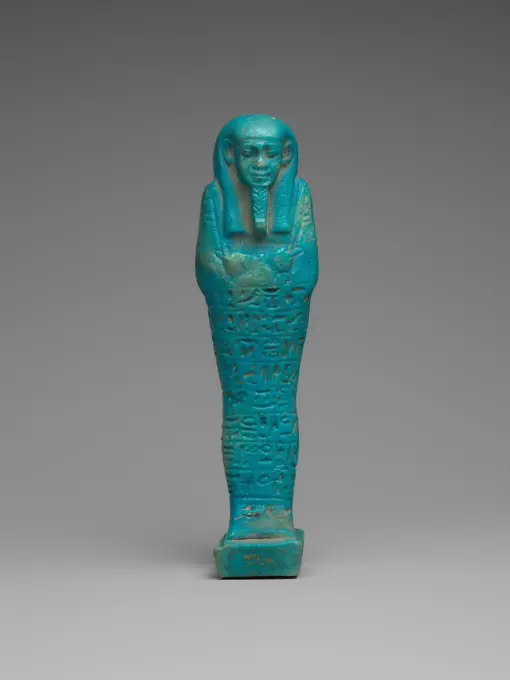
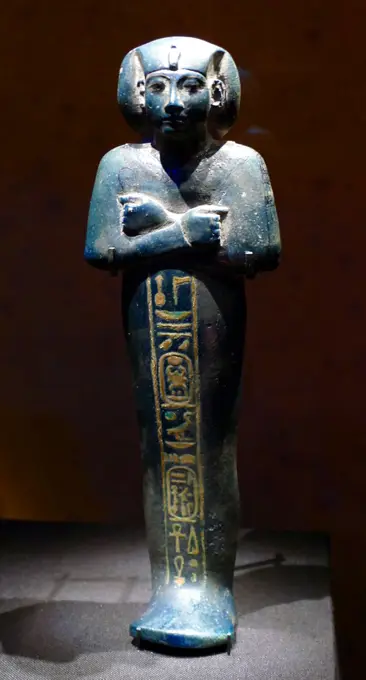
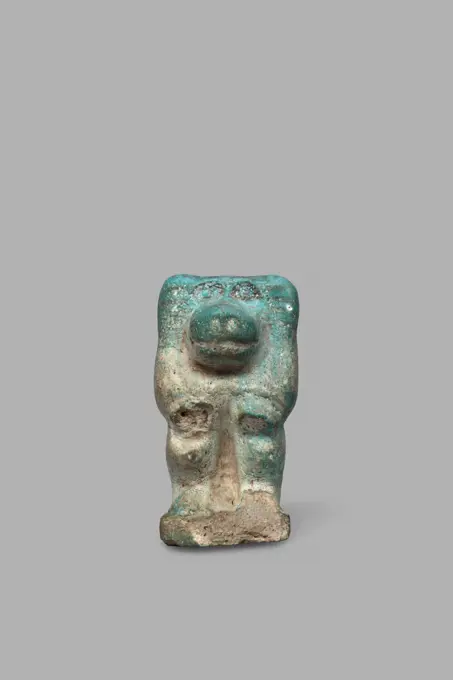
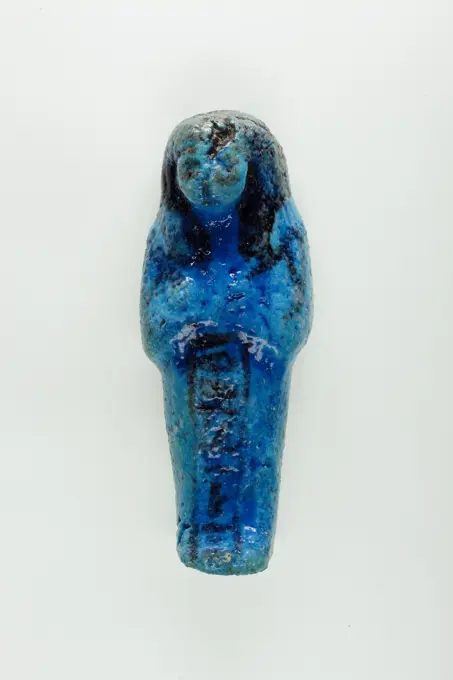
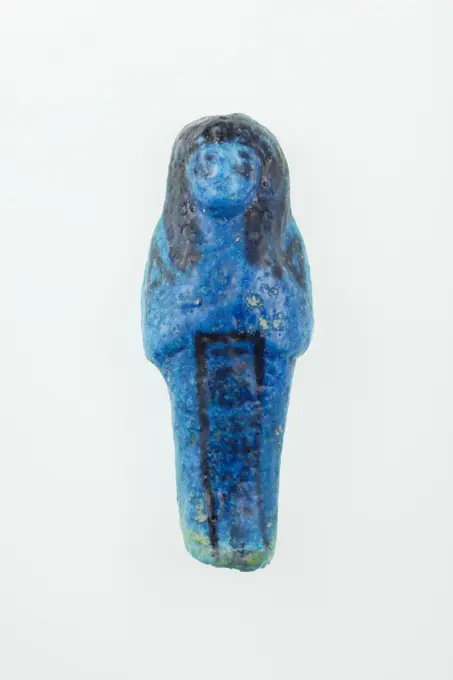
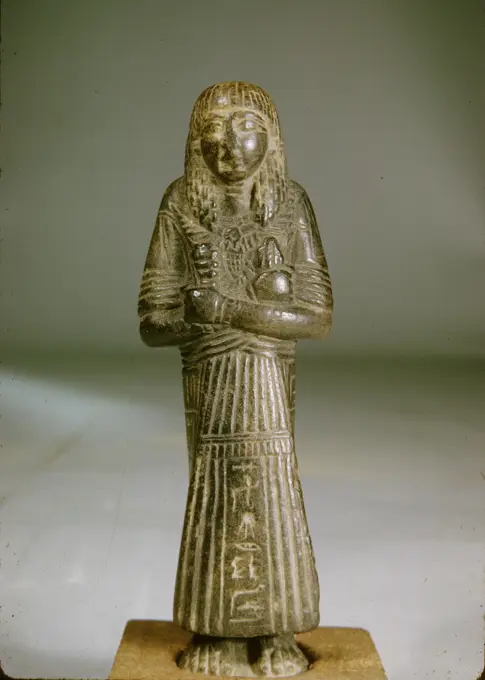
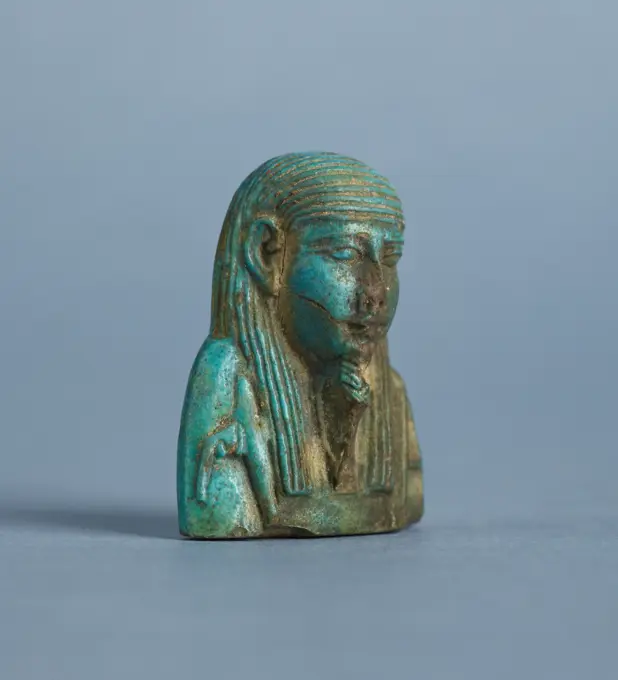
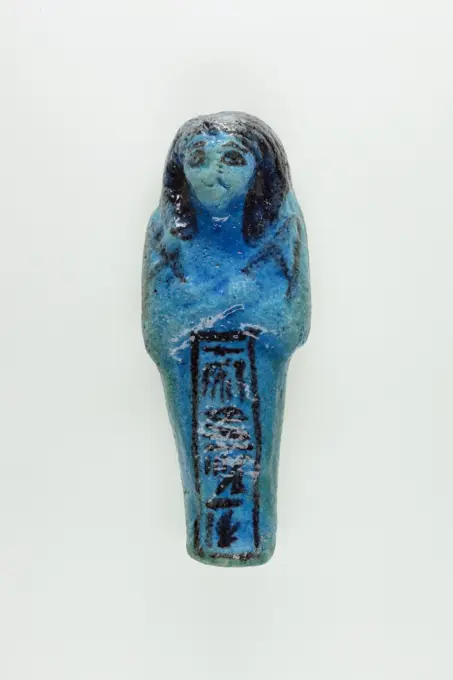
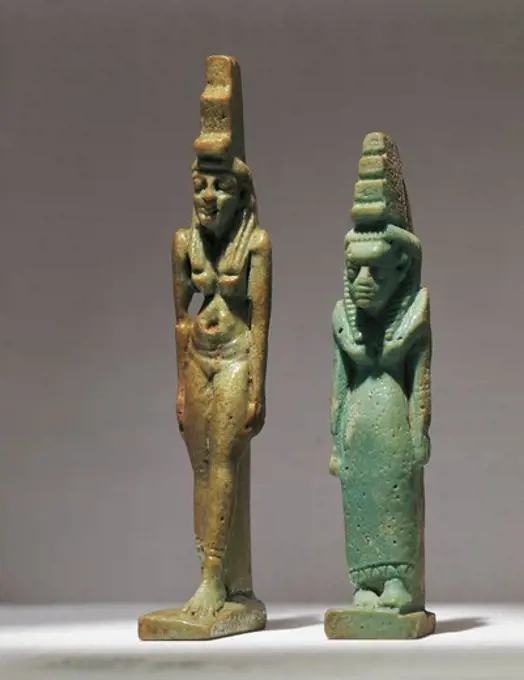
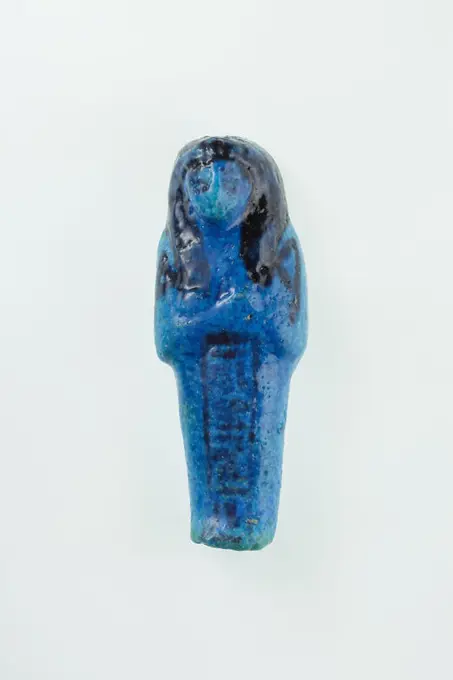
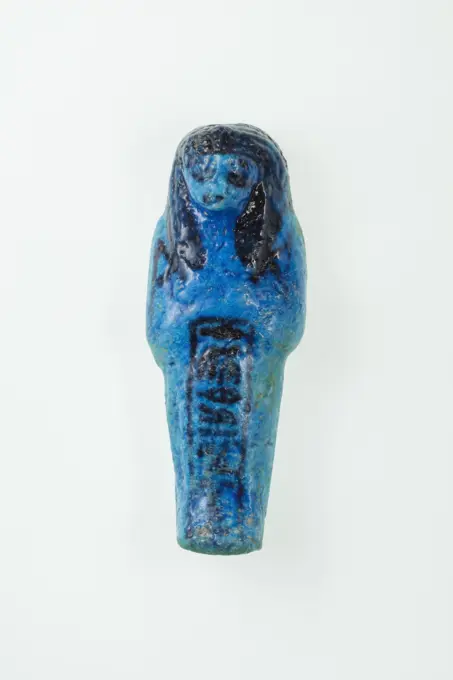
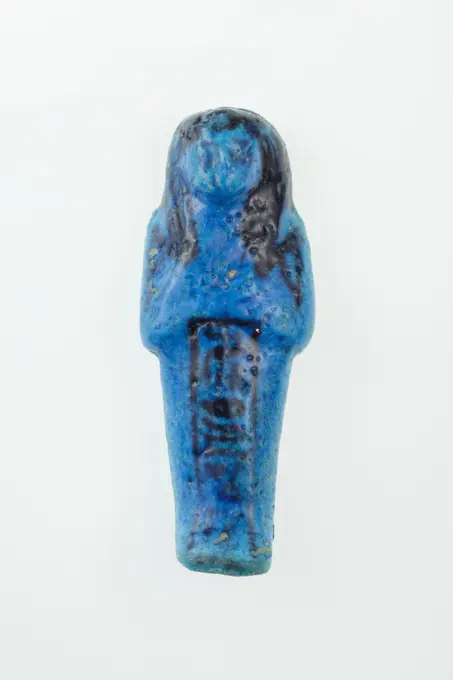
A selection of ancient Egyptian shabtis and amulets, crafted from faience, depicting deities and workers from different historical periods.
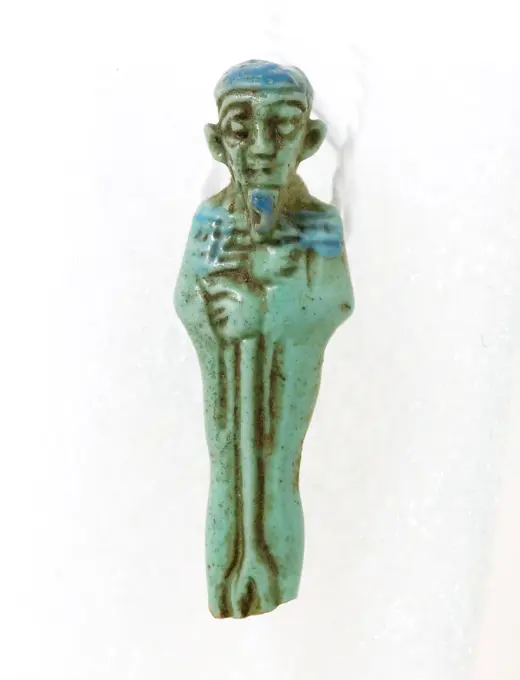
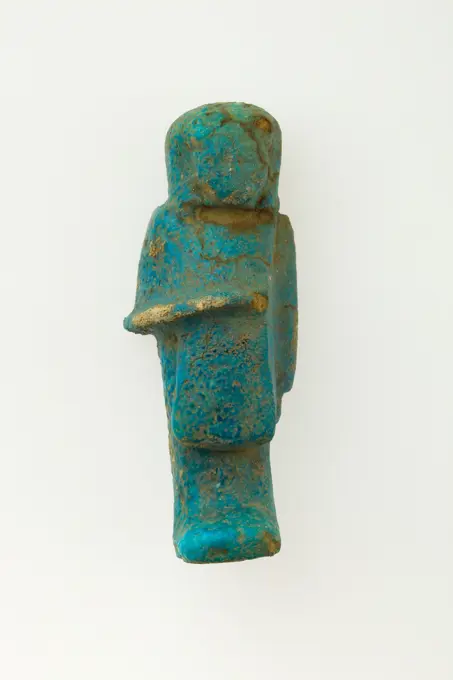
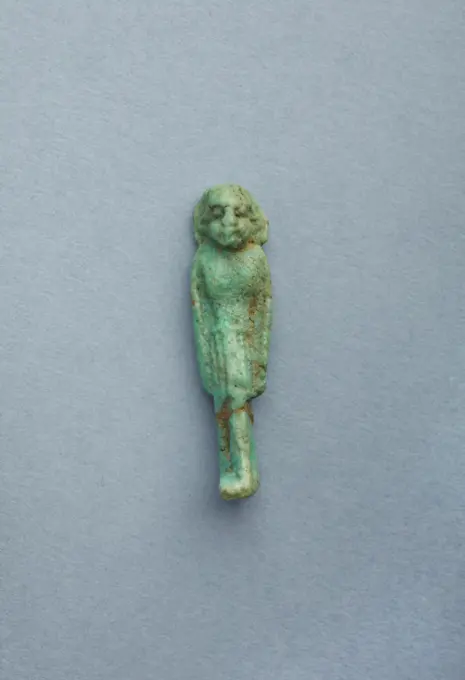
Ptah amulet, 1 1/4 x 3/8 x 3/8 in. (3.2 x 1 x 1 cm), Faience, Egypt
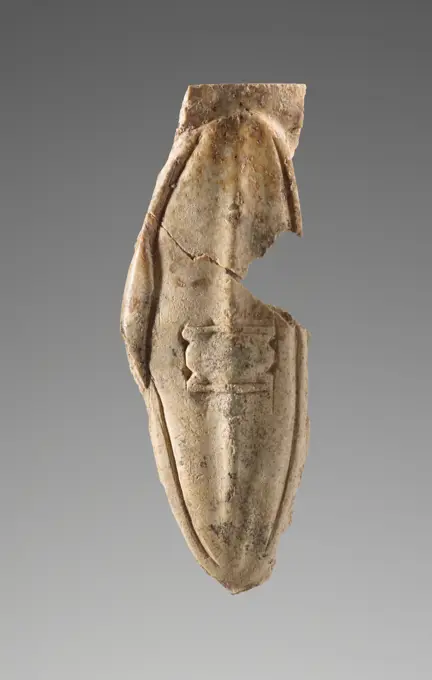
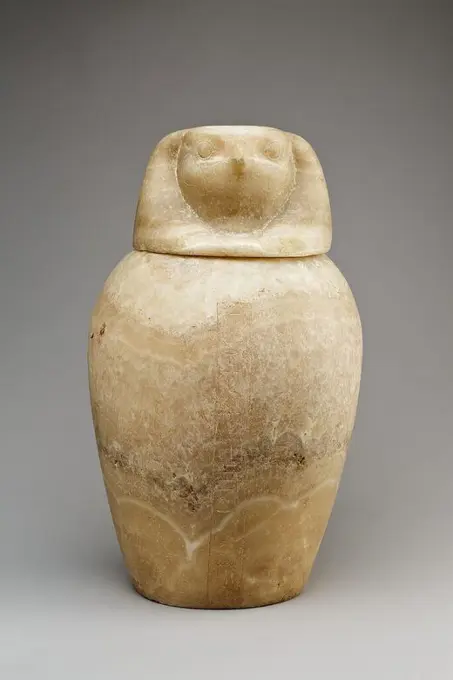
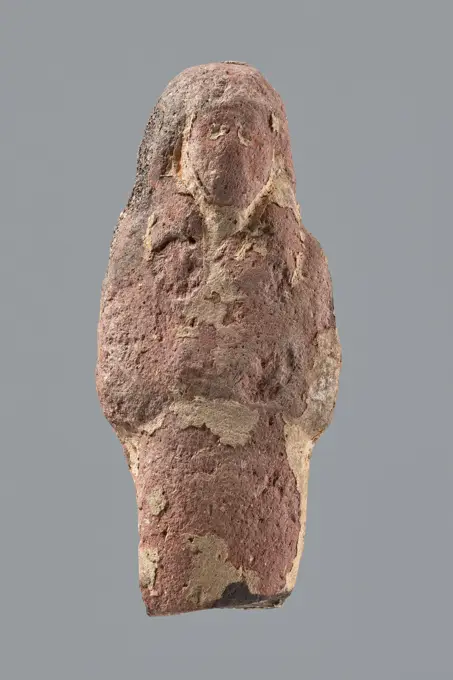
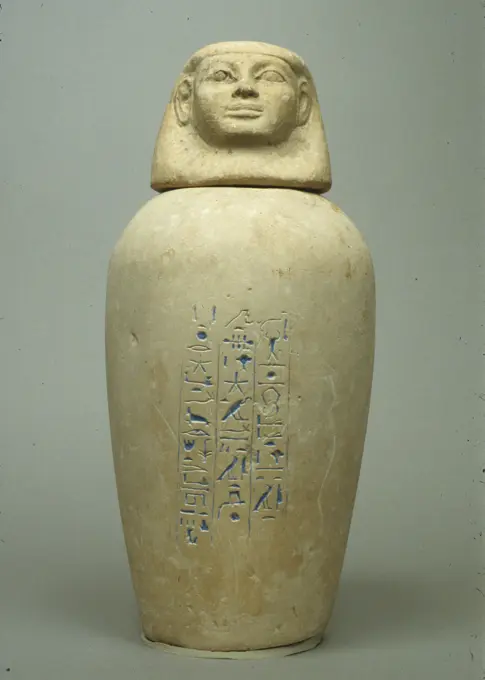
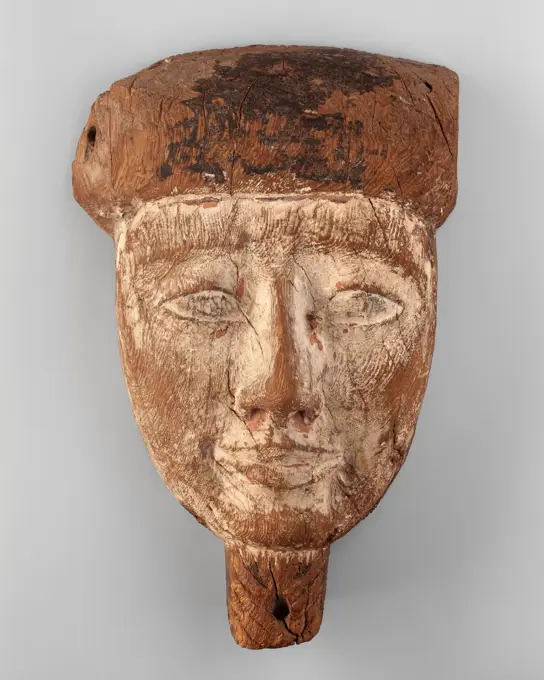
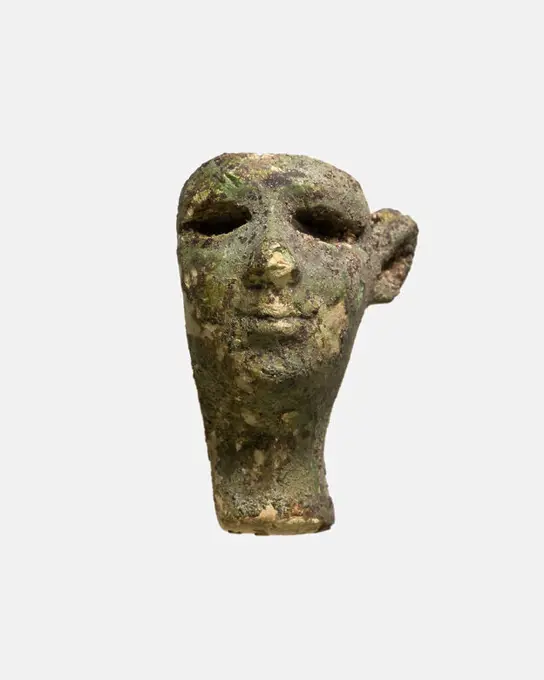
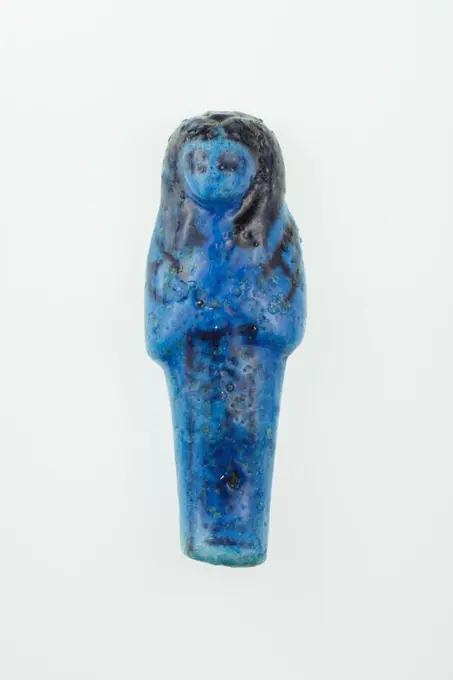
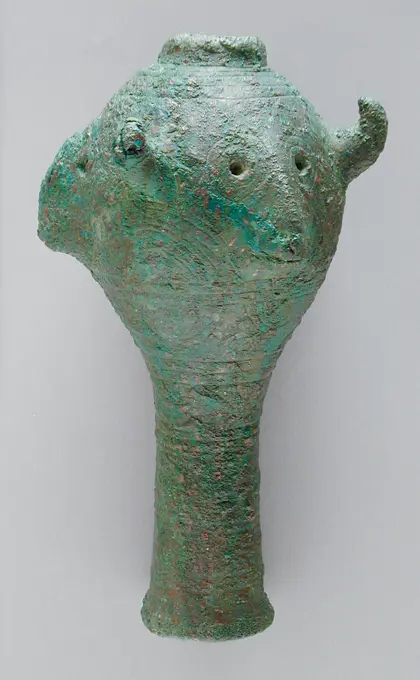
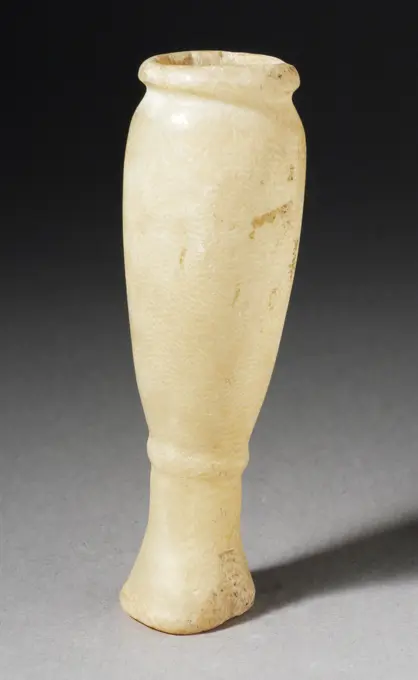
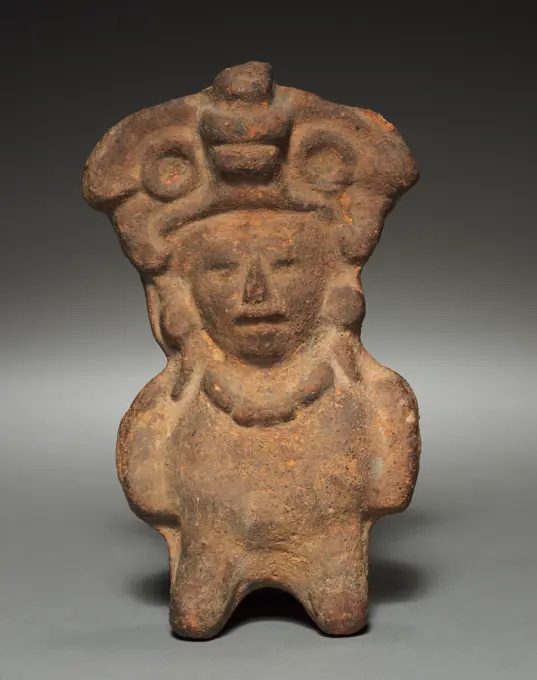
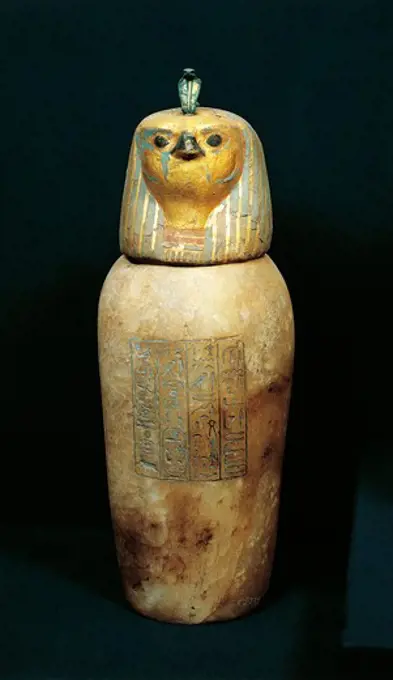
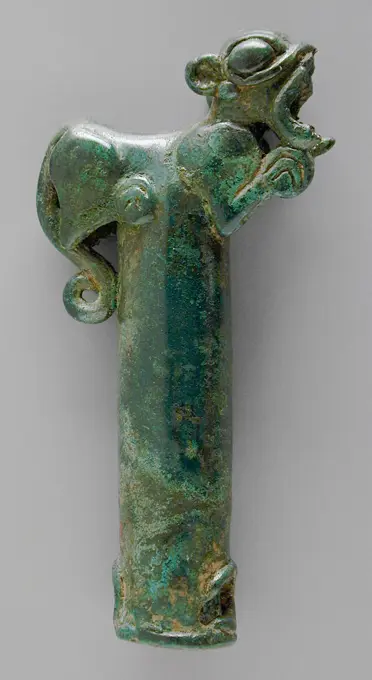
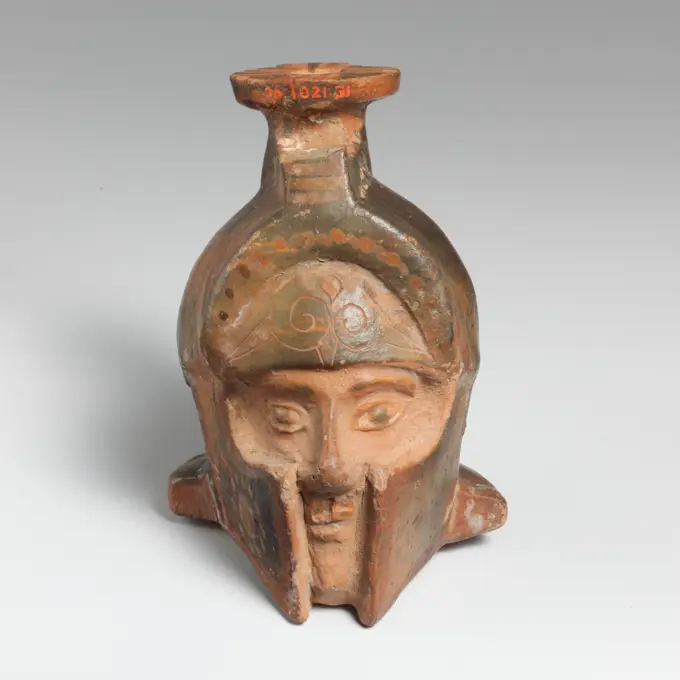
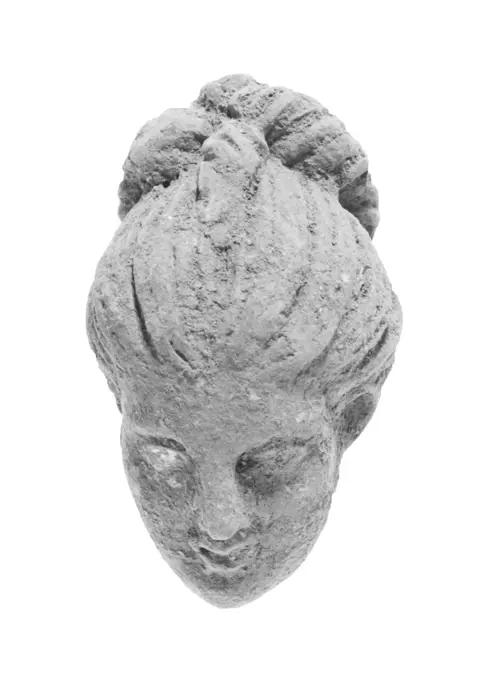
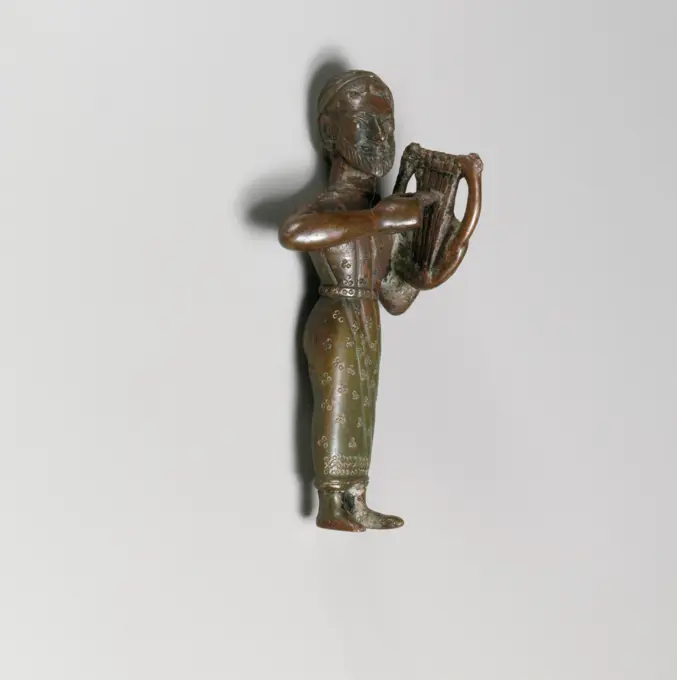
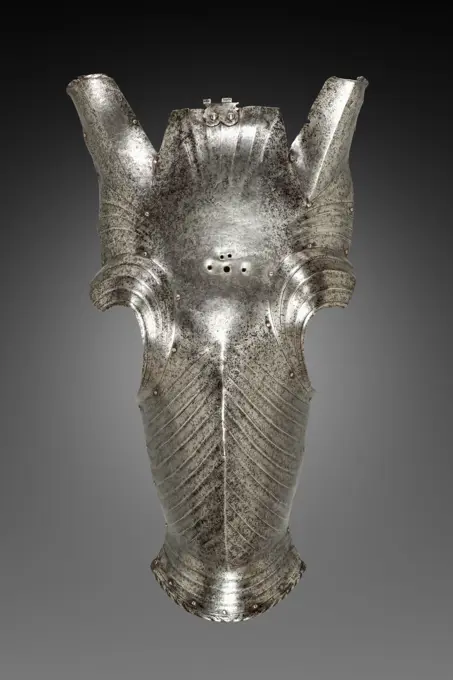
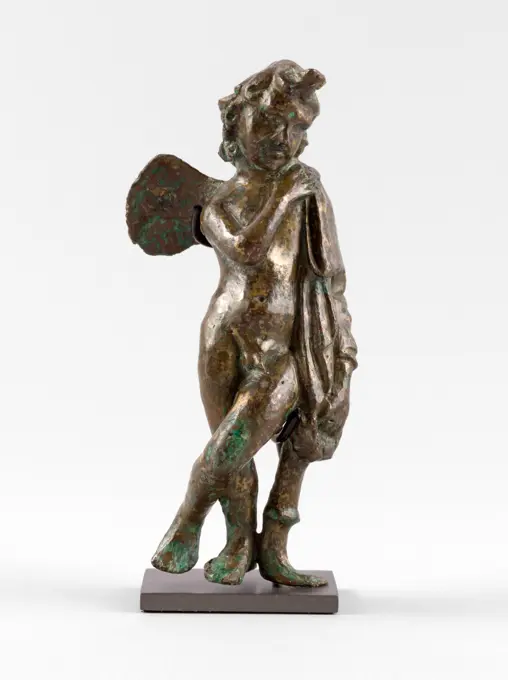
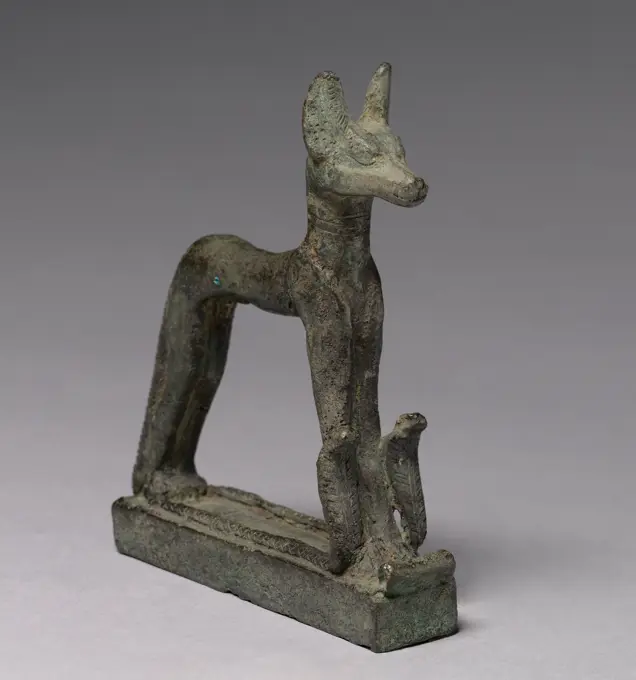
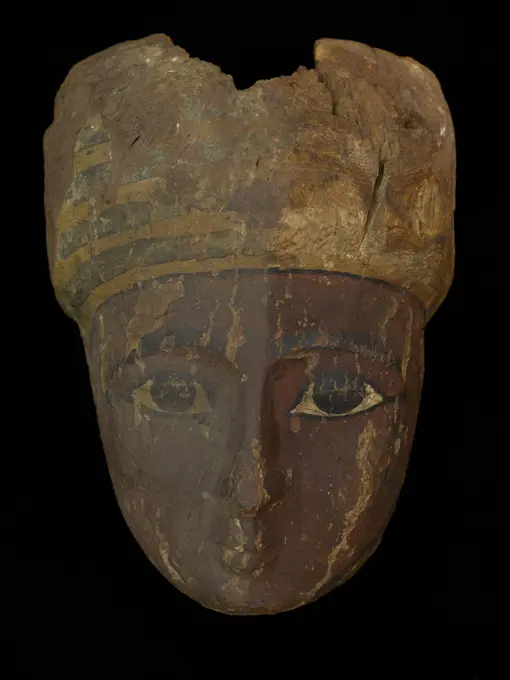
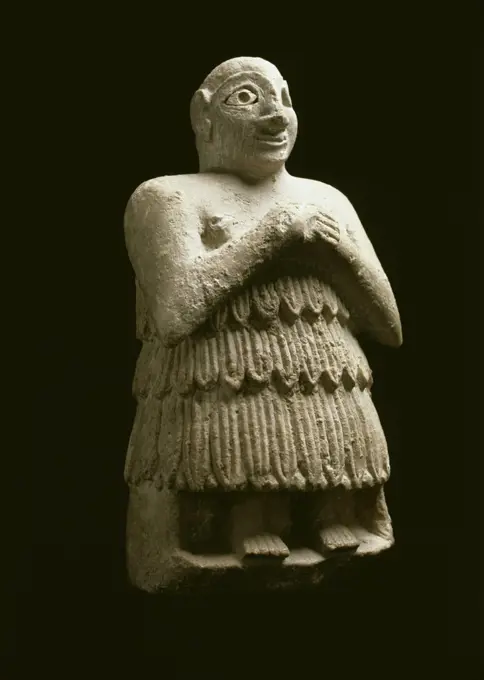
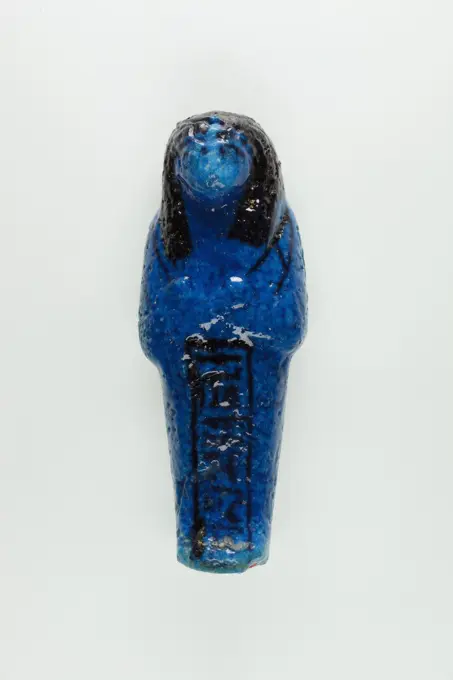
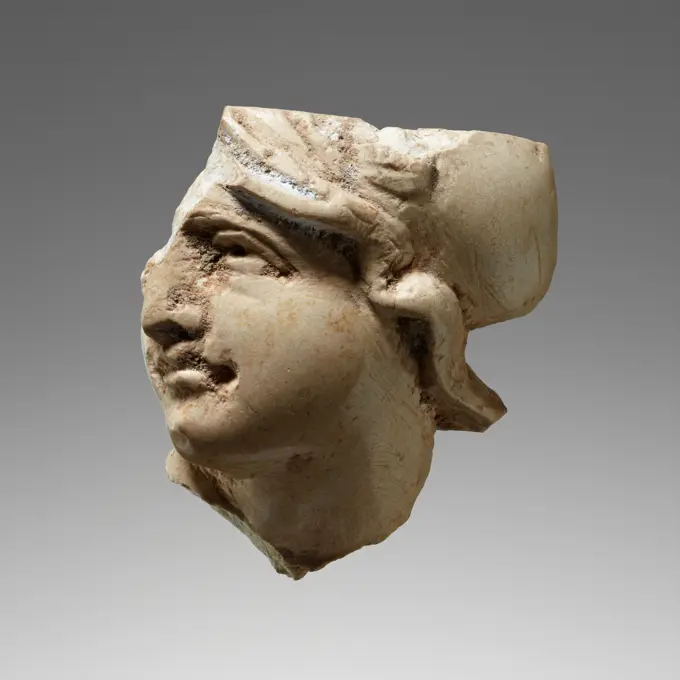
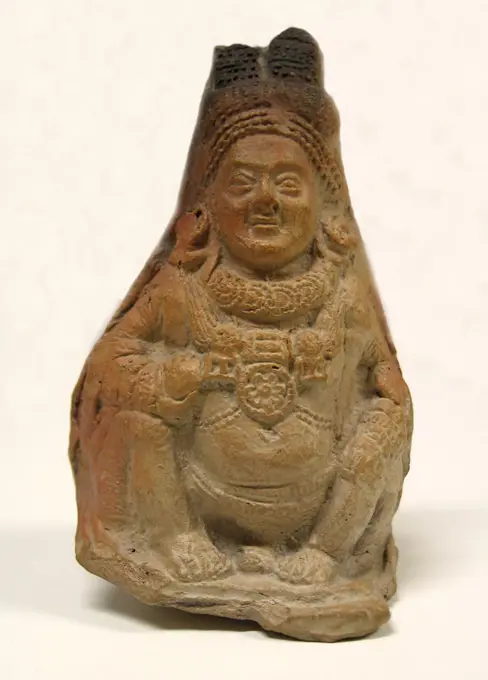
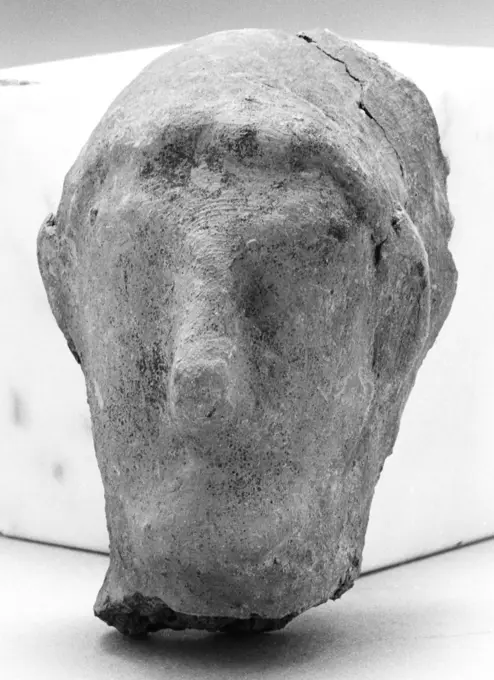
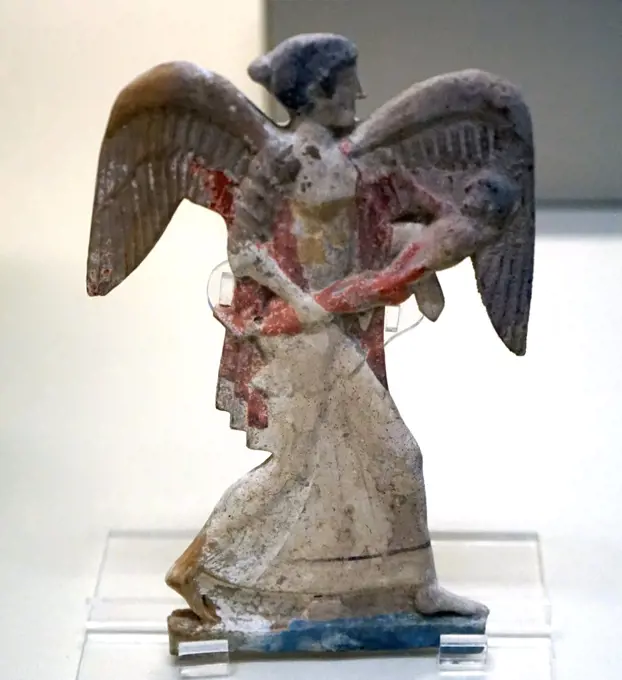
Overseer Shabti of Henettawy (C), Daughter of Isetemkheb ca. 990-970 B.C. Third Intermediate Period See 25.3.19.. Overseer Shabti of Henettawy (C), Daughter of Isetemkheb 590990Shabti 1069 BCE-945 BCE Egypt. Faience . Ancient EgyptianWorker Shabti of Henettawy (C), Daughter of Isetemkheb ca. 990-970 B.C. Third Intermediate Period See 25.3.19.. Worker Shabti of Henettawy (C), Daughter of Isetemkheb 590994Amulet of the God Anubis 664 BCE-332 BCE Egypt. Faience . Ancient EgyptianFragment of a Head of Avalokiteshvara Indonesia (Kalimantan) ca. 8th century View more. Fragment of a Head of Avalokiteshvara. Indonesia (Kalimantan). ca. 8th century. Bronze. SculptureFaience amulet in the form of a lion-headed deity 664-30 B.C. Egyptian Amulets representing animals were attributed to a deity: a hawk for Ra, the Sun God, a lion for Sakhmi, the War Goddess, a ram for Khnum and a cat for Bast.. Faience amulet in the form of a lion-headed deity 243761Shawabty of Ditamenpaankh, 715-656 BC. Egypt, Late Period, Dynasty 25. Terracotta; overall: 4.8 x 2.8 x 1 cm (1 7/8 x 1 1/8 x 3/8 in.).Kohl Tube. Western Iran, circa 550-330 B.C.. Tools and Equipment; containers. BronzePtah amulet, 1 1/4 x 3/8 x 3/8 in. (3.2 x 1 x 1 cm), Faience, EgyptStanding Female VotiveFigurineFemale Figurine. Culture: Inca. Dimensions: H. 2 5/8 in. (6.7 cm). Date: 1400-1533.This female figurine is hollow and composed of worked sheet metal of a gold-rich silver alloy. The subject is a woman in a pose comparable to a range of other Inca metal figurines that depict women. The head is notably large relative to the rest of the body, and the eyes are almond-shaped. The figure stands upright with hands and arms pulled close to the chest, and with hair pulled back into two tresses fastened with a tassel, similar to the tassel or ribbon worn by women in the Peruvian altiplano today (Valencia 1981, 57). Within the corpus of Inca anthropomorphic metal figurines, there are essentially three height groups (5-7 cm, 13-15 cm, 22-24 cm), and this object is in the smallest height group. The place where this figurine was deposited is unknown. However, it was likely deposited as part of an Inca offering to a huaca (a Quechua and Aymara language term for a sacred entity). These <i>huacas</i> rShawabty of Ditamenpaankh, 715-656 BC. Egypt, Late Period, Dynasty 25. Terracotta; overall: 6.7 x 2.6 x 1.7 cm (2 5/8 x 1 x 11/16 in.).Amulet of the Goddess Mut 700 BCE-1 BCE Egypt. Faience . Ancient EgyptianPre-Columbian art: Tlatilco female figurine, Manantial phase, 1000 - 800 BC, Valley of Mexico.Female figurine. unknown, craftsmanAppliqué for a funeral couch. UnknownBoat;  332-30 BC ; Ptolemean period (-332-00-00--30-00-00);Shabti of Wahibrenethebsed Late Period 664-332 B.C. View more. Shabti of Wahibrenethebsed. 664-332 B.C.. Faience. Late Period. From Egypt. Dynasty 26-30Canopic jar with a falcon-headed lid (Qebehsenuef). Dimensions: Jar and Lid: H. 42 cm (16 9/16 in); greatest diam. 25 cm (9 13/16 in)Jar: H. 31.1 cm (12 1/4 in.); d. 25.5 cm (10 1/16 in.); dam. of mouth 14 cm (5 1/2 in.); diam of base 15.2 cm (6 in.); circ. 77.7 cm (30 9/16 in.)Lid: H. 12.3 cm (4 13/16 in.); w. 17.6 cm (6 15/16 in.); d. 17.8 cm (7 in.); diam. of foot 13.6 cm (5 3/8 in.). Dynasty: Dynasty 26. Date: 664-525 B.C..Canopic jars were made to contain the embalmed viscera removed from the body in the process of mummification. The organs were placed under the protection of the Four Sons of Horus, whose heads form the lids of the jars: Hapy (baboon-headed), Imsety (human-headed), Duamutef (jackal-headed), and Qebehsenuef (falcon-headed). In turn these gods were under the protection of the goddesses Nephthys, Isis, Neith, and Selket, respectively, as the inscriptions on the jars state. Museum: Metropolitan Museum of Art, New York, USA.Boat;  around 1069 715 BC ; 3rd transition period, 21-23 dynasty (-1069-00-00--715-00-00);Ushabti (Funerary Figurine) of Horudja 380 BCE-343 BCE Egypt. To assure themselves a comfortable afterlife, Egyptians stocked their tombs with at least one figurine called an ushabti, who acted as a servant in the afterlife. The message carved on each of the figurines explained that if the deceased is called on to do any work in the afterlife, the ushabti will respond with ìHere I amî and will do the job. Some tombs had as many as one ushabti for every day of the year and another 36 overseers to keep order. All but the poorest citizens provided themselves with some kind of funerary furnishings. Products for burial and the labor to produce them made up a large industry in Egypt.. Faience . Ancient EgyptianFaience statue of an overseer, Shabti, from the Tomb of King Tutankhamun. 1326 BCAmulet of the God Duamutef (one of the four Sons of Horus) 1070 BCE-656 BCE Egypt. Faience . Ancient EgyptianFigurka pawiana. unknown, authorWorker Shabti of Nany ca. 1050 B.C. Third Intermediate Period See 30.3.26.1a, b. Worker Shabti of Nany 625734Canopic Jar of Manhata ca. 1479-1425 B.C. New Kingdom This is one of two canopic jars inscribed with the name Manhata that are on display in the Museum (see also 18.8.1a, b). Originally, Manhata had four such jars, each meant to hold one of the four internal organs (liver, lungs, stomach, and intestines) removed during the mummification process. The text on this jar places the organ inside under the protection of Duamutef, one of the Four Sons of Horus.Manhata, whose name suggests that she came from western Asia, also had a silver libation jar (18.8.22a, b) and a heart amulet (26.8.144) inscribed with her name.. Canopic Jar of Manhata. ca. 1479-1425 B.C.. Limestone, blue paste. New Kingdom. From Egypt, Upper Egypt, Thebes, Wadi Gabbanat el-Qurud, Wadi D, Tomb of the Three Foreign Wives of Thutmose III. Dynasty 18External sarcophagus mask;  approx. 747-30; Half-ny-Ttelema period (-747-00-00--30-00-00);fragments of sarcophagus, masks, wig (iconogr.), FacesBoat;  around 1295 1069 BC ; New PAMale (originally red) head for composite statuette. Dimensions: H. 4.3 × W. 2.8 × T. 2.8 cm (1 11/16 × 1 1/8 × 1 1/8 in.). Date: 664-30 B.C..This glass head formed part of a composite statue. It might have fit onto a wooden or metal.body, and would have had a crown fitted above the brow. Originally the head was probably red glass, which degrades to green. As such, the face likely belonged to a male king or god. Museum: Metropolitan Museum of Art, New York, USA.Limestone head of a man wearing a helmet middle or 3rd quarter of the 6th century B.C. Cypriot The face has a smiling expression, the nose is slightly hooked, the eyes almond-shaped, the eyebrows high and thick, the ears schematic, the frontal locks jagged. The tall helmet has a smooth surface and the peak is nothing more than a stump. On the back is just a bit of the hair that projected below the helmet.. Limestone head of a man wearing a helmet 242108Amulet - ManWorker Shabti of Nany. Dimensions: H. 8.7 × W. 3.2 × D. 1.9 cm (3 7/16 × 1 1/4 × 3/4 in.). Dynasty: Dynasty 21. Reign: reign of Psusennes I. Date: ca. 1050 B.C..See 30.3.29.1a, b. Museum: Metropolitan Museum of Art, New York, USA.Male Head. UnknownUraeus with Tenon. Egypt, Late Period - Roman Period (711 BCE - 150 CE). Sculpture. BronzeFragment of a Head of Avalokiteshvara Indonesia (Kalimantan) ca. 8th century View more. Fragment of a Head of Avalokiteshvara. Indonesia (Kalimantan). ca. 8th century. Bronze. SculptureVotive Statuette of a Swaddled Infant. UnknownWorker Shabti of Nany ca. 1050 B.C. Third Intermediate Period See 30.3.30.1a, b. Worker Shabti of Nany. ca. 1050 B.C.. Faience. Third Intermediate Period. From Egypt, Upper Egypt, Thebes, Deir el-Bahri, Tomb of Meritamun (TT 358, MMA 65), first corridor, burial of Nany, MMA excavations, 1928-29. Dynasty 21Small AncestorFigureAppliqué for a funeral couch. UnknownFigurine of a Woman with Her Baby ca. 1961-1917 B.C. Middle Kingdom. Figurine of a Woman with Her Baby. ca. 1961-1917 B.C.. Faience. Middle Kingdom. From Egypt, Memphite Region, Lisht South, Pyramid Temple of Senwosret I, outer court west, east of boat pit, MMA excavations, 1923-24. Dynasty 12Macehead. Western or Northern Iran, Luristan bronzes, 1350-1000 B.C.. Arms and Armor; maces. Bronze, castBoat;  664-332 BC ; Half period (-664-00-00--332-00-00);Shabti of Miptah ca. 1295-1070 B.C. New Kingdom, Ramesside. Shabti of Miptah. ca. 1295-1070 B.C.. Steatite. New Kingdom, Ramesside. From Egypt. Dynasty 19-20Bud Vase. Egypt, Old Kingdom (2687 - 2165 BCE). Furnishings; Accessories. CalciteWhistle Figure, 500-1000. Mexico, Oaxaca, Zapotec, Monte Albáb IIIB. Molded pottery; overall: 25.5 x 9.5 x 5.5 cm (10 1/16 x 3 3/4 x 2 3/16 in.).Treasure of Tanis, painted alabaster canopic jar of Psusennes I, falcon-headed Qebehsenuef conserving intestinesFragment of UshabtiWhetstone Socket. Iran, Luristan, Luristan bronzes, circa 1000-650 B.C.. Tools and Equipment; sockets. Bronze, castMale Effigy Vessel 15th-16th century Inca. Male Effigy Vessel 313274Aryballos (perfume flask) in the form of a helmeted head 6th century B.C. East Greek Archaic aryballos in the form of a warrior's head.. Aryballos (perfume flask) in the form of a helmeted head 247204Stylized Bird: Decorative Inlay for a Box, c. 2000 BC. Israel, possibly Jericho. Bone; overall: 4.9 x 1.9 x 0.3 cm (1 15/16 x 3/4 x 1/8 in.).Vessel with a hieratic inscription;  around 2686- 2181 BC; Old state (-2686-00-00--2181-00-00);Vase 1550 BCE-1292 BCE Egypt. Glass, core-formed technique . Ancient EgyptianFemale() Head. UnknownShawabty of Ditamenpaankh, 715-656 BC. Egypt, Late Period, Dynasty 25. Terracotta; overall: 6.6 x 2.5 x 1.7 cm (2 5/8 x 1 x 11/16 in.). High demand for shawabtys in the Late Period, a time when as many as 400 or more shawabtys were placed in the tomb with the deceased, gave rise to a specialized container for storing them: the shawabty box. This example is inscribed for the lady of the house, Ditamenpaankh, and was probably one of a pair originally made for her. The single-masted boat on the box's lid is perhaps an allusion to the pilgrimage of the deceased to the holy city of Abydos, the cult city of Osiris, king of the dead. The shawabtys inside are crude, mass-produced examples cast in an open mold. Made of terracotta, their blue paint imitates more costly shawabtys made of faience. As for the shawabty spell, it has been removed from its traditional location on the shawabty's front and relocated onto the sides of box, where it needed only to be written once, thus expediting productStanding male flute player with a serpent around his shoulders. Culture: Cypriot. Dimensions: H. 3 3/4 in. (9.5 cm). Date: ca. 750-600 B.C..The flaring lower part of the cylindrical body is wheel-made and hollow. The upper part and the head are handmade. Museum: Metropolitan Museum of Art, New York, USA.Statuette of a Priestess with Offering Table and Situla 945 BCE-656 BCE Egypt. Bronze . Ancient EgyptianStanding female figurine with tall headdress ca. 1390-1186 B.C. New Kingdom. Standing female figurine with tall headdress. ca. 1390-1186 B.C.. Pottery. New Kingdom. From Egypt. Dynasty 18-19Worker Shabti of Nany ca. 1050 B.C. Third Intermediate Period See 30.3.26.1a, b. Worker Shabti of Nany 625722Head of a Man. Egypt, Ptolemaic Period - Roman Period (305 BCE - 337 CE). Sculpture. TerracottaPendant Amulet of the God Amon-Re 1070 BCE-656 BCE Egypt. Bronze . Ancient EgyptianHead with Melon Coiffure. UnknownTunisia, Carthage, Amulets representing two Goddesses, siliceous pasteStatuette of a harp (lyre) player, male 3rd quarter of the 6th century B.C. Greek. Statuette of a harp (lyre) player, male. Greek. 3rd quarter of the 6th century B.C.. Bronze. Archaic. BronzesRam Headed Furniture or Cultic Element. Egypt, Roman Period (30 BCE - 300 CE) or later. Sculpture. BronzeChanfron in Maximilian Style, c. 1510. Germany, Nuremberg (), early 16th Century. Steel ; overall: 59.2 x 33.2 x 10.1 cm (23 5/16 x 13 1/16 x 4 in.). The chanfron was the primary element that protected and decorated a horse's forehead and face. It consisted of a plate of steel contoured to the horse's head from its ears to its nostrils. Normally, two holes were cut at each side of the forehead for the ears, and earpieces were sometimes riveted around their edges. This example, however, was forged in one piece. It belongs to the transitional period between the Gothic and the fluted armors introduced by Emperor Maximilian. The hinge at the top is for the attachment of the crest plate.Funeral genius - Eros. Copper alloy. 1st-nd centuries. Magne collection. Coming from: Boulevard Saint-Marcel, Angle avenue des Gobelins. Paris, Carnavalet museum. Small winged genius of which the left wing is missing, standing, leaning on a overturned flable. Simply dressed in a chlamyde enveloping the arm and held on the shoulder by a discoid fibula. Wing, copper alloy, antiquity, love God, Roman dedication, Funese Genie, AncientWorker Shabti of Nany. Dimensions: H. 8.5 × W. 3.2 × D. 1.9 cm (3 3/8 × 1 1/4 × 3/4 in.). Dynasty: Dynasty 21. Reign: reign of Psusennes I. Date: ca. 1050 B.C..See 30.3.27.1a, b. Museum: Metropolitan Museum of Art, New York, USA.Head from a Female Figure (Early Spedos Variety). UnknownFemale Head. UnknownFigure of a Seated Musician. Culture: China. Dimensions: H. 3 1/2 in. (8.9 cm).The musical instruments depicted among this group of pottery figures (36.12.1, .2, .10-.13, .16) are typical of those used in popular music of the Han period (206 B.C.-A.D. 220). The instruments all had long histories, having existed for centuries, in the case of the zither, or millennia, in the case of the flute (now missing from the figure of the flutist). Museum: Metropolitan Museum of Art, New York, USA.Jackal, 664-30 BC. Egypt, Late Period, Dynasty 26 or later. Bronze, solid cast; overall: 11.8 x 2.9 x 10.3 cm (4 5/8 x 1 1/8 x 4 1/16 in.); with tang: 1.6 cm (5/8 in.).Worker Shabti of Nany ca. 1050 B.C. Third Intermediate Period See 30.3.27.1a, b. Worker Shabti of Nany. ca. 1050 B.C.. Faience. Third Intermediate Period. From Egypt, Upper Egypt, Thebes, Deir el-Bahri, Tomb of Meritamun (TT 358, MMA 65), first corridor, burial of Nany, MMA excavations, 1928-29. Dynasty 21Statuette of a priest ofNeithWorker Shabti of Nany ca. 1050 B.C. Third Intermediate Period See 30.3.28.1a, b. Worker Shabti of Nany. ca. 1050 B.C.. Faience. Third Intermediate Period. From Egypt, Upper Egypt, Thebes, Deir el-Bahri, Tomb of Meritamun (TT 358, MMA 65), first corridor, burial of Nany, MMA excavations, 1928-29. Dynasty 21Wooden Head from mummy case (mid-conservation).. Ancient EgyptAsia. Northern China. Vessel fragment. Porcelaneous mass. 13th century. Excaved at Tsarevskoe site. The State Hermitage Museum. Saint Petersburg. Russia.FIGURE OF A SUMERIAN MESOPOTAMIAN ART d Musee du Louvre, Paris Standing Female Figure with an Offering 1st-2nd century India. Standing Female Figure with an Offering 38103Worker Shabti of Nany ca. 1050 B.C. Third Intermediate Period See 30.3.30.1a, b. Worker Shabti of Nany. ca. 1050 B.C.. Faience. Third Intermediate Period. From Egypt, Upper Egypt, Thebes, Deir el-Bahri, Tomb of Meritamun (TT 358, MMA 65), first corridor, burial of Nany, MMA excavations, 1928-29. Dynasty 21Head of a youth. Culture: Cypriot. Dimensions: H. 5 5/8 in. (14.3 cm). Date: ca. 600-480 B.C..The mold-made head has an oval face, slightly smiling lips, small eyes, and a large nose. Museum: Metropolitan Museum of Art, New York, USA.Parvati as Annapurna;  20th century (1901-00-00-1940-00-00);Terracotta female figures wearing a long skirt and a flat head-dress (polos). Made during various times between 1350-1200 BC. Found in Athens and Melos.Head 15th-early 16th century Aztec. Head 307646Head with Melon Coiffure. UnknownJohn Tarantino, Wooden Doll, c 1939 Wooden DollMold for a Taweret Amulet. Dimensions: H. 3.3 cm (1 5/16 in); w. 2.2 cm (7/8 in). Dynasty: Dynasty 18. Reign: reign of Amenhotep III. Date: ca. 1390-1353 B.C.. Museum: Metropolitan Museum of Art, New York, USA.Silver figure of the Egyptian Goddess Isis holding Harpocrates 715-332 BCBlackware Vase with Deity HeadsTerracotta Psyche Figurine;  Hellenistic period (-323-00-00--30-00-00);Appliqué for a funeral couch. Unknown. Fisherman in rain gear with a net in his hands.Gold earring with a glass pendant in the shape of an Africans head late 2nd-1st century B.C. Greek, Eastern Mediterranean Pendant: Deep cobalt blue or purple, appearing black.Head of a youth with tight curled hair, prominent forehead, deep-set eyes, pointed nose, full cheeks, parted lips, jutting chin, and long neck; elongated suspension loop projecting from top of head, pierced through sideways. Molded in a two-part mold with continuous seam running down sides of head and under neck.Head complete but chipped on proper left side of head and neck; some pitting, but iridescent weathering covering most of head.. Gold earring with a glass pendant in the shape of an Africans head. Greek, Eastern Mediterranean. late 2nd-1st century B.C.. Gold, glass; cast in a two-part mold. HellenisticRattle in the Form of a Crouching Yaksha (Male Nature Spirit) 1st century B.C. India. Rattle in the Form of a Crouching Yaksha (Male Nature Spirit) 38472Garuda Finial 1101-1300 Cambodia. Bronze .Amulet ca. 1550-1295 B.C. New Kingdom. Amulet. ca. 1550-1295 B.C.. Blue glass. New Kingdom. From Egypt. Dynasty 18Human Head. UnknownMelian Terracotta Reliefs depicting the Goddess Eos, a Titaness and the goddess of the dawn. Dated 406 BCAmulet  touristMadrid, M.A.N. Arte Egipcio. Ushebtis de Fayenza de color verde claro, con los instrumentos agrícolas e inscripciones. (alto 10.1, anch.3.5). 946-720 a.c., XXII-XXIII Dinastia. Procedencia: Heracleópolis Magna (Magna). Excavaciones de la M.A.E. en Egipto.