Ancient Egyptian Figurines

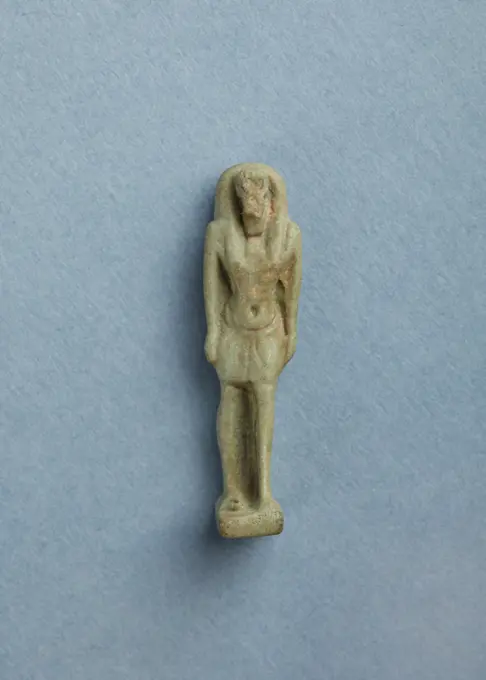
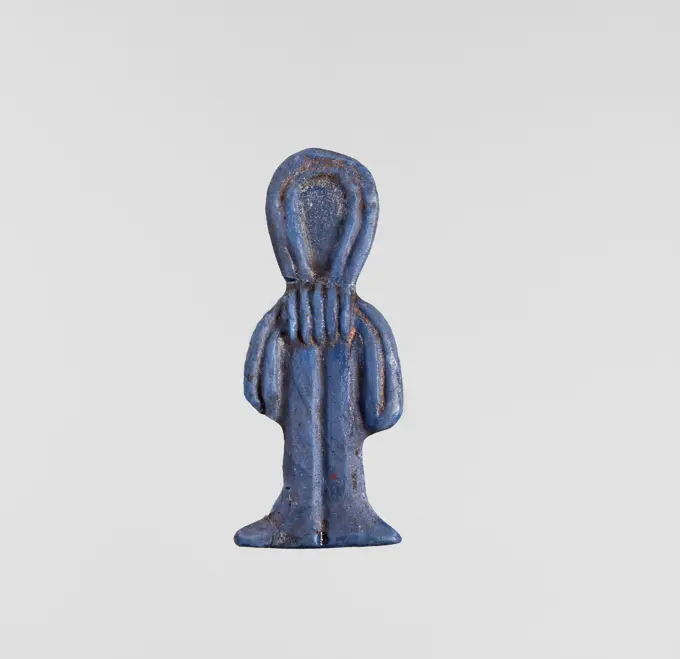
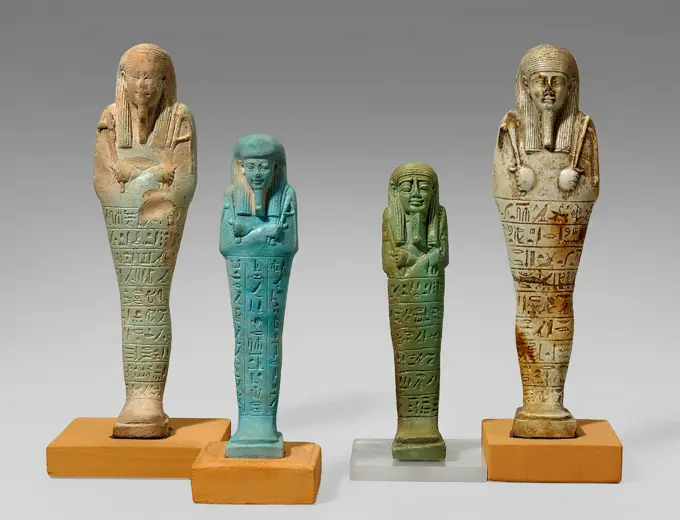
A selection of ancient Egyptian shabtis and amulets, crafted from faience, depicting deities and workers from different historical periods.
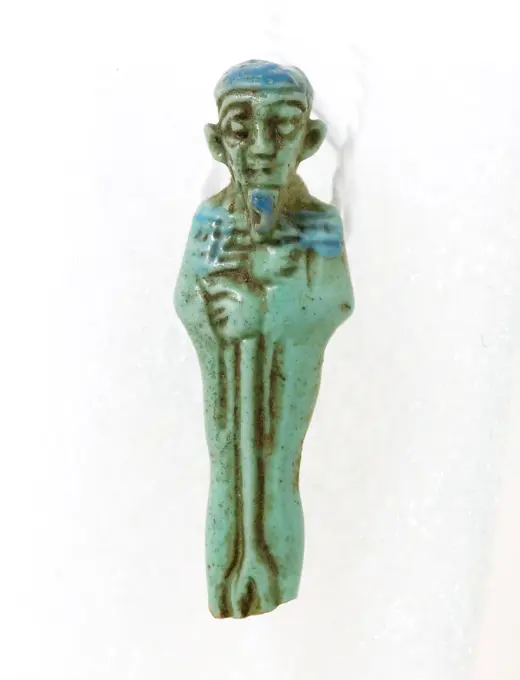
Ptah amulet, 1 1/4 x 3/8 x 3/8 in. (3.2 x 1 x 1 cm), Faience, Egypt
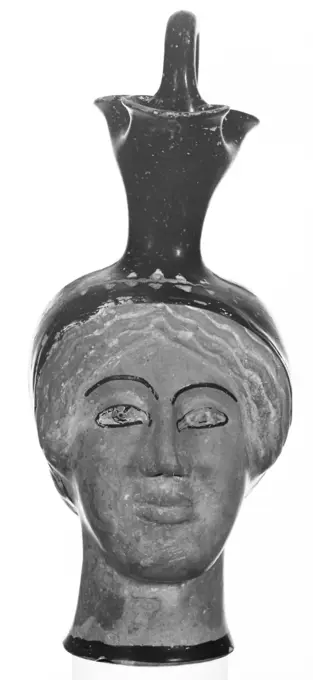
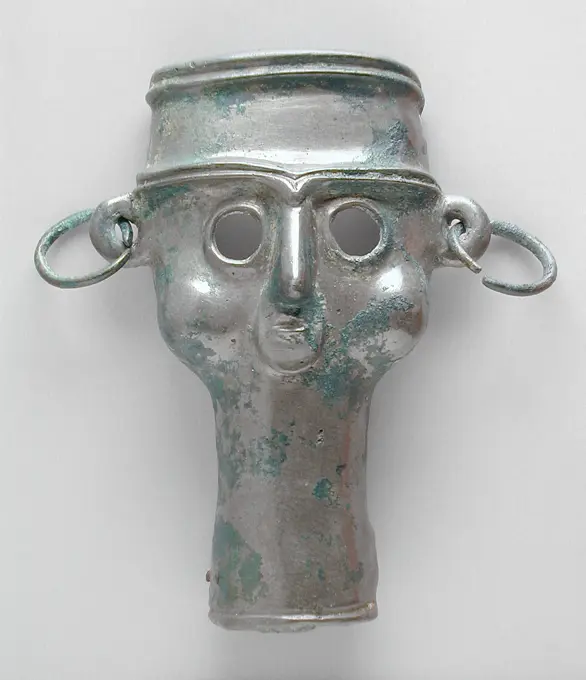
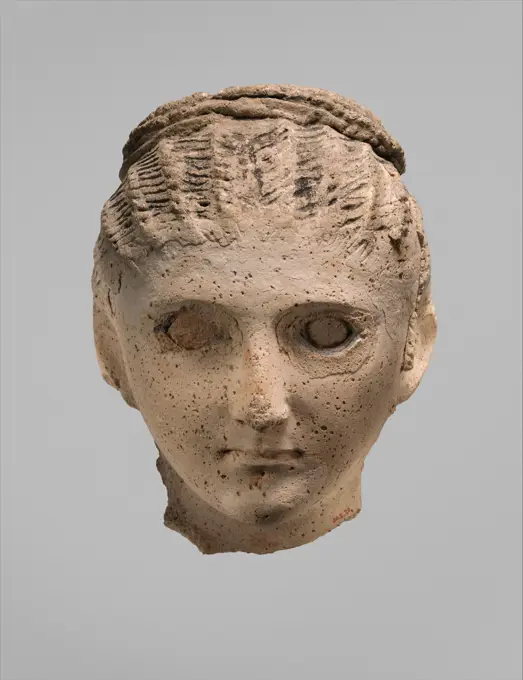
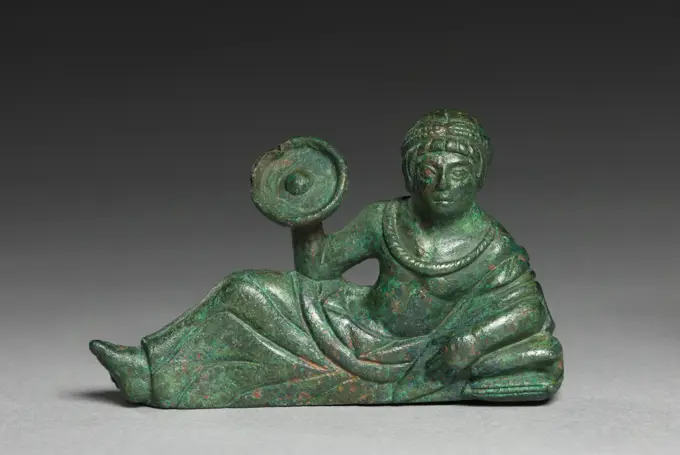
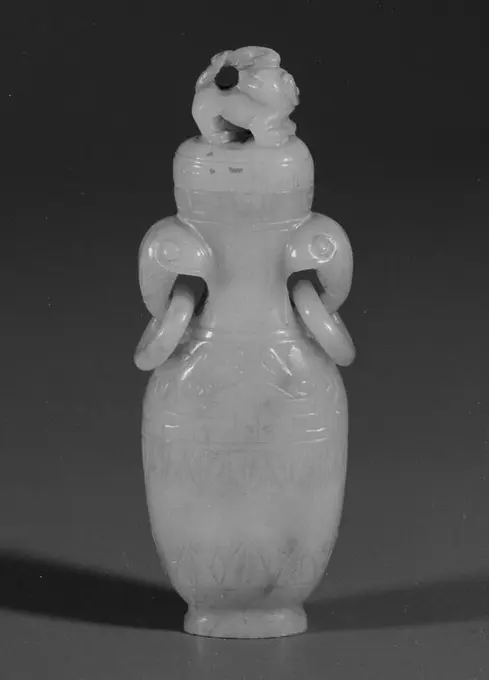
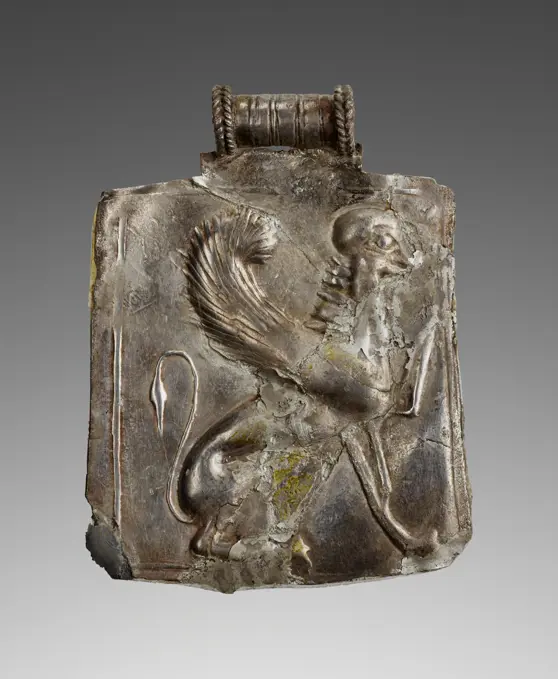
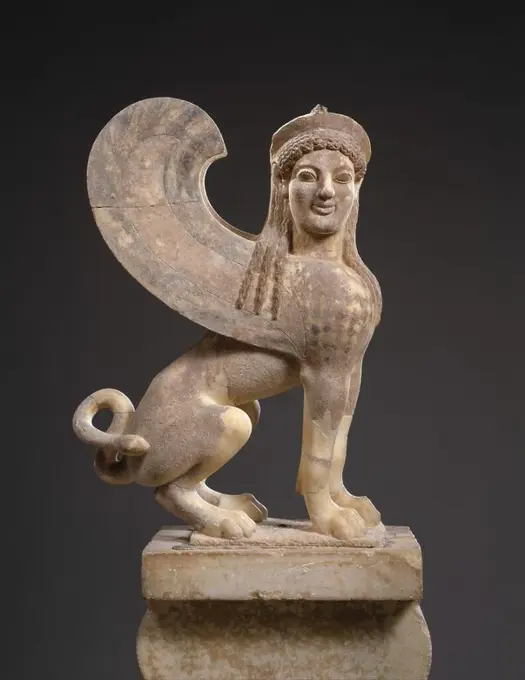
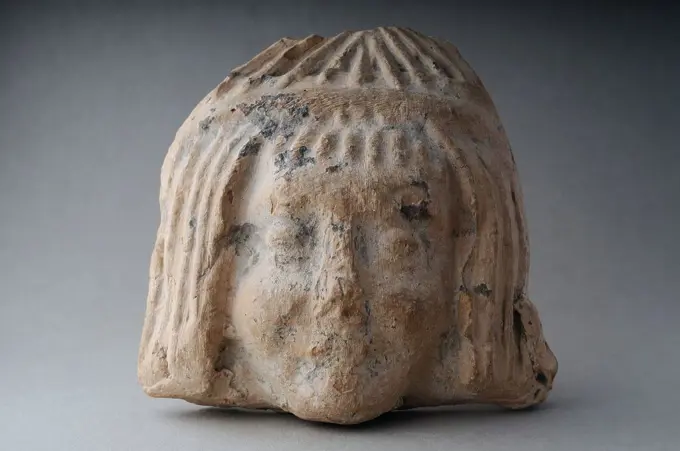
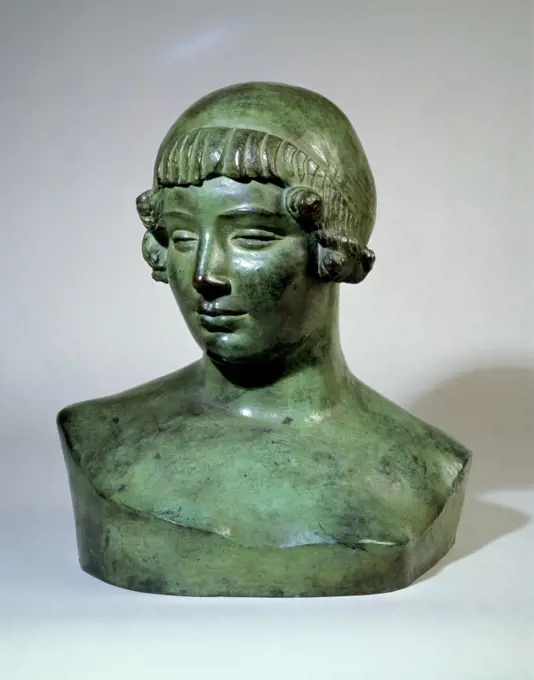
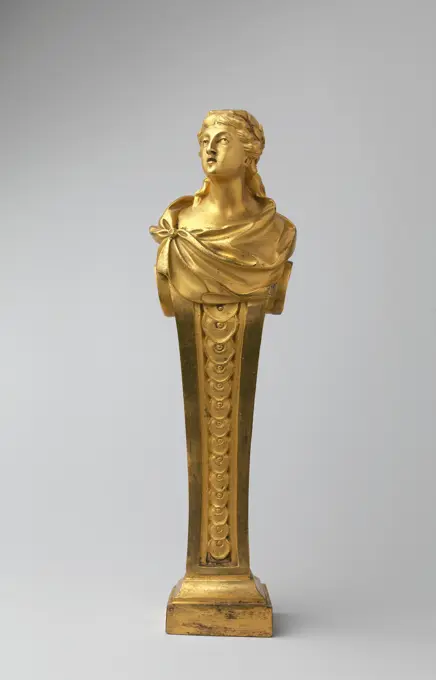
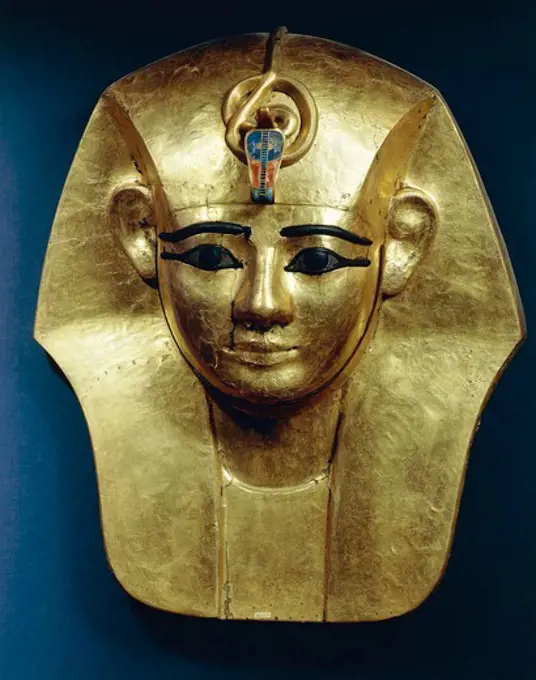
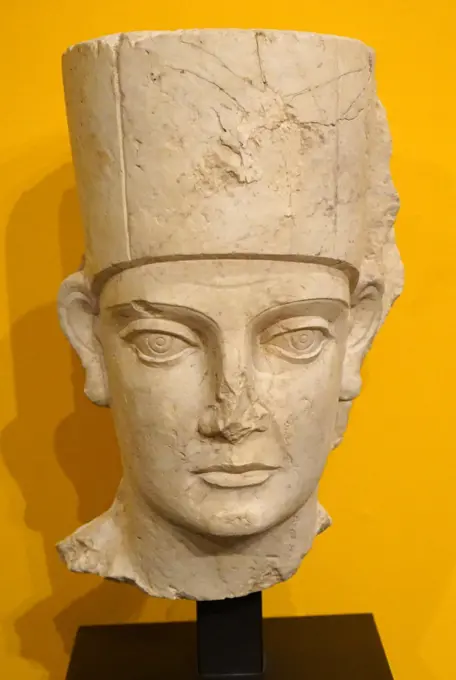
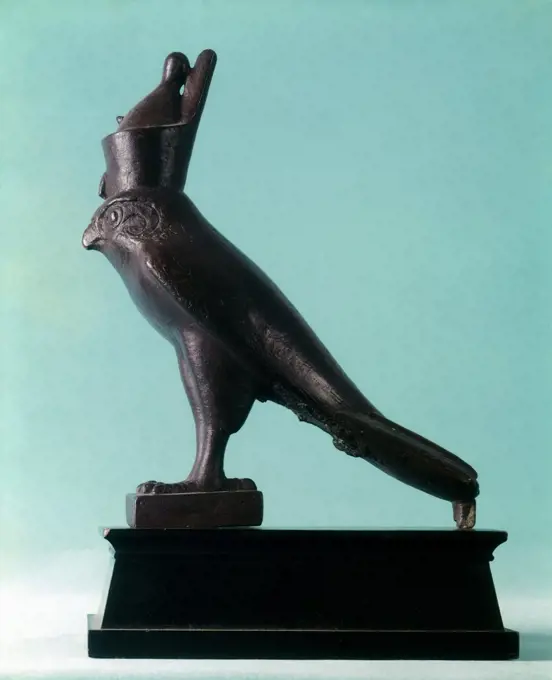
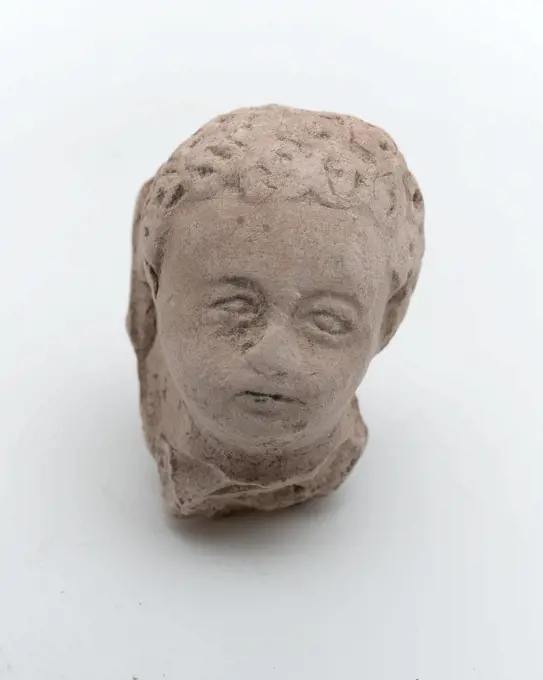
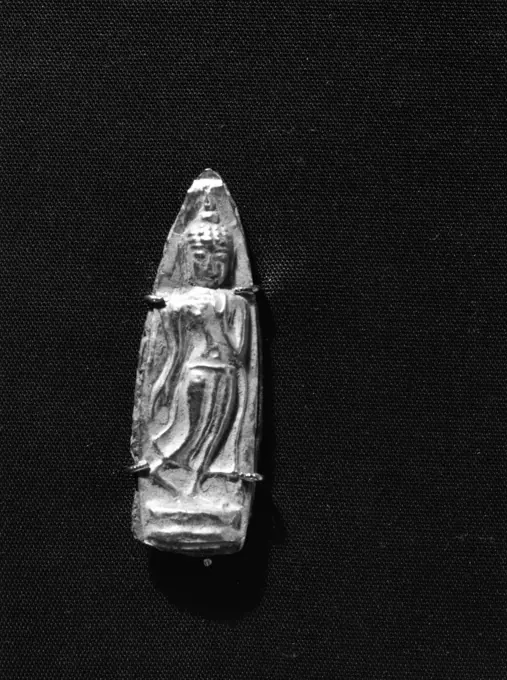
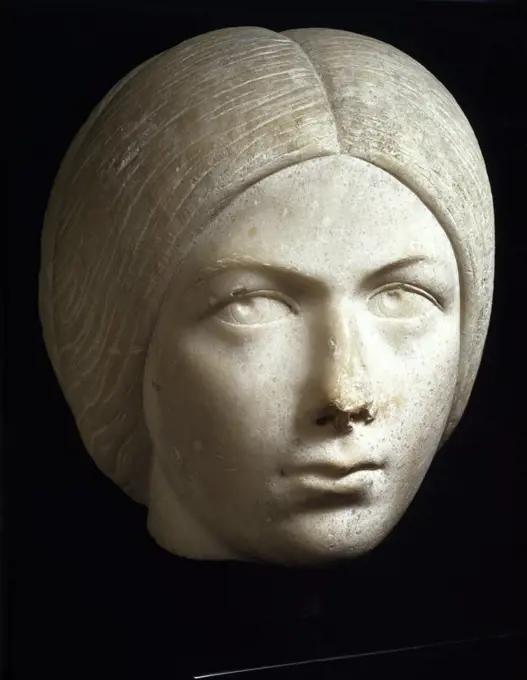
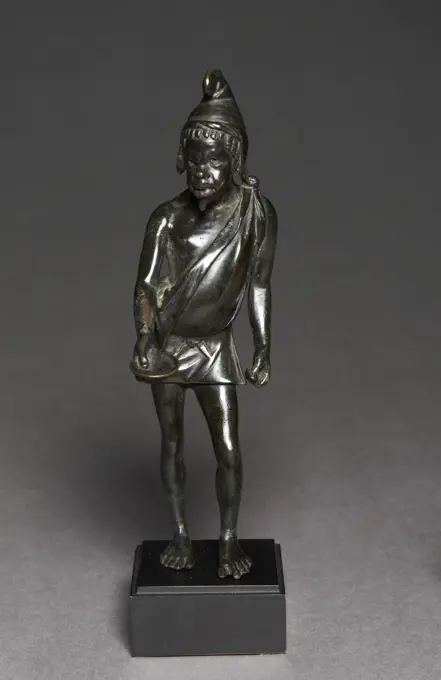
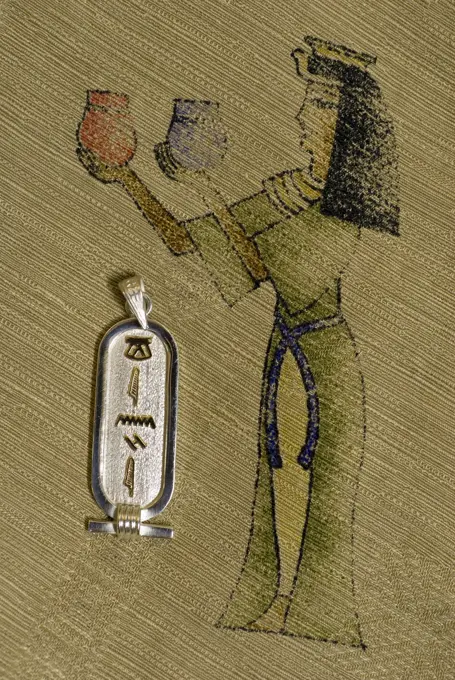
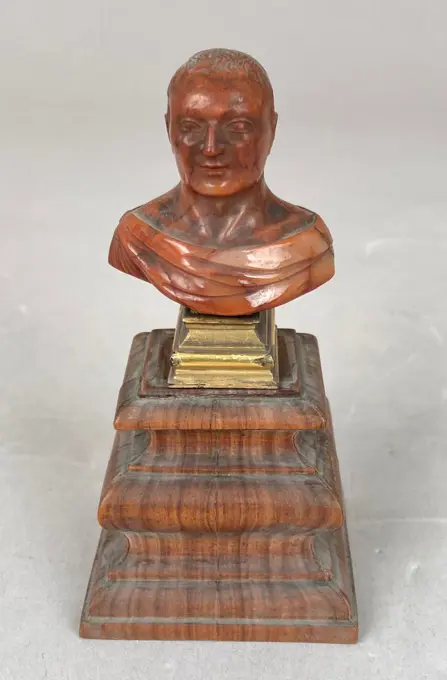
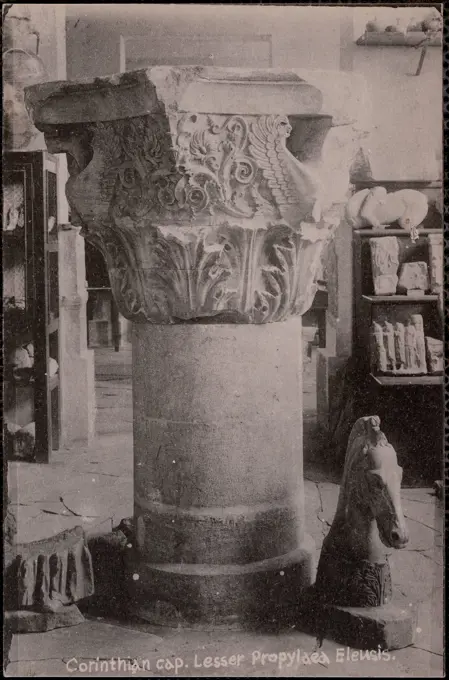
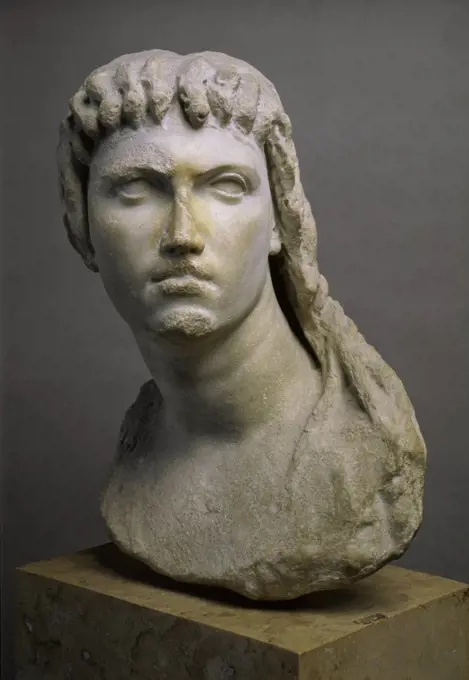
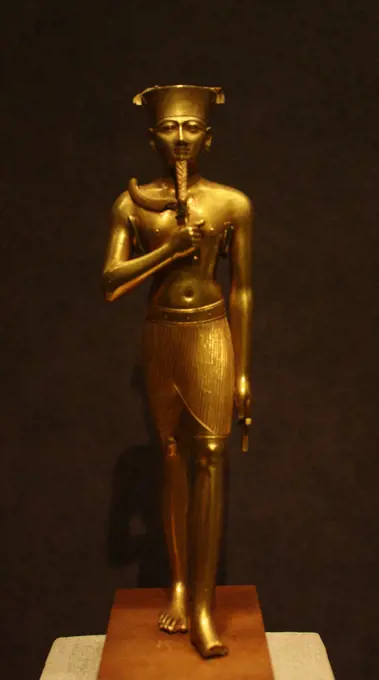
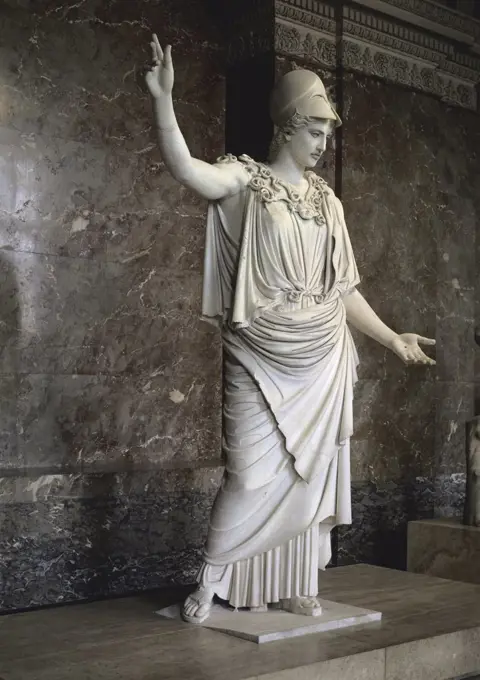
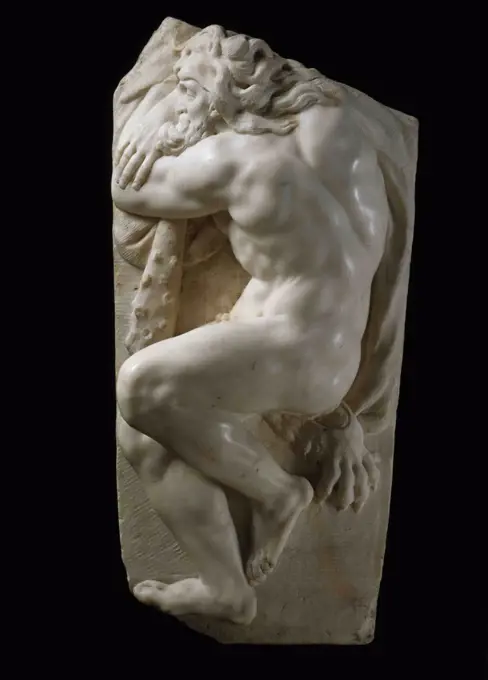
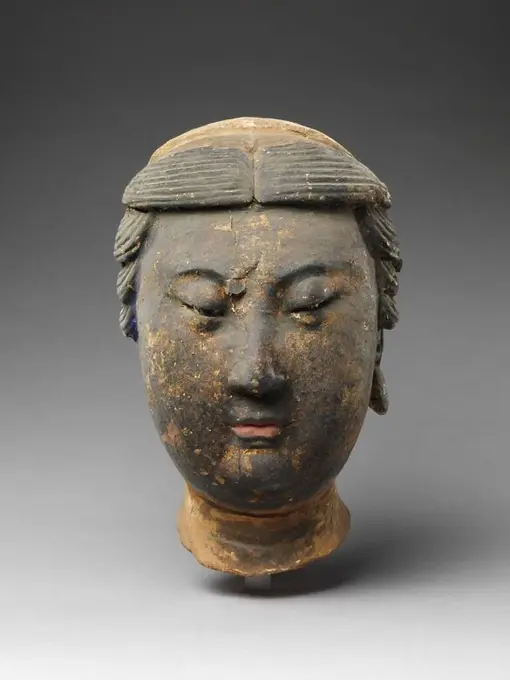
Head of Attendant. Culture: China. Dimensions: H. 12 7/8 in. (32.7 cm); W. 8 in. (20.3 cm); D. 9 1/8 in. (23.2 cm). Date: 11th-12th century. Museum: Metropolitan Museum of Art, New York, USA.Perfume bottle 7th century BC Corinthian, GreekAmulet - ThotBronze figure of a Celtic god with an eye of glass. La Tene III FRANCE.Hintha duck weight, 5 Tical. unknown, craftsmanAttic Head Vase. Attributed to Class Q: Vienna Class (Greek (Attic), 500 - 450 B.C.)Mask. Western Iran, Iron Age II-III, about 1000-650 B.C.. Jewelry and Adornments; masks. Bronze, castEL BESO - 1907-1908 - 28X26X21,5 CM - PIEDRA. Author: CONSTANTIN BRANCUSI (1876-1956). Location: MUZEUL DE ARTA. CRAIOVA. RUMANIA.Amulet - siedząca bogini Izyda. unknown, authorFunerary Mask A.D. 1st-4th century Roman Period. Funerary Mask 547830Amulet of a Ram-Headed Deity, c. 945-715 BC. Egypt, Third Intermediate Period, Dynasty 22 or later. Gold; overall: 2.5 x 0.6 x 1.2 cm (1 x 1/4 x 1/2 in.).Vessel Ornament of Banqueter, probably 400-375 BC. Italy, Etruscan, early 4th Century BC. Bronze; overall: 2 cm (13/16 in.).Covered vase. Culture: China. Dimensions: H. 3 1/4 in. (8.3 cm); Gr. W. 1 1/4 in. (3.2 cm). Date: 20th century. Museum: Metropolitan Museum of Art, New York, USA.Pendant. UnknownMarble capital and finial in the form of a sphinx. Culture: Greek, Attic. Dimensions: H. with akroterion 56 1/8 in. (142.6 cm). Date: ca. 530 B.C..This capital and sphinx originally crowned the tall grave marker of a youth and a little girl on view in this gallery. A plaster copy has been set on the monument itself.The sphinx, a mythological creature with a lion's body and a human head, was known in various forms throughout the eastern Mediterranean region from the Bronze Age onward. The Greeks represented it as a winged female and often placed its image on grave monuments as guardian of the dead. This sphinx, which retains abundant traces of red, black, and blue pigment, was carved separately from the capital on which it stands. Its plinth was let into a socket at the top of the capital and secured by a metal dowel and a bed of molten lead. The capital is in the form of two double volutes (spiral scrolls) designed like a lyre. The front face of the capital also had a painted design Amulet - tit. unknown, authorSarkofag kapłana Amenhotepa. unknown, authorSquatting Figure 500 B.C.-A.D. 300 Indonesia. Squatting Figure. Indonesia. 500 B.C.-A.D. 300. Bronze. Bronze and Iron Age period. MetalworkFigurines made of bone called 'uyucuas', Narrio culture, 1st-2nd century B.C.Terracotta statuette of Harpokrates. Culture: Roman. Dimensions: 3 1/2 x 3 5/8 in. (8.9 x 9.2 cm). Date: 1st-3rd century A.D..Harpokrates (the infant Horus) is shown with some of the usual attributes, such as the Egyptian pschent headdress and the goose. The object next to his right leg may be interpreted as a large round loaf of sacred bread. Museum: Metropolitan Museum of Art, New York, USA.Antefixes of terracotta representing female head with short hair and bulky on the front. Height 13, 3 cm Width 14 ,1 cm. (1 st - 3 rd CE ) - Roman period from archaeological site of Complutum in Alcalá de Henares ( Madrid ). SPAIN.Pastry mold ca. 1755 British, Staffordshire. Pastry mold 197638Imperial device - Mnich Zhang Daoling;  XII-XIII century (1101-00-00-1300-00-00);Incense Burner with Man in Bird MaskStatuette of a Youth. UnknownFashion accessories, Gold, wood, gems, 14th century BC, Egypt, Cairo, The Egyptian Museum,Head of a King, Gilded silver, Iran. Sasanian period, 4th century A.D.Inca silver figurine 1350-1532 AD, Peru or BoliviaHead of Buddha. Pakistan; Ancient region of Gandhara. Date: 101 AD-300 AD. Dimensions: 27.8 × 16.4 × 19.6 cm (11 × 6 1/2 × 7 5/8 in.). Gray schist. Origin: Gandhara. Museum: The Chicago Art Institute, Chicago, USA.Amulet - bóg Horus. unknown, authorBronze Horse Trappings These reliefs come from a set of horse trappings that show Orientals, perhaps Persians, an Amazon and Satyrs. The choice of persons, that Greeks would have considered barbarians, and the menacing faces on the three roundels in particular indicate that the trappings were intended to strike fear into the enemy. This impact was enhanced by a partial silver coating, traces of which remain. About 325-300 BCBust of Venus  1920 Aristide Maillol (1861-1944 French)  Bronze Christie's Images, London, EnglandPair of caryatids French 18th centuryTreasure of Tanis, Gold mask of King AmenemopeHead of a priest wearing a cylindrical modius. Limestone fine carved in high relief (rear part torn off) 2nd - 3rd century AD. Syria, PalmyraEgyptian Mummy Head Cover, Roman Period, (1st century B. C. ) Cartonnage (gum, linen, papyrus), gold leaf, pigmentHorus, Ancient Egyptian falcon god. Saite Epoch. Bronze statuette.Mummy Mask of a Woman. Egypt, Roman Period, Late 2nd century A.D.. Jewelry and Adornments; masks. Plaster and glassBoosen generah a pachaas, boat psamtyk-sa-neita, boat-a-hera, boas, a general man;  664-332 BC; Half-ny (0-00-00-0-00-00), 664-332 BC ; Half period (-664-00-00--332-00-00), 380-343 BC ; Half period, 30 dynasty (-644-00-00--332-00-00), 380-343 BC ; Half period, 30 dynasty (-380-00-00--343-00-00);Book of the Dead, Madeyski, Antoni (1862-1939)-collection, Madeyski, Antoni (1863-1939), Pachaas (Ca 380-343 A.C.), Przesu-Her (Ca 380-343 A.C.), Brody, grave figurines, back pillars , hieroglyphs, hoe, wigs, purchase (provenance)Fragment of a Statue: Hand. UnknownPart of pipe image, child's head, sculpture visual material soil finds ceramic pipe earth, in mold formed baked Children's head Part of pipe image. One-sided with flat back in which deep thumb impression Child has curled her archeology Rotterdam railway tunnel indigenous pottery devotion child play worship religion Soil discovery Rotterdam tracé rail tunnel.Luxurious temple earrings with crescent-shaped ornament. Podgrade (Asseria). Croatia. Museum of Croatian Archaeological Monuments, Split, Croatia. 'The Virgin ( )'. Italy, 17th century. Dimensions: h. 26,5 cm. Museum: State Hermitage, St. Petersburg.Plaque 14th-15th century Thailand. Plaque. Thailand. 14th-15th century. Gold. late Sukhothai period. MetalworkStoneware figure of a baby in swaddling bands. Jin dynasty, AD 1115-1234.Hagener Torso  c.1910-1911 Wilhelm Lehmbruck (1881-1919/German) Sculpture Head of a Woman  16th C. Sculpture  Private Collection, Italy Statuette of a Beggar, 100-50 BC. Greece, Greco-Roman Period, late Ptolemaic Dynasty. Bronze, solid cast, with silver and copper inlays; overall: 18.4 x 5.3 x 7.2 cm (7 1/4 x 2 1/16 x 2 13/16 in.).Egypt. Egyptian cotton inted textile, gold & sliver cartouche with typical hieroglyphic symbols.Vespasian (Titus Flavius Sabinus), Emperor 70-79 A.D. Italian late 16th century For similar busts made of heliotrope, see 25.203.13 and 25.203.14. View more. Vespasian (Titus Flavius Sabinus), Emperor 70-79 A.D.. Italian. late 16th century. Bust: red agate; base: gilt bronze; pedestal: wood. Lapidary WorkCorinthian cap. Lesser Propylaea Eleusis , Capitals Columns. Nicholas Catsimpoolas CollectionCLEOPATRA II GREEK ART d Musee du Louvre, Paris Woman Carrying a Parasol, Late 1800s- Early 1900s. Japan, Meiji period (1868-1912). Ivory; overall: 14.9 cm (5 7/8 in.).Cypriot sculpture in Greek style 350-250 BC. male head in local Hellenistic traditionFigure seated on lotiform base China. Figure seated on lotiform base 61749Statuette of Amun. Third Intermediate Period (ca 1070-664 B.C.) Gold.Bronze head of a youth, about 330 b.C.Marble statue of Messalina holding Britannicus, from Rome surroundingsAthena  or Minerva Greek Art  Pallade  de Velletri The Sleeping Hercules  Baccio Bandinelli (1488-1560 Italian)  Marble  Hermitage Museum, St. Petersburg Saint Joseph late 16th century Southern Italian From a Nativity group, together with The Virgin (59.203.1).. Saint Joseph. Southern Italian. late 16th century. Polychromed wood. SculptureEurope, Greece, Kavala, souvenirsBUSTO DE EUGENIO OCHOA - 1860 - MARMOL - NEOCLASICISMO ESPAÑOL. Author: PONCIANO PONZANO Y GASCON. Location: MUSEO DEL ROMANTICISMO-ESCULTURA. MADRID. SPAIN.