Ancient Egyptian Figurines

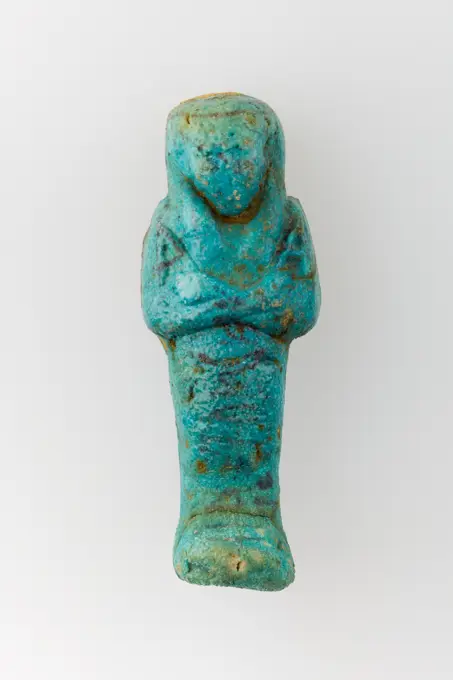
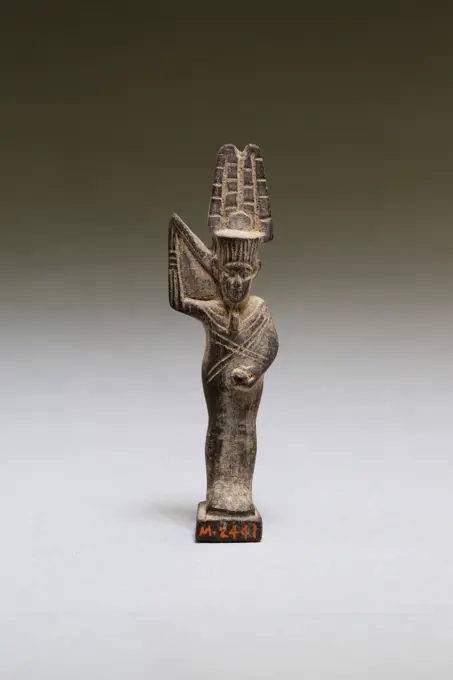
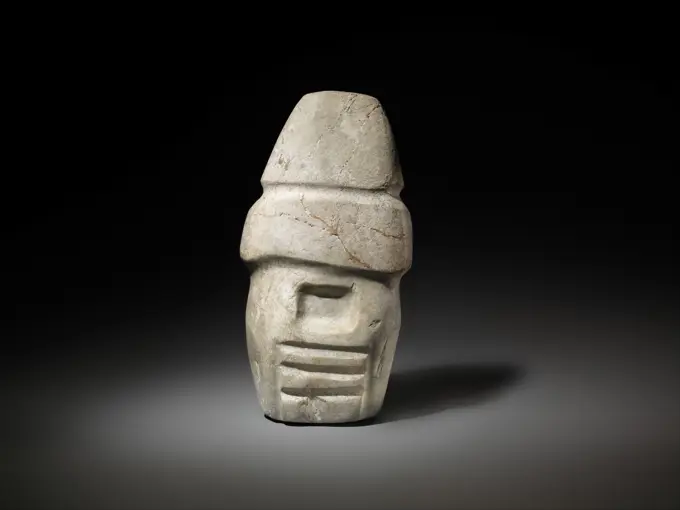
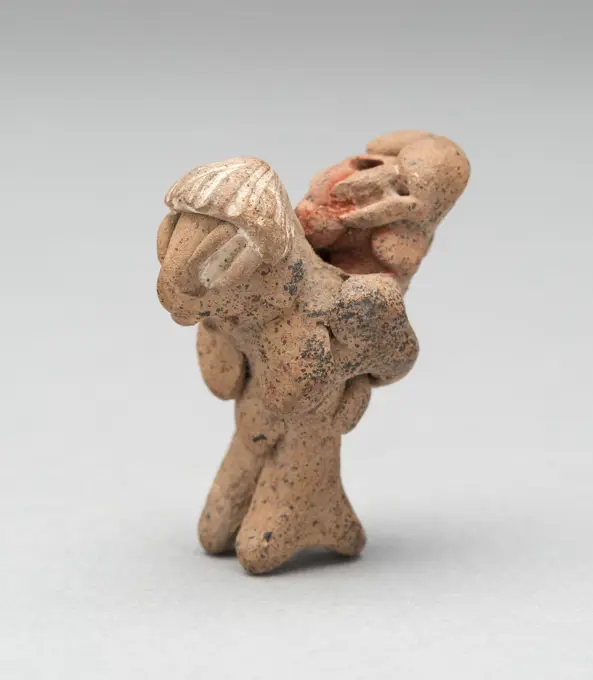
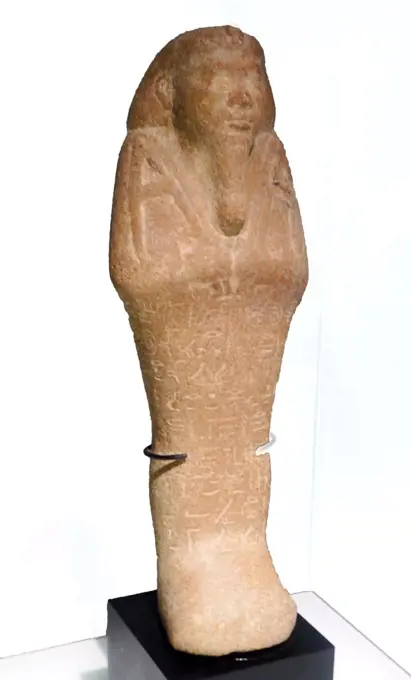
A collection of ancient Egyptian figurines including Ushabti, amulets, and deities, showcasing historical craftsmanship in various materials like faience and clay.

Boat;  around 1069 945 BC ; 3rd passage period, 21 dynasty (-1069-00-00--945-00-00);
Boat; around 1069 945 BC ; 3rd passage period, 21 dynasty (-1069-00-00--945-00-00);
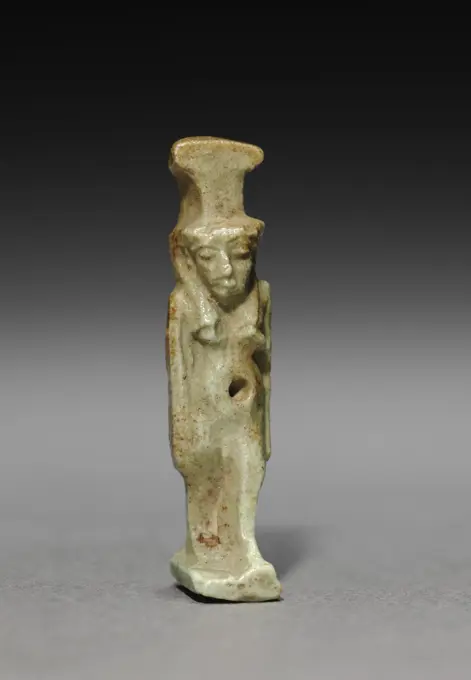
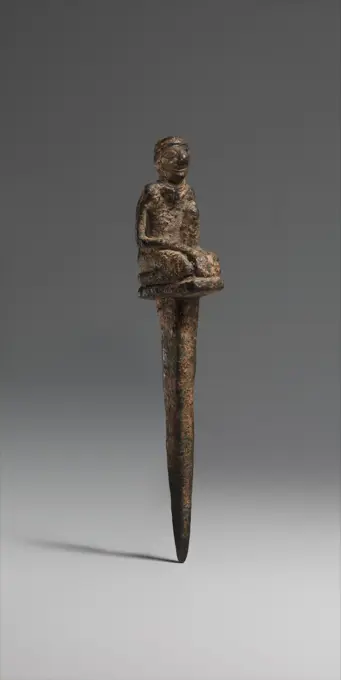
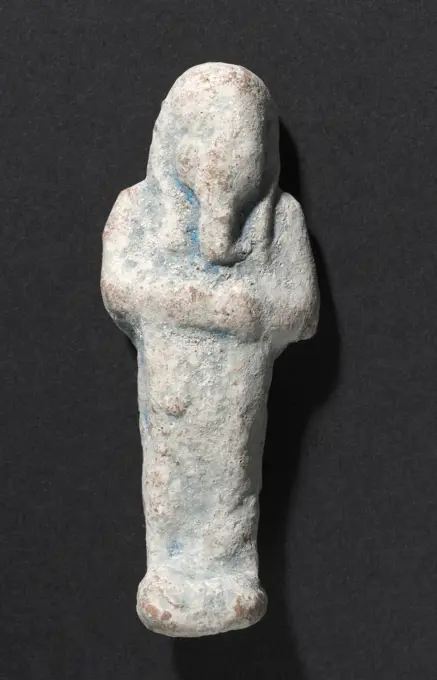
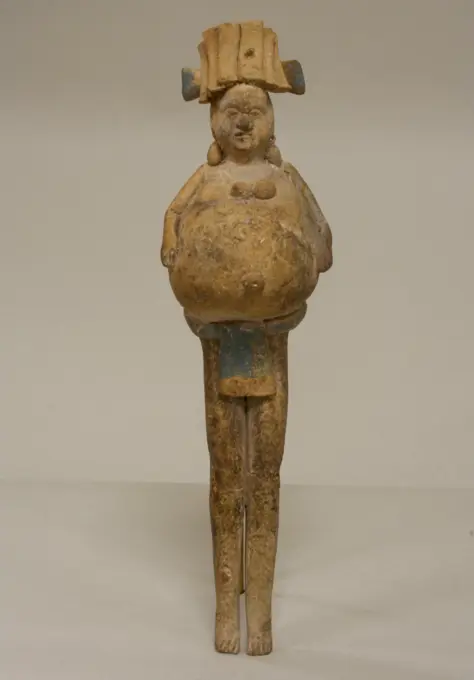
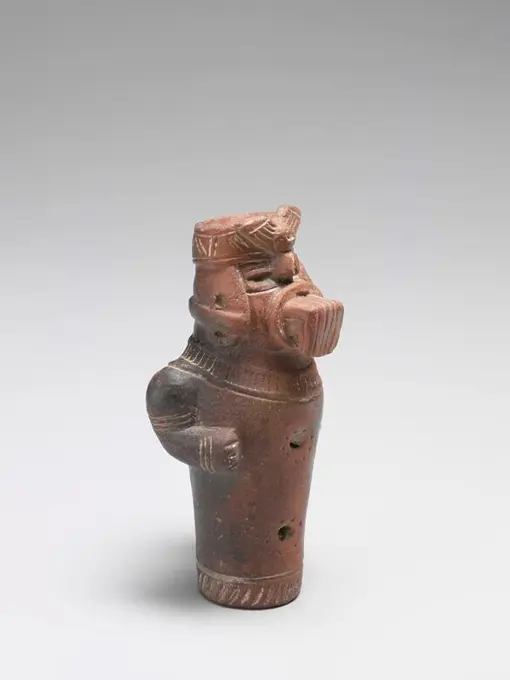
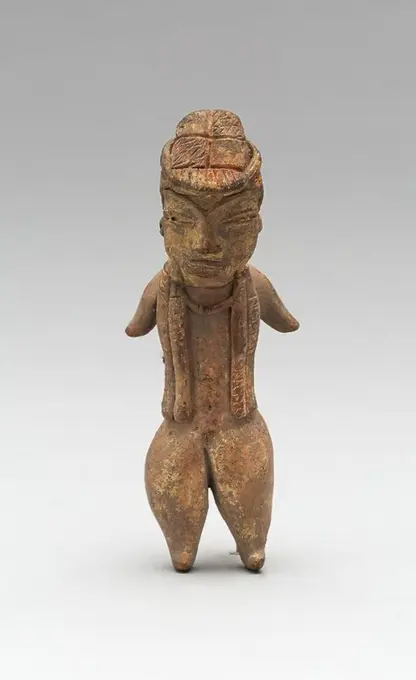
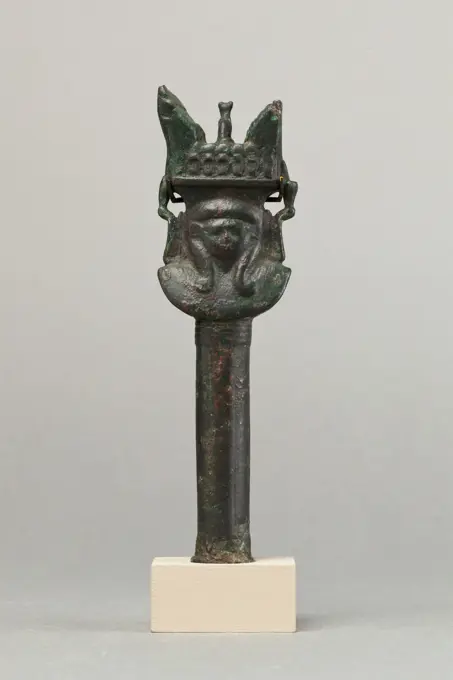
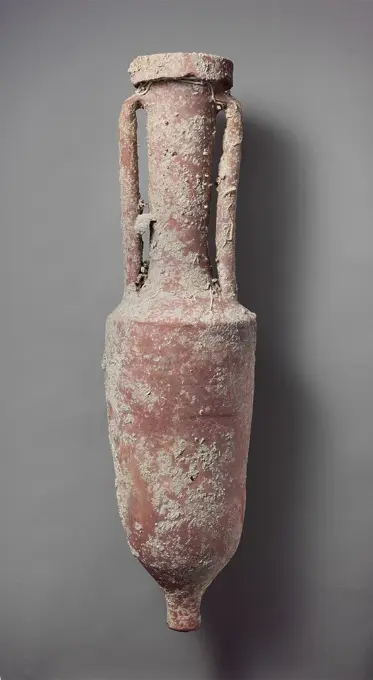
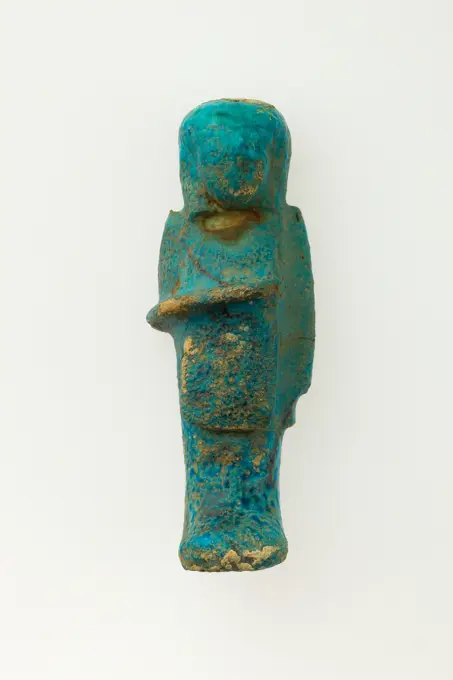
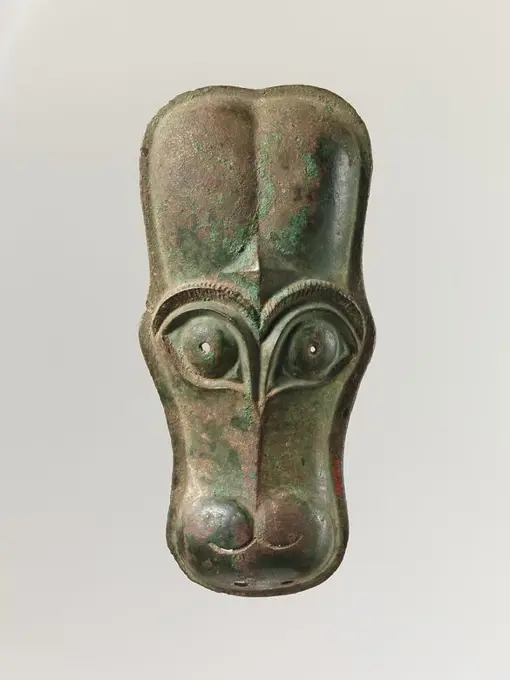
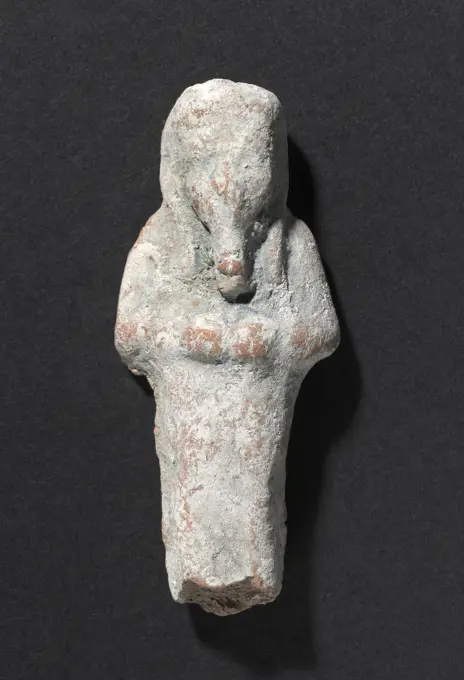
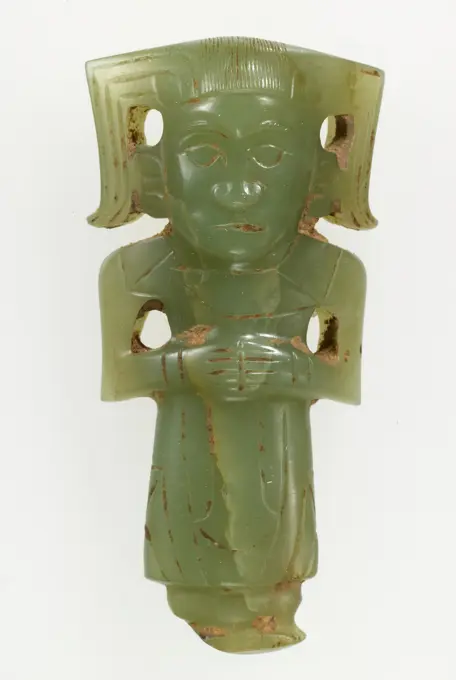
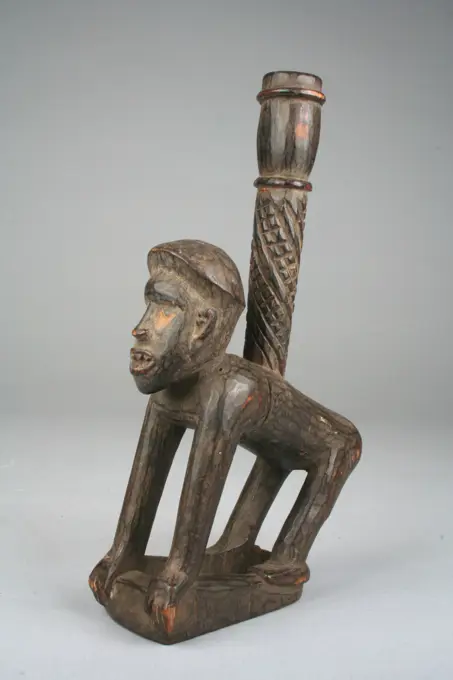
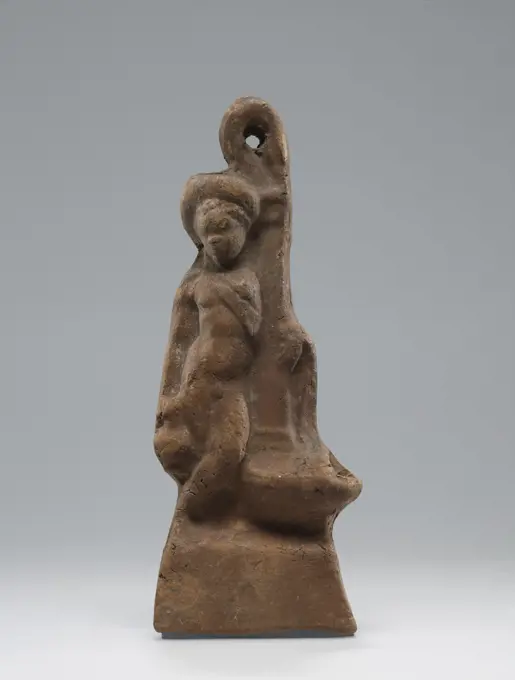
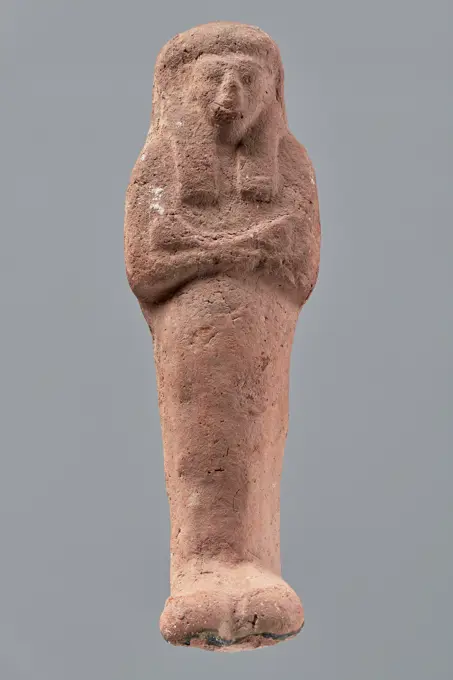
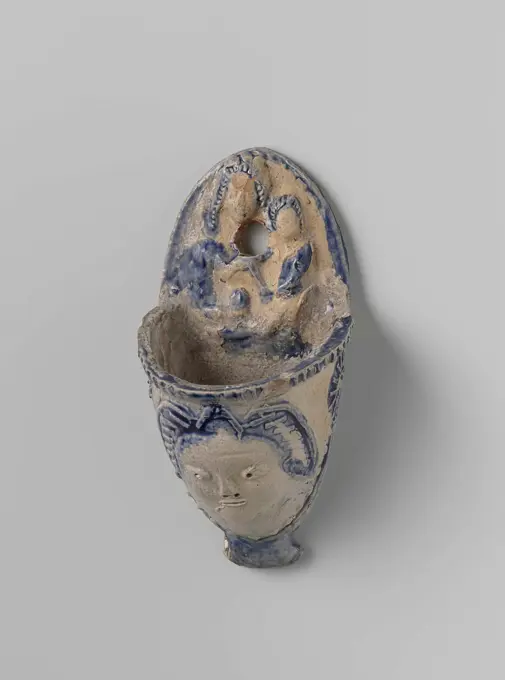
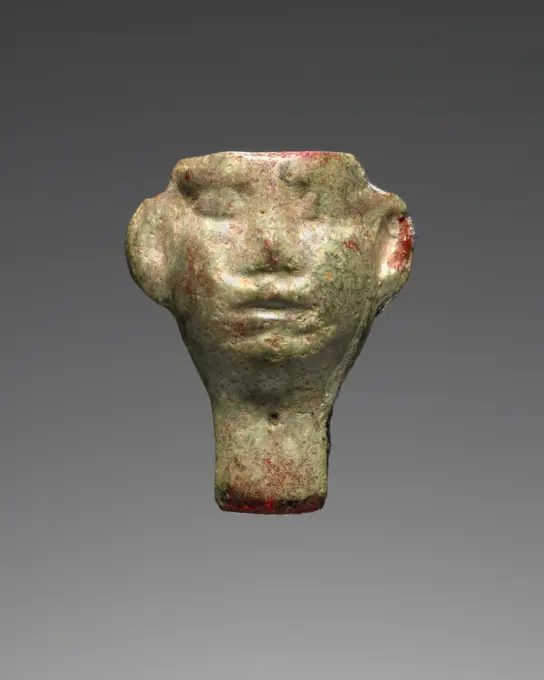
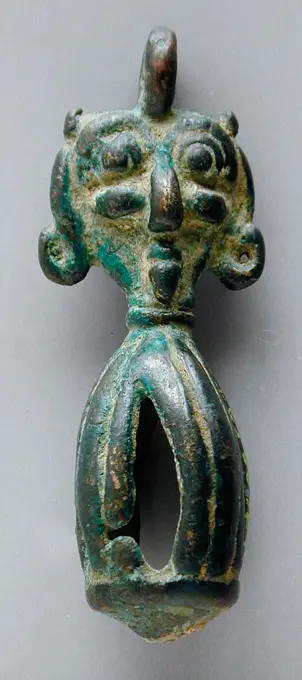
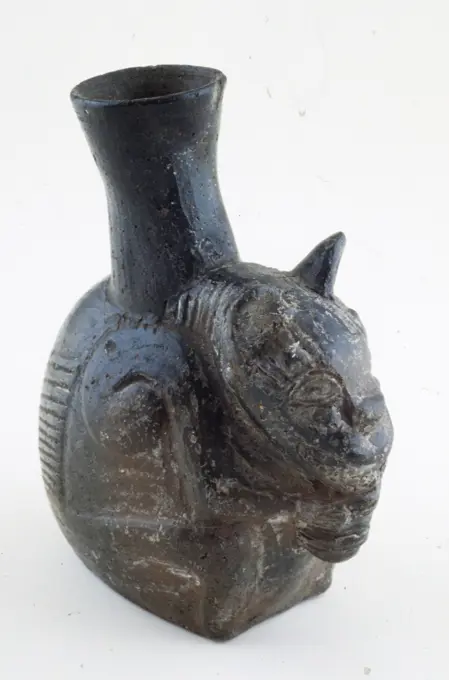
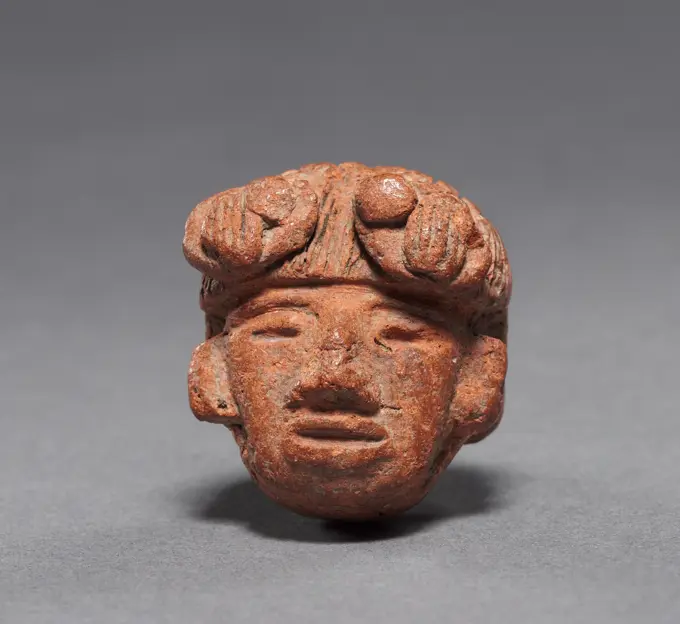
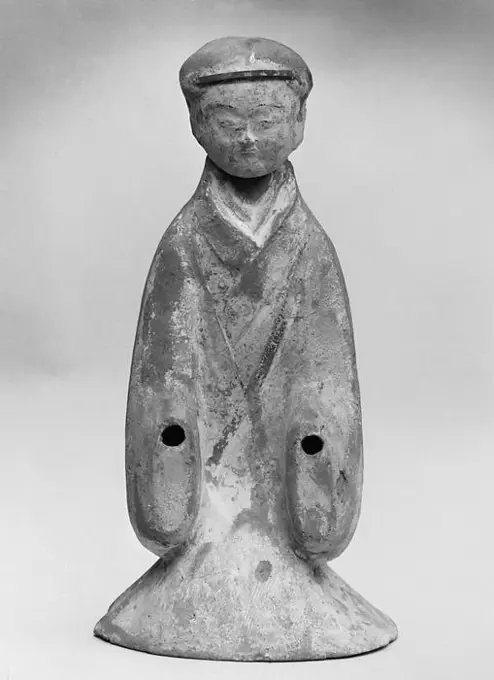
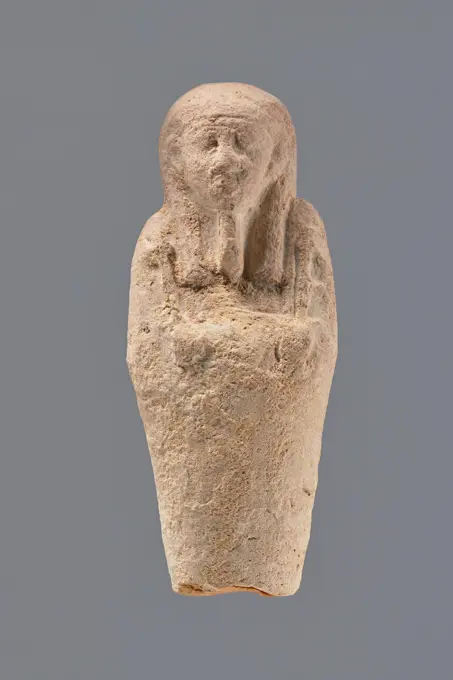
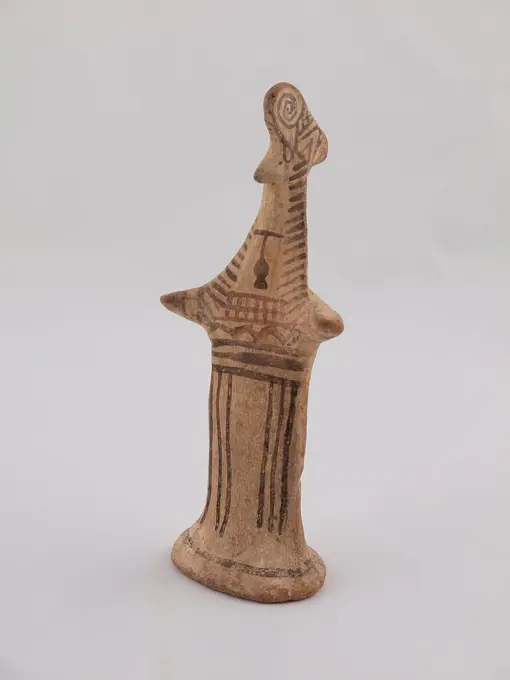
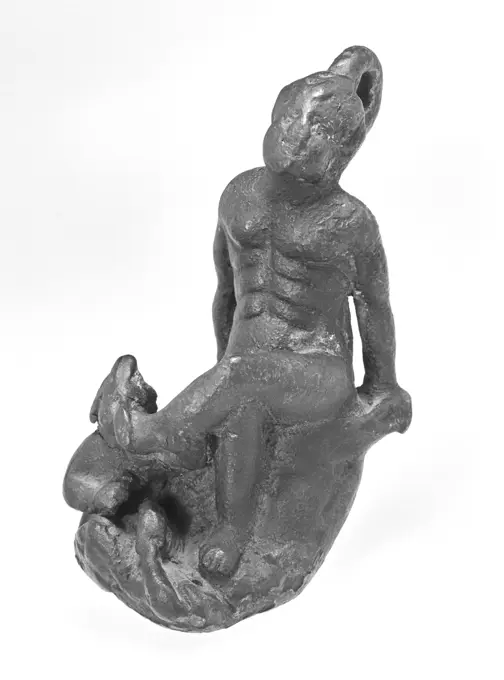
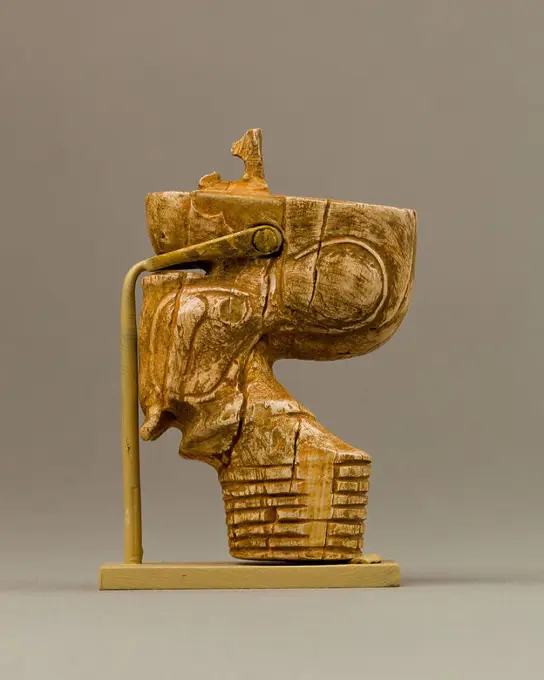
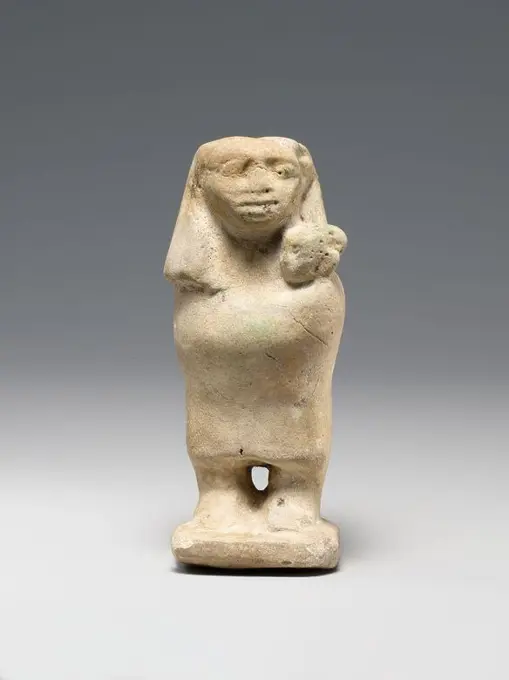
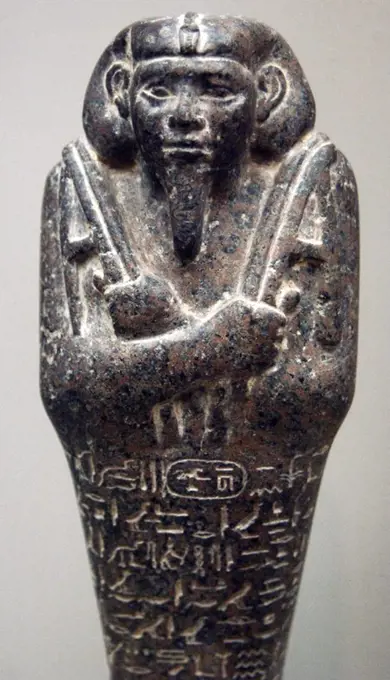
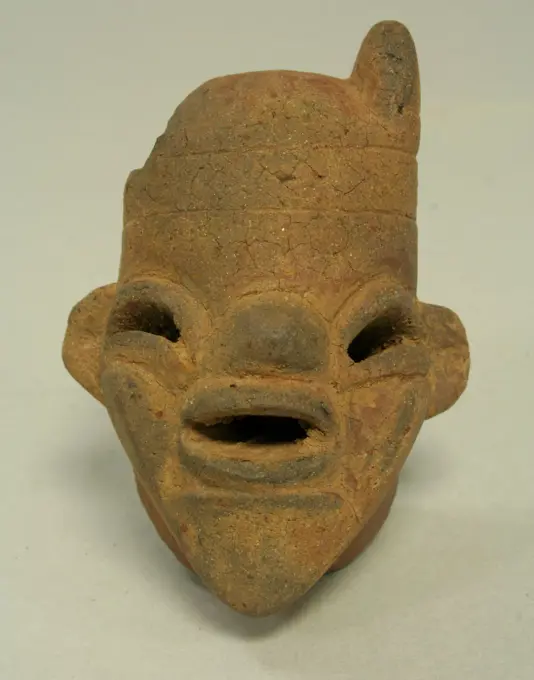
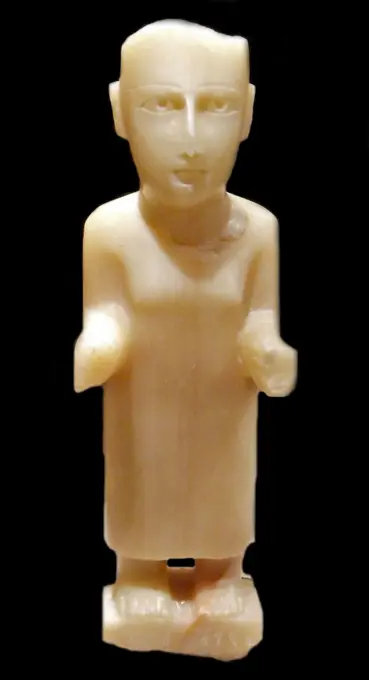
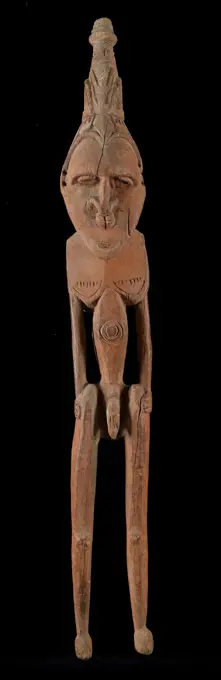
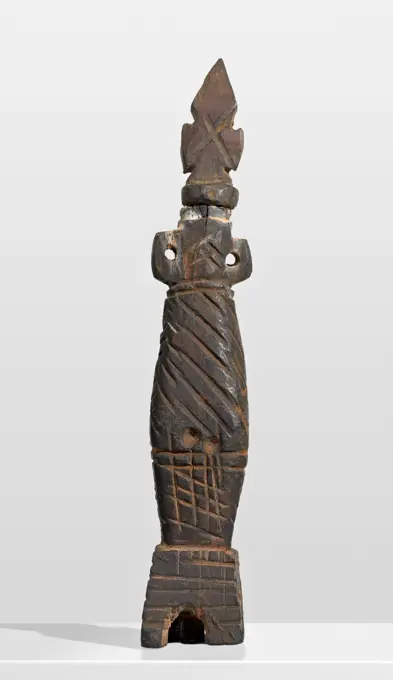
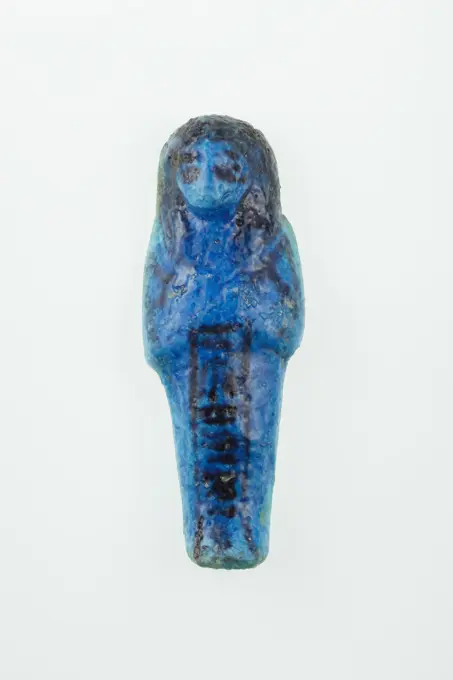
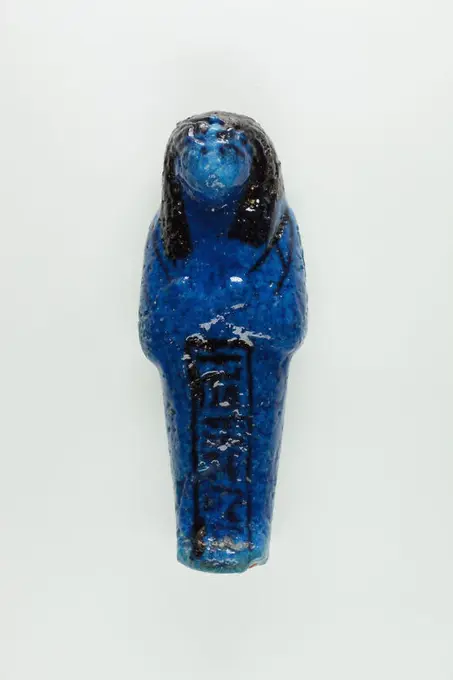
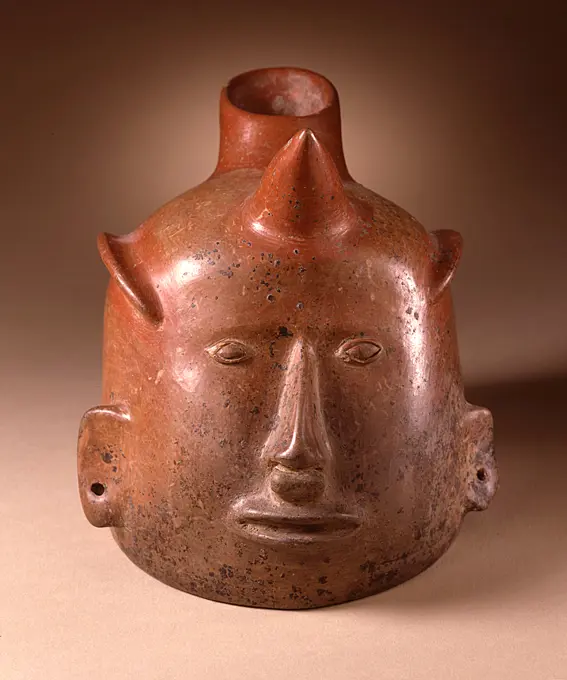
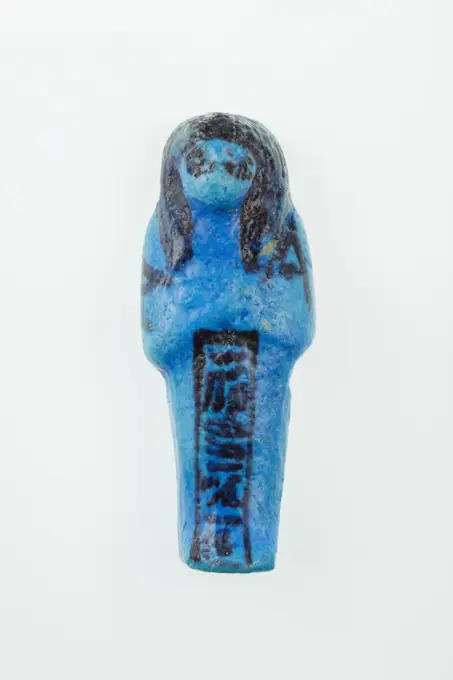
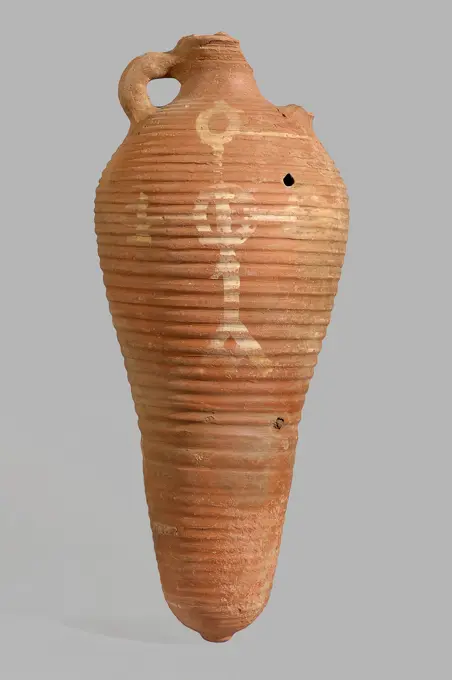
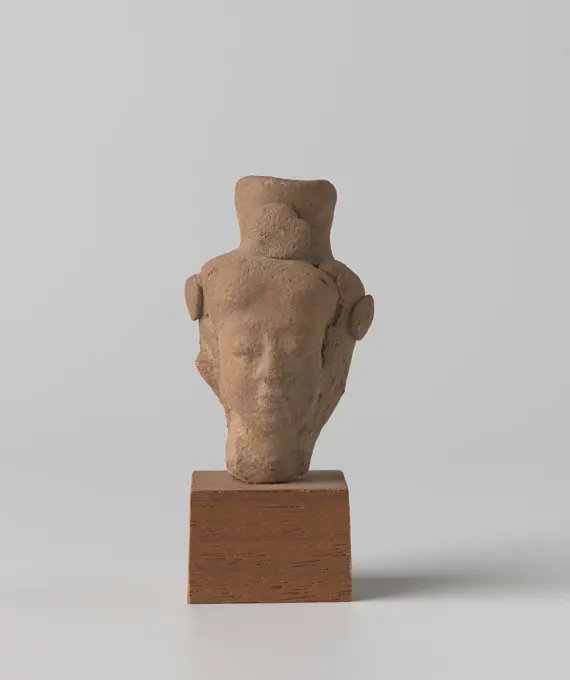
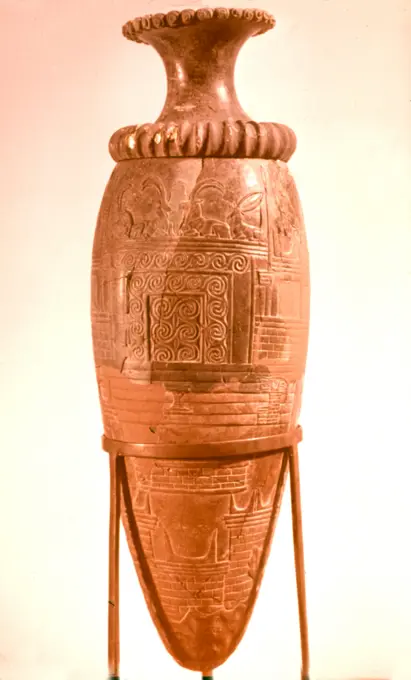
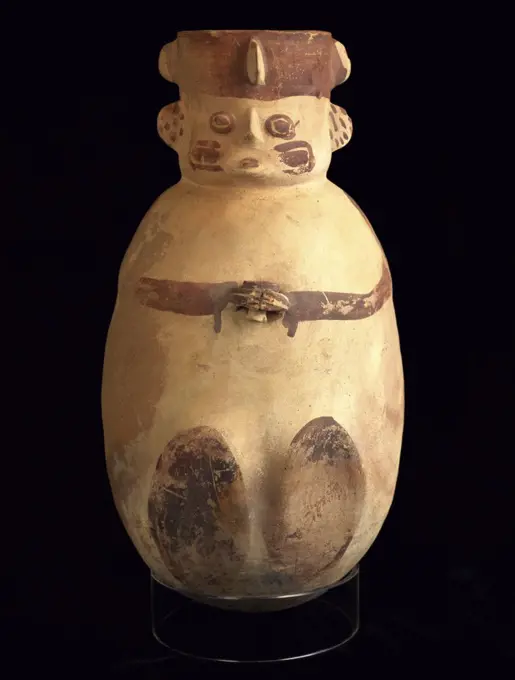
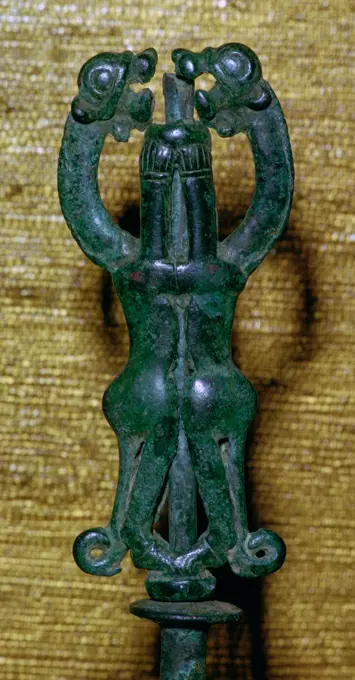
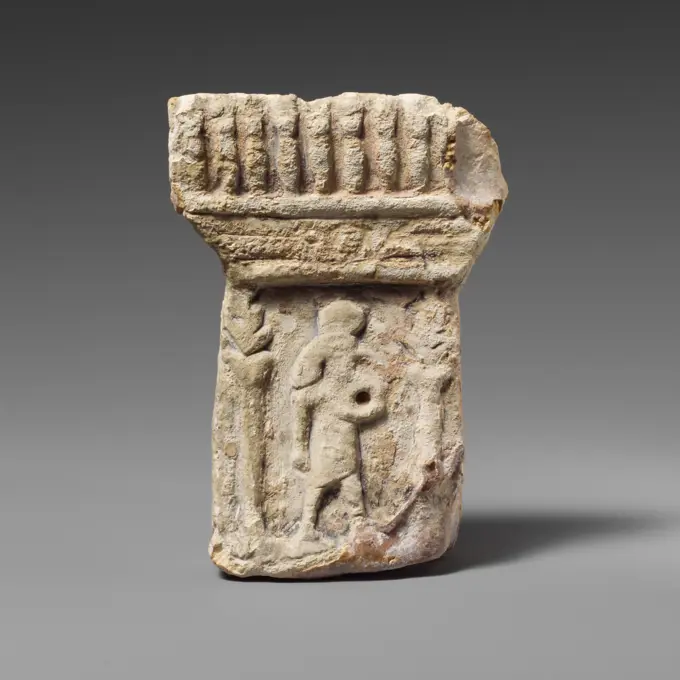
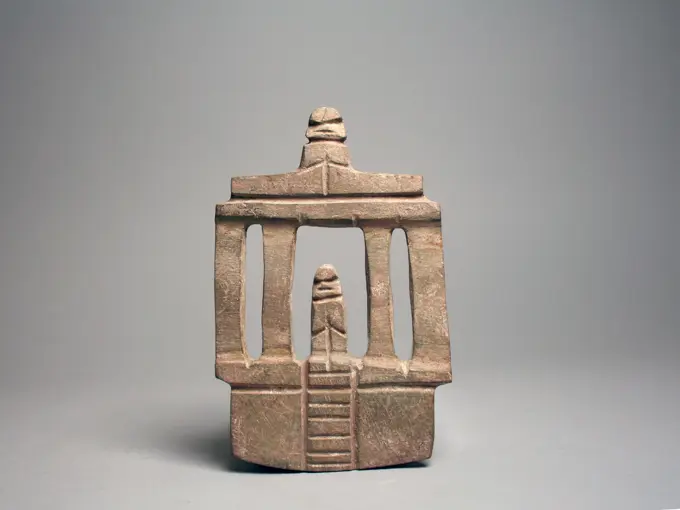
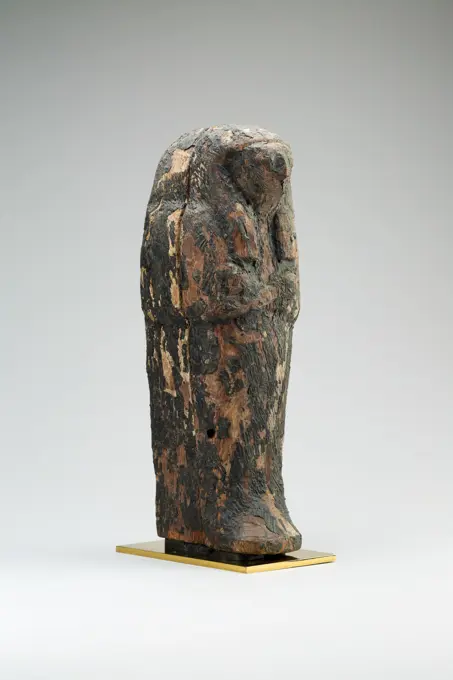
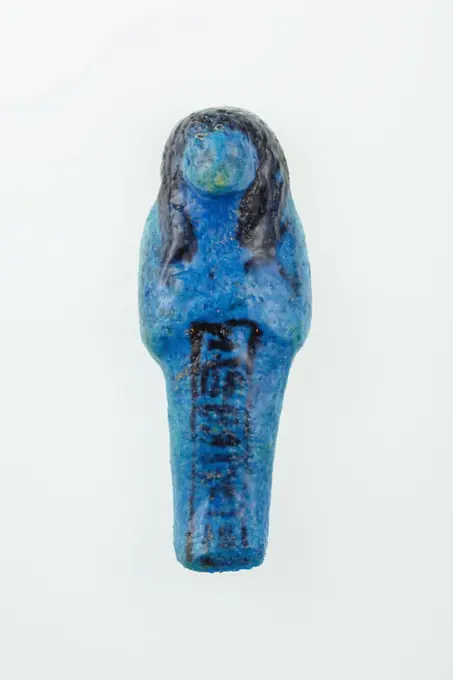
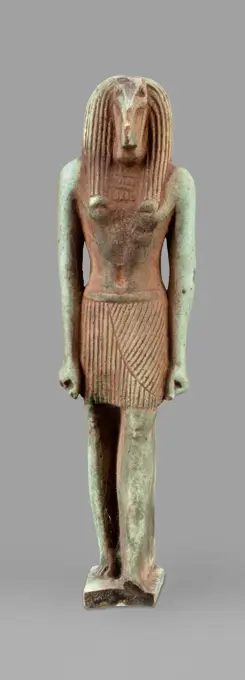
Boat;  around 1295 1069 BC ; New PAFigurine of UshabtiBoat;  around 1069 945 BC ; 3rd passage period, 21 dynasty (-1069-00-00--945-00-00);Amulet of the Goddess Bastet 1070 BCE-656 BCE Egypt. Faience . Ancient EgyptianAmulet of Nephthys, 380-30 BC. Egypt, Dynasty 30 to Ptolemaic Dynasty. Gray green faience; overall: 3.3 cm (1 5/16 in.).Amulet of the God Ptah 664 BCE-332 BCE Egypt. Faience . Ancient EgyptianPrehistory, Sweden, Iron Age. Bronze female figurine. From Stolof.Peg with kneeling male ca. 2900-2350 B.C. Sumerian. Peg with kneeling male 327395Perfume Bottle in the Form of a Woman. UnknownShawabty of Ditamenpaankh, 715-656 BC. Egypt, Late Period, Dynasty 25. Terracotta; overall: 6.6 x 2.5 x 1.7 cm (2 5/8 x 1 x 11/16 in.). High demand for shawabtys in the Late Period, a time when as many as 400 or more shawabtys were placed in the tomb with the deceased, gave rise to a specialized container for storing them: the shawabty box. This example is inscribed for the lady of the house, Ditamenpaankh, and was probably one of a pair originally made for her. The single-masted boat on the box's lid is perhaps an allusion to the pilgrimage of the deceased to the holy city of Abydos, the cult city of Osiris, king of the dead. The shawabtys inside are crude, mass-produced examples cast in an open mold. Made of terracotta, their blue paint imitates more costly shawabtys made of faience. As for the shawabty spell, it has been removed from its traditional location on the shawabty's front and relocated onto the sides of box, where it needed only to be written once, thus expediting productFigure Rattle 7th-9th century Maya. Figure Rattle 312804Worker Shabti of Henettawy (C), Daughter of Isetemkheb ca. 990-970 B.C. Third Intermediate Period See 25.3.19.. Worker Shabti of Henettawy (C), Daughter of Isetemkheb 591038Amulet - karzeł Pataikos. unknown, authorImage of a goddess. Goddess, wood sculpture, portions of headdress and ear jowls of glass. On base.Flute. Culture: Tairona People; Gayraca style. Dimensions: L. 8.4 cm (1-5/16 in.); Diam. 3.9 cm (1-9/16 in.). Date: 1300-1500. Museum: Metropolitan Museum of Art, New York, USA.Female Figurine. Tlatilco; Tlatilco, Valley of Mexico, Mexico. Date: 500 BC-400 BC. Dimensions: H. 10.8 cm (4 1/2 in.). Ceramic and pigment. Origin: Tlatilco. Museum: The Chicago Art Institute, Chicago, USA.Handle of sistrum 664-30 B.C. Late Period-Ptolemaic Period. Handle of sistrum 570697Terracotta wine amphora. Culture: Roman. Dimensions: H. 40 1/2 in. (102.9 cm). Date: ca. 100 B.C..The amphora comes from a shipwrecked cargo vessel (Grand Congloué B) that was explored by Capt. Cousteau and Prof. Benoît in 1952-3. The ship's hold contained some 1,200-1,500 Roman wine amphorae made at or near Cosa in Etruria. The cargo was evidently destined for markets in Gaul, where Celtic chieftains had developed a taste for wine and tableware supplied by Roman merchants. Museum: Metropolitan Museum of Art, New York, USA.Overseer Shabti of Henettawy (C), Daughter of Isetemkheb ca. 990-970 B.C. Third Intermediate Period See 25.3.19.. Overseer Shabti of Henettawy (C), Daughter of Isetemkheb 590988Horse Mask. Culture: China. Dimensions: H. 7 7/8 in. (20 cm); W. 3 1/2 in. (8.9 cm). Museum: Metropolitan Museum of Art, New York, USA.Sphinx, c. 500 BC. South Italy, Taranto, late 6th Century BC. Amber; overall: 5.8 x 2.3 cm (2 5/16 x 7/8 in.).Shawabty of Ditamenpaankh, 715-656 BC. Egypt, Late Period, Dynasty 25. Terracotta; overall: 6.1 x 2.5 x 1.3 cm (2 3/8 x 1 x 1/2 in.). High demand for shawabtys in the Late Period, a time when as many as 400 or more shawabtys were placed in the tomb with the deceased, gave rise to a specialized container for storing them: the shawabty box. This example is inscribed for the lady of the house, Ditamenpaankh, and was probably one of a pair originally made for her. The single-masted boat on the box's lid is perhaps an allusion to the pilgrimage of the deceased to the holy city of Abydos, the cult city of Osiris, king of the dead. The shawabtys inside are crude, mass-produced examples cast in an open mold. Made of terracotta, their blue paint imitates more costly shawabtys made of faience. As for the shawabty spell, it has been removed from its traditional location on the shawabty's front and relocated onto the sides of box, where it needed only to be written once, thus expediting productioStanding Figurine, 2 3/8 x 1 3/16 x 9/16 in. (6.03 x 3.02 x 1.43 cm), Translucent green jade, China, Late Western Zhou dynastyMonkey Figure 19th century Kongo peoples (). Monkey Figure 307482Lamp, Roman Empire; 1st century B.C. - 4th century A.D; Terracotta; 6.4 x 3.4 x 16.5 cm (2 1,2 x 1 5,16 x 6 1,2 in.)Boat;  664-30 BC ; Half-period period-Ptolemam period (-664-00-00--30-00-00);Boat;  around 1295 1069 BC ; New PAAncient terracotta trophy heads, from the Pre-Hispanic regions of Central America, Costa Rica. Dated 10th CenturyHorse and rider figurine ca. 600-480 B.C. Cypriot The figurine is handmade and solid. The rider sits upright. He has short legs with clearly modeled feet stretched forward.. Horse and rider figurine 241337Shabti of Petosiris, son of Djedhor Late Period-Ptolemaic Period ca. 360-300 BC View more. Shabti of Petosiris, son of Djedhor. ca. 360-300 BC. Faience. Late Period-Ptolemaic Period. From Egypt, Northern Upper Egypt, Abydos, Cemetery G, Petrie Tomb 50 (Djedhor), Egypt Exploration Fund excavations. Dynasty 30 or laterShawabty of Ditamenpaankh, 715-656 BC. Egypt, Late Period, Dynasty 25. Terracotta; overall: 4.7 x 2.7 x 1.3 cm (1 7/8 x 1 1/16 x 1/2 in.).Faience amulet of Bes image. Culture: Egyptian. Dimensions: H.: 1 7/8 in. (4.7 cm). Date: ca. 1090-900 B.C..Amulet, Bes. Museum: Metropolitan Museum of Art, New York, USA.Figure 10th-12th century. Figure 451792Woodwater bin from stoneware. Woodwater bin from stoneware. On the back plate Maria. On the bake a angel head.Figurine ca. 1879 Zuni. Figurine 319201Head Inlay. UnknownLow relief pendant made from Jade. Dated 10th CenturyCrib with Christ Child, anonymous, c. 1475 - c. 1525  Northern Netherlands pipe clay  Northern Netherlands pipe clayAmulet of Thoth Made 332 BCE-30 BCE Egypt. Faience . Ancient EgyptianPendant. Iran, Luristan, circa 1000-650 B.C.. Jewelry and Adornments; pendants. Bronze, castBoat;  525-343 BC ; Half period, 27-30 dynasty (-525-00-00--343-00-00);Head 15th-early 16th century Aztec. Head. Aztec. 15th-early 16th century. Stone. Mexico, Mesoamerica. Stone-SculptureOgboni Society Figure, 20th century, 6 3/4 x 2 7/8 x 1 1/4 in. (17.15 x 7.3 x 3.18 cm), Bronze, Nigeria, 20th centuryHead from a Female Figurine. UnknownVessel, 5 5/8 x 2 x 4 in. (14.29 x 5.08 x 10.16 cm), Earthenware, Peru, Pre-ColumbianHead, before 1519. Mesoamerica, Pre-Columbian. Clay; overall: 2.4 x 2.1 x 2.1 cm (15/16 x 13/16 x 13/16 in.).Cylinder Seal. Iran, Achaemenid period, circa 550-330 B.C.. Tools and Equipment; seals. MarbleFigure with Removable Head China. Figure with Removable Head 62984Shabti of Isethay Late Period ca. 688-332 B.C. View more. Shabti of Isethay. ca. 688-332 B.C.. Faience. Late Period. From Egypt. Dynasty 26-30Jug neck in shape of male head 750-600 B.C. Cypriot. Jug neck in shape of male head 241253Boat;  664-30 BC ; Half-period period-Ptolemam period (-664-00-00--30-00-00);Statuette of a Goddess. Greek; Boeotia. Date: 600 BC-580 BC. Dimensions: 18.2 × 7.7 × 6.8 cm (7 3/16 × 3 1/16 × 2 11/16 in.). Terra-cotta. Origin: Dodona. Museum: The Chicago Art Institute, USA. Author: ANCIENT GREEK.Amulet - mumia. unknown, authorWeight. UnknownStanding Ceramic Figure 3rd-5th century Moche. Standing Ceramic Figure 309319Furniture leg possibly from a game board. Dimensions: H: 6.1 cm (2 3/8 in.); w: 3.9 cm (1 9/16 in.). Dynasty: Dynasty 1. Reign: reign of Den. Date: ca. 3100-2900 B.C.. Museum: Metropolitan Museum of Art, New York, USA.Two-Sided MiniatureMaskFigurine of a Woman with Her Baby. Dimensions: H. 9.1 × W. 3.6 × D. 3.4 cm (3 9/16 × 1 7/16 × 1 5/16 in.). Dynasty: Dynasty 12. Reign: reign of Senwosret I. Date: ca. 1961-1917 B.C.. Museum: Metropolitan Museum of Art, New York, USA.Shabti in granite of pharaoh Taharqa. 690-664 BC. 25th Dynasty. Third Intermediate Period. From the Pyramid 1 of Nuri. British Museum. London. United Kingdom.Faience two-sided amulet in the form of the dwarf god Pataikos ca. 1090-900 B.C. Egyptian Amulet, Ptah-seker.. Faience two-sided amulet in the form of the dwarf god Pataikos 243734Terracotta statuette of a seated goddess Greek, Sicilian 2nd half of the 6th century BCE Statuette of a seated woman wearing a polos. View more. Terracotta statuette of a seated goddess. Greek, Sicilian. 2nd half of the 6th century BCE. Terracotta. Archaic. TerracottasPolynesian statuette of Tangaroa-up-in-the-sky. Artist: UnknownVessel in the Shape of a Human Head with an EagleHeaddress.   Maker: UnknownMin 664-30 B.C. Late Period-Ptolemaic Period The small, finely detailed amulets 10.130.2439-.2445 are all made of wood. Wooden amulets are often gilded, but the only remaining gilding is on the goddess's sun disk (10.130.2443)... Min. 664-30 B.C.. wood. Late Period-Ptolemaic Period. From EgyptTemple Model 200 B.C.-A.D. 500 Mezcala Stone models in the Mezcala style come largely from the present-day state of Guerrero, in southwest Mexico. A particularly long-lived tradition, these works may have been produced over some one thousand years, from as early as 500 B.C. Little is known about their archaeological contexts, and there are few points of reference with surviving architecture in the region. It is possible that these models emulate buildings with stone columns, such as those from Cuetlajuchitlán; alternatively they could recall above- or below-ground funerary structures, in which case the columns would represent wood supports of a tomb or a funerary pyre. Mezcala models may have served multiple functions over time, in keeping with the Mesoamerican custom of repurposing or recarving stone objects. Oblong models, for example, may have been recarved from celts, ritual tools of great symbolic importance. Several have holes drilled into the base, which could have been used to Amulet - NephtysAmulet of the God Thoth as a Seated Baboon 664 BCE-332 BCE Egypt. Faience . Ancient EgyptianFigurine Depicting a Female Carrying a Child Made 500 BCE-300 BCE Chupicuaro. Ceramic and pigment . ChupícuaroShabti with horizontal bands of inscription 1295-1070 B.C. Ramesside Period. Shabti with horizontal bands of inscription. 1295-1070 B.C.. Wood, plaster, paint. Ramesside Period. From Egypt. 19-20Ushabti of Taharqa. Granite. 25th Dynasty, reign of (690-664 B.C.). Taharqa was the most important of the so-called black pharaohs. His shabtis, found in the necropolis of Nuri, have a special version of the Chapter VI of the Book of the DeadMORTERO DE CERAMICA. Location: INTERIOR. TERUEL. SPAIN.Ceramic Character Head A.D. 1-1000 Ecuador (). Ceramic Character Head. Ecuador (). A.D. 1-1000. Ceramic. Ecuador (). Ceramics-SculptureGlass head pendant 6th-5th century B.C. Phoenician Translucent blue green, with additions in opaque white and yellow and dark blue.Cylindrical with large rod hole at bottom; horizontal rounded edge at back, two-pronged front projecting downwards; applied suspension loop on top of head.Face in yellow applied as a large pad, with added nose in yellow, layered eyes in blue and white, eyebrows in blue, ears in yellow, pendant earrings in white and mouth in yellow; two vertical tooled grooves mark beard.Suspension loop, most of nose, and proper right earring missing; some pitting and dulling, with enamel-like creamy weathering on most of blue green body of pendant.. Glass head pendant. Phoenician. 6th-5th century B.C.. Glass; rod-formed and applied. Archaic or Classical. GlassPendant with Scribe Figure, c. 700-1000. Mexico, Mixtec, 8th-11th Century. Jade; overall: 7.3 x 4.5 x 0.5 cm (2 7/8 x 1 3/4 x 3/16 in.).Standing Male Figure 1000 B.C. Arabia.Figure, 19th century, 27 1/4 x 3 3/4 x 3 1/2 in. (69.22 x 9.53 x 8.89 cm), Wood, Papua New Guinea, 19th centuryhead of a Makara, anonymous, c. 1600 - c. 1700 Head of a Makara (dragon) China limestone Head of a Makara (dragon) China limestoneFlask. UnknownWorker Shabti of Nany ca. 1050 B.C. Third Intermediate Period See 30.3.30.1a, b. Worker Shabti of Nany. ca. 1050 B.C.. Faience. Third Intermediate Period. From Egypt, Upper Egypt, Thebes, Deir el-Bahri, Tomb of Meritamun (TT 358, MMA 65), first corridor, burial of Nany, MMA excavations, 1928-29. Dynasty 21Shawabty of Ditamenpaankh, 715-656 BC. Egypt, Late Period, Dynasty 25. Terracotta; overall: 6.7 x 2.7 x 1.6 cm (2 5/8 x 1 1/16 x 5/8 in.).Amphoriskos. UnknownWorker Shabti of Nany. Dimensions: H. 9 × W. 3.3 × D.2.3 cm (3 9/16 × 1 5/16 × 7/8 in.). Dynasty: Dynasty 21. Reign: reign of Psusennes I. Date: ca. 1050 B.C..See 30.3.30.1a, b. Museum: Metropolitan Museum of Art, New York, USA.Head Pot. Mexico, Colima, Colima, 200 BCE-500 CE. Ceramics. Burnished ceramic with slipAmulet - bogini Hathor. unknown, authorWorker Shabti of Nany ca. 1050 B.C. Third Intermediate Period See 30.3.29.1a, b. Worker Shabti of Nany. ca. 1050 B.C.. Faience. Third Intermediate Period. From Egypt, Upper Egypt, Thebes, Deir el-Bahri, Tomb of Meritamun (TT 358, MMA 65), first corridor, burial of Nany, MMA excavations, 1928-29. Dynasty 21Head of a sculpture, anonymous, 700 - 800 Fragment (head), presumably fragment of the Borobudur relief. Indonesia andesite Fragment (head), presumably fragment of the Borobudur relief. Indonesia andesiteAmphora; Dongola workshop 2 after. VI-VII century (551-00-00-700-00-00);Old Dongola (Sudan), amphoras, resource amphoras, inscribed ceramics, monograms, Polish excavations in Old DongolaSculpture. Cup with diadem, hair from behind high forward, with large ear jewelry. On base.Rhyton with goats from zakros. Minoan, Greece.Seated Effigy Figure Burial Urn c.1000-1470 Chancay, Peru Ceramic Pre-Columbian Collection of The Museum of Contemporary Art, Jacksonville, FloridaMasked Figurine Holding a Drum, Possibly a Ocarina (Whistle) 1200-1400 Colombia. To this day in Tairona communities, masked individuals dance, personifying the deified forces and phenomena of nature. This act associates the annual round of social and economic activities with the natural worldís cycle of death, fertility, and renewal.. Ceramic and pigment . TaironaBronze standard finial with two felines, Luristan Culture, from western Iran, c10th-7th century BC. Artist: UnknownLimestone naiskos with Egyptianizing decoration 2nd half of the 6th century B.C. Cypriot Miniature shrine in Egyptian style with a figure of Thoth.. Limestone naiskos with Egyptianizing decoration 242113Temple with Figures 1st-8th century Mezcala. Temple with Figures 317471Two Seated Dignitaries on an Openwork ThroneCanopic Coffin in the form of Qebehsenuef ca. 924-889 B.C. Third Intermediate Period. Canopic Coffin in the form of Qebehsenuef 550802Worker Shabti of Nany. Dimensions: H. 8.8 × W. 3.3 × D. 1.9 cm (3 7/16 × 1 5/16 × 3/4 in.). Dynasty: Dynasty 21. Reign: reign of Psusennes I. Date: ca. 1050 B.C..See 30.3.28.1a, b. Museum: Metropolitan Museum of Art, New York, USA.Granite Bust of A King Late 11th dynasty to Early 12th Dynasty B.C.Figurine of God Thot about Ibis;  664-332 BC ; Half-ny (0-00-00-0-00-00);Pilgrim's Badge 14th-16th century French. Pilgrim's Badge. French. 14th-16th century. Lead. Metalwork-Lead