Ancient Egyptian Figurines

A collection of ancient Egyptian figurines including Ushabti, amulets, and deities, showcasing historical craftsmanship in various materials like faience and clay.

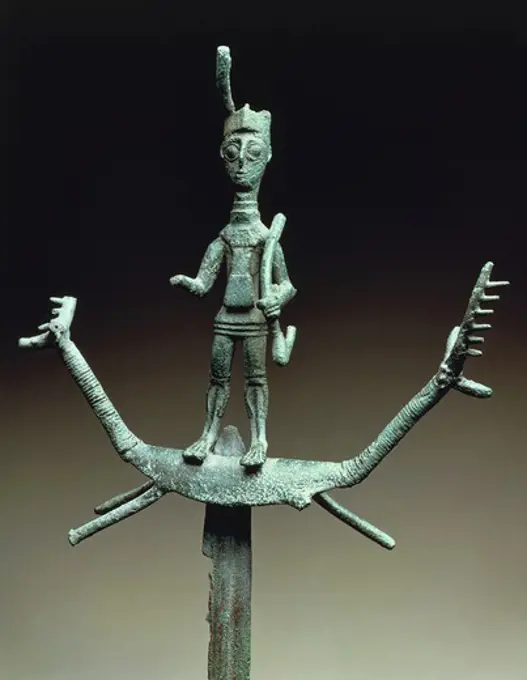
Boat;  around 1069 945 BC ; 3rd passage period, 21 dynasty (-1069-00-00--945-00-00);
Boat; around 1069 945 BC ; 3rd passage period, 21 dynasty (-1069-00-00--945-00-00);
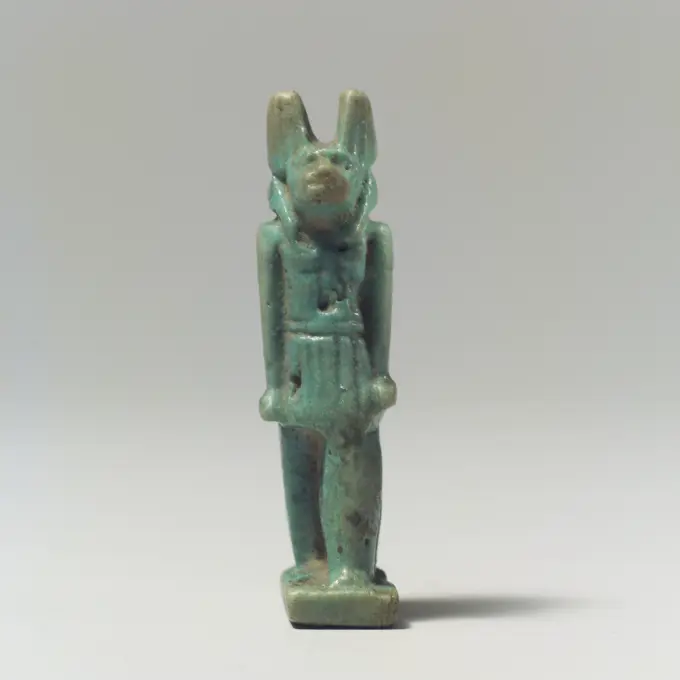
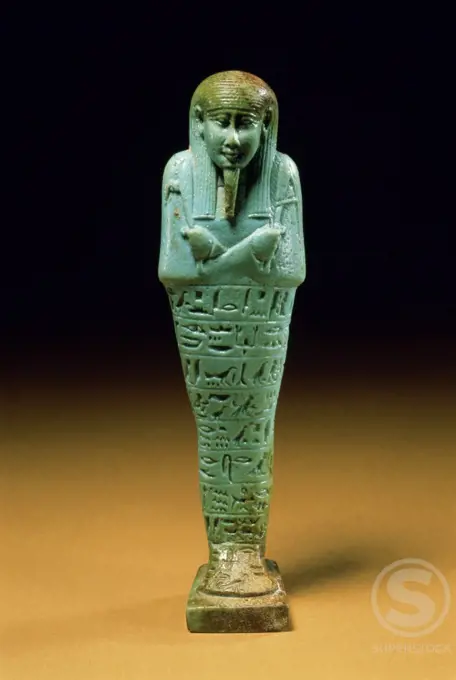
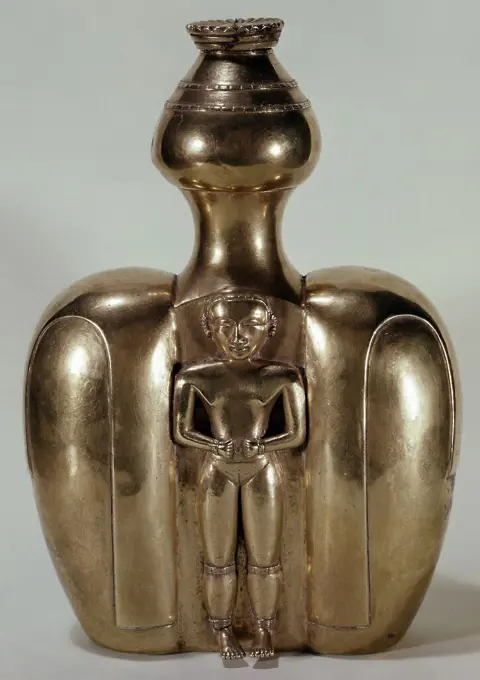
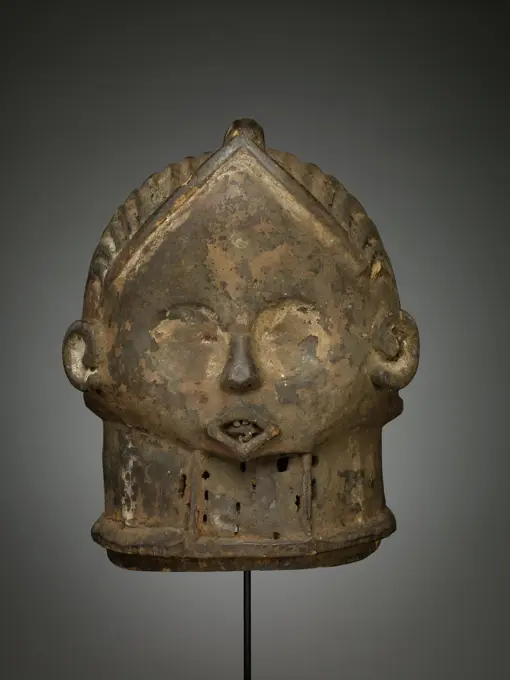
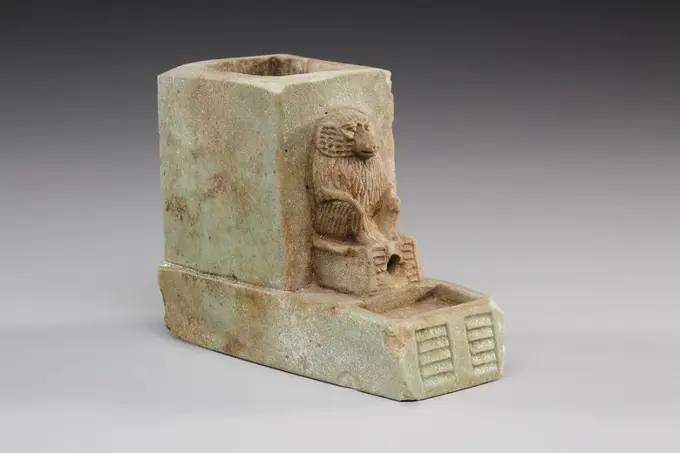
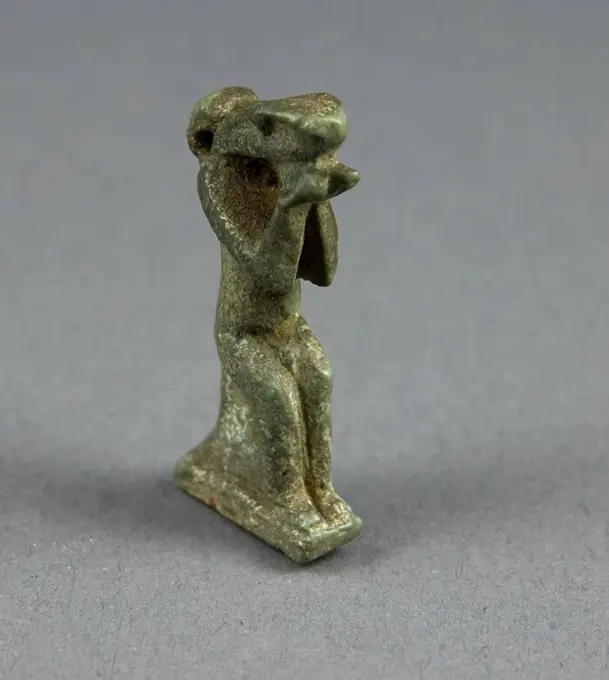
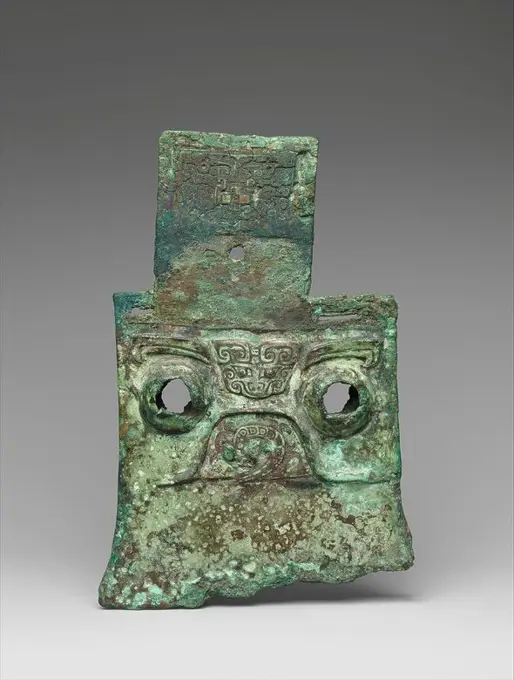
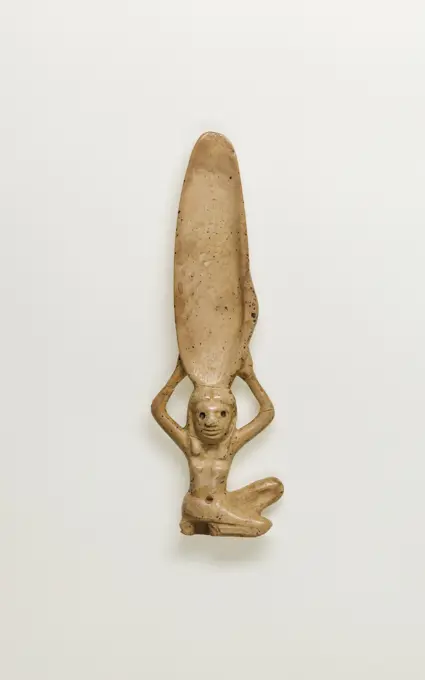
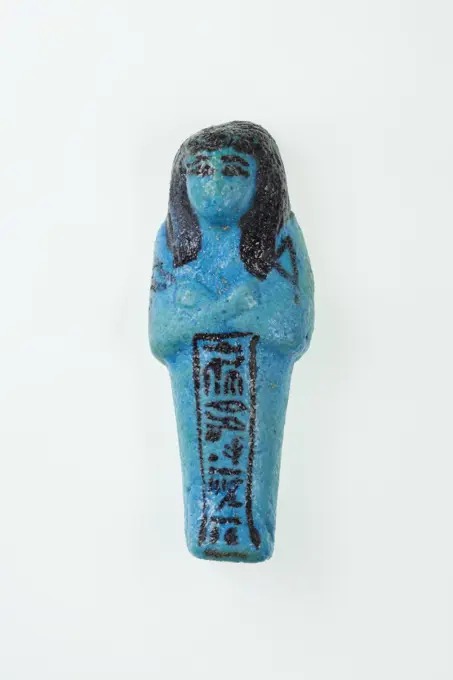
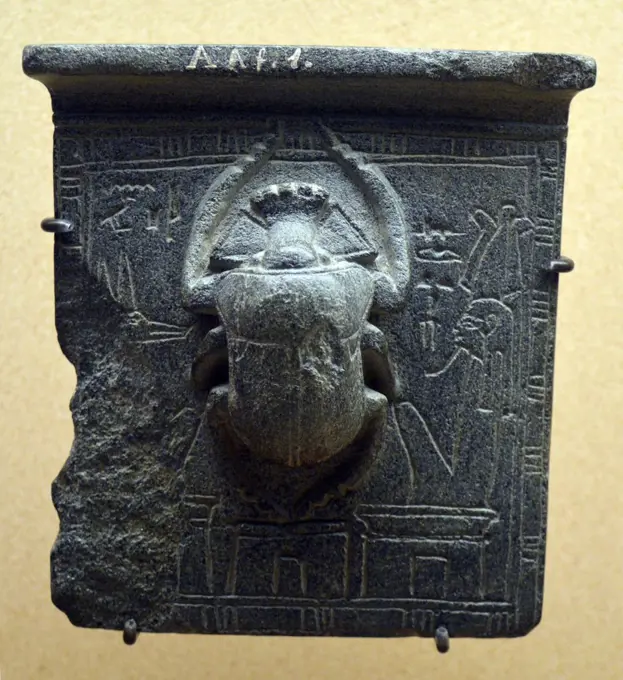
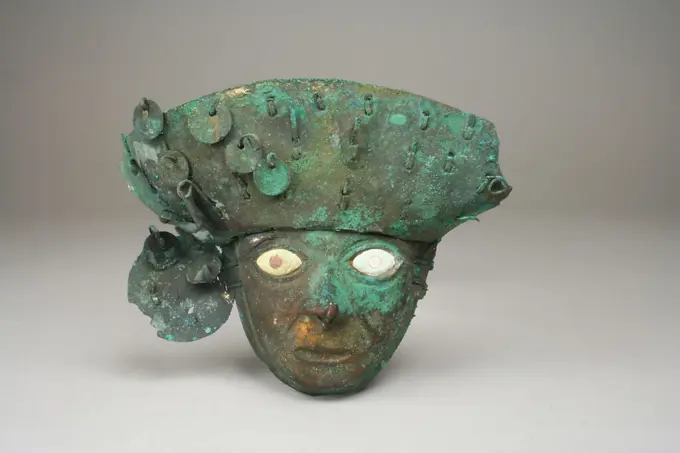
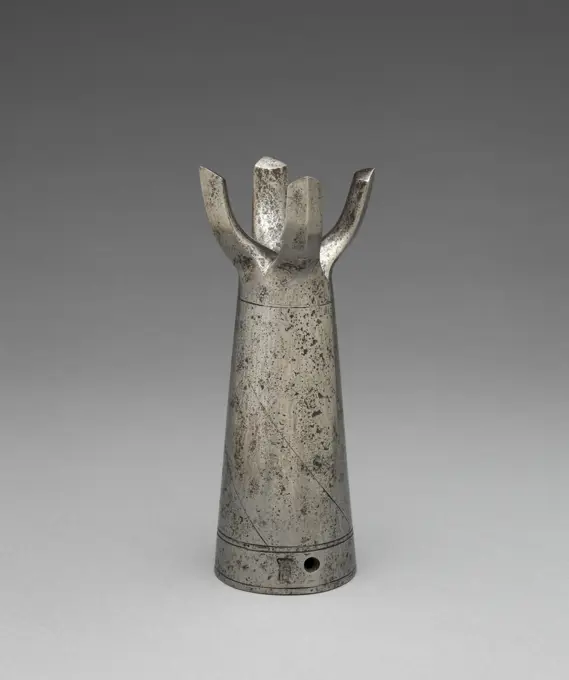
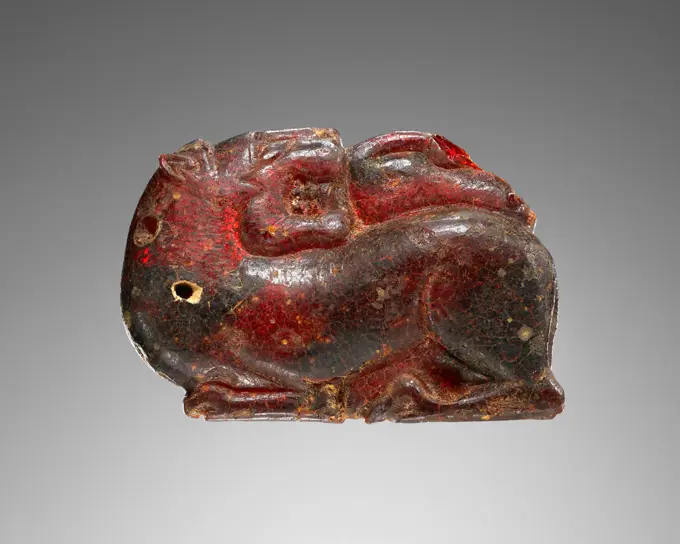
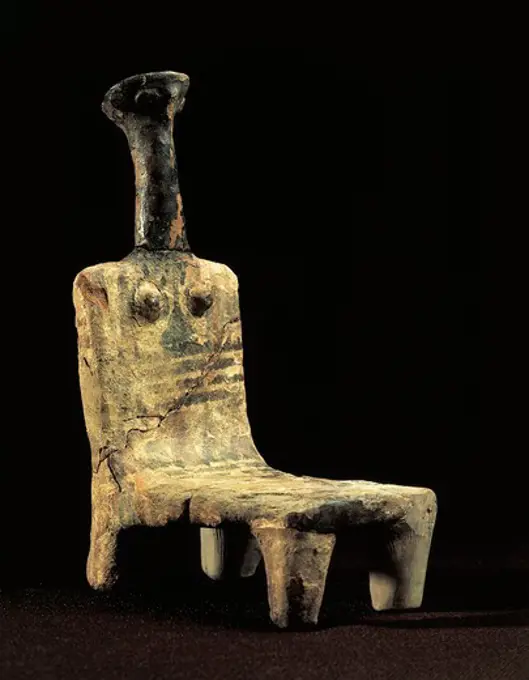
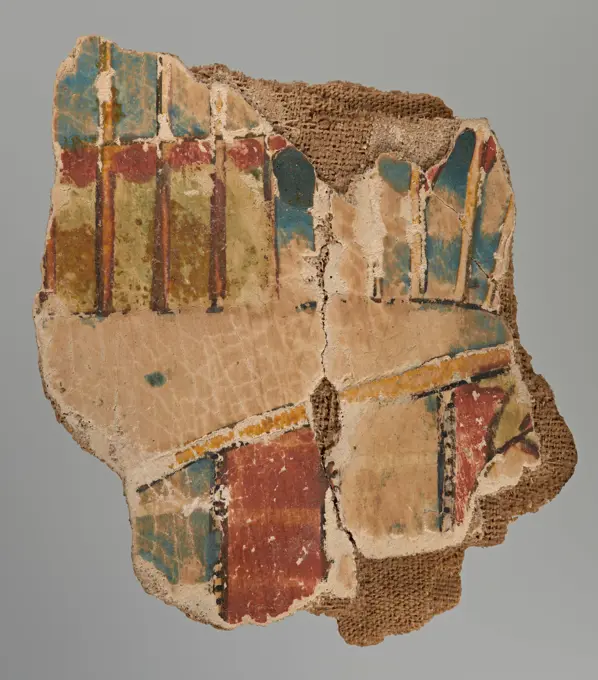
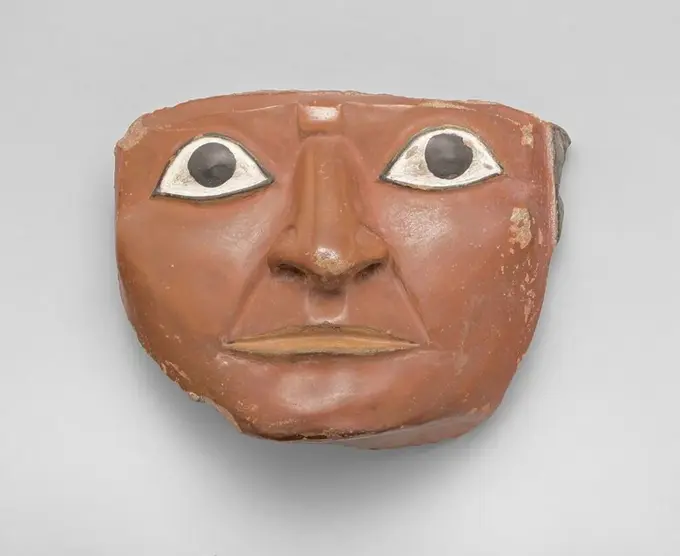
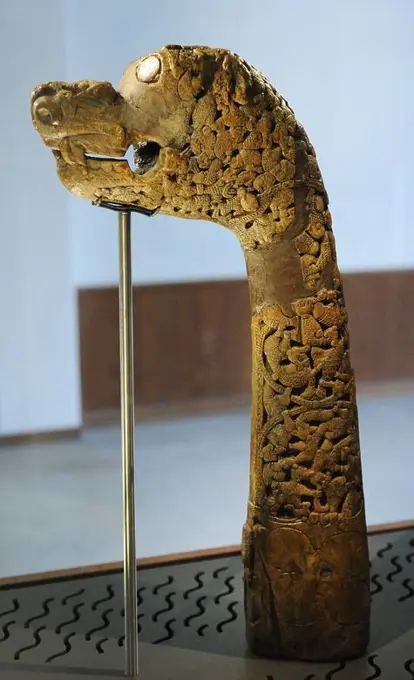
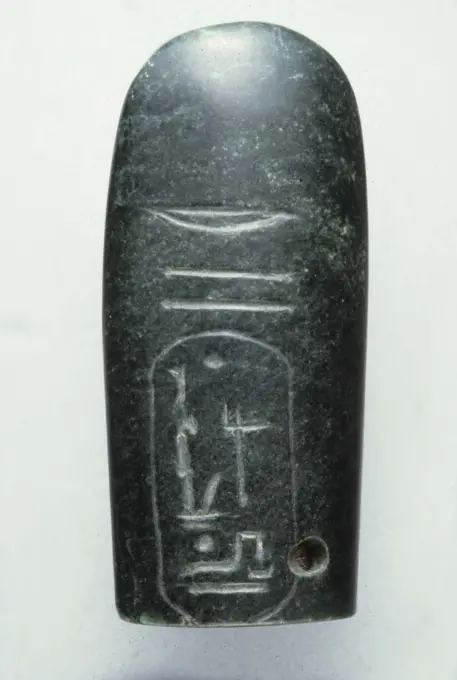
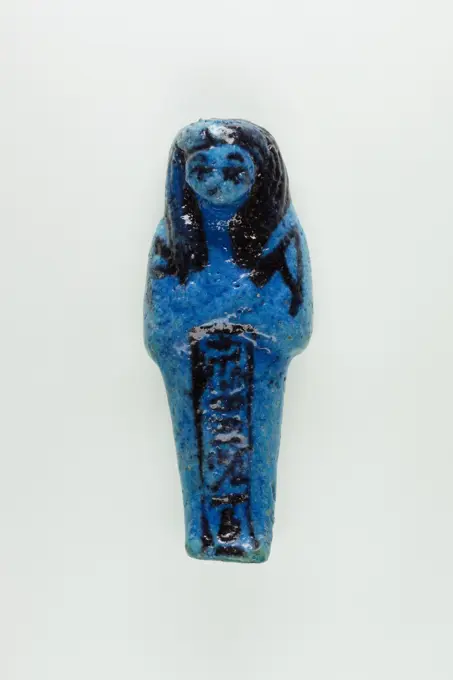
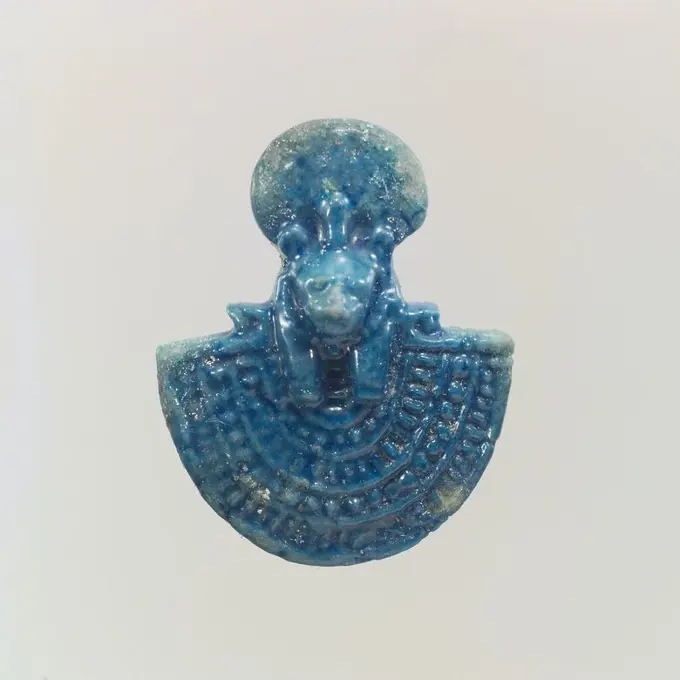
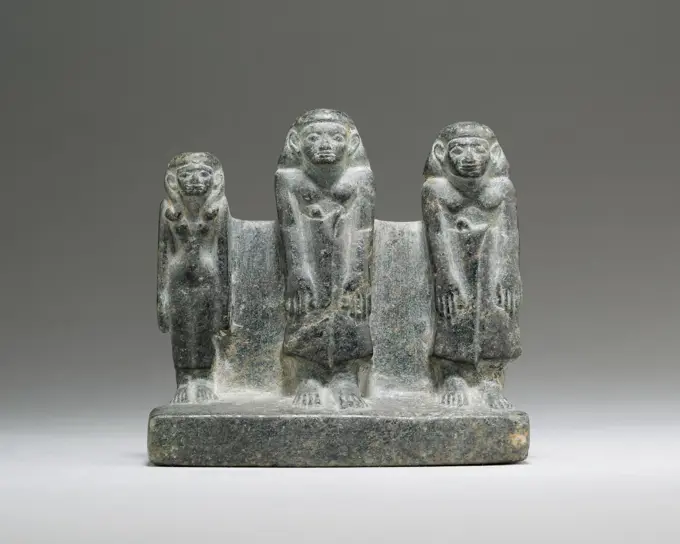
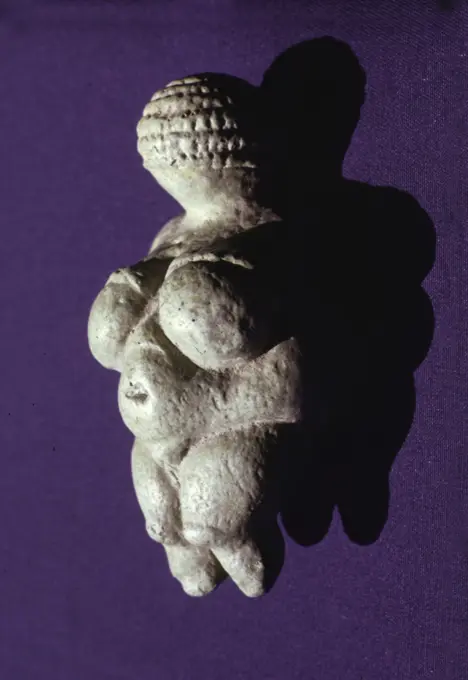
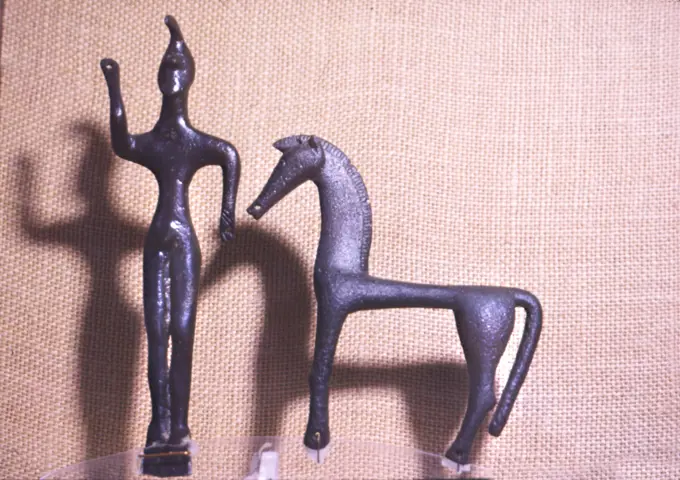
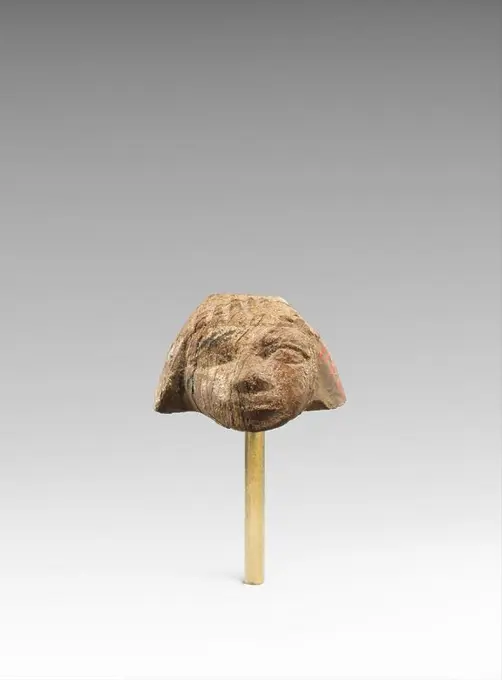
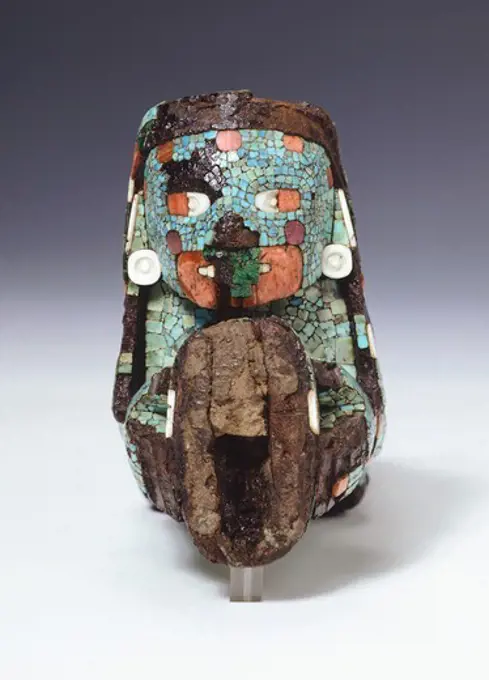
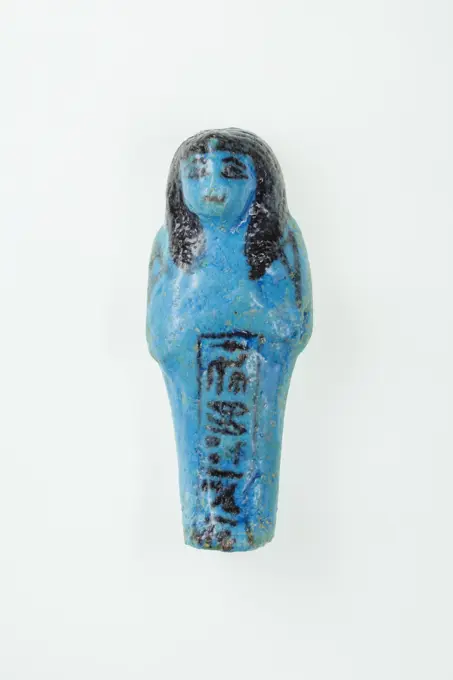
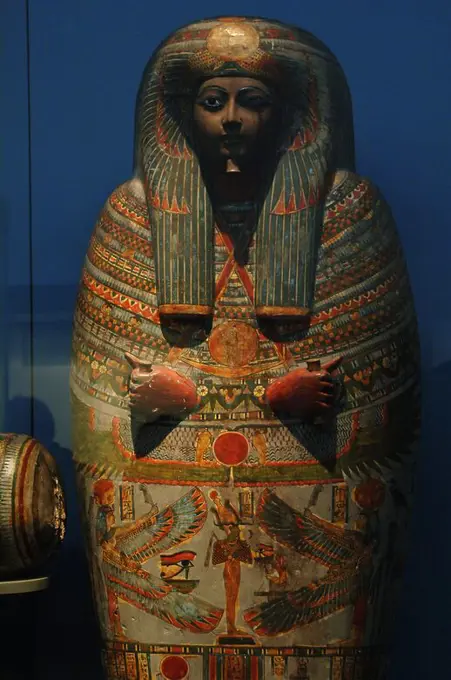
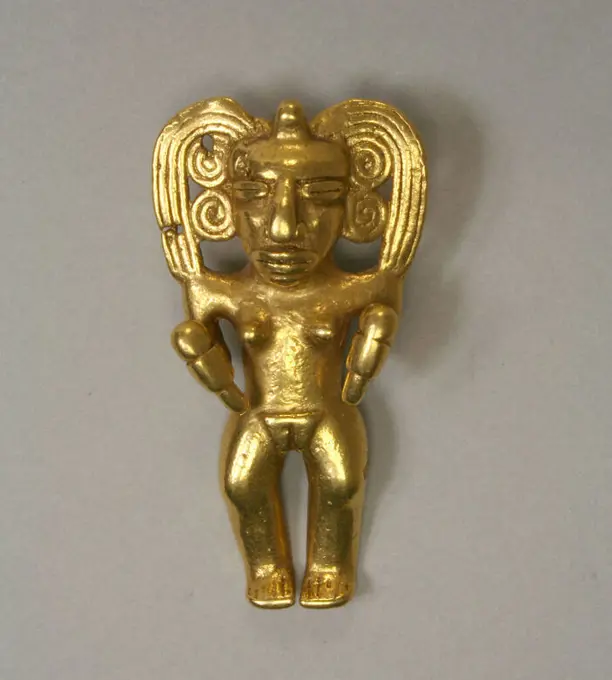
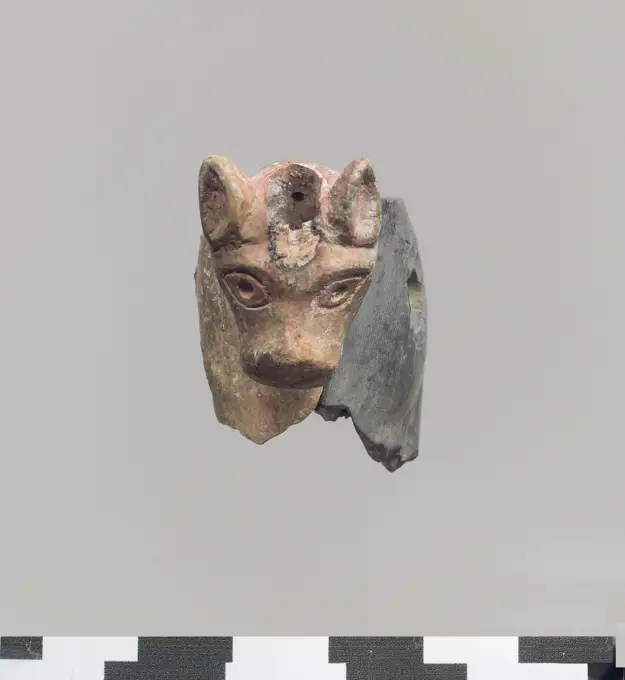
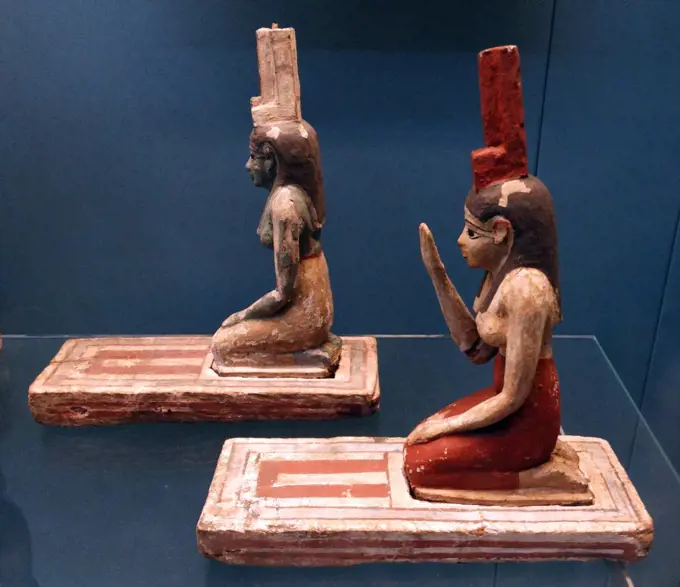
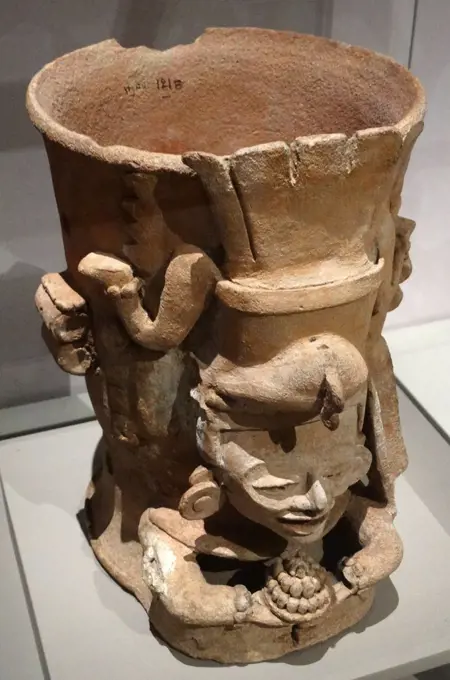
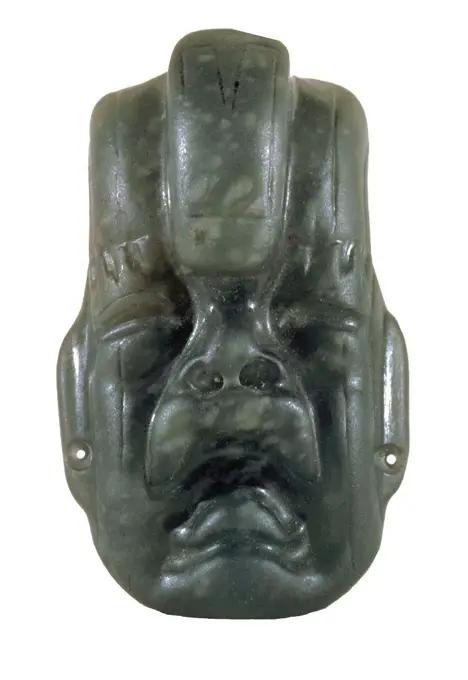
Head of Foreign God or Prince, c. 1320 BC. Egypt or Syria, late Dynasty XVIII. Black magnetite; overall: 7 cm (2 3/4 in.).Bone Dolls ArmAx Head with Bearded Face ca. 500 B.C.-A.D. 300 Indonesia. Ax Head with Bearded Face. Indonesia. ca. 500 B.C.-A.D. 300. Bronze. Bronze and Iron Age period. MetalworkFigurine of awomanAnubis Amulet 664-30 B.C. Late Period-Ptolemaic Period Funerary amulets often were made in the form of gods who had roles in protecting the mummy. Anubis, the jackal-headed god, oversaw the embalming process. He also bore the epithet "lord of the hallowed ground," meaning protector of the necropolis. Anubis had a significant role in the judgment of the dead when he supervised the weighing of the heart for Osiris.. Anubis Amulet. 664-30 B.C.. Faience. Late Period-Ptolemaic Period. From EgyptTurquoise Glazed Composition Shabti  6th C.  Egyptian Art   TESORO DE LOS QUIMBAYAS - VASIJA DE ORO CON FIGURA FEMENINA - COLOMBIA - 200-1000 DC. Location: MUSEO DE AMERICA-COLECCION. MADRID. SPAIN.Amulet  HatchesHumoy' helmet mask, 15 x 10 3/8 x 10 1/2 in. (38.1 x 26.35 x 26.67 cm) (approx.), Wood, Sierra LeoneStanding female figurine holding an amphora on her head. Culture: Cypriot. Dimensions: H. 5 5/16 in. (13.5 cm). Date: ca. 750-600 B.C..The cylindrical body is wheel-made and hollow. The upper part of the body, arms, head, and amphora are handmade. Museum: Metropolitan Museum of Art, New York, USA.Side-Blown Trumpet with a MaleFigureWater Clock Decorated with a Baboon. Dimensions: H. 5.7 × W. 3.1 × D. 7.2 cm (2 1/4 × 1 1/4 × 2 13/16 in.). Date: 664-30 B.C..This piece is considered to be a model of a water clock. Water within could drain from a hole between the baboons legs over a measured time. This object was likely a temple offering to the god Thoth in his role as overseer of knowledge and measurement. Museum: Metropolitan Museum of Art, New York, USA.Pottery Whistle and Rattle 19th century Mexican. Pottery Whistle and Rattle. Mexican. 19th century. Clay. Mexico. Aerophone and Idiophone-flue blown / vessel rattleTerracotta figurine, folk, 7th century A. D collected at Muttom near Boluvampatti, Coimbatore, Tamil Nadu, South India, India, AsiaGaruda;  20th century (1901-00-00-1940-00-00);Fragment węgara. warsztat nubijski, workshopzoomorphic figure, late classic, Santa María Nebaj, Museo de antropologia Maya, departamento de El Quiché, Guatemala, Central America.Amulet of the God Nehebkau. Egyptian. Date: 1070 BC-656 BC. Dimensions: 3.8 × 1.9 × 0.6 cm (1 1/2 × 3/4 × 1/4 in.). Faience. Origin: Egypt. Museum: The Chicago Art Institute, Chicago, USA. Author: Ancient Egyptian.Lower Legs Fragment. Culture: Coptic. Dimensions: Overall: 5 x 5 3/16 x 3 1/4 in. (12.7 x 13.1 x 8.3 cm). Date: 4th-7th century. Museum: Metropolitan Museum of Art, New York, USA.bronze votive offering, 4th-3rd centuries BC, archaeological museum of Seville, Andalusia, Spain.Limestone statuette of a temple boy 4th century B.C. Cypriot Seated figure with earrings, with chain of amulets over left shoulder, holding a hare.. Limestone statuette of a temple boy. Cypriot. 4th century B.C.. Limestone. Classical. Stone SculptureWhistling pot with two figures playing panpipes. From Lambayeque-Chimu, Peru. Dated 13th CenturyBulgaria, Sofia, Natsionalen Istoritcheski Muzej, Bone and copper idol from LovetzEye idol. Dimensions: 3 5/8 in. (9.3 cm). Date: ca. 3700-3500 B.C..This type of figurine known as an eye idol, made of stone and having incised eyes, has been excavated at Tell Brak, where thousands were found in a building now called the Eye Temple. They were probably dedicated there as offerings. Many are incised with multiple sets of eyes, others with jewelry, and still others with representations of "children"--smaller eyes and body carved on the body of the larger idol. Wide eyes demonstrate attentiveness to the gods in much of Mesopotamian art. Museum: Metropolitan Museum of Art, New York, USA.Axe. Culture: China. Dimensions: H. 11 1/2 in. (29.2 cm); W. 7 3/4 in. (19.7 cm). Date: 13th-11th century B.C.. Museum: Metropolitan Museum of Art, New York, USA.Cosmetic spoon ca. 1550-1295 B.C. New Kingdom. Cosmetic spoon 546047Bronze statuette of praying soldierWorker Shabti of Nauny ca. 1050 B.C. Third Intermediate Period One of 63 worker shabtis found inside Nauny's Box #4 (30.3.27.1a, b), this small mummiform figure holds an agricultural tool in each hand in order to carry out manual labor on Nauny's behalf in the afterlife. The text is the excavator's Type A (see Inscription).. Worker Shabti of Nauny. ca. 1050 B.C.. Faience. Third Intermediate Period. From Egypt, Upper Egypt, Thebes, Deir el-Bahri, Tomb of Meritamun (TT 358, MMA 65), first corridor, burial of Nauny, MMA excavations, 1928-29. Dynasty 21Jade funerary mask from Campeche, Mexico. Dated 600-900 AD.Statuette of a priest ofNeith, Gray granite, 24.5 × 12.7 × 13.34 cm (9 5/8 × 5 × 5 1/4in.), Egyptian, Late New Kingdom to Third Intermediate Period,D, Sculptureanthropomorphe Figur anthropomorphe Figur Copyright: xZoonar.com/TOLOxBALAGUERx 22682543Architectural fragment, 588-568 BCE, 18 1/2 x 5 in. (47.0 x 12.7 cm), Basalt, Egypt, 6th century BCETerracotta model of a woman in a bed from a tomb at Camirus. Dated 5th Century BCEgyptian stone heart scarab 2nd -1st millennium BCMask. Culture: Moche (Loma Negra). Dimensions: H. 3 15/16 x W. 5 1/2 x D. 1 11/16 in. (10.1 x 14 x 4.3 cm). Date: 390-450. Museum: Metropolitan Museum of Art, New York, USA.Portrait Head Bottle 5th-6th century Moche Moche potters of Perus North Coast produced tens of thousands of modeled and painted ceramic vessels over the course of some six centuries between the third and ninth centuries AD, well before the rise of the Inca Empire in the fifteenth century. The Moche built thriving regional centers from the Nepeña River Valley in the south to perhaps as far north as the Piura River, near the modern border with Ecuador, developing coastal deserts into rich farmlands and drawing upon the abundant maritime resources of the Pacific Oceans Humboldt Current. Although the precise nature of Moche political organization is a subject of debate, these centers shared unifying cultural traits such as religious practices (Donnan, 2010). Stirrup-spout bottles—the shape of the spout recalls the stirrup on a horse's saddle—were a much-favored form on the North Coast for about 2,500 years, from at least the beginning of the first millennium B.C. through the early coloniGlass pendant in the form of a demonic mask mid-5th-4th century B.C. Phoenician Uncertain color, appearing black, with additions in same color and opaque white.Cylindrical with large rod hole at bottom; horizontal rounded edge at back, pointed front projecting downwards; applied suspension loop on top of head.Applied stratified eyes, ears decorated above and below by earrings, and nose; large downturned mouth, pointed beard or chin, and blob on forehead.Intact, but missing proper left earrings and blob in forehead; pitting, dulling, and some weathering, with thick reddish brown encrustation in rod hole.Black opaque mask with white decoration; handle at top.. Glass pendant in the form of a demonic mask 249955Lance Head for the Joust of Peace ca. 1520-50 Northern European, perhaps Netherlandish This four-pronged lance head was used in the Gestech, a joust with blunted lances.. Lance Head for the Joust of Peace. Northern European, perhaps Netherlandish. ca. 1520-50. Steel. Shafted WeaponsPendant: Lion with Swan. UnknownStirrup Spout Bottle with Grotesque Head and Animals. Culture: Moche. Dimensions: Overall: 9 1/4 x 6 1/4 in. (23.5 x 15.88 cm)Other: 6 1/4 in. (15.88 cm). Date: 4th-7th century. Museum: Metropolitan Museum of Art, New York, USA.Pendant. Mexico, Oaxaca, Mixtec (), 1100-1520. Metal. GoldSoldier's figurinePotter's moulds and stamps, 425-100 BC, Archaeological Museum of Ibiza and Formentera, Ibiza, Spain.Statuette of striding warrior (Ares) 6th century B.C. Etruscan A fighting warrior.. Statuette of striding warrior (Ares) 246305Aztec Wind-God Ehecatl, 1300-1521 Artist: Unknown.Bronze decorative appliqué 2nd half of 4th century B.C. Greek The foliate composition combines palmette fronds and acanthus leaves. Such ornament is widespread in Greek art of the fourth and third centuries B.C.. Bronze decorative appliqué. Greek. 2nd half of 4th century B.C.. Bronze. Classical. BronzesFunerary mask. Culture: Condorhuasi-Alamito. Dimensions: H. 7 × W. 5 1/2 × D. 2 in. (17.8 × 14 × 5.1 cm). Date: 500 B.C.-A.D. 500.This stone mask features an anthropomorphic face with pronounced brow ridge, angular nose, and drilled perforations with raised carved ridges indicating the eyes and mouth. Additional drill holes line the outer edge of the mask, presumably to affix it with fibers to an armature. The mask was most likely attached to a funerary bundle.The Condorhuasi-Alamito peoples were llama pastoralists in the area that is now the Catamarca province of Argentina. They were skilled artisans in a variety of media, including ceramic, metal, and stone. Archaeological evidence suggests that the Condorhuasi-Alamito peoples maintained extensive long-distance contacts with other regions, including the important site of Tiwanaku, near Lake Titicaca in what is now Bolivia. Museum: Metropolitan Museum of Art, New York, USA.Statuette representing a seated goddess, Philistine period, terracottaFragment kartonażu. unknown, authorHead Fragment from a Large Ceremonial Jar. Tiwanaku-Wari; Pacheco, south coast, Peru. Date: 700 AD-800 AD. Dimensions: 9.8 × 13 cm (3 7/8 × 5 1/8 in.). Ceramic and pigment. Origin: Peru. Museum: The Chicago Art Institute, Chicago, USA.Kala DemonRattleTerracotta model of a woman grinding wheat at a basin. Dated 5th Century BCBust and head of a man. Middle Kingdom (2040-1640 BC), and Late Period (715-332 BC)Animal-head post carved in wood. Found in the Tomb of the Boat of Oseberg, Norway. 9th century. Viking Ship Museum. Oslo. Norway.Polisher with Cartouche of Ramesses II ca. 1279-1213 B.C. New Kingdom, Ramesside. Polisher with Cartouche of Ramesses II. ca. 1279-1213 B.C.. Green jasper. New Kingdom, Ramesside. Probably from Egypt. Dynasty 19Nuragic civilization, 8th century b.C. Bronze votive sword hilt in shape of an archer standing on a stag. From Sardinia Region.Mask with Incised Design in Epi-OlmecScript.  Artist: UnknownDouble Barbed Model Arrow Tip. Egypt, Ptolemaic Period - Roman Period (323 BCE -300 CE). Arms and Armor; arrowheads. BronzeHanging Lamp in the Form of a Kinnari ca. second half of the 10th century or earlier Indonesia (Java). Hanging Lamp in the Form of a Kinnari 39075Worker Shabti of Nany ca. 1050 B.C. Third Intermediate Period See 30.3.26.1a, b. Worker Shabti of Nany 625718Amulet of the Goddess Taweret (Thoeris) 1069 BCE-332 BCE Egypt. Faience . Ancient EgyptianFigurka boga Ptaha. unknown, authorPendant. Mexico, Oaxaca, Mixtec (), 1100-1520. Metal. GoldOwl Head 6th-7th century Moche (Loma Negra). Owl Head. Moche (Loma Negra). 6th-7th century. Gilded copper, shell. Peru. Metal-OrnamentsHintha duck weight, 5 Tical. unknown, craftsmancabeza antropomorfa, clásico, Santa María Nebaj,museo de antropologia, departamento de El Quiché, Guatemala, Central America.Aegis of Sakhmet or Bastet. Dimensions: H. 3.7 cm (1 7/16 in); w. 3 cm (1 3/16 in). Dynasty: Dynasty 21-30. Date: 664-30 B.C..An aegis is a collarlike necklace (often called a broad-collar) bearing a divine head as symbol of protection and fertility. The aegis was an element of a sacred menat necklace from at least the 18th dynasty. Heads of Lion- or cat-headed goddesses were most frequently depicted, but other goddesses and some gods might appear.Small faience examples like this one might serve as amulets. Museum: Metropolitan Museum of Art, New York, USA.HatCanada, Nunavut, King William Island, Gjoa Haven. Nattlik Heritage Centre, interior. Traditional whale bone carving, circa 1970.Group statuette of two men and a woman ca. 1981-1550 B.C. Middle Kingdom-Early New Kingdom. Group statuette of two men and a woman 545882Venus of Willendorf- Prehistoric fertility figurine, 25 000 BC. Palaeolithic, AUSTRIA.Head of a Buddha, Anonymous, 1400 - 1500 Fragment (head) of a Buddha; Usnisa is cut down; stylized face; Dull, light green patina. On a pedestal. Thailand bronze (metal). sokkel: wood (plant material) Fragment (head) of a Buddha; Usnisa is cut down; stylized face; Dull, light green patina. On a pedestal. Thailand bronze (metal). sokkel: wood (plant material)A bronze finial (decorative fitting) of a Secutor gladiator's helmet. 1st-3rd. Roman Empire. Italy. British Museum. London. United Kingdom.Mask 6th-7th century Moche (Loma Negra). Mask 313441Cat 664-30 B.C. Late Period-Ptolemaic Period. Cat. 664-30 B.C.. Pale blue faience. Late Period-Ptolemaic Period. From EgyptWarrior and horse. Bronze votive figurine from Olympia, 8th cent. BC. Geometric period. GREECE.Stirrup Spout Bottle with Figure. Culture: Moche. Dimensions: H. 9 1/8 x W. 5 3/4 in. (23.2 x 14.6 cm). Date: 2nd-5th century. Museum: Metropolitan Museum of Art, New York, USA.PECTORAL DE ORO PRECOLOMBINO - CABEZA ZOOMORFA- FILIGRANA-GRANULADO-CALADO. Location: MUSEO DE ARTE. DALLAS-TEXAS.Mother and child. Cypriot terracotta plank figure, Red Polished Ware, Early Bronze Age, 2000 BC..Amulet of the God Imsety (one of the four Sons of Horus) 700 BCE-1 BCE Egypt. Glass . Ancient EgyptianHead of a man. Dimensions: H: 1.4 cm (9/16 in.). Dynasty: Dynasty 2 probably. Date: ca. 2900-2650 B.C.. Museum: Metropolitan Museum of Art, New York, USA.Pre-Columbian pottery in the Museum of Archaeology, Trujillo, Peru.Male Head from Yemen. UnknownMosaic handle from Puebla, Mexico. Mixtec Civilization.Worker Shabti of Nany ca. 1050 B.C. Third Intermediate Period See 30.3.27.1a, b. Worker Shabti of Nany. ca. 1050 B.C.. Faience. Third Intermediate Period. From Egypt, Upper Egypt, Thebes, Deir el-Bahri, Tomb of Meritamun (TT 358, MMA 65), first corridor, burial of Nany, MMA excavations, 1928-29. Dynasty 21Trophy Head Jar 4th-6th century Nasca. Trophy Head Jar 309717Temple. Culture: Mezcala. Dimensions: Height 8-5/8 in.. Date: 1st-8th century. Museum: Metropolitan Museum of Art, New York, USA.HeadPainted cartonnage case containing the mummy of a woman named Tjentmutengebtiu. 900 BC. 22nd Dynasty. Third Intermediate Period. From Thebes, Egypt. British Museum. London. United Kingdom.Lion Mask. Culture: Central Asia. Dimensions: 2 x 2 in. (5.1 x 5.1 cm). Date: early 12th century. Museum: Metropolitan Museum of Art, New York, USA.Figure Pendant. Culture: Calima. Dimensions: Height 2-1/16 in. (5.2 cm). Date: 5th-10th century. Museum: Metropolitan Museum of Art, New York, USA.Plastic Vase in the Form of a Female Head. UnknownImhotepa figurine;  664-332 BC; Half-ny (0-00-00-0-00-00);Polygonal illustration of statue of budha isolated on white backgroundFurniture element ca. 18th century B.C. Old Assyrian Trading Colony. Furniture element. Old Assyrian Trading Colony. ca. 18th century B.C.. Ivory (hippopotamus). Middle Bronze Age-Old Assyrian Trading Colony. Anatolia, probably from AcemhöyükPainted wooden statuettes of Isis and Nephthys Ptolemaic Period, 305-30 BC EgyptianMayan ceramic censer from Cozumel, Quintana Roo, Mexico. Post classic (1250-1550 AD).Statuette known as the 'Princess of Bactria'. Artist: UnknownCABEZA DE JADE DE LA CULTURA OLMECA - DIOS VIEJO O DEL FUEGO - MEXICO - 1200-400 AC. Location: MUSEO DE AMERICA-COLECCION. MADRID. SPAIN.Canopic Jar Body. Inscribed for Ta-nefert-irty, daughter of the general Psamtek-neb-pehty, born of the lady Ta-Kesh.