Ancient Egyptian Figurines

A collection of ancient Egyptian figurines including Ushabti, amulets, and deities, showcasing historical craftsmanship in various materials like faience and clay.

Boat;  around 1069 945 BC ; 3rd passage period, 21 dynasty (-1069-00-00--945-00-00);
Boat; around 1069 945 BC ; 3rd passage period, 21 dynasty (-1069-00-00--945-00-00);
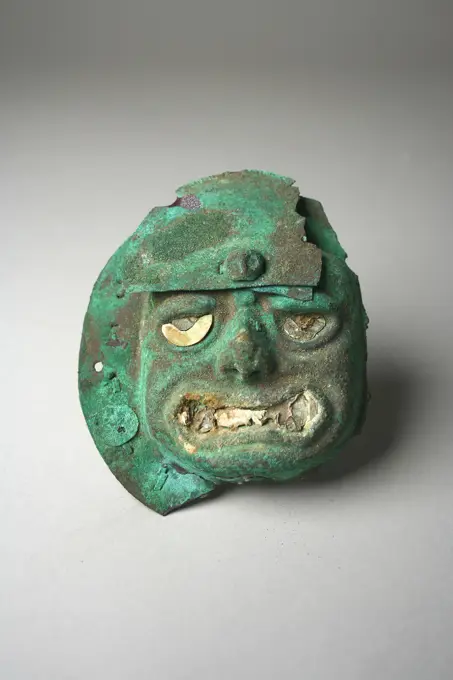
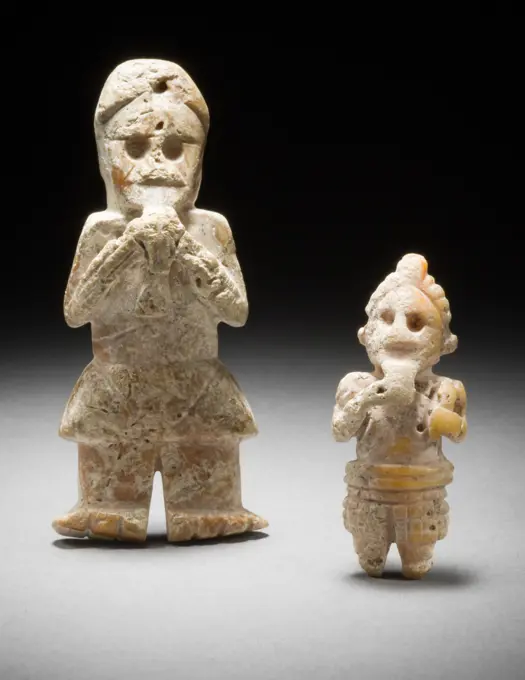
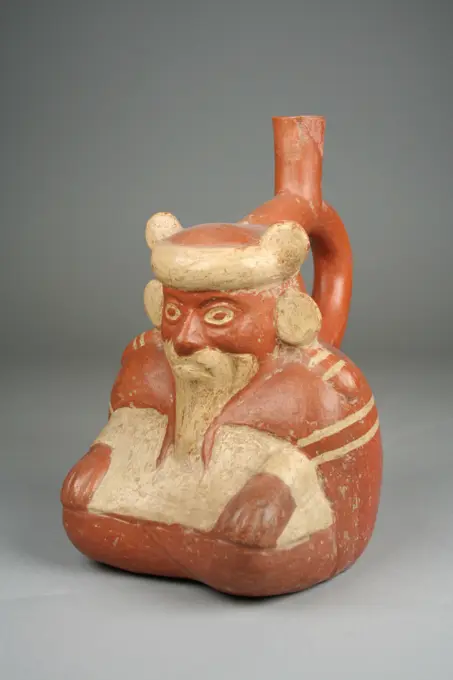
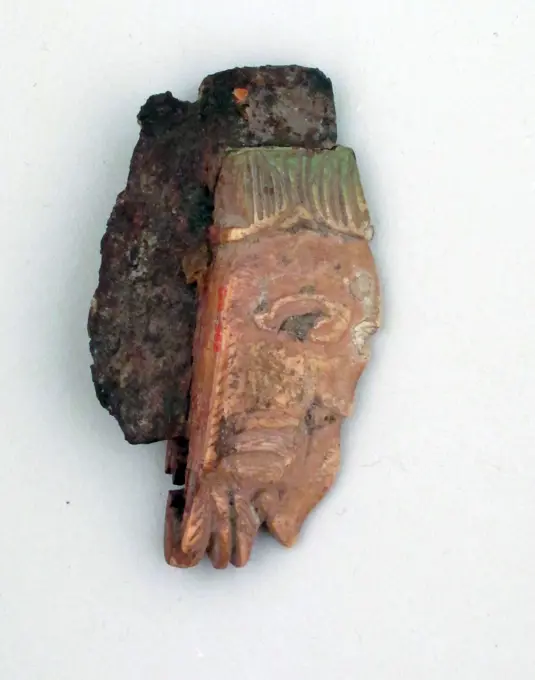
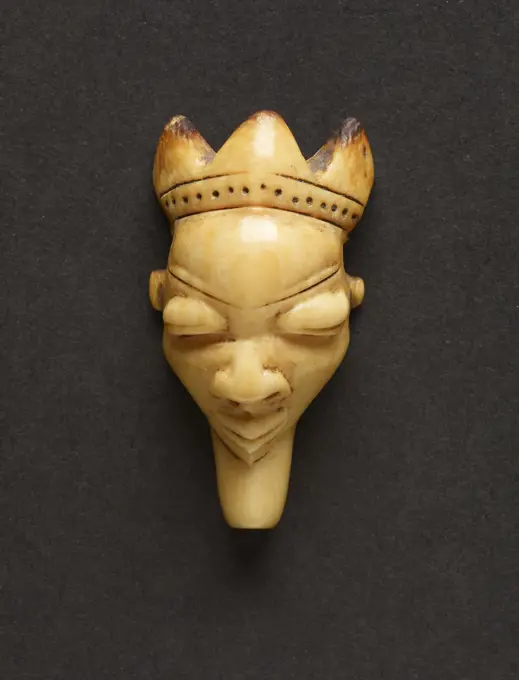
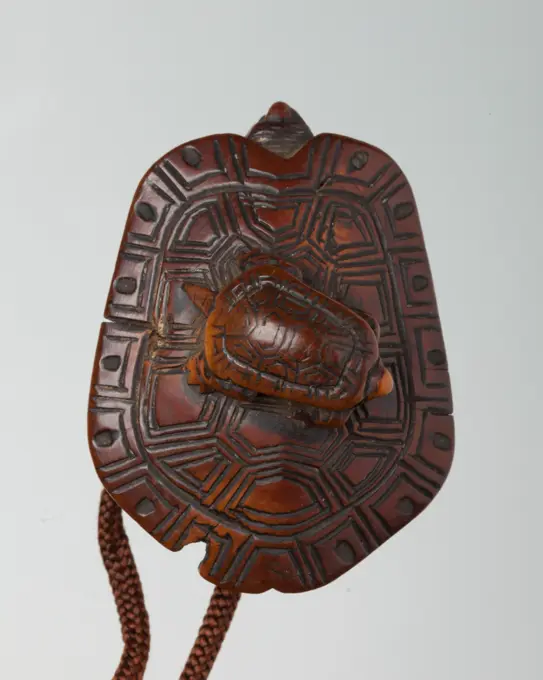
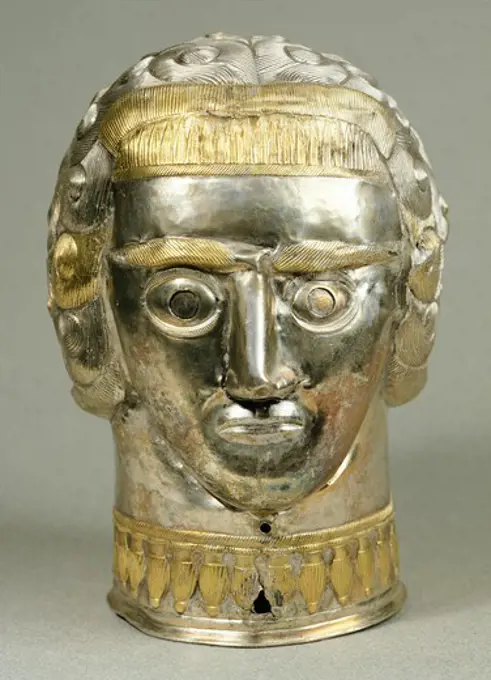
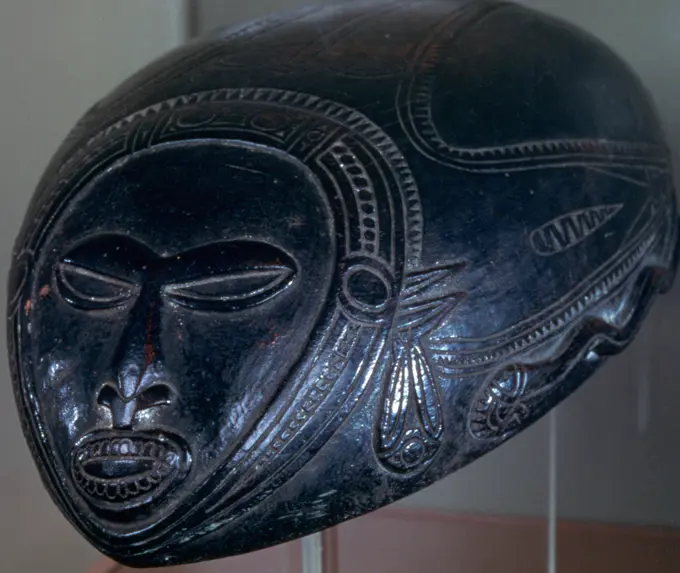
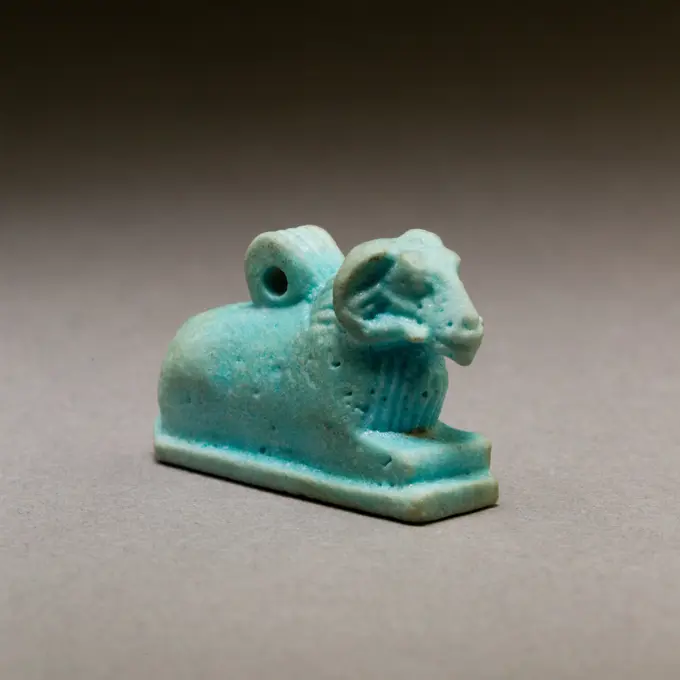
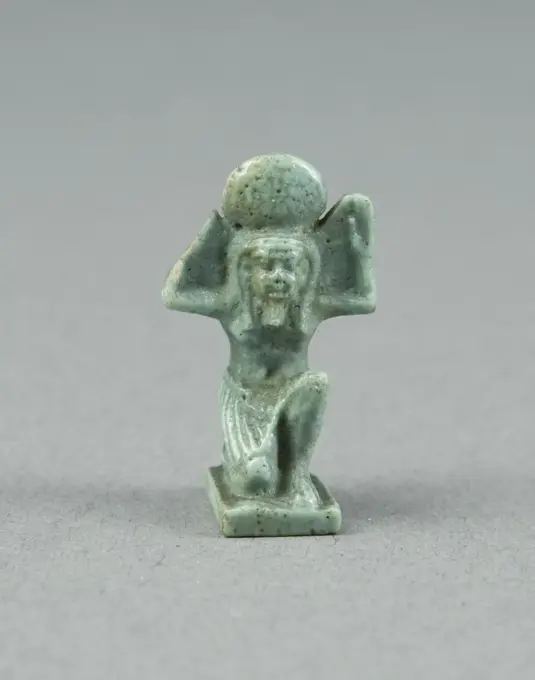
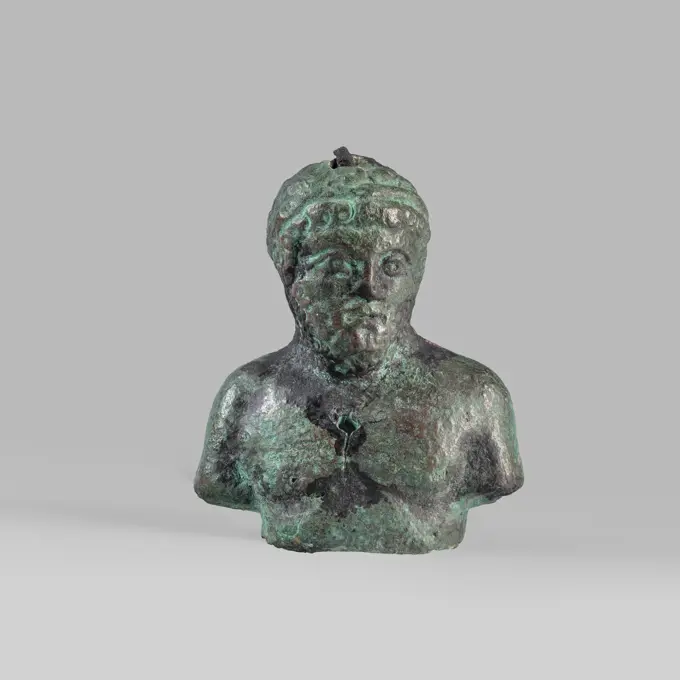
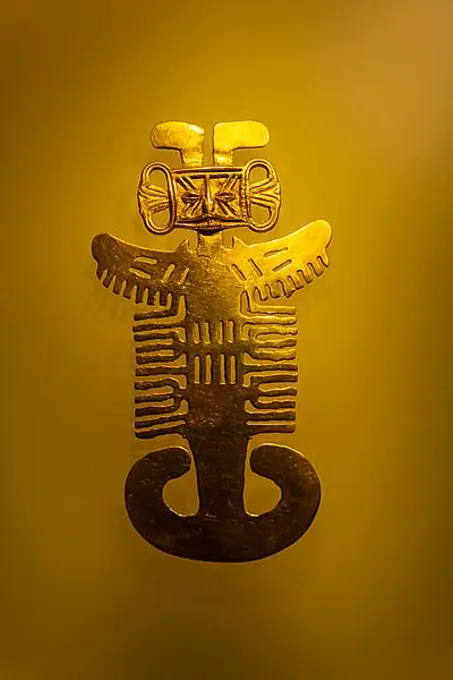
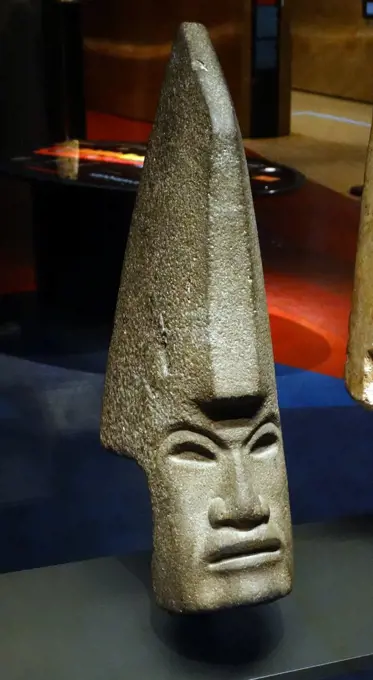
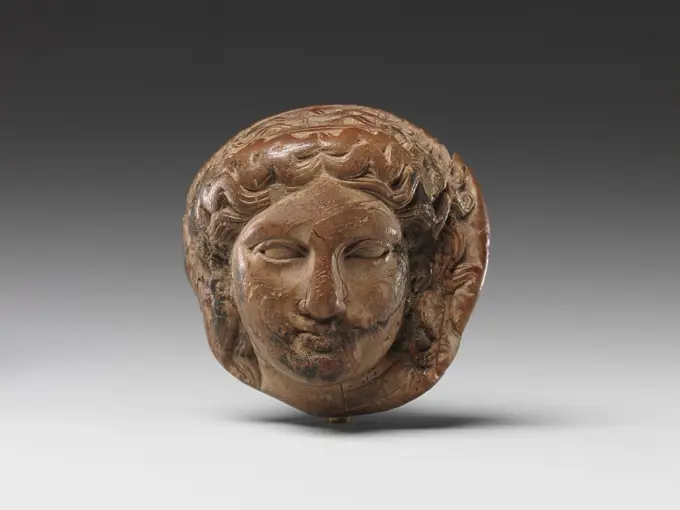
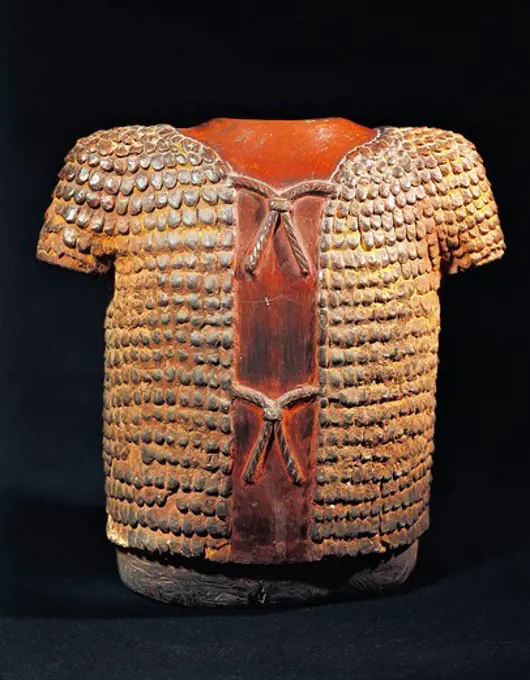
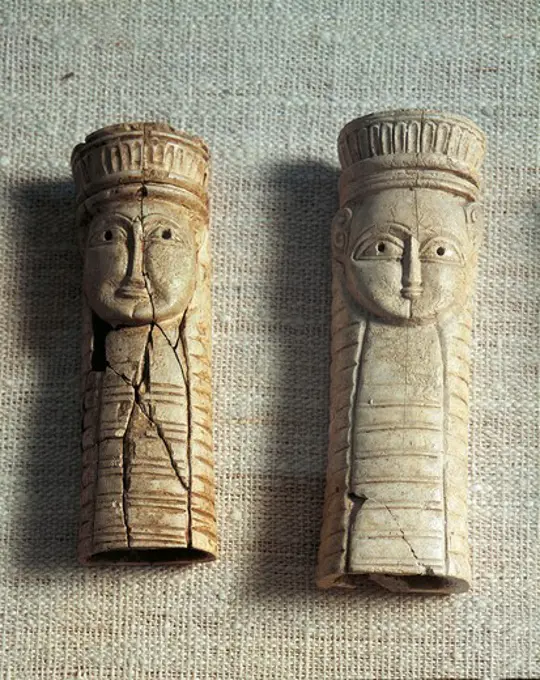
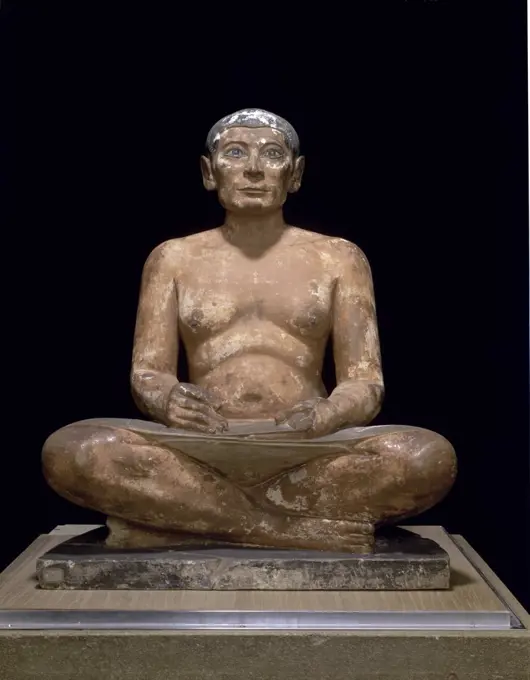
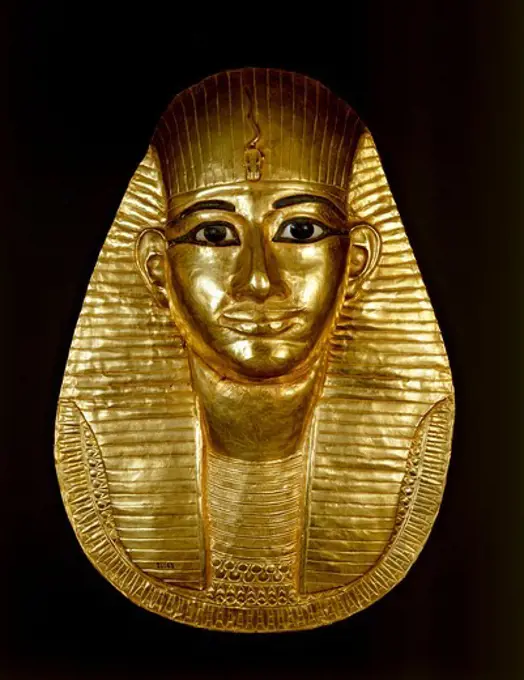
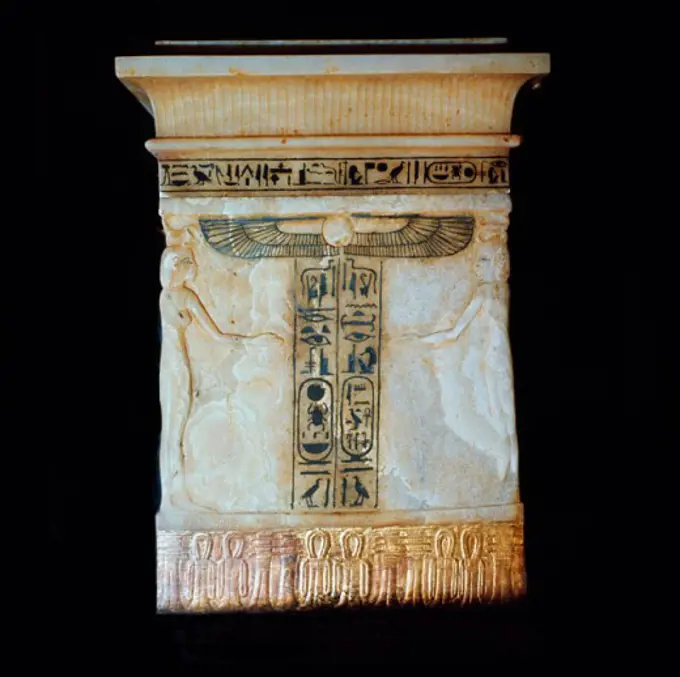
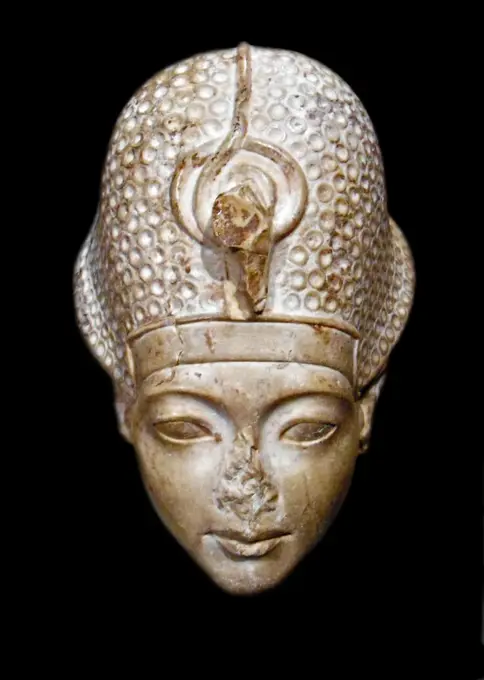
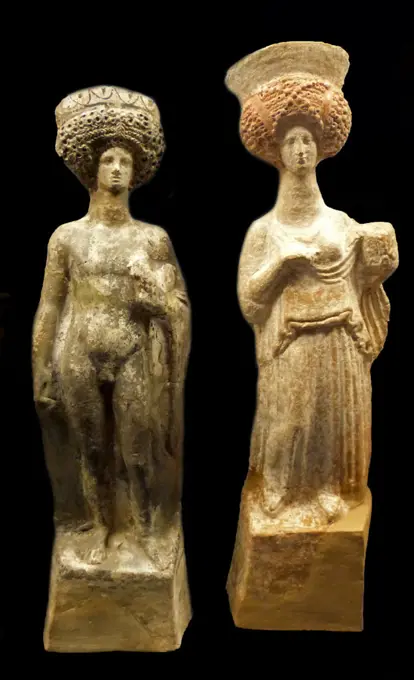
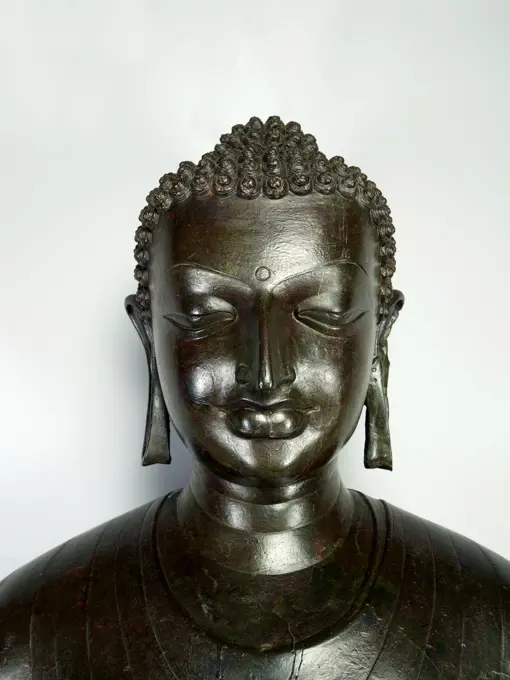
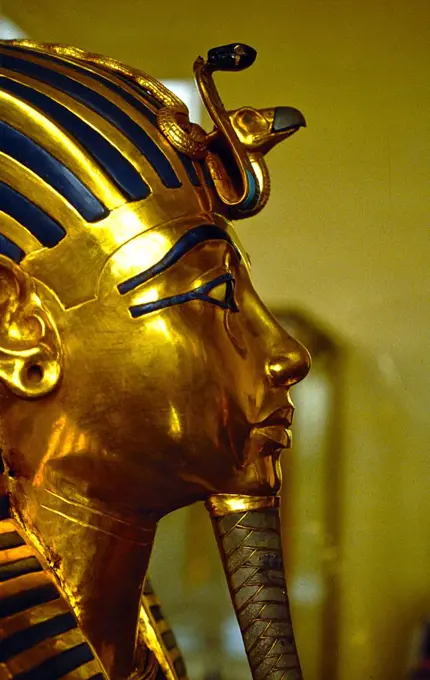
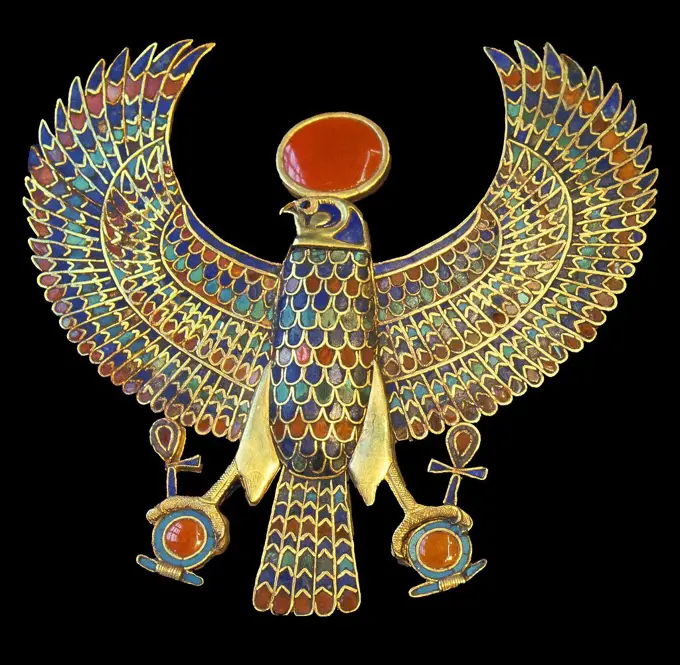
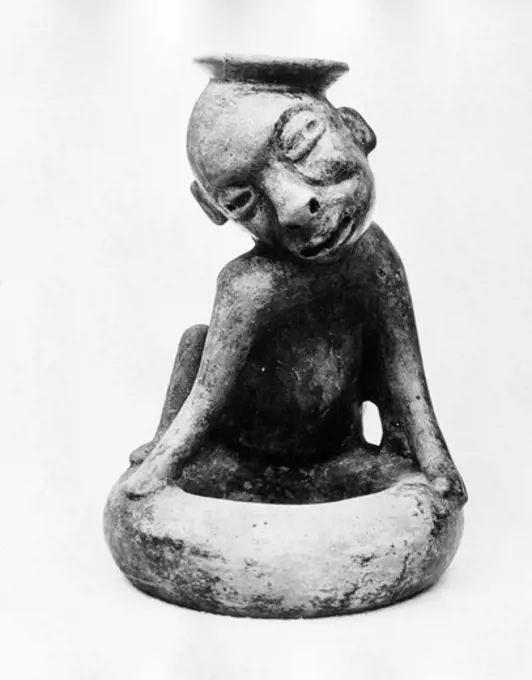
Pre-Columbian monkey figure, GuatemalaFemale Head. UnknownAwlHaftFace Mask Ornament 6th-7th century Moche (Loma Negra). Face Mask Ornament 314343Musicians. Mexico, Colima, 200 BCE-500 CE. Ceramics. ShellShabti, Overseer of Tchenetipet 1069 BCE-945 BCE Egypt. Faience . Ancient EgyptianStirrup spout bottle with sitting figure 2nd-3rd century Moche. Stirrup spout bottle with sitting figure 308387Handle of a knife. Handle of a knife. Ivory, metalPendant, mid 20th century, 1 7/8 × 7/8 in. (4.76 × 2.22 cm) (without mount), Ivory, Democratic Republic of Congo, 20th centuryCDK unknownUshabti (Funerary Figurine) of Psamtek Made 570 BCE-526 BCE Egypt. This figure is made of faience, a baked substance composed of ground quartz. The color was derived from copper oxides.. Faience . Ancient EgyptianHymen, bronze sculpture by Georges BraqueApotropaic pendant in the thin of the main;  IV-III century BC (-500-00-00--201-00-00);Ear Ornament, c. 600-900. Mexico or Central America, Maya, 7th-10th century. Shell; overall: 3.8 x 2.3 cm (1 1/2 x 7/8 in.).Eharo Dance Mask, before 1930s, 28 5/8 x 23 1/4 x 13 in. (72.71 x 59.06 x 33.02 cm), Tapa, rattan, pigment, Papua New Guinea, 20th centurySilver sceptre in the shape of a man's head, from the Peretu treasure, Romania. Front. Jewellery. Geto-Dacian Civilization, 4th Century BC.Melanesian bowl, Tami Island, Papua New Guinea, 20th century. Artist: UnknownRam amulet 664-30 B.C. Late Period-Ptolemaic Period The amulets 44.4.23-44.4.28 have a uniformity of size and detailing that constitutes a stylistic relationship. Possibly they were made in related workshops.. Ram amulet. 664-30 B.C.. Pale blue faience. Late Period-Ptolemaic Period. From EgyptAmulet of the God Shu 664 BCE-525 BCE Egypt. Faience . Ancient EgyptianCrazy scale in the form of a bust;  2. PO. II-III century (151-00-00-300-00-00);Artefacts in the gold museum, Bogota, Colombia, South AmericaRitual Axe carved in basalt rock; Mayan, Vera Cruz, Mexico. Gulf of Mexico 600-900 AD. StoneHead of Dionysus () for attachment, possibly for a couch. Dimensions: H. 4.9 cm (1 15/16 in.); W. 5.1 cm (2 in.); D. 2.8 cm (1 1/8 in.). Date: 332-30 B.C..Fine ivory attachments were used on Hellenistic couches of the type that served for dining and sleeping, but also as funerary biers. Museum: Metropolitan Museum of Art, New York, USA.Snake Late Period-Ptolemaic Period 664-30 B.C. View more. Snake. 664-30 B.C.. Faience. Late Period-Ptolemaic Period. From EgyptKohl Tube. Dimensions: H. 9.2 cm (3 5/8 in.). Dynasty: Dynasty 19-20. Date: ca. 1295-1070 B.C..Egyptian glassmaking, which had reached a high level of virtuosity in late Dynasty 18, continued to be practiced in the Ramesside Period; however, the quality, as well as quantity, of its production dropped off sharply in Dynasty 20. The "feathered" decoration of this kohl tube was achieved by winding thin colored glass rods around the vessel and pressing them onto the surface of the vessel while it was still soft, and then drawing the rods up or down with a metal instrument. Museum: Metropolitan Museum of Art, New York, USA.Japanese samurai armor from the 17th century Ancient Japanese Samurai armor from the 17th century Ancient, historical copyright: xzoonar.com/gallóxgusztávx 22565946Miniature Mask, 5th century BCE, 1 x 2 1/8 in. (2.5 x 5.4 cm), Earthenware, Mexico, 5th century BCECeramic Head 6th-9th century Remojadas. Ceramic Head 312902Mask, 100 BC-700. Peru, South Coast, Nasca style (100 BC-AD 700). Hammered gold alloy; overall: 18.4 x 21.8 cm (7 1/4 x 8 9/16 in.).Bust of a warrior wearing a ceramic breastplate, MexicoPart of the head end of the outer anthropoid coffin of Pakherenkhonsu ca. 712-664 B.C. Third Intermediate Period. Part of the head end of the outer anthropoid coffin of Pakherenkhonsu 548319Greek civilization, Figurines of idols from Sanctuary of Artemis Orthia at Sparta, GreeceKnife lift with the figure of King Willem III. Knife lift from a red-chopper. It represents the figure of King Stadholder Willem III, dressed as a Roman general, standing, the crown on his head and the scepter in his left hand. The judge supported on a shield, on which the weapons of the genuine and from Great Britain.Mayan architectural embellishment of an animal head 250 BC- 1000 AD, MexicanStatue of a Scribe  Egyptian Art  Musee du Louvre, Paris Gold funerary mask of Pharaoh Amenemope fromTanisPaz-Hut-A-Saka 19th century Native American (Cheyenne, Sioux or Dakota). Paz-Hut-A-Saka 501186England,London,British Museum,Egyptian MummiesComb, 4 1/4 x 2 15/16 x 5/16 in. (10.8 x 7.46 x 0.79 cm), Wood, string (), United StatesARTE EGIPCIO. TUTANKHAMON , FARAON EGIPCIO DE LA DINASTIA XVIII ( 1347 - 1339 ac ). MASCARA DE ORO MACIZO CON INCRUSTACIONES DE LAPISLAZULI. MUSEO EGIPCIO. EL CAIRO. EGIPTO.Gilded statuette of King Tutankhamen. From his tomb. 1323 BC. 18th dynasty, New KingdomStone pyramid with Egyptian inscriptions isolated on white backgroundUrn of Tutankhamun Egyptian Art Egyptian National Museum, Cairo, Egypt WOODEN MASK at the market in KORTHOGO, ELFENBEIN COASTSMedallion 30 B.C.-A.D. 364 Roman Period. Medallion. 30 B.C.-A.D. 364. Terracotta. Roman Period. From Egypt, Middle Egypt, Oxyrhynchus (Bahnasa), EEF excavations 1896-97Mask of a Woman with her Hair in a Small Knot 150 A.D.Head of King Tutankhamun 1336 B.C.Characteristic types of figurines from Boeotian workshops. These prevailed in Boeotia and regions bordering on it from the mid-5th to the mid-4th century BC following basic iconographic types with only minor variations.The Sultanganj Buddha, 500-700. Artist unknown.. Cast by the lost-wax technique on a clay core, this 6th to 7th Century bronze statue was excavated by E B Harris, a railway engineer, at Sultanganj, the state of Bihar, in northern India during the course of railway construction in 1862.mask, wood, carved and painted, Japan, possibly 19th century, ornament, Decorative Arts, maskInner coffin of Ankhshepenwepet. Dimensions: L. 188 cm (74 in). Dynasty: Dynasty 25. Date: ca. 712-664 B.C..The Singer of the Residence of Amun, Ankhshepenwepet, was buried in a tomb within the precinct of Hatshepsut's temple in Deir el-Bahri. The burial was plundered and no traces were left of her mummy, which would have been placed in the inner coffin.The inner coffin of Ankhshepenwepet has a new shape which was developed during Dynasty 25. It is broader, with square shoulders and an over-sized head. On her head she wears a lappet wig (the hair painted blue), and a vulture headdress formerly worn by only queens and goddesses. The decoration on the lid includes the scene of the weighing of the heart from the Book of the Dead, and below it, for the first time on coffins, the mummy is depicted. It lies on an embalmer's bed and a ba-bird, symbolizing Ankhshepenwepet's spirit, hovers above it (see detail photo). Beneath the bed are two groups of objects; four canopic jars and four visceraThe burial mask of Tutankhamun, Cairo Museum, Egypt.Brazil Souvenirs on sale for tourists in Brazil.Clay figurines, Whitaker Museum, Phoenician island of Mozia, outpost for merchants and seafarers, 12th century BC, Sicily, Moiza, Sicily, Italy, EuropeMen's head of ivory with crown. Men's head of ivory with crown (David). Fragment.Pectoral jewel, Gold falcon, Tutankhamun's treasure, Museum of Egyptian Antiquities, Cairo, Egypt, Africa.African Handmade Ethnic Wooden Statue