My Boards
View Pictures
  • My Boards
← Artworks

Ancient Egyptian Reliefs

Reliefs and inscriptions showcasing scenes from ancient Egyptian life, including tomb offerings, ritual depictions, and notable figures from Egyptian history.
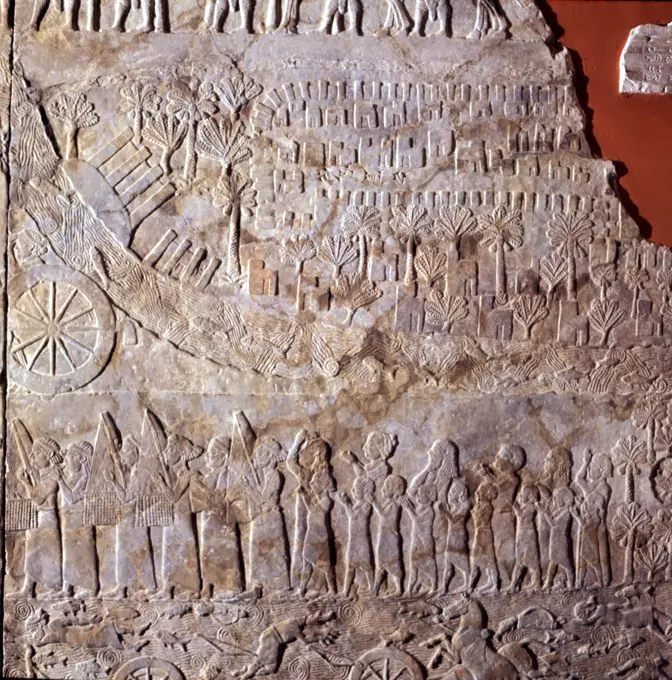
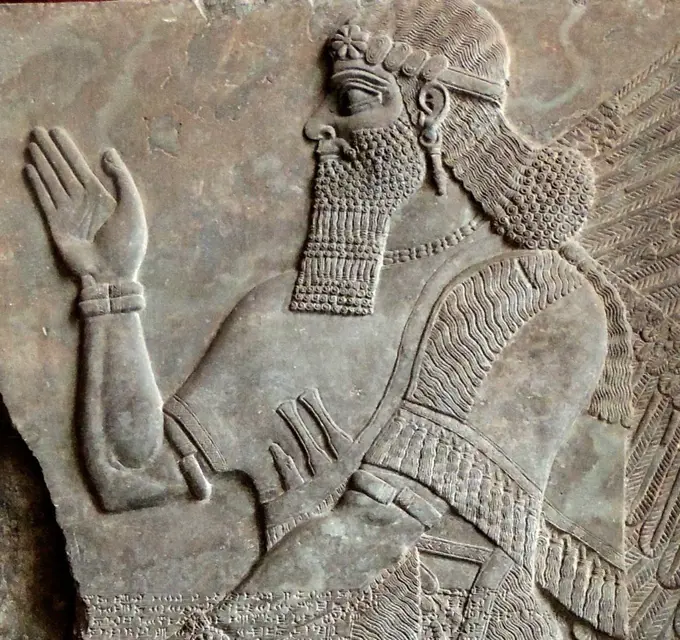
Assyrian relief- Elamites exciled from Madaktu. 8th cent.BC. IRAQ.
260 assets in this story
1848-63250937
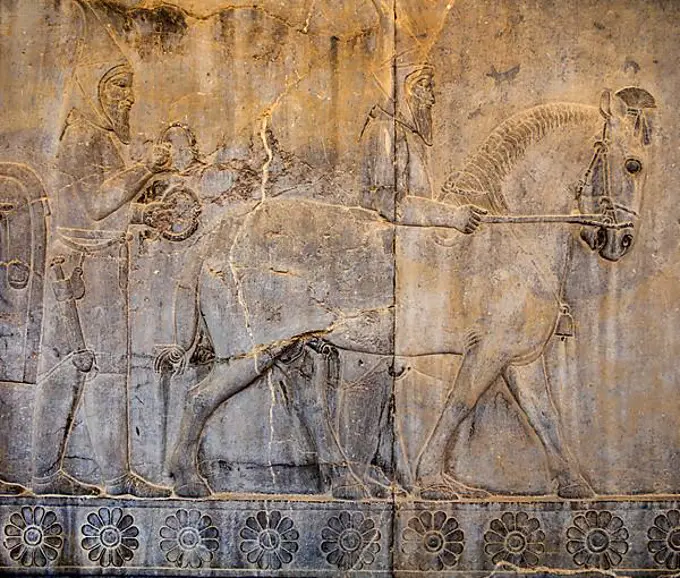
Relief detail of the delegation of nations bringing gifts to Darius on the steps of Apadana Palace, Persepolis, Persepolis, Iran, Asia
1746-19670612
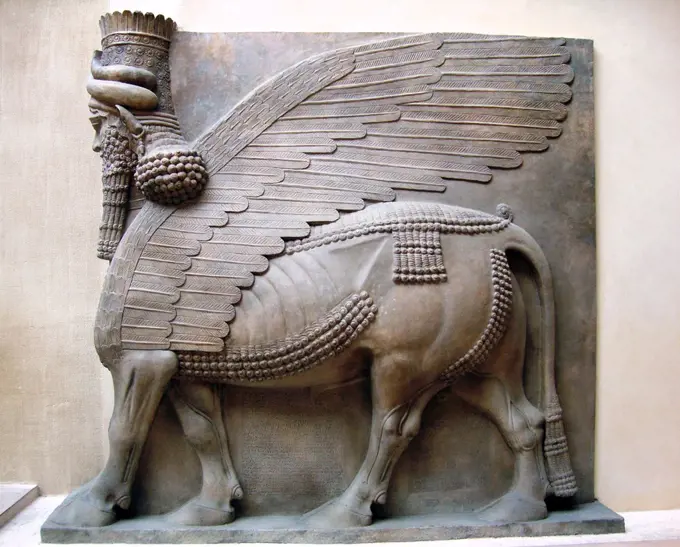
This reconstruction corresponds in its essence to what an Assyrian palace chamber might have looked like, even it its components originate from a number of different periods and sites. The windowless apartments got their light solely through the doors. The two colossal figures at the entry - called in Assyrian schedulamassu - are human headed, winged lions with horned crowns as a symbol of divinity.
1746-21101877
Head of winged genius from Assyria. Ninth century B.C.
1788-22793
Italy, Calabria, Locri, Pinax depicting Persephone and Pluto sitting, terracotta
7012-69849267
Africa, Egypt, Kom Ombo,  Nile, ancient city of  Pa-Sebek, Temple dedicated to 2 gods Sobek & Horus,  column with cobra images & hieroglyphics
6145-48887773
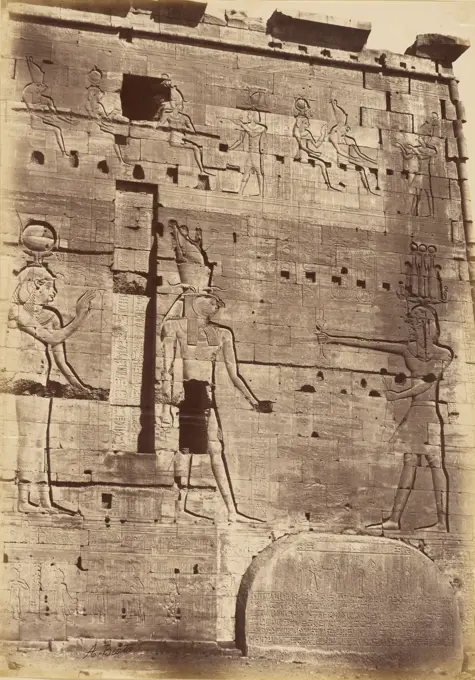
Island of Philae - Temple Pylon with Inscription. Antonio Beato (English, born Italy, about 1835 - 1906)
4409-64465
Egyptian hieroglyphs. Sculpted in relief. Sarcophagus belonging to a Prince of Nome, called Ibw. 12th Dynasty. Middle Kingdom of Egypt. Egyptian Museum of Turin.
7155-70384168
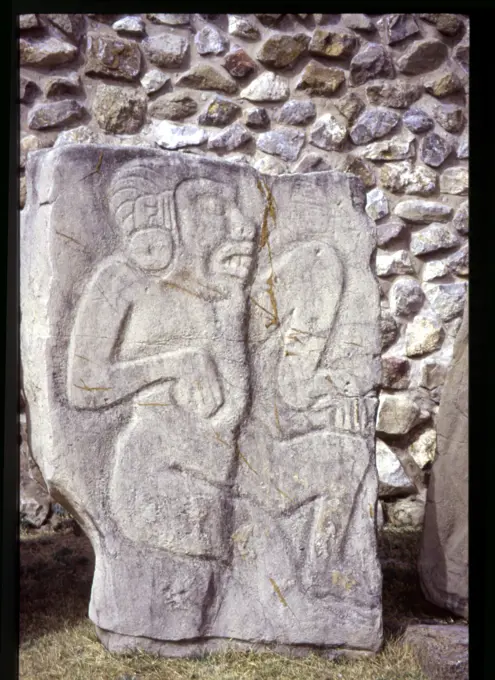
Monte Alban- Dancers Gallery. 500 BC. MEXICO.
1788-15953
Frieze depicting pair of winged lions with human heads facing each other, polychrome glazed brick, from Palace of Darius I at Susa, Iran
1525-23770934
blur  in iran persepolis the old   ruins historical destination monuments and ruin
7208-70657754
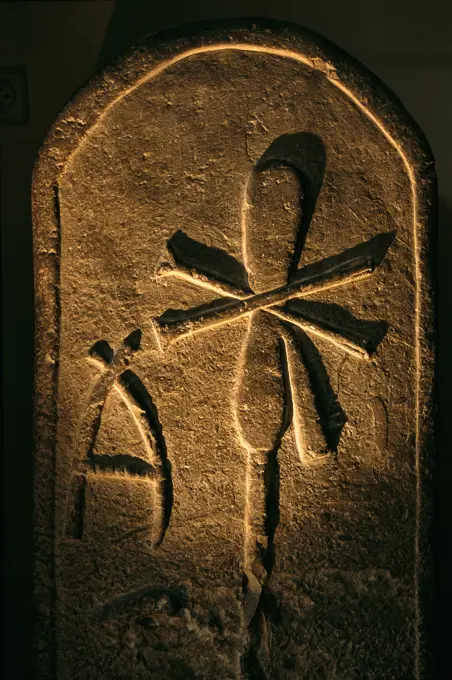
Egypt, Cairo, Abydos, Egyptian Museum, Stele of 1st Dynasty Queen
6145-29118048
Shrine. Egypt or Eastern Mediterranean, 304 BCE - 395 CE. Sculpture. Terracotta
6176-67035954
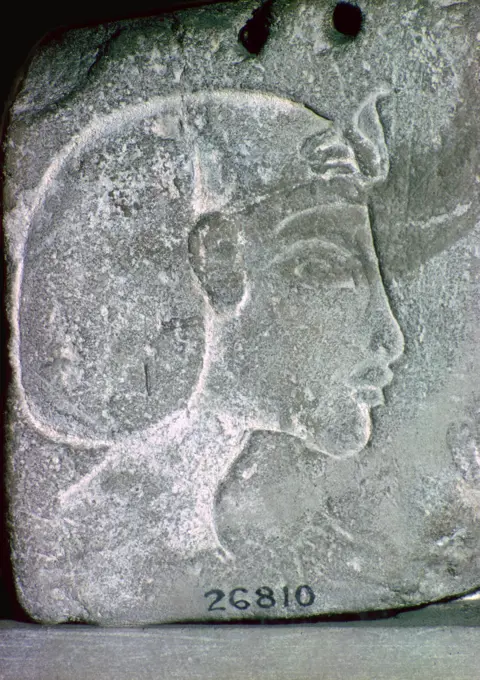
Relief showing the head of Akhenaten, 14th century BC. Artist: Unknown
6145-29222769
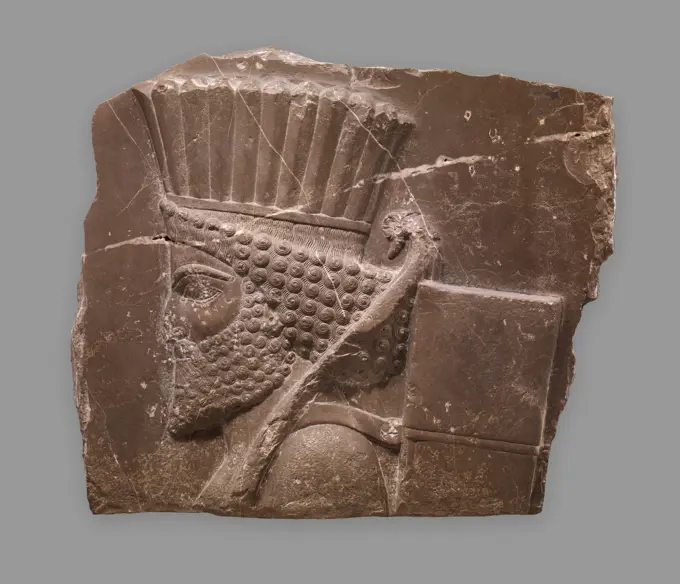
Head of a Persian guard ca. 486-465 B.C. Achaemenid The monumental art and architecture of the Achaemenid period are best exemplified by the ruins of Persepolis, the large ceremonial capital of the empire originally built by Darius I (r. 521-486 B.C.) and expanded by his successors. Persepolis is located thirty miles northwest of Shiraz in the southwest Iranian province of Fars. There, structures like the "Hall of One Hundred Columns" and the "Throne Room of Darius and Xerxes" exhibit features characteristic of Achaemenid palace architecturelarge square rooms, with ceilings supported by many columns. Some of the columns in the Throne Room have been reconstructed and stand more than sixty-five feet high. Most characteristic of Achaemenid sculpture are the slabs carved in low relief that decorate the various stairways leading to the ceremonial buildings. This relief portrays the head of an archer, with his quiver and bow resting on his shoulder. The bow terminates in the head of a duck.
4409-20139360
Memorial tombstone depicting Pharaoh Alexander I and Bukhis the bull, sandstone, Macedonian dynasty, 332-323 BC, Armant, Egypt, collection of the British Museum.
1815-16452932
Iran, Persepolis, view to reliefs of Apadana Palace
4409-63012989
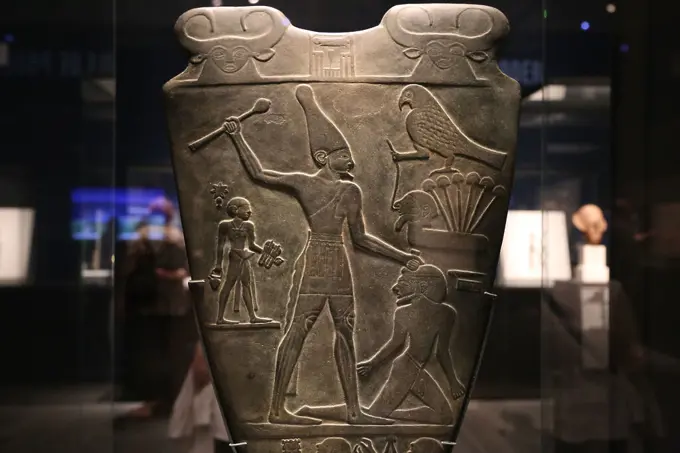
Ancient Egypt. Narmer Palette (recto). Siltstone. 3200 BC. 1st Dynasty. Early Dynastic Period. Replica. Egyptian Museum. Cairo.
4409-60551
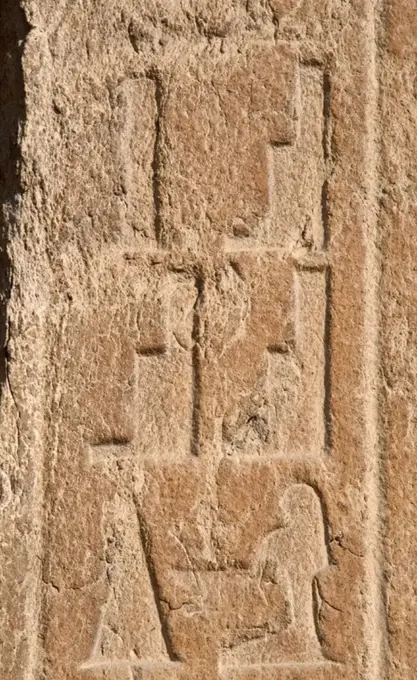
Egypt. Necropolis of Saqqara. Mastaba of Mereruka, priest of Pharaoh Teti. 2.340 B.C. Southern entrance. Detail. Relief with hieroglyphic symbols. 6th Dynasty. Old Kingdom.
6145-29733074
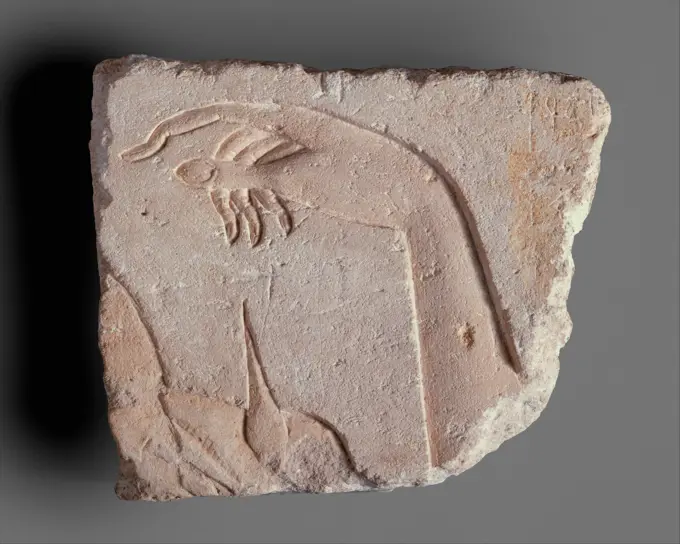
Royal hand ca. 1353-1336 B.C. New Kingdom, Amarna Period Amarna is the name that excavators have given to the site of King Akhenaten's residence in Middle Egypt, Akhetaten (the horizon of the god Aten). Akhenaten's reign (beginning ca. 1353 B.C.), including the years when the pharaoh resided at Amarna (ca. 1349-1336 B.C.), was characterized by a major revolution in ancient Egyptian religion and art. The king promoted worship of one sole god, the solar deity Aten. His artists, liberated from some of the confines of tradition, created works of hitherto unseen inventiveness and subtlety of execution.Relief decoration in the Amarna temples included naturalistic details, such as this one, and transitory gestures that are unique in Egyptian art. Here, the gesture of a queen's hand was captured at the moment she pointed out marsh fowl to the king during a hunting interlude. The languid grace of the bent wrist and the sensitivity of the long fingers - represented with an unusual sense of persp
1899-20257564
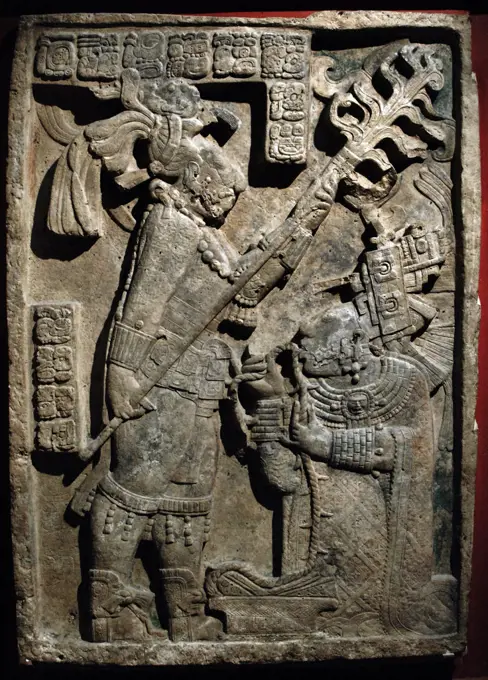
The Yaxchilan Lintels. Lintel 24. Structure 23. Carved limestone lintel. Depiction of a bloodletting ritual performed by the king of Yaxchilan, Shield Jaguar II and his wife, Lady K'ab'al Xook. The king holds a flaming torch over his wife, who is pulling a thorny rope through her tongue. Scrolls of blood can be seen around her mouth. Classic Maya. 723-726. Limestone. Yaxchilan, Chiapas, Mexico. British Museum. London, England, United Kingdom.
1889-60426204
Pre-Columbian reliefs in stone at the Sechin ruins dating 1600 B.C. in Peru
4409-17280789
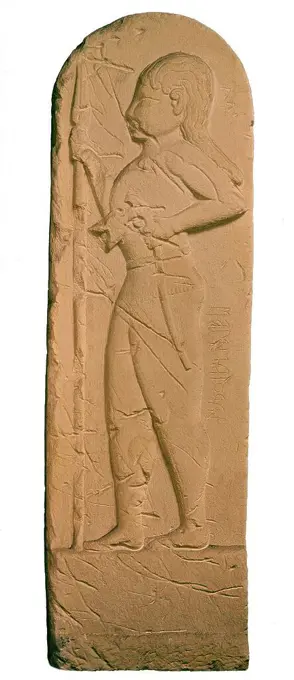
ESTELA ARCAICA ETRUSCA. Location: ARCHAEOLOGICAL MUSEUM. Florenz. ITALIA.
6145-29721567
Cylinder seal ca. 6th-4th century B.C. Achaemenid. Cylinder seal 326985
4409-28817280
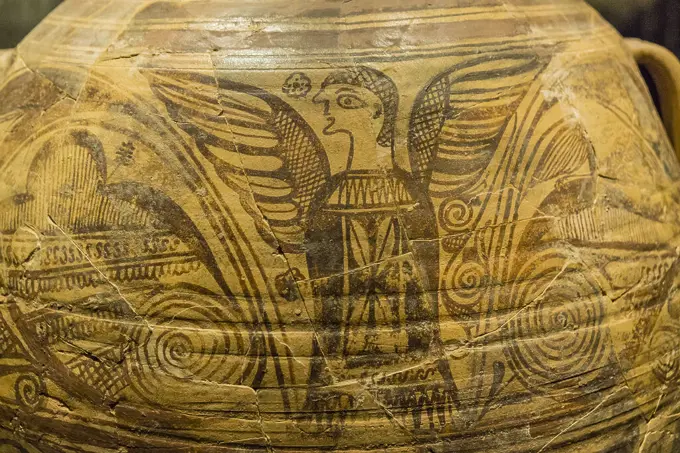
Enocoe, museo arqueologico y de historia de Elche Alejandro Ramos Folqués, Elche, Alicante, comunidad Valenciana, Spain, Europe.
1323-21656417
Carved stone tablets inside a defensive tower in Azerbaijan.
1788-19115
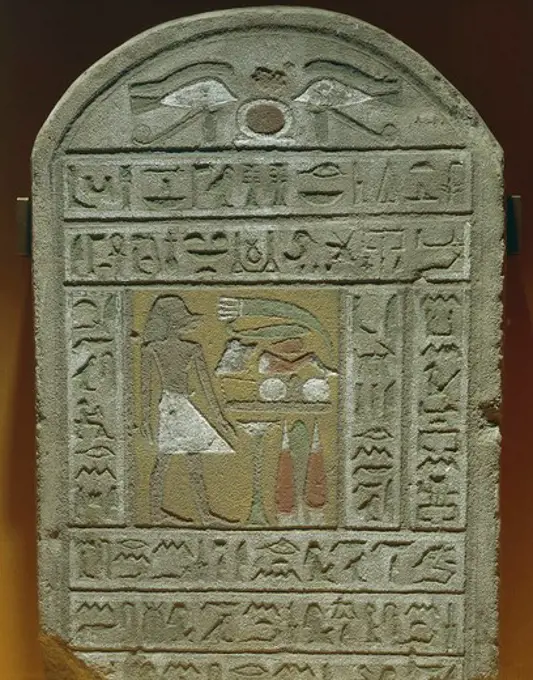
Funerary stele of Ibi, Master of the chamber at the royal palace The deceased before the funerary offerings At the top, eyes of protection and hieroglyph ""Shen"" which means ""eternity""
4409-58491677
Box of the Warriors, archaeological piece from the Iberian period, 1st century BC. C., Piquía necropolis, Arjona, Iberian Museum of Jaén, Andalusia, Spain.
1788-10436
Egypt, Thebes, Luxor, Valley of the Kings, Tomb of Ramses II, relief of hieroglyphics illustrating Litany of Ra from 19th dynasty
1746-21123287
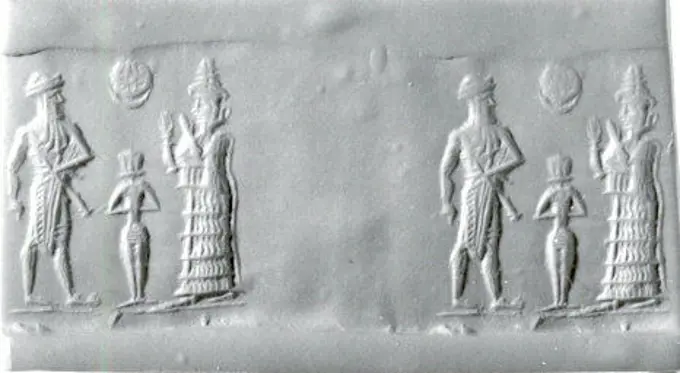
Akkadian Cylinder seal impression; scene representing mythological beings, bulls and lions in conflict circa 2200 BC
1525-26071760
in iran persepolis the old ruins historical destination monuments and ruin
1848-61399010
Temple reliefs and hieroglyphs, Horus Temple, Edfu, Egypt, Africa
4409-21487095
Museo de Luxor.
4409-28819730
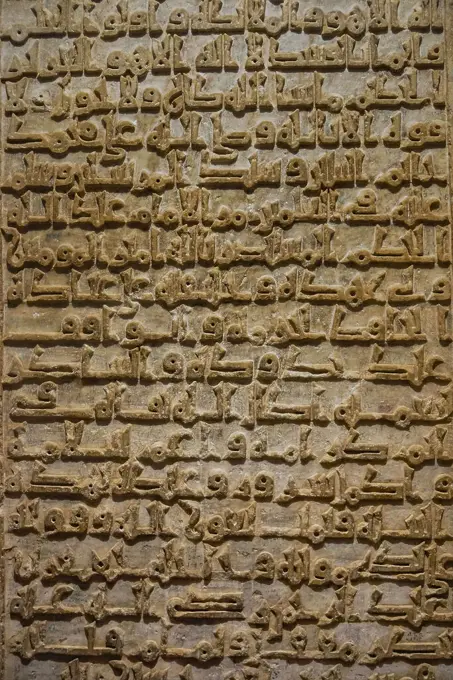
lapida fundacional, posblemente de Medina Azahara, museo, Mezquita-catedral de Córdoba, Andalucia, Spain.
1746-19663491
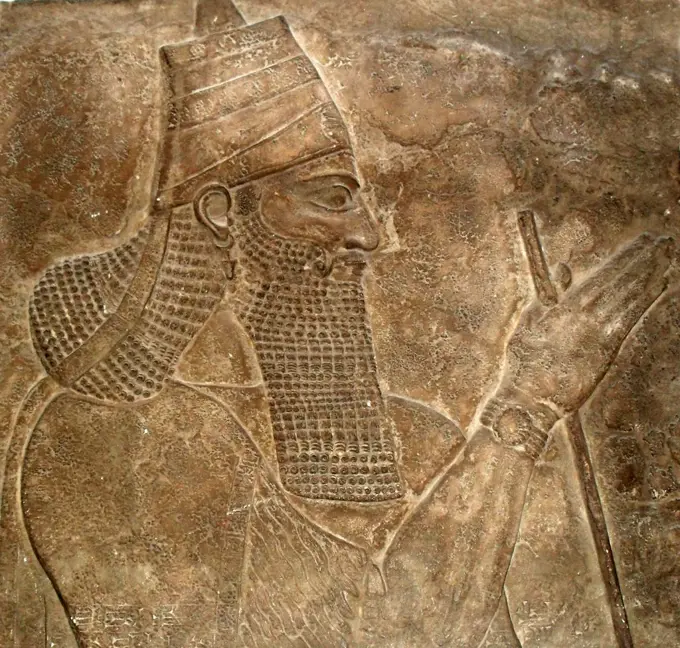
Tiglath-pileser III, Assyrian, about 728 BC. From Nimrud, Central Palace. The Kings arms-bearer is displayed to the left.
1848-55286198
Bas-relief sculptures of erotic scenes are well depicted parapet wall of the Chinniyan tank Oorani near Thiruvannamalai Tiruvannamalai, Tamil Nadu, South India, India, Asia
4409-17272423
ESCULTURA OLMECA. Location: MUSEO NACIONAL DE ANTROPOLOGIA. MEXICO CITY. CIUDAD DE MEXICO.
1525-25570390
Stone Stele inside a Park in Italy
1890-144339
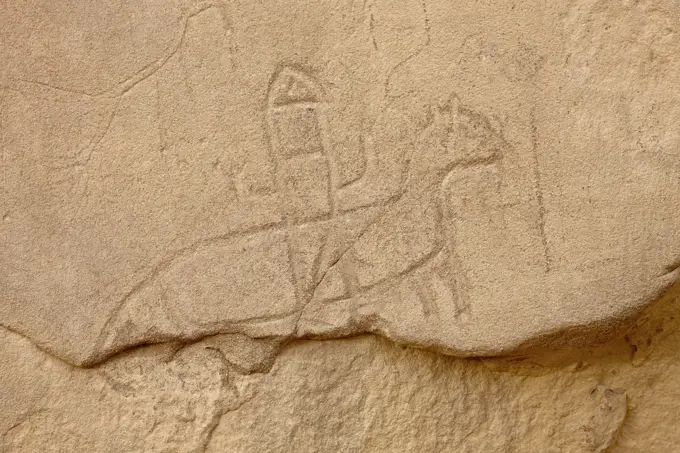
Soldier riding a horse petroglyph, Chetro Ketl, Chaco Culture National Historical Park, UNESCO World Heritage Site, New Mexico, United States of Ameri...
4409-63010191
Hunting Mesopotamia lion. Relief. Keepers with dogs. Neo-Assyrians. Palace, Nineveh, Irak. 645-635 BC. British Museum. London.
4409-17274458
LEON ALADO CON CABEZA HUMANA - ASIRIO - S IX A C. Location: METROPOLITAN MUSEUM OF ART. NEW YORK.
4409-46378
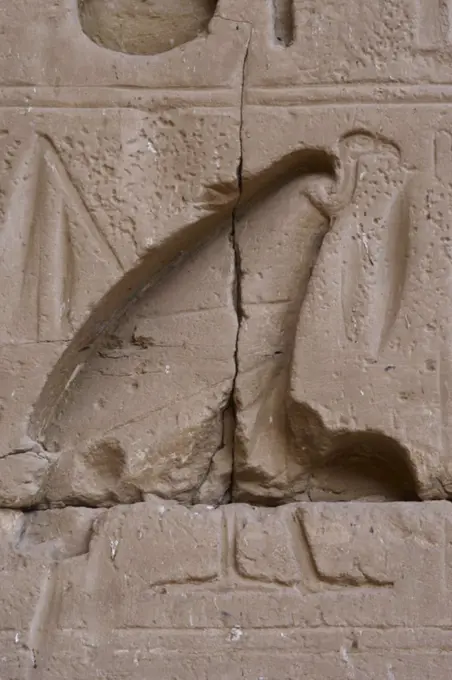
Temple of Ramses III. Vulture. New Kingdom. (1550-1069 b.C). Twentieth dynasty. Thebes. Medinet-Habou. Egypt.
1788-1714
Egyptian Civilization. 3rd millennium BC. Slate Narmer palette. Detail of relief on obverse side: men tie intertwining necks of felines
6188-64529255
reliefs in the wall reliefs in the wall, church of Sant Felix de Vilac , Vilac , municipality of Vielha e Mijaran , Valle de Aran, cordillera de los Pirineos, Spain, europe Copyright: xZoonar.com/BartomeuxBalaguerxRotgerx 22283159
7155-70383467
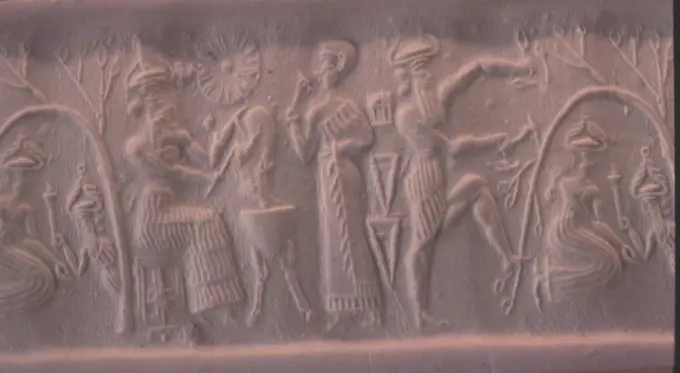
Shamash, Sun God (left). Marduk, Agriculture God (right). 3rd mill. Seal. Tello.
1788-19040
Pink granite sculptural group of the triad of Ramses II between Ptah and Sekhmet. Detail, cartouches of Ramses II
4409-433
Mexico.Mexico D.F.Museo Nacional de Antropologia.Estela.Cultura Maya.
1899-65659595
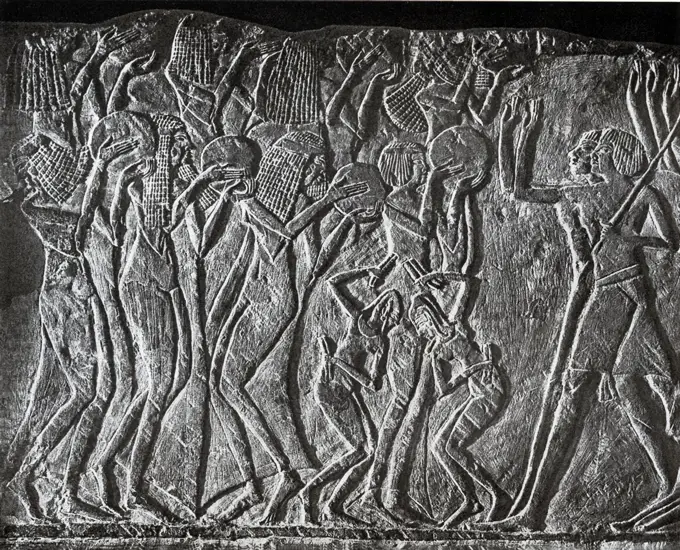
This limestone-carved low relief was uncovered at Saqqara in Egypt. It dates to the 19th Dynasty and shows dancers. Those hitting small drums with their hands wear long dresses and those with clappers (castanets) wear no clothes.
6145-29712357
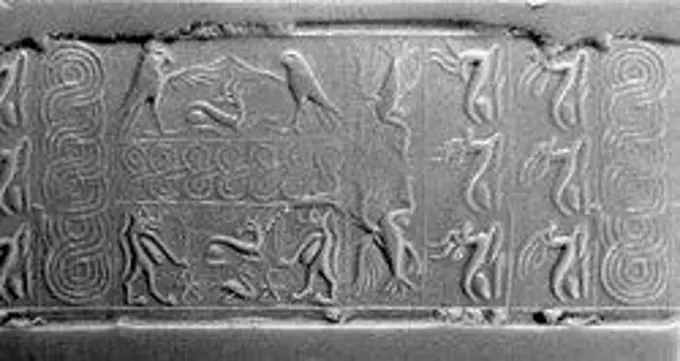
Cylinder seal and modern impression: rows of animals; falcons flanking goat, Taweret goddesses ca. 18th-17th century B.C. Although engraved stones had been used as early as the seventh millennium B.C. to stamp impressions in clay, the invention in the fourth millennium B.C. of carved cylinders that could be rolled over clay allowed the development of more complex seal designs. These cylinder seals, first used in Mesopotamia, served as a mark of ownership or identification. Seals were either impressed on lumps of clay that were used to close jars, doors, and baskets, or they were rolled onto clay tablets that recorded information about commercial or legal transactions. The seals were often made of precious stones. Protective properties may have been ascribed to both the material itself and the carved designs. Seals are important to the study of ancient Near Eastern art because many examples survive from every period and can, therefore, help to define chronological phases. Often preservi
6176-66083012
Stone relief carved panel of a Genius blessing. Dur Sharrukin, the palace of the Assyrian king Sargon II in Khorsabad. Old 19th century engraved illustration, Le Tour du Monde 1863
1848-50841894
Representation of a decapitated man, bas-relief, ruins of Cerro Sechin, Casma, Ancash region, Peru, South America
1890-5858
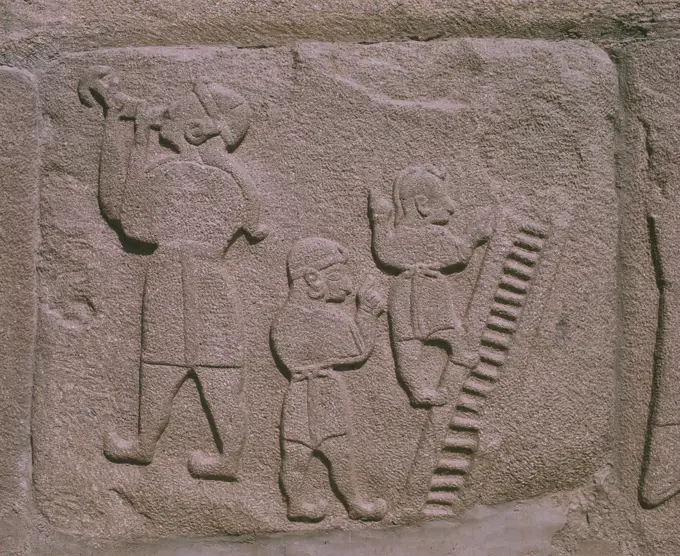
Copy at archaeological sites of Hittite relief showing sword swallowers and acrobats, Alaca Huyuk, Anatolia, Turkey, Asia Minor, Eurasia
1746-19670433
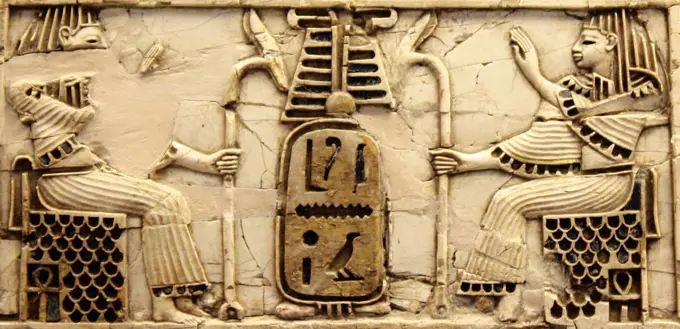
Phoenician ivories from Nimrud 9th-8th centuries BC. These ivories, consisting for the most part of furniture inlays and attachments, were found at Nimrud, and, like the bronze bowls, probably represent tribute or booty taken by the Assyrians during their western campaigns. Given the widespread popularity and distribution of Phoenician ivories, these need not necessarily have come directly from Phoenicia.
4409-28817326
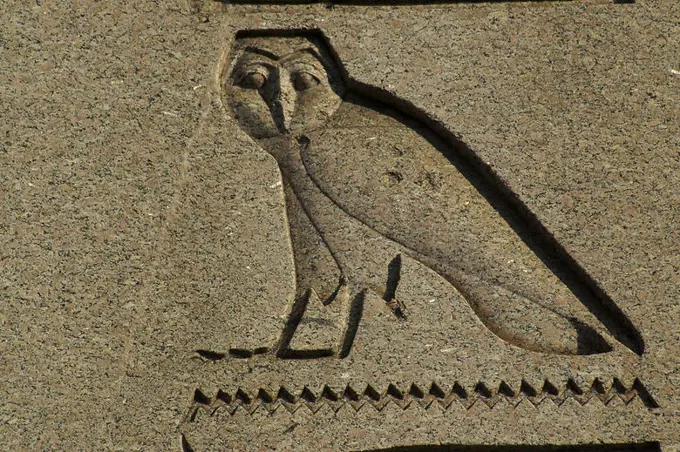
Owl carved in the obelisk of Theodosius (1450a.c.). Gardens and esplanade of the hippodrome.Sutanahmet.Istanbul.Turquia.
6145-29808912
Head of a Male Haniwa Figure with Hat ca. 6th century Japan. Head of a Male Haniwa Figure with Hat 45546
1746-19670081
Assyrian door-sill, 9th-8th Dynasty. Dated approximately 810-783 BC. Inscribed with text detailing the name and genealogy of Adad-nirari III.
1848-67083435
Berlin, Pergamon Museum/ Relief on the Processional Way of Babylon
6145-29715316
Cylinder seal ca. 18th-17th century B.C. Babylonian. Cylinder seal. Babylonian. ca. 18th-17th century B.C.. Hematite (). Old Babylonian. Mesopotamia
1899-18859044
Sargon II was an Assyrian king. Sargon II became the ruler of the Assyrian Empire in 722 BCE after the death of Shalmaneser V.  In his inscriptions, he styles himself as a new man, rarely referring to his predecessors; however he took the name Sharru-kinu ('true king'), after Sargon of Akkad  who had founded the first Semitic Empire in the region some 16 centuries earlier. Sargon is the Biblical form of the name.
6145-29739202
Cylinder seal with two-figure contest scene late 8th century B.C. Babylonian. Cylinder seal with two-figure contest scene 326982
1848-49514265
Depiction of God Amun as a ram, Temple of Amun-Re, Karnak Temple, Karnak, Egypt, Africa
PREVIOUS
of 3
NEXT
2401 S. Ervay, Suite 206
Dallas, Texas 75215
United States
Get Started
Free ResearchMy BoardsMy Cart
For Creators
How To License Your ContentContributor PortalFrame of Mind
Resources
API accessPricing
Contact
+1 866 236 0087help@viewpictures.co.uk Contact form
©2026 View Pictures. All Rights Reserved. -A
This site is protected by reCAPTCHA and Google Privacy Policy and Terms of Service apply.