Ancient Egyptian Scarabs

Collection of ancient scarabs featuring intricate hieroglyphs and symbolic imagery, reflecting Egyptian craftsmanship from the New Kingdom.

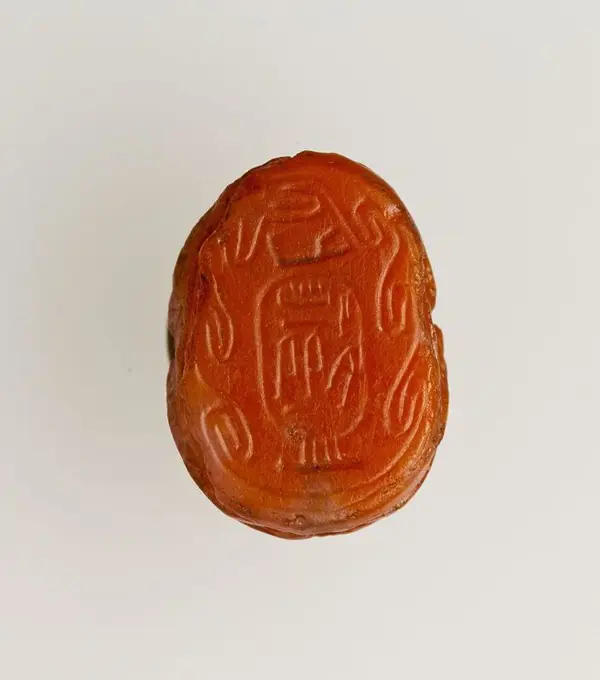
Scarab of Ramesses II ca. 1295-1070 B.C. New Kingdom, Ramesside. Scarab of Ramesses II 550324
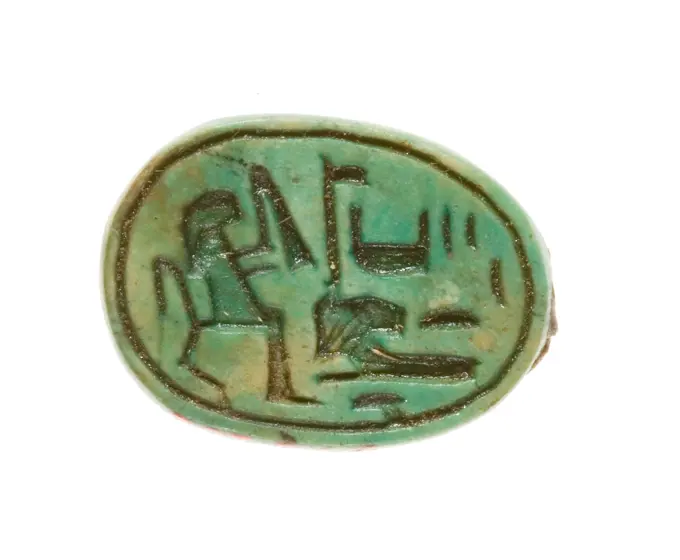
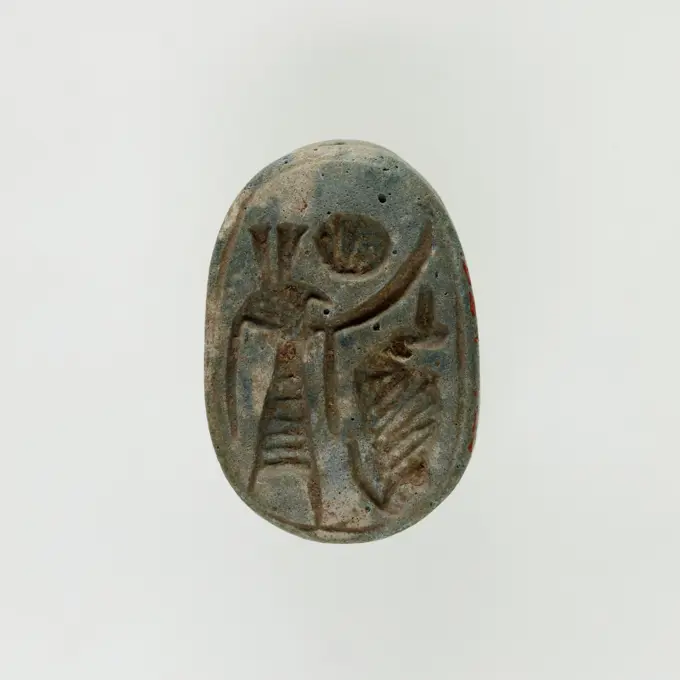
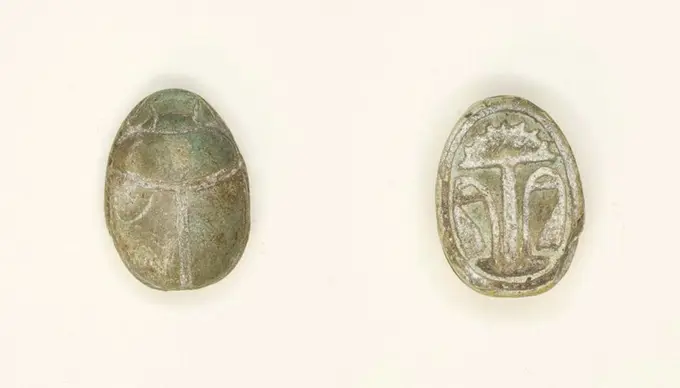
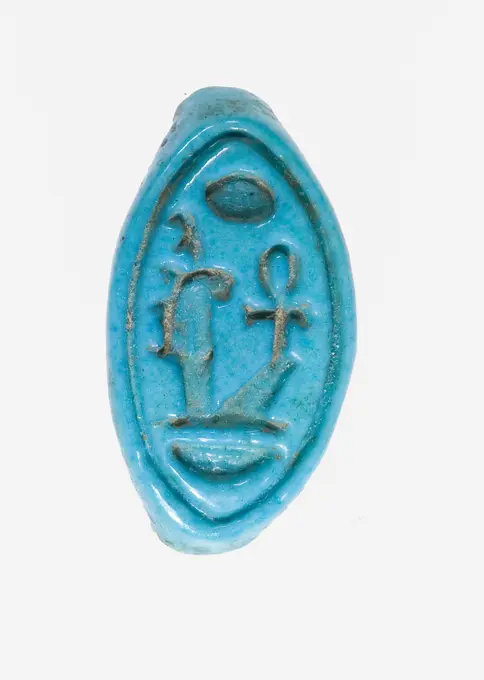
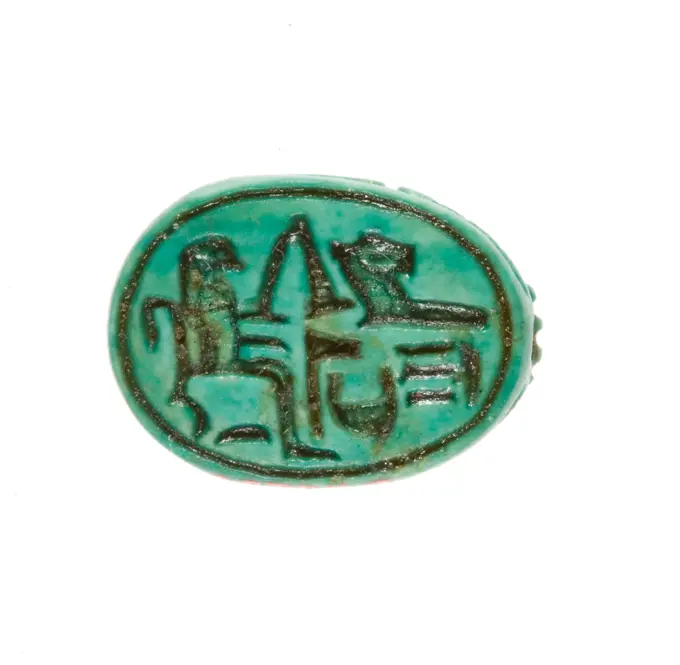
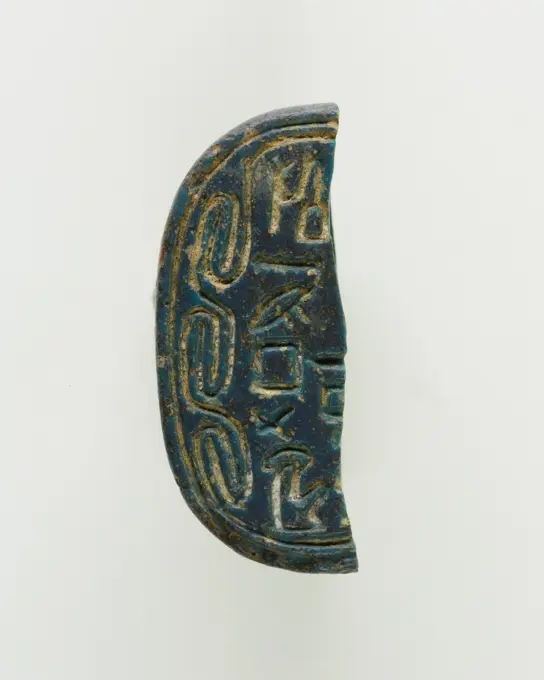
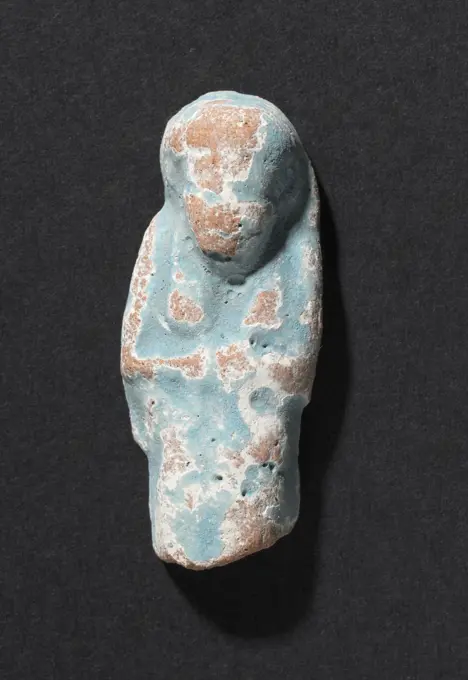
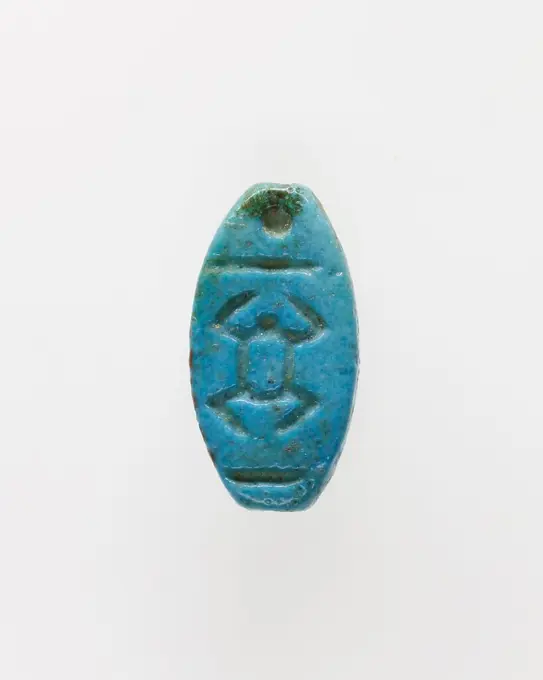
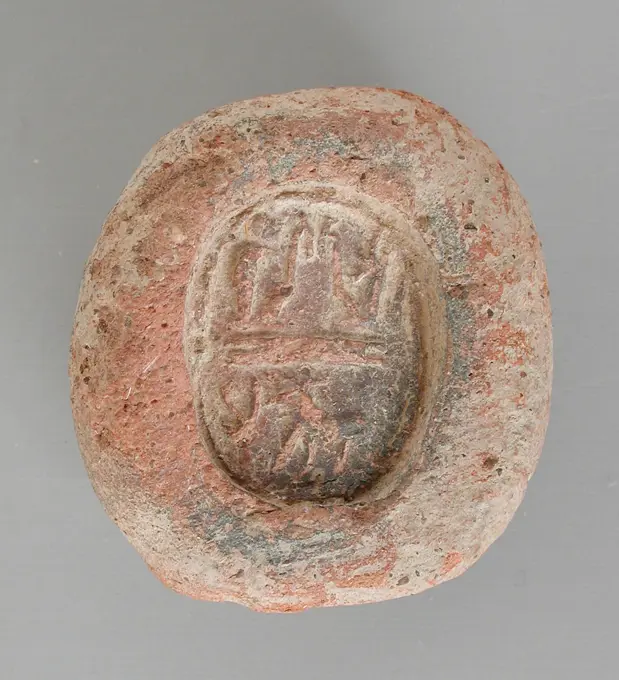
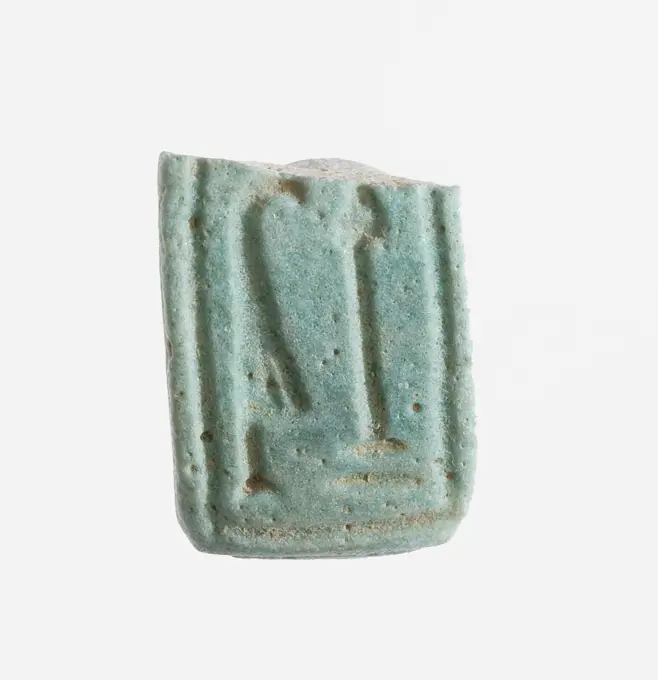
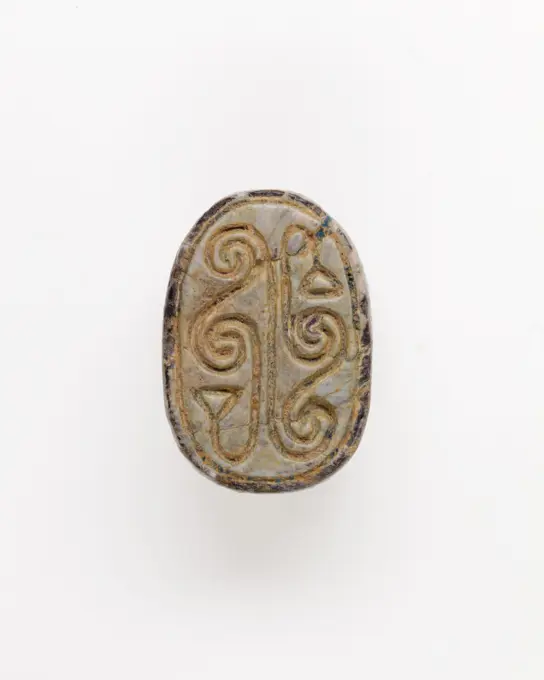
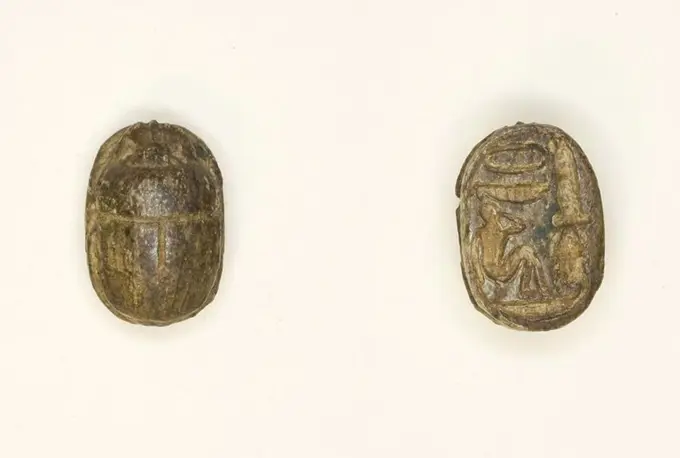
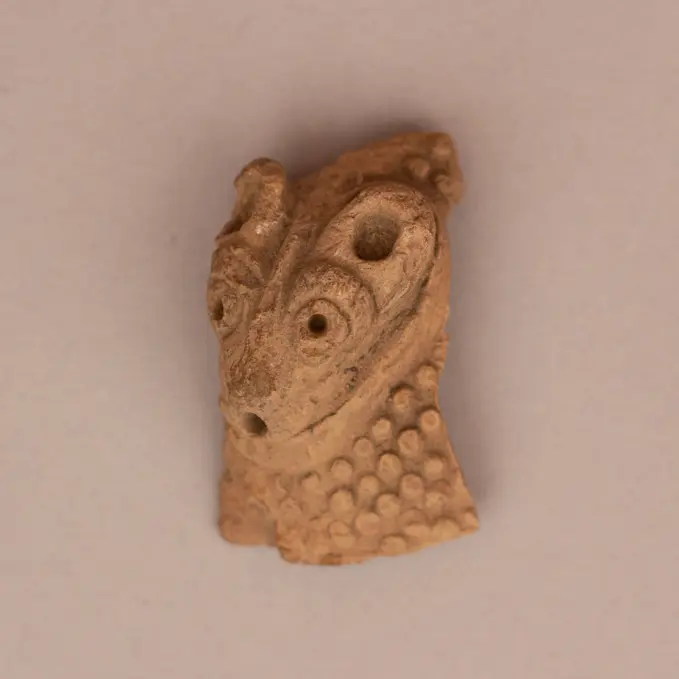
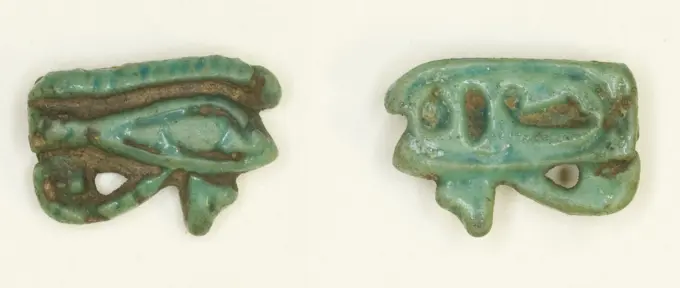
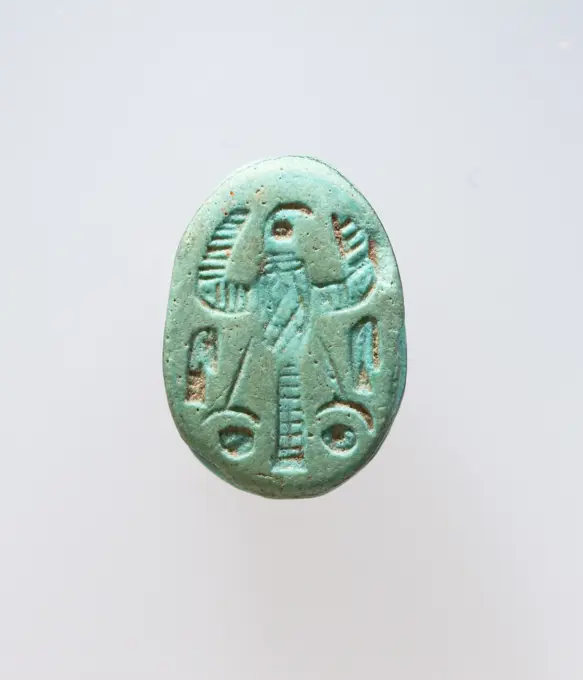
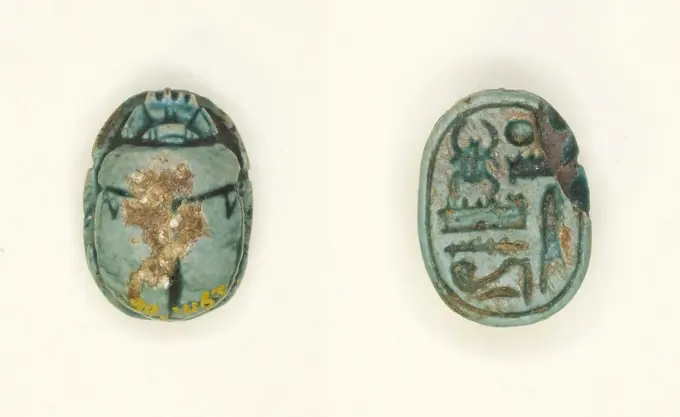
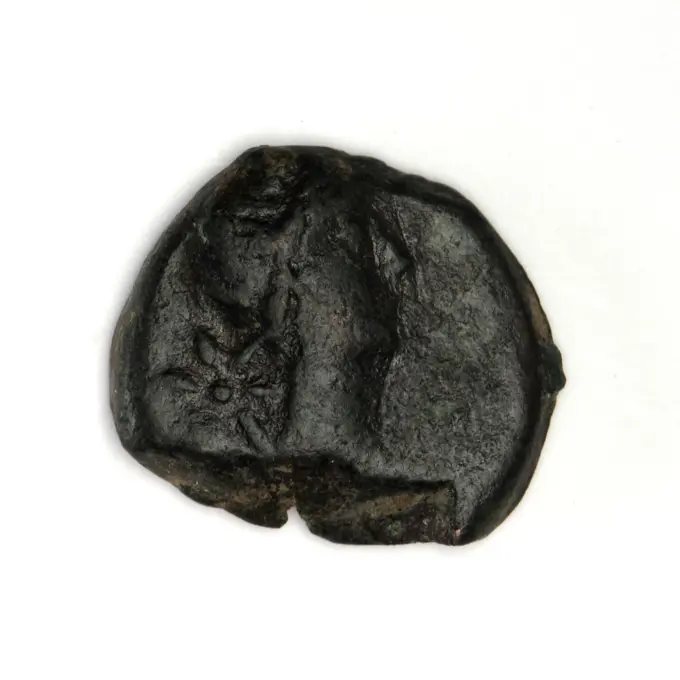
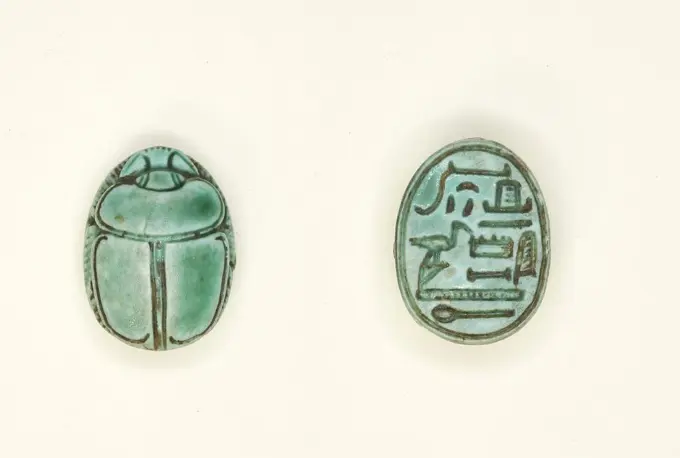
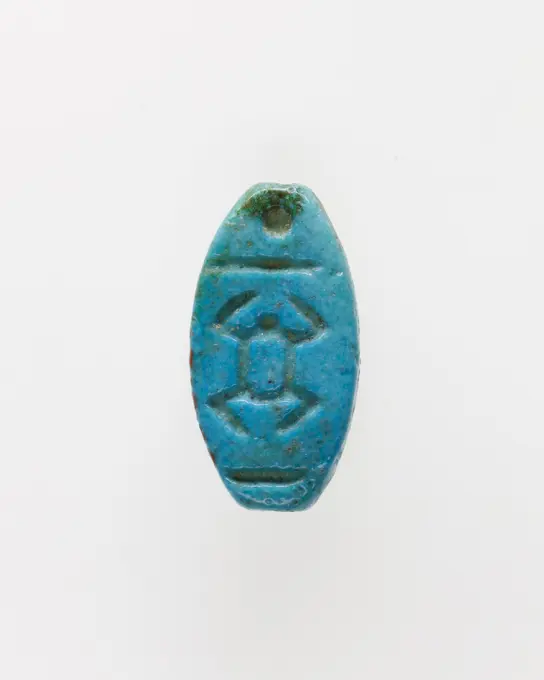
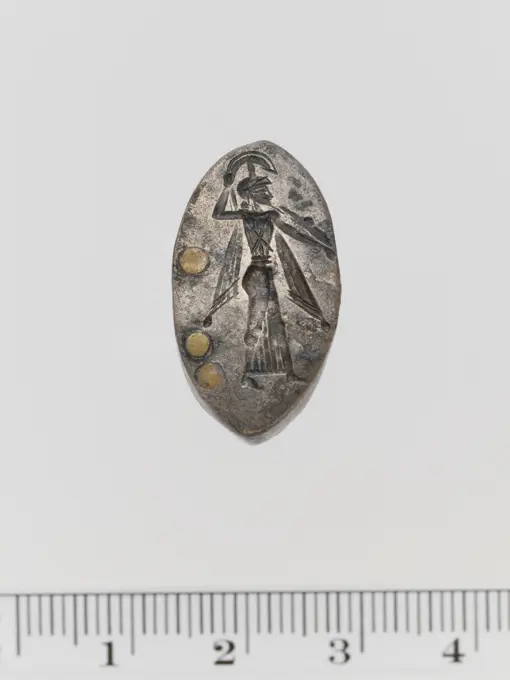
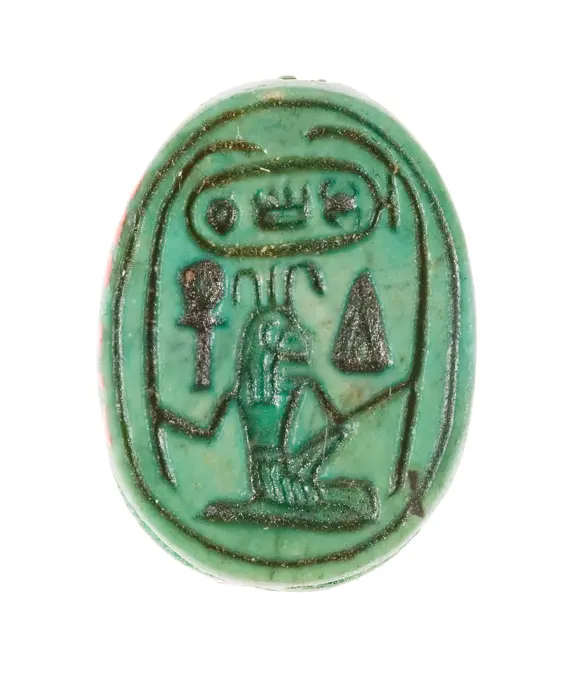
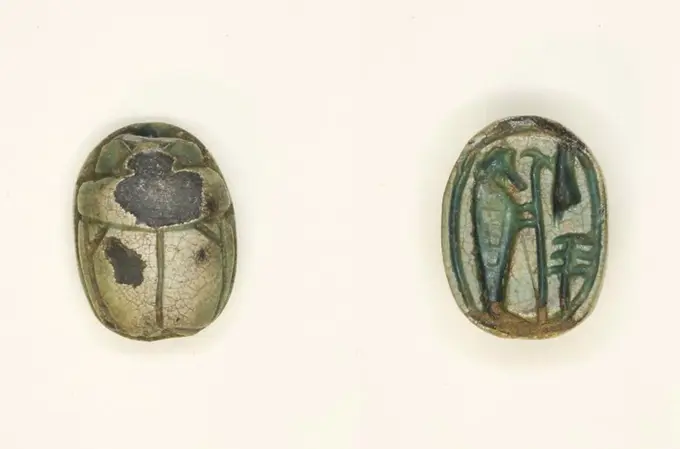
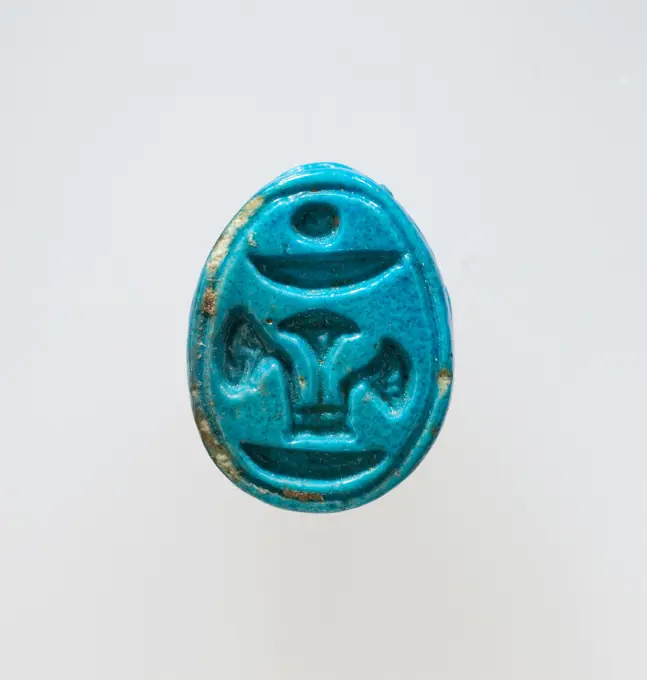
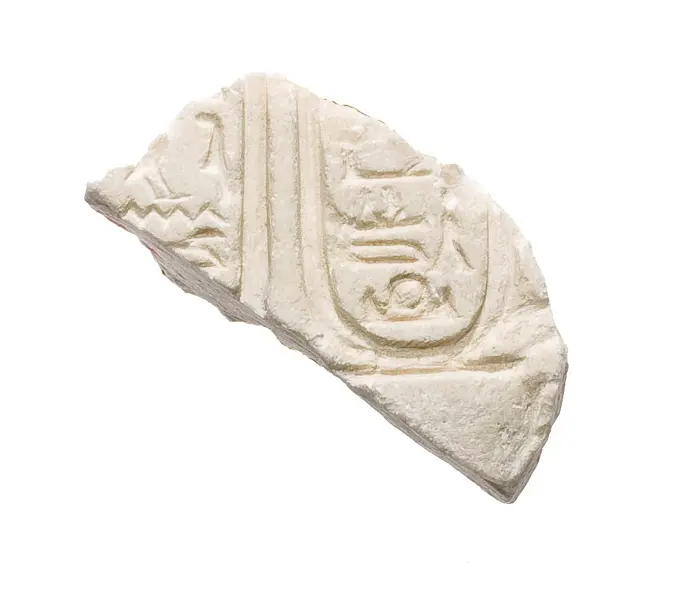
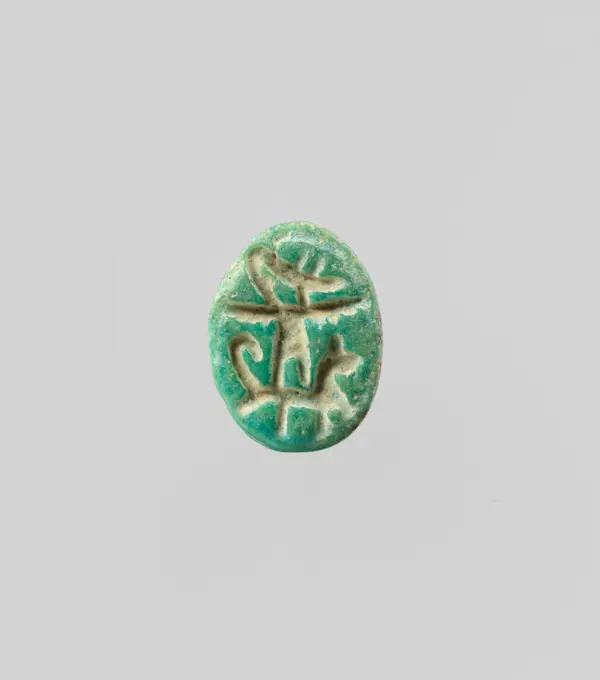
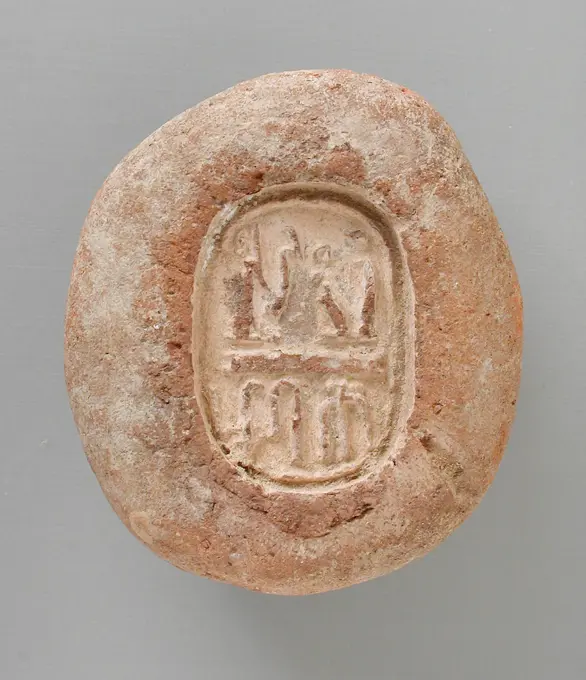
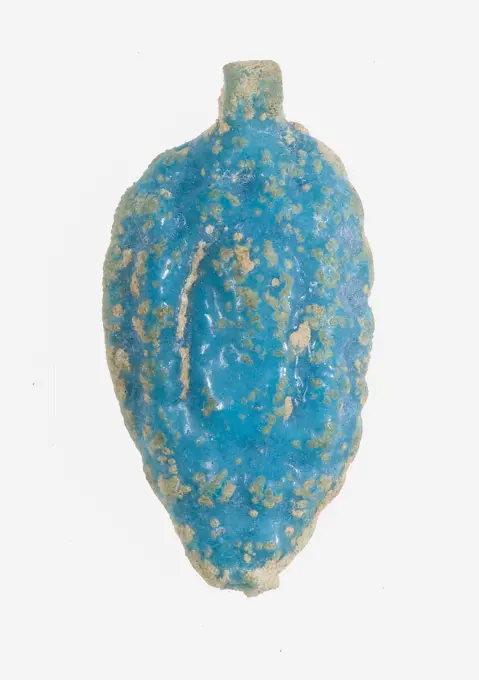
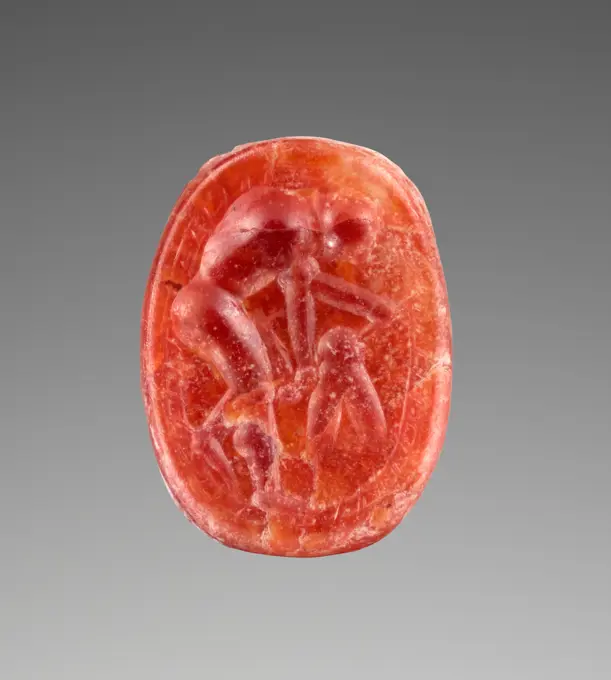
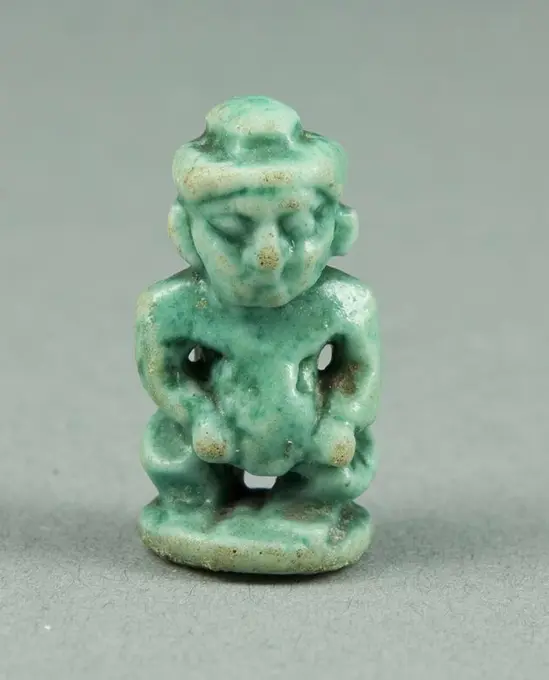
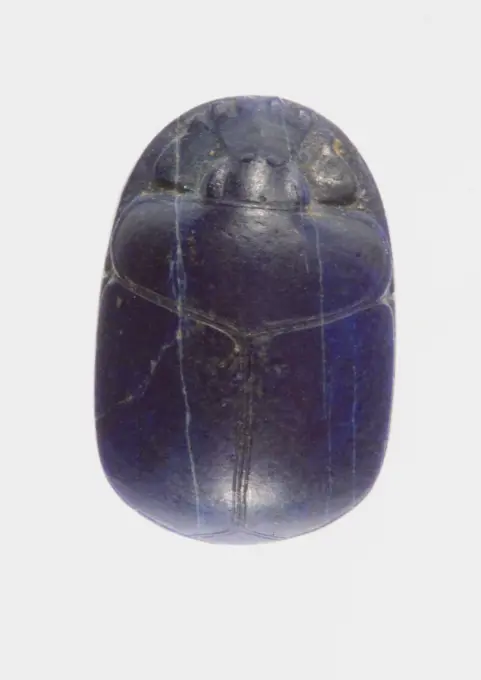
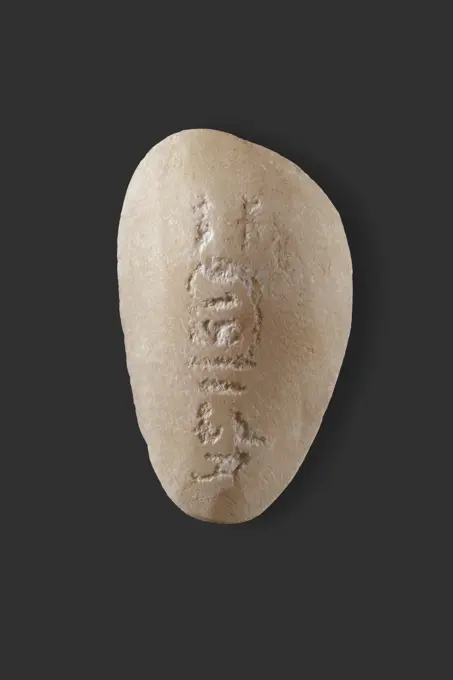
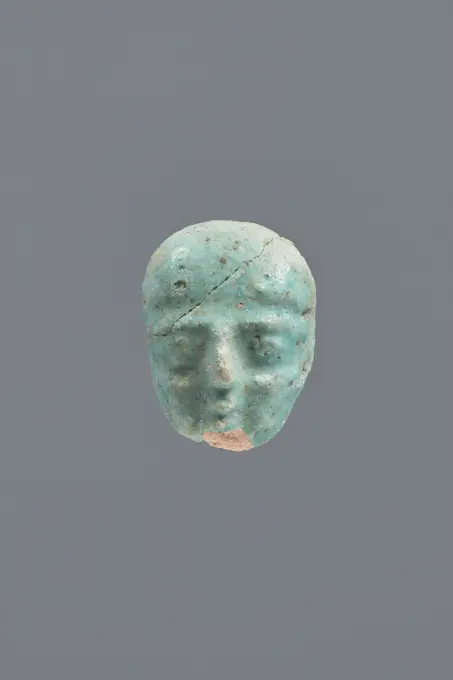
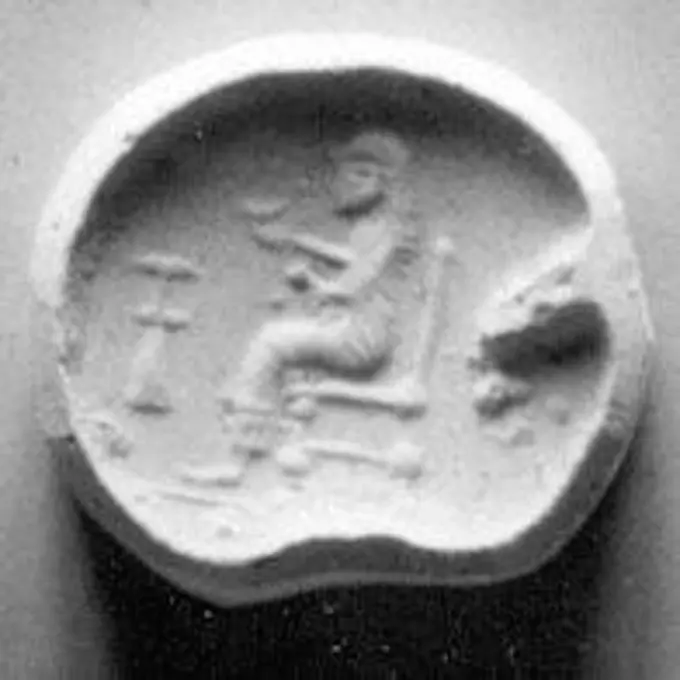
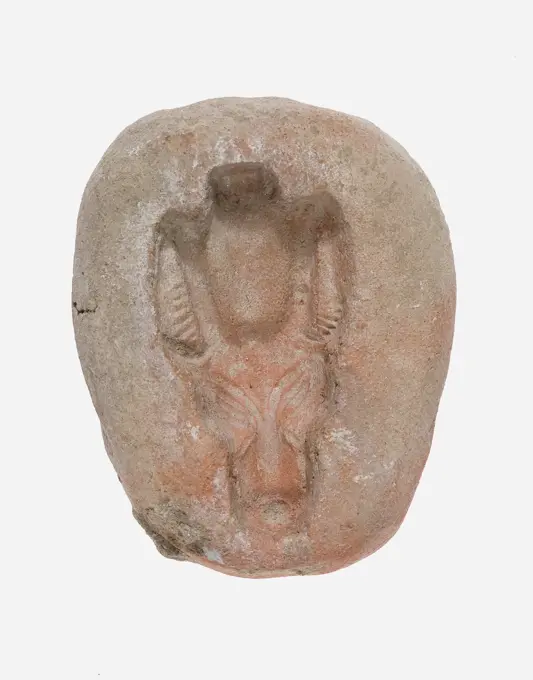
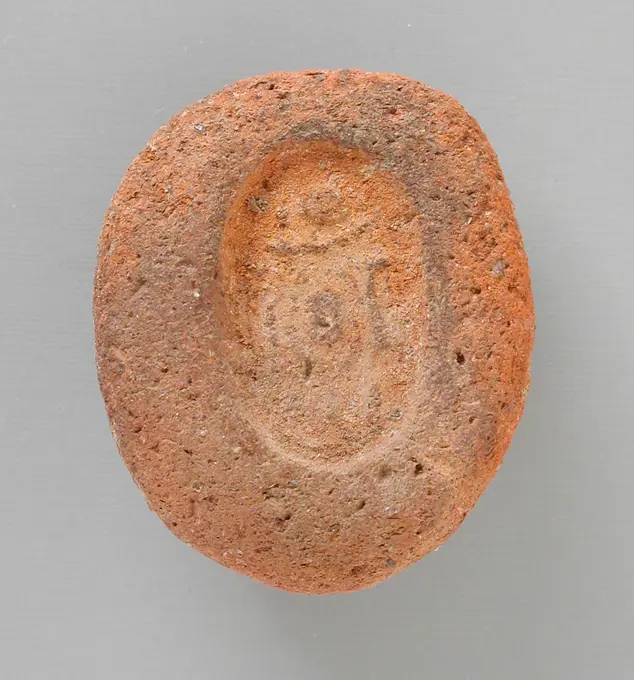
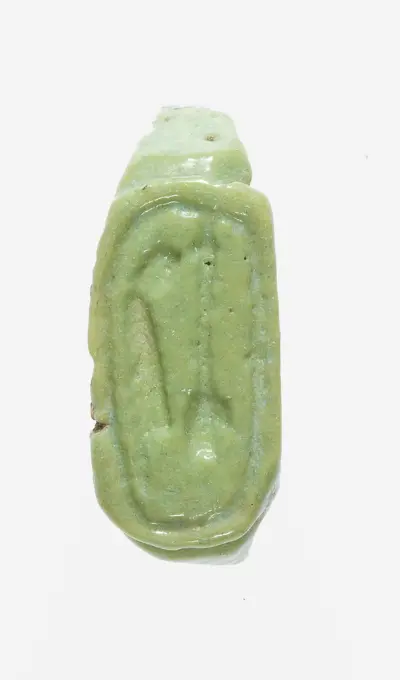
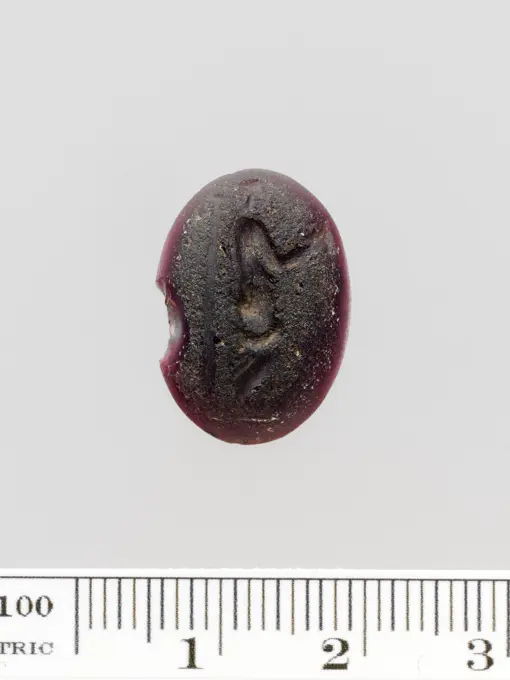
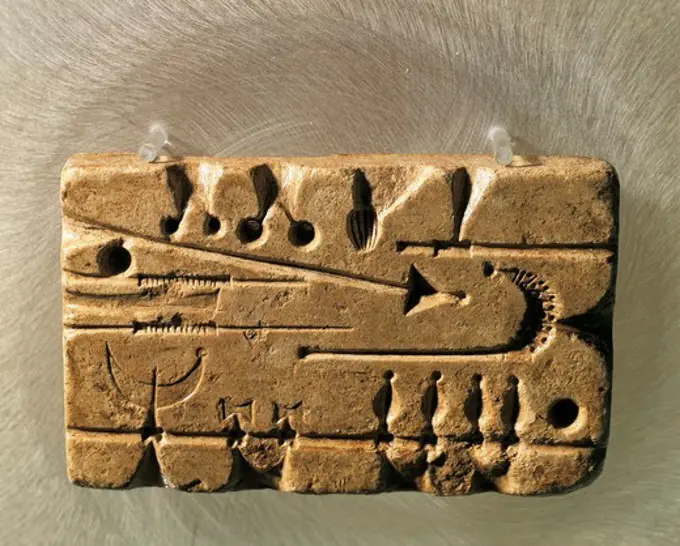
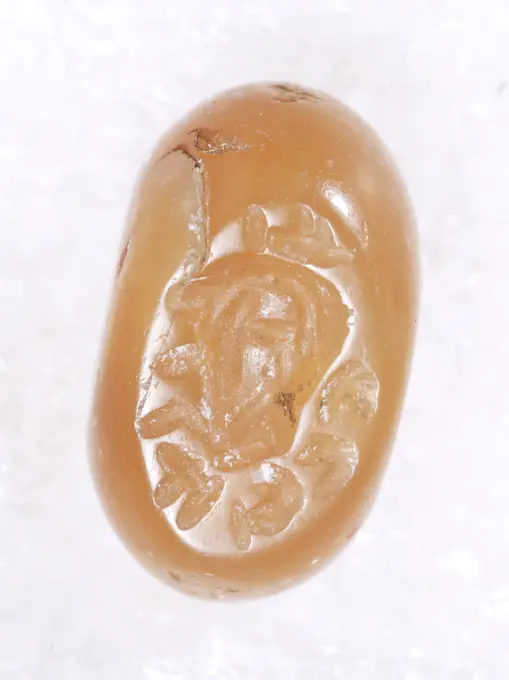
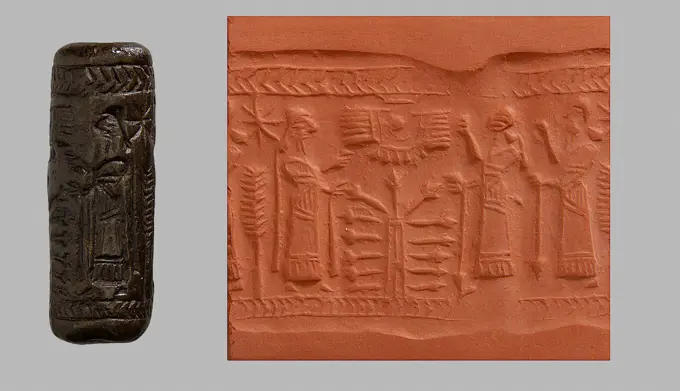
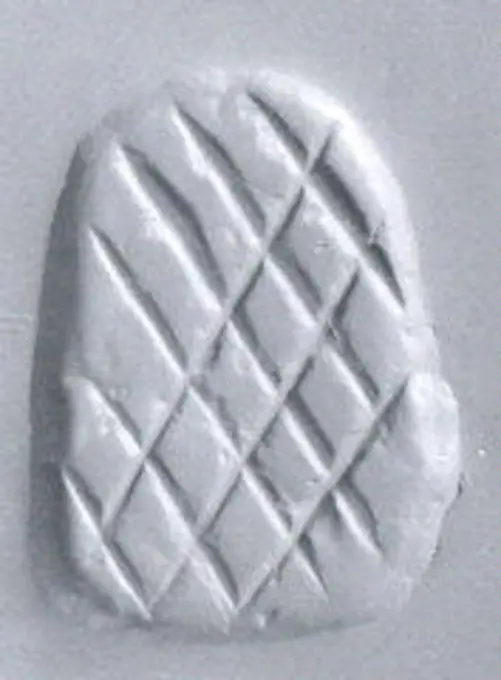
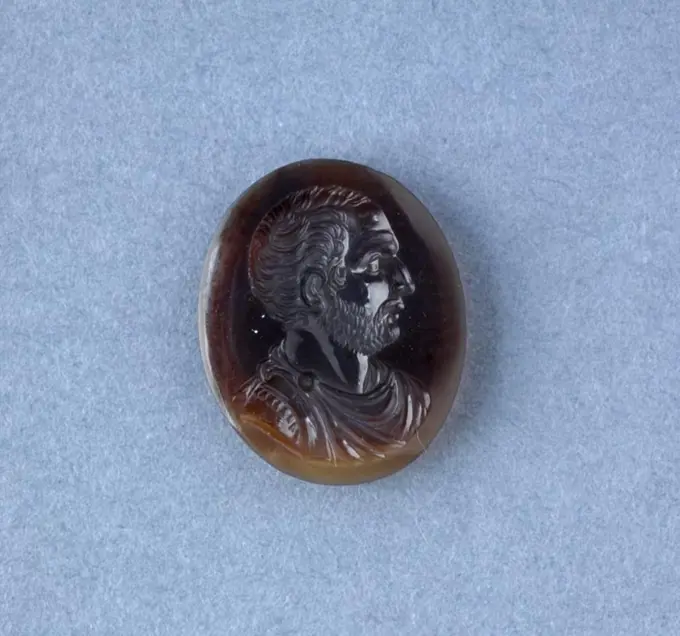
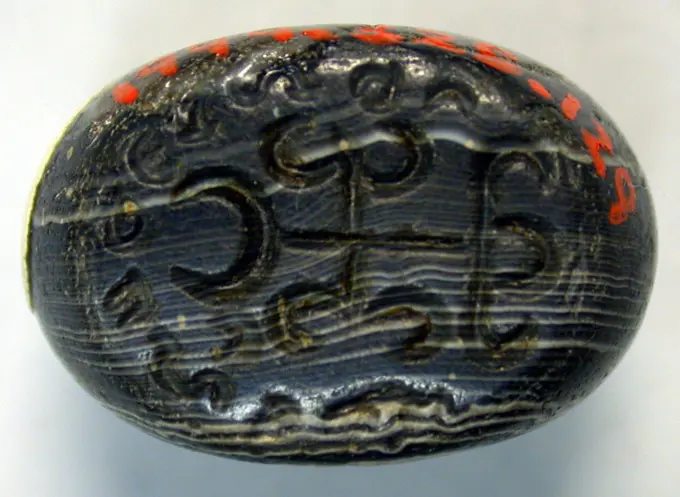
Scarab of Ramesses II. Dimensions: l. 2.1 cm (13/16 in.). Dynasty: Dynasty 19-20. Date: ca. 1295-1070 B.C.. Museum: Metropolitan Museum of Art, New York, USA.Scarab ca. 1550-1458 B.C. New Kingdom. Scarab. ca. 1550-1458 B.C.. Steatite (glazed). New Kingdom. From Egypt, Upper Egypt, Thebes, Asasif, Courtyard CC 41, Tomb R 2, Burials F x (1-4), MMA excavations, 1915-16. Dynasty 18, earlyScarab. Dimensions: L. 2.1 cm (13/16 in). Dynasty: Dynasty 12-18. Date: ca. 1981-1550 B.C.. Museum: Metropolitan Museum of Art, New York, USA.Scarab Inscribed for the God's Wife Hatshepsut ca. 1479-1458 B.C. New Kingdom The inscription on the base of this scarab reads: God's Wife, Hatshepsut. In the late Seventeenth early Eighteenth Dynasties, the title God's Wife was held by the principal queen or the queen mother. Hatshepsut inherited the title while she served as principal queen of her half-brother, Thutmose II. Later, shortly after she took on the titles of king, Hatshepsut passed the title on to her daughter, Neferure (see scarab 27.3.325).Slight variations of the same inscription may be found on two other scarabs (27.3.185, 27.3.187) and a cowroid seal amulet (27.3.191). Although the hieroglyphs are not in exactly the same configuration, they have been carved in a similar fashion. For example, the seated figure leans back and both of her arms are indicated. For different versions of the same inscription, see 27.3.174-27.3.184, 27.3.188-27.3.190.. Scarab Inscribed for the God's Wife Hatshepsut. ca. 1479-1458 B.C.. SteatScarab with a Representation of Seth-Baal and Uraeus ca. 1295-1070 B.C. New Kingdom The ancient Egyptians adored the dung beetle as a symbol of the daily passage of the sun, as it pushed the dung ball forward it mirrored the sun disk moving across the sky. From the First Intermediate Period to the Late Period, the scarab was a popular shape for small amulets and stamp seals as a symbol for creation and resurrection. Already in the early 2nd millennium B.C., Egyptian scarab seals spread to the Levant and Crete and soon local imitations began to appear.On the underside of this scarab, an aroused cobra (uraeus) is placed in front of a figure of the god Seth-Baal, identified by his outstretched wing, long ears and snout. Above him is a sun disk. Such representations were very popular on stamp seals during the late New Kingdom, when Seth became a kind of patron deity of the kings of the Ramesside dynasties (Dynasty 19-20, ca. 1295-1070 B.C.). Seth was closely identified with the Near EasterScarab of Ramesses II ca. 1295-1070 B.C. New Kingdom, Ramesside. Scarab of Ramesses II 550324Scarab: Floral Motif. Egyptian. Date: 1650 BC-1295 BC. Dimensions: 1.4 × 1 × 0.5 cm (9/16 × 3/8 × 3/16 in.). Glazed steatite. Origin: Egypt. Museum: The Chicago Art Institute, Chicago, USA. Author: Ancient Egyptian.Ring Inscribed with the Throne Name of Amenhotep III ca. 1390-1352 B.C. New Kingdom Amenhotep III ruled for almost four decades near the end of Dynasty 18 in the New Kingdom. He was the father of Akhenaten (sometimes referred to as the heretic king), and probably the grandfather of Tutankhamun. During Amenhotep's thirtieth year on the throne, he celebrated a rejuvination festival called the heb sed, which was repeated twice more before his death sometime in year 38 of his reign. As part of the celebration, thousands of rings were made of Egyptian faience, a ceramic material made of quartz frit that was mixed into a paste, pressed into molds, and fired. Dozens of complete rings, and many thousands of fragments, were uncovered during the Museum's excavations at the site of Malqata where the festivals took place.The majority of the rings found at Malqata were colored with a turquoise blue glaze, but others were dark blue, green, red, yellow, or a combination of colors.. Ring Inscribed witScarab Inscribed for the God's Wife Hatshepsut ca. 1479-1458 B.C. New Kingdom This scarab was found in a foundation deposit associated with Hatshepsut's funerary temple at Deir el-Bahri. The base is inscribed with her personal name, Hatshepsut ("foremost of noblewomen") linked with the title God's Wife. Hatshepsut inherited the title while she served as principal queen of her half-brother, Thutmose II. Later in her life, after taking on the titles of King, Hatshepsut passed the title to her daughter, Neferure (see scarab 27.3.326).. Scarab Inscribed for the God's Wife Hatshepsut. ca. 1479-1458 B.C.. Steatite (glazed). New Kingdom. From Egypt, Upper Egypt, Thebes, Deir el-Bahri, Temple of Hatshepsut, Foundation Deposit 7 (G), MMA excavations, 1926-27. Dynasty 18, earlyScarab ca. 1550-1525 B.C. New Kingdom. Scarab. ca. 1550-1525 B.C.. Pottery. New Kingdom. From Egypt, Upper Egypt, Thebes, Asasif, Tomb CC 43, Burial 12, Carnarvon excavations, 1912. Dynasty 18, earlyScarab: Nebmaatra (Amenhotep III). Egyptian. Date: 1390 BC-1352 BC. Dimensions: 1 × 1.3 × 1 cm (3/4 × 1/2 × 3/8 in.). Faience. Origin: Egypt. Museum: The Chicago Art Institute, Chicago, USA. Author: Ancient Egyptian.Scarab of an Official ca. 1850-1640 B.C. Middle Kingdom Administrative changes during Dynasty 12 lead to an increase in bureaucracy and, subsequently, in the production and use of seals. This is reflected in the beginning of the mass production of scarabs, the most popular shape for amulets, in late Dynasty 12 through Dynasty 13 (ca. 1850-1640 B.C.). Thousands of these late Middle Kingdom scarabs bear the names and titles of officials, who would wear them as amulets, but who could also use them to seal documents, containers or doors. However, the scarabs primary function remained that of a protective amulet. Several inscriptions add a funerary epithet to the owners name, indicating that the amulet was manufactured after the owner had passed away. Even though half of the scarab has broken off, the name and title of a scribe named Pesesh can still be read. The inscription is set inside a decorative border of interlocking scrolls.. Scarab of an Official 545698Shawabty of Ditamenpaankh, 715-656 BC. Egypt, Late Period, Dynasty 25. Terracotta; overall: 4.1 x 1.6 x 1 cm (1 5/8 x 5/8 x 3/8 in.).Scarab Inscribed with the Throne Name of Thutmose III ca. 1390-1353 B.C. New Kingdom This scarab is inscribed on the base with the throne name of Thutmose III, Menkheperre. Another scarab with this king's name is part of a necklace found in a private house at Malqata. The necklace also has two amulets inscribed with the throne name of Amenhotep III, Nebmaatre.. Scarab Inscribed with the Throne Name of Thutmose III. ca. 1390-1353 B.C.. Faience. New Kingdom. From Egypt, Upper Egypt, Thebes, Malqata, South Village, MMA excavations, 1911-12. Dynasty 18Scarab Name of Amun-Ra 1550 BCE-1069 BCE Egypt. Steatite . Ancient EgyptianSkarabeusz z imieniem Mencheperre. unknown, authorScarab Inscribed with Plant Motifs and Hieroglyphs ca. 1479-1458 B.C. New Kingdom. Scarab Inscribed with Plant Motifs and Hieroglyphs. ca. 1479-1458 B.C.. Steatite (glazed). New Kingdom. From Egypt, Upper Egypt, Thebes, Deir el-Bahri, Temple of Hatshepsut, Foundation Deposit 9 (I), MMA excavations, 1926-27. Dynasty 18, earlyScarab Hieroglyphs (Red Crown, nfr- and nb-Signs Trigramme of Amun) 1550 BCE-1186 BCE Egypt. Stone . Ancient EgyptianCowroid Inscribed with the Throne Name of Thutmose II. Dimensions: L. 1.4 cm (9/16 in.); W. 0.8 cm (5/16 in.), H. 0.45 cm (3/16 in.). Dynasty: Dynasty 18, early. Reign: reign of Thutmose II. Date: ca. 1492-1479 B.C..This cowrie-shaped amulet is inscribed on the base with the name, Aakheperenre. this is the throne name of Hatshepsut's husband, Thutmose II. It was found inside a khol jar which had been placed in the coffin of an unnamed woman that was in the tomb of Hatnefer (see 36.3.1). Five other cowroids were found in the kohl pot including two with the same inscription as this one. It is likely that the woman died during reign of this king and that the kohl jar and cowroids were part of her original burial equipment. Three of the other amulets are in the Museum's collection (26.3.20, .23, .24) and two are in the Egyptian Museum, Cairo. A number of other objects had also been placed in the coffin including two mirrors (36.3.12, .13), three faience bowls (36.3.8-.10), a circular wood Amulet of the God Amun-Ra Kamutef 664 BCE-332 BCE Egypt. Faience . Ancient EgyptianScarab Inscribed with a Decorative Motif ca. 1479-1458 B.C. New Kingdom. Scarab Inscribed with a Decorative Motif. ca. 1479-1458 B.C.. Steatite (glazed). New Kingdom. From Egypt, Upper Egypt, Thebes, Deir el-Bahri, Temple of Hatshepsut, Foundation Deposit 9 (I), MMA excavations, 1926-27. Dynasty 18, earlyMold with Throne Name of Merneptah. Egypt, New Kingdom, 19th Dynasty, reign of Merneptah (1237 - 1226 BCE). Tools and Equipment; molds. TerracottaRing Fragment ca. 1390-1353 B.C. New Kingdom. Ring Fragment. ca. 1390-1353 B.C.. Faience, Blue, green. New Kingdom. From Egypt, Upper Egypt, Thebes, Malqata, Palace of Amenhotep III, MMA excavations, 1910-11. Dynasty 18Mold with Cartouche of Birth Name of Ramses II. Egypt, New Kingdom, 19th - 20th Dynasty, reign of Ramses II or later (1304 - 1081 BCE). Tools and Equipment; molds. TerracottaScarab ca. 1479-1458 B.C. New Kingdom. Scarab. ca. 1479-1458 B.C.. Faience. New Kingdom. From Egypt, Upper Egypt, Thebes, Deir el-Bahri, Hatshepsut Hole, Hathor Shrine, MMA excavations, 1922-23. Dynasty 18Stamp Seal of an Official of Ramses VIII. Egypt, New Kingdom, 20th Dynasty, probably reign of Ramses VIII (1141 - 1139 BCE). Tools and Equipment; seals. TerracottaSteatite scaraboid seal. Culture: Greek. Dimensions: L. 2.5 cm. Date: early 7th century B.C..Lion attacking man. The man's head is inside the jaws of the animal. Museum: Metropolitan Museum of Art, New York, USA.Scarab with decorative motif. Dimensions: L. 1.9 cm (3/4 in.). Dynasty: Dynasty 18, early. Date: ca. 1550-1458 B.C.. Museum: Metropolitan Museum of Art, New York, USA.Ring Fragment ca. 1390-1353 B.C. New Kingdom. Ring Fragment. ca. 1390-1353 B.C.. Faience, pale blue. New Kingdom. From Egypt, Upper Egypt, Thebes, Malqata, Palace of Amenhotep III, MMA excavations, 1910-11. Dynasty 18Terracotta seal with a male cult figure; from the Indus Valley civilization at Mohenjo Daro; Indian Sub-continent; 2500-2300 B.C.Scarab Decorated with Scrolls and Papyrus ca. 1740-1640 B.C. Middle Kingdom Scrolls and spirals -whether single or interlocking, or in combination with hieroglyphs or floral motifs- already decorate the earliest types of scarabs and are common throughout the first half of the second millennium B.C. While their meaning and source of inspiration remains unknown, scroll designs are also appealing to the eye. A wide variety of combinations, some of which more complex than others, is found on Egyptian scarabs of the Middle Kingdom and scrolls become particularly popular during late Dynasty 12 and Dynasty 13 (ca. 1850-1640 B.C.). While these designs continue to appear on scarabs in the Second Intermediate Period (ca. 1640-1550 B.C.) and on contemporary Canaanite imitations, details in the composition or on the scarabs back or its legs allow the seal-amulet to be more precisely dated. This scarab shows, for example, features on its back and sides that are characteristic for mid to late DynasScarab: Wish Formula. Egyptian. Date: 1295 BC-525 BC. Dimensions: 1.6 × 1 × 0.6 cm (5/8 × 3/8 × 1/4 in.). Steatite. Origin: Egypt. Museum: The Chicago Art Institute, Chicago, USA. Author: Ancient Egyptian.Sculpture 11th-12th century. Sculpture. 11th-12th century. Earthenware; molded decoration, unglazed. Excavated in Iran, Nishapur. CeramicsScarab Inscribed for Merytamun. Dimensions: l. 1.7 cm (11/16 in). Dynasty: Dynasty 18. Reign: reign of Amenhotep I. Date: ca. 1525-1504 B.C.. Museum: Metropolitan Museum of Art, New York, USA.Eye of Horus (Wedjat) Amulet 1390 BCE-1352 BCE Egypt. Faience . Ancient EgyptianBliżej KulturyScarab ca. 1479-1458 B.C. New Kingdom. Scarab. ca. 1479-1458 B.C.. Faience. New Kingdom. From Egypt, Upper Egypt, Thebes, Deir el-Bahri, Hatshepsut Hole, Hathor Shrine, MMA excavations, 1922-23. Dynasty 18Cylinder Seal. Mesopotamia, circa 2334-2154 B.C.. Tools and Equipment; seals. Green serpentineScarab: Menkheperra (Thutmose III). Egyptian. Date: 1479 BC-1425 BC. Dimensions: 1.3 × 1 × 0.5 cm (1/2 × 3/8 × 3/16 in). Glazed steatite. Origin: Egypt. Museum: The Chicago Art Institute, USA. Author: Ancient Egyptian.Brown coin; Fanagoria; 2. PO. 1st century BC (-50-00-00--1-00-00);Nadczarzyorze, Nike (Mitol.), Terlecki, Ignacy (1860-1916), Terlecki, Ignacy (1860-1916)-collection, palm branch (iconogr.), Six-pointed star (iconogr.), Stars, Nike head (iconogr.) , palm trees, plants, purchase (provenance)Scarab: Title (Oversser of the Granary) and Name (Djehuty). Egyptian. Date: 1580 BC-1525 BC. Dimensions: 1.6 × 1.1 × 0.6 cm (5/8 × 7/16 × 1/4 in.). Glazed steatite. Origin: Egypt. Museum: The Chicago Art Institute, USA. Author: Ancient Egyptian.Cowroid Inscribed with the Throne Name of Thutmose II ca. 1492-1479 B.C. New Kingdom This cowrie-shaped amulet is inscribed on the base with the name, Aakheperenre. this is the throne name of Hatshepsut's husband, Thutmose II. It was found inside a khol jar which had been placed in the coffin of an unnamed woman that was in the tomb of Hatnefer (see 36.3.1). Five other cowroids were found in the kohl pot including two with the same inscription as this one. It is likely that the woman died during reign of this king and that the kohl jar and cowroids were part of her original burial equipment. Three of the other amulets are in the Museum's collection (26.3.20, .23, .24) and two are in the Egyptian Museum, Cairo. A number of other objects had also been placed in the coffin including two mirrors (36.3.12, .13), three faience bowls (36.3.8-.10), a circular wood box (36.3.11a, b).. Cowroid Inscribed with the Throne Name of Thutmose II 548967Silver ring ca. 3rd-2nd century B.C. Greek Archaistic Athena Promachos or Alkidemos striding with left foot advanced.. Silver ring. Greek. ca. 3rd-2nd century B.C.. Silver. Hellenistic. GemsStamp. Ottoman, 1814-1815/1230 A.H.. Wood. Wood, carvedScarab Inscribed with the Throne Name of Thutmose III ca. 1479-1458 B.C. New Kingdom. Scarab Inscribed with the Throne Name of Thutmose III. ca. 1479-1458 B.C.. Steatite (glazed). New Kingdom. From Egypt, Upper Egypt, Thebes, Deir el-Bahri, Temple of Hatshepsut, Foundation Deposit 7 (G), MMA excavations, 1926-27. Dynasty 18, earlyRing Fragment ca. 1390-1353 B.C. New Kingdom. Ring Fragment. ca. 1390-1353 B.C.. Faience, blue. New Kingdom. From Egypt, Upper Egypt, Thebes, Malqata, Palace of Amenhotep III, MMA excavations, 1910-11. Dynasty 18Scarab: The God Ptah with Ma'at Feather and Djed-Pillar. Egyptian. Date: 1550 BC-1295 BC. Dimensions: 0.6 × 1.4 × 0.6 cm (1/4 × 9/16 × 1/4 in.). Glazed steatite. Origin: Egypt. Museum: The Chicago Art Institute, Chicago, USA. Author: Ancient Egyptian.Scarab of Ramesses II ca. 1295-1070 B.C. New Kingdom, Ramesside. Scarab of Ramesses II 550313Scarab. Dimensions: l. 1.7 cm (11/16 in). Dynasty: Dynasty 12-18. Date: ca. 1981-1295 B.C.. Museum: Metropolitan Museum of Art, New York, USA.Scarab Falcon with Antelope 2055 BCE-1295 BCE Egypt. Steatite . Ancient EgyptianAmulet - BesFragment of an Amulet - HarpocratesScarab ca. 1479-1458 B.C. New Kingdom. Scarab. ca. 1479-1458 B.C.. Faience. New Kingdom. From Egypt, Upper Egypt, Thebes, Deir el-Bahri, Hatshepsut Hole, Hathor Shrine, MMA excavations, 1922-23. Dynasty 18Scarabs from Hatshepsut Foundation Deposits ca. 1479-1458 B.C. New Kingdom. Scarabs from Hatshepsut Foundation Deposits. ca. 1479-1458 B.C.. Steatite (glazed). New Kingdom. From Egypt, Upper Egypt, Thebes, Deir el-Bahri, Temple of Hatshepsut, Foundation Deposit 7 (G), MMA excavations, 1926-27. Dynasty 18, earlyInscribed fragment, pictorial relief (), Aten cartouche ca. 1353-1336 B.C. New Kingdom, Amarna Period. Inscribed fragment, pictorial relief (), Aten cartouche 549682Scarab with Figure of Seth-Baal on a Lion ca. 1295-1070 B.C. New Kingdom The ancient Egyptians adored the dung beetle as a symbol of the daily passage of the sun, as it pushed the dung ball forward it mirrored the sun disk moving across the sky. From the First Intermediate Period to the Late Period, the scarab was a popular shape for small amulets and stamp seals as a symbol for creation and resurrection. Already in the early 2ndmillennium BC, Egyptian scarab seals spread to the Levant and Crete and soon local imitations began to appear.Seth-Baal is a winged deity that appears on scarabs in the late New Kingdom (ca. 1295-1070 B.C.). When the Near Eastern storm god Baal was introduced in Egypt at the end of the Middle Kingdom, he was identified with the Egyptian god of chaos (and bad weather), Seth. On this scarab, Seth-Baal spreads both his wings wide open. He wears a horned conical headdress with long streamer at the back, and he displays a very prominent pointed beard. The deity staNear East. Terracota figurines. From Mesopotamia and Iran. The State Hermitage Museum. Saint Petersburg. Russia.Oval plaque of Ramesses II. Dimensions: L. 1.6 × W. 1.1 cm (5/8 × 7/16 in.). Dynasty: Dynasty 19-20. Date: ca. 1295-1070 B.C.. Museum: Metropolitan Museum of Art, New York, USA.Mold with Birth Name of Ramses II. Egypt, New Kingdom, 19th Dynasty, reign of Ramses II (1304 - 1237 BCE) or perhaps later. Tools and Equipment; molds. TerracottaMold for a Sun Disk Flanked by Uraeus Cobras ca. 1390-1353 B.C. New Kingdom. Mold for a Sun Disk Flanked by Uraeus Cobras. ca. 1390-1353 B.C.. Pottery. New Kingdom. From Egypt, Upper Egypt, Thebes, Malqata, Palace of Amenhotep III, MMA excavations, probably 1911-12. Dynasty 18Plaque. Iraq or Iran, 8th century. Ceramics. Earthenware, molded and glazedBell Tenerbrat (fragment; medallion with an attachment)  lower tower, Mariac Basilica, Krakow Weygel, JohannesPendant: Bunch of Grapes ca. 1390-1353 B.C. New Kingdom. Pendant: Bunch of Grapes. ca. 1390-1353 B.C.. Faience. New Kingdom. From Egypt, Upper Egypt, Thebes, Malqata, Palace of Amenhotep III, MMA excavations, 1910-11. Dynasty 18Scarab ca. 1635-1458 B.C. Second Intermediate Period-Early New Kingdom. Scarab. ca. 1635-1458 B.C.. Carnelian or red jasper. Second Intermediate Period-Early New Kingdom. From Egypt, Upper Egypt, Thebes, Dra Abu el-Naga, Carnarvon excavations, 1913. Dynasty 17-18Bronze cowry coin. State of Chu (c300 BC).Scarab ca. 1479-1458 B.C. New Kingdom. Scarab. ca. 1479-1458 B.C.. Faience. New Kingdom. From Egypt, Upper Egypt, Thebes, Deir el-Bahri, Hatshepsut Hole, Hathor Shrine, MMA excavations, 1922-23. Dynasty 18Scarab. UnknownAmulet of Pataikos. Egyptian. Date: 664 BC-332 BC. Dimensions: 2.7 × 1.3 × 1.3 cm (1 1/16 × 1/2 × 1/2 in.). Faience. Origin: Egypt. Museum: The Chicago Art Institute, Chicago, USA. Author: Ancient Egyptian.Rabbit. Egypt, early Roman Period (30 BCE - 395 CE). Sculpture. FaienceUninscribed Scarab of Sithathoryunet ca. 1887-1813 B.C. Middle Kingdom. Uninscribed Scarab of Sithathoryunet. ca. 1887-1813 B.C.. Lapis-lazuli. Middle Kingdom. From Egypt, Fayum Entrance Area, Lahun, Tomb of Sithathoryunet (BSA Tomb 8), Chamber E, box 4, BSAE excavations 1914. Dynasty 12Ritual Object Carved in the Shape of a Freshwater Mussel ca. 1479-1425 B.C. New Kingdom This stone model represents a freshwater mussel (of the family unionoida). Similar objects were included in the foundation deposits of tombs and royal mortuary temples of Dynasty 18. This example is probably one of two that were uncovered by Howard Carter in 1921 when he was excavating in a cul-de-sac at the southern end of the Valley of the Kings. The entrance of the tomb of Thutmose III (KV 34) lies in a crevice above and periodic rains from the high desert plateau drain down the cliffs, through the crevice, and into the cul-de sac. It is possible that foudation deposits at entrance of KV 34 were dislodged during one of these rains and deposited in the cul-de-sac where they became buried in debris. The inscription, which includes the king's throne name, reads "The Good God Menkheperre, beloved of Osiris.". Ritual Object Carved in the Shape of a Freshwater Mussel. ca. 1479-1425 B.C.. Travertine (EgFragment uszebti. unknown, authorFragmentary Ring. UnknownBonk of 2 pennies of the VOC, 1798; VOC, 2 penny-bonk, 1798. Copper rectangular coin. Front: within a rectangular list of pearls Value indication 2 S. down side: inside a rectangular list of pearls.Stamp seal (scaraboid) with deity () ca. 6th-4th century B.C. Achaemenid This stamp seal is made of banded brown and white agate. The image, as shown in the modern impression, shows a figure seated on a high-backed chair holding a bowl. The figure wears a long robe and appears to be beardless, suggesting this is a rare image of a Persian woman. An object in front of her may be an incense burner, fire altar or table.Drinking scenes appear on a handful of Achaemenid seals and seal impressions. Their appeal likely derives from the high status they imply, since elite Persians would be invited to dine with the king. The figure on this seal sits in high-backed chair that closely resembles the Persian king’s throne as depicted on the Apadana at Persepolis, further insinuating a royal connection.. Stamp seal (scaraboid) with deity (). Achaemenid. ca. 6th-4th century B.C.. Flawed brown and white eyestone Agate (Quartz). Achaemenid. Iran or MesopotamiaMarsAmulet of the God Shu. Egyptian. Date: 1070 BC-656 BC. Dimensions: 2 × 1.5 × 1.25 cm (3/4 × 9/16 × 1/2 in.). Faience. Origin: Egypt. Museum: The Chicago Art Institute, Chicago, USA. Author: Ancient Egyptian.Mold for a Fox Head Amulet ca. 1390-1353 B.C. New Kingdom. Mold for a Fox Head Amulet. ca. 1390-1353 B.C.. Pottery. New Kingdom. From Egypt, Upper Egypt, Thebes, Malqata, E. side of S. Village or Khor west of camp, MMA excavations, probably 1911-12. Dynasty 18Carinated ovoid seal ca. 3600-3100 B.C.. Carinated ovoid seal 327215Mold with Cartouche of King Horemheb. Egypt, New Kingdom, 19th Dynasty, reign of Horemheb (1343 - 1315 BCE). Tools and Equipment; molds. TerracottaUszebti. unknown, authorBox, 1644-1911. China, Qing dynasty (1644-1911). Jade; diameter: 5.4 cm (2 1/8 in.); overall: 3.9 cm (1 9/16 in.).Ring Inscribed with the Hieroglyphs Nefer Maat ca. 1390-1353 B.C. New Kingdom. Ring Inscribed with the Hieroglyphs Nefer Maat. ca. 1390-1353 B.C.. Faience. New Kingdom. From Egypt, Upper Egypt, Thebes, Malqata, Palace of Amenhotep III, MMA excavations, 1910-11. Dynasty 18Bronze Plaquette of Archduke ErzherzogKarl.  Subject: Erzherzog Karl, died 1916 Artist: H. KdutschGlass ring stone 1st century B.C.-3rd century A.D. Roman Melpomene, the muse of tragedy.. Glass ring stone. Roman. 1st century B.C.-3rd century A.D.. Glass, purple paste. Late Republican or Imperial. GemsStamp seal ca. 3rd-7th century A.D. Sasanian. Stamp seal. Sasanian. ca. 3rd-7th century A.D.. Chalcedony. Sasanian. IranItaly, Sardinia, Olbia, Jewelry matrixScarab of Ramesses II ca. 1295-1070 B.C. New Kingdom, Ramesside. Scarab of Ramesses II 559679Eye of Horus (Wedjat) Amulet 1069 BCE-664 BCE Egypt. Faience . Ancient EgyptianGold ornaments of a belt. National Museum of the Early Middle Ages (Museo dell' Alto Medioevo). Rome. Italy.One of twenty-one seals, 800 BCE - 400 CE, various, Various semi-precious stones, Mesopotamia, 8th century BCE - 5th century CEFour Type Sets. Culture: China. Dimensions: .1: 7/8 × 9/16 × 1 1/16 in. (2.3 × 1.4 × 2.7 cm).2: 7/8 × 9/16 × 1 1/16 in. (2.2 × 1.4 × 2.7 cm).3: 13/16 × 1/2 × 5/8 in. (2 × 1.3 × 1.6 cm).4: 7/8 × 3/8 × 1/2 in. (2.2 × 1 × 1.3 cm). Date: ca. 1300. Museum: Metropolitan Museum of Art, New York, USA.Freshly baked homemade bell-shaped sugar christmas cookies on the craft backgroundBake  cylindrical; unknown newlyasrian workshop; IX-VIII century BC ; New Easyrian period (-900-00-00--701-00-00);Assyria, Mesopotamia, stars, pomegranate shrubs, linear (style), cylindrical seals, message (provenance), Assyrian art, winged disksBliżej KulturyTiruvancore coin Puthalvaraman Kasu, Standing, Obverse, Sitting man with Paras, Reverse, India, AsiaLoop-handled wedge-shaped stamping device 7th-6th millennium B.C.. Loop-handled wedge-shaped stamping device. 7th-6th millennium B.C.. Chlorite or steatite, black. Neolithic-Chalcolithic. Northern Syria ()Bust of the Pompey sexScarab. UnknownStamp seal with Pahlavi inscription ca. 3rd-7th century A.D. Sasanian. Stamp seal with Pahlavi inscription. Sasanian. ca. 3rd-7th century A.D.. Agate, banded. Sasanian. Iran