Ancient Egyptian Scarabs

Collection of ancient scarabs featuring intricate hieroglyphs and symbolic imagery, reflecting Egyptian craftsmanship from the New Kingdom.

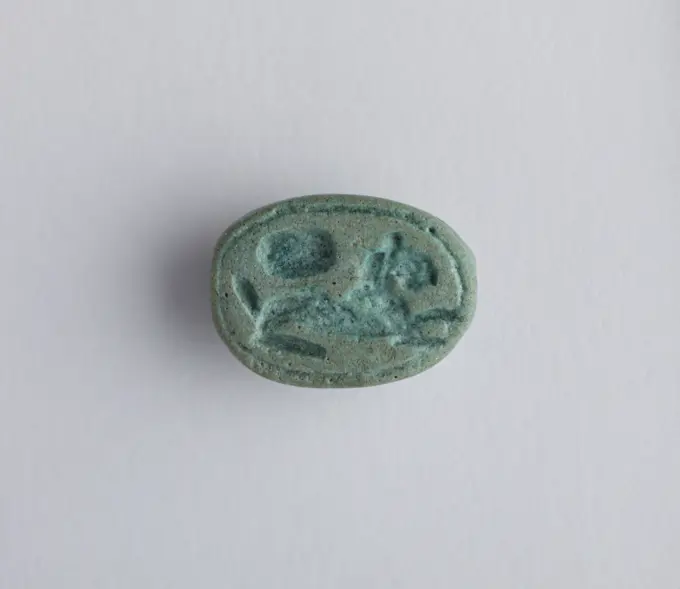
Scarab of Ramesses II ca. 1295-1070 B.C. New Kingdom, Ramesside. Scarab of Ramesses II 550324
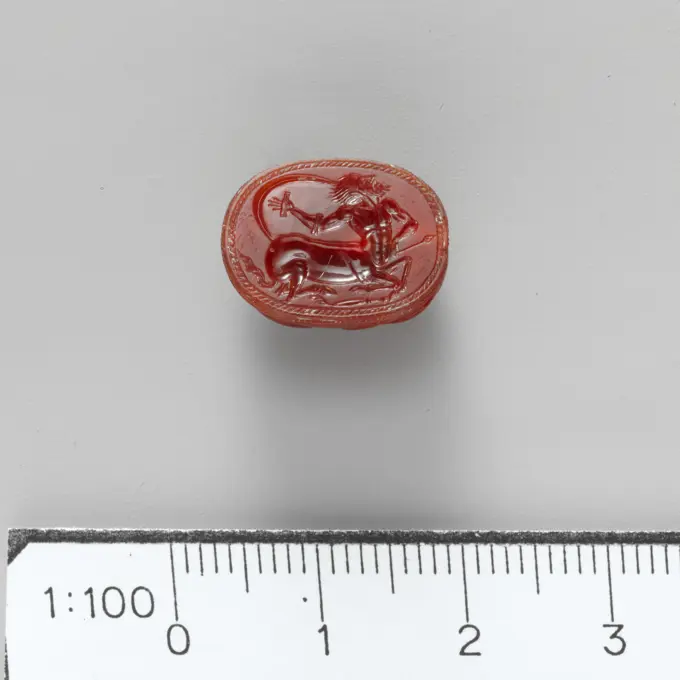
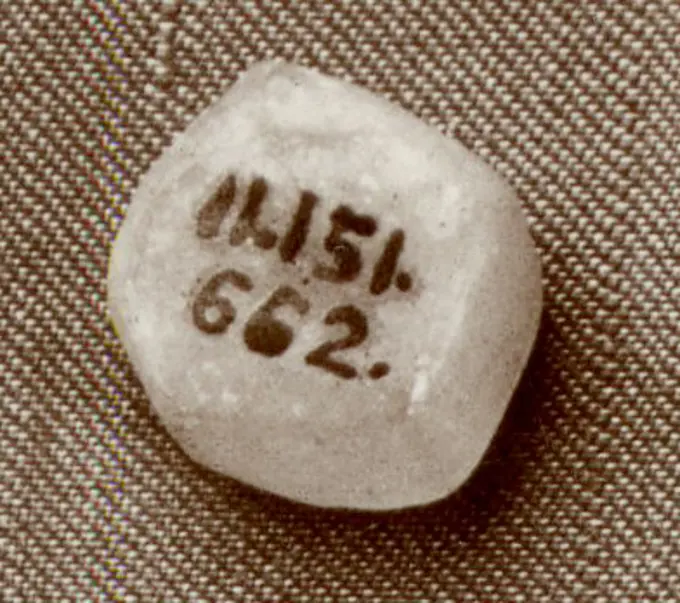
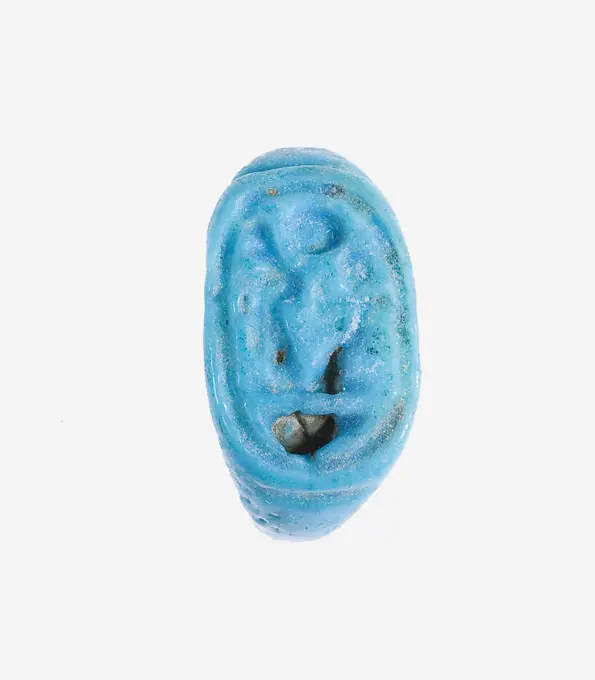
Engraved Gem. UnknownSkarabeuszEngraved Gem. UnknownBliżej KulturyBliżej Kultury unknownCarnelian scarab ca. 450 B.C. Etruscan Wounded centaur. Carnelian scarab 254470 Etruscan, Carnelian scarab, ca. 450 B.C., Carnelian, H.: 1 1/16 in. (2.7 cm). The Metropolitan Museum of Art, New York. Purchase, Joseph Pulitzer Bequest, 1942 (42.11.27)Bliżej KulturyUnfinished Crystal Bead ca. 1802-1450 B.C. Late Middle Kingdom-Early New Kingdom. Unfinished Crystal Bead. ca. 1802-1450 B.C.. Crystal. Late Middle Kingdom-Early New Kingdom. From Egypt, Memphite Region, Lisht North, Cemetery, debris, MMA excavations. Dynasty 13-18, earlyBliżej KulturyRing Inscribed with the Throne Name of Amenhotep III ca. 1390-1352 B.C. New Kingdom Inscribed on this ring is the throne name of pharaoh Amenhotep III Nebmaatre that can be translated as "(The god) Re is the lord of truth," written here with three hieroglyphs. A sun disk for the name of the sun god Re is at the top. In the center is a large depiction of the goddess Maat that is used as a hieroglyph for the concept of truth, as she embodied the principle of world order, truth, and justice. She is depicted squatting and with the sign of life (ankh) on her knees. The ostrich plume that signifies her name is on her head. Other writings for this royal name use the Maat feather alone, but the small figure of the goddess herself might express a more direct and intimate relationship between the king and this goddess. At the very bottom of the bezel is a rounded sign that reads neb meaning "lord." Every Egyptian king had five names and four of them, including the throne name that is used here, Cameo (USA); paste