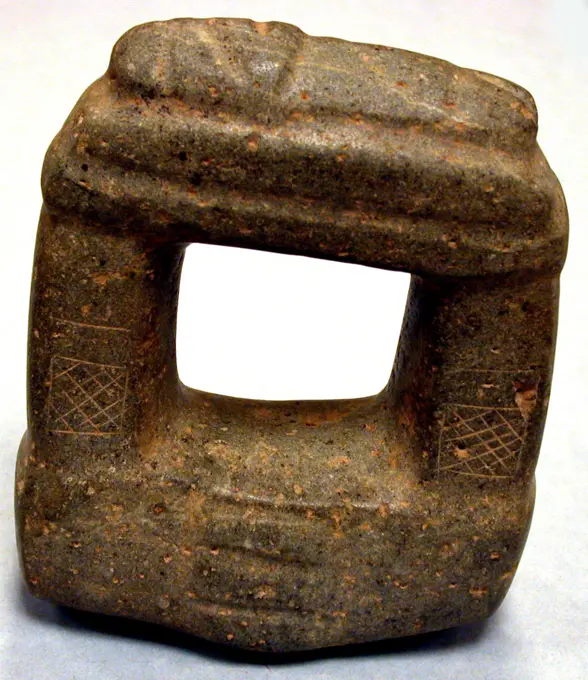
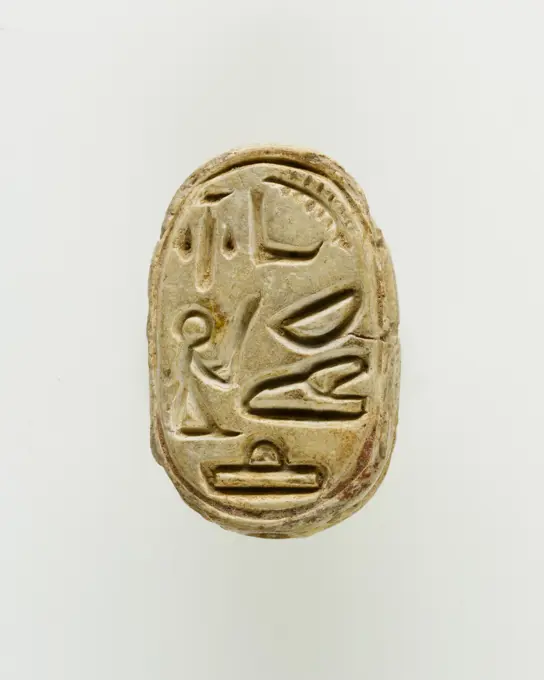
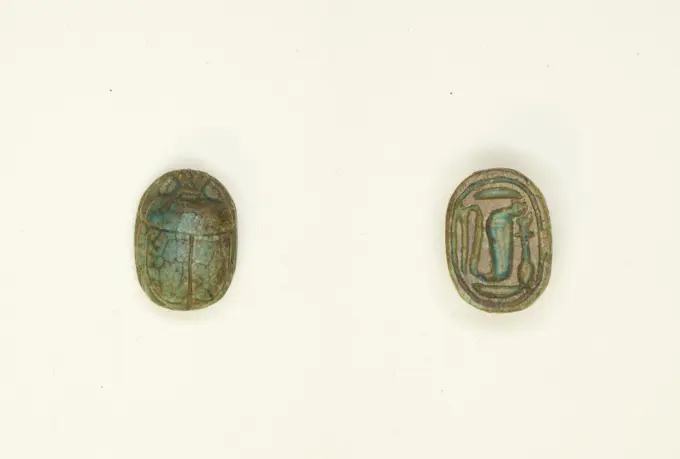
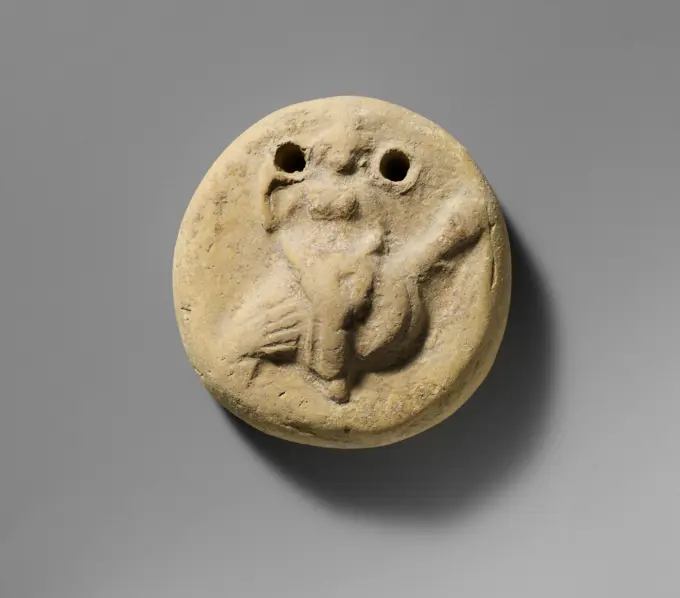
Ancient Egyptian Scarabs

Authentic scarabs from Ancient Egypt, inscribed with hieroglyphs and depicting significant historical figures and symbols.
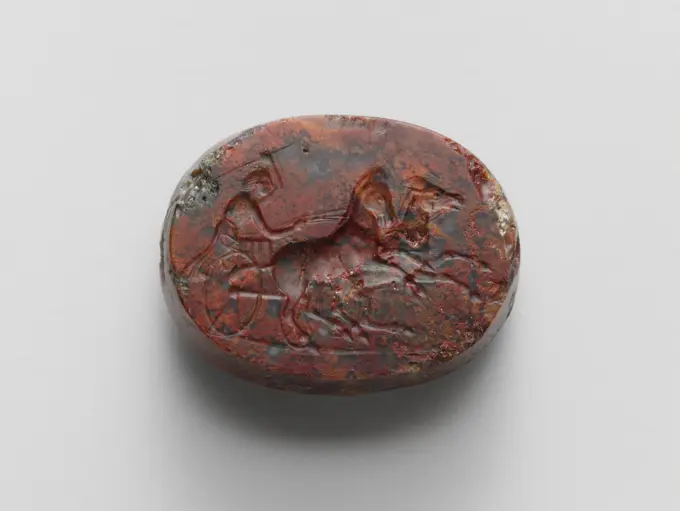
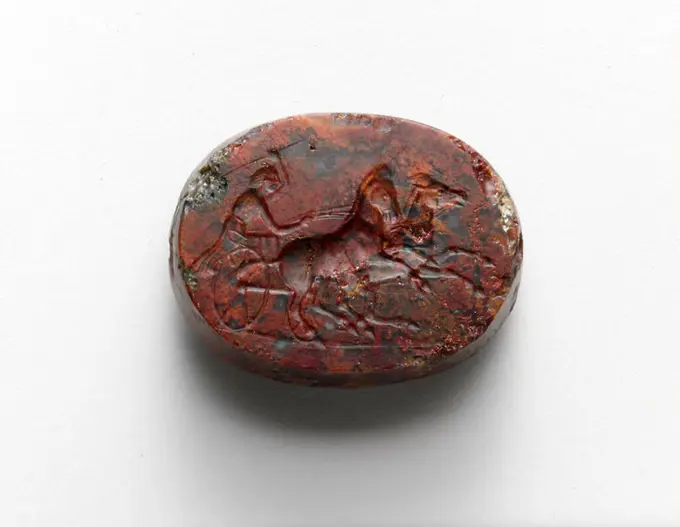
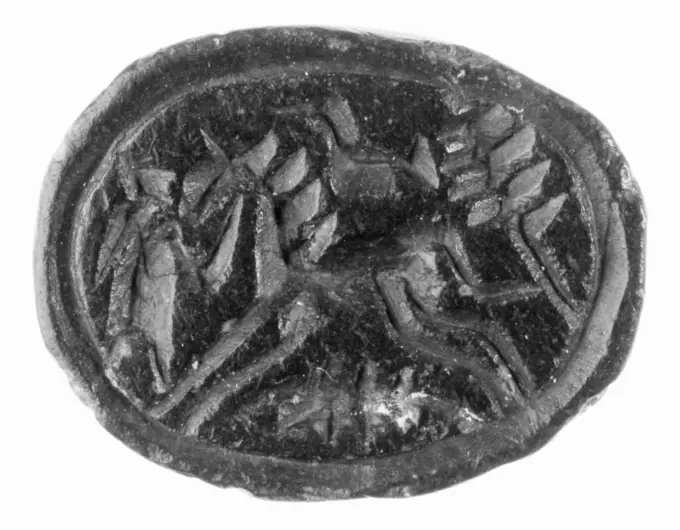
Red jasper scaraboid late 5th-early 4th century B.C. Greek Charioteer in a long girded chiton is driving a chariot with two galloping horses.. Red jasper scaraboid. Greek. late 5th-early 4th century B.C.. Jasper, red. Classical. Gems
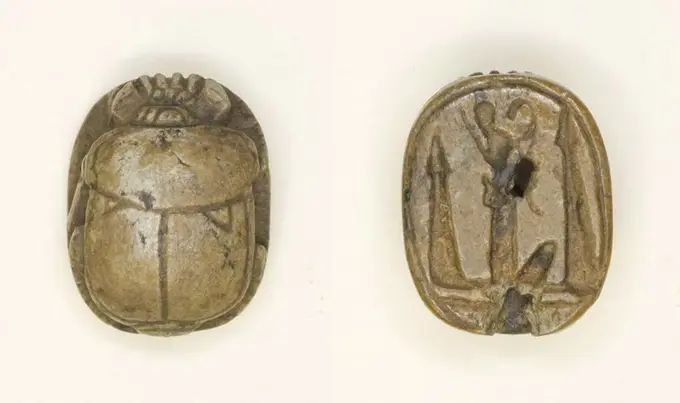
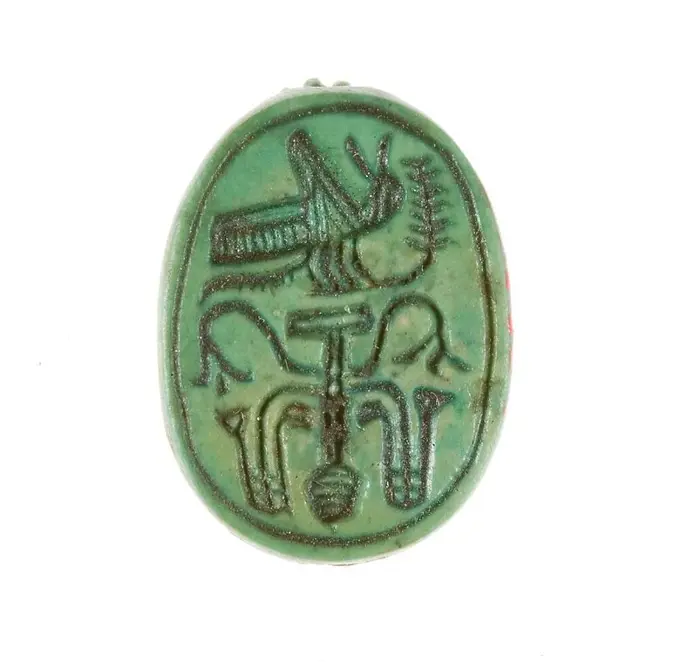
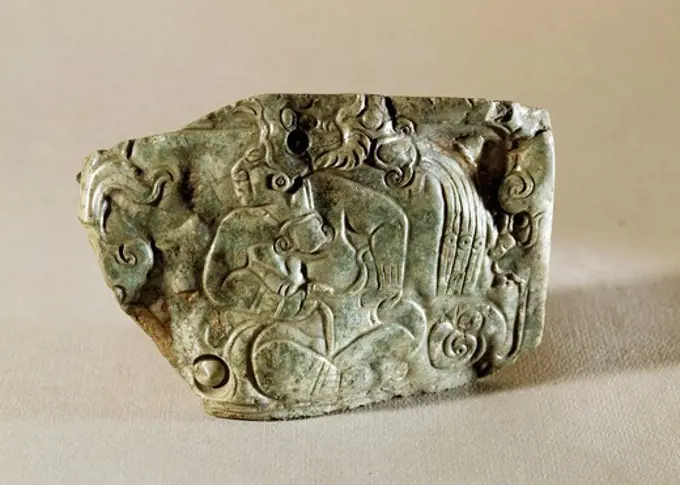
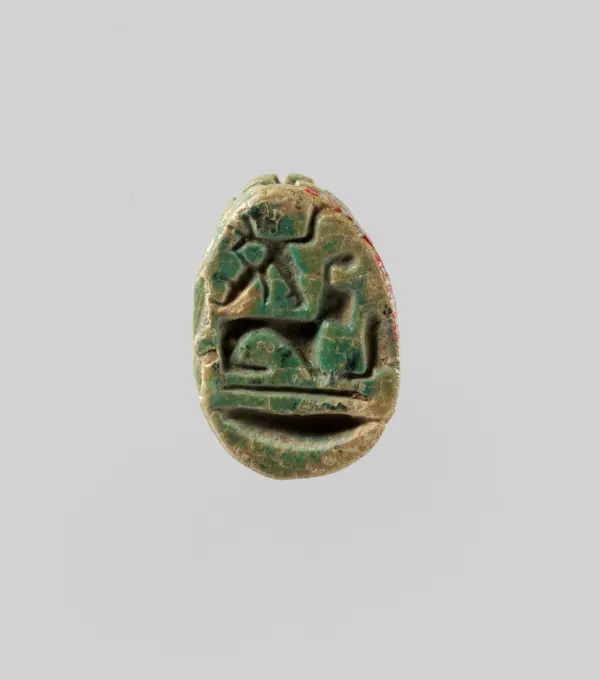
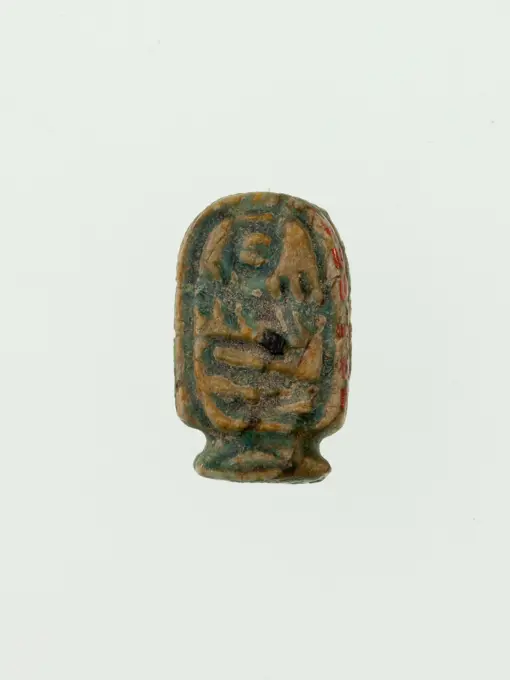
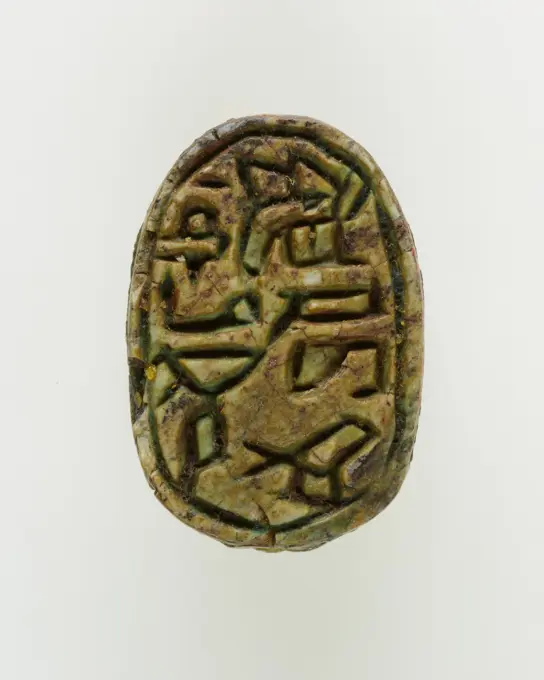
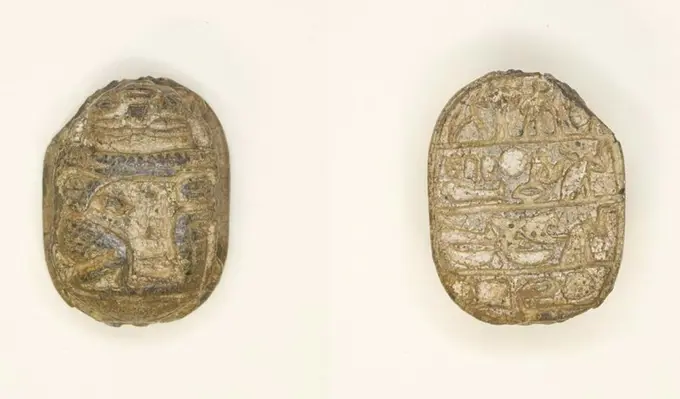
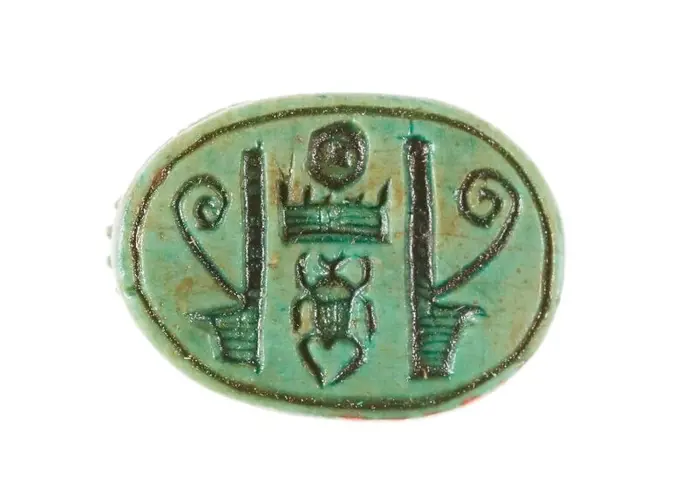
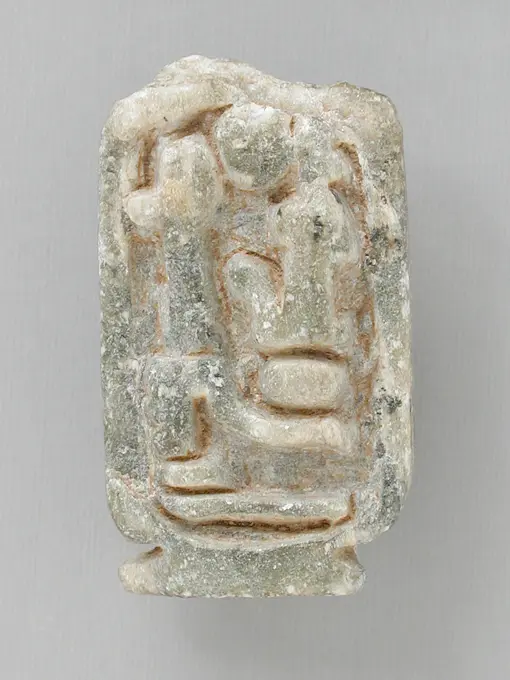
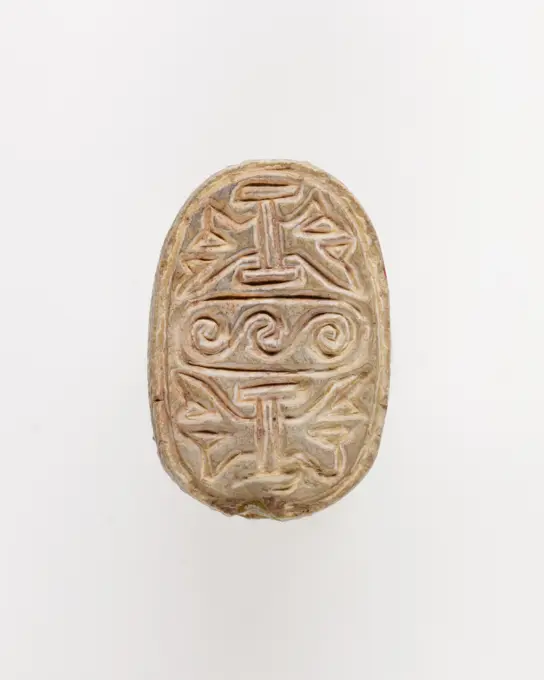
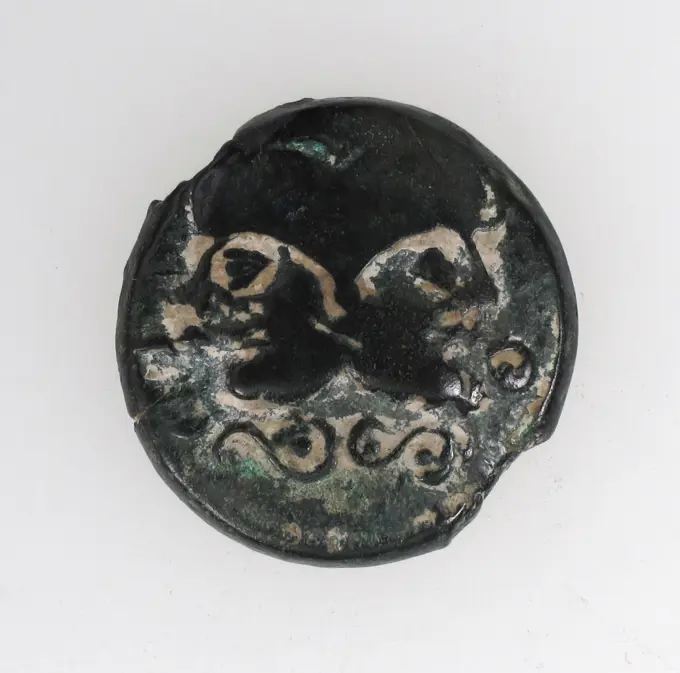
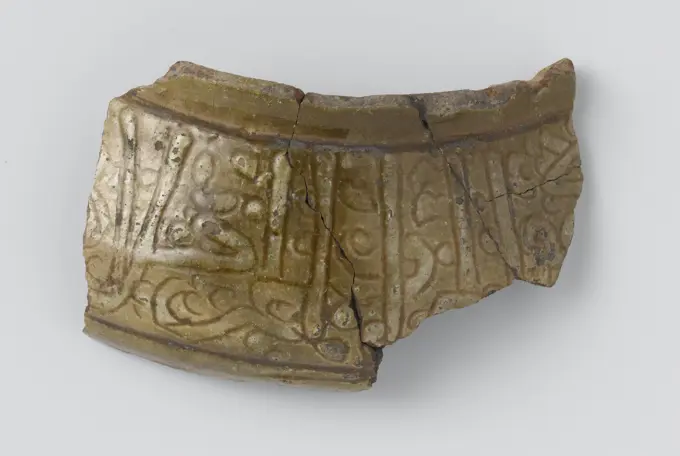
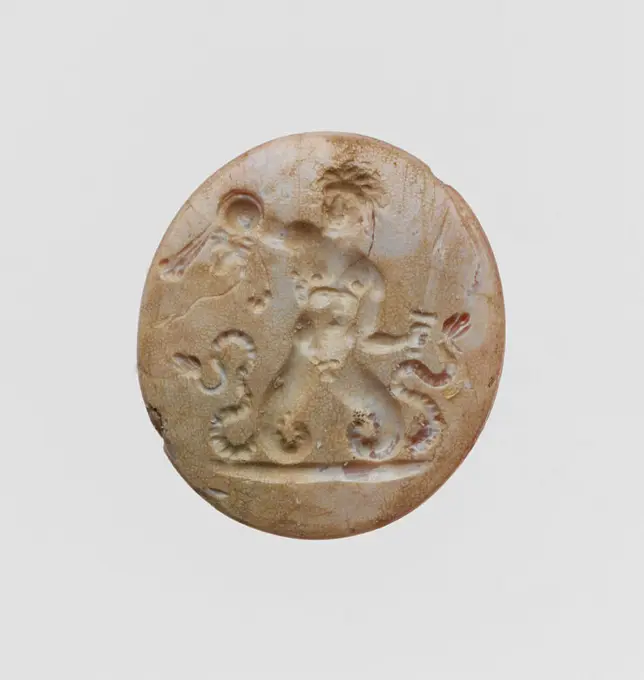
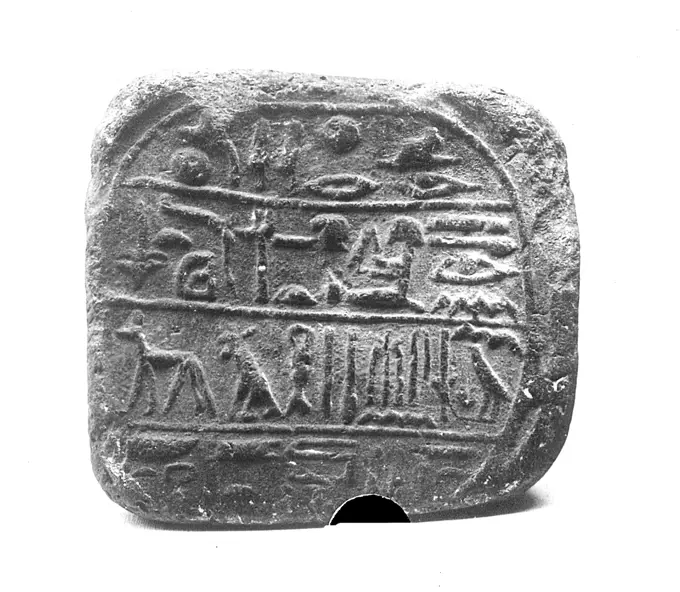
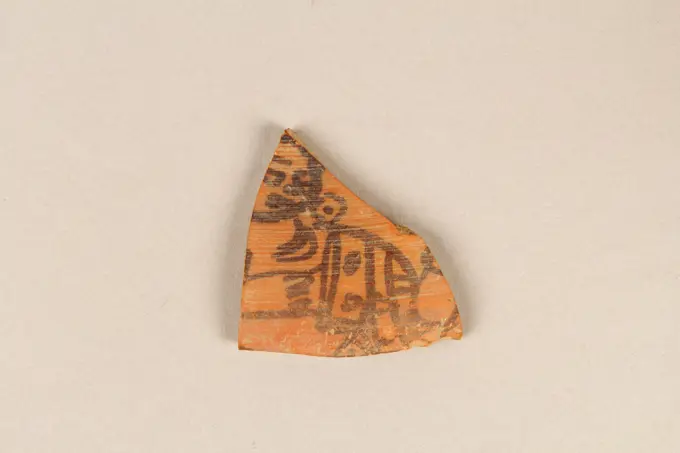
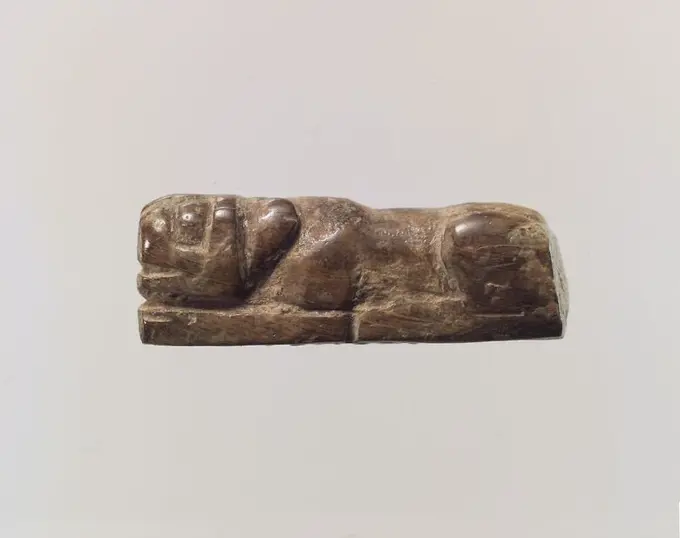
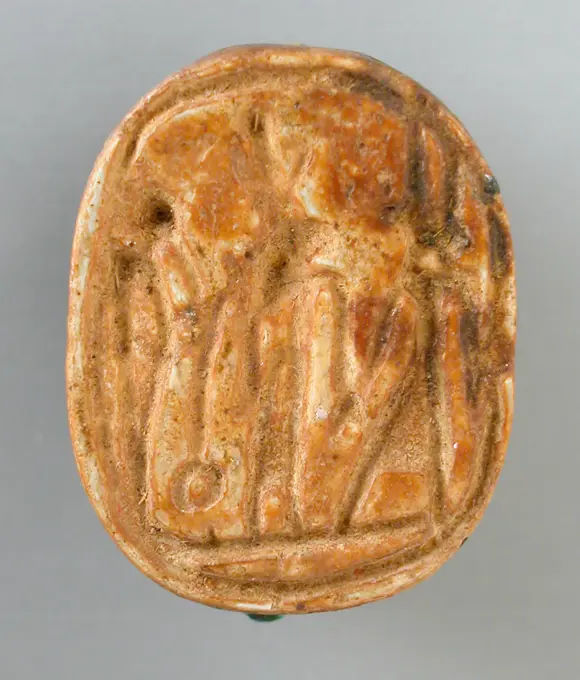
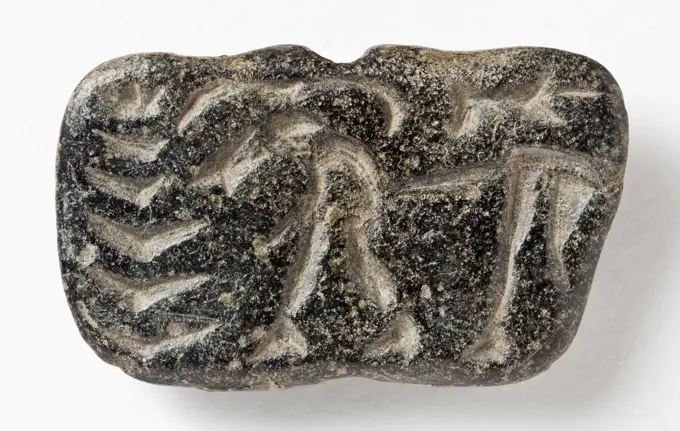
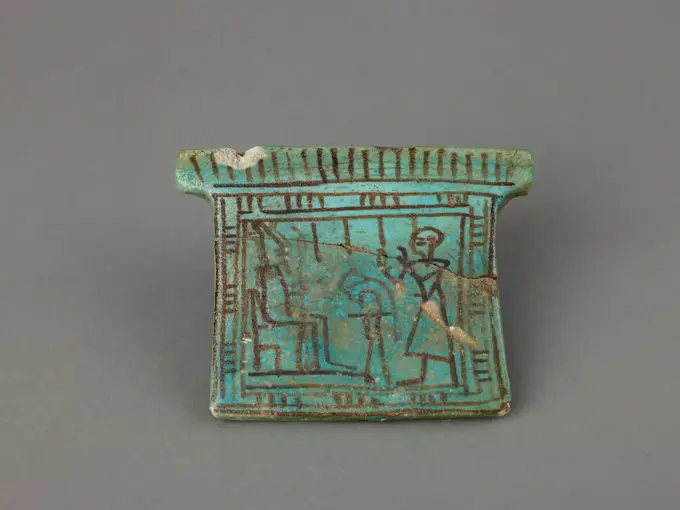
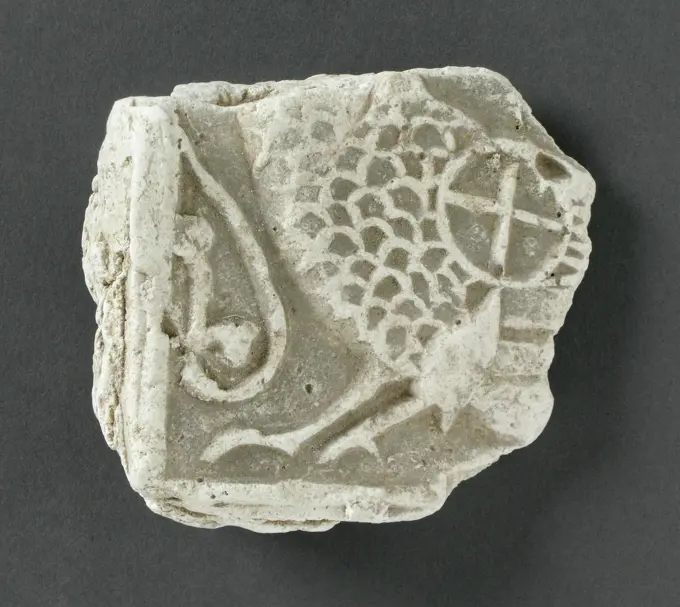
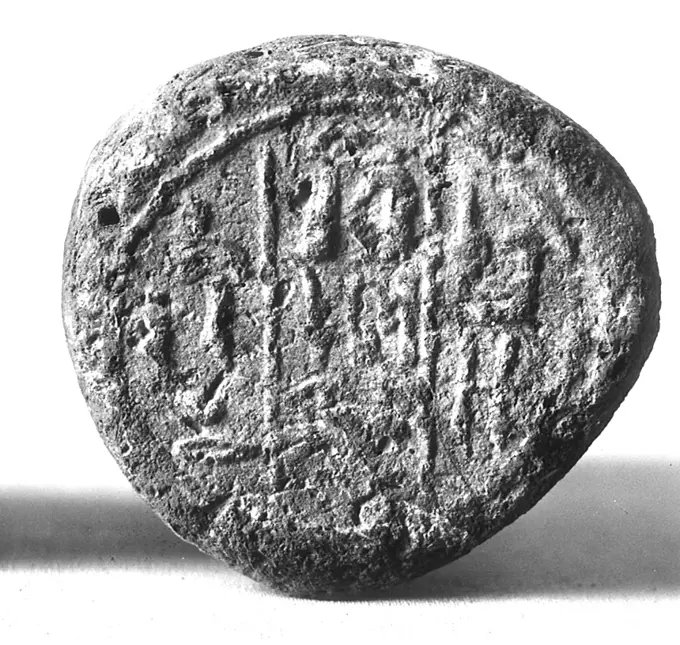
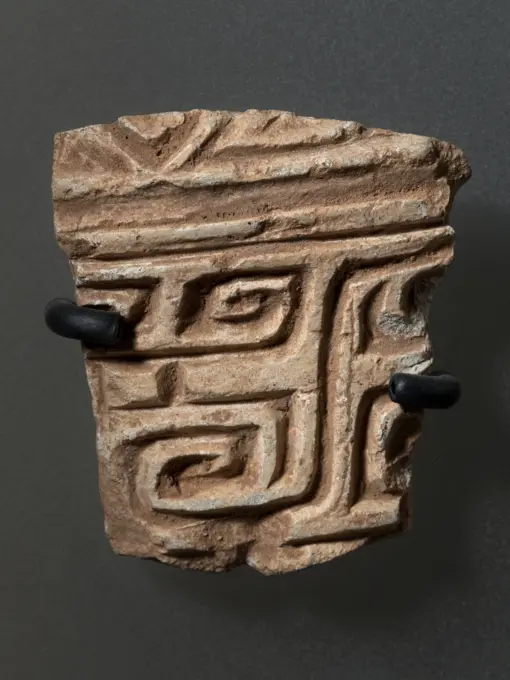
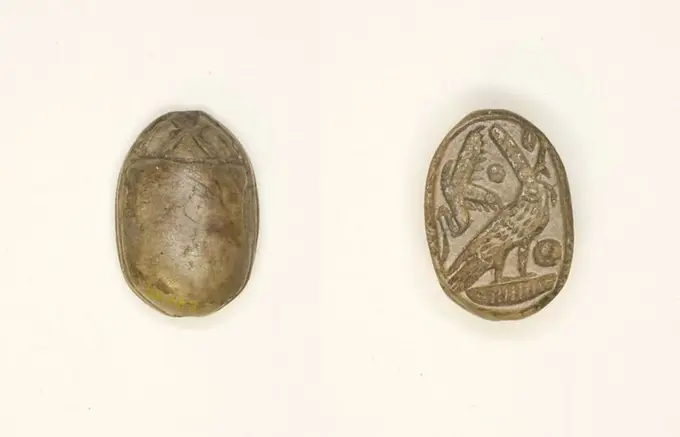
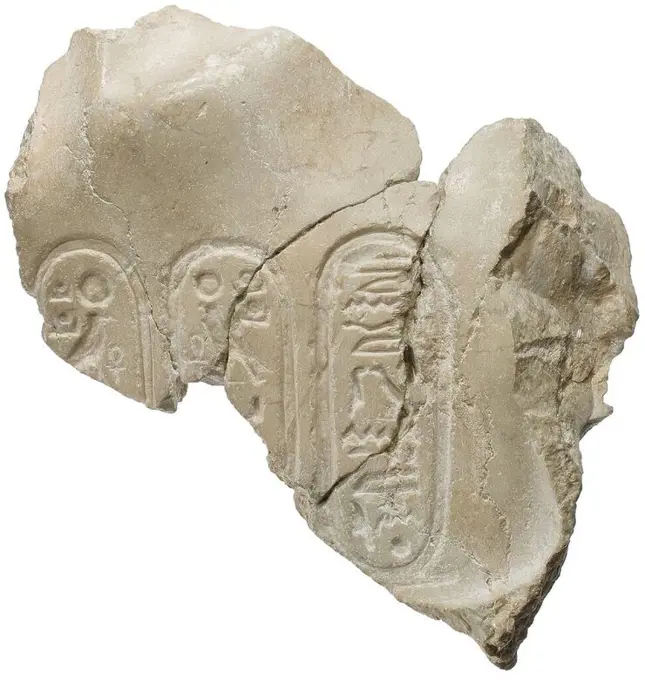
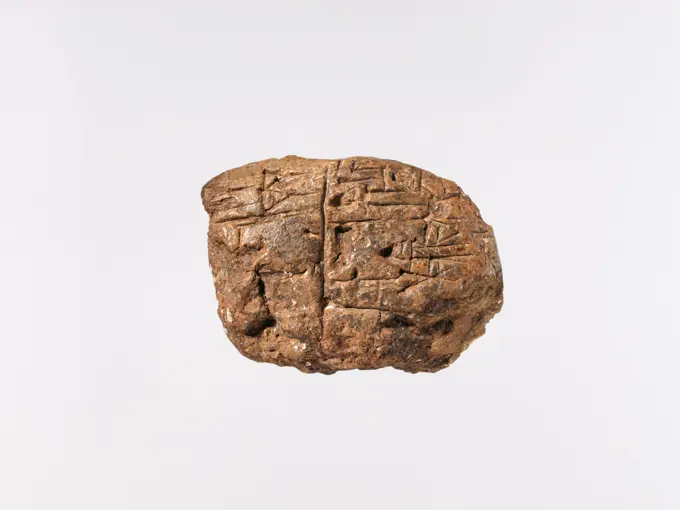
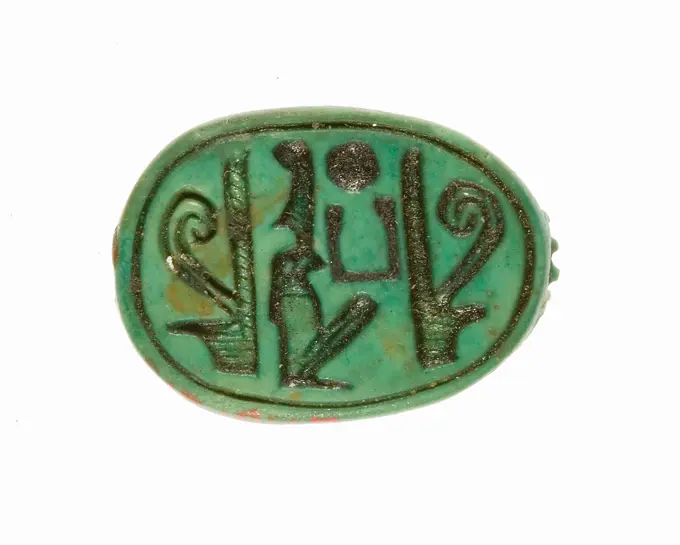
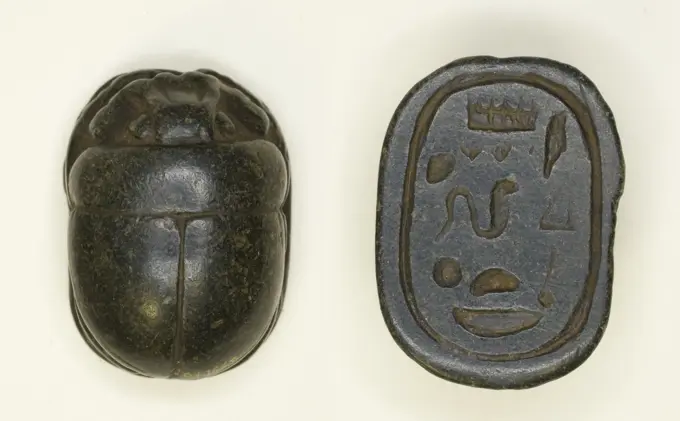
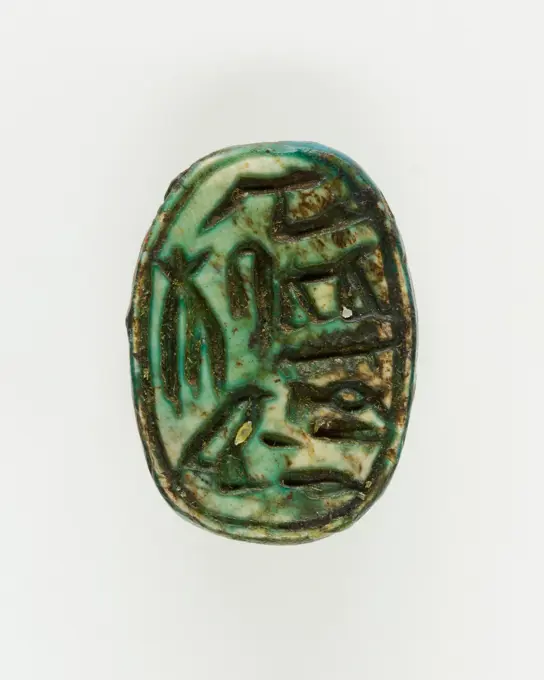
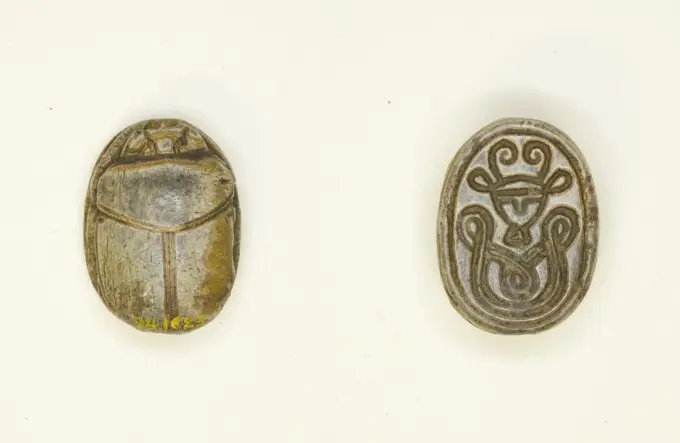
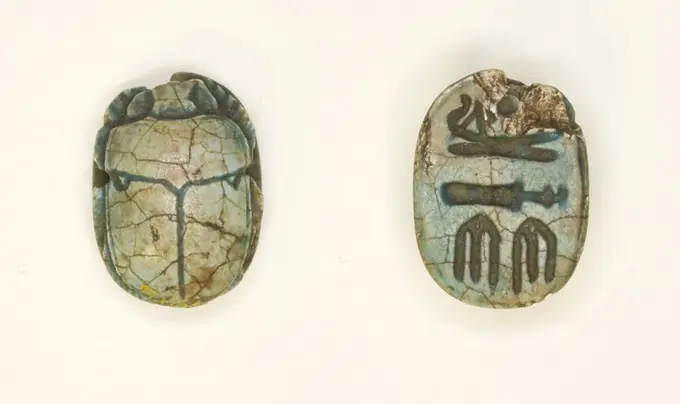
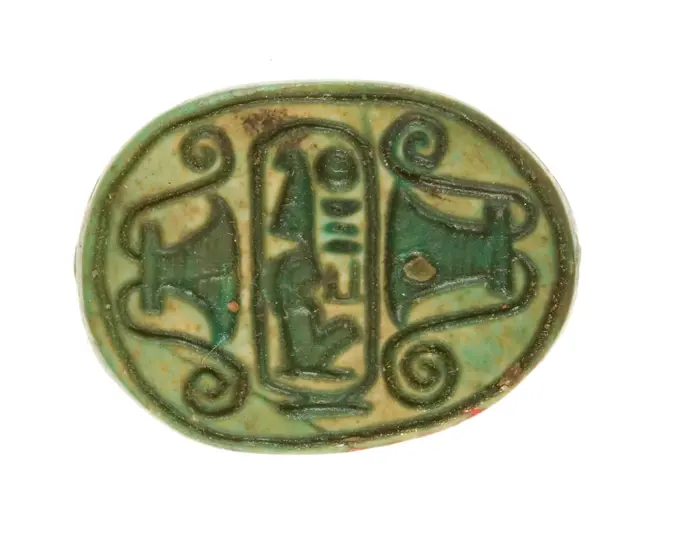
Scarab Inscribed Lord of the Two Lands, Maatkare (Hatshepsut) Flanked by Lotus Flowers ca. 1479-1458 B.C. New Kingdom. Scarab Inscribed Lord of the Two Lands, Maatkare (Hatshepsut) Flanked by Lotus Flowers. ca. 1479-1458 B.C.. Steatite (glazed). New Kingdom. From Egypt, Upper Egypt, Thebes, Deir el-Bahri, Temple of Hatshepsut, Foundation Deposit 9 (I), MMA excavations, 1926-27. Dynasty 18, earlyScarab Inscribed for the God's Wife Hatshepsut, Given Life Forever ca. 1479-1458 B.C. New Kingdom. Scarab Inscribed for the God's Wife Hatshepsut, Given Life Forever. ca. 1479-1458 B.C.. Steatite (glazed). New Kingdom. From Egypt, Upper Egypt, Thebes, Deir el-Bahri, Temple of Hatshepsut, Foundation Deposit 7 (G), MMA excavations, 1926-27. Dynasty 18, earlyBridle Fitting (Ibex). Western Inner Mongolia, 5th-4th century B.C.. Tools and Equipment; horse trappings. BronzeScarab of Ramesses II. Dimensions: L. 3.1 cm (1 1/4 in.). Dynasty: Dynasty 19-20. Date: ca. 1295-1070 B.C.. Museum: Metropolitan Museum of Art, New York, USA.Scarab: King and Hieroglyphs. Egyptian. Date: 1550 BC-525 BC. Dimensions: 1.3 × 1 × 0.6 cm (1/2 × 3/8 × 1/4 in.). Steatite. Origin: Egypt. Museum: The Chicago Art Institute, Chicago, USA. Author: Ancient Egyptian.Unattributed Trebizond Coin. UnknownScarab Inscribed with a Hieroglyphic Motif. Dimensions: L. 1.8 cm (11/16 in); w. 1.3 cm (1/2 in); h. 0.8 cm (5/16 in). Dynasty: Dynasty 18, early. Reign: Joint reign of Hatshepsut and Thutmose III. Date: ca. 1479-1458 B.C.. Museum: Metropolitan Museum of Art, New York, USA.Jadeite breastplateScarab with the Representation of a Sphinx ca. 1186-945 B.C. New Kingdom The underside of the scarab shows a stylized representation of a recumbent human-headed sphinx, wearing a crown. A vertical motif in front of the creature probably represents a uraeus (the aroused cobra), while a vulture flies above. The scene refers to divine kingship because the sphinx is one of the animals that symbolizes the king. This is emphasized by the presence of the uraeus and the vulture, which are closely related to the pharaoh as representations of the titulary goddesses of Lower and Upper Egypt, Wadjet and Nekhbet.. Scarab with the Representation of a Sphinx. ca. 1186-945 B.C.. Green glazed steatite. New Kingdom. From Egypt, Memphite Region, Lisht North, Cemetery, MMA excavations, 1906-07. Dynasty 20-21Red jasper scaraboid late 5th-early 4th century B.C. Greek Charioteer in a long girded chiton is driving a chariot with two galloping horses.. Red jasper scaraboid. Greek. late 5th-early 4th century B.C.. Jasper, red. Classical. GemsCartouche plaque of Amenemhat III ca. 1859-1813 B.C. Middle Kingdom. Cartouche plaque of Amenemhat III 557026Scarab of an Official ca. 1760-1670 B.C. Middle Kingdom Administrative changes during Dynasty 12 lead to an increase in bureaucracy and, subsequently, in the production and use of seals. This is reflected in the beginning of the mass production of scarabs, the most popular shape for amulets, in late Dynasty 12 through Dynasty 13 (ca. 1850-1640 B.C.). Thousands of these late Middle Kingdom scarabs bear the names and titles of officials, who would wear them as amulets, but who could also use them to seal documents, containers or doors. However, the scarabs primary function remained that of a protective amulet. Several inscriptions add a funerary epithet to the owners name, indicating that the amulet was manufactured after the owner had passed away. The inscription on this scarab mentions the name and titles of a high-ranking court official, named Aki.. Scarab of an Official 557048Hardstone, blame, anonymousous, 1575 - 1625 Glazed fireplace with two climbing lions, placed in two diamonds with bay leaf motif. The half and quarter windows on the top and bottom are filled with a flower pattern. Southern Netherlands earthenware Glazed fireplace with two climbing lions, placed in two diamonds with bay leaf motif. The half and quarter windows on the top and bottom are filled with a flower pattern. Southern Netherlands earthenwareScarab Aakheperura (Amenhotep II) 1427 BCE-1400 BCE Egypt. Glazed steatite . Ancient EgyptianScarab: Inscription. Egyptian. Date: 1991 BC-1668 BC. Dimensions: 1.3 × 1.3 × 1 cm (1/2 × 1/2 × 3/8 in.). Steatite. Origin: Egypt. Museum: The Chicago Art Institute, Chicago, USA. Author: Ancient Egyptian.Scarab New Kingdom ca. 1479-1458 B.C. View more. Scarab. ca. 1479-1458 B.C.. Faience. New Kingdom. From Egypt, Upper Egypt, Thebes, Deir el-Bahri, Hatshepsut Hole, Hathor Shrine, MMA excavations, 1922-23. Dynasty 18Hearing stone with a representation of a Roman emperor, c. 1499 - c. 1699 Hearing stone with a representation of a Roman emperor. Southern Netherlands earthenware Hearing stone with a representation of a Roman emperor. Southern Netherlands earthenwareScarab Inscribed with the Throne Name of Thutmose III. Dimensions: L. 1.7 cm (11/16 in); w. 1.3 cm (1/2 in); h. 0.7 cm (1/4 in). Dynasty: Dynasty 18, early. Reign: Joint reign of Hatshepsut and Thutmose III. Date: ca. 1479-1458 B.C.. Museum: Metropolitan Museum of Art, New York, USA.Amuletic Plaque with the throne name of Ramses II. Egypt, New Kingdom, 19th Dynasty, reign of Ramses II (1304 - 1237 BCE). Jewelry and Adornments; amulets. StoneFlat Circular Button 100-300 () Roman. Flat Circular Button 464970 Roman, Flat Circular Button, 100300 (), Champlev enamel, copper alloy, Overall: 7/16 x 1/4 in. (1.1 x 0.6 cm). The Metropolitan Museum of Art, New York. Gift of J. Pierpont Morgan, 1917 (17.191.264)Roof bonnet, shield-shaped cover plate with guide tools and initials, bollard bar seal ground find lead metal, Roof bonnet shield shaped cover of the nails with embossed some slate tools and attributes such as pump slate roof plate and compass and at the bottom the initials of the plumber probably Delft and on the upper side confirmed archeology Rotterdam City Center Stadsdriehoek Wijnhaven slate archaeological find in the soil Wijnhaven.Stones Man;  XIX-XX century (1890-00-00-1910-00-00);Scarab Decorated with the Symbol of Unification ca. 1850-1640 B.C. Middle Kingdom A popular motif on Middle Kingdom scarabs is the sema-tawy, the symbol of the unification of Egypt. The motif consists of a windpipe entwined with lotus and papyrus plants, floral symbols that respectively represent Upper and Lower Egypt. While many early Middle Kingdom scarabs (late Dynasty 11-early Dynasty 12, ca. 2030-1850 B.C.) show the sema-tawy alone, the compositions of the late Middle Kingdom (late Dynasty 12-mid Dynasty 13) often display two sema-tawy motifs in symmetric opposition or combine it with other motifs such as spirals or hieroglyphs. The motif does not disappear after the Middle Kingdom but continues to appear on Egyptian and Canaanite scarabs during the Second Intermediate Period (Dynasty 14-17, ca. 1640-1550 B.C.) when, ironically enough, the kingdom was no longer unified. The accompanying motifs or the details in the shape of the scarab allow dating these scarabs more precisely.. ScScarab Inscribed with the Name of the God Amun-Re ca. 1479-1458 B.C. New Kingdom. Scarab Inscribed with the Name of the God Amun-Re. ca. 1479-1458 B.C.. Steatite (glazed). New Kingdom. From Egypt, Upper Egypt, Thebes, Deir el-Bahri, Temple of Hatshepsut, Foundation Deposit 7 (G), MMA excavations, 1926-27. Dynasty 18, earlyCoin of the Suessiones 1st century B. C. Celtic. Coin of the Suessiones 464966 Celtic, Coin of the Suessiones, 1st century B. C., Copper alloy, 5/8  1/16 in., 0.1oz. (1.6  0.2 cm, 2.7g). The Metropolitan Museum of Art, New York. Gift of J. Pierpont Morgan, 1917 (17.191.260)Fireplace with presentation of two climbing lions, placed in two windows. Fireplace with presentation of two climbing lions, placed in two windows.Fragment of a shoulder with an incised inscription, anonymous, c. 1100 - c. 1399 Fragment of the shoulder of a piece of vascular work made of soft red -brown soil with a dark brown glaze in which Arabic letter figures are grabbed. The inside is decorated with edges of red. Egypt earthenware. glaze engraving / vitrification Fragment of the shoulder of a piece of vascular work made of soft red -brown soil with a dark brown glaze in which Arabic letter figures are grabbed. The inside is decorated with edges of red. Egypt earthenware. glaze engraving / vitrificationCarnelian ring stone. Culture: Roman. Dimensions: Length: 13/16 in. (2.1 cm). Date: ca. 1st century B.C.-3rd century A.D..Young giant with serpent's legs. Museum: Metropolitan Museum of Art, New York, USA.Belt tongue ending in stylized leaves, engraved leaf decoration on center piece, fitting belt accessory soil find copper bronze metal, Single fitting plate slightly narrow tapering and ending in stylized blade Two holes for nails archeology Rotterdam rail tunnel attachment Soil discovery: trajectory rail tunnel Rotterdam.Faience amulet. Culture: Egyptian. Dimensions: H.: 3 3/16 in. (8.1 cm). Date: ca. 1090-900 B.C..Symbolic objects used for amulets include a menat-pendant, the djed-sign, and a papyrus capital, all common in Egyptian architecture. A pectoral used on mummies, a bunch of grapes or other clusters of fruit, and an inscribed bead are also represented. Museum: Metropolitan Museum of Art, New York, USA.Funerary Cone of Userhat ca. 1550-1295 B.C. New Kingdom This funerary cone has the impression of a seal inscribed for an overseer of the royal harim named Userhat who owned TT 47 in the Khokha section of the Theban necropolis. The inscription also names his father, Neh, his mother, Sennu, and his wife, the house mistress Maiay.. Funerary Cone of Userhat. ca. 1550-1295 B.C.. Pottery. New Kingdom. From Egypt, Upper Egypt, Thebes. Dynasty 18Hardstone, anonymous, c. 1400 - c. In 1950  Southern Netherlands earthenware  Southern Netherlands earthenwareShard with Figural and Animal Decoration Pakistan ca. 4th-5th century View more. Shard with Figural and Animal Decoration. Pakistan. ca. 4th-5th century. Painted terracotta. CeramicsAmulet of the God Bes 664 BCE-332 BCE Egypt. Faience . Ancient EgyptianBliżej Kultury Mint of Kraków, Władysław Warneńczyk (King of Poland, 1434 1444)Figure of crouching lion. Culture: Iran. Dimensions: 0.98 in. (2.49 cm). Date: ca. 8th-7th century B.C.. Museum: Metropolitan Museum of Art, New York, USA.Scarab ca. 1550-1458 B.C. Early New Kingdom This scarab is inscribed with the name of the god Amun. It was found with a faience bowl (26.7.905) inside a coffin belonging to a woman named Teti (12.181.302a, b).. Scarab. ca. 1550-1458 B.C.. Faience. Early New Kingdom. From Egypt, Upper Egypt, Thebes, Asasif, Tomb CC 47, Burial 12, Carnarvon excavations. early Dynasty 18Scarab Depicting Three Gods. Egypt, 19th-26th Dynasty (1315-525 BCE), but probably Ramesside or Third Intermediate Period. Sculpture. Brown steatite with some blue-green glazeStamp, Gabled. Northern Syria or southeast Anatolia, circa 3500 - 3100 B.C.. Tools and Equipment; stamps. Black chloriteEngraved Gem, Roman Empire; 2nd - 4th century; Bloodstone; 1.6 x 1.3 cm (5,8 x 1,2 in.)Red jasper scaraboid. Culture: Greek. Dimensions: H.: 1 1/4 in. (3.2 cm). Date: late 5th-early 4th century B.C..Charioteer in a long girded chiton is driving a chariot with two galloping horses. Museum: Metropolitan Museum of Art, New York, USA.2005.4434. Alternate view. Ceramic Faience Plaque depicting Anubis. Ancient EgyptSpandrel fragment. Turkey, 13th century. Stucco. Stucco, moldedScarab Seated Ptah 1295 BCE-1069 BCE Egypt. Steatite . Ancient EgyptianFunerary Cone of Djehutynefer ca. 1550-1352 B.C. New Kingdom. Funerary Cone of Djehutynefer. ca. 1550-1352 B.C.. Pottery. New Kingdom. From Egypt, Upper Egypt, Thebes, Sheikh Abd el-Qurna. Dynasty 18Fragment of pottery ". Ceramic. China, Shang dynasty. Paris, Cernuschi museum. 72199-33 Ceramic, shang dynasty, fragment, potteryOne Buckle. Flat rectangular piece of gold with embossed designs with four small holes, one placed in each corner.. UnknownSealing ca. 2030-1640 B.C. Middle Kingdom. Sealing 546587Head Seal. UnknownHearing stone with lion's head in profiled diamond, c. 1575 - c. 1625 Hearing stone with a representation of Leeuwenkop in Lauwerkrans, placed in profiled diamond, which motif repeated itself in the half windows on the sides. The Hale windows at the top and bottom are filled with half medallions with star motif. Southern Netherlands earthenware Hearing stone with a representation of Leeuwenkop in Lauwerkrans, placed in profiled diamond, which motif repeated itself in the half windows on the sides. The Hale windows at the top and bottom are filled with half medallions with star motif. Southern Netherlands earthenwareScarab Inscribed Hatshepsut United with Amun ca. 1479-1458 B.C. New Kingdom During the 1926-1927 excavation season, the Museum's Egyptian Expedition uncovered three foundation deposits along the eastern enclosure wall of Hatshepsut's funerary temple at Deir el-Bahri in Western Thebes. Among the contents were 299 scarabs and stamp-seals. Sixty-five of these are now in the Egyptian Museum, Cairo, and the rest were acquired by the Museum in the division of finds.Among the inscriptions on the bases of these scarabs and seals are examples of every title Hatshepsut held, from the time she was "king's daughter" during the reign of her father, Thutmose I; through the time she was queen of her half-brother, Thutmose II; and during her co-reign with her nephew/step-son, Thutmose III.Thirteen of the scarabs (27.3.199 to 27.3.212) are inscribed with various writings of the extended form of Hatshepsuts personal name, Hatshepsut-united-with-Amun, which sometimes appears, enclosed in a cartouche, as Fireplace. .Shawabty of Ditamenpaankh, 715-656 BC. Egypt, Late Period, Dynasty 25. Terracotta; overall: 3 x 1.7 x 1 cm (1 3/16 x 11/16 x 3/8 in.).Left male breast with Aten cartouches ca. 1353-1336 B.C. New Kingdom, Amarna Period. Left male breast with Aten cartouches 549366Bliżej Kultury Mint of Kraków, Władysław Warneńczyk (King of Poland, 1434 1444)Scarab: Falcon Deity. Egyptian. Date: 1186 BC-945 BC. Dimensions: 1.6 × 1 × 0.6 cm (5/8 × 3/8 × 1/4 in.). Steatite. Origin: Egypt. Museum: The Chicago Art Institute, Chicago, USA. Author: Ancient Egyptian.Left chest of Akhenaten prostrate with Aten cartouches. Dimensions: H. 18.1 × W. 15 × D. 10 cm (7 1/8 × 5 7/8 × 3 15/16 in.); Cartouche: W. 3.3 cm (1 5/16 in.). Dynasty: Dynasty 18. Reign: reign of Akhenaten. Date: ca. 1352-1336 B.C.. Museum: Metropolitan Museum of Art, New York, USA.Cuneiform tablet: fragment of an account ca. 2600-2350 B.C. Sumerian. Cuneiform tablet: fragment of an account. Sumerian. ca. 2600-2350 B.C.. Clay. Early Dynastic III. Mesopotamia, NippurRectangular plaque seal, indented at string holes ca. 3600-2900 B.C.. Rectangular plaque seal, indented at string holes. ca. 3600-2900 B.C.. Chlorite or steatite, black. Chalcolithic-Early Bronze Age. Northern Syria or southeastern AnatoliaScarab Inscribed with the Name Maatkare (Hatshepsut) Flanked by Two Red Crowns ca. 1479-1458 B.C. New Kingdom During the 1926-1927 excavation season, the Museum's Egyptian Expedition uncovered three foundation deposits along the eastern enclosure wall of Hatshepsut's funerary temple at Deir el-Bahri in Western Thebes. Among the contents were 299 scarabs and stamp-seals. Sixty-five of these are now in the Egyptian Museum, Cairo, and the rest were acquired by the Museum in the division of finds.Among the inscriptions on the bases of these scarabs and seals are examples of every title Hatshepsut held, from the time she was "king's daughter" during the reign of her father, Thutmose I; through the time she was queen of her half-brother, Thutmose II; and during her regency and co-reign with her nephew/step-son, Thutmose III.After the death of her husband, Hatshepsut became regent for her nephew who was a small child. The length of this regency period is uncertain, with estimates ranging fromAmulet of the God Bes. Egyptian. Date: 1069 BC-332 BC. Dimensions: 1.75 × 1 × .5 cm (5/8 × 3/8 × 3/16 in.). Faience. Origin: Egypt. Museum: The Chicago Art Institute, Chicago, USA. Author: Ancient Egyptian.Belt Plate. Culture: Frankish. Dimensions: Overall: 1 9/16 x 1 9/16 x 3/16 in. (4 x 4 x 0.5 cm). Date: 6th-7th century. Museum: Metropolitan Museum of Art, New York, USA.Amulet - naos. unknown, authorScarab Hieroglyphs 1069 BCE-343 BCE Egypt. Stone . Ancient EgyptianScarab Inscribed King of Upper and Lower Egypt Maatkare, Having Dominion ca. 1479-1458 B.C. New Kingdom. Scarab Inscribed King of Upper and Lower Egypt Maatkare, Having Dominion. ca. 1479-1458 B.C.. Steatite (glazed). New Kingdom. From Egypt, Upper Egypt, Thebes, Deir el-Bahri, Temple of Hatshepsut, Foundation Deposit 9 (I), MMA excavations, 1926-27. Dynasty 18, earlyBronze weapon with a frog-shaped socket. Liangwangshan, Yunnan province, 1st century BC. China. This was probably an axe which has been cut down.Scarab Sobekhotep 1550 BCE-1069 BCE Egypt. Glazed steatite . Ancient EgyptianMirror with Dragon Design, 1700-1911. China, Qing dynasty (1644-1911). Bronze; diameter: 9.9 cm (3 7/8 in.); overall: 1.8 cm (11/16 in.); rim: 1.1 cm (7/16 in.).Eye idol ca. 3700-3500 B.C. This type of figurine known as an eye idol, made of stone and having incised eyes, has been excavated at Tell Brak, where thousands were found in a building now called the Eye Temple. They were probably dedicated there as offerings. Many are incised with multiple sets of eyes, others with jewelry, and still others with representations of "children"smaller eyes and body carved on the body of the larger idol. Wide eyes demonstrate attentiveness to the gods in much of Mesopotamian art.. Eye idol 324151Scarab of an Official ca. 1740-1640 B.C. Middle Kingdom Administrative changes during Dynasty 12 lead to an increase in bureaucracy and, subsequently, in the production and use of seals. This is reflected in the beginning of the mass production of scarabs, the most popular shape for amulets, in late Dynasty 12 through Dynasty 13 (ca. 1850-1640 B.C.). Thousands of these late Middle Kingdom scarabs bear the names and titles of officials, who would wear them as amulets, but who could also use them to seal documents, containers or doors. However, the scarabs primary function remained that of a protective amulet. Several inscriptions add a funerary epithet to the owners name, indicating that the amulet was manufactured after the owner had passed away. The scarab is inscribed for a chamberlain to the royal apartments, named Mesut. His name and title are followed by an epithet, indicating that this may be a funerary amulet.. Scarab of an Official 545233Console for a list decoration, anonymous, c. 1400 - c. 1950 A sliced pine console for the list decoration of a house. Netherlands pine (wood) A sliced pine console for the list decoration of a house. Netherlands pine (wood)Scarab Hathor Head with Woven Pattern 1985 BCE-1295 BCE Egypt. Steatite . Ancient EgyptianSelection of scarabs depicting the goddess Ma'at as a component of the throne name of King Amenhotep III. From the 14th century.Strap or attachment plate of belt buckle, belt tongue fittings clothing accessories clothing soil found brass metal, cast punched riveted Double fitting plate with hook. Belt tongue belonging to belt buckle Decoration consists of curls and studs archeology Rotterdam rail tunnel attach fasten carry carry belt Belt seal: route rail tunnel Rotterdam.Stamp Seal, Gabled, Hemispheroid. Western Iran, about 4th millennium B.C.. Tools and Equipment; seals. Green serpentineBronze square weightScarab: Wish Formula. Egyptian. Date: 1550 BC-525 BC. Dimensions: 0.6 × 1.7 × 1.3 cm (1/4 × 11/16 × 1/2 in.). Glazed steatite. Origin: Egypt. Museum: The Chicago Art Institute, Chicago, USA. Author: Ancient Egyptian.Pyxis fragment ca. 9th century B.C. Iran. Pyxis fragment. Iran. ca. 9th century B.C.. Ivory. Iron Age II. Iran, HasanluHearing stone with men's head and the letters V i in Lauwerkrans, c. 1575 - c. 1625 Hearing stone with men's head and the letters V i in Lauwerkrans, placed in profiled window. A double -headed eagle in the half windows on the sides. The half windows on the top and bottom are filled with half medallions with star motif. Southern Netherlands earthenware Hearing stone with men's head and the letters V i in Lauwerkrans, placed in profiled window. A double -headed eagle in the half windows on the sides. The half windows on the top and bottom are filled with half medallions with star motif. Southern Netherlands earthenwareVessel Stamp 8th century. Vessel Stamp 453507Scarab Inscribed with a Hieroglyphic Motif ca. 1479-1458 B.C. New Kingdom. Scarab Inscribed with a Hieroglyphic Motif. ca. 1479-1458 B.C.. Steatite (glazed). New Kingdom. From Egypt, Upper Egypt, Thebes, Deir el-Bahri, Temple of Hatshepsut, Foundation Deposit 7 (G), MMA excavations, 1926-27. Dynasty 18, earlyBell (Inscription: ano Domini M ° CC ° LXXXII ° ° ° °, o Rex Glorie Veni Cum Pace  Negative)  Parish Church of Saint. Jakub St., Podegrodzie Near Nowy SączHearing stone with the representation of Johannes de Baptist, preaching, anonymous, c. 1525 - c. 1575 Highstone with a representation of John the Baptist, preaching by a tree. Next to him three sitting and two standing figures. Antwerp earthenware Highstone with a representation of John the Baptist, preaching by a tree. Next to him three sitting and two standing figures. Antwerp earthenwareFlat Plaque with Bells and a "Feather Man" in Rowing Position ca. 500 B.C.-A.D. 300 Vietnam. Flat Plaque with Bells and a "Feather Man" in Rowing Position. Vietnam. ca. 500 B.C.-A.D. 300. Bronze. Bronze and Iron Age period, Dongson culture. MetalworkHandle. Rich game of Arabesken, located in different levels; Part of a few.Petal-Shaped Bead, c. 1391-1353 BC. Egypt, New Kingdom, Dynasty 18, reign of Amenhotep III. Faience; overall: 3 x 1 cm (1 3/16 x 3/8 in.).Marble relief fragment depicting athletic prizes 2nd century A.D. Roman On this dedicatory relief are representations of the standard prizes awarded at four venues in Greece: an amphora of olive oil from the Panathenaic games at Athens, a shield from the games at Argos, and two wreaths (of pine and celery) from the prestigious Panhellenic games at Isthmia and Nemea respectively. Such games, which were very much part of the Greek tradition, flourished in Roman times. Many cities continued to host them, and individualsthe winner from Rhamnous who commissioned this relief, for examplegained much fame and fortune from their victories.. Marble relief fragment depicting athletic prizes. Roman. 2nd century A.D.. Marble. Mid-Imperial, Antonine. Stone SculptureStone Temple Model 1st-8th century Mezcala. Stone Temple Model 317508Fragment of a Bowl 16th century. Fragment of a Bowl 450293Lobed Mirror of Three Delights, 700s. China, Tang dynasty (618-907). Bronze; diameter: 12.7 cm (5 in.); overall: 0.9 cm (3/8 in.); rim: 0.6 cm (1/4 in.).Buckle. Western Inner Mongolia, 4th-3rd century B.C.. Costumes; Accessories. Bronze, castAmulet - BesScarab of a Priest ca. 1760-1670 B.C. Middle Kingdom Administrative changes during Dynasty 12 lead to an increase in bureaucracy and, subsequently, in the production and use of seals. This is reflected in the beginning of the mass production of scarabs, the most popular shape for amulets, in late Dynasty 12 through Dynasty 13 (ca. 1850-1640 B.C.). Thousands of these late Middle Kingdom scarabs bear the names and titles of officials, who would wear them as amulets, but who could also use them to seal documents, containers or doors. However, the scarabs primary function remained that of a protective amulet. Several inscriptions add a funerary epithet to the owners name, indicating that the amulet was manufactured after the owner had passed away. This scarab is inscribed for a priest named Sebekhotepnakht. The inscription specifies that he was a wab-priest, which is the lowest rank in ancient Egyptian priesthood.. Scarab of a Priest 557050Pin 4th century B.C. European. Pin. European. 4th century B.C.. bronzeFragment majolica dish, blue on white, Chinese landscape with Chinese, dish plate crockery holder earth discovery ceramics pottery glaze, At princes baked archeology serving food decorate ChinaScarab Cobra 1295 BCE-1096 BCE Egypt. Glazed steatite . Ancient EgyptianHollow Brick (probably Lintel) from Tomb Chamber 206 BCE-9 CE China. Gray earthenware with impressed and carved decoration .Mirror with Four Dragons Pattern, 5th-3rd Century BC. China, Eastern Zhou dynasty (771-256 BC), Warring States period (475-221 BC). Bronze; diameter: 8.5 cm (3 3/8 in.).Terracotta disk with Aphrodite riding on a goose 4th century B.C. Greek The goose, a domesticated bird since Homeric times, was known in antiquity for keeping watch, having a voracious appetite, and requiring little care. While Aphrodite may be connected with other birds, she is more commonly associated with the swan than the goose. Geese were sacred birds of the Roman gods Juno, Mars Thincsus (a Germanic god of war), and Priapus.. Terracotta disk with Aphrodite riding on a goose 248416Boat d Ed-aset;  21 Dyn. (0-00-00-0-00-00);