Ancient Egyptian Scarabs

Authentic scarabs from Ancient Egypt, inscribed with hieroglyphs and depicting significant historical figures and symbols.
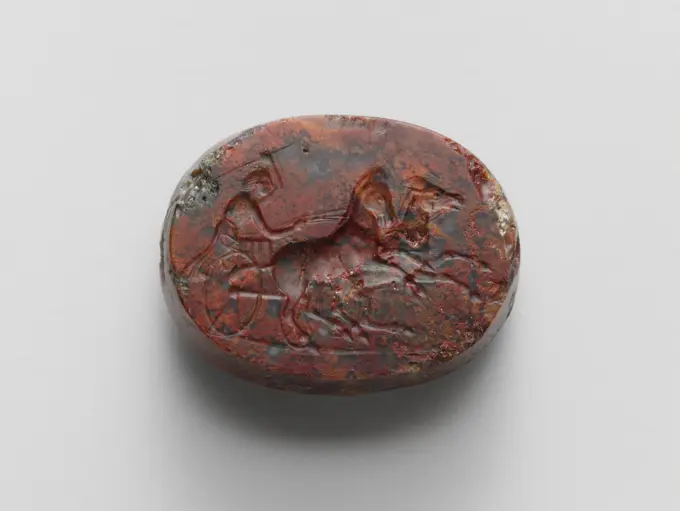
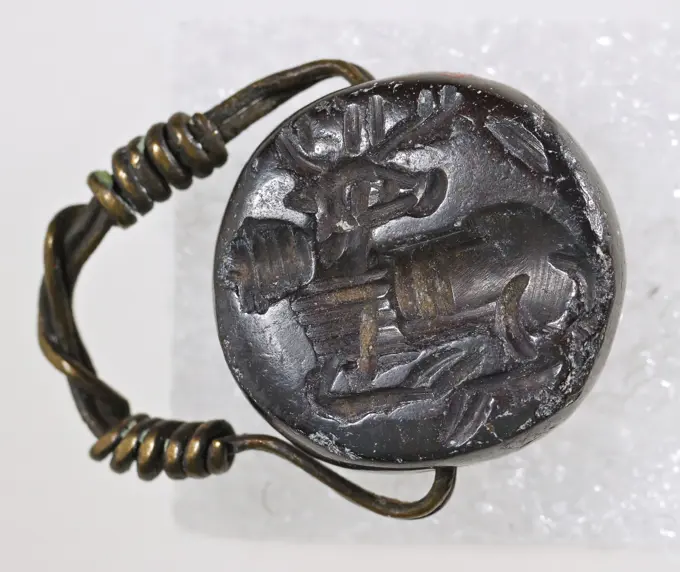
Red jasper scaraboid late 5th-early 4th century B.C. Greek Charioteer in a long girded chiton is driving a chariot with two galloping horses.. Red jasper scaraboid. Greek. late 5th-early 4th century B.C.. Jasper, red. Classical. Gems
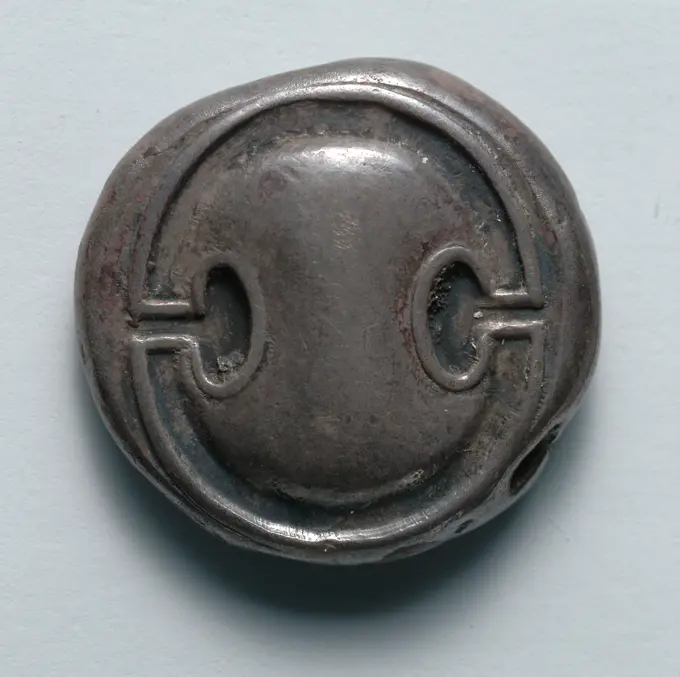
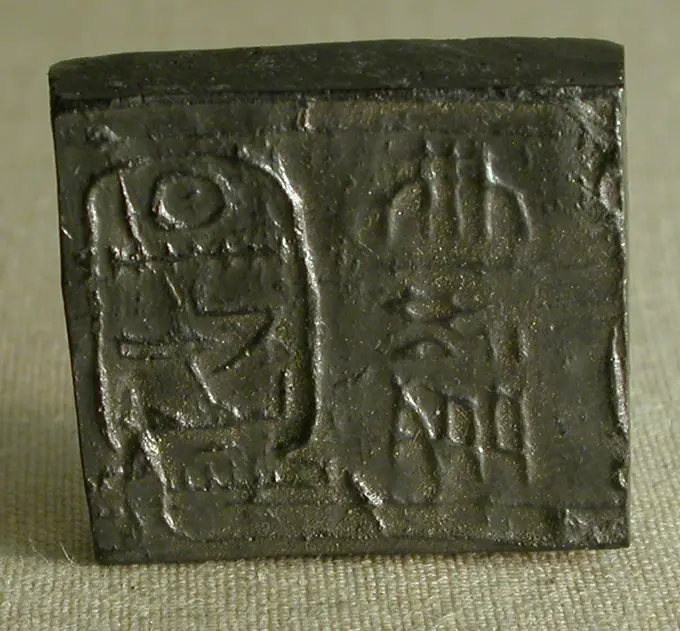
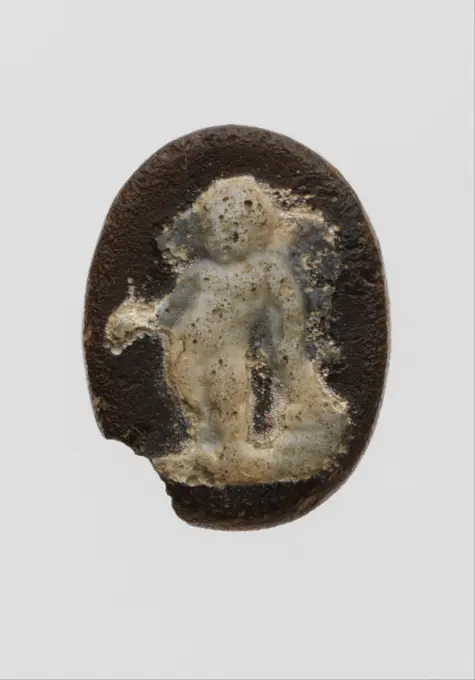
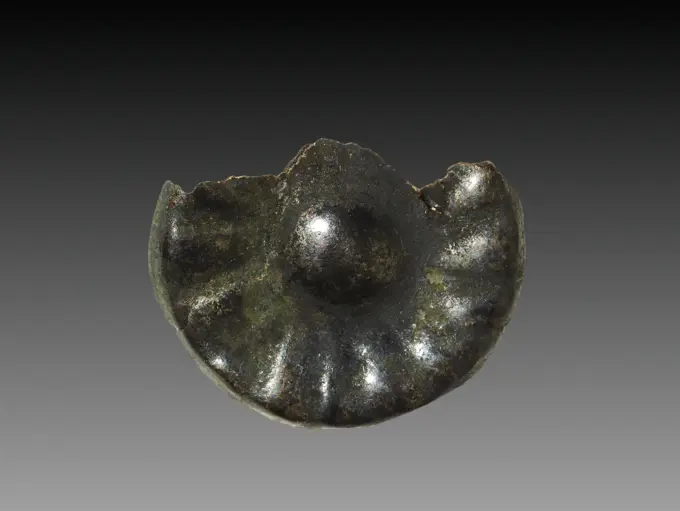
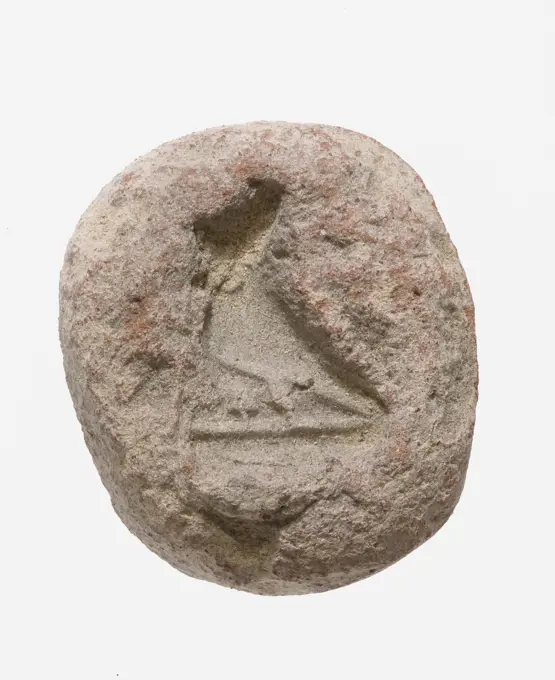
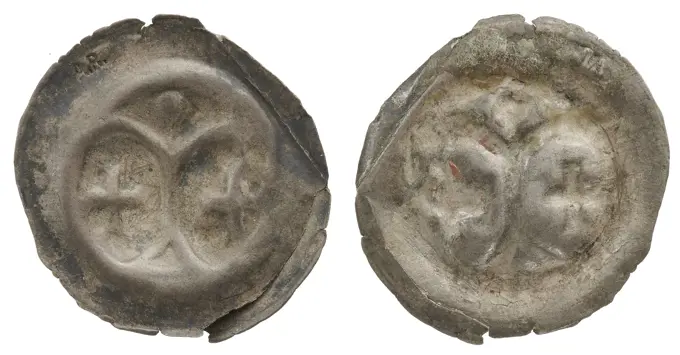
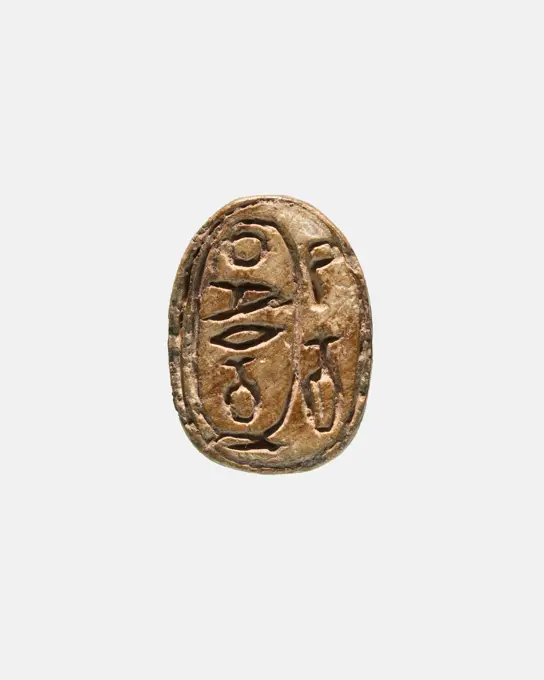
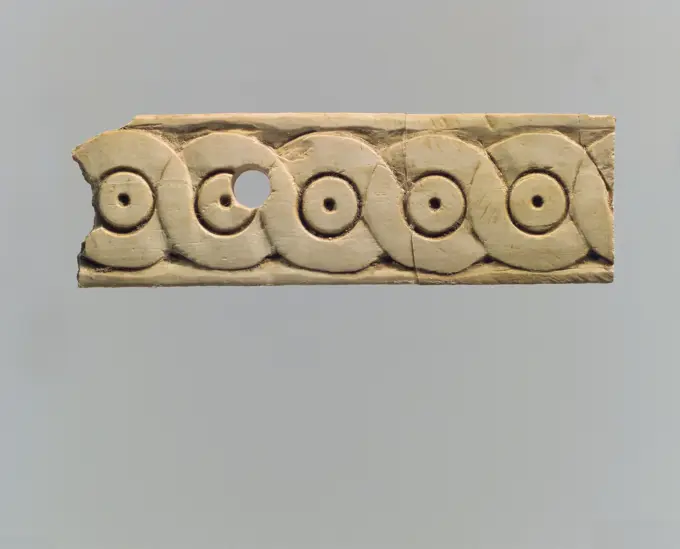
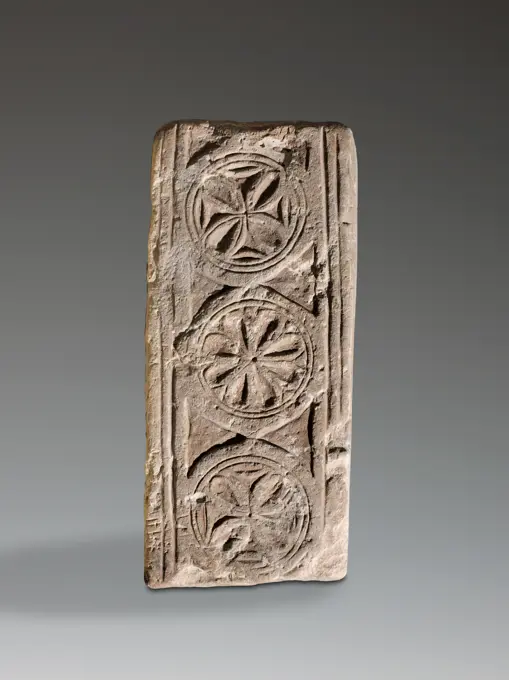
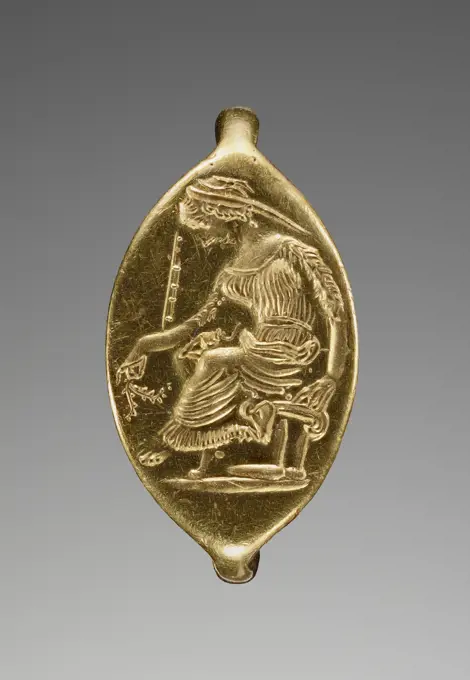
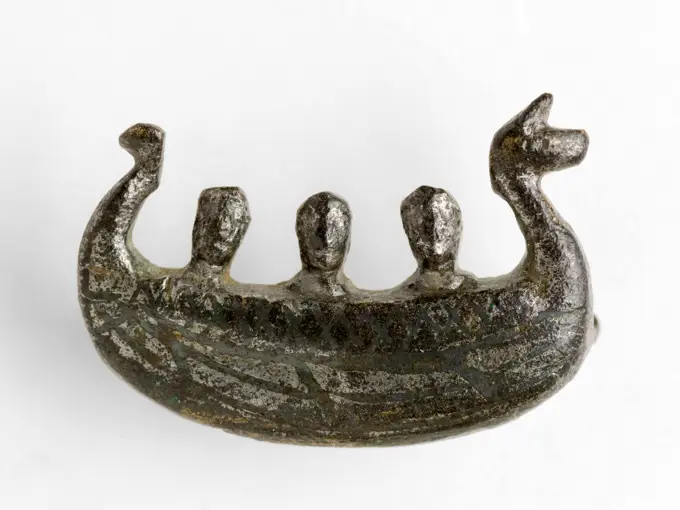
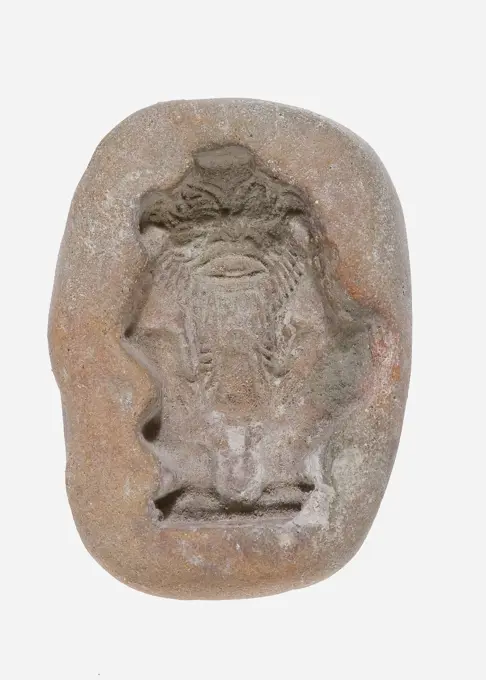
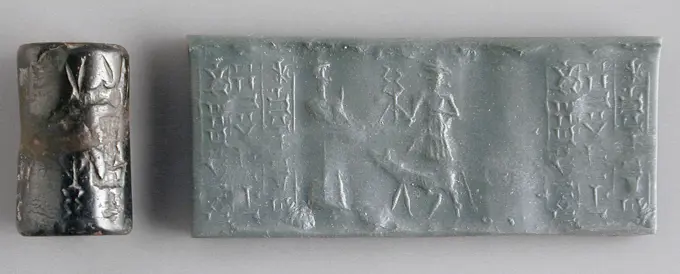
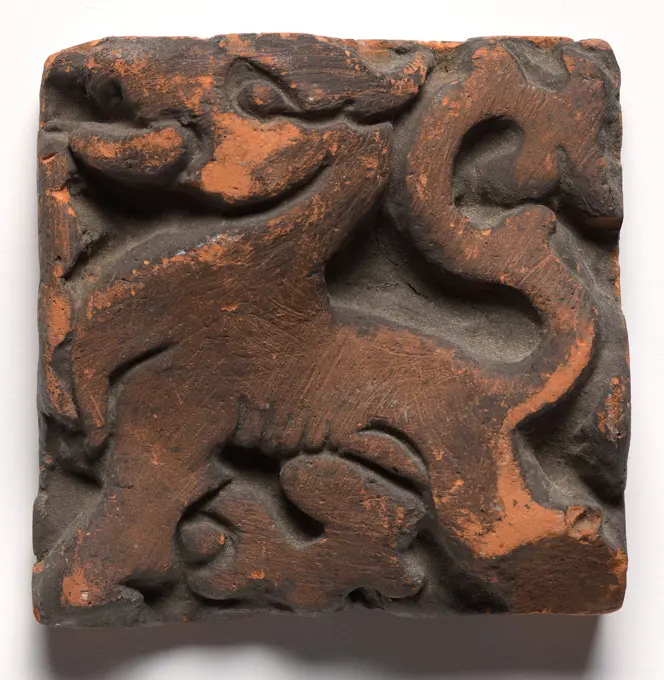
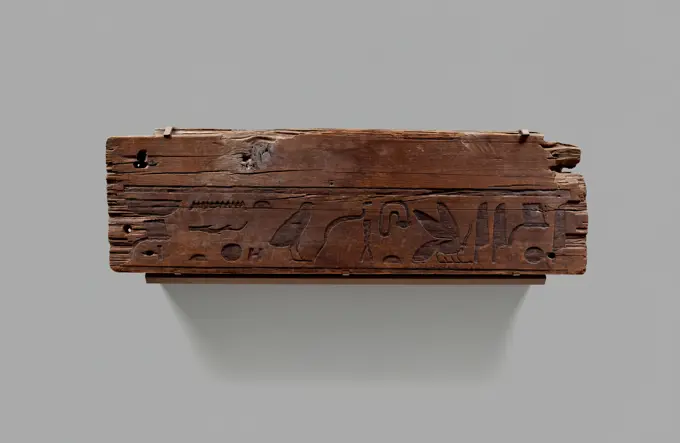
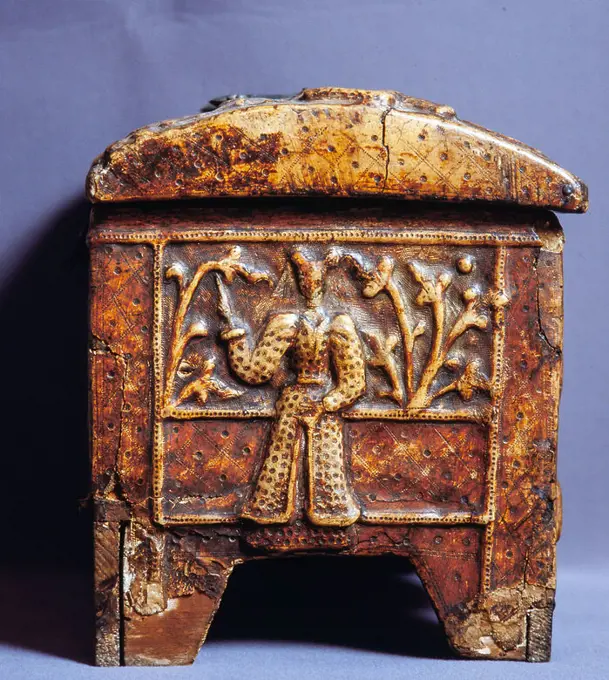
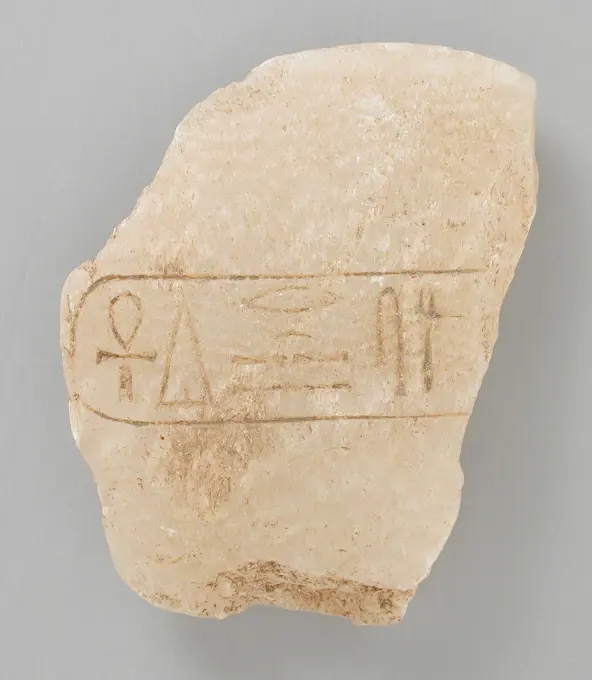
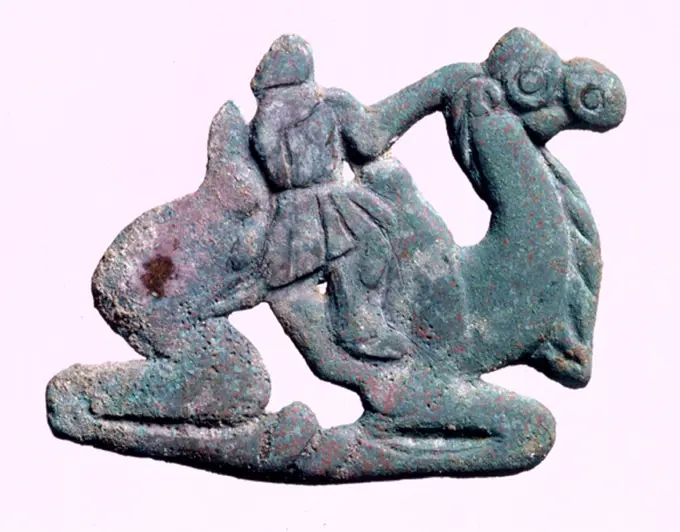
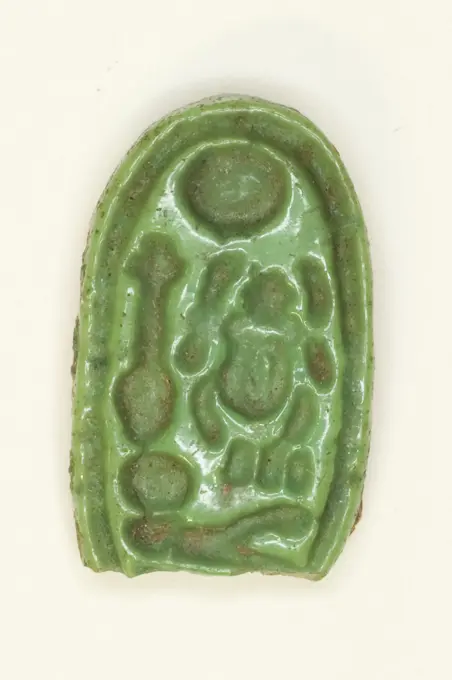
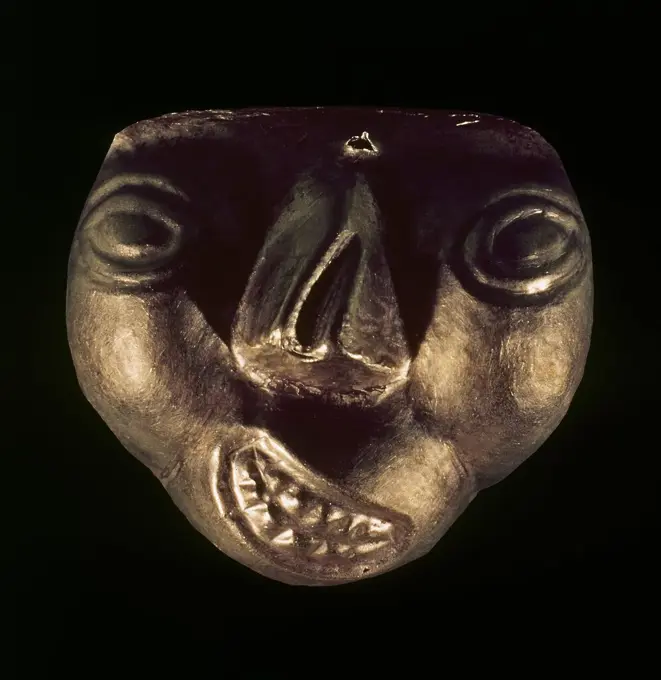
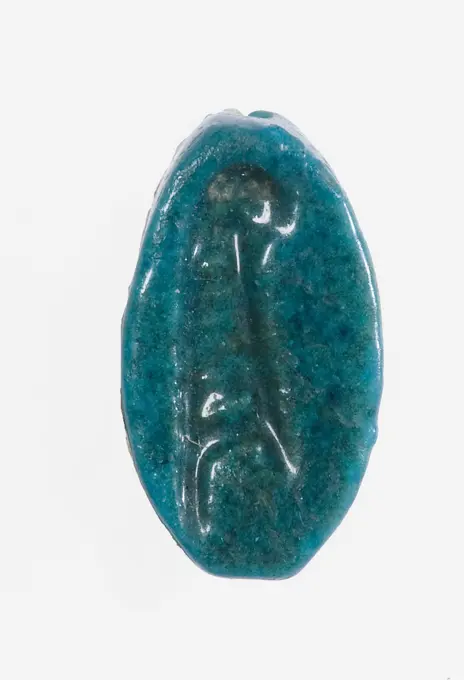
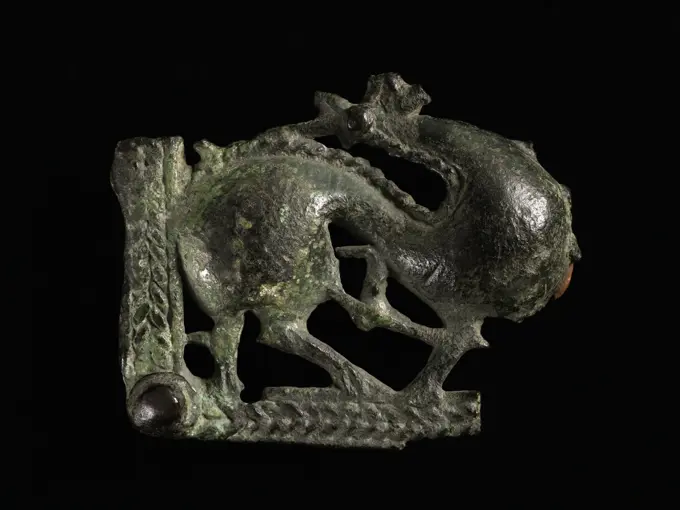
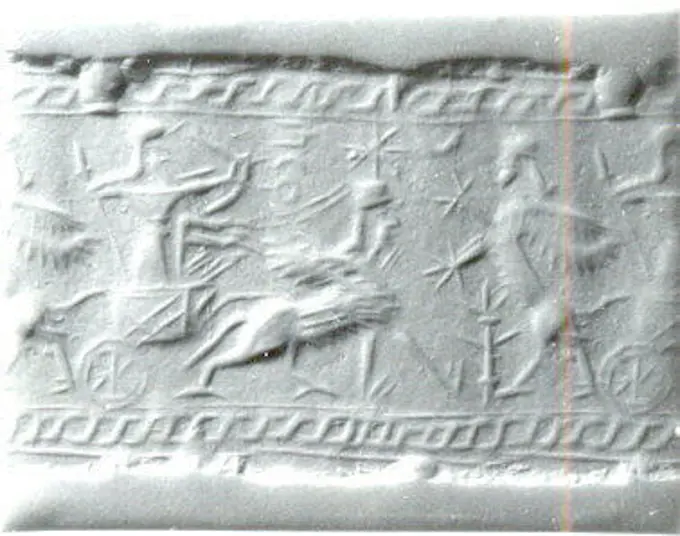
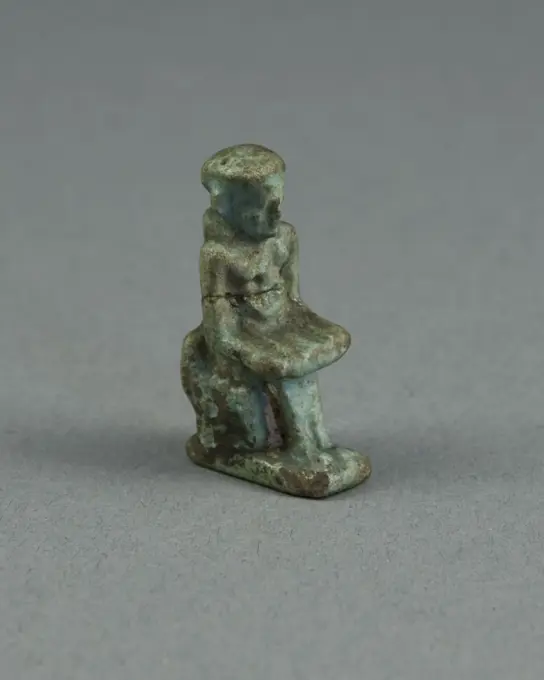
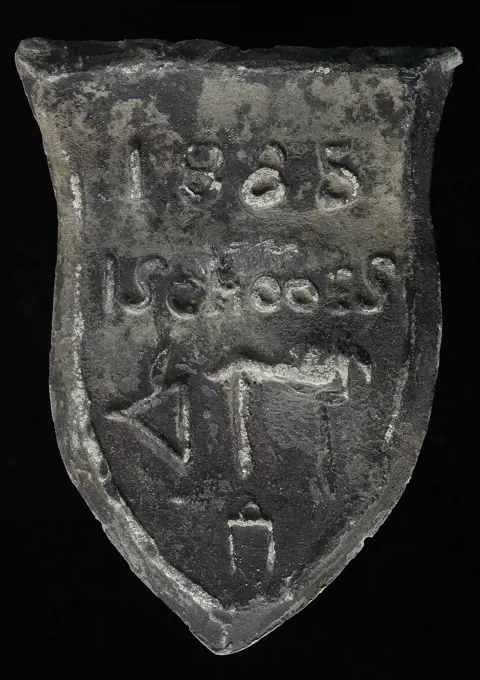
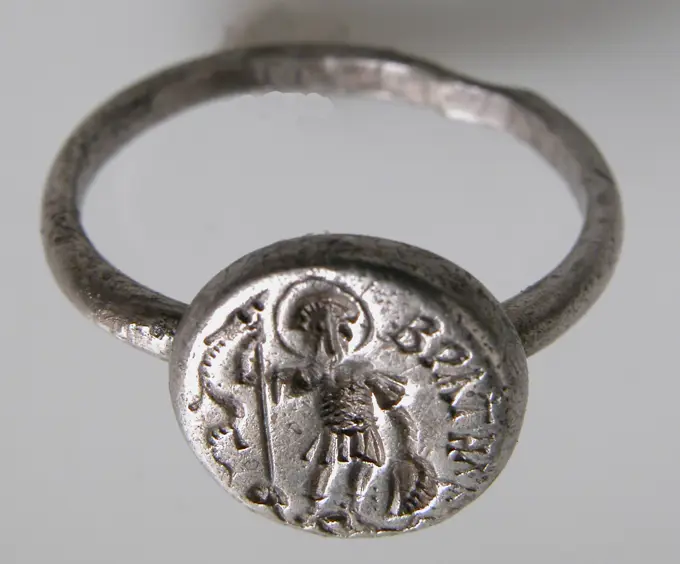
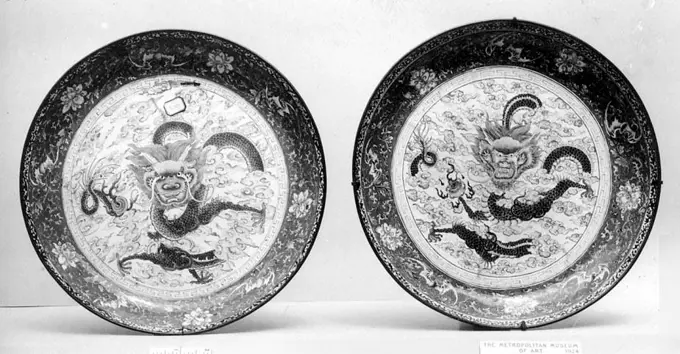
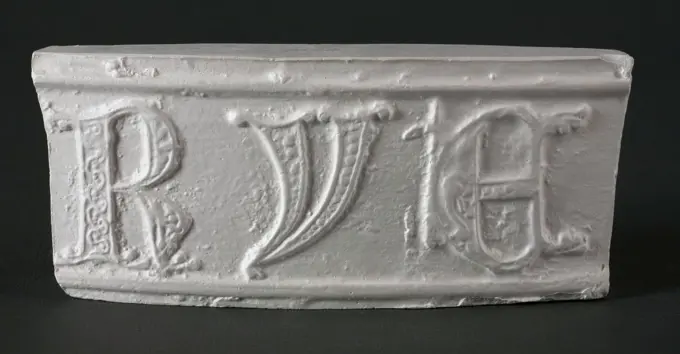
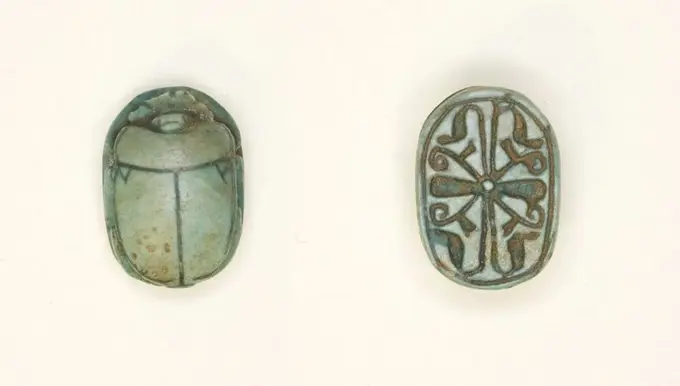
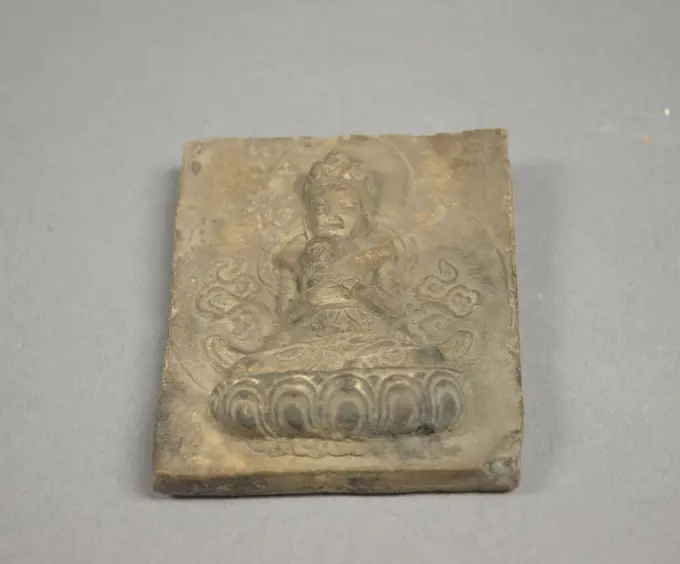
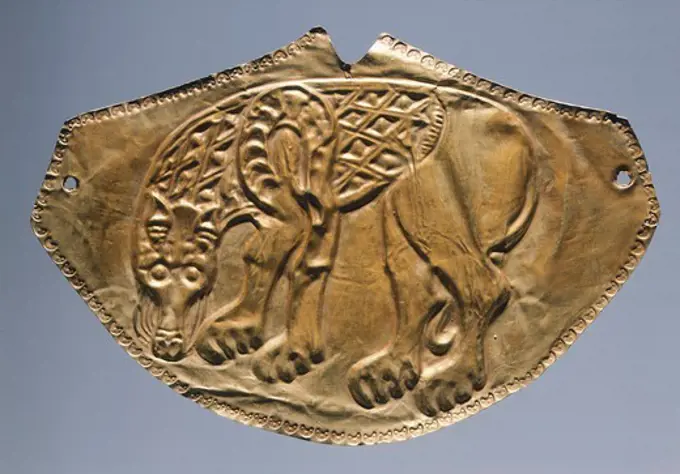
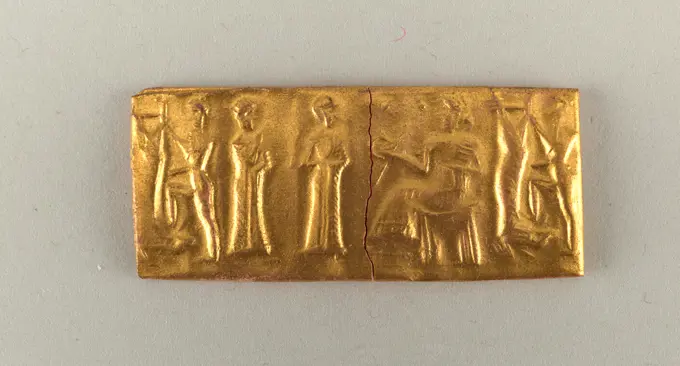
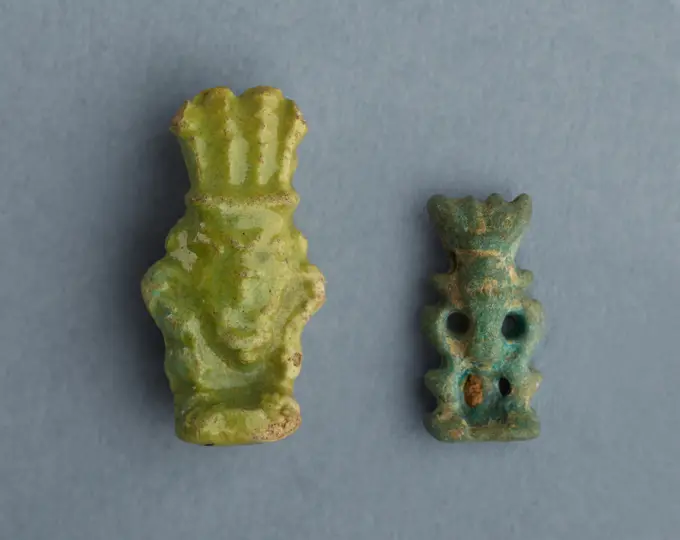
One of twenty-one seals, 800 BCE - 400 CE, various, Various semi-precious stones, Mesopotamia, 8th century BCE - 5th century CEStater: Boeotian Shield (obverse), 379-338 BC. Greek, minted at Thebes (Boiotia). Silver; diameter: 2 cm (13/16 in.).Counter Plate of a Belt Buckle 7th century Frankish. Counter Plate of a Belt Buckle 465642 Frankish, Counter Plate of a Belt Buckle, 7th century, Iron, silver inlay, Overall: 2 3/4 x 1 7/8 x 3/8 in. (7 x 4.8 x 1 cm). The Metropolitan Museum of Art, New York. Gift of J. Pierpont Morgan, 1917 (17.193.308b)Boss ca. 2100-2000 B.C. Neo-Sumerian. Boss 324103Sealing ca. 7th century A.D. Sasanian. Sealing 323389Boat;  around 945- 715 BC ; 3rd transition period, 22-23 dynasty (-945-00-00--715-00-00);Fragment 13th-16th century. Fragment 452479Horse Accoutrement. Southern Siberia, 6th-5th century B.C.. Tools and Equipment; horse trappings. Bronze, castSPAIN - Páramos de Burgos (district) - Castille and Leon - BURGOS. Archaeology Museum; prehistorical bronx ornamentation  (Iron Age)Pendant. Culture: China. Dimensions: L. 5 3/4 in. (14.6 cm); W. 3 1/8 in. (7.9 cm). Date: 20th century. Museum: Metropolitan Museum of Art, New York, USA.Engraved Ring with Aphrodite and Eros. UnknownStamp unknownFragment of a Dish 8th-9th century. Fragment of a Dish 456209TerracottapendantCylinder seal with cartouche of Amenemhat III ca. 1802-1575 B.C. Middle Kingdom-Second Intermediate Period. Cylinder seal with cartouche of Amenemhat III. ca. 1802-1575 B.C.. Green glazed steatite. Middle Kingdom-Second Intermediate Period. From Egypt. Dynasty 13Glass cameo: Eros holding a torch 1st century B.C.-3rd century A.D. Roman Eros holding an inverted flaming torch.. Glass cameo: Eros holding a torch 249251Rosette for Wig Decoration , 1980-1801 BC. Egypt, Middle Kingdom, Dynasty 12. Silver; diameter: 1.2 cm (1/2 in.).Costume Ornament 11th-12th century Peru; central coast (). Costume Ornament. Peru; central coast (). 11th-12th century. Silver. Peru. Metal-OrnamentsScarab Inscribed King of Upper and Lower Egypt Maatkare, Having Dominion ca. 1479-1458 B.C. New Kingdom. Scarab Inscribed King of Upper and Lower Egypt Maatkare, Having Dominion. ca. 1479-1458 B.C.. Steatite (glazed). New Kingdom. From Egypt, Upper Egypt, Thebes, Deir el-Bahri, Temple of Hatshepsut, Foundation Deposit 7 (G), MMA excavations, 1926-27. Dynasty 18, earlyArm and right shoulder with Aten cartouche ca. 1353-1336 B.C. New Kingdom, Amarna Period. Arm and right shoulder with Aten cartouche. ca. 1353-1336 B.C.. Indurated limestone. New Kingdom, Amarna Period. From Egypt, Middle Egypt, Amarna (Akhetaten), Great Temple of the Aten, Pit outside southern wall, Petrie/Carter excavations, 1891-92. Dynasty 18Mold for a Horus Amulet ca. 1390-1353 B.C. New Kingdom. Mold for a Horus Amulet. ca. 1390-1353 B.C.. Pottery. New Kingdom. From Egypt, Upper Egypt, Thebes, Malqata, Khor west of camp or E. side of S. Village, MMA excavations, probably 1911-12. Dynasty 18Animal Ornament 6th-7th century Moche (Loma Negra). Animal Ornament. Moche (Loma Negra). 6th-7th century. Copper. Peru. Metal-OrnamentsPilgrim's Badge 14th-16th century French. Pilgrim's Badge. French. 14th-16th century. Lead. Metalwork-Leadbracteate denarius. Zakon krzyżacki (1190-), issuerScarab Inscribed for Pharaoh Aya (I) ca. 1700-1676 B.C. Middle Kingdom This scarab is inscribed with a royal title and a cartouche encompassing the prenomen of pharaoh Aya (Dynasty 13, ca. 1700-1676 B.C.).. Scarab Inscribed for Pharaoh Aya (I). ca. 1700-1676 B.C.. Steatite. Middle Kingdom. From Egypt, Memphite Region, Lisht North, Cemetery, MMA excavations. mid Dynasty 13Double Column 13th-14th century French. Double Column 463917Mirror with Quatrefoil and Linked Arcs, AD 25-220. China, Eastern Han dynasty (AD 25-220). Bronze; diameter: 12.2 cm (4 13/16 in.); overall: 1.1 cm (7/16 in.); rim: 0.3 cm (1/8 in.).bracteate denarius. Zakon krzyżacki (1190-), issuerJohn Paul JonesClockFragment bloku z kartuszem Szeszonka. unknown, authorBorder strip ca. 9th-8th century B.C. Assyrian This fragment of a narrow strip is decorated with an incised row of connected circles, called a guilloche pattern, set within a border marked by raised edges above and below. Carved ivory pieces such as this were widely used in the production of elite furniture during the early first millennium B.C. They were often inlaid into a wooden frame using joinery techniques and glue, and could be overlaid with gold foil or inlaid with colored glass or stone pieces to create a dazzling effect of gleaming surfaces and bright colors. This strip has light horizontal scratches on the back, probably to help the glue join the surface of the ivory to another element made out of wood or ivory. The round hole drilled through the center of the strip may have allowed it to be nailed to a frame for a piece of furniture.Built by the Assyrian king Ashurnasirpal II, the palaces and storerooms of Nimrud housed thousands of pieces of carved ivory. Most of the ivoriPłycina - fragment dekoracji węgara. warsztat nubijski, workshopSpear Thrower 12th-15th century Chimú. Spear Thrower. Chimú. 12th-15th century. Copper (cast). Peru. Metal-ImplementsA portrait of a manRembrandt-Penning, 1988, Vincent Pieter Semeyn Esser, 1988 history medal Bronze medal. Front: Rembrandt's head. Reverse: the letter R. bisquit of this is also present. With accompanying treasure box. Netherlands Brazier: HaarlemCylinder seal ca. 3100-2900 B.C.. Cylinder seal 324501Offering table, inscribed ca. 1353-1336 B.C. New Kingdom, Amarna Period. Offering table, inscribed 549662Engraved Gem. UnknownModel Dish from a Foundation Deposit ca. 1400-1390 B.C. New Kingdom This model dish is from one of the foundation deposits that were placed in front of the entrance of the tomb of Thutmose IV (KV 43) in the Valley of the Kings. The inscription scratched onto the lip of the dish identifies the king by his throne name, and reads (left to right) "The Good God Menkheperure, beloved of Osiris." The tomb and its foundation deposits were discovered in February1903 during excavations sponsored by Theodore M. Davis and supervised by Howard Carter while he was Inspector-General of Upper Egypt for the Egyptian Antiquities Service. Thirty-nine objects were found in two foundation deposits on either side of the stairs leading down to the tomb entrance. Davis received four of these objects in the division of finds: two model jars and two model dishes, which he bequeathed to the MET and are now on display in Egyptian gallery 117.. Model Dish from a Foundation Deposit. ca. 1400-1390 B.C.. Travertine (Finial 13th-11th century B.C. China. Finial 49504Excerpt (foot) with red shard, on the inside in sgraffito technology a bird in green and brown on a branch, on an ocher -colored fond, anonymous, 1200 - 1899  Italy earthenware  Italy earthenwarePottery Whistle and Rattle 19th century Mexican. Pottery Whistle and Rattle. Mexican. 19th century. clay (blackware). Mexico. Aerophone and Idiophone-flue blown / vessel rattleBowl with a handle in the form of the forepart of a lion ca. 8th century B.C.. Bowl with a handle in the form of the forepart of a lion. ca. 8th century B.C.. Chlorite. Iron Age II. Northern SyriaSeated Woman, Possibly Penelope; Greece, Europe; late 5th century B.C; Gold; 1.7 × 1 cm (11,16 × 3,8 in.)One of twenty-one seals, 800 BCE - 400 CE, various, Various semi-precious stones, Mesopotamia, 8th century BCE - 5th century CEFunerary Cone the Scribe Min New Kingdom ca. 1479-1425 B.C. See 09.185.6 View more. Funerary Cone the Scribe Min. ca. 1479-1425 B.C.. Pottery. New Kingdom. From Egypt, Upper Egypt, Thebes. Dynasty 18Skeuomorphic fibula (having the shape of an object). Copper alloy. Gallo-Roman time. Haut-Empire () Paris, Carnavalet museum. Skeuomorphic fibula (having the shape of an object) Fashion accessory, allaic copper, ancient, antiquity, antiquity, boat, boat, copper alloy, clothes, Early novel empire, Gallo-Roman time, fashion accessory, skeuomorphic fibula, object shape, gallo-roman period, high-empire, ornament, Party, Shape Object, Skeuomorph Fibula, Ship, Transportation, clothing, ancientDrilled half almond seal ca. 3500-2900 B.C.. Drilled half almond seal. ca. 3500-2900 B.C.. Alabaster, light green. Late Uruk-Jemdet Nasr. Iran or MesopotamiaFish Ornament 11th-12th century Peru; central coast (). Fish Ornament 308841Mold for Bes-image Amulet ca. 1390-1353 B.C. New Kingdom This mold was used to make an amulet in the form of the Bes-image, either to be worn or for decoration in one of the palaces of Amenhotep III at his festival city of Malqata. Remnants of paste used to make the faience amulet can be seen in its crevices. The Bes-image represented a number of deities, in particular Bes and Aha, whose responsibilities generally centered on the guarding of children and their mothers during childbirth. In later times, he assisted in protecting the eternal survival of Egypt as recorded in a well-known myth of the Far Away Goddess. From the New Kingdom on, Bes has a close tie to music and is often depicted playing a different instruments. Either the protective nature of this deity or his musical ability could speak to a role at Malqata.. Mold for Bes-image Amulet. ca. 1390-1353 B.C.. Pottery. New Kingdom. From Egypt, Upper Egypt, Thebes, Malqata, S. Magazines or Factories, MMA excavations, 1910-12. DynaCylinder Seal. Mesopotamia, Old Babylonian period, circa 2000-1600 B.C.. Tools and Equipment; seals. HematiteTile- Hippogriff, before 1920. Moravian Pottery and Tile Works. Unglazed terracotta; overall: 8.3 x 8.3 cm (3 1/4 x 3 1/4 in.).Boat;  around 1069 945 BC ; 3rd passage period, 21 dynasty (-1069-00-00--945-00-00);Coffin Panel of the OfficialDjehuty-NakhtFireplace of baked earth, with a composite cartouche with rosette in the middle. Fireplace of baked earth, with a composite cartouche with rosette in the middle.Arqueta, siglo XV. Fundación Juan March.Fired hairstone, the gray-horse. Fireproone, the gray-horse caught, of fine baked earth.Fragment of the Lid of an Ointment Jar Bearing the Birth Name of King Senwosret. Egypt, Middle Kingdom, reigns of Senwosret I, II, or III (1971 - 1843 BCE). Furnishings; Serviceware. CalciteBelt Plaque in the Shape of a Bactrian Camel with Rider 4th century B.C. Northwest China. Belt Plaque in the Shape of a Bactrian Camel with Rider. Northwest China. 4th century B.C.. Bronze. MetalworkRing Neferkheprure-Waenre (Akhenaton) 1352 BCE-1336 BCE Egypt. Faience . Ancient EgyptianMold (Bird-Shaped) 10th-11th century() Indonesia. Mold (Bird-Shaped). Indonesia. 10th-11th century(). Bronze. SculptureSundial, France, EuropePyramidal Stamp Seal; late 6th century B.C; White chalcedony; 1.3 × 1.7 × 2.2 cm (1,2 × 11,16 × 7,8 in.)Rectangular Wellhead Made 99 BCE-99 CE China. The slits cut into opposite sides of this wellhead (a structure that covers a well) were originally fitted with beams to support the roof. The sides visible here depict creatures of this world and the hereafter a tiger, a camel, and an archer (perhaps an immortal) aiming at a dragon. The back is molded with a dragon and tiger.. Gray earthenware with molded decoration .MASCARILLA MOSTRANDO MUTILACIONES FACIALES - ORO - CULTURA MOCHICA - PERIODO INTERMEDIO TEMPRANO - 100 AC-700 DC - PERU - NUM INV 7468. Location: MUSEO DE AMERICA-COLECCION. MADRID. SPAIN.Xochipilli gold breastplate, from the Treasury of the Tomb 7 in Monte Alban, Mexico. Mixtec Civilization, post-classical period 14th-15th Century.Handle, 1600-1046 BCE, 4 3/8 x 1 5/8 x 7/16 in. (11.11 x 4.13 x 1.19 cm), Jade, China, 16th-12th century BCE, This ornate jade fitting takes the form of a crouching dragon seen in profile. The flanged outline and stylized decor is characteristic of many Shang bone and bronze artifacts.Cowroid Seal with Maat inscription ca. 1390-1353 B.C. New Kingdom. Cowroid Seal with Maat inscription. ca. 1390-1353 B.C.. Faience, Prussian blue. New Kingdom. From Egypt, Upper Egypt, Thebes, Malqata, Palace of Amenhotep III, MMA excavations, 1910-11. Dynasty 18Belt plaque 3rd-6th century China. Belt plaque 61165Applique fragment. Ordos. III millennium BC. Paris, Cernuschi museum. 35177-7 Applique, fragment, hetao, meridional Mongolia, ordos, prehistory, prehistoricCylinder seal with chariot hunting scene late 8th century B.C. Assyrian Although engraved stones had been used as early as the seventh millennium B.C. to stamp impressions in clay, the invention in the fourth millennium B.C. of carved cylinders that could be rolled over clay allowed the development of more complex seal designs. These cylinder seals, first used in Mesopotamia, served as a mark of ownership or identification. Seals were either impressed on lumps of clay that were used to close jars, doors, and baskets, or they were rolled onto clay tablets that recorded information about commercial or legal transactions. The seals were often made of precious stones. Protective properties may have been ascribed to both the material itself and the carved designs. Seals are important to the study of ancient Near Eastern art because many examples survive from every period and can, therefore, help to define chronological phases. Often preserving imagery no longer extant in any other medium, tMolded Tile late 13th-early 14th century Austrian. Molded Tile. Austrian. late 13th-early 14th century. Lead glazed earthenware. Made in Niederosterreich, Austria. Ceramics-TilesMolded Faience Plaque with Birth name of Ramses II. Egypt, New Kingdom, 19th Dynasty, reign of Ramses II (1304 - 1237 BCE) or after. Sculpture; plaques. FaienceCharacter holding a palm, s. d. (Dummy title) Anonymous. Character holding a palm (obverse).Scarab Inscribed Female Golden Horus ca. 1479-1458 B.C. New Kingdom. Scarab Inscribed Female Golden Horus. ca. 1479-1458 B.C.. Egyptian blue. New Kingdom. From Egypt, Upper Egypt, Thebes, Deir el-Bahri, Temple of Hatshepsut, Foundation Deposit 7 (G), MMA excavations, 1926-27. Dynasty 18, earlyAmulet of the God Imhotep 1070 BCE-656 BCE Egypt. Faience . Ancient EgyptianAikuchi with engraved scene, 20th century, Japan, Álava Armory Museum, Vitoria, Basque Country, Spain.Sealing pistonOpenwork plate. Bronze, China, Han dynasty (206 BC AP.J.-C.). Paris, Cernuschi museum. Asian art, Chinese art, bronze, han dynasty, plaqueSword-hilt with Phoenix Head Ring Pommel, 500s. Japan, Kofun period (c. AD 300-710). Gilt bronze; overall: 7.6 x 6.6 cm (3 x 2 5/8 in.).I. Schoofs, Roof bonnet, shield-shaped cover plate with 1885, I Sheafs and some slider tools, lead quality lead metal, Roof bonnet shield shaped cover of the nails with embossed year 1885 and the name of the plumber I Schoofs and under some runner tools on plate: 1885 I Schoofs slaterSeal Ring 5th-6th century Images like this one were adopted for Christian military saints, for instance, Theodore Stratelates. The soldier, a draconarius, holds a spear and stamps on a serpent, symbolizing the forces of evil. A dragon banner, the standard for his military unit, streams from the point of the spear. Seal Ring. 5th-6th century. Silver shankbezel: carved. Made in possibly Egypt. JewelryDish (one of a pair) China. Dish (one of a pair) 40881Bell (Inscription: Rye  Negative)  Parish Church St. Grzegorz the Great, RuszczaScarab: Cross Pattern. Egyptian. Date: 1550 BC-1295 BC. Dimensions: 0.5 × 1.3 × 1 cm (3/16 × 1/2 × 3/8 in.). Glazed steatite. Origin: Egypt. Museum: The Chicago Art Institute, Chicago, USA. Author: Ancient Egyptian.Fragment of a terracotta architectural tile. Culture: Lydian. Dimensions: Overall: 8 1/8 x 6 in. (20.6 x 15.2 cm). Date: 6th century B.C..Fragment, egg and dart pattern. Museum: Metropolitan Museum of Art, New York, USA.Cock, 500s BC. Greece, 6th Century BC. Terracotta; overall: 9.5 cm (3 3/4 in.).Medallion (Egypt); warp; s-spun, z-twist linen. weft; s-spun linen, s-spun woolsBuckle Shank 5th-7th century Visigothic. Buckle Shank. Visigothic. 5th-7th century. Bronze. Miscellaneous-Buckles & OrnamentVotive Tablet with Deity. Culture: Tibet. Dimensions: 3 3/8 x 2 3/4 in. (8.6 x 7 cm). Date: 15th-17th century. Museum: Metropolitan Museum of Art, New York, USA.Coffin. Casket of wood. The bottom can be opened. In side walls and soil The following inscriptions: Godtegen Valle Lief Di () For Mi; To Deser Spasi as I am di; Here cheerful like sweet to love; Sidding that pray ick di. Gerrit Hendrictz van Harlin Anno 1604. On the inside of the soil stands with ink: Duco d'Haan in Doccum b. 1708Canecillo, 14th century, from the Castillo Formós (Balaguer). Museum: Museu Comarcal La Noguera, Balaguer, Lérida, Cataluña, España.Gold breastplate with embossed decorations of an animal figure, from the Basova burial mound in Duvanlj, Bulgaria. Goldsmith art. Thracian Civilization, 5th Century BC.Relief, Babylonian Seal; plaster; 1902-20-4Girdle ring China. Girdle ring. China. Jade. Han dynasty (206 B.C.-A.D. 220). JadeTwo Amulets - BesVotive altar, limestone, second century, Lara de los Infantes, Roman Hispania, Valladolid Museum, Community of Castile and Leon, Spain.Coin Weight 12th century. Coin Weight 443193Lentoid engraved seal; Crete, Greece; about 1700 B.C. - 1450 B.C; Carnelian; 0.8 × 1.8 cm (5,16 × 11,16 in.)Conical seal ca. 6th-5th century B.C. Achaemenid. Conical seal 327712