Ancient Egyptian Scarabs

Authentic scarabs from Ancient Egypt, inscribed with hieroglyphs and depicting significant historical figures and symbols.
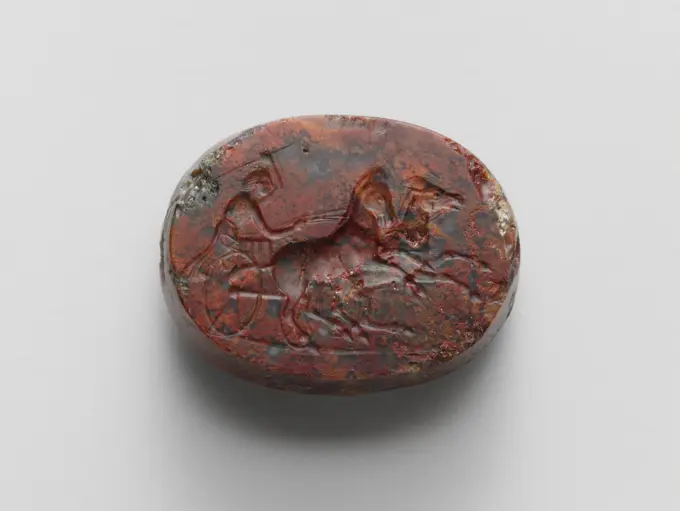
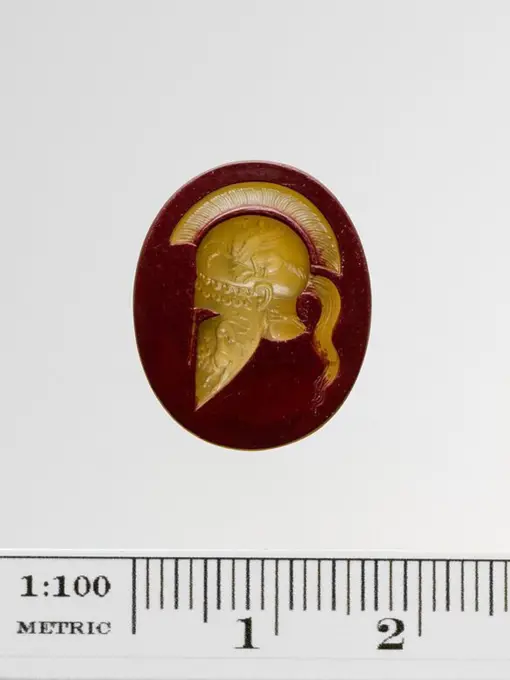
Red jasper scaraboid late 5th-early 4th century B.C. Greek Charioteer in a long girded chiton is driving a chariot with two galloping horses.. Red jasper scaraboid. Greek. late 5th-early 4th century B.C.. Jasper, red. Classical. Gems
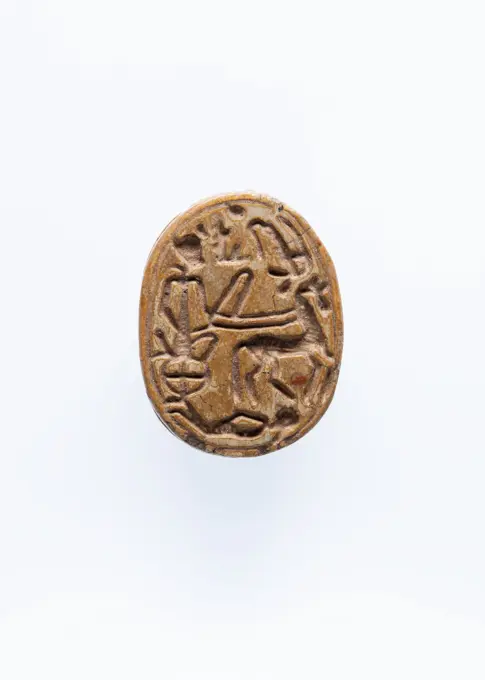
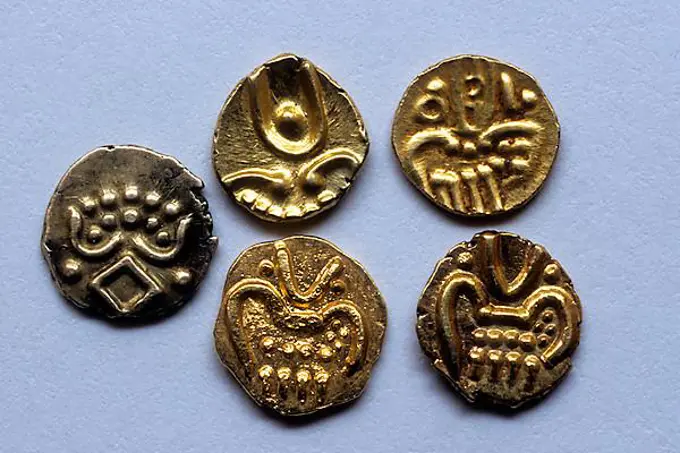
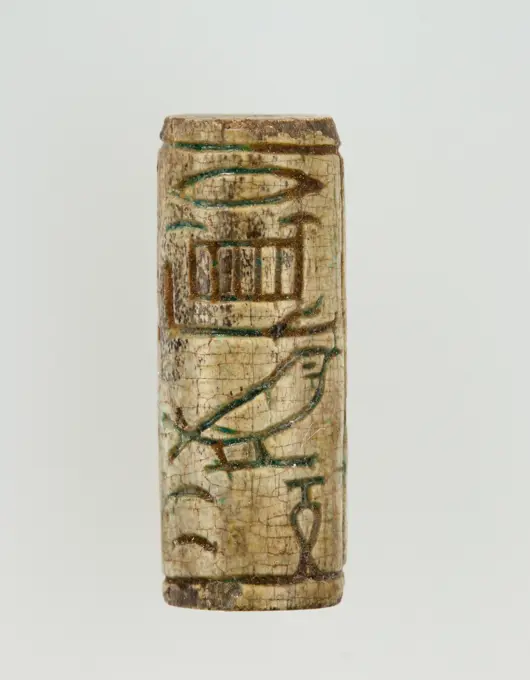
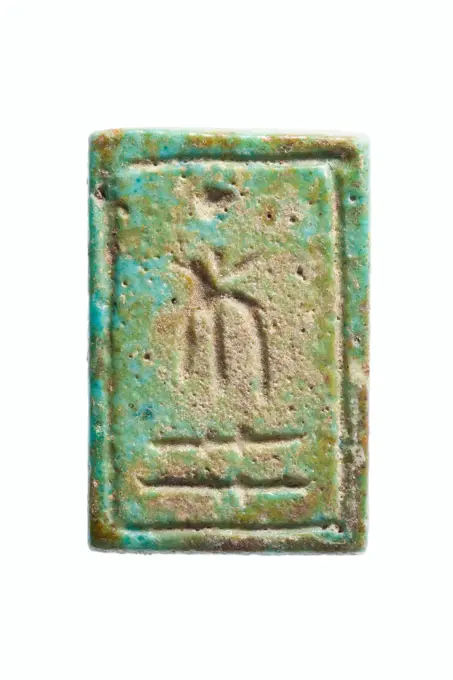
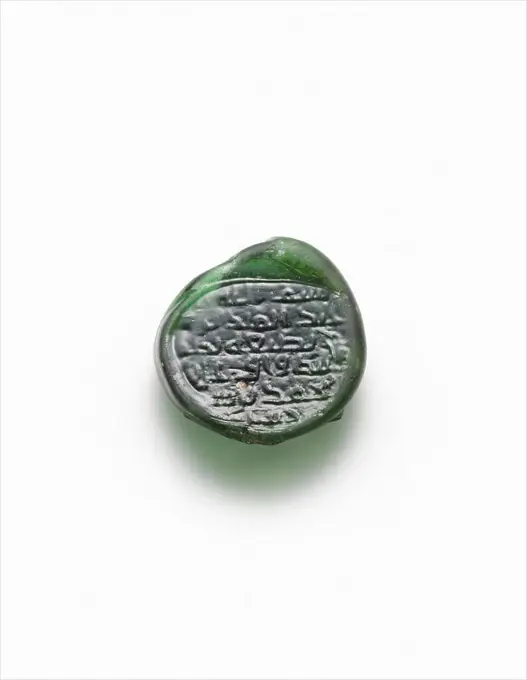
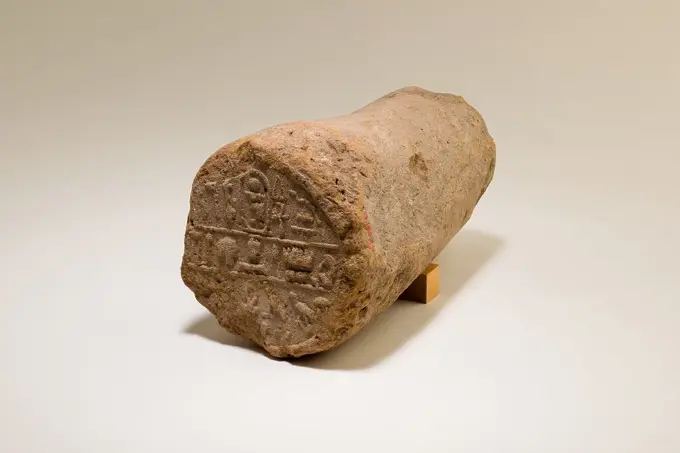
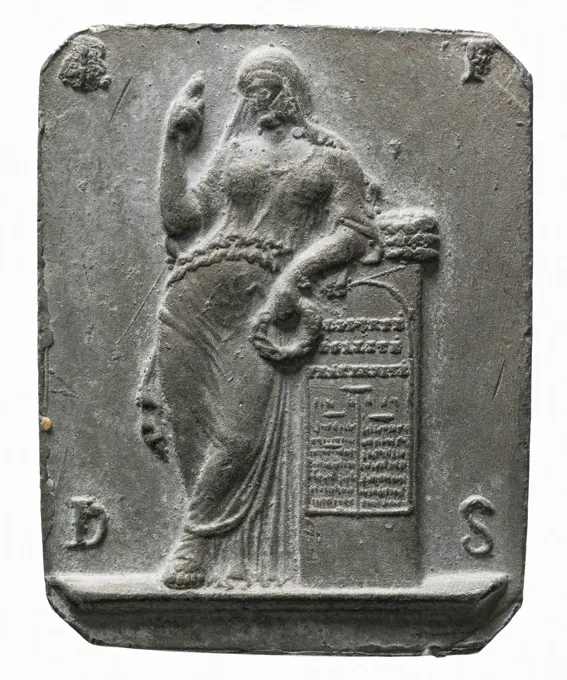
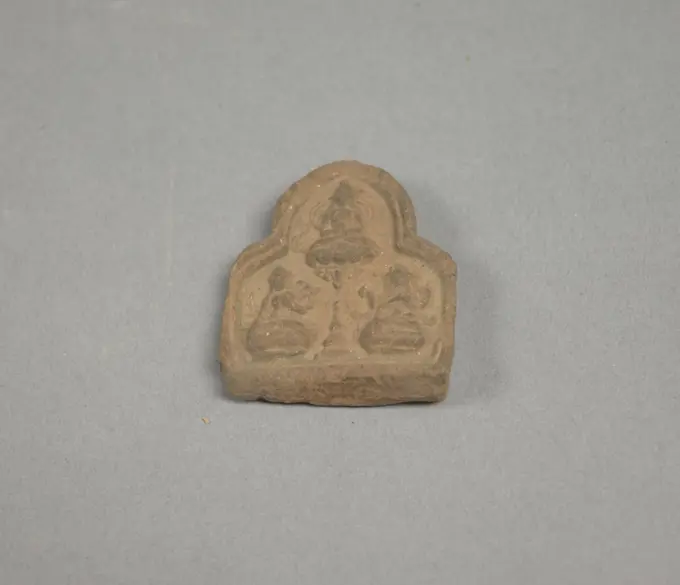
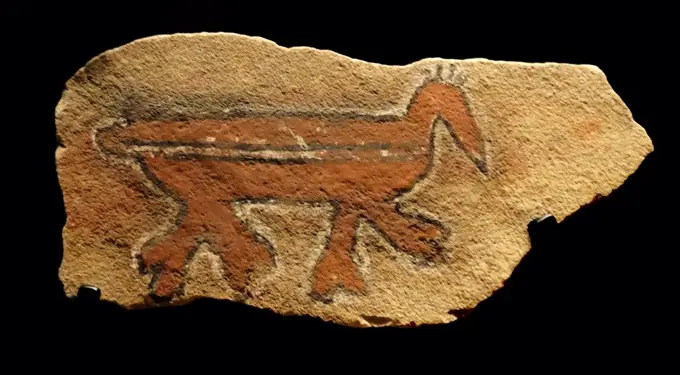
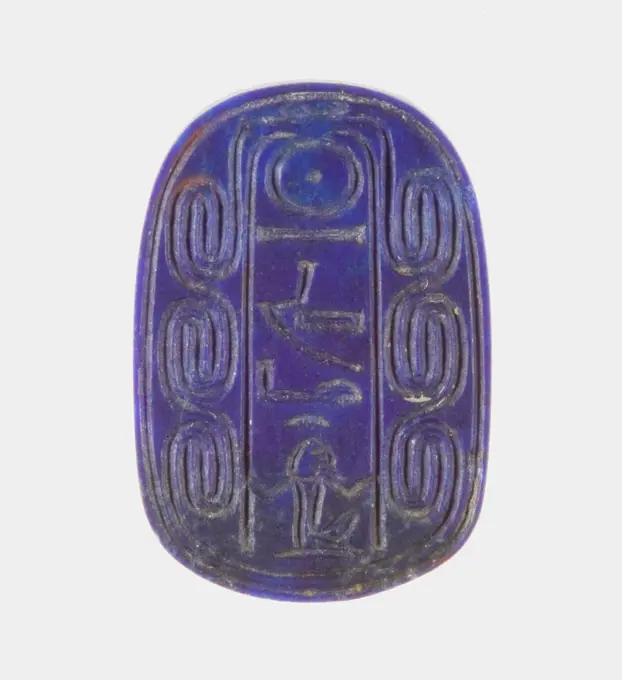
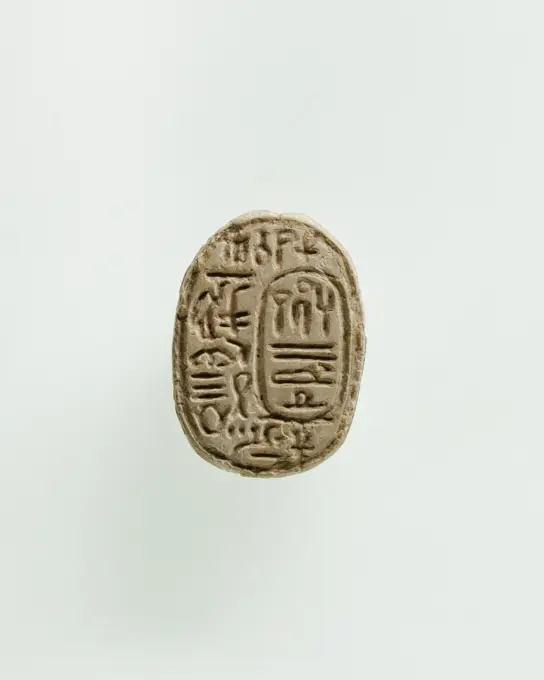
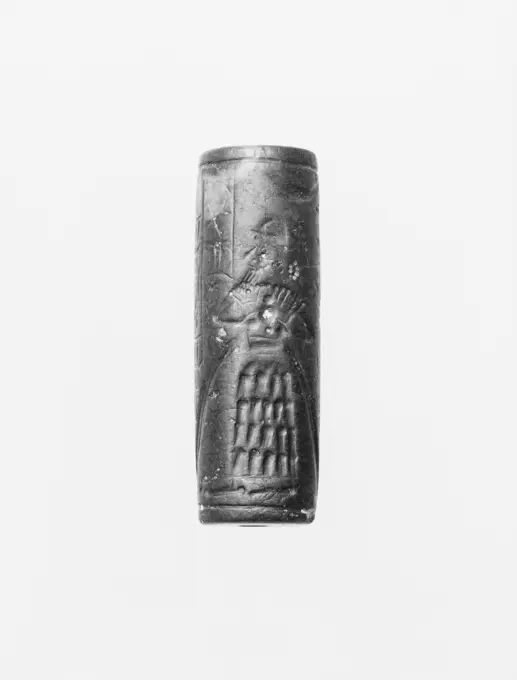
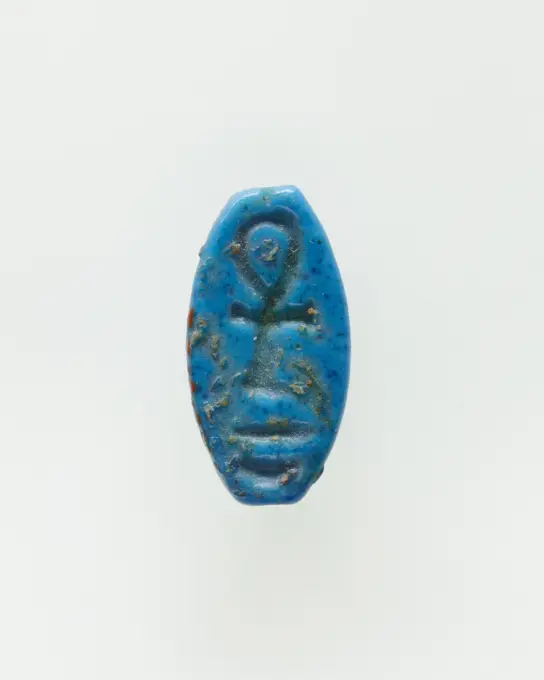
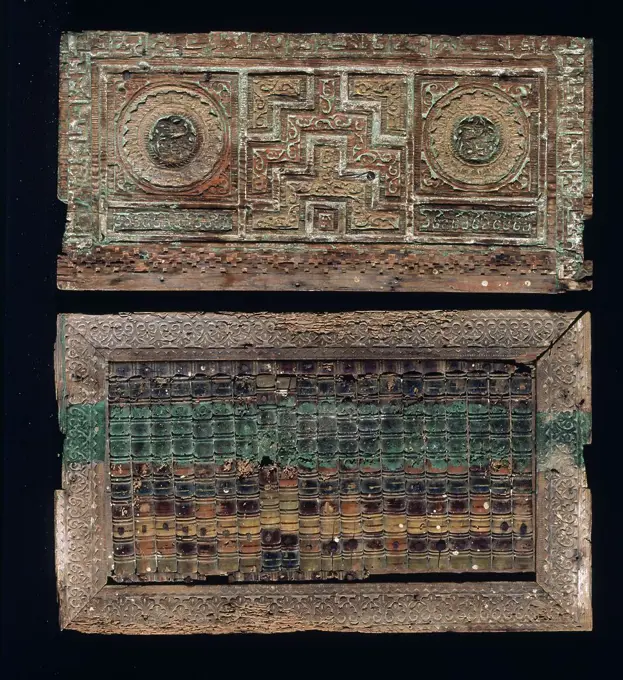
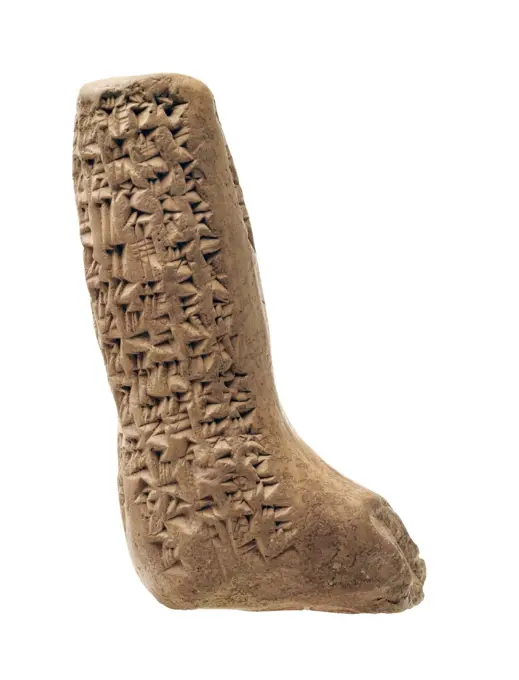
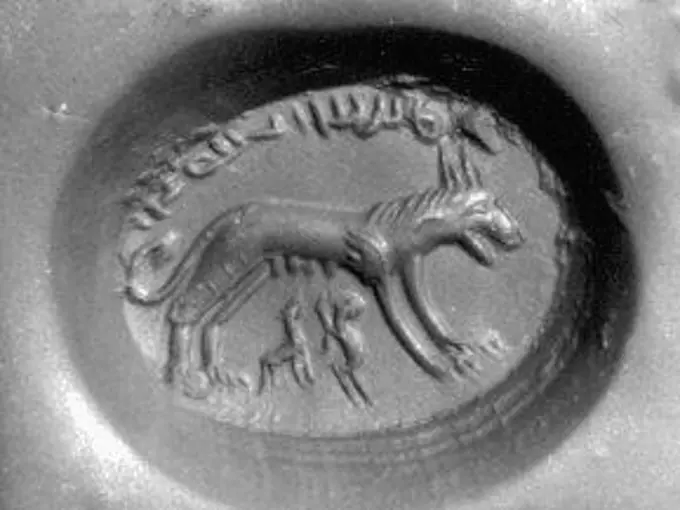
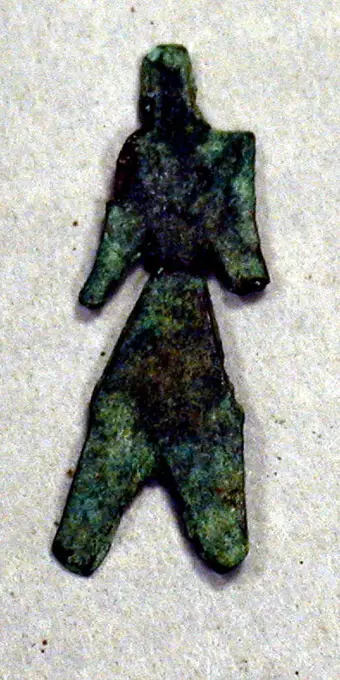
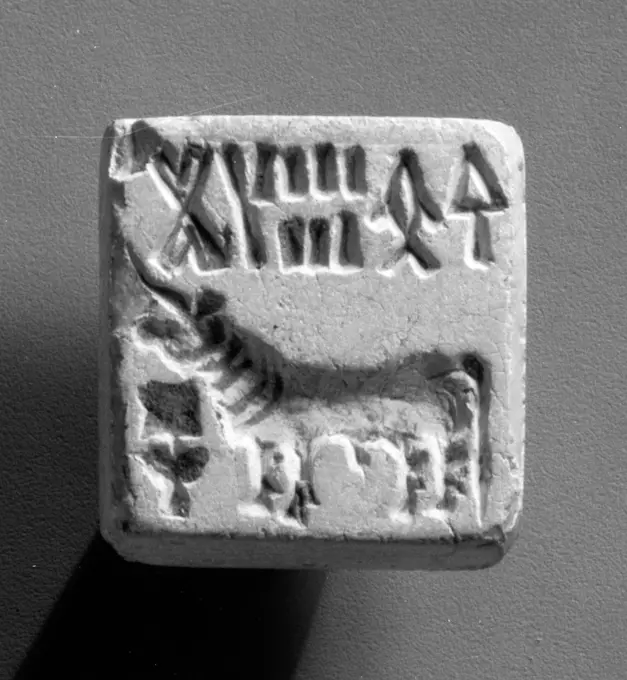
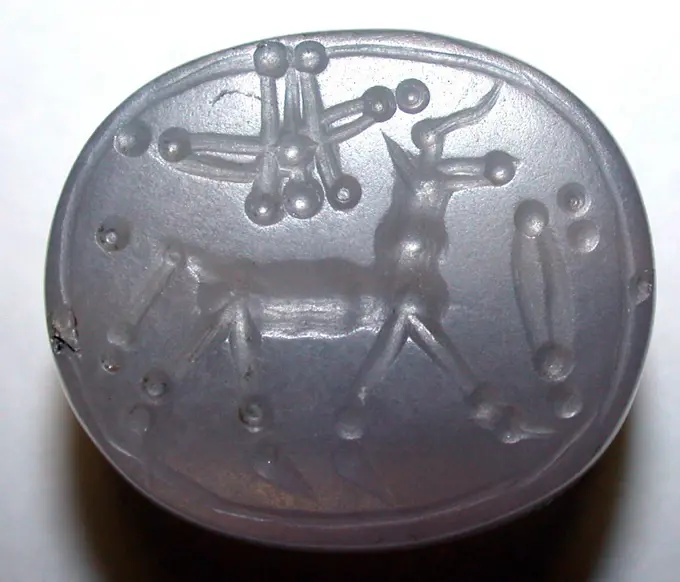
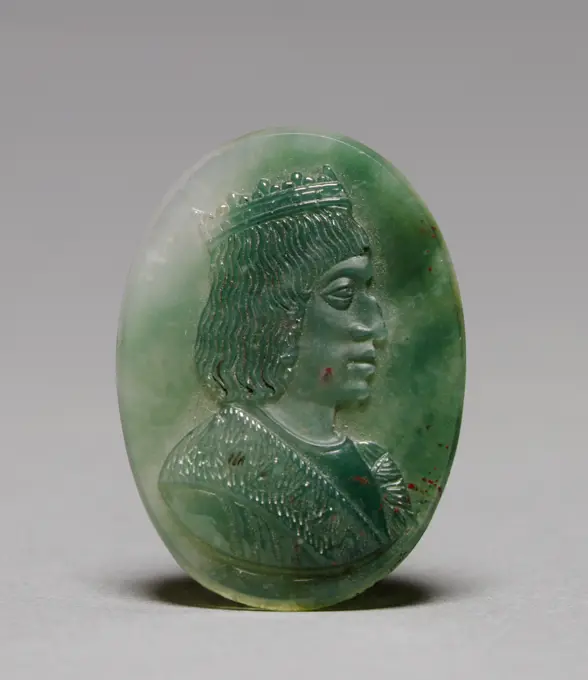
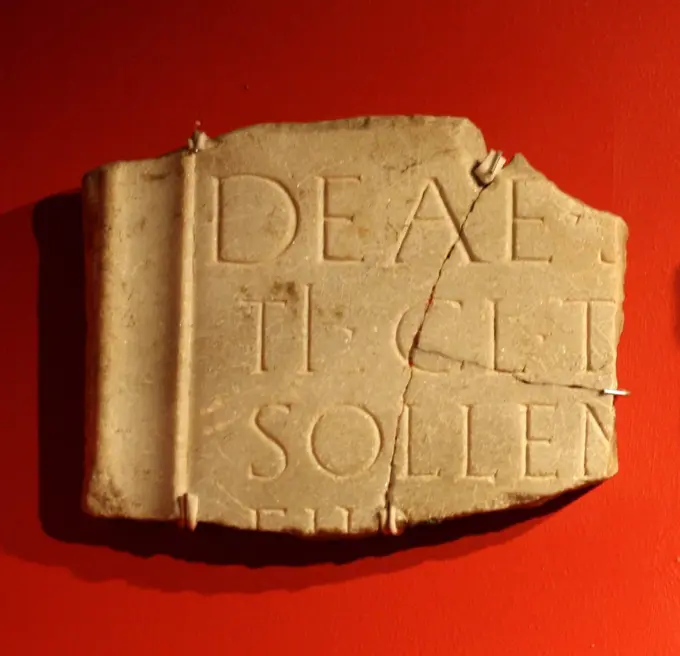
Model biscuits "Erzgebirge Nussknacker". Model for the Museum Rodwisch carvedScarab ca. 1153-1147 B.C. New Kingdom, Ramesside The scarab was shaped like a dung beetle, "scarabaeus sacer," which is also the source of its modern name. The dung beetle was "kheperer" in ancient Egyptian. Having watched the small creatures push huge balls of dung, the ancient Egyptians compared the sun being pushed into the sky at dawn to the beetle, and they referred to the rising sun as "Kheperi." The word for "to become" or "come into being" was "kheper," and the beetle hieroglyph was used to spell all of these words. As such, the scarab became a powerful amulet for rejuvenation in this life and reincarnation in the next. This scarab depicts Ramesses IV, whose throne name appears at the top, riding a chariot and trampling an enemy.. Scarab. ca. 1153-1147 B.C.. Faience. New Kingdom, Ramesside. From Egypt. Dynasty 20Gold Coin 1. Kaliyan Panam or Kali Panam. 0. 350 gr. 2, 3, 4, 5. Veera Rayan Panam or Rasi Panam. 380 to . 400 gr. Venad 17th century to 18th century, Kozhikode, Kerala, India, AsiaCylinder Bead Inscribed for Ahmose-Nefertari ca. 1550-1479 B.C. New Kingdom. Cylinder Bead Inscribed for Ahmose-Nefertari. ca. 1550-1479 B.C.. Glazed steatite. New Kingdom. From Egypt. early Dynasty 18Foundation Deposit Plaque ca. 1200-1085 B.C. New Kingdom, Ramesside. Foundation Deposit Plaque. ca. 1200-1085 B.C.. Faience. New Kingdom, Ramesside. From Egypt, Upper Egypt, Thebes, Asasif, Temple of Ramesses IV, Foundation deposit, MMA excavations, 1935-36. Dynasty 19Tabliczka klinowa z odciskiem pieczęci urzędnika: pokwitowanie wydania dwóch owiec i jednego kozła. Urnungal (czynny ok. 2045-ok. 2020 p.n.e.), authorVessel Stamp. Dimensions: H. 7/16 in. (1.1 cm)Diam. 1 3/4 in. (4.4 cm)W. 0.985 oz. (27.927 g). Date: 751-58. Museum: Metropolitan Museum of Art, New York, USA.Pectoral of Huynefer Third Intermediate Period or later ca. 1070-664 B.C. View more. Pectoral of Huynefer. ca. 1070-664 B.C.. Glazed steatite, faience, paste. Third Intermediate Period or later. From Egypt; Probably from Southern Upper Egypt, near Edfu (Apollonopolis Magna), Tomb of Huynefer. Dynasty 21-25Funerary Cone of First Prophet of Amun Djehuty. Dimensions: Preserved L. 15.2 cm (6 in.); Diam. 8.5 cm (3 3/8 in.). Dynasty: Dynasty 18. Reign: reign of Ahmose I. Date: ca. 1550-1525 B.C.. Museum: Metropolitan Museum of Art, New York, USA.Vend�me Banquet, November 10, 1848 (dummy title) Vend�me Banquet, November 10, 1848. Lead, 1848.Scarab Finger Ring ca. 1279-1213 B.C. New Kingdom, Ramesside. Scarab Finger Ring. ca. 1279-1213 B.C.. Bronze or copper alloy, glazed steatite. New Kingdom, Ramesside. From Egypt. Dynasty 19Votive Tablet China. Votive Tablet. China. Unglazed red pottery. Ming dynasty (1368-1644). SculptureBoar; Greece (); 525 - 400 B.C; Gold; 1.4 × 1.2 × 0.2 cm (9,16 × 1,2 × 1,8 in.)bracteate denarius. Zakon krzyżacki (1190-), issuerPainted stone from the cliff bandiagara village of Songo. Made from stone and coloured pigments.Scarab of Sithathoryunet with the Name of Amenemhat III ca. 1887-1813 B.C. Middle Kingdom. Scarab of Sithathoryunet with the Name of Amenemhat III. ca. 1887-1813 B.C.. Lapis-lazuli. Middle Kingdom. From Egypt, Fayum Entrance Area, Lahun, Tomb of Sithathoryunet (BSA Tomb 8), Chamber E, box 4, BSAE excavations 1914. Dynasty 12Scarab of King Sekhemre Sewadjtawy Sebekhotep Late Middle Kingdom ca. 1748-1741 B.C. View more. Scarab of King Sekhemre Sewadjtawy Sebekhotep. ca. 1748-1741 B.C.. Stone. Late Middle Kingdom. From Egypt. Dynasty 13-17Plate with Tower. Stone Choir, 1200-1211. Workshop of Master Mateo. Carved granite. From Santiago Cathedral (Santiago de Compostela, Galicia, Spain). Museum of Pilgrimage and Santiago. Santiago de Compostela, Galicia, Spain.Stamp 5th-6th century Atlantic Watershed. Stamp 313376Ring. UnknownCylinder seal and modern impression: god with flowing vase; griffin demon ca. 12th century B.C. Assyrian Although engraved stones had been used as early as the seventh millennium B.C. to stamp impressions in clay, the invention in the fourth millennium B.C. of carved cylinders that could be rolled over clay allowed the development of more complex seal designs. These cylinder seals, first used in Mesopotamia, served as a mark of ownership or identification. Seals were either impressed on lumps of clay that were used to close jars, doors, and baskets, or they were rolled onto clay tablets that recorded information about commercial or legal transactions. The seals were often made of precious stones. Protective properties may have been ascribed to both the material itself and the carved designs. Seals are important to the study of ancient Near Eastern art because many examples survive from every period and can, therefore, help to define chronological phases. Often preserving imagery no lonStamp seal (octagonal pyramid) with cultic scene 9th - 7th century B.C. Urartian or Assyrian. Stamp seal (octagonal pyramid) with cultic scene. Urartian or Assyrian. 9th - 7th century B.C.. Copper-Bronze. Iron Age II. Mesopotamia or SyriaMaskCowroid Inscribed with an Ankh ca. 1492-1473 B.C. New Kingdom This cowrie-shaped amulet is inscribed on the base with the full spelling of the word ankh, whick means "to live," or "life." It was among the objects that had been placed in the coffin of an unnamed woman that was found in the tomb of Hatnefer (see 36.3.1). Five other amulets in the Museum's collections were found inside a kohl pot in the same coffin (26.3.22-.21, .23-.24). There were also two mirrors (36.3.12, .13), three faience bowls (36.3.8-.10) , a circular wood box (36.3.11a, b).. Cowroid Inscribed with an Ankh 548968Coin Weight probably 11th century. Coin Weight 453537PANELES PARA LA MEZQUITA DE LOS ANDALUSIES (FEZ) -CALIFAL - 980. Location: MUSEO DE BATHA. FEZ.Compartmented stamp seal ca. late 3rd-early 2nd millennium B.C. Bactria-Margiana Archaeological Complex. Compartmented stamp seal 327466Code panel in the form of a leg. It is a right lower leg with foot and ankle, which is covered all around with wedge lettering. On the leg, the adoption of a Findelkind pulled out of the water with the speaking name Naru-eriba ('The river has replaced me'). The text states that the servant of a palace lady, wife of a man named Assur-Idin, has found an exposed child driving on a river. She pulled the child big and took it as a son. Noteworthy is the proximity to the biblical Moses-narrative. The text is based on a contract document: the prohibition to complain against the certified process, follow conventional penalty, date and witness list. In the regular adoption, the adopting takes the child's foot, whereupon testify to confirm the process by a seal and make it legally valid. In this case, four gods act as witnesses. A lawsuit is pointless due to the threatened punishment - the publication of six sons and the claimed child - pointless. Apparently, the woman who had found the child diIntaglio. Eastern Mediterranean, Roman, 332 B.C.-A.D.395. Tools and Equipment; seals. StoneLamp. UnknownStamp seal ca. 3rd-7th century A.D. Sasanian. Stamp seal. Sasanian. ca. 3rd-7th century A.D.. Jadeite. Sasanian. Iran or MesopotamiaAncient medals. N � 16 Ancient medals. N � 16. Black and white projection plate. Photograph of Jacques Ernest Bulloz (1858-1942), 1900-1930.Red jasper ring stone. Culture: Roman. Dimensions: Length: 13/16 in. (2.1 cm). Date: ca. 1st century B.C.-3rd century A.D..Helmet decorated with Bellerophon on Pegasos; chimaera and dog. Museum: Metropolitan Museum of Art, New York, USA.Feathered Serpent Ornament 15th-16th century Aztec. Feathered Serpent Ornament 313346Figure 12th-16th century Middle Niger civilization. Figure. Middle Niger civilization. 12th-16th century. Copper alloy. Mali, Inland Niger Delta region. Metal-SculptureTextile Ornament. Culture: Chimú. Dimensions: D. 1 3/4 in. (4.4 cm). Date: 14th-15th century. Museum: Metropolitan Museum of Art, New York, USA.Seal with an Ox 3000-1500 B.C. Pakistan. Seal with an Ox 38287Stamp seal (scaraboid) with animal and divine symbols 7th century B.C. Assyrian. Stamp seal (scaraboid) with animal and divine symbols 327690Steatite seal. Bull. 2500- 2000 BC. Mohenjo Daro. Indus Valley civilisation.Engraved Gem. UnknownStamp seal ca. 3rd-7th century A.D. Sasanian. Stamp seal. Sasanian. ca. 3rd-7th century A.D.. Chalcedony, translucent. Sasanian. Iran or MesopotamiaCameo of King Charles VIII of France (1470-1498), c. 1494. France, Lyon, 15th century. Agate; overall: 3.4 x 2.4 x 0.4 cm (1 5/16 x 15/16 x 3/16 in.).Inscribed marble plaque. Culture: Roman, Cypriot. Dimensions: Overall: 5 3/4 x 7 7/8 x 1 11/16 in. (14.6 x 20 x 4.3 cm). Date: 1st century A.D..A funerary inscription for a woman called Salaminia, the wife or daughter of Kotho Euios. Museum: Metropolitan Museum of Art, New York, USA.Egypt, Bahariya Oasis, Temple of Bes, game with diceEurope, England, Bath. Roman Bath Museum. THIS IMAGE RESTRICTED - Not available to U.S. land tour travel operators.Decorative elements for bronze furniture, National Archaeological Museum, Villa Cassis Faraone, UNESCO World Heritage Site, important city in the Roman Empire, Aquileia, Friuli, Italy, Aquileia, Friuli, Italy, EuropeMuslim tombstones, garden courtyards, Archaeological Museum in the former Order Hospital of the Knights of St John, 15th century, Old Town, Rhodes Town, Greece, EuropeFragment of stone inscribed in Latin with a Dedication by Tiberius Claudius Sollemnis to the Goddess Sulis Minerva. Roman, 1st-3rd century AD. Held in the bath museum.