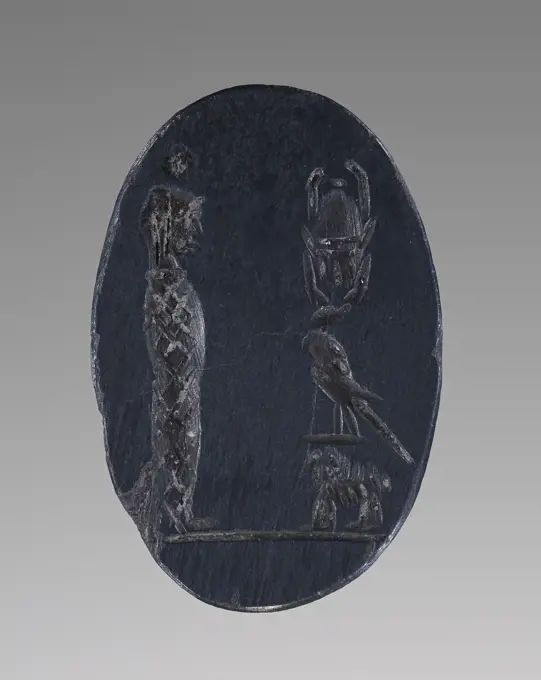
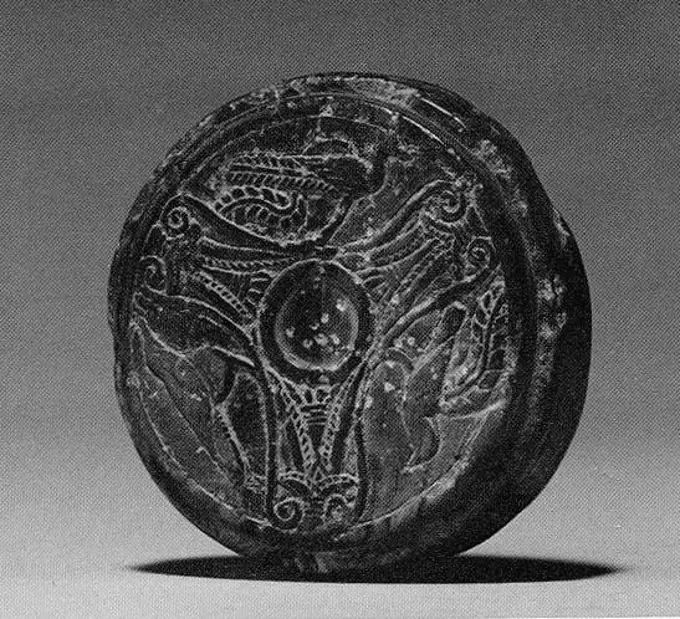
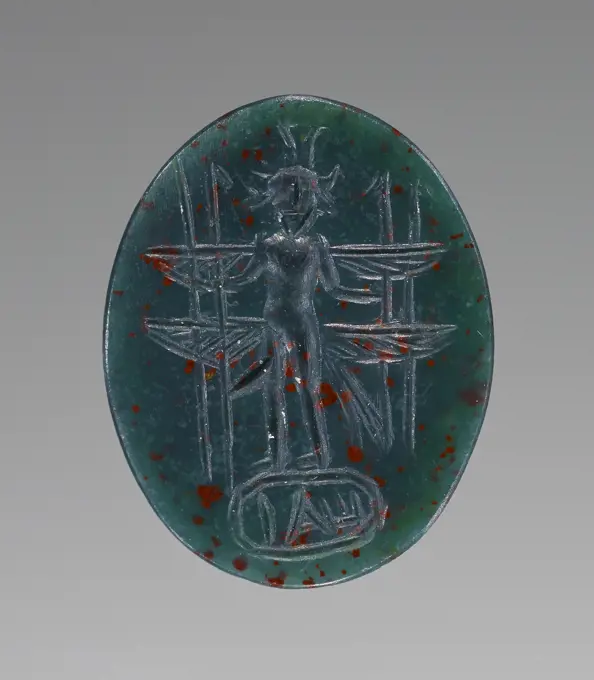
Ancient Egyptian Scarabs

A collection of ancient scarabs inscribed with hieroglyphs, showcasing historical significance and intricate designs from different dynasties.

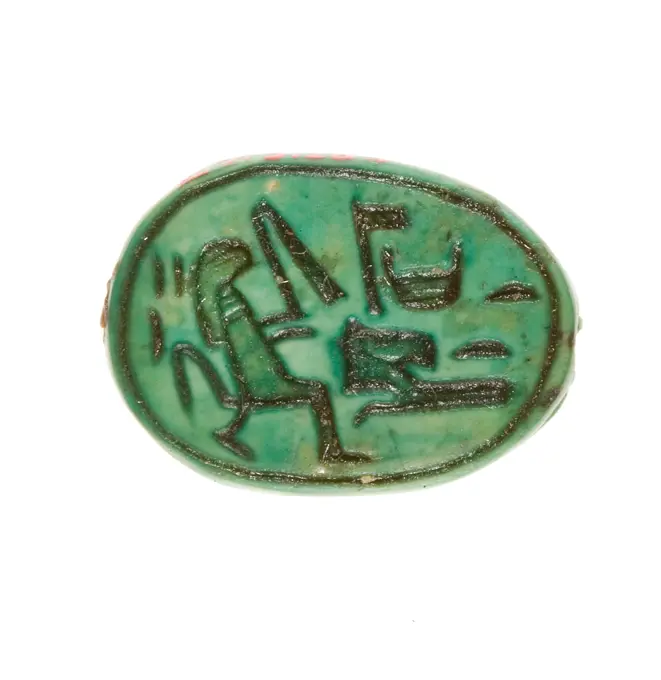
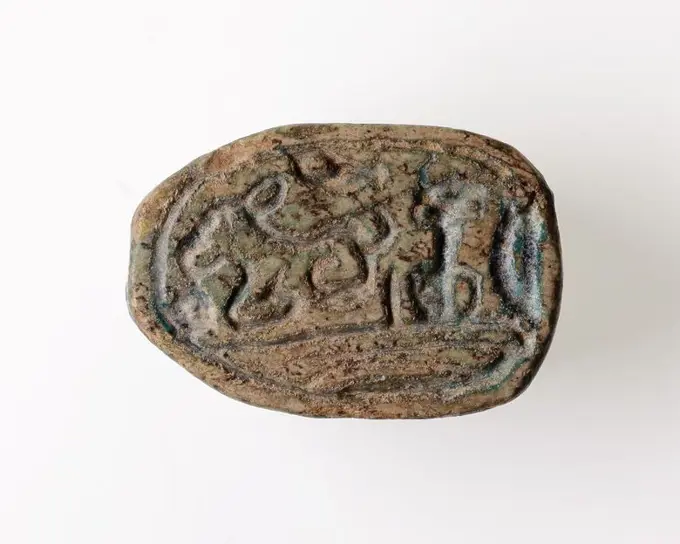
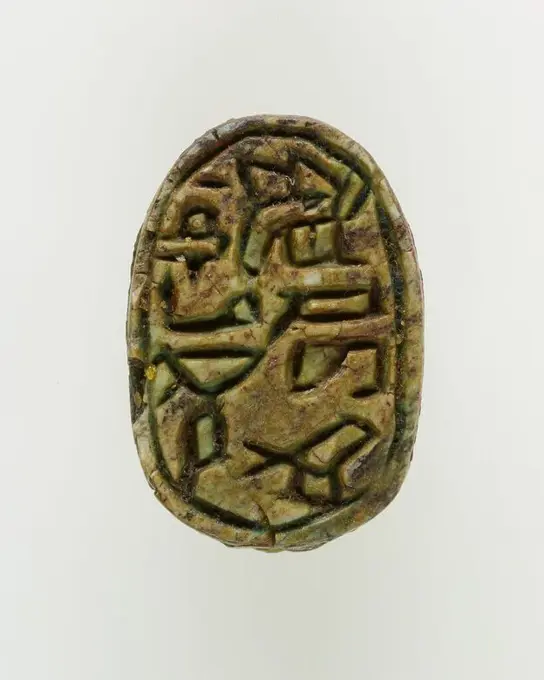
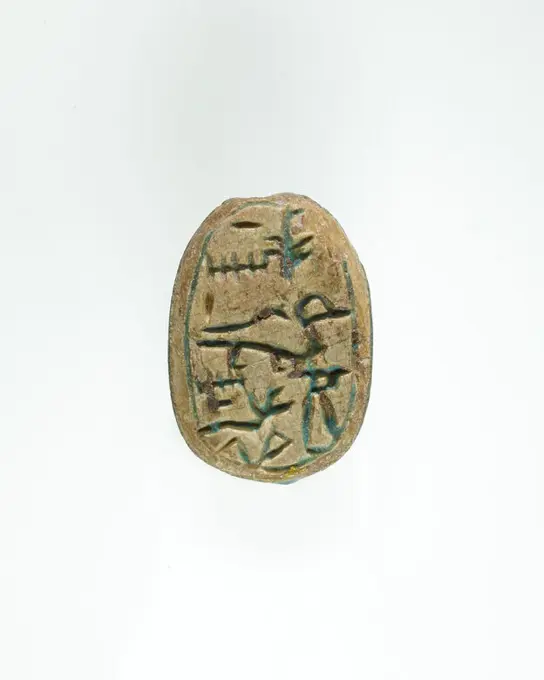
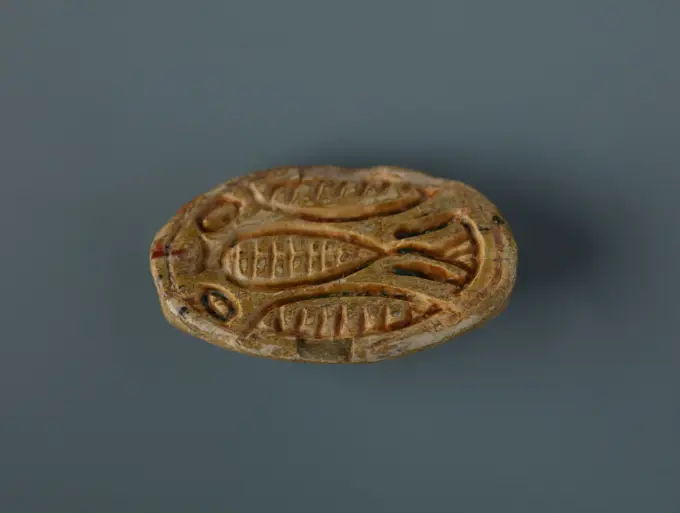
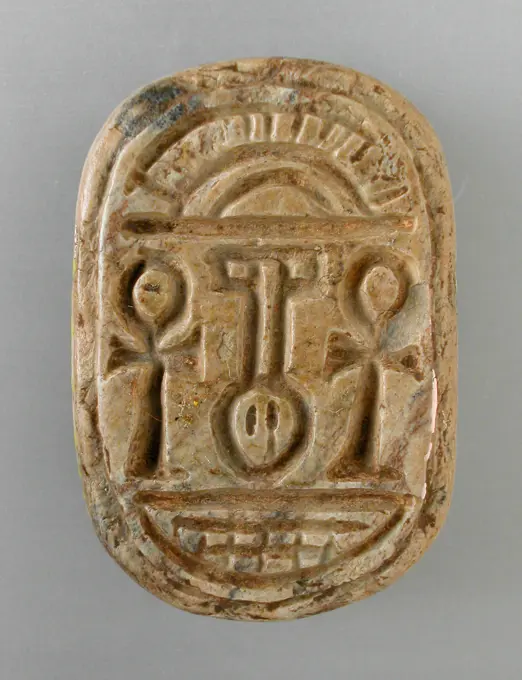
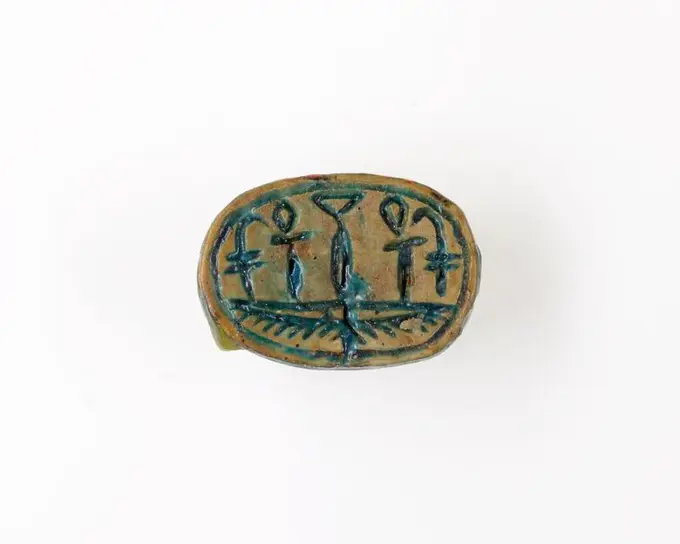
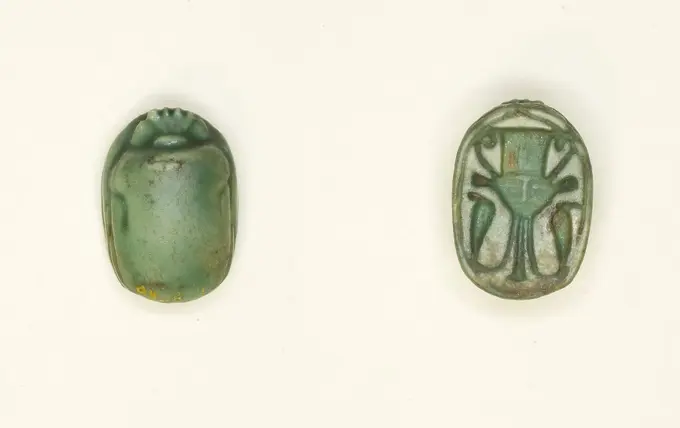
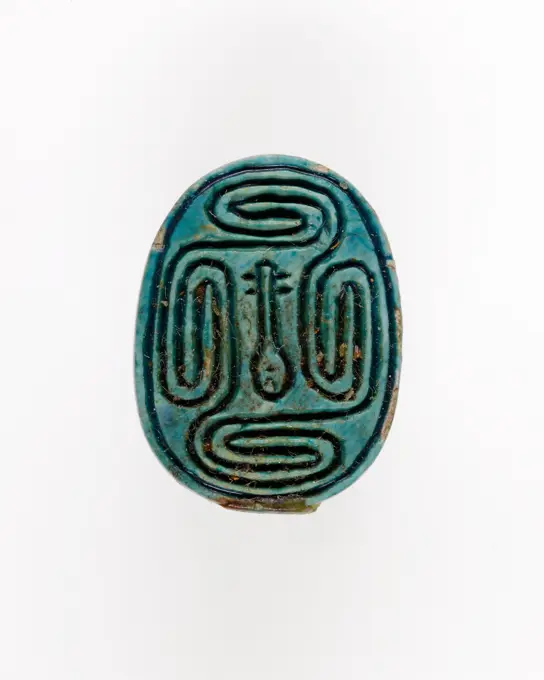
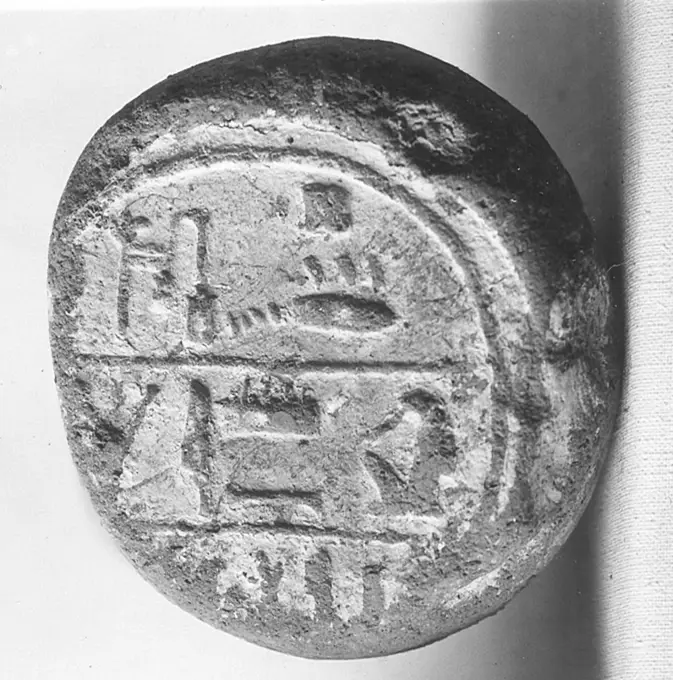
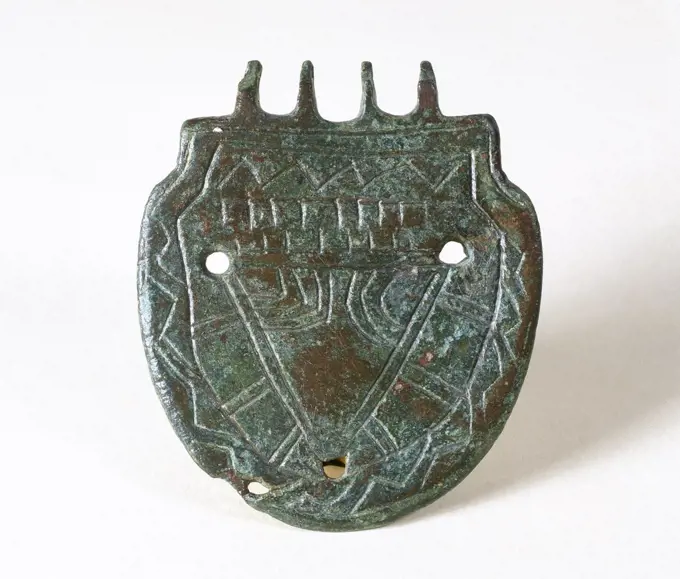
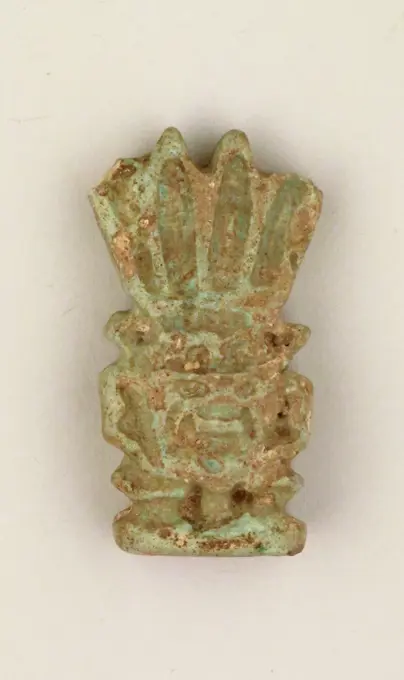
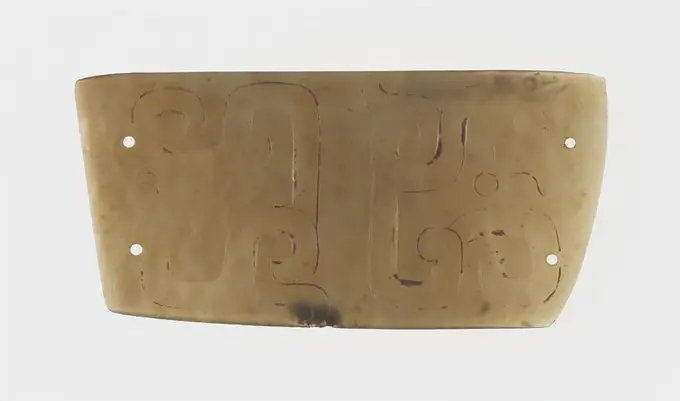
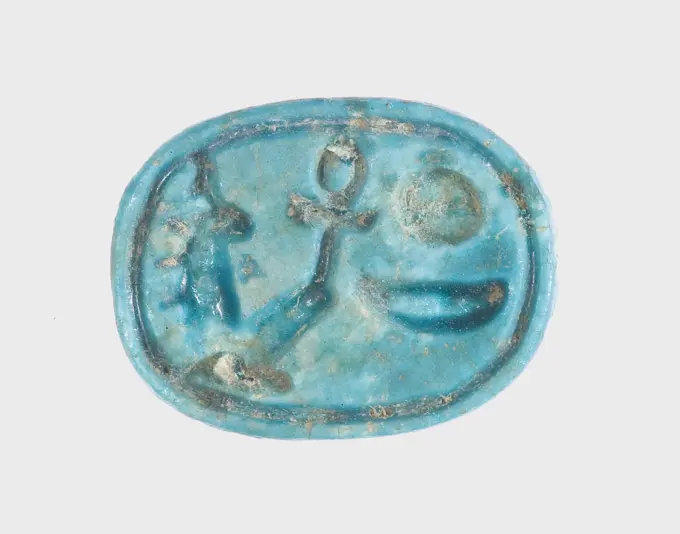
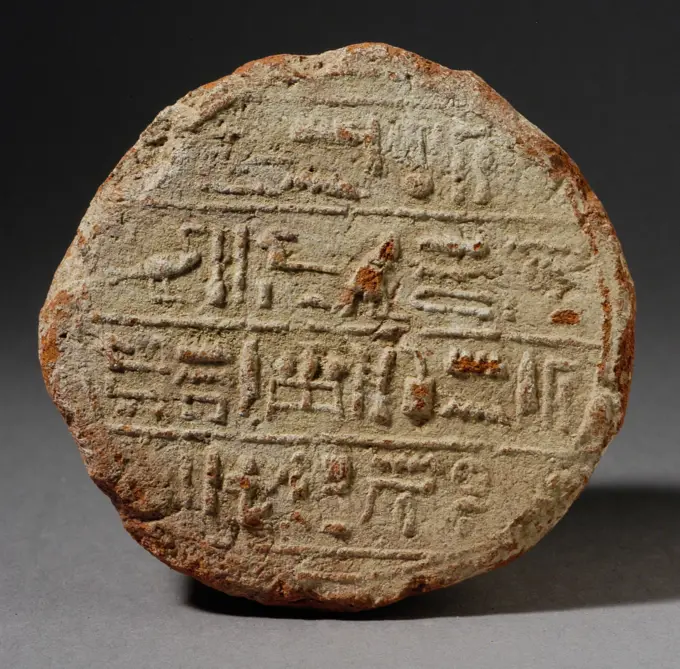
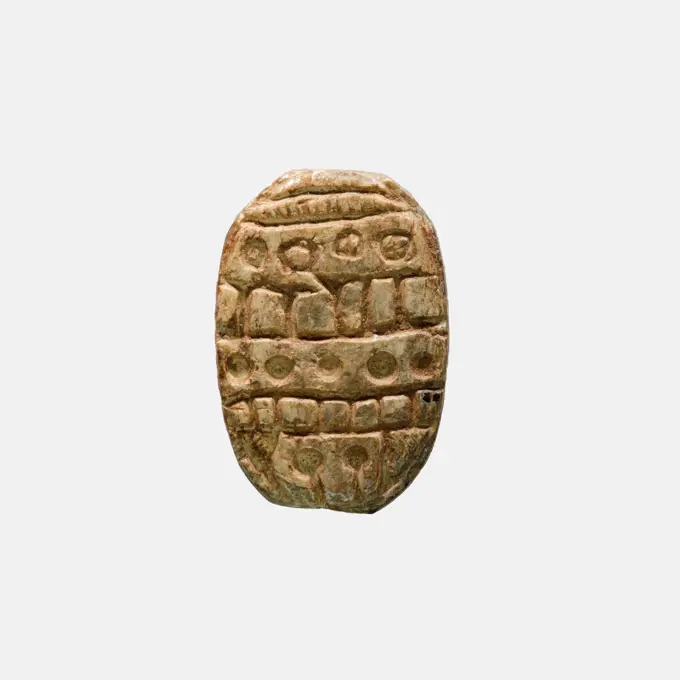
Scarab Inscribed with Hieroglyphs ca. 1850-1640 B.C. Middle Kingdom The scarab is inscribed with a symmetric arrangement of hieroglyphs, not meant to form words but chosen instead for their positive meaning. Such compositions are particularly prevalent on design scarabs of the late Middle Kingdom (late Dynasty 12-Dynasty 13, ca. 1850 -1640 B.C.). They serve as models for the wide array of variations seen on Egyptian scarabs of the Second Intermediate Period (Dynasty 14-17, ca. 1640-1550 B.C.) and on Canaanite scarabs (Middle Bronze Age IIB-IIC, ca. 1700-1500 B.C.).. Scarab Inscribed with Hieroglyphs 557100
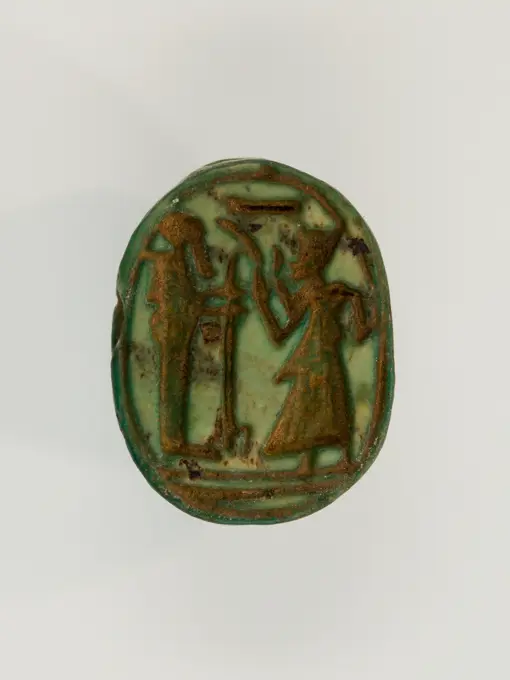
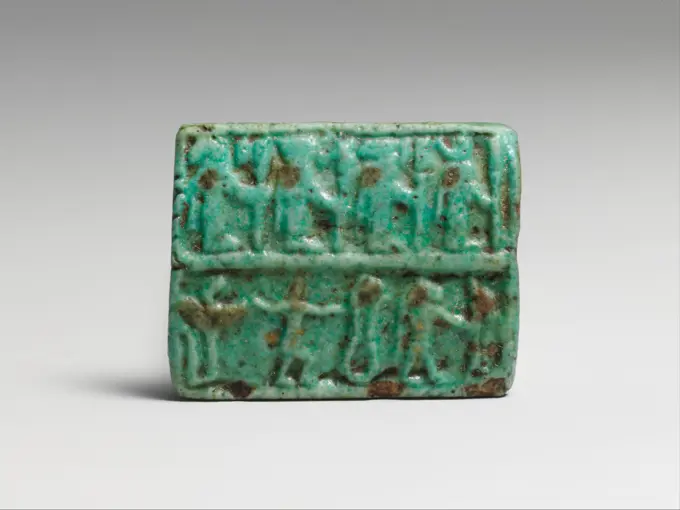
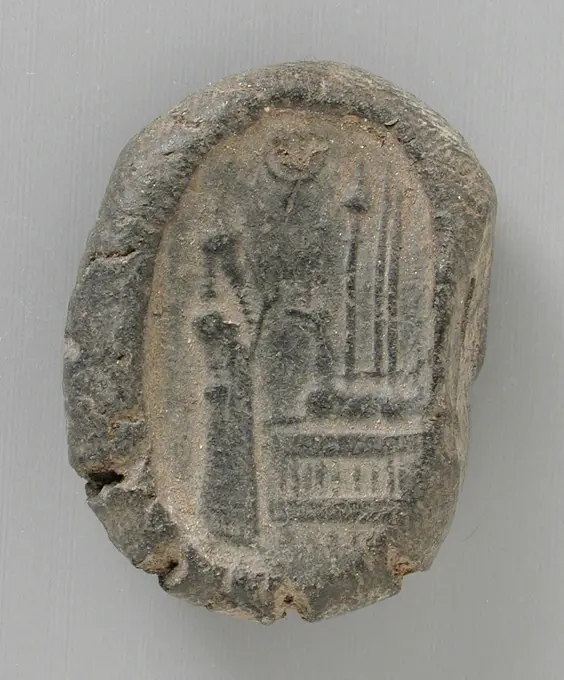
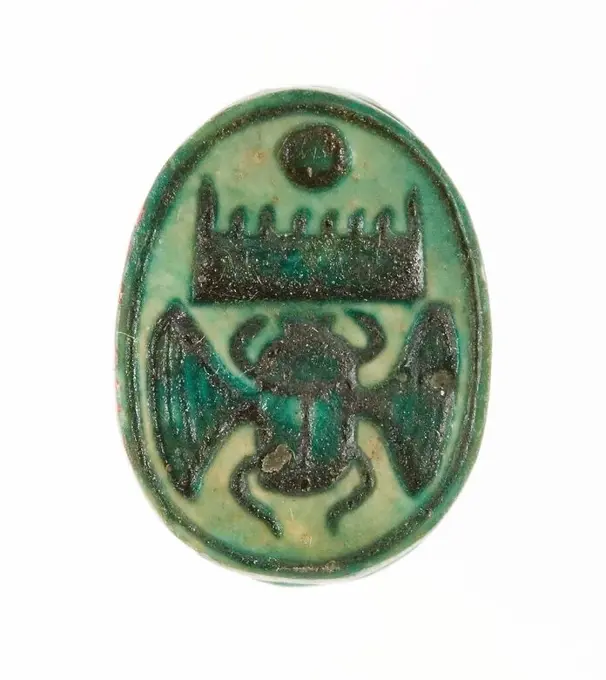
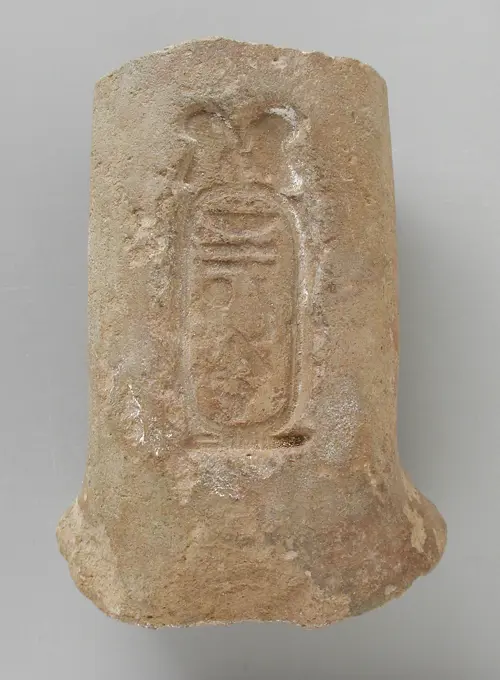
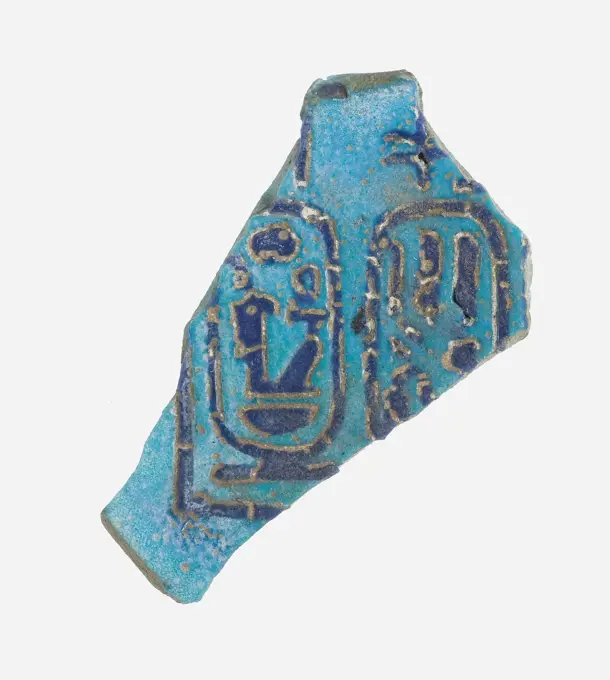
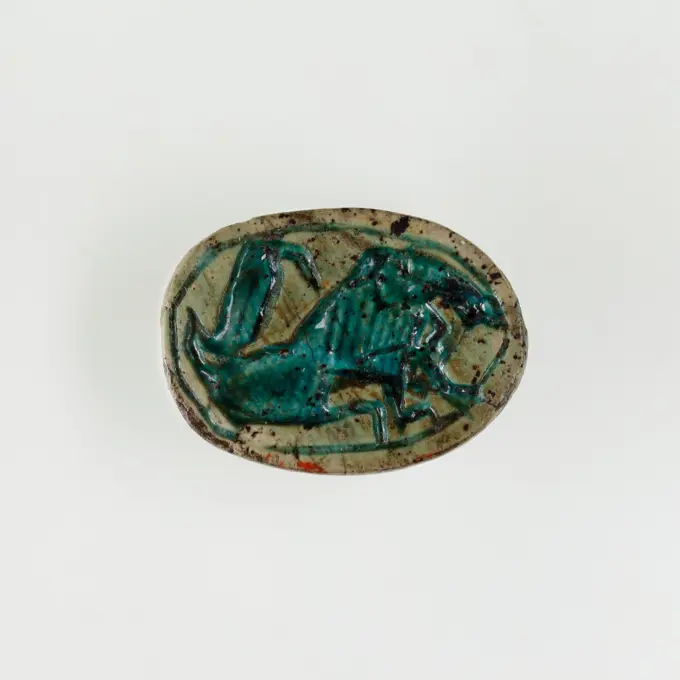
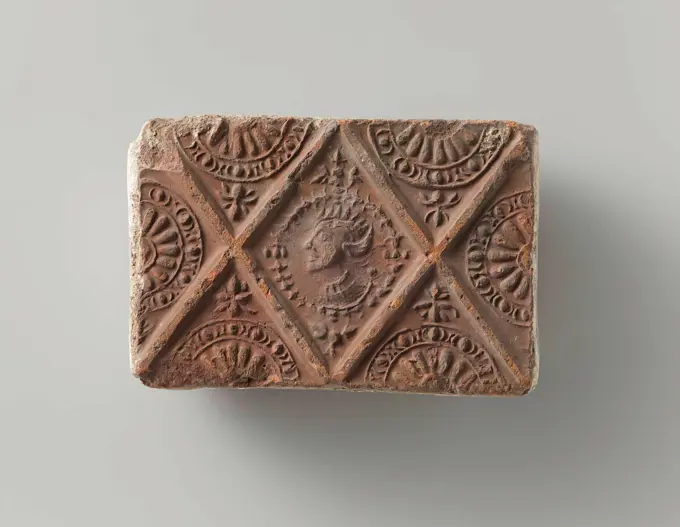
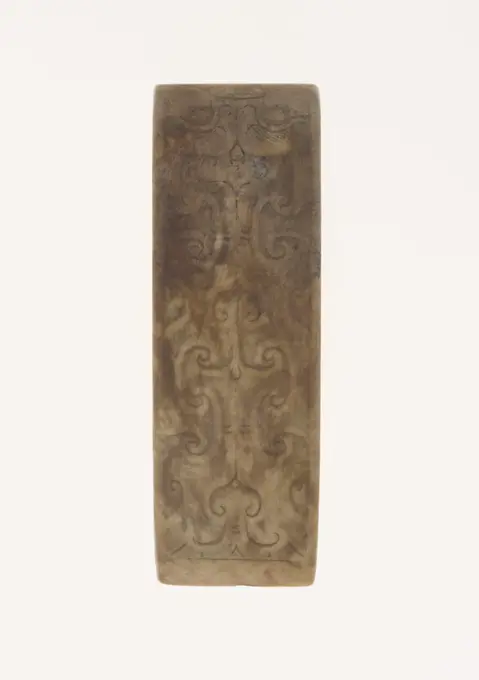
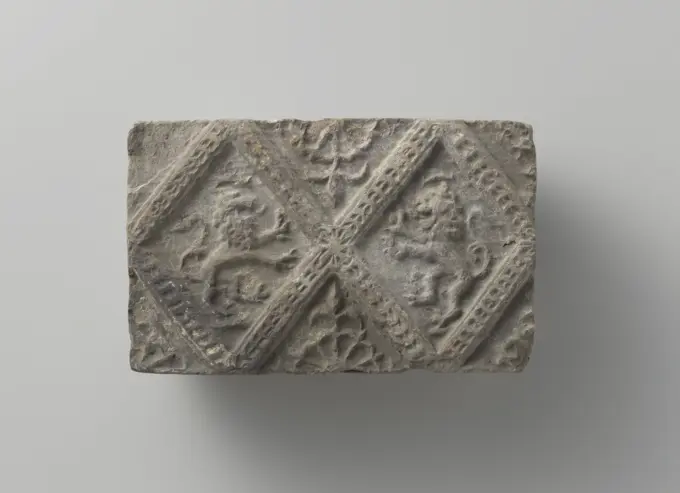
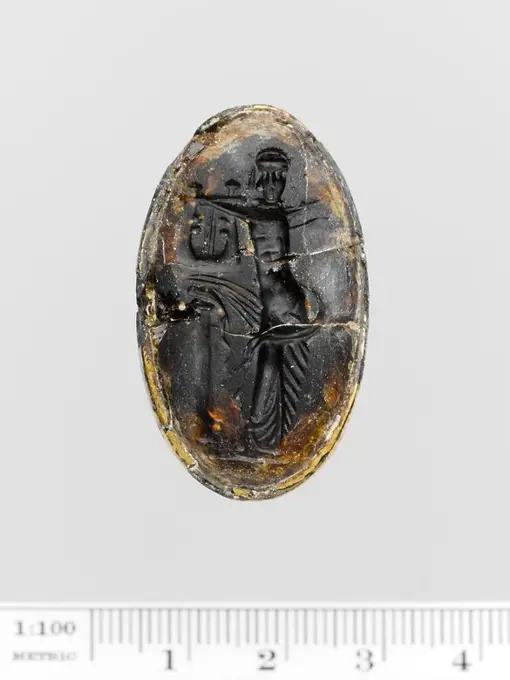
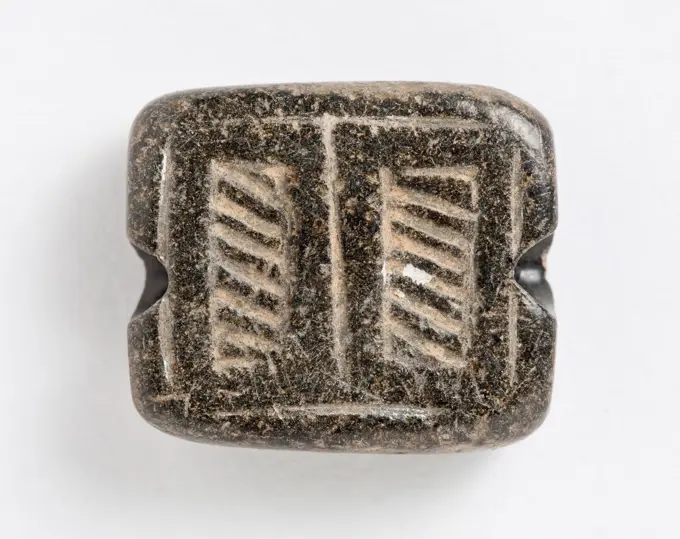
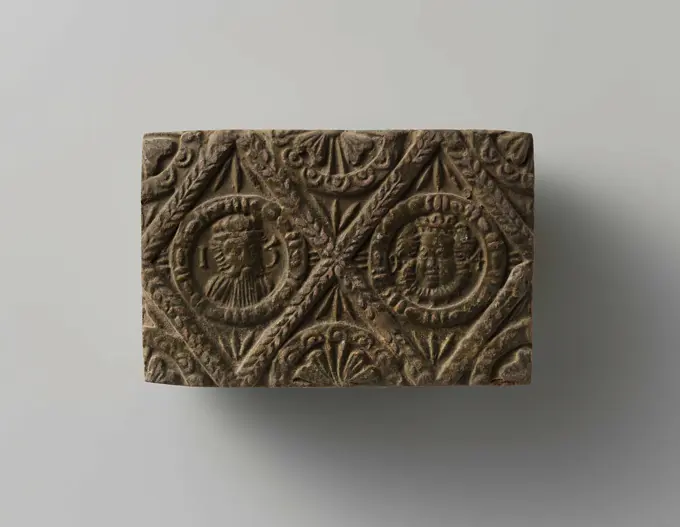
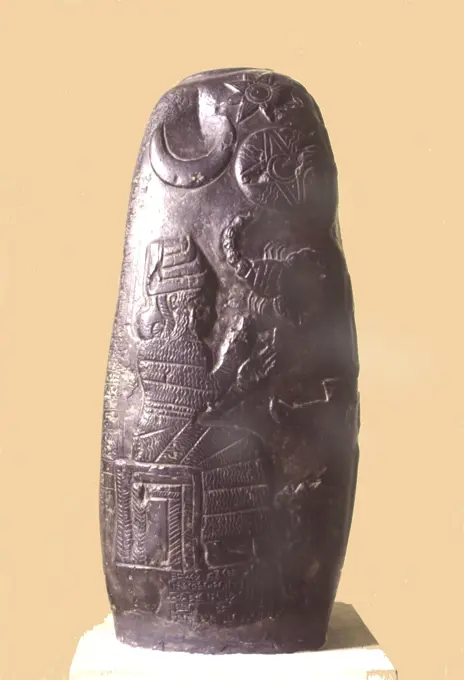
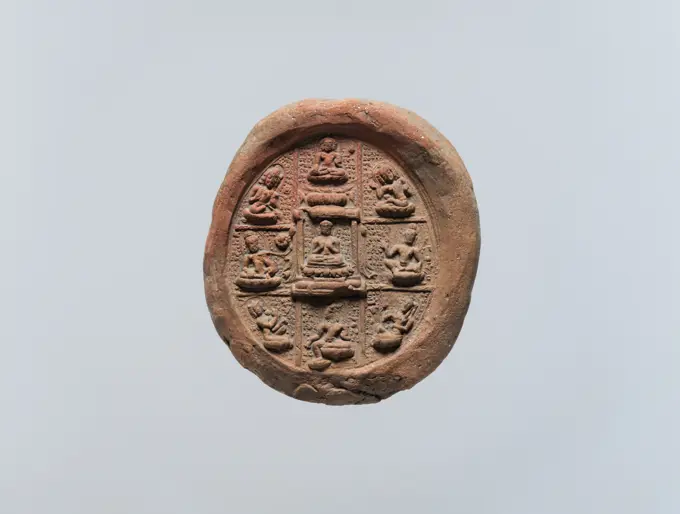
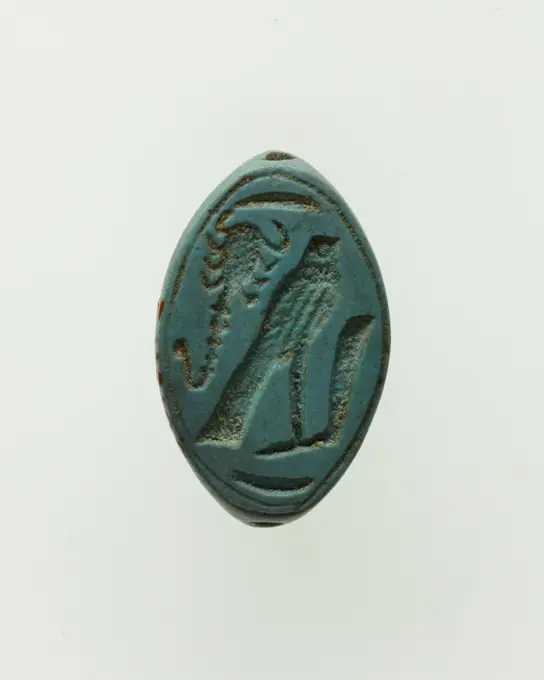
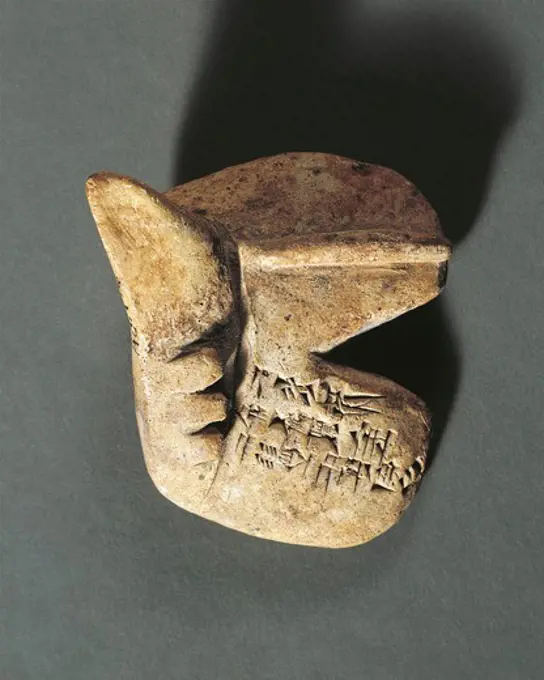
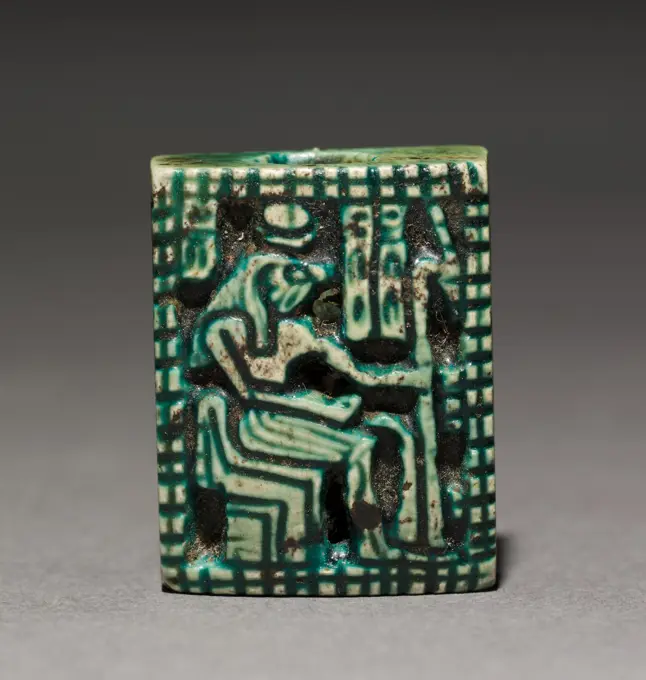
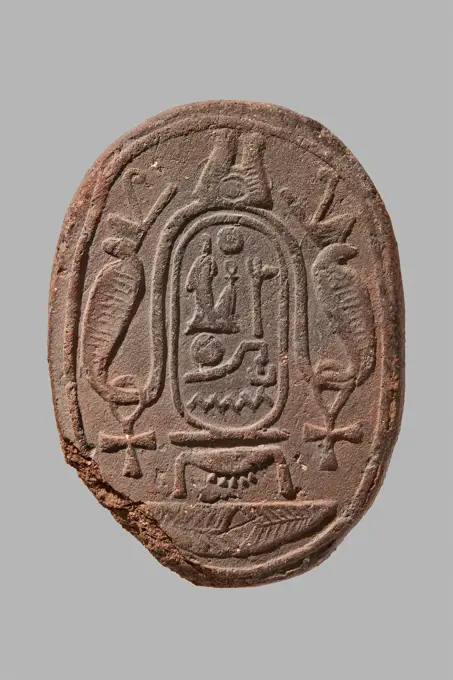
Scarab Inscribed for the God's Wife Hatshepsut ca. 1479-1458 B.C. New Kingdom The inscription on the base of this scarab reads: God's Wife, Hatshepsut. In the late Seventeenth early Eighteenth Dynasties, the title God's Wife was held by the principal queen or the queen mother. Hatshepsut inherited the title while she served as principal queen of her half-brother, Thutmose II. Later, shortly after she took on the titles of king, Hatshepsut passed the title on to her daughter, Neferure (see scarab 27.3.325).Slight variations of the same inscription may be found on two other scarabs (27.3.186, 27.3.187) and a cowroid seal amulet (27.3.191). Although the hieroglyphs are not in exactly the same configuration, they have been carved in a similar fashion. For example, the seated figure leans back and both of her arms are indicated. For different versions of the same inscription, see 27.3.174-27.3.184, 27.3.188-27.3.190.. Scarab Inscribed for the God's Wife Hatshepsut. ca. 1479-1458 B.C.. SteatScarab Inscribed with Hieroglyphs ca. 1850-1640 B.C. Middle Kingdom The scarab is inscribed with a symmetric arrangement of hieroglyphs, not meant to form words but chosen instead for their positive meaning. Such compositions are particularly prevalent on design scarabs of the late Middle Kingdom (late Dynasty 12-Dynasty 13, ca. 1850 -1640 B.C.). They serve as models for the wide array of variations seen on Egyptian scarabs of the Second Intermediate Period (Dynasty 14-17, ca. 1640-1550 B.C.) and on Canaanite scarabs (Middle Bronze Age IIB-IIC, ca. 1700-1500 B.C.).. Scarab Inscribed with Hieroglyphs 557100Scarab of Ramesses II. Dimensions: L. 1.6 × W. 1.3 cm (5/8 × 1/2 in.). Dynasty: Dynasty 19-20. Date: ca. 1295-1070 B.C.. Museum: Metropolitan Museum of Art, New York, USA.Scarab Inscribed For the Scribe Djehutymose ca. 1550-1458 B.C. New Kingdom. Scarab Inscribed For the Scribe Djehutymose. ca. 1550-1458 B.C.. Green glazed steatite. New Kingdom. From Egypt, Upper Egypt, Thebes, Asasif, Tomb CC 62, West Chapel A, debris, Carnarvon excavations, 1913. Dynasty 18, earlyRing Horemheb, Beloved of Amon 1323 BCE-1295 BCE Egypt. Faience . Ancient EgyptianScarab ca. 1295-1070 B.C. New Kingdom, Ramesside. Scarab 569587Scarab Inscribed for a Prince Intef. Dimensions: L. 2.6 × W. 1.8 × H. 1.2 cm (1 × 11/16 × 1/2 in.). Dynasty: Dynasty 13. Date: ca. 1802-1575 B.C.. Museum: Metropolitan Museum of Art, New York, USA.Scarab. Dimensions: l. 2.2 cm (7/8 in). Dynasty: Dynasty 12-18. Date: ca. 1981-1295 B.C.. Museum: Metropolitan Museum of Art, New York, USA.Scarab of an Official. Dimensions: l. 2 cm (13/16 in). Dynasty: Dynasty 12-18. Date: ca. 1981-1550 B.C.. Museum: Metropolitan Museum of Art, New York, USA.Printing block, Medium: wood, Small block carved on both sides. On one side is Kufic script, and on the other, part of a design with a section of circular motifs containing an inscription. Incomplete., Egypt, 14th century, appliances & tools, Printing blockScarab of Intef. Dimensions: L. 2 × W. 1.4 × H. 0.8 cm (13/16 × 9/16 × 5/16 in.). Dynasty: Dynasty 13-17. Date: ca. 1802-1550 B.C.. Museum: Metropolitan Museum of Art, New York, USA.Scarab Inscribed with the Throne Name of Thutmose III ca. 1479-1458 B.C. New Kingdom. Scarab Inscribed with the Throne Name of Thutmose III. ca. 1479-1458 B.C.. Steatite (glazed). New Kingdom. From Egypt, Upper Egypt, Thebes, Deir el-Bahri, Temple of Hatshepsut, Foundation Deposit 7 (G), MMA excavations, 1926-27. Dynasty 18, earlyScarabScarab ca. 1635-1458 B.C. Second Intermediate Period-Early New Kingdom. Scarab. ca. 1635-1458 B.C.. Steatite (glazed). Second Intermediate Period-Early New Kingdom. From Egypt, Upper Egypt, Thebes, Asasif, Courtyard CC 41, Tomb R 2, Burial E 3, On body, MMA excavations, 1915-16. Dynasty 17-18Faience amulet plaque with a group of deities ca. 304-30 B.C. Egyptian, Ptolemaic Amulet plaque, group of deities.. Faience amulet plaque with a group of deities 243802Scaraboid: Cat. Egyptian. Date: 1550 BC-1295 BC. Dimensions: 0.5 × 0.8 × 0.6 cm (3/16 × 5/16 × 1/4 in.). Glazed steatite. Origin: Egypt. Museum: The Chicago Art Institute, Chicago, USA. Author: Ancient Egyptian.Hearing stone with representation of two climbing lions, c. 1875 - c. 1900 Hearing stone with representation of two climbing lions, placed in profiled window. The half windows at the top and bottom are filled with arrow pattern. Glazed. Netherlands earthenware vitrification Hearing stone with representation of two climbing lions, placed in profiled window. The half windows at the top and bottom are filled with arrow pattern. Glazed. Netherlands earthenware vitrificationSeal Impression with Near Eastern Depiction. Egypt, Late Period (664 - 333 BCE). Tools and Equipment; seals. Blackened clayScarab Inscribed with the Throne Name of Thutmose III. Dimensions: L. 1.7 cm (11/16 in); w. 1.3 cm (1/2 in); h. 0.8 cm (5/16 in). Dynasty: Dynasty 18, early. Reign: Joint reign of Hatshepsut and Thutmose III. Date: ca. 1479-1458 B.C.. Museum: Metropolitan Museum of Art, New York, USA.Engraved Gem; Roman Empire; 1st - 4th century; Green Jasper Ringstone; 2 x 1.4 cm (13,16 x 9,16 in.)Carved Amuletic Plaque with Good Luck Inscriptions. Egypt, 13th - 22nd Dynasty (1786 - 725 BCE). Jewelry and Adornments; amulets. Brown SteatiteFragment 14th-15th century. Fragment 445527Rim fragment of relief chalice with inscription and papyrus plants, associated with 1983.599. Dimensions: 3.5 × 2.5 cm (1 3/8 × 1 in.). Dynasty: Dynasty 22. Date: ca. 945-712 BC.Relief chalices are associated mostly with Dynasty 22 (ca. 945-712 BC). The faience lotiform chalice originated in the New Kingdom and by its association with the lotus which opens with the rising sun was a symbol of resurrection and new life. In the Third Intermediate Period these chalices began to be decorated with a wide variety of relief scenes that are all in one way or other part of a cycle of myths, legends and stories connected with the birth of a child god in the marshes, who is associated with the sun god and with the king. Sometimes the specific references may not be understandable for us at least at this time, but the sense of the marsh as a magical, liminal space, much like the forest in fairy tales or in Shakespeare's Midsummer Night's Dream, is palpable. For the Egyptians, these themes came to tMold Bearing Throne Name of Merneptah. Egypt, New Kingdom, 19th Dynasty, reign of Merneptah (1237 - 1226 BCE). Tools and Equipment; molds. TerracottaScaraboid: Calf (). Egyptian. Date: 1550 BC-1069 BC. Dimensions: 1 × 1.3 × 1 cm (3/8 × 1/2 × 3/8 in.). Glazed steatite. Origin: Egypt. Museum: The Chicago Art Institute, Chicago, USA. Author: Ancient Egyptian.Scarab. Dimensions: L. 1.5 cm (9/16 in). Dynasty: Dynasty 12-18. Date: ca. 1981-1295 B.C.. Museum: Metropolitan Museum of Art, New York, USA.Scarab: Hathor Sistrum. Egyptian. Date: 1550 BC-1295 BC. Dimensions: 1.3 × 0.8 × 0.6 cm (1/2 × 5/16 × 1/4 in.). Faience. Origin: Egypt. Museum: The Chicago Art Institute, USA. Author: Ancient Egyptian.Seal Impression on a Jar Handle with Throne Name of Necho II. Egypt, Late Period, 26th Dynasty, reign of Necho II (610 - 595 BCE). Tools and Equipment; seal impressions. TerracottaEye idol ca. 3700-3500 B.C. This type of figurine known as an eye idol, made of stone and having incised eyes, has been excavated at Tell Brak, where thousands were found in a building now called the Eye Temple. They were probably dedicated there as offerings. Many are incised with multiple sets of eyes, others with jewelry, and still others with representations of "children"smaller eyes and body carved on the body of the larger idol. Wide eyes demonstrate attentiveness to the gods in much of Mesopotamian art.. Eye idol 324152Fragment of a Toilet Dish with Cartouches of Amenhotep III ca. 1390-1353 B.C. New Kingdom. Fragment of a Toilet Dish with Cartouches of Amenhotep III. ca. 1390-1353 B.C.. Faience. New Kingdom. From Egypt, Upper Egypt, Thebes, Malqata, Palace of Amenhotep III, MMA excavations, 1911-12. Dynasty 18Seal China. Seal 41037Scarab with Lion and Uraeus ca. 1640-1500 B.C. (late Middle Bronze Age IIB-IIC) Second Intermediate Period Canaanite scarabs of the late Middle Bronze Age (ca. 1640-1500 B.C.) frequently show scenes with a wild animal such as a lion, ibex, antelope or crocodile, or to a lesser extent with a donkey or hippo, only a few examples depict bulls. Except for the donkey and bull, these animals live in the wild and were feared as well as respected. During this period, Canaanite seal carvers decorated the interior of animals with parallel lines, or short strokes to represent their fur. It has been suggested that compositions with wild animals symbolize the successful dominance over nature and control over chaos. The underside of this scarab shows a uraeus and a seated lion, its mane rendered by long strokes. The barely discernible motif in front of the lions mouth may be another cobra.. Scarab with Lion and Uraeus 545706Scarab Incised with Nefer Sign in Scroll Border ca. 1760-1670 B.C. Middle Kingdom The majority of design scarabs of the late Middle Kingdom (late Dynasty 12-Dynasty 13, ca. 1850-1640 B.C.) are decorated with symmetric compositions of protective hieroglyphs and/or scrolls. Decorative scroll borders are very popular and enclose one or more hieroglyphs, which usually include the sign for good and beautiful (nefer).. Scarab Incised with Nefer Sign in Scroll Border 545707Scarab Inscribed for the Living Horus Wosretkau (Hatshepsut) ca. 1479-1458 B.C. New Kingdom. Scarab Inscribed for the Living Horus Wosretkau (Hatshepsut). ca. 1479-1458 B.C.. Steatite (glazed). New Kingdom. From Egypt, Upper Egypt, Thebes, Deir el-Bahri, Temple of Hatshepsut, Foundation Deposit 8 (H), MMA excavations, 1926-27. Dynasty 18, earlyHearing stone with representation of two climbing lions, c. 1875 - c. 1900 Hearing stone with representation of two climbing lions, placed in profiled window. The half windows at the top and bottom are filled with arrow pattern. Glazed. Netherlands earthenware vitrification Hearing stone with representation of two climbing lions, placed in profiled window. The half windows at the top and bottom are filled with arrow pattern. Glazed. Netherlands earthenware vitrificationFireplace, on which St. Michael. Fireplace, on which St. Michael. Richly staggered edge. Of fine baked earth.Buckle 7th century () Frankish Belts were important features of early medieval dress. Not only did they serve the practical function of holding weapons and tools, but their fittings, which could vary in terms of material, decoration, and size, were also highly visible indicators of rank and status. Iron buckles, many imposing in size, were worn by both men and women. Their intricate decoration was achieved by squeezing narrow twisted strips of silver into patterns engraved on the surface of the prefabricated iron pieces. A complete belt would have consisted of a buckle, a counter plate that was placed opposite the buckle, and sometimes a rectangular plate placed in the middle of the belt at the back for decoration.. Buckle. Frankish. 7th century (). Copper alloy. Metalwork-Copper alloyShard: Shoulder of Vessel with Offerer ca. 4th-5th century Pakistan. Shard: Shoulder of Vessel with Offerer 51190Scarab of Seti I ca. 1294-1279 B.C. New Kingdom, Ramesside. Scarab of Seti I. ca. 1294-1279 B.C.. Steatite. New Kingdom, Ramesside. From Egypt. Dynasty 19Fireplace of baked earth with diamond-shaped distribution, with a royal head in the middle. Fireplace of baked earth with diamond-shaped distribution. A king's head in the middle.Funerary Cone of Djeserka ca. 1550-1352 B.C. New Kingdom This funerary cone is inscribed for a man named Djeserka who was scribe of accounts of the granaries of Amun and owned Theban tomb 38. For a drawing of this impression see http://www.funerarycones.com/, number 559.. Funerary Cone of Djeserka Funerary Cone of Djeserka ca. 1550-1352 B.C. New Kingdom This funerary cone is inscribed for a man named Djeserka who was scribe of accounts of the granaries of Amun and owned Theban tomb 38. For a drawing of this impression see http://www.funerarycones.com/, number 559.. Funerary Cone of Djeserka. ca. 1550-1352 B.C.. Pottery. New Kingdom. From Egypt, Upper Egypt, Thebes, Sheikh Abd el-Qurna. Dynasty 18Hearing cover with the coat of arms of Karel V, Anonymous, 1552  Fronton -shaped fireplace with Charles V weapon of Habsburg; Crowned shield with two -headed eagle with shield on the chest, on either side columns, left with Griffioen on the right with lion, around columns and behind Schild Banderol with inscription: Plus Oltre, head -crowned head and 1552; Especially fronton worn, top left -hand piece off, behind parts plastered with white, brown painted. Southern Netherlands brick (clay product)Scarab Inscribed with the Throne Name of Thutmose I ca. 1504-1492 B.C. New Kingdom. Scarab Inscribed with the Throne Name of Thutmose I. ca. 1504-1492 B.C.. Steatite, glazed. New Kingdom. From Egypt. Dynasty 18Visigothic buckle, 6th century. Frankish origin. Geometric decoration. From Sant Cugat del Vallés, province of Barcelona, Catalonia, Spain. Archaeological Museum, Barcelona, Catalonia, Spain.Purse Mount in the Form of a Bird second half 6th century Frankish These objects were used as decorative appliqués on a purse that would have hung from a strap.. Purse Mount in the Form of a Bird 464902Amulet, Bes. Amulet, Bes. Clay, glazed. Gold and SilverIndependalating Club, 1848 "(dummy title) Medal. Independalating Club. Copper White, 1848.Mold bearing Cartouche with Throne Name of King Horemheb. Egypt, New Kingdom, late 18th Dynasty, reign of Horemheb (1343 - 1315 BCE). Tools and Equipment; molds. TerracottaScarab. Dimensions: L. 1.7 cm (11/16 in.). Dynasty: Dynasty 18, early. Date: ca. 1550-1458 B.C.. Museum: Metropolitan Museum of Art, New York, USA.Plaque. China. Date: 700 BC-500 BC. Dimensions: 4.8 × 2.3 cm (1 7/8 × 15/16 in.). Jade. Origin: China. Museum: The Chicago Art Institute, Chicago, USA.Scabbard Slide 206 BCE-9 CE China. Jade .Funerary Cone New Kingdom ca. 1550-1295 B.C. View more. Funerary Cone. ca. 1550-1295 B.C.. Pottery. New Kingdom. From EgyptHearing stone with representation of two climbing lions, placed in two windows, 1598 Hearing stone with representation of two climbing lions, placed in two windows and accompanied by the year 1598. The half and quarter windows on the top and bottom are filled with a diamond-shaped flower. Southern Netherlands earthenware Hearing stone with representation of two climbing lions, placed in two windows and accompanied by the year 1598. The half and quarter windows on the top and bottom are filled with a diamond-shaped flower. Southern Netherlands earthenwareHearing stone with representation of two climbing lions, placed in two windows, Anonymous, After 1610 - Before 1620 Hearing stone with representation of two climbing lions, placed in two windows and accompanied by the year 161 .... The half windows at the top and bottom are filled with diamond-shaped flowers. Southern Netherlands (possibly) earthenware Hearing stone with representation of two climbing lions, placed in two windows and accompanied by the year 161 .... The half windows at the top and bottom are filled with diamond-shaped flowers. Southern Netherlands (possibly) earthenwareBrown glass oval set in a gilt bronze ring. Culture: Greek. Dimensions: Overall: 9/16 x 3/4 in. (1.4 x 1.9 cm). Date: 3rd-2nd century B.C..Apollo playing the lyre. Museum: Metropolitan Museum of Art, New York, USA.Stamp Seal, Tabloid. Western Iran, about 4th millennium B.C.. Tools and Equipment; seals. Gray serpentineScarab of the Lady of the House, Nebtua. Dimensions: l. 2 cm (13/16 in). Dynasty: Dynasty 12-18. Date: ca. 1981-1550 B.C.. Museum: Metropolitan Museum of Art, New York, USA.Scarab with the Throne Name of Amenhotep III ca. 1390-1353 B.C. New Kingdom The Throne name of Amenhotep III, Nebmaatre, is written from right to left on the base of this scarab. The first two hieroglyphs are a sun disk, Re, over a basket, neb (meaning "lord"). The third hieroglyph is a seated woman holding an ankh (meaning "life"). The curled ostrich feather on her head identifies the woman as Maat, the goddess of truth. This name is usually translated "the Lord of Truth is Re.". Scarab with the Throne Name of Amenhotep III. ca. 1390-1353 B.C.. Mica schist, glazed. New Kingdom. From Egypt, Upper Egypt, Thebes, Malqata, South Village, MMA excavations, 1911-12. Dynasty 18Fireplace of baked earth with diamond-shaped distribution, with two medallions with a men's head and women's head and face. Fireplace of baked earth with diamond-shaped distribution. Two medallions and face, in which a men's head with beret and a women's head with crown. With year 1594.Hearing stone of baked earth with diamond -shaped distribution, with two winged deer, Anonymous, 1605 in two diamonds Two hairstones of baked soil with diamond -shaped distribution, with two winged deer in two rides. One with the year 1605. The other with the year 161 .. Southern Netherlands earthenware Two hairstones of baked soil with diamond -shaped distribution, with two winged deer in two rides. One with the year 1605. The other with the year 161 .. Southern Netherlands earthenwareScarab ca. 1492-1479 B.C. New Kingdom. Scarab 552446Shard ca. 4th-5th century Pakistan. Shard 50867Seal China. Seal 41048Scarab of Ramesses II. Dimensions: H. 2.1 × W. 1.4 cm (13/16 × 9/16 in.). Dynasty: Dynasty 19-20. Date: ca. 1295-1070 B.C.. Museum: Metropolitan Museum of Art, New York, USA.Seal Impression with Names of Ptolemy V Epiphanes. Egypt, Greek Period, Ptolemaic Era, reign of Ptolemy V Epiphanes (204 - 180 BCE). Tools and Equipment; seals. TerracottaBabylonian astrologer & star zodiac symbols. Kudurru Nazimarutas. 13th cent. BC.Group of Ninety-One Engraved Gems and Finger Rings.Molded Plaque Depicting a Mandala of the Eight Bodhisattvas 6th century India (probably Uttar Pradesh). Molded Plaque Depicting a Mandala of the Eight Bodhisattvas. India (probably Uttar Pradesh). 6th century. Terracotta. Gupta period. SculptureCowroid Seal-Amulet ca. 1492-1473 B.C. New Kingdom This amulet imitates the shape of a cowrie shell and is thus called a cowroid. It was found near the pelvis of an unnamed woman who was buried in the tomb Hatnefer (see 36.3.1). The heraldic design on the base is intricately carved and includes a falcon standing on a rearing cobra. Behind the falcon is a scorpion.. Cowroid Seal-Amulet 548965Amulet of Taweret, 1540-1296 BC. Egypt, New Kingdom, Dynasty 18. Deep turquoise green faience; overall: 3.6 x 1.8 cm (1 7/16 x 11/16 in.).Model of an animal liver with divination text, from the Mari Palace, clayHome iconostasis ": board with six mosy plaques; an unknown old-day workshop; 19th century (1801-00-00-1900-00-00); was downloaded from the Muse of the National Museum in Warsaw; "Crane, metallurgical / casting; organic material / royaltime origin / wood / board, inorganic material / metal / metal stop / mosia, inorganic material / component / na CM; IK 282 MNW; all rightsVase fragment Roman Fragment of greenish brown enamel; flower decoration ( 2 pieces).. Vase fragment. Roman. Terracotta. VasesEngraved Gem. UnknownFragment 14th-15th century. Fragment 445493Double-Sided Plaque Amulet, 1069-715 BC. Egypt, Third Intermediate Period. Green-glazed steatite; overall: 2.5 x 2 x 1 cm (1 x 13/16 x 3/8 in.).Engraved Scaraboid. UnknownPass with Ramses II's cartouche;  19th century (1801-00-00-1900-00-00);The Art Collection of Ancient Egypt, Ramses II (Lord of Egypt - Ca 1279-1213 A.C.), Tyszkiewicz, Michał (1828-1897) - collections, encouragement, gift, falsificationRing Inscribed with the Throne Name of Amenhotep III ca. 1390-1352 B.C. New Kingdom Inscribed on this ring is the throne name of pharaoh Amenhotep III Nebmaatre that can be translated as "(The god) Re is the lord of truth," written here with three hieroglyphs. A sun disk for the name of the sun god Re is at the top. In the center is a large depiction of the goddess Maat that is used as a hieroglyph for the concept of truth, as she embodied the principle of world order, truth, and justice. She is depicted squatting and with the sign of life (ankh) on her knees. The ostrich plume that signifies her name is on her head. Other writings for this royal name use the Maat ,a href="https://www.metmuseum.org/art/collection/search/560818">feather alone, but the small figure of the goddess herself might express a more direct and intimate relationship between the king and this goddess. At the very bottom of the bezel is a rounded sign that reads neb meaning "lord." Every Egyptian king had five nameFunerary Cone of Montuemhat. Egypt, 25th - 26th Dynasty (circa 755 - 525 BCE). Tools and Equipment; cones. TerracottaBread Seal 10th century. Bread Seal 448019Amulet (Tongue) China. Amulet (Tongue) 43019Bell (shield with the coat of arms and letters a s k)  parish church of St. Katarzyna, Gwoździec near WojniczMold with Birth Name of King Horemheb. Egypt, New Kingdom, late 18th Dynasty, reign of Horemheb (1343 - 1315 BCE). Tools and Equipment; molds. TerracottaCylinder seal ca. 16th-12th century B.C.. Cylinder seal 321405Fragment 14th-15th century. Fragment 445539Ring: Amun-Ra, King of the Gods, the Lord. Egyptian. Date: 1550 BC-1069 BC. Dimensions: W. 1.1 cm (7/16 in.); diam. 1.9 cm (3/4 in.). Faience. Origin: Egypt. Museum: The Chicago Art Institute, Chicago, USA. Author: Ancient Egyptian.Fragment. Possibly Chancay; Probably central coast, Peru. Date: 1000-1476. Dimensions: 21 × 21 cm (8 1/4 × 8 1/4 in.). Cotton, plain weave with brocading wefts. Origin: Peru. Museum: The Chicago Art Institute, Chicago, USA.Brown glass oval set in a gilt bronze ring 3rd-2nd century B.C. Greek Apollo playing the lyre.. Brown glass oval set in a gilt bronze ring. Greek. 3rd-2nd century B.C.. Glass, brown. Hellenistic. GemsPlaque. Culture: China. Dimensions: H. 4 1/4 in. (10.8 cm); W. 5 3/4 in. (14.6 cm). Date: 4th-3rd century B.C.. Museum: Metropolitan Museum of Art, New York, USA.Votive liver, bronzeCowroid Stamp Seal from Ruiu's Burial ca. 1504-1447 B.C. New Kingdom The burial of Ruiu was found in the tomb of her father, Neferkhawet>, which was excavated by the Museums Egyptian Expedition in 1935. Lying against the right side of the head end of Ruius coffin was a small basket that contained a wooden box and a metal razor. Inside the box were four scarabs and a cowroid seal-amulet made of steatite, two ebony kohl sticks, and a small metal spoon.Like three of the scarabs in the box, this cowrie-shaped seal-amulet (known as a cowroid) retains traces of blue glaze. On the base are rows of rather crudely carved ankh-hieroglyphs.. Cowroid Stamp Seal from Ruiu's Burial. ca. 1504-1447 B.C.. Steatite (glazed). New Kingdom. From Egypt, Upper Egypt, Thebes, Asasif, Tomb of Neferkhawet (MMA 729), east chamber, Burial of Ruiu (IV), inside 35.3.45a, b, MMA excavations, 1934-35. Dynasty 18, earlyAmulet, Khnum. Amulet, Khnum. Clay, glazed. Gold and SilverFair stone, on which a bird on a branch and two clover leaves in the corners. Fair stone, on which a bird on a branch and two clover leaves in the corners. Of fine baked earth.Stamp Seal. Northern Syria or southeast Anatolia, circa 3000 B.C.. Tools and Equipment; seals. Black serpentineDisk Stone with a Three-Part Design of Palmettes and Birds 1st century B.C. Pakistan (ancient region of Gandhara, Indus Valley). Disk Stone with a Three-Part Design of Palmettes and Birds 38488Belt buckle. Match.Cylinder seal 3rd millennium B.C.. Cylinder seal. 3rd millennium B.C.. Chlorite. Early Bronze Age. SyriaCrescent Ornament 3rd century Moche. Crescent Ornament. Moche. 3rd century. Copper (hammered). Peru. Metal-OrnamentsOne of Ninet, Engraved, Gems, Cameos and Bullae; Roman Empire; 2nd - 4th century; Bloodstone; 1.4 x 1.1 cm (9,16 x 7,16 in.)