Ancient Egyptian Scarabs

A collection of ancient scarabs inscribed with hieroglyphs, showcasing historical significance and intricate designs from different dynasties.

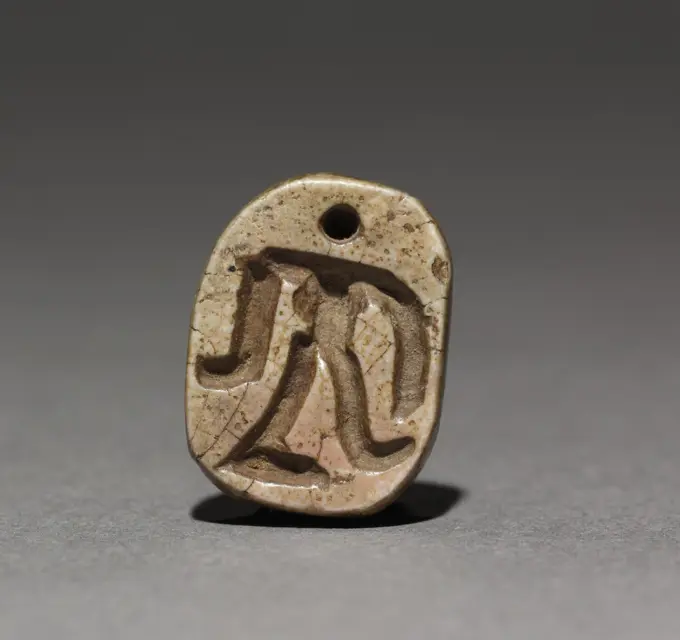
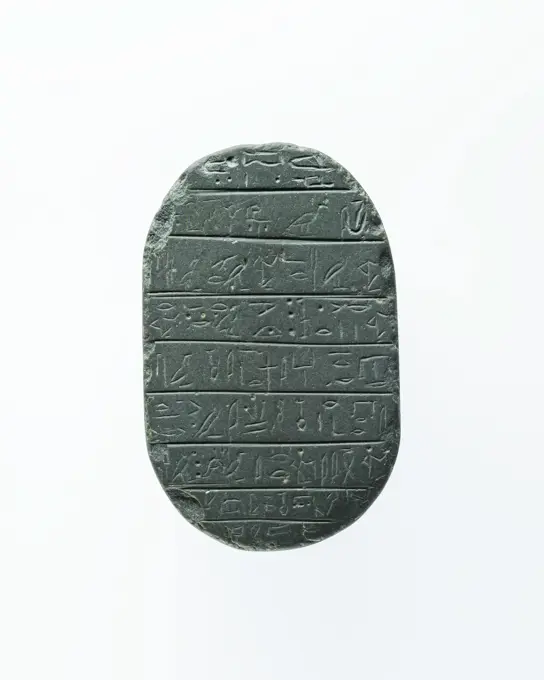
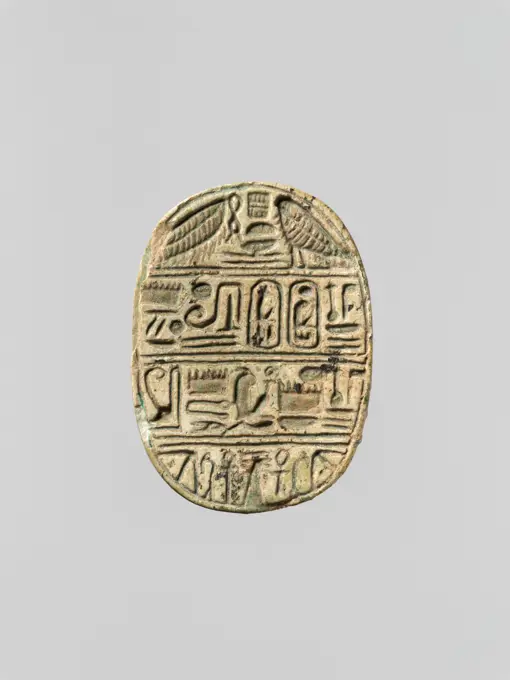
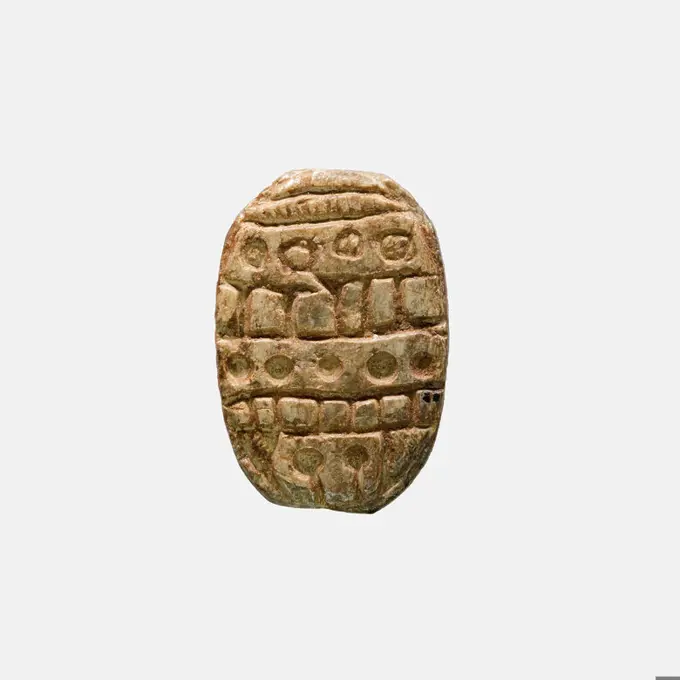
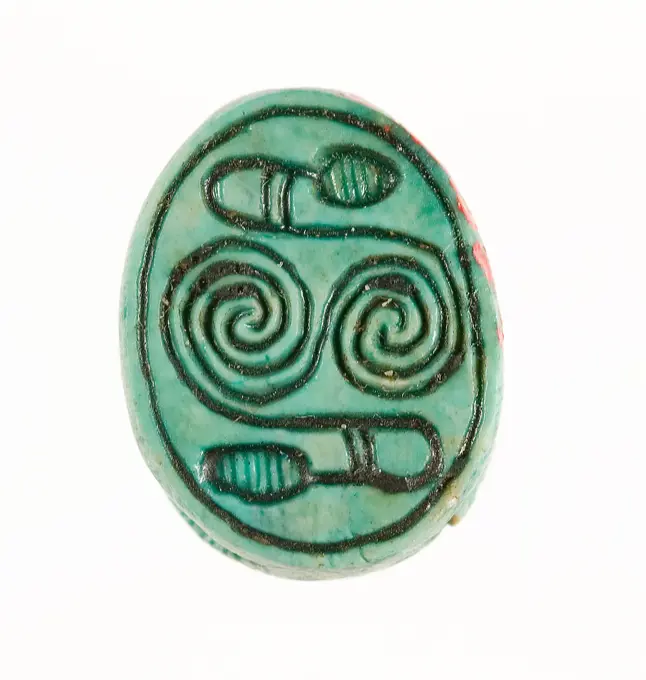
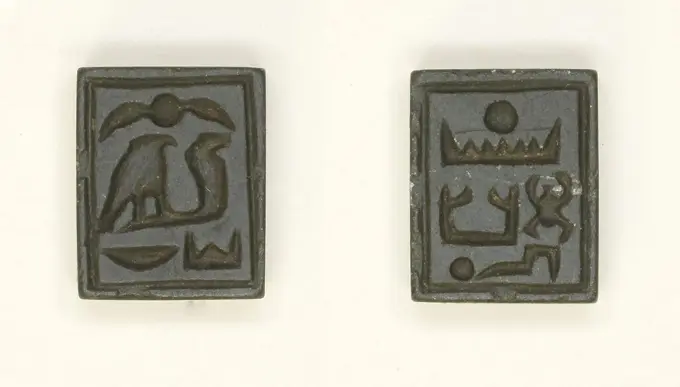
Scarab Inscribed with Hieroglyphs ca. 1850-1640 B.C. Middle Kingdom The scarab is inscribed with a symmetric arrangement of hieroglyphs, not meant to form words but chosen instead for their positive meaning. Such compositions are particularly prevalent on design scarabs of the late Middle Kingdom (late Dynasty 12-Dynasty 13, ca. 1850 -1640 B.C.). They serve as models for the wide array of variations seen on Egyptian scarabs of the Second Intermediate Period (Dynasty 14-17, ca. 1640-1550 B.C.) and on Canaanite scarabs (Middle Bronze Age IIB-IIC, ca. 1700-1500 B.C.).. Scarab Inscribed with Hieroglyphs 557100
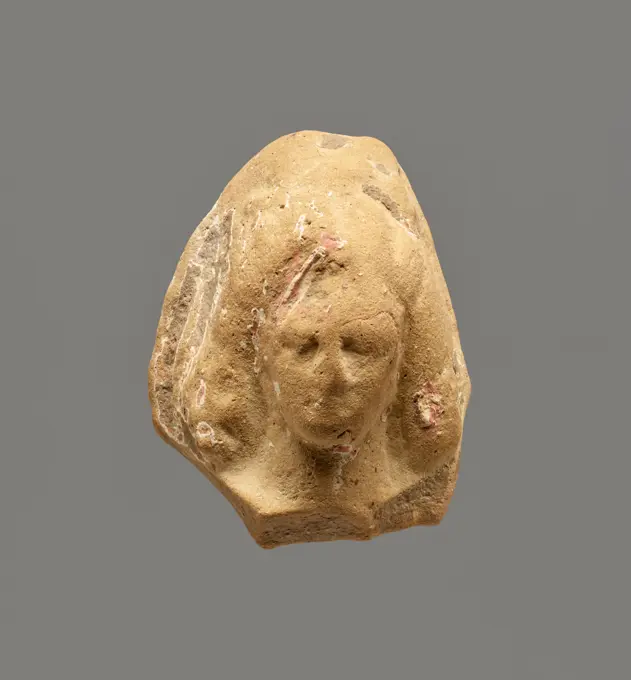
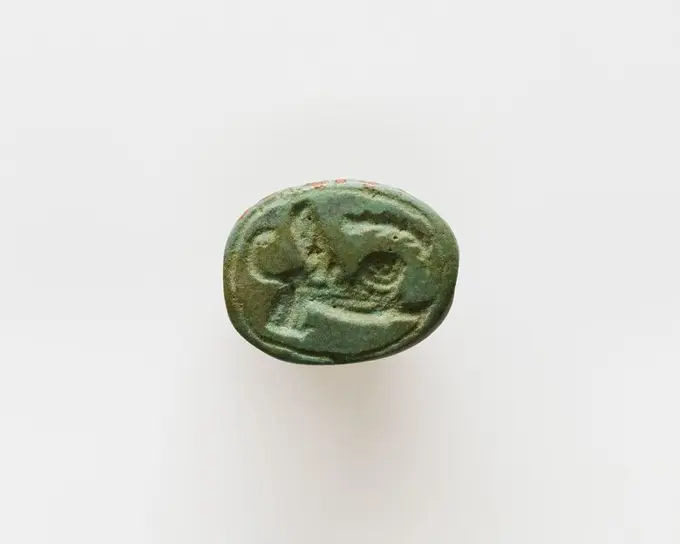
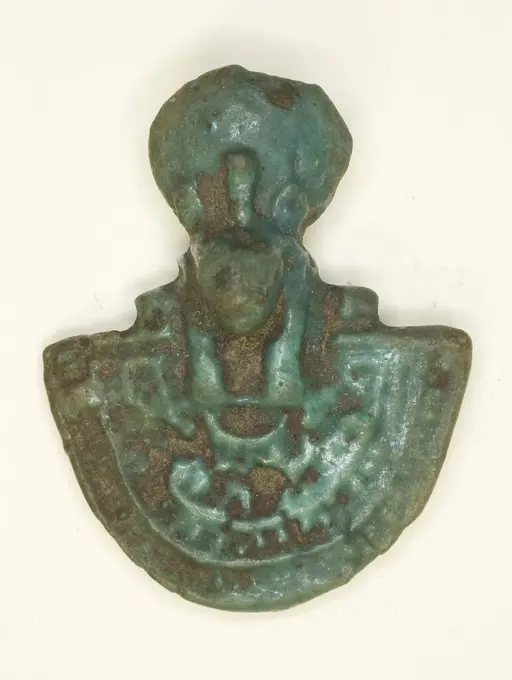
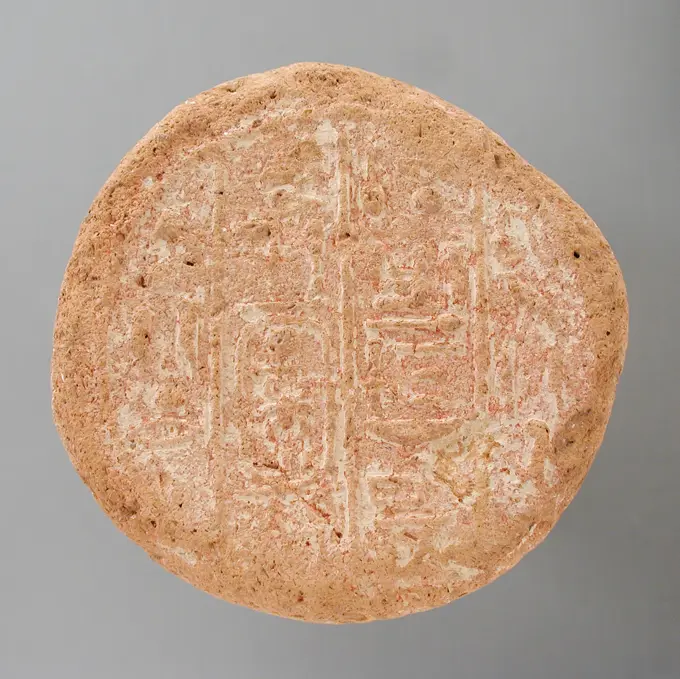
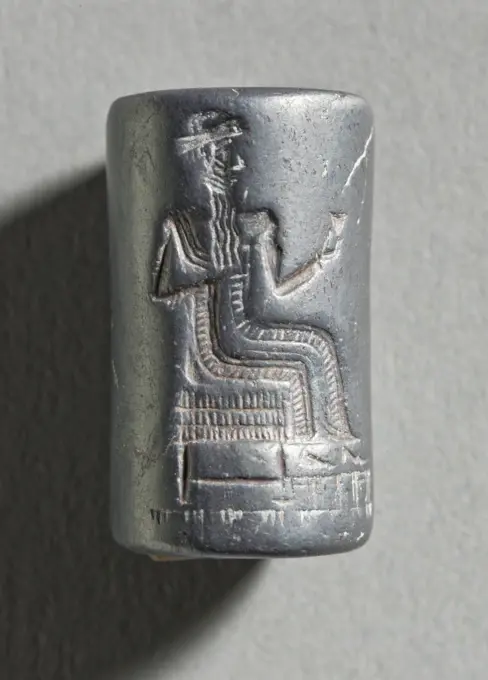
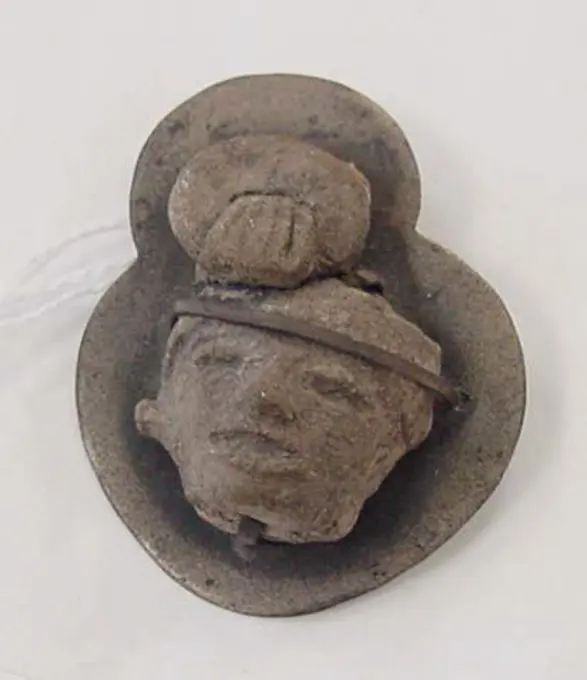
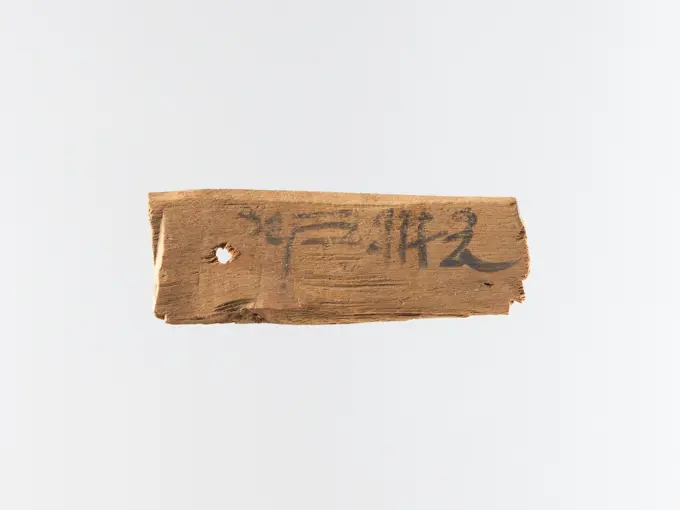
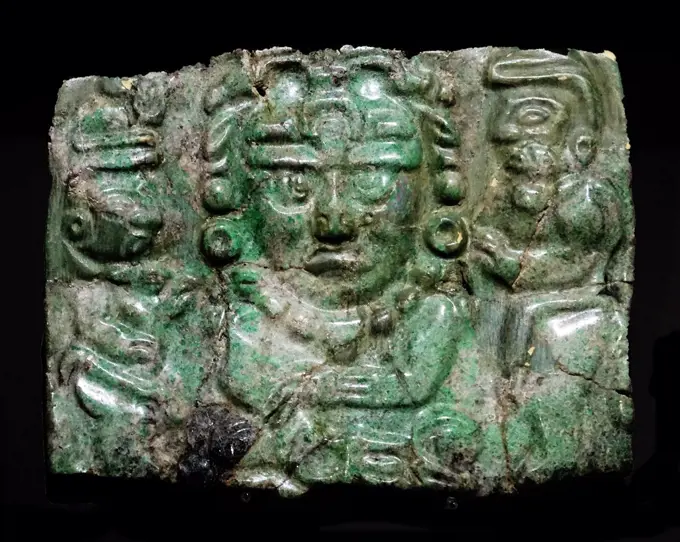
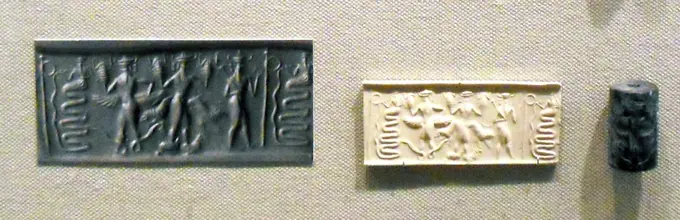
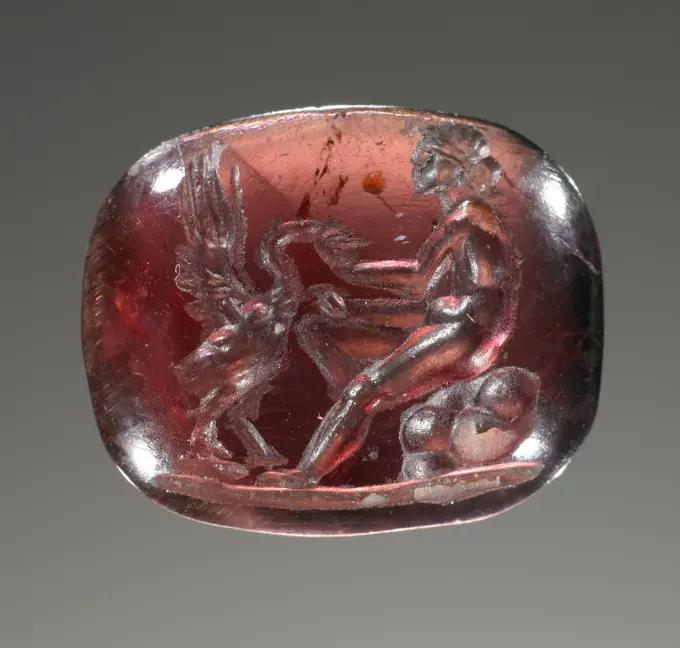
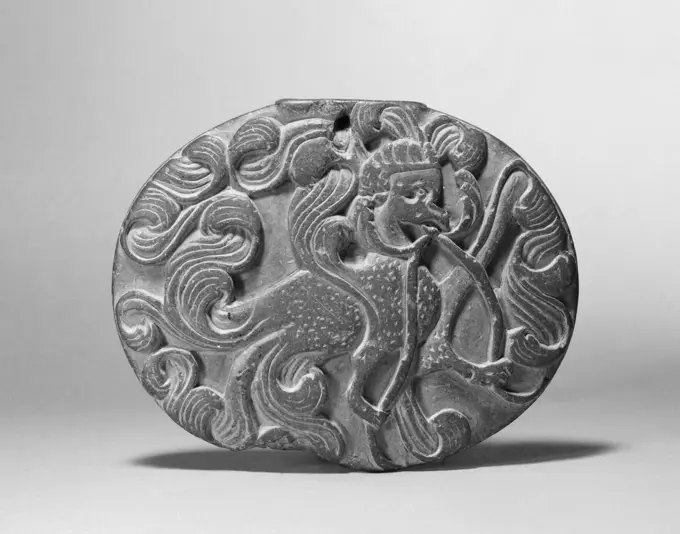
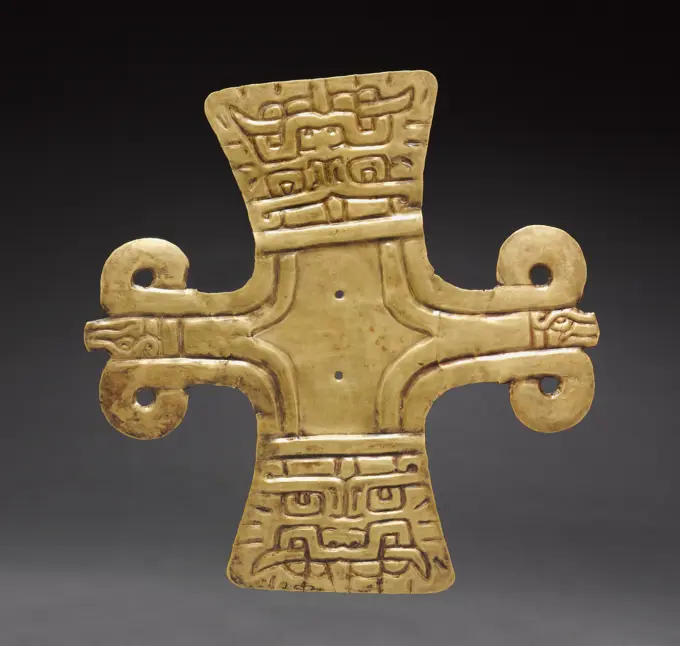
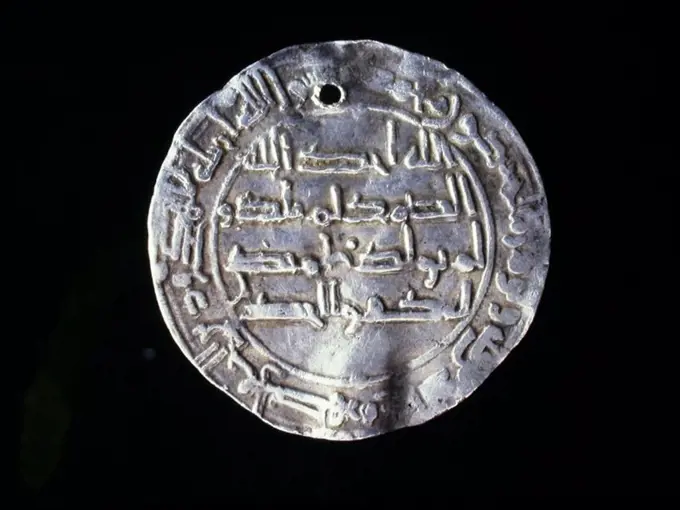
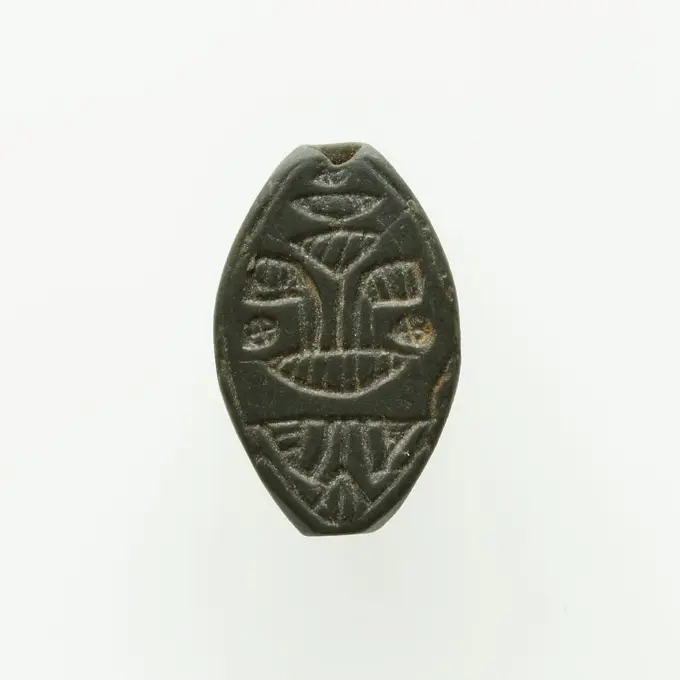
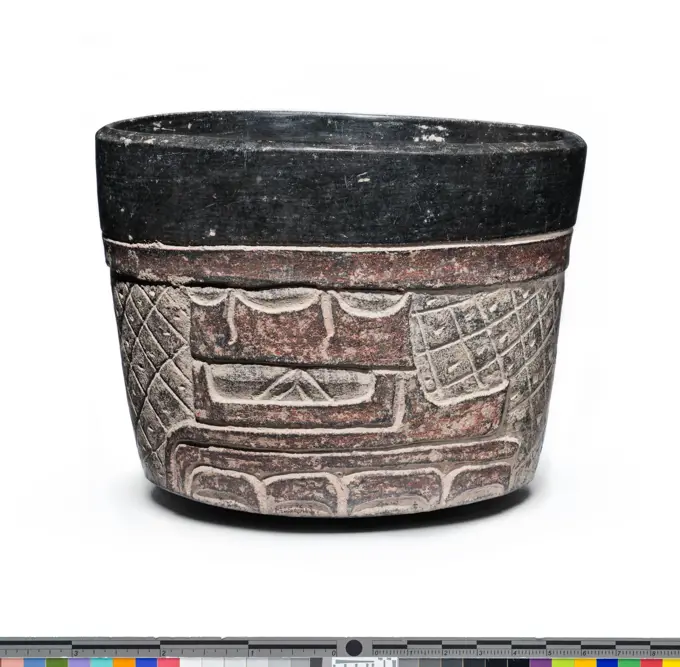
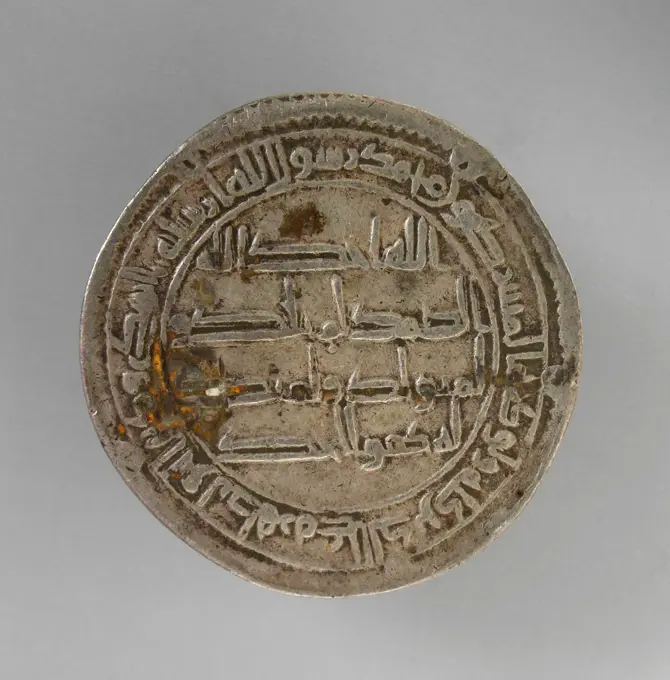
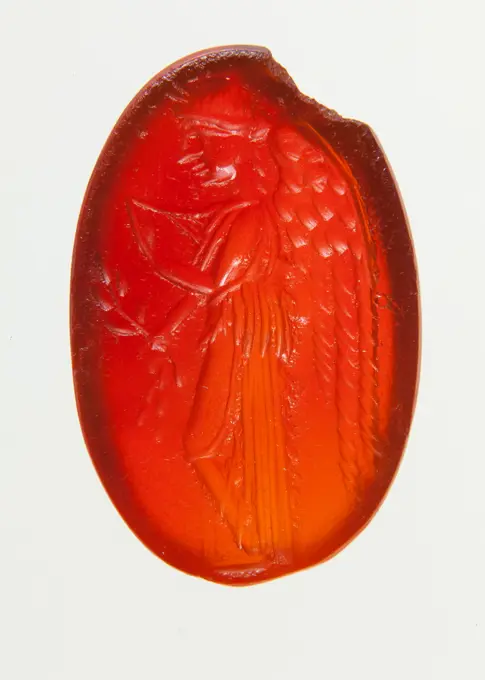
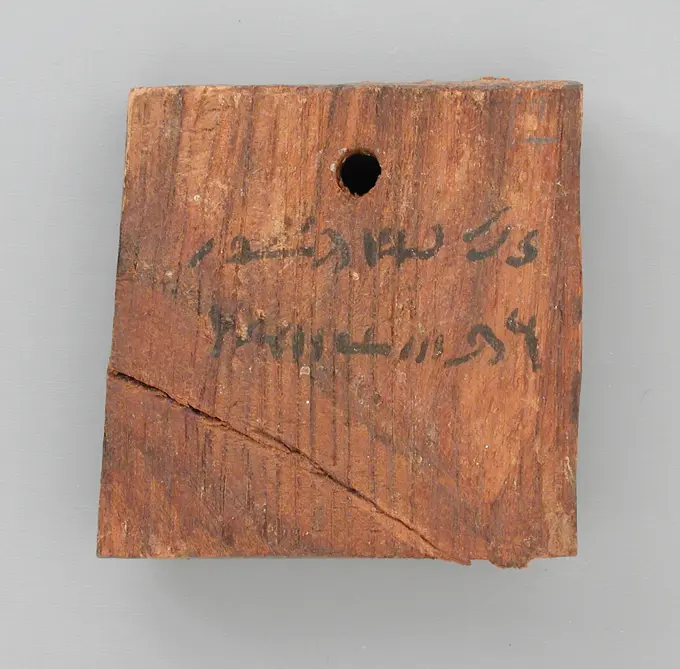
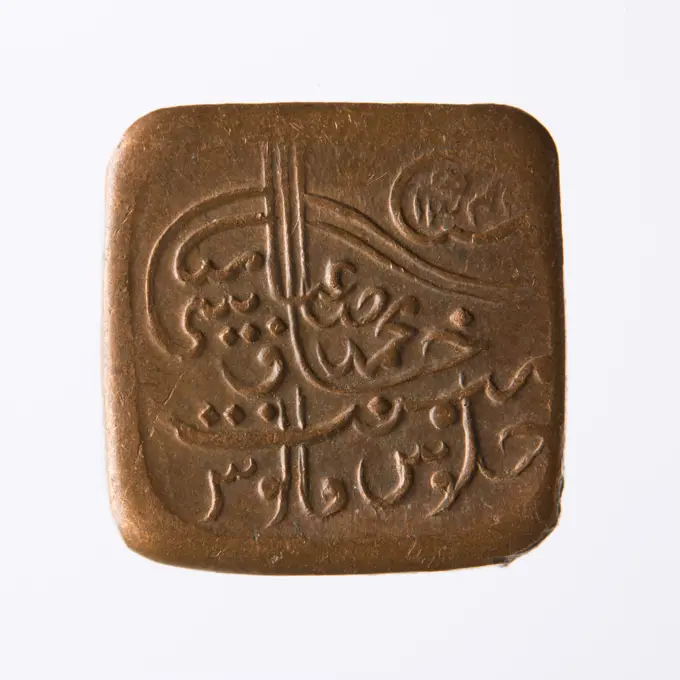
Djed Amulet ca. 1390-1352 B.C. New Kingdom. Djed Amulet. ca. 1390-1352 B.C.. Faience. New Kingdom. From Egypt, Upper Egypt, Thebes, West Valley of the Kings, Tomb of Amenhotep III (WV 22), Carnarvon/Carter excavations, 1915. Dynasty 18Seal Amulet, 2134-2124 BC. Egypt, Old Kingdom, Dynasty 8, 2134-2124 BC. Steatite; diameter: 1.6 cm (5/8 in.).Plaque. Egypt, Amarna, New Kingdom (circa 1569 - 1081 BCE). Sculpture. FaienceGem; Roman Empire; 4th century; Carnelian; 1.6 × 1.2 cm (5,8 × 7,16 in.)Female Head. UnknownScarab. Dimensions: L. 0.9 cm (3/8 in.); W. 0.7 cm (1/4 in.); H. 0.4 cm (3/16 in.). Dynasty: Dynasty 18, early. Reign: reign of Thutmose II-Early Joint reign. Date: ca. 1492-1473 B.C..This scarab was found with twenty-three other scarabs and seal-amulets in the coffin of a young woman who was buried in Hatnefer's tomb (see 36.3.1 and 36.3 26). The base is inscribed with a decorative pattern resembling a winged-sphinx. Museum: Metropolitan Museum of Art, New York, USA.Pectoral Amulet of the Goddess Bastet. Egyptian. Date: 1070 BC-656 BC. Dimensions: 3.5 × 2.9 × 1.3 cm (1 3/8 × 1 1/8 × 1/2 in.). Faience. Origin: Egypt. Museum: The Chicago Art Institute, USA. Author: Ancient Egyptian.Mold, 4 3/8in. (11.1cm), Red clay, MexicoMARCA PUNTOS PARA EL JUEGO DE LA PELOTA. Location: MUSEO. Tikal. GUATEMALA.Funerary Cone. Egypt, Medina Abou, New Kingdom (1569-1081 BCE), reign of Amenhotep III. Tools and Equipment; seals. TerracottaCylinder Seal. Mesopotamia, circa 2000-1600 B.C.. Tools and Equipment; seals. HematiteHeart Scarab inscribed for Gautsoshen ca. 1070-945 B.C. Third Intermediate Period. Heart Scarab inscribed for Gautsoshen. ca. 1070-945 B.C.. Slate. Third Intermediate Period. From Egypt, Upper Egypt, Thebes, Deir el-Bahri, Tomb MMA 60, Burial of Gautsoshen, Pit 4, MMA excavations, 1923-24. Dynasty 21Fragment of Scarab Inscribed for Seti I ca. 1294-1279 B.C. New Kingdom The underside of this scarab bears an inscription in four horizontal lines enumerating the royal titles, names and epithets of pharaoh Seti I (Dynasty 19, ca. 1294-1279 B.C.). The god Ptah is invoked in an inscription in the upper register, flanked by a pair of large wings. This is an elaborate version of a composition found on several scarabs of the Ramesside Period (Dynasty 19-20).. Fragment of Scarab Inscribed for Seti I. ca. 1294-1279 B.C.. Glazed steatite. New Kingdom. From Egypt, Memphite Region, Lisht North, Cemetery, MMA excavations, 1908-09. Dynasty 19Cowroid Stamp Seal from Ruiu's Burial. Dimensions: L. 1.5 cm (9/16 in.); W. 1 cm (3/8 in.); H. 0.6 cm (1/4 in.). Dynasty: Dynasty 18, early. Reign: reign of Thutmose I-early sole Thutmose III. Date: ca. 1504-1447 B.C..The burial of Ruiu was found in the tomb of her father, Neferkhawet, which was excavated by the Museum's Egyptian Expedition in 1935. Lying against the right side of the head end of Ruiu's coffin was a small basket that contained a wooden box and a metal razor. Inside the box were four scarabs and a cowroid seal-amulet made of steatite, two ebony kohl sticks, and a small metal spoon.Like three of the scarabs in the box, this cowrie-shaped seal-amulet (known as a cowroid) retains traces of blue glaze. On the base are rows of rather crudely carved ankh-hieroglyphs. Museum: Metropolitan Museum of Art, New York, USA.Pin 400 B.C.-A.D. 1492 Indigenous American (Olmec peoples) This collection of largely ethnographic jewelry includes examples from cultures in South America, North America, Europe, Asia, and Africa and dates from the Pre-Columbian period to the twentieth century. Owned by renowned art collector and fashion enthusiast Muriel Kallis Newman, the collection represents her knowledge and appreciation of a wide range of jewelry design and making traditions. Numerous items in her collection are composite artifacts made from various cultures and time periods reappropriated as modern jewelry creations by or for Muriel. It is important to note that Newman wore many of the pieces in the collection, interpreting them to suit and express her own singular, often avant-garde style.. Pin. Indigenous American (Olmec peoples). 400 B.C.-A.D. 1492. clay, silverMummy label Third Intermediate Period-Late Period ca. 1070-343 B.C. View more. Mummy label. ca. 1070-343 B.C.. Wood. Third Intermediate Period-Late Period. From Egypt, Upper Egypt, Thebes, Southern Asasif, Tomb of Meketre (TT 280, MMA 1101), later use, MMA excavations, 1920Scarab Inscribed with Hieroglyphs in a Scroll Border ca. 1850-1640 B.C. Middle Kingdom. Scarab Inscribed with Hieroglyphs in a Scroll Border 545228Ring: Bezel inscribed "Happy New Year". Egyptian. Date: 665 BC-545 BC. Dimensions: W. 1 cm (3/8 in.); diam. 2.75 cm (1 1/16 in.). Faience. Origin: Egypt. Museum: The Chicago Art Institute, Chicago, USA. Author: Ancient Egyptian.Amulet of Isis Holding Horus 700 BCE-1 BCE Egypt. Faience . Ancient EgyptianDecorative plate (common name), -1200. Incised bronze. Cernuschi Museum, Asia Museum of Asia in the city of Paris.Fragment węgara. warsztat nubijski, workshopEngraved Gem. UnknownJade pectoral with a representation of the Mayan Sun God Aj K'in or K'inich Ajaw. 600-900 AD. Chichen Itza, Yucatan MexicoCarnelian intaglio: Sol in a quadriga (four-horse chariot) 2nd century B.C.-2nd century A.D. Roman Sol in a quadriga.. Carnelian intaglio: Sol in a quadriga (four-horse chariot). Roman. 2nd century B.C.-2nd century A.D.. Carnelian. Imperial. GemsOintment Jar from a Foundation Deposit of Hatshepsut ca. 1479-1458 B.C. New Kingdom. Ointment Jar from a Foundation Deposit of Hatshepsut. ca. 1479-1458 B.C.. Travertine (Egyptian alabaster), paint. New Kingdom. From Egypt, Upper Egypt, Thebes, Deir el-Bahri, Temple of Hatshepsut, Foundation Deposit 3 (C), MMA excavations, 1923-24. Dynasty 18Cylinder Seals from Mesopotamia, Akkadian period circa 2500-2100 BCTile with pigeon on branch. Tile decorated with a pigeon on a twig.Scarab Inscribed with a Geometric Pattern ca. 1479-1458 B.C. New Kingdom. Scarab Inscribed with a Geometric Pattern. ca. 1479-1458 B.C.. Steatite (glazed). New Kingdom. From Egypt, Upper Egypt, Thebes, Deir el-Bahri, Temple of Hatshepsut, Foundation Deposit 7 (G), MMA excavations, 1926-27. Dynasty 18, earlyFragment of Bowl 14th century. Fragment of Bowl 445418Engraved Gem. UnknownFloor tile, Anonymous, 1700 - 1900 floor tile Tile decorated with an oval leaf. Netherlands earthenware. lead glazeBox Lid with a Phoenix ca. 5th century Pakistan (ancient region of Gandhara) Box lids are rare examples of nonreligious art of the fifth century, little of which has survived. They are closely related in style and imagery. Their dating is based on the decorative scrolls of the Gupta period.. Box Lid with a Phoenix. Pakistan (ancient region of Gandhara). ca. 5th century. Schist. SculptureFragment of a Bowl 12th-13th century. Fragment of a Bowl 447202Cross-Shaped Ornament, c. 500-200 BC. Peru, North Highlands, Chavín de Huantar(), Chavín style (1000-200 BC). Hammered and cut gold; overall: 14.6 x 14 cm (5 3/4 x 5 1/2 in.).CARTUCHO REAL DE PSAMETICO I SOBRE BLOQUE DE DIORITA. EGIPCIO. (DEPOSITO: MUSEO ARQUEOLOGICO NACIONAL).NUMISMATICA. MONEDA HISPANO-ARABE. DIRHAM DE PLATA, DE AL-HAKAN I. REVERSO. 181 HEGIRA/798 D.C. (DEPOSITO: MUSEO ARQUEOLOGICO NACIONAL).tablillas de jade, museo de la plaza central, Chichicastenango ,municipio del departamento de El Quiché, Guatemala, Central America.Vase fragment Roman, Gaul Rim fragment with group of three children.. Vase fragment 250368Plaque: Menkheperkare, Chosen of Re. Egyptian. Date: 1479 BC-1425 BC. Dimensions: 1.9 × 1.3 × 0.5 cm (3/4 × 1/2 × 3/16 in.). Stone. Origin: Egypt. Museum: The Chicago Art Institute, USA. Author: Ancient Egyptian.Fragment of a Bowl 12th-13th century. Fragment of a Bowl 447207Cowroid. Dimensions: L. 1.45 cm (9/16 in.); W. 0.95 cm. (3/8 in.); H. 0.4 cm (3/16 in.). Dynasty: Dynasty 18, early. Reign: reign of Thutmose II-Early Joint reign. Date: ca. 1492-1473 B.C..This cowrie-shaped seal-amulet was found with twenty-three scarabs and seal-amulets in the coffin of a young woman who was buried in Hatnefer's tomb (see 36.3.1 and 36.3 26). The base is inscribed with decorative floral patterns. Museum: Metropolitan Museum of Art, New York, USA.Bowl with Serpent Head. Mexico, Valley of Mexico, Olmec, 1200-800 BCE. Ceramics. Slip-painted ceramicDirham. Iraq, Wasit, 743-744/125 A.H.. Tools and Equipment; coins. CoinNemesisGood resultsCoin Weight 12th century. Coin Weight 453420Seal Stamp dated A.H. 1272/ A.D. 1855-56. Seal Stamp 452239Facing brick with inscription MDCLVIII., 1658  Lying rectangle with an shaded edge and the inscription MDCLVIII. The stone belongs to a facing brick with invnr. Kog-as-69-1 (the Haring tube). Netherlands (possibly) .Mummy Label with Demotic Inscription. Egypt, Roman Period (30 BCE - 300 CE). Tablets. WoodTea container David i John Philip ElersIndie, Bahawalpur, Sir Sadiq Muhammad Khan V (1325-1365 AH = AD 1907-1947), Bahawalpur 1342 AH (1923/24 AD), paisaStone board or clay tablet with pyramid silhouette and Egyptian hieroglyphs cartoon vector illustration Ancient object for recording storing information, graphical user interface, game design on white. Stone board, clay tablet and Egyptian hieroglyphs