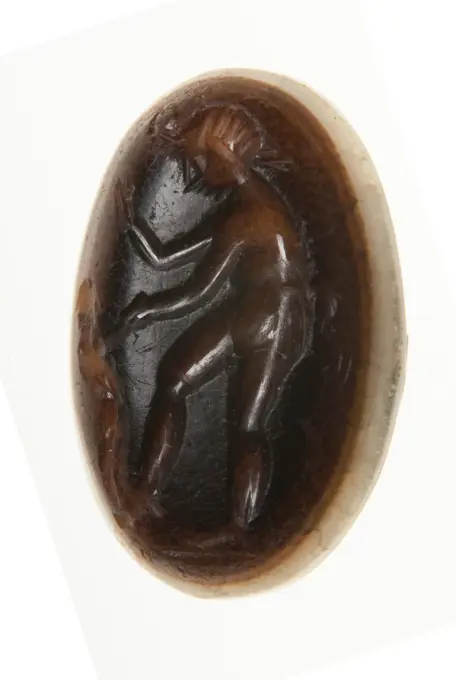
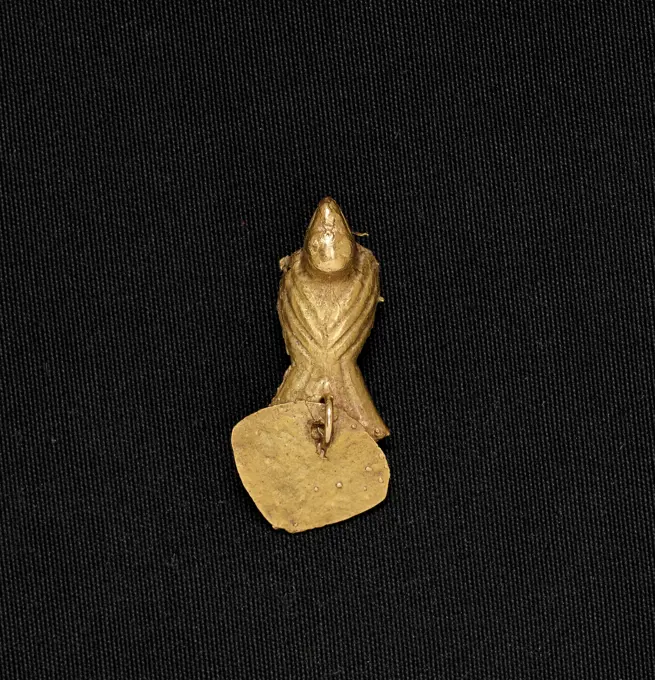
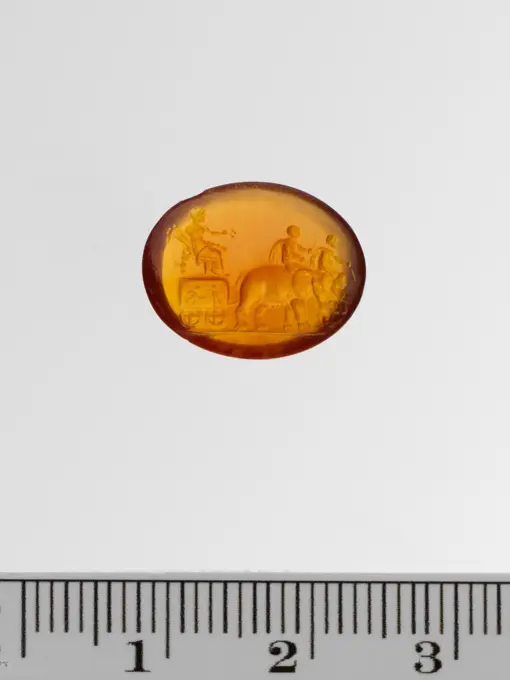
Ancient Egyptian Scarabs

Artistic depictions of scarabs and plaques from Ancient Egypt, featuring inscriptions and deities, showcasing historical artifacts.

Scarab ca. 1640-1550 B.C. Second Intermediate Period. Scarab. ca. 1640-1550 B.C.. Steatite, blue glazed. Second Intermediate Period. From Egypt, Upper Egypt, Thebes, Asasif, Tomb CC 64, Burial 5, Carnarvon excavations, 1913
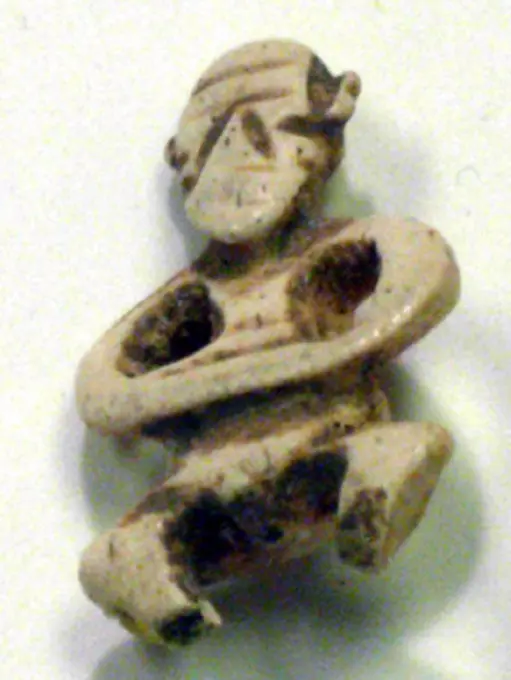
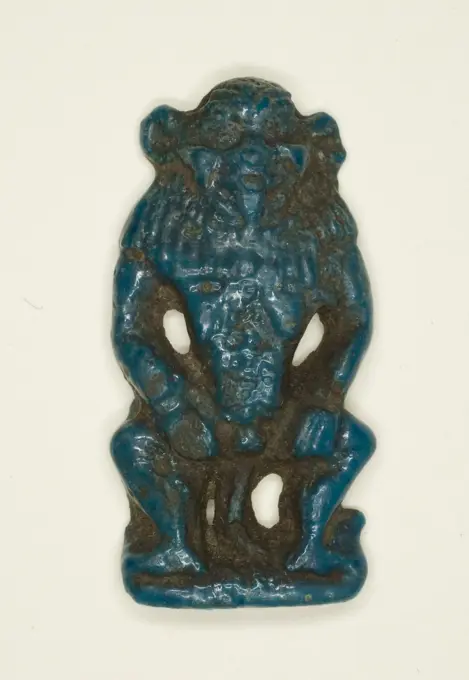
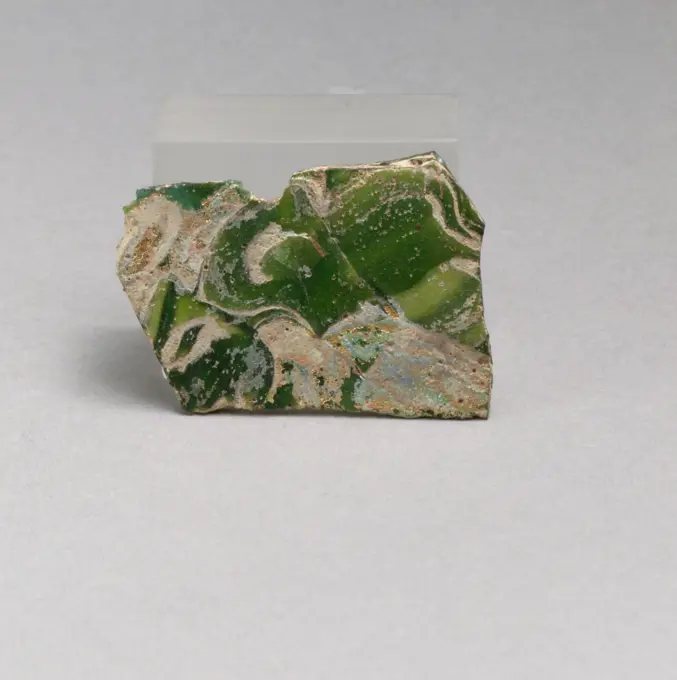
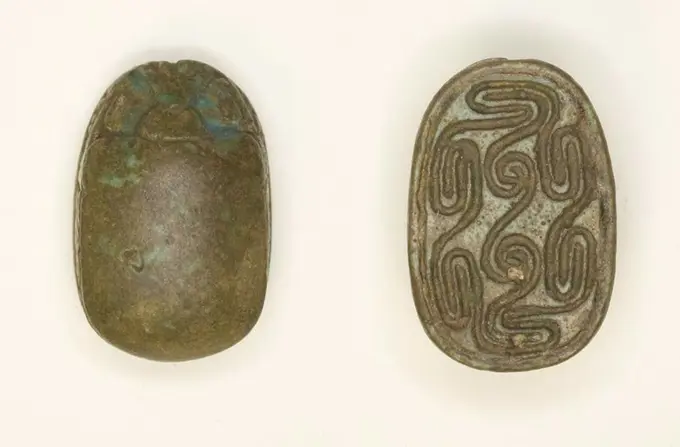
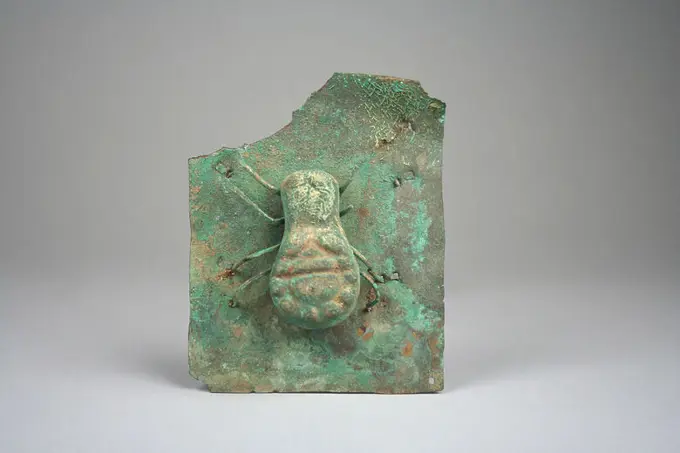
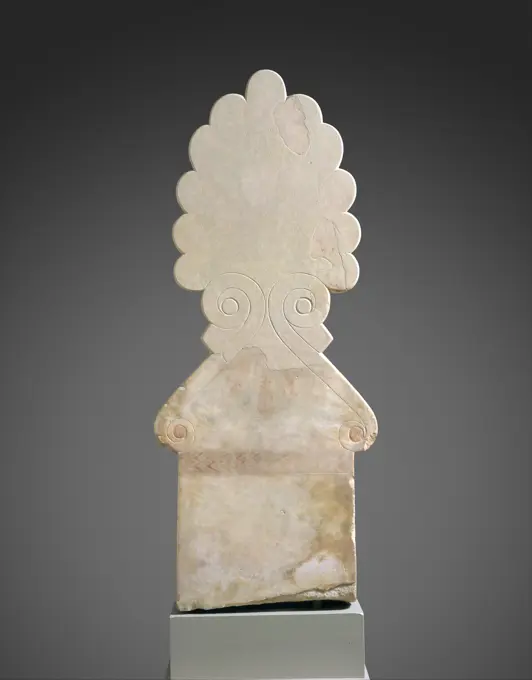
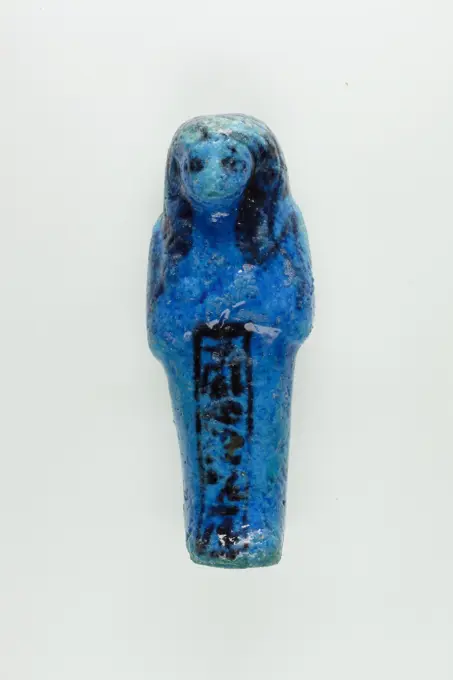
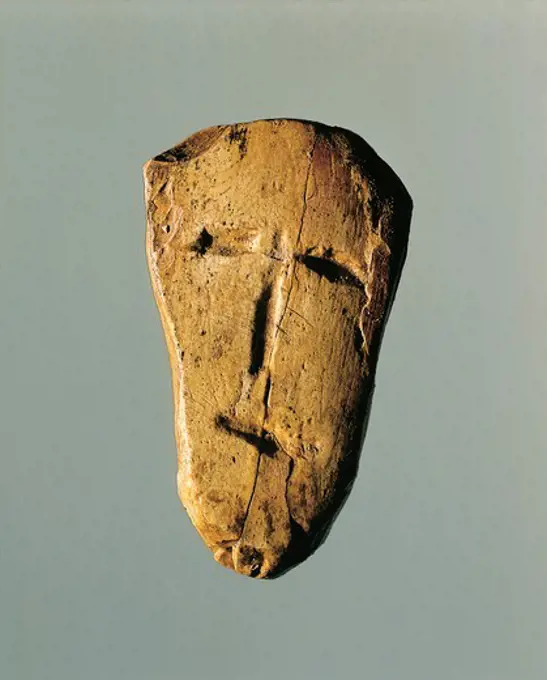
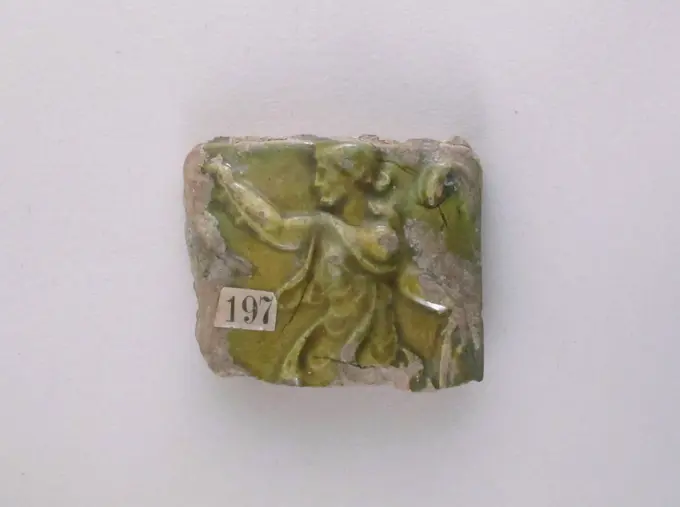
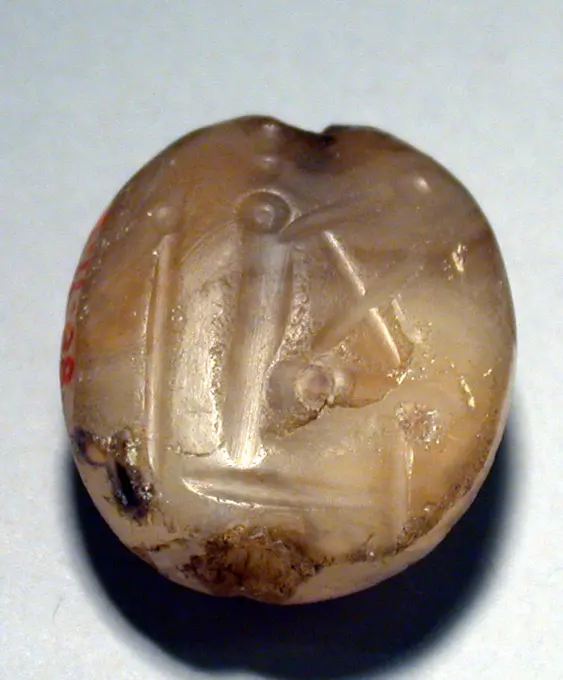
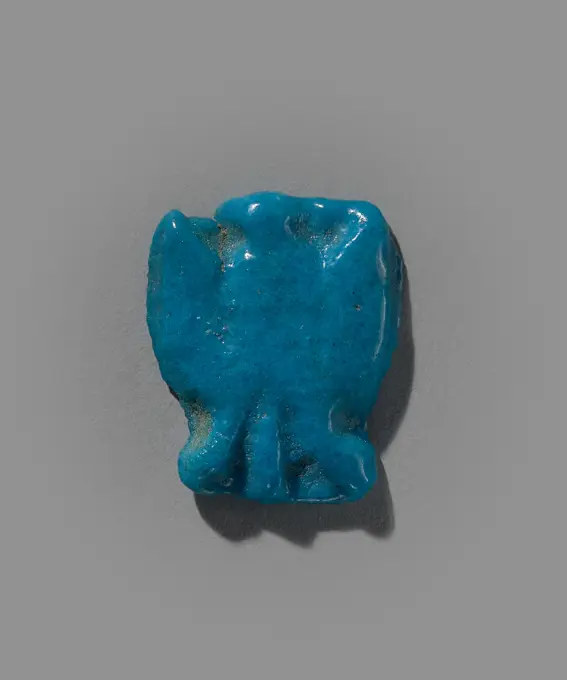
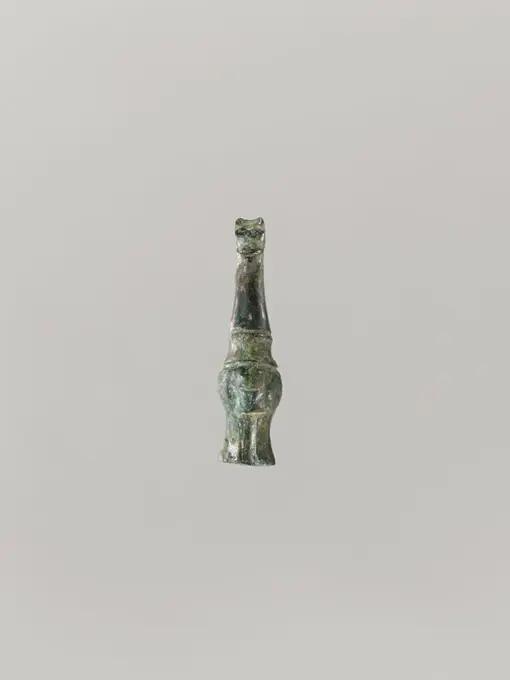
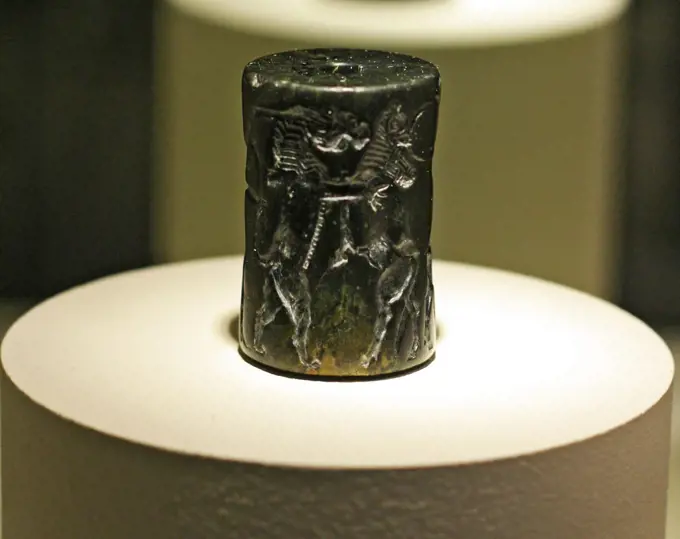
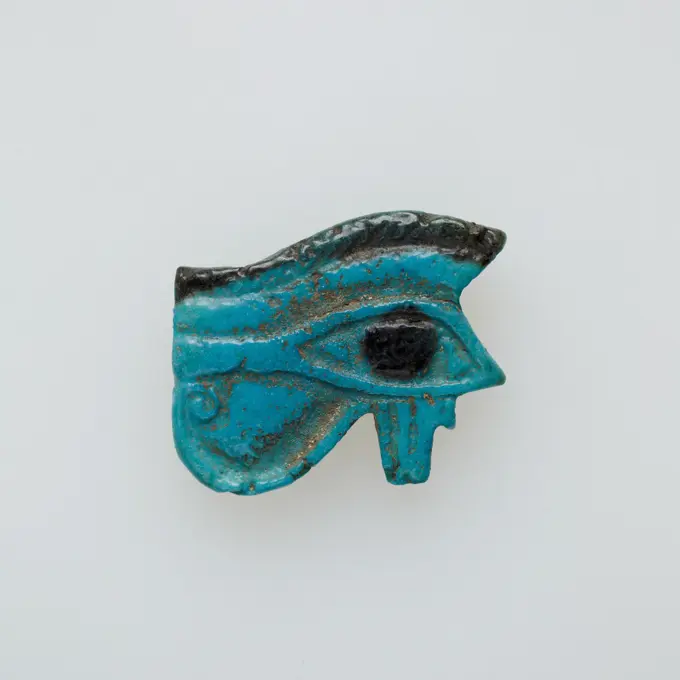
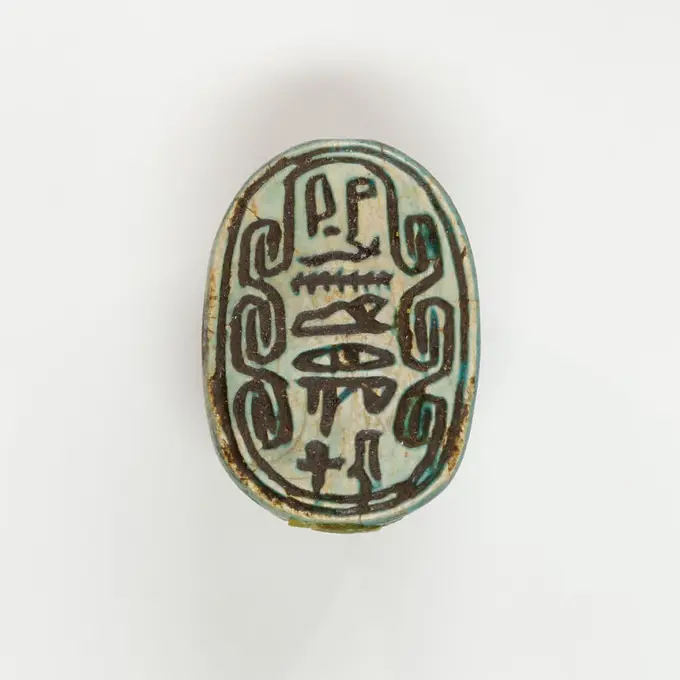
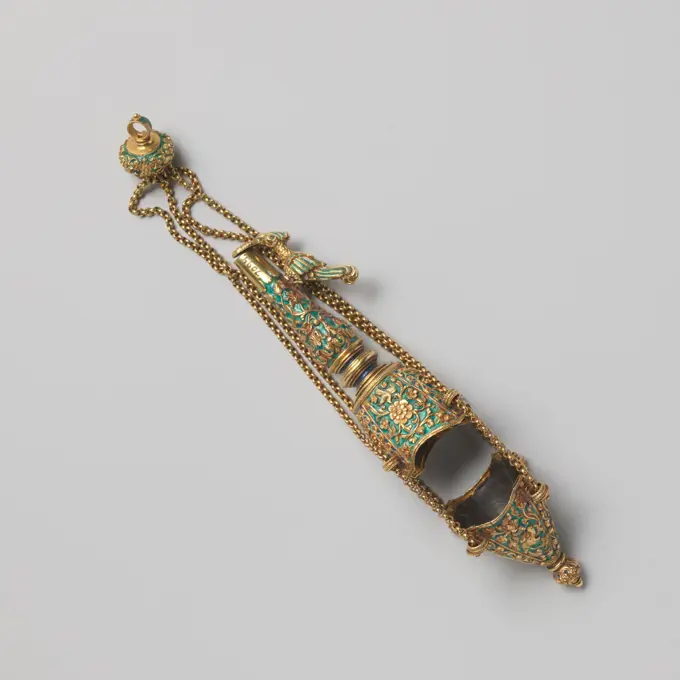
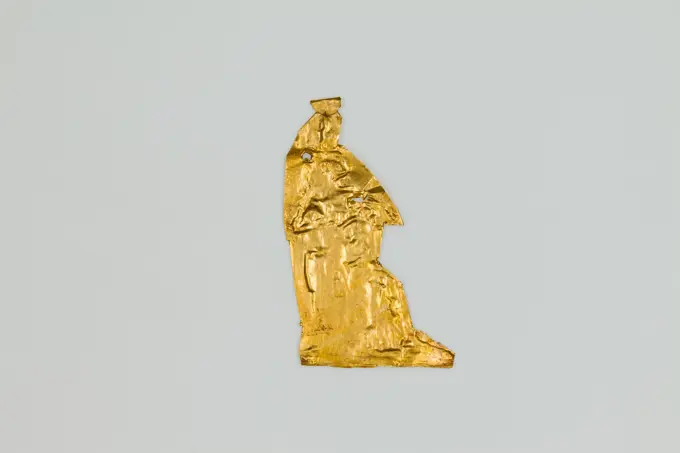
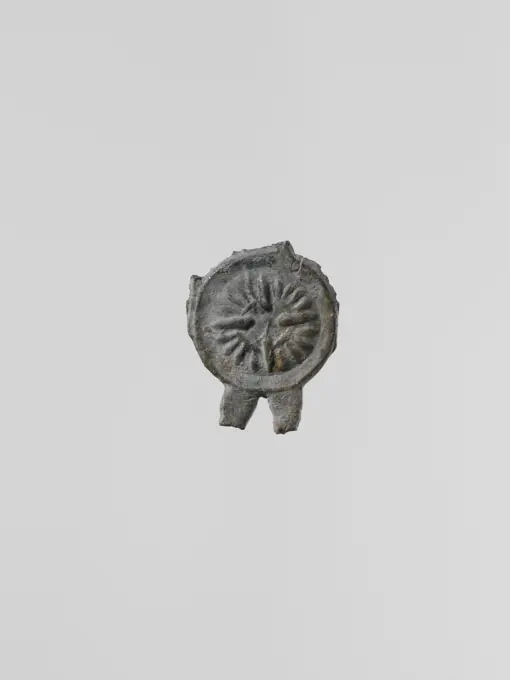
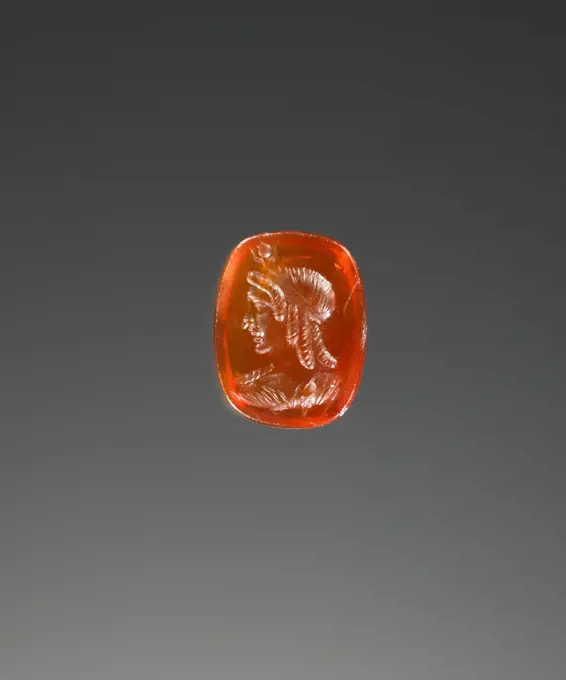
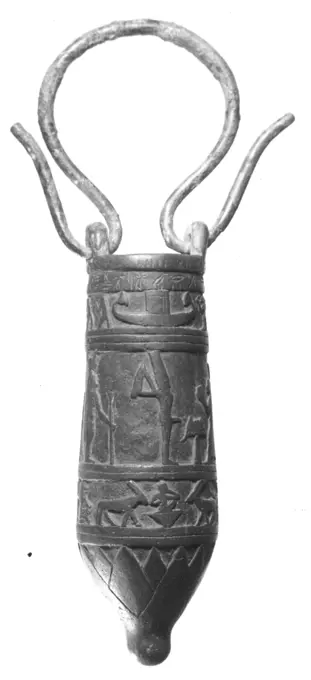
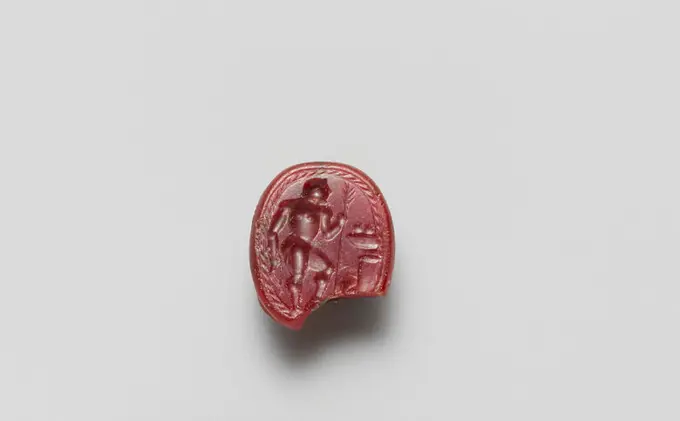
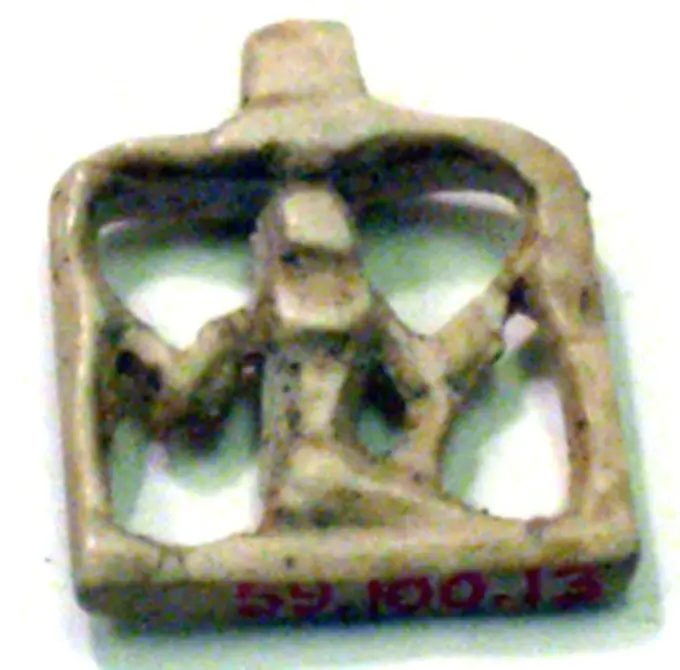
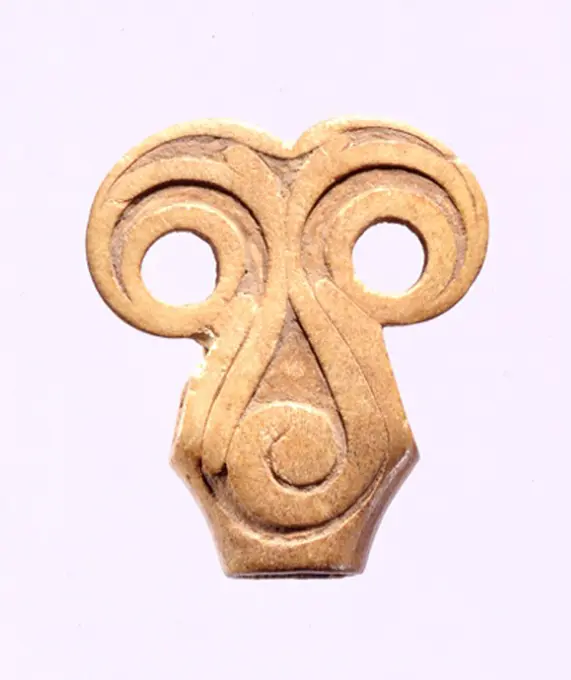
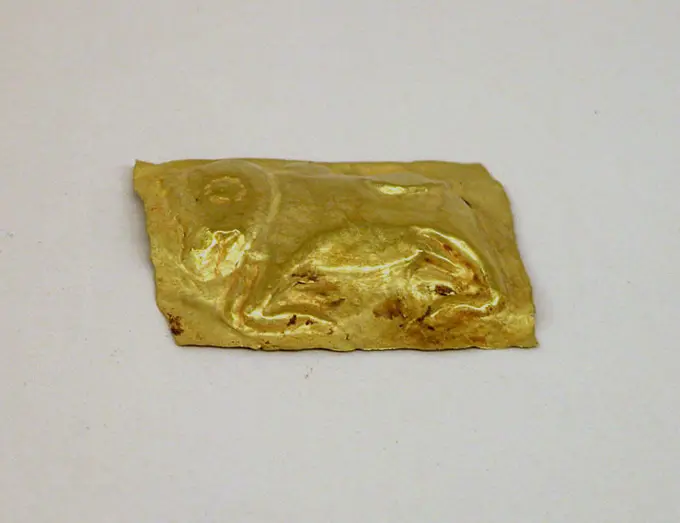
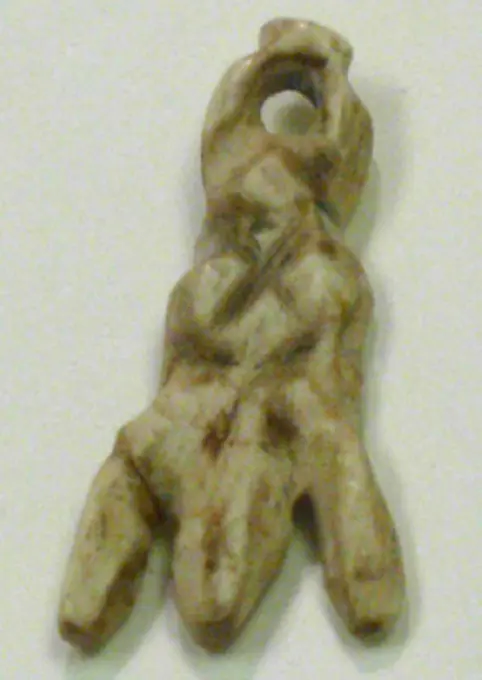
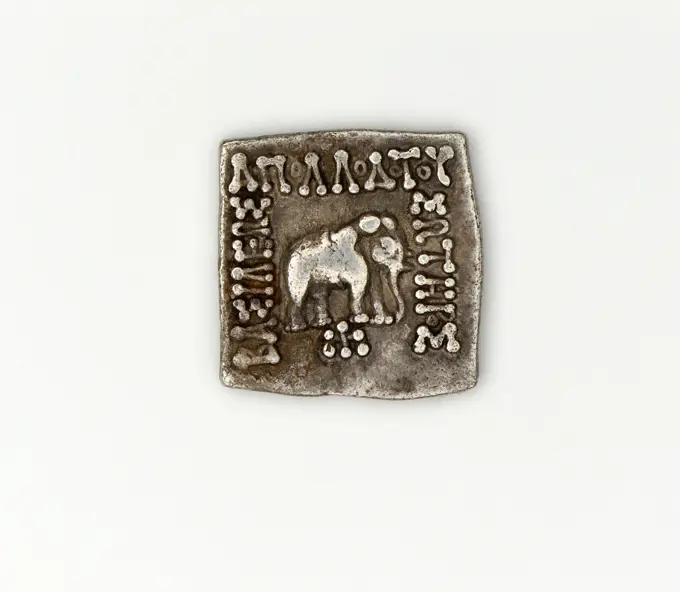
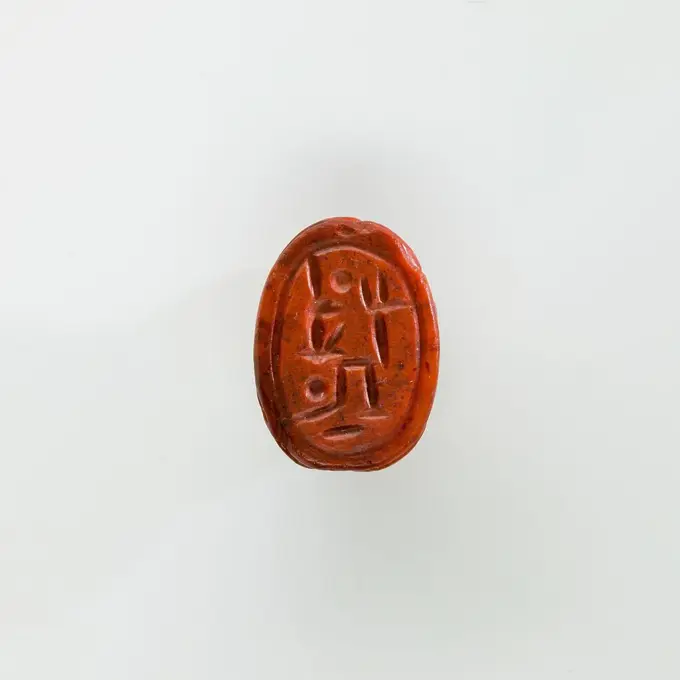
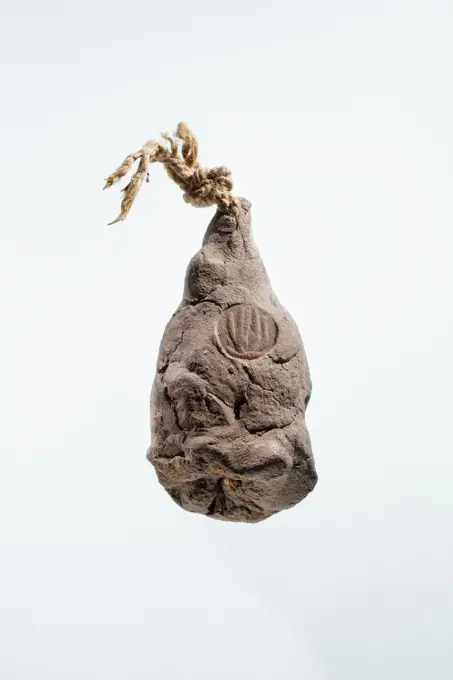
Scarab Inscribed with the Name of the God Amun-Re ca. 1479-1458 B.C. New Kingdom. Scarab Inscribed with the Name of the God Amun-Re. ca. 1479-1458 B.C.. Steatite (glazed). New Kingdom. From Egypt, Upper Egypt, Thebes, Deir el-Bahri, Temple of Hatshepsut, Foundation Deposit 9 (I), MMA excavations, 1926-27. Dynasty 18, earlyCameo Gem; 1st century; Sardonyx(), discolored brown on white-pink; 2.9 × 0.6 cm (1 1,8 × 1,4 in.)Scarab ca. 1981-1802 B.C. Middle Kingdom. Scarab. ca. 1981-1802 B.C.. Feldspar. Middle Kingdom. From Egypt, Memphite Region, Lisht South, Double Row of Pits, Pit 6L.P13, MMA excavations, 1923-24. Dynasty 12Dwarf amulet ca. 2150-1950 B.C. Late Old Kingdom-Early Middle Kingdom. Dwarf amulet 555595Harness Ornament with Gazelle 1st century B.C.-1st century A.D. North China. Harness Ornament with Gazelle 65255Scarab with Throne Name of Senwosret II. Egypt, Middle Kingdom, 12th dynasty, reign of Senwosret II (1897-1877 BCE). Sculpture. Steatite with modern green colorAmulet of the God Bes 1070 BCE-656 BCE Egypt. Faience . Ancient EgyptianFragment 14th-15th centuryA modern pendant setting holding an inscribed scarab ca. 1479-1425 B.C. New Kingdom. A modern pendant setting holding an inscribed scarab. ca. 1479-1425 B.C.. Glazed steatite, gold. New Kingdom. From Egypt. Dynasty 18, earlyGlass mosaic inlay fragment late 1st century B.C.-early 1st century A.D. Roman Translucent turquoise blue and opaque white, partially mixed and appearing green.Almost flat, with slight uneven curve and varying thickness.Mosaic pattern formed from large polygonal sections of a single cane in green ground with a single irregular white circle, appearing as irregular white lines and streaks on one side.On both surfaces pitting, dulling, deep weathering, and patches of brilliant iridescence.. Glass mosaic inlay fragment 257290Scarab: Interlocking Scrolls and Spirals. Egyptian. Date: 1650 BC-1550 BC. Dimensions: 2.2 × 1.6 × 1 cm (7/8 × 5/8 × 3/8 in.). Glazed steatite. Origin: Egypt. Museum: The Chicago Art Institute, Chicago, USA. Author: Ancient Egyptian.Dragonfly amulet ca. 1981-1640 B.C. Middle Kingdom. Dragonfly amulet. ca. 1981-1640 B.C.. Faience, paint. Middle Kingdom. From Egypt, Memphite Region, Lisht North, Cemetery, debris, MMA excavations, 1915-16. Dynasty 12-13Magical Gem. UnknownSpider Ornament. Culture: Moche (Loma Negra). Dimensions: Length 4-5/16 in. (11 cm). Date: 390-450. Museum: Metropolitan Museum of Art, New York, USA.Finial of a marble stele (grave marker) ca. 525-500 B.C. Greek, Attic The finial consists of a pair of volutes combined with a pair of palmettes, the larger on top, the smaller between the volutes. The decoration was executed in fine incised lines supplemented with color. It is important to note that motifs, colors, and techniques such as incision were shared by media as diverse as sculpture and vase-painting in Athens at the end of the sixth century B.C.. Finial of a marble stele (grave marker) 251151 Greek, Attic, Finial of a marble stele (grave marker), ca. 525500 B.C., Marble, width of shaft 13 1/2 in. (34.3 cm) thickness of shaft at bottom 4 3/8 in. (11.1 cm). The Metropolitan Museum of Art, New York. Rogers Fund, 1921 (21.88.179)Scarab Menkheperra (Thutmose III) 664 BCE-343 BCE Egypt. Faience . Ancient EgyptianWorker Shabti of Nany ca. 1050 B.C. Third Intermediate Period See 30.3.26.1a, b. Worker Shabti of Nany 625710Statuette of Artemis Orthia-8, winged Greek, Laconian. Statuette of Artemis Orthia-8, winged 251611 Greek, Laconian, Statuette of Artemis Orthia-8, winged, Lead, Height: 1 3/8 in. (3.5 cm). The Metropolitan Museum of Art, New York. Gift of A. J. B. Wace, 1924 (24.195.45)Cylinder Seal. Iran, Mesopotamia or Syria, 8th-7th century B.C.. Tools and Equipment; seals. White chertEye idol. Dimensions: 2.37 in. (6.02 cm). Date: ca. 3700-3500 B.C..This type of figurine known as an eye idol, made of stone and having incised eyes, has been excavated at Tell Brak, where thousands were found in a building now called the Eye Temple. They were probably dedicated there as offerings. Many are incised with multiple sets of eyes, others with jewelry, and still others with representations of "children"--smaller eyes and body carved on the body of the larger idol. Wide eyes demonstrate attentiveness to the gods in much of Mesopotamian art. Museum: Metropolitan Museum of Art, New York, USA.Statuette of a youth with duck Etruscan Holding duck in right hand.. Statuette of a youth with duck 246549Czech Republic, Brno, Etnograficke Muzeum Moravskeho Muzea v Brne, Bone pendant depicting human face from Dolni Vestonice.Vase fragment Roman Fragment of greenish-yellow enamel; woman walking to left with head turned back, something in each hand.. Vase fragment. Roman. Terracotta. VasesStamp seal (scaraboid with pointed top) with deity () 7th - 6th century B.C. Assyro-Babylonian. Stamp seal (scaraboid with pointed top) with deity () 321630Cast pendant bead. UnknownFood Model Amulet: Brace of Duck, 1295-1069 BC. Egypt, New Kingdom, Dynasties 19-20. Turquoise faience; overall: 2.6 cm (1 in.).Dishes of red -baking earthenware, with a plant at the front with a bowl on foot in sgrafitto technology with white glaze, at the rear unggestive, anonymous, 1200 - 1899  Italy earthenware  Italy earthenwareBelt Hook. Culture: China. Dimensions: W. 1/2 in. (1.3 cm); L. 2 3/16 in. (5.6 cm). Museum: Metropolitan Museum of Art, New York, USA.Teardrop-Shaped Beads, 1980-1801 BC. Egypt, Middle Kingdom, Dynasty 12. Feldspar; average: 1.2 cm (1/2 in.).Babylonian cylinder seal.Head or Figure 4th-7th century Coptic. Head or Figure 475291Wedjat amulet ca. 1070-664 B.C. Third Intermediate Period or later. Wedjat amulet. ca. 1070-664 B.C.. Faience. Third Intermediate Period or later. From Egypt, Memphite Region, Lisht South, MMA excavations, 1908-09. Dynasty 21-25Scarab. Dimensions: L. 2.7 × W. 1.9 × H. 1.2 cm (1 1/16 × 3/4 × 1/2 in.). Dynasty: Dynasty 13. Date: ca. 1802-1575 B.C.. Museum: Metropolitan Museum of Art, New York, USA.Scarab ca. 1492-1479 B.C. New Kingdom. Scarab 552424Fragment Pijpenkop, Pieter de Leeuw, 1745 - 1785 Fragment piping head with the letters p d l and a kwispedoor. Of the excavations on the Hofstede Arentsburg 1827-1831 under the supervision of Professor Reuvens. Schoonhoven pipe clay Fragment piping head with the letters p d l and a kwispedoor. Of the excavations on the Hofstede Arentsburg 1827-1831 under the supervision of Professor Reuvens. Schoonhoven pipe clayWedjat Incision Plaque ca. 1070-945 B.C. Third Intermediate Period. Wedjat Incision Plaque 548254Amulet - stojący bóg Ozyrys. unknown, authorKruithoorn, Anonymous, c. 1700 - c. 1800 Jewelry of driven gold with green and blue email. The belly is missing. With four gold chains. Southern India gold (metal) Jewelry of driven gold with green and blue email. The belly is missing. With four gold chains. Southern India gold (metal)Iberian votive offering in the shape of a rooster, bronze, III BC, Las Tiesas Espeluy, Iberian Museum of Jaén, Andalusia, Spain.Miniature mask, 1500 BCE, Earthenware, Mexico, Pre-ClassicIberian votive offering in the shape of a rooster Iberian votive offering in the shape of a rooster, bronze, III BC, Las Tiesas Espeluy, Iberian Museum of Jaén, Andalusia, Spain Copyright: xZoonar.com/Tolox 21714943Tit (Isis knot) amulet. Dimensions: l. 4.6 cm (1 13/16 in). Dynasty: Dynasty 26-29. Date: 664-332 B.C.. Museum: Metropolitan Museum of Art, New York, USA.Spearhead. Iran, Luristan, circa 1000-5500 B.C.. Arms and Armor; spears. BronzeGambling Dice, before 1917. California, Tulare, Unassigned. Hollow shell, resin, glass beads, mica/seashell fragment; overall: 1.5 x 2 cm (9/16 x 13/16 in.).Inlay Representing the Cartouche of Seti II ca. 1200-1194 B.C. New Kingdom, Ramesside. Inlay Representing the Cartouche of Seti II. ca. 1200-1194 B.C.. Faience. New Kingdom, Ramesside. From Egypt. Dynasty 19Scaraboid Crouched Human Figure Shown in Profile 1550 BCE-1069 BCE Egypt. Glazed steatite . Ancient EgyptianSteatite rectangular prism ca. 1900-1750 B.C. Minoan Two hieroglyphs, leaf fronds and flowers antithetically disposed; seated man.. Steatite rectangular prism. Minoan. ca. 1900-1750 B.C.. Serpentine. Middle Minoan II. GemsCylindrical sealIsis and Horus amulet 664-380 B.C. Late Period. Isis and Horus amulet. 664-380 B.C.. Gold sheet. Late Period. From Egypt, Memphite Region, Saqqara. Dynasty 26-29Fragment of a Revetment Depicting Fish Scales 100 BCE-100 CE Roman Empire. In ancient Rome, there was a high demand for colorful glass that could dazzle banquet guests alongside the expensive silver and gold serving wares meant to impress. Fragments like this one would have once been a part of larger mosaic dishes. The mosaic pattern was made by sagging molten glass into bowl-shaped molds, a technique used on many of these fragments is similar to millefiori, ìthousand flowersî in Italian, a modern glass-making method in which tiny rods of colored glass are bundled together, wrapped in a sheet of glass, fused, and then thinly sliced to reveal swirls of a flower-like patterns. They were arranged side by side, sometimes together with bits of colored glass, and fused together with heat.. Glass, mosaic glass technique . Ancient RomanAmulet of the Goddesses Isis and Nephthys with Horus Standing Between 1070 BCE-656 BCE Egypt. Ceramic . Ancient EgyptianStatuette of a warrior-11 Greek, Laconian. Statuette of a warrior-11 251636 Greek, Laconian, Statuette of a warrior-11, Lead, Height: 13/16 in. (2 cm). The Metropolitan Museum of Art, New York. Gift of A. J. B. Wace, 1924 (24.195.70)Engraved Gem; Italy; mid-1st century B.C; Carnelian; 1 × 0.8 × 0.3 cm (3,8 × 5,16 × 1,8 in.)Fragment of an Amulet - SekhmetSitula. unknown, authorCompartmented Seal with Monkey. Northern Afghanistan, 2000-1500 B.C.. Tools and Equipment; seals. BronzeCarnelian scarab. Culture: Etruscan. Dimensions: H.: 9/16 x 1/2 in. (1.4 x 1.3 cm). Date: 3rd century B.C..Nude man with branch and bow, standing before an altar. Museum: Metropolitan Museum of Art, New York, USA.Amulets (Ear and 3 Eyes) Made 1550 BCE-1069 BCE Egypt. Faience . Ancient EgyptianHeh sign amulet ca. 2150-1950 B.C. Late Old Kingdom-Early Middle Kingdom. Heh sign amulet 555602Carved Finial 4th-3rd century B.C. Northwest China. Carved Finial 63051Plaque with Depiction of Nandi Second half of the 8th-second half of the 10th century Indonesia (Java). Plaque with Depiction of Nandi. Indonesia (Java). Second half of the 8th-second half of the 10th century. Gold. Central Javanese period. MetalworkWedjat Incision Plaque. Dimensions: L. 5 × W. 4.5 cm (1 15/16 × 1 3/4 in.). Dynasty: Dynasty 21. Date: ca. 1070-945 B.C.. Museum: Metropolitan Museum of Art, New York, USA.Ring 300 B.C.-A.D. 400 Thailand. Ring 53400Fly amulet ca. 2150-1950 B.C. Late Old Kingdom-Early Middle Kingdom. Fly amulet 555598Drachma of Apollodotus. Afghanistan, Bactria, 180-160 B.C.. Tools and Equipment; coins. SilverDishes of yellow -baking earthenware, with blue glaze on the top, on which on the flat a painting of a ship in brown, with white hull and yellow sail, anonymous, c. 1500 - c. 1699 fragment   earthenware. glazeSeal China. Seal. China. Bronze. Ming dynasty (1368-1644) or earlier. MetalworkScarab Inscribed for the Perfect God Maatkare (Hatshepsut), Flanked by Two Red Crowns ca. 1479-1458 B.C. New Kingdom During the 1926-1927 excavation season, the Museum's Egyptian Expedition uncovered three foundation deposits along the eastern enclosure wall of Hatshepsut's funerary temple at Deir el-Bahri in Western Thebes. Among the contents were 299 scarabs and stamp-seals. Sixty-five of these are now in the Egyptian Museum, Cairo, and the rest were acquired by the Museum in the division of finds.Among the inscriptions on the bases of these scarabs and seals are examples of every title Hatshepsut held, from the time she was "king's daughter" during the reign of her father, Thutmose I; through the time she was queen of her half-brother, Thutmose II; and during her regency and co-reign with her nephew/step-son, Thutmose III.After the death of her husband, Hatshepsut became regent for her nephew who was a small child. The length of this regency period is uncertain, with estimates rangiScarab of Ramesses II. Dimensions: l. 1.5 cm (9/16 in.). Dynasty: Dynasty 19-20. Date: ca. 1295-1070 B.C.. Museum: Metropolitan Museum of Art, New York, USA.Owl Bell Ornament 6th-7th century Moche (Loma Negra). Owl Bell Ornament 315189Gold hoop with glass pendant in the form of a youthful head late 2nd-1st century B.C. Greek, Eastern Mediterranean Pendant:Deep cobalt blue or purple, appearing black.Head of a youth with tight curled hair, slant eyes with prominent eyelids, broad nose, thick lips, and long neck; suspension loop projecting from top of head, pierced through sideways. Molded in a two-part mold with continuous seam running down sides of head and under neck.Intact, except for part of nose; dulling, pitting, and patches of thick white weathering. Gold hoop with glass pendant in the form of a youthful head. Greek, Eastern Mediterranean. late 2nd-1st century B.C.. Gold, glass; cast in a two-part mold. HellenisticFish Ornament. Culture: Peru; central coast (). Dimensions: L. 1 1/2 in. (3.8 cm). Date: 11th-12th century. Museum: Metropolitan Museum of Art, New York, USA.Sealing from net A.D. 1st century  Roman Period. Sealing from net. A.D. 1st century . Mud, cord (). Roman Period. From Egypt, Upper Egypt, Thebes, Deir el-Bahri, Priests' houses, near, Roman burial XXI, MMA excavations, 1923-24Amulet of Tyet (Isis Knot). Egyptian. Date: 664 BC-525 BC. Dimensions: 4 × 2 × 0.5 cm (1 5/8 × 3/4 × 3/16 in.). Faience. Origin: Egypt. Museum: The Chicago Art Institute, Chicago, USA. Author: Ancient Egyptian.Satyr playing with a boyBird Bead, c. 900-1550. Colombia, Muisca style, 10th-16th century. Cast gold; Muisca metalwork divides into two categories: ornaments to be worn, such as these, and offering figurines, in the case to the right. The elaborate bird pendant features delicate herringbone moldings, openwork patterns, and wing details-all part of the wax model from which the pendant was cast (see nearby computer animation). The dangles were attached after casting.Sard ring stone ca. 1st century B.C.-3rd century A.D. Roman Demeter on a chariot drawn by two elephants.. Sard ring stone. Roman. ca. 1st century B.C.-3rd century A.D.. Sard. Late Republican or Imperial. GemsFragment, Medium: linen Technique: needle lace, Fragment has a portion of a small bell-shaped flower with two remaining petals and a few leaves., Italy, 16th-17th century, lace, FragmentFragment of an Engraved Gem. UnknownCarnelian scaraboid seal ca. 450-430 B.C. Greek Herakles with bow and club.. Carnelian scaraboid seal. Greek. ca. 450-430 B.C.. Carnelian. Classical. Gems