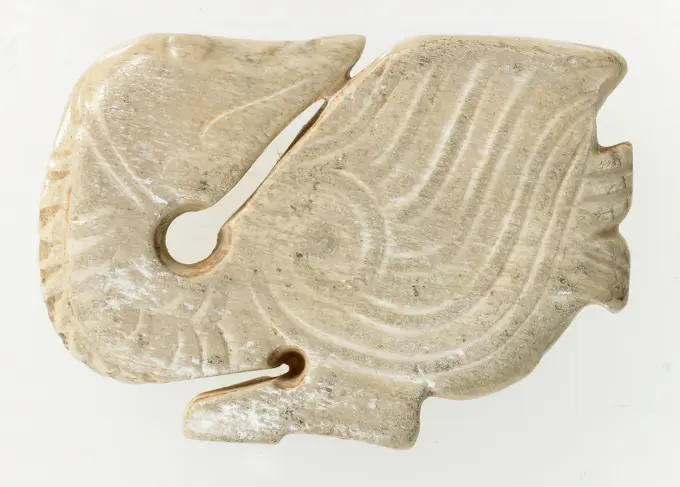
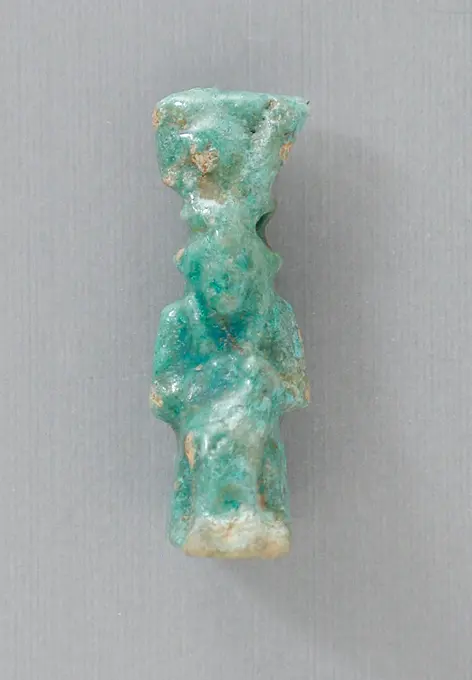
Ancient Egyptian Scarabs

Collection of Egyptian scarab artifacts from the New Kingdom era, showcasing inscriptions and vibrant glazes, highlighting historical significance and artistry.
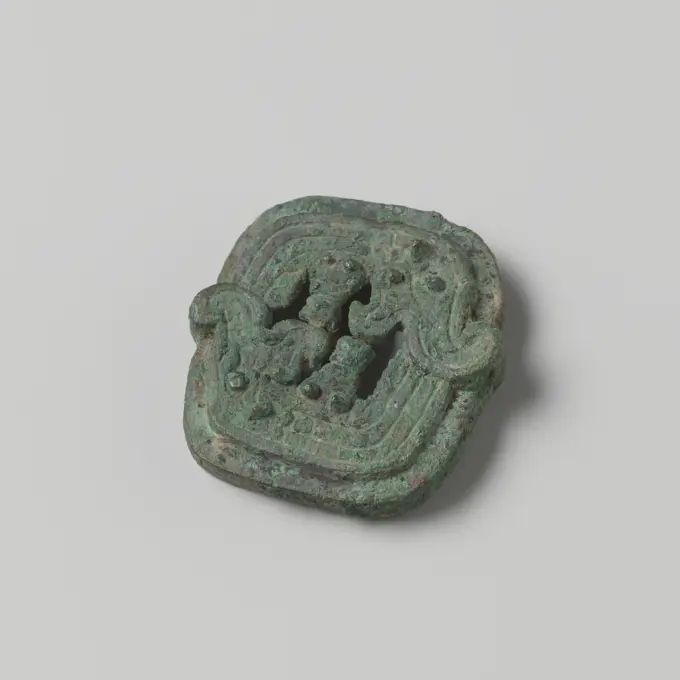
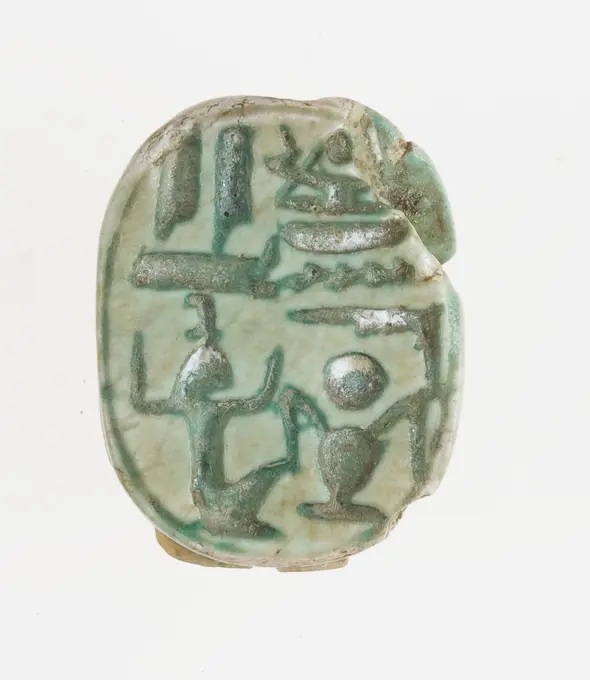
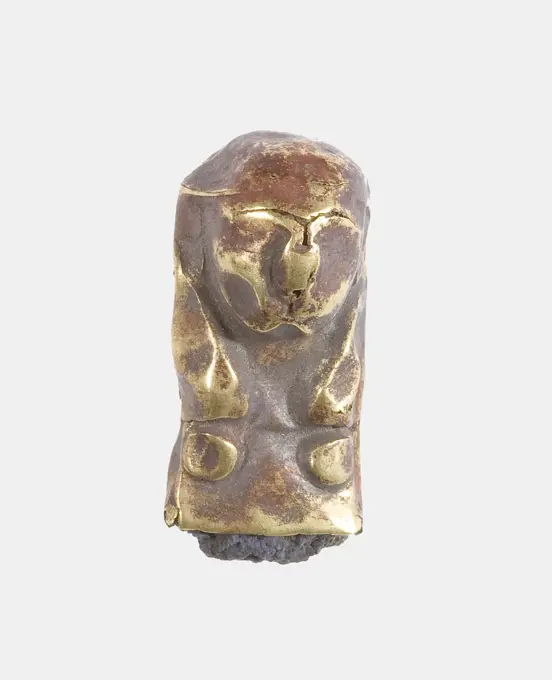
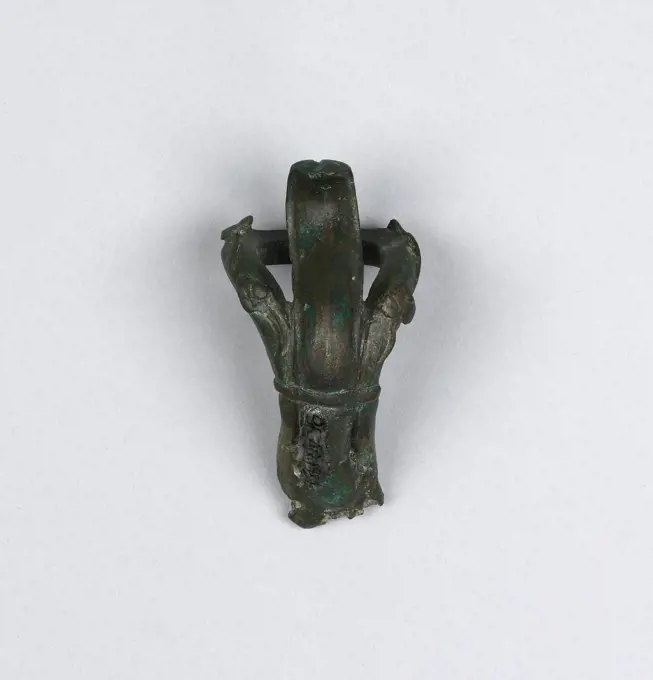
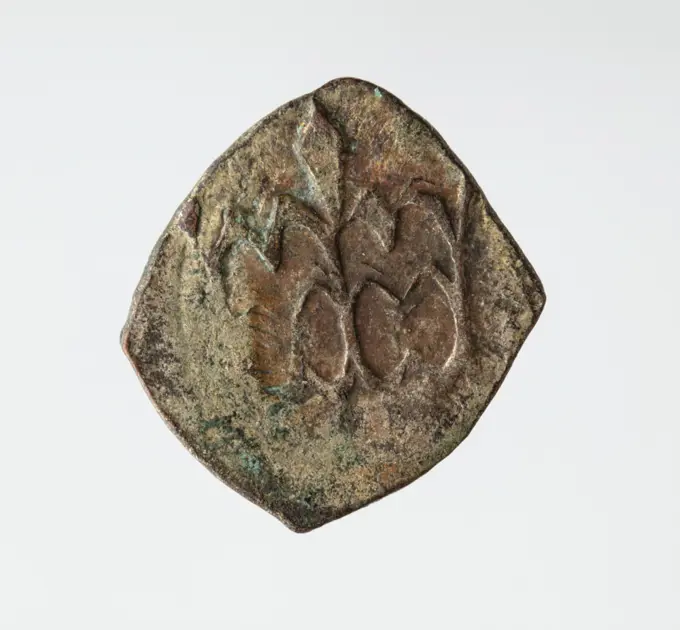
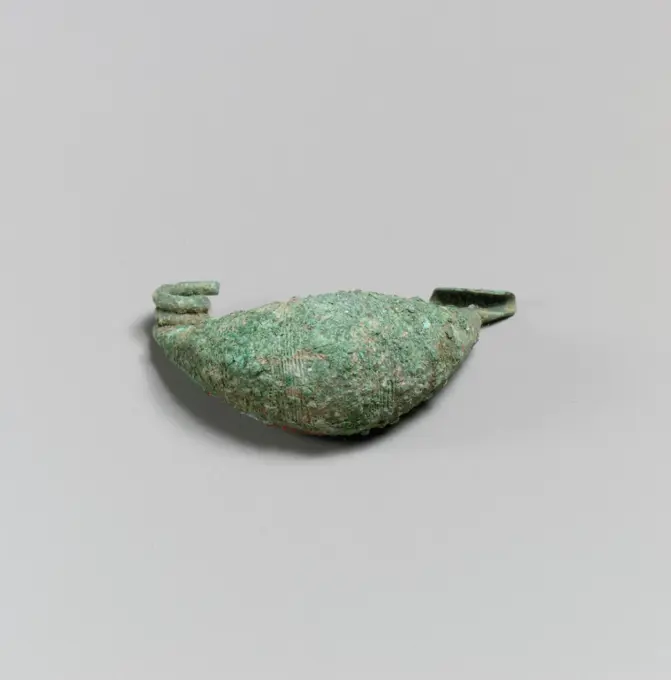
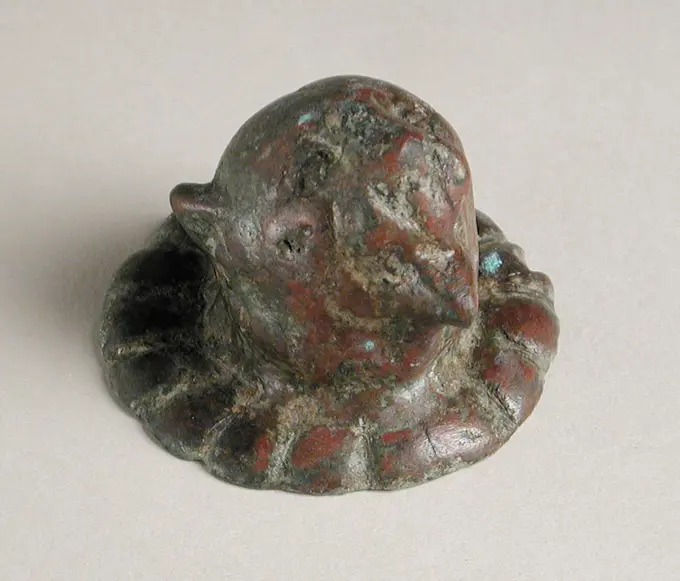
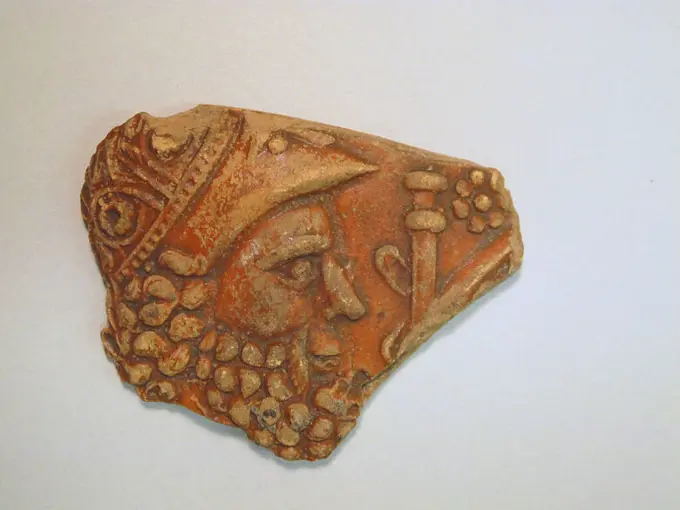
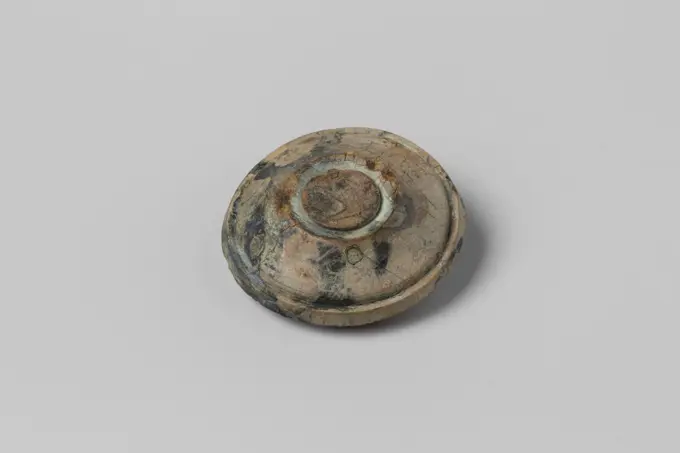
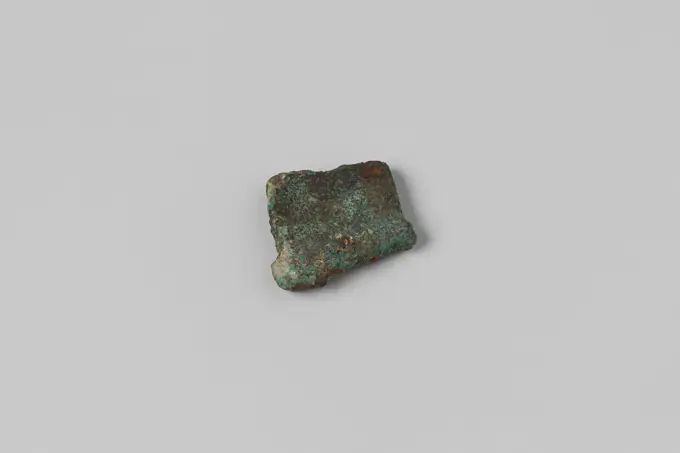
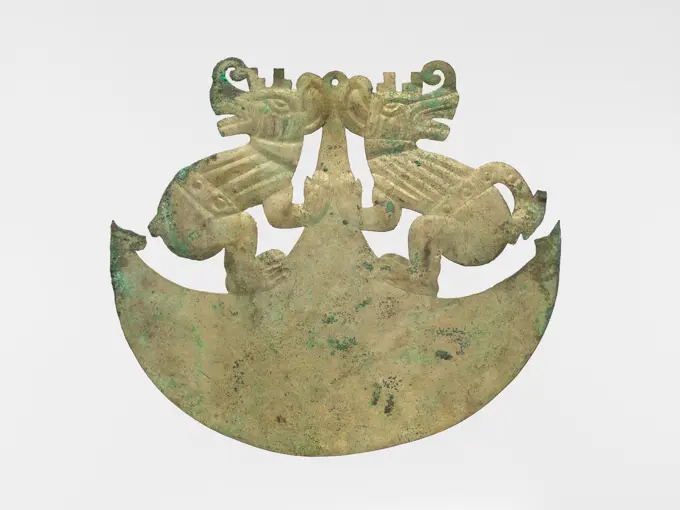
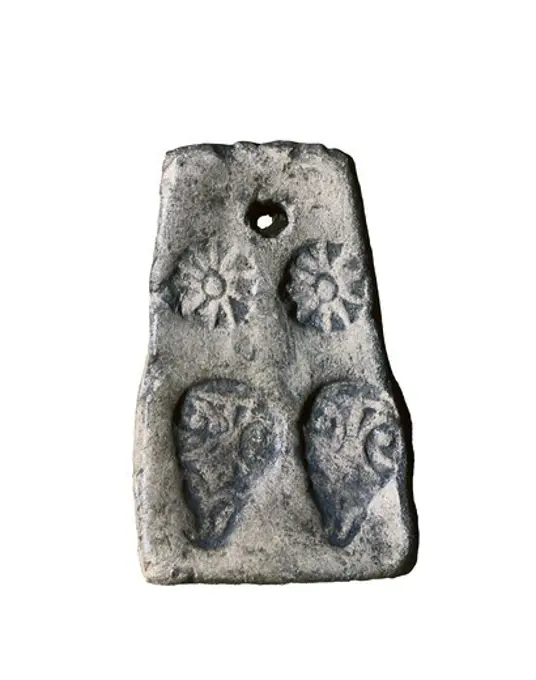
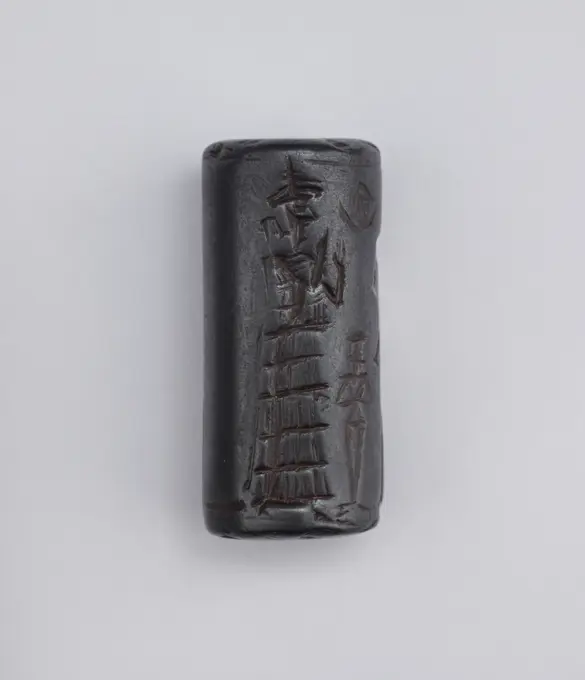
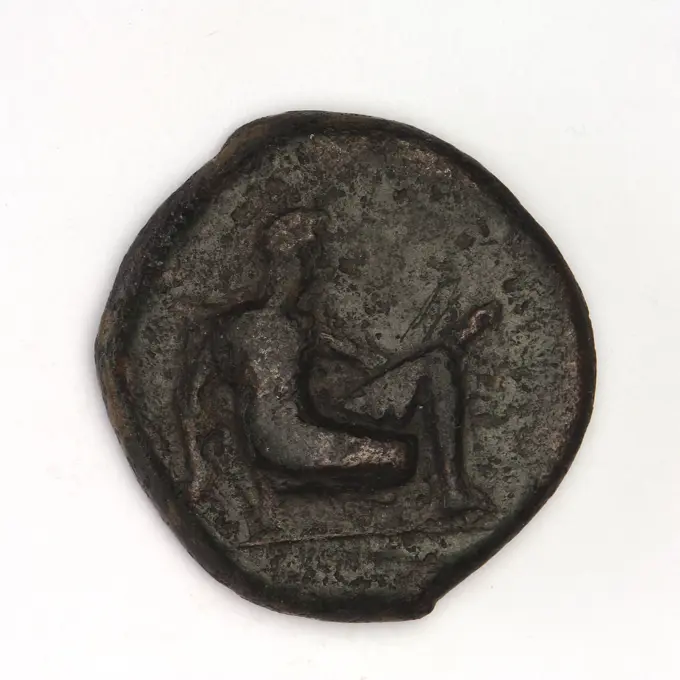
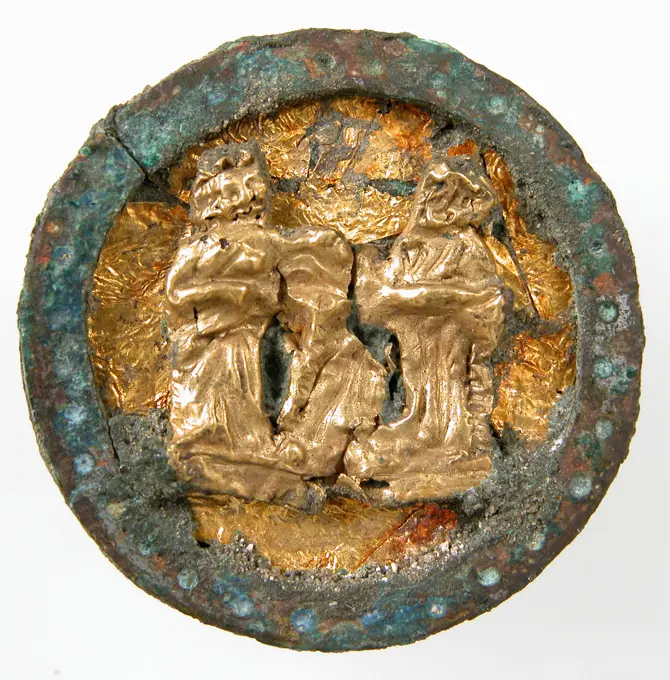
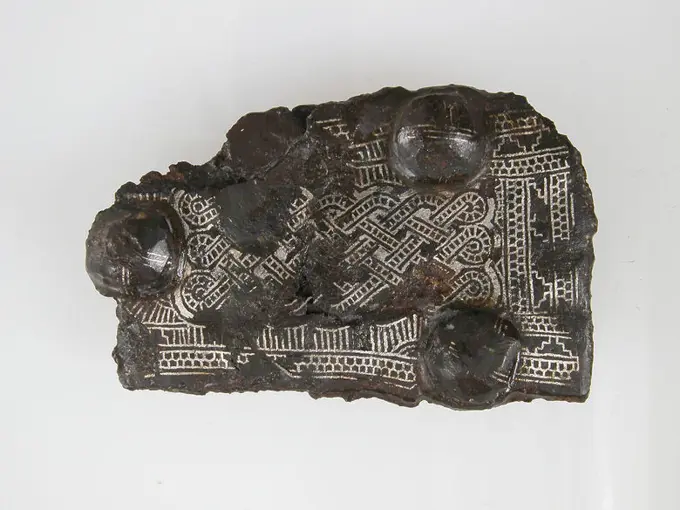
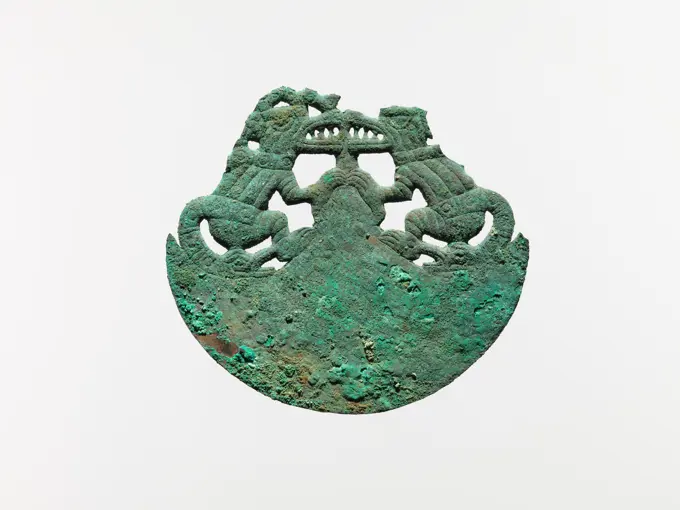
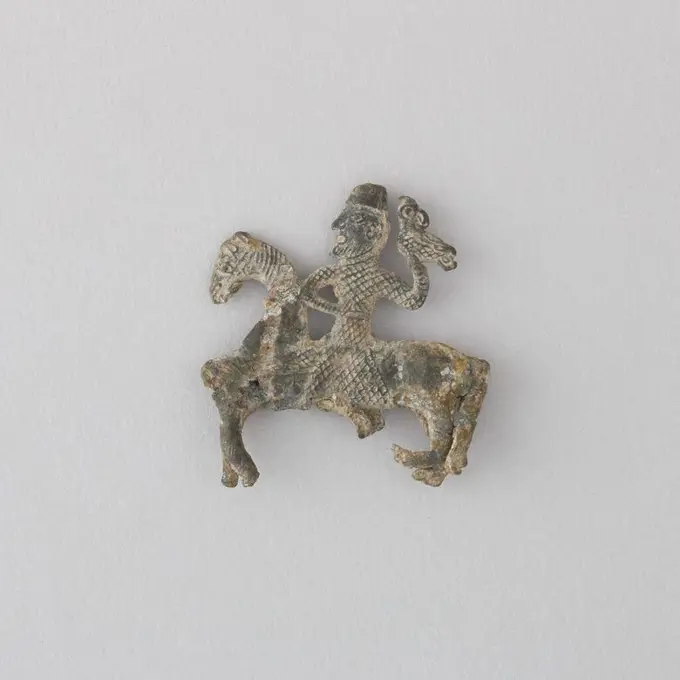
Applique. Decor consisting of cup and body of two fables. The patina is gray-green.
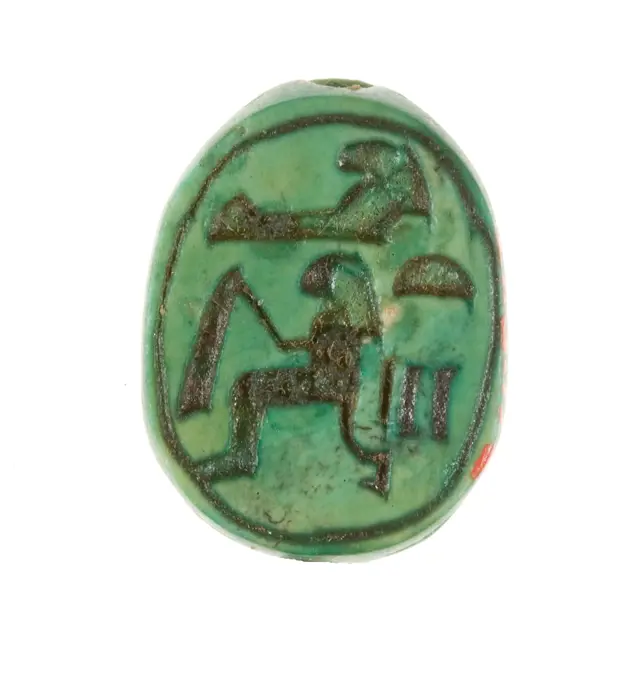
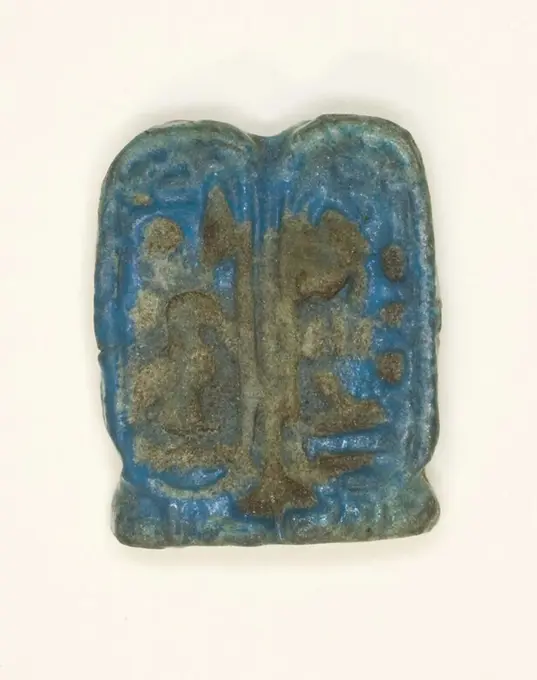
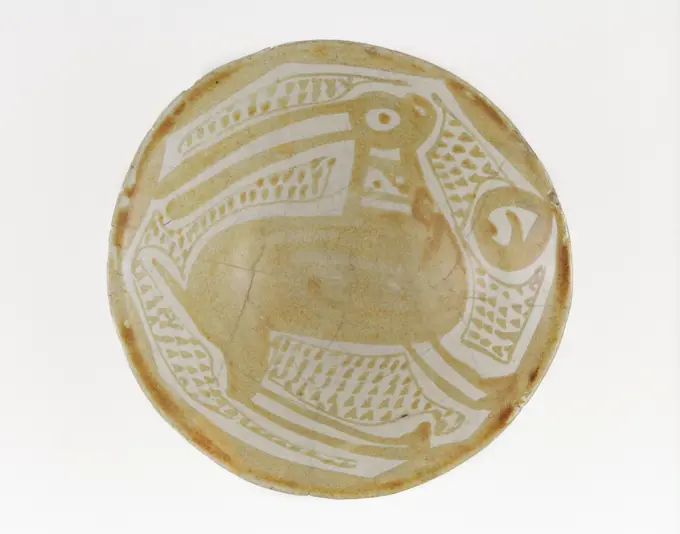
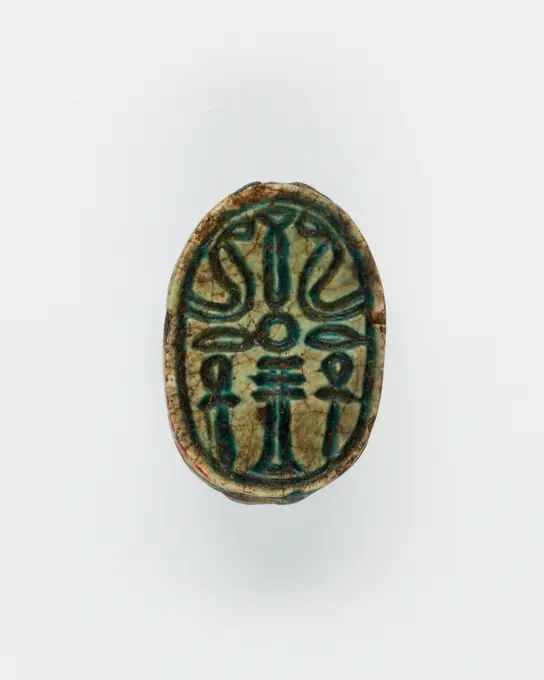
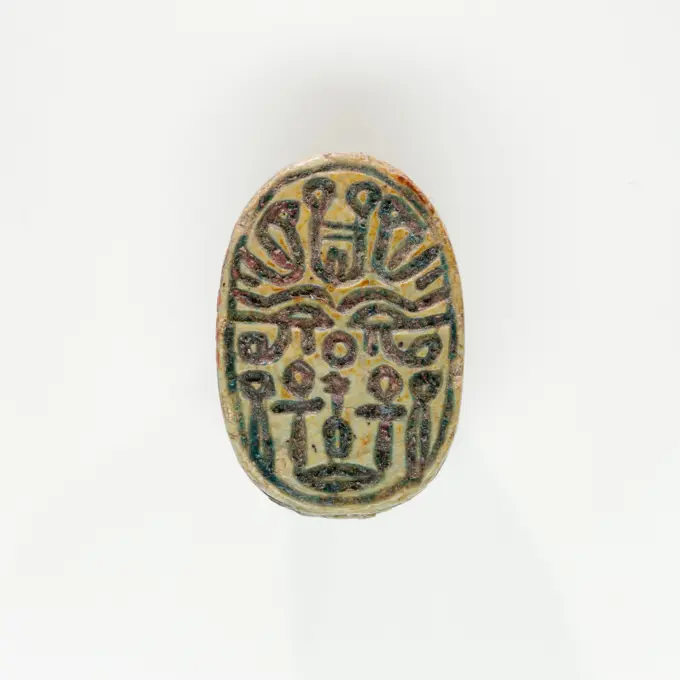
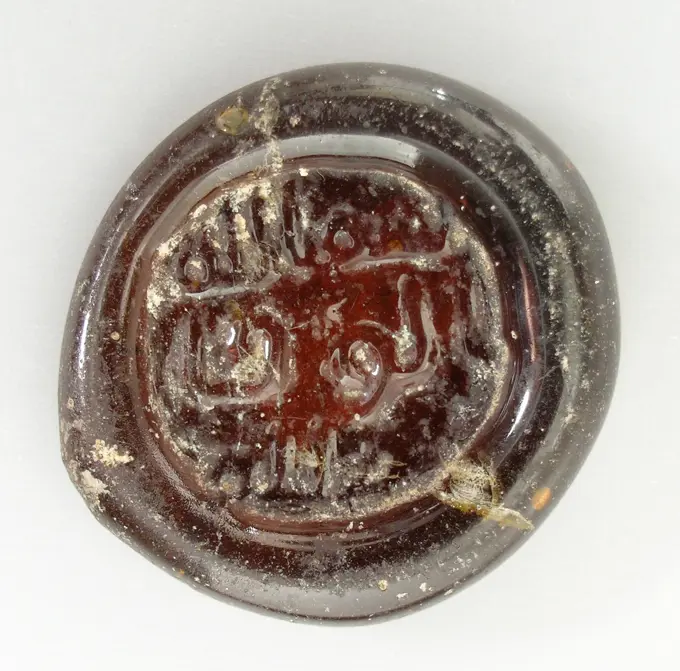
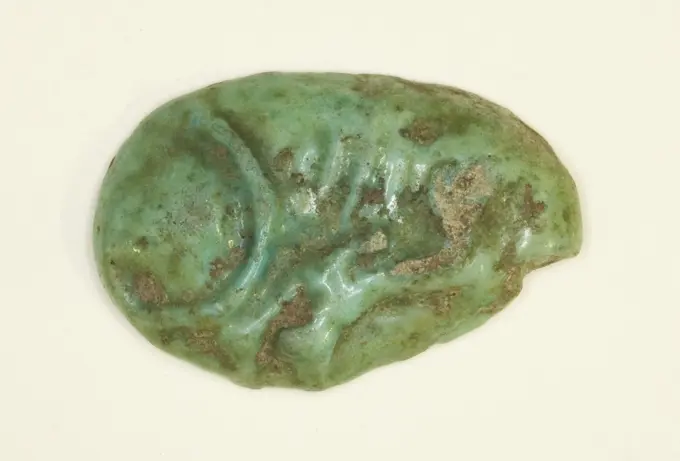
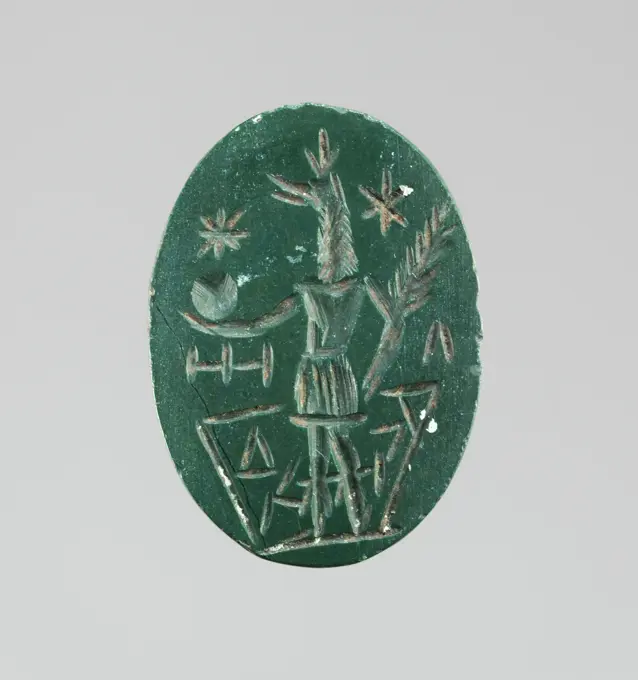
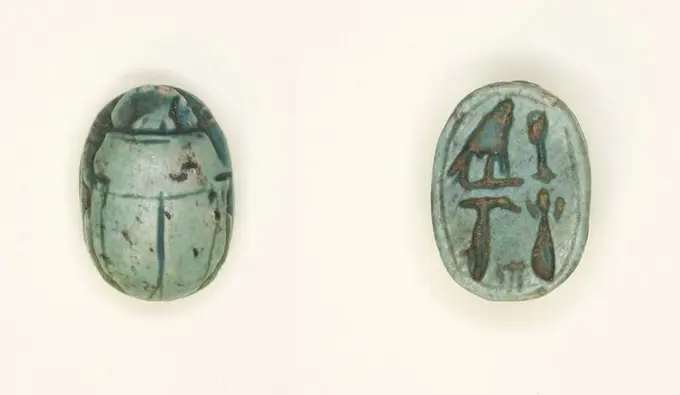
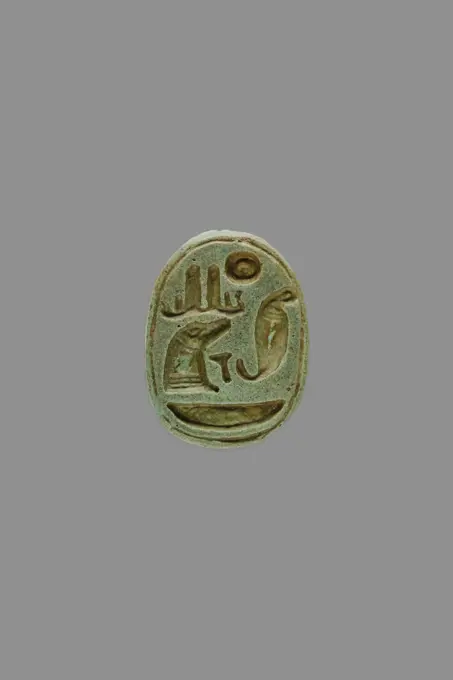
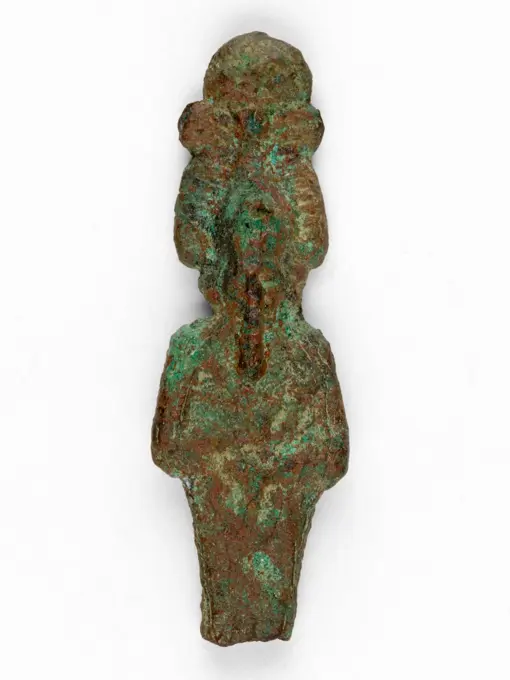
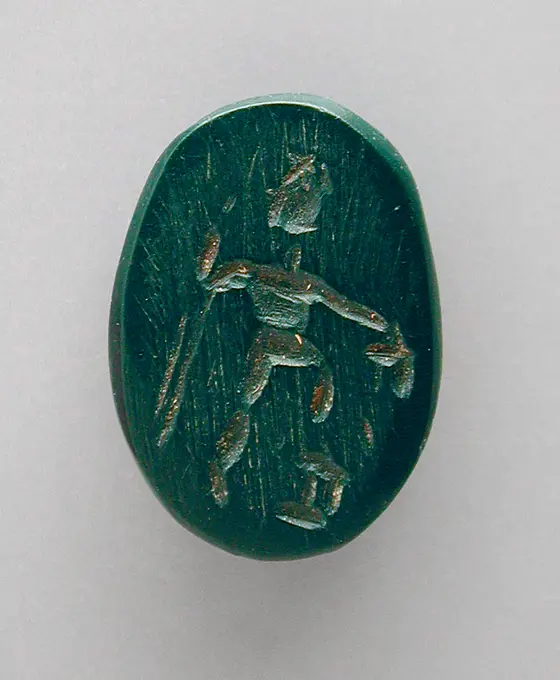
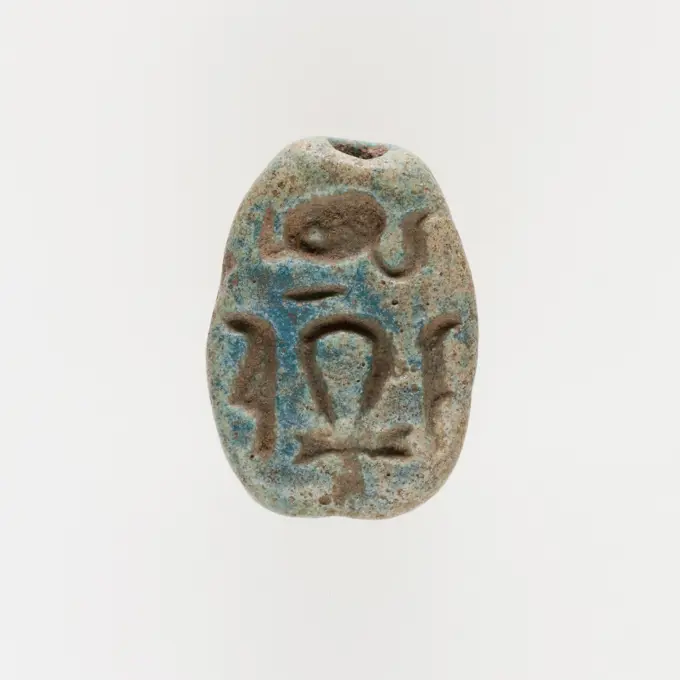
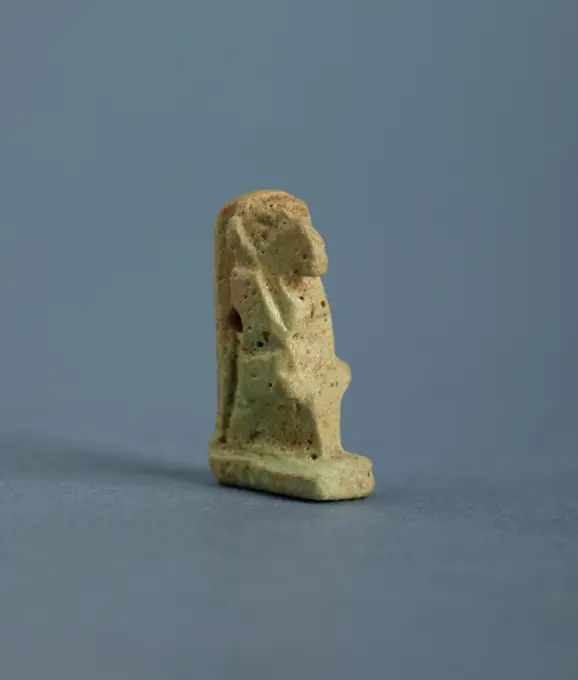
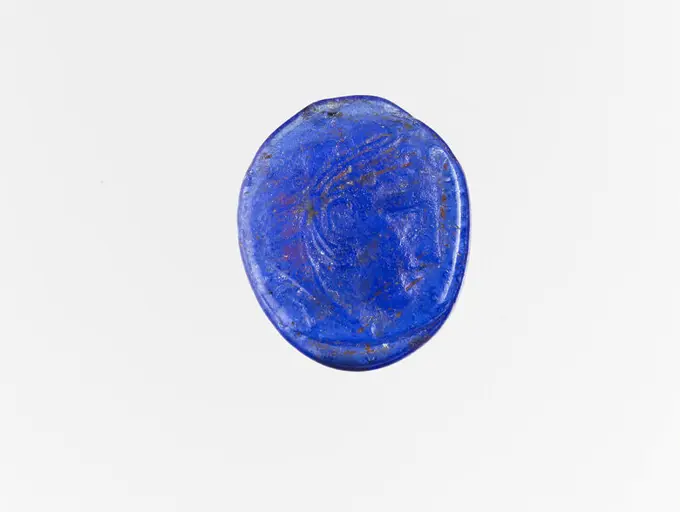
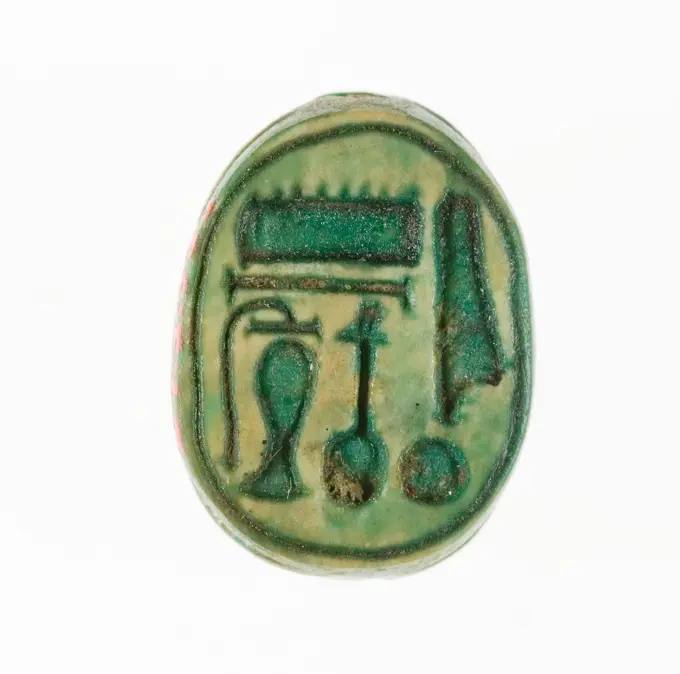
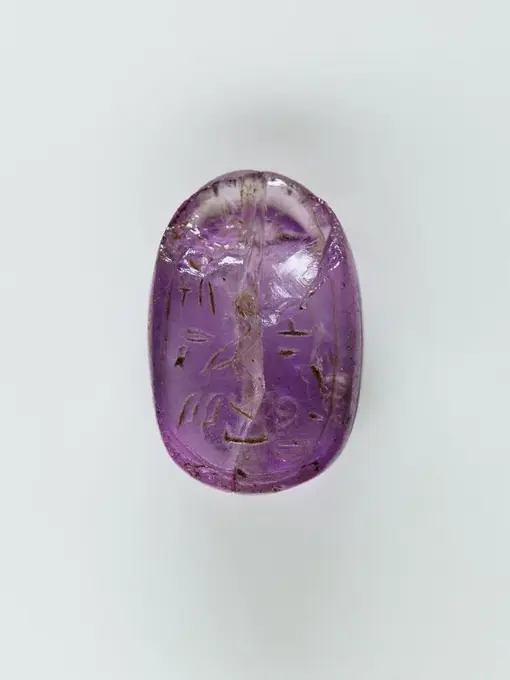
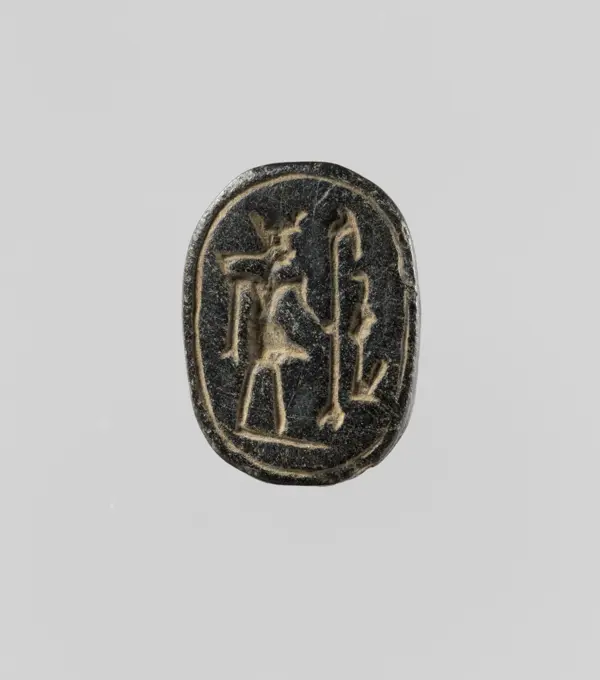
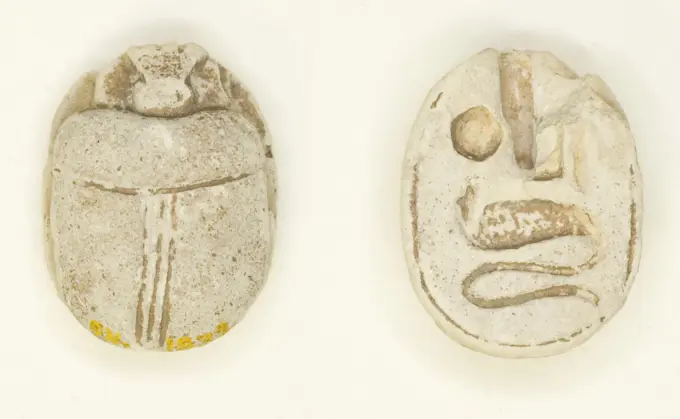
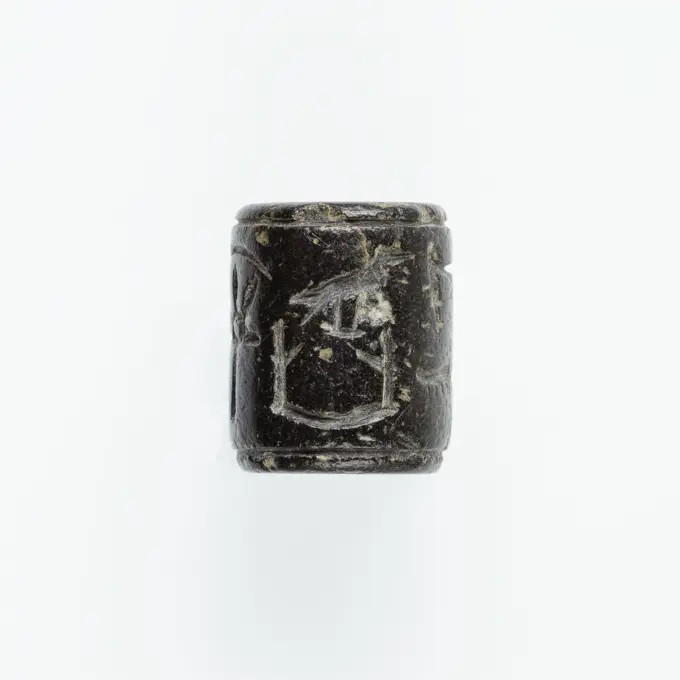
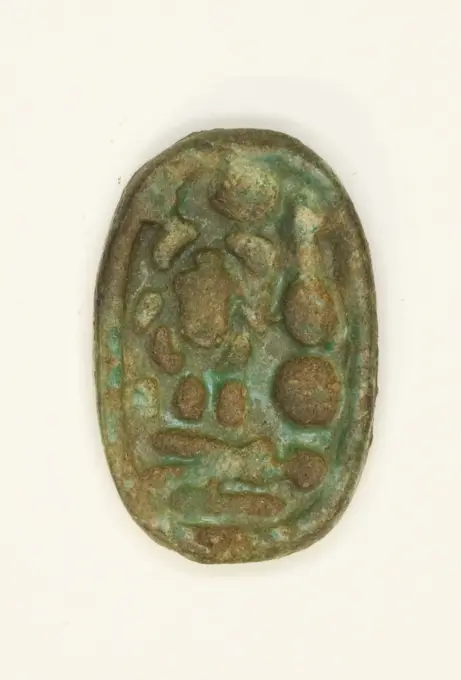
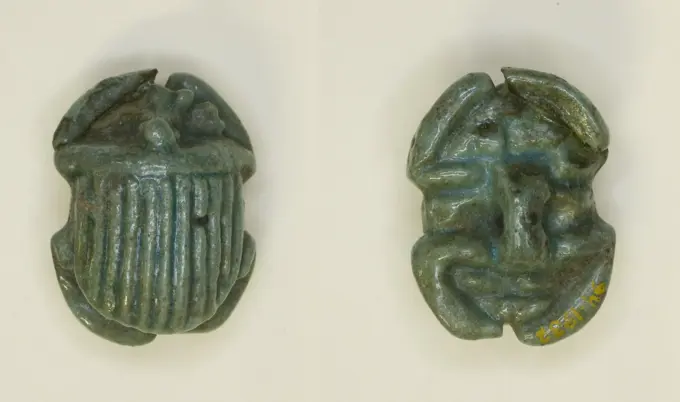
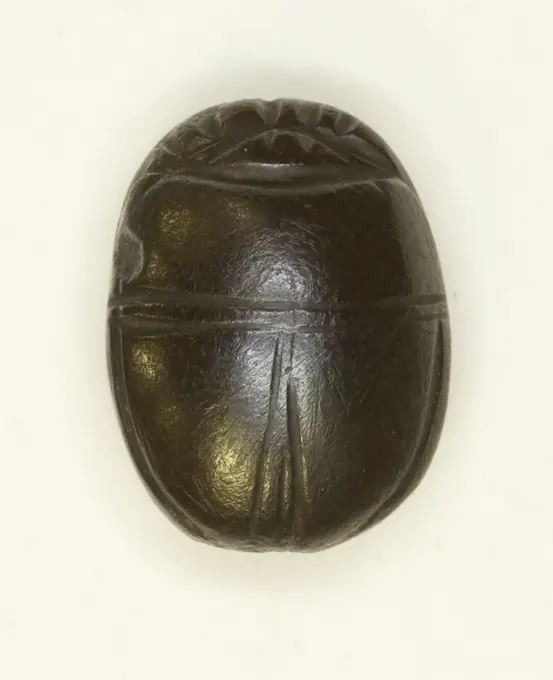
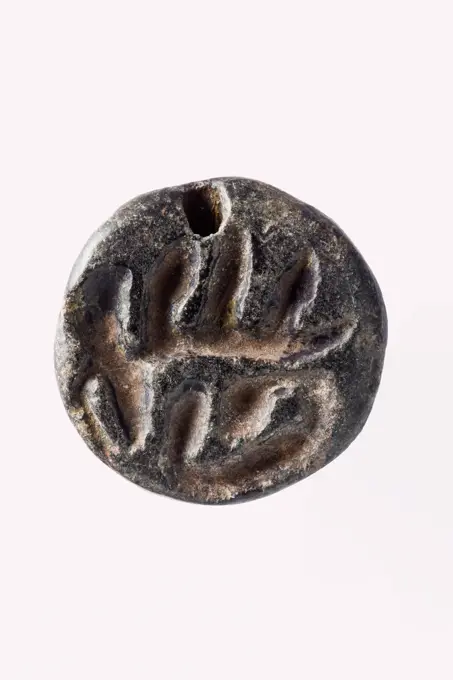
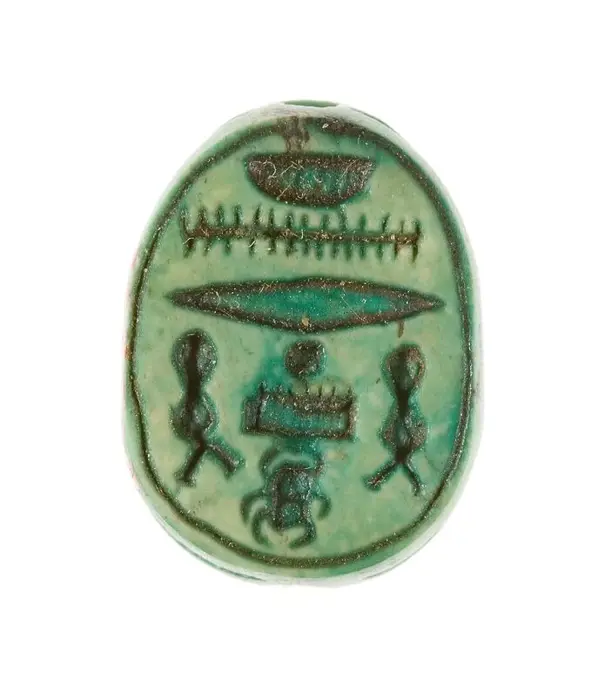
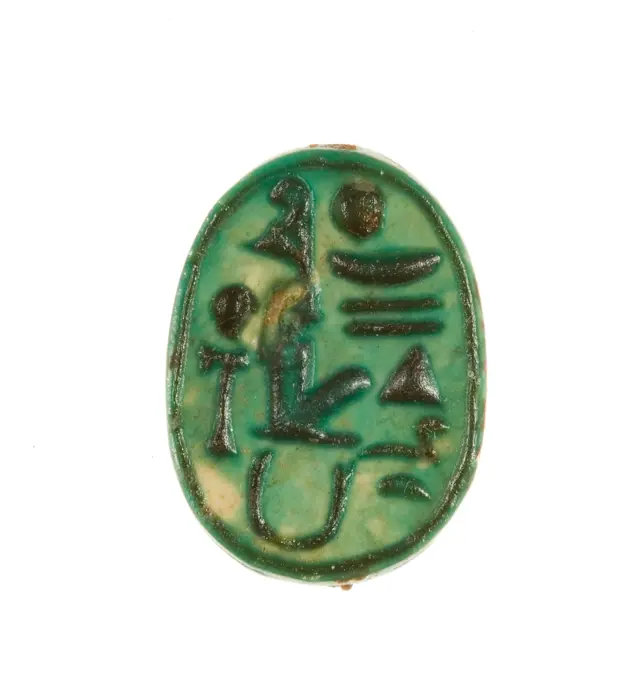
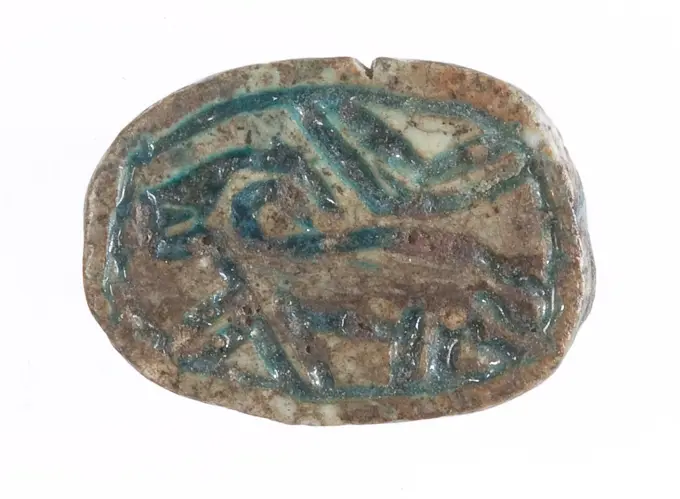
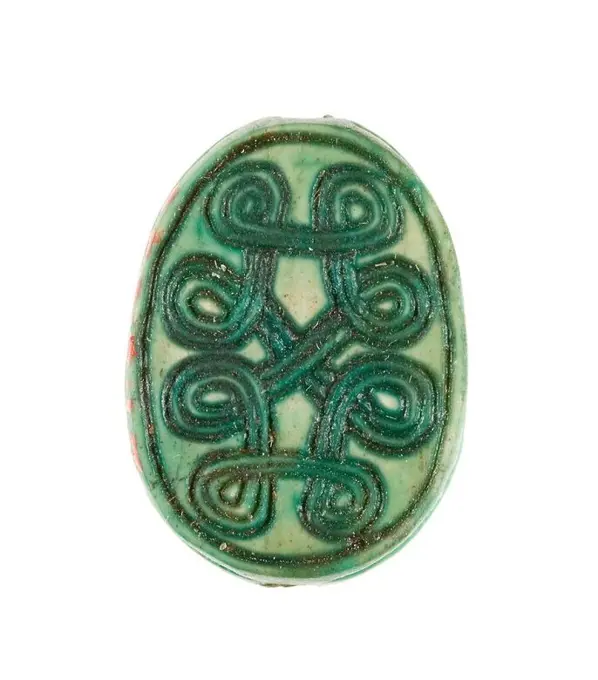
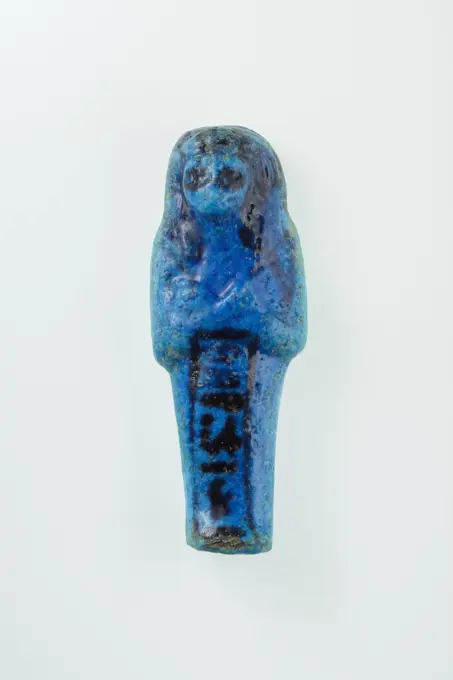
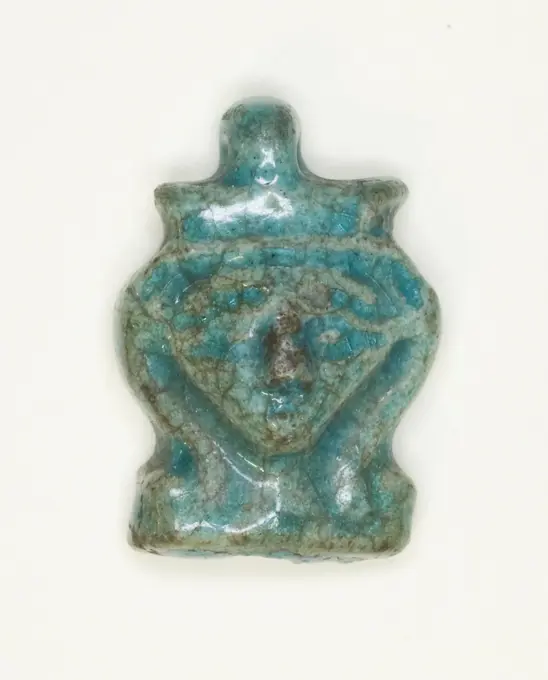
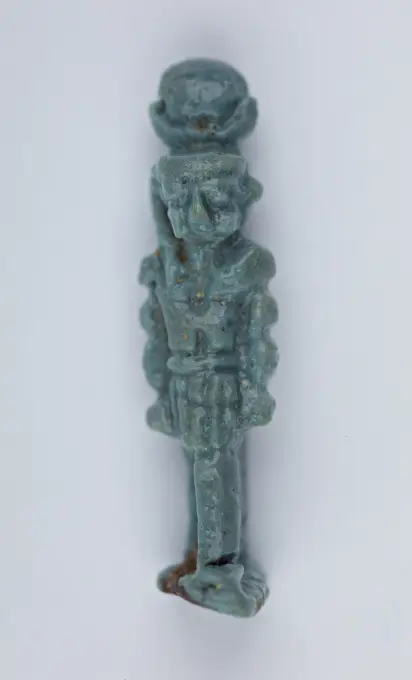
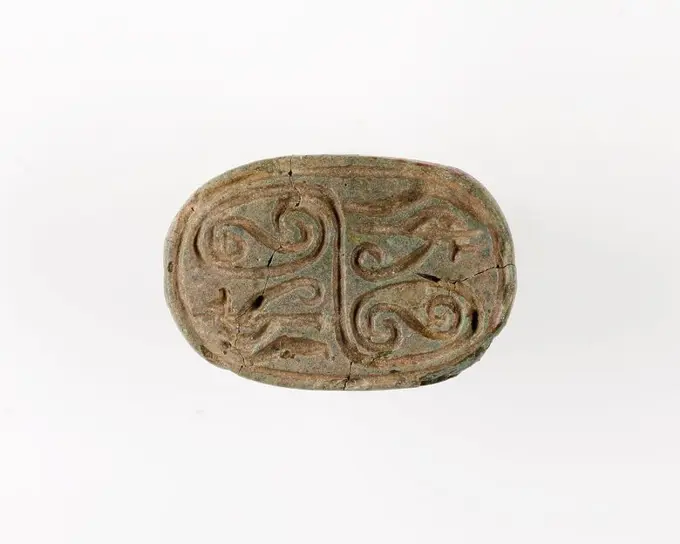
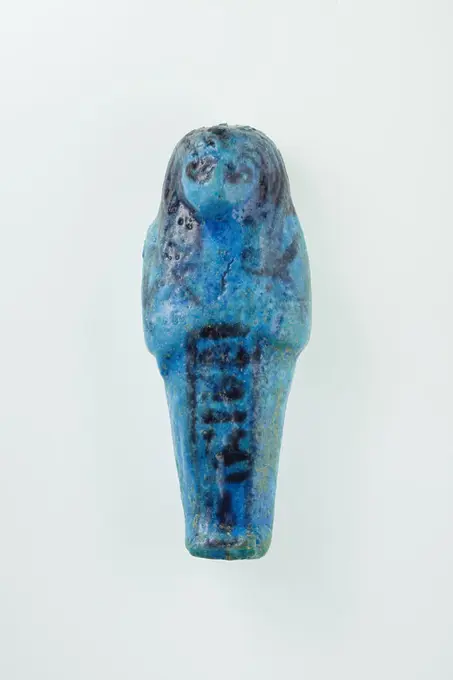
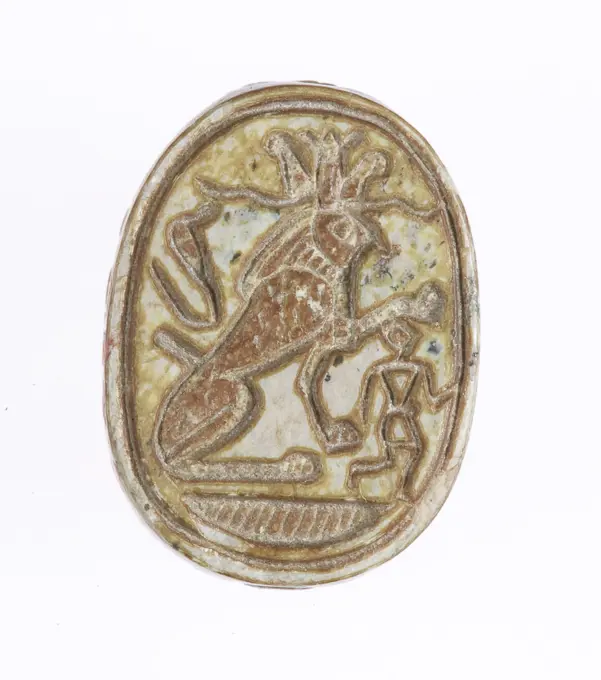
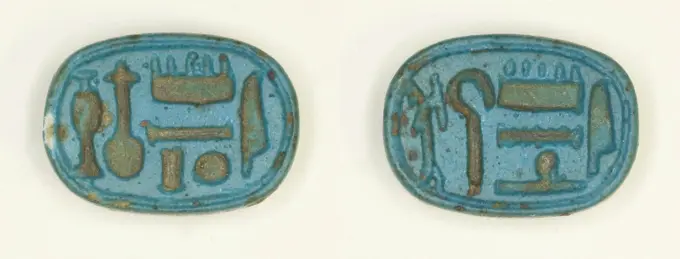
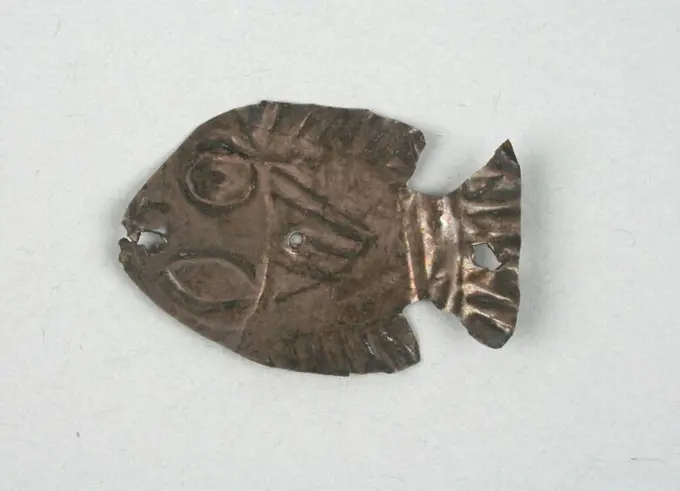
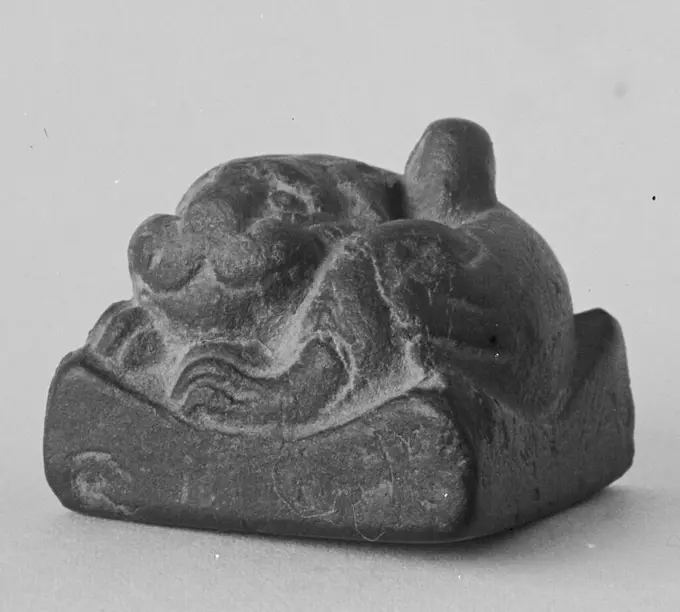
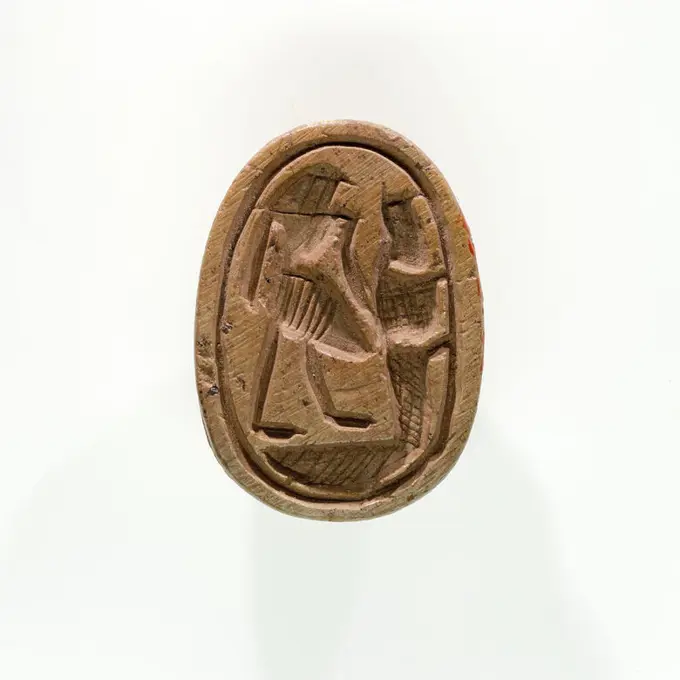
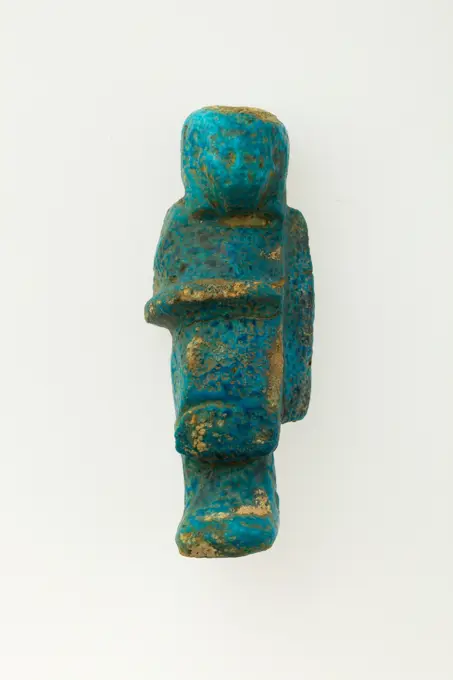
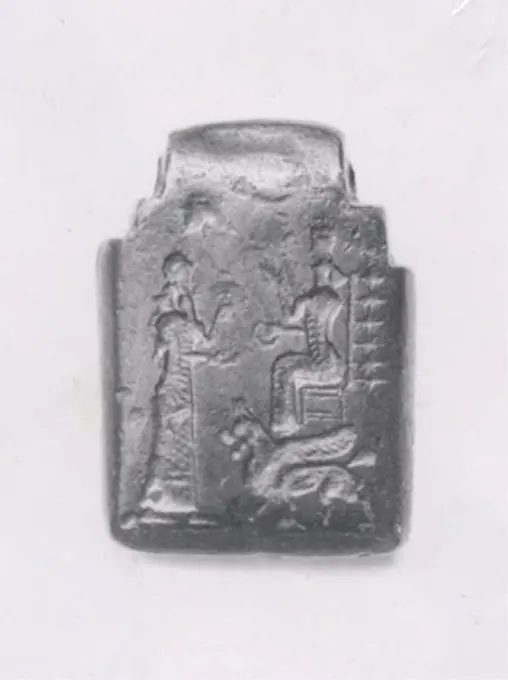
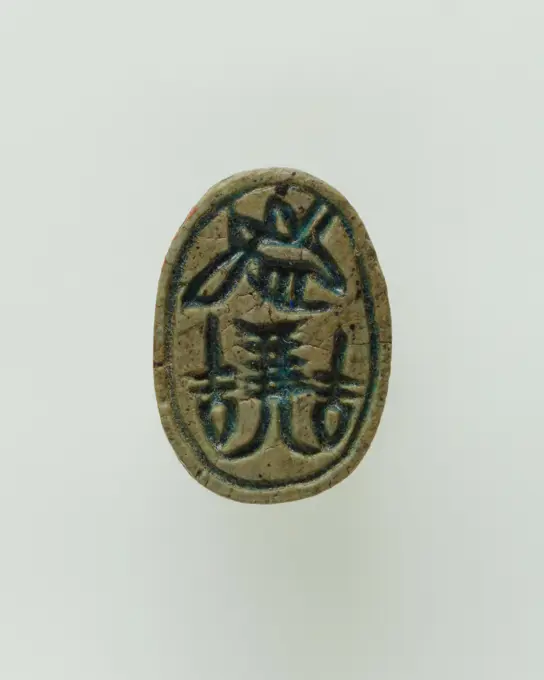
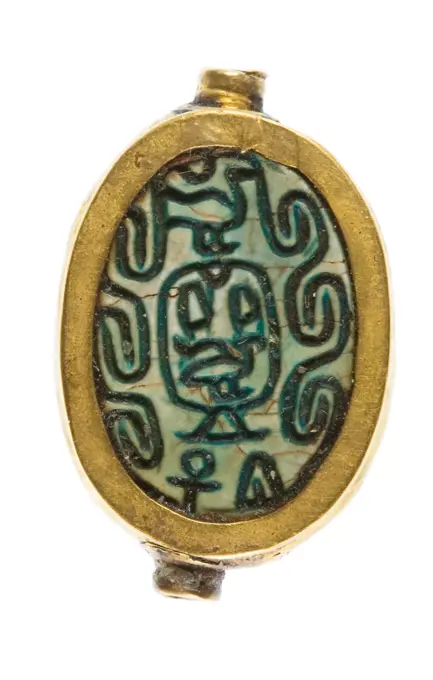
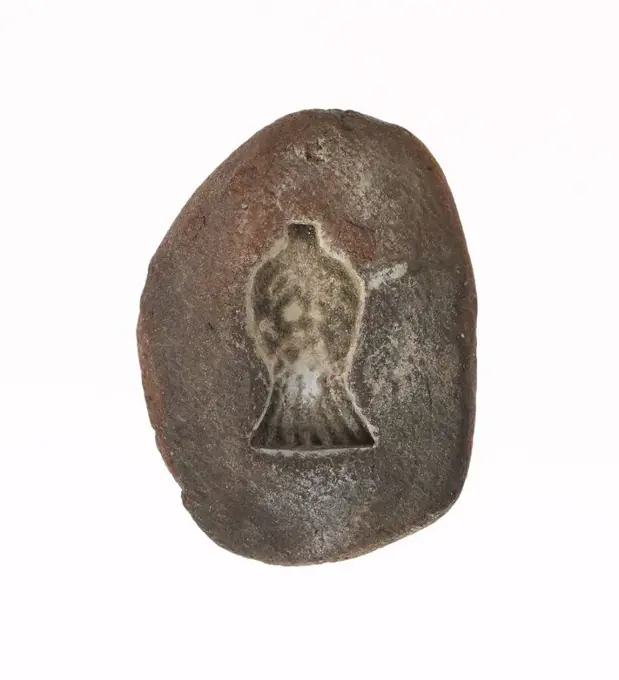
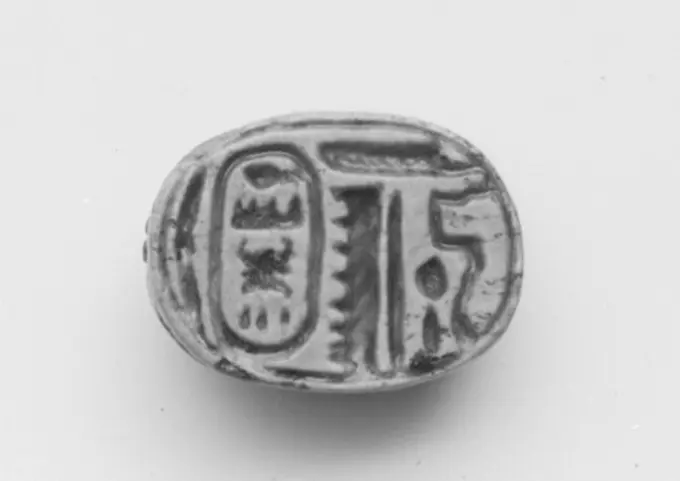
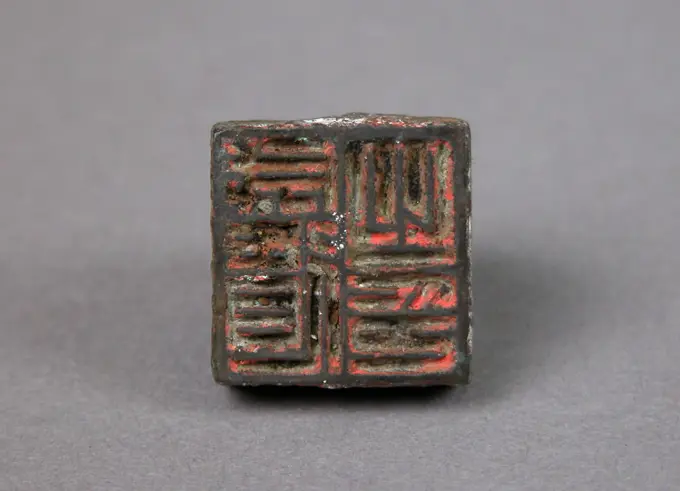
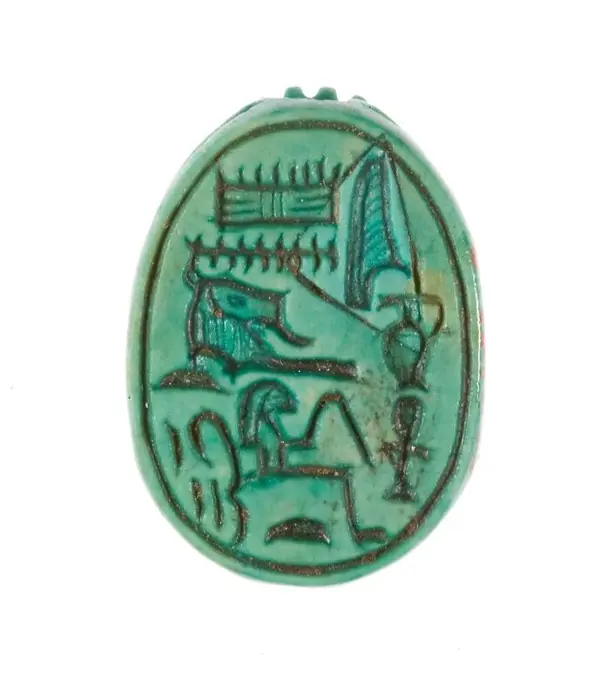
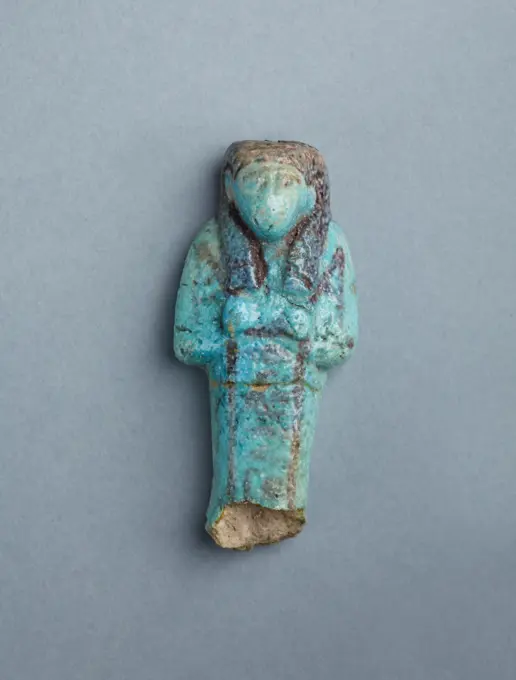
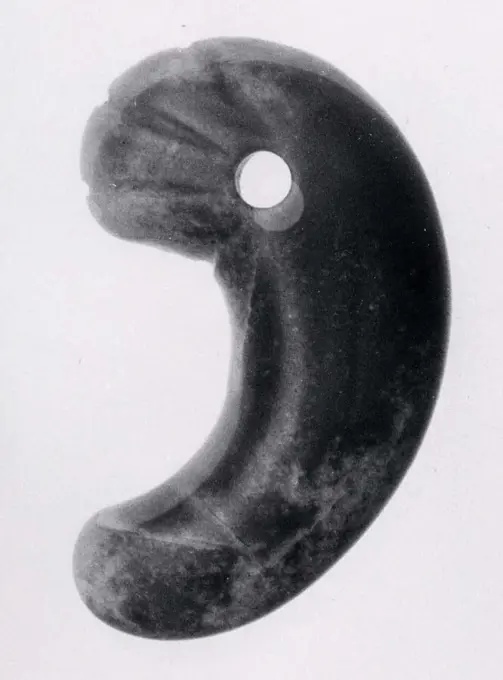
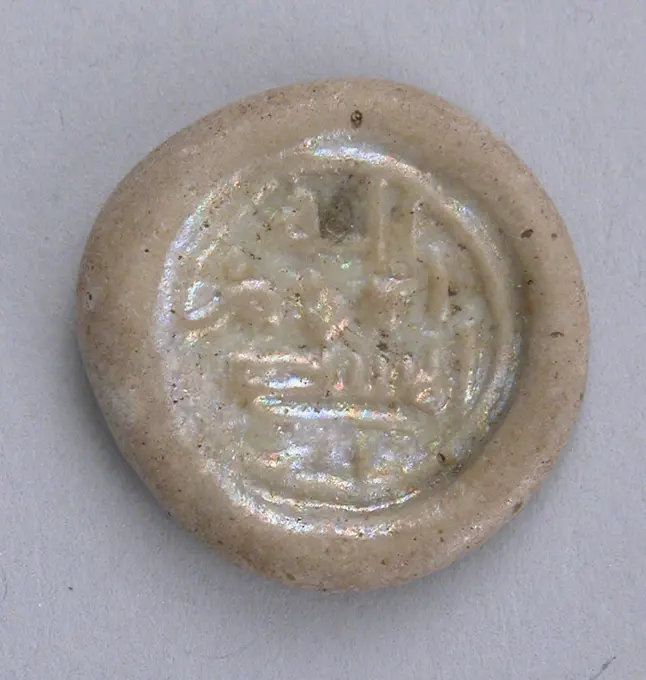
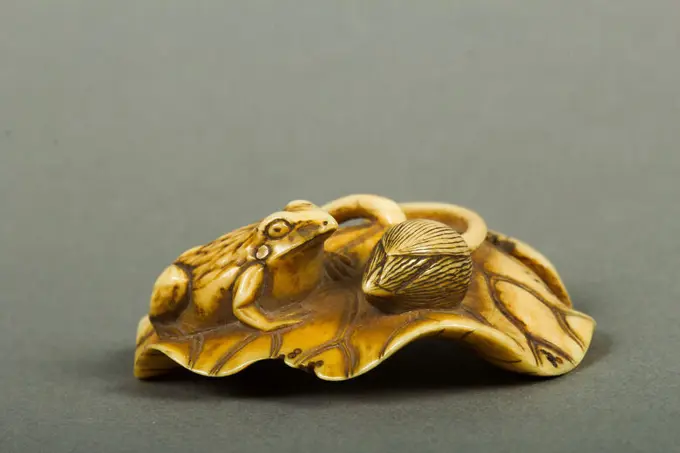
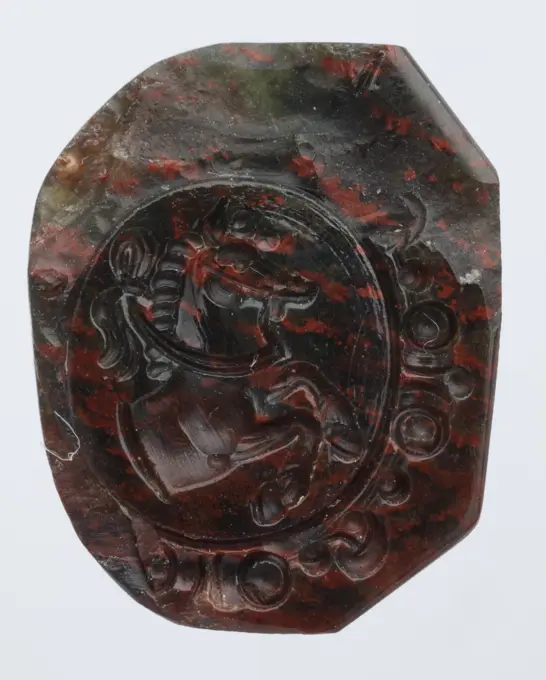
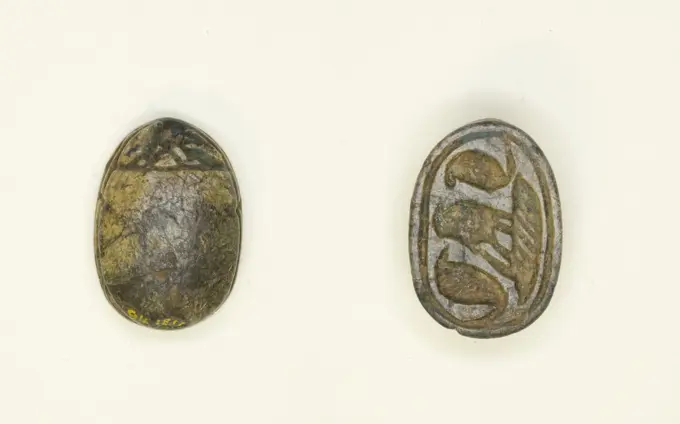
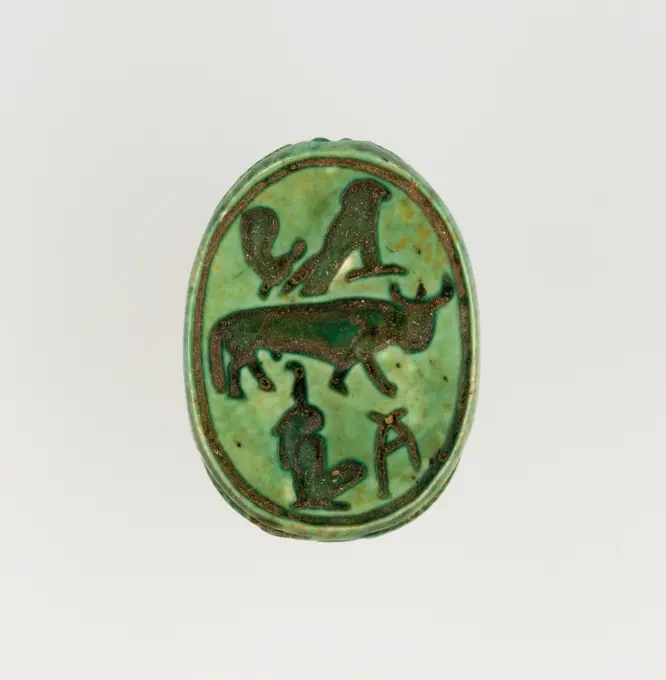
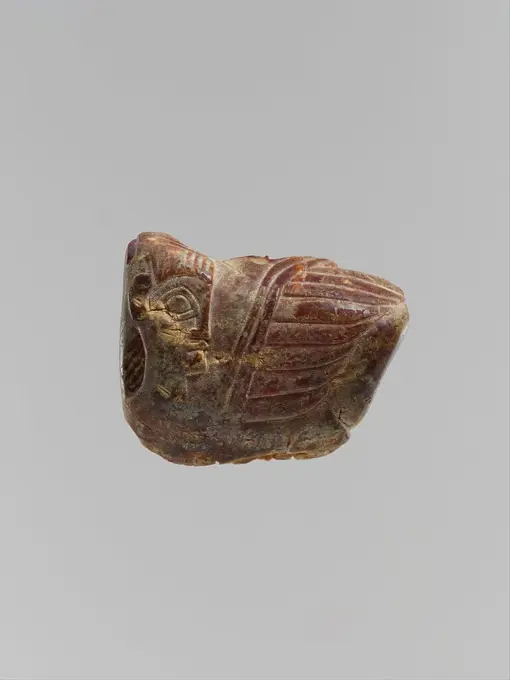
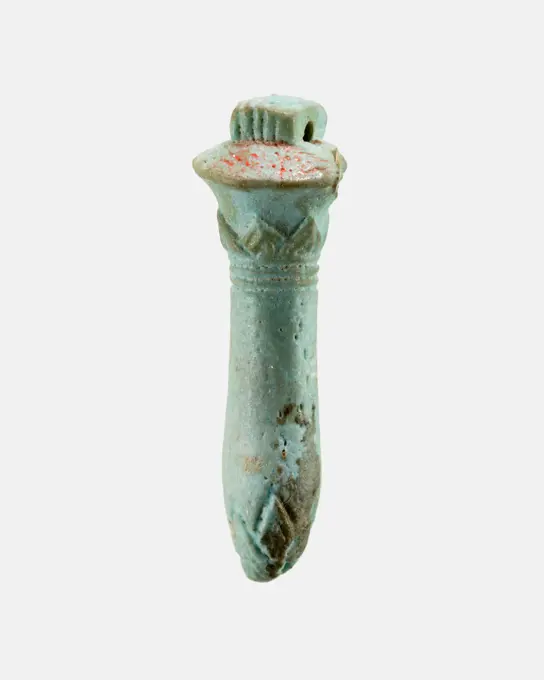
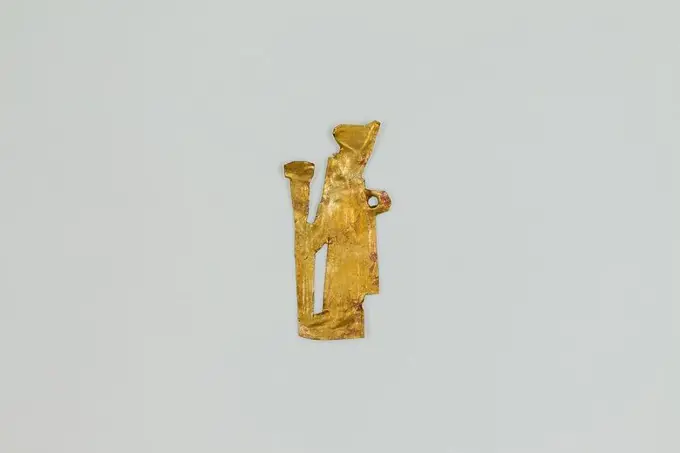
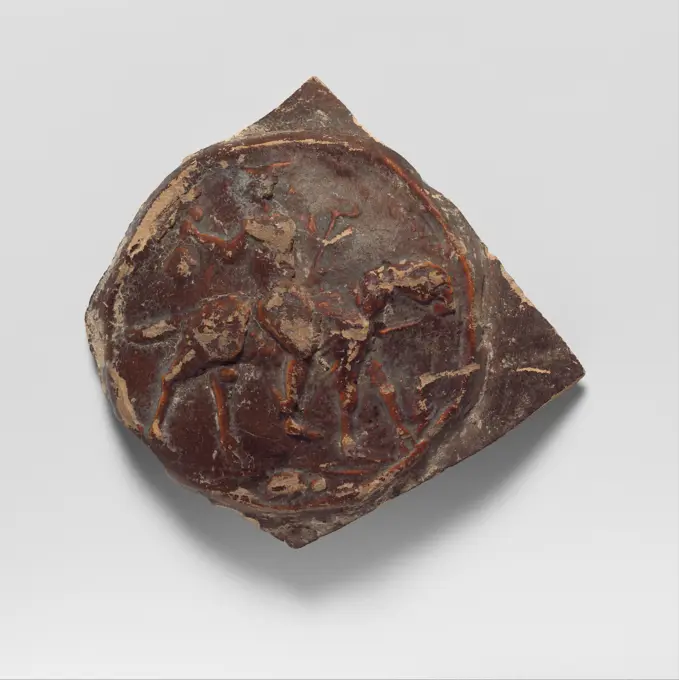
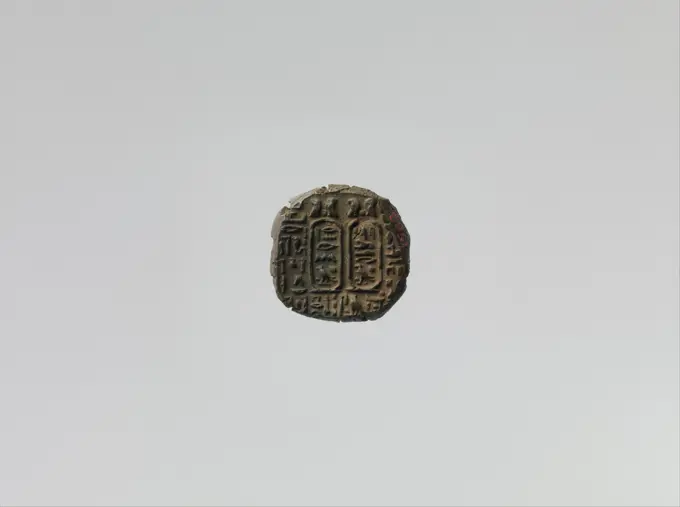
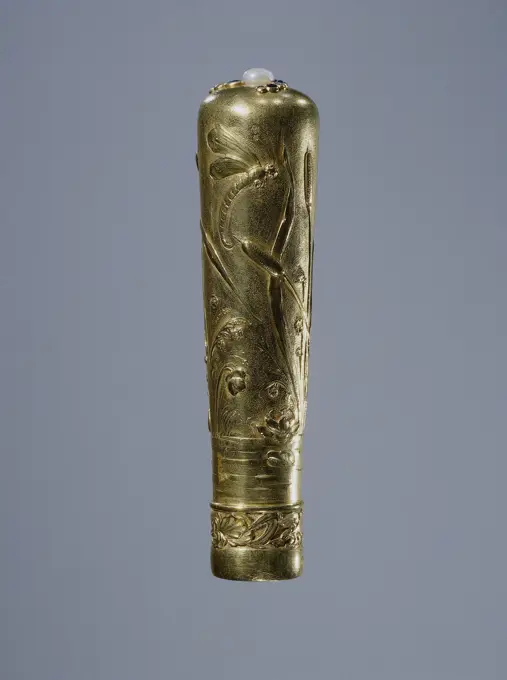
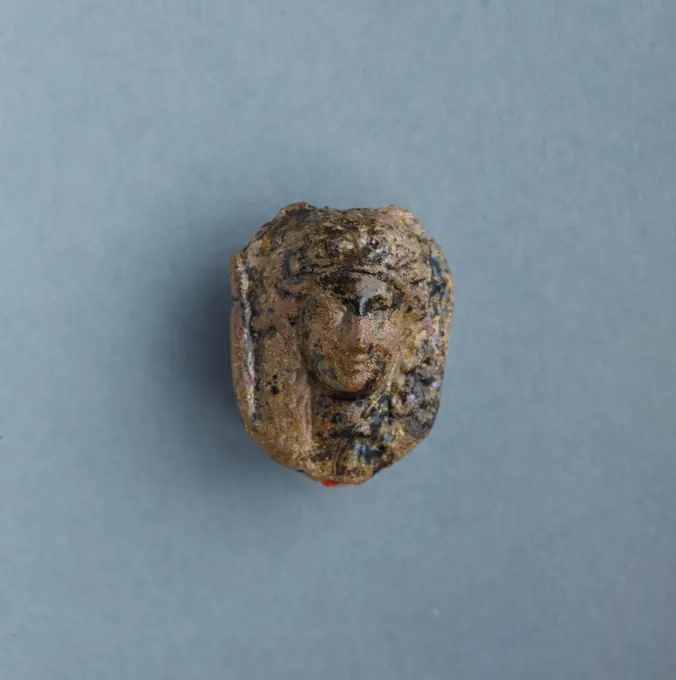
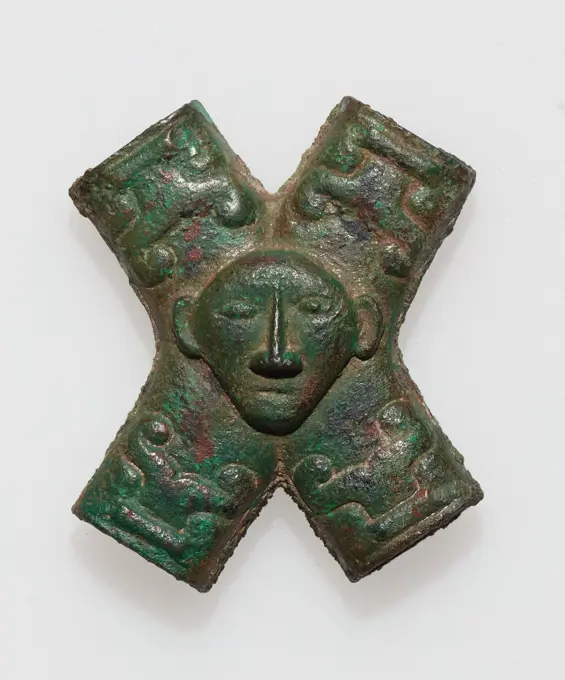
Scarab ca. 1353-1336 B.C. New Kingdom, Amarna Period. Scarab. ca. 1353-1336 B.C.. Glazed steatite. New Kingdom, Amarna Period. From Egypt. Dynasty 18Scarab Inscribed for Hatshepsut ca. 1479-1458 B.C. New Kingdom This scarab was found in one of the foundation deposits placed along the front wall of the lower court of Hatshepsut's funerary temple at Deir el-Bahri. The inscription on the base records Hatshepsut's personal name (Hatshepsut), which means "foremost of noblewomen." Two other scarabs from the same foundation deposit have similar versions of the same inscription, though the style is not exactly the same (27.3.168, 27.3.169). The backs of the scarabs are also similar.. Scarab Inscribed for Hatshepsut. ca. 1479-1458 B.C.. Steatite (glazed). New Kingdom. From Egypt, Upper Egypt, Thebes, Deir el-Bahri, Temple of Hatshepsut, Foundation Deposit 7 (G), MMA excavations, 1926-27. Dynasty 18, earlyScarab Inscribed with the Throne Name of Hatshepsut ca. 1479-1458 B.C. New Kingdom. Scarab Inscribed with the Throne Name of Hatshepsut. ca. 1479-1458 B.C.. Steatite (glazed). New Kingdom. From Egypt. Dynasty 18Scarab ca. 1479-1458 B.C. New Kingdom. Scarab. ca. 1479-1458 B.C.. Faience. New Kingdom. From Egypt, Upper Egypt, Thebes, Deir el-Bahri, Hatshepsut Hole, Hathor Shrine, MMA excavations, 1922-23. Dynasty 18Scarab Inscribed with the Name Maatkare (Hatshepsut) ca. 1479-1458 B.C. New Kingdom During the 1926-1927 excavation season, the Museum's Egyptian Expedition uncovered three foundation deposits along the eastern enclosure wall of Hatshepsut's funerary temple at Deir el-Bahri in Western Thebes. Among the contents were 299 scarabs and stamp-seals. Sixty-five of these are now in the Egyptian Museum, Cairo, and the rest were acquired by the Museum in the division of finds.Among the inscriptions on the bases of these scarabs and seals are examples of every title Hatshepsut held, from the time she was "king's daughter" during the reign of her father, Thutmose I; through the time she was queen of her half-brother, Thutmose II; and during her regency and co-reign with her nephew/step-son, Thutmose III.After the death of her husband, Hatshepsut became regent for her nephew who was a small child. The length of this regency period is uncertain, with estimates ranging from two to seven years. At soAmulet: Double Cartouche of King Akhenaton. Egyptian. Date: 1352 BC-1336 BC. Dimensions: 1.9 × 1.6 × 0.5 cm (3/4 × 5/8 × 3/16 in.). Faience. Origin: Egypt. Museum: The Chicago Art Institute, Chicago, USA. Author: Ancient Egyptian.Applique. Decor consisting of cup and body of two fables. The patina is gray-green.Bowl. Iraq, 10th century. Ceramics. Earthenware, overglaze luster-paintedScarab ca. 1492-1479 B.C. New Kingdom. Scarab 552445Handle of an "Opening of the Mouth" Peseshkef amulet ca. 1981-1640 B.C. Middle Kingdom. Handle of an "Opening of the Mouth" Peseshkef amulet. ca. 1981-1640 B.C.. Gold; copper. Middle Kingdom. From Egypt, Memphite Region, Lisht North, Tomb 954, Burial 954L, MMA excavations, 1921-22. Dynasty 12-13Scarab from Ruiu's Burial ca. 1504-1447 B.C. New Kingdom The burial of Ruiu was found in the tomb of her father, Neferkhawet, which was excavated by the Museums Egyptian Expedition in 1935. Lying against the right side of the head end of Ruius coffin was a small basket that contained a wooden box and a metal razor. Inside the box were four scarabs and a cowroid seal-amulet made of steatite, two ebony kohl sticks, and a small metal spoon.This scarab was originally glazed bright blue, but the glaze has largely worn off the back and base. The device combines rearing cobras, wedjat-eyes, and a variety of hieroglyphs. This design, particularly the way of writing the ka hieroglyph, is typical of scarabs dating to the Hyksos period, a century or so before the death of Ruiu, sometime in the sole reign of Thutmose III. Another scarab and three rings belonging to Ruiu also appear to be of Hyksos design.. Scarab from Ruiu's Burial. ca. 1504-1447 B.C.. Steatite (glazed). New Kingdom. From Egypt,Coin Weight. Eastern Mediterranean, 7th or 8th century. Glass. Glass, mold-pressedFoundation Deposit Bound Ox 1550 BCE-1069 BCE Egypt. Faience . Ancient EgyptianJasper intaglio: Standing Anubis 2nd century A.D. Roman Anubis; Cryptogram.. Jasper intaglio: Standing Anubis 248223Scarab: Falcon and Hieroglyphs. Egyptian. Date: 1550 BC-525 BC. Dimensions: 1.6 × 1 × 0.6 cm (5/8 × 3/8 × 1/4 in.). Glazed steatite. Origin: Egypt. Museum: The Chicago Art Institute, Chicago, USA. Author: Ancient Egyptian.Scarab with Sobek and Wadjet ca. 1295-1070 B.C. New Kingdom The base of this scarab shows the head of a crocodile crowned with a headdress consisting of two long and narrow plumes, a pair of horns and uraei on the extremities. In front of the animal are a small papyrus stem and a large cobra. A sun disk is placed at the top and the heb-basin is engraved at the bottom. The crowned crocodile can be identified as the god Sobek, who was associated with water, fertility and - as indicated by the sun disk above - is also connected to the sun god as Sobek-Re. The raised cobra is also placed underneath the sun disk, suggesting that it may represent the goddess Wadjet, the serpent deity associated with the pharaoh and with royal authority. The papyrus stem (wadj in ancient Egyptian) confirms the interpretation of the cobra as Wadjet.. Scarab with Sobek and Wadjet. ca. 1295-1070 B.C.. Green glazed faience. New Kingdom. From Egypt, Memphite Region, Lisht North, Cemetery, MMA excavations. Dynasty Statuette of Osiris. Copper alloy. Gallo-Roman time. High Empire (). Paris, Carnavalet museum. STATUETTE D'OSIRIS Copper alloy, antiquity, Egyptian divinity, Gallo-Roman time, High Empire, Statuette, AncientIntaglio. Eastern Mediterranean, Roman, 332 B.C.-A.D.395. Tools and Equipment; seals. StoneScarab Inscribed with Hieroglyphs ca. 1295-1070 B.C. New Kingdom The underside of the scarab is inscribed with positive signs such as the feathers of Maat, the sign of life (ankh) and a sun disk with pendent uraei. From the New Kingdom onwards, the latter is often placed at the top of a design, symbolizing divine protection.. Scarab Inscribed with Hieroglyphs 557074Amulet - ThotGlass cameo with portrait head of Alexander the Great. Culture: Roman. Dimensions: Length: 11/16 in. (1.8 cm). Date: 1st century B.C.-3rd century A.D..Portrait head of Alexander the Great wearing a lion skin. Museum: Metropolitan Museum of Art, New York, USA.Scarab Inscribed with the Name of the God Amun-Re ca. 1479-1458 B.C. New Kingdom. Scarab Inscribed with the Name of the God Amun-Re. ca. 1479-1458 B.C.. Steatite (glazed). New Kingdom. From Egypt, Upper Egypt, Thebes, Deir el-Bahri, Temple of Hatshepsut, Foundation Deposit 9 (I), MMA excavations, 1926-27. Dynasty 18, earlyLamp in the Shape of a Comic Mask; Roman Empire; 75 - 125; Bronze; 6.9 × 12.5 cm (2 11,16 × 4 15,16 in.)Scarab. Dimensions: L. 2.5 cm (1 in.); W. 1.6 cm (5/8 in.); H. 1.2 cm (1/2 in.). Dynasty: late 12th-early 13th Dynasty. Date: ca. 1878-1750 B.C.. Museum: Metropolitan Museum of Art, New York, USA.Scarab with Representation of Baal ca. 1295-1070 B.C. New Kingdom The underside of the scarab shows a standing male figure facing right, wearing a high conical headdress with a long streamer at the back and horns protruding from the front. He holds the Egyptian was-scepter, a symbol of power held by deities or royal figures. In front of him sits a figure of Maat, the Egyptian goddess of truth and justice, identified by the ostrich feather on her head. Even though similar in shape, the mans headdress should not be mistaken for an Egyptian White or Double Crown worn by the pharaoh; it is the headdress of the Levantine storm god Baal. Depictions of Baal appear in Egypt around the end of the Middle Kingdom, but his image is more prevalent in Egyptian art of the New Kingdom and reaching a peak in the Ramesside period, when several Levantine gods became important in Egypt. This is partially attributed to the fact that certain of these deities (such as Baal and Resheph) have martial traits, Scarab Name of Amun-Ra 1550 BCE-1069 BCE Egypt. Steatite . Ancient EgyptianCylinder seal ca. 2960-2649 B.C. Early Dynastic Period. Cylinder seal. ca. 2960-2649 B.C.. Stone. Early Dynastic Period. From Egypt. Dynasty 2Ring Neferkheprure-Waenre (Akhenaton) 1352 BCE-1336 BCE Egypt. Faience . Ancient EgyptianPilgrim's Badge 14th-16th century French. Pilgrim's Badge. French. 14th-16th century. Lead. Metalwork-LeadBrakedate Halter; 15th century (1401-00-00-1500-00-00);Potocki, Andrzej (1861-1908), Dzik's head (iconogr.), Unilateral coins, city coinsBliżej Kultury Władysław Warneńczyk (King of Poland, 1434 1444), Mint of KrakówScarab 664 BCE-525 BCE Egypt. Faience . Ancient EgyptianScarab Uninscribed 1985 BCE-525 BCE Egypt. Stone . Ancient EgyptianStamp SealFibula 9th-8th century B.C. Italic, Villanovan. Fibula 255998Scarab Inscribed with the Throne Name of Thutmose III. Dimensions: L. 1.8 cm (11/16 in); w. 1.3 cm (1/2 in); h. 0.9 cm (3/8 in). Dynasty: Dynasty 18, early. Reign: Joint reign of Hatshepsut and Thutmose III. Date: ca. 1479-1458 B.C.. Museum: Metropolitan Museum of Art, New York, USA.Scarab Inscribed Maatkare (Hatshepsut), Given Life Forever ca. 1479-1458 B.C. New Kingdom. Scarab Inscribed Maatkare (Hatshepsut), Given Life Forever. ca. 1479-1458 B.C.. Steatite (glazed). New Kingdom. From Egypt, Upper Egypt, Thebes, Deir el-Bahri, Temple of Hatshepsut, Foundation Deposit 7 (G), MMA excavations, 1926-27. Dynasty 18, earlyScarab with device of an antelope ca. 1550-1500 B.C. Early New Kingdom. Scarab with device of an antelope. ca. 1550-1500 B.C.. Blue glazed steatite. Early New Kingdom. From Egypt, Upper Egypt, Thebes, Asasif, Tomb CC 64, debris around tomb, Carnarvon excavations. early Dynasty 18Scarab with Hathor-like Canaanite Goddess ca. 1740-1640 B.C. Middle Kingdom Around the middle of Dynasty 13 (ca. 1802-1640 B.C.), scarabs carved in the eastern Nile Delta, at a site presently known as Tell el-Daba, show decorative elements that reveal Canaanite influence. Part of the population in this region was of Levantine origin. Soon afterward, at the beginning of the Second Intermediate Period (ca. 1700/1640 B.C), when Canaanites took political control over the Delta, a Canaanite production of scarabs is initiated; these scarabs also show details on their back and sides that distinguish them from Egyptian Middle Kingdom and Second Intermediate Period scarabs. These Canaanite scarabs (ca. 1700-1500 B.C.) imitate Egyptian late Middle Kingdom models (ca. 1850-1640 B.C.) while also introducing new decorative elements and symbols. This scarab manufactured at a workshop in Tell el-Daba shows a female face in frontal view with large plume-like extensions on her head. This is an examplScarab Inscribed with a Geometric Pattern. Dimensions: L. 1.7 cm (11/16 in); w. 1.2 cm (1/2 in); h. 0.8 cm (5/16 in). Dynasty: Dynasty 18, early. Reign: Joint reign of Hatshepsut and Thutmose III. Date: ca. 1479-1458 B.C.. Museum: Metropolitan Museum of Art, New York, USA.Worker Shabti of Nauny ca. 1050 B.C. Third Intermediate Period See 30.3.27.1a, b. Worker Shabti of Nauny. ca. 1050 B.C.. Faience. Third Intermediate Period. From Egypt, Upper Egypt, Thebes, Deir el-Bahri, Tomb of Meritamun (TT 358, MMA 65), first corridor, burial of Nauny, MMA excavations, 1928-29. Dynasty 21Amulet of the Goddess Hathor 1550 BCE-1069 BCE Egypt. Faience . Ancient EgyptianAmulet  khonsuGreece, Sarmacja, Olmia, approx. 330 240/230 BC, bronze (AE) MintScarab. Dimensions: l. 1.8 cm (11/16 in). Dynasty: Dynasty 12-18. Date: ca. 1981-1295 B.C.. Museum: Metropolitan Museum of Art, New York, USA.Worker Shabti of Nany. Dimensions: H. 8.8 × W. 3.5 × D. 2.2 cm (3 7/16 × 1 3/8 × 7/8 in.). Dynasty: Dynasty 21. Reign: reign of Psusennes I. Date: ca. 1050 B.C..See 30.3.27.1a, b. Museum: Metropolitan Museum of Art, New York, USA.Scarab Inscribed With a Protective Motif ca. 1550-1458 B.C. New Kingdom The scarab's base depicts a falcon-headed sphinx wearing the "atef" crown while subduing an enemy of Egypt. The falcon represents Re-Harakhty - the god Horus when he is merged with the sun.. Scarab Inscribed With a Protective Motif. ca. 1550-1458 B.C.. Glazed steatite. New Kingdom. From Egypt, Upper Egypt, Thebes, Asasif, Carnarvon/Carter excavations, 1911. Dynasty 18, earlyFeline Head Figurine. Egypt, Roman Period (30 BCE - 395 CE) or later. Sculpture. BronzePlaque Amun Re, Good of Praise/ Amunhotep Ruler of Thebes 1390 BCE-1352 BCE Egypt. Steatite . Ancient EgyptianFoundation Deposit Bound Ox 1550 BCE-1069 BCE Egypt. Faience . Ancient EgyptianFish Ornament. Culture: Peru; central coast (). Dimensions: L. 1 3/8 in. (3.5 cm). Date: 11th-12th century. Museum: Metropolitan Museum of Art, New York, USA.Sleeve weight. Culture: China. Dimensions: H. 1 5/16 in. (3.3 cm); W. 1 5/16 in. (3.3 cm); D. 3/4 in. (1.9 cm). Museum: Metropolitan Museum of Art, New York, USA.Scarab from Ruiu's Burial. Dimensions: L. 2.3 cm (7/8 in); W. 1.6 cm (5/8 in.); H. 0.9 cm (3/8 in.). Dynasty: Dynasty 18, early. Reign: reign of Thutmose I-early sole Thutmose III. Date: ca. 1504-1447 B.C.. Museum: Metropolitan Museum of Art, New York, USA.Vase fragment. Culture: Roman. Dimensions: 2 1/8 × 2 13/16 × 3/8 in. (5.4 × 7.2 × 0.9 cm).Helmeted head. Museum: Metropolitan Museum of Art, New York, USA.Overseer Shabti of Henettawy (C), Daughter of Isetemkheb ca. 990-970 B.C. Third Intermediate Period See 25.3.19.. Overseer Shabti of Henettawy (C), Daughter of Isetemkheb 590983Amulet with fighting demons; on reverse: Ishtar enthroned and worshiper ca. 8th-7th century B.C. Assyrian. Amulet with fighting demons; on reverse: Ishtar enthroned and worshiper 321627Scarab with Hieroglyphs ca. 1850-1640 B.C. Middle Kingdom Symmetric compositions of hieroglyphs creating a positive meaning are very popular on scarab amulets during the Middle Kingdom. This scarab shows the sign for endurance (djed) between signs of life (ankh) and a royal symbol, the bee. These hieroglyphs convey benevolent concepts, aimed at providing the owner of the amulet with protection and support. The manner in which the details of the back and sides of the scarab are incised, allows dating the scarab to the late Middle Kingdom (late Dynasty 12-Dynasty 13, ca. 1850-1640 B.C.).. Scarab with Hieroglyphs 545241Archaic Animal Pendant, 1100-771 BCE, 1 1/4 x 1 3/4 x 1/4 in. (3.18 x 4.45 x 0.64 cm), Calcified ivory jade with traces of red pigment, China, 11th-8th century BCEScarab with the Name of the Hyksos King Khayan ca. 1620-1581 B.C. Second Intermediate Period. Scarab with the Name of the Hyksos King Khayan. ca. 1620-1581 B.C.. Steatite, gold mount. Second Intermediate Period. From Egypt, Eastern Delta. Dynasty 15Mold for Cornflower Pendant. Dimensions: L. 3 cm (1 3/16 in.). Dynasty: Dynasty 18. Reign: reign of Akhenaten. Date: ca. 1353-1336 B.C.. Museum: Metropolitan Museum of Art, New York, USA.Button from the wreck of the East Indians Hollandia, Anonymous, 1700 - in or before 1743 button Knoop. (1) domed, concentric moulding (2.4d, 0.5t), flat central boss on top Netherlands bone (material)   SecondScarab Hieroglyphs (Hs-vessel and wAs-Scepters) 1550 BCE-1295 BCE Egypt. Stone . Ancient EgyptianScarab ca. 1400-1390 B.C. New Kingdom. Scarab 553960Seal China. Seal. China. Bronze. Ming dynasty (1368-1644) or earlier. MetalworkScarab Inscribed "Hatshepsut, United with Amun". Dimensions: L. 2 cm (13/16 in); w. 1.5 cm (9/16 in); h. 0.8 cm (5/16 in). Dynasty: Dynasty 18. Reign: Joint reign of Hatshepsut and Thutmose III. Date: ca. 1479-1458 B.C..During the 1926-1927 excavation season, the Museum's Egyptian Expedition uncovered three foundation deposits along the eastern enclosure wall of Hatshepsut's funerary temple at Deir el-Bahri in Western Thebes. Among the contents were 299 scarabs and stamp-seals. Sixty-five of these are now in the Egyptian Museum, Cairo, and the rest were acquired by the Museum in the division of finds.Among the inscriptions on the bases of these scarabs and seals are examples of every title Hatshepsut held, from the time she was "king's daughter" during the reign of her father, Thutmose I; through the time she was queen of her half-brother, Thutmose II; and during her co-reign with her nephew/step-son, Thutmose III.Thirteen of the scarabs (27.3.199 to 27.3.212) are inscribed with varUshabtiEarring 6th century Korea. Earring. Korea. 6th century. Jade. JewelryCoin Weight 12th century. Coin Weight 453551Netsuke of Frog on a Lotus Leaf. Culture: Japan. Dimensions: H. 5/8 in. (1.6 cm); W. 1 7/8 in. (4.8 cm); D. 1 5/8 in. (4.1 cm). Date: 18th century. Museum: Metropolitan Museum of Art, New York, USA.StampFragment of buyer from the wreck of the East India Hollandia.parts or artifacts; eroded fragments: Materials; Copper.Crescent 6th-7th century Moche (Loma Negra). Crescent. Moche (Loma Negra). 6th-7th century. Gilded copper. Peru. Metal-OrnamentsSpindle whorl. Iberian art. Ceramics. Proc: SPAIN. ARAGON. TERUEL. Calaceite. Poblado de San Antonio.Cylindrical sealScarab Confronted Cobras with Falcon 1650 BCE-1550 BCE Egypt. Glazed steatite . Ancient EgyptianScarab Inscribed with the Horus Name of Thutmose I ca. 1504-1492 B.C. New Kingdom. Scarab Inscribed with the Horus Name of Thutmose I. ca. 1504-1492 B.C.. Steatite, glazed. New Kingdom. From Egypt. Dynasty 18Brown coin; Chersonez; 320-310 BC (320-00-00-310-00-00);Artemida (mitol.), Kneeling artemida (iconogr.), Artemis with a bow and arrow (iconogr.), Nadczarzyorze, Terlecki, Ignacy (1860-1916), Terlecki, Ignacy (1860-1916)-collection, griffin, purchase (provenance )Pendant: siren. Culture: Italic. Dimensions: H.: 1 15/16 in. (5 cm). Date: 5th-4th century B.C..The siren is a mythical hybrid creature who is part bird and part human female. Here the siren's head is shown in profile and turned back on her shoulder to look over her left wing. Museum: Metropolitan Museum of Art, New York, USA.Papyrus column (wadj) amulet 664-332 B.C. Late Period. Papyrus column (wadj) amulet 572734Bracteate 500-700, with later restoration Unknown. Bracteate 465379Neith () amulet. Dimensions: l. 2.3 cm (7/8 in.) × h. 1.1 cm (7/16 in.). Dynasty: Dynasty 26-29. Date: 664-380 B.C.. Museum: Metropolitan Museum of Art, New York, USA.Drohiczy seal;  XI-XIII century (1090-00-00-1110-00-00);guild seals, customs seals, touches, seals of customs chambers, official seals, seals with a crossTerracotta jug fragment 1st half of 2nd century A.D. Roman Applied medallion from a jug; Hermes riding on a ram.. Terracotta jug fragment 250477 Roman, Terracotta jug fragment, 1st half of 2nd century A.D., Terracotta, width 3 5/8in. (9.2cm). The Metropolitan Museum of Art, New York. Gift of J. Pierpont Morgan, 1917 (17.194.2141)Counter Plate of a Belt Buckle. Culture: Frankish. Dimensions: Overall: 3 x 1 15/16 x 11/16 in. (7.6 x 4.9 x 1.7 cm). Date: 4th-7th century. Museum: Metropolitan Museum of Art, New York, USA.Inlay ca. 8th-7th century B.C. Iran. Inlay 324217Lotiform chalice fragment with painted petals and inscription band Third Intermediate Period or later ca. 1070-664 B.C. This rim fragment of a lotiform chalice is painted with black. The lower part depicts lotus sepals; around the rim is inscribed: "..y, may she give life, prosperity, and health every day." View more. Lotiform chalice fragment with painted petals and inscription band. ca. 1070-664 B.C.. Faience, blue, black. Third Intermediate Period or later. From Egypt. Dynasty 21-25Buckle 15th century French. Buckle. French. 15th century. Bronze, patina. Miscellaneous-Buckles & OrnamentSealing naming Nesisti, a priest in the cult of Arsinoe II and her sister Philotera ca. 210-180 B.C. Ptolemaic Period Arsinoe II was divinized on her death, and a cult to her deceased sister Philotera was maintained alongside hers at least at Memphis for a certain period. This fragile unfired sealing from a papyrus names an official and priest of the two women. Recently a specialist has read the name of the priest Nesisti on the seal along with the epithet Epiphanes applied to Ptolemy V and his wife Cleopatra I, revealing the seaing dates to the beginning of the second century B.C. The priest appears to be one Nesisti who was a member of the family that held the high priesthood of Ptah at Memphis during the Ptolemaic Dynasty.. Sealing naming Nesisti, a priest in the cult of Arsinoe II and her sister Philotera 551298StampWomans head - figurine fragment. unknown, craftsmanCrescent Ornament 6th-7th century Moche (Loma Negra). Crescent Ornament. Moche (Loma Negra). 6th-7th century. Copper. Peru. Metal-OrnamentsButterfly amulet ca. 1981-1640 B.C. Middle Kingdom. Butterfly amulet. ca. 1981-1640 B.C.. Faience, paint. Middle Kingdom. From Egypt, Memphite Region, Lisht North, Cemetery, debris, MMA excavations, 1915-16. Dynasty 12-13Plaque with Head 7th-9th century China (Xinjiang Autonomous Region, Central Asia) The nomadic communities of Central Asia used such plaques to embellish clothing and horse trappings. As these nomadic cultures herded animals and were constantly moving, their artistic production was expressed in portable objects that marked the wearers status and wealth. The outstanding preservation of these fragile ornaments suggests they were used in conjunction with burials, where the body was aggrandized with valuable textiles and augmented with gold. Although it is difficult to date and place these objects geographically, their presence in Central Asia and has a long, established history.. Plaque with Head. China (Xinjiang Autonomous Region, Central Asia). 7th-9th century. Gold. Period of Tibetan Empire. MetalworkMan on Horseback with Falcon. Culture: French. Dimensions: H. 1 5/8 in. (4.1 cm); W. 1 9/16 in. (4 cm); thickness 1/4 in. (0.6 cm); Wt. 0.6 oz. (17 g). Date: 13th century. Museum: Metropolitan Museum of Art, New York, USA.Parasol button of gold, decorated with water lilies, lisdodden and Libelle, firm of the first & hofmeijer, c. 1900 - c. 1906 Gold parasol button. The button is oval from below and broadens to the round, slightly roared top. He rests on a slightly chilled, smooth tire, above which a Frisian is driven from a repeating pattern of lily-like flowers against a ran background. The top is decorated with a pearl, from where three C-shaped garlands run, each of which consists of four in size decreasing gold settings with alternating sapphires and diamonds. The button is driven all around with water and various plants such as water lilies, dods and reed plumes and above it a dragonfly, against a very finely ran background. The hollow underside is filled with ivory with a hole in the heart. Corresponding () A blade with wavy contour on both sides. Amsterdam gold (metal). pearl. diamond (mineral). sapphire (mineral). ivory Gold parasol button. The button is oval from below and broadens to the roundHead of a WomanCross-tube with Human Head Mask, 10th-9th century BCE, H.2-1/16 x W.1-3/4 x D.7/16 in., Bronze, China, 10th-9th century BCE, It is rare to find the human face used as a motif in early Chinese bronzes. This small fitting also exhibits four simplified t'ao-t'ieh masks in rounded relief at the end of each tube. The object most likely served to connect the leather straps of a horse bridle. The internment of horses in royal and aristocratic bronze age tombs was relatively common in ancient China and a great number of bronze chariot and harness fittings have been retrieved from such burials.Mordant ca. 409-711 Visigothic. Mordant. Visigothic. ca. 409-711. Bronze. Miscellaneous-Buckles & OrnamentSeated Green Isis Nursing Horus Amulet. Egypt, New Kingdom (1569 - 1081 BCE). Jewelry and Adornments; amulets. FaienceOwl Bell Ornament 6th-7th century Moche (Loma Negra). Owl Bell Ornament 315188